
The Andean Condor: A Spiritual Messenger Between Worlds

Dive into the breathtaking world of the Andes, where majestic mountains meet mystical beliefs. For centuries, these towering peaks have witnessed the rise and fall of incredible civilizations, leaving behind a legacy of artistry, ingenuity, and profound spiritual connection. But what secrets do the soaring heights hold? Uncover the intriguing spiritual symbolism of the Andean condor, a creature revered as a powerful messenger between the earthly and celestial realms, and embark on a journey through Andean history and cosmovision. Prepare to be captivated by the mysteries that await.
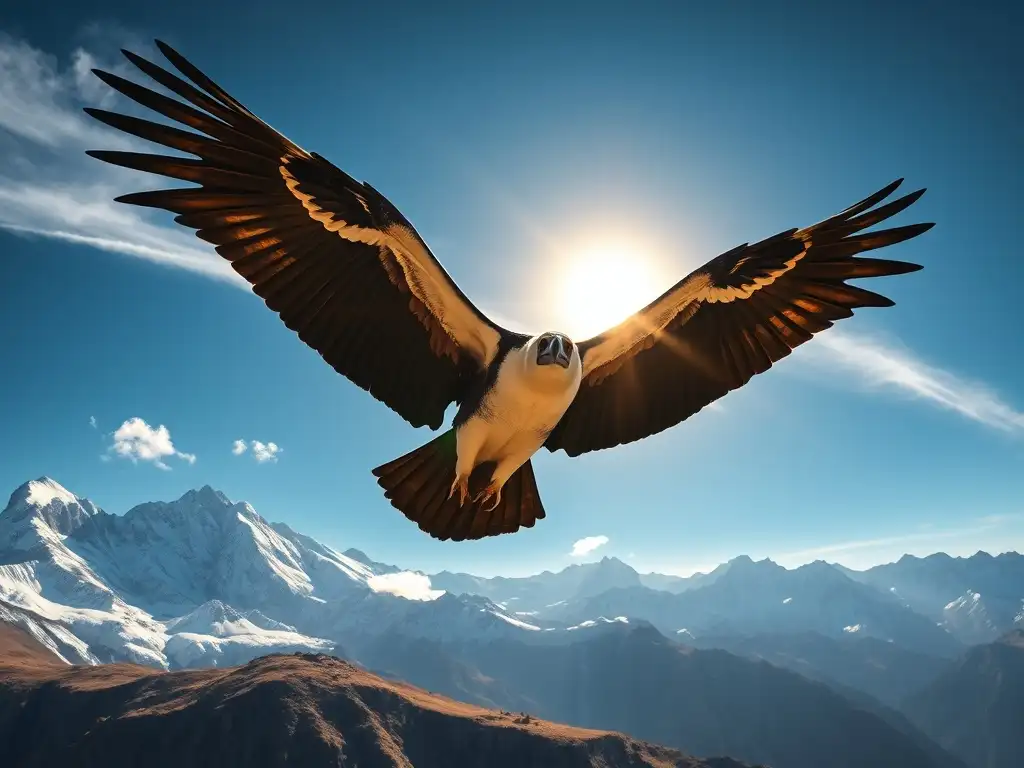
The majestic Andean condor, Vultur gryphus, reigns supreme in the high Andes, its powerful wings carving breathtaking silhouettes against the backdrop of snow-capped peaks. More than just a magnificent bird of prey, the condor holds a deeply significant place in the spiritual and cosmological beliefs of various Andean cultures, from the Inca to the pre-Inca societies.
This article delves into the rich tapestry of Andean condor spiritual symbolism, exploring its multifaceted representations as a messenger between the earthly and spiritual realms, a symbol of power, and a potent deity in its own right. We will examine its presence in mythology, rituals, and artistic expressions, uncovering the profound meaning this magnificent creature held – and continues to hold – for Andean peoples.
Understanding the Andean condor's spiritual symbolism provides a crucial lens through which to appreciate the complex and fascinating religious beliefs of these ancient civilizations. This exploration will reveal how the condor's unique characteristics – its size, strength, soaring flight, and scavenging habits – all contributed to its powerful symbolic weight.
The Andean Condor in Andean Cosmovision
The Andean condor's prominent role in Andean cosmovision is undeniable. Its ability to soar to incredible heights, seemingly touching the celestial realm, connected it directly with the gods and the spiritual world. Ancient Andean societies viewed the world as structured in three distinct levels: the Hanan Pacha (upper world), the Kay Pacha (present world), and the Uku Pacha (underworld).
The condor, with its mastery of the skies, acted as a crucial intermediary, a messenger traversing these different planes of existence. Its powerful gaze was believed to penetrate the veil separating the living and the dead, granting it insight into both worlds.
Depictions of condors in ancient art frequently showcase this connection, often showing them alongside deities or in scenes representing shamanic journeys or communication with the supernatural. The condor's role wasn't solely limited to communication; it was also associated with the sun, a vital life-giving force in Andean cultures, further solidifying its position as a powerful symbol of divine power and spiritual authority.
Condor Symbolism in Inca Mythology and Rituals
In Inca mythology, the condor frequently appears alongside other powerful symbols, such as the puma and the snake, representing the three levels of the cosmos. The condor, representing the Hanan Pacha, is often depicted in conjunction with the sun god, Inti, highlighting its close association with divine power and authority. Inca rituals often involved the sacrifice of condors, albeit infrequently due to their sacred status, to appease the gods or to ensure successful harvests. These rituals, while seemingly harsh from a modern perspective, underscored the profound respect and reverence held for the condor, solidifying its importance within the Inca religious system. [Specific details regarding the frequency and types of condor sacrifices pending further research]. The sheer size and majesty of the condor, coupled with its apparent connection to the sun and the heavens, made it an ideal symbol of royal power and authority, often featured in royal insignia and iconography.
The Condor in Pre-Inca Andean Cultures
The reverence for the Andean condor predates the Inca Empire. Evidence from various pre-Inca cultures, including the Nazca and Moche, reveals a consistent representation of the condor in their art and religious practices, suggesting a long-standing tradition of condor veneration across different Andean societies. Nazca ceramics, for example, frequently depict condors in dynamic poses, often engaged in ritualistic actions or depicted alongside other mythological figures.
These depictions provide valuable insights into the condor's role in Nazca religious beliefs, highlighting its importance as a powerful symbol of both earthly and spiritual power. [Specific examples of Moche and Nazca condor depictions and their interpretations pending]. The continuity of condor symbolism across different Andean cultures underscores its enduring significance as a potent symbol within the broader Andean cosmovision.
The Andean Condor Today: A Continuing Legacy
Even today, the Andean condor continues to hold a significant place in the hearts and minds of Andean communities. While its symbolic meaning may have evolved over time, its connection to the spiritual realm and its representation of power and majesty remain largely intact. The condor's continued presence in contemporary Andean art, folklore, and cultural practices testifies to its enduring legacy as a powerful symbol of Andean identity and spiritual heritage.
Efforts to conserve the Andean condor population are also intrinsically linked to protecting this important cultural symbol, highlighting the enduring connection between the bird and the Andean peoples. The ongoing conservation efforts reflect the deep-seated respect and appreciation for this magnificent creature and its profound cultural significance.
- The Andean Condor in Andean Cosmovision
- Condor Symbolism in Inca Mythology and Rituals
- The Condor in Pre-Inca Andean Cultures
- The Andean Condor Today: A Continuing Legacy
- The Condor’s Flight: A Metaphor for Spiritual Ascent
- Condor's Wisdom: A Symbol of Guidance and Knowledge
- Respecting the Condor: A Key to Andean Spiritual Understanding
- The Condor as a Symbol of Andean Identity
- The Condor's Role in Andean Mythology and Cosmology
- Interpreting the Condor's Symbolic Meanings Across Different Andean Cultures
- What is the significance of the Andean condor in Andean cultures?
- How is the Andean condor depicted in Andean art and iconography?
- What role did the Andean condor play in Andean religious practices?
- What are some of the specific spiritual attributes associated with the Andean condor?
- Where can I learn more about the Andean condor's spiritual symbolism?
The Sacred Role of the Condor in Ancient Andean Beliefs
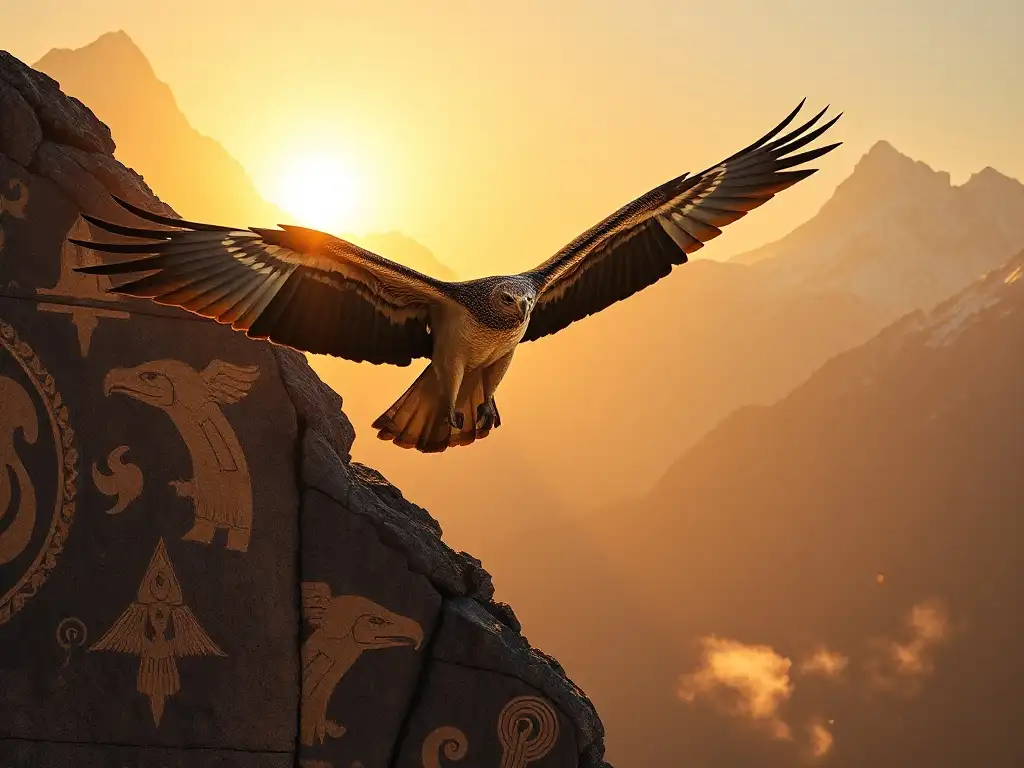
The Andean condor, Vultur gryphus, held a position of paramount importance in the spiritual beliefs of numerous Andean cultures. Far from being merely a majestic bird of prey, the condor was revered as a powerful spiritual messenger, a divine intermediary between the earthly realm and the celestial spheres. Its unique physiology – its soaring flight reaching incredible heights, its sharp vision piercing the clouds, and its longevity – all contributed to its sacred status.
This reverence is evidenced across diverse Andean societies, from the Incas to the pre-Inca cultures of the Nazca and Moche, although the specific interpretations and rituals varied. The condor's symbolism transcended simple admiration; it represented a complex interplay of power, divinity, and the cyclical nature of life and death. Understanding this deeply ingrained symbolism provides invaluable insight into the Andean worldview and their intricate relationship with the cosmos.
The enduring presence of the condor in Andean art, mythology, and contemporary culture underscores its lasting spiritual significance. The very act of observing a condor soaring effortlessly through the Andes evoked awe and reverence, strengthening the spiritual connection between the people and their sacred mountains.
Condor as a Link Between the Hanan Pacha and Kay Pacha
The Andean worldview was structured around a three-level cosmology: the Hanan Pacha (upper world), the Kay Pacha (human world), and the Ukhu Pacha (underworld). The condor, due to its ability to traverse vast distances and altitudes, was believed to act as a vital link between the Hanan Pacha, the realm of the gods and celestial beings, and the Kay Pacha, the earthly plane where humans resided.
Its soaring flight symbolized the movement between these two worlds, carrying prayers, offerings, and messages to the deities. Ancient Andean texts, while often fragmentary, frequently depict the condor as a messenger of the gods, delivering divine pronouncements or guiding shamans in their spiritual journeys.
The condor's ability to fly beyond the reach of human vision reinforced its role as a conduit to the unseen spiritual realm, a connection that inspired both reverence and fear. This intermediary role is further emphasized in many surviving artifacts, including textiles and pottery, showing condors depicted in positions of transit between the earth and sky.
The Condor's Symbolic Association with the Sun
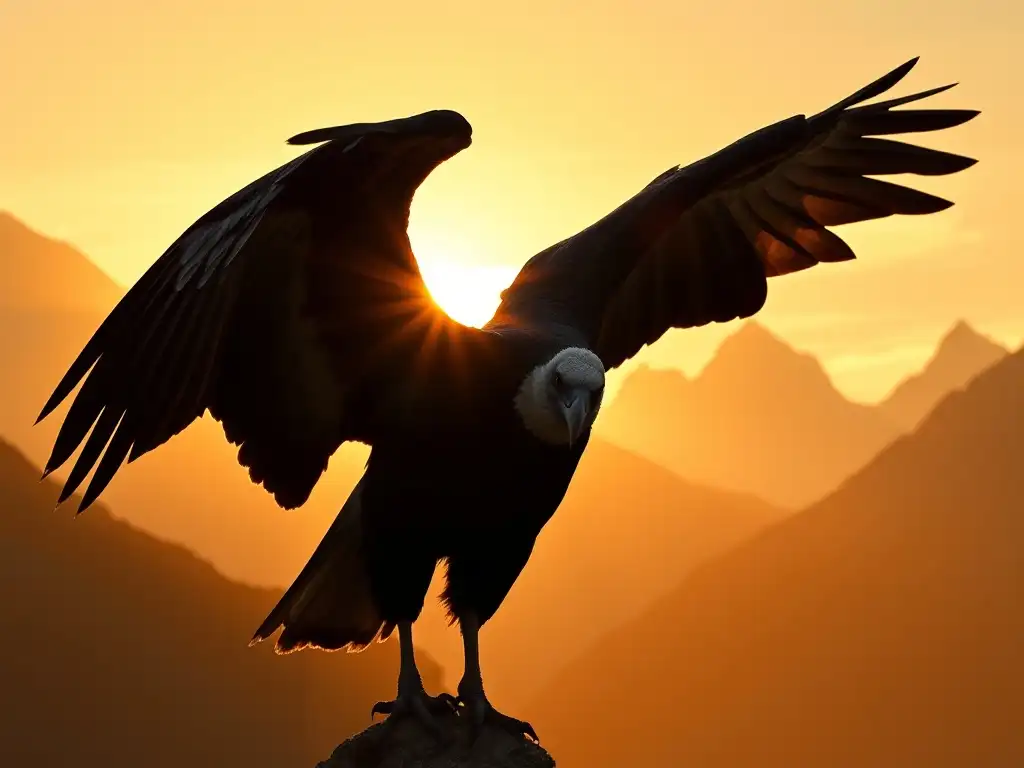
The condor's association with the sun is a recurring motif in Andean iconography and mythology. The bird's powerful presence in the high altitudes, often seen silhouetted against the sun, strengthened this connection. The sun, a primary deity in Andean religions, represented life, power, and cosmic order. The condor, by its proximity to the sun and its majestic flight, became a symbol of solar energy and divine authority.
The intense gaze of the condor was also likened to the sun's radiant power. In many depictions, the condor is shown with sun-like features, further emphasizing this symbolic link. This association extended beyond simple visual representations; it permeated religious rituals and ceremonies, where the condor played a significant role in sun worship and related festivities. The timing of certain rituals often coincided with the sun's zenith, further reinforcing the symbolic connection between the condor and the celestial body.
Beyond its spiritual significance, the Andean condor was also a potent symbol of power and authority. Its imposing size, strength, and predatory nature made it a fitting representation of rulers and elite members of Andean societies. In Inca iconography, for instance, the condor frequently appears alongside the Inca ruler, emphasizing the ruler's divine right to rule and their connection to the spiritual realm.
Imperial regalia, including clothing and headdresses, often incorporated condor feathers, reinforcing the ruler's authority and their association with the powerful bird. The condor's image was also prominently displayed on ceremonial objects, further solidifying its symbolic association with power and social hierarchy. Furthermore, the condor's longevity was seen as a reflection of enduring power and the stability of the social order.
The representation of the condor as a symbol of power provided a powerful visual metaphor of strength and authority, reflecting the societal structures of the Andean civilizations. The use of condor imagery in official contexts served to reinforce the legitimacy of rule and the sanctity of the ruling class.
Andean Condor Spiritual Symbolism: Decoding Its Meaning
The Andean condor, Vultur gryphus, holds a position of profound spiritual significance across various Andean cultures. Far from being merely a magnificent bird of prey, the condor embodies a complex web of symbolic meanings related to power, transcendence, and the interconnectedness of the earthly and spiritual realms. Its soaring flight, its longevity, and its majestic presence have all contributed to its revered status in Andean cosmovision.
Understanding the Andean condor's spiritual symbolism requires delving into the intricate beliefs and practices of the diverse cultures that inhabited the Andes. This section will explore the multifaceted symbolism associated with this iconic bird, focusing on its representation as a messenger, its role in shamanic practices, and the spiritual significance attributed to its feathers. The pervasive theme throughout is the condor's ability to bridge the gap between the human world and the divine, a potent symbol of the Andean worldview.
The Condor as a Messenger of the Gods
In many Andean traditions, the condor is considered a messenger of the gods, a celestial courier carrying prayers and messages between the earthly and spiritual realms. Its ability to fly to incredible heights, seemingly touching the sun, solidified its association with the divine. The condor's powerful vision, capable of spotting prey from immense distances, was interpreted as a representation of divine foresight and knowledge.
For example, the Inca believed that the condor acted as an intermediary between the Sapa Inca (emperor) and the gods, carrying offerings and petitions to the celestial world. The majestic bird's flight was seen as a direct connection to the heavens, a visible pathway to the divine. The condor's powerful calls, echoing across the mountains, were also interpreted as divine pronouncements or warnings.
This interpretation highlights the condor's role not merely as a passive symbol, but as an active participant in the spiritual life of the Andean communities. The condor wasn't just a symbol; it was a conduit, a living embodiment of the connection between humanity and the divine.
Condor's Role in Shamanic Practices and Rituals
The Andean condor played a crucial role in shamanic practices and rituals across various Andean cultures. Shamans, often viewed as intermediaries between the human and spiritual worlds, frequently incorporated condor imagery and attributes into their rituals. The use of condor feathers in shamanic attire and ceremonies reinforced the bird's connection to the spiritual realm.
These feathers, often meticulously preserved and treated with reverence, were believed to bestow upon the shaman the power and vision of the condor itself. Furthermore, the shamanic use of condor bone or other artifacts from the bird served as potent symbols in rituals aimed at healing, divination, and communicating with the spirit world. Specific rituals, while differing across cultures, often involved the use of condor imagery to invoke the bird's power and facilitate communication with ancestral spirits or deities.
Detailed accounts of these practices, unfortunately, are often fragmented due to the challenges of preserving oral traditions, but the enduring symbolism of the condor within shamanic practices speaks volumes about its importance. Further research into specific Andean cultures could uncover even more nuanced aspects of the condor's role in these practices.
The Condor's Feathers and Their Spiritual Significance
Condor feathers held immense spiritual significance for Andean communities. More than mere adornment, they represented power, prestige, and a connection to the sacred. The feathers, often meticulously collected and preserved, were frequently incorporated into ceremonial attire, religious objects, and shamanic paraphernalia. Their use wasn't arbitrary; specific feather types and colors held varying symbolic meanings, reflecting the complex cosmology of the Andean worldview.
For instance, [specific information pending] regarding the symbolic meaning of different condor feather colors within specific Andean cultures. The rarity and difficulty of obtaining condor feathers further amplified their spiritual value, making them highly prized possessions. The possession and use of condor feathers were often restricted to individuals of high social standing or religious authority, underscoring the bird's sacred status and the feathers' inherent power.
These feathers were not just decorative elements; they were tangible links to the spiritual realm, imbued with the condor's power and prestige. The intricate ways in which these feathers were used and incorporated into ceremonial objects offer a rich field of study into the beliefs and practices of Andean societies. The careful preservation and handling of these feathers also reflect the deep respect and reverence held for the Andean condor itself.
Condor Imagery in Andean Art and Architecture
The Andean condor's powerful presence is deeply interwoven with the artistic and architectural expressions of various Andean cultures. Its image, far from being merely decorative, served as a potent symbol reflecting cosmological beliefs and societal structures. We find the condor depicted across a vast range of media, from intricately woven textiles and meticulously crafted ceramics to monumental stone carvings adorning temples and palaces. The style and context of these depictions often reveal nuanced variations in the condor's symbolic meaning across different cultures and time periods.
For instance, in Inca art, the condor frequently appears alongside other powerful symbols like the puma and the snake, representing a tripartite division of the Andean world – the upper, middle, and lower realms. The condor, inhabiting the highest reaches of the Andes, naturally symbolized the celestial sphere, representing the sun, power, and divine authority. Inca textiles often showcase condor figures with outstretched wings, suggesting flight, freedom, and the ability to transcend earthly limitations. These textiles, frequently found in royal tombs, emphasize the condor's connection to the elite and the sacred.
Moving beyond the Inca, the Moche civilization, renowned for its exquisite ceramics, also featured the condor prominently in their artwork. Moche pottery often depicts condors in dynamic scenes, highlighting their predatory prowess and connection to the natural world. These depictions, however, often go beyond mere representation of the bird.
They frequently illustrate condors engaging in ritualistic acts or participating in mythological narratives, suggesting a deeper symbolic connection to their religious beliefs and worldview. The artistic style, characterized by vivid colors and intricate details, further underscores the importance of the condor in Moche cosmology. Unlike the Inca's emphasis on the condor's celestial connection, the Moche seem to highlight the condor's role as a powerful force within the earthly realm, a mediator between the physical and spiritual worlds.
The architectural integration of condor imagery also provides valuable insights into its spiritual significance. While less prevalent than in portable art forms, the condor's presence in architectural elements, such as stone carvings and reliefs, reinforces its status as a powerful symbol. For example, the presence of condor motifs on certain Inca structures, such as the Sacsayhuamán fortress near Cusco, may have served to reinforce the Inca ruler's divine authority and connection to the celestial realm. The strategic placement of these condor images further suggests their role in protecting and sanctifying these important sites. Further research into the architectural context of condor imagery across various Andean cultures promises to reveal further insights into the complex symbolism associated with this magnificent bird. The careful study of artistic and architectural evidence allows us to reconstruct a more complete picture of the condor’s deep-seated role in the spiritual lives of the ancient Andean peoples.
The Andean Condor and Its Connection to the Inca Empire
The Andean condor, Vultur gryphus, holds a position of unparalleled significance within the spiritual landscape of the Andean civilizations, particularly the Inca Empire. Its majestic presence, soaring effortlessly above the towering peaks of the Andes, imbued it with profound spiritual symbolism, deeply intertwined with Inca cosmology, religious practices, and royal power. Understanding the Andean condor's spiritual symbolism requires delving into its multifaceted representation within Inca culture, from mythology and legends to its role as a totem animal and its connection to sacred architecture.
The condor's powerful image served as a potent reminder of the Inca's connection to the divine and the vastness of their world. The sheer power and majesty of the bird resonated deeply with the Inca worldview, shaping their beliefs and rituals. This section will explore these crucial aspects of the Andean condor's role in Inca society.
The Condor in Inca Mythology and Legends
Inca mythology is replete with stories featuring the condor, often portraying it as a messenger between the earthly and spiritual realms. Legends describe the condor as a powerful being, capable of traversing the heavens and carrying messages to the gods. Its association with the sun god, Inti, is particularly strong, reflecting the condor's ability to fly high above the mountains, closer to the celestial sphere.
One prevalent myth depicts the condor as the guardian of sacred sites, protecting them from harm and ensuring the continued flow of spiritual energy. These narratives highlight the condor's role as a divine intermediary, a powerful symbol connecting the Inca people to the supernatural world. Stories passed down through generations reinforced the condor's sacred status, solidifying its place within Inca religious beliefs.
Furthermore, the condor's incredible lifespan—some individuals live for over 70 years—added to its perceived immortality and divine connection, making it a fitting symbol for longevity and spiritual power. The sheer scale of the condor's wingspan further enhanced this image, symbolizing the vastness of the Andean cosmos.
The Condor as a Totem Animal for Inca Royalty
The Andean condor's spiritual symbolism extended beyond general religious beliefs; it became intimately associated with Inca royalty. The condor served as a powerful totem animal, representing the emperor's divine authority and connection to the gods. Royal regalia frequently incorporated condor feathers, signifying the emperor's sacred status and his role as a mediator between the human and divine worlds.
Condor imagery adorned royal garments, jewelry, and ceremonial objects, reinforcing the connection between the ruler and the powerful spiritual forces represented by the bird. The use of condor imagery in royal contexts served to legitimize the emperor's rule, linking his power to the divine and ensuring his authority over the Inca Empire.
This association underscored the Inca belief in the divine right of kings, strengthening the social hierarchy and maintaining social order. Archaeological evidence, such as the discovery of condor feathers in royal tombs, further supports this close association between the condor and Inca royalty.
Inca Temples and Their Connection to Condor Symbolism
Inca temple architecture also reflects the profound significance of the Andean condor. Many temples were strategically located in high-altitude areas, mimicking the condor's natural habitat and reinforcing its connection to the divine realms. The architectural designs of some temples incorporated condor imagery, either through carvings, sculptures, or symbolic representations.
For example, some temple roofs were designed to resemble condor wings in flight, symbolizing the connection between the earthly temple and the celestial realm. The placement of temples in locations accessible only to the elite further emphasizes the condor's association with royalty and power. This careful integration of condor symbolism into temple architecture demonstrates the deep-seated importance of the bird within Inca religious practices and the Inca worldview.
The deliberate and consistent use of condor symbolism in sacred architecture reinforces the bird's role as a powerful spiritual messenger and a symbol of royal authority. The careful planning and execution of these architectural features demonstrate the Inca's profound understanding and reverence for the Andean condor.
The Condor's Presence in Inca Textiles and Ceramics
The Andean condor's powerful spiritual symbolism is vividly reflected in the intricate textiles and ceramics produced by the Inca Empire. These artifacts weren't merely decorative; they served as potent representations of the condor's connection to the sacred realm and its role as a messenger between the earthly and spiritual worlds. The meticulous detail and vibrant colors used in their creation demonstrate the profound reverence the Inca held for this magnificent bird.
Inca textiles, often woven from vicuña or alpaca wool, frequently depict condors in flight, their wings spread wide against a backdrop of stylized mountains or celestial patterns. These images are not simply realistic portrayals; they are carefully composed symbolic narratives. The positioning of the condor, its posture, and the accompanying imagery all contribute to the overall meaning.
For example, a condor soaring above a mountain peak might symbolize the connection between the earthly realm and the celestial heights, representing the bird's ability to traverse the different levels of the Andean cosmos. The colors used also hold significance; vibrant reds and yellows might represent the sun and fire, while deep blues and greens might symbolize the earth and water.
Similarly, Inca ceramics frequently feature condor imagery. From intricately carved vessels to smaller figurines, the condor's presence is a recurring motif. These ceramic representations often show the condor in various poses, sometimes depicted in a regal manner, emphasizing its status as a powerful and sacred being.
The details of the carvings, the precision of the molding, and the artistry applied to the painting all point to the immense value placed on these representations. Certain vessels may have been used in rituals, further highlighting the condor's importance in religious ceremonies. The style and execution of the condor imagery would vary across different regions of the Inca Empire, reflecting regional variations in artistic styles and potentially different interpretations of the condor's spiritual significance.
Archaeological findings continue to reveal new examples, enriching our understanding of the diverse ways the Inca expressed their reverence for the Andean condor through their art. The meticulous nature of this artwork underscores the significance of the condor within the Inca worldview. Further research into the specific iconography associated with condor depictions in Inca textiles and ceramics is needed to fully understand the nuanced symbolic meanings conveyed.
The Modern Andean Condor: Continuing Spiritual Significance
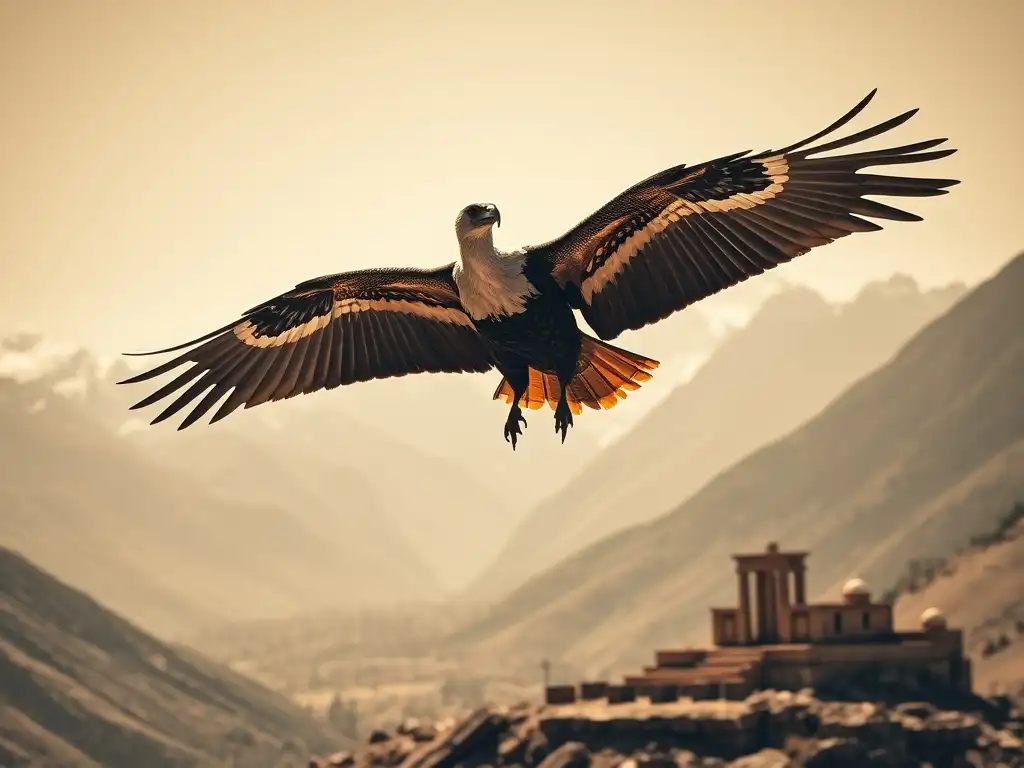
The Andean condor's profound spiritual symbolism, deeply rooted in ancient Andean cosmovision, persists strongly in contemporary Andean societies. While the precise interpretations may vary across different communities and regions, the bird's powerful presence continues to inspire awe and reverence. Its role as a spiritual messenger, connecting the earthly realm with the celestial, remains a central theme in many Andean beliefs.
This enduring significance is not merely a nostalgic adherence to tradition; it's a living, breathing aspect of Andean cultural identity, interwoven with daily life and major events. The condor's symbolism is a testament to the enduring power of ancient traditions and their adaptation to modern contexts. Understanding this modern significance requires examining its presence in contemporary culture, conservation efforts, and festive celebrations.
The Condor and Contemporary Andean Culture
The Andean condor's image frequently appears in modern Andean art, clothing, and jewelry. From intricately woven textiles depicting the condor in flight to silver pendants showcasing its powerful silhouette, the bird serves as a potent symbol of strength, freedom, and spiritual connection. Its representation is not merely decorative; it's a visual affirmation of cultural identity and spiritual beliefs. For example, many indigenous communities continue to incorporate condor feathers in ceremonial attire, believing they imbue the wearer with the bird's spiritual power and protection.
Furthermore, the condor's image is often used in contemporary Andean literature and music, further solidifying its place in the cultural landscape. The continued use of the condor's imagery demonstrates its enduring relevance in everyday Andean life, transcending its purely historical significance. This persistent presence showcases a vibrant and evolving cultural heritage where ancient symbolism remains deeply integrated.
Condor Conservation and its Cultural Impact
The conservation of the Andean condor is intrinsically linked to its cultural significance. The dwindling condor population poses a significant threat not only to biodiversity but also to the cultural heritage of Andean communities. Many conservation efforts actively involve local communities, recognizing the importance of their traditional knowledge and active participation.
By engaging indigenous communities in conservation projects, initiatives can foster a sense of ownership and responsibility towards protecting this sacred animal. For example, some programs focus on educating communities about the threats to condors (such as poisoning and habitat loss) and promoting sustainable practices that minimize human-wildlife conflict. The success of condor conservation directly impacts the preservation of the rich tapestry of Andean spiritual symbolism associated with the bird.
Therefore, conservation efforts are not just about protecting a species; they are about safeguarding a crucial element of Andean cultural identity. The survival of the Andean condor is inextricably linked to the survival of its spiritual significance within Andean communities.
The Condor in Modern Andean Festivals
The Andean condor plays a vital role in many modern Andean festivals and ceremonies. Its presence, whether through symbolic representations or actual participation (where permitted and ethically sound), reinforces its spiritual significance. In some communities, the condor's image is central to the celebrations, appearing in dances, rituals, and offerings.
The condor's flight is often interpreted as a sign of good fortune or a message from the spirit world. Specific festivals may feature unique rituals or traditions involving the condor, highlighting the regional variations in its symbolism and cultural importance. For instance, [specific examples of festivals and their condor-related traditions pending].
These festivals serve as powerful reminders of the ongoing relevance of the Andean condor in the spiritual lives of Andean communities, showcasing the dynamic interplay between ancient traditions and modern celebrations. The condor's continued presence in these events ensures that its spiritual symbolism remains a vibrant and integral part of Andean cultural heritage for generations to come.
The Enduring Legacy of the Condor in Andean Spirituality
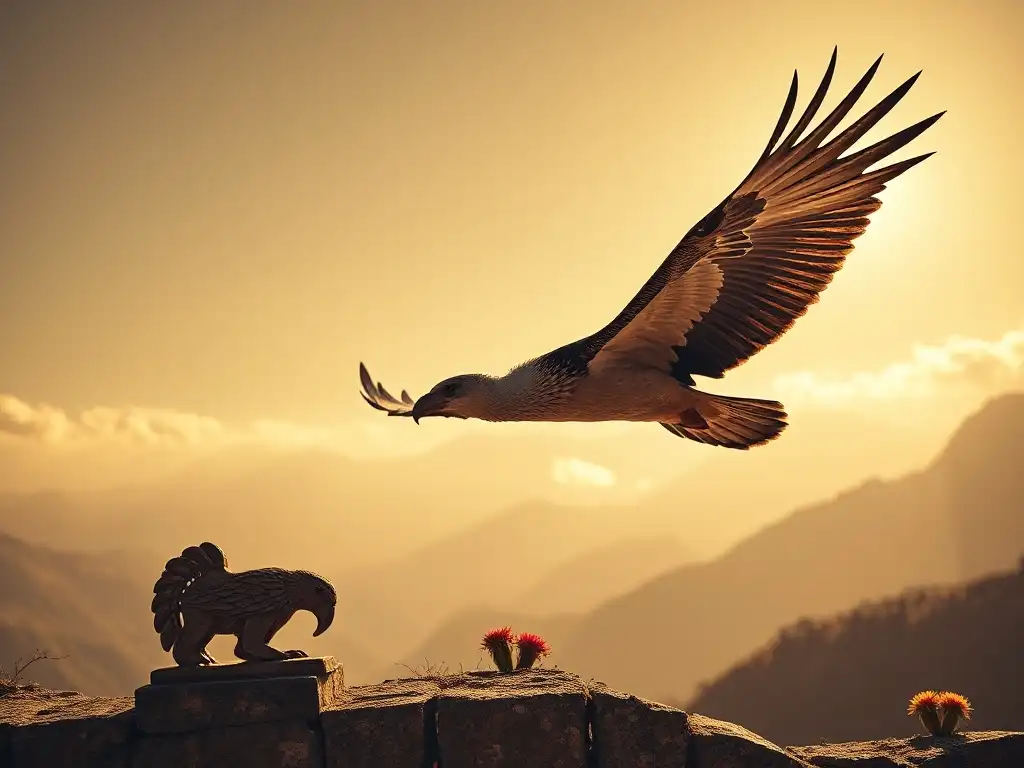
The Andean condor's spiritual significance hasn't faded with the passage of time. Its powerful symbolism continues to resonate deeply within contemporary Andean communities, weaving its way into various aspects of life, from religious ceremonies to artistic expressions and everyday beliefs. For many indigenous groups, the condor remains a potent symbol of power, freedom, and connection to the spiritual realm.
This enduring reverence isn't merely a historical relic; it's a living tradition, actively practiced and passed down through generations. The condor's image is frequently incorporated into textiles, ceramics, and other handicrafts, acting as a visual reminder of its spiritual power and the enduring connection between the earthly and celestial worlds. These objects often serve as talismans, imbued with protective energies believed to stem from the condor's spiritual essence.
The continued importance of the condor in Andean spirituality is also evident in the persistence of rituals and ceremonies where the bird plays a central role. While specific practices vary between different Andean communities, many involve invoking the condor's power for healing, protection, or to facilitate communication with the spirit world. For example, some communities may incorporate condor feathers into healing ceremonies, believing that their energy can assist in the restoration of balance and well-being.
Others may perform rituals aimed at appeasing or honoring the condor, seeking its benevolent intervention in matters of importance. These practices demonstrate the ongoing relevance of the condor as a spiritual intermediary, a powerful being capable of bridging the gap between the human and divine realms. The condor's enduring presence in Andean spirituality underscores its profound and lasting impact on the cultural and religious landscape of the Andes.
Its powerful symbolism continues to shape beliefs, practices, and artistic expressions, ensuring its continued relevance in the modern world. The condor is not just a bird; it is a living embodiment of Andean spiritual values and a testament to the resilience of indigenous traditions.
The Condor in Contemporary Andean Art and Symbolism
The Andean condor's enduring presence isn't limited to religious practices; it's vividly expressed in contemporary Andean art and symbolism. Artists continue to depict the condor in a multitude of ways, from intricate textile designs to powerful paintings and sculptures. These artistic representations often serve as a visual testament to the condor's spiritual significance, reinforcing its role as a powerful symbol of Andean identity and cultural heritage.
The condor's image is frequently used in contemporary artwork to evoke themes of freedom, strength, and connection to the ancestral past. The artist's interpretation may vary based on their specific cultural background and individual artistic style, but the underlying spiritual meaning generally remains consistent. The condor, in its artistic portrayals, continues to act as a powerful link between the past and the present, reminding viewers of the rich spiritual legacy of the Andes.
Furthermore, the condor's symbolic use extends beyond purely artistic creations. It frequently appears in modern-day clothing, jewelry, and other decorative items. These objects often serve as personal talismans or cultural statements, reflecting the wearer's connection to Andean heritage and spirituality. The ubiquity of the condor's image in contemporary Andean culture underscores its enduring power and relevance.
It serves as a constant reminder of the profound spiritual significance of this majestic bird, ensuring its continued presence in the lives of Andean people. The condor's artistic representation, therefore, is not merely aesthetic; it's a vibrant expression of cultural identity and spiritual belief, ensuring the condor's continued influence on Andean society. The continued use of the condor in modern art and symbolism demonstrates its lasting impact and its ongoing role as a potent symbol of Andean culture and spirituality.
Conservation Efforts and the Spiritual Connection
The ongoing conservation efforts aimed at protecting the Andean condor are intrinsically linked to its spiritual significance. For many Andean communities, the condor's well-being is not just an ecological concern; it's a spiritual imperative. The decline in condor populations is viewed with deep concern, not only for the ecological consequences but also for the potential impact on the spiritual fabric of Andean societies.
The condor's continued presence is seen as essential for maintaining the balance of the natural world and the spiritual harmony of the communities that revere it. Therefore, conservation efforts often involve community participation and collaboration, recognizing the spiritual connection between the people and the bird.
Many conservation initiatives actively engage indigenous communities in the protection and preservation of the condor. This collaborative approach acknowledges the indigenous people's deep understanding of the condor's ecology and its importance within their spiritual worldview. By working together, conservationists and Andean communities can develop effective strategies that address the ecological challenges facing the condor while respecting its profound cultural and spiritual significance.
This holistic approach, which integrates ecological and spiritual perspectives, is crucial for the long-term success of condor conservation efforts. The spiritual connection to the condor acts as a powerful motivator for conservation, fostering a sense of responsibility and ensuring the continued survival of this majestic bird and the preservation of its rich spiritual symbolism within Andean culture. The success of condor conservation hinges on recognizing and respecting this profound spiritual connection.
Understanding the Andean Condor's Spiritual Power
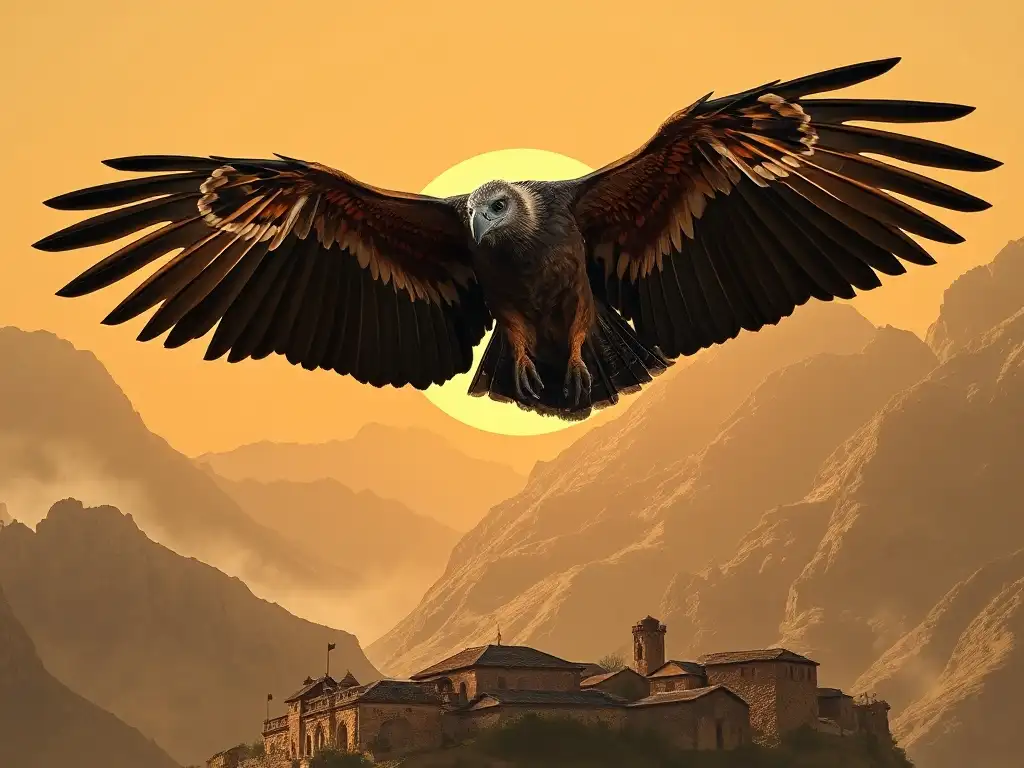
The Andean condor, Vultur gryphus, holds a position of unparalleled reverence within Andean spiritual symbolism. Far from being merely a majestic bird of prey, the condor embodies a complex tapestry of beliefs and meanings, deeply interwoven with the cosmology and worldview of various Andean cultures, including the Inca, Moche, Nazca, and Tiwanaku. Its significance transcends its physical presence; it acts as a potent symbol connecting the earthly realm with the spiritual, a powerful messenger traversing the celestial planes.
This profound spiritual significance is reflected in countless artifacts, myths, and rituals across centuries, shaping the religious and cultural landscape of the Andes. Understanding this symbolism requires delving into the multifaceted ways in which the condor’s attributes were interpreted and integrated into Andean spiritual practices. The condor's powerful presence continues to resonate in contemporary Andean communities, where its symbolic meaning persists in various forms.
The Condor’s Flight: A Metaphor for Spiritual Ascent
The condor's breathtaking flight, soaring effortlessly to incredible heights, served as a potent metaphor for spiritual ascent and the journey towards enlightenment. Andean cosmologies often depicted a layered universe, with the earthly realm situated between the upper (hanan pacha) and lower (kay pacha) worlds. The condor, capable of traversing these realms with apparent ease, became a symbol of the shaman's ability to journey between these planes during altered states of consciousness.
Its ability to reach the sun, often associated with divine power, further solidified its connection to spiritual transcendence. Ancient Andean art frequently depicts condors in flight, their wings outstretched, often near celestial bodies or within sacred landscapes, visually representing this spiritual journey.
The sheer power and grace of its flight inspired awe and wonder, cementing its role as a powerful symbol of spiritual elevation and connection to the divine. Many rituals and ceremonies involved mimicking the condor's flight, through specific movements or symbolic gestures, in an attempt to achieve a similar spiritual elevation.
Condor's Wisdom: A Symbol of Guidance and Knowledge
Beyond its connection to spiritual transcendence, the Andean condor also symbolized wisdom, knowledge, and prophecy. Its longevity and keen eyesight were interpreted as representing profound insight and understanding of the natural world and the mysteries of the cosmos. The condor's sharp vision, able to spot prey from vast distances, became associated with the ability to perceive truths hidden from ordinary sight.
This association with foresight and prophecy is reflected in various myths and legends, where the condor acts as a guide or messenger, delivering messages from the spiritual realm or providing crucial insights into the future. Furthermore, the condor's contemplative nature, often observed perched high on mountain peaks, contributed to its association with wisdom and deep contemplation.
This image of the condor, a solitary figure surveying its vast domain, became a powerful symbol of introspection and the pursuit of knowledge. The condor's role as a symbol of wisdom continues to hold significance in many Andean communities today.
Respecting the Condor: A Key to Andean Spiritual Understanding
Respect for the Andean condor was, and remains, paramount to a true understanding of Andean spiritual beliefs. The condor was not simply a symbol to be exploited; it was a being deserving of reverence and protection. Many Andean communities held, and continue to hold, intricate ceremonies and rituals dedicated to honoring the condor, seeking its blessings and acknowledging its vital role in the ecological and spiritual balance.
The killing of a condor was considered a grave offense, often associated with severe repercussions. This deep-seated respect highlights the holistic nature of Andean spirituality, where the spiritual and the physical realms are inextricably linked. The condor's well-being was seen as directly connected to the health and prosperity of the community.
Understanding this profound respect is crucial to fully appreciating the rich symbolism of the Andean condor and its enduring significance in Andean culture and spirituality. The continued protection and reverence of the condor serves as a testament to the enduring power of Andean spiritual traditions and their deep connection to the natural world.
The Condor as a Symbol of Andean Identity
The Andean condor's imposing presence and majestic flight have deeply resonated with Andean cultures for millennia, becoming a potent symbol inextricably linked to their identity. More than just a bird of prey, the condor represents a powerful connection to the Andes' rugged landscape and the spiritual beliefs that shaped Andean societies. Its image is woven into the fabric of Andean life, appearing in textiles, ceramics, and gold artifacts unearthed from archaeological sites across the region.
This ubiquitous presence underscores the condor's significance not merely as a creature of the sky, but as a cultural icon reflecting the values and aspirations of the people who revered it. The condor's enduring presence in contemporary Andean art and cultural practices further reinforces its continued importance as a symbol of national pride and cultural heritage in countries like Peru, Bolivia, Colombia, Ecuador, and Argentina. The bird's powerful image serves as a reminder of the enduring connection between the Andean peoples and their ancestral past, embodying their resilience and connection to the land.
Even today, seeing a condor soaring high above the mountains evokes a sense of awe and reverence, a testament to the enduring power of this iconic symbol. The condor's symbolism transcends mere representation; it becomes a tangible embodiment of Andean identity, bridging the past with the present.
The Condor's Role in Andean Mythology and Cosmology
Andean mythology frequently depicts the condor as a powerful intermediary between the earthly and spiritual realms. Unlike many cultures that see birds of prey as solely predatory creatures, Andean cosmology views the condor as a divine messenger, a celestial being capable of traversing the cosmos. Its ability to soar to unimaginable heights, seemingly touching the sun, connects it to the sun god, Inti, a central figure in Inca and other Andean pantheons.
Many myths depict the condor as a divine protector or a guide for shamanic journeys into the spirit world. For example, [Specific example of a myth involving the condor as a spiritual guide pending]. This connection to the supernatural imbues the condor with a profound spiritual significance, making it a crucial element in Andean religious practices and beliefs.
The condor's association with the sun, mountains, and the upper world reinforces its role as a powerful symbol of strength, power, and spiritual elevation within the Andean worldview. Its presence in religious ceremonies and rituals further emphasizes its importance in connecting the human world with the divine.
Interpreting the Condor's Symbolic Meanings Across Different Andean Cultures
While the condor holds widespread significance across various Andean cultures, the nuances of its symbolic interpretations can vary. The Inca, for example, might have emphasized the condor's connection to the sun god and imperial power, while other groups, like the Moche or Nazca, might have focused on different aspects of the bird's symbolism, reflecting their unique cosmological beliefs and social structures. For instance, [Specific example of a differing interpretation of condor symbolism in a different Andean culture pending].
These variations highlight the richness and complexity of Andean spiritual beliefs, demonstrating how a single symbol can acquire diverse meanings depending on the cultural context. Analyzing these diverse interpretations provides valuable insights into the multifaceted nature of Andean cosmovision and the ways in which different groups understood and interacted with their environment and the spiritual world.
Understanding these cultural nuances is crucial for a comprehensive appreciation of the Andean condor's multifaceted spiritual symbolism. Further research into specific Andean cultures is needed to fully elucidate the range of interpretations surrounding this powerful symbol.
Frequently Asked Questions
What is the significance of the Andean condor in Andean cultures?
The Andean condor holds immense spiritual significance, representing power, strength, and connection to the divine. It's often seen as a messenger between the earthly and spiritual realms.
How is the Andean condor depicted in Andean art and iconography?
Condors are frequently depicted in ancient Andean textiles, ceramics, and goldwork, often shown in ceremonial contexts or associated with powerful figures. Their imagery symbolizes high status and spiritual authority.
What role did the Andean condor play in Andean religious practices?
The condor was likely a central figure in Andean religious ceremonies and rituals. It may have been sacrificed in certain contexts, or its feathers and bones used for sacred objects.
What are some of the specific spiritual attributes associated with the Andean condor?
The condor is associated with healing, protection, and prophecy. Its ability to soar to great heights links it to the sun and the cosmos, representing divine power and wisdom.
Where can I learn more about the Andean condor's spiritual symbolism?
You can explore further by researching Andean mythology and iconography, examining museum collections of Andean artifacts, or consulting scholarly works on Andean religious beliefs and practices.
Final Reflection: Echoes of the Andes, Whispers of the Spirit
The Andean condor's soaring presence, a symbol of power and freedom, remains deeply relevant today, a potent reminder of the interconnectedness between humanity and the natural world. Its majestic flight transcends geographical boundaries, carrying with it a spiritual legacy that continues to inspire awe and reverence across cultures. The condor's enduring symbolism serves as a powerful counterpoint to the often-fragmented and disconnected nature of modern life.
The condor's influence on Andean spirituality, and its subsequent impact on art, mythology, and cultural practices, is undeniable. Its image continues to resonate, a powerful emblem of resilience and the enduring strength of ancient traditions. The condor is not merely a bird; it is a living embodiment of the mountains, a messenger between the earthly and spiritual realms.
This sentiment, echoed through generations, speaks to the profound connection between the Andean people and their environment, a connection that we, in our increasingly urbanized world, must strive to rekindle.
Consider the condor's flight. Imagine its effortless grace, its unwavering gaze upon the vast landscape below. Let this image inspire you to find your own strength, your own capacity for soaring above the challenges of daily life. Embrace the spiritual lessons embedded in this magnificent creature, and allow its symbolism to guide you towards a deeper understanding of your place within the intricate web of life. Let the condor's legacy be a call to action, urging you to protect the natural world and honor the rich tapestry of cultural traditions that enrich our shared human experience.
Soar with the Spirits: Embrace the Wisdom of the Andean Condor!
Thank you for exploring the majestic Andean condor and its profound spiritual significance. We hope you felt inspired by the rich cultural narratives surrounding this magnificent bird and its connection to Andean civilizations. Let's build on that inspiration and take meaningful action.
Here are some empowering steps you can take:
- Join a local birdwatching group or go on a hike to experience the Andean condor in its natural habitat and deepen your connection with nature.
- Share this article with friends and family who appreciate wildlife and cultural heritage; spark conversations about the importance of environmental conservation.
- Practice mindfulness today by reflecting on nature's influence on your life. Consider journaling your thoughts or engaging in a nature meditation.
How does the Andean condor resonate with you, and how can you integrate its symbolism into your daily life?