
The Enigma of the Caral: Exploring the Oldest City in the Americas

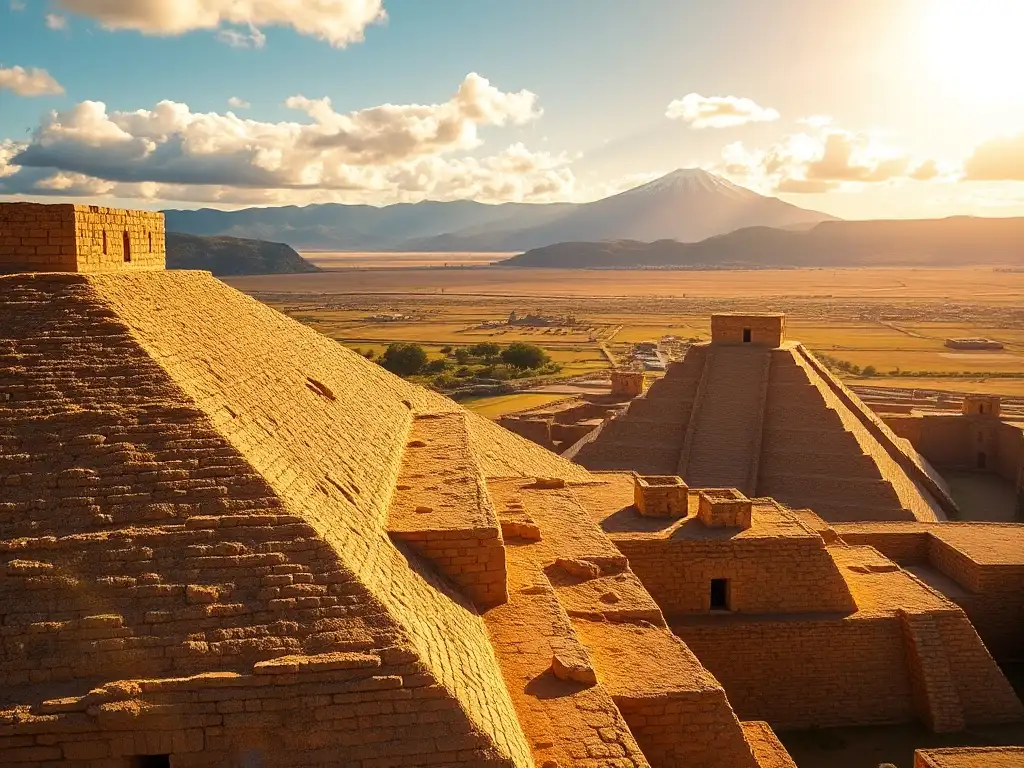
Step into a world lost to time, where towering mountains held secrets whispered across millennia. Journey with us into the heart of the Andes, a land teeming with the legacies of extraordinary civilizations. Forget everything you think you know about ancient America; the discovery of Caral, the oldest city in the Americas, challenges established narratives and rewrites history itself. Prepare to unravel its mysteries and uncover the breathtaking ingenuity of a civilization that thrived centuries before the Incas. Dare to explore?
-
The Enigma of Caral: Unveiling the Oldest City in the Americas
- Introduction to Caral: A Landmark of Andean Civilization
- Locating Caral: Geographical Context of the Ancient Metropolis
- Dating Caral: Establishing the Antiquity of the Oldest City in the Americas
- Architectural Marvels of Caral: Exploring its Monumental Structures
- Social Organization in Caral: Understanding its Hierarchical Structure
- Caral's Economy: Agriculture, Trade and Resource Management
- Ritual and Religion in Caral: Exploring the Spiritual Beliefs
- Caral's Decline: Theories on the Abandonment of the City
- Caral and its Significance: The Legacy of the Oldest Urban Center in the Americas
- Comparing Caral with other Ancient Andean Cities: Kotosh, Aspero, and El Paraiso
- The Ongoing Research at Caral: New Discoveries and Future Explorations
- Conclusion: Appreciating the Enduring Legacy of Caral
- Frequently Asked Questions
- Final Reflection: Echoes of Caral in the Modern World
- Uncover the Mysteries of Caral Today!
The Enigma of Caral: Unveiling the Oldest City in the Americas
Caral, nestled in the Supe Valley of Peru, stands as a monumental enigma, challenging our understanding of societal development in the Americas. This ancient city, predating even the iconic Inca civilization by millennia, represents a significant leap forward in our comprehension of complex societies in the Andes.
Its existence forces a reevaluation of established timelines and theories surrounding the rise of urban centers and sophisticated social structures in the region. This article delves into the captivating story of Caral, exploring its unique characteristics, its geographical context, and the ongoing efforts to unravel the mysteries surrounding this, the oldest city in the Americas.
We will examine the evidence that supports its claim as the oldest and discuss the implications of this discovery for our understanding of Andean prehistory and the development of civilization globally. The keyword "oldest city in the Americas Caral" will be explored throughout, ensuring a comprehensive and informative overview of this remarkable site.
Introduction to Caral: A Landmark of Andean Civilization
Caral, officially known as the Caral-Supe Archaeological Complex, is not just a collection of ruins; it's a testament to the ingenuity and social organization of a civilization that flourished approximately 5,000 years ago. Unlike later Andean cultures known for their impressive stonework and intricate metalwork, Caral's architecture is characterized by its massive, earthen platforms and monumental structures constructed from adobe bricks. These structures, including large plazas, residential areas, and ceremonial platforms, reveal a highly organized society with sophisticated planning and labor organization.
The absence of weaponry or evidence of warfare suggests a relatively peaceful society, focusing on resource management, agricultural production, and possibly complex ritual practices. Archaeological findings, including evidence of cotton textiles, musical instruments (including flutes! ), and sophisticated irrigation systems, point to a level of technological advancement and cultural complexity that was previously unimaginable for such an early period.
The discovery of Caral significantly altered the narrative of Andean prehistory, pushing back the timeline of complex societal development by centuries and challenging existing paradigms. The city's unique characteristics, distinct from later Andean cultures, make it a compelling case study in the independent development of complex societies. The scale and sophistication of Caral's architecture, combined with the evidence of its advanced social structures, cement its place as a landmark of Andean civilization and a crucial site for understanding the origins of urban life in the Americas.
Locating Caral: Geographical Context of the Ancient Metropolis
The geographical location of Caral played a crucial role in its development and prosperity. Situated in the fertile Supe Valley, a coastal region of central Peru, Caral benefited from abundant resources. The valley's proximity to both the ocean and the Andes provided access to a variety of resources, including fish, shellfish, and agricultural products. The Supe River, which runs through the valley, provided a vital source of irrigation water, essential for sustaining the large population and intensive agriculture necessary to support the urban center.
The careful management of water resources is evident in the sophisticated irrigation systems discovered at Caral, demonstrating a deep understanding of hydrology and engineering. The strategic location also facilitated trade and interaction with other communities along the coast, contributing to the city's cultural exchange and economic prosperity. However, the very same river that provided life-giving resources also posed challenges. The unpredictable nature of the river, prone to flooding, required sophisticated engineering solutions to mitigate the risks.
The careful planning and construction of Caral's infrastructure reflect the city's ability to adapt to and manage the environmental challenges of its location. Understanding the geographical context of Caral is therefore essential to appreciating the ingenuity and resilience of its inhabitants and their remarkable ability to build and sustain a complex urban society in this dynamic environment. The fertile Supe Valley provided the resources, but the inhabitants of Caral demonstrated the skills and organization to harness them, building a city that stands as a testament to human adaptation and ingenuity.
Dating Caral: Establishing the Antiquity of the Oldest City in the Americas
Determining the age of Caral, the oldest city in the Americas, required meticulous archaeological investigation. Radiocarbon dating of organic materials unearthed at the site played a crucial role. Researchers carefully analyzed samples of plant remains, such as cotton and maize, as well as animal bones and human remains.
These analyses revealed a surprisingly early date for the city's initial construction, pushing back our understanding of complex societal development in the Andes. The precision of radiocarbon dating, while constantly improving, still presents a margin of error. However, the convergence of multiple dating methods and the sheer volume of evidence consistently point to Caral's remarkable antiquity, solidifying its position as the oldest known city in the Americas.
This discovery challenged long-held assumptions about the timeline of civilization in the Americas, prompting a reevaluation of existing theories and stimulating new research avenues. The sophisticated techniques used in dating Caral serve as a testament to the advancements in archaeological science and their capacity to unravel the mysteries of the past. The ongoing refinement of dating methods ensures that our understanding of Caral's age will continue to evolve, further enriching our knowledge of this fascinating civilization.
Architectural Marvels of Caral: Exploring its Monumental Structures
Caral's architectural achievements are nothing short of astonishing for a site dating back to 2600 BCE. The city showcases a remarkable level of urban planning and sophisticated construction techniques, far exceeding expectations for a settlement of that era. The monumental structures are not just impressive in scale; they also demonstrate a deep understanding of engineering principles.
Precisely cut stones, carefully fitted together without mortar, attest to the builders' skill and the advanced level of their technology. The use of specific stone types and their strategic placement suggest a sophisticated understanding of the local geology and its properties. Moreover, the sheer scale of the undertaking implies a highly organized society capable of mobilizing significant labor and resources.
The impressive longevity of many of these structures, despite the passage of millennia, underscores the durability of the construction methods employed. The layout of the city, with its distinct residential and ceremonial zones, reflects a complex social structure and a well-defined urban plan. This sophisticated planning further highlights the advanced nature of the Caral civilization.
The Pyramids of Caral: Centers of Power and Ritual
The pyramids at Caral are not only impressive structures but also likely served as centers of power and ritual. Their elevated positions within the city suggest a symbolic significance related to social hierarchy and religious practices. The largest pyramid, reaching a height of approximately [specific height pending], stands as a testament to the scale of Caral's ambition.
The construction process itself, involving the movement and placement of massive stones, would have required significant organization and manpower, implying a centralized authority capable of coordinating such large-scale projects. Evidence suggests that these structures were not merely places of residence for elites but also served as locations for important rituals and ceremonies. Archaeological findings within and around the pyramids, such as ceremonial objects and evidence of offerings, support this interpretation.
The intricate details of their construction and the evidence of ritual activity indicate a complex interplay between political power, religious belief, and architectural expression in the Caral civilization. Further research is needed to fully understand the specific rituals performed at these sites and their social implications.
The Circular Plazas of Caral: Spaces for Community Gathering
The circular plazas at Caral represent another remarkable aspect of its urban design. These open spaces, strategically located throughout the city, likely served as gathering places for social and ceremonial activities. Their circular shape and relatively flat surfaces suggest a deliberate design intended to accommodate large groups of people.
The plazas may have been used for community gatherings, festivals, or public ceremonies. Evidence of ritual activity, including the presence of ceremonial objects, has been found in some of these areas, further reinforcing this interpretation. The arrangement of residential structures around the plazas suggests a strong sense of community and social cohesion.
The plazas likely played a crucial role in reinforcing social bonds and facilitating communication within the city. Their design and location reflect a sophisticated understanding of urban planning and the social needs of a complex society. The careful integration of these spaces into the overall urban fabric highlights the advanced urban planning of Caral.
Residential Areas in Caral: Insights into Daily Life
The residential areas of Caral provide valuable insights into the daily lives of its inhabitants. Unlike monumental structures, residential buildings were generally smaller and less elaborate, reflecting the social stratification within the city. However, even these structures show a level of sophistication in their construction, indicating a widespread understanding of building techniques. The arrangement of residential units suggests family groups or extended kinship networks.
Archaeological finds within these residential areas, including tools, pottery, and other artifacts, offer clues about the daily activities and lifestyles of Caral's inhabitants. Analysis of these artifacts reveals information about their diet, crafts, and social practices. The presence of hearths and storage facilities suggests that families prepared food and stored supplies within their homes. The discovery of workshops indicates specialized crafts and the existence of skilled artisans.
The relatively uniform size and design of many residential units suggest a degree of social equality within the community, although variations in size and features likely reflected differences in social status. The study of these residential areas offers a more intimate understanding of the daily routines and social structures of Caral's inhabitants. Further research promises to reveal more details about the social organization and the daily lives of the people who inhabited this ancient city.
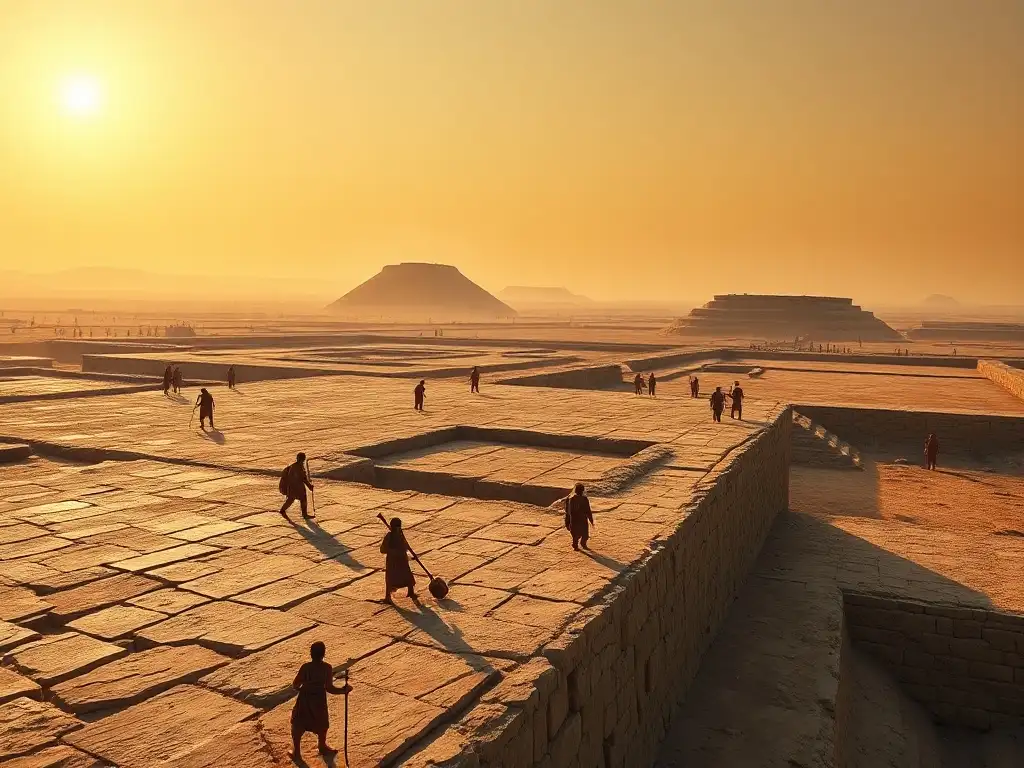
The social organization of Caral, the oldest city in the Americas, presents a fascinating enigma for archaeologists. While lacking the monumental architecture associated with later Andean civilizations like the Incas, evidence suggests a complex social hierarchy. The presence of large, well-constructed buildings, such as the monumental platforms and residential structures, indicates a stratified society.
These structures weren't uniformly distributed; some were clearly larger and more elaborately constructed than others, suggesting different social classes and varying levels of access to resources. Furthermore, the discovery of specialized craft workshops within the city implies the existence of skilled artisans and specialists, further supporting the notion of social stratification. These individuals likely held a higher social status due to their specialized skills and contribution to the city's overall functioning.
The precise nature of social control and the mechanisms that maintained this hierarchy remain a subject of ongoing research, but the architectural evidence strongly points towards a sophisticated, if not overtly militaristic, social structure. Unlike later Andean societies with clear visual markers of power, Caral's hierarchy seems to have been subtly embedded in the spatial organization and construction of its buildings and the distribution of resources. Further research into burial practices and the analysis of artifacts may provide more concrete evidence of social ranking.
Caral's Economy: Agriculture, Trade and Resource Management
Caral's economic system, supporting a population estimated at thousands, was remarkably sophisticated for its time. Its success rested on a combination of efficient agriculture, effective resource management, and potentially extensive trade networks. The city's strategic location near the Supe River provided a reliable water source for irrigation, crucial for sustaining a large population. The ingenious irrigation systems developed by the Caral people allowed them to cultivate crops year-round, ensuring a consistent food supply.
Beyond agriculture, the evidence suggests a degree of specialization in craft production, with workshops dedicated to the creation of textiles, tools, and other goods. This specialization points to a complex economic system where individuals could focus on specific tasks, contributing to the overall productivity of the city. The city's economic success wasn't solely based on self-sufficiency; evidence suggests significant trade interactions with other Andean cultures.
Agriculture in Caral: Irrigation and Crop Production
The success of Caral's economy is fundamentally linked to its mastery of irrigation. The Caral people constructed sophisticated canals and irrigation systems to channel water from the Supe River to their fields, allowing them to cultivate crops in the arid coastal desert. Archaeological evidence shows a network of intricate canals, some running for kilometers, demonstrating a remarkable engineering feat for its time.
This efficient irrigation system enabled them to grow a variety of crops, including cotton, beans, squash, and possibly maize, providing a diverse and reliable food supply for the city's inhabitants. The precise techniques used in their agricultural practices are still being investigated, but the scale and sophistication of their irrigation systems are testament to their advanced understanding of water management and agricultural technology.
The management of this vital resource likely required a complex system of social organization and coordination, further highlighting the sophistication of Caral society. The success of their agricultural system allowed for surplus production, which in turn likely supported population growth and the development of specialized crafts.
Trade Networks: Caral's Connections with Other Andean Cultures
While the precise extent of Caral's trade networks is still under investigation, evidence suggests significant interactions with other Andean cultures. The discovery of obsidian artifacts from distant sources within Caral indicates trade connections spanning considerable distances. Obsidian, a volcanic glass prized for its sharpness, was not locally available, implying its acquisition through trade networks reaching potentially hundreds of kilometers.
Similarly, the presence of certain types of cotton and other materials not native to the Supe River valley suggests exchange with neighboring regions. These trade relationships were likely crucial for obtaining essential resources not available locally, such as specialized raw materials or luxury goods. The nature of these trade interactions—whether through direct exchange or more complex systems of barter—remains a topic of ongoing research.
The existence of these networks highlights Caral's integration into a broader Andean network, demonstrating the city's influence and importance within its contemporary world. The exact goods exchanged and the mechanisms of trade remain areas of active research, however, the presence of non-local materials undeniably points to a sophisticated and far-reaching economic system.
Ritual and Religion in Caral: Exploring the Spiritual Beliefs
The spiritual life of the Caral civilization, the oldest city in the Americas, remains a captivating enigma. While we lack written records, archaeological evidence offers tantalizing glimpses into their religious beliefs and practices. The absence of overtly aggressive imagery, common in other contemporary civilizations, suggests a potentially less militaristic and more spiritually focused society.
Instead of depictions of warfare or conquest, Caral's artifacts reveal a culture deeply connected to the natural world and seemingly preoccupied with fertility and abundance. The impressive scale of the ceremonial structures further underscores the importance of ritual and religious activity in daily life. The careful placement of structures and the intricate design of plazas and platforms hint at a sophisticated understanding of cosmology and the relationship between the earthly and spiritual realms.
This suggests a complex religious system, possibly involving a pantheon of deities associated with natural forces and agricultural cycles. The limited evidence available prevents definitive conclusions, but the sheer size and complexity of the ceremonial architecture strongly suggests a highly organized and centralized religious system.
Evidence of Religious Practices in Caral
Several key pieces of evidence point towards sophisticated religious practices in Caral. The discovery of numerous ceremonial structures, including large platforms and sunken plazas, is a significant indicator. These structures, meticulously constructed from adobe bricks, were clearly not designed for residential purposes. Their size and architectural complexity suggest the investment of considerable labor and resources, reflecting the paramount importance of religious activities within the society.
Furthermore, the presence of numerous offerings, including cotton textiles, seashells from distant coasts, and even obsidian artifacts, discovered within these structures, indicates ritualistic practices involving offerings to deities or ancestors. These offerings represent a significant expenditure of resources, further emphasizing the central role of religion in Caral's social and political life. The careful arrangement of these offerings suggests a ritualistic process, potentially involving specific ceremonies and practices.
While the exact nature of these rituals remains debated, the evidence clearly demonstrates a strong religious component in Caral's culture. Further research and excavation may unveil more details about their specific beliefs and practices. The sheer quantity of artifacts found within the ceremonial structures continues to surprise researchers, highlighting the scale of these rituals and the society's commitment to religious observance.
The Role of Priests and Shamans in Caral Society
The societal structure of Caral remains somewhat mysterious, but the prominence of ceremonial architecture strongly suggests a powerful priestly class. These individuals likely played a critical role in mediating between the earthly and spiritual realms, interpreting omens, conducting rituals, and ensuring the community's well-being. The construction and maintenance of the monumental structures required considerable organization and leadership, pointing towards a hierarchical society where specialized roles, such as priests or shamans, held significant power and influence.
While no direct evidence of priestly attire or burial practices has been definitively identified, the sheer scale of the religious infrastructure implies a substantial population dedicated to religious activities. This points towards a complex social structure with a significant priestly class that commanded respect, resources, and considerable power. The careful planning and execution of large-scale rituals necessitates a highly organized and hierarchical system, with individuals in positions of authority overseeing the process.
Further research is needed to determine the precise structure of this religious hierarchy and the extent of the priests' influence on Caral society. The lack of clear depictions of priests in art makes understanding their roles a continuing challenge for researchers, but their influence is undeniably significant.
Caral's Decline: Theories on the Abandonment of the City
The reasons behind Caral's eventual abandonment remain a topic of ongoing debate amongst archaeologists. Several theories have been proposed, each with its supporting evidence and limitations. One prominent theory suggests environmental factors played a crucial role. Changes in climate, such as prolonged droughts or shifts in river patterns, could have severely impacted agricultural productivity, leading to food shortages and societal instability.
This could have weakened Caral's social structure and ultimately led to its desertion. Another theory points to internal social factors, such as internal conflict or overpopulation, potentially straining resources and leading to instability. The lack of evidence for widespread warfare within Caral suggests that internal strife, possibly related to resource allocation or power struggles within the elite, could have contributed to the city's decline. A third possibility suggests a combination of factors, with environmental pressures exacerbating existing social tensions.
The gradual decline might have been a slow process rather than a sudden event, with accumulating challenges finally leading to the city's abandonment. The absence of clear evidence of a catastrophic event, such as a major earthquake or invasion, makes it more likely that a complex interplay of environmental and social factors contributed to Caral's eventual demise. Ongoing research and analysis of archaeological data are crucial to refine our understanding of this fascinating and enigmatic ancient civilization. The mystery of Caral's abandonment serves as a reminder of the complexities of societal collapse and the importance of understanding the interplay of environmental and social factors in shaping the trajectory of ancient civilizations.
Caral and its Significance: The Legacy of the Oldest Urban Center in the Americas
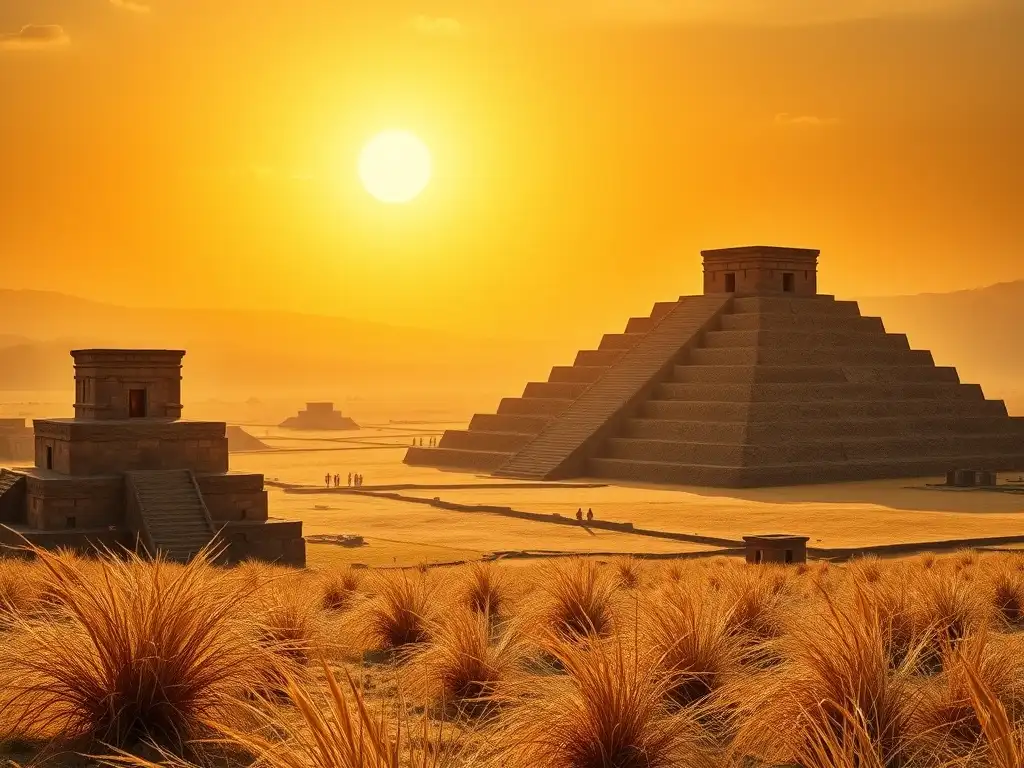
Caral's significance extends far beyond its impressive age. The discovery of this ancient city in the Supe Valley of Peru revolutionized our understanding of the development of complex societies in the Americas. Previously, it was believed that advanced urban centers arose only after the advent of agriculture and the domestication of animals. Caral, however, predates these developments, suggesting a more complex and nuanced picture of societal evolution.
The city's sophisticated infrastructure, including large-scale public buildings, irrigation systems, and residential areas, points to a highly organized and stratified society, challenging established theories about the prerequisites for urban development. The absence of evidence for warfare or significant social inequality also sets Caral apart from many later Andean societies, suggesting a different model of social organization. Understanding Caral's unique characteristics is crucial to comprehending the diverse paths to urban complexity in the Americas and challenging Eurocentric models of societal development.
Its legacy lies not only in its impressive age but also in its contribution to redefining our understanding of pre-Columbian civilizations. The careful excavation and ongoing research at Caral continually provide new insights into the lives and social structures of its inhabitants, enriching our knowledge of this pivotal period in Andean history. The city's impact on our understanding of the “oldest city in the Americas” continues to grow as archaeologists uncover more details about its sophisticated culture.
Caral's Contribution to Understanding Andean Urbanism
Caral's impact on our understanding of Andean urbanism is profound. The city's layout, featuring monumental structures, residential zones, and sophisticated infrastructure, offers valuable insights into the planning and organization of early urban centers in the region. Unlike later Andean cities that often display evidence of military organization or hierarchical power structures, Caral presents a different model.
The absence of defensive structures and the relatively equal distribution of resources among residential areas suggest a less hierarchical society, possibly organized around religious or ceremonial activities. The city’s advanced understanding of irrigation and water management, crucial for sustaining a large population in a desert environment, also highlights the importance of technological innovation in the development of Andean urban centers. Studying Caral allows archaeologists to compare and contrast its urban planning with later cities like Chan Chan or Cusco, revealing the diversity of urban development in the Andes.
The city's unique characteristics push us to reconsider traditional models of urban evolution and offer a more nuanced understanding of the complexities of Andean societies. This understanding is crucial to the continued study of the "oldest city in the Americas".
Caral as a UNESCO World Heritage Site
Caral's recognition as a UNESCO World Heritage Site in 2009 underscores its global importance. This designation acknowledges the city's exceptional universal value and the need for its preservation for future generations.
The site's inclusion on the list highlights Caral's role in redefining our understanding of the earliest urban centers in the Americas and its contribution to the broader understanding of human history. The UNESCO status provides crucial international support for the ongoing conservation and research efforts at the site, ensuring that future generations can learn from this invaluable archaeological treasure.
The designation also promotes tourism, which can, when managed sustainably, support local communities and contribute to the preservation of the site. This recognition as a UNESCO World Heritage Site elevates Caral's profile on the world stage, solidifying its position as a key location for studying the development of complex societies and reinforcing its status as the "oldest city in the Americas".
Comparing Caral with other Ancient Andean Cities: Kotosh, Aspero, and El Paraiso
Comparing Caral with other contemporary Andean sites like Kotosh, Aspero, and El Paraiso provides crucial context for understanding its unique characteristics and its place within the broader trajectory of Andean civilization. Kotosh, known for its U-shaped temples, shows evidence of religious practices and ceremonial activities, suggesting a shared focus on ritual and spirituality across different settlements. Aspero, located near Caral, presents similarities in architectural styles and societal organization, hinting at potential interaction and exchange between these early urban centers.
El Paraiso, another significant site, reveals a sophisticated understanding of agriculture and water management, echoing Caral's technological advancements. However, Caral stands out for its scale and complexity, surpassing its contemporaries in terms of urban planning, infrastructural development, and population size. By comparing these sites, researchers can identify patterns and variations in the development of early Andean societies, shedding light on the processes that led to the emergence of complex urban centers.
The differences and similarities between Caral and other contemporary settlements highlight the dynamic nature of societal evolution in the Andes and further solidify Caral's significance as a pioneering urban center and the "oldest city in the Americas." Further research and comparative studies are crucial to fully understand the interconnectedness and independent trajectories of these early Andean settlements.
The Ongoing Research at Caral: New Discoveries and Future Explorations
Research at Caral continues to yield fascinating insights into the lives of its inhabitants and the complexities of its societal structure. Archaeologists are employing increasingly sophisticated techniques, including advanced geophysical surveys and detailed analysis of organic remains, to paint a more complete picture of this ancient metropolis. Recent discoveries have revealed new residential structures, revealing a more nuanced understanding of social stratification within the city. The careful excavation of these homes has unearthed artifacts such as intricately woven textiles, pottery fragments depicting ritual scenes, and evidence of sophisticated agricultural practices, suggesting a high degree of specialization of labor.
Furthermore, ongoing studies of the city's extensive irrigation systems are shedding light on its remarkable engineering capabilities and its impact on the surrounding environment. Future explorations aim to utilize advanced DNA analysis techniques on human remains to determine migration patterns and genetic relationships within the Caral population, providing a deeper understanding of its origins and development. The application of cutting-edge technologies like 3D modeling and virtual reality is also poised to revolutionize how we experience and learn about Caral, allowing researchers and the public alike to virtually explore this ancient city in unprecedented detail. The ongoing research promises to further unravel the mysteries of Caral, enriching our understanding of the earliest complex societies in the Americas and their remarkable achievements.
This ongoing work is crucial to understanding the factors that contributed to Caral's rise and eventual decline, offering valuable lessons about the complexities of societal development and sustainability. The continued exploration of Caral's sophisticated water management systems, for example, could offer invaluable insights into sustainable urban planning relevant to modern challenges. The potential for future discoveries in Caral remains vast, promising further revelations about this fascinating civilization and its enduring legacy.
Conclusion: Appreciating the Enduring Legacy of Caral
Caral, the oldest city in the Americas, stands as a testament to the ingenuity and organizational capabilities of its inhabitants. Its discovery has fundamentally reshaped our understanding of the development of complex societies in the Americas, pushing back the timeline of urban civilization by centuries. The city's sophisticated infrastructure, including its intricate irrigation systems and monumental architecture, speaks volumes about the advanced social and technological capabilities of its people. The absence of evidence for warfare or significant social inequality, unlike many later Andean civilizations, presents a unique case study in early urban development.
Beyond its archaeological significance, Caral offers a powerful reminder of the rich and diverse tapestry of human history. Its enduring legacy challenges Eurocentric narratives of societal development, demonstrating that complex urban centers flourished in the Americas long before previously believed. The ongoing research at Caral continues to reveal new details about this remarkable civilization, promising further insights into its culture, technology, and social organization. The preservation and study of Caral are not only crucial for understanding the past but also for informing contemporary approaches to sustainable urban development and societal organization.
Appreciating the legacy of Caral entails recognizing its profound impact on our understanding of the human journey and embracing the lessons it offers for the future. The story of Caral is far from complete, and future discoveries will undoubtedly continue to enrich our understanding of this remarkable ancient city and its place in the broader history of the Americas. The careful preservation of this unique site is paramount to ensuring that future generations can also benefit from the knowledge and inspiration it provides. 🌎
Frequently Asked Questions
What makes Caral the oldest city in the Americas?
Caral's remarkable age, predating other known urban centers, is established through radiocarbon dating of organic materials found at the site. Its sophisticated infrastructure further supports its claim as the oldest known city.
How old is Caral?
Caral is estimated to be approximately 5,000 years old, making it one of the oldest urban centers in the Americas, and a contemporary of ancient Mesopotamia and Egypt. Its advanced civilization developed independently of these other early societies.
What kind of society existed in Caral?
Caral was a complex, non-violent society focused on religious practices and resource management. Evidence suggests a sophisticated social organization with specialized labor and a highly developed agricultural system.
What are some of Caral's significant features?
Caral is characterized by its large monumental structures, including pyramids and plazas, as well as intricate irrigation systems and evidence of cotton textile production. These features showcase advanced engineering and social organization.
How does Caral compare to other ancient Andean civilizations?
While Caral predates the Inca, Moche, Nazca, and Tiahuanaco, it shares some similarities in architectural styles and agricultural techniques. However, Caral's unique societal structure and lack of evidence for warfare distinguish it from later Andean civilizations.
Final Reflection: Echoes of Caral in the Modern World
The enigma of Caral isn't just a historical puzzle; it's a powerful reminder of the enduring human spirit and the complex tapestry of civilization. Understanding Caral's sophisticated social structures, advanced agricultural techniques, and surprisingly complex societal organization challenges our preconceived notions about the development of early societies in the Americas and forces us to reconsider the linear narratives often presented in history. The sheer scale of its achievements, considering its age, continues to astound archaeologists and historians alike.
Caral's legacy extends far beyond its physical remains; it profoundly impacts our understanding of societal development and the interconnectedness of ancient cultures. The city's sophisticated irrigation systems, for example, speak to an ingenuity that resonates with contemporary challenges related to water management and sustainable living. The very existence of Caral, a thriving metropolis centuries before many other known settlements, challenges Eurocentric views of historical progress. The past is never dead. It's not even past.
– William Faulkner. This quote perfectly encapsulates the enduring relevance of Caral's story, reminding us that the echoes of the past continue to shape our present.
Consider the implications of Caral's existence. What can we learn from its successes and failures? How can we apply the lessons of its sophisticated social organization and resource management to address the challenges facing our own world? You, the reader, are now part of this ongoing conversation. Take a moment to reflect on Caral's enduring message: the potential for human ingenuity, the importance of sustainable practices, and the enduring power of community. Let the enigma of Caral inspire you to explore the rich tapestry of human history and to build a future worthy of its legacy.
Uncover the Mysteries of Caral Today!
Thank you for exploring the fascinating world of Caral, the oldest city in the Americas! We hope you've discovered its ancient wonders and gained a deeper understanding of Andean civilization. Now, it's time to continue your journey of discovery!
Here are a few ways you can further explore Caral and share your newfound knowledge:
- Visit Caral: Plan a trip to experience its majesty firsthand, or take a virtual tour.
- Share your discoveries: Connect with other history enthusiasts by sharing this article on social media or discussing it with friends and family. Let them experience the enigma of Caral!
- Join the conversation: Participate in online forums or local history groups dedicated to ancient civilizations. Share your passion for history and learn from others.
What aspect of Caral captivates you most – its remarkable architecture, its unique culture, or the secrets it still holds?