
Weaving the Fabric of Society: How Textiles Shaped the Identity of Early Andean Peoples

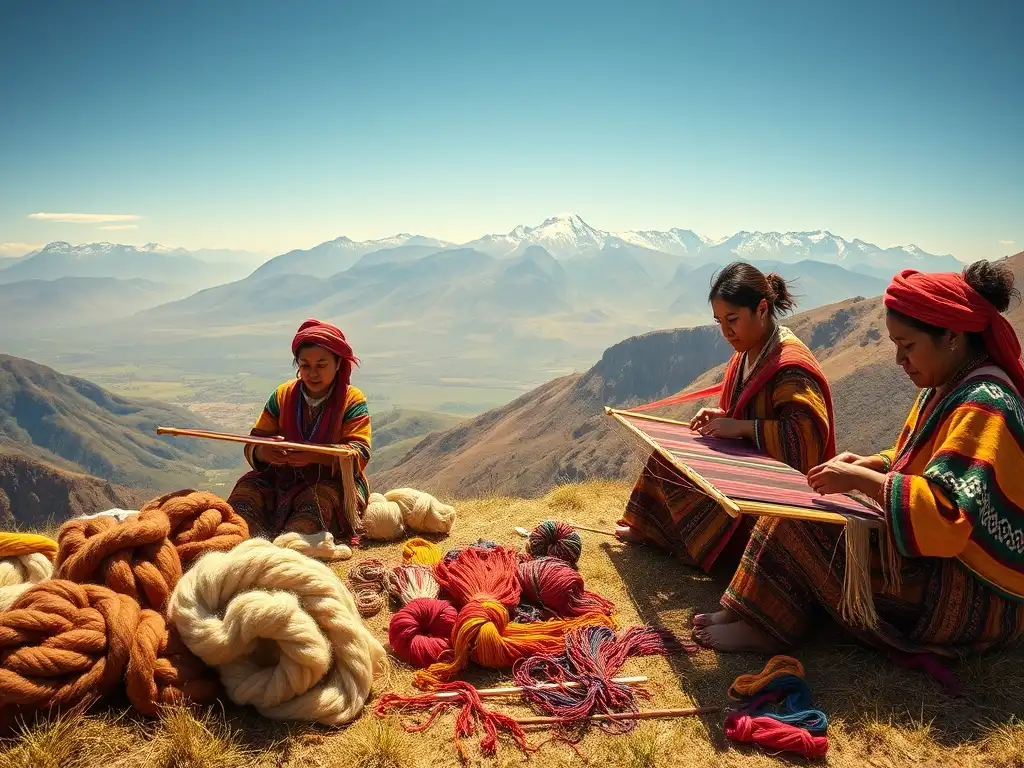
Unravel the mysteries of a lost world where threads held more than just fabric. Dive into the captivating story of the Andean civilizations, and discover how Andean textiles weren't just clothing, but powerful symbols shaping social structures and defining entire societies. Prepare to be amazed by the intricate artistry and profound social impact woven into the very fabric of their existence. Explore the breathtaking legacy of the Incas, Moche, Nazca, and Tiahuanaco – the secrets are waiting to be unearthed. Learn more about the astonishing influence of Andean textiles.
The vibrant tapestry of Andean civilization wasn't woven solely from threads of cotton and alpaca wool; it was intricately crafted from the social, political, and spiritual threads embedded within its textiles. This article delves into the profound impact textiles had on shaping the identity and social structures of early Andean peoples, exploring how these seemingly simple fabrics became powerful symbols of status, belief, and community.
From the intricate designs of the Nazca lines to the sophisticated techniques of Inca artisans, we'll unravel the complex relationship between Andean textiles and the social impact they wielded across centuries. Understanding this connection provides crucial insight into the remarkable sophistication and complexity of these ancient societies, shedding light on their rich cultural heritage and enduring legacy.
We will explore how Andean textiles served as more than just clothing; they were powerful communicative tools reflecting social hierarchies, religious beliefs, and regional identities. The study of Andean textiles offers a unique lens through which to examine the rise of complex societies in the Andes.
The Significance of Fiber Selection and Technology
The choice of fiber itself held significant meaning within Andean societies. The luxurious vicuña wool, for instance, was reserved for the elite, symbolizing wealth and power. Alpaca and llama wool, while less exclusive, still held considerable value and were used in garments that denoted social standing.
Cotton, widely cultivated in warmer regions, became a staple for everyday clothing, but its quality and processing could still reflect social status. Beyond fiber choice, the technological prowess evident in spinning, dyeing, and weaving techniques further stratified society. The mastery of complex weaving patterns, such as those found in Paracas textiles, indicated specialized skills and often elevated the artisan to a position of respect.
Specific techniques, like the use of backstrap looms or the intricate tapestry weaving, could also indicate regional affiliations and cultural practices. For example, [specific information pending] regarding the unique weaving techniques employed by different Andean groups. This technological expertise wasn't just a craft; it was a vital component of the social and economic fabric.
Andean textiles served as powerful visual markers of social status and hierarchy. Elaborate garments adorned with intricate designs, precious metals, and vibrant dyes were reserved for the elite, signifying their power and prestige. The complexity and quality of the textile directly correlated with the wearer's position in society. Rulers and priests often wore garments adorned with symbolic motifs representing their authority and religious power.
These motifs, often intricately woven or embroidered, conveyed messages of power, divinity, and lineage. Conversely, simpler textiles were worn by the common people, reflecting their social standing. This visual hierarchy wasn't simply about personal adornment; it reinforced and maintained the existing social order, visually communicating the structure of Andean societies. The use of specific colors and patterns also played a significant role, with certain hues and designs reserved for particular social groups or occasions.
Textiles and Religious Practices: Connecting the Living and the Spiritual
Textiles were deeply intertwined with the religious beliefs and practices of Andean cultures. Many textiles depict deities, mythological creatures, and scenes from religious rituals. These textiles served as a means of communication with the spirit world, embodying the beliefs and cosmology of the Andean peoples. Textiles were often used in ceremonies and rituals, acting as offerings to the gods or as adornments for sacred objects.
Mummification practices also involved the extensive use of textiles, showcasing the importance of textiles in the afterlife. The intricate designs and symbolic motifs found on funerary textiles provide valuable insights into the Andean worldview and the relationship between the living and the dead. The use of textiles in religious contexts solidified their role as powerful tools for connecting the physical and spiritual realms. Furthermore, [specific information pending] regarding the specific religious significance of certain textile designs and motifs.
Textiles as Markers of Regional Identity and Cultural Exchange
While Andean textiles displayed a remarkable level of sophistication and shared stylistic elements across vast distances, regional variations also existed, reflecting the diversity of Andean cultures. The unique styles and techniques of weaving, dyeing, and design often served as markers of regional identity, allowing for the identification of specific cultural groups. However, the presence of similar motifs and techniques in geographically distant regions also suggests significant cultural exchange and interaction between different Andean communities.
This exchange facilitated the spread of new ideas, technologies, and artistic styles, enriching the textile traditions of various Andean groups. The study of regional variations in Andean textiles provides valuable insights into the patterns of cultural interaction and exchange that shaped the development of Andean civilizations. For example, [specific information pending] on specific examples of cultural exchange reflected in textile designs.
The enduring legacy of Andean textiles continues to inspire awe and wonder. Their intricate designs and sophisticated techniques offer a window into the complex social structures, religious beliefs, and artistic achievements of these remarkable ancient civilizations. The next section will delve deeper into [topic of the next section].
- The Significance of Fiber Selection and Technology
- Textiles as Indicators of Social Status and Hierarchy
- Textiles and Religious Practices: Connecting the Living and the Spiritual
- Textiles as Markers of Regional Identity and Cultural Exchange
The Significance of Andean Textiles in Ancient Societies
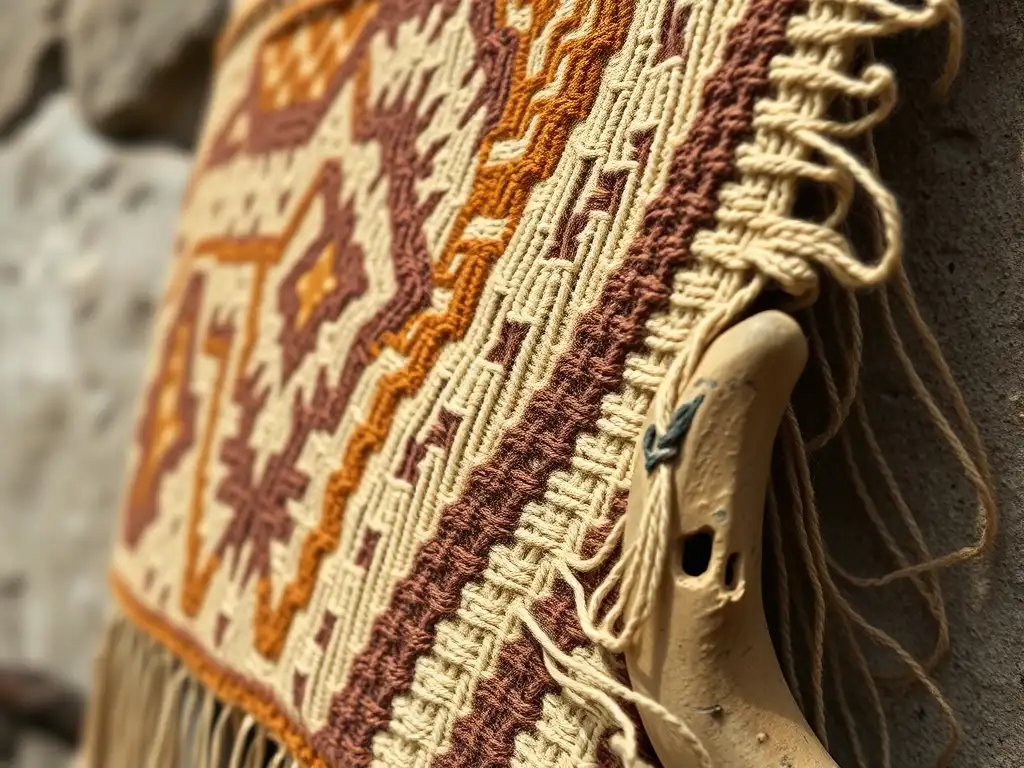
Andean textiles represent far more than simple clothing; they were integral to the social fabric of ancient Andean societies. Their production, distribution, and use were deeply intertwined with religious beliefs, social status, and economic systems, profoundly shaping the identity and structure of these complex civilizations. The intricate designs, vibrant colors, and diverse techniques employed in Andean textile production reflect a sophisticated understanding of material culture and its symbolic power.
Analyzing these textiles provides invaluable insights into the social hierarchy, religious practices, and economic activities of the various Andean cultures. The sheer artistry and technical skill involved in creating these textiles also highlight the advanced technological capabilities of these ancient societies. This section will delve into the multifaceted role of textiles in shaping Andean society, exploring their social, religious, and economic implications.
The impact of Andean textiles on social structures was profound and long-lasting, leaving an enduring legacy that continues to fascinate and inspire today. Understanding this legacy requires a nuanced examination of their various functions within the context of Andean culture.
Understanding the Role of Textiles in Andean Culture
Textiles in Andean societies served multiple purposes, going far beyond mere practical applications. They were potent symbols of social status, reflecting an individual's position within the community hierarchy. Elite individuals often wore garments made from fine materials like vicuña or alpaca wool, intricately woven with complex designs, signifying their wealth and power. Conversely, the textiles worn by commoners were simpler and made from more readily available materials like llama or cotton. This clear differentiation in textile quality and design served to reinforce social stratification and maintain the existing power structures.
Furthermore, textiles played a significant role in religious ceremonies and rituals. Many textiles incorporated intricate designs representing deities, mythical creatures, or cosmological concepts. These ceremonial textiles were often used in religious festivals, sacrifices, and other important rituals, serving as a powerful link between the earthly and spiritual realms.
The use of specific colors and motifs in these textiles held deep symbolic meaning, conveying messages of power, fertility, or other religious significance. Archaeological evidence consistently reveals the presence of textiles in burial sites, further highlighting their importance in the afterlife beliefs of Andean peoples. The meticulous craftsmanship and symbolic richness of these textiles demonstrate the profound integration of religious beliefs into the daily lives of the Andean people.
The production of textiles also contributed significantly to the Andean economy. The intricate weaving techniques required specialized skills and knowledge, creating a highly skilled workforce. Textile production was often organized on a community level, with individuals specializing in different aspects of the process, from shearing the animals to dyeing the fibers and finally weaving the finished product.
The exchange and trade of textiles played a crucial role in the Andean economy, connecting different communities and fostering economic interdependence. The value and prestige associated with certain types of textiles also contributed to the economic power of those who controlled their production and distribution.
Andean Textiles: More Than Just Clothing
Beyond their social and religious significance, Andean textiles also served as a crucial form of communication and storytelling. The intricate designs woven into the fabrics often depicted narratives, historical events, or mythological stories, preserving cultural knowledge and transmitting it across generations. These visual narratives were not merely decorative; they served as a powerful means of preserving and transmitting cultural heritage.
Analyzing these designs allows us to reconstruct aspects of Andean history, cosmology, and social practices that might otherwise be lost to time. The use of specific symbols and motifs within these designs provides invaluable insights into the Andean worldview and their understanding of the world around them.
The diversity of Andean textile techniques is also striking. Different Andean cultures developed unique weaving styles and techniques, reflecting their distinct artistic traditions and technological innovations. From the intricate tapestry weaving of the Paracas culture to the complex knotting techniques of the Nazca, each culture developed its own distinctive approach to textile production.
This diversity in techniques highlights the creativity and innovation of Andean peoples, demonstrating their mastery of various textile production methods. The preservation of these unique textile traditions speaks volumes about the cultural resilience and adaptability of the Andean civilizations. Studying these variations offers a fascinating glimpse into the rich tapestry of Andean cultural expression.
The sheer variety of techniques and designs employed by Andean weavers underscores the importance of textiles as a vital component of their cultural identity. The enduring legacy of these textiles continues to inspire and inform contemporary textile arts. The study of Andean textiles remains a dynamic and evolving field, providing ongoing insights into the rich and complex societies that created them.
Early Andean Weaving Techniques and Materials
The mastery of textile production was a cornerstone of Andean civilization, deeply intertwined with their social fabric and spiritual beliefs. Understanding the techniques and materials employed reveals much about their ingenuity and the sophisticated level of their societies. The "Andean textiles social impact" is undeniable, evident in the intricate designs and the sheer volume of textiles produced, surviving even today as testament to their remarkable skills. This section delves into the specifics of their weaving prowess.
The Variety of Fibers in Andean Cloth Production
Andean weavers utilized a remarkable diversity of plant and animal fibers, carefully selecting them based on desired qualities like texture, strength, and color. The choice of fiber often reflected both geographical location and social status.
- Cotton: Widely cultivated in warmer coastal regions, cotton provided a soft, comfortable, and readily-dyeable fiber. Different varieties yielded variations in texture and length of staple, influencing the final fabric's properties. Fine cotton cloths were often reserved for elite members of society.
- Llama and Alpaca Wool: These camelids provided the backbone of Andean textile production, especially in the highlands. Llama wool, coarser and stronger, was often used for utilitarian items like bags and ropes. Alpaca wool, known for its softness and luxurious feel, was prized for finer garments and ceremonial textiles. The specific breed of alpaca also impacted the quality of the wool, leading to a spectrum of textures and colors.
- Vicuña and Guanaco: The fibers from these wild camelids were exceptionally fine and luxurious, considered the most prestigious materials. Garments made from vicuña were reserved for royalty and high-ranking officials, symbolizing power and status. Access to these fibers was strictly controlled, further highlighting their social significance.
- Other Fibers: Beyond these major sources, Andean weavers also utilized other fibers, including those from various plants such as agave and toquilla straw. These were often used for specific purposes, like making ropes, mats, or hats. The skillful blending of different fibers allowed for a wide range of textures and functionalities in their textiles. The detailed knowledge of plant and animal fibers is a striking example of the Andean peoples' deep understanding of their environment and its resources. This intimate knowledge directly contributed to the complexity and sophistication of their textile production.
Loom Technology and Weaving Styles in the Andes
The Andean peoples employed a variety of loom types, each adapted to specific weaving techniques and the desired textile outcome. The most common type was the backstrap loom, a portable and versatile tool that allowed for both simple and complex weaving patterns. The "Andean textiles social impact" is also reflected in the sophisticated loom technology.
- Backstrap Loom: This loom, using a warp beam secured to a fixed point and a heddle bar held in tension by a belt across the weaver's back, facilitated intricate designs and various textile structures. The weaver's skill determined the complexity of the pattern, reflecting their social standing and expertise.
- Vertical Loom: Larger and more stationary, vertical looms were used for producing wider fabrics and more elaborate textiles. These looms required more space and were often found in workshops or communal weaving centers.
- Weaving Techniques: Beyond the loom itself, the techniques employed were equally diverse and sophisticated. Andean weavers mastered techniques like tapestry weaving, which allowed for the creation of intricate designs, and supplementary weft techniques, which added decorative elements. These complex techniques were passed down through generations, preserving the rich cultural heritage and contributing to the unique aesthetic of Andean textiles. The use of various techniques and the complexity of the patterns themselves speak to the high level of skill and artistry among Andean weavers. The precision and intricacy demonstrated in surviving examples are truly remarkable. These techniques, handed down through generations, ensured the continuity of their textile traditions and their significant social impact.
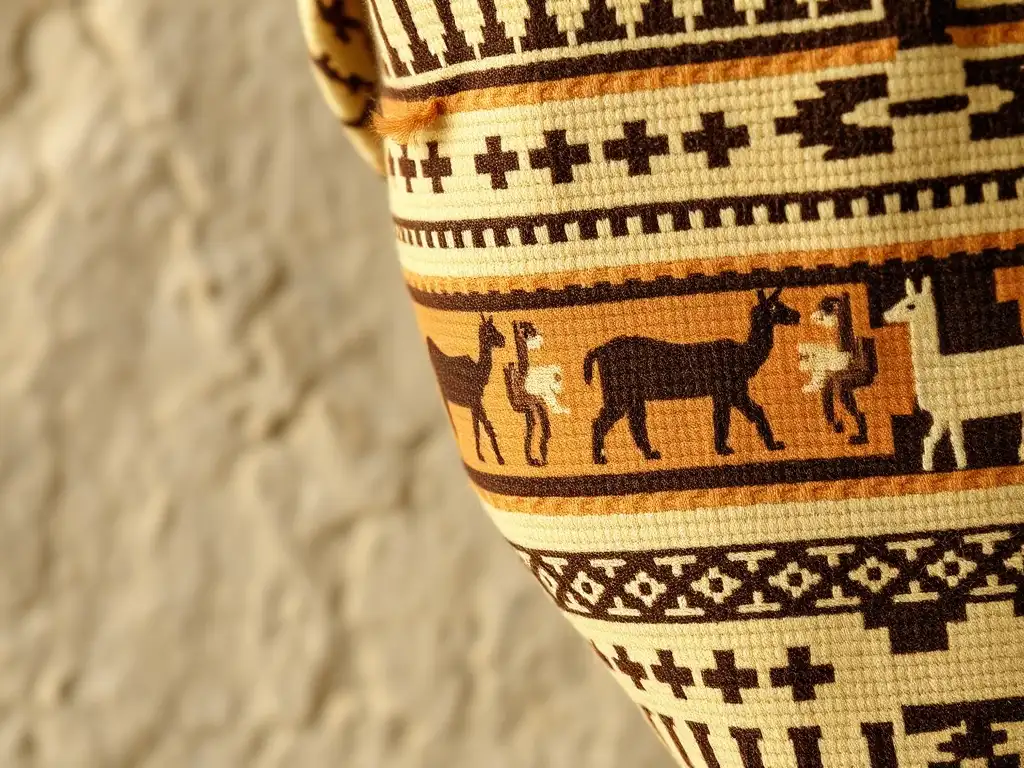
The intricate artistry of Andean textiles wasn't merely decorative; it served as a powerful visual language reflecting and reinforcing the complex social structures of these ancient societies. The type of fiber, the weaving technique, the colors employed, and the motifs depicted all contributed to a nuanced system of social signaling, allowing individuals to instantly communicate their place within the hierarchical order. This intricate system of textile-based social markers was particularly pronounced amongst the Inca, but similar principles applied across various Andean cultures, albeit with regional variations.
The study of Andean textiles provides invaluable insights into the social dynamics, power structures, and economic organization of these fascinating civilizations. Analyzing the surviving textiles allows archaeologists and anthropologists to reconstruct a detailed picture of the social fabric of these societies, revealing much about the lives of both the elite and the common people.
Textile design acted as a visual shorthand for social standing. Elaborate designs, often incorporating rare and difficult-to-obtain dyes like the vibrant purples derived from mollusks, were reserved for the elite. These designs frequently featured intricate geometric patterns, stylized animals, and representations of mythical beings, all executed with a level of skill and precision that indicated considerable training and expertise. For instance, the use of khipu (knotted strings used for record-keeping) designs in textiles might indicate a connection to the administrative class.
Conversely, simpler textiles, often woven with more readily available materials and featuring less complex patterns, were associated with the common populace. The quality of the yarn itself – the fineness of the thread, the evenness of the spin – also played a role in signifying social status. Fine, tightly spun threads, indicative of painstaking craftsmanship, were characteristic of elite textiles.
The use of specific colors also held symbolic meaning and contributed to the social messaging embedded in the textiles. For example, certain colors might be associated with specific deities or social groups. Detailed studies of color usage in different Andean cultures are still ongoing, but existing research reveals a complex system of symbolic color palettes.
The presence or absence of particular color combinations could thus indicate not only social standing but also religious affiliation or membership in specific clans or lineages. This layered system of visual cues underscores the profound social significance of textiles within Andean societies. Further research into specific regional variations in textile design and their correlation with social structure is needed to fully understand the nuances of this intricate system.
The Importance of Textiles in Andean Elite Culture
Andean elite culture placed significant value on textiles, integrating them into ceremonial practices, religious rituals, and the display of power. Textiles were not simply clothing; they were integral components of political power and religious authority. Royal individuals and members of the ruling class were often adorned in elaborate garments, including richly decorated tunics, cloaks, and headdresses, made from the finest materials and showcasing the most sophisticated weaving techniques. These garments served not only as indicators of status but also as potent symbols of power and authority.
The creation of elite textiles was often a highly specialized and regulated activity, entrusted to skilled artisans who held a privileged position within society. These artisans may have worked within royal workshops or under the patronage of powerful individuals.
The production of these exquisite textiles required significant resources, including access to high-quality materials and skilled labor, further reinforcing their connection to wealth and power. The intricate processes involved in creating these textiles, from the cultivation and processing of fibers to the dyeing and weaving, were highly valued and contributed to the prestige and social standing of those involved in their production.
The existence of specialized workshops and the development of advanced weaving techniques demonstrate the significant investment of time, resources, and human capital in the production of elite textiles, highlighting their importance within Andean society. The survival of these textiles, often found in elite burials, offers compelling evidence of their enduring cultural significance.
The Symbolic Language of Andean Textiles
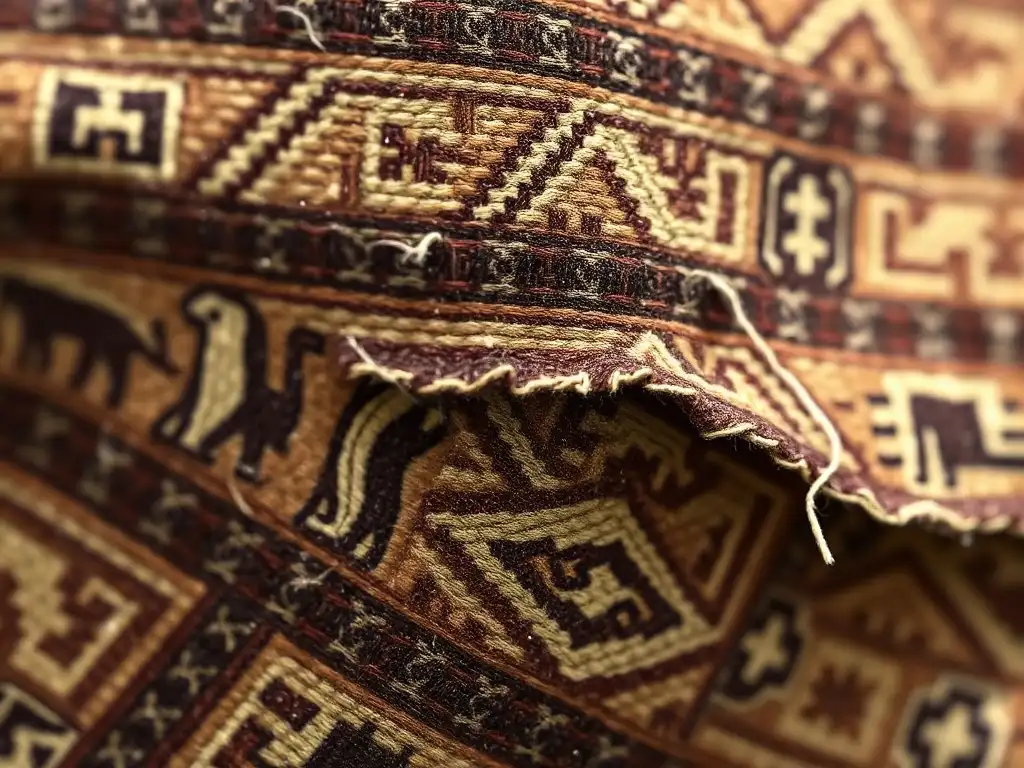
Andean textiles weren't merely functional items; they were powerful symbols imbued with deep social and spiritual significance. Their intricate designs, vibrant colors, and the very act of their creation served as a complex language, conveying social status, religious beliefs, and historical narratives across generations. Understanding this symbolic language is crucial to appreciating the profound impact textiles had on Andean societies. The meticulous craftsmanship involved, often passed down through family lineages, elevated weaving beyond a simple craft and into a highly valued social practice.
The skill and knowledge required to create these masterpieces were a source of prestige and authority, particularly for women who often held prominent roles in textile production within their communities. This section will explore the multifaceted ways Andean textiles functioned as a potent form of communication, reflecting the social fabric of these ancient civilizations. The intricate interplay between design, color, and material choice reveals a sophisticated system of meaning that continues to fascinate researchers today.
Analyzing this system provides a richer understanding of Andean social structures and belief systems. The enduring legacy of Andean textiles serves as a testament to the enduring power of art to express cultural identity and social values. The sheer variety of techniques and designs across different Andean cultures highlights the diversity of social structures and belief systems across the region.
Andean Textile Motifs and Their Meanings
The motifs found in Andean textiles are far from random; they are carefully chosen symbols representing a wide range of concepts, from deities and mythical creatures to agricultural cycles and social hierarchies. For example, the frequent depiction of camelids – llamas and alpacas – speaks to their economic importance in Andean life. These animals provided wool, meat, and transport, and their presence in textiles reflects their central role in the Andean economy and worldview. Similarly, depictions of stylized birds, often associated with celestial beings and the realm of the gods, could indicate a connection to the spiritual world or a particular clan's lineage.
Geometric patterns, frequently found in textiles from various Andean cultures, likely held symbolic meaning related to cosmology, kinship structures, or social organization. Detailed analysis of these patterns, often revealing astonishing complexity and mathematical precision, can reveal insights into the social and spiritual lives of these ancient peoples. The use of specific colors also held significant meaning.
For instance, red might represent blood, fertility, or power, while yellow could symbolize the sun and divinity. The careful combination of colors and motifs created a rich tapestry of symbolic meaning, conveying sophisticated information about the wearer and their social standing within their community. The diversity of motifs across different Andean cultures, however, highlights the regional variations in beliefs and practices.
Weaving as a Form of Communication in the Andes
Beyond the symbolic meaning of individual motifs, the very act of weaving served as a form of communication in Andean societies. Textiles were often created collaboratively, with multiple individuals contributing to a single piece. This collaborative process fostered social bonds and allowed for the transmission of knowledge and stories across generations. The complex techniques employed, such as tapestry weaving or brocade, demanded significant skill and expertise, and the mastery of these techniques was a testament to an individual's social standing and cultural knowledge.
Furthermore, textiles were used as gifts, exchanged during ceremonies or as expressions of alliance or tribute between different groups. The intricate designs and materials used in these gifts conveyed messages of status, power, and social connection. These textiles served as diplomatic tools, forging relationships and solidifying alliances across vast distances.
The creation and exchange of textiles, therefore, played a vital role in shaping the social and political landscapes of the Andean world. The legacy of these complex communicative practices is still visible today in the vibrant textile traditions of Andean communities, showcasing the enduring importance of weaving in Andean culture. The continued use of traditional techniques and designs underscores the lasting power of these ancient communicative practices, and their profound impact on Andean identity.
Andean Textiles and Ritual Practices
The intricate artistry of Andean textiles extended far beyond mere clothing; they were deeply interwoven with the spiritual fabric of Andean societies, playing a significant role in religious ceremonies and funerary practices. The vibrant colors, complex designs, and the very act of weaving itself held profound symbolic meaning, reflecting the cosmological beliefs and social structures of these ancient cultures. Understanding the social impact of Andean textiles requires delving into their ritualistic significance.
The use of textiles in religious and funerary contexts provides invaluable insights into the worldview and social organization of these sophisticated civilizations. Analyzing these practices reveals the profound connection between the material world and the spiritual realm in Andean societies, highlighting the textile's role as a powerful medium for expressing social identity and religious beliefs. This section explores the specific ways textiles shaped religious ceremonies and burial practices, demonstrating the textile's prominent position in Andean life.
Textiles in Andean Religious Ceremonies
Textiles were integral to Andean religious ceremonies, functioning as offerings, adornments, and symbolic representations of deities and cosmological concepts. For instance, the Inca, known for their advanced weaving techniques, used highly elaborate textiles in ceremonies dedicated to Inti, the sun god. These textiles, often featuring intricate gold and silver threads, were not merely decorative; they were believed to possess spiritual power, acting as conduits between the human and divine realms.
The use of specific colors and patterns further enhanced their symbolic meaning. Red, for example, often represented blood and sacrifice, while yellow symbolized the sun and royalty. The intricate designs, often depicting mythical creatures and celestial events, served as visual narratives of Andean cosmology.
The creation of these ritual textiles was itself a sacred act. Specialized weavers, often women holding high social standing, dedicated themselves to this craft, imbuing the textiles with spiritual energy through their meticulous work. The process of weaving was not simply a technical skill; it was a ritualistic practice, a way of channeling spiritual power into the fabric itself. The finished products were then used in various ceremonies, from sun worship to agricultural rituals, reinforcing their importance in the Andean worldview.
Evidence suggests that certain textiles were specifically designed for particular ceremonies, further highlighting their specialized and sacred nature. The remarkable craftsmanship and symbolic richness of these textiles underscore their crucial role in maintaining the social and religious order of Andean societies. The careful preservation of these artifacts in archaeological sites continues to provide valuable insights into the profound religious significance of Andean textiles.
The Role of Cloth in Andean Burials
Andean burial practices offer compelling evidence of the social impact of textiles. The deceased were often adorned with elaborate textiles, reflecting their social status and spiritual beliefs. The quality and quantity of textiles used in a burial directly correlated with the social standing of the individual. Elites were frequently buried with finely woven garments, intricate mantles, and richly decorated textiles, demonstrating their elevated position within society. These textiles were not merely grave goods; they served as symbolic representations of the deceased's identity and their journey into the afterlife.
Furthermore, the types of textiles used in burials often reflected specific regional styles and traditions, indicating the importance of local identities and social affiliations. The use of particular colors, patterns, and weaving techniques provided clues to the individual's social group and geographic origin. The presence of certain symbols, such as specific animals or deities, revealed the deceased's beliefs and their connection to the spiritual world.
The careful arrangement of textiles within the burial site also revealed ritualistic practices associated with death and the afterlife. For example, some individuals were wrapped in multiple layers of textiles, suggesting a belief in protection and spiritual continuity after death.
The discovery of mummies wrapped in elaborate textiles provides vivid examples of this practice. The condition of these textiles, despite centuries of burial, underscores their exceptional quality and the importance placed upon them. The analysis of these textiles, combined with archaeological context, allows researchers to reconstruct social hierarchies, religious beliefs, and trade networks within Andean societies.
The meticulous preservation of these textiles in museums and archaeological collections provides invaluable resources for understanding the profound social impact of textiles in Andean cultures. The study of Andean burial practices offers a unique window into the intricate relationship between textiles, social status, and spiritual beliefs in these complex societies.
Andean Textiles and Economic Power
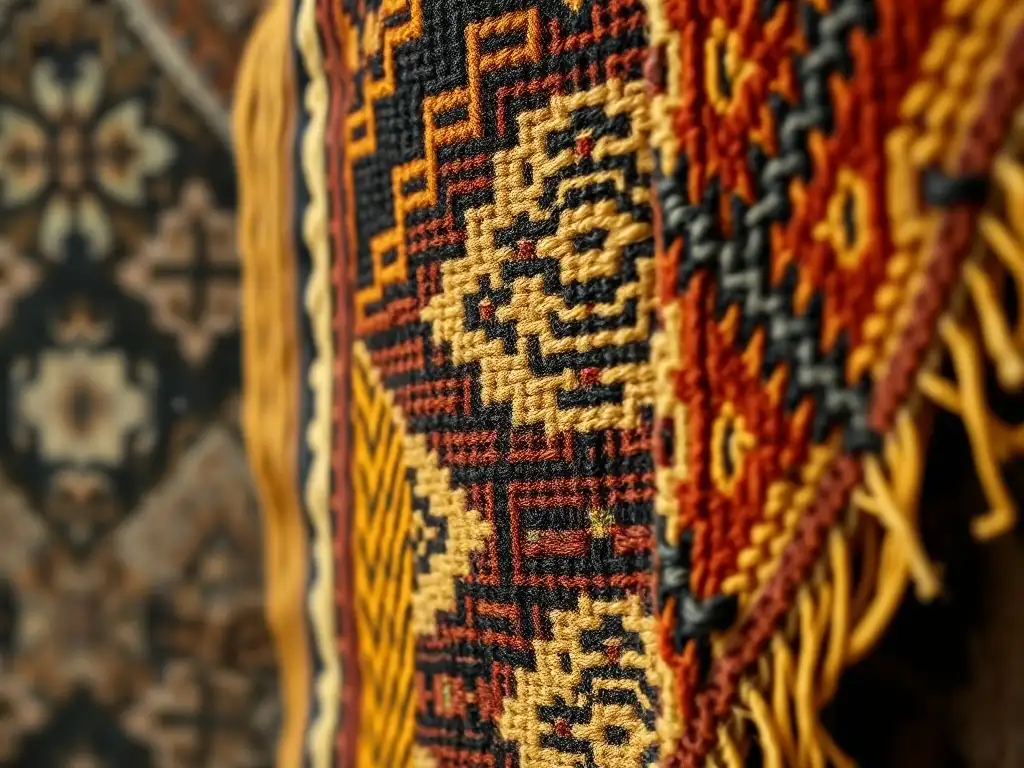
The intricate artistry of Andean textiles extended far beyond mere aesthetics; they were deeply intertwined with the economic power structures of these ancient societies. The production, distribution, and trade of textiles formed a significant part of their economies, influencing social hierarchies and political landscapes. Understanding this economic dimension is crucial to grasping the true societal impact of Andean textiles.
The sheer volume of textile production, the specialized skills involved, and the extensive trade networks all point to a sophisticated and influential economic system. This section explores how the creation and exchange of textiles directly contributed to the wealth and power dynamics of various Andean cultures.
The Production and Trade of Textiles in the Andes
Textile production in the Andes wasn't a simple craft; it was a complex, multifaceted industry. Different Andean cultures, like the Inca, Moche, and Nazca, each developed their unique styles and techniques, using a wide array of materials sourced from diverse environments. Alpaca, llama, and vicuña fibers were prized for their softness and warmth, while cotton provided a lighter, more breathable alternative.
The dyeing processes alone were remarkable feats of ingenuity, utilizing natural pigments derived from plants, minerals, and insects to create a breathtaking spectrum of colors. The production process itself involved specialized labor, with distinct roles for spinners, weavers, dyers, and finishers. Evidence suggests a hierarchical structure within textile workshops, with skilled artisans holding positions of prestige and influence.
The trade of Andean textiles extended across vast distances, connecting different regions and cultures. Textiles served as a crucial form of currency, used in exchange for goods and services. Elaborately woven garments and tapestries were often presented as tribute to rulers and religious figures, cementing political alliances and demonstrating economic power.
Archaeological findings reveal extensive trade networks, with textiles found far from their production sites, indicating widespread exchange and economic interconnectedness. The sheer scale of this trade highlights the importance of textiles within the Andean economic system. For example, the discovery of [specific example of textile trade route and artifacts pending] further illustrates this point.
How Textiles Contributed to Andean Economic Systems
Andean textiles played a pivotal role in shaping the economic systems of these societies. Their value extended beyond simple bartering; they influenced the organization of labor, the distribution of resources, and the accumulation of wealth. The production of textiles required significant investment in raw materials, labor, and specialized skills, all contributing to the overall economic output of the Andean regions. The control over these resources, particularly the prized vicuña fiber, often resided with the elite, reinforcing their social and political dominance.
The intricate designs and symbolic meanings embedded in Andean textiles also played a crucial role in their economic value. Certain patterns and motifs were associated with specific social groups or lineages, signifying status and power. The exchange of these high-status textiles reinforced social hierarchies and legitimized the authority of ruling classes.
The sheer skill and artistry involved in creating these textiles ensured their high value, making them desirable commodities in both local and long-distance trade. Furthermore, the economic impact of textiles wasn't limited to the elite. Textile production provided employment and income for a large segment of the population, contributing to the overall economic vitality of Andean communities.
The [specific data on the percentage of population involved in textile production pending] further strengthens this argument. The complex interplay between textile production, trade, and social structure demonstrates their profound and multifaceted contribution to the Andean economic landscape. The legacy of Andean textiles continues to resonate, reflecting the ingenuity and economic prowess of these ancient civilizations.
The Lasting Legacy of Andean Textiles
The intricate artistry of Andean textiles extends far beyond their aesthetic appeal; they represent a profound connection to the past, a vibrant tapestry woven into the very fabric of Andean identity. The social impact of these textiles is undeniable, influencing everything from social status and religious practices to economic systems and political power. Understanding this impact requires examining not only the techniques employed but also the symbolic meaning embedded within each thread and pattern.
The enduring legacy of Andean textiles continues to resonate today, shaping modern artistic expressions and inspiring ongoing efforts to preserve this invaluable cultural heritage. Analyzing the techniques, materials, and symbolism allows us to appreciate the depth and complexity of their social significance.
This section delves into the lasting influence of these remarkable creations, exploring how they continue to shape our understanding of Andean societies and their enduring cultural legacy. The sheer diversity of techniques and designs across different Andean cultures highlights the significant role textiles played in establishing and maintaining social structures.
The Influence of Andean Weaving on Modern Textiles
Andean textile traditions, with their mastery of vibrant colors, intricate designs, and sophisticated techniques, have profoundly influenced modern textile arts worldwide. The unique characteristics of Andean textiles, such as the use of natural dyes derived from plants and minerals, the incorporation of symbolic motifs, and the sophisticated techniques like tapestry weaving and resist dyeing, have inspired countless contemporary artists and designers. From high-fashion runways to contemporary craft movements, the impact is undeniable.
For example, the vibrant colors and geometric patterns found in pre-Columbian textiles are frequently replicated in modern clothing and home décor. The intricate tapestry weaving techniques, which required immense skill and patience, have inspired modern tapestry artists to explore new techniques and designs. Furthermore, the use of natural dyes, a hallmark of Andean textile traditions, has seen a resurgence in popularity amongst environmentally conscious designers seeking sustainable and ethically sourced materials.
This renewed interest highlights not only the aesthetic appeal of Andean textiles but also their sustainability and the ingenuity of traditional techniques. The continued study and appreciation of Andean weaving techniques continue to inspire innovation in fiber arts, leading to ongoing development and exploration within the field.
Preserving the Tradition of Andean Textile Art
The preservation of Andean textile art is crucial for safeguarding a significant part of the region's cultural heritage. Efforts to preserve these traditions involve multiple approaches, including documentation, education, and community involvement. Detailed photographic records, meticulous cataloging of existing textiles in museums and private collections, and the creation of comprehensive databases are vital for future research and appreciation. Educational initiatives, such as workshops and training programs focusing on traditional techniques, aim to transmit this knowledge to new generations.
These programs often involve direct collaboration with Andean communities, ensuring that traditional practices are preserved and passed down authentically. The active participation of indigenous communities in the preservation process is paramount, empowering them to protect their cultural heritage and ensure the continued creation and appreciation of Andean textiles. Moreover, supporting local artisans through fair trade practices and promoting the sale of authentic Andean textiles helps sustain these traditions economically, ensuring their long-term viability.
The preservation of Andean textile art is not merely the safeguarding of beautiful objects; it is the preservation of a living culture and its rich history. This collaborative approach ensures that the social impact of Andean textiles will continue to resonate for generations to come. The future of Andean textile art relies on a multifaceted strategy that combines technological advancements with a deep respect for traditional practices.
The intricate artistry and social significance of Andean textiles are undeniable. From the simplest everyday garments to the most elaborate ceremonial cloths, textiles served as powerful tools for communication, social stratification, and cultural expression across diverse Andean societies. The detailed iconography woven into these fabrics provides invaluable insights into the beliefs, rituals, and social structures of these ancient cultures. Analyzing Andean textiles allows us to reconstruct a complex tapestry of social interactions, revealing the intricate ways in which these societies functioned and evolved.
Their enduring legacy extends beyond their aesthetic beauty; they are primary sources for understanding the social dynamics of the Andean world. The meticulous craftsmanship and symbolic richness embedded within each thread tell a story of innovation, resilience, and the deep connection between people and their environment. Understanding this relationship is key to appreciating the full scope of Andean textile's social impact.
The social impact of Andean textiles extended far beyond mere clothing. They served as markers of social status, with the quality, materials, and designs indicating a person's position within the community. Elaborate garments, often adorned with precious metals and intricate embroidery, were reserved for elites, while simpler textiles were worn by the common people. This visual distinction reinforced social hierarchies and helped maintain social order.
Furthermore, textiles played a crucial role in religious ceremonies and rituals. Ceremonial textiles, often featuring complex iconography and symbolic patterns, were used in religious festivals and were believed to possess sacred power. These textiles served as mediators between the human and spiritual realms, reinforcing religious beliefs and practices. The production and distribution of textiles also shaped economic and social relations.
Specialized weavers held high status within their communities, and the trade in textiles fostered economic exchange and interaction between different groups. This intricate network of social, economic, and religious functions highlights the profound and multifaceted role of textiles in shaping Andean societies. The detailed analysis of color palettes, weaving techniques, and symbolic representations within these textiles provides a unique window into the complex social dynamics of these cultures, offering researchers a rich source of information for reconstructing their past. We can even see the impact of trade routes and cultural exchange through the stylistic variations found in textiles across different regions of the Andes.
Future Research and Preservation of Andean Textile Heritage
Despite the wealth of knowledge gleaned from existing research, much remains to be discovered about the social impact of Andean textiles. Future research should focus on several key areas. First, more interdisciplinary studies are needed, integrating anthropological, archaeological, and art historical perspectives to provide a more holistic understanding of textile production, use, and significance. Second, further investigation is needed into the role of textiles in specific Andean societies, such as the Chimú, Wari, and Inca, to better understand the regional variations in textile production and social significance.
Finally, advanced scientific techniques, such as isotopic analysis and fiber identification, can provide valuable insights into the origins of materials, trade routes, and the social organization of textile production. Preservation of this fragile heritage is also crucial. Efforts to conserve existing textile collections and to protect archaeological sites where textiles are found are essential for ensuring that future generations can continue to learn from and appreciate the rich cultural heritage of the Andean world.
This includes not only physical preservation but also the dissemination of knowledge through museums, educational programs, and public outreach initiatives. The preservation of Andean textile heritage is not simply a matter of protecting artifacts; it is about safeguarding a vital part of human history and cultural identity. This requires a concerted effort from researchers, museums, governments, and communities to ensure that the story woven into these textiles continues to be told.
Frequently Asked Questions
What role did textiles play in Andean society?
Textiles held immense social significance in Andean cultures. They were not merely clothing but also crucial for religious ceremonies, social status, and economic exchange. Complex weaving techniques reflected a society's wealth and power.
The complexity and quality of textiles directly correlated with social standing. Elite members wore finely woven garments with intricate designs, while those of lower status wore simpler textiles. This visual distinction reinforced the social order.
What materials were commonly used in Andean textile production?
Andean textiles primarily utilized alpaca, llama, and vicuña fibers, chosen for their warmth, durability, and unique qualities. Cotton was also important, especially in warmer coastal regions. Natural dyes from plants and minerals created vibrant colors.
What was the significance of textile designs and patterns?
Textile designs were not arbitrary; they conveyed complex messages about identity, beliefs, and social status. Specific patterns could indicate clan affiliation, religious symbolism, or even historical events. Interpreting these designs is crucial to understanding Andean culture.
How did Andean textile techniques impact other aspects of Andean life?
The advanced weaving techniques developed by Andean cultures had a ripple effect. The skills and knowledge transferred to other areas, such as knotting, dyeing, and spinning, contributing to the overall economic and cultural development of these societies.
Final Reflection: The Enduring Threads of Andean Identity
The vibrant artistry of Andean textiles isn't merely a relic of the past; it's a powerful testament to the enduring strength of cultural identity and a compelling example of how material culture shapes social structures. The intricate designs, the meticulous craftsmanship, and the symbolic richness woven into each piece continue to resonate today, reminding us of the profound connection between art, society, and the human spirit.
The impact of Andean textiles extends far beyond their aesthetic beauty. They served as powerful markers of social status, clan affiliation, and spiritual beliefs, shaping social hierarchies and facilitating communication across vast distances. These textiles weren't simply clothing; they were living narratives, carrying the weight of history and tradition. Textiles were not just objects; they were active participants in the social and spiritual life of the Andean people.
This quote encapsulates the profound role these artifacts played in the daily lives and cultural expressions of the Andean communities. Their enduring legacy compels us to consider the lasting power of cultural heritage and the importance of preserving these traditions for future generations.
Consider the intricate details, the vibrant colors, the stories whispered in each thread. Let the legacy of Andean textiles inspire you to appreciate the power of craftsmanship and the enduring strength of cultural identity. You, too, are a weaver of your own story, shaping your identity through your actions and contributions to the world. Embrace your unique narrative, and let your own "threads" create a rich and meaningful tapestry for those who follow.
Embrace the Legacy of Andean Textiles: Connect and Create!
Thank you for exploring the rich history of Andean textiles with us! You've discovered how integral textiles were to the identities of early Andean cultures. Now, let's put that knowledge into practice!
Here are some ways you can engage further:
- **Explore local textile traditions:** Visit a nearby artisan market to appreciate the skill and artistry that continue to tell vibrant stories. Perhaps you'll find a piece that speaks to you and enriches your own collection.
- **Share your newfound appreciation:** Discuss the cultural significance of textiles with friends, family, or online communities. Inspire others to appreciate the artistry and cultural heritage embedded within these creations.
- **Learn traditional Andean textile techniques:** Seek out workshops, online courses, or tutorials that teach weaving and dyeing methods rooted in Andean culture. This hands-on experience will deepen your understanding and connection to the history.
What textile, or the story behind it, best reflects your personal identity? Share your thoughts below!