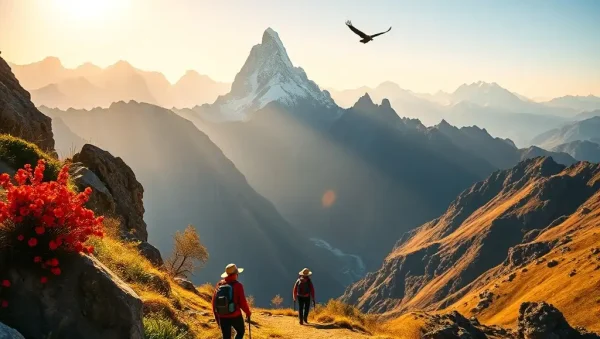
Exploring the Andes Today


Discover ethical and sustainable tourism in the Andes 🌄—a meaningful way to experience breathtaking landscapes, living Indigenous cultures, and ancient heritage while supporting local communities. Learn how responsible travel protects fragile ecosystems, preserves archaeological treasures, respects sacred traditions, and creates fair opportunities for Andean families. From community-led adventures to low-impact exploration, find practical inspiration for traveling thoughtfully through the Andes and connecting with the enduring legacy of Inca, Moche, Nazca, and Tiahuanaco civilizations.
Discover how to travel through the Andes with respect for its landscapes, communities, and cultural heritage. This subcategory explores ethical and sustainable tourism in the Andes, connecting responsible travel with the history and living traditions of the Inca, Moche, Nazca, Tiahuanaco, and other Andean civilizations. Find practical guidance for planning meaningful journeys to Peru, Bolivia, Ecuador, Colombia, Chile, and Argentina while supporting local economies, protecting fragile ecosystems, and honoring Indigenous cultures. Readers can expect insights into community-based tourism, low-impact travel, cultural preservation, responsible trekking, wildlife protection, and authentic Andean experiences.
Learn how responsible tourism can reduce environmental impact while creating positive benefits for Andean communities. Our guides explain how to choose ethical tour operators, sustainable accommodations, local transportation, and experiences that prioritize conservation, fair employment, and transparent business practices.
Whether you are visiting the Sacred Valley, Lake Titicaca, the Bolivian Altiplano, the Ecuadorian Andes, or Patagonia’s mountain regions, you will find practical recommendations for low-impact travel in the Andes. Discover how to reduce waste, conserve water, respect protected areas, and make informed decisions that help preserve mountain environments for future generations.
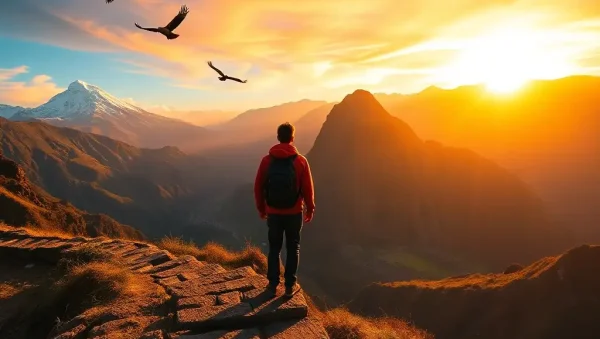
Explore sustainable ways to experience iconic Andean trails, including routes near Machu Picchu, the Inca Trail, the Salkantay Trek, the Lares Trek, and high-altitude paths across Bolivia and Ecuador. Learn what responsible trekking involves, from staying on marked trails to managing waste and preparing safely for changing mountain conditions.
These resources also highlight the importance of supporting local guides, muleteers, porters, cooks, and family-run services. Look for advice on ethical trekking standards, fair wages, small-group travel, responsible camping, and wilderness conservation so your adventure contributes to local livelihoods rather than placing unnecessary pressure on fragile landscapes.
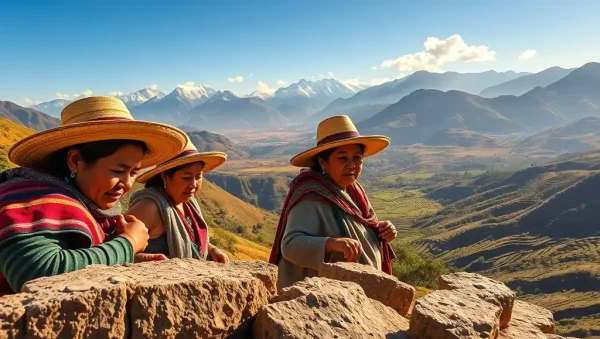
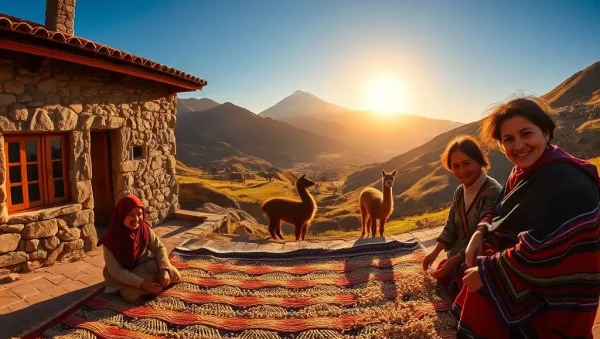
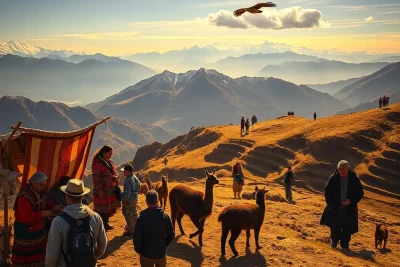
Community-based tourism offers travelers the opportunity to learn directly from Andean communities while ensuring that tourism income remains local. Discover respectful homestays, village visits, artisan workshops, agricultural experiences, and cultural activities guided by people whose families have lived in the Andes for generations.
Our content explains how to engage with Indigenous communities in an ethical way, including asking permission before taking photographs, learning basic cultural protocols, and avoiding stereotypes or exploitative experiences. By choosing locally owned tourism initiatives, visitors can support language preservation, traditional knowledge, education, and community-led development.
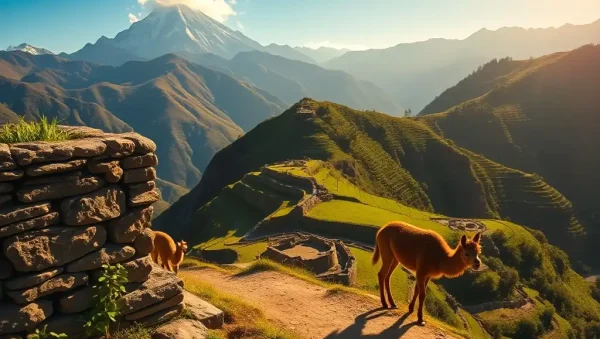
The Andes contain remarkable archaeological landscapes connected to the Incas, Moche, Nazca, Tiahuanaco, Wari, and earlier civilizations. Learn how responsible visitors can help protect temples, terraces, geoglyphs, museums, sacred places, and archaeological sites from erosion, vandalism, overcrowding, and illegal trade.
Readers will find guidance on following site regulations, respecting sacred spaces, purchasing authentic crafts, and avoiding activities that damage cultural heritage. Sustainable tourism should encourage heritage conservation, responsible interpretation, cultural education, and respect for Indigenous relationships with ancestral places.
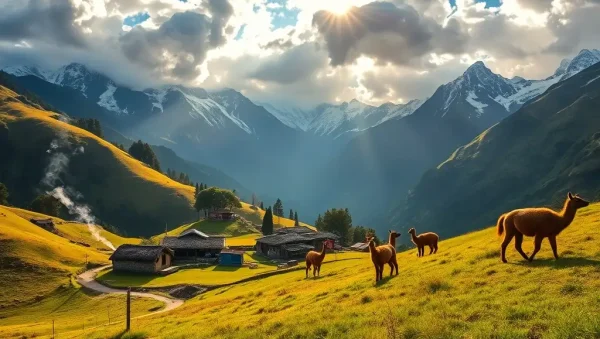
From llamas and alpacas to vicuñas, condors, spectacled bears, and rare high-altitude plants, the Andes support extraordinary biodiversity. Explore responsible wildlife tourism practices that prioritize observation from a safe distance, natural behavior, habitat protection, and reputable conservation programs.
Learn how to identify ethical animal encounters and avoid attractions that exploit wildlife or encourage inappropriate handling. Sustainable travelers can support national parks, conservation reserves, reforestation projects, and local initiatives working to protect Andean ecosystems, mountain wildlife, wetlands, forests, and high-altitude environments.
Food and craftsmanship provide meaningful ways to support Andean communities. Discover how eating at local restaurants, visiting farmers’ markets, purchasing handmade textiles, and choosing fair-trade products can strengthen regional economies and help preserve traditional skills.
Our guides encourage travelers to ask about the origin and production of souvenirs, favoring authentic Andean crafts, sustainable materials, responsible artisans, and transparent supply chains. Explore the cultural importance of quinoa, potatoes, maize, coca traditions, medicinal plants, weaving, ceramics, metalwork, and other expressions of Andean identity.
It is travel that minimizes environmental harm, respects Indigenous cultures and local communities, protects archaeological heritage, and ensures that tourism benefits remain in the destination. It combines conservation, cultural respect, fair employment, and responsible visitor behavior.
Look for operators that employ local guides, pay fair wages, use clear environmental policies, limit group sizes, and work directly with community partners. Check independent reviews and ask how the company manages waste, supports conservation, and protects cultural sites.
Stay in locally owned accommodations, hire certified local guides, eat at independent restaurants, purchase authentic crafts, and participate in community-based experiences. Paying fair prices and respecting local customs are important parts of responsible travel in the Andes.
Do not touch, climb, remove, or alter ancient structures, and always follow official visitor routes. Avoid buying archaeological objects, entering restricted areas, or photographing people and ceremonies without permission. Respect sacred places as living cultural environments, not simply tourist attractions.
Carry reusable water bottles and bags, reduce single-use plastics, conserve water and energy, use shared or public transportation when possible, stay on marked trails, and pack out your waste. Choose longer stays and fewer destinations to reduce transport emissions while gaining a deeper connection with Andean communities and landscapes.