Exploring the Andes Today

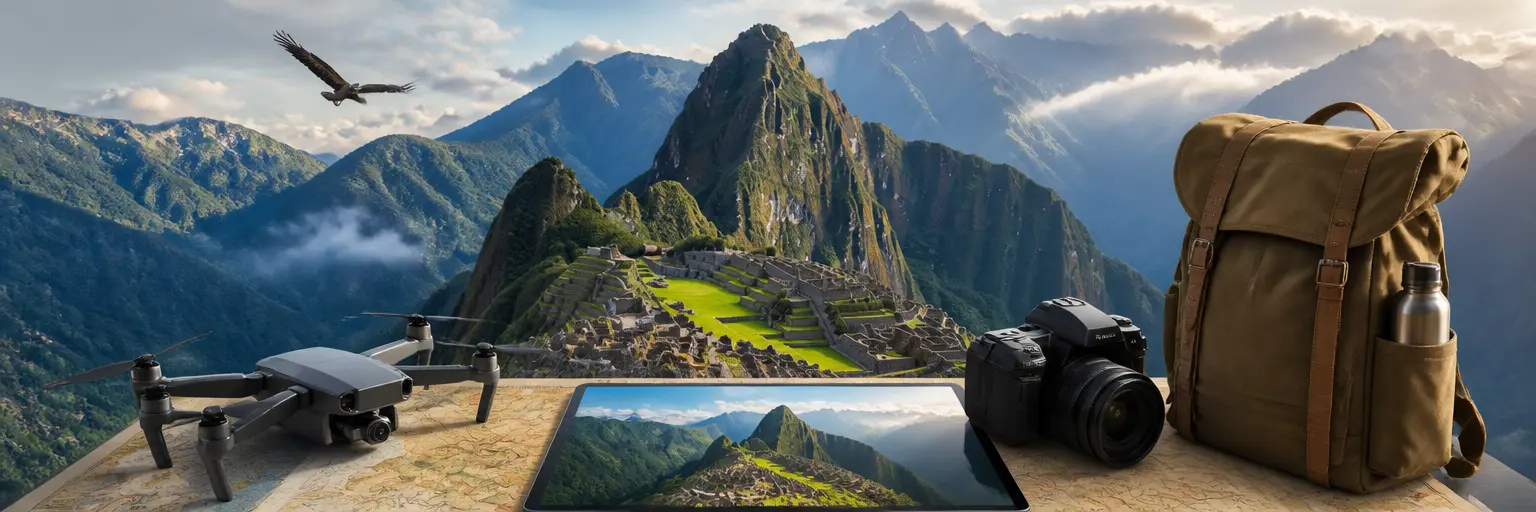
Plan an unforgettable journey through the Andes with practical guidance for visiting Peru’s and South America’s most remarkable historical sites. Discover the best times to travel, essential packing tips, altitude-awareness advice, transportation options, local customs, and responsible tourism practices before exploring ancient Inca, Moche, Nazca, and Tiahuanaco heritage. 🏔️✨ With thoughtful preparation, you can experience breathtaking landscapes, archaeological wonders, and living Andean culture with confidence and respect. Start planning your Andean adventure today!
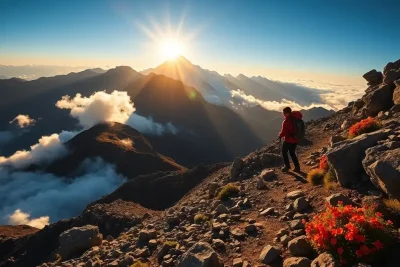
Prepare for an unforgettable journey through the Andes with practical guidance for visiting ancient ruins, archaeological parks, museums, and sacred landscapes connected to the Incas, Moche, Nazca, Tiahuanaco, and other Andean civilizations. This subcategory helps travelers plan a meaningful and well-organized cultural adventure, from choosing the best destinations and travel seasons to understanding altitude, transportation, permits, local customs, and responsible tourism. Discover how to explore Peru, Bolivia, Ecuador, and other Andean regions while appreciating the history, architecture, art, engineering, and spiritual traditions that shaped these remarkable societies.
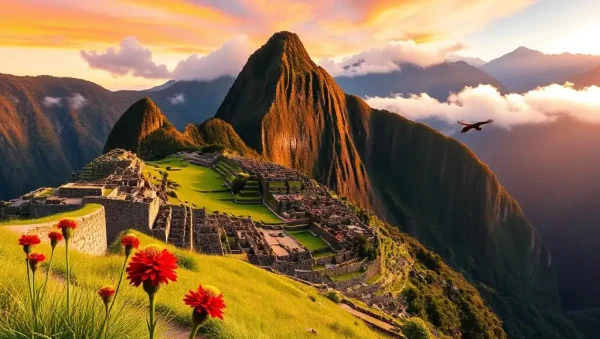
Find inspiration for visiting world-famous landmarks and lesser-known archaeological treasures across the Andes. Guides may cover iconic destinations such as Machu Picchu, Cusco, the Sacred Valley, Tiwanaku, Chan Chan, the Nazca Lines, Sillustani, Ollantaytambo, and ancient Moche ceremonial centers. Each destination offers a different perspective on Andean history, pre-Columbian architecture, agricultural innovation, religious beliefs, and cultural heritage.
Readers can compare sites according to accessibility, historical importance, scenery, visitor facilities, and the type of experience they want. Whether you are interested in Inca ruins, desert archaeology, high-altitude ceremonial centers, or museum collections, this section helps you create a balanced itinerary with meaningful stops and realistic travel times.
Plan a route that combines historical attractions with transportation connections, rest days, local experiences, and time for acclimatization. Learn how to organize multi-day journeys through major Andean regions, including Cusco and the Sacred Valley, southern Peru, the Bolivian Altiplano, northern Peru, and Ecuador’s highlands. Helpful planning advice can make it easier to decide whether to focus on one country or create a broader Andes cultural tour.
Travelers can expect recommendations for prioritizing destinations, estimating costs, reserving accommodations, and allowing extra time for weather or road conditions. A well-planned itinerary lets you explore archaeological sites without rushing while leaving room for traditional markets, local cuisine, community visits, and contemporary Andean culture.
Many Andean historical sites are located at elevations where altitude can affect even experienced travelers. Prepare for destinations such as Cusco, Lake Titicaca, La Paz, Chavín de Huantar, and other highland locations by learning about gradual acclimatization, hydration, rest, nutrition, and common symptoms of altitude sickness. Altitude preparation is an essential part of safe travel in the Andes.
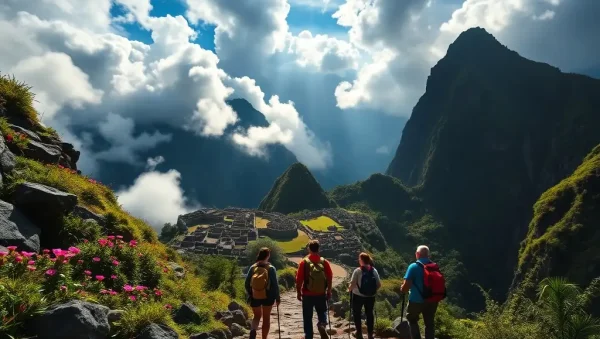
Guides can also explain how to pack for rapid changes in temperature, intense sunlight, wind, rain, and cold nights. Comfortable footwear, layered clothing, sun protection, personal medication, and reliable travel insurance can significantly improve your experience when walking through mountain ruins, terraces, plazas, and remote archaeological landscapes.
Understand the practical requirements for entering popular archaeological sites and protected heritage areas. Information may include advance ticket booking, timed entry, entrance fees, official guides, trekking permits, photography restrictions, visitor routes, and seasonal limitations. These details are especially important for high-demand attractions such as Machu Picchu and other UNESCO World Heritage locations.
Following site regulations protects fragile stonework, ceremonial areas, ancient roads, murals, and surrounding ecosystems. Travelers can expect advice on choosing licensed guides, respecting designated paths, avoiding unauthorized climbing, and confirming current rules before departure. Responsible site access supports conservation and helps preserve Andean heritage for future generations.
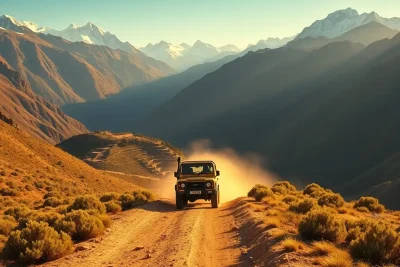
Explore transportation options for reaching remote ruins and historic cities, including domestic flights, trains, buses, shared vans, private transfers, boats, taxis, and guided excursions. Andean travel often involves mountainous roads, long distances, changing weather, and limited services, so understanding regional transportation is essential for an efficient trip.
This section can help visitors compare independent travel with organized tours and determine when a local driver or specialist guide is worthwhile. Planning reliable transfers between airports, colonial cities, archaeological parks, and highland communities allows you to spend more time discovering Inca roads, ancient temples, ceremonial platforms, and Andean cultural landscapes.
Learn how dry and rainy seasons influence travel conditions, visibility, trail access, crowds, and photography opportunities. The best time to visit an Andean historical site depends on its location: highland ruins, coastal desert archaeology, tropical mountain citadels, and lakeside ceremonial centers can all have different weather patterns.
Travel planning resources can also explain the benefits and drawbacks of peak season, shoulder season, and quieter travel periods. Consider public holidays, local festivals, maintenance closures, and regional events when selecting your dates. A carefully timed visit may provide better walking conditions, smaller crowds, and more opportunities to connect with local communities.
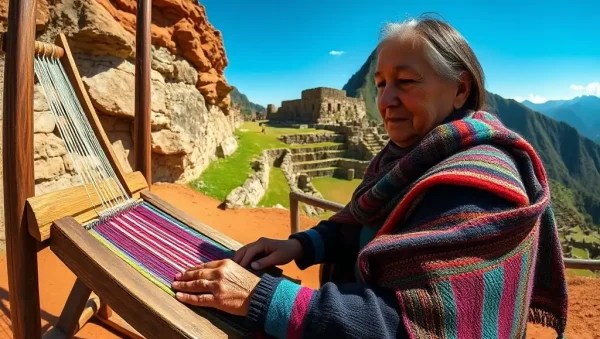
Travel respectfully through communities whose traditions continue to reflect ancient Andean heritage. Responsible tourism includes supporting local businesses, purchasing authentic crafts, hiring community-based guides, following conservation rules, and asking permission before photographing people or ceremonies. These choices help ensure that tourism benefits residents and protects cultural identity.
Visitors should also minimize environmental impact by reducing waste, carrying reusable water bottles, respecting wildlife, and avoiding damage to archaeological structures. Sustainable travel creates a deeper connection with the Andes while contributing to the preservation of Indigenous knowledge, sacred places, historic landscapes, and living cultural traditions.
Popular choices include Machu Picchu and Cusco in Peru, the Sacred Valley, Tiwanaku near La Paz, Lake Titicaca, the Nazca Lines, and major Moche archaeological sites such as Huaca de la Luna. The best destination depends on your interests, available time, fitness level, and preferred type of historical experience.
Advance booking is strongly recommended for high-demand attractions, limited-entry sites, popular train routes, and certain trekking experiences. Confirm official ticket websites, entry times, identification requirements, and current visitor restrictions before traveling.
Plan a gradual ascent whenever possible, schedule rest after arrival, drink water, avoid excessive alcohol, and maintain a light schedule during your first days. If you experience severe symptoms such as difficulty breathing, confusion, or persistent vomiting, seek medical assistance immediately.
Pack layered clothing, comfortable walking shoes, a waterproof jacket, sun protection, a hat, insect repellent where appropriate, personal medication, snacks, and a reusable water bottle. A small daypack and copies of important documents are also useful for multi-site journeys.
Independent travel provides flexibility, while a qualified local guide adds historical context, cultural insight, and practical support. A guide is particularly valuable at large or complex archaeological sites where understanding construction methods, religious symbolism, and historical chronology can greatly enrich the visit.