
Spiritual Journeys in the Andes: Connecting with the Sacred Power of the Past

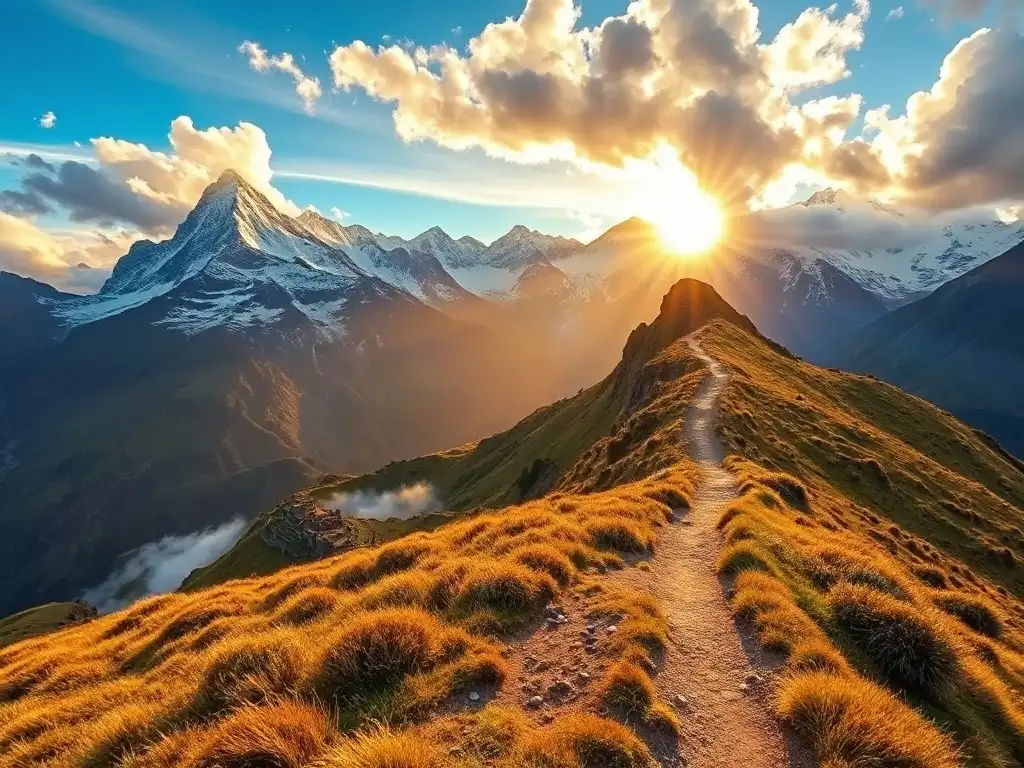
Step into a world lost in time, yet vibrantly alive. Imagine trekking through the majestic Andes, where echoes of ancient empires still resonate. This is more than just history; it's a journey into the heart of Andean spiritual journeys, a realm of breathtaking landscapes and profound cultural heritage. Uncover the secrets of the Incas, Moche, Nazca, and Tiahuanaco, and discover how their spiritual beliefs shaped a civilization that continues to captivate us today. Prepare to be amazed as we delve into the mysteries of the Andes – your exploration begins now.
- Planning Your Andean Spiritual Journey: A Guide to Sacred Sites
- Key Andean Sites for Spiritual Exploration: Unveiling Ancient Energies
- Preparing for Your Spiritual Journey: Practical Considerations
- Enhancing Your Spiritual Journey: Tools and Resources
- Booking Your Andean Spiritual Experience: Maximizing Your Investment
- Continuing Your Spiritual Journey After Returning Home
-
Frequently Asked Questions
- What makes the Andes a significant location for spiritual journeys?
- Are guided tours available for Andean spiritual journeys?
- What kind of spiritual practices are common in Andean spiritual journeys?
- What is the best time of year to embark on an Andean spiritual journey?
- Are there any safety concerns to consider when undertaking an Andean spiritual journey?
- Final Reflection: Echoes of the Andes: A Legacy of Spiritual Connection
- **Embrace Your Spiritual Journey in the Andes! **
Planning Your Andean Spiritual Journey: A Guide to Sacred Sites
Embark on a transformative journey through the Andes, exploring the profound spiritual legacy of ancient civilizations. This guide delves into the heart of Andean spirituality, providing insights into the beliefs, practices, and sacred sites that shaped these remarkable cultures. From the majestic heights of Machu Picchu to the enigmatic lines of Nazca, we’ll uncover the power and mystery woven into the very fabric of this landscape.
Understanding the historical and spiritual context of these places will deepen your experience, allowing you to connect with the enduring energy of the Andes on a profoundly personal level. This isn't just a travel guide; it's a roadmap for a spiritual awakening, inviting you to explore the rich tapestry of Andean beliefs and traditions while planning your unforgettable Andean spiritual journey.
We'll explore various approaches to experiencing these sacred sites, ensuring you find the perfect path aligned with your personal style and spiritual aspirations. Prepare to be moved by the echoes of the past and the vibrant energy of the present as we unveil the secrets of Andean spiritual journeys.
Understanding Andean Spirituality: A Glimpse into Ancient Beliefs
Andean spirituality was deeply interwoven with the natural world. Ancient Andean civilizations, including the Incas, Moche, Nazca, and Tiwanaku, revered mountains as sacred entities, believing they were the dwelling places of powerful deities and ancestral spirits. This reverence extended to other elements of nature, such as the sun, moon, stars, and water sources, all considered vital components of a cosmic order. Their spiritual practices often involved rituals, offerings, and pilgrimages to sacred sites, seeking blessings, guidance, and connection with the supernatural realm.
The concept of Pachamama, Mother Earth, was central to their worldview. Pachamama was not merely the physical earth but a living, sentient being, deserving of respect and veneration. Offering ceremonies, often involving coca leaves, were common practices to appease and honor Pachamama and ensure a bountiful harvest and overall well-being. This deep connection with nature is reflected in their art, architecture, and intricate social structures. Understanding this profound reverence for nature is crucial to appreciating the significance of the sacred sites you will visit.
Furthermore, Andean cosmology involved a complex interplay between the earthly and spiritual realms. They believed in the existence of multiple levels of reality, connecting the underworld, the earthly world, and the celestial realm. This understanding shaped their worldview and influenced their construction of ceremonial centers and sacred landscapes, which were designed to facilitate communication and interaction with these different planes of existence. These beliefs, still practiced in modified forms today, provide a rich context for understanding the spiritual significance of Andean sites.
Choosing Your Spiritual Path: Guided Tours vs. Independent Exploration
Planning your Andean spiritual journey requires careful consideration of your travel style and spiritual goals. Two primary approaches exist: guided tours and independent exploration.
Guided tours offer a structured approach, providing expert insights into the history, culture, and spirituality of the sites you visit. Experienced guides can illuminate the significance of ancient ruins, interpret the symbolism embedded in the architecture and artwork, and share stories and traditions passed down through generations. This option is ideal for those seeking a comprehensive and immersive experience, especially for first-time visitors who may benefit from the expertise and support of a knowledgeable guide. Many tours cater specifically to spiritual travelers, offering meditation sessions, cleansing ceremonies, and opportunities for personal reflection within the sacred spaces.
Conversely, independent exploration allows for a more personalized and spontaneous experience. This approach is suitable for seasoned travelers who are comfortable navigating unfamiliar territories and are confident in their ability to research and plan their itinerary. Independent exploration offers greater flexibility to linger at sites that resonate particularly with you, allowing for deeper contemplation and personal connection. However, it requires more preparation and self-reliance, including in-depth research on the sites, transportation arrangements, and accommodation planning. It’s crucial to ensure you have the necessary resources and knowledge to navigate safely and respectfully.
Ultimately, the best approach depends on your individual preferences, experience level, and the depth of spiritual engagement you seek. Careful consideration of these factors will ensure a truly enriching and meaningful Andean spiritual journey.
Key Andean Sites for Spiritual Exploration: Unveiling Ancient Energies
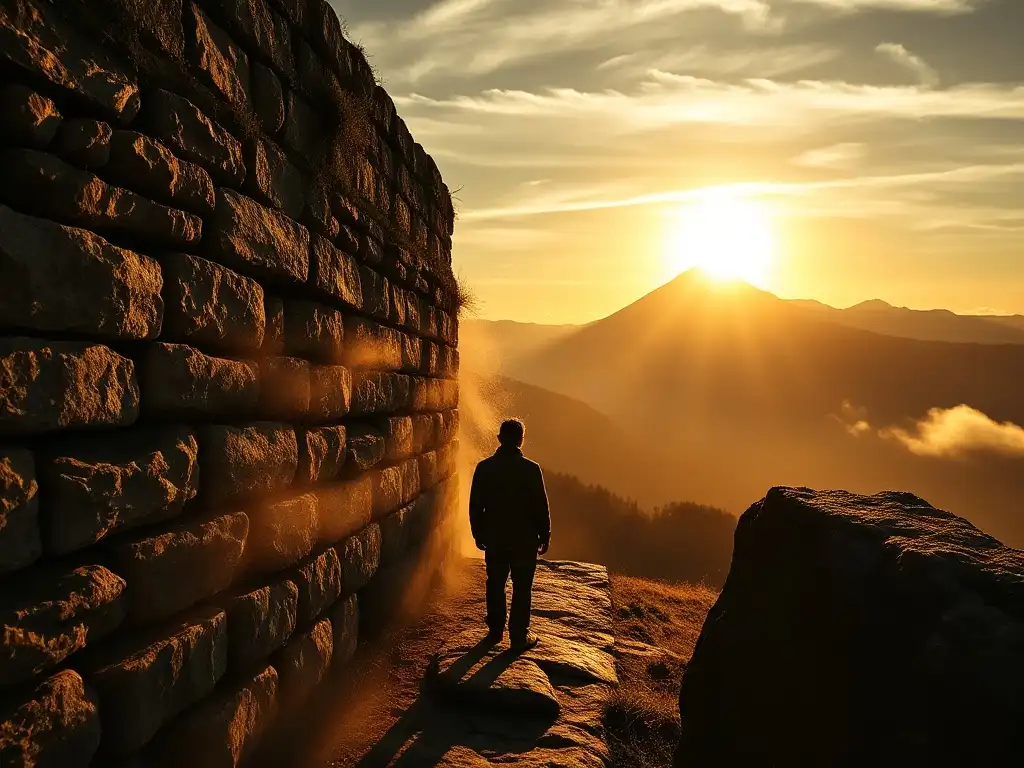
This section delves into specific Andean locations renowned for their potent spiritual energy and historical significance, ideal for those embarking on Andean spiritual journeys. We will explore sites brimming with ancient power, offering opportunities for introspection and connection with the past. Understanding the unique energy of each site enhances the transformative potential of your journey.
Machu Picchu: The Lost City and its Mystical Significance
Machu Picchu, the iconic "Lost City of the Incas," transcends its architectural marvel; it's a place deeply imbued with spiritual significance. Its location, nestled high in the Andes Mountains, lends itself to feelings of awe and wonder. The precise astronomical alignments of the structures suggest a sophisticated understanding of the cosmos and a deep connection to the natural world. Many believe Machu Picchu served as a royal estate, a religious center, or possibly both, further enhancing its spiritual aura.
The sheer energy of the site, palpable even today, invites contemplation and a sense of connection to the Inca civilization's spiritual practices. The surrounding landscape, with its breathtaking views and vibrant biodiversity, adds to the overall mystical experience. Visitors often report feelings of peace, tranquility, and a heightened sense of awareness while exploring the ruins.
The Inca's reverence for nature is evident in the seamless integration of their architecture with the mountain environment, creating a harmonious blend of human ingenuity and natural beauty. This harmonious integration is a key element of understanding the spiritual essence of Machu Picchu. The energy here is truly unique and powerful, making it a prime destination for Andean spiritual journeys.
Recommended Guided Tours to Machu Picchu: Llama Path Treks
Llama Path Treks offers unique guided tours focusing on the spiritual and historical aspects of Machu Picchu. Their expert guides provide insights into Inca cosmology, rituals, and the significance of specific sites within the complex. They emphasize a respectful and mindful approach to exploring the ruins, encouraging visitors to connect with the energy of the place. Tours often incorporate elements of meditation and reflection, enhancing the spiritual experience.
They offer various tour options, including classic explorations and more immersive experiences, catering to different levels of physical fitness and interest. The Llama Path Treks guides are knowledgeable and passionate, sharing their expertise with enthusiasm. Their emphasis on responsible tourism ensures the preservation of this sacred site for future generations. The smaller group sizes allow for a more personal and meaningful experience.
Essential Gear for Exploring Machu Picchu: Hiking Boots, Rain Jacket, and Backpack
Proper preparation is crucial for a fulfilling spiritual journey to Machu Picchu. The altitude and varying weather conditions require appropriate gear. Sturdy hiking boots are essential for navigating the uneven terrain. A lightweight, waterproof rain jacket is a must, as rain showers can occur unexpectedly. A comfortable backpack is needed to carry water, sunscreen, insect repellent, and other essentials.
A hat and sunglasses offer protection from the strong Andean sun. Layers of clothing are recommended to adapt to changing temperatures. Bringing a journal and pen can help record personal reflections and insights gained during the spiritual exploration of the site. Remember to pack light, focusing on essential items that will enhance your experience without hindering your exploration. Prioritizing comfort and preparedness allows for a more immersive and meaningful spiritual journey.
Lake Titicaca: The Cradle of Andean Civilization and Powerful Energy Vortex
Lake Titicaca, the highest navigable lake in the world, holds immense spiritual significance for Andean cultures. Considered the birthplace of the Inca civilization, it is believed to be a powerful energy vortex, a place where the energies of the earth and cosmos converge. The lake's vastness and the stunning backdrop of the Andes Mountains create a sense of awe and reverence.
The islands scattered across the lake, such as Isla del Sol and Isla de la Luna, are steeped in mythology and legend, adding to the site's spiritual mystique. Many indigenous communities continue to practice ancient traditions and rituals around the lake, maintaining a vibrant connection to their ancestral heritage.
The clear waters, the breathtaking landscapes, and the palpable sense of ancient energy make Lake Titicaca a truly unique and powerful destination for Andean spiritual journeys. The depth of history and the enduring spiritual practices make this location incredibly significant for those seeking a deeper connection with Andean culture.
Options for Spiritual Retreats on Lake Titicaca: Isla del Sol Eco-Lodge
Several eco-lodges on Isla del Sol offer spiritual retreats designed to connect visitors with the lake's energy and the Andean worldview. These retreats often incorporate yoga, meditation, and traditional Andean ceremonies, providing opportunities for self-reflection and spiritual growth. The Isla del Sol Eco-Lodge, for example, offers a range of programs focused on personal development and spiritual exploration. They provide opportunities to connect with local communities and learn about their traditions and beliefs, fostering a deeper understanding and appreciation of Andean culture.
The tranquil setting of the eco-lodge, combined with the powerful energy of Isla del Sol, creates an ideal environment for introspection and personal transformation. These retreats often include guided hikes to sacred sites, allowing visitors to experience the energy of the island firsthand. The focus on sustainability and responsible tourism ensures that the island's natural beauty and cultural heritage are preserved for future generations.
Sacred Islands of Lake Titicaca: Exploring Taquile and Amantani
Beyond Isla del Sol, other islands on Lake Titicaca offer unique spiritual experiences. Taquile Island, known for its vibrant textiles and strong community bonds, offers insights into traditional Andean social structures and beliefs. Amantani Island, with its stunning views and ancient ruins, is a place of quiet contemplation and connection with nature. Exploring these islands provides a deeper understanding of the lake's spiritual significance and the enduring traditions of the Andean people.
Each island possesses its own unique energy and cultural richness, offering diverse opportunities for spiritual exploration. The simplicity of life on these islands, combined with the stunning natural beauty, creates a powerful and transformative experience. Visiting these islands provides a unique perspective on Andean spirituality and the enduring connection between people and nature. The strong sense of community and traditional practices prevalent on these islands enhance the spiritual significance of your Andean spiritual journey.
Cusco, often referred to as the "Navel of the World," holds a deeply significant place in Andean spirituality. Its location, nestled in a fertile valley surrounded by towering mountains (the Apus), is considered a nexus of energy and a gateway to the spiritual realm. Inca cosmology viewed Cusco as the heart of their empire, a sacred center from which power and influence radiated. The city's layout, with its intricate network of streets and canals, reflects this cosmological vision, aligning with the cardinal directions and incorporating sacred sites into its urban fabric.
Even today, the energy of Cusco is palpable; one can feel the echoes of ancient rituals and ceremonies resonating through the very stones of the city. The city's spiritual significance is not merely a historical artifact; it's a living tradition, maintained through contemporary Andean practices and beliefs. Many indigenous communities continue to perform ceremonies and rituals in and around Cusco, reaffirming its enduring spiritual power.
The city's vibrant energy attracts visitors seeking a deeper connection to Andean spirituality, offering a profound opportunity for personal reflection and transformation. The spiritual atmosphere is enhanced by the numerous Inca ruins scattered throughout and around the city, each imbued with its own unique energy and history. Exploring these sites allows visitors to experience the layered history of Cusco, from its pre-Inca roots to its role as the capital of the Inca Empire.
Cusco City Tours Focusing on Spiritual History: Apus Peru Adventure Travel
Apus Peru Adventure Travel offers a unique approach to exploring Cusco's spiritual history. Their tours go beyond the typical tourist itinerary, delving into the deeper meaning and significance of the city's sacred sites. Instead of just showcasing the historical facts, their guides, often from local Andean communities, share their knowledge of ancient traditions, beliefs, and practices, offering a more authentic and immersive experience. They incorporate elements of Andean spirituality into their tours, such as explanations of the significance of the Apus mountains, the use of paqos (Andean shamans) for ceremonies, and insights into the meaning of various Inca symbols and motifs found throughout the city.
This personalized approach allows visitors to connect with the spiritual essence of Cusco on a deeper level. [Specific tour details pending, including pricing and itinerary examples]. The emphasis on sustainable tourism and community engagement further enhances the authenticity and ethical responsibility of these experiences.
Exploring Sacsayhuaman and its Energetic Resonance
Sacsayhuaman, a colossal fortress overlooking Cusco, stands as a testament to Inca architectural prowess and spiritual significance. Its massive stone walls, meticulously crafted without mortar, emit an undeniable sense of power and energy. Many believe Sacsayhuaman was not merely a military stronghold but also a sacred site, a place of ritual and ceremony, connected to the celestial movements and the earth's energies.
The precise astronomical alignments of its structures suggest a profound understanding of cosmology and the cosmos. The energy emanating from Sacsayhuaman is palpable, a tangible connection to the past that resonates with visitors. Walking through its ruins, one can almost feel the presence of the Inca people who built and inhabited this impressive site.
The energy is particularly strong at sunrise and sunset, when the light interacts with the stones in a unique and powerful way. Experiencing Sacsayhuaman, therefore, offers more than just a historical exploration; it's a journey into the heart of Andean spirituality, a chance to connect with the ancient energies that still permeate this remarkable place. The scale and precision of the construction are also a testament to the highly developed engineering and spiritual beliefs of the Inca.
Ollantaytambo: A Fortress of Spiritual Significance
Ollantaytambo, located in the Sacred Valley, is another key site for Andean spiritual exploration. This impressive fortress, a masterpiece of Inca engineering, served not only as a military stronghold but also as an important religious center. Its strategic location, nestled in a fertile valley surrounded by mountains, further reinforces its spiritual significance. The site's intricate layout, with its network of terraces, canals, and temples, reveals a sophisticated understanding of cosmology and the environment.
Ollantaytambo's importance extends beyond its physical structures; it's deeply embedded in Andean mythology and folklore, associated with various deities and ancestral spirits. The energy of the site is palpable, a tangible connection to the past that resonates with visitors, drawing them into a deeper understanding of Inca culture and spirituality. The site's enduring spiritual power is evident in the continued presence of local communities who maintain their ancestral traditions and beliefs in the area.
Ollantaytambo's Connection to the Inca Cosmos
The connection between Ollantaytambo and the Inca cosmos is profound and multifaceted. The site's architectural design reflects a deep understanding of celestial movements and astronomical phenomena. The alignment of certain structures with specific constellations and the solstices suggests a sophisticated knowledge of astronomy and its integration into religious practices. Furthermore, Ollantaytambo's location within the Sacred Valley, surrounded by towering mountains considered sacred by the Inca, reinforces its cosmological significance.
The Apus, or mountain deities, were believed to play a crucial role in Inca cosmology, and Ollantaytambo's location within their domain adds another layer to its spiritual importance. The site's association with various Inca deities and mythical figures further underscores its role as a sacred space, a place where the earthly and spiritual realms intertwined. Exploring these connections provides a deeper understanding of the Inca worldview and their profound reverence for the cosmos.
Hotel Pakaritampu
Hotel Pakaritampu, situated near Ollantaytambo, offers a unique blend of comfort and cultural immersion. While providing modern amenities, the hotel also incorporates elements of Andean design and spirituality into its aesthetic and services. [Specific details about the hotel's design and services related to Andean spirituality pending].
This approach allows guests to experience the region's spiritual heritage while enjoying a comfortable and relaxing stay. The hotel's proximity to Ollantaytambo allows for easy access to the site and enhances the overall experience of exploring its spiritual significance. The hotel's commitment to sustainable practices and community engagement further contributes to a responsible and authentic experience.
Preparing for Your Spiritual Journey: Practical Considerations
Embarking on an Andean spiritual journey requires thoughtful preparation to ensure a meaningful and enriching experience. This section focuses on practical aspects to optimize your trip, allowing you to fully immerse yourself in the sacred landscapes and ancient energies of the Andes. Careful planning will transform your trip from a simple sightseeing tour into a profound exploration of Andean spirituality.
Best Time to Travel for an Andean Spiritual Experience
The ideal time to undertake an Andean spiritual journey hinges significantly on weather patterns and accessibility to various sites. The Andes boast diverse microclimates, varying drastically even within short distances. Understanding these variations is key to planning a successful trip.
Weather Patterns and Their Impact on Sacred Sites
The Andes experience distinct wet and dry seasons. Generally, the dry season (May to September) offers the best weather for trekking and exploring outdoor sacred sites. However, this is also peak tourist season, meaning higher prices and more crowds at popular locations. The wet season (October to April) brings increased rainfall, particularly in higher altitudes, potentially limiting access to certain trails and ruins. However, it also offers a different kind of beauty, with lush landscapes and fewer crowds.
| Season | Best for | Considerations |
|---|---|---|
| Dry Season (May-September) | Hiking, exploring ruins, clear views | Higher prices, more crowds |
| Wet Season (October-April) | Unique landscapes, fewer crowds | Potential for rain, limited trail accessibility |
Consider your priorities: Do you prioritize optimal weather conditions and ease of access, even if it means sharing the experience with more tourists? Or, are you seeking a more secluded and immersive experience, even if it means navigating potentially challenging weather? Choosing the right time significantly impacts your Andean spiritual journey. Research specific weather patterns for the regions you plan to visit, as conditions can vary greatly depending on altitude and location.
Essential Packing List for Spiritual Exploration
Packing for an Andean spiritual journey requires a blend of practicality and respect for the sacred environments you will be exploring. Remember that altitude sickness can be a significant factor, so preparation is key.
- Clothing: Layers are essential! Pack lightweight, breathable clothing for warmer days and warm layers (fleece, down jacket) for cooler evenings and higher altitudes. Waterproof and windproof outerwear is crucial, regardless of the season. Sturdy hiking boots are a must.
- Gear: A comfortable backpack, sunscreen, a hat, sunglasses, insect repellent, a reusable water bottle, and a first-aid kit are all necessities. Consider bringing trekking poles for stability on uneven terrain.
- Spiritual Items: This is highly personal. Some may wish to bring a journal for reflection, a mala for meditation, or other items that enhance their spiritual practice. Remember to pack these items carefully.
- Altitude Sickness Prevention: Diamox (acetazolamide) is often recommended by doctors for altitude sickness prevention. Consult your physician before taking any medication. Also pack coca leaves, which are traditionally used to alleviate altitude symptoms.
This packing list provides a solid foundation. Adapt it based on your specific itinerary and personal needs. Remember that less is often more when trekking in the Andes.
Recommended Books and Guides on Andean Spirituality: "Andean Awakening" by Jorge Luis Delgado
For those seeking a deeper understanding of Andean spirituality before their journey, Andean Awakening by Jorge Luis Delgado offers a compelling exploration of the Andean worldview. Delgado's work provides valuable context for understanding the significance of the sites you will visit and the spiritual practices of the Andean people. It's not just a guidebook; it's an invitation to a deeper connection with the Andean soul.
The book delves into the intricate relationship between the Andes' geography, cosmology, and spiritual beliefs, offering insights that will enrich your personal journey. It’s a valuable resource for anyone seeking a more informed and meaningful experience. Reading this, or similar books, before your trip will greatly enhance your appreciation of the sites and their spiritual significance, transforming your visit into a truly enriching “Andean spiritual journeys” experience.
Health and Safety Tips for High-Altitude Travel
Planning an Andean spiritual journey requires careful consideration of your physical well-being, especially given the high altitudes involved. The thin air at elevations above 8,000 feet (2,400 meters) can significantly impact your health. Many ancient sites are located at considerable heights, demanding preparation and respect for the challenges they present. Ignoring these factors could drastically reduce the enjoyment and even endanger your trip. Proper planning is key to a successful and spiritually enriching experience. Don't let altitude sickness spoil your Andean adventure!
Acclimatization strategies and altitude sickness remedies
Acclimatization is paramount for avoiding altitude sickness. This isn't simply a matter of arriving and immediately exploring; it's a process that requires patience and mindful pacing. Ascending gradually is crucial. Instead of jumping straight to high altitudes, spend a few days at lower elevations to allow your body to adjust to the decreasing oxygen levels. Many travelers find that spending a night or two at a moderate altitude before reaching their final destination significantly reduces the risk of altitude sickness. Listen to your body; if you feel any symptoms, descend immediately.
Symptoms of altitude sickness can range from mild headaches and nausea to more severe conditions like high-altitude pulmonary edema (HAPE) and high-altitude cerebral edema (HACE). These require immediate medical attention. Carrying altitude sickness medication, such as acetazolamide (Diamox), can be beneficial, but it's crucial to consult your doctor beforehand to determine if it’s appropriate for you and understand potential side effects. However, medication isn't a substitute for proper acclimatization.
Staying hydrated is exceptionally important at high altitudes. Dehydration exacerbates altitude sickness, so drink plenty of water, even if you don't feel thirsty. Electrolyte drinks can also be helpful in replenishing lost salts. Avoid alcohol and caffeine, as they can contribute to dehydration. Pace yourself during activities, allowing for ample rest periods.
A slow and steady approach is far more effective than pushing yourself too hard, especially in the initial days at higher elevations. Remember, a safe and healthy journey is essential for a truly meaningful Andean spiritual experience. Prioritizing your well-being ensures you can fully appreciate the profound spiritual connections you seek. Don't underestimate the power of preparation; it's an integral part of your Andean spiritual journey.
Enhancing Your Spiritual Journey: Tools and Resources
Embarking on an Andean spiritual journey requires preparation beyond simply booking flights and accommodation. Understanding the cultural nuances and respecting local traditions is paramount to a meaningful and enriching experience. This section provides insights into tools and resources that can significantly enhance your journey, fostering a deeper connection with the ancient Andean spirit. Successfully navigating Andean spiritual journeys involves careful planning and respect for local customs. This section offers practical advice and information to aid your exploration.
Authentic Andean Rituals and Ceremonies
Immersion in Andean spirituality often involves participation in traditional rituals and ceremonies. These are not mere tourist attractions; they are deeply rooted practices reflecting a profound connection to the land, ancestors, and Pachamama (Mother Earth). Approaching these ceremonies with respect and an open mind is crucial. Remember, authenticity is key; avoid exploitative or commercialized versions.
Participating in a Traditional Coca Leaf Ceremony
The coca leaf holds immense spiritual significance in Andean culture. A traditional coca leaf ceremony, or pago a la Pachamama, is a powerful way to connect with the earth's energy and seek guidance. These ceremonies are typically led by a yachaq (shaman) who guides participants through prayers, offerings, and interpretations of the coca leaves. The ceremony involves chewing coca leaves and offering them to the Pachamama as a sign of respect and gratitude.
It's essential to find a reputable and authentic yachaq through recommendations or established community organizations, ensuring a respectful and enriching experience. Remember that coca leaf use is a sacred practice, not a recreational activity. Treat it with the utmost reverence.
Mercado San Blas, Cusco
Cusco's Mercado San Blas offers a unique opportunity to connect with Andean spirituality through its vibrant atmosphere and diverse offerings. Beyond the bustling market activity, you'll find artisans selling handcrafted items imbued with spiritual symbolism, such as intricately woven textiles depicting Andean deities or shamanic tools used in traditional ceremonies. Observing the daily interactions and the energy within the market can offer a glimpse into the living spiritual traditions of the region.
Take your time, explore the stalls, and engage respectfully with the vendors – you might discover unexpected treasures and insights into the Andean worldview. The market provides a glimpse into daily life interwoven with spiritual practices, offering a less formal but equally meaningful connection.
Connecting with Local Communities and Their Ancient Wisdom
Engaging with local communities is an invaluable aspect of any Andean spiritual journey. It allows for a more profound understanding of the cultural context and fosters a genuine connection with the living traditions. Respectful interaction with local communities is paramount, emphasizing cultural sensitivity and avoiding any actions that might be considered intrusive or disrespectful.
Amaru Community Stay, Lake Titicaca
Lake Titicaca, often referred to as the birthplace of the Inca civilization, offers unique opportunities for cultural immersion. Staying with a local community, such as the Amaru community, provides a chance to learn firsthand about their traditions, beliefs, and daily lives. These experiences often involve participating in community activities, learning traditional crafts, and sharing stories around a bonfire under the stars. This type of immersion offers an unparalleled opportunity to connect with the heart of Andean spirituality and gain a deeper understanding of their worldview.
Remember to approach such experiences with humility and a willingness to learn, showing respect for their customs and traditions. A respectful exchange of knowledge and experiences can be mutually enriching. Such stays often involve a deeper understanding of the Andean cosmology and its connection to the natural world.
Spiritual Guides and Practitioners in the Andes
The Andean region boasts a rich tapestry of spiritual traditions, passed down through generations. Connecting with these traditions often involves seeking guidance from experienced practitioners. These individuals, ranging from traditional healers to shamans, offer invaluable insights into Andean cosmology and spiritual practices. Their knowledge isn't merely academic; it's deeply rooted in lived experience and ancestral wisdom, providing a powerful lens through which to understand the sacred sites and energies of the Andes.
Finding a reputable guide is crucial for a respectful and meaningful experience. Many communities have established ethical guidelines for interacting with their spiritual traditions, and it's vital to respect these customs and protocols. Remember, these practices are not mere tourist attractions; they are living traditions with profound significance for the Andean people.
A responsible approach involves humility, respect, and a genuine desire to learn and connect authentically. The power of these spiritual journeys is amplified by the guidance of those who deeply understand the land and its spiritual energies. Choosing a guide should be approached with careful consideration and research, prioritizing those who prioritize ethical and sustainable practices.
Don Mariano, Q'ero Shaman
Don Mariano exemplifies the profound spiritual knowledge held by Q'ero shamans in the Andes. His lineage traces back generations of healers and spiritual leaders within the Q'ero community, a group known for preserving ancient Inca traditions. Don Mariano's expertise extends beyond traditional healing; he possesses a deep understanding of Andean cosmology, including the intricate relationship between the celestial bodies, the Earth, and the human spirit.
He often conducts ceremonies involving ancient Inca practices, using coca leaves for divination and connecting with the apus (mountain spirits). His approach emphasizes the importance of inner reflection and connecting with one's own spiritual essence as a pathway to understanding the larger Andean spiritual landscape. Many travelers seeking authentic Andean spiritual experiences have sought Don Mariano's guidance, appreciating his gentle and insightful approach to sharing his ancestral knowledge.
His stories weave together ancient wisdom with contemporary challenges, offering a powerful reflection on the enduring spiritual strength of the Andean people and the importance of preserving their traditions for future generations. Remember, however, that access to individuals like Don Mariano often requires advance planning and respect for their time and traditions. Direct contact may be difficult, but reputable tour operators specializing in cultural immersion can often facilitate respectful introductions.
Booking Your Andean Spiritual Experience: Maximizing Your Investment
Planning your Andean spiritual journey requires careful consideration to ensure a transformative and safe experience. This section focuses on maximizing your investment by selecting the right tour operator and securing comprehensive travel insurance. Understanding these key aspects will significantly enhance your connection with the sacred power of the Andes.
Choosing the Right Tour Operator or Travel Agency
Selecting a reputable tour operator is paramount for a successful Andean spiritual journey. Many companies offer tours focusing on historical sites, but not all prioritize the spiritual aspects. Look for operators specializing in cultural immersion and offering experiences that go beyond simply visiting sites; they should facilitate genuine connection with the Andean heritage and its spiritual significance.
Consider factors like group size, the expertise of the guides (archaeological knowledge combined with cultural sensitivity is ideal), and the level of customization offered. A smaller, more specialized group often provides a more intimate and meaningful experience. Read reviews carefully, paying attention to comments about the guides' knowledge and the overall spiritual atmosphere fostered during the trip.
Don't hesitate to contact operators directly to ask specific questions about their approach to spiritual tourism and their commitment to responsible travel practices. Remember, your investment is not just financial; it's an investment in a deeply personal and transformative experience. Choosing wisely will significantly impact the quality of your journey.
Comparison Chart of Tour Operators: Alpaca Expeditions vs. SAS Travel
| Feature | Alpaca Expeditions | SAS Travel |
|---|---|---|
| Group Size | Typically smaller groups (8-12 people) | Larger groups (15-25 people) |
| Guide Expertise | Archaeologists and Andean culture specialists | Primarily historians with some cultural insights |
| Spiritual Focus | High; incorporates ceremonies and reflective time | Moderate; focuses more on historical aspects |
| Customization | High; allows for personalized itinerary adjustments | Low; mostly pre-set itineraries |
| Price Range | Higher end | Mid-range |
| Reviews | Generally excellent, emphasizing spiritual depth | Mostly positive, but less emphasis on spirituality |
This chart provides a simplified comparison; thorough research and individual review reading are crucial before making a decision. Remember to consider your personal preferences and budget when choosing between operators.
Securing Travel Insurance and Ensuring Safety
Travel insurance is not a luxury but a necessity for any Andean spiritual journey. The high altitude, remote locations, and unpredictable weather conditions demand comprehensive coverage. Your policy should cover medical emergencies (including evacuation), trip cancellations, lost luggage, and potential repatriation. Consider adding coverage for activities like trekking and hiking, which are common components of these journeys.
Furthermore, researching the safety aspects of your chosen destinations is essential. Familiarize yourself with local customs and any potential safety concerns. Always inform someone of your itinerary, including planned routes and expected return times. Pack appropriately for the varying weather conditions and terrain.
Carrying a basic first-aid kit and a satellite phone or personal locator beacon (PLB) can provide additional peace of mind, especially in remote areas. Prioritizing safety allows you to fully immerse yourself in the spiritual aspects of your journey without unnecessary worry. A safe and well-planned trip will enhance the transformative power of your Andean spiritual experience.
Budgeting for Your Spiritual Journey
Embarking on an Andean spiritual journey is an enriching experience, but careful financial planning is crucial to maximize your investment and ensure a smooth trip. Budgeting for such a journey requires considering various factors beyond the usual travel expenses. You'll need to account for the unique aspects of a spiritual pilgrimage, such as specialized tours, ceremonies, and offerings. Let's explore the key components of a comprehensive budget:
First, flight costs can vary significantly depending on your origin and the time of year. Shoulder seasons (spring and autumn) often offer a balance between pleasant weather and lower prices compared to peak tourist seasons. Booking flights in advance can also lead to considerable savings. Consider using flight comparison websites to find the best deals.
Next, accommodation options range from budget-friendly hostels to luxurious hotels. The choice depends on your preferences and budget. However, remember that proximity to significant spiritual sites might influence pricing. Researching accommodation options well in advance is vital, especially during peak season, to secure your preferred lodging.
Furthermore, tour costs are a significant part of the budget. Guided tours focusing on spiritual aspects, such as visits to sacred sites with explanations of their significance, are common. These tours often include transportation, entrance fees, and expert guidance, making them a convenient and informative option. Consider comparing prices and services offered by different tour operators before making a decision.
Beyond the usual travel expenses, ceremonies and offerings add unique costs to an Andean spiritual journey. Participation in traditional ceremonies and making offerings are integral parts of the experience. Researching the customary offerings and their costs beforehand is essential to avoid surprises. Remember to respect local customs and traditions when participating in these events.
Finally, personal spending money should be factored into your budget. This covers incidental expenses like meals, souvenirs, and personal items. Allocating a reasonable amount for personal spending allows for flexibility and prevents unexpected financial strain during your trip. A detailed daily budget can help you stay on track.
Financial Planning Spreadsheet: Google Sheets Template
Creating a detailed spreadsheet is highly recommended for effective budgeting. A Google Sheets template can be easily customized to track your expenses. The template should include columns for:
- Date: To record the date of each transaction.
- Item: A description of the expense (e.g., flights, accommodation, tours, meals, souvenirs).
- Category: Categorize expenses for better overview (e.g., Transportation, Accommodation, Activities, Food, Souvenirs).
- Budget: Your pre-allocated budget for each category.
- Actual Cost: The actual amount spent.
- Difference: The difference between the budget and actual cost (Budget - Actual Cost).
This template allows for easy tracking of expenses against your pre-defined budget, helping you stay on track and avoid overspending. You can easily download and modify a basic budget template from various online resources. Remember to regularly update your spreadsheet throughout your planning process and during your trip to monitor your spending effectively.
Using color-coding for overspending can highlight areas where adjustments might be needed. This structured approach to financial planning will ensure your Andean spiritual journey is both fulfilling and financially responsible. A well-planned budget will allow you to fully immerse yourself in the enriching experience without unnecessary financial stress.
Continuing Your Spiritual Journey After Returning Home
After your immersive Andean spiritual journey, the experience doesn't have to end. The profound connection you've made with the sacred landscapes and ancient wisdom can continue to enrich your life long after you've returned home. The key is to consciously integrate the lessons and insights gained into your daily routine and share your transformative experience with others. This section explores practical ways to maintain this connection and extend the benefits of your Andean adventure.
Integrating Andean Wisdom into Your Daily Life
The Andes offer a powerful opportunity for introspection and self-discovery. Many travelers return with a renewed sense of purpose, a deeper appreciation for nature, and a desire to live more authentically. To maintain this momentum, consider incorporating these practices into your daily life:
- Mindfulness and Meditation: The Andean worldview emphasizes harmony with nature and inner peace. Daily meditation, even for a few minutes, can help you reconnect with the tranquility you experienced in the Andes. Focus on your breath, visualize the stunning landscapes, and reflect on the insights you gained. Consider incorporating elements of Andean cosmology into your meditation practice, such as visualizing the Apu mountains or the celestial bodies.
- Connecting with Nature: Seek out opportunities to connect with nature in your daily life. Spend time in parks, gardens, or even simply observe the natural world from your window. Appreciate the beauty and power of the natural world, just as the Andean people have done for millennia. This simple act can help ground you and maintain the sense of connection you cultivated during your journey.
- Gratitude Practice: Cultivate a daily gratitude practice. Take time each day to reflect on what you are grateful for. This practice can help you maintain a positive outlook and appreciate the abundance in your life. Reflect on the gifts you received during your Andean spiritual journey, both tangible and intangible.
- Ritual and Ceremony: While you might not be able to recreate a full Andean ceremony at home, you can incorporate smaller rituals into your daily life. This could be as simple as lighting a candle before meditation or offering a small prayer of thanks for the blessings in your life. Remember to approach these practices with respect and intention.
Your Andean spiritual journey is a unique and valuable experience. Sharing your story can inspire others to embark on their own journeys of self-discovery and connect with the rich spiritual heritage of the Andes. Here are some ways to share your experience:
- Journaling: Keep a journal to document your experiences, reflections, and insights. This will not only help you process your journey but also provide valuable material for sharing with others. Detailed descriptions of ceremonies, landscapes, and personal reflections will make your story more engaging and relatable.
- Storytelling: Share your stories with friends, family, and colleagues. Use vivid language and imagery to bring your experiences to life. Your passion and enthusiasm will be contagious, inspiring others to consider their own Andean spiritual journeys.
- Photography and Visual Media: If you took photos or videos during your trip, consider creating a slideshow or video montage to share with others. Visuals can be a powerful way to convey the beauty and spirituality of the Andes.
- Workshops and Presentations: If you feel comfortable, consider leading workshops or giving presentations about your experiences. This is a great way to share your knowledge and inspire others to explore the spiritual side of the Andes.
The continuation of your Andean spiritual journey is a personal one. By consciously integrating the wisdom you've gained into your daily life and sharing your experiences with others, you can maintain the transformative effects of your trip long after you've returned home. Remember, the journey continues, and the insights gained in the Andes can continue to guide and inspire you for years to come. 🧘🏽♀️🌎
Frequently Asked Questions
What makes the Andes a significant location for spiritual journeys?
The Andes are steeped in ancient spiritual traditions, boasting thousands of years of sacred sites and vibrant indigenous cultures that continue to practice ancestral rituals. This palpable connection to the past makes it a powerful place for introspection and spiritual growth.
Are guided tours available for Andean spiritual journeys?
Yes, many guided tours cater specifically to those seeking spiritual experiences. These tours often include visits to sacred sites, participation in traditional ceremonies, and opportunities for spiritual reflection and connection with local communities.
What kind of spiritual practices are common in Andean spiritual journeys?
Common practices include meditation, prayer, ceremonies involving coca leaves, and visits to sites like mountain peaks and ancient ruins. Connecting with the powerful energy of the land is central to these journeys.
What is the best time of year to embark on an Andean spiritual journey?
The best time depends on your preferences and the specific location. Generally, the dry season (May-September) offers the best weather for trekking and exploring, while the wetter months offer a different kind of spiritual connection with the powerful forces of nature.
Are there any safety concerns to consider when undertaking an Andean spiritual journey?
While generally safe, it's crucial to plan carefully, choose reputable tour operators, and be aware of altitude sickness. Respect local customs and traditions, and always prioritize your personal safety and well-being.
Final Reflection: Echoes of the Andes: A Legacy of Spiritual Connection
The ancient wisdom of the Andes continues to resonate, offering a powerful path towards self-discovery and a deeper understanding of our interconnectedness with the natural world. The spiritual practices and beliefs explored in this article are not relics of a bygone era; they are living traditions, offering solace and guidance in our increasingly fragmented modern world. Their enduring power lies in their ability to connect us to something larger than ourselves, fostering a sense of belonging and purpose.
The profound impact of Andean spirituality on the global landscape is undeniable. It's a testament to the enduring human need for connection to something greater than ourselves, a yearning that transcends geographical boundaries and cultural differences. The mountains are calling, and I must go.
This sentiment, though often applied to adventure, speaks to the deeper spiritual pull that the Andes exert on those seeking a profound connection with the earth and their inner selves. The enduring legacy of these practices lies not just in their historical significance, but in their continued ability to inspire personal transformation and a renewed appreciation for the sacredness of life.
Consider the echoes of these ancient practices in your own life. How can you cultivate a deeper connection with nature, with your inner self, and with the rich tapestry of human experience? Embrace the lessons learned from the Andes – the importance of community, respect for the earth, and the unwavering pursuit of spiritual growth. Let the mountains inspire you to embark on your own journey of self-discovery, guided by the wisdom of the past and the boundless potential of the future. The path awaits.
**Embrace Your Spiritual Journey in the Andes! **
Thank you for exploring the rich tapestry of spiritual journeys in the Andes. You've discovered the profound connection between Andean culture, history, and the sacred. Now, let's turn that inspiration into action!
Here's how you can deepen your connection with Andean spirit and heritage:
- **Participate in a local workshop:** Immerse yourself in Andean spiritual practices or traditional crafts to foster a deeper understanding.
- **Share your discoveries:** Discuss your experiences with friends or online communities, inspiring others to explore Andean spirituality.
- **Embark on a pilgrimage:** Plan a trip to the Andes to witness the sacred sites firsthand and allow their energy to nurture your spiritual growth.
What aspect of Andean spirituality resonates most with you, and how will you integrate it into your life?