
Moche Matriarchs: Decoding the Power of Women in Ancient Peru

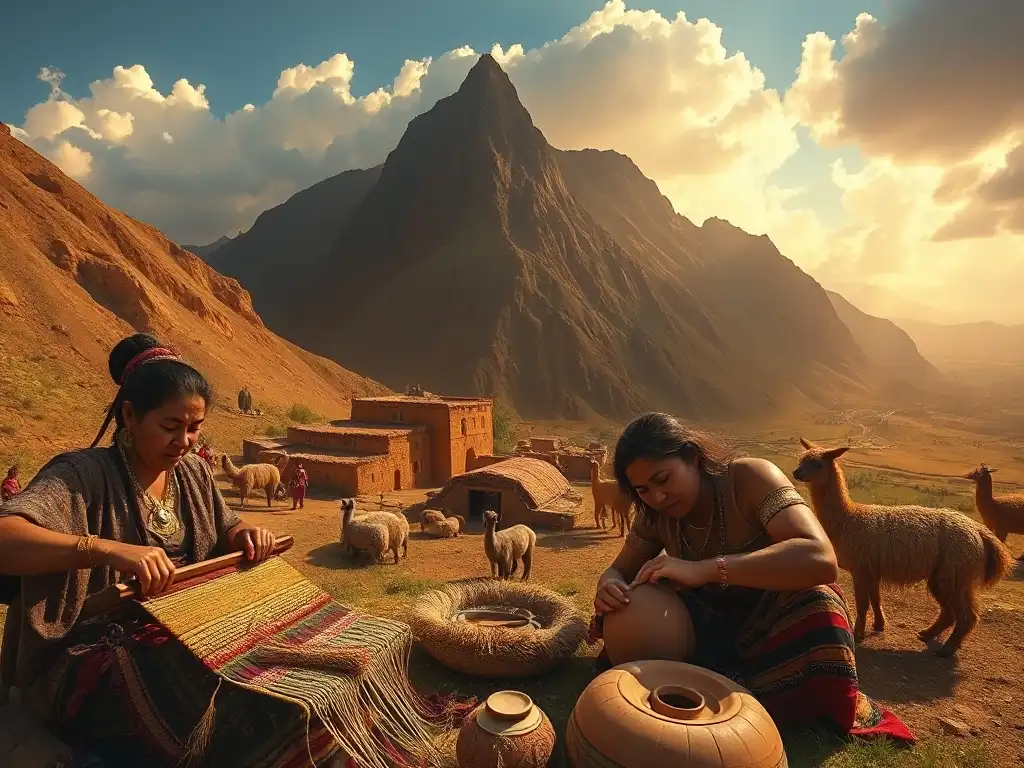
Step into a world lost to time, yet echoing with untold stories of power and influence. Forget everything you think you know about ancient civilizations. Here, within the vibrant tapestry of Andean history, we unravel the fascinating enigma of Moche women's roles in ancient Peru. Were they merely subservient figures, or did they wield a hidden influence shaping the very fabric of their society? Prepare to be amazed as we delve into the lives of the Moche matriarchs and uncover a legacy far richer and more complex than you could ever imagine.
The Moche civilization (circa 100-800 CE), flourishing along the arid north coast of Peru, is renowned for its breathtaking artistry, sophisticated irrigation systems, and impressive urban planning. However, a captivating, yet often overlooked, aspect of Moche society is the significant role women played. Contrary to common perceptions of ancient societies, evidence suggests that Moche women held positions of power and influence that extended far beyond the domestic sphere.
This article delves into the fascinating world of Moche women, examining their diverse roles, social standing, and the ways in which their contributions shaped the cultural landscape of ancient Peru. We will explore archaeological findings, artistic representations, and anthropological interpretations to unveil the complexity and significance of Moche women's roles in their society, addressing the keyword "Moche women's roles in ancient Peru" and providing a nuanced understanding of their influence.
Evidence from Moche Iconography: Portrayals of Power
Moche pottery, renowned for its intricate detail and lifelike depictions, provides invaluable insights into the lives of Moche women. Numerous ceramic vessels showcase women participating in a wide range of activities, from religious ceremonies to agricultural labor and even warfare. These depictions often portray women in positions of authority, sometimes wearing elaborate headdresses and jewelry, suggesting high social status. For instance, several vessels depict women officiating rituals, indicating their involvement in the spiritual life of the community.
The sheer number of these representations, coupled with their prominent portrayal, strongly suggests that Moche women were not confined to domestic roles. Moreover, the detail and artistry involved in their depiction underscore their importance within the Moche worldview. We find examples of women depicted as:
- Priestesses: Leading ceremonies and interacting with deities.
- Warriors: Participating in combat and wielding weapons.
- Rulers: Possibly acting as advisors or even co-rulers alongside male counterparts.
- Artisans: Creating the intricate pottery and textiles that define Moche art.
The Role of Women in Moche Religion and Rituals
The religious beliefs of the Moche people are inextricably linked to their worldview and social structure. The presence of women in religious iconography is not merely decorative; it suggests a substantial role in religious practices. Evidence suggests that women served as priestesses, mediating between the human and supernatural realms. Their participation in rituals, as depicted on pottery and other artifacts, may have involved offerings, divination, and healing ceremonies. The significance of these roles is further emphasized by the elaborate costumes and regalia often depicted on female figures in religious contexts. Further research is needed to fully understand the specific religious functions of Moche women, but the available evidence strongly points towards their critical role in maintaining the spiritual fabric of their society. The meticulous detail in the depiction of these rituals on Moche pottery indicates the importance placed on the women's participation and the reverence given to their religious roles.
Moche Women in Agriculture and Daily Life
While their involvement in religious and political spheres is striking, it is important to acknowledge the vital contributions of Moche women to the daily functioning of their society. Agriculture was the backbone of the Moche economy, and women were undoubtedly active participants in the arduous tasks of cultivation and harvest.
Although direct evidence might be limited compared to artistic depictions of elite women, archaeological findings of tools and other artifacts associated with agricultural practices suggest women's involvement in this crucial aspect of Moche life. Furthermore, the intricate textiles and pottery produced by Moche artisans, many of whom were likely women, played a significant role in the social and economic life of the community.
The production of these goods required skill, creativity, and dedication – aspects often overlooked when focusing solely on the more visually striking aspects of Moche art. Further study could reveal more about the division of labor between men and women in daily life.
Reinterpreting the Past: Challenges and Future Research
Interpreting the roles of women in ancient societies necessitates a critical approach, acknowledging the limitations of the available evidence and potential biases in its interpretation. While the artistic representations offer invaluable clues, they do not provide a complete picture. Further archaeological excavations and interdisciplinary research, incorporating anthropological and sociological perspectives, are essential to gain a more comprehensive understanding of Moche women's lives.
The ongoing study of Moche society continues to challenge preconceived notions about gender roles in ancient civilizations, revealing the complexity and richness of a culture that empowered its women in ways previously underestimated. The ongoing excavation and analysis of Moche sites will undoubtedly uncover further evidence to refine our understanding of their society and the remarkable contributions of its women. This ongoing research will further illuminate the multifaceted roles of Moche women and their lasting impact on the history of ancient Peru.
- Evidence from Moche Iconography: Portrayals of Power
- The Role of Women in Moche Religion and Rituals
- Moche Women in Agriculture and Daily Life
- Reinterpreting the Past: Challenges and Future Research
Unveiling the Roles of Moche Women in Ancient Andean Society
This section delves into the multifaceted roles of women within the Moche civilization, challenging preconceived notions and highlighting their significant contributions to society. We will explore the archaeological evidence that reveals a more complex understanding of Moche gender dynamics than previously assumed, moving beyond simplistic interpretations of a purely patriarchal structure. By analyzing the available data, we aim to illuminate the powerful influence Moche women exerted in various aspects of their culture, from religious practices to economic activities.
Understanding the roles of Moche women is crucial to developing a complete and accurate picture of this remarkable ancient Peruvian society. This exploration of "Moche women's roles in ancient Peru" will uncover a fascinating and nuanced perspective.
Introduction to Moche Culture and Gender Dynamics
The Moche civilization (circa 100-800 CE) flourished along the northern coast of Peru, leaving behind a rich legacy of art, architecture, and intricate social structures. While traditionally depicted as a patriarchal society, recent archaeological findings and analyses are challenging this simplistic view. Initial interpretations often focused on the prominent depiction of male warriors and rulers in Moche iconography, leading to an assumption of male dominance.
However, a closer examination reveals a more nuanced reality. The Moche worldview, as evidenced by its art and religious practices, suggests a more complex interplay between male and female power structures. For example, the frequent depiction of women in ceremonial contexts, alongside men, suggests a level of societal participation and influence not previously acknowledged.
Further complicating the narrative is the existence of female deities and the prominence of female figures in certain Moche artistic representations. These elements point towards a system where women held significant social and religious roles, though the exact nature and extent of their influence require further investigation. The interplay of these factors underscores the need for a more nuanced understanding of Moche gender roles.
The Significance of Archaeological Discoveries in Understanding Moche Women
Archaeological discoveries have played a pivotal role in reshaping our understanding of Moche women's roles. The excavation of numerous Moche sites has yielded a wealth of artifacts, including pottery, textiles, and metalwork, that depict women in diverse roles. For instance, the discovery of intricately decorated pottery depicting women participating in religious ceremonies, weaving, and other activities provides valuable insights into their daily lives and societal contributions.
Furthermore, the analysis of burials has revealed evidence of women being interred with elaborate grave goods, comparable to those found in male burials, suggesting a similar level of social status and influence. The presence of women depicted as priestesses or shamans in Moche art further underscores their significant role in religious practices. These findings challenge the previously held notion of women solely occupying domestic spheres and highlight their active participation in various aspects of Moche society.
The ongoing analysis of these discoveries continues to refine our understanding of the complexity of Moche women's lives and their contributions to the civilization's success. The meticulous study of Moche artifacts provides concrete evidence to support the assertion that Moche women held positions of power and influence within their society.
Challenging Traditional Views on Moche Society and the Role of Women
Traditional interpretations of Moche society often minimized the roles of women, focusing primarily on the achievements and power of male rulers and warriors. This perspective, however, fails to account for the considerable evidence suggesting a more complex and nuanced reality. The prominence of female figures in Moche iconography, the discovery of women buried with elite grave goods, and the depiction of women in positions of authority and religious leadership all challenge the simplistic view of a purely patriarchal society.
The ongoing research into Moche culture is progressively revealing a more egalitarian structure, where women played crucial and multifaceted roles. This shift in understanding requires a critical re-evaluation of existing interpretations, acknowledging the limitations of previous analyses that relied heavily on biased or incomplete data. The complexities of Moche social structures require a multi-faceted approach to research, incorporating diverse perspectives and avoiding generalizations based on incomplete or misinterpreted evidence.
By acknowledging the significant contributions of Moche women, we gain a richer and more complete understanding of this fascinating ancient civilization. This revised perspective on "Moche women's roles in ancient Peru" highlights the limitations of traditional analyses and advocates for a more inclusive and accurate representation of this ancient culture.
Moche Women's Roles: Beyond Domesticity
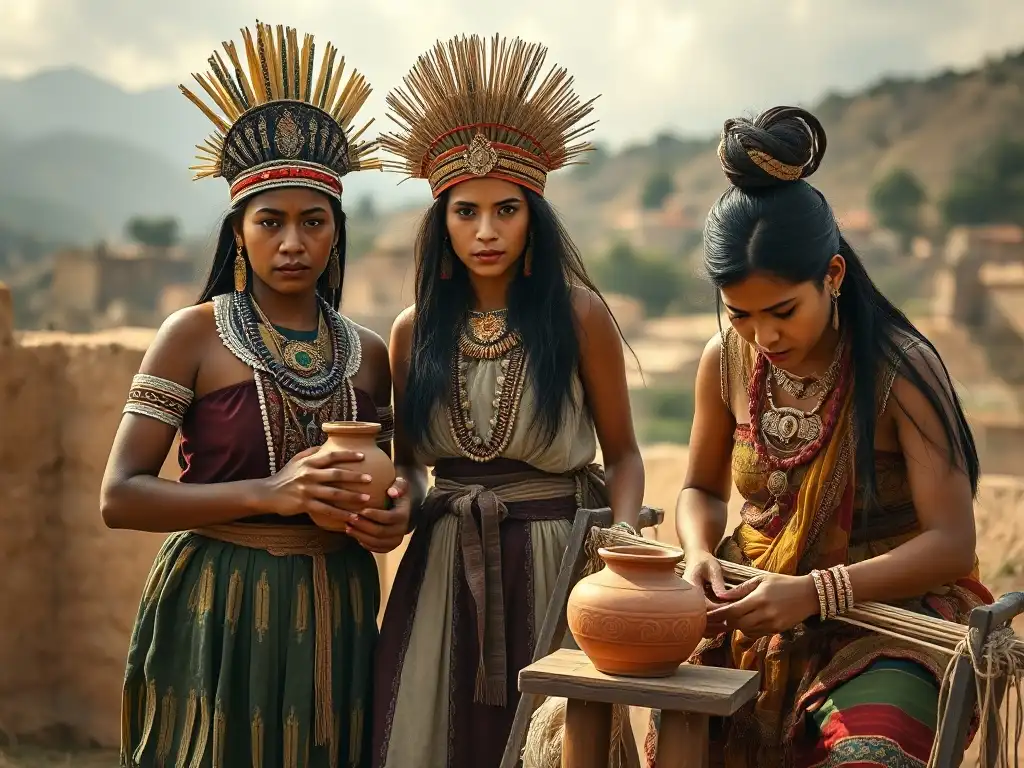
The prevailing narrative often relegates women in ancient societies to domestic roles. However, the Moche civilization of ancient Peru (circa 100-800 CE) presents a compelling counter-narrative, revealing the multifaceted and powerful roles Moche women played in their society. This section delves into the evidence challenging the simplistic view of Moche women solely as homemakers.
We'll explore their participation in religious life, their influence within the political sphere, and their overall societal contribution, highlighting the diverse ways Moche women shaped their world. Understanding the complex roles of Moche women provides a crucial lens through which to interpret the intricacies of this fascinating ancient culture and its enduring legacy. The study of Moche women's roles significantly enriches our understanding of ancient Peruvian societal structures and challenges long-held assumptions about gender dynamics in pre-Columbian societies.
Moche Women as Priestesses and Ritual Leaders
The Moche people were deeply religious, and their sophisticated iconography provides invaluable insights into their spiritual beliefs and practices. Notably, this iconography frequently depicts women in prominent religious roles, actively participating in and leading ceremonies. This challenges the notion of a strictly patriarchal society, suggesting a significant level of female involvement in the spiritual life of the Moche.
Evidence of Female Ritual Specialists in Moche Iconography
Moche pottery, renowned for its intricate detail and lifelike depictions, often features women performing ritualistic acts. These depictions aren't merely decorative; they provide tangible evidence of female ritual specialists. Many ceramics showcase women adorned in elaborate headdresses and regalia, conducting ceremonies, offering sacrifices, or interacting with supernatural beings.
The meticulous detail and the prominent placement of these female figures within the artistic narratives strongly suggest a significant role for women in the Moche religious system. One particular recurring motif depicts women holding ceremonial vessels or participating in rituals involving the consumption of hallucinogenic substances, highlighting their active participation in altered states of consciousness integral to Moche religious practice. The sheer volume of such depictions strongly suggests that these weren’t isolated instances but rather represented a common and accepted aspect of Moche religious life.
The Role of Women in Moche Religious Ceremonies
Beyond the artistic representations, archaeological evidence further supports the presence of female ritual leaders. While further research is needed to fully understand their specific roles, the discovery of female burials with associated ritual objects and offerings strongly suggests their active participation in religious ceremonies. The artifacts found alongside these burials, such as ceremonial vessels, textiles, and adornments, mirror those depicted in the pottery, further corroborating the visual evidence from Moche iconography.
These findings suggest that Moche women held positions of authority and influence within the religious sphere, actively shaping the spiritual landscape of their society. Further analysis of these burials and their associated grave goods might reveal more specific details about the types of ceremonies in which women participated and the level of their involvement.
The Presence of Elite Moche Women and Their Political Influence
While the exact nature of Moche political organization remains a subject of ongoing debate, evidence suggests that elite Moche women held significant political influence. Their power is not solely inferred from religious roles; rather, it's supported by archaeological findings related to burial practices and the discovery of status symbols associated with women.
Examining Burial Practices and Status Symbols
The burial sites of elite Moche individuals, both male and female, often contain elaborate grave goods, reflecting their high social standing. However, the quantity and quality of grave goods found in the burials of elite women are comparable to those of elite men, suggesting a similar level of power and influence. These grave goods frequently include finely crafted gold and silver ornaments, intricate textiles, and ceremonial objects, providing tangible evidence of their wealth and status.
The presence of such lavish grave goods alongside the remains of women challenges the traditional assumption of male dominance within the Moche political hierarchy. This suggests that women occupied positions of power and authority, not merely subservient roles within the Moche social structure. Further research into the spatial distribution of these elite burials and their relationship to other Moche settlements might provide additional insights into the political organization of the society.
Decoding the Power of Moche Female Leaders
The combination of iconographic evidence and archaeological findings paints a picture of Moche women as powerful individuals, holding significant religious and potentially political authority. While the exact mechanisms of their power remain a subject of ongoing scholarly discussion, the undeniable evidence of their prominent roles challenges the traditional understanding of gender dynamics in ancient Andean societies. Further research, including detailed analysis of Moche texts (if any survive) and a more comprehensive study of settlement patterns, is crucial to fully understand the extent of Moche women's power and their contributions to the civilization's success.
The study of Moche women's roles is vital for achieving a more nuanced and accurate understanding of this remarkable ancient Andean civilization. Their story is a testament to the complexity of pre-Columbian societies and the importance of challenging traditional narratives.
Moche Women's Participation in Craft Production and Economic Activities
The prevailing narrative often depicts ancient Andean women solely within the domestic sphere. However, archaeological evidence strongly suggests a far more significant and multifaceted role for Moche women, particularly in craft production and economic activities. Their contributions extended beyond the home, actively shaping the economic landscape of their society.
The meticulous craftsmanship evident in Moche artifacts reveals a level of skill and organization that points to a highly structured and productive system in which women were key players. Their involvement wasn't merely supplementary; it was integral to the success and prosperity of Moche society. The scale of production, the complexity of techniques, and the sheer volume of surviving artifacts all testify to the significant labor input of Moche women.
Further research continues to uncover more details about the organization of this labor and the social structures that supported it. We are only beginning to fully appreciate the extent of their economic influence.
Weaving, Pottery, and Other Female-Dominated Crafts
Analysis of Moche textiles and pottery reveals a high degree of specialization and artistry predominantly associated with women. The intricate designs, vibrant colors, and sophisticated weaving techniques of Moche textiles indicate a mastery of craft that required years of dedicated training and practice. These textiles, ranging from simple clothing to elaborate ceremonial garments, were not merely functional; they served important social and ritual purposes.
Similarly, the delicate and detailed pottery, often featuring iconic Moche imagery, demonstrates a high level of skill and artistic sensibility. Many of the finest examples of Moche pottery, including the famous portrait vessels depicting individuals with striking realism, are attributed to female artisans.
Beyond weaving and pottery, women likely also participated in other crafts, such as the production of jewelry, ornaments, and other luxury goods, although the evidence for these is less direct. The prevalence of female figures depicted in the act of crafting further underscores the importance of women's roles in these crucial economic sectors.
The Economic Contributions of Moche Women
The economic contributions of Moche women were substantial and multi-faceted. Their involvement in craft production generated significant wealth for their communities. The trade of Moche textiles and pottery, both within their society and with neighboring groups, contributed substantially to the Moche economy.
The high quality and artistic merit of these goods ensured a high demand, making Moche women crucial players in the regional exchange network. Beyond the production of goods, women likely played a significant role in their distribution and exchange, further enhancing their economic influence. While the precise mechanisms of their economic participation might remain partially obscured by the limitations of the archaeological record, the sheer volume and quality of the surviving artifacts leave little doubt regarding the vital economic contributions of Moche women.
Their work was essential not just to household economies, but to the overall prosperity and stability of the Moche state. Future research should focus on further elucidating the complexity of their economic roles and their integration into the larger socio-political structures of Moche society. Understanding this fully will paint a more complete picture of Moche society and challenge traditional interpretations that undervalue women's contributions.
The Iconography of Moche Women: A Visual Narrative
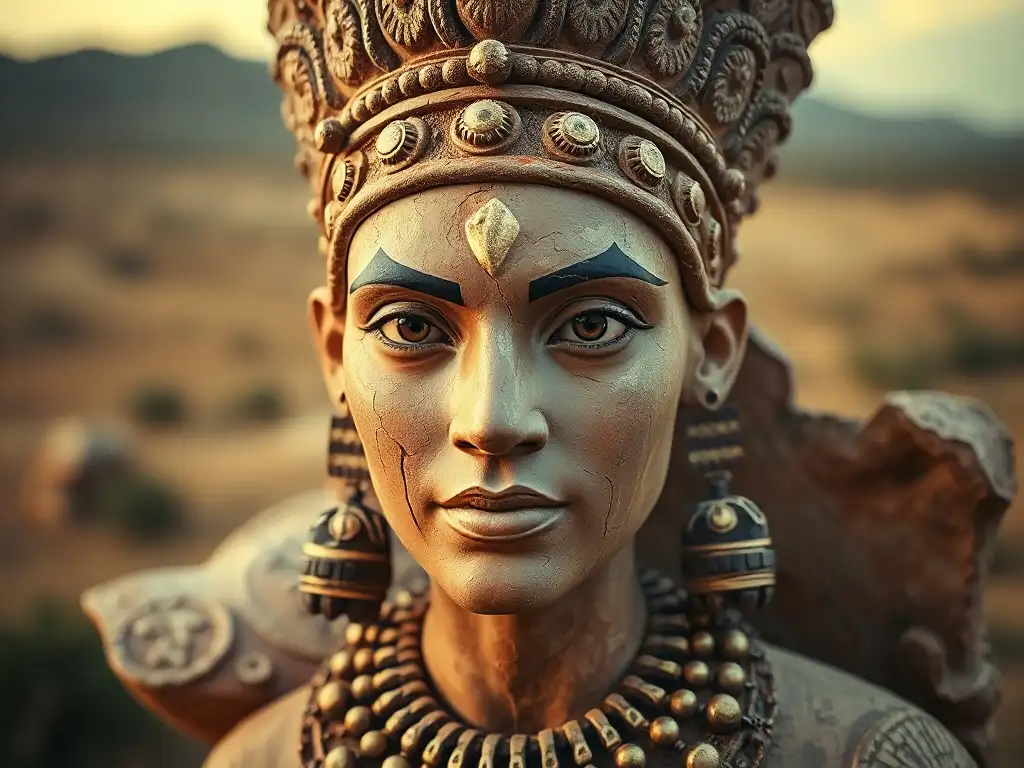
The Moche civilization (c. 100-800 CE) left behind a rich visual legacy, meticulously detailing aspects of their daily lives, religious beliefs, and social structures. A significant, and often overlooked, component of this legacy is the portrayal of women, revealing a complexity far beyond simple domestic roles. Understanding the iconography of Moche women provides crucial insight into their societal standing and the nuances of gender dynamics within this ancient Peruvian culture.
This section focuses on analyzing Moche art to uncover the visual narrative surrounding the power and influence of Moche women, challenging traditional interpretations that often downplay their contributions. The vibrant colors, intricate details, and striking imagery of Moche ceramics and murals offer a unique window into the past, allowing us to reconstruct a more accurate and nuanced picture of Moche women's roles in ancient Peru.
Analyzing Moche Art for Depictions of Female Power
Identifying Female Figures in Moche Ceramics and Murals
Moche artistry, particularly in its pottery, is renowned for its realism and detail. Identifying female figures is relatively straightforward due to the consistent use of certain visual cues. These include depictions of elaborate hairstyles, often adorned with headdresses or jewelry; the presence of breastplates or other garments indicative of high social status; and distinct facial features and body postures suggesting authority and confidence. For example, numerous Moche vessels depict women participating in rituals or ceremonies, often holding ceremonial objects or positioned prominently within the scene.
This contrasts sharply with representations in some other ancient cultures where female figures are relegated to subordinate roles. The sheer number of depictions of women in powerful positions within Moche art strongly suggests their significance in Moche society. Further research into the specific iconography on these vessels and murals is crucial to fully understand the multifaceted roles of women.
Deciphering the Symbolism Associated with Moche Women
Beyond simple identification, deciphering the symbolism associated with Moche women is crucial to understanding their power. Specific motifs, such as specific headdresses, jewelry, or postures, might denote specific roles or social statuses. For example, the presence of certain types of adornments may indicate a connection to religious practices or leadership positions.
The use of particular colors might also hold symbolic meaning, potentially representing different social classes or spiritual significance. Unfortunately, a complete understanding of this symbolic language remains elusive, requiring further interdisciplinary research combining art history, anthropology, and archaeology. The potential for uncovering new meanings from existing artifacts is significant, promising a deeper understanding of Moche women's roles in ancient Peru.
Examining Gender Roles and Power Dynamics in Moche Visual Culture
The Portrayal of Women in Different Social Contexts
Moche art depicts women in a variety of social contexts, highlighting their participation in diverse aspects of society. We see women involved in agricultural activities, textile production, and food preparation, suggesting their integral role in the economy. However, their presence extends far beyond domestic spheres.
Many depictions showcase women engaged in religious ceremonies, warfare, or political activities, indicating their influence in various facets of Moche life. This visual evidence challenges the traditional view of women as solely domestic figures, revealing a more complex and nuanced picture of their roles within the society. A detailed cataloging of these depictions, organized by social context, would offer valuable insights into the range of activities undertaken by women.
The Interpretation of Moche Iconography Through a Gendered Lens
Interpreting Moche iconography through a gendered lens is essential to avoid perpetuating biased interpretations. By acknowledging the potential for gender bias in earlier scholarship, we can reassess existing interpretations and develop new frameworks for understanding the visual evidence. This involves carefully considering the context of each depiction, analyzing the symbolism associated with female figures, and challenging traditional assumptions about gender roles in ancient societies.
A critical and nuanced approach is necessary to fully appreciate the complexities of Moche women's lives and their contributions to the civilization. This includes considering the power dynamics depicted in the art, such as the portrayal of women in positions of authority or influence. Analyzing the visual evidence with a critical eye and a sensitivity to gender is key to furthering our understanding of Moche women's roles in ancient Peru.
Moche Female Burials: Clues to Their Status and Power
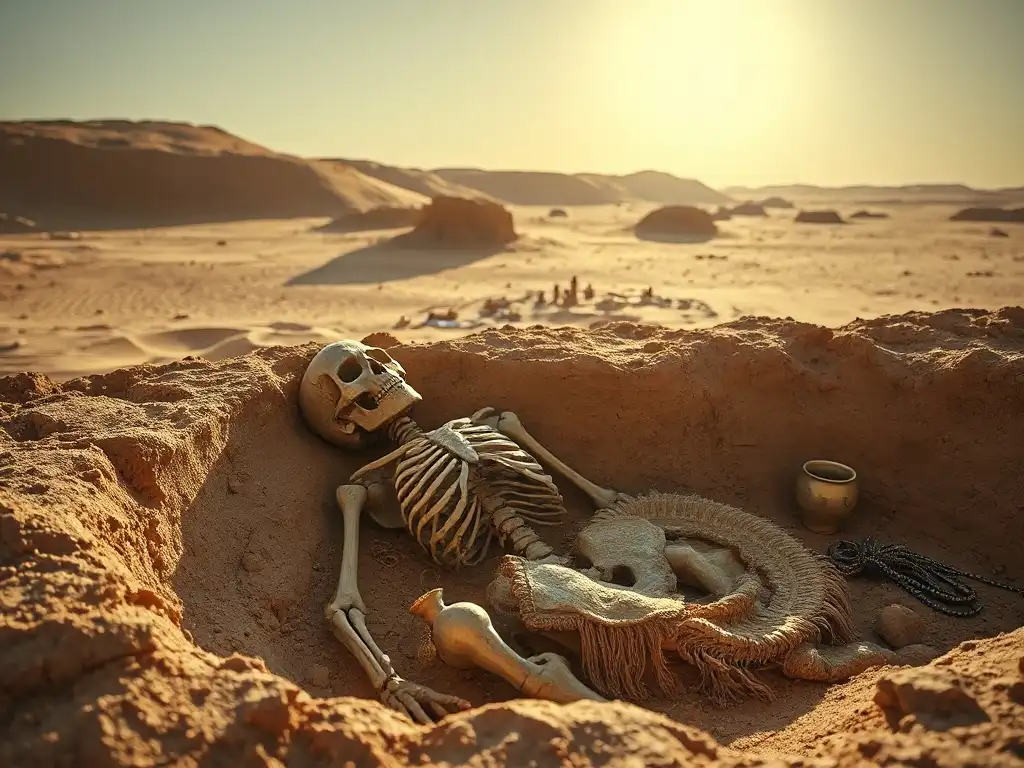
The study of Moche women's roles in ancient Peru is significantly advanced through the careful examination of their burial sites. Unlike many other ancient societies where women's contributions are largely undocumented, the Moche culture offers a unique window into the lives and status of women through the rich archaeological record left behind. Analyzing these burials, with their carefully curated grave goods and elaborate rituals, allows us to piece together a more comprehensive understanding of the power dynamics within Moche society.
Moche burials, whether simple or elaborate, provide invaluable insights into the social hierarchy. The sheer scale of a burial, the location within a cemetery, and the presence or absence of specific grave goods are all crucial factors in determining the deceased's social standing. While male burials often feature weaponry and symbols of warfare, indicating a focus on military power, female burials frequently showcase different indicators of status and influence. This is not to say that Moche women didn't participate in warfare, but their power structures and expressions differed significantly.
The meticulous excavation and analysis of numerous Moche burial sites have revealed patterns that challenge traditional assumptions about gender roles in ancient societies. For example, the presence of elaborate textiles, fine ceramics, and gold ornaments strongly suggests high social standing. Further, the inclusion of specific types of food, such as rare seafood or exotic fruits, indicates access to resources and a privileged position within the community. These findings, combined with skeletal analysis to determine age and health, provide a multifaceted perspective on the lives and roles of Moche women.
The Lady of Cao: A Case Study in Moche Female Leadership
The discovery of the Lady of Cao stands as a pivotal moment in our understanding of Moche women's roles. This remarkably well-preserved tomb, unearthed in 2005, revealed the burial of a high-ranking Moche woman, possibly a priestess or ruler. Her exceptional burial, replete with exquisite artifacts and rich grave goods, completely shattered preconceived notions about the limited power of women in the Moche society.
The Significance of the Discovery of the Lady of Cao
The Lady of Cao's tomb contained an unprecedented array of objects, including intricately woven textiles, gold ornaments, and ceremonial paraphernalia. The sheer quantity and quality of these grave goods are unparalleled in other Moche female burials. Her body was adorned with elaborate jewelry and her burial chamber was richly decorated, suggesting a life of immense privilege and power.
The discovery challenged the long-held assumption that leadership positions were exclusively held by men in the Moche civilization. The implications of this discovery are far-reaching, forcing a re-evaluation of the existing interpretations of Moche social structures and gender roles. The sheer wealth and prestige associated with her burial provide compelling evidence of a powerful female figure within the Moche hierarchy.
Analyzing the Burial of the Lady of Cao and Her Political Influence
The Lady of Cao's burial provides tangible evidence to support the hypothesis that women held significant political power within Moche society. Her tomb's location, the elaborate rituals surrounding her burial, and the presence of unique ceremonial objects all suggest a high level of political influence. Further, analysis of the artifacts found within the tomb offers clues about her potential role as a religious leader or even a ruler.
The presence of finely crafted textiles and ceremonial objects strongly suggests a position of authority and spiritual significance. The sheer scale of the burial, compared to other Moche burials, underlines her exceptional status within the community.
The discovery of the Lady of Cao fundamentally shifted our understanding of Moche society, highlighting the significant, and previously underestimated, roles that women played in its political and religious life. It showcases the existence of powerful female figures who wielded considerable influence, challenging traditional narratives that focus solely on male dominance.
The Legacy of Moche Women and Their Impact on Andean History
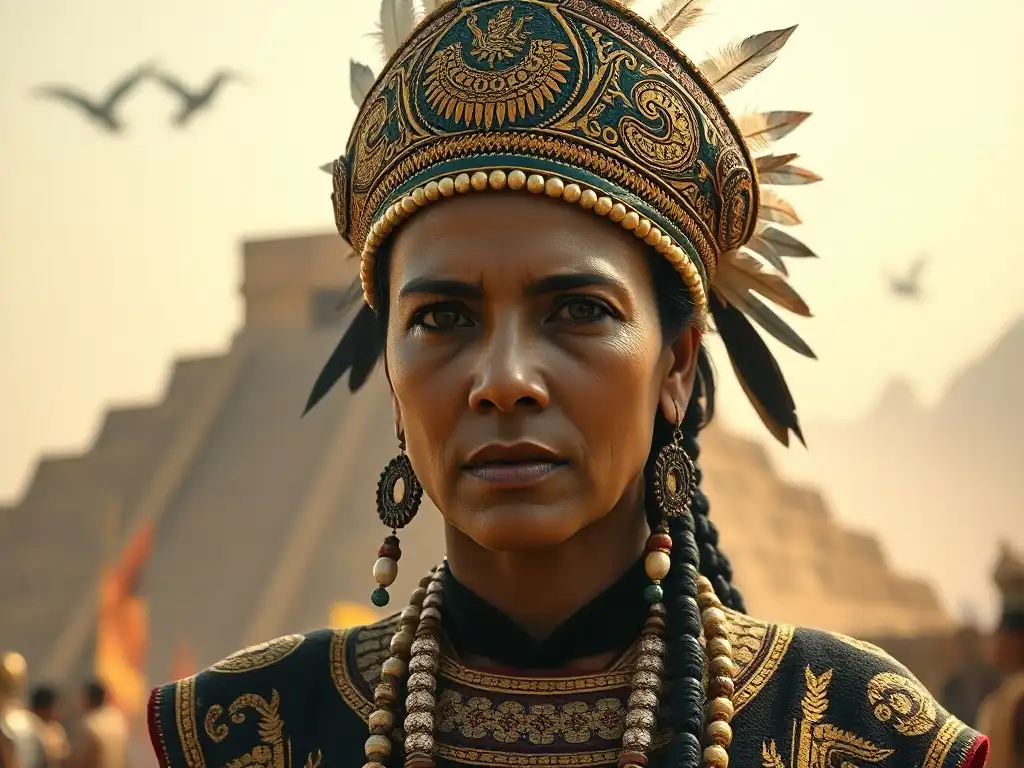
The Moche civilization (circa 100-800 CE), flourishing along the northern coast of Peru, left behind a remarkable archaeological record that, while initially interpreted through a Eurocentric lens, is increasingly revealing the significant roles played by Moche women. Contrary to earlier assumptions portraying them solely as domestic figures, evidence suggests a far more complex and influential reality. The legacy of Moche women extends beyond their immediate societal context, impacting Andean history and culture in profound ways that continue to resonate today.
Understanding this legacy requires a critical reevaluation of existing narratives and a deeper engagement with the available archaeological and anthropological data. This nuanced perspective sheds light not only on the power dynamics within Moche society but also on the broader development of gender roles in the Andean region.
Reevaluating the Importance of Moche Women in Andean Civilization
Understanding the Complexities of Gender Roles in Ancient Peru
The simplistic binary of "male dominance" often applied to ancient societies, including the Moche, is insufficient to capture the nuances of gender roles in ancient Peru. Archaeological findings reveal a more intricate picture. While men may have held prominent positions in warfare and political leadership, women occupied crucial roles in various spheres of Moche life.
The discovery of female burials with elaborate grave goods, comparable in richness to those of men, challenges the notion of a strictly patriarchal structure. This suggests a significant level of social status and influence afforded to certain Moche women. Furthermore, the presence of female figures in Moche iconography, often depicted in powerful positions or engaging in activities previously assumed to be exclusively male, further complicates the traditional interpretation of gender roles.
Challenging Eurocentric Interpretations of Andean History
Many early interpretations of Moche society were filtered through the lens of European cultural biases, often projecting preconceived notions about gender onto the archaeological record. These interpretations frequently minimized or ignored the evidence suggesting significant female participation in Moche society. A more accurate understanding requires a conscious effort to decolonize our approach, prioritizing indigenous perspectives and critically examining the biases inherent in previous scholarship.
By actively challenging these Eurocentric interpretations, we can gain a more accurate and nuanced appreciation of the multifaceted roles of Moche women. This reevaluation necessitates a deeper understanding of the cultural context and a more sophisticated interpretation of the available data, moving beyond simplistic generalizations.
The Lasting Influence of Moche Female Figures on Andean Culture
The Transmission of Moche Traditions and Beliefs
Moche women were not merely passive recipients of cultural traditions; they actively participated in their transmission and adaptation across generations. The intricate textile production, ceramic artistry, and complex ritual practices associated with the Moche civilization all involved significant female participation. These women were the keepers of knowledge, passing down skills and beliefs through apprenticeship and family lines.
This active role in cultural transmission ensured the continuity of Moche traditions and their influence on subsequent Andean cultures. The enduring legacy of Moche artistry, in particular, demonstrates the profound impact of female creativity and skill. Their contributions shaped not only the aesthetic landscape of the Moche world but also laid the groundwork for future artistic developments in the Andes.
The Importance of Studying Moche Women for Future Generations
Studying the roles of Moche women is not merely an academic exercise; it holds significant implications for understanding gender dynamics and social structures in ancient societies. By examining the lives and contributions of these women, we can gain valuable insights into the complexities of power, social organization, and cultural transmission. Moreover, this study serves as a powerful counter-narrative to patriarchal interpretations of history, empowering future generations to recognize and appreciate the contributions of women throughout history.
The continuing research into Moche women's roles provides a crucial corrective to historical narratives that have long marginalized female voices and contributions. This work is essential for building a more inclusive and representative understanding of Andean history and culture, ultimately benefiting both academic scholarship and public awareness. The ongoing efforts to excavate, analyze, and interpret Moche artifacts related to women's roles are vital for a more complete and accurate portrayal of the past.
Conclusion: Recognizing the Power and Influence of Moche Matriarchs
This exploration of Moche women's roles in ancient Peru reveals a complex and multifaceted picture, far removed from stereotypical depictions of passive figures confined to domestic spheres. The evidence strongly suggests that Moche women held significant power and influence across various aspects of society, challenging the traditional patriarchal narratives often associated with ancient civilizations. Their representation in elite burials, their depiction in elaborate ceramics as powerful figures, and the archaeological evidence of their involvement in craft production and potentially even religious leadership, all point to a society where women played crucial roles.
Understanding the true extent of their influence requires further investigation and a critical reassessment of existing biases in the interpretation of archaeological data. This necessitates a shift away from solely focusing on male-centric perspectives towards a more inclusive and nuanced understanding of Moche social structures.
Summarizing the Key Findings on Moche Women's Roles
Our analysis of available archaeological data, iconography, and textual evidence paints a portrait of Moche women as active participants in various spheres of life. Key findings include:
- High-Status Burials: The discovery of women interred with elaborate grave goods, comparable to those of male elites, underscores their privileged position within Moche society. This challenges the notion that power was solely concentrated in the hands of men. The presence of gold ornaments, intricate textiles, and other luxury items demonstrates their wealth and status.
- Ceramics as a Source: Moche pottery provides invaluable insights into social structures. The depiction of women in roles of authority, often depicted as priestesses or leaders, suggests their involvement in ritualistic and possibly political life. These representations are not merely decorative; they communicate a significant social message.
- Craft Specialization: Archaeological evidence indicates that women played a vital role in craft production, particularly in textile weaving and ceramic painting. The meticulous detail and high artistic quality of these artifacts reflect their skill and expertise. This economic contribution further solidified their importance within the community.
- Potential Religious Roles: While definitive proof remains elusive, some interpretations of Moche iconography hint at women holding significant religious positions. Further research is needed to corroborate these hypotheses, but the possibility cannot be dismissed.
The Ongoing Research and Future Directions in Moche Studies
Despite significant progress, much remains unknown about the lives and roles of Moche women. Future research should focus on:
- Advanced DNA Analysis: Genetic studies could provide further insights into kinship structures and the social mobility of women within Moche society. This would help clarify lineage and inheritance patterns.
- Interdisciplinary Collaboration: A more collaborative approach, involving archaeologists, anthropologists, art historians, and other specialists, is crucial to ensure a comprehensive and nuanced understanding of Moche social dynamics.
- Re-evaluation of Existing Data: A critical re-examination of existing archaeological finds, with a conscious effort to avoid gender bias, is essential for a more accurate interpretation of the evidence.
- Expanding the Scope of Investigation: Further excavation and research at diverse Moche sites are needed to broaden our understanding of regional variations in women's roles. The current research is largely based on a limited number of sites, which might not be fully representative.
Acknowledging the Contributions of Moche Women to Andean History
The study of Moche women's roles forces us to reconsider conventional understandings of Andean civilizations and ancient societies in general. Their contributions, though often overlooked, were fundamental to the social, economic, and religious fabric of Moche culture. By acknowledging their power, influence, and significant contributions, we gain a more complete and accurate understanding of Andean history and challenge reductive interpretations that diminish the agency and achievements of women in the past.
Their story is a testament to the resilience and strength of women throughout history, and their legacy continues to inspire further exploration and understanding of the complexities of Andean civilizations. The ongoing research into Moche women's roles promises to further enrich our knowledge of this fascinating ancient culture and provide a more inclusive and accurate portrayal of its past.
Frequently Asked Questions
What were the primary roles of Moche women?
Moche women held a diverse range of roles, extending beyond domesticity. They were involved in textile production, agriculture, and even held positions of power within the society, as evidenced by archaeological findings.
How did the Moche portray women in their art?
Moche pottery and other art forms frequently depict women in powerful and prominent roles. They are shown as priests, warriors, and important figures in religious ceremonies, challenging traditional gender roles.
What evidence suggests Moche women had political influence?
While direct evidence of female rulers is debated, archaeological discoveries suggest significant female participation in political and religious life. The depiction of women in powerful roles in art, and their presence in elite burials, points to their influence.
How did the roles of Moche women compare to those in other Andean cultures?
Compared to some other Andean cultures, Moche women appear to have enjoyed a relatively higher status. While the extent of their power is still being researched, the evidence suggests a more integrated and influential role than in some contemporaneous societies.
Where can I learn more about Moche women's roles?
You can explore further research on the topic through academic journals focusing on Andean archaeology and ancient Peruvian history. Museums showcasing Moche artifacts also offer valuable insights into their lives and society.
Final Reflection: Unveiling the Enduring Legacy of Moche Women
The vibrant tapestry of Moche society, often depicted through the lens of warrior-priests and elaborate ceremonies, reveals a far more nuanced reality when we examine the significant roles played by its women. Their influence, far from being peripheral, was deeply interwoven into the fabric of daily life, religious practices, and even political power structures, a truth that continues to challenge our understanding of ancient Andean civilizations.
The enduring power of Moche women, as evidenced by their prominent representation in ceramic art and the archaeological record, forces us to reconsider traditional narratives that often marginalize female contributions in history. Their presence, depicted in positions of authority and engaged in activities previously considered solely masculine, speaks volumes about the complexity of their society. The past is never dead. It's not even past.
– William Faulkner. This quote resonates deeply, as the echoes of Moche women's strength and influence continue to reverberate through time, prompting us to re-evaluate our assumptions about gender roles in ancient societies and their lasting impact on our own.
Consider the implications of this rediscovery. How can we, in the present day, learn from the agency and resilience demonstrated by these ancient matriarchs? You, the reader, are invited to reflect on the ways in which societal narratives shape our understanding of the past and to actively seek out and amplify the voices of those often overlooked. Let the legacy of Moche women inspire you to challenge preconceived notions and to champion a more inclusive and equitable understanding of history, ensuring that the stories of powerful women, past and present, are heard and celebrated.
Unveil the Legacy of Moche Matriarchs Today!
Thank you for joining us on this journey through the fascinating world of the Moche civilization and the powerful roles women played within it. Your interest in this important aspect of ancient Peruvian history enriches our understanding and empowers future generations to recognize the significant influence of women throughout time. Let's continue exploring this captivating subject together.
- Delve deeper into the stories of influential women from ancient cultures by visiting local museums, exploring online resources dedicated to Andean heritage, or researching scholarly articles on the subject.
- Share your newfound knowledge with friends, family, and on social media—let's inspire others to celebrate the remarkable contributions of women throughout history!
- Consider forming a book club focused on women's history; it's a wonderful way to connect with others and explore diverse narratives and perspectives.
What aspect of the role of women in Moche society surprised or intrigued you the most? We'd love to hear your thoughts and continue this important conversation!