
The Untold Stories: Unearthing the Secrets of Andean Women

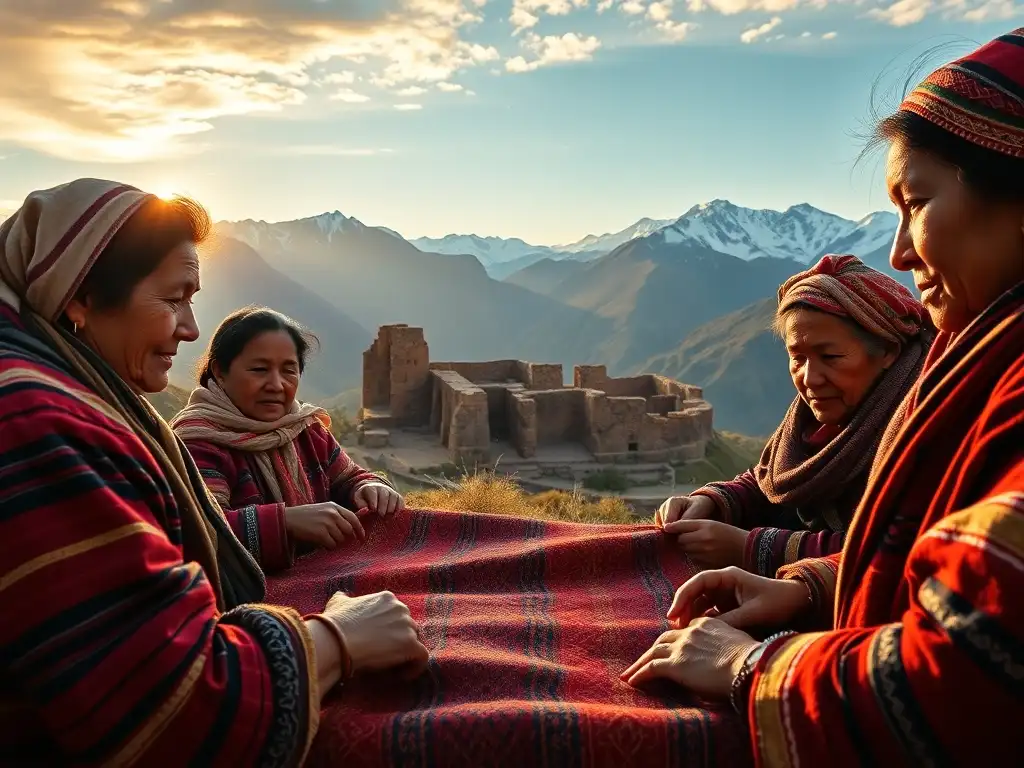
Step into a world lost to time, yet echoing with untold stories. For centuries, the grandeur of the Andean civilizations has captivated us, but their narratives have often silenced the voices of the women who shaped them. This website delves into the fascinating tapestry of Andean history, art, and technology. But today, we unveil a crucial, often overlooked thread: Andean women's history. Prepare to discover the powerful legacies and hidden contributions of these remarkable figures – their lives and achievements will challenge your perceptions and leave you wanting more.
The history of the Andes is often told through the lens of powerful male rulers and military conquests. However, a richer, more nuanced narrative emerges when we examine the crucial roles played by Andean women throughout millennia. This article delves into the often-overlooked contributions and experiences of women in diverse Andean societies, from the skilled artisans of the Nazca culture to the influential figures within the Inca empire.
We will explore their significant impact on various aspects of Andean life, challenging traditional historical perspectives and revealing the untold stories of strength, resilience, and ingenuity that shaped these remarkable civilizations. By focusing on "Andean women's history," we aim to illuminate the complex lives of women who were integral to the social fabric, economic prosperity, and cultural richness of the Andean world. This exploration will unravel the mysteries surrounding their daily lives, their societal influence, and their enduring legacy.
Introduction to Andean Women's History and Their Significance
Understanding Andean women's history requires moving beyond simplistic generalizations. For too long, the narrative has centered on male figures, leaving the contributions of women largely undocumented or minimized. However, archaeological evidence, combined with ethnohistorical accounts and meticulous analysis of surviving textiles and artifacts, paints a different picture. Andean women were not merely passive participants in society; they held significant roles in various spheres of life, including:
- Agriculture and Food Production: Women were vital to the agricultural success of Andean societies. They played key roles in cultivating crops, managing irrigation systems, and processing food. Their expertise in agricultural techniques ensured the survival and prosperity of their communities. Evidence suggests their specialized knowledge in crop rotation and soil management techniques were essential for thriving agricultural practices.
- Textile Production and Craftmanship: The mastery of textile production was a predominantly female domain. Andean women created stunning textiles using intricate weaving techniques, employing vibrant colors and complex designs that reflected their deep understanding of their environment and cultural beliefs. These textiles served not only practical purposes but also held significant symbolic meaning. Their skill was highly valued, and their creations played a crucial role in social status and ritual practices.
- Religious and Ritual Practices: Women participated actively in religious ceremonies and rituals. They held positions as priestesses, healers, and spiritual leaders in many Andean communities, playing a critical role in maintaining the spiritual well-being of their people. Their understanding of medicinal plants and healing practices further cemented their importance within the community.
- Social and Political Influence: While the extent of their political influence varied across different societies and time periods, evidence suggests that Andean women held considerable social power and influence within their families and communities. Their roles as mothers, wives, and community members afforded them significant status and agency.
Understanding the Role of Women in Ancient Andean Societies
The roles of Andean women varied across different cultures and time periods. For instance, while the Inca Empire exhibited a hierarchical structure with a strong emphasis on male authority, women still held significant positions within the royal court and played crucial roles in managing resources and maintaining social order. In contrast, other Andean societies, such as the Moche, might have afforded women greater autonomy and agency in certain areas of life.
The following table summarizes some key differences in the perceived roles of women across different Andean cultures:
| Andean Culture | Textile Production | Agricultural Role | Religious Influence | Political Influence |
|---|---|---|---|---|
| Inca | High, specialized roles within the royal workshops | Significant, organized within the ayllu system | Priestesses in some contexts | Limited direct political power, significant influence within family and community |
| Moche | Evidence of skilled artisans, depicted in pottery | Depicted in agricultural scenes, likely significant role | Evidence of female shamans and figures associated with fertility | Potentially greater autonomy than in other societies, but evidence remains limited |
| Nazca | Master weavers, known for intricate designs | Likely significant, supporting a large population | Potential association with religious figures depicted in ceramics | Limited direct political power, but considerable social influence through their craft |
| Tiahuanaco | Skilled textile producers, potential involvement in religious ceremonies | Evidence suggests a crucial role in agricultural production | Potential roles as priestesses or spiritual figures | Limited direct political power, significant social influence |
Understanding the diverse roles of Andean women requires ongoing research and a critical examination of existing sources. Further research is needed to fully appreciate the complexity of their lives and contributions to Andean civilizations. The challenges lie in the incomplete nature of the archaeological record and the biases present in historical accounts. However, by continuing to study and interpret available evidence, a more comprehensive and accurate understanding of Andean women's history is possible.
Why Uncovering Andean Women's History Matters
Uncovering the history of Andean women is crucial for a more complete and accurate understanding of Andean civilizations. For too long, the narrative has been dominated by the achievements and perspectives of men, creating a skewed and incomplete picture of the past. By actively seeking out and interpreting evidence related to women's lives, we gain a richer appreciation of their diverse roles, contributions, and experiences.
This isn't merely about adding women to an existing narrative; it's about fundamentally reshaping our understanding of power dynamics, social structures, and cultural practices within these societies. Understanding the contributions of Andean women allows us to challenge traditional patriarchal interpretations and appreciate the complex tapestry of Andean societies. Their stories illuminate the full spectrum of human experience within these fascinating cultures, enriching our knowledge and fostering a more inclusive historical understanding.
Furthermore, recovering these narratives serves as a powerful act of remembrance and reclamation, giving voice to those whose stories have been silenced for centuries. This process helps to challenge existing biases and create a more equitable representation of the past, promoting a more inclusive and just future. The study of Andean women's history actively counters the pervasive erasure of women's contributions from historical accounts, ensuring that their legacies are preserved and celebrated.
The Challenge of Reconstructing the Past: Sources and Limitations
Reconstructing the history of Andean women presents significant challenges due to the inherent limitations of the available sources. Traditional historical accounts, often written by men and from a male-centric perspective, frequently overlook or minimize women's roles. Archaeological evidence, while invaluable, can be difficult to interpret in ways that reveal the complexities of women's lives. For example, identifying the sex of skeletal remains definitively isn't always possible, and even when it is, understanding their social roles and status based solely on burial goods or skeletal analysis requires careful and nuanced interpretation, avoiding potentially biased assumptions.
Furthermore, many sources are fragmented or incomplete, requiring careful piecing together of information. The reliance on textual sources, often written in colonial Spanish and reflecting colonial biases, further complicates the process. These sources may misrepresent or entirely omit the perspectives and experiences of indigenous women. Ethnographic studies, while providing valuable insights into contemporary Andean societies, can't always be directly applied to understanding past societies.
Therefore, researchers must employ a multidisciplinary approach, combining archaeological findings, textual analysis, and ethnographic studies with careful consideration of the biases inherent in each source. This requires a critical and reflexive approach to ensure accurate and respectful interpretations of the available evidence. The challenges are significant, but the potential rewards of uncovering these untold stories make the effort worthwhile.
Key Roles and Contributions of Andean Women
Andean women held diverse and crucial roles within their societies, far exceeding the limited portrayals often found in historical accounts. They were not merely passive participants but active agents shaping their communities. Archaeological evidence reveals their significant contributions to textile production, a highly valued skill and source of economic and social power. The intricate weaving techniques, the symbolic meanings embedded in the designs, and the sheer artistry involved highlight women's expertise and creativity.
Beyond textiles, women played vital roles in agriculture, food processing, and domestic management. Their knowledge of medicinal plants and healing practices contributed significantly to the health and well-being of their communities. In some societies, women held positions of religious authority, acting as priestesses or shamans, wielding considerable influence in spiritual and social matters. While the exact extent of their political power varies across different Andean cultures and time periods, evidence suggests that women occupied significant leadership roles in some cases, influencing decisions and shaping community life.
Furthermore, oral traditions and surviving myths and legends often feature powerful female figures, reflecting the importance of women in Andean cosmology and worldview. These diverse roles demonstrate that Andean women were not confined to domestic spheres but actively participated in all aspects of Andean life, contributing significantly to the economic, social, and spiritual well-being of their communities. Their contributions were essential to the success and prosperity of these societies, and their stories deserve to be recognized and celebrated.
Women in Andean Agriculture and Economic Life
Andean women played a crucial, albeit often overlooked, role in the agricultural and economic life of their societies. Their contributions extended far beyond the domestic sphere, encompassing vital tasks that ensured the survival and prosperity of their communities. Archaeological evidence suggests a significant female presence in agricultural production, from the cultivation of crops like potatoes, maize, and quinoa to the management of irrigation systems. While men might have been involved in clearing land or larger-scale projects, women were responsible for the day-to-day labor of planting, weeding, harvesting, and processing these essential food sources.
This involved considerable skill and knowledge passed down through generations, reflecting a deep understanding of agricultural cycles and techniques adapted to the challenging Andean terrain. Their expertise in cultivating diverse crops ensured food security and resilience in the face of environmental challenges. Furthermore, women were actively involved in animal husbandry, caring for llamas and alpacas, crucial for their fiber, meat, and transportation capabilities. Their economic contributions also extended to market activities, where they traded agricultural products and handcrafted goods, actively participating in the complex economic networks that sustained Andean societies.
The economic power of women, though often less visible in official records, was fundamentally important to the overall Andean economy. Their labor and entrepreneurial skills were essential to the well-being of their families and communities. Further research is needed to fully quantify their economic impact, but the available evidence points to a far more significant role than traditionally acknowledged.
The Importance of Women in Textile Production and Craftsmanship
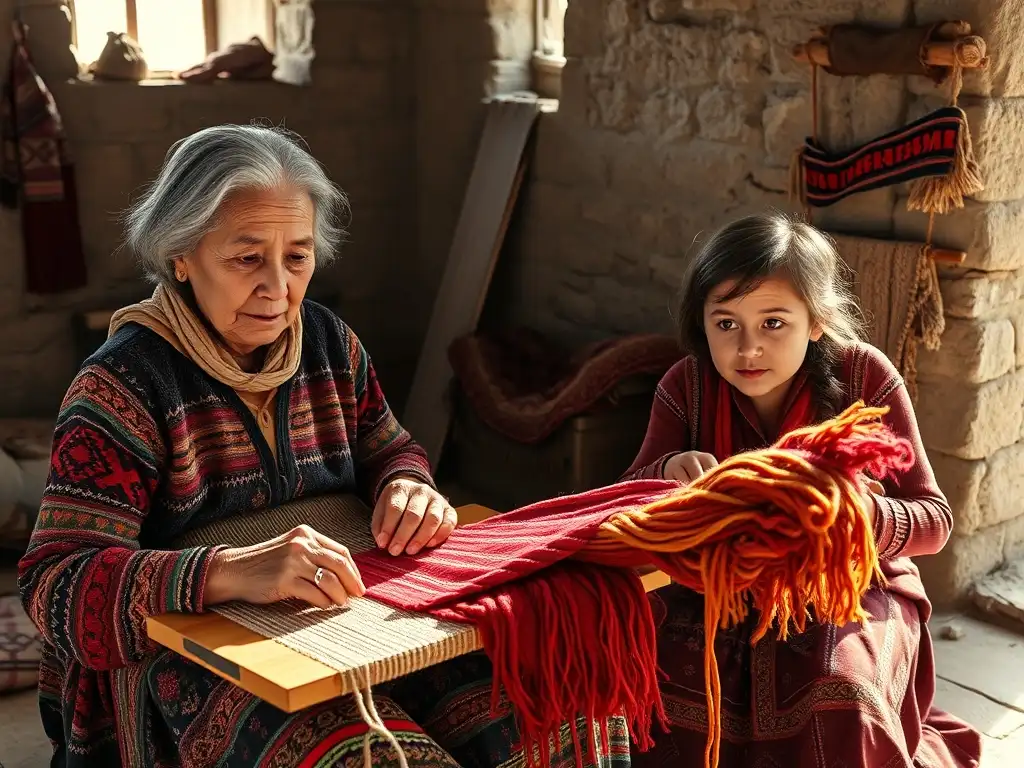
Textile production in Andean societies was not merely a domestic activity; it was a sophisticated art form and a vital economic force, with women at its heart. From the shearing of the alpaca and llama to the spinning, dyeing, and weaving of the fibers, women possessed and transmitted the expertise needed to create the intricate textiles that characterized Andean culture. These textiles were not simply clothing; they served as social markers, indicating status, affiliation, and ritual significance. The mastery of complex weaving techniques, like the intricate tapestry-like designs and the use of various natural dyes, showcases the high level of skill and artistry achieved by Andean women.
Moreover, their creations served important ceremonial and practical purposes. Fine textiles were used in religious ceremonies, adorning statues and forming part of offerings to deities. Their expertise in creating durable and weather-resistant fabrics ensured the survival and comfort of their families. The intricate designs woven into the textiles often contained symbolic narratives, reflecting a rich cosmology and worldview.
These textiles represent not only a remarkable technical achievement but also a crucial means of cultural transmission, reinforcing social structures and beliefs. The production and trade of these textiles contributed significantly to the Andean economy, with women playing a key role in both the creation and dissemination of these highly valued goods. Understanding the importance of women in textile production is crucial to a complete understanding of Andean artistic and economic development.
Andean Women as Healers and Spiritual Leaders
While often overshadowed by male figures in historical accounts, Andean women held significant roles as healers and spiritual leaders within their communities. Their knowledge of medicinal plants and healing practices was deeply embedded in their cultural traditions, passed down through generations. Archaeological findings reveal the presence of female shamans and healers, suggesting a significant participation in religious and spiritual life. They were not simply healers of physical ailments; they were often considered intermediaries between the human and spiritual worlds, possessing the ability to diagnose and treat illnesses considered to be of supernatural origin.
Their expertise extended to rituals, ceremonies, and divination practices, playing a vital role in maintaining the social and spiritual well-being of their communities. The use of medicinal plants and herbal remedies, combined with ritualistic practices, highlights the holistic approach to healing prevalent in Andean cultures. While the specific roles and powers of female healers and spiritual leaders might have varied across different Andean societies and time periods, their presence and influence were undeniable.
The narratives surrounding female deities and mythical figures further emphasize the profound spiritual significance attributed to women in Andean belief systems. These women held positions of power and respect, acting as vital links between the physical and spiritual realms, contributing significantly to the social fabric of their societies. Their roles as healers and spiritual leaders are a testament to the diverse and powerful influence of women within Andean cultures.
Political Influence and Power of Andean Women: Beyond the Stereotypes
While traditional narratives often depict Andean societies as patriarchal, a closer examination reveals a more nuanced reality. The influence of women extended far beyond the domestic sphere, reaching into the political and religious realms. Archaeological evidence, though sometimes limited, suggests women held positions of authority and power, challenging the simplistic notion of male dominance. For example, the discovery of female mummies adorned with elaborate jewelry and positioned in prominent burial sites indicates a high social status and possibly political influence.
Furthermore, the presence of female figurines in religious contexts suggests a significant role in religious ceremonies and rituals. These women were not simply passive figures; they were active participants in the shaping of their societies. The study of textiles, often created by women, reveals intricate designs and symbolic representations that may encode political and religious messages, hinting at the women’s role in transmitting knowledge and shaping societal values.
Further research is needed to fully uncover the extent of their political participation, but the available evidence strongly suggests a more complex and empowering reality than previously assumed. The existing stereotypes need to be revisited and challenged with a more inclusive and accurate portrayal of Andean women’s roles. This requires a shift in perspective, moving away from solely focusing on male-centric narratives to actively seeking and interpreting evidence that highlights women's contributions.
Notable Figures in Andean Women's History
Unfortunately, detailed historical records about individual Andean women are scarce. The Spanish conquest led to the destruction of many primary sources, obscuring the contributions of countless women. However, by analyzing archaeological findings, analyzing surviving oral traditions, and reinterpreting existing historical accounts through a feminist lens, we can begin to identify notable women who played significant roles in their communities.
While precise details about their lives are often fragmented, their impact resonates through the surviving artifacts, traditions, and social structures. Further research into textiles, pottery, and other artifacts may reveal more about the lives and accomplishments of these remarkable women. The challenge lies in recognizing and interpreting the subtle ways in which women’s influence is embedded within the broader historical narrative.
This requires a move beyond the traditional focus on prominent male figures and a commitment to uncovering the hidden histories of Andean women. We need to actively search for evidence of their agency, their power, and their contributions to the development of Andean civilizations.
Mama Ocllo - Her Story and Impact
Mama Ocllo is a legendary figure in Inca mythology, often portrayed as the wife of Manco Cápac, the founder of the Inca Empire. While her historical existence remains debated, her story offers valuable insights into the roles and status attributed to women within Inca society. The legends surrounding Mama Ocllo highlight the importance placed on women in both the creation myth and the establishment of the Inca state.
She is frequently depicted as a powerful and influential figure, contributing significantly to the civilization's development. Her story transcends mere mythology; it reflects the values and beliefs of the Inca people regarding the roles and responsibilities of women in their society.
Her Role in the Founding of Cusco
According to Inca legend, Mama Ocllo played a crucial role in the founding of Cusco, the Inca capital. She is credited with helping to establish the city's infrastructure and social organization. The myth narrates her involvement in the planning and construction of Cusco, highlighting her practical skills and leadership abilities.
This narrative underscores the importance of female participation in the foundational aspects of the Inca Empire. The story of Mama Ocllo’s contributions to Cusco's development provides a powerful symbol of the active role women played in shaping the Inca civilization. The very act of including a female figure in the founding myth speaks volumes about the perceived importance of women in Inca society.
Her Legacy and Lasting Influence
Mama Ocllo's legacy extends beyond her participation in the founding of Cusco. She embodies the idealized image of an Inca queen—a skilled craftswoman, a wise advisor, and a spiritual leader. Her story served as a powerful model for future generations of Inca women. While her actual historical existence remains uncertain, her symbolic importance is undeniable.
The enduring presence of her story in Inca mythology demonstrates the cultural significance attributed to women, particularly those in positions of authority. Her legacy reflects the lasting impact of women on the development and shaping of Inca identity and cultural values. The continued telling of her story emphasizes the persistence of female influence within Inca culture and traditions.
The Weavers of the Paracas Culture - Their Contributions to Society
The Paracas culture, flourishing on the southern coast of Peru from approximately 800 BCE to 200 BCE, is renowned for its exquisite textiles. While often overshadowed by the achievements of male figures in historical accounts, the women of Paracas were the master artisans behind these breathtaking creations. Their contributions extended far beyond mere craftsmanship; their textiles played a vital role in social structures, religious practices, and economic stability.
The intricate designs and vibrant colors woven into their fabrics served as a powerful means of communication, preserving cultural narratives and beliefs across generations. The sheer technical skill and artistic talent displayed in these textiles also provide invaluable insight into the sophistication and complexity of Paracas society. These women were not merely weavers; they were storytellers, artists, and keepers of tradition, their work reflecting the vibrant tapestry of their lives and beliefs.
Their contributions represent a significant, yet often overlooked, aspect of Andean women's history. Further research continues to reveal the depth and breadth of their artistic mastery and its social implications.
Their Unique Techniques and Artistic Achievements
Paracas textiles are distinguished by their exceptional technical skill and artistic innovation. Women employed a variety of techniques, including tapestry weaving, embroidery, and gauze weaving, demonstrating an unparalleled mastery of their craft. The use of natural dyes derived from plants, minerals, and insects resulted in a stunning array of colors that remain vibrant even after centuries.
Their mastery of intricate patterns, often depicting stylized animals, mythical creatures, and complex geometric designs, reveals a deep understanding of symbolic representation and narrative storytelling. The sheer scale of some of the textiles, like the massive mantles and burial shrouds, also underlines the significant labor and collaborative effort involved in their production.
The precision and detail in their work suggest a highly specialized division of labor within Paracas society, with women holding positions of considerable skill and social standing. The surviving examples of Paracas textiles are considered masterpieces of ancient Andean art, showcasing the remarkable achievements of these skilled women artisans.
The Cultural Significance of Their Work
The textiles produced by Paracas women were far more than decorative items; they held profound cultural and religious significance. Elaborately woven garments and burial shrouds accompanied the deceased in their final journey, demonstrating a belief in the afterlife and the importance of maintaining connections between the living and the dead. Textiles were also used in religious ceremonies and rituals, acting as powerful symbols of status, power, and religious authority.
The intricate designs often depicted narratives related to mythology, cosmology, and social structure, conveying important cultural information and beliefs. By carefully analyzing the iconography and symbolism woven into these textiles, researchers can gain deeper insights into the worldview and social organization of the Paracas people.
The role of women in creating and utilizing these sacred objects underscores their crucial position within the religious and social fabric of Paracas society. Their artistry served as a powerful tool for preserving and transmitting cultural heritage, a testament to their enduring legacy.
Bartolina Sisa - Her Leadership and Resilience
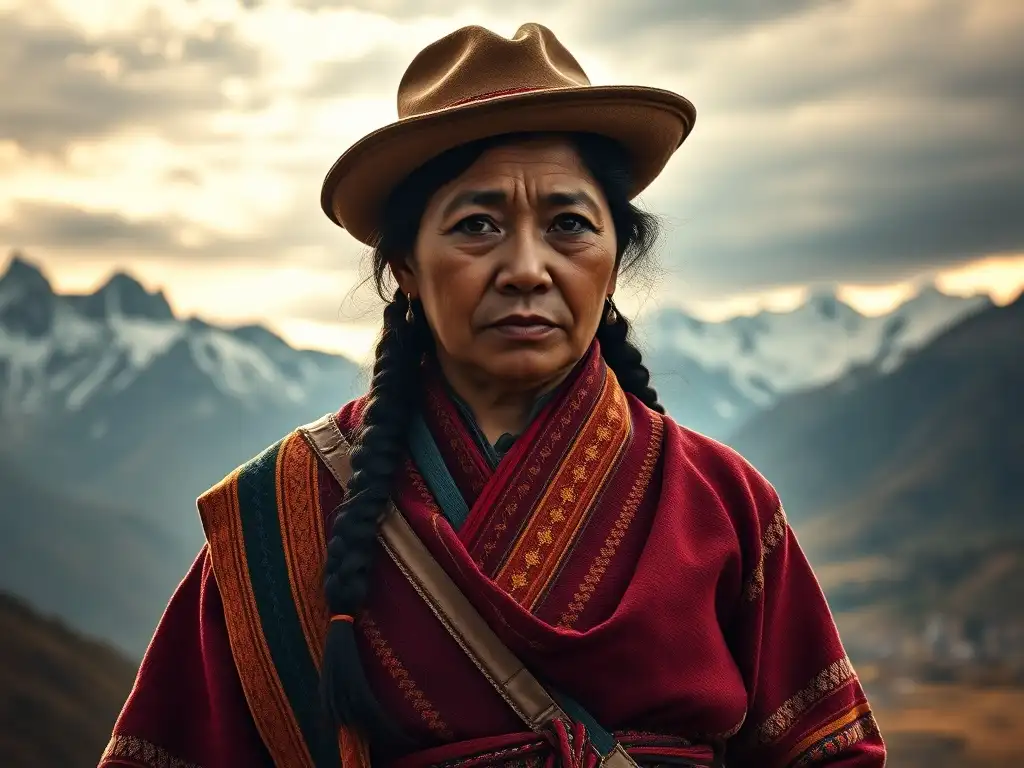
Bartolina Sisa, a Quechua woman from Bolivia, stands as a powerful symbol of indigenous resistance against Spanish colonial rule in the late 18th century. She emerged as a significant leader during the indigenous uprising led by Túpac Amaru II, demonstrating exceptional courage, strategic thinking, and unwavering commitment to her people's cause. While often relegated to the footnotes of history, her contributions were crucial to the movement’s success and longevity.
Despite facing brutal oppression and systematic marginalization, Bartolina Sisa actively participated in military strategies, logistical planning, and the mobilization of indigenous communities. Her leadership transcended traditional gender roles, showcasing her strength, determination, and unwavering dedication to challenging colonial power structures. Understanding her life and actions sheds light on the crucial role women played in the fight for indigenous rights and self-determination in the Andean region.
Her Impact on the Indigenous Uprising in Bolivia
Bartolina Sisa's impact on the indigenous uprising in Bolivia was profound and multifaceted. She played a key role in organizing and mobilizing indigenous communities, encouraging participation and providing essential support to the rebellion. Her knowledge of local terrain and her ability to connect with other indigenous leaders were instrumental in coordinating the movement’s activities. She actively participated in battles, demonstrating both physical and strategic prowess. Her leadership inspired hope and resistance among her people, solidifying her position as a key figure in the uprising. Her actions challenged the colonial power structure, demonstrating the capacity of indigenous women to lead and fight for their rights. Her influence extended beyond the battlefield; she played a crucial role in sustaining the movement through the provision of food, supplies, and essential resources to the rebel forces. The legacy of Bartolina Sisa continues to inspire indigenous movements and activists fighting for social justice and self-determination.
Her Strategies for Survival and Adaptation
Bartolina Sisa’s survival and adaptation strategies during the tumultuous period of the indigenous uprising showcase her resilience and resourcefulness. Faced with the constant threat of capture and execution by the Spanish colonial forces, she employed a range of strategies to avoid capture and maintain the momentum of the rebellion. This included utilizing her intimate knowledge of the Andean terrain to evade pursuers and establishing hidden networks to facilitate communication and resource distribution among rebel forces.
She demonstrated exceptional leadership in the face of adversity, adapting her strategies to meet the changing circumstances of the conflict. Her ability to inspire and motivate her community despite the overwhelming odds demonstrated her unwavering commitment to the cause.
The strategies employed by Bartolina Sisa during the uprising highlight not only her military acumen but also her profound understanding of community mobilization and her ability to build strong alliances within a complex social and political landscape. Her story serves as a testament to the strength, resourcefulness, and leadership capabilities of Andean women facing colonial oppression.
The Daily Lives of Andean Women
The daily lives of Andean women varied significantly depending on their social standing, geographic location, and the specific civilization they belonged to. However, certain common threads weave through their experiences. For women in agricultural societies like the Inca, a large portion of their day was dedicated to farming activities. This included planting, tending to crops like potatoes and maize, harvesting, and processing the harvest for storage and consumption. They were responsible for the meticulous cultivation of coca leaves, a vital part of Andean life, both for sustenance and religious ceremonies.
Their knowledge of agricultural techniques, passed down through generations, was crucial for the survival and prosperity of their communities. Beyond farming, women were involved in textile production, a highly skilled craft that involved spinning, weaving, and dyeing fibers into intricate fabrics. These textiles were not merely clothing; they served as important social markers, signifying status and identity. The vibrant colors and complex designs reflected their deep understanding of natural dyes and intricate weaving techniques.
In addition to these tasks, women also played a significant role in household management, childcare, and food preparation, often using traditional methods passed down through generations. The demanding nature of their roles highlights their essential contribution to the economic and social fabric of Andean societies. Even in urban centers, the lives of women were equally demanding, often involving tasks related to food preparation for larger populations and the creation of complex textiles for elite members of society. The level of involvement in trade and commerce varied greatly depending on the specific culture and time period, with some evidence suggesting significant participation in local markets.
Andean family structures were complex and varied across different cultures and time periods. Generally, kinship played a crucial role, extending beyond the immediate nuclear family to include extended family members and even broader community ties. While patriarchal structures were common, women held significant social influence within their families and communities. Their roles within the household often extended beyond domestic duties.
For example, women played a crucial role in maintaining social harmony and resolving conflicts within the family. Their knowledge of traditions, customs, and social etiquette was often instrumental in navigating complex social situations. In many Andean societies, women inherited property and played a crucial role in the economic well-being of their families. Their contribution to agricultural production and textile manufacturing was fundamental to the family’s economic stability.
The concept of ayni, a system of reciprocal exchange, was central to Andean social life and often involved women heavily. Women were active participants in these reciprocal exchanges, contributing their labor and skills to support their families and strengthen community ties. The influence of women in decision-making varied considerably, but evidence suggests that their voices were heard and respected in many contexts, particularly within the domestic sphere and in matters concerning their families and communities. The exact dynamics of power and authority within Andean families remain a subject of ongoing research, with new discoveries continually reshaping our understanding of women's roles and influence.
Education and Transmission of Knowledge
The education of Andean women was largely informal, primarily occurring within the family and community. Girls learned essential skills from a young age, including agricultural practices, textile production, and household management. This knowledge was transmitted through direct observation, hands-on training, and oral traditions. Mothers, grandmothers, and other female elders played a critical role in educating young girls, imparting valuable knowledge and skills that were essential for their survival and participation in society.
While formal schooling in the Western sense was absent, Andean societies possessed sophisticated systems for transmitting knowledge through storytelling, rituals, and practical training. Women played a vital role in preserving and transmitting cultural knowledge, particularly through the creation and interpretation of textiles. The intricate designs woven into Andean textiles often contained symbolic meanings and narratives that communicated cultural beliefs, historical events, and social values across generations.
Women’s expertise in herbal medicine and healing practices was also an important aspect of their education and role in the community. Their knowledge of medicinal plants and traditional healing methods was passed down through generations and played a crucial role in maintaining the health and well-being of their communities. Understanding the transmission of knowledge in Andean societies requires moving beyond Western notions of formal education to appreciate the sophisticated and multifaceted ways in which knowledge was acquired, shared, and preserved within the community, particularly through the crucial role of Andean women.
Rites of Passage and Important Ceremonies
Andean women's lives were deeply interwoven with a complex tapestry of rituals and ceremonies marking significant life transitions. These rites of passage, often involving elaborate costumes, symbolic offerings, and community participation, provided a framework for understanding their roles within society. For example, the coming-of-age ceremonies for young girls varied across different Andean cultures, but consistently involved symbolic acts representing their transition to womanhood and their increasing responsibilities within the community.
These ceremonies often included instruction in domestic skills, textile production, and the knowledge essential for their future roles as wives, mothers, and community members. The precise nature of these rites varied considerably depending on the specific culture and geographic location. Some involved elaborate feasts, while others focused on spiritual cleansing and initiation rites.
Further research is needed to fully understand the nuanced variations across the diverse Andean societies. The common thread, however, was the emphasis placed on community involvement and the symbolic significance of the transition from girlhood to womanhood. These ceremonies were not merely personal events; they were integral to the social fabric of Andean communities.
Challenges and Hardships Faced by Women in the Andes
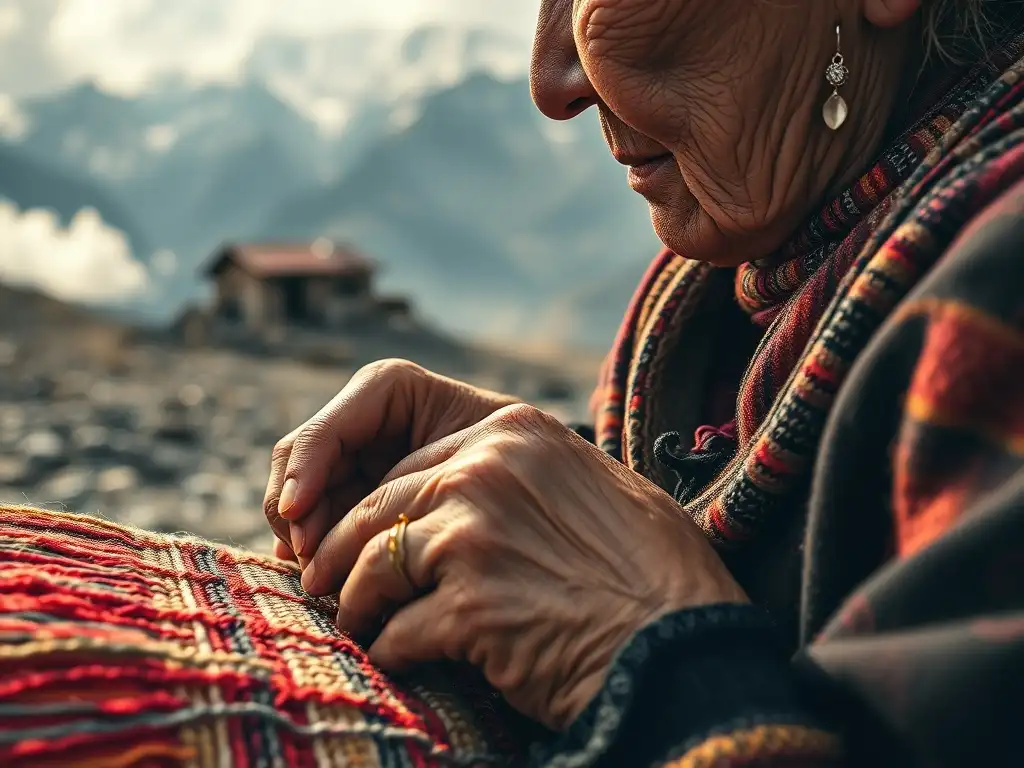
Life for Andean women, while rich in cultural significance, was undeniably challenging. While their roles were crucial to the survival and prosperity of their communities, they faced significant hardships, many of which remain under-researched. The physical demands of agricultural labor, often carried out in harsh mountainous terrain, were considerable. Women played a pivotal role in cultivating crops like potatoes, maize, and quinoa, and their physical strength and endurance were essential to the success of their communities.
In addition to agricultural work, they were responsible for textile production, food preparation, childcare, and household management – a demanding workload that left little time for leisure. Furthermore, the social structures of many Andean societies often placed women in a subordinate position to men. While they held significant influence within their families and communities, their legal and political rights were often limited.
The impact of colonialism further exacerbated these existing challenges, introducing new forms of exploitation and oppression. Understanding the full extent of these hardships requires careful consideration of both pre-Columbian and colonial-era sources, many of which are fragmented or incomplete. More research is needed to fully illuminate the complexities of women's experiences in the Andes.
Unearthing the Secrets: Archaeological and Historical Evidence
While the historical record is often biased towards the perspectives of elite men, recent archaeological discoveries and reinterpretations of existing historical sources have begun to shed light on the lives of Andean women. Archaeological excavations have uncovered evidence of women's participation in various aspects of Andean life, from agriculture and textile production to religious ceremonies and political leadership. The discovery of intricately woven textiles, sophisticated pottery, and elaborate burial sites containing women’s artifacts challenges the traditional narrative that limits women's roles primarily to domestic tasks.
These findings reveal a much more complex and multifaceted picture of Andean women's contributions to their societies. For example, the analysis of skeletal remains can provide insights into their diet, health, and workload. Furthermore, careful study of iconography in Andean art often reveals subtle clues about women's roles and status.
However, interpreting these sources requires a critical approach, acknowledging potential biases and limitations in the available data. The ongoing research and analysis of these sources are crucial to continuing to uncover the untold stories of Andean women and to build a more complete and nuanced understanding of their contributions to Andean history and culture. The collaborative efforts of archaeologists, historians, and other scholars are vital to furthering this important work.
The Role of Archaeological Discoveries in Understanding Andean Women's Roles
Archaeological discoveries have been instrumental in shedding light on the often-overlooked roles of Andean women. For too long, narratives focused primarily on male rulers and warriors, neglecting the contributions of women in various aspects of Andean societies. Recent excavations, however, are revealing a more nuanced picture. The discovery of intricately woven textiles, for example, points to the significant role women played in textile production, a craft highly valued in many Andean cultures.
These textiles, often adorned with complex designs and symbols, were not merely utilitarian objects but also held significant ritual and social meaning. The sheer skill and artistry involved suggest a high level of specialization and social standing for female textile artisans. Furthermore, the unearthing of elaborate burial sites containing female remains adorned with precious jewelry and artifacts challenges the traditional notion of women's subservience.
These findings suggest that women held positions of power and influence within their communities, a fact previously obscured by biased historical interpretations. The careful analysis of skeletal remains also provides valuable insights into women's health, diet, and lifespans, offering a glimpse into the realities of their daily lives. By meticulously examining the artifacts found in association with these remains, archaeologists can build a more complete understanding of their social roles and status.
Interpreting Iconography and Art to Reveal Women's Stories
Andean art, particularly iconography found in ceramics, textiles, and murals, offers a rich tapestry of clues about the lives and roles of women. While interpretations can be complex and require careful consideration of context, these artistic representations provide invaluable insights into gender roles and social structures. For instance, the depiction of women participating in agricultural activities, such as planting and harvesting, reveals their crucial role in food production and economic sustainability.
Similarly, images of women performing rituals or holding ceremonial objects demonstrate their involvement in religious and spiritual life. The Moche culture, known for its elaborate ceramic art, frequently portrays women in positions of authority, sometimes depicted as powerful priestesses or rulers. Analyzing the symbolism and iconography within these images, such as specific clothing, adornments, and gestures, allows researchers to decipher the social status and significance of these female figures.
The Nazca lines, while primarily known for their massive geoglyphs, also contain representations of stylized human figures, some of which are believed to depict women. Interpreting these figures requires a multidisciplinary approach, combining archaeological context with anthropological insights to understand their cultural significance and the roles they represent. Careful study of the artistic styles and recurring motifs can reveal broader patterns and narratives that illuminate the lives of Andean women.
Analyzing Written Records and Colonial Accounts with a Critical Eye
While written records from pre-Columbian Andean civilizations are scarce, the existing sources, coupled with colonial-era accounts, offer valuable—though often biased—information about women's roles. It is crucial, however, to approach these sources with a critical eye, recognizing the limitations and potential biases inherent in them. Colonial chronicles, for example, often reflect the perspectives and prejudices of the Spanish conquistadors, frequently portraying indigenous women in stereotypical and derogatory ways. Therefore, a careful analysis is required to disentangle factual information from colonial biases.
The limited surviving indigenous texts, such as the few surviving quipus (knotted-string records), offer glimpses into Andean record-keeping but often require extensive interpretation. Furthermore, even within colonial accounts, there are nuances and contradictions that require careful consideration. Some accounts, for example, might inadvertently reveal aspects of women's agency and resilience in the face of colonization.
By comparing and contrasting different sources, and by paying close attention to the language and framing used, researchers can begin to construct a more accurate and nuanced understanding of women's experiences during this period. Cross-referencing written accounts with archaeological evidence and iconographic analysis allows for a more comprehensive and reliable interpretation of women's roles in Andean societies, moving beyond simplistic narratives and towards a more complex and accurate historical understanding. The careful and critical study of available sources, recognizing both their strengths and limitations, is essential for reconstructing the untold stories of Andean women.
The Importance of Oral Traditions in Preserving Women's History
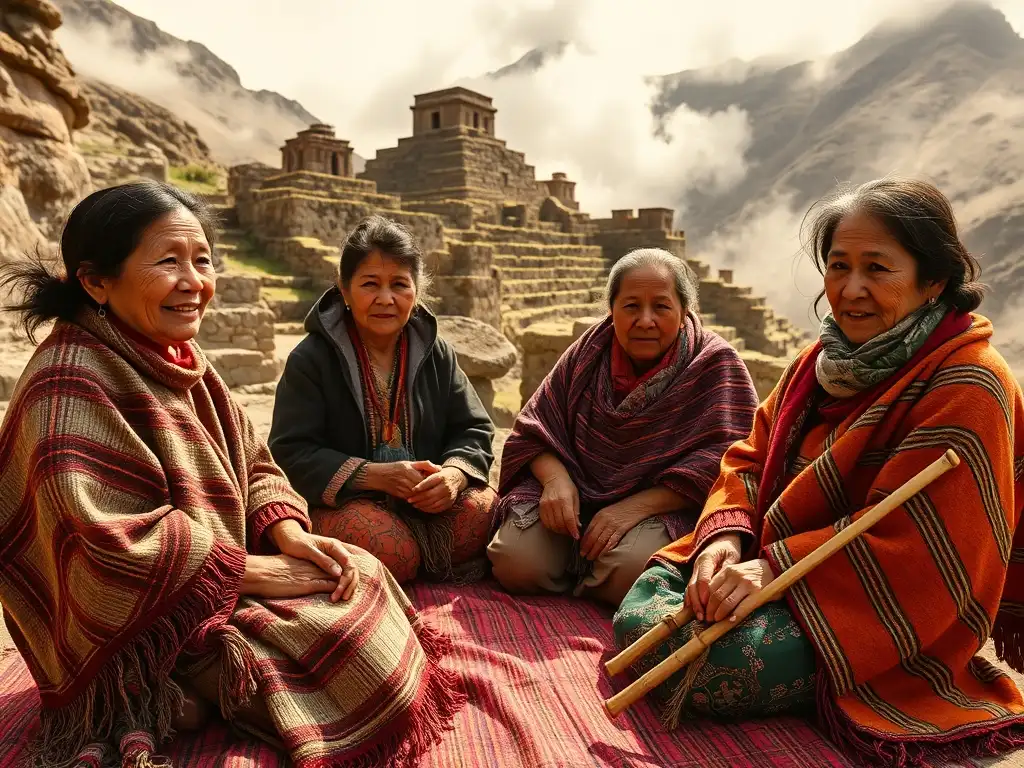
The study of Andean women's history presents unique challenges. Written records, while existing for certain elites, are often incomplete or biased towards the perspectives of men. This is where oral traditions become invaluable. For centuries, Andean cultures relied heavily on storytelling, songs, and rituals to transmit knowledge across generations.
These oral histories often preserved accounts of women's roles and experiences that were otherwise overlooked in official chronicles. For example, the yaravíes, melancholic songs prevalent in the Andes, frequently recount the struggles and triumphs of women navigating complex social structures. These songs, passed down through generations, offer glimpses into the emotional lives and social realities of Andean women, providing insights unavailable in formal historical documents. Furthermore, indigenous communities continue to maintain these oral traditions, acting as living archives of women's contributions to Andean society.
The careful documentation and analysis of these oral accounts are crucial for a more complete and nuanced understanding of Andean women's history, offering perspectives often missing from official records. The voices of the women, preserved through the generations, are finally finding their place in the historical narrative. This requires collaboration with indigenous communities to ensure ethical and respectful preservation and interpretation of these invaluable cultural treasures. The nuances of language, context, and cultural significance must be carefully considered to avoid misinterpretations.
The Enduring Legacy of Andean Women
Andean women's contributions have left an enduring legacy that continues to shape the region today. Their skills in textiles, agriculture, and medicine were fundamental to the survival and prosperity of their communities. The intricate weaving techniques, passed down through generations, are still practiced today, showcasing the artistic prowess and cultural resilience of Andean women.
The knowledge of medicinal plants and healing practices, often held and transmitted primarily by women, formed the backbone of traditional Andean healthcare systems. Moreover, their roles in maintaining social cohesion and family structures played a pivotal role in the stability of Andean societies. Many archaeological discoveries, such as the mummies of elite women found with elaborate adornments and artifacts, testify to their significant social standing and influence within their communities.
Even in the face of colonization and the subsequent disruption of traditional ways of life, Andean women demonstrated remarkable adaptability and resilience, preserving and adapting their cultural heritage. Their enduring strength and ingenuity continue to inspire and empower women in the Andes and beyond. The legacy of these women is not simply a matter of historical interest; it is a living testament to the strength, resilience, and cultural richness of Andean societies.
How Andean Women's History Inspires Modern Generations
The study of Andean women's history serves as a powerful source of inspiration for modern generations. It challenges traditional narratives that often marginalize or erase women's contributions, offering a more inclusive and accurate understanding of the past. By highlighting the achievements and resilience of Andean women, we can empower women today to overcome obstacles and pursue their goals.
The stories of women who navigated complex social structures, preserved cultural traditions, and demonstrated remarkable leadership qualities serve as role models for contemporary women. Furthermore, understanding the historical struggles and triumphs of Andean women can foster a deeper appreciation for the cultural heritage of the region and promote the preservation of indigenous traditions. The ongoing efforts to recover and amplify the voices of Andean women through research, advocacy, and community engagement are crucial for building a more equitable and just future.
The lessons learned from the past provide valuable insights for addressing contemporary challenges and promoting gender equality. Their stories are not just relics of the past; they are vibrant narratives that resonate with the struggles and aspirations of women today, fostering a sense of community and shared purpose across time and cultures. The exploration of Andean women's history is not just an academic pursuit; it is a powerful tool for social change and empowerment.
Contemporary Andean Women and Their Connection to the Past
Contemporary Andean women maintain a profound connection to their rich heritage, often embodying a continuity of traditions and practices passed down through generations. Many women today are actively involved in preserving ancient textile techniques, creating intricate weavings that echo the designs and symbolism of their ancestors. These textiles are not merely decorative; they often tell stories, preserving myths, legends, and historical events within their vibrant patterns.
The knowledge of natural dyes, spinning techniques, and loom operation is meticulously passed down within families, creating a living link to the past. Furthermore, many women participate in traditional ceremonies and rituals, upholding ancient spiritual practices and ensuring the continuation of their cultural identity. This active engagement with ancestral traditions allows them to connect with their heritage on a deeply personal level, shaping their identity and worldview.
The dedication to preserving these traditions is a testament to the enduring strength and resilience of Andean women, demonstrating how the past continues to inform and inspire the present. We see this in the vibrant markets where women sell their handcrafted goods, showcasing not only their skills but also their cultural pride. These markets are dynamic spaces where the past and present intertwine, offering a glimpse into the unbroken chain of Andean women's contributions.
The Ongoing Research and Efforts to Recover Lost Histories
The recovery of lost histories surrounding Andean women is an ongoing and crucial endeavor. Archaeological digs continue to unearth artifacts and sites that offer new insights into the roles and lives of women in ancient societies. For instance, recent excavations in [specific location pending] have uncovered evidence of female participation in [specific activity, e.g., elite governance or religious ceremonies], challenging previously held assumptions about gender roles.
Furthermore, scholars are increasingly utilizing interdisciplinary approaches, combining archaeological findings with anthropological studies, linguistic analysis, and the study of oral traditions to reconstruct a more complete picture. The analysis of ancient textiles, for example, provides invaluable information about social structures, religious beliefs, and daily life. The work of anthropologists in documenting contemporary practices and beliefs offers crucial context for interpreting past findings.
Moreover, the use of advanced technologies like 3D imaging and DNA analysis is revolutionizing the way we study ancient remains, providing new avenues for understanding the lives of Andean women. This collaborative and multi-faceted approach is essential to move beyond incomplete or biased narratives, offering a more nuanced and accurate representation of women's contributions to Andean civilizations. The ongoing research is not just about uncovering facts; it's about reclaiming and amplifying the voices of women who have long been marginalized in historical accounts.
The Importance of Empowering the Voices of Andean Women Today
Empowering the voices of Andean women today is paramount to ensuring a more equitable and just future. Their experiences and perspectives are essential for understanding the complexities of Andean societies, both past and present. Providing access to education, healthcare, and economic opportunities is crucial for their empowerment and social mobility. Furthermore, supporting initiatives that promote women's leadership roles in their communities is vital for fostering inclusivity and participation in decision-making processes.
The preservation of indigenous languages and oral traditions is equally important, as these are crucial vehicles for transmitting knowledge and cultural heritage across generations. Creating platforms that amplify their voices – through storytelling, art, and public discourse – allows for a richer understanding of their contributions and challenges. The stories of contemporary Andean women are not simply individual narratives; they are essential pieces in the larger puzzle of understanding the resilience, strength, and cultural richness of Andean societies.
By actively supporting their empowerment, we not only contribute to their well-being but also enrich our collective understanding of Andean history and culture. This support is essential to ensuring that the legacy of Andean women continues to thrive and inspire future generations. The ongoing efforts towards gender equality are not just about achieving numerical balance; they are about creating a society where the voices and experiences of all individuals are valued and respected.
Conclusion: Celebrating the Strength and Resilience of Andean Women
The study of Andean women's history reveals a narrative of remarkable strength, resilience, and adaptability in the face of significant challenges. From their roles in agriculture and textile production to their participation in religious ceremonies and political decision-making (albeit often indirectly or within specific societal structures), Andean women were integral to the success and survival of their communities. Their contributions, often overlooked in traditional historical accounts, shaped the social, economic, and cultural landscape of the Andes for millennia.
Understanding their stories allows us to appreciate the complexity and diversity of Andean societies and to challenge preconceived notions about the roles of women in pre-Columbian cultures. Their legacies continue to inspire and inform our understanding of gender dynamics and societal structures across cultures and time periods.
Celebrating their achievements helps us create a more complete and nuanced picture of Andean history, one that acknowledges the profound contributions of all its members. This is not simply about adding women to existing narratives; it's about fundamentally re-evaluating our understanding of the past.
The Importance of Continued Exploration of Andean Women's History
The ongoing exploration of Andean women's history is crucial for several reasons. Firstly, it addresses a significant gap in our understanding of the past. Traditional historical accounts frequently marginalized or ignored the contributions of women, leading to an incomplete and biased representation of Andean societies. Further research is needed to uncover more evidence, interpret existing findings through a gendered lens, and provide a more comprehensive narrative.
Secondly, this research challenges existing power structures and societal norms. By highlighting the agency and contributions of Andean women, we can challenge patriarchal interpretations of history and promote a more equitable understanding of the past. Thirdly, the study of Andean women's history provides valuable insights into gender dynamics and social structures in pre-Columbian societies.
This knowledge can inform our understanding of similar issues in contemporary societies and contribute to promoting gender equality in the present day. Finally, continued research strengthens the connection between the past and the present, providing a framework for understanding the enduring impact of Andean women's legacies on contemporary Andean communities and their cultural heritage. This work is not merely academic; it is vital for social justice and cultural preservation.
Acknowledging the Complex and Multifaceted Roles of Andean Women
It is crucial to acknowledge the complexity and multifaceted nature of Andean women's roles. A simplistic view would be inaccurate and reductive. While many women were involved in domestic tasks, such as weaving, food preparation, and childcare, their roles extended far beyond these domestic spheres. Archaeological evidence suggests significant participation in agriculture, including the cultivation and processing of crops like maize and potatoes – crucial to the survival of Andean communities.
Textile production was not simply a domestic activity; it was a highly skilled craft with significant economic and social implications, with women often holding specialized knowledge and expertise in complex weaving techniques. Furthermore, women played vital roles in religious practices, often acting as priestesses or participating in ceremonies. Their influence extended to political life, albeit often through indirect channels, such as influencing family decisions or participating in community governance.
The exact nature of these roles varied significantly across different Andean cultures and time periods, reflecting the diversity and complexity of Andean societies. Therefore, generalizations about Andean women's roles must be approached with caution and sensitivity, recognizing the nuances and variations across time and geographical locations. The diversity of their roles highlights their essential contributions to Andean societies and challenges simplistic interpretations of their agency.
Moving Forward with a More Complete Understanding of Andean Civilizations
The study of Andean women's history is crucial for achieving a more nuanced and accurate understanding of Andean civilizations as a whole. For too long, the narrative has been dominated by the achievements and actions of men, leaving a significant gap in our knowledge. By actively seeking out and interpreting the evidence of women's contributions—from their roles in agriculture and textile production to their participation in religious ceremonies and political structures—we can paint a far richer and more complete picture of these complex societies.
This isn't simply about adding women to a pre-existing narrative; it's about fundamentally re-evaluating our understanding of power dynamics, social structures, and the very fabric of Andean life. The archaeological record, while often challenging to interpret through a gendered lens, holds valuable clues.
Careful analysis of burial sites, artifacts, and iconography can reveal much about women's status, roles, and influence within their communities. Furthermore, integrating oral histories and traditions, where available, can provide invaluable insights into the lived experiences of Andean women, offering perspectives often absent from official records.
The integration of interdisciplinary approaches is paramount in this endeavor. Archaeologists, anthropologists, historians, and linguists must collaborate to analyze the available evidence from multiple perspectives. By combining archaeological findings with ethnographic studies and linguistic analyses, we can build a more comprehensive and reliable understanding of the roles and contributions of Andean women.
For example, analyzing textile production not just as a craft but also as a social and economic activity reveals the significant influence women wielded in these areas. Similarly, examining the iconography found on ceramics and textiles can provide insights into women's religious roles and beliefs. The collaborative efforts of scholars across various disciplines will inevitably lead to a more holistic and accurate portrayal of Andean women's history.
This pursuit of a more complete understanding extends beyond the academic sphere. It's vital to engage with and empower contemporary Andean communities in this process. Their knowledge, perspectives, and interpretations of their ancestral heritage are essential for enriching our understanding of Andean women's history. Working collaboratively with Indigenous communities not only ensures respect for their cultural heritage but also allows for a more authentic and nuanced interpretation of the past. By incorporating their voices and perspectives, we can avoid imposing external frameworks and instead foster a more collaborative and respectful approach to historical research. This collaborative approach ensures that the study of Andean women's history serves not just academic curiosity, but also contributes to the empowerment and preservation of Andean cultures today. The ultimate goal is to create a narrative that reflects the true complexity and richness of Andean societies, acknowledging the significant and often overlooked contributions of Andean women.
- Introduction to Andean Women's History and Their Significance
- Understanding the Role of Women in Ancient Andean Societies
- Why Uncovering Andean Women's History Matters
- The Challenge of Reconstructing the Past: Sources and Limitations
- Key Roles and Contributions of Andean Women
- Women in Andean Agriculture and Economic Life
- The Importance of Women in Textile Production and Craftsmanship
- Andean Women as Healers and Spiritual Leaders
- Political Influence and Power of Andean Women: Beyond the Stereotypes
- Notable Figures in Andean Women's History
- Mama Ocllo - Her Story and Impact
- The Weavers of the Paracas Culture - Their Contributions to Society
- Bartolina Sisa - Her Leadership and Resilience
- The Daily Lives of Andean Women
- Family Structures and Social Dynamics
- Education and Transmission of Knowledge
- Rites of Passage and Important Ceremonies
- Challenges and Hardships Faced by Women in the Andes
- Unearthing the Secrets: Archaeological and Historical Evidence
- The Role of Archaeological Discoveries in Understanding Andean Women's Roles
- Interpreting Iconography and Art to Reveal Women's Stories
- Analyzing Written Records and Colonial Accounts with a Critical Eye
- The Importance of Oral Traditions in Preserving Women's History
- The Enduring Legacy of Andean Women
- How Andean Women's History Inspires Modern Generations
- Contemporary Andean Women and Their Connection to the Past
- The Ongoing Research and Efforts to Recover Lost Histories
- The Importance of Empowering the Voices of Andean Women Today
- Conclusion: Celebrating the Strength and Resilience of Andean Women
- The Importance of Continued Exploration of Andean Women's History
- Acknowledging the Complex and Multifaceted Roles of Andean Women
- Moving Forward with a More Complete Understanding of Andean Civilizations
Frequently Asked Questions
What roles did women play in Andean societies?
Andean women held diverse roles, from agricultural work and textile production to religious leadership and political influence. Their contributions were vital to the survival and prosperity of their communities, though often overlooked in historical accounts.
How did Andean women contribute to textile production?
Women were masters of textile arts, creating intricate fabrics for clothing, ceremonial purposes, and trade. Their expertise in spinning, weaving, and dyeing was highly valued and reflects their sophisticated understanding of technology and aesthetics.
What is known about the religious roles of Andean women?
While often depicted as subservient, evidence suggests some women held powerful religious positions, acting as priestesses, healers, and oracles. Their roles in rituals and ceremonies were crucial to the spiritual life of their societies.
How did the Spanish conquest impact the lives of Andean women?
The Spanish conquest dramatically altered the lives of Andean women, leading to forced labor, displacement, and the erosion of traditional roles. Many pre-existing social structures and power dynamics were disrupted.
Where can I learn more about Andean women's history?
To learn more, explore academic journals, museums, and archaeological sites. Many books and documentaries are also dedicated to uncovering and sharing the untold stories of Andean women.
Final Reflection: Echoes of the Andes: A Legacy of Strength and Resilience
The stories of Andean women, long silenced by history, resonate powerfully in our present. Their struggles for survival, their contributions to their communities, and their unwavering spirit continue to inspire and challenge us to re-evaluate our understanding of the past and its enduring impact. These are not merely historical accounts; they are living legacies that demand recognition and respect.
The enduring strength and resilience of Andean women, woven into the very fabric of their culture, continues to shape the social and political landscape of the region. Their contributions, often overlooked in traditional narratives, are fundamental to understanding the complexities of Andean societies, past and present. The past is never dead. It's not even past.
– William Faulkner. This quote perfectly encapsulates the enduring relevance of understanding the experiences of Andean women, whose stories continue to inform and shape the present. Their fight for equality, for land rights, and for cultural preservation continues to this day, a testament to their unwavering spirit.
Consider the echoes of their struggles, their triumphs, and their wisdom. You, the reader, now hold a piece of this untold history. Let their stories inspire you to seek out the hidden narratives in your own community, to amplify the voices of the marginalized, and to work towards a future where every voice is heard and valued. Let us ensure that the legacy of Andean women is not just remembered, but celebrated and actively built upon.
Unveil the Strength and Stories of Andean Women!
Thank you for exploring the rich tapestry of Andean women's lives. You've discovered their resilience, wisdom, and the cultural treasures they hold. Now, let's deepen your connection to these incredible stories.
Here are some ways to continue your journey:
- Join a community dedicated to Andean culture, either online or in your local area, to connect with others and share your insights.
- Attend an Andean festival or cultural event to experience the history and traditions firsthand. The vibrant atmosphere and rich cultural expressions will be unforgettable.
- Share this article with your friends and family to help spread awareness of these often-overlooked stories.
How will you share the inspiring stories of Andean women, and how will their strength and resilience influence your own life?