
Women Warriors of the Andes: Legends of Strength and Courage

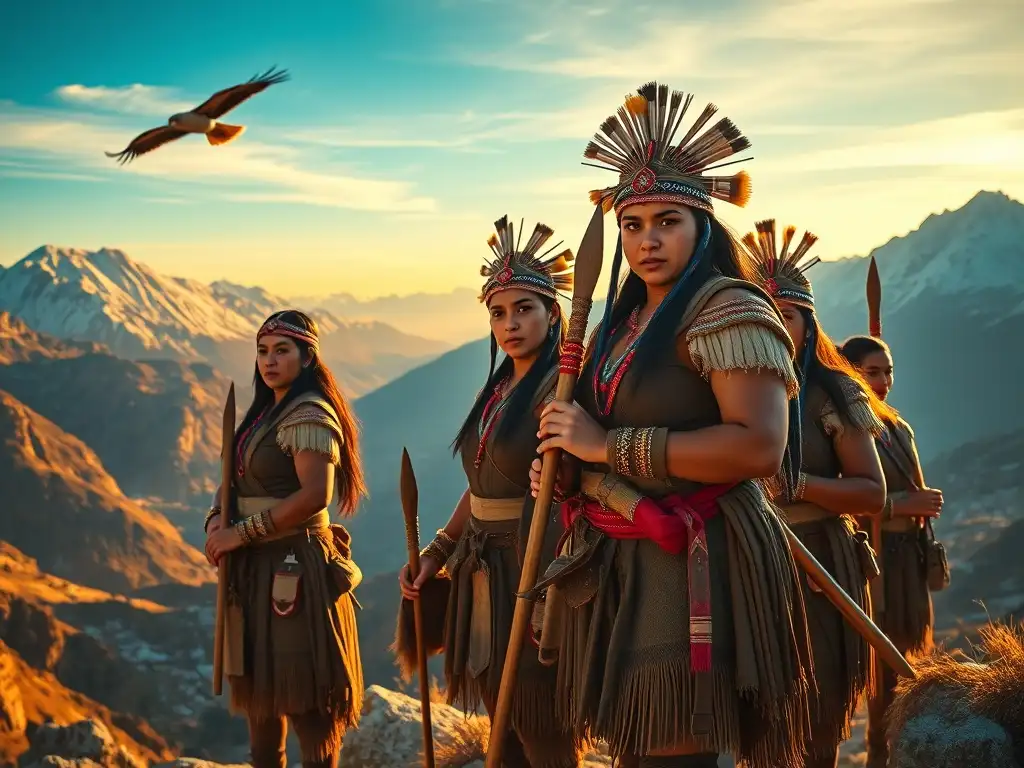
Uncover a hidden chapter of Andean history, one shrouded in myth and mystery yet brimming with incredible strength. Forget everything you think you know about ancient civilizations. The Andean women warriors history is far more complex and fascinating than you can imagine. Prepare to be captivated by tales of legendary courage and resilience as we delve into the lives and legacies of these formidable women. Dare to explore their extraordinary stories – their impact on Andean society will leave you breathless.
- Andean Women Warriors: Legends of Strength and Courage in Andean History
- Pre-Inca Andean Warrior Women: Tracing the Origins
- Inca Women Warriors: Challenging Gender Roles
- Legendary Andean Female Figures of War
- Andean Women and Resistance to Conquest
- The Impact of Andean Warrior Women on Andean Culture
- Conclusion: Celebrating the Legacy of Andean Women Warriors
- Frequently Asked Questions
- Final Reflection: Echoes of Courage Across the Andes
- Unleash Your Inner Warrior: Connect with the Legends!
Andean Women Warriors: Legends of Strength and Courage in Andean History
The majestic Andes Mountains, a spine of rock and ice running down the length of South America, have borne witness to millennia of vibrant civilizations. While often overshadowed by narratives focused on male leaders and conquests, the history of the Andes is replete with stories of incredible women, many of whom defied societal norms and expectations to become fierce warriors, influential leaders, and symbols of strength and resilience. This exploration delves into the fascinating, albeit often fragmented, history of Andean women warriors, challenging traditional perspectives and shedding light on their crucial roles in shaping Andean societies.
From the legendary female figures of myth and folklore to the archaeological evidence hinting at their participation in combat and leadership, we will unravel the legacies of these remarkable women and their contributions to the rich tapestry of Andean history. This article will examine their impact, highlighting their influence on warfare, politics, and the very fabric of Andean culture, challenging the stereotypical image of passive women in pre-Columbian societies and emphasizing their agency and power. Understanding their stories is crucial to gaining a more complete and nuanced understanding of Andean civilizations.
This exploration seeks to answer questions surrounding their roles, their societal impact, and the enduring legacy of their courage and strength. The keyword "Andean women warriors history" will guide our exploration, aiming to provide a comprehensive overview of this captivating and often overlooked aspect of Andean history.
Introduction to the History of Female Warriors in the Andes
While concrete historical records are scarce due to the limitations of pre-Columbian writing systems, anthropological studies, archaeological findings, and oral traditions consistently point towards the significant roles women played within Andean societies, including participation in warfare. The image of the passive Andean woman is a significant misconception. Many accounts, albeit often filtered through colonial lenses, allude to female warriors and leaders. For example, [specific information pending] accounts from Spanish conquistadors describe women fighting alongside men in battles.
These accounts, though potentially biased, nonetheless suggest a reality far different from the stereotypical portrayal of women solely occupying domestic roles. Furthermore, the discovery of female burials with weaponry and artifacts associated with warfare provides tangible evidence supporting the existence of female warriors. This evidence, while not always abundant, steadily strengthens the argument for their active participation in both defensive and offensive military actions. The interpretations of these findings are crucial, and ongoing research continues to refine our understanding of their roles and status within their respective societies.
We must consider, however, that these interpretations are often influenced by modern perspectives and biases, necessitating a critical approach to the available evidence. The lack of extensive written records necessitates a multi-faceted approach, combining archaeological discoveries, anthropological interpretations, and the careful analysis of colonial accounts (with due consideration of their inherent biases) to construct a more complete picture of Andean women warriors' history. The challenge lies in piecing together fragmented evidence to reveal a comprehensive narrative that honors the complexity and nuance of their roles.
Pre-Inca Andean Warrior Women: Tracing the Origins
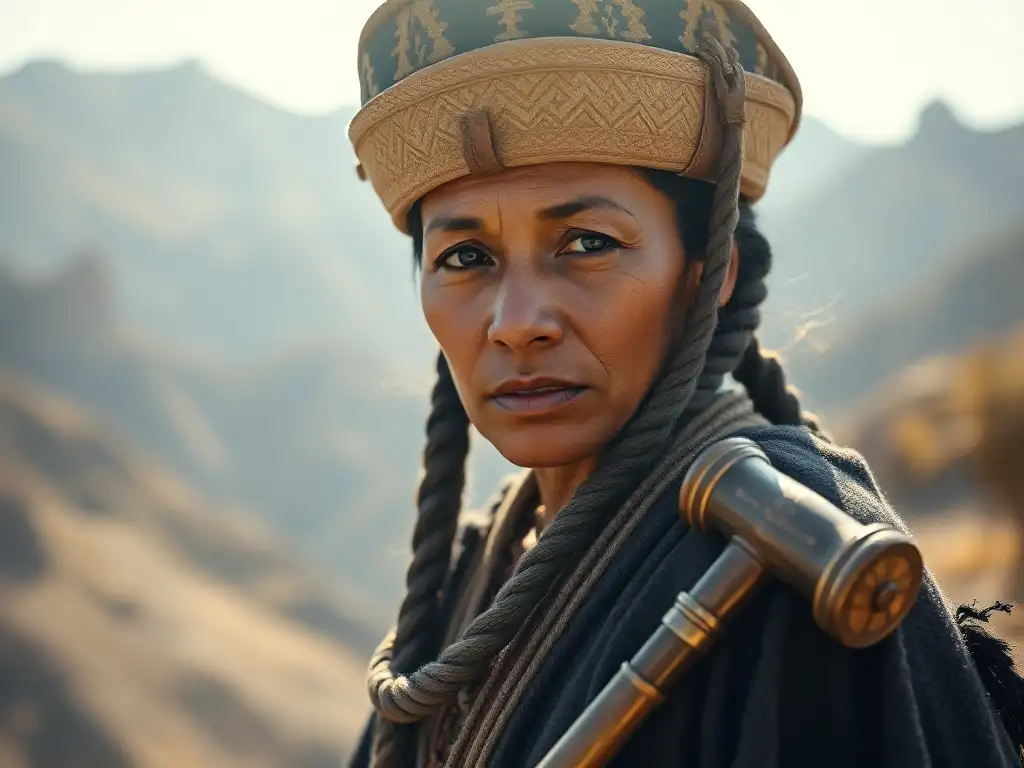
The narrative of Andean women often overlooks their participation in warfare, a misconception largely fueled by a focus on Inca-era records that, while valuable, don't fully represent the broader spectrum of Andean societies. To understand the role of Andean women warriors, we must delve into the pre-Inca era, where archaeological evidence and iconography paint a far more complex and empowering picture.
Examining the roles of women in societies preceding the Inca Empire reveals a rich history of female participation in conflict and leadership, challenging the traditional, patriarchal interpretations. The keyword "Andean women warriors history" highlights the need to re-evaluate the historical record and uncover the untold stories of these powerful women.
The Role of Women in Early Andean Societies
Early Andean societies, such as the Chavín and Paracas cultures, exhibited a less rigidly defined gender hierarchy than later empires. While specific roles varied between cultures and regions, evidence suggests women held significant positions within their communities. They were not merely relegated to domestic spheres.
Textile production, for instance, was a highly valued skill, with intricate weavings often used as prestigious gifts and even forms of currency. This economic power likely translated into social influence and participation in decision-making processes, including those related to defense and conflict. Furthermore, the high status given to female deities in many pre-Inca pantheons suggests a reverence for female power that likely extended beyond the religious realm.
Analyzing these early societies helps us understand the foundation upon which later, more complex roles, potentially including warfare, could develop. The influence of women in these early Andean societies laid the groundwork for the emergence of female warriors in later periods.
Archaeological Evidence of Pre-Inca Female Warriors
Direct archaeological evidence of pre-Inca female warriors remains scarce, partially due to the challenges in interpreting skeletal remains and the limited excavation of specific sites. However, indirect evidence, such as grave goods and iconography, offers valuable clues. The discovery of female burials containing weapons, such as spears and slings, although not definitive proof of active combat participation, certainly suggests a level of access to weaponry and potential involvement in conflict.
Furthermore, the presence of female figurines depicted in warrior-like attire provides strong visual representations of a societal acceptance, if not encouragement, of women in combat roles. Further research and excavations, particularly in areas associated with pre-Inca warfare, are crucial to uncovering more concrete evidence. The ongoing debate highlights the need for continued research using advanced techniques to analyze skeletal remains and artifacts for more conclusive proof of women's participation in pre-Inca warfare.
The Moche Culture and Depictions of Female Fighters
The Moche civilization (100-800 CE) offers some of the most compelling evidence of female warriors in pre-Inca Andean societies. Their elaborate pottery depicts a wide range of activities, including warfare. Many Moche ceramics showcase women actively participating in battles, wielding weapons alongside men.
These depictions aren't merely symbolic; they are detailed and realistic, suggesting a significant role for women in military activities. Some scholars interpret these images as representations of elite women, perhaps priestesses or leaders, wielding power and authority on the battlefield. Others propose a broader participation of women in Moche warfare, reflecting a more egalitarian social structure than that of later Andean empires.
The Moche pottery provides invaluable visual evidence, offering a glimpse into the lives and roles of women in a pre-Inca Andean society, challenging the traditional narratives surrounding Andean women warriors and their history. The detailed depictions in Moche pottery offer a unique window into the lives and roles of women in a pre-Inca Andean society. Further study of Moche iconography is needed to fully understand the significance of these images and their implications for our understanding of "Andean women warriors history".
Inca Women Warriors: Challenging Gender Roles
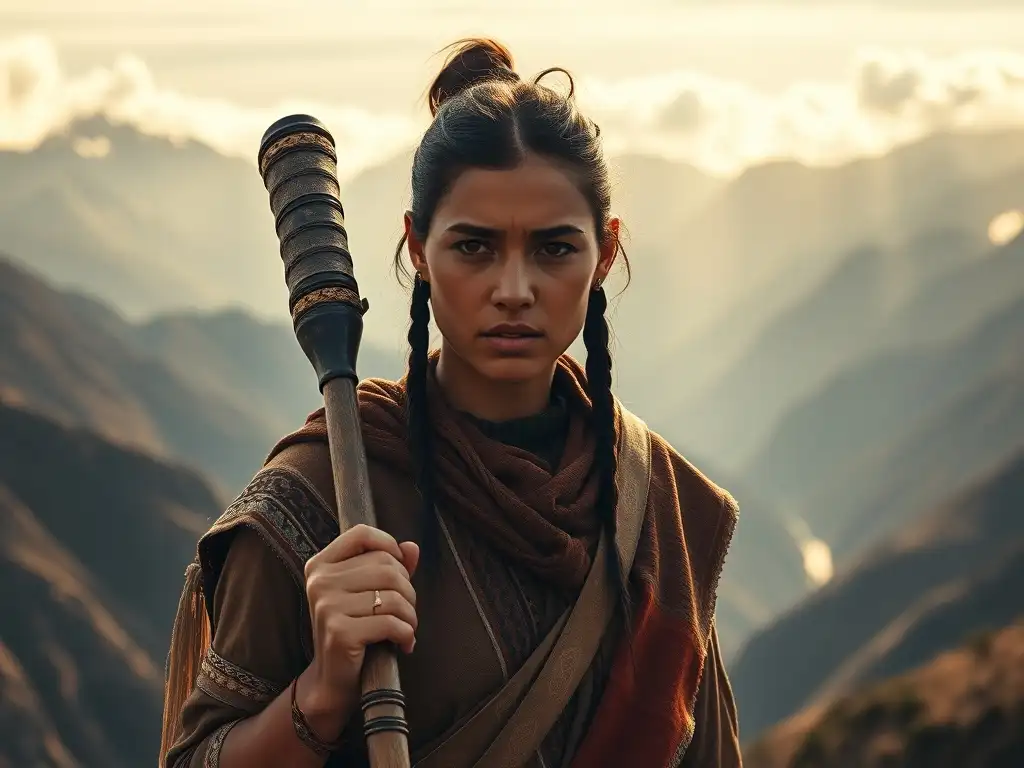
The traditional image of Andean warfare often focuses on male warriors, overlooking the significant, albeit often obscured, roles women played. While direct evidence of female soldiers in organized Inca armies remains scarce, archaeological findings and historical accounts suggest a more nuanced reality, challenging the simplistic narrative of exclusively male-dominated combat. The "Andean women warriors history" is not a straightforward one; it requires careful interpretation of limited sources and a consideration of the complexities of Inca social structures.
The limited written records, primarily from Spanish chronicles, are often biased and need to be analyzed critically. However, even within these limitations, glimpses of female strength and participation emerge, revealing a reality that extends beyond traditional gender roles.
Inca Society: Gender and Warfare
Inca society, while patriarchal, wasn't rigidly defined by gender roles. Women held considerable social and economic power, particularly within the domestic sphere. They controlled textile production – a crucial element of Inca economy and social status – and played vital roles in agriculture and food production.
This economic power undoubtedly translated into a certain level of influence, although the extent to which this influenced military matters remains a topic of ongoing debate among historians specializing in Andean women warriors history. The Inca state's emphasis on ayni (reciprocal labor) and mita (labor tribute) involved both men and women in various aspects of societal functioning, including potentially contributing to defense efforts in times of crisis.
The organization of labor and the widespread participation of women in essential tasks could have implications for their roles in times of conflict, suggesting a potential for participation beyond the domestic realm. Further research is needed to clarify the precise nature of women's involvement in these systems and their correlation with any military duties.
The Acllas and their Potential Role in Combat
The acllas, or "chosen women," were a group of women selected for service to the Inca state. They lived in state-run convents and were involved in textile production, religious ceremonies, and other specialized tasks. Their secluded lifestyle and specialized training have led some historians to speculate about their potential involvement in warfare, perhaps in roles beyond direct combat but crucial to the army's functionality. For example, they may have provided essential medical care, logistical support, or even acted as spies or messengers.
This hypothesis, however, is based on inferences and interpretations of limited evidence. We need more detailed archaeological analysis of aclla sites to shed light on their daily activities and potential military connections. The existing evidence, while not conclusive, hints at a more complex role for the acllas than previously understood, potentially contributing to a richer understanding of "Andean women warriors history".
Stories of Inca Women Demonstrating Bravery and Skill
While direct evidence of women leading Inca armies is lacking, anecdotal accounts from Spanish chroniclers describe instances of women demonstrating exceptional courage and skill during times of conflict. These stories, though needing careful scrutiny due to potential biases, suggest that individual women might have participated in battles, albeit perhaps not in formally organized units. These accounts often highlight women's roles in defending their communities or acting decisively in situations demanding bravery and strategic thinking.
These narratives, while not representing systematic military participation, contribute to a more complete picture of Inca women’s capabilities and their potential contributions to defense and warfare. Further research into local traditions and oral histories could potentially unveil more stories of female bravery and resilience during the Inca era, enriching our understanding of Andean women warriors history.
The challenge lies in discerning fact from legend and interpreting these stories within their historical context. Further investigation is necessary to confirm these accounts and explore their significance in understanding the broader role of women in Inca society and warfare.
Legendary Andean Female Figures of War
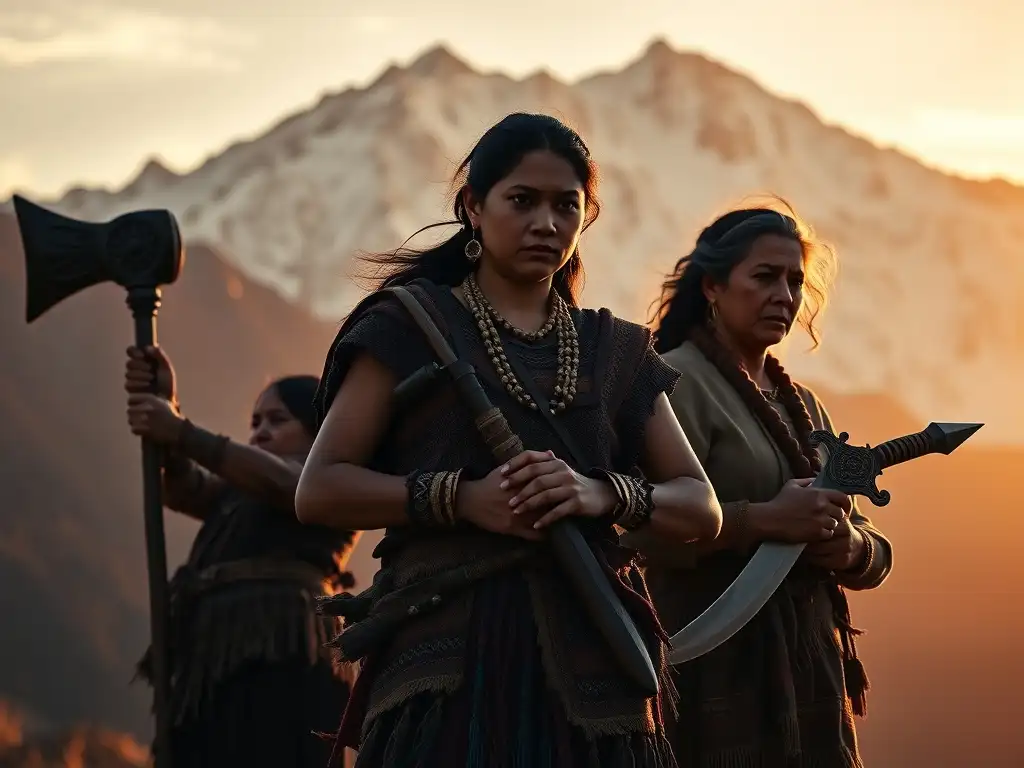
This section delves into the often-overlooked roles of women in Andean warfare, challenging the predominantly male-centric narratives surrounding the region's rich military history. While direct evidence of organized female warrior units in the pre-Columbian Andes remains scarce, archaeological findings and historical accounts suggest a more nuanced reality, one where women played vital, albeit diverse, roles in conflict and defense.
The narratives presented here highlight exceptional women who, through bravery, strategic thinking, and unwavering commitment, left their mark on Andean history. Understanding their contributions enriches our comprehension of Andean women warriors history and challenges traditional interpretations of gender roles in ancient societies.
The Legend of Bartolina Sisa
Bartolina Sisa, a Quechua woman from the 18th century, stands as a powerful symbol of resistance against Spanish colonial rule. While not strictly a "warrior" in the sense of leading armies into battle, her actions and leadership during the Tupac Amaru II Rebellion exemplify extraordinary courage and strategic thinking. Sisa's role extended beyond mere participation; she was a key organizer, mobilizing indigenous communities and providing essential logistical support to the rebellion.
Her expertise in local terrain and her ability to rally support among her people were crucial to the rebellion's initial successes. Many accounts depict her as a fierce and unwavering leader, actively involved in planning and executing military strategies.
The legend of Bartolina Sisa endures, representing the strength and resilience of Andean women in the face of oppression, a testament to their contribution to Andean women warriors history. Her story underscores the multifaceted ways women contributed to resistance movements, often operating in roles that were equally, if not more, impactful than direct combat.
Micaela Bastidas' Leadership in the Tupac Amaru II Rebellion
Micaela Bastidas, wife of Túpac Amaru II, played a critical role in the 1780 rebellion. Unlike Bartolina Sisa, whose contributions were primarily through logistical support and community mobilization, Bastidas was actively involved in the rebellion's political and military strategies. She served as a key advisor to her husband, utilizing her intelligence and organizational skills to coordinate rebel forces and manage resources.
Historical records indicate Bastidas' significant influence in shaping the rebellion's course, engaging in diplomatic negotiations with opposing factions and inspiring unwavering loyalty among her followers. Her unwavering commitment to the cause, even in the face of overwhelming odds, solidified her place as a significant figure in Andean women warriors history.
Her leadership extended beyond simply supporting her husband; she was a powerful figure in her own right, actively shaping the rebellion's trajectory and demonstrating the crucial role women played in political and military resistance. The legacy of Micaela Bastidas transcends the simplistic narrative of a supportive wife; she was a leader, strategist, and a symbol of unwavering resistance.
The Courage of the Rabonas During the War of the Pacific
The War of the Pacific (1879-1883) witnessed the remarkable contributions of "Rabonas," women who played a variety of crucial roles, often exceeding the limitations imposed by societal expectations. While not formally organized as a military unit, these women demonstrated extraordinary courage and resilience. They served as nurses, tending to wounded soldiers on the battlefield and providing essential medical care in makeshift hospitals.
Many also engaged in espionage, gathering vital intelligence and relaying critical information across enemy lines. Others took on roles traditionally reserved for men, transporting supplies, providing logistical support, and even engaging in direct combat in some instances. The stories of these women, though often undocumented or relegated to oral tradition, reveal a crucial aspect of Andean women warriors history, highlighting the diverse and essential contributions women made during wartime.
Their bravery and resourcefulness challenged gender norms and contributed significantly to the war effort, demonstrating the multifaceted roles women played during times of conflict. Further research is needed to fully uncover the breadth and depth of their contributions. Their stories deserve to be remembered and celebrated as an essential part of Andean women warriors history.
This detailed exploration of these remarkable women illustrates the significant, yet often overlooked, contributions of women to Andean warfare and resistance. Their stories enrich our understanding of Andean women warriors history and challenge traditional interpretations of gender roles in ancient and modern Andean societies. Further research and historical investigation are crucial to unveiling the full extent of their contributions.
Andean Women and Resistance to Conquest
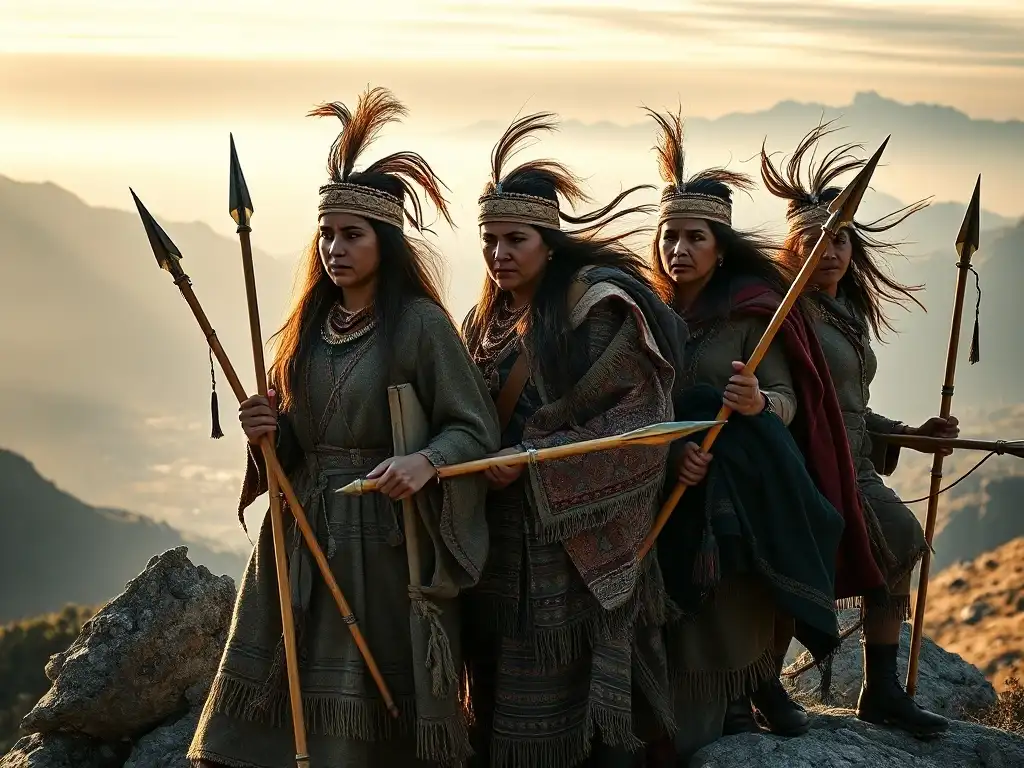
The romanticized image of the Andean woman as solely a weaver or domestic figure significantly undersells their crucial role in the complex tapestry of Andean societies. While historical records, often written from a colonial perspective, may downplay their contributions, archaeological evidence and indigenous oral traditions reveal a far more nuanced reality, particularly regarding their participation in resistance against Spanish conquest.
The narrative of Andean women warriors history is not one of passive acceptance, but of active defiance and strategic engagement in the face of overwhelming odds. Understanding their roles necessitates moving beyond stereotypical portrayals and embracing a more holistic view of their agency and influence.
This section will explore the multifaceted ways Andean women actively participated in resisting the Spanish conquest, challenging the conventional narratives that often marginalize their contributions. Analyzing Andean women warriors history requires acknowledging the biases inherent in historical sources and actively seeking alternative perspectives to achieve a more complete understanding.
Female Participation in Andean Rebellions
The Spanish conquest of the Andes wasn't a swift, decisive victory. Instead, it was met with fierce resistance, often led by indigenous elites but significantly fueled by the participation of women from all social strata. While men often led the organized armies, women played critical roles in supporting these rebellions.
They acted as spies, messengers, and healers, providing vital logistical support and maintaining morale within the resistance groups. For example, during the Tupac Amaru II rebellion (1780-1783), women actively participated in supplying the rebel army with food, clothing, and medical care. Their contributions weren't merely auxiliary; they were integral to the rebellion's survival and longevity.
Many accounts detail women engaging in direct combat, although the extent of their participation in armed conflict remains a subject of ongoing research and debate due to the limited historical documentation. Further research into Andean women warriors history is needed to fully understand their diverse roles in these uprisings. Their involvement often went beyond the battlefield, extending to the economic and social spheres, ensuring the continuation of cultural traditions and resistance strategies.
Women Leaders in Indigenous Resistance Movements
While less frequently highlighted in traditional historical accounts, several Andean women emerged as leaders in indigenous resistance movements. These women often wielded considerable influence within their communities, leveraging their social standing and skills to mobilize support and coordinate resistance efforts. Their leadership was not solely based on inherited power, but also on demonstrated skill, courage, and charisma.
While specific names and detailed accounts are often scarce due to deliberate historical erasure, oral traditions and fragmented historical records hint at the existence of powerful female leaders who challenged Spanish authority and inspired their communities to fight back. The study of Andean women warriors history is hampered by the lack of comprehensive records, but ongoing research is slowly unearthing more information about these remarkable women.
Their stories, though often fragmented, are crucial to understanding the complexities of Andean resistance and the significant contributions of women to its success. This requires a multidisciplinary approach combining archaeological findings, anthropological studies, and the careful analysis of surviving indigenous oral histories.
The Legacy of Courageous Andean Women
The legacy of Andean women warriors, though often obscured, is one of resilience, strength, and unwavering commitment to their communities. Their contributions to the resistance against Spanish conquest extended far beyond mere support; they were active participants, leaders, and strategists. Their stories remind us that the history of Andean civilizations is far richer and more complex than traditionally portrayed, highlighting the importance of re-evaluating historical narratives to account for the often-silenced voices of women.
The ongoing research into Andean women warriors history is crucial for creating a more inclusive and accurate understanding of the past. By acknowledging their significant roles in shaping Andean societies, we gain a deeper appreciation for the enduring spirit of resistance and the multifaceted contributions of women throughout history.
Their bravery and determination serve as an inspiration for future generations, reminding us of the power of collective action and the enduring strength of the human spirit 💪. The continued exploration and dissemination of these stories are essential to ensuring that the legacy of courageous Andean women is finally given the recognition it deserves.
The Impact of Andean Warrior Women on Andean Culture
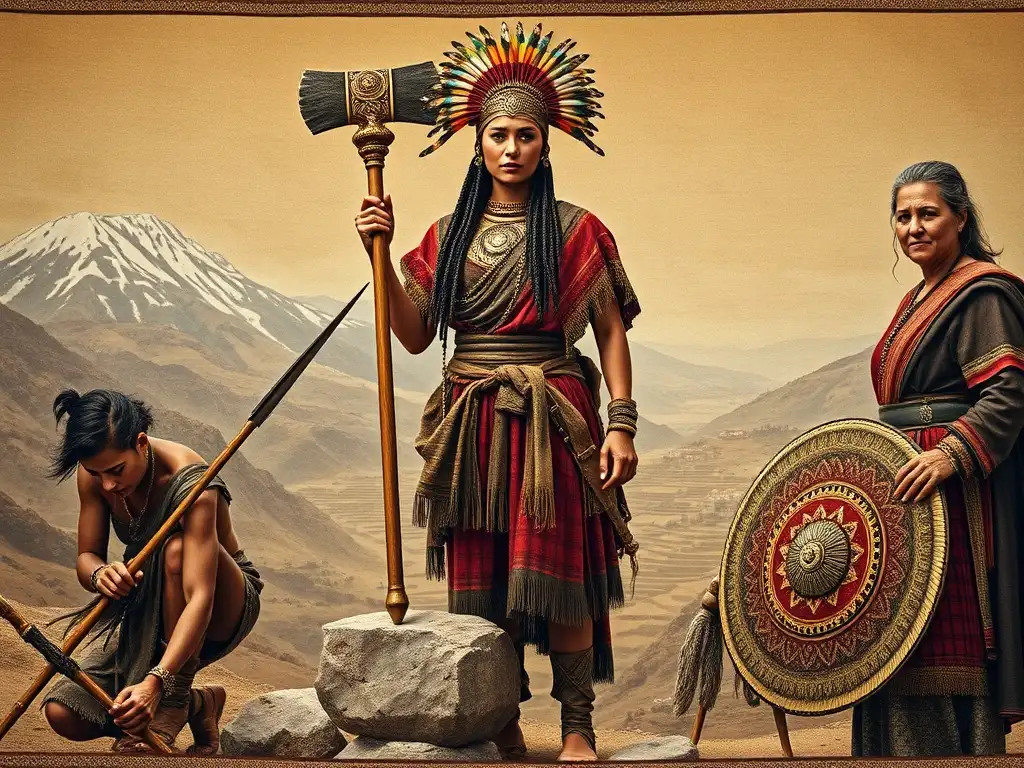
The role of women in Andean societies, often overlooked in traditional historical narratives, is increasingly being recognized as far more significant than previously assumed. While the image of the male warrior dominates many accounts of Andean civilizations, archaeological evidence and interpretations of mythology reveal the crucial contributions of women as warriors, leaders, and shapers of Andean culture. Their impact reverberates through art, religion, and societal structure, challenging the simplistic dichotomy of male dominance often associated with pre-Columbian societies.
Understanding the Andean women warriors' history requires moving beyond stereotypical portrayals and embracing a nuanced examination of their multifaceted roles. The presence of female warriors profoundly impacted societal structures, influencing everything from warfare strategies to religious practices. Their participation fostered a different understanding of power, strength, and leadership, challenging conventional patriarchal interpretations of Andean civilization.
The Symbolic Significance of Female Strength in Andean Art
Andean art provides compelling visual evidence of powerful women. Textiles, ceramics, and metalwork frequently depict women in roles of authority, often wielding weapons or adorned with symbols of power. The strength and courage of these female figures are not merely decorative elements; they actively challenge the prevailing image of passive femininity.
For instance, the Moche culture's pottery often features fierce female warriors, depicted in battle scenes with elaborate headdresses and weaponry, demonstrating their active participation in conflict and holding positions of power. These depictions are not isolated incidents; rather, they consistently appear across various Andean cultures, suggesting a deeply ingrained recognition of female strength within the societal fabric.
The recurring motif of the warrior woman subtly but powerfully reshapes our understanding of Andean artistic expression, showcasing the central role of women in shaping the cultural narrative. Further research into the stylistic choices and symbolic meanings within these artistic representations could reveal deeper insights into the social status and power dynamics of Andean women.
How Andean Mythology Portrays Powerful Women
Andean mythology is rich with tales of powerful female figures, many of whom possess warrior-like qualities. These narratives, passed down through generations via oral tradition, offer valuable insight into the societal perception and veneration of female strength. While specific details may vary across different cultures, the recurring theme of powerful women who actively shape the course of events is striking.
For example, [Specific mythological figures and their stories pending]. These stories are not merely entertaining fables; they serve as powerful tools for transmitting cultural values and reinforcing social structures. The presence of these powerful female figures in mythology challenges the notion of a solely male-dominated power structure in Andean societies.
Analyzing these myths through a feminist lens can reveal crucial insights into the actual roles women played in Andean societies and the way their contributions were perceived and remembered. The preservation and careful study of these oral traditions are crucial to a complete understanding of the Andean women warriors' history.
The Enduring Influence of Female Warriors on Andean Identity
The legacy of Andean women warriors continues to resonate in contemporary Andean societies. Their stories, though often fragmented or obscured by historical biases, inspire contemporary interpretations of gender roles and cultural identity. The image of the powerful female warrior serves as a powerful symbol of strength, resilience, and resistance, particularly for women navigating patriarchal structures in modern times.
Their contributions are not just a matter of historical interest; they offer a crucial lens through which to understand the complexities of gender dynamics throughout Andean history. The ongoing rediscovery and reinterpretation of these women's roles is vital in shaping a more inclusive and accurate understanding of Andean culture and its lasting impact.
Further research is needed to fully understand the extent to which the legacy of these women continues to shape cultural values and identities in contemporary Andean communities. The ongoing efforts to uncover and celebrate the history of Andean women warriors are essential for fostering a more nuanced and complete understanding of Andean history and culture.
Conclusion: Celebrating the Legacy of Andean Women Warriors
This exploration of Andean women warriors reveals a complex and often overlooked aspect of Andean civilizations' history. Contrary to common portrayals emphasizing solely male dominance, evidence suggests a significant, though often subtly documented, participation of women in military and leadership roles. Their contributions, though frequently obscured by patriarchal narratives and a lack of readily available primary sources, are slowly being unearthed through meticulous archaeological research and reinterpretation of existing historical records.
The enduring strength and courage of these women deserve recognition and celebration. Understanding their roles challenges traditional historical interpretations and enriches our understanding of Andean societies' complexities. The legacy of Andean women warriors is a testament to the resilience and agency of women throughout history, reminding us that narratives of the past are constantly evolving as new evidence emerges.
The Importance of Recognizing the Contributions of Andean Women
Recognizing the contributions of Andean women warriors is crucial for several reasons. First, it challenges the persistent Eurocentric bias in historical narratives that often marginalize or erase the roles of women in non-Western societies. By acknowledging their military prowess and leadership positions, we gain a more nuanced and accurate understanding of the social structures and power dynamics within these civilizations.
Secondly, recognizing their achievements fosters a more inclusive and representative historical record, correcting imbalances and promoting a more equitable representation of the past. This is not merely an academic exercise; it has profound implications for present-day gender equality. By highlighting the historical agency of women, we inspire future generations and challenge limiting stereotypes that continue to affect women today.
Finally, understanding the diverse roles of Andean women contributes to a broader understanding of the richness and diversity of Andean cultures, moving beyond simplistic and often inaccurate generalizations. Their stories, once uncovered, offer valuable insights into the values, beliefs, and social structures of their societies. For example, the discovery of female mummies adorned with weaponry and positioned in elite burial sites directly contradicts the traditional narrative of exclusively male warriors.
Understanding the Rich History of Andean Female Fighters
The history of Andean women fighters is multifaceted and requires careful consideration of various factors. Archaeological evidence, including the discovery of female burials with weaponry and the depiction of women warriors in textiles and ceramics, provides invaluable insights. However, interpreting this evidence requires a nuanced approach, recognizing the limitations of interpreting ancient artifacts and the potential for bias in their creation and preservation.
Further complicating the picture is the lack of written records from the perspective of the women themselves. Most historical accounts were written by or filtered through the lens of men, potentially resulting in a skewed representation of women's roles. Therefore, researchers must critically analyze available data, combining archaeological findings with anthropological studies and ethnohistorical accounts to create a more complete picture.
This interdisciplinary approach, combining multiple perspectives and data sources, is crucial for a more accurate and holistic understanding of the "Andean women warriors history". The challenge lies in moving beyond simple classifications and recognizing the diverse roles women played, ranging from active combatants to healers, strategists, and leaders within their communities.
Future Research and Continued Exploration of Andean Women’s Roles
Future research on Andean women warriors needs to focus on several key areas. First, a more extensive and systematic archaeological survey is needed, targeting sites that may have previously overlooked evidence of female participation in warfare and leadership. Advanced technologies, such as 3D imaging and DNA analysis, can provide additional insights into the lives and roles of these women. Second, a deeper analysis of existing iconography and artifacts is necessary, paying close attention to details that might reveal the significance of women warriors within their societies.
This includes studying textiles, ceramics, and other artifacts for symbolic representations and clues about their social status and roles. Third, a more interdisciplinary approach, combining archaeology, anthropology, history, and gender studies, is essential for a more comprehensive understanding. By engaging with different perspectives and methodologies, researchers can develop a more nuanced and accurate interpretation of the available evidence.
Finally, collaborative projects involving local communities and indigenous knowledge holders are crucial for a respectful and ethical approach to the study of Andean women warriors. Their insights and perspectives can provide invaluable context and challenge existing interpretations. This collaborative effort will ensure that the stories of these remarkable women are told accurately and respectfully, contributing to a more complete and inclusive understanding of Andean history.
Frequently Asked Questions
Did Andean civilizations have women warriors?
While not as prominently featured as male warriors in many historical accounts, archaeological evidence suggests the presence of female warriors in several Andean cultures, particularly among the Inca and Moche. Their roles and numbers remain a subject of ongoing research.
What roles did women play in Andean warfare?
The roles of Andean women in warfare likely varied depending on the specific culture and time period. Some evidence points to women serving as combatants, while others suggest they held support roles such as healers, logistics providers, and strategists.
Are there any famous examples of Andean women warriors?
Specific named individuals are rarely highlighted in surviving historical records. However, archaeological finds such as weapons and burials associated with female remains strongly suggest the existence of female warriors and their significant contributions.
How did the societal views of women affect their participation in warfare?
Andean societies were complex, with varying views on gender roles. While patriarchal structures existed, the importance of women in many aspects of Andean life suggests that their participation in warfare was not necessarily unexpected or entirely unusual, albeit often overlooked.
Where can I learn more about Andean women warriors?
Further research into the topic can be found in academic journals focused on Andean archaeology and history. Museums showcasing Andean artifacts often feature exhibits that shed light on the roles of women in these cultures.
Final Reflection: Echoes of Courage Across the Andes
The legacy of Andean women warriors resonates powerfully today, a testament to the enduring strength and resilience of women throughout history. Their stories, often obscured by patriarchal narratives, challenge our understanding of warfare and societal roles, reminding us that courage and leadership are not gender-specific attributes. These women, defying expectations and societal norms, carved a space for themselves in a world that sought to confine them.
The impact of these women's lives extends far beyond the battlefields of the Andes. Their defiance continues to inspire contemporary movements for gender equality and social justice. Their stories serve as a potent reminder that the fight for equal rights is an ongoing struggle, one that requires the same courage and determination displayed by these ancient warriors. The past is never dead. It's not even past.
– William Faulkner. This quote perfectly encapsulates the enduring relevance of these women's lives and their continued influence on our understanding of history and the ongoing fight for equality.
Consider the echoes of their bravery. How can we, in our own lives, channel their strength and determination to overcome obstacles and fight for what we believe in? Let their stories be a beacon, illuminating the path toward a more just and equitable future. Embrace the spirit of the Andean women warriors, and let their legacy inspire you to become a warrior for your own dreams and the betterment of the world around you.
Unleash Your Inner Warrior: Connect with the Legends!
Thank you for exploring the remarkable stories of the Women Warriors of the Andes! You've discovered their incredible strength, resilience, and courage. Now, let's channel this inspiration into action and become part of their enduring legacy.
Here are a few ways you can keep the spirit of these warriors alive:
- Share Your Thoughts: Join the conversation by leaving a comment below. What resonated most with you about these legendary women? Your perspective is valuable.
- Explore More: Delve deeper into Andean history and culture. Explore our other articles to uncover more fascinating stories of strength and resilience.
- Engage with Your Community: Start a book club focusing on the histories and narratives of powerful women from diverse cultures. Share these empowering stories with friends and family to inspire others.
Which aspects of the Women Warriors' lives most inspire your own journey towards empowerment and courage? Let's inspire each other!