
The Inca Legacy: Documentaries That Explore the Impact of a Lost Civilization

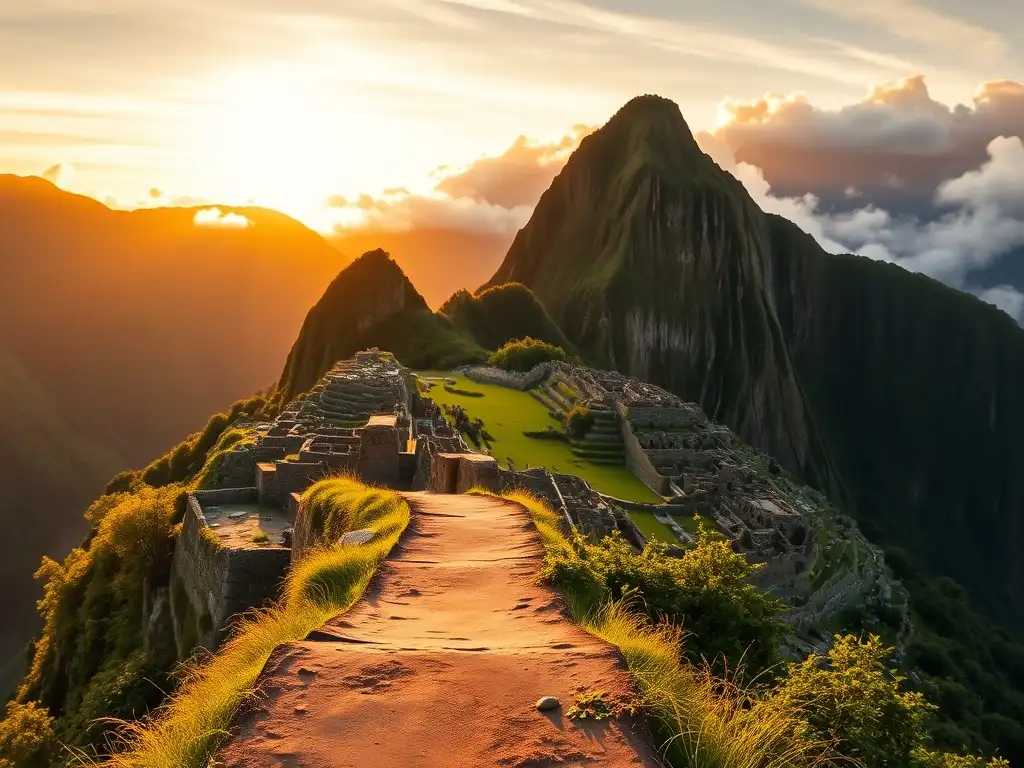
Step into a world lost to time, yet echoing with power and mystery. Imagine the breathtaking scale of Machu Picchu, the intricate artistry of Nazca lines, and the sophisticated engineering of Inca cities. But what lasting impact did these magnificent Andean civilizations truly have? Our exploration of Inca documentaries' impact unveils surprising revelations about their legacy, challenging assumptions and rewriting history. Dare to delve deeper and uncover the secrets that continue to fascinate and inspire.
The Inca Empire, a civilization that once dominated the Andes Mountains, left an indelible mark on South America and the world. Their sophisticated agricultural techniques, intricate road systems, and awe-inspiring architecture continue to fascinate and inspire. This article delves into the impact of this lost civilization, exploring how documentaries illuminate their achievements, their societal structures, and the ultimate downfall of their empire.
We'll examine several key documentaries that offer unique perspectives on Inca history, culture, and legacy, highlighting their contribution to our understanding of this remarkable civilization and its lasting influence. Understanding the Inca's impact requires exploring not only their impressive accomplishments but also the complex social dynamics, environmental challenges, and ultimately, the factors that led to their decline.
This exploration will uncover the multifaceted legacy of the Inca, revealing its enduring relevance in the modern world. We will analyze how these documentaries contribute to a more nuanced and complete understanding of the Inca, addressing the "Inca documentaries impact" keyword and its various interpretations.
Unveiling the Inca Empire Through Film: Understanding its Enduring Impact
Documentaries offer a powerful medium for exploring the Inca civilization, bringing to life the stories and achievements of this remarkable people. Many films utilize stunning visuals of Inca ruins, coupled with expert commentary and archaeological findings, to paint a vivid picture of Inca life. These documentaries often focus on specific aspects of Inca society, such as their complex social hierarchy, their advanced agricultural practices (like terracing), or their impressive feats of engineering, such as the construction of Machu Picchu and the vast Inca road network.
The impact of these films is multifaceted; they not only educate viewers about Inca history but also foster a deeper appreciation for the ingenuity and resilience of this civilization. Furthermore, the use of modern technology, such as 3D modeling and CGI, enhances the viewing experience and allows for a more immersive understanding of the Inca world.
Some documentaries even incorporate dramatic reenactments, making the past more accessible and engaging for a wider audience. The use of diverse perspectives, from archaeologists to historians to local communities, adds another layer of richness and complexity to the narrative.
Key Themes Explored in Inca Documentaries: From Agriculture to Astronomy
Several recurring themes emerge across many Inca documentaries. One crucial aspect is the Inca's remarkable agricultural innovations. Documentaries often showcase the ingenuity of their terracing techniques, which allowed them to cultivate crops on steep mountain slopes, maximizing agricultural output in a challenging environment.
Another frequently explored theme is the Inca's mastery of engineering and architecture. Machu Picchu, with its intricate stonework and strategic location, is a prime example, and documentaries often devote significant time to exploring its construction and purpose. Beyond engineering, many films delve into Inca astronomy and cosmology, highlighting their sophisticated understanding of celestial movements and their integration of astronomical knowledge into their societal practices and religious beliefs.
Furthermore, the impact of Spanish colonization and the subsequent destruction of Inca culture is frequently addressed, providing crucial context for understanding the civilization's decline and its enduring legacy. These documentaries often incorporate interviews with descendants of the Inca, adding a personal and emotional dimension to the historical narrative.
The Impact of Inca Documentaries on Public Perception and Historical Understanding
The impact of Inca documentaries extends beyond mere entertainment. They play a crucial role in shaping public perception and fostering a more nuanced understanding of Inca history. By presenting compelling narratives and visually stunning footage, these documentaries can spark interest in Andean history and culture amongst a wider audience. This increased awareness can, in turn, lead to greater support for archaeological research and preservation efforts.
Moreover, documentaries can challenge Eurocentric biases in historical narratives, offering a more balanced and inclusive perspective on the Inca civilization. The incorporation of indigenous voices and perspectives is particularly valuable in this regard, counteracting historical misrepresentations and promoting a more accurate and respectful portrayal of Inca culture. The impact of these films is therefore not just educational but also contributes to a more just and equitable understanding of history.
The accessibility of documentaries through various platforms also ensures that this knowledge reaches a global audience, fostering intercultural dialogue and appreciation. The overall effect is a more informed and engaged public, more aware of the rich legacy of the Inca Empire. This is crucial for the preservation of cultural heritage and the promotion of a more inclusive historical narrative.
- Unveiling the Inca Empire Through Film: Understanding its Enduring Impact
- Key Themes Explored in Inca Documentaries: From Agriculture to Astronomy
- The Impact of Inca Documentaries on Public Perception and Historical Understanding
Exploring the Influence of Inca Civilization: A Look at Key Documentaries
This section delves into the impact of Inca civilization as portrayed in select documentaries. We'll examine how these films illuminate various facets of Inca life, from their astonishing engineering feats to their complex social structures and lasting cultural influence. Understanding the Inca legacy requires appreciating not only their achievements but also their lasting impact on the Andean region and beyond. The keyword "Inca documentaries impact" is central to understanding the significance of this exploration.
Decoding the Inca's Engineering Marvels: Documentaries Highlighting Technological Prowess
Inca engineering prowess continues to amaze and inspire. Documentaries focusing on this aspect often highlight the intricate road systems, sophisticated irrigation techniques, and the awe-inspiring stonework of Machu Picchu and other sites. These films frequently employ CGI and expert analysis to explain the methods used by the Inca, dispelling myths and revealing the ingenuity behind their constructions.
For example, documentaries often showcase the precision of Inca stonework, where stones were fitted together so tightly that a knife blade couldn't be inserted between them. This level of accuracy, achieved without the use of mortar or advanced tools, is a testament to the Inca's understanding of engineering principles and their mastery of stone cutting and fitting techniques. Many documentaries also explore the logistical challenges involved in constructing such massive projects, illustrating the Inca’s advanced organizational skills and ability to mobilize large workforces.
The sheer scale of projects like the network of roads spanning thousands of miles across rugged terrain effectively demonstrates the sophisticated understanding and application of both engineering and logistics, impacting our understanding of the Inca's capabilities far beyond simple construction. Analyzing these projects within the context of available resources and technological limitations provides a clearer picture of the Inca's ingenuity and problem-solving skills.
Inca Society and Culture: Films That Illuminate Their Unique Way of Life
Beyond impressive infrastructure, Inca society and culture are captivating subjects explored in numerous documentaries. These films shed light on their social hierarchy, religious beliefs, agricultural practices, and unique worldview. The intricate system of mit'a, a form of mandatory public service, is often examined, detailing its role in maintaining the empire's infrastructure and economy.
Documentaries also frequently discuss the role of religion in Inca society, exploring the importance of the sun god Inti and the significance of various rituals and ceremonies. The agricultural techniques employed by the Inca, including terracing and irrigation systems, are also frequently highlighted, demonstrating their adaptation to diverse environments and their profound understanding of sustainable farming practices. Furthermore, many documentaries explore the Inca's sophisticated record-keeping system using quipu, a series of knotted cords, revealing their understanding of mathematics and their capacity to manage a vast and complex empire.
By examining these facets, documentaries offer a holistic view of Inca life, moving beyond simplistic narratives and presenting a more nuanced and comprehensive understanding of their societal structure, beliefs and practices. This detailed approach to the subject allows viewers to appreciate the complexity and sophistication of Inca civilization.
"Lost Kingdoms of the Andes": A Deep Dive into Inca History and Influence
The impact of Inca civilization extends far beyond their relatively short-lived empire. Documentaries often explore the lasting influence of Inca culture and traditions on subsequent Andean societies. This includes the persistence of certain agricultural techniques, religious practices, and architectural styles.
Many documentaries focus on the process of archaeological discovery, showing how new findings continue to reshape our understanding of Inca history and its impact on modern Andean cultures. The analysis of artifacts, the interpretation of archaeological sites, and the integration of historical accounts provide a dynamic narrative which brings the Inca civilization to life, demonstrating the depth and breadth of their legacy. The ongoing research and discoveries in the Andes continue to reveal further aspects of Inca civilization, constantly refining our understanding of their history, culture, and the enduring impact they had on the region.
Documentaries examining this ongoing research help keep the conversation about Inca legacy current and relevant, highlighting the ever-evolving nature of historical understanding and its importance in the present day. The continuing discovery of new sites and artifacts underscores the persistent relevance of exploring the Inca impact, shaping a more complete narrative of this influential civilization.
The Lasting Impact of the Incas: How Documentaries Help Us Understand Their Legacy
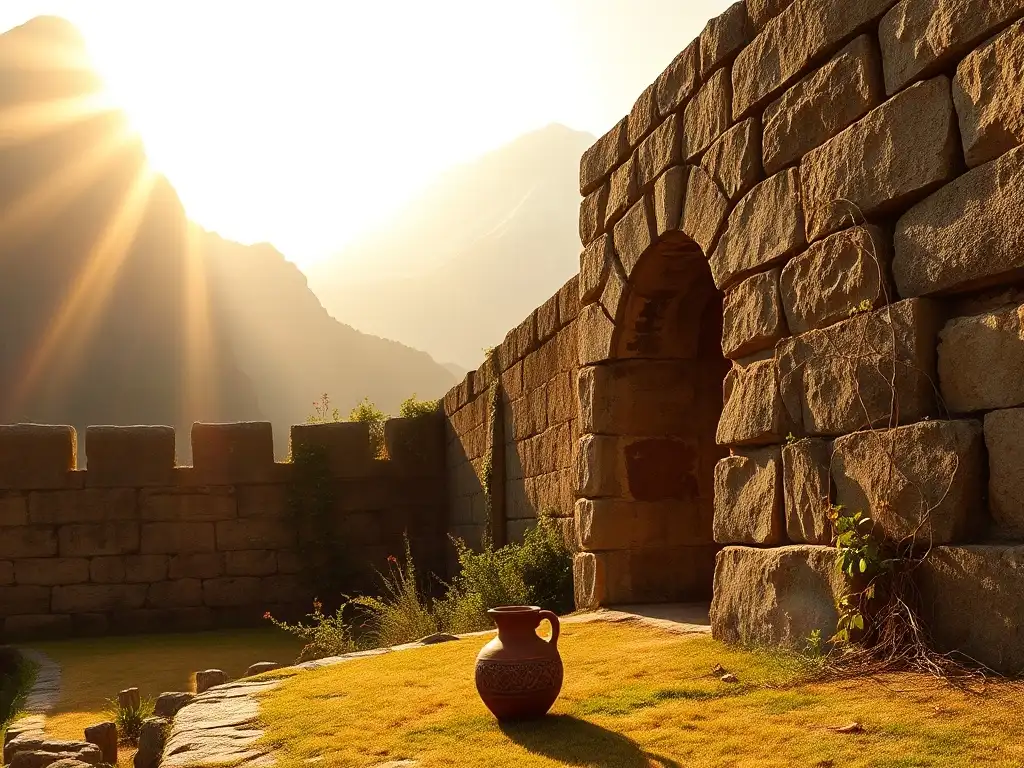
Documentaries play a crucial role in bringing the Inca civilization back to life, allowing modern audiences to grasp the scale and sophistication of their achievements. By presenting archaeological findings, expert analysis, and captivating visuals, these films illuminate the enduring impact of the Inca Empire on various aspects of life, from architecture and agriculture to social structures and spirituality.
The accessibility of documentaries makes this complex history engaging for a broad audience, fostering a deeper appreciation for this remarkable civilization and its lasting contributions to world history. The keyword phrase "Inca documentaries impact" highlights the very essence of this section; understanding how these visual narratives shape our understanding of this lost civilization.
The Inca's Contribution to Architecture: Documentaries Featuring Machu Picchu and Other Sites
Machu Picchu, the iconic "Lost City of the Incas," frequently takes center stage in documentaries exploring Inca architecture. These films showcase not only the breathtaking beauty of the site but also the remarkable engineering feats involved in its construction. Documentaries often highlight the precise stonework, the intricate water management systems, and the strategic location of the city, emphasizing the Inca's mastery of construction techniques.
Beyond Machu Picchu, documentaries delve into other significant Inca architectural achievements, such as Sacsayhuamán, a fortress near Cusco characterized by its massive, precisely fitted stones, and Ollantaytambo, a complex of impressive agricultural terraces and structures. These visual explorations illustrate the Inca's sophisticated understanding of engineering, their adaptation to diverse terrains, and their ability to create structures that have stood the test of time.
Many documentaries also explore the symbolism embedded within Inca architecture, revealing insights into their religious beliefs and social structures. The level of precision and the scale of these projects are truly awe-inspiring, constantly pushing the boundaries of what we understand about ancient engineering capabilities.
Inca Agricultural Techniques: Examining the Legacy of Sustainable Farming Practices
Documentaries exploring Inca agricultural practices often focus on their innovative techniques, particularly their terracing systems. These weren't merely aesthetic features; they were crucial for maximizing agricultural output in challenging Andean terrains. Films often showcase the intricate networks of terraces carved into mountain slopes, illustrating how the Incas adapted their farming methods to the steep inclines and varied climates of the Andes.
They employed sophisticated irrigation systems, ensuring a reliable water supply for their crops, even in arid regions. Documentaries emphasize the sustainability of these practices, highlighting their long-term impact on the environment and the resilience of Inca agriculture in the face of environmental challenges. The Inca's understanding of crop rotation, soil management, and water conservation provides valuable lessons for modern sustainable agriculture.
One can find documentaries that contrast these ancient methods with contemporary agricultural challenges, highlighting the wisdom embedded within the Inca approach to farming. Many also discuss the impact of the Spanish conquest on these agricultural systems, showing how traditional practices were disrupted and, in some cases, lost.
The Inca Road System: Documentaries Revealing the Ingenuity of Their Infrastructure
The Inca road system, a vast network stretching thousands of kilometers across the Andes, is a testament to the Inca's organizational prowess and engineering skills. Documentaries exploring this remarkable feat of infrastructure often highlight the logistical challenges involved in constructing and maintaining such an extensive network across diverse and challenging terrain. The films frequently showcase the ingenuity of the Inca engineers, who adapted their road-building techniques to the varied landscapes, utilizing different materials and construction methods depending on the environment.
The strategic placement of tambos (roadside inns) along the routes is often highlighted, emphasizing the importance of the road system not only for trade and communication but also for facilitating the movement of people and goods across the empire. Documentaries often compare the Inca road system to modern infrastructure projects, illustrating the scale and complexity of this ancient achievement and its lasting influence on transportation and communication networks.
The precise construction, the strategic planning, and the sheer scale of the Inca road system continue to amaze researchers and viewers alike, underscoring the advanced engineering capabilities of this civilization. Many documentaries also discuss the social and political implications of this infrastructure, revealing how it helped consolidate power and maintain control over the vast Inca empire.
Documentaries That Analyze the Fall of the Inca Empire: Causes and Consequences
The Inca Empire, a marvel of engineering and societal organization, met a dramatic end in the 16th century. While internal weaknesses undoubtedly played a role, the Spanish conquest remains the pivotal event that shattered the Inca world. Understanding this collapse requires a multifaceted approach, and fortunately, several documentaries offer compelling insights into the causes and consequences of this pivotal historical moment.
These films delve into the complexities of the Inca civilization's demise, exploring not just the military aspects but also the long-term cultural and societal impacts that reverberate even today. Analyzing these documentaries allows us to gain a deeper appreciation for the Inca legacy and its enduring influence on South America. The keyword phrase "Inca documentaries impact" is directly addressed in the subsequent sections, highlighting the profound effects of the conquest on various aspects of Inca life.
Pizarro's Conquest and its Impact: Documentaries Exploring the Spanish Invasion
Documentaries focusing on Pizarro's conquest often highlight the strategic advantages the Spanish held, including superior weaponry (guns and cannons) and the devastating impact of introduced diseases like smallpox, to which the Inca population had no immunity. These films often depict the internal conflicts within the Inca Empire at the time of the conquest – the succession crisis between Huáscar and Atahualpa significantly weakened the empire, making it vulnerable to the Spanish invasion. The use of native allies by Pizarro is also a crucial element explored, demonstrating the complex power dynamics at play.
Many documentaries effectively portray the brutality of the conquest, showing the systematic dismantling of the Inca infrastructure and the enslavement or execution of countless individuals. The impact of this invasion went far beyond the immediate loss of life; it fundamentally altered the social, political, and economic landscape of the Andes.
The sheer scale of the devastation is often powerfully illustrated through archaeological findings and historical accounts presented in these documentaries. Analyzing these visual representations helps the viewers understand the true extent of the "Inca documentaries impact" on the narrative of the Spanish conquest.
The Inca Resistance: Films Highlighting the Fight for Survival
Despite the overwhelming military might of the Spanish, Inca resistance was far from passive. Documentaries exploring this aspect often highlight the heroic efforts of Inca leaders and communities who fought valiantly against the invaders. Figures like Manco Inca Yupanqui, who initially collaborated with Pizarro before leading a rebellion, are often featured prominently.
These films showcase the various forms of resistance, from open warfare to subtle acts of defiance and cultural preservation. The documentaries often emphasize the ingenuity and resilience of the Inca people in the face of overwhelming odds. The use of guerilla warfare tactics, the strategic exploitation of the Andean terrain, and the enduring strength of Inca cultural identity are all frequently discussed.
The continued resistance, although ultimately unsuccessful in preventing the fall of the Empire, underscores the tenacity and spirit of the Inca people and significantly contributes to the understanding of the lasting "Inca documentaries impact" on the historical record. The sheer scale of the resistance, often depicted through battles and sieges shown in these documentaries, provides a counter-narrative to the simplistic portrayal of a quick and easy conquest.
Cultural Loss and Transformation: Documentaries Showing the Post-Conquest Reality
The consequences of the Spanish conquest extended far beyond the immediate violence. Documentaries examining the post-conquest period often focus on the profound cultural transformation that occurred in the Andes. The imposition of Christianity, the suppression of Inca religious practices, and the destruction of Inca temples and artifacts are recurring themes.
The long-term effects on Inca language, social structures, and agricultural practices are also explored. These films often highlight the syncretism that emerged, where elements of Inca culture blended with Spanish influences, creating a unique hybrid culture. This process of cultural adaptation and resilience is a testament to the enduring spirit of the Inca people.
Understanding this cultural metamorphosis is essential to comprehending the lasting "Inca documentaries impact" on modern Peruvian society, and it's a crucial part of the ongoing conversation about colonialism and its legacy. The documentaries, by showcasing this complex interplay of cultural preservation and adaptation, offer a more nuanced understanding of the Inca legacy.
Recommended Inca Documentaries: A Curated List for Further Exploration
This section provides a curated list of documentaries that delve into the lasting impact of the Inca civilization, offering viewers a captivating exploration of their achievements and legacy. These films utilize diverse approaches, from archaeological investigations to cultural analyses, to illuminate the intricacies of Inca life and their enduring influence on the Andes region. The selection below focuses on documentaries that provide a balanced perspective, showcasing both the grandeur of the Inca Empire and the complexities of its people and society. Understanding the Inca's impact requires engaging with multiple perspectives, and these documentaries strive to achieve that goal.
"Lost Worlds: The Inca" - Uncovering the Mysteries of the Andes
This documentary, likely to feature stunning aerial shots of Machu Picchu and other Inca sites, promises to unveil the mysteries surrounding this remarkable civilization. Expect detailed explorations of Inca agricultural techniques, such as terracing and advanced irrigation systems, which allowed them to thrive in challenging Andean environments. The film likely highlights the sophisticated Inca road system, a crucial element of their vast empire, facilitating communication and trade across mountainous terrain.
Furthermore, a significant portion will probably be dedicated to unraveling the intricacies of Inca religion and cosmology, exploring their beliefs and rituals through the lens of archaeological discoveries. The impact of the Inca's sophisticated understanding of astronomy and its integration into their daily lives will likely be a key focus. The use of CGI and 3D modeling could bring to life the grandeur of Inca cities and temples, offering viewers an immersive experience.
Finally, the documentary will likely address the mystery surrounding the Inca's sudden decline and the subsequent impact of the Spanish conquest, examining the lasting cultural and societal consequences. The film’s exploration of Inca legacy offers a powerful testament to their ingenuity and resilience.
"Ancient Builders: The Inca" - A Detailed Analysis of Inca Construction
Focusing on the impressive architectural feats of the Inca, this documentary likely delves into the intricacies of their construction techniques. The precise stonework of Machu Picchu, for example, will undoubtedly be a central theme, highlighting the advanced understanding of engineering and the precision required to create such monumental structures without the use of mortar. The documentary will likely analyze the methods used for transporting massive stones across challenging terrain, exploring the logistical challenges and innovative solutions employed by Inca builders.
Furthermore, the film may investigate the social organization involved in constructing these massive projects, revealing the complex system of labor and resource management crucial to the Inca's success. Expect detailed close-ups of stonework, showcasing the remarkable craftsmanship and precision, and potentially interviews with experts in Inca architecture and engineering.
The impact of Inca building techniques on subsequent Andean cultures will also likely be discussed, showing the long-lasting influence of their innovative approaches. The documentary could also explore the use of specific materials and their sourcing, potentially highlighting the sophisticated understanding of local resources and their sustainable use.
"The Inca Empire: A History" - A Comprehensive Overview of Inca History and Culture
This documentary provides a comprehensive overview of Inca history, from its origins to its eventual decline. It will likely trace the expansion of the Inca Empire, highlighting key battles and political strategies that led to its dominance. The film might cover the complex social structure of Inca society, including the role of the Sapa Inca (emperor), the nobility, and the common people.
The documentary will likely explore the Inca's sophisticated administrative system, including their intricate record-keeping methods using quipus (knotted cords). The impact of Inca governance on the diverse populations within their empire will also be a key focus, examining both the benefits and challenges of unification under a single rule. The documentary might also explore Inca art, religion, and daily life, providing a holistic picture of their culture.
Furthermore, the impact of the Spanish conquest on Inca society and the enduring legacy of Inca culture in modern Peru and other Andean nations will be a key component. The film's comprehensive approach offers a thorough understanding of the Inca civilization and its lasting impact on the region. The exploration of Inca societal structures and their subsequent influence provides an essential understanding of the "Inca documentaries impact" on our comprehension of this fascinating civilization.
This curated list offers a range of perspectives on the Inca civilization, ensuring a comprehensive understanding of their impact. Further research into specific aspects of Inca culture and history is encouraged for a deeper exploration of this fascinating subject.
How Inca Documentaries Shape Our Perception of the Ancient World
Documentaries play a crucial role in shaping public understanding of the Inca civilization and its lasting impact. Unlike textbooks or scholarly articles, documentaries utilize visual media to engage a broader audience, fostering a more immediate and emotional connection with the past. This accessibility is key to disseminating information about the Inca's sophisticated social structures, remarkable engineering feats, and rich cultural heritage.
The impact of well-crafted Inca documentaries extends beyond simple entertainment; they actively contribute to a more nuanced and informed global perception of this remarkable civilization. The carefully curated selection of archaeological sites, artifacts, and expert interviews allows viewers to witness firsthand the scale and complexity of Inca achievements. This visual immersion significantly enhances comprehension and appreciation compared to solely textual accounts.
The increasing availability of high-quality Inca documentaries on various platforms further amplifies their influence, reaching a global audience previously inaccessible through traditional academic channels. This wider reach is critical for countering misinformation and promoting a more accurate understanding of Inca history and culture.
The Power of Visual Storytelling: How Documentaries Bring History to Life
The power of visual storytelling in Inca documentaries cannot be overstated. High-definition footage of Machu Picchu, Sacsayhuamán, and other impressive sites provides an unparalleled sense of scale and wonder. The intricate stonework, agricultural terraces, and complex road systems are brought to life, allowing viewers to appreciate the ingenuity and organizational prowess of the Inca engineers and builders.
Furthermore, the incorporation of CGI and 3D reconstructions can recreate aspects of Inca life that are no longer visible today, such as bustling marketplaces, religious ceremonies, and daily routines. These visual aids help bridge the gap between the abstract concepts presented in historical texts and the tangible reality of the Inca world.
For example, a documentary might use CGI to reconstruct a typical Inca house, illustrating the materials used, the layout of the dwelling, and the daily activities that took place within. This immersive approach makes the Inca civilization more relatable and engaging for a modern audience, sparking curiosity and inspiring further exploration.
Examining the Authenticity of Historical Narratives: Analyzing Different Perspectives
While documentaries offer a powerful medium for understanding the Inca legacy, it's crucial to critically evaluate the narratives presented. Different documentaries may emphasize different aspects of Inca history, sometimes reflecting the biases or perspectives of their creators. Some may focus heavily on the military achievements of the Inca Empire, while others may highlight the sophisticated social structures and intricate religious beliefs.
A careful viewer should consider the source material used, the expertise of the individuals interviewed, and the overall tone and message conveyed by the documentary. For instance, a documentary primarily featuring interviews with archaeologists might offer a more scientifically rigorous account than one that relies heavily on anecdotal evidence or speculative interpretations.
Analyzing multiple documentaries on the same topic allows for a more comprehensive and nuanced understanding, enabling viewers to identify potential inaccuracies or biases and form their own informed conclusions. Comparing and contrasting different perspectives is essential for developing a critical and well-rounded understanding of the Inca civilization.
Engaging with the Inca Legacy: How Documentaries Inspire Further Research
Well-crafted Inca documentaries often serve as a gateway to further exploration. By sparking curiosity and providing a captivating introduction to the subject, these films can motivate viewers to delve deeper into Inca history and culture. Many documentaries include suggested readings, websites, or museums that viewers can explore to expand their knowledge.
This engagement with the topic extends beyond passive viewing; it fosters active learning and a desire to understand the Inca world more fully. The accessibility of information online, coupled with the increased availability of high-quality Inca documentaries, facilitates this process significantly. Viewers may become interested in learning more about Inca astronomy, agriculture, or social organization, leading them to seek out scholarly articles, books, and other resources.
This ripple effect of increased engagement ultimately contributes to a broader appreciation and understanding of the Inca civilization and its enduring impact on the world. The success of an Inca documentary can be measured not only by its viewership but also by its ability to inspire further research and learning.
Where to Find These Inca Documentaries: Streaming and Purchasing Options
Accessing high-quality documentaries about the Inca civilization and its lasting impact is easier than ever before. Many platforms offer a diverse range of options, catering to various budgets and viewing preferences. Understanding where to find these resources is key to maximizing your learning experience and delving deeper into the fascinating world of Inca history. The availability of these documentaries often fluctuates, so it's always best to check directly with the platform for the most up-to-date information.
Streaming Platforms: Amazon Prime Video, Netflix, and YouTube
Streaming services have revolutionized how we access documentaries. Platforms like Amazon Prime Video, Netflix, and YouTube offer a convenient and cost-effective way to explore the Inca legacy. The selection varies significantly between platforms, however. For example, Amazon Prime Video often features documentaries focusing on specific aspects of Inca culture, such as their intricate agricultural techniques or their remarkable architectural achievements. These documentaries often include expert interviews and stunning visuals of archaeological sites, providing a comprehensive exploration of the Inca world.
Netflix, known for its diverse content library, may have a more limited selection of Inca-focused documentaries at any given time. However, their offerings often include productions with a broader scope, perhaps incorporating the Inca civilization within a larger exploration of South American history or pre-Columbian cultures. This broader context can be valuable for understanding the Inca's place within the wider tapestry of Andean civilizations.
YouTube, while a more unpredictable source, can be a treasure trove of hidden gems. Many independent filmmakers and educational institutions upload documentaries, lectures, and short films related to the Inca. While the quality can vary, YouTube offers a unique opportunity to discover lesser-known perspectives and research on the Inca impact. Remember to critically evaluate the source and credibility of any documentary you find on YouTube. Look for established institutions or reputable historians as creators.
DVD and Blu-Ray Options: Available on Amazon and other Retailers
For those who prefer physical media or desire higher video quality, DVD and Blu-ray options remain available. Retailers like Amazon often stock a selection of Inca-related documentaries, providing a tangible addition to your collection. These physical copies offer the advantage of offline viewing, which can be beneficial for those with limited internet access or who prefer to watch documentaries without interruptions.
Purchasing DVDs or Blu-rays also often provides access to bonus features, including extended interviews, behind-the-scenes footage, and additional archival material, enriching the viewing experience and offering a deeper dive into the research and production of the documentary itself. The availability of specific titles on DVD and Blu-ray may be limited, so it's advisable to check multiple retailers to find the documentaries you're seeking.
Educational Resources: PBS Learning Media and Academic Databases
Beyond commercial platforms, significant resources for Inca documentaries exist within the educational sector. PBS Learning Media, for example, frequently offers high-quality educational documentaries suitable for both students and the general public. These documentaries are often created with a pedagogical approach, incorporating engaging visuals and clear explanations to facilitate understanding. Their focus may be on specific aspects of Inca life, such as their social structures, religious beliefs, or technological innovations.
Furthermore, many academic databases and online archives hold a wealth of archival footage and documentaries that may not be widely available through commercial channels. These resources often require subscriptions or institutional access, but they offer unparalleled access to primary source materials and scholarly interpretations of the Inca legacy. Accessing these resources might require contacting a university library or research institution directly.
This avenue provides access to more specialized and in-depth research, valuable for those undertaking serious study of Inca history and its impact on subsequent civilizations. The sheer depth of information available through academic channels makes them an invaluable tool for serious research into the "Inca documentaries impact".
Conclusion: The Enduring Fascination with Inca History and its Portrayal in Documentaries
The Inca Empire, despite its relatively short reign compared to other ancient civilizations, left an indelible mark on the world. Its sophisticated societal structures, impressive engineering feats, and unique cultural practices continue to captivate historians, archaeologists, and the general public alike. This enduring fascination fuels a constant stream of new research and interpretations, reflected vividly in the ever-growing number of documentaries dedicated to exploring the Inca legacy. The impact of these documentaries extends far beyond mere entertainment; they serve as crucial tools for education, preservation, and the ongoing dialogue surrounding this remarkable civilization.
The sheer volume of Inca-focused documentaries available today underscores the sustained interest in understanding this lost civilization and its lasting influence. We see a clear trend: the more accessible and engaging the documentaries, the greater the public's understanding and appreciation for Inca history. This increased awareness, in turn, promotes further research and conservation efforts.
The Significance of Inca Documentaries in Preserving Historical Knowledge
Documentaries play a vital role in preserving and disseminating knowledge about the Inca civilization, particularly for audiences who may not have access to academic journals or museum exhibits. High-quality documentaries can effectively communicate complex historical information through compelling visuals, engaging narratives, and expert interviews. For example, documentaries utilizing cutting-edge CGI technology can reconstruct Inca cities and structures, bringing them to life for viewers in a way that static images or written descriptions simply cannot.
This immersive experience fosters a deeper understanding and appreciation of Inca ingenuity and architectural prowess. Furthermore, documentaries can highlight the ongoing archaeological work, showcasing the methods used to uncover and interpret Inca artifacts and sites. This transparency fosters trust and encourages viewers to engage critically with the historical narrative presented.
The preservation of Inca knowledge is not just about preserving physical artifacts; it's also about preserving the stories, traditions, and perspectives of the Inca people—a task documentaries can significantly contribute to. The accurate and sensitive portrayal of Inca culture is paramount, ensuring that the narratives presented are not exploitative or misrepresentative.
Understanding the Inca Legacy: A Continuing Journey of Discovery
The study of the Inca civilization is far from complete. New discoveries are constantly being made, challenging existing theories and prompting further research. Documentaries provide a platform to showcase these new findings, keeping the public informed about the evolving understanding of Inca history.
For instance, recent discoveries concerning Inca agricultural techniques or their sophisticated system of record-keeping could be effectively communicated through a documentary format. Moreover, documentaries can explore the ongoing debates and controversies surrounding specific aspects of Inca history, encouraging critical thinking and fostering a deeper appreciation for the complexities of the past. The ongoing dialogue surrounding the Inca legacy, fueled by both academic research and popular documentaries, ensures that the story of this remarkable civilization remains relevant and engaging for generations to come.
The impact of well-made Inca documentaries extends to inspiring future generations of archaeologists, historians, and researchers to continue unraveling the mysteries of this fascinating civilization. The continued exploration of Inca history, driven by both academic pursuits and public interest, guarantees that the Inca legacy will continue to resonate and inform our understanding of human history for years to come. 🌎
Frequently Asked Questions
What is the impact of Inca documentaries?
Inca documentaries significantly impact our understanding of this lost civilization. They bring the Inca's achievements to life, showcasing their advanced engineering, social structures, and rich culture, fostering appreciation and further research.
How do documentaries shape our perception of the Inca Empire?
Documentaries offer visual narratives that challenge preconceived notions, revealing the complexity and sophistication of Inca society. They humanize the Inca people, presenting them not as a monolithic entity but as individuals with diverse lives and stories.
What specific aspects of Inca culture do documentaries usually cover?
Many documentaries explore Inca agriculture, urban planning (like Machu Picchu), religious beliefs, and artistic expressions. They often highlight the impact of Spanish conquest and the lasting legacy of Inca traditions.
Are there documentaries focusing on the Inca's technological advancements?
Yes, many documentaries showcase the Inca's remarkable engineering feats, such as their road systems, irrigation techniques, and stonework. These visual representations highlight the advanced knowledge of Inca engineers and builders.
Where can I find reliable Inca documentaries?
You can find reliable Inca documentaries on platforms like Netflix, YouTube, and other streaming services. Look for documentaries produced by reputable institutions or filmmakers with a focus on historical accuracy and scholarly research.
Final Reflection: Echoes of the Andes: The Enduring Legacy of the Inca
The meticulous engineering of Machu Picchu, the intricate tapestry of Quechua culture, and the enduring mystery surrounding the Inca's sudden decline—these elements aren't just historical footnotes; they are potent reminders of a civilization's profound impact on the world we inhabit today. The documentaries explored in this article highlight not only the impressive achievements of the Inca but also the ongoing relevance of their story in understanding themes of societal organization, environmental adaptation, and the fragility of even the most powerful empires.
The Inca's legacy extends far beyond the breathtaking ruins scattered across the Andes. Their sophisticated agricultural techniques, their complex social structures, and their unique worldview continue to shape the cultural landscape of South America and inspire awe in people worldwide. The past is never dead. It's not even past.
– William Faulkner. This quote perfectly encapsulates the enduring influence of the Inca, whose story resonates with contemporary concerns about sustainability, social justice, and the preservation of cultural heritage. Their story serves as a powerful reminder of the interconnectedness of past and present.
Consider, for a moment, the ingenuity of the Inca's terrace farming, their mastery of stonework, or their intricate system of knotted strings, the quipu. These achievements weren't merely feats of engineering; they were expressions of a deeply connected relationship with their environment and a testament to human potential. You, the reader, are now empowered to explore this legacy further.
Seek out the documentaries mentioned, delve deeper into Inca history, and consider how their story can inspire innovation and responsible stewardship in your own life. Let the echoes of the Andes resonate within you, prompting a deeper understanding of our shared human history and the enduring power of cultural legacy.
Unveil the Mysteries of the Inca Legacy!
Thank you for exploring the fascinating world of the Inca civilization with us! We hope our curated documentaries have provided you with valuable insights into their remarkable achievements. Now, let's delve even deeper!
Here are some ways to further explore the intriguing world of the Incas:
- Watch a Documentary: Immerse yourself in the rich history and culture of the Incas by selecting one of the documentaries featured in our article.
- Join a Community: Connect with fellow enthusiasts by joining online forums or social media groups dedicated to Andean history and culture.
- Visit a Local Museum: Discover captivating Inca exhibitions at a local museum or cultural center. Seeing these artifacts firsthand offers an unparalleled learning experience.
What aspect of Inca civilization captivates you the most, and how will you continue your exploration? Share your thoughts below!