
Unraveling the Quipu Code: Online Courses on Inca RecordKeeping


Step into a world lost to time, yet echoing with untold stories. For centuries, the Andean civilizations captivated the world with their ingenuity, leaving behind a legacy of breathtaking artistry and complex societies. But the secrets of their intricate record-keeping system, the quipu, remain largely unlocked. Intrigued? Discover the mysteries of the Inca quipu code and unlock its secrets through our online courses, designed to delve deep into this fascinating aspect of Andean history. Prepare to be amazed.
The Inca Empire, a marvel of pre-Columbian South America, left behind a legacy that continues to fascinate and inspire. Beyond their impressive architectural feats like Machu Picchu and their sophisticated social structures, the Incas developed a unique system of record-keeping unlike any other: the quipu. These intricate assemblages of colored strings with knots of varying sizes and placements encoded vast amounts of information, representing everything from census data and agricultural yields to astronomical observations and religious narratives.
This article delves into the world of Inca quipus, exploring the availability of online courses designed to unlock the secrets of this fascinating ancient technology and help you decipher this unique form of Andean communication. Understanding the quipu offers a profound insight into the complexity and sophistication of Inca civilization, revealing a level of administrative and mathematical prowess that challenges common perceptions of pre-Columbian societies.
We'll examine the intricacies of quipu construction, the diverse types of information they conveyed, and the ongoing efforts to fully understand this remarkable system. Learning about Inca quipus is not just about deciphering knots; it's about unlocking a window into the past and appreciating the ingenuity of a truly remarkable civilization.
Discovering the Secrets of Inca Quipus: A Journey into Ancient Accounting
The Inca quipu wasn't merely a decorative item; it was a sophisticated accounting system. These complex knotted cords, often made from llama or alpaca wool, used a combination of color, knot type, and placement to represent numerical data and possibly even textual information. Online courses dedicated to quipu studies often begin by introducing the basic components: the main cord (the principal), the pendant cords, and the knots themselves. Students learn to identify different knot types, such as the simple knot, the long knot, and the figure-eight knot, each carrying a specific numerical value.
Furthermore, the color of the cords also played a crucial role, potentially representing different categories of information or specific geographic locations. Many courses incorporate hands-on activities, encouraging students to create their own mini-quipus to solidify their understanding of the system. This practical approach helps to bridge the gap between theoretical knowledge and the tangible reality of this ancient technology.
The intricate process of deciphering a quipu requires careful observation, meticulous recording, and a deep understanding of Inca numerical systems and societal structures. Imagine the precision and dedication required to manage an entire empire's resources using this method! Learning about this system reveals a level of organizational sophistication rarely attributed to pre-Columbian societies.
Why Learn About Inca Quipus? Understanding Andean Numerical Systems
Understanding the Inca quipu provides a unique opportunity to delve into a fascinating aspect of Andean mathematics. While the Inca did not possess a written language in the conventional sense, their numerical system, as expressed through the quipu, was surprisingly advanced. Online courses often focus on explaining the base-10 system employed by the Incas, demonstrating how different knot combinations represented quantities, ranging from simple counts to complex calculations.
The ability to represent large numbers using this system highlights the Inca's understanding of mathematical principles. Moreover, studying quipus allows us to appreciate the broader context of Andean knowledge systems, challenging Eurocentric views of pre-Columbian civilizations. Learning about Inca numeracy isn't just about understanding numbers; it's about appreciating the unique intellectual achievements of a civilization that thrived without a written alphabet.
It's about challenging our assumptions and recognizing the diverse forms of knowledge that existed throughout history. Courses often incorporate discussions of the challenges and complexities of quipu interpretation, highlighting the ongoing research and debates surrounding the topic.
The Significance of Quipus in Inca Society: Beyond Simple Knots
The significance of quipus extended far beyond simple record-keeping. They served as essential tools for managing the Inca empire's vast resources, tracking agricultural production, and organizing the population. Online courses often explore the social and political implications of this technology, highlighting its role in the administration of the empire. Quipus were likely used to record census data, tax obligations, and the distribution of goods and services.
Their use in religious contexts is also explored, suggesting a potential connection between numeracy and spiritual beliefs. Some researchers even suggest that quipus may have encoded narrative information, potentially representing historical events or mythological stories. The multifaceted nature of quipus underscores their central role in Inca society, showcasing a sophisticated system that integrated numerical data with social and religious practices.
Understanding this broad application helps us to appreciate the quipu not just as a mathematical tool, but as a crucial element of Inca culture and governance. The ongoing research into quipu interpretation continues to reveal new insights into this remarkable system, continually adding layers to our understanding of Inca civilization. The mystery and complexity surrounding quipus make them a compelling subject of study, offering a unique opportunity to engage with the rich history of the Andean world.
Online Courses on Quipu Decipherment: Your Gateway to Inca Knowledge
Unlocking the secrets of the Inca civilization often involves deciphering their intricate record-keeping system: the quipu. These complex knotted cords, far from being mere decorative items, served as sophisticated data storage devices, capable of recording numerical information, historical events, and even possibly narrative accounts. Understanding the quipu is key to gaining a deeper appreciation of Inca societal structures, economic practices, and administrative systems. Fortunately, several online courses are now available to help you embark on this fascinating journey.
These courses vary in depth and approach. Some offer introductory overviews, perfect for beginners eager to learn the basics of quipu structure and interpretation. These introductory courses often include detailed images and videos of actual quipu examples, allowing students to familiarize themselves with the physical characteristics of these remarkable artifacts. They typically explain the different types of knots, their placement, and the potential significance of color variations. Many also provide engaging historical context, setting the quipu within the broader context of Inca life and culture.
More advanced courses delve into the complexities of quipu analysis. These courses might require a higher level of commitment, perhaps involving assignments, quizzes, and even final projects focused on interpreting specific quipu examples. Participants in these advanced programs might learn specialized techniques for analyzing knot patterns, color codes, and the arrangement of individual cords within a larger quipu. Such courses often incorporate the latest research findings and scholarly debates surrounding quipu interpretation, providing students with a nuanced understanding of the ongoing efforts to decipher these ancient records.
The accessibility of these online courses is a significant advantage. They offer a flexible learning environment, allowing individuals to study at their own pace and convenience. This is particularly beneficial for those who might not have access to traditional university programs or specialized Inca studies departments.
Furthermore, online courses often provide access to a wider range of resources, including digital libraries, virtual museum tours, and interactive simulations that bring the study of quipu to life. The interactive nature of many online courses enhances the learning experience, encouraging active participation and collaboration among students. This collaborative aspect can be particularly valuable, as deciphering quipu often involves interpreting subtle variations and nuances.
Sharing interpretations and engaging in discussions with peers and instructors can significantly enhance understanding. Ultimately, these online courses provide an unparalleled opportunity to engage with Inca history and culture in a dynamic and accessible way, bringing the intricate world of quipu deciphering within reach of anyone with an internet connection and a thirst for knowledge.
- Discovering the Secrets of Inca Quipus: A Journey into Ancient Accounting
- Why Learn About Inca Quipus? Understanding Andean Numerical Systems
- The Significance of Quipus in Inca Society: Beyond Simple Knots
- Online Courses on Quipu Decipherment: Your Gateway to Inca Knowledge
Exploring Top Online Courses for Learning Inca Quipu Code
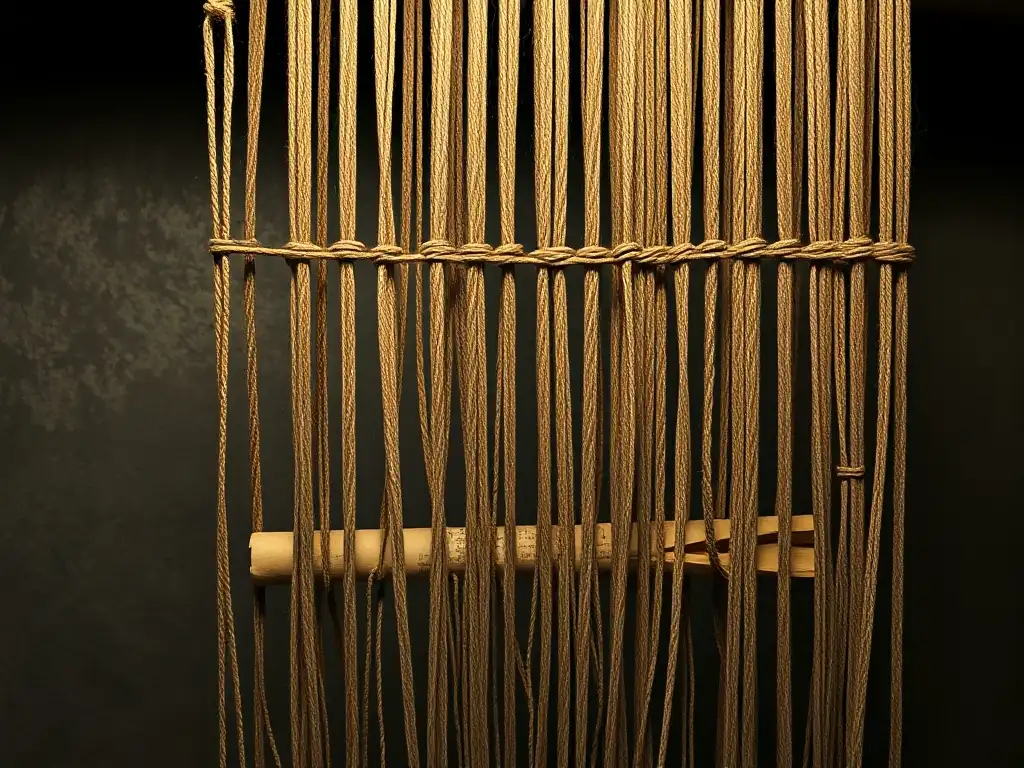
This section delves into specific online courses designed to help you decipher the fascinating Inca quipu code. We'll examine course content, structure, and target audiences to help you choose the best fit for your learning goals. Understanding the intricacies of the quipu requires dedication, but with the right resources, unlocking these ancient secrets becomes a rewarding experience. The demand for Inca quipu code online courses is growing, reflecting a broader interest in Andean history and record-keeping systems.
"The Inca Quipu: Knotting, Counting, and Communication" - A Comprehensive Course
This advanced course offers a deep dive into the quipu system, moving beyond basic knot-tying techniques. Expect rigorous analysis of complex quipu structures, exploring the diverse ways the Incas used these intricate cords for recording everything from census data to astronomical observations. The course utilizes high-resolution images of actual quipu artifacts, allowing for detailed examination of knot types, color variations, and spatial arrangements.
The curriculum likely includes modules on:
- Knot typology: Detailed study of different knot types and their numerical significance. This section may involve interactive exercises where students practice identifying and classifying various knots.
- Color symbolism: Exploration of the meaning and cultural significance attributed to different colors used in quipu construction. Expect discussions on the potential symbolic meanings and how they influence the interpretation of the data.
- Spatial arrangement: Analysis of the organization and arrangement of cords and knots, examining how this contributes to the overall message encoded within the quipu. This may involve case studies of specific quipu examples.
- Advanced decoding techniques: Instruction in sophisticated methods for deciphering complex numerical and potentially textual information encoded within the quipus. This may involve statistical analysis and comparative studies.
This course is ideal for students with a solid foundation in Andean history or those seeking a rigorous academic approach to quipu studies. Expect challenging assignments and in-depth discussions, fostering a critical understanding of this unique record-keeping system.
"Introduction to Quipu: An Andean System of Record Keeping" - A Beginner-Friendly Approach
This introductory course provides a foundational understanding of the Inca quipu. It's perfect for those with little to no prior knowledge of Andean civilizations or record-keeping systems. The course emphasizes accessibility, using clear explanations and engaging visuals to make complex concepts easily understandable.
The course likely covers:
- Quipu basics: An overview of the history and purpose of quipus, including their role in Inca society and administration. This section would introduce basic terminology and concepts.
- Knot-tying techniques: Hands-on instruction in the fundamental knot-tying methods used in quipu construction. This may involve video tutorials and practical exercises.
- Interpreting simple quipus: Guidance on deciphering basic numerical information encoded in simpler quipu structures. This section would build a foundation for more complex analysis.
- Cultural context: Exploration of the cultural significance of quipus within the broader context of Inca civilization. This might include discussions on the Inca worldview and their relationship with numbers and information.
The course structure is likely modular, allowing for flexible learning. Assignments are likely to be less demanding than those in advanced courses, focusing on comprehension and practical application of basic concepts. This course serves as an excellent stepping stone for those interested in pursuing more in-depth quipu studies.
"Advanced Quipu Analysis: Decoding Complex Numerical Information" - For Researchers
This specialized course caters to researchers and advanced students already familiar with basic quipu principles. It focuses on the complexities of deciphering intricate numerical data encoded within sophisticated quipu structures. Expect to engage with cutting-edge research methodologies and advanced analytical techniques.
The curriculum likely includes:
- Statistical analysis of quipu data: Applying statistical methods to large datasets derived from quipu analysis to identify patterns and trends. This may involve the use of specialized software or statistical packages.
- Comparative analysis of multiple quipus: Examining the relationships between different quipus to gain a broader understanding of the information they convey. This may involve developing hypotheses and testing them against available data.
- Advanced interpretation techniques: Exploring sophisticated methods for interpreting complex numerical sequences and identifying potential symbolic or contextual information. This may include discussions of ongoing debates and controversies within the field.
- Research methodologies: Developing and applying rigorous research methodologies to ensure the accuracy and reliability of quipu interpretations. This may involve discussions on ethical considerations and best practices in research.
This course demands a strong background in mathematics, statistics, and Andean history. The assignments are likely to involve independent research, data analysis, and the development of original interpretations. The course aims to equip students with the skills and knowledge necessary to contribute to the ongoing scholarly discourse surrounding quipu research. It's designed for those seeking to push the boundaries of our understanding of this remarkable record-keeping system.
Comparing Inca Quipu Courses: Finding the Right Fit for You

Choosing the right online course can significantly impact your learning experience. When it comes to deciphering the Inca quipu code, several courses offer different approaches and levels of depth. To help you navigate this, let's compare two hypothetical examples: "The Inca Quipu" and "Introduction to Quipu". This comparison focuses on key features, allowing you to determine which aligns best with your needs and learning style.
Feature Comparison: "The Inca Quipu" vs. "Introduction to Quipu"
Let's analyze two fictional courses to illustrate the variety available in online Inca quipu code education. Remember, the availability and specifics of actual courses may vary.
| Feature | "The Inca Quipu" | "Introduction to Quipu" |
|---|---|---|
| Course Level | Advanced; assumes some prior knowledge of Andean history. | Beginner-friendly; no prior knowledge required. |
| Course Length | 8 weeks, 10 hours per week | 4 weeks, 5 hours per week |
| Instructional Style | Primarily lecture-based, supplemented with interactive quizzes and assignments focusing on complex quipu analysis. | Mix of lectures, videos, and interactive exercises focusing on basic quipu structure and interpretation. |
| Assessment | Final exam, several smaller assignments involving detailed quipu transcription and interpretation. | Quizzes, a short final project involving a simple quipu design and analysis. |
| Cost | Higher price point reflecting the advanced content and instructor expertise. | Lower price point, suitable for introductory learning. |
| Focus | In-depth exploration of complex quipu systems, including regional variations and advanced knot-tying techniques. | Foundational understanding of quipu construction, basic knot types, and simple numerical representations. |
| Software/Materials | Access to high-resolution images of various quipu examples and specialized software for knot analysis. | Basic materials provided online, no specialized software required. |
The table above demonstrates the significant differences between a beginner and advanced course. Choosing between them depends entirely on your existing knowledge and learning goals. Do you want a broad overview or a deep dive into the intricacies of Inca record-keeping? The answer to this question will guide your decision.
Understanding the Cost-Benefit: Is It Worth Investing in an Inca Quipu Code Course?
The question of whether investing in an Inca quipu code online course is worthwhile depends heavily on individual circumstances and aspirations. The cost of such courses can range significantly, and the perceived value will vary accordingly.
Several factors contribute to determining the cost-benefit ratio:
- Career Goals: Are you a researcher, historian, or anthropologist seeking to enhance your professional skills? A more advanced and expensive course might be a valuable investment, potentially leading to better job opportunities or research grants.
- Personal Enrichment: If your interest is purely academic or for personal enrichment, a less expensive introductory course might suffice. The knowledge gained could significantly enhance your understanding of Inca civilization and its sophisticated record-keeping system.
- Course Quality: The quality of instruction and materials plays a crucial role. A well-structured course with engaging content and qualified instructors justifies a higher price. Look for courses with positive reviews and a clear curriculum before enrolling.
- Alternative Resources: Free online resources, such as articles, videos, and introductory materials, can offer a basic understanding of quipu. However, a structured course provides a more comprehensive and guided learning experience. Weigh the value of a structured learning environment against the cost of the course.
Ultimately, the decision of whether to invest in an Inca quipu code course hinges on a careful evaluation of your personal objectives, budget, and the specific features of the course being considered. Carefully weigh the potential benefits against the financial investment before committing. Remember to research various options thoroughly to find the best fit for your individual needs and learning style. 🕵️♀️
Maximizing Your Learning Experience: Tips for Successful Quipu Studies

Learning to decipher the Inca quipu code requires dedication and a strategic approach. While online courses provide a structured learning path, maximizing your learning experience involves more than just passively consuming the material. This section offers practical strategies to enhance your comprehension and retention of this fascinating and complex system of record-keeping. Success hinges on active engagement and a multifaceted learning strategy.
Utilizing Course Materials: Effective strategies for learning complex information
Effective learning of the Inca quipu code hinges on actively engaging with the course materials. Don't just read; actively process the information. Consider these techniques:
- Annotate: Take notes, highlight key concepts, and write down questions as you progress through the course materials. Think of your notes as a living document, constantly evolving as your understanding grows. This active engagement improves retention significantly.
- Summarize: After each module or lesson, summarize the key takeaways in your own words. This forces you to synthesize the information and identify any areas needing further clarification. Consider using mind maps or concept diagrams to visualize the relationships between different aspects of quipu construction and interpretation.
- Practice: Many online courses provide practice exercises. These are invaluable! Regular practice reinforces learning and helps you identify areas where you need additional focus. The more you practice interpreting sample quipus, the more proficient you'll become.
- Seek Feedback: If the course offers opportunities for feedback (like assignments or quizzes), take advantage of them! Constructive criticism is essential for identifying weaknesses and refining your understanding.
- Break it Down: The Inca quipu code can seem daunting at first. Break down the learning process into smaller, manageable chunks. Focus on mastering one aspect (e.g., knot types, color codes) before moving on to the next.
Engaging with the Community: Participating in online forums and discussions
Many online courses incorporate online forums or discussion boards. These are invaluable resources for enhancing your learning experience. Actively participating offers several benefits:
- Peer Learning: Engage with your classmates! Sharing your understanding, asking questions, and discussing different interpretations of quipus fosters a collaborative learning environment. You might gain new perspectives and insights you wouldn't have discovered on your own.
- Expert Guidance: If the instructor participates in the forums, this provides a direct line to expert knowledge. Don't hesitate to ask clarifying questions or seek guidance on challenging concepts.
- Networking: Connecting with other students interested in Inca quipus can lead to future collaborations or research opportunities. Building a professional network can be incredibly beneficial.
- Different Perspectives: Discussions expose you to diverse interpretations and approaches to quipu analysis. This broadens your understanding and helps you develop a more nuanced and critical approach to the subject matter. Remember that deciphering the quipu code is an ongoing process of interpretation and refinement.
Combining Online Courses with Independent Study: Exploring additional resources
While online courses provide a structured foundation, supplementing your learning with independent study significantly enhances your understanding. Consider these avenues:
- Academic Articles: Explore scholarly articles and books on Inca civilization and quipu studies. These provide in-depth analysis and offer different perspectives on the subject.
- Museum Collections: Many museums have online collections featuring images and descriptions of quipus. Studying these firsthand can give you a deeper appreciation for the physical aspects of these intricate artifacts.
- Documentaries and Films: Explore documentaries and films focusing on Inca history and culture. These can provide visual context and further engage your interest in the subject.
- Reputable Websites: Supplement your learning with reputable websites dedicated to Andean history and culture. Look for sites that cite their sources and provide accurate, well-researched information. Be critical of the information you find online, and always cross-reference information from multiple sources.
Remember, consistent effort and a proactive learning strategy are key to unlocking the secrets of the Inca quipu code. Embrace the challenges, engage with the material, and enjoy the journey of discovery!
Beyond Online Courses: Further Resources for Inca Quipu Exploration
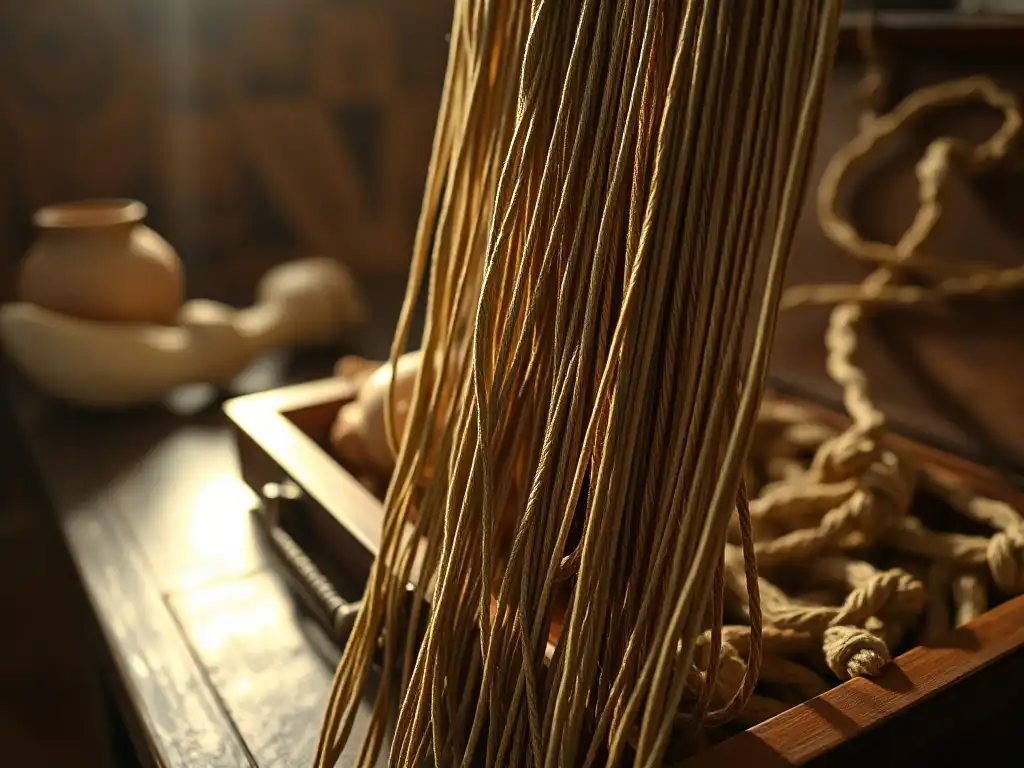
This section expands upon the online learning opportunities by exploring additional avenues for delving deeper into the fascinating world of Inca quipu record-keeping. While online courses provide a foundational understanding, a truly comprehensive exploration requires engaging with other resources that offer diverse perspectives and in-depth analyses. This section will guide you towards enriching your knowledge beyond the digital classroom.
Books and Publications: Key texts by Gary Urton and Marcia Ascher
The study of Inca quipus has benefited immensely from the groundbreaking work of several scholars. Two names stand out: Gary Urton and Marcia Ascher. Their publications offer invaluable insights into deciphering the quipu code and understanding its significance within Inca society.
Urton's work, often characterized by meticulous analysis and a deep understanding of the cultural context, provides crucial interpretations of quipu data. His books offer detailed explanations of knot-types, color systems, and the potential numerical and narrative information encoded within the quipus. He often integrates archaeological findings with linguistic and anthropological perspectives to provide a holistic view of Inca record-keeping practices. His contributions have significantly advanced our understanding of quipu complexity and their role in the Inca administrative system.
Ascher, on the other hand, has taken a more mathematical and structural approach to the quipu code. Her work focuses on the mathematical possibilities inherent in the knotting techniques, exploring potential algorithms and patterns. She has challenged traditional interpretations, offering new perspectives on the organization and interpretation of quipu data. Her focus on the mathematical and logical structures of quipus complements Urton's more culturally-focused approach, providing a multifaceted understanding of these complex artifacts. Exploring both Urton and Ascher's work provides a balanced and comprehensive perspective on Inca quipu research.
Museums and Collections: The Museo Larco in Peru and the Dumbarton Oaks Collection
Direct engagement with physical quipus significantly enhances understanding. Several museums house significant collections, allowing for firsthand observation and study. Two institutions stand out: the Museo Larco in Lima, Peru, and the Dumbarton Oaks Museum Collection in Washington, D.C.
The Museo Larco boasts a remarkable collection of pre-Columbian artifacts, including a substantial number of Inca quipus. The museum's commitment to research and public education provides opportunities to learn from experts and engage with the physical objects themselves. Their collection often includes detailed catalogues and accompanying information, allowing for closer examination of the quipus' intricacies. Seeing the varying sizes, colors, and knotting techniques firsthand provides a depth of understanding impossible to achieve through images alone.
The Dumbarton Oaks Collection, though smaller than the Museo Larco's, houses a significant number of well-preserved quipus. Its focus on pre-Columbian art and archaeology provides a valuable context for studying these artifacts. The collection's scholarly resources and accompanying publications further enhance the research possibilities. The controlled environment and detailed documentation within Dumbarton Oaks allow for careful analysis and comparison of various quipu examples.
Research Projects: Opportunities for collaboration with archaeological teams
For those deeply invested in the study of Inca quipus, collaboration with active archaeological teams presents unparalleled opportunities. Many ongoing projects in Peru and other Andean regions actively excavate sites potentially yielding new quipus and related artifacts. Participating in such projects, even as a volunteer or assisting with data analysis, provides invaluable hands-on experience and access to primary source material.
These collaborations often involve working alongside experienced archaeologists and researchers, providing mentorship and opportunities to learn advanced research techniques. Contributing to the analysis and interpretation of newly discovered quipus offers a unique chance to contribute to the field and expand our collective understanding of Inca record-keeping. Furthermore, participating in such projects can lead to future research opportunities and publications, furthering one's expertise in the area of Inca quipu studies.
Contacting universities and research institutions involved in Andean archaeology is a crucial first step in exploring these possibilities. The experience of working with original artifacts and contributing to ongoing research far surpasses the limitations of solely online courses.
Conclusion: Unlocking the Mystery of the Inca Quipu Code Through Online Education

The Inca quipu, a complex system of knotted strings, remains one of the most fascinating and challenging puzzles of Andean history. While complete decipherment remains elusive, online courses offer unprecedented access to the latest research and interpretations, allowing enthusiasts and scholars alike to delve into this intricate record-keeping system.
These digital learning opportunities democratize access to knowledge previously confined to academic circles, fostering a deeper understanding and appreciation of Inca civilization and its sophisticated administrative capabilities. The availability of diverse courses, catering to various skill levels and interests, ensures that everyone, from the casual history buff to the dedicated researcher, can find a suitable pathway to explore the intricacies of the Inca quipu code.
By engaging with these resources, we collectively contribute to the ongoing effort to unravel the secrets held within these ancient threads, bringing us closer to a more complete understanding of Inca society and its remarkable achievements. The potential for new discoveries and interpretations is immense, fueled by the accessibility and collaborative nature of online learning.
Your Journey to Becoming a Quipu Expert Starts Now
Embarking on a journey to understand the Inca quipu code through online education is an exciting prospect. The wealth of information available online provides a rich tapestry of knowledge, allowing learners to explore various aspects of this fascinating subject. From introductory courses offering a general overview to specialized programs focusing on specific aspects of quipu construction and interpretation, the options are plentiful.
Many courses incorporate interactive elements, such as virtual reconstructions of quipus and opportunities for collaborative learning, enhancing the learning experience and fostering a deeper understanding. The availability of video lectures, downloadable resources, and engaging exercises ensures a dynamic and immersive learning environment. Remember to consider your learning style and goals when choosing a course.
Some courses might focus heavily on historical context, while others might prioritize the practical skills needed for quipu analysis. Regardless of your chosen path, the commitment to learning about the Inca quipu code will undoubtedly unlock a deeper appreciation for the ingenuity and complexity of Inca civilization. The journey is both intellectually stimulating and personally rewarding, offering a unique perspective into the past and a chance to contribute to the ongoing quest to decipher these ancient records.
Choose the Right Course and Begin Your Exploration of Andean History
Selecting the right online course is crucial for a successful learning experience. Consider several factors when making your decision. First, assess your current knowledge level. Beginner courses offer a foundational understanding of Inca history and quipu basics, while advanced courses delve into complex interpretations and research methodologies. Secondly, examine the course structure and content.
Look for courses with clear learning objectives, well-structured modules, and engaging teaching methods. The availability of supplementary materials, such as readings, videos, and interactive exercises, can significantly enhance the learning process. Thirdly, evaluate the instructor's credentials and experience. A qualified instructor with expertise in Andean history and quipu studies can provide valuable insights and guidance. Finally, consider the course format and scheduling.
Choose a course that aligns with your learning style and time commitments. Whether you prefer self-paced learning or structured sessions, ensure the course format suits your needs. By carefully evaluating these factors, you can select a course that effectively supports your learning goals and provides a stimulating and enriching experience in exploring the fascinating world of Inca quipus and Andean history. The key is to find a course that ignites your curiosity and empowers you to actively participate in the ongoing efforts to unlock the mysteries of this ancient record-keeping system.
Frequently Asked Questions
What is a quipu?
A quipu is an ancient Inca device used for record-keeping. It consists of colored strings with knots tied in specific patterns to represent numerical and potentially textual information. Scholars are still deciphering its full complexity.
Are there online courses dedicated to deciphering quipu?
Yes, several online courses explore quipu-reading techniques. These courses vary in depth, from introductory overviews to advanced analyses of knot patterns and their meanings. Look for courses focusing on Andean history and archaeology.
What kind of information was recorded on quipu?
Quipu recorded a wide range of information, including census data, economic records, and possibly historical narratives. The precise nature of the information is still under investigation, but it likely covered many aspects of Inca life.
How difficult is it to learn to read quipu?
Learning to interpret quipu is challenging, requiring dedicated study and practice. There's no quick solution, but online resources and courses offer structured learning paths to understand the complexities of this ancient record-keeping system.
Where can I find Inca quipu code online courses?
Several online learning platforms, including MOOCs (Massive Open Online Courses) and university extension programs, offer courses related to Andean history and archaeology. Search for keywords like "Inca quipu,""Andean textiles," or "ancient record-keeping" to find relevant options.
Final Reflection: Unlocking the Whispers of the Andes
The intricate knots and vibrant colors of the quipu, once dismissed as mere decorative items, are now being meticulously deciphered through the power of online learning. This accessibility revolutionizes our understanding of Inca civilization, offering a direct line to a rich and complex past previously shrouded in mystery. The digital age has unlocked the potential for global participation in the unraveling of this ancient code.
The impact of online courses dedicated to quipu interpretation extends far beyond the academic sphere. They foster a sense of shared discovery, connecting individuals worldwide in a collaborative effort to understand a culture vastly different from our own. This democratization of knowledge is profoundly inspiring. The past is never dead. It's not even past.
- William Faulkner. This quote resonates deeply, as the quipu, through these online courses, continues to speak to us across centuries, challenging our assumptions and enriching our understanding of human ingenuity and record-keeping.
You, the reader, now hold the key to unlocking a deeper appreciation for Inca civilization. Consider taking the next step: explore the online courses mentioned in this article, engage with the vibrant community of quipu enthusiasts, and contribute to the ongoing effort to decipher these remarkable artifacts. Let the whispers of the Andes guide you on a journey of discovery, enriching your understanding of history and the enduring power of human communication.
Unleash Your Inner Scholar: Dive into Inca Knowledge Today!
Thank you for exploring the fascinating world of Inca record-keeping! Your curiosity enhances your understanding of Andean civilizations and ignites a passion for learning that can lead to remarkable discoveries. Ready to delve deeper? Here's how you can further immerse yourself in this captivating subject:
- Enroll in a specialized online course to gain in-depth knowledge and practical experience with Quipu and other Inca record-keeping methods.
- Join our online community to connect with fellow enthusiasts, share your insights, and discuss the intricacies of ancient Andean cultures.
- Share your newfound knowledge on social media to inspire others—perhaps by creating an engaging post summarizing key concepts or discoveries.
What aspect of Inca civilization most captivates you, and how will you share your journey of discovery with the world?