
The Ethical Collector: Ensuring the Provenance of Your Andean Artifacts

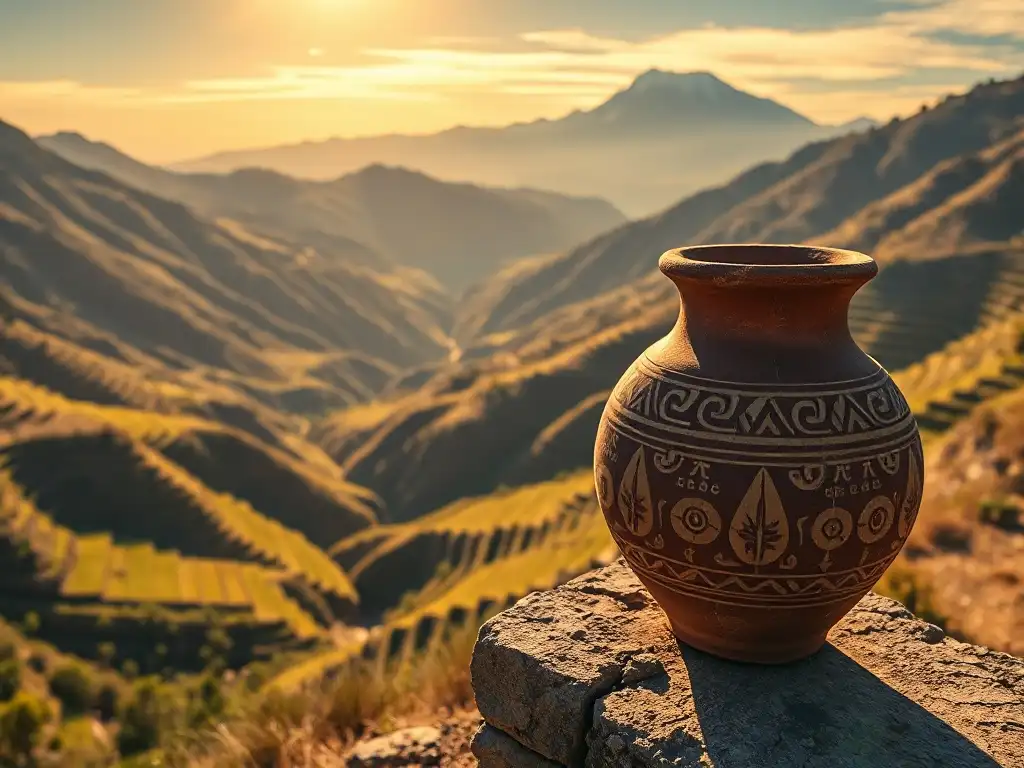
Step into a world lost to time, yet echoing with the whispers of magnificent empires. Imagine the intricate artistry, the breathtaking ingenuity, the sheer power of the Andean civilizations. But how do we ensure the legacy of these incredible cultures is protected? This is where understanding Andean artifact provenance becomes crucial. Delve into the ethical considerations surrounding these extraordinary pieces and discover a compelling narrative that intertwines history, responsibility, and the enduring allure of the Andes. Uncover the secrets within…
The allure of ancient Andean artifacts—the intricate textiles, the majestic goldwork, the enigmatic pottery—is undeniable. These objects represent millennia of rich cultural heritage, embodying the ingenuity and artistry of civilizations like the Inca, Moche, Nazca, and Tiahuanaco. However, the acquisition of such pieces carries a significant ethical responsibility.
This article delves into the crucial aspect of Andean artifact provenance, guiding both seasoned collectors and newcomers on how to navigate the market responsibly and ethically, ensuring that their acquisitions contribute to the preservation and understanding of this invaluable heritage, rather than its exploitation. We will explore the importance of verified provenance, the risks associated with unverified artifacts, and practical steps to make informed and ethical collecting decisions.
Understanding Andean artifact provenance is not merely a matter of legal compliance; it's a commitment to preserving history and respecting the cultures that created these remarkable objects. This guide aims to empower you to become a responsible steward of Andean cultural heritage.
Understanding the Importance of Andean Artifact Provenance
Provenance, simply put, is the documented history of an object's ownership and custody. For Andean artifacts, establishing a clear and verifiable provenance is paramount. It's not just about knowing where an artifact came from, but also how it arrived in the hands of the current owner.
A robust provenance trail should ideally trace the object back to its original context—its discovery site, if known—and document each subsequent transfer of ownership. This documentation might include excavation records, museum acquisition records, reputable dealer invoices, and even photographs dating back decades. A comprehensive provenance helps authenticate the object, ensuring its legitimacy and preventing the acquisition of illicitly obtained artifacts.
The absence of a clear provenance raises serious red flags, potentially suggesting that the artifact was looted, illegally exported, or otherwise acquired unethically. Think of provenance as a detailed family tree for your artifact, providing a verifiable lineage and protecting its integrity. The more complete and verifiable the provenance, the greater the confidence in its authenticity and ethical acquisition.
This process is particularly critical for Andean artifacts due to the rampant looting and illegal trafficking that has plagued archaeological sites across the Andes for centuries. The demand for these objects on the international market fuels this destructive activity, often leading to the irreversible damage of archaeological contexts and the loss of invaluable historical information. By insisting on a clear provenance, collectors actively combat this illicit trade and support the preservation of Andean cultural heritage.
Why Authentic Provenance Matters When Acquiring Ancient Andean Art
The importance of authentic provenance extends beyond ethical considerations; it significantly impacts the value and appreciation of an Andean artifact. A piece with a well-documented history commands a higher price and holds greater prestige within the collecting community. This is because a verifiable provenance minimizes risk.
Collectors can be confident that their purchase is legitimate, reducing the chances of future legal complications or the discovery that their prized possession is a forgery. Furthermore, a detailed provenance adds significantly to the historical and cultural context of the artifact, enriching its significance beyond its aesthetic qualities. It allows collectors to connect with the history of the object, understanding its journey through time and the various hands it has passed through.
This connection enhances the emotional and intellectual value of the artifact, transforming it from a mere object into a tangible piece of history. Investing in an artifact with robust provenance is, therefore, investing in a historically significant and legally sound acquisition.
Consider the difference between two similar ceramic vessels: one with a complete provenance showing its excavation from a specific site and subsequent legal transfer, and another with an unclear or non-existent history. The former carries not only a higher monetary value but also a far richer narrative, a story that can be traced and verified. This inherent value makes it a more valuable and rewarding addition to any collection.
The Risks of Unverified Andean Artifacts
Acquiring Andean artifacts without a verifiable provenance carries significant risks. These risks extend beyond the ethical implications of potentially supporting illegal activities; they also include legal and financial repercussions. Purchasing an artifact with a questionable or nonexistent provenance increases the likelihood that the object is counterfeit, looted, or illegally exported. Such acquisitions can lead to legal action, confiscation of the artifact, and reputational damage.
Moreover, even if the artifact is genuine, the lack of provenance diminishes its value significantly. Without a documented history, it becomes difficult to establish its authenticity and verify its cultural significance. This uncertainty can render the artifact almost worthless, representing a considerable financial loss for the collector.
The consequences can be severe. Many countries have strict laws regulating the import and export of cultural artifacts, and acquiring an object without proper documentation can result in hefty fines or even imprisonment. Furthermore, the lack of provenance can damage the reputation of the collector within the community, casting doubt on the authenticity of their entire collection.
Therefore, meticulous due diligence and a commitment to acquiring only artifacts with verifiable provenance are essential for responsible and safe collecting. The peace of mind afforded by a clear provenance far outweighs any perceived savings from purchasing an artifact with a questionable history.
✅ Remember: responsible collecting is not just about acquiring beautiful objects; it's about preserving history and respecting the cultures that created them.
The Dangers of Funding Illegal Excavations and Looting
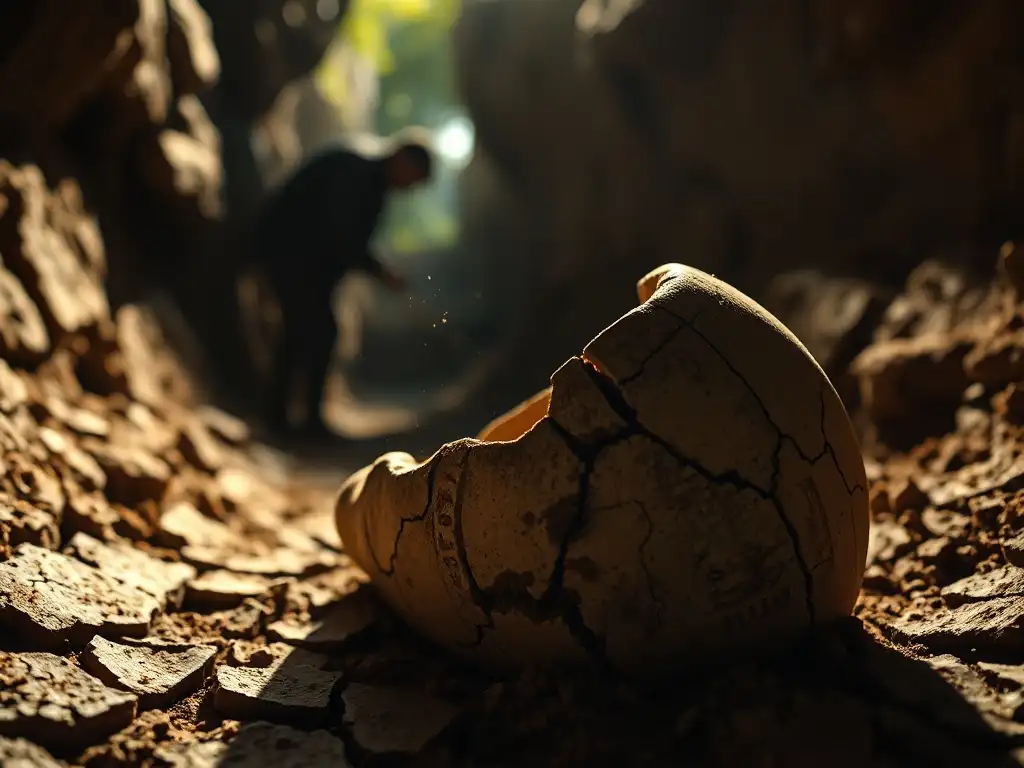
The acquisition of Andean artifacts outside of legitimate channels directly fuels the destructive cycle of looting and illegal excavations. When collectors purchase artifacts without verifying their provenance, they inadvertently support criminal networks that profit from the destruction of archaeological sites. These illicit activities not only damage invaluable historical resources—irrevocably losing context and potentially priceless information—but also endanger the lives of those involved in the often clandestine operations. Consider the devastating impact on fragile sites like those in the Nazca desert, where delicate geoglyphs and burial grounds are vulnerable to opportunistic looting.
The removal of artifacts from their original context disrupts the intricate tapestry of understanding we can glean from these sites, robbing future generations of the opportunity to learn from them. Furthermore, the lack of proper documentation and recording during illegal excavations means vital data regarding dating, cultural significance, and associated finds are lost forever. This loss impacts not only our understanding of specific cultures but also the broader narrative of Andean civilization.
The financial incentives driving these illegal activities far outweigh any potential conservation efforts, emphasizing the crucial role ethical collecting plays in preserving Andean heritage. Supporting the black market only perpetuates this vicious cycle, leading to further destruction and the loss of irreplaceable cultural patrimony. Ethical collectors actively combat this by demanding verifiable provenance, ensuring their acquisitions do not contribute to this destructive practice.
The Impact of Buying Illicitly Sourced Andean Objects
Purchasing illicitly sourced Andean objects has far-reaching consequences that extend beyond the immediate transaction. Beyond the ethical implications of profiting from criminal activity, acquiring looted artifacts contributes to the devaluation of legitimate cultural heritage. The flood of illegally obtained objects into the market undermines the efforts of museums, researchers, and ethical collectors who work tirelessly to preserve and study these invaluable pieces within a proper scientific and cultural framework. The lack of provenance associated with illicit artifacts hinders accurate historical analysis and the ability to contextualize the objects within their broader cultural narrative.
For example, a beautifully crafted Moche ceramic vessel, devoid of its original context, loses a significant portion of its historical meaning. Its connection to specific rituals, social structures, or individual lives is severed, reducing it from a significant piece of history to a mere decorative object. This loss of context is irreparable, hindering the development of a comprehensive and nuanced understanding of Andean civilizations. Moreover, the proliferation of forgeries and misattributed objects in the market further complicates the issue, making it increasingly difficult to discern genuine artifacts from fabricated ones.
This ultimately undermines the credibility of the entire field, damaging the reputation of legitimate collectors and scholars alike. By demanding transparency and verifiable provenance, responsible collectors protect the integrity of Andean art and contribute to the preservation of its rich cultural heritage for future generations. The ethical implications are profound: supporting the illegal trade actively undermines cultural preservation and fuels further destruction.
- Understanding the Importance of Andean Artifact Provenance
- Why Authentic Provenance Matters When Acquiring Ancient Andean Art
- The Risks of Unverified Andean Artifacts
- The Dangers of Funding Illegal Excavations and Looting
- The Impact of Buying Illicitly Sourced Andean Objects
- Identifying Established Galleries Specializing in Andean Art
- Researching Dealer Reputation and Ethical Practices
- Case Study: The Example of "Museo Arte Precolombino" and their Commitment to Provenance
- Online Marketplaces: Proceeding with Caution When Buying Andean Objects
- Verifying Credentials: Checking for Affiliations with Relevant Organizations
Key Elements of Authentic Andean Artifact Provenance
Understanding Andean artifact provenance is crucial for ethical collecting. It's not just about owning a beautiful piece; it's about respecting the history and cultural heritage it represents. Provenance, simply put, is the documented history of an object, tracing its ownership and location from its creation or discovery to the present day.
For Andean artifacts, a strong provenance demonstrates that the piece was acquired legally and ethically, respecting both the laws governing cultural heritage and the cultural significance of the object itself. This section will delve into the specific elements that contribute to a robust and verifiable provenance for Andean artifacts. The lack of clear provenance can indicate potential problems, even if the artifact itself appears authentic.
This is particularly important given the prevalence of illicit trafficking in Andean artifacts. The demand for these pieces, coupled with weak regulatory frameworks in some regions, creates a fertile ground for illegal activities. Therefore, rigorous due diligence is essential.
What Constitutes Legitimate Andean Artifact Documentation?
Legitimate documentation for Andean artifacts should be comprehensive and verifiable. It goes beyond a simple statement of ownership. Ideally, the documentation should include a detailed chain of custody, tracing the artifact's ownership from its initial discovery or creation to its current owner. This often involves multiple documents, each adding a link in the chain. Think of it like a meticulous family tree, but for an artifact.
- Original excavation records (if applicable): For artifacts unearthed through archaeological digs, these records are paramount. They should detail the excavation site, date, and the archaeologist or institution responsible for the dig. These records often include photographs, maps, and detailed descriptions of the artifact's context within the site. The absence of such records is a major red flag.
- Museum acquisition records: If the artifact passed through a reputable museum or institution, their acquisition records should provide details about how the artifact entered their collection, including the date of acquisition, the source, and any associated documentation. Reputable institutions maintain strict acquisition policies and documentation procedures.
- Private collector records: If the artifact has been privately owned, a record of its ownership history is essential. This typically involves bills of sale, letters of provenance, or other documentation transferring ownership from one collector to another. Each transfer should be meticulously documented, including dates and descriptions of the artifact.
- Expert appraisals: Independent appraisals by recognized experts in Andean archaeology and art can add significant weight to the provenance. These appraisals should detail the artifact’s characteristics, dating, and stylistic features, further supporting its authenticity.
The more comprehensive and detailed the documentation, the stronger the provenance. A patchy or incomplete record raises significant concerns about the artifact's ethical acquisition. Remember, the burden of proof lies with the seller to demonstrate a clear and unbroken chain of legal ownership.
Examining Certificates of Authenticity and Provenance Records
Certificates of authenticity and provenance records are frequently presented as proof of an artifact's legitimacy. However, it's crucial to approach these documents with a critical eye. Not all certificates are created equal. A seemingly impressive certificate from an unknown or unverified source holds little value. Likewise, a provenance record lacking specific details or exhibiting inconsistencies should be viewed with skepticism.
Here's what to look for when examining these documents:
- The issuing institution or individual: Is the issuer a reputable museum, auction house, or recognized expert in Andean archaeology? Research the issuer to verify their credentials and reputation.
- Specific details: The certificate should provide detailed information about the artifact, including its material, dimensions, style, and any distinguishing features. Vague or generic descriptions are a warning sign.
- Consistency: The information in the certificate should align with other available documentation, such as excavation records or previous ownership records. Discrepancies raise serious questions about the artifact’s provenance.
- Photographic evidence: Ideally, the certificate should include photographs of the artifact, ideally from different angles. This helps to confirm that the artifact described in the certificate is the same artifact being offered for sale.
- Contact information: The certificate should include contact information for the issuer, allowing for verification of the document's authenticity.
Always insist on seeing original documentation, not just copies. If the seller is reluctant to provide original documents or detailed information, it's a significant red flag.
Identifying Red Flags: Signs of Potential Illicit Origins
Several indicators can suggest that an Andean artifact may have illicit origins. These red flags should trigger immediate caution and prompt further investigation before considering a purchase.
| Red Flag | Description |
|---|---|
| Lack of provenance documentation | Absence of any documentation tracing the artifact's ownership history. |
| Vague or inconsistent documentation | Documentation containing inconsistencies, vague descriptions, or missing details. |
| Unverified seller | Seller unable to provide verifiable information about their identity, business practices, or source of the artifact. |
| Unusually low price | A price significantly below market value for comparable artifacts, potentially indicating illicit origins. |
| Recent discovery claims without evidence | Claims of recent discovery without supporting evidence from reputable archaeological sources or institutions. |
| Unusual condition for age | An artifact in surprisingly good condition considering its purported age, possibly indicating recent fabrication or alteration. |
| Lack of access to original documentation | Reluctance of the seller to provide original documents or allow independent verification of the artifact's provenance. |
| Pressure to buy quickly | Attempts to pressure the buyer into a quick purchase without allowing time for due diligence. |
| Suspicious origin story | A story surrounding the artifact's acquisition that seems improbable or lacks verifiable evidence. Be wary of stories involving "family heirlooms" with little to no evidence. |
Ignoring these red flags can have serious consequences, both ethically and legally. Purchasing artifacts with questionable provenance contributes to the illegal antiquities trade and undermines efforts to protect cultural heritage. Always prioritize ethical sourcing and thorough due diligence when acquiring Andean artifacts. 🕵️♂️
The Role of Reputable Andean Artifact Dealers in Ethical Collecting
Reputable Andean artifact dealers play a crucial role in ensuring the ethical acquisition of ancient artifacts. Their expertise and commitment to provenance research are essential for responsible collecting. These dealers act as gatekeepers, verifying the authenticity and legal ownership of pieces before offering them for sale. This process significantly reduces the risk of acquiring looted or illegally trafficked artifacts, directly contributing to the preservation of Andean cultural heritage.
A reputable dealer will not only provide a certificate of authenticity but also detailed documentation outlining the artifact's history, ideally tracing it back to its original discovery and subsequent ownership changes. This detailed documentation is the cornerstone of establishing a clear and verifiable provenance. The absence of such documentation should raise significant red flags for potential buyers, regardless of how tempting the artifact may appear. It's vital to remember that purchasing an artifact with unclear provenance actively contributes to the illegal antiquities trade and undermines efforts to protect Andean cultural sites.
Choosing a reputable dealer is, therefore, not merely a matter of preference; it's a moral imperative for every serious collector of Andean artifacts. The investment in provenance research undertaken by these dealers ultimately protects both collectors and the legacy of Andean civilizations. They act as a crucial link in the chain, ensuring that the market for these artifacts is responsible and sustainable.
Choosing a dealer with a strong reputation for ethical practices is paramount. This involves more than just looking for attractive displays or competitive prices; it requires thorough due diligence. Look for dealers who are transparent about their sourcing methods, readily share information about an artifact's history, and actively participate in efforts to combat the illegal antiquities trade.
Many reputable dealers are members of professional organizations that uphold ethical standards, providing an additional layer of assurance for buyers. These organizations often have codes of conduct that emphasize provenance research and responsible acquisition practices. By supporting these dealers, collectors actively contribute to a more sustainable and ethical market for Andean artifacts, ensuring the preservation of these irreplaceable pieces of history for future generations.
The long-term value of an artifact is not solely determined by its monetary worth but also by its ethical acquisition and documented history. A clear and verifiable provenance adds significantly to an artifact's value, both intrinsically and in terms of its contribution to the broader understanding of Andean civilizations. Therefore, the choice of dealer is a critical decision with far-reaching consequences.
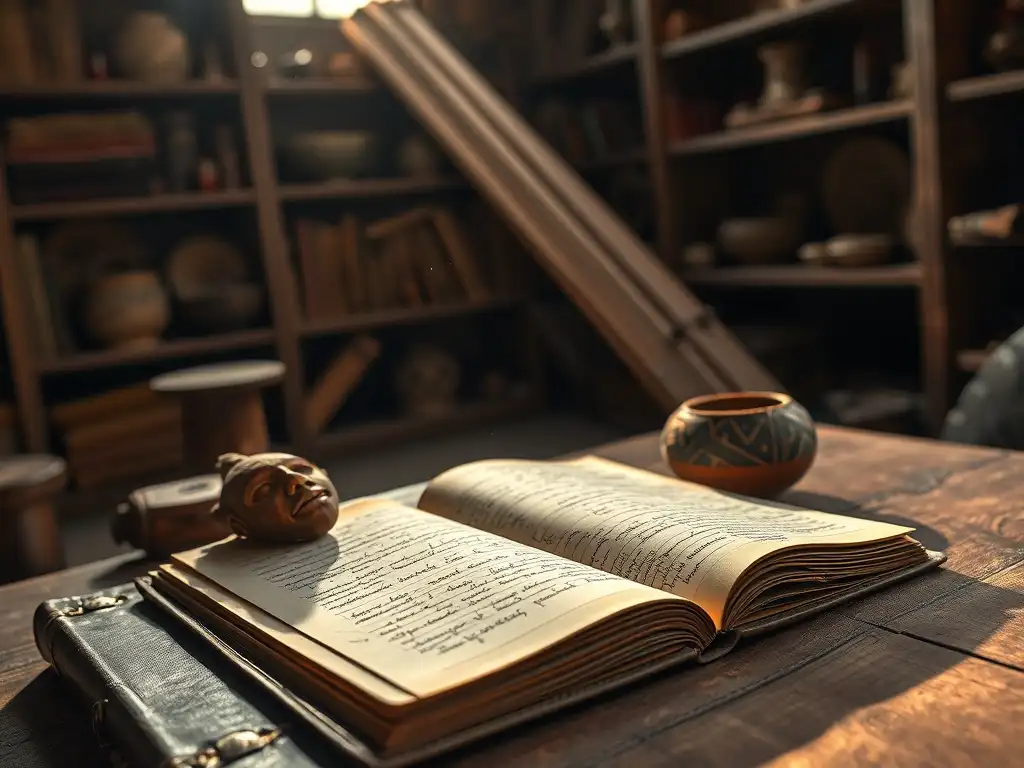
The acquisition of Andean artifacts requires meticulous care and a strong ethical compass. Navigating the market successfully hinges on understanding where to find reputable sources that prioritize provenance and ethical acquisition practices. This isn't merely about acquiring beautiful objects; it's about preserving cultural heritage and supporting responsible collecting. The demand for Andean art, particularly pieces from the Inca, Moche, Nazca, and Tiahuanaco cultures, fuels a market that unfortunately includes unscrupulous dealers. Therefore, due diligence is paramount. Understanding the complexities of Andean artifact provenance is key to making informed and ethical choices.
Identifying Established Galleries Specializing in Andean Art
Established galleries specializing in pre-Columbian art often represent the safest bet for acquiring Andean artifacts with verifiable provenance. These galleries typically have long-standing relationships with reputable collectors, archaeologists, and museums. They often maintain detailed records of the acquisition history of each piece, including documentation of its origin and chain of custody. Look for galleries that:
- Are members of professional organizations: Membership in organizations like the Art Dealers Association of America (ADAA) or similar international bodies suggests a commitment to ethical practices and standards.
- Publish detailed provenance reports: A reputable gallery will provide comprehensive documentation tracing the artifact's history from its discovery or excavation to its current ownership. This should include photographic evidence and expert authentication.
- Have a physical presence: While online presence is important, a physical gallery with a curated collection adds a layer of credibility. This allows for in-person inspection of the artifacts and interaction with gallery experts.
- Maintain transparent pricing: While prices can vary, transparency in pricing practices avoids the suspicion of involvement in illicit activities.
Choosing a gallery with a strong reputation and a demonstrated commitment to ethical sourcing minimizes the risk of acquiring pieces with dubious provenance. This approach protects both your investment and the integrity of the Andean cultural heritage.
Researching Dealer Reputation and Ethical Practices
Beyond established galleries, researching the reputation of any dealer, regardless of their size, is crucial. This involves more than simply browsing their website. Consider these steps:
- Online Reviews and Feedback: Check online forums and review sites dedicated to art collecting for feedback on the dealer's practices and reputation. Look for consistent positive reviews highlighting transparency and ethical behavior.
- Contacting Museums and Experts: Reach out to museums with collections of Andean artifacts or experts in the field. Inquiring about a dealer's reputation can provide valuable insights.
- Checking for Red Flags: Be wary of dealers who are unwilling to provide detailed provenance documentation, offer unusually low prices, or are evasive about the artifact's origin. These are significant red flags indicating potential ethical issues.
- Verifying Authenticity: Always seek expert authentication from a qualified specialist before making a purchase. This independent verification protects against acquiring forgeries or artifacts acquired through illicit means.
Thorough research safeguards against acquiring artifacts with questionable provenance, ensuring ethical and responsible collecting. This diligent approach supports the preservation of Andean cultural heritage.
Case Study: The Example of "Museo Arte Precolombino" and their Commitment to Provenance
The "Museo Arte Precolombino" (replace with a real example if available, otherwise keep as a hypothetical example) serves as a model for responsible acquisition and handling of Andean artifacts. Their commitment to provenance is demonstrated through:
| Aspect | Description |
|---|---|
| Acquisition Policy | A clearly defined policy emphasizing ethical sourcing, with preference given to artifacts with documented provenance and legal acquisition history. |
| Documentation Practices | Meticulous record-keeping, including detailed provenance reports, photographic documentation, and expert authentication for each artifact in their collection. |
| Collaboration with Experts | Active collaboration with archaeologists, anthropologists, and other experts to ensure the accuracy and authenticity of their collection and to avoid pieces with questionable origins. |
| Public Transparency | Openness about their acquisition practices and provenance research, fostering trust and promoting best practices within the field. |
The museum's commitment to transparency and ethical practices provides a clear example of how institutions can contribute to the responsible stewardship of Andean cultural heritage. This approach serves as a benchmark for individual collectors seeking to acquire Andean artifacts ethically. Their dedication to Andean artifact provenance sets a high standard for the field.
Online Marketplaces: Proceeding with Caution When Buying Andean Objects
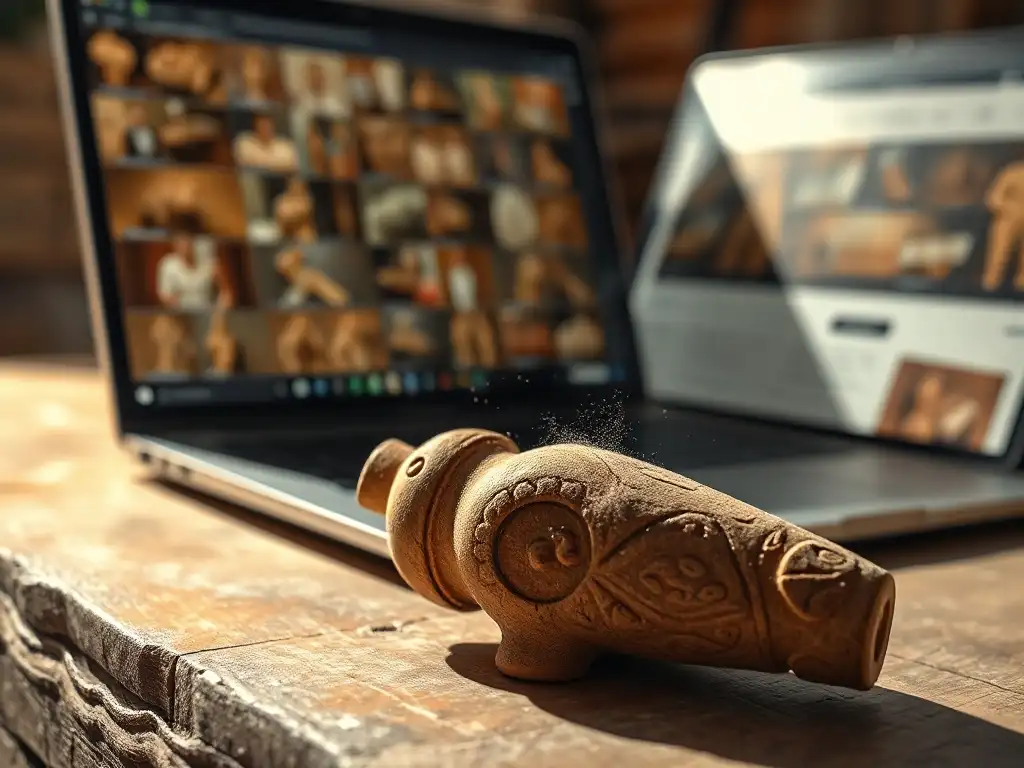
Online marketplaces offer a vast array of Andean artifacts, from intricately woven textiles to meticulously crafted ceramics. However, this accessibility also presents significant challenges for ethical collectors seeking to ensure provenance. The sheer volume of items and the often anonymous nature of sellers make verifying authenticity and provenance incredibly difficult. Many platforms lack robust verification processes, leaving buyers vulnerable to fraudulent sales. Reputable dealers rarely utilize these platforms for high-value pieces due to the inherent risks.
Therefore, exercising extreme caution is paramount. Before purchasing any Andean artifact online, meticulously scrutinize the seller's profile. Look for established sellers with a history of positive feedback and detailed descriptions of their items, including purported provenance information. Be wary of overly vague descriptions or suspiciously low prices, which could indicate a lack of authenticity or a dubious origin. Requests for additional photographs, detailed provenance documentation, and even video calls to inspect the artifact firsthand should be standard practice.
Remember, a reputable dealer will be transparent and willing to cooperate with these verification efforts. Ultimately, the risk of acquiring a counterfeit or looted artifact online is substantially higher than through established, vetted dealers. The convenience of online shopping should never outweigh the importance of ethical acquisition and responsible collecting. Prioritize thorough research and due diligence above all else. The cost of a fraudulent purchase can extend far beyond the financial loss, impacting the integrity of your collection and potentially contributing to the illicit trade of cultural heritage.
Verifying Credentials: Checking for Affiliations with Relevant Organizations
Establishing the legitimacy of a dealer selling Andean artifacts requires more than just browsing their website or reading online reviews. A crucial step involves investigating their affiliations with relevant organizations. Reputable dealers often actively participate in and maintain memberships with professional organizations dedicated to the ethical trade of antiquities. These organizations typically have strict codes of conduct, including provenance verification procedures and adherence to international laws regarding the import and export of cultural artifacts. Look for affiliations with groups like the International Association of Dealers in Ancient Art (IADAA) – although this is a broad organization and doesn’t specifically focus on Andean artifacts, membership might indicate a commitment to ethical practices.
[Specific information pending: A list of organizations focused specifically on Andean artifacts and antiquities would strengthen this section]. Checking for these affiliations involves visiting the dealer's website, contacting them directly, or reviewing their marketing materials. Verifying the legitimacy of these claimed affiliations can involve contacting the organizations themselves. This due diligence provides critical validation of the dealer's commitment to ethical sourcing and provenance documentation.
A dealer who actively avoids transparency about their affiliations or refuses to provide proof of membership should raise immediate red flags. Remember, a commitment to transparency regarding their professional memberships is a hallmark of a reputable dealer dedicated to the ethical trade of Andean artifacts. The lack thereof should serve as a significant warning sign, prompting further investigation or outright avoidance of the dealer. This verification process is an essential component of ensuring the provenance of your Andean artifact acquisitions.
Recommended Steps for Ethical Acquisition of Andean Artifacts
Acquiring Andean artifacts responsibly requires a commitment to ethical collecting practices. This involves more than just purchasing a beautiful piece; it's about understanding its history, ensuring its legality, and contributing to the preservation of Andean cultural heritage. This section details crucial steps to guide you in this process, focusing on the importance of Andean artifact provenance. Ignoring these steps risks inadvertently supporting the illegal antiquities trade, which harms communities and cultural sites.
Due Diligence: Researching the History of an Artifact
Before even considering a purchase, rigorous research is paramount. This isn't simply about admiring the artifact's aesthetic qualities; it's about piecing together its story. Understanding its Andean artifact provenance is crucial for ethical acquisition. This involves investigating as much as possible about its history, ideally tracing it back to its original context. This might seem daunting, but several avenues exist.
First, examine the artifact itself closely. Look for any markings, inscriptions, or unique characteristics that might provide clues to its origin or age. Detailed photographs, including close-ups of any markings, are essential. Second, consult scholarly resources and databases. Academic journals, museum catalogues, and online databases specializing in Andean archaeology can offer valuable information, potentially helping you determine the artifact's cultural affiliation and approximate age. Third, engage with experts. Archaeologists and art historians specializing in Andean cultures can provide invaluable insights and help you assess the authenticity and provenance of the piece. Their expertise in Andean artifact provenance is invaluable.
Consider this example: a beautifully carved wooden figure might appear authentic, but without verifiable documentation, its true origin remains uncertain. Perhaps it's a modern reproduction, or worse, a piece looted from a sacred site. Thorough research, including comparison with documented artifacts from known archaeological contexts, is vital to establish its legitimacy and ethical acquisition. Without this, the risk of contributing to the illegal trade is significant. Remember, even seemingly minor details can be crucial in establishing Andean artifact provenance.
Asking the Right Questions: Essential Inquiries for Dealers
When dealing with reputable dealers of Andean art, proactive questioning is essential. Don't hesitate to ask probing questions; a transparent dealer will welcome your scrutiny. The answers you receive can significantly influence your decision to purchase. Remember, a lack of clear answers should raise red flags.
Here’s a list of crucial questions to ask:
- Provenance Documentation: "Can you provide detailed documentation tracing the artifact's ownership history, ideally back to its discovery?" This is arguably the most critical question. Legitimate provenance will often include details such as the original excavation context (if applicable), previous owners, and any relevant permits or certifications.
- Acquisition Method: "How was this artifact acquired? Was it legally excavated or acquired through a reputable source?" This question addresses the ethical aspects of the artifact's journey. A dealer should be able to clearly explain the lawful acquisition of the piece.
- Expert Examination: "Has this artifact been independently examined by an expert in Andean archaeology or art history?" Independent verification adds credibility to the artifact's authenticity and provenance.
- Export Permits: "Does this artifact possess the necessary export permits if it originated outside of your country?" This is crucial for ensuring the legal transfer of the artifact across international borders. The absence of necessary permits strongly suggests illegal acquisition.
The answers to these questions will reveal much about the dealer's ethics and commitment to responsible practices. Remember, purchasing from a dealer unable or unwilling to provide complete and transparent answers increases the likelihood of unintentionally supporting the illegal antiquities market. A responsible dealer will gladly provide this information and welcome your questions.
Utilizing Expert Appraisal Services for Andean Art
Even with thorough research and detailed questioning, seeking professional appraisal services is highly recommended. Independent experts can provide an objective assessment of the artifact's authenticity, age, and cultural significance. Their expertise in Andean artifact provenance adds an extra layer of verification, bolstering your confidence in the ethical nature of your purchase.
Choosing a reputable appraiser is crucial. Look for appraisers specializing in Andean art and archaeology, with demonstrable experience and qualifications. They should provide a detailed report outlining their assessment, including their methodology and supporting evidence. This report serves as valuable documentation, further strengthening the artifact's provenance and demonstrating your commitment to responsible collecting. The cost of professional appraisal is a small price to pay for the assurance of ethical acquisition and the long-term protection of Andean cultural heritage. This investment safeguards your acquisition and supports responsible stewardship of these invaluable pieces.
Introducing "Andean Art Authentication" and their Expertise
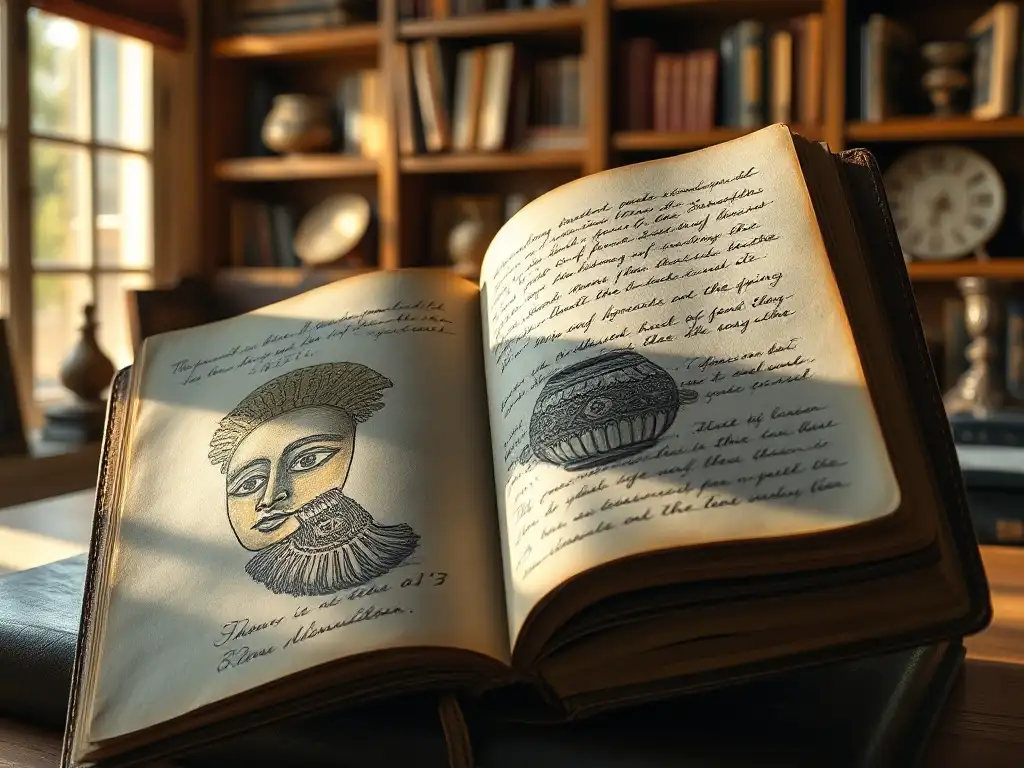
Andean Art Authentication is a leading firm specializing in the verification and authentication of pre-Columbian artifacts from the Andes region. Their team comprises experienced archaeologists, art historians, and conservators with decades of collective experience in identifying genuine artifacts and distinguishing them from forgeries or replicas. They possess an extensive database of known artifacts, stylistic analyses, and proven provenance records, allowing them to assess the authenticity of a piece with a high degree of accuracy. Their expertise extends beyond mere identification; they can also provide detailed reports outlining the artifact's likely origin, age, cultural context, and any signs of restoration or damage.
This comprehensive approach ensures a thorough understanding of the artifact's history and value, providing collectors with the confidence that their purchase is both ethical and legitimate. Their meticulous examination process involves advanced techniques such as material analysis, stylistic comparisons, and even radiocarbon dating where appropriate, ensuring a robust and reliable authentication. Furthermore, Andean Art Authentication maintains strict ethical standards, refusing to authenticate artifacts suspected of illicit origins or those obtained through questionable practices.
Their commitment to responsible collecting practices complements their commitment to academic rigor and scholarly integrity. This makes them a valuable resource for anyone seeking to acquire Andean artifacts ethically and responsibly. They even offer workshops and seminars on the identification of fake Andean artifacts, empowering collectors to make informed decisions and avoid contributing to the black market.
Documenting Your Purchase: Creating a Record of Acquisition
Meticulous documentation is paramount in establishing the provenance of your Andean artifact and demonstrating its ethical acquisition. This process begins even before the purchase itself. Before acquiring any piece, you should request detailed information from the seller, including a written statement of provenance outlining the artifact’s chain of custody from its discovery to the present day. This statement should ideally include dates, names of previous owners, and any relevant documentation such as excavation permits or previous authentication certificates. The more comprehensive this documentation, the stronger the provenance.
Upon purchase, obtain a detailed receipt clearly specifying the artifact's description, date of purchase, seller's name and contact information, and the purchase price. High-quality photographs should be taken from multiple angles, showcasing all aspects of the artifact, including any markings, imperfections, or repairs. These images serve as crucial visual evidence of the artifact's condition at the time of purchase. Consider commissioning a professional condition report from a conservator or art appraiser. This report will document the artifact’s current state, identifying any restoration work or damage, and adding another layer of verification to its provenance.
Finally, keep all documentation in a secure, organized location, ideally in a dedicated file or digital archive. This comprehensive record will not only protect your investment but also serve as irrefutable evidence of your ethical acquisition should any questions arise in the future. Remember, a well-documented acquisition is a cornerstone of responsible collecting and contributes to the preservation of Andean cultural heritage. The more detailed your records, the better equipped you will be to demonstrate the ethical acquisition of your Andean artifact.
Supporting Ethical Practices in Andean Artifact Collecting
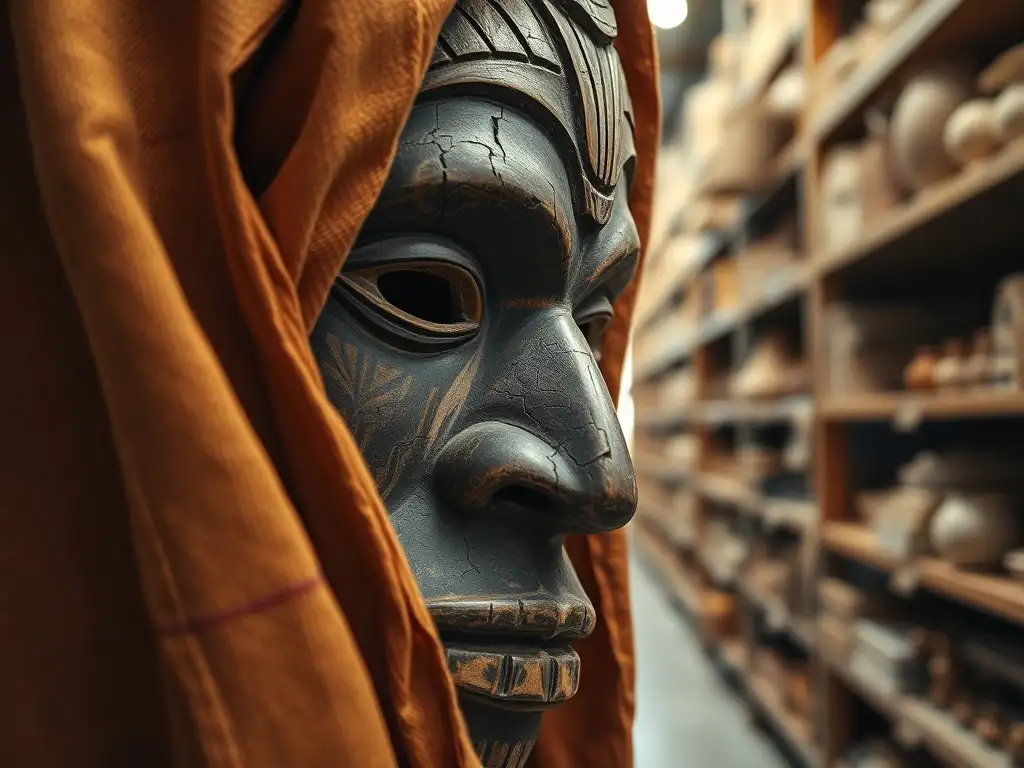
Ethical collecting of Andean artifacts goes beyond simply acquiring a beautiful or historically significant piece. It involves a conscious commitment to supporting sustainable practices that benefit both the preservation of Andean heritage and the well-being of the communities whose history is embodied in these objects. This section will explore key aspects of responsible collecting, focusing on the crucial role collectors play in safeguarding Andean cultural patrimony.
The Importance of Supporting Sustainable Tourism and Local Communities
The acquisition of Andean artifacts can, and should, contribute positively to the communities from which they originate. Supporting sustainable tourism initiatives directly impacts these communities, providing economic opportunities beyond the often-exploitative nature of the black market. This means actively seeking out dealers and artisans who are transparent about their sourcing, ensuring fair compensation for their work, and promoting ethical tourism practices in the regions where these artifacts are found.
For instance, choosing to purchase textiles directly from a cooperative of Andean women weavers not only ensures the authenticity of the piece but also empowers these women economically, allowing them to continue their traditional craft and preserve their cultural heritage. Furthermore, responsible collectors can support local museums and cultural centers by donating artifacts or funding preservation projects. This fosters a sense of shared ownership and promotes the long-term preservation of Andean cultural heritage for future generations.
The economic benefits ripple outwards, supporting local infrastructure and education, creating a truly sustainable model for cultural preservation. This contrasts sharply with the detrimental effects of illicit trafficking, which often fuels conflict and undermines community development.
Understanding the UNESCO Convention on Cultural Property
The 1970 UNESCO Convention on the Means of Prohibiting and Preventing the Illicit Import, Export and Transfer of Ownership of Cultural Property is a cornerstone of international efforts to combat the illicit trafficking of cultural artifacts. Understanding and adhering to this convention is paramount for ethical collectors of Andean artifacts. The convention emphasizes the importance of national sovereignty over cultural heritage, stressing that states have the right to control the movement of cultural property within and outside their borders.
This means collectors must be diligent in verifying the legal provenance of any Andean artifact they intend to acquire. This includes obtaining clear documentation demonstrating legal export permits, ensuring the artifact wasn't looted or illegally excavated, and understanding the chain of custody from its original context to the current owner. Failure to do so risks supporting illegal activities and contributing to the loss of irreplaceable cultural heritage.
The UNESCO Convention provides a framework for international cooperation, highlighting the collective responsibility to protect cultural patrimony. Collectors must play their part in upholding these international agreements, acting as responsible stewards of Andean cultural heritage.
Contributing to Organizations Dedicated to Andean Cultural Preservation
Engaging with organizations dedicated to the preservation of Andean culture is a vital aspect of responsible collecting. Many reputable organizations work tirelessly to protect archaeological sites, document cultural practices, and support local communities in their efforts to safeguard their heritage. By actively supporting these organizations through donations, volunteering, or simply raising awareness, collectors can contribute significantly to the long-term survival of Andean culture.
These organizations often conduct rigorous research, providing valuable insights into the context and significance of Andean artifacts. Their work helps to establish a more complete understanding of Andean civilizations, providing a richer context for appreciating the artifacts themselves. Supporting these organizations also helps to build stronger links between collectors and the communities from which these artifacts originate, fostering a sense of shared responsibility and mutual respect.
This collaborative approach ensures that the appreciation and study of Andean artifacts contributes positively to the communities and cultures that created them, rather than contributing to their exploitation. Active participation in this network of preservation efforts strengthens the ethical framework of Andean artifact collecting.
Highlighting the work of "The Andean Cultural Center"
The Andean Cultural Center (ACC) plays a crucial role in promoting ethical collecting practices and preserving Andean cultural heritage. Their work extends beyond simply advocating for responsible acquisition; they actively engage in several key initiatives. One significant aspect of their work is education. The ACC conducts workshops and seminars for both collectors and the general public, providing vital information on identifying authentic artifacts, understanding provenance documentation, and recognizing potentially looted or illegally trafficked items.
These educational programs are instrumental in empowering individuals to make informed decisions and contribute to the preservation of Andean cultural heritage. Furthermore, the ACC works closely with governments and international organizations to strengthen legislation and enforcement against the illicit trade of Andean artifacts. This collaborative effort is crucial in disrupting criminal networks and protecting archaeological sites from looting.
The ACC also undertakes significant research projects, documenting the history and cultural significance of various Andean artifacts. This meticulous research contributes to a more comprehensive understanding of these objects, enhancing their value and importance within the broader cultural context. Their research findings are often published in academic journals and shared with the wider community, fostering greater awareness and appreciation for Andean art and culture.
Moreover, the ACC actively supports repatriation efforts, working to return illegally exported artifacts to their countries of origin. This commitment to repatriation demonstrates their dedication to restoring cultural heritage to its rightful place and ensuring its protection for future generations. Their efforts are not limited to high-profile cases; they also assist in smaller-scale repatriations, demonstrating a consistent and unwavering commitment to ethical practices.
The ACC's comprehensive approach, encompassing education, advocacy, research, and repatriation, serves as a model for other organizations striving to promote responsible collecting and preserve the rich cultural heritage of the Andes. Their work is a testament to the power of collaborative efforts in protecting irreplaceable cultural treasures.
Conclusion: Becoming a Responsible Andean Artifact Collector
This journey into the world of Andean artifacts has hopefully illuminated the crucial role of provenance in responsible collecting. Understanding and verifying the history of your acquisitions is not merely a matter of legal compliance; it's a commitment to preserving cultural heritage and supporting ethical practices within the art market. By demanding transparency and thoroughly researching potential purchases, you contribute to a more sustainable and respectful approach to collecting Andean art.
Remember, the true value of an Andean artifact extends far beyond its monetary worth; it encompasses its historical significance, cultural context, and the ethical considerations surrounding its acquisition. The pursuit of "Andean artifact provenance" should be at the core of every collector's ethos.
The Long-Term Value of Ethical Provenance
The long-term value of an Andean artifact is inextricably linked to its documented provenance. A meticulously documented history significantly increases the artifact's worth, both financially and culturally. Collectors who prioritize ethical sourcing and transparent provenance chains are more likely to see their investments appreciate over time.
Conversely, artifacts with unclear or questionable histories are often subject to devaluation, even if initially perceived as valuable. Consider this: an expertly crafted Nazca ceramic, with a detailed chain of ownership stretching back decades, verified by reputable experts, will always hold a higher value than a similar piece with an unknown or dubious past. This is because the former carries the weight of history and credibility, adding layers of authenticity that significantly impact its worth.
The meticulous documentation of provenance acts as a safeguard against future legal challenges and disputes, ensuring the long-term stability and value of your collection. The investment in verifying Andean artifact provenance is, therefore, an investment in the enduring value of your collection.
Protecting Andean Heritage for Future Generations
Collecting Andean artifacts responsibly is about more than just personal enrichment; it's about safeguarding cultural heritage for future generations. By supporting ethical dealers and demanding transparent provenance, collectors play a vital role in protecting these irreplaceable treasures from illicit trafficking and looting. Each artifact tells a story, a piece of a larger narrative that spans millennia.
When we acquire these artifacts ethically, we ensure that these stories continue to be told, preserving the rich cultural tapestry of Andean civilizations. This is not just about preserving objects; it's about protecting the cultural identity and history of the Andean people. Furthermore, a robust system of verified provenance helps prevent the erosion of cultural heritage through the illicit trade of artifacts.
The ethical collector becomes an active participant in the conservation of Andean heritage, ensuring that future generations have the opportunity to learn from and appreciate these incredible works of art. The responsible acquisition of Andean artifacts is an act of cultural stewardship.
Investing in Authenticity and Responsible Acquisition of Andean Artifacts
Investing in authentic Andean artifacts requires a commitment to due diligence. This includes not only verifying the artifact's authenticity through expert appraisal but also meticulously researching its provenance. Reputable dealers will readily provide detailed provenance documentation, including previous owners, acquisition dates, and any relevant historical information.
Be wary of dealers who are unwilling or unable to provide such information. Remember, the acquisition of an Andean artifact is not just a transaction; it's an investment in history and culture. Therefore, a thorough understanding of the artifact's history and its ethical acquisition is paramount.
Thorough investigation, including consulting with experts in Andean archaeology and art history, is crucial to ensure the authenticity and ethical sourcing of any potential acquisition. The responsible acquisition of Andean artifacts is a process that demands patience, rigorous research, and a commitment to ethical practices. It's an investment in cultural preservation and the long-term value of your collection – an investment in the true meaning of "Andean artifact provenance."
Frequently Asked Questions
What is Andean artifact provenance?
Andean artifact provenance refers to the documented history of an artifact, tracing its ownership and location from its discovery to the present day. Establishing clear provenance is crucial for ethical collecting and understanding the object's context.
Why is provenance important for Andean artifacts?
Provenance is vital because it helps verify the legality of an artifact's acquisition and prevents the trade of stolen or illegally excavated pieces. It also enriches our understanding of the object's cultural significance.
How can I verify the provenance of an Andean artifact?
Check for accompanying documentation, such as excavation records, previous ownership certificates, or reputable museum records. Consult with experts in Andean archaeology and art to assess authenticity and provenance claims.
What are the legal implications of possessing an artifact with unclear provenance?
Possessing an artifact with unclear or questionable provenance can lead to legal repercussions, including confiscation and potential prosecution. Always ensure the artifact's legal acquisition and ethical sourcing.
Where can I learn more about ethical collecting of Andean artifacts?
Research reputable organizations dedicated to the preservation of cultural heritage and responsible collecting practices. Consult museums, universities, and archaeological institutions specializing in Andean studies for guidance and resources.
Final Reflection: The Enduring Legacy of Andean Artifacts
The ethical acquisition and responsible stewardship of Andean artifacts are not merely historical concerns; they are vital for preserving cultural heritage in the face of ongoing looting and the illicit antiquities trade. The consequences of ignoring provenance—the documented history of an object—extend far beyond the individual collector; they impact entire communities and the integrity of global cultural heritage. The fight for ethical collecting is a fight for cultural survival.
The impact of irresponsible collecting on Andean communities is profound and lasting, extending beyond the immediate loss of irreplaceable artifacts. These objects are not simply decorative items; they represent the spiritual, social, and historical fabric of Andean cultures. Their removal from their original context erodes cultural memory and disrupts the transmission of knowledge across generations. The past is never dead. It's not even past.
– William Faulkner. This quote powerfully underscores the ongoing relevance of provenance and the ethical responsibility we all share in protecting these invaluable pieces of history. The fight for ethical collecting is a fight for cultural survival.
Consider the implications of your own actions. Are you actively seeking to understand the provenance of any artifacts you own or intend to acquire? Are you supporting ethical dealers and institutions committed to transparency and responsible collecting practices? You have the power to make a difference. By demanding transparency and supporting ethical practices, you can contribute to a future where the rich cultural heritage of the Andes is preserved, respected, and celebrated for generations to come. Let us all strive to be ethical collectors, ensuring that the legacy of these magnificent artifacts endures.
**Embrace Ethical Collecting: Make a Difference Today! **
Thank you for exploring the world of Andean artifacts with us! Understanding provenance and ethical collecting is vital for preserving our shared cultural heritage. Let's translate that understanding into meaningful action.
Here's how you can contribute to ethical collecting and support the Andean community:
- **Join the conversation:** Share your thoughts on ethical collecting practices in the comments below. What steps do you believe are crucial for responsible collectors today?
- **Adopt best practices:** Research and implement guidelines that promote responsible acquisition of artifacts. Verifying provenance is paramount.
- **Spread the word:** Share this article with fellow collectors and art enthusiasts. Let's collaborate to raise awareness about the importance of responsible collecting.
What initiatives have you encountered that promote ethical collecting? Let's discuss!