
The Connection Between Tiahuanaco Religion and Agriculture: Fertility and the Cycles of Nature

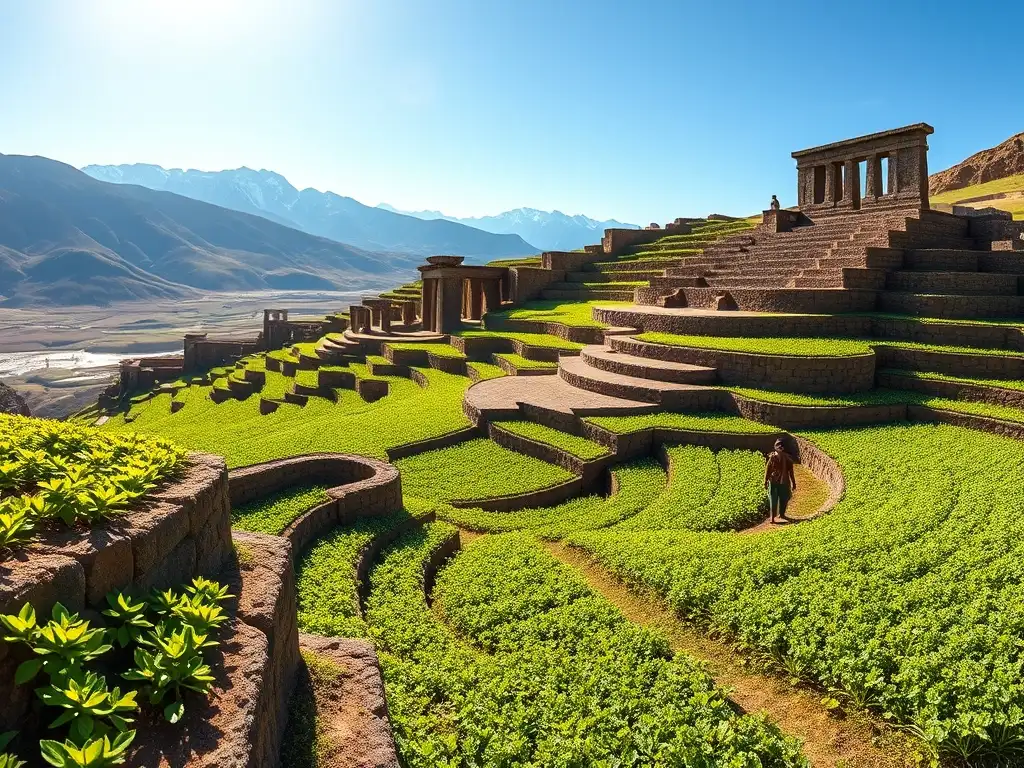
Step into a world lost to time, yet echoing with the whispers of a sophisticated civilization. Journey with us to the heart of the Andes, where the breathtaking ingenuity of the Tiahuanaco people unfolds. Discover the profound link between their complex religion and innovative agricultural practices, a connection that shaped their very existence and continues to fascinate archaeologists today. Unravel the mysteries surrounding their mastery of nature, and delve into the captivating story of fertility, cyclical harvests, and the enduring legacy of Tiahuanaco. Prepare to be amazed.
The Andean civilization of Tiahuanaco, flourishing between 500 and 1000 CE, developed a complex religious system intricately interwoven with its agricultural practices. This wasn't a simple case of praying for a good harvest; rather, their religion was fundamentally based on the cyclical rhythms of nature, viewing agricultural success as a direct reflection of their relationship with the divine.
Understanding Tiahuanaco religion necessitates exploring its deep connection with agriculture, where fertility rites, cosmological beliefs, and practical farming techniques all converged to create a sophisticated socio-religious system. This article will delve into the evidence demonstrating this profound connection, examining how their religious beliefs directly impacted their agricultural practices and shaped their understanding of the world.
We will explore the role of specific deities, rituals, and the symbolic significance of agricultural products within their cosmology. The keyword "Tiahuanaco religion agricultural practices" will be explored through this lens, uncovering a fascinating interplay between spirituality and sustenance in one of the Andes' most enigmatic civilizations.
The Role of Water and Fertility in Tiahuanaco Cosmology
Tiahuanaco's location, on the high Altiplano, made water management crucial for survival. The scarcity of water naturally imbued it with immense religious significance. Water wasn't merely a resource; it represented life itself, a conduit for divine energy, and the essence of fertility.
Many Tiahuanaco artifacts depict stylized representations of water sources, such as springs and streams, often associated with deities or supernatural beings. This reverence for water is evident in their sophisticated irrigation systems, which demonstrate an advanced understanding of hydraulic engineering, a testament to the importance of water in their daily lives and religious beliefs. The intricate canals and sophisticated water management techniques were not simply practical solutions; they were also acts of religious devotion, a way of honoring the life-giving forces they believed controlled the water cycle.
These practices were central to ensuring successful crop yields and maintaining the balance of the cosmos. The precise techniques used in their sophisticated irrigation systems are still being studied by archaeologists today, revealing the depth of their understanding of water management and its religious significance.
Agricultural Deities and Ritual Practices
The Tiahuanaco pantheon included deities specifically associated with agriculture and fertility. While precise identifications remain debated among scholars, iconographic evidence suggests the presence of powerful figures representing agricultural abundance and the forces of nature. These deities were likely invoked through elaborate rituals, some of which may have involved human sacrifice, although the extent and nature of such practices are still under investigation.
Evidence from excavations suggests ritual offerings of agricultural products, such as maize and potatoes, were common, indicating a close link between religious worship and agricultural production. These offerings were not simply acts of appeasement; they were acts of communion, reinforcing the interconnectedness between the human world and the divine realm.
The careful placement and arrangement of these offerings in sacred sites suggests a highly structured and symbolic ritual system, deeply embedded within their agricultural cycle. Further research is needed to fully understand the specifics of these rituals and the role of the various deities involved.
The Symbolism of Agricultural Products in Tiahuanaco Art
Agricultural products, particularly maize and potatoes, held profound symbolic meaning in Tiahuanaco culture. These crops were not just sources of sustenance; they were potent symbols of fertility, abundance, and the cyclical renewal of life. They frequently appear in Tiahuanaco art, often depicted in stylized forms, integrated into complex iconographic patterns that reflect their cosmological beliefs.
The recurring motifs of maize and potatoes in their ceramics, textiles, and monumental architecture underscore their central role in their worldview, linking the earthly realm with the spiritual. The intricate designs and the careful selection of these motifs suggest a deliberate attempt to visually represent the connection between agriculture and their religious beliefs, reinforcing the vital role of these products in their society.
Further analysis of Tiahuanaco art is needed to fully decipher the complex symbolism associated with these agricultural products. The careful study of these artistic representations offers valuable insights into their religious beliefs and the importance of agriculture in their lives.
The Impact of Climate and Environmental Factors on Tiahuanaco's Religious Beliefs
The harsh environmental conditions of the Altiplano directly influenced Tiahuanaco's religious beliefs and agricultural practices. The unpredictable nature of rainfall and the challenges of cultivating crops at high altitudes fostered a deep reverence for the forces of nature. Their religious system likely served as a way to manage the inherent risks and uncertainties associated with agriculture in this challenging environment.
The cyclical nature of the seasons, with periods of drought and abundance, likely reinforced their cosmological understanding of cyclical renewal and the importance of maintaining a harmonious relationship with the natural world. The evidence suggests that their religious beliefs were not merely abstract concepts but were deeply intertwined with the practical realities of their existence, reflecting their adaptation to a challenging environment. Understanding the interplay between climate, environment, and religious beliefs provides a fuller understanding of Tiahuanaco society and its remarkable resilience.
- The Role of Water and Fertility in Tiahuanaco Cosmology
- Agricultural Deities and Ritual Practices
- The Symbolism of Agricultural Products in Tiahuanaco Art
- The Impact of Climate and Environmental Factors on Tiahuanaco's Religious Beliefs
- What was the most important aspect of Tiahuanaco religion?
- How did Tiahuanaco religion influence their agricultural practices?
- What role did the cycles of nature play in Tiahuanaco beliefs?
- What evidence supports the connection between Tiahuanaco religion and agriculture?
- Were there specific deities associated with agriculture in Tiahuanaco religion?
Tiahuanaco's Agricultural Foundation and Religious Beliefs
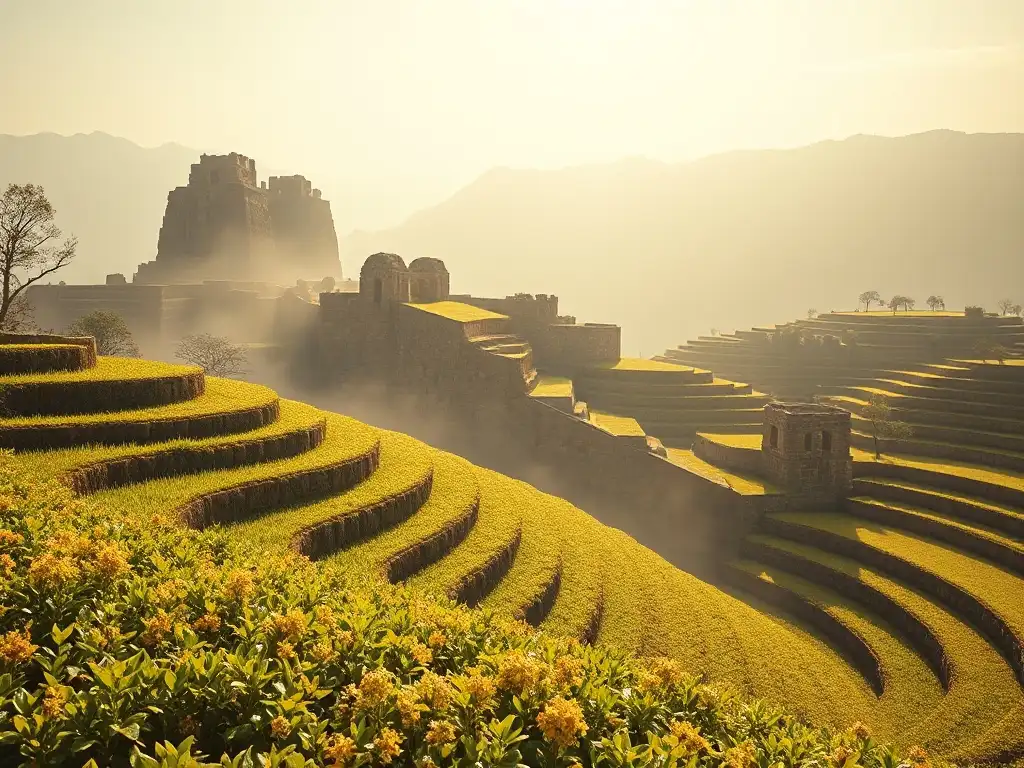
The remarkable achievements of the Tiahuanaco civilization, flourishing in the Andean Altiplano between roughly 300 and 1200 CE, were profoundly shaped by its unique relationship with agriculture. The challenging high-altitude environment demanded sophisticated agricultural techniques, and these techniques became deeply intertwined with the religious beliefs and practices of the people. Understanding Tiahuanaco religion requires acknowledging its intimate connection with the success or failure of its agricultural endeavors.
The very survival of the civilization depended on mastering the challenges of farming in this harsh, yet fertile, landscape. This close relationship is evident in the iconography, architecture, and social organization of Tiahuanaco society. The ayllu, a kinship-based community system, likely played a central role in organizing and managing agricultural production, reflecting a deep social integration with the land and its cycles.
The success of their agricultural practices directly impacted their ability to support a large population and build the impressive monumental structures that we see today. The evidence suggests a highly organized and efficient system, demonstrating a sophisticated understanding of water management and soil cultivation crucial for their survival and religious beliefs.
The Importance of Agriculture in Tiahuanaco Society
The Tiahuanaco people developed innovative agricultural techniques to thrive in the high-altitude environment. Their ingenuity is exemplified by their mastery of waru waru agriculture, a sophisticated system of raised fields that maximized water retention and soil fertility. These raised fields, often depicted in Tiahuanaco art, were not merely practical; they were integral to their worldview. The careful planning and precise construction of these fields demonstrate a deep understanding of hydrology and soil science.
Evidence suggests the use of canals and irrigation systems to manage water resources effectively, allowing for crop diversification and increased yields. This control over water, a precious resource in the Altiplano, was likely a key element in their religious beliefs, reinforcing the power of their deities to influence the life-giving forces of nature. Furthermore, the cultivation of crops like potatoes, quinoa, and beans provided a staple diet that supported a substantial population.
This agricultural success contributed significantly to the growth and prosperity of the Tiahuanaco civilization. Analyzing the distribution of settlements and agricultural fields suggests a well-organized system of resource management and production. Archaeological evidence points to specialized labor and a complex social structure geared towards supporting agricultural production – a clear indication of its paramount importance to Tiahuanaco society.
Tiahuanaco Religion's Focus on Agricultural Fertility
Tiahuanaco religion was deeply concerned with ensuring the fertility of both the land and its people. Deities associated with water, the sun, and the earth were central to their pantheon, reflecting the importance of these elements in agricultural success. Many artifacts, such as ceramics and textiles, depict stylized representations of these deities alongside agricultural symbols, further emphasizing the close relationship between the religious and agricultural spheres.
The iconic Gate of the Sun, a monumental structure at Tiahuanaco, features intricate carvings that some scholars interpret as representations of agricultural deities and celestial events related to the agricultural cycle. These depictions suggest that religious rituals were performed to ensure bountiful harvests and appease the forces of nature. Furthermore, the offering of agricultural products during religious ceremonies is evidenced by archaeological finds within sacred sites.
These offerings highlight the sacred nature of agriculture and the belief that the gods' favor was essential for successful harvests. The close link between religious rituals and agricultural practices reinforces the idea that agriculture was not merely a means of sustenance but also a central element of their spiritual life. The religious calendar likely synchronized with the agricultural cycle, with festivals and ceremonies timed to coincide with planting and harvesting seasons.
Intertwined Worldviews: Agriculture and Spirituality
The Tiahuanaco worldview seamlessly integrated agriculture and spirituality. The success of agriculture was seen as a manifestation of divine favor, and agricultural practices were imbued with religious significance. The creation of the waru waru system, for example, was not just a technological achievement but also a spiritual act of shaping the landscape according to a divinely ordained plan.
The precise alignment of some agricultural terraces with celestial bodies suggests a sophisticated understanding of astronomy and its connection to agricultural cycles. The very act of farming was a form of worship, a way of participating in the cosmic order and maintaining harmony between the human and divine realms. This interconnectedness is reflected in the art and iconography of Tiahuanaco, where human figures are often depicted interacting with nature, emphasizing the symbiotic relationship between humans and the environment.
The Tiahuanaco religion, therefore, was not separate from everyday life but rather an integral part of it, deeply embedded in the agricultural practices that sustained the civilization. The understanding of this deep connection provides critical insight into the Tiahuanaco worldview and their remarkable achievements in the challenging environment of the Andean Altiplano. The successful integration of their “Tiahuanaco religion agricultural practices” ensured their societal and cultural flourishing.
The Role of Deities in Tiahuanaco Agricultural Practices
The intricate relationship between Tiahuanaco religion and agricultural practices was deeply rooted in a complex cosmology where deities played a pivotal role in ensuring successful harvests and the overall fertility of the land. The Andean worldview saw the natural world as imbued with spiritual power, and agricultural activities were not merely practical tasks but sacred rituals aimed at appeasing and honoring the divine forces that controlled the cycles of nature.
Understanding the specific roles of key deities in Tiahuanaco's agricultural system provides crucial insight into the civilization's worldview and its sophisticated approach to farming in a challenging high-altitude environment. The interconnectedness of religious belief and agricultural practice demonstrates a profound understanding of the delicate balance between human activity and the forces of nature, a testament to the ingenuity and spiritual depth of the Tiahuanaco people.
This section will explore the influence of several key deities on their agricultural practices, examining how religious beliefs shaped their farming techniques and social organization. The analysis will focus on the Sun God, the Earth Goddess (Pachamama), and Tunupa, highlighting their specific contributions to crop cultivation and water management.
The Sun God and its Influence on Crop Growth
The Sun God, a central figure in Tiahuanaco religion, was considered the source of life and energy, essential for the growth of crops. Its daily journey across the sky was mirrored in the agricultural cycle, with the sun's power directly influencing the ripening of crops and the overall success of the harvest. Evidence suggests that the orientation of agricultural fields and the timing of planting and harvesting were closely aligned with the solar calendar, reflecting a deep understanding of the sun's influence on plant growth.
Furthermore, rituals and offerings were likely performed to ensure the sun's continued benevolence, ensuring abundant harvests and the well-being of the community. The monumental architecture of Tiahuanaco, with its precise alignment to celestial events, further underscores the importance of the Sun God in the agricultural system.
The precise nature of these rituals and offerings remains a subject of ongoing research, but archaeological evidence, such as the presence of sun-related iconography in agricultural contexts, hints at a complex system of religious practices dedicated to ensuring the sun's favor. The Sun God wasn't simply a distant deity; it was an active participant in the daily lives of the Tiahuanaco people, inextricably linked to their agricultural success.
The Earth Goddess and the Concept of Pachamama
The Earth Goddess, known as Pachamama, represented the fertile earth itself, the provider of sustenance and the source of all life. In Tiahuanaco's agricultural practices, Pachamama was not merely a passive recipient of offerings but an active participant in the process of cultivation. Farmers likely viewed their interactions with the land as a sacred dialogue with Pachamama, seeking her blessings for bountiful harvests.
Rituals aimed at appeasing and honoring Pachamama were probably integral to the agricultural calendar, ensuring the fertility of the soil and the successful growth of crops. These rituals may have involved offerings of food, drink, and other valuable items, placed in the earth as a sign of respect and gratitude.
The concept of Pachamama highlights the deep spiritual connection between the Tiahuanaco people and their environment, underscoring the importance of maintaining a harmonious relationship with the natural world to ensure agricultural prosperity. Further research is needed to fully understand the specific rituals and practices associated with Pachamama in Tiahuanaco agriculture, but the evidence points to a profound reverence for the earth and its life-giving properties.
Tunupa and its Connection to Water and Irrigation
Tunupa, a deity often associated with mountains and water, played a crucial role in Tiahuanaco's agricultural practices, particularly concerning water management. Given the arid climate of the region, access to water was paramount for successful agriculture. Tunupa's control over water sources, such as rivers and lakes, made him a vital figure in ensuring the irrigation systems functioned effectively.
The sophisticated irrigation canals and systems built by the Tiahuanaco people testify to their understanding of water management and its importance for agricultural productivity. It's likely that rituals and offerings were made to Tunupa to ensure the continuous flow of water, preventing droughts and ensuring the success of the crops. The importance of water in the Andean worldview is evident in the numerous representations of water deities and symbols in Tiahuanaco art and architecture.
Archaeological studies of Tiahuanaco's irrigation systems could reveal further details about the religious practices associated with Tunupa and the role of water management in their agricultural success. The integration of religious beliefs with practical agricultural techniques showcases the sophisticated understanding of the Tiahuanaco people and their ability to harness both spiritual and material resources to create a sustainable agricultural system in a challenging environment. The connection between Tunupa, water, and agricultural success underscores the deep interconnectedness of their religious beliefs and their daily lives.
Religious Rituals and Agricultural Cycles
The intricate relationship between Tiahuanaco religion and agriculture is vividly illustrated in the religious rituals meticulously timed to coincide with the agricultural cycles. These weren't simply coincidental overlaps; rather, the rituals were believed to actively influence the success of the harvest.
Evidence suggests a profound understanding of the astronomical calendar, with specific ceremonies performed at solstices and equinoxes to ensure the fertility of the land and the abundance of crops. These events weren't merely observed; they were actively participated in, with the community engaging in collective rituals to appease the deities and guarantee a bountiful harvest.
The precise details of many rituals remain shrouded in mystery, lost to time and the incomplete nature of the archaeological record, but surviving artifacts and architectural features offer tantalizing glimpses into their complexity. For example, the precise alignment of certain structures with celestial bodies suggests a sophisticated understanding of astronomy used to predict the best times for planting and harvesting.
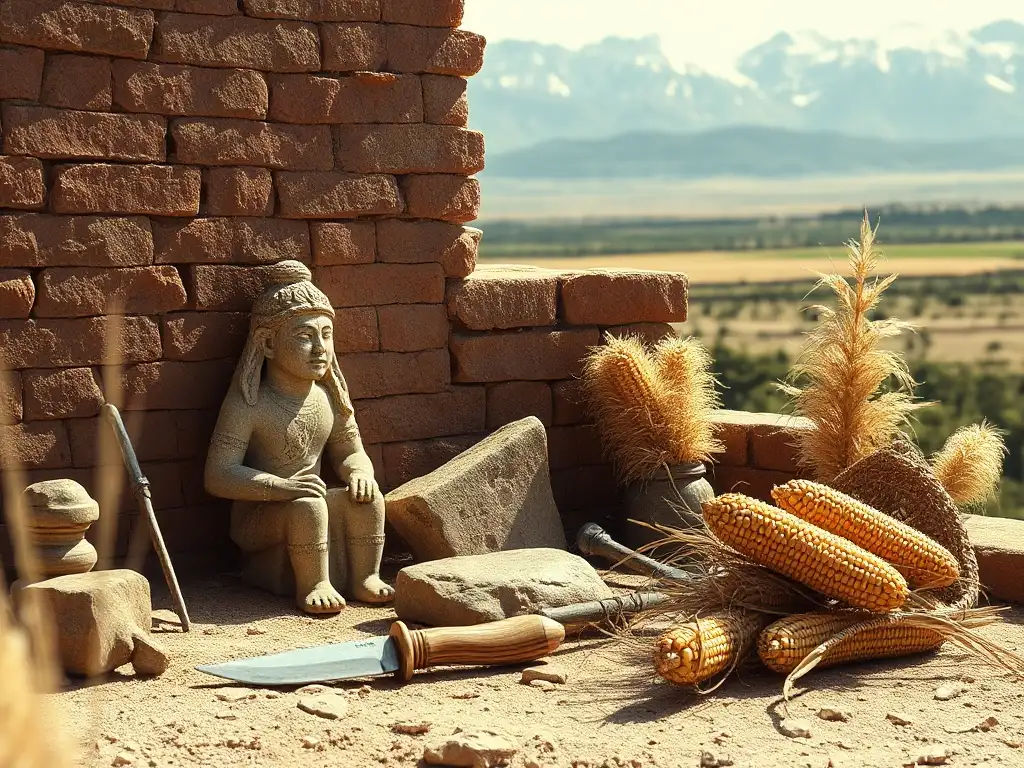
The connection between religious observance and agricultural success was not abstract. Archaeological findings reveal the presence of agricultural tools and offerings within sacred sites, demonstrating a direct link between the spiritual and the practical aspects of life. These offerings, often including food and other agricultural products, were likely presented to the deities as a form of appeasement and gratitude.
The act of offering the first fruits of the harvest, a common practice in many agricultural societies, likely held profound significance in Tiahuanaco culture, strengthening the bond between the community, their deities, and the land itself. The success of the harvest was not merely a matter of chance or hard work; it was seen as a direct result of maintaining a harmonious relationship with the spiritual world. This deeply ingrained belief underscores the crucial role of religion in shaping the daily lives and agricultural practices of the Tiahuanaco people.
Further research is needed to fully understand the specific rituals associated with each stage of the agricultural cycle, but the existing evidence points to a sophisticated and deeply integrated system. The meticulous timing and the significance placed on these rituals strongly suggest a belief system where the spiritual and the physical realms were inextricably linked.
Tiahuanaco Agricultural Techniques and Their Spiritual Significance
The sophisticated agricultural practices of the Tiahuanaco civilization weren't merely practical; they were deeply intertwined with their complex religious beliefs. Understanding Tiahuanaco religion necessitates acknowledging the profound spiritual significance they attributed to their agricultural techniques. Their mastery of water management, innovative farming methods, and careful crop selection all reflect a worldview where the earthly realm mirrored the celestial, highlighting a profound connection between the divine and the daily act of sustenance.
This section explores the specific ways Tiahuanaco agricultural practices were imbued with religious meaning, reinforcing their cosmology and worldview. The keyword phrase "Tiahuanaco religion agricultural practices" is central to understanding this intricate relationship.
Raised Fields (Suka Kollus) and their Sacred Design
The suka kollus, or raised fields, represent a remarkable feat of engineering and a testament to the Tiahuanaco's understanding of both agriculture and cosmology. These elevated plots of land, constructed along the shores of Lake Titicaca, allowed for efficient water management and increased agricultural yields. But their significance extended far beyond mere practicality.
The meticulous design and precise arrangement of the suka kollus suggest a deliberate attempt to mimic the celestial order. Archaeological evidence, although still under ongoing research, hints at potential alignments with constellations or significant astronomical events. Some scholars hypothesize that the dimensions and layout of the fields were directly related to the Tiahuanaco calendar and their cyclical understanding of time and fertility.
The meticulous construction, requiring considerable labor and coordination, underscores the importance of agriculture within their religious framework; it wasn't just a means of survival, but a sacred act reflecting their connection to the cosmos. The orientation of the fields, often aligned with cardinal directions, further emphasizes the religious significance of this sophisticated agricultural system, reinforcing the idea that farming was a ritualistic practice deeply connected to their beliefs.
Irrigation Systems as a Manifestation of Divine Order
The intricate irrigation systems developed by the Tiahuanaco are another example of the profound link between their agricultural practices and religious beliefs. These systems, characterized by canals, aqueducts, and reservoirs, allowed them to control the flow of water with remarkable precision, even in a high-altitude environment. The construction of these sophisticated systems required a deep understanding of hydrology and engineering, showcasing their advanced technological capabilities.
However, the Tiahuanaco didn't view these systems simply as tools; they saw them as a tangible representation of divine order, reflecting the flow of energy and life force throughout the cosmos. The carefully channeled water, essential for crop growth, symbolized the life-giving power of their deities, connecting the earthly realm to the spiritual one. The maintenance and upkeep of these systems were likely ritualized, viewed as a communal act of worship and a way to maintain the harmonious balance between the human and divine worlds.
The precise management of water—a precious resource in the Andean highlands—became a sacred act, mirroring the cosmic order and ensuring the fertility of the land. The failure of the irrigation system might have been interpreted as a disruption of this sacred balance, potentially leading to ritualistic responses to appease the deities.
Crop Selection and its Link to Tiahuanaco Cosmology
The Tiahuanaco's careful selection of crops also reveals the deep connection between their agricultural practices and cosmology. They cultivated a variety of crops adapted to the challenging high-altitude environment of the Altiplano, including potatoes, quinoa, and beans. These weren't simply chosen for their nutritional value; they held symbolic significance within their religious system.
Certain crops may have been associated with specific deities or cosmological events. For example, potatoes, a staple crop, might have been linked to fertility rites and the cyclical renewal of life. The cultivation of these crops wasn't merely a practical activity; it was a ritualistic act designed to maintain the balance of the cosmos and ensure the continued prosperity of the community.
Further research is needed to fully uncover the specific symbolic meanings associated with each crop, but the evidence suggests a systematic approach to agriculture that was deeply intertwined with their religious beliefs and cosmological understanding. The meticulous selection and cultivation of specific plants reveal a sophisticated understanding of the natural world, deeply integrated into their religious and spiritual life. This holistic approach to agriculture—integrating practical knowledge with spiritual beliefs—is a defining characteristic of Tiahuanaco culture and its enduring legacy.
The Importance of Weather Divination in Agricultural Planning
The success of Tiahuanaco's agriculture was intrinsically linked to their understanding and prediction of weather patterns. Given the high altitude and often unpredictable climate of the Altiplano, accurate weather forecasting was paramount for successful crop yields. This wasn't simply a matter of observation; it was deeply interwoven with their religious beliefs and practices. Tiahuanaco priests, acting as intermediaries between the human and spiritual realms, played a crucial role in interpreting celestial events and predicting the coming seasons.
Their knowledge, passed down through generations, likely involved meticulous observation of the stars, sun, and moon, alongside detailed records of past weather patterns. This sophisticated system allowed them to anticipate periods of drought, frost, or excessive rainfall, informing crucial decisions regarding planting, irrigation, and harvesting. The accuracy of these predictions directly impacted the community's food security and overall well-being, highlighting the profound connection between religious practice and practical agricultural needs. Failures in prediction, understandably, could have led to significant hardship and likely influenced the religious practices further, prompting adjustments and renewed efforts to appease the deities believed to control the weather.
The precision required for such advanced agricultural planning in a challenging environment speaks volumes about the sophistication of Tiahuanaco's understanding of both the natural world and their own cosmology. We can infer, from the monumental architecture and intricate religious iconography, that the process of weather divination was not merely a practical necessity, but also a complex ritualistic act, reinforcing the community's connection to the divine forces that shaped their lives and harvests. The integration of astronomy, meteorology, and religious ritual demonstrates a highly developed and integrated system of knowledge.
Manifestations of Tiahuanaco Religion in Agricultural Art and Architecture
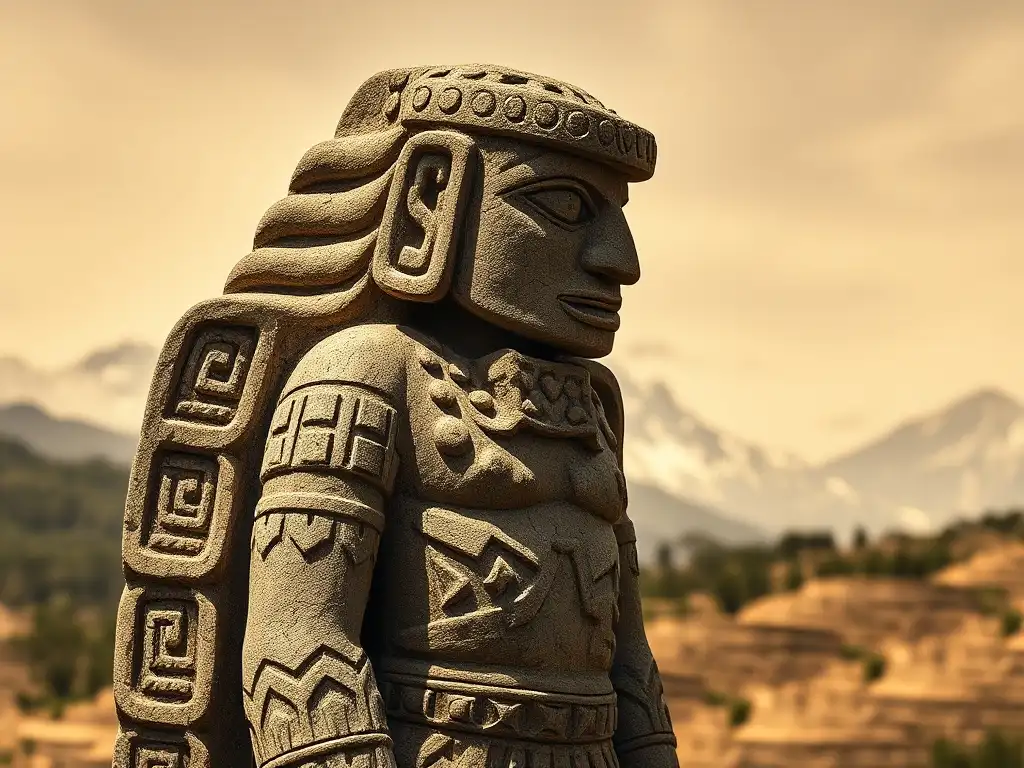
The deeply intertwined relationship between Tiahuanaco religion and agricultural practices is powerfully illustrated through the civilization's art and architecture. Evidence suggests that religious beliefs directly influenced and shaped their agricultural methods, reflecting a worldview where the success of harvests was intrinsically linked to appeasing divine forces. This section explores the key manifestations of this connection, revealing how the Tiahuanaco people visually and physically embedded their spiritual beliefs within their agricultural systems.
Understanding this relationship provides crucial insight into the sophisticated understanding of nature and the cosmos held by the Tiahuanaco civilization, a society whose ingenuity in both spiritual and practical realms continues to fascinate researchers today. The keyword "Tiahuanaco religion agricultural practices" is directly addressed throughout the analysis of their artistic and architectural achievements.
Iconography of Agricultural Deities in Tiahuanaco Art
Tiahuanaco art abounds with depictions of deities and figures seemingly associated with agricultural fertility and the cycles of nature. While precise interpretations remain a subject of ongoing scholarly debate, recurring motifs strongly suggest a connection to agricultural practices. For instance, many representations of the central deity, often depicted with staff or scepter, are accompanied by symbols suggestive of plants, water, and earth – essential elements for successful agriculture. These symbols are not merely decorative; they are integral to the deity's representation, suggesting a direct link between the divine and the earthly realm of farming. Furthermore, the stylistic choices—the use of specific colors, the positioning of the figures within the composition—further reinforce this connection, creating a powerful visual narrative of divine support for agricultural endeavors. Detailed analysis of these artistic representations reveals a sophisticated system of religious beliefs that permeated every aspect of Tiahuanaco life, including the practicalities of food production.
Representations of Crops and Fertility in Tiahuanaco Ceramics
Tiahuanaco ceramics offer further evidence of the close link between religion and agriculture. The intricate designs on pottery often feature stylized representations of crops like maize, potatoes, and quinoa—staple foods of the Andean region. These depictions are not simply realistic representations; they often incorporate symbolic elements, such as stylized plant forms or anthropomorphic figures interacting with the plants.
This suggests a ritualistic or religious significance attributed to these crops, beyond their purely nutritional value. Furthermore, the presence of specific motifs, such as intertwined serpents or stylized feline figures, on vessels associated with agricultural contexts might symbolize fertility and abundance, underscoring the religious aspects of crop production.
The meticulous detail and consistent recurring motifs in Tiahuanaco ceramics strongly indicate a deliberate effort to visually connect agricultural practices with religious beliefs, solidifying the importance of divine favor in ensuring successful harvests. Analyzing the iconography of Tiahuanaco ceramics provides a tangible insight into the religious worldview underpinning their agricultural systems.
Temples and Sacred Sites Linked to Agricultural Rites
The architectural layout of Tiahuanaco itself and the arrangement of its monumental structures suggest a close relationship between religious practices and agricultural activities. The positioning of temples and other sacred sites in relation to water sources and arable land points to the integration of religious rituals within the agricultural calendar. It is hypothesized that certain structures served as focal points for ceremonies aimed at ensuring bountiful harvests, possibly involving offerings, prayers, or other ritualistic practices.
For example, the proximity of the Kalasasaya complex to agricultural terraces suggests a possible connection between the religious rituals performed there and the cultivation of crops on those terraces. The orientation of some structures towards the solstices or equinoxes might indicate a sophisticated understanding of astronomical cycles and their impact on agricultural productivity. The very design and placement of Tiahuanaco's monumental architecture, therefore, serves as a physical manifestation of the deep-seated religious beliefs that shaped their agricultural practices.
Further research into the spatial organization of Tiahuanaco’s sacred sites is crucial for a comprehensive understanding of the intricate relationship between their religious beliefs and agricultural practices. This includes detailed mapping and analysis of [specific information pending] regarding the orientation and proximity of structures to water sources and agricultural fields.
The Akapana Pyramid and its Agricultural Significance
The Akapana pyramid, a monumental structure at the heart of Tiahuanaco, stands as a powerful testament to the intertwined nature of Tiahuanaco religion and agriculture. While its exact function remains a subject of ongoing debate among archaeologists, its design and location strongly suggest a significant role in agricultural practices and the broader understanding of fertility within the Tiahuanaco worldview.
The pyramid's terraced structure, remarkably similar to the agricultural terraces prevalent throughout the Andean region, immediately hints at a connection between the sacred and the practical. These terraces, meticulously crafted, likely served as a symbolic representation of the agricultural landscape itself, mirroring the carefully cultivated fields that sustained the Tiahuanaco population.
Further supporting this interpretation is the evidence of sophisticated water management systems associated with the Akapana. Channels and conduits, intricately carved into the stone, suggest the deliberate channeling of water—a precious resource in the high-altitude Altiplano—to irrigate the surrounding area. This controlled water flow wasn't merely practical; it likely held symbolic significance, representing the life-giving forces associated with both agricultural prosperity and the divine.
The careful manipulation of water, mirroring the cyclical nature of rainfall and irrigation in Andean agriculture, likely served as a ritualistic enactment of the forces that ensured fertility and abundance. The precise control over water, a key element in Andean agricultural success, may have been seen as a sacred duty, reflecting a direct link between the religious elite and the agricultural productivity of the entire society.
Beyond the practical aspects of water management, the Akapana's internal structure also offers clues to its religious and agricultural significance. Excavations have revealed complex internal chambers and passageways, some of which may have been used for ritual ceremonies related to agricultural cycles. The presence of these chambers suggests that the pyramid was not merely a passive monument but a dynamic center for religious activities aimed at ensuring the fertility of the land and the prosperity of the Tiahuanaco people.
The placement of specific artifacts within these chambers, potentially related to agricultural tools or offerings connected to the harvest, could further illuminate this connection. [Specific artifact details pending further archaeological research].
The Akapana, therefore, acted as more than a mere pyramid; it was a living, breathing representation of the Tiahuanaco cosmology, directly reflecting and influencing their agricultural practices. The pyramid's very existence served as a constant reminder of the interconnectedness of the sacred and the profane, the divine and the earthly, in the context of their agricultural life.
The Impact of Tiahuanaco Religion on Sustainable Agricultural Practices
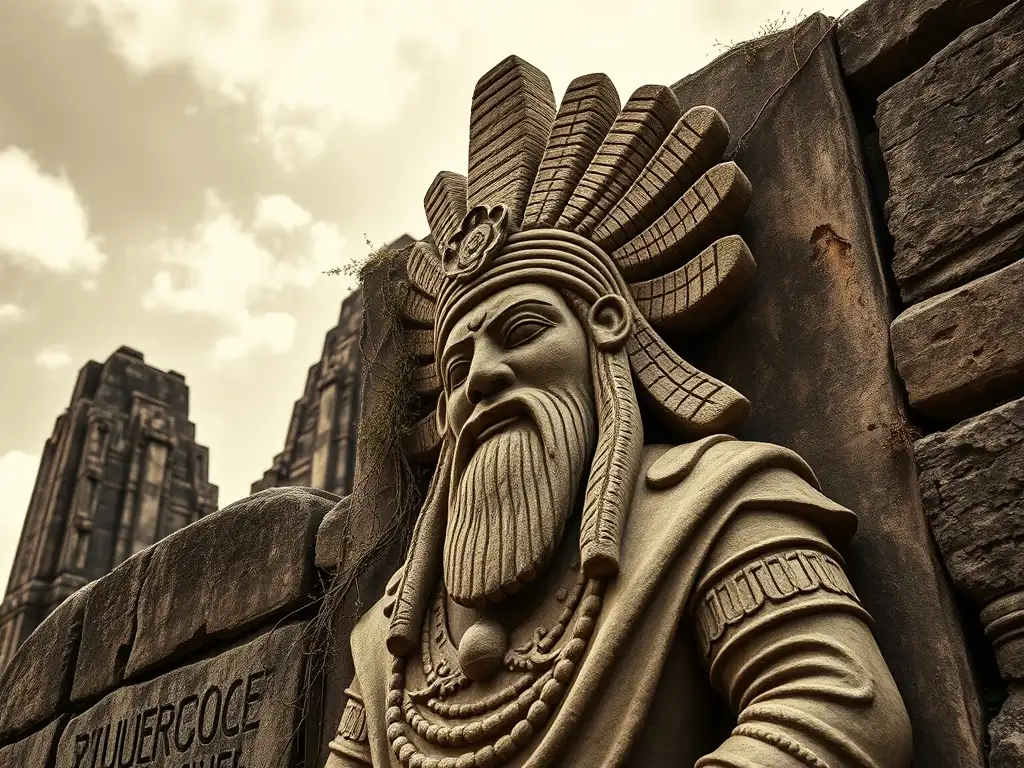
The intricate relationship between Tiahuanaco religion and agricultural practices is a testament to the civilization's sophisticated understanding of ecological balance and its profound impact on the sustainability of their food systems. Their religious beliefs were deeply intertwined with the natural world, shaping their agricultural methods and ensuring the long-term viability of their food production. The evidence suggests a complex system where spiritual practices were not separate from daily life, but rather integral to the success of their farming endeavors.
This connection, often overlooked in discussions of ancient Andean societies, provides valuable insights into sustainable agriculture and resource management. Understanding this intricate connection helps us appreciate the ingenuity of Tiahuanaco's approach to Tiahuanaco religion agricultural practices.
Religious Beliefs and the Preservation of Natural Resources
Tiahuanaco's religious beliefs placed immense value on the preservation of natural resources. Their cosmology viewed the world as a dynamic interplay of forces, with deities associated with specific elements like water, earth, and sun. The reverence for these elements directly translated into sustainable agricultural practices. For example, the careful management of water resources, evident in their sophisticated irrigation systems, wasn't simply a technological achievement; it was a religious obligation.
The apu, or mountain spirits, were believed to control water sources, making their appeasement crucial for successful harvests. This reverence for water extended beyond irrigation; evidence suggests that water conservation techniques were practiced to minimize waste and ensure the continued availability of this precious resource. Furthermore, the careful selection of crops, adapted to the high-altitude environment, showcases a profound understanding of environmental limitations and the need to work with nature, not against it.
This deep-rooted respect for the environment, born from their religious beliefs, ensured the long-term health of their agricultural systems. Religious festivals and ceremonies often involved rituals aimed at ensuring the fertility of the land and the abundance of crops. This wasn't simply superstition; it was a system of reinforcing sustainable practices through communal participation and shared belief.
The Concept of Reciprocity and Its Application to Agriculture
Central to Tiahuanaco religious thought was the concept of ayni, a principle of reciprocity and mutual exchange. This principle extended beyond human interactions to encompass the relationship between humans and the natural world. Farmers weren't simply extracting resources from the land; they were engaging in a reciprocal exchange, offering offerings and prayers in return for bountiful harvests.
This wasn't a passive relationship; it involved active participation in maintaining the health of the ecosystem. The concept of ayni fostered a sense of responsibility towards the land, promoting sustainable practices that ensured the continued productivity of the agricultural system. For instance, the meticulous terracing of hillsides, a hallmark of Tiahuanaco agriculture, wasn't just a clever engineering solution; it was a way of showing respect for the land and ensuring its long-term fertility.
By minimizing soil erosion and optimizing water usage, these practices demonstrated a deep understanding of the reciprocal nature of the human-environment relationship, a concept deeply rooted in their religious beliefs. The meticulous upkeep of these terraces, often requiring significant labor, serves as concrete evidence of the profound value placed on maintaining this reciprocal relationship.
How Tiahuanaco Religion Promoted Long-Term Agricultural Sustainability
The integration of religious beliefs into agricultural practices directly contributed to the long-term sustainability of Tiahuanaco's food systems. The reverence for the land, the principle of ayni, and the rituals aimed at ensuring fertility all worked in concert to create a system that was both productive and environmentally responsible. Unlike many civilizations that depleted resources through unsustainable practices, Tiahuanaco's approach demonstrates a remarkable understanding of ecological limits and the importance of working in harmony with nature.
The evidence suggests that this system was not only effective in producing sufficient food for the population but also in maintaining the long-term health of the environment. This long-term perspective, fueled by their religious worldview, offers a valuable lesson in sustainable resource management and highlights the crucial role that spirituality can play in shaping environmentally responsible practices.
The success of Tiahuanaco's agricultural system, lasting for centuries, stands as a powerful testament to the efficacy of their religiously-informed approach to Tiahuanaco religion agricultural practices. Further research into their specific agricultural techniques and religious rituals could provide even more detailed insights into this remarkable connection.
Lessons from Tiahuanaco's Relationship with Nature
The Tiahuanaco people's sophisticated understanding of their environment is a testament to their deep connection with nature, a connection deeply intertwined with their religious beliefs. Their agricultural practices weren't simply about sustenance; they were a ritualistic expression of their cosmology, reflecting a profound respect for the cyclical nature of life and death, fertility and decay. This holistic approach offers valuable lessons for modern sustainable agriculture.
The Tiahuanaco's success in cultivating the harsh Altiplano environment, despite limited technology, highlights the importance of understanding and working with nature, rather than against it. Their careful observation of weather patterns, soil conditions, and the rhythms of the seasons allowed them to optimize their farming techniques, maximizing yields while minimizing environmental impact. This contrasts sharply with modern industrial agriculture's often destructive approach, which prioritizes short-term gains over long-term sustainability.
The Tiahuanaco's reverence for water, a precious resource in the high Andes, is particularly noteworthy. Their intricate canal systems and sophisticated water management techniques weren't simply feats of engineering; they were expressions of their religious beliefs. Water, seen as a sacred element, was carefully channeled and distributed, ensuring equitable access and preventing water scarcity.
This approach underscores the importance of water conservation and responsible water management in sustainable agriculture. Modern agricultural practices often lead to water depletion and pollution, highlighting the need for a more holistic approach, reminiscent of the Tiahuanaco's reverence for this vital resource. Their example showcases how integrating spiritual respect for the environment can lead to more responsible and sustainable resource management.
Furthermore, the Tiahuanaco's emphasis on crop diversification and integrated pest management provides further insights for contemporary sustainable agriculture. They didn't rely on monocultures, which are vulnerable to pests and diseases. Instead, they cultivated a variety of crops, creating a resilient agricultural system capable of withstanding environmental shocks.
This biodiversity, a cornerstone of sustainable agriculture, provided not only food security but also enhanced soil health and reduced the need for chemical pesticides. Their methods offer a powerful counterpoint to modern industrial agriculture's reliance on monocultures and chemical inputs, which often lead to soil degradation and environmental pollution. The Tiahuanaco's ingenuity in creating a resilient and diverse agricultural system offers a compelling model for building more robust and sustainable food systems in the face of climate change and other environmental challenges.
Their legacy underscores the profound interconnectedness of spiritual beliefs, agricultural practices, and environmental stewardship. By studying their methods, we can gain valuable insights into creating a more sustainable and harmonious relationship with the natural world.
The Legacy of Tiahuanaco's Agricultural Religion
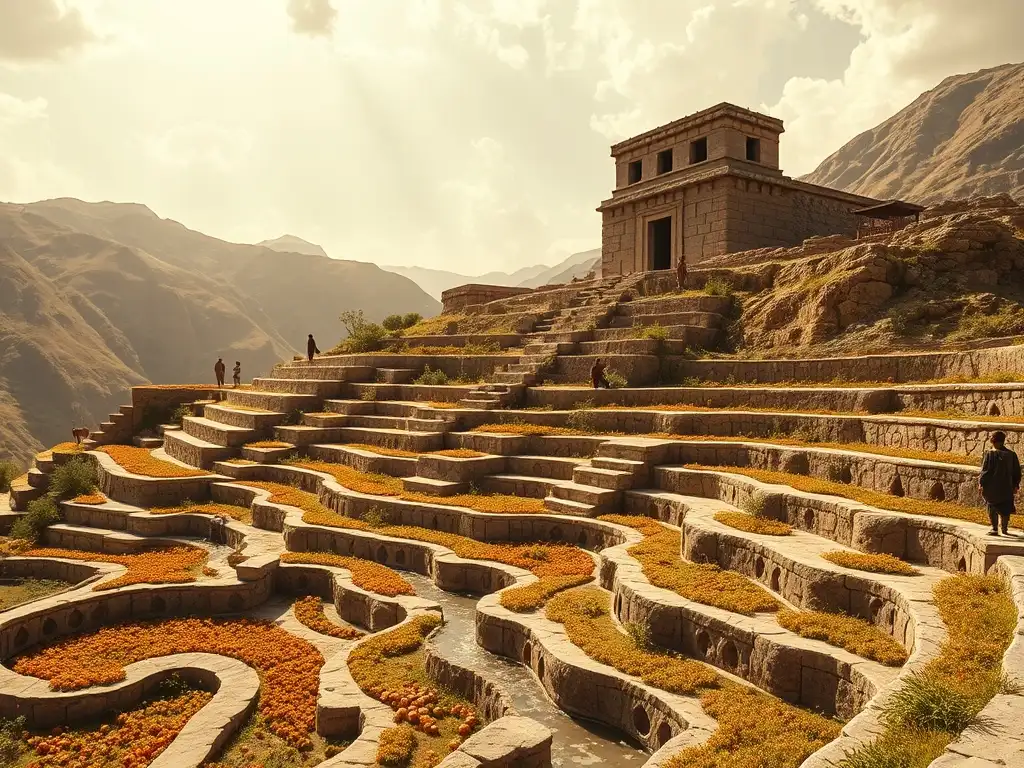
The religious beliefs of the Tiahuanaco civilization were deeply intertwined with their sophisticated agricultural practices. Their worldview, centered around the veneration of deities associated with fertility and the cyclical nature of life, death, and rebirth, directly influenced how they cultivated their crops and managed their resources. This wasn't merely a practical approach to sustenance; it was a deeply spiritual undertaking, where agricultural success was seen as a direct reflection of their piety and connection to the cosmos.
Evidence suggests a complex system of rituals, ceremonies, and possibly even human sacrifice, all designed to ensure bountiful harvests and appease the powerful forces they believed governed the natural world. Understanding this connection is crucial to grasping the full scope of Tiahuanaco's societal structure and its lasting impact on subsequent Andean cultures.
The intricate interplay between religious beliefs and agricultural practices fostered a remarkable level of societal organization and agricultural innovation for its time. The careful management of water resources, the development of raised fields, and the cultivation of diverse crops all speak to a sophisticated understanding of agriculture deeply rooted in their spiritual worldview.
The Influence of Tiahuanaco Beliefs on Later Andean Civilizations
Tiahuanaco's influence extended far beyond its geographical boundaries. The civilization's religious and agricultural innovations spread throughout the Andes, impacting the beliefs and practices of later cultures, including the Inca. Many scholars believe that the Inca's emphasis on agricultural productivity and their elaborate system of terraces and irrigation canals were, in part, a continuation of the agricultural traditions established by Tiahuanaco.
The veneration of deities associated with fertility and the cyclical nature of the seasons, evident in Tiahuanaco iconography and religious practices, also found echoes in subsequent Andean religious systems. For example, [Specific examples of Inca religious practices influenced by Tiahuanaco pending]. This continuity demonstrates the enduring legacy of Tiahuanaco's unique blend of religious and agricultural practices and highlights the profound impact it had on the development of Andean civilization.
The spread of agricultural techniques, alongside religious beliefs, facilitated the expansion and consolidation of power among later Andean empires. The legacy of Tiahuanaco's sophisticated agricultural knowledge is a testament to the civilization's ingenuity and its lasting influence on the cultural landscape of the Andes.
Surviving Agricultural Practices Reflecting Tiahuanaco's Spirituality
Even today, some agricultural practices in the Andean region bear witness to the enduring legacy of Tiahuanaco's unique relationship with nature. Certain rituals and ceremonies associated with planting and harvesting, although significantly altered over time, still reflect the core beliefs of the ancient civilization. For example, [Specific examples of surviving agricultural rituals and their connection to Tiahuanaco beliefs pending].
These practices, passed down through generations, offer valuable insights into the deeply spiritual nature of Tiahuanaco agriculture. The use of specific crop varieties, the timing of planting and harvesting, and the careful management of water resources all point to a continuity of traditions that connect contemporary Andean farming practices to the legacy of Tiahuanaco.
This connection between past and present underscores the remarkable resilience of cultural practices deeply rooted in the land and its spiritual significance. The survival of these practices is a powerful reminder of the deep and enduring connection between Andean peoples and their environment, a connection that originated in the sophisticated and spiritually-charged agricultural practices of Tiahuanaco.
The Enduring Relevance of Tiahuanaco’s Connection to Nature
The connection between Tiahuanaco religion and agriculture offers valuable lessons for contemporary society. In a world grappling with climate change and the need for sustainable agricultural practices, understanding the Tiahuanaco civilization's approach to resource management and their deep respect for the natural world provides a compelling example of harmonious coexistence. Their sophisticated understanding of water management, their diverse crop cultivation, and their reverence for the cycles of nature all point to a holistic approach to agriculture that is both sustainable and spiritually fulfilling.
The Tiahuanaco's emphasis on respecting the environment and working with nature, rather than against it, remains remarkably relevant in today's context. By studying their practices, we can gain valuable insights into developing more sustainable and environmentally responsible agricultural methods. The Tiahuanaco civilization's legacy serves as a powerful reminder of the importance of balancing spiritual values with practical needs, a lesson that holds significant importance for the future of agriculture and environmental stewardship.
The enduring relevance of their connection to nature is a testament to the timeless wisdom embedded within their religious and agricultural practices. The study of Tiahuanaco therefore provides not only a fascinating glimpse into the past but also valuable lessons for navigating the environmental challenges of the present and future.
Understanding Tiahuanaco Through its Agricultural Religion
The intricate relationship between Tiahuanaco religion and agriculture wasn't merely a practical matter of survival; it was a deeply interwoven cosmology. The very fabric of their society, their beliefs, and their artistic expressions were inextricably linked to the success of their farming practices. Understanding Tiahuanaco's religious beliefs offers a crucial key to deciphering their sophisticated agricultural techniques and their remarkable societal organization.
Their worldview, reflected in their monumental architecture, intricate ceramics, and sophisticated irrigation systems, reveals a people deeply connected to the rhythms of nature and the cyclical processes of life, death, and rebirth. This connection isn't just a matter of historical interpretation; it's evident in the physical layout of their settlements, the orientation of their structures, and the iconography found throughout their artifacts. The very act of farming was a sacred ritual, a communion with the divine forces that ensured the fertility of the land and the prosperity of their communities.
By analyzing their religious practices alongside their agricultural innovations, we can gain a far more complete and nuanced understanding of this remarkable civilization. Archaeological evidence consistently demonstrates a profound integration of religious beliefs and agricultural practices, highlighting the centrality of agriculture to their worldview.
This integration manifested in several key ways. For instance, the ceremonial centers were often strategically located near fertile agricultural lands, emphasizing the sacred nature of the land itself. The elaborate irrigation systems, a testament to their engineering prowess, weren't simply functional; they were also imbued with religious significance, reflecting the belief in the controlled manipulation of the natural world as a form of religious practice.
Furthermore, the iconography frequently depicted on their pottery, textiles, and monumental structures often featured agricultural motifs alongside religious symbols, reinforcing the close connection between the two. The depiction of deities associated with fertility and abundance alongside representations of agricultural tools and crops served as a constant visual reminder of this fundamental link. The careful planning and execution of their agricultural projects, coupled with the evident religious devotion surrounding them, underscore the holistic approach Tiahuanaco took to both sustenance and spiritual well-being.
The very act of planting, harvesting, and processing crops was imbued with ritualistic significance, further demonstrating the deep-seated connection between their religion and their agricultural practices. This integrated approach to life allowed them to thrive in a challenging high-altitude environment, showcasing the power of a unified spiritual and practical approach.
Conclusion: Tiahuanaco Religion and Agricultural Practices as a Unified System
This exploration of Tiahuanaco religion and its intricate relationship with agricultural practices reveals a sophisticated worldview deeply intertwined with the cycles of nature. The evidence strongly suggests that the Tiahuanaco people didn't simply practice agriculture; they worshipped it, viewing it as a sacred act mirroring the cosmos. Their religious beliefs weren't separate from their daily lives; rather, they permeated every aspect, from planting and harvesting to the intricate water management systems that sustained their civilization.
The profound connection between their spirituality and their sustenance is a testament to their innovative and holistic approach to life. Understanding this interconnectedness provides a deeper appreciation for the ingenuity and complexity of Tiahuanaco culture.
Recap of the Key Connections
The evidence presented highlights several key connections between Tiahuanaco religion and their agricultural practices:
- Fertility Cults: The emphasis on fertility deities and rituals clearly points to a direct link between religious beliefs and the success of their harvests. The abundance of representations of these deities in art and architecture underscores their importance in the Tiahuanaco worldview. These weren't mere symbolic representations; they were active participants in the lives of the people, ensuring the continued prosperity of their agricultural endeavors.
- Water Management: The sophisticated irrigation systems developed by the Tiahuanaco, such as the intricate canals and raised fields, weren't merely engineering marvels; they were also deeply symbolic. The control and management of water, a vital resource, were likely intertwined with religious rituals and beliefs surrounding the life-giving properties of water. This meticulous control over water resources suggests a profound understanding of the natural world and a sophisticated relationship with their environment.
- Calendrical Systems: The precise alignment of structures with astronomical events suggests a deep understanding of seasonal cycles. This knowledge was crucial for successful agriculture, and the integration of astronomical observations into their religious practices indicates the importance of timing and celestial rhythms in their agricultural activities. This precise knowledge allowed them to optimize planting and harvesting cycles, maximizing their yields.
- Agricultural Deities: The identification of specific deities associated with agriculture, though requiring further research [specific information pending], strengthens the argument for a unified religious and agricultural system. The discovery of further artifacts and the continued analysis of existing ones could provide more concrete evidence of these specific deities and their roles in the agricultural cycle.
The Importance of Interdisciplinary Study
Understanding the complete picture of Tiahuanaco religion and its impact on their agricultural practices requires an interdisciplinary approach. Archaeologists, anthropologists, historians, and even astronomers must collaborate to fully analyze the evidence. For example, the analysis of pollen samples from ancient fields can reveal the types of crops cultivated, while astronomical studies can shed light on the calendrical systems used to plan agricultural activities.
By integrating these different perspectives, we can move beyond simple descriptions to a deeper understanding of the complex interplay between religious beliefs and practical agricultural techniques. This integrated approach is crucial to unlocking the secrets of Tiahuanaco's enduring legacy.
The Enduring Mystery and Fascination of Tiahuanaco Culture
The connection between Tiahuanaco religion and agricultural practices continues to fascinate and intrigue researchers. The sophistication of their water management systems, their understanding of astronomical cycles, and the pervasive presence of fertility themes in their art and architecture all point to a culture deeply connected to the natural world.
While much remains to be discovered, the evidence suggests a highly organized and deeply spiritual society where religion and agriculture were not separate spheres, but rather integral parts of a unified system. The continued study of Tiahuanaco culture promises to unlock further insights into this remarkable civilization and its enduring legacy.
The mystery surrounding the decline of Tiahuanaco also presents a compelling area for future research, potentially revealing additional information about the interplay of religious beliefs and environmental factors in the civilization's fate. The enduring enigma of Tiahuanaco serves as a reminder of the vastness of human history and the many unanswered questions that remain to be explored.
Frequently Asked Questions
What was the most important aspect of Tiahuanaco religion?
The most important aspect of Tiahuanaco religion was its close relationship with agriculture and fertility. Their beliefs centered around ensuring successful harvests and maintaining the balance of nature. This is reflected in their art and architecture.
How did Tiahuanaco religion influence their agricultural practices?
Tiahuanaco religion deeply influenced their agricultural practices. Rituals and ceremonies were performed to ensure the fertility of the land and the success of crops. This ensured the survival and prosperity of their civilization.
What role did the cycles of nature play in Tiahuanaco beliefs?
The cycles of nature, particularly the agricultural cycle, were central to Tiahuanaco religious beliefs. They saw a strong connection between the cyclical nature of planting, growth, and harvest and their spiritual world. This is reflected in their calendar systems.
What evidence supports the connection between Tiahuanaco religion and agriculture?
Archaeological evidence, such as agricultural terraces, religious iconography depicting agricultural scenes, and the calendar system reflecting agricultural cycles, strongly supports this connection. These elements show a deep integration of the spiritual and the practical.
Were there specific deities associated with agriculture in Tiahuanaco religion?
While specific details remain debated, it's likely that various deities or spirits were associated with agriculture and fertility. The complex iconography found at Tiahuanaco suggests a pantheon of gods with roles related to the natural world and agricultural abundance.
Final Reflection: Harvesting the Legacy of Tiahuanaco
The intricate relationship between Tiahuanaco religion and agricultural practices remains profoundly relevant today, a testament to the enduring power of societies that understood the delicate balance between humanity and nature. Our modern, industrialized food systems often overlook this crucial connection, leading to unsustainable practices and environmental degradation. Understanding the Tiahuanaco approach offers a valuable counterpoint, a reminder of the deep respect and reverence that can be cultivated within our relationship with the land.
The sophisticated understanding of agricultural cycles and the deeply spiritual connection to fertility embedded within Tiahuanaco culture continues to resonate in contemporary discussions about sustainable agriculture and environmental stewardship. Their reverence for the land, evident in their intricate irrigation systems and ceremonial practices, serves as a powerful example. The earth is what we all have in common.
- Wendell Berry. This quote highlights the shared responsibility we have to nurture and protect the planet, a responsibility echoed in the Tiahuanaco worldview centuries ago. Their legacy challenges us to reconsider our own relationship with the natural world and the impact of our choices.
Consider the wisdom embedded within the Tiahuanaco worldview. How can we, in our own lives, cultivate a deeper appreciation for the interconnectedness of all living things? Let the legacy of Tiahuanaco inspire you to make conscious choices that support sustainable practices, whether it's choosing locally sourced food, reducing your environmental impact, or simply taking a moment to appreciate the bounty of the earth. Let us learn from their past to build a more sustainable and harmonious future.
Cultivate Your Knowledge and Connection!
Thank you for exploring the fascinating interplay between Tiahuanaco religion and agriculture. Understanding how these ancient practices mirrored the cycles of nature provides valuable insights into our world and its history. Let's put this knowledge to practical use!
- Connect with nature: Visit a local farm, community garden, or even a nearby park to experience firsthand the rhythms of the natural world and our place within it.
- Share your discoveries: Discuss the sophisticated agricultural techniques and spiritual beliefs of the Tiahuanaco people with friends, family, or online communities. This helps foster a wider appreciation for sustainability and environmental stewardship.
- Continue your learning: Explore further resources – books, documentaries, museum exhibits, or online archives – to deepen your understanding of Andean civilizations and their enduring legacy.
How can you integrate the wisdom of Tiahuanaco's harmonious relationship with nature into your own life and community? We'd love to hear your ideas!