
Before Pottery: The Intriguing Artistic Expressions of PreCeramic Andean Cultures

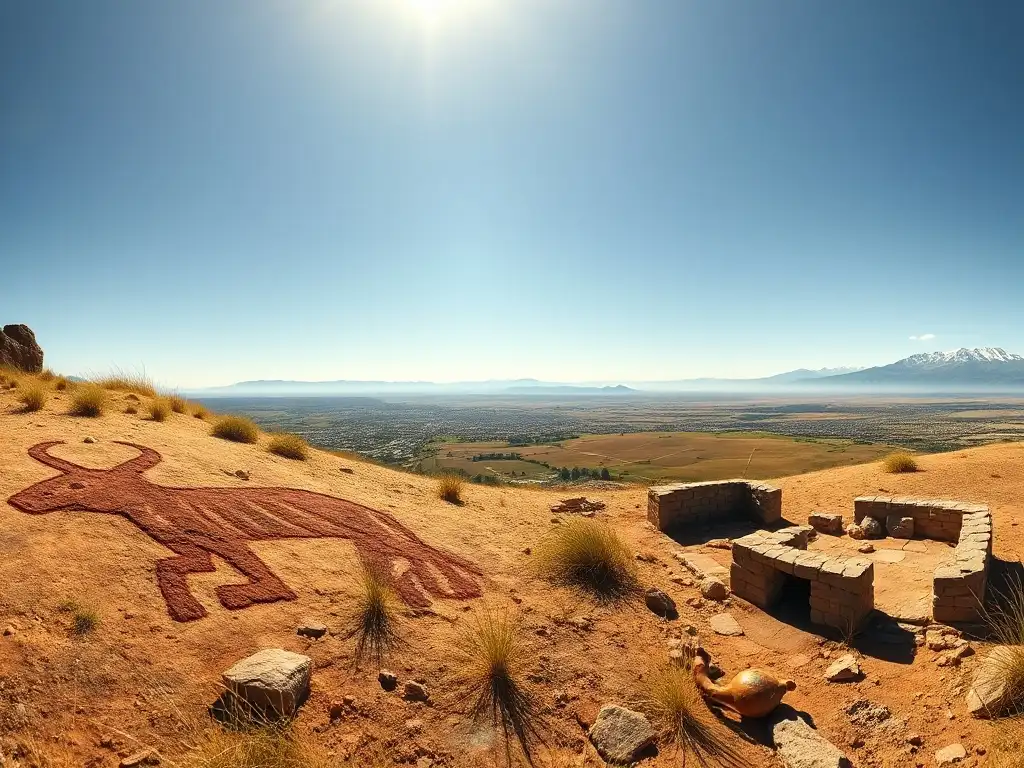
Dive into a world lost to time, yet echoing with vibrant artistry. Forget everything you think you know about the Andes; before the wheel, before pottery, a breathtaking explosion of creativity flourished. Journey with us to uncover the secrets of Preceramic Andean art forms, a testament to ingenuity that predates even the Inca. Prepare to be amazed by the sophisticated techniques and profound symbolism hidden within these ancient expressions. Are you ready to explore?
- Before Pottery: Unveiling the Artistic Expressions of Preceramic Andean Cultures
- Preceramic Artistic Techniques and Materials
- Regional Variations in Preceramic Andean Artistic Styles
- The Significance and Legacy of Preceramic Andean Art
- Conclusion: Appreciating the Innovation of Preceramic Andean Art Forms
- Frequently Asked Questions
- Final Reflection: Echoes of a Timeless Legacy
- Unveil the Rich Tapestry of Andean Artistry!
Before Pottery: Unveiling the Artistic Expressions of Preceramic Andean Cultures
The Andes Mountains, a spine of towering peaks running down the western coast of South America, nurtured a vibrant tapestry of ancient cultures long before the rise of the Inca Empire. This article delves into the fascinating world of Preceramic Andean art forms, a period predating the invention of pottery, revealing the ingenuity and artistic sensibilities of these early Andean societies.
We'll explore the diverse artistic manifestations that emerged during this crucial formative period, showcasing the remarkable creativity and innovation that laid the groundwork for later Andean artistic traditions. This exploration of Preceramic Andean art forms will illuminate the deep roots of Andean artistic expression, demonstrating the sophisticated cultural development that existed long before the advent of ceramic technologies.
We will examine the materials, techniques, and symbolic meanings embedded within these early artistic expressions, providing a glimpse into the worldview and daily lives of these fascinating ancient peoples. Prepare to be captivated by the artistry and ingenuity of a period often overlooked in discussions of Andean civilizations.
Introduction to Preceramic Andean Art Forms
The term "Preceramic" refers to the period in Andean history before the widespread adoption of pottery, generally estimated to span from approximately 8000 BCE to 2000 BCE. 1 This era, far from being artistically barren, witnessed the development of a remarkable range of artistic expressions. Instead of clay, these early Andean artists utilized readily available natural materials such as stone, bone, wood, textiles, and pigments to create intricate carvings, textiles, and elaborate cave paintings. These artifacts offer invaluable insights into the beliefs, social structures, and daily lives of the people who inhabited the Andes during this formative period. Understanding these early artistic expressions is crucial to fully appreciating the later, more elaborate artistic traditions of the Andean region. The sheer variety of Preceramic Andean art forms—from meticulously crafted stone tools to vibrantly colored rock paintings—highlights the artistic diversity and innovation that characterized these early societies.
The Dawn of Andean Art: Preceramic Period Overview
The Preceramic period in the Andes is characterized by a gradual shift from nomadic hunter-gatherer lifestyles to more settled agricultural communities. This transition profoundly impacted artistic production. As communities became more sedentary, there was a greater opportunity for specialized craftsmanship and the creation of more complex artistic objects. Early settlements, often located near fertile valleys and water sources, provided the resources and stability necessary for artistic experimentation and innovation.
The development of agriculture also led to a surplus of food, enabling individuals to dedicate time to activities beyond the immediate necessities of survival, including artistic pursuits. This increased specialization likely contributed to the development of distinct artistic styles across different regions of the Andes, reflecting the unique cultural identities of individual communities. Archaeological evidence suggests a growing complexity in social organization during this time, which is often reflected in the scale and sophistication of the artistic artifacts produced.
Early Artistic Manifestations in the Andes Before Pottery
The artistic expressions of the Preceramic period showcase a remarkable range of techniques and materials. One prominent example is the creation of intricately carved stone tools and figurines. These objects, often made from volcanic rock or other durable materials, demonstrate a high level of skill and precision. Many exhibit intricate designs, suggesting symbolic or ritualistic significance.
Furthermore, evidence of early textile production has been found, showcasing the mastery of weaving and dyeing techniques. These textiles, often composed of cotton or camelid fibers, were used for clothing, blankets, and possibly ritual purposes. The use of pigments in cave paintings and rock art further enriches the artistic landscape of this period.
These paintings often depict animals, geometric patterns, and possibly scenes from daily life, offering a window into the beliefs and worldview of these early Andean societies. The diversity of these early artistic manifestations underscores the rich and complex cultural landscape of the Preceramic Andes. Further research and excavation are continuously revealing new insights into this fascinating period, continually expanding our understanding of Preceramic Andean art forms.
1 *Note: The exact dating of the Preceramic period can vary depending on the specific region and archaeological findings. *
Preceramic Artistic Techniques and Materials
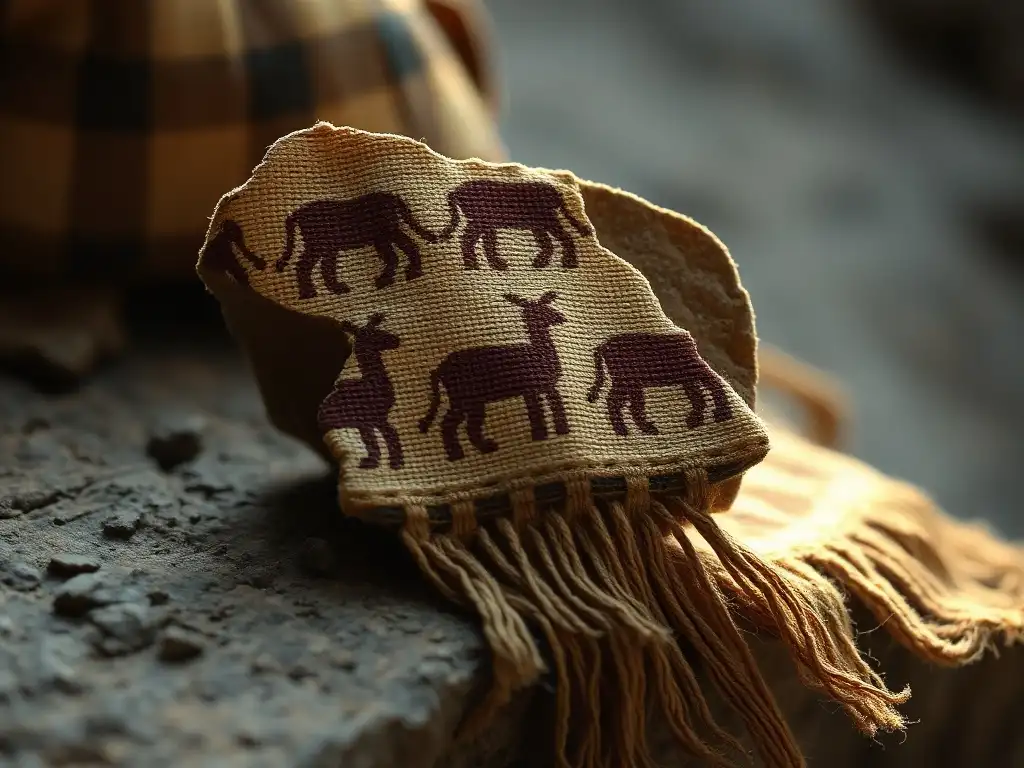
The Preceramic period in the Andes (circa 8000-1800 BCE) reveals a surprisingly sophisticated artistic landscape, far exceeding the simplistic notion of a "pre-pottery" era. Masterful artistry flourished, utilizing readily available materials to create stunning and enduring works. Understanding the techniques and materials employed offers a fascinating glimpse into the ingenuity and worldview of these early Andean cultures.
The development of "Preceramic Andean art forms" was not a monolithic process, but rather a diverse tapestry woven from experimentation and innovation across various Andean regions. We'll explore some of the key artistic expressions that predate the invention of pottery, highlighting the ingenuity and artistry of these early Andean societies.
Textile Art in the Preceramic Andes: More Than Just Fabric
The discovery of remarkably preserved textiles in sites like Guitarrero Cave in Peru demonstrates the sophisticated textile traditions that existed long before pottery became widespread. These early textiles represent more than just practical clothing; they were integral components of ritual practices and social status.
Fiber Art and Weaving Traditions
Preceramic Andean textiles utilized a variety of plant and animal fibers. Cotton, camelid fibers (llama and alpaca), and possibly even some wild plant fibers were painstakingly spun and woven into intricate fabrics. Evidence suggests the use of both simple and complex weaving techniques, including plain weave, twill, and possibly even tapestry techniques, indicating a high level of skill and knowledge. The complexity of some of the surviving fragments suggests a level of organization and specialization within the communities that produced them.
Archaeological finds continually reveal new insights into the evolution of these early weaving traditions. Further research is needed to fully understand the nuances of their techniques, especially regarding the tools used. [Specific information pending on types of looms used].
Use of Natural Dyes and Pigments
The vibrant colors preserved in some of these ancient textiles point to a sophisticated understanding of natural dyes. Researchers have identified the use of various plant-based pigments, creating a palette of reds, browns, yellows, and possibly even blues and greens. The process of extracting and applying these dyes would have required specialized knowledge and likely involved a significant amount of time and effort.
The longevity of the color in some of these textiles, despite thousands of years of exposure to the elements, speaks to the skill and effectiveness of the dyeing techniques employed. The precise recipes and methods used remain partially unknown, and ongoing research continues to unveil the secrets of these ancient color palettes. The use of natural dyes is a testament to the close relationship between these early Andean communities and their environment.
Stone Carving and Sculpture Before the Invention of Pottery
Beyond textiles, the Preceramic period saw the emergence of impressive stone carving and sculpture. While not as widespread as textile production, these works demonstrate remarkable artistic skill and an understanding of stone working techniques.
Monuments and Ritual Objects
Large stone structures, including some monumental constructions, were created during the preceramic period. These structures, often located in strategic locations, may have served ritual or ceremonial purposes. The precise function of these early monuments remains a subject of ongoing debate among researchers. While the scale of some of these constructions is impressive, the tools and techniques used in their creation are still under investigation. [Specific information pending on the dating and function of various preceramic monuments]. The precision and artistry in some of the smaller stone objects, however, is undeniable.
Petroglyphs and Rock Art
Petroglyphs, images created by carving or pecking into rock surfaces, are another important form of Preceramic Andean art. These often depict abstract designs, geometric patterns, and possibly early representations of animals or human figures. The creation of petroglyphs required specialized skills and tools.
The meaning and purpose of these rock art creations remain a subject of ongoing interpretation, but they undoubtedly represent a significant aspect of the symbolic worldview of these early Andean societies. The study of petroglyphs and rock art provides valuable insights into the beliefs, rituals, and social structures of preceramic communities. Further research is crucial for a more comprehensive understanding of their symbolic language and cultural significance.
Architectural Achievements and Early Construction in Preceramic Societies
The preceramic Andean societies, despite lacking the wheel and advanced metalworking techniques, demonstrated remarkable architectural ingenuity. Their constructions, often built with readily available materials, reveal sophisticated understanding of engineering principles and a deep connection to their environment. These structures weren't merely utilitarian; they served crucial social, religious, and symbolic functions, reflecting the complex social organization and belief systems of these early cultures. The scale and complexity of some sites suggest considerable planning and coordinated labor, indicating a level of social organization far beyond simple hunter-gatherer groups.
This early architecture laid the groundwork for the more elaborate constructions seen in later Andean civilizations. Studying these early structures provides invaluable insight into the evolution of Andean architectural styles and the development of urban planning. The careful selection of building materials, often reflecting local availability and suitability, demonstrates a deep understanding of the environment and its resources.
Circular Structures and Ceremonial Sites
A significant characteristic of preceramic Andean architecture is the prevalence of circular structures. These ranged from small, domestic dwellings to large, monumental constructions interpreted as ceremonial centers. The circular form is not accidental; it likely held symbolic significance, potentially representing the cosmos or cyclical patterns in nature.
Many of these sites are located strategically, often on elevated terrain offering panoramic views, further suggesting their importance in religious or ritual practices. Archaeological evidence, including the presence of artifacts and specialized features, supports the interpretation of these circular structures as places of communal gathering, ritual performance, and possibly ancestor veneration.
The meticulous construction, evident in the precise placement of stones and the careful arrangement of features, underscores the importance of these sites within the preceramic societies. The size and complexity of some circular ceremonial sites suggest a significant investment of time and labor, implying a high degree of social organization and centralized decision-making.
Early Use of Stone and Mud
The primary building materials of preceramic Andean societies were stone and mud. Stone, readily available in many regions, was used in a variety of ways, from rough, unworked stones used for basic foundations to carefully shaped and fitted stones forming more elaborate structures. The techniques varied depending on the availability and quality of the stone, as well as the intended function of the structure.
Mud, often mixed with organic materials like straw or reeds to improve its strength and durability, was a crucial component in many constructions. It was used as a binding agent, plaster, and even as a major structural component in itself, particularly in the construction of walls and platforms. The ingenuity of these builders is evident in their ability to construct durable structures using readily available materials, demonstrating both an understanding of material properties and advanced construction techniques, given the available tools.
The varied use of stone and mud reveals a sophisticated understanding of construction principles and a remarkable adaptation to the diverse environments of the Andes. Careful analysis of these materials and their implementation provides crucial information regarding the technological capabilities and social organization of these early Andean communities.
Regional Variations in Preceramic Andean Artistic Styles
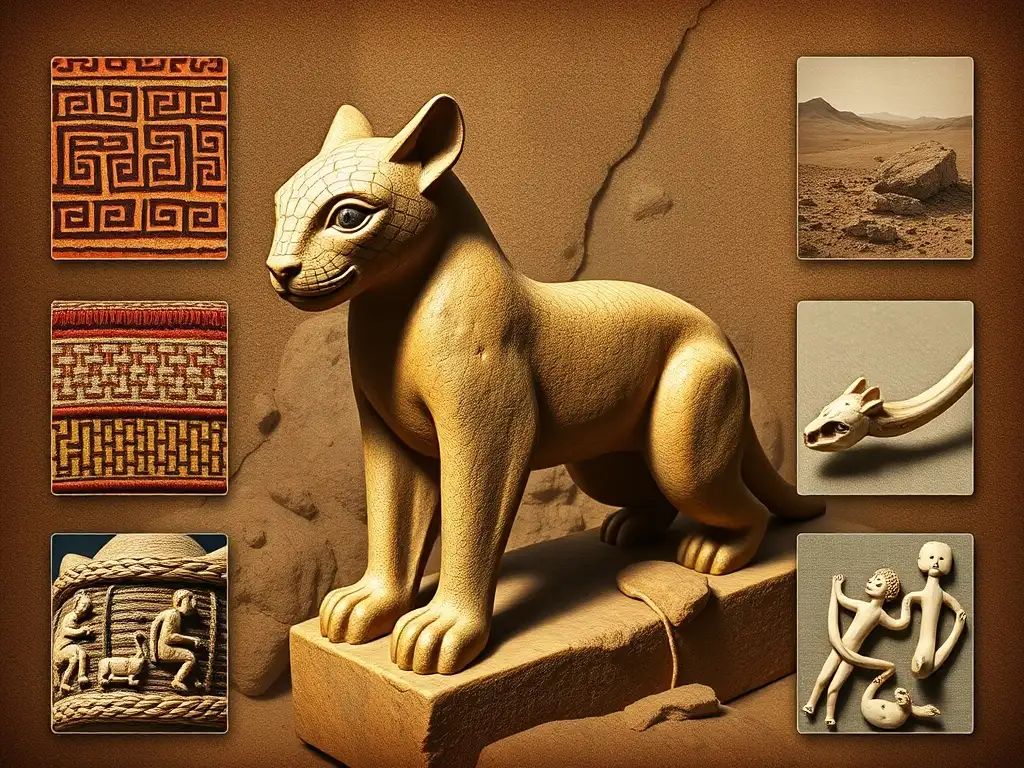
The Preceramic period in the Andes, spanning roughly from 8000 to 1800 BCE, witnessed a remarkable blossoming of artistic expression, though without the use of pottery. These early art forms, reflecting the diverse environments and lifestyles of the Andean peoples, reveal fascinating insights into their beliefs, social structures, and technological capabilities. Understanding the nuances of Preceramic Andean art forms requires a regional approach, as distinct styles emerged in response to varying ecological conditions and available resources. The differences between coastal and highland artistic traditions are particularly striking.
Coastal Preceramic Art: Focus on Marine Resources
Coastal communities, thriving on the bounty of the Pacific Ocean, developed artistic expressions deeply intertwined with their maritime lifestyle. The abundance of marine resources fueled the creation of unique and sophisticated art forms, primarily centered around shell, stone, and the depiction of marine life in rock art. The ingenuity displayed in the crafting of these objects highlights the advanced technological skills of these early Andean peoples.
Shell Artifacts and Ornaments
Shells, readily accessible along the coast, were transformed into a variety of artifacts and ornaments. Examples include intricately carved shell pendants, beads, and even larger ceremonial objects. The precision and artistry involved in the creation of these objects suggest a specialized craft, possibly associated with elite status or religious practices.
Analysis of shell artifacts reveals extensive trade networks, with certain types of shells appearing far from their original source, indicating significant interaction between coastal communities. The use of different shell types, such as Spondylus, which was highly valued and often used in ceremonial contexts, further underscores the symbolic significance of these artifacts. Detailed studies of shell tool manufacturing techniques are still ongoing, but preliminary evidence points to the use of specialized stone tools and abrasive materials for shaping and polishing.
Engravings and Coastal Rock Art
Coastal rock art provides another window into the worldview of Preceramic Andean societies. Engravings on rocks, often depicting marine animals such as fish, birds, and sea mammals, are found throughout the coastal region. The style of these engravings varies regionally, suggesting distinct artistic traditions within different coastal communities.
Some engravings appear highly stylized, while others strive for greater realism. The meaning and purpose of these engravings remain a subject of ongoing research, but they likely served both practical and symbolic functions. It's hypothesized that some engravings could have served as maps or navigational aids, while others may have had a ritual or ceremonial significance.
The presence of recurring motifs, such as stylized figures and geometric patterns, suggests the existence of shared beliefs and cultural practices among different coastal groups. Further research, including detailed stylistic analysis and radiocarbon dating of associated artifacts, is needed to fully unravel the mysteries of coastal rock art.
Highland Preceramic Art: Reflecting Mountain Life
In contrast to the coastal regions, the highland Preceramic cultures developed art forms closely tied to their mountainous environment. The availability of different resources, such as stone and fibers, shaped their artistic expressions. The focus shifted from marine themes to representations of the Andean landscape, including depictions of animals and plants native to the highlands. Evidence suggests a strong connection between artistic production and ritual practices.
Stone Tools and Ritual Objects
Stone, a readily available material in the highlands, was extensively used to create a variety of tools and ritual objects. The precision and sophistication of some stone tools, such as finely crafted projectile points and grinding stones, demonstrate advanced technological skills. The creation of these tools required specialized knowledge and expertise, suggesting the presence of skilled artisans within the community. Beyond practical tools, stone was also used to create ritual objects, such as carved figurines and ceremonial axes.
These objects, often adorned with intricate designs, highlight the symbolic importance of stone in highland Preceramic cultures. The careful selection of specific stone types, such as obsidian or andesite, for certain artifacts suggests a deep understanding of material properties and their symbolic value. The discovery of caches of ritual objects, often buried in association with human remains, indicates their role in funerary practices and beliefs about the afterlife.
Evidence of Basketry and Cordage
While perishable materials like basketry and cordage rarely survive intact, archaeological evidence suggests their significant role in highland Preceramic art and technology. Imprints on clay and the discovery of fragments of woven materials indicate the use of advanced weaving techniques. Basketry served crucial practical functions, such as food storage and transportation, but it also played a significant role in ritual and ceremonial contexts.
The use of different plant fibers, such as ichu grass or cotton, along with intricate weaving patterns, suggests a high level of skill and artistic expression. The study of these materials provides important insights into the economic and social organization of highland Preceramic societies. Further research, including the analysis of preserved organic remains using advanced techniques such as phytolith analysis, is crucial for a better understanding of the role of basketry and cordage in Preceramic Andean culture.
The Significance and Legacy of Preceramic Andean Art

The Preceramic period in the Andes (roughly 8000-1800 BCE) represents a crucial stage in the development of Andean artistic expression. While lacking the readily identifiable pottery of later periods, this era showcases a remarkable range of artistic skills and innovative techniques. The significance of Preceramic Andean art lies not only in its aesthetic achievements but also in its profound contribution to the understanding of early Andean societies, their beliefs, and their social structures.
These art forms provide invaluable insights into the intellectual and spiritual lives of the people who created them, offering a window into a world that predates the widespread adoption of pottery. Analyzing these early artistic expressions allows us to trace the origins of many enduring Andean artistic motifs and techniques, highlighting the remarkable continuity of artistic traditions across millennia.
The legacy of Preceramic Andean art is undeniable, forming the bedrock upon which later, more complex artistic traditions were built. Its study is essential for a complete understanding of the rich tapestry of Andean civilization.
Insights into Preceramic Andean Beliefs and Practices
Understanding Symbolism and Iconography
Preceramic Andean art is replete with symbols and iconography that offer glimpses into the spiritual beliefs and worldview of these early Andean societies. For example, the recurring motifs of stylized animals, particularly felines and birds of prey, likely held significant religious or shamanistic meaning. These animals may have represented powerful deities, ancestral spirits, or symbols of fertility and abundance.
The meticulous craftsmanship evident in the creation of these artistic representations suggests a deep reverence for the natural world and its symbolic power. Further research into the specific contexts of discovery—including burial sites and rock art locations—is needed to fully decipher the complex symbolism.
Detailed analysis of the stylistic variations across different regions and time periods within the Preceramic era could unlock further insights into the evolution of Andean belief systems. The study of Preceramic Andean art, therefore, provides a powerful tool for understanding the development of religious thought and practice in the Andes.
Art as a Form of Social Expression
Beyond religious expression, Preceramic Andean art also serves as a valuable source of information regarding social structures and organization. The creation of large-scale monumental structures, such as the impressive platforms and stone circles found at various sites, indicates a level of social complexity and coordinated labor that was previously underestimated.
The intricate textiles and carved objects, even if few in number relative to later periods, suggest specialized craftsmanship and potentially a stratified social hierarchy. The distribution and stylistic variation of these artifacts across different regions might suggest the existence of distinct social groups or even early forms of political organization.
Further investigation into the production and distribution of these artifacts is crucial for a more comprehensive understanding of social relations in Preceramic Andean societies. The careful study of the tools and techniques used in their creation could also reveal much about the division of labor and social roles within these communities.
The Continuity Between Preceramic and Later Andean Art Traditions
Influence on Ceramic Art Styles
The development of pottery in the Andes marked a significant technological advancement, but it did not represent a complete break from the artistic traditions of the Preceramic period. Many stylistic elements and motifs found in Preceramic art reappeared in later ceramic traditions, highlighting a remarkable continuity in artistic expression. For instance, the stylized representations of animals and the use of geometric patterns observed in Preceramic textiles and rock art can be readily identified in the pottery of subsequent periods.
This suggests a strong cultural memory and a deep-rooted connection to the aesthetic principles established during the Preceramic era. Further research comparing the stylistic characteristics of Preceramic art with those of later ceramic traditions could help to refine our understanding of this artistic evolution. The persistence of certain motifs and techniques across these periods underscores the enduring influence of Preceramic Andean art on the development of later artistic styles.
Enduring Cultural Motifs
The legacy of Preceramic Andean art is not limited to stylistic influences on later ceramic traditions. Many of the fundamental themes and motifs present in Preceramic art continued to resonate throughout Andean history. The importance of nature, the veneration of ancestral spirits, and the symbolic use of animals are recurring themes found in Andean art across millennia. The continuity of these motifs points to the deep-seated cultural values and beliefs that shaped Andean societies across different periods.
By studying the evolution of these motifs, researchers can gain valuable insights into the long-term cultural transformations and continuities within Andean civilization. The study of Preceramic Andean art provides a crucial foundation for understanding the enduring cultural identity of the Andean region and the remarkable persistence of certain artistic and symbolic traditions. The identification and analysis of these enduring cultural motifs are essential for a comprehensive understanding of Andean art history.
Conclusion: Appreciating the Innovation of Preceramic Andean Art Forms
The study of Preceramic Andean art forms reveals a remarkable level of artistic sophistication and ingenuity that predates the development of pottery. These early Andean cultures, despite lacking the readily available medium of clay, demonstrated an impressive capacity for creative expression. Their mastery of diverse materials, like stone, bone, and textiles, showcases a deep understanding of their environment and a profound connection to the natural world.
The intricate designs, symbolic representations, and technical skill evident in these artifacts challenge preconceived notions about the development of art and demonstrate that artistic expression was a fundamental aspect of Andean life from its earliest stages. The vibrant legacy of these preceramic traditions laid the groundwork for the subsequent flourishing of artistic production in later Andean civilizations. Understanding these early art forms is crucial for a complete comprehension of the rich tapestry of Andean artistic heritage.
The innovation and artistry exhibited in these works truly deserve recognition and further exploration. We can appreciate the ingenuity and skill involved in transforming readily available materials into stunning works of art.
The Importance of Studying Preceramic Art
Understanding Preceramic Andean art forms is paramount for several reasons. First, it offers a unique perspective on the earliest stages of Andean cultural development, providing insights into their belief systems, social structures, and daily lives. The symbolic imagery found in these artifacts often reveals crucial information about their cosmology, rituals, and interactions with their environment. Analyzing the techniques employed in their creation illuminates their technological advancements and ingenuity, underscoring their ability to adapt and innovate.
For example, the intricate weaving techniques used in preceramic textiles demonstrate a sophisticated understanding of fiber manipulation and a remarkable level of patience and skill. Secondly, studying these early art forms helps us to appreciate the continuity and evolution of Andean artistic traditions. The stylistic elements and symbolic motifs present in preceramic art often reappear in later periods, highlighting the enduring influence of these early cultural foundations.
Finally, the preservation and study of Preceramic Andean art allows us to challenge Eurocentric biases in art history, demonstrating that complex and sophisticated artistic traditions existed in the Andes long before the arrival of European colonizers. Ignoring this rich prehistory would be to significantly impoverish our understanding of global artistic development. The enduring value of this research cannot be overstated.
Further Research and Discoveries
While significant progress has been made in the study of Preceramic Andean art forms, much remains to be discovered. Future research should focus on several key areas. Firstly, more extensive archaeological excavations are needed to uncover new sites and artifacts, expanding our understanding of the geographical distribution and diversity of these early artistic traditions. Technological advancements in dating techniques and material analysis can provide more precise chronological frameworks and insights into the materials and processes used in creating these works.
For instance, advanced microscopy could reveal further details about pigment composition in rock paintings or the specific plant fibers used in textiles. Secondly, interdisciplinary approaches involving archaeologists, anthropologists, and art historians are essential for a more comprehensive interpretation of the symbolic meaning and cultural significance of these artifacts. Collaboration between specialists is crucial for a holistic understanding of the context and meaning behind these ancient creations.
Finally, increased public awareness and educational initiatives are needed to promote the appreciation and preservation of Preceramic Andean art. By fostering greater understanding and appreciation for this rich cultural heritage, we can ensure its protection for future generations. The potential for exciting new discoveries and a deeper appreciation for these fascinating art forms is immense.
Frequently Asked Questions
What is Preceramic Andean art?
Preceramic Andean art refers to the artistic expressions of Andean cultures before the invention of pottery, dating back thousands of years. These expressions included textiles, stone carving, and intricate designs on various materials.
What materials were used in Preceramic Andean art?
Artists utilized readily available materials such as stone, bone, wood, shells, and fibers for creating their artwork. The specific materials varied depending on the region and the available resources.
What are some examples of Preceramic Andean art forms?
Examples include elaborate textiles, often featuring complex weaving techniques; carved stone sculptures depicting animals and humans; and painted cave art. Many pieces showcase sophisticated artistic skills.
How did Preceramic Andean artists create such detailed work without pottery?
They developed advanced techniques in stone carving, textile weaving, and other crafts to create intricate and detailed art. The lack of pottery didn't limit their artistic expression; instead, it led to innovation in other mediums.
Where can I learn more about Preceramic Andean art?
You can explore museums with Andean collections, research academic journals and books specializing in Andean archaeology and art history, and visit reputable websites like Andean Civilizations for further information on Preceramic Andean art forms.
Final Reflection: Echoes of a Timeless Legacy
The vibrant artistic expressions of preceramic Andean cultures resonate powerfully today, reminding us of humanity's innate capacity for creativity and symbolic representation long before the advent of pottery. These ancient forms, far from being relics of a distant past, offer a profound understanding of human ingenuity and the enduring power of artistic expression to shape cultural identity. Their intricate designs and innovative techniques continue to inspire contemporary artists and challenge our assumptions about the development of civilization.
The impact of preceramic Andean art extends far beyond the archaeological record; it continues to shape our understanding of artistic evolution and the complex social structures that fostered such remarkable creativity. These early expressions of human potential, often overlooked in favor of later, more technologically advanced cultures, offer a crucial counterpoint to linear narratives of progress. The past is never dead. It's not even past.
– William Faulkner. This quote perfectly encapsulates the enduring relevance of these ancient art forms, their influence subtly woven into the fabric of Andean culture and inspiring new interpretations across generations.
Consider the intricate detail, the innovative use of materials, the sheer imaginative power evident in these ancient artifacts. You, the reader, are now equipped with a deeper appreciation for the ingenuity and artistry of these early Andean cultures. Take a moment to reflect on the enduring power of human creativity, and how the legacy of these preceramic artists continues to inspire and challenge us today. Let their artistry ignite your own imagination, and perhaps, inspire you to seek out and appreciate the artistic expressions of cultures often overlooked in the grand narrative of human history.
Unveil the Rich Tapestry of Andean Artistry!
Thank you for exploring the fascinating world of Pre-Ceramic Andean cultures! Discovering their unique artistic expressions offers valuable insight into a pivotal era that shaped subsequent civilizations. Now, let's put that knowledge to work!
- **Visit local museums or galleries** showcasing Andean artifacts to further your understanding and appreciation.
- **Share your discoveries** with friends and family, discussing the artistic techniques and themes that captivated you.
- **Engage with online forums or communities** dedicated to Andean history to exchange ideas and learn from fellow enthusiasts.
Which aspect of Pre-Ceramic Andean artistry most sparks your creativity or curiosity?