
The Inca Role of the Priest: Connecting with the Divine

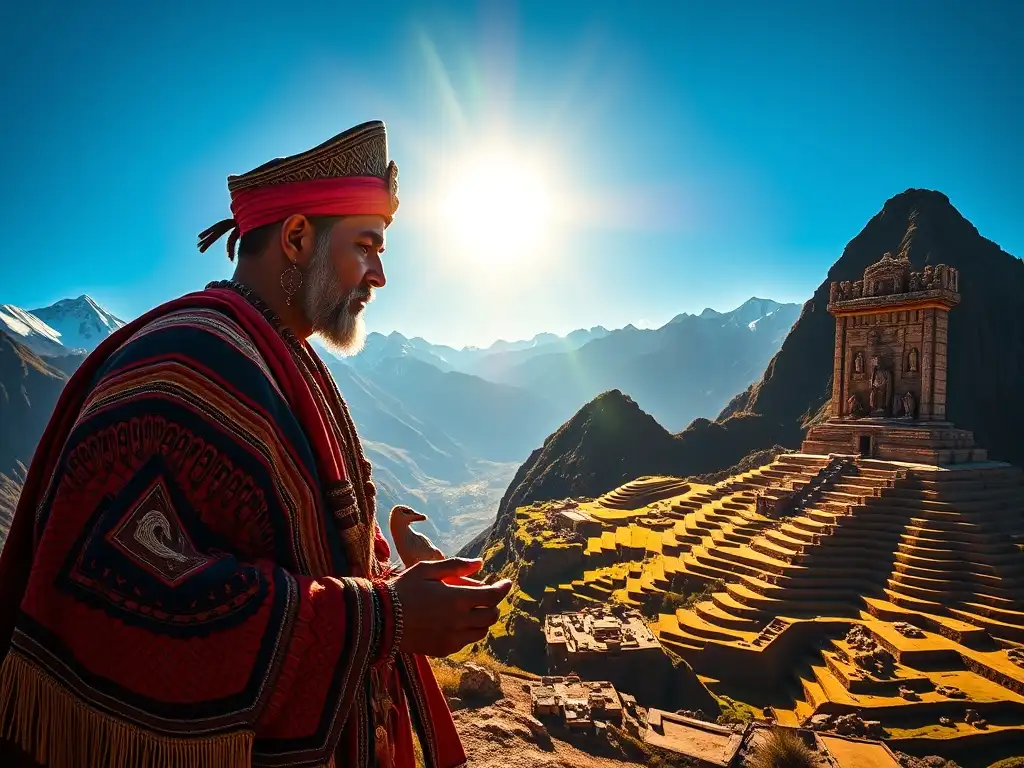
Step into a world lost to time, yet echoing with the whispers of the Andes. Imagine the grandeur of the Inca Empire, a civilization that sculpted mountains into monuments and wove celestial knowledge into the very fabric of their lives. But what secrets did their priests hold? This journey begins with an exploration of Inca priest duties and rituals, unveiling a sacred realm of power, ceremony, and profound connection to the divine. Dare to uncover the mysteries that lie within...
The Inca Empire, a civilization renowned for its sophisticated engineering, intricate social structures, and vast territorial expanse, also possessed a deeply ingrained religious system. At the heart of this system lay the curacas, or priests, individuals entrusted with maintaining the delicate balance between the human and spiritual realms. This article delves into the multifaceted role of the Inca priest, exploring their duties, rituals, and hierarchical structure within the empire.
We will examine how these religious leaders played a vital role in Inca society, connecting the people to the divine and influencing various aspects of daily life. Understanding the Inca priest's function is crucial to grasping the complexities and nuances of this remarkable civilization, providing insights into their beliefs, practices, and societal organization. This exploration will shed light on the significance of "Inca priest duties and rituals" within the broader context of the Inca worldview.
Introduction to Inca Priests and Their Significance
Inca priests, far from being mere intermediaries between the people and their gods, were integral components of the Inca social fabric. Their influence extended beyond religious ceremonies, impacting agricultural practices, political decisions, and even the construction of monumental architecture. The Inca believed in a vast pantheon of deities, each with specific domains and responsibilities. The sun god, Inti, held supreme importance, followed by the moon goddess, Mama Killa, and other nature spirits associated with mountains, rivers, and weather patterns.
The priests were responsible for appeasing these deities through elaborate rituals, ensuring the continued prosperity and well-being of the empire. This involved a deep understanding of celestial cycles, agricultural rhythms, and the intricate web of interconnectedness that the Inca perceived in the natural world. Their knowledge was highly valued, and they held considerable social and political power, often advising the Sapa Inca (emperor) on matters of state.
The priests were also responsible for interpreting omens, predicting the future, and providing guidance on a wide range of issues affecting the community. Their role was not simply one of ritualistic performance, but rather one of maintaining cosmic harmony and ensuring the continuity of Inca society. Their actions directly affected the lives of all Inca citizens, from the emperor to the common farmer.
The Hierarchy of Inca Priesthood: From Low to High Ranking
The Inca priesthood wasn't a monolithic entity; rather, it was a complex hierarchical structure reflecting the empire's overall social organization. At the lowest levels were local priests, often responsible for smaller shrines and community rituals. Their duties might have included tending to local sacred sites, performing offerings, and leading community prayers. As one ascended the hierarchy, the priests' responsibilities became increasingly specialized and significant.
Mid-level priests might have overseen larger temples or served as specialists in specific areas, such as astronomy or medicine. The most senior priests resided in Cusco, the imperial capital, and held immense power and influence. These high-ranking priests advised the Sapa Inca, oversaw the elaborate state rituals, and managed the vast network of temples and sacred sites throughout the empire. The precise number of priests at each level remains uncertain due to the limited surviving written records; however, archaeological evidence suggests a substantial number of individuals dedicated to religious service.
The hierarchy ensured an efficient organization of religious activities, allowing for the smooth functioning of the Inca religious system across the vast and diverse empire. The system also facilitated the standardization of rituals and beliefs, reinforcing the unity and cohesion of the Inca state. Further research and analysis of archaeological findings are needed to fully understand the dynamics and intricacies of this complex priestly hierarchy.
The High Priest: The Willaq Umu and His Responsibilities
The Willaq Umu, meaning "great priest" or "wise one," held the highest religious authority in the Inca Empire. He wasn't merely a religious figurehead; his influence extended deeply into the political and social fabric of Inca society. The Willaq Umu resided in Cusco, the imperial capital, and served as the chief advisor to the Sapa Inca, the emperor. His responsibilities were vast and encompassed the entire spectrum of Inca religious life.
He oversaw the construction and maintenance of temples, directed the performance of major religious festivals, and interpreted omens and prophecies. His pronouncements carried immense weight, influencing decisions on matters ranging from agricultural practices to military campaigns. The selection of the Willaq Umu was a highly significant event, often involving elaborate ceremonies and consultations with other high-ranking religious officials and even the Sapa Inca himself.
The position was hereditary within select families known for their lineage and devotion to the Inca pantheon. The Willaq Umu's authority was absolute within the religious sphere, making him one of the most powerful individuals in the Inca Empire, second only to the Emperor himself. His influence extended beyond the purely spiritual realm, shaping the political landscape and everyday lives of the Inca people.
The Willaq Umu's Role in Inca State Religion
The Willaq Umu's role in the Inca state religion was paramount. He was the ultimate interpreter of Inca mythology and cosmology. He wasn't just a priest; he was a scholar, a theologian, and a political strategist, using his religious authority to maintain social order and legitimize the Inca ruler's power.
His responsibilities included the supervision of all religious ceremonies, the training of other priests, and the preservation of religious knowledge. He oversaw the intricate calendar system that governed agricultural cycles and religious festivals. The Willaq Umu also played a crucial role in maintaining the complex network of temples and shrines throughout the empire, ensuring their proper upkeep and the performance of rituals within them.
He held immense power, able to influence the Inca emperor's decisions based on his interpretation of religious signs and prophecies. His understanding of Inca religious traditions was crucial for maintaining social cohesion and the stability of the empire. His pronouncements on important matters often shaped the political and social life of the Inca people.
The High Priest's Connection to the Inca Emperor
The relationship between the Willaq Umu and the Sapa Inca was complex and symbiotic. While the emperor held ultimate political authority, the Willaq Umu wielded significant influence due to his religious authority. The emperor often sought the high priest's counsel on important decisions, relying on his interpretations of religious omens and prophecies to guide his actions. The Willaq Umu served as a spiritual advisor, offering guidance and legitimizing the emperor's rule through divine sanction.
This close relationship ensured the smooth functioning of the Inca state, blending religious and political power. However, this relationship was not without its potential for tension. The Willaq Umu's influence could be considerable, and a powerful and ambitious high priest could potentially challenge the emperor's authority, albeit subtly. This delicate balance of power is a crucial aspect of understanding the dynamics of the Inca Empire.
Lower-Ranking Inca Priests and Their Specialized Functions
Below the Willaq Umu existed a hierarchy of priests with specialized functions, each dedicated to specific aspects of Inca religious life. These priests weren't simply assistants; they held significant roles within their respective domains, contributing to the overall functioning of the Inca religious system. Their duties varied widely, ranging from conducting smaller-scale rituals to maintaining specific temples or shrines. Some priests specialized in interpreting dreams or omens, while others focused on specific deities or aspects of the Inca pantheon.
This specialized division of labor ensured the efficient and effective operation of religious practices throughout the empire. The training and selection of these lower-ranking priests involved rigorous apprenticeship programs, ensuring a continuity of religious knowledge and practice. The level of specialization varied, reflecting the complexity and sophistication of Inca religious beliefs and practices.
Priests Dedicated to Specific Deities
Many Inca priests were dedicated to the worship of specific deities within the Inca pantheon. For example, some priests would be responsible for maintaining the temples and conducting rituals associated with Inti, the sun god, while others focused on Mama Killa, the moon goddess, or Pachamama, the earth goddess. This specialized worship reflected the importance of these deities in Inca cosmology and their impact on various aspects of Inca life, from agriculture to warfare.
The rituals and ceremonies performed by these priests varied depending on the deity they served, reflecting unique traditions and beliefs associated with each. The priests' expertise in their chosen deity's mythology and rituals was essential for maintaining the appropriate reverence and ensuring the continued favor of the god or goddess. Their dedication helped to maintain the intricate web of religious beliefs that underpinned Inca society.
The Role of Diviners and Oracle Readers in Inca Society
Diviners and oracle readers played a crucial role in Inca society, providing insights into the future and interpreting omens. Their abilities were highly valued, and their pronouncements often influenced important decisions, from military campaigns to agricultural practices. They used various methods to divine the future, including interpreting the flight of birds, the patterns of coca leaves, or the movements of llamas.
These specialists held a privileged position within society, providing guidance and helping to navigate uncertainty. Their interpretations were often sought out by both commoners and elites, highlighting the importance of divination in Inca culture and decision-making. The accuracy of their predictions was not always verifiable, but their ability to offer explanations for unforeseen events and provide a sense of order in a world subject to unpredictable forces was essential for social stability.
Healers and Ritual Specialists
Healers and ritual specialists formed another important group within the Inca priestly class. They combined medical knowledge with religious practices, using herbs, rituals, and prayers to treat illnesses and injuries. Their role extended beyond mere physical healing; they often addressed spiritual imbalances believed to be the cause of illness. They utilized a deep understanding of medicinal plants and practices, combined with religious ceremonies to promote healing and well-being.
These healers were highly respected members of their communities, offering essential services that were interwoven with religious beliefs and practices. Their expertise was vital in a society lacking modern medical knowledge, providing both physical and spiritual comfort to the Inca people. The distinction between religious and medical practices was often blurred, highlighting the holistic approach to health and well-being prevalent in Inca culture.
Inca Priest Duties and Rituals: A Closer Look
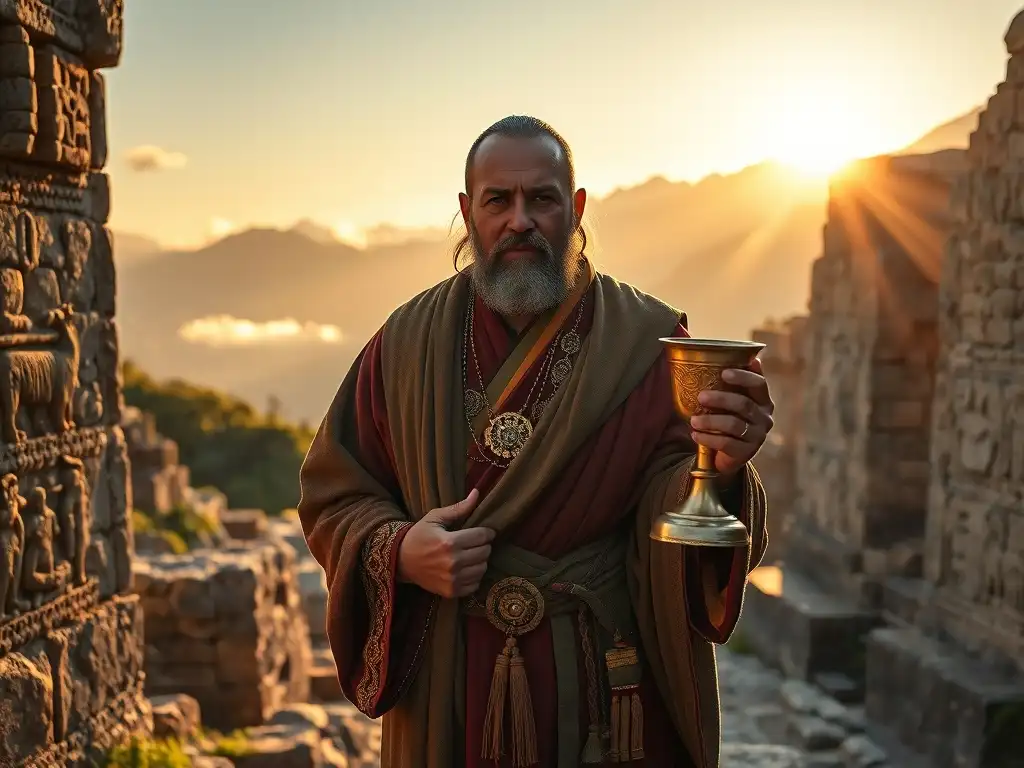
Inca priest duties and rituals were multifaceted and deeply ingrained in the fabric of Inca society. Their responsibilities extended far beyond simple prayer; they were vital intermediaries between the human and divine realms, shaping daily life and influencing major decisions. The intricate web of Inca religious practices required specialized knowledge and unwavering devotion.
Priests were not merely religious figures; they were also scholars, astronomers, and political advisors, wielding significant power and influence within the empire. Their understanding of the cosmos and the intricate workings of the Inca calendar shaped the agricultural cycle, political decisions, and the daily lives of the common people. The effectiveness of their rituals was believed to be directly tied to the well-being of the empire, making their role paramount to the Inca worldview.
The intricacies of their duties and the significance of their rituals are still being uncovered by archaeologists and historians today. The sheer variety of their responsibilities highlights the centrality of religion in Inca culture.
Daily Rituals and Offerings Performed by Inca Priests
Daily rituals performed by Inca priests involved a range of activities, from morning prayers and offerings to the sun god Inti, to the meticulous maintenance of sacred objects and temples. These daily routines were not simply personal acts of devotion; they were vital to maintaining the cosmic order and ensuring the continued prosperity of the empire.
Offerings, often consisting of coca leaves, chicha (a fermented corn beverage), and llama meat, were presented to deities and ancestors to appease them and ensure their continued favor. The priests meticulously followed prescribed procedures, ensuring the rituals were performed correctly to achieve the desired effect.
The precise details of many of these daily rituals remain somewhat obscure, but archaeological evidence and accounts from Spanish chroniclers offer glimpses into the devout nature of these practices and their importance in the daily life of the Inca people. The continuity of these daily rituals was considered crucial for the well-being of the empire.
Inca Priests' Role in Agricultural Ceremonies
Inca priests played a pivotal role in agricultural ceremonies, recognizing the crucial link between the success of the harvest and the favor of the gods. These ceremonies, often elaborate and involving large segments of the population, ensured the fertility of the land and the abundance of crops. Priests would lead processions, make offerings, and perform rituals aimed at encouraging a bountiful harvest. The timing of these ceremonies was carefully determined based on the Inca calendar and astronomical observations, ensuring they coincided with crucial points in the agricultural cycle.
The success of agriculture was not only essential for sustenance but also deeply intertwined with the Inca worldview, connecting the earthly realm with the divine. Agricultural ceremonies were a powerful demonstration of the priests' ability to influence the natural world through their religious practices. Failure of the harvest was often attributed to a lack of proper ritual observance.
The Significance of Sacrifices in Inca Religious Practices
Sacrifices held immense significance in Inca religious practices, representing a profound act of devotion and a way to maintain balance within the cosmos. While often associated with human sacrifice, which was reserved for specific occasions and typically involved captives of war, the vast majority of sacrifices involved offerings of llamas, other animals, and valuable objects. These offerings were seen as a way to appease the gods, gain their favor, and ensure the well-being of the community.
The act of sacrifice was a solemn and carefully orchestrated event, led by priests who understood the intricate symbolic meanings associated with each offering. The location, timing, and manner of the sacrifice were all significant factors, contributing to the overall effectiveness of the ritual. While the details of many sacrifices remain debated, their importance within the Inca religious system is undeniable.
Inca Priests and the Interpretation of Omens
Inca priests were skilled in interpreting omens, using natural phenomena and events to understand the will of the gods and anticipate future events. This involved observing the flight of birds, the patterns of stars, and natural occurrences such as earthquakes or unusual weather patterns. The interpretation of these omens greatly influenced political decisions, agricultural practices, and even daily life.
Priests meticulously recorded and analyzed these omens, using their knowledge to advise the Inca ruler and other members of the elite. Their ability to interpret omens was seen as a crucial skill, linking the spiritual and temporal realms and enabling the Inca to navigate the uncertainties of life. The accuracy of their interpretations was seen as a measure of their spiritual authority.
The Sacred Calendar and Inca Priest's Role in Observances
The Inca calendar, a complex system of tracking time and celestial events, was central to Inca religious life, and priests played a crucial role in its observance. Their knowledge of astronomy and their understanding of the calendar's intricate cycles allowed them to determine the auspicious times for ceremonies, agricultural activities, and other important events. The priests were responsible for maintaining the calendar and ensuring its accurate observance.
Deviation from the calendar's prescribed rituals was believed to disrupt the cosmic order and negatively impact the empire's well-being. This highlights the priest's crucial role in maintaining societal harmony and the empire's prosperity. The calendar was not merely a tool for tracking time but a sacred instrument that connected the Inca people to the cosmos.
Inca Temples and Sacred Sites: The Priests' Domain
Inca temples and sacred sites were the physical manifestations of Inca religious beliefs, and priests were their custodians and primary actors within them. These structures served as focal points for religious ceremonies, offerings, and the veneration of deities. Their design, location, and ornamentation reflected the sophisticated understanding of Inca cosmology and the symbolic significance of the natural world.
The priests were responsible for the maintenance and upkeep of these sacred spaces, ensuring their sanctity and their continued effectiveness as conduits to the divine realm. The temples' strategic placement, often on hilltops or overlooking important agricultural areas, further emphasized their role in connecting the earthly and spiritual realms.
The Importance of Temples in Inca Religious Life
The importance of temples in Inca religious life cannot be overstated. They were more than just buildings; they were living spaces where the divine and human realms intersected. Temples served as centers for ritual practices, offerings, and the veneration of deities. They were also places of storage for sacred objects and repositories of religious knowledge.
The construction of temples was a massive undertaking, requiring significant resources and labor, reflecting the high esteem in which religious practices were held. The temples' design and layout often mirrored the Inca worldview, reflecting their understanding of the cosmos and their relationship with the divine. The grandeur of these structures served as a potent symbol of Inca power and religious authority.
Sacred Locations and Their Connection to Inca Cosmology
Sacred locations throughout the Inca Empire held deep cosmological significance, representing points of connection between the earthly and spiritual realms. These sites, often located in geographically significant locations, were incorporated into the Inca worldview and played a crucial role in their religious practices. Priests were responsible for maintaining these sacred locations, ensuring their sanctity and their continued importance.
The connection between these sacred locations and Inca cosmology is evident in their design, their placement within the landscape, and their association with particular deities or ancestral spirits. The careful placement of these sites reflects a sophisticated understanding of the relationship between the human world and the cosmos. The significance of these locations extended far beyond their physical presence, shaping Inca beliefs and influencing their daily lives.
The Role of Inca Priests in Temple Administration
Inca priests played a vital role in the administration of Inca temples. Their responsibilities encompassed a wide range of tasks, including overseeing the maintenance of the temple structures, managing the temple's resources, and organizing religious ceremonies. They were responsible for the safekeeping of sacred objects and the preservation of religious knowledge.
The priests' administrative duties ensured the smooth functioning of the temples and their continued importance in Inca religious life. This administrative role highlights the priests’ practical skills and their influence beyond purely religious matters, showcasing their multifaceted responsibilities within Inca society. The efficient management of the temples was crucial for maintaining the continuity of religious practices and the empire's spiritual well-being.
Training and Selection of Inca Priests
The Process of Becoming an Inca Priest
The selection of Inca priests wasn't a matter of chance; it was a rigorous process involving careful observation and rigorous training. Potential priests were often identified at a young age, exhibiting qualities deemed essential for the role: piety, intelligence, and a strong moral compass. Families with a history of priestly service were often favored, creating a lineage of religious expertise.
However, exceptional individuals from other social strata could also be selected, demonstrating the Inca's appreciation for meritocracy within their religious system. The selection involved assessments of their character and aptitude, often through observation by existing priests and high-ranking officials. This initial selection was followed by years of dedicated training.
The Education and Knowledge Required for Inca Priesthood
Inca priests weren't simply religious figures; they were scholars and keepers of vast knowledge. Their education encompassed a wide range of subjects. They studied astronomy, meticulously tracking the movements of celestial bodies to predict agricultural cycles and religious festivals. They were also deeply versed in Inca mythology, history, and traditions, ensuring the preservation and accurate transmission of cultural heritage.
Extensive knowledge of medicinal plants and healing practices was also crucial, as priests often played a role in healthcare. Furthermore, they learned intricate rituals, prayers, and ceremonies, mastering the complex protocols of Inca religious practice. Their education was a lifelong pursuit, constantly building upon their existing knowledge. This extensive training prepared them for the multifaceted responsibilities of their roles.
The Social Status and Privileges of Inca Priests
Inca priests occupied a position of significant social prestige and held considerable influence within Inca society. They enjoyed a privileged lifestyle, often residing in state-sponsored housing near important temples and religious centers. They received regular provisions of food, clothing, and other necessities, ensuring their well-being and allowing them to dedicate their lives to religious service.
Their social standing often exempted them from certain obligations imposed on other members of society, such as military service or mita (labor tribute). This privileged status reflected the Inca's recognition of the vital role priests played in maintaining social harmony and the favor of the gods. The respect they commanded was evident in their interactions with both the common people and the Inca royalty.
The Inca Priest's Relationship with the Community
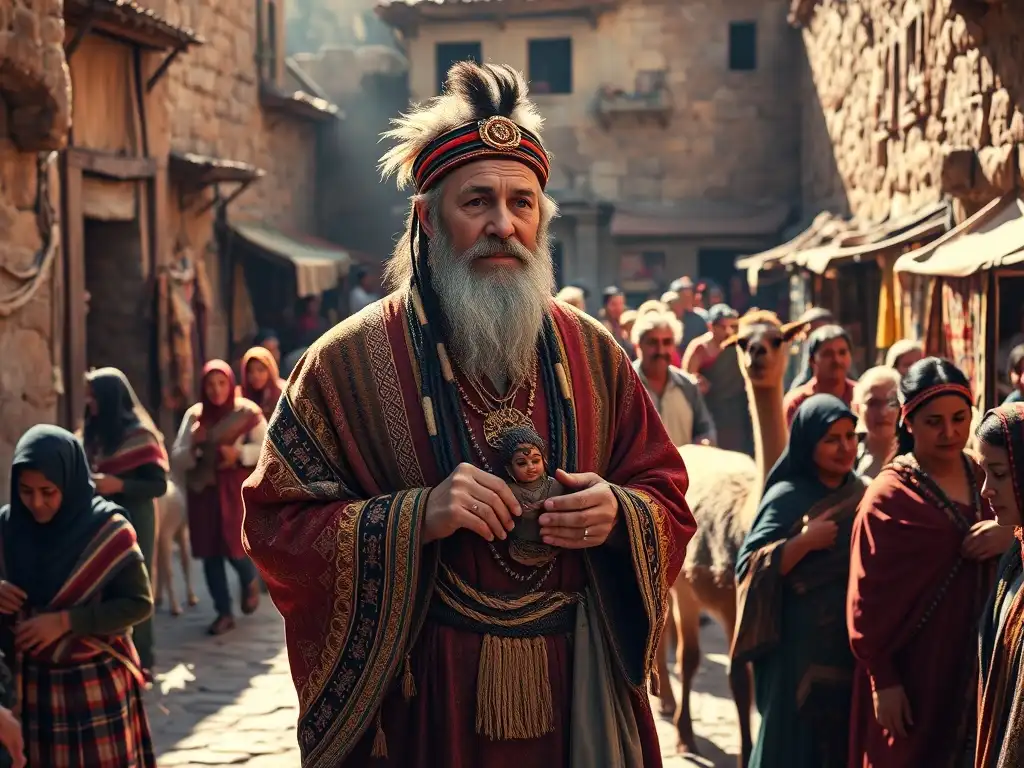
Inca Priests as Intermediaries between People and Gods
Inca priests served as vital intermediaries between the Inca people and their pantheon of gods. They weren't merely conduits for prayers; they actively interpreted divine will, offering guidance and explaining natural phenomena in a way that resonated with the community's understanding. They played a crucial role in maintaining a harmonious relationship between the human and spiritual realms. Their interpretations of omens, dreams, and natural events significantly influenced decision-making at both individual and community levels. Their pronouncements carried weight, impacting everything from agricultural practices to political decisions. This mediating role was fundamental to the Inca worldview.
The Influence of Inca Priests on Daily Life
The influence of Inca priests extended far beyond religious ceremonies. They were deeply involved in the daily lives of the Inca people. Their knowledge of astronomy helped determine the optimal times for planting and harvesting, ensuring agricultural success and food security. Their medical expertise provided essential healthcare services, treating illnesses and injuries.
They also played a role in resolving disputes and maintaining social order, leveraging their moral authority to mediate conflicts and promote harmony within communities. Their presence was a constant reminder of the importance of religious observance and adherence to Inca values. Their influence shaped the cultural landscape profoundly.
Inca Priests' Role in Maintaining Social Order
Inca priests played a crucial role in maintaining social order and stability within Inca society. Their moral authority and influence extended beyond religious matters. They often acted as advisors to rulers, offering guidance on political and social issues. They played a significant role in the administration of justice, using their position to promote fairness and resolve conflicts peacefully.
Their teachings emphasized the importance of community, cooperation, and respect for authority, reinforcing the social fabric of the empire. By promoting a sense of shared values and beliefs, they contributed to a relatively stable and orderly society. The priests' role was integral to the empire’s success. Their influence was a key factor in maintaining social cohesion.
The Legacy of Inca Priesthood
The Inca priesthood left an indelible mark on Andean religious traditions, shaping beliefs and practices that resonate even today. Their sophisticated understanding of astronomy, agriculture, and the natural world informed their rituals and worldview, fostering a deep connection between the Inca people and their environment. The legacy of their complex religious system is evident in the surviving ruins of temples, astronomical observatories, and sacred sites scattered throughout the Andes.
These structures, often built on mountaintops or in strategically significant locations, served as focal points for religious ceremonies and provided a tangible link to the spiritual realm. The intricate designs and symbolic representations found in Inca art and architecture further illustrate the profound influence of the priesthood on Inca culture and spirituality. Their meticulous record-keeping, using quipus (knotted cords) to track astronomical events, agricultural cycles, and genealogical lines, demonstrates their role in maintaining social order and continuity.
Even after the Spanish conquest, many aspects of Inca religious beliefs and practices persisted, blending with indigenous traditions and forming the basis for contemporary Andean spirituality. The survival of these elements points to the enduring power and influence of the Inca priestly class.
Influence of Inca Priests on Andean Religious Traditions
Inca priests significantly influenced the development and evolution of Andean religious traditions. Their centralized religious system, with its emphasis on the worship of the sun god Inti and other deities, unified diverse regional beliefs and practices under a common framework. While local deities and traditions continued to hold importance, the Inca priesthood integrated them into a broader cosmological system, creating a more cohesive religious landscape.
This syncretic approach allowed for the incorporation of pre-existing beliefs and practices, ensuring the continuity of cultural heritage while simultaneously reinforcing the power and authority of the Inca state. For example, the Inca's veneration of mountains and other natural features, a practice already present in many Andean communities, was formalized and incorporated into the official state religion.
This process of integration fostered a sense of shared identity and purpose among the diverse populations within the Inca Empire, contributing to political stability and social cohesion. The impact of Inca religious practices can still be observed in contemporary Andean communities, where many rituals and beliefs retain elements from the Inca religious system.
How Inca Priest's Practices Shaped Inca Culture
The practices of Inca priests profoundly impacted Inca culture, shaping various aspects of daily life, from agriculture and warfare to art and architecture. Their deep understanding of astronomy guided agricultural practices, ensuring optimal planting and harvesting times. This knowledge, carefully preserved and passed down through generations of priests, was essential for the Inca's success in cultivating crops at high altitudes.
Religious rituals also played a crucial role in military campaigns, providing soldiers with spiritual support and seeking divine favor for victory. Inca art and architecture reflect the priests' influence, with temples and other sacred structures showcasing intricate designs and symbolic representations reflecting their cosmological beliefs. The priests' role in interpreting omens and prophecies also affected political decision-making, shaping the Inca empire's expansion and governance.
Their knowledge of herbal remedies and healing practices contributed to the development of an advanced medical system. The intricate system of quipus, developed and maintained by priests, served not only as a record-keeping system but also as a tool for transmitting religious knowledge and maintaining social order. In essence, the priests played a pivotal role in shaping the very fabric of Inca society.
Conclusion: The Enduring Impact of Inca Priests
The Inca priesthood's enduring impact on Andean civilization is undeniable. Their influence extended far beyond religious practices, shaping social structures, political systems, and cultural expressions. The sophisticated religious system they developed, incorporating and unifying diverse regional beliefs, fostered a sense of unity and shared identity throughout the vast Inca Empire.
Their mastery of astronomy, agriculture, and medicine contributed to the empire's prosperity and resilience. The legacy of Inca priests is visible in the surviving architectural marvels, intricate artwork, and enduring religious practices found in contemporary Andean communities. Their meticulous record-keeping, using quipus, provides invaluable insights into their advanced understanding of the world and their profound influence on Inca society.
The story of the Inca priesthood serves as a testament to the powerful role religious institutions can play in shaping the course of a civilization. The Inca priests' influence continues to resonate in the cultural landscape of the Andes, a lasting legacy of their profound impact on Andean history and spirituality.
- Introduction to Inca Priests and Their Significance
- The Hierarchy of Inca Priesthood: From Low to High Ranking
- The High Priest: The Willaq Umu and His Responsibilities
- Lower-Ranking Inca Priests and Their Specialized Functions
- Inca Priest Duties and Rituals: A Closer Look
- Inca Temples and Sacred Sites: The Priests' Domain
- Training and Selection of Inca Priests
- The Inca Priest's Relationship with the Community
- The Legacy of Inca Priesthood
- Conclusion: The Enduring Impact of Inca Priests
Frequently Asked Questions
What were the main duties of an Inca priest?
Inca priests held a vital role, acting as intermediaries between the divine and human worlds. Their duties included performing religious rituals, offering sacrifices, and interpreting omens and prophecies. They also oversaw important ceremonies and festivals.
What types of rituals did Inca priests perform?
Inca priests performed a wide variety of rituals, from daily offerings to the sun god Inti to elaborate ceremonies involving human sacrifice (though less frequent than often depicted). These rituals aimed to ensure fertility, abundance, and the well-being of the Inca Empire.
How were Inca priests chosen or trained?
Selection often involved hereditary lines, with sons inheriting their father's positions. Others were chosen based on demonstrated piety and spiritual abilities. Extensive training focused on religious texts, rituals, and astronomical knowledge.
What was the significance of the sun god Inti in Inca priestly practices?
Inti, the sun god, was central to Inca religion. Priests devoted much of their time to worshipping Inti, ensuring his favor through offerings and sacrifices. Their actions aimed to maintain the sun's life-giving power.
What role did astronomy play in the life of an Inca priest?
Astronomy was deeply intertwined with Inca religion. Priests were skilled astronomers, using their knowledge to track celestial events and predict agricultural cycles. This information was crucial for religious ceremonies and the planning of agricultural activities.
Final Reflection: Echoes of the Andes: The Enduring Legacy of the Inca Priest
The intricate relationship between the Inca people and their divine world, mediated by the powerful role of the priest, remains profoundly relevant today. Understanding their duties and rituals offers a crucial lens through which to examine the enduring human need to connect with something greater than ourselves, a need that transcends time and culture. The sophisticated cosmology and spiritual practices of the Inca continue to fascinate and inspire, prompting us to reconsider our own relationship with spirituality and the natural world.
The Inca priest's influence extended far beyond the temple walls; their role shaped the very fabric of Inca society, impacting everything from agriculture and governance to daily life and artistic expression. Their deep understanding of the cosmos and their ability to interpret its signs profoundly influenced the Inca worldview. The Inca priest was not merely a religious figure, but a vital component of the social and political order, a conduit between the human and divine realms.
This quote highlights the multifaceted nature of their position and its lasting impact on our understanding of ancient Andean civilization. Their legacy compels us to acknowledge the interconnectedness of spirituality, society, and the environment, a lesson particularly pertinent in our modern, often fragmented world.
Consider the profound implications of the Inca priest's role. How can we, in our own lives, cultivate a deeper connection with the world around us and the forces that shape our existence? What rituals or practices can we adopt to foster a sense of meaning and purpose, mirroring the dedication and devotion of the Inca priests? Let the echoes of the Andes resonate within you, inspiring a journey of self-discovery and a renewed appreciation for the enduring power of spiritual connection.
**Embrace the Spirit of the Ancients! **
Thank you for exploring the fascinating role of priests in Inca civilization. You've uncovered the profound connection between spirituality and societal structure, gaining valuable insights into the enduring influence of these ancient traditions. Now, let's delve even deeper!
Here are some exciting ways to further explore this captivating topic:
- **Participate in a local workshop or community event** focused on Andean spirituality to experience the practices and rituals firsthand.
- **Share your newfound knowledge** with friends, family, or online communities—spark a conversation about the rich spiritual heritage of the Incas.
- **Visit a museum or cultural center** dedicated to Andean civilizations and explore the artifacts that vividly illustrate the lives and beliefs of these ancient priests.
Which aspect of Inca spirituality resonates most with you, and how might you integrate it into your daily life? We'd love to hear your thoughts below!