
Beyond the Gold: Pizarro's True Motives in the Andean Conquest

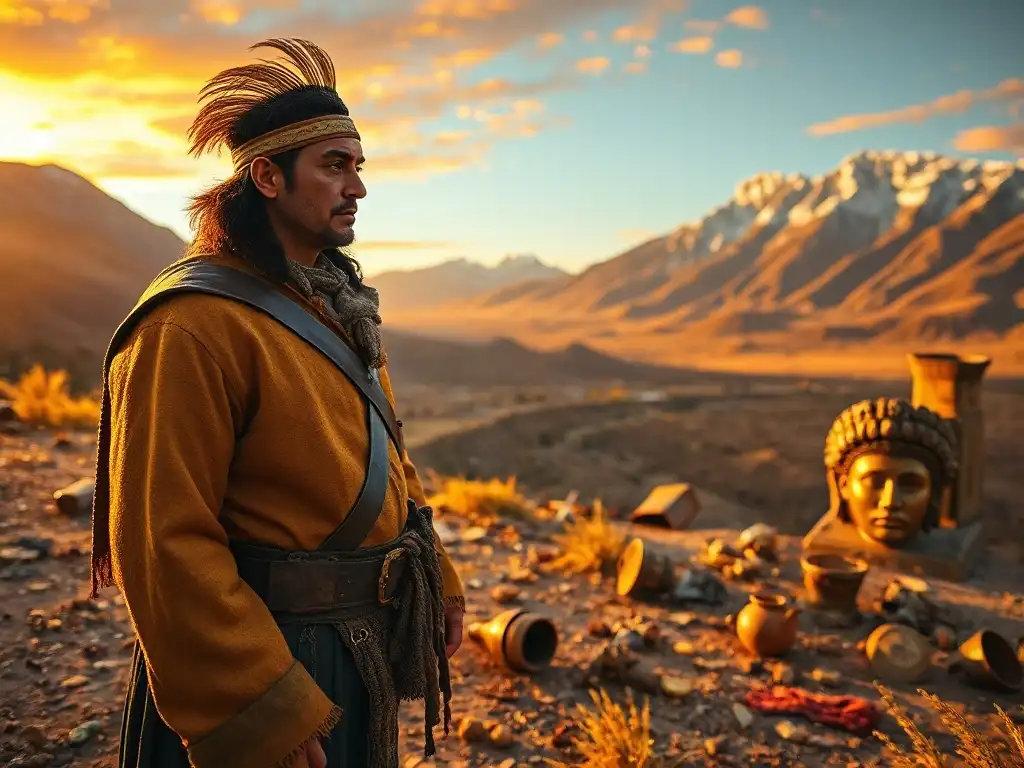
Welcome to Andean Civilizations, where the echoes of empires whisper from the mountains. Prepare to journey beyond the glittering gold and delve into the complex tapestry of ancient Andean societies. What truly drove Pizarro's relentless conquest? Uncover the hidden motives behind his campaign in our revealing exploration of " Pizarro's motives Andean conquest"—a story far richer and more intricate than the legends suggest. Dare to uncover the truth...
- Pizarro's Motives Andean Conquest: Beyond the Gold
- The Allure of Gold and Initial Expeditions to the Andes
- The Complex Web of Pizarro's Ambitions
- Strategic and Political Considerations in the Andean Conquest
- The Economic Imperatives Driving Pizarro's Conquest
- The Legacy of Pizarro's Actions and His True Intentions
-
Frequently Asked Questions
- What were Pizarro's primary motives for conquering the Andes?
- How did Pizarro's ambition influence his conquest strategy?
- What role did the Spanish Crown play in Pizarro's conquest?
- Were there any internal factors within the Inca Empire that aided Pizarro's conquest?
- How did Pizarro's conquest impact the Andean civilizations?
- Final Reflection: Unmasking the Legacy of Conquest
- Unveil the Hidden Motives of Conquest!
Pizarro's Motives Andean Conquest: Beyond the Gold
The Spanish conquest of the Inca Empire, a pivotal moment in Andean history, is often simplified to a narrative driven solely by the lust for gold. While the allure of riches undoubtedly played a significant role in Francisco Pizarro's expedition, a deeper examination reveals a far more complex tapestry of motives woven into the fabric of the conquest.
This article delves beyond the glittering surface of gold, exploring the multifaceted ambitions that fueled Pizarro's relentless pursuit of the Inca Empire, impacting not only the fate of the Andes but shaping the course of global history. We will analyze the economic, political, and religious factors that propelled Pizarro and his conquistadors, challenging the simplistic notion that greed alone defined their actions.
Understanding these complex motivations provides a more nuanced and accurate perspective on this transformative historical event, allowing us to appreciate the devastating consequences of the conquest and its enduring legacy on Andean societies. The keyword "Pizarro's motives Andean conquest" will be explored through various lenses, revealing a story far richer and more intricate than commonly portrayed.
The Allure of Gold and Economic Gain
The sheer abundance of gold in the Inca Empire was undeniably a powerful magnet for Pizarro and his men. Chronicles of the time depict staggering quantities of gold and silver adorning temples, palaces, and even everyday objects. However, the desire for gold transcended mere personal enrichment.
The Spanish Crown heavily incentivized expeditions to the New World, promising substantial rewards to those who succeeded in acquiring precious metals. The economic system of Spain at the time was heavily reliant on gold and silver to fuel its burgeoning empire and burgeoning mercantilist economy. Pizarro's success was not just about his personal wealth, but also about fulfilling the Crown's expectations and securing his place within the Spanish hierarchy.
The sheer volume of gold and silver plundered from the Inca Empire significantly boosted the Spanish economy, fueling further exploration and expansion in the Americas. This economic dimension is crucial to understanding the sustained drive behind the conquest.
Religious Zeal and the Spread of Christianity
Beyond economic motivations, religious fervor played a significant role in driving the conquest. The Spanish conquistadors viewed their mission as a divinely ordained task – the spread of Christianity to the "heathen" populations of the Americas. The Inca religion, with its complex pantheon of gods and sophisticated rituals, was seen as a threat to the Catholic faith.
The destruction of Inca temples and the forced conversion of the indigenous population were integral parts of the conquest strategy. This ideological justification provided a moral dimension to the violence and exploitation inflicted upon the Inca people, allowing the conquistadors to rationalize their actions as a righteous crusade. This religious zeal, a powerful force in 16th-century Europe, provided an additional layer of motivation that fueled the relentless advance of the Spanish armies.
Political Ambition and the Pursuit of Power
The conquest was not solely driven by economic gain or religious zeal; it was also a quest for personal power and glory. Pizarro, a relatively obscure figure before his expedition, aspired to achieve wealth, fame, and influence within the highly competitive world of Spanish colonial society. The conquest of the Inca Empire presented an unparalleled opportunity to achieve these ambitions.
By conquering such a vast and wealthy empire, Pizarro could dramatically elevate his social standing and secure a position of immense power and influence within the Spanish colonial administration. His ruthless ambition, coupled with his cunning and strategic skills, played a crucial role in his success. The conquest was therefore a powerful tool for personal advancement and political maneuvering within the complex power dynamics of the Spanish colonial system.
Strategic and Military Considerations
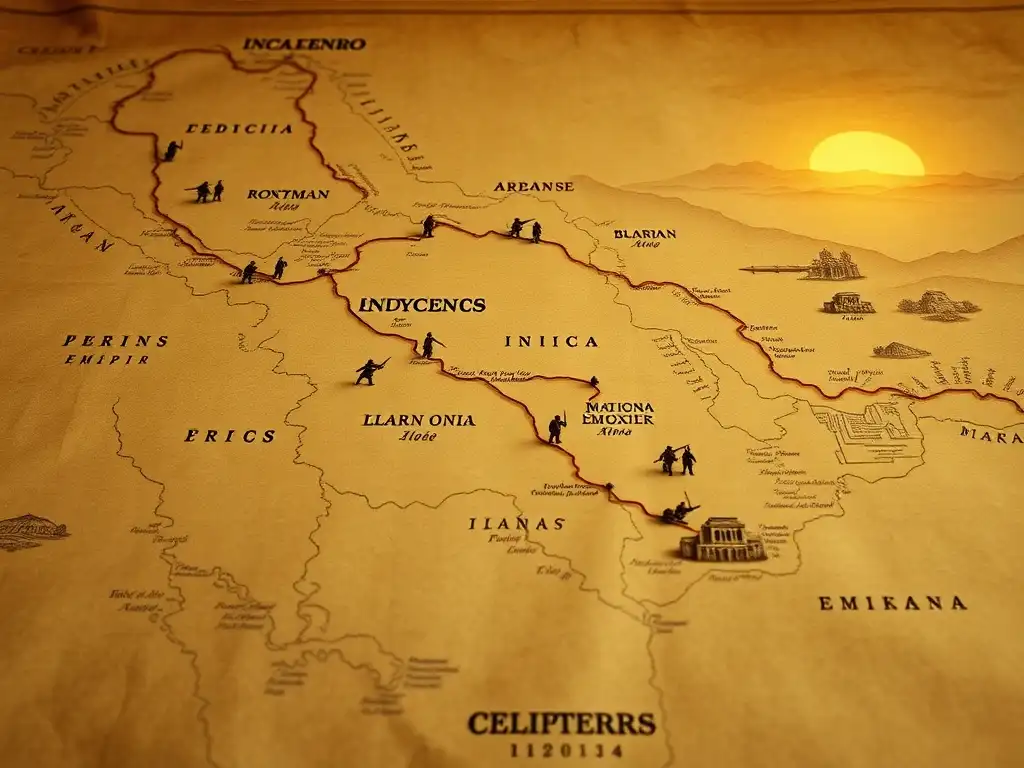
The success of Pizarro's conquest was not solely due to blind ambition; it also relied on strategic planning and military prowess. Pizarro meticulously studied the Inca Empire's political landscape, exploiting internal divisions and rivalries to his advantage. He used superior weaponry and tactics to overcome the Inca army, employing strategies of deception and surprise to achieve victory.
The strategic use of horses, steel weapons, and firearms played a crucial role in the conquest's success, highlighting the technological disparity between the Spanish and Inca forces. These military advantages, combined with Pizarro's shrewd understanding of Inca politics and social structure, contributed significantly to the conquest's success. The strategic element is a crucial counterpoint to the simplistic narrative of unbridled greed.
The Legacy of Pizarro's Motives
The multifaceted motives behind Pizarro's conquest of the Inca Empire left a profound and enduring legacy on the Andean region. The extraction of vast quantities of gold and silver enriched Spain but simultaneously devastated the Inca economy and society. The imposition of Christianity led to the suppression of Inca religious practices and the destruction of cultural heritage.
The political power consolidated by Pizarro and his successors created a new colonial order that fundamentally reshaped Andean societies. Understanding these intertwined factors provides a more comprehensive understanding of the long-term consequences of the conquest, allowing for a more nuanced analysis of its impact on the Andean world and its enduring legacy. The lasting effects of Pizarro’s actions continue to resonate today, underscoring the importance of understanding the complex interplay of motives that shaped this pivotal historical event.
The Allure of Gold and Initial Expeditions to the Andes

The common narrative surrounding Francisco Pizarro's conquest of the Inca Empire often centers on the overwhelming desire for gold. While undoubtedly a significant motivator, reducing Pizarro's ambitions solely to avarice presents an incomplete picture. Understanding Pizarro's true motives requires examining the broader context of early Spanish exploration in the Americas and the specific circumstances that fueled his relentless pursuit of the Inca Empire.
The allure of gold was undeniably powerful, acting as a potent catalyst, but it intertwined with other factors – ambition, religious zeal, and the competitive spirit of the conquistadors – to shape his actions. The sheer scale of Inca wealth, rumored to be beyond comprehension, fueled the imaginations of Spanish explorers, transforming the Andes into a mythical land of untold riches. This perception, amplified by earlier expeditions and encounters with less advanced societies, played a crucial role in shaping Pizarro's plans.
Early Spanish Exploration and the Lure of Riches
Early Spanish expeditions along the South American coastline provided tantalizing glimpses of the Inca's advanced civilization and their vast wealth. Reports of sophisticated goldwork, intricate textiles, and abundant agricultural resources fueled the ambitions of subsequent expeditions. These early explorations, while often fraught with hardship and setbacks, served as invaluable intelligence, mapping potential routes and highlighting the potential rewards of a successful conquest.
The accounts of earlier explorers, though sometimes exaggerated, painted a picture of a vulnerable empire ripe for the taking. This information, combined with the ever-present lure of gold and the promise of personal glory, acted as a powerful magnet for ambitious conquistadors like Pizarro.
The sheer scale of the potential riches, coupled with the perceived weakness of the Inca, created a compelling narrative that justified the immense risks involved. Early encounters with less sophisticated indigenous groups also provided experience and a sense of Spanish superiority, further reinforcing their belief in their ability to conquer the Inca.
Pizarro's Initial Voyages and Encounters with Andean Peoples
Pizarro's own early voyages along the South American coast were marked by a combination of exploration, resource gathering, and strategic maneuvering. These voyages weren't simply treasure hunts; they involved careful observation of the Andean landscape, the indigenous populations, and their political structures. His initial encounters with various Andean peoples provided crucial insights into the Inca Empire's strengths and weaknesses.
While these early interactions might have involved brutality and exploitation, they also allowed Pizarro to gather vital information about Inca customs, military capabilities, and internal conflicts. This knowledge, gained through observation and sometimes through less-than-ethical means, proved invaluable in planning his later, more decisive campaigns. Analyzing the details of these early interactions, we see that Pizarro wasn't simply driven by a lust for gold; he was a pragmatic strategist who meticulously gathered intelligence to maximize his chances of success.
His meticulous planning and ability to exploit internal divisions within the Inca empire were key factors in his eventual triumph. The initial voyages, therefore, weren’t just about finding gold; they were about gathering the information necessary to conquer the Inca Empire.
The Complex Web of Pizarro's Ambitions

Pizarro's conquest of the Inca Empire wasn't solely driven by a lust for gold, a narrative often oversimplified in historical accounts. Understanding Pizarro's motives requires a nuanced look at the intertwined factors that fueled his ambition and shaped his actions. While the allure of riches undoubtedly played a significant role, a deeper analysis reveals a more complex picture involving personal aspirations, royal mandates, and religious zeal.
This section delves into these interwoven elements to provide a more comprehensive understanding of Pizarro's motivations in the Andean conquest. The keyword phrase "Pizarro's motives Andean conquest" will be explored through this multifaceted lens.
Beyond Gold: Pizarro's Personal Aspirations for Power and Status
Pizarro, a man of humble origins, harbored immense ambitions far exceeding mere wealth accumulation. His relentless pursuit of power and prestige was a driving force behind his actions. He craved the recognition and social standing that success in the New World could provide.
The conquest presented an opportunity to escape his relatively low position in Spanish society and achieve a level of influence and authority previously unimaginable. This ambition was fueled by his experiences in earlier expeditions, where he witnessed the vast resources and potential power available in the Andean region. His determination to surpass his contemporaries, particularly those who had achieved success in the Caribbean, significantly contributed to his aggressive pursuit of the Inca Empire.
He wasn't just seeking gold; he was seeking glory, and the Inca Empire represented the ultimate prize. His ruthless tactics, while undeniably brutal, were a direct reflection of this intense personal drive for power and the recognition that came with it. The conquest was a means to an end: the elevation of his social standing and the establishment of a powerful legacy.
The Role of the Spanish Crown and Royal Mandates in Pizarro's Decisions
The Spanish Crown played a crucial, albeit often overlooked, role in shaping Pizarro's actions. Royal mandates and the promise of rewards, both material and political, heavily influenced his decision-making process. The Crown's desire to expand its influence and control over the New World provided the legal and ideological framework for the conquest.
Pizarro’s expeditions were not entirely independent ventures; they operated within the context of royal patronage and the established system of encomiendas. The potential for acquiring vast wealth for the Crown, coupled with the expansion of the Spanish Empire, justified the considerable risks and resources invested in the conquest. While Pizarro acted with a degree of autonomy, his actions were always subject to, and ultimately dependent upon, the approval and support of the Spanish monarchy.
The royal grants and privileges he received reinforced his commitment to the endeavor and provided him with the necessary legitimacy to pursue his ambitious goals. This symbiotic relationship between Pizarro's personal ambition and the Crown's strategic objectives is critical to understanding the complexities of the Andean conquest.
The Influence of Religious Zeal and the Spread of Christianity
Religious zeal, often intertwined with the desire for wealth and power, also played a significant role in motivating Pizarro and his men. The conquest was presented as a divinely ordained mission to convert the indigenous population to Christianity. The belief in the superiority of the Catholic faith and the desire to spread it to the "uncivilized" lands of the New World provided a moral justification for the conquest, even amidst the brutality.
This religious fervor fueled the conquistadors' commitment to their mission, providing a spiritual dimension to their material ambitions. The conversion of the Inca population was seen as a crucial aspect of subduing their empire, both spiritually and politically. The destruction of Inca religious practices and the imposition of Christianity were integral aspects of the colonial project, reflecting the deep-seated religious convictions of the Spanish conquistadors.
The narratives surrounding the conquest often emphasized the religious aspect, further solidifying the belief in the righteousness of their actions in the eyes of the Spanish Crown and the broader European context. This religious dimension is crucial in understanding the broader motivations behind Pizarro's actions and the lasting impact of the conquest on the Andean region.
Strategic and Political Considerations in the Andean Conquest
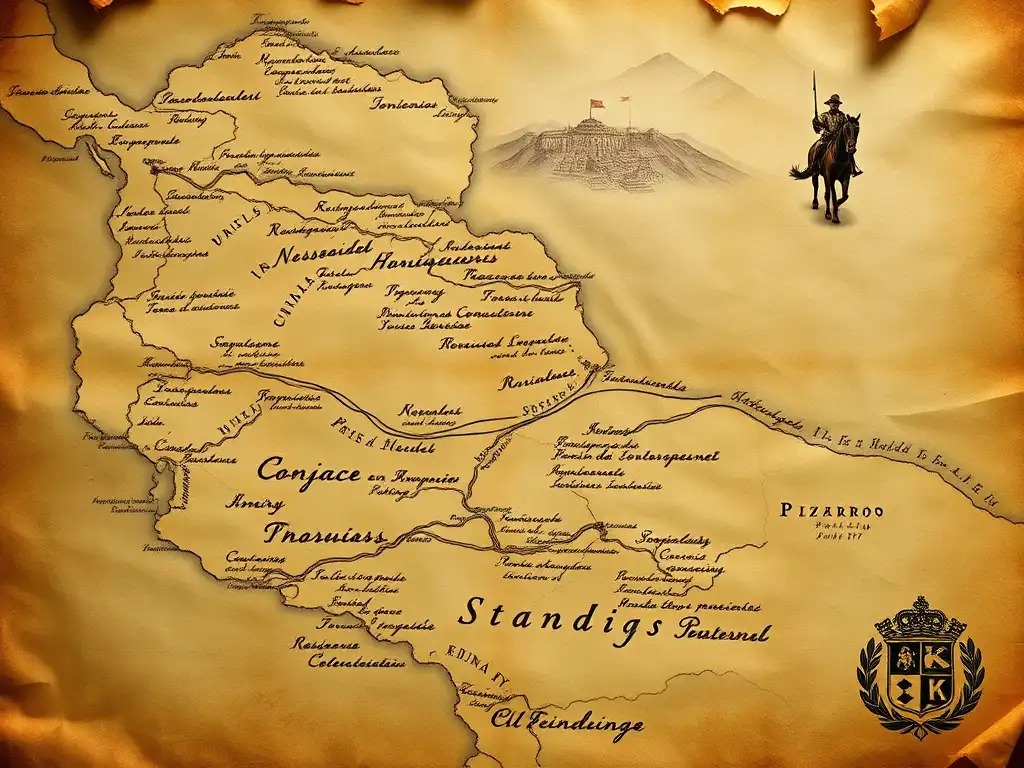
This section delves into the strategic and political calculations that underpinned Pizarro's conquest of the Inca Empire, moving beyond the simplistic narrative of mere greed for gold. Understanding Pizarro's motives requires analyzing his keen awareness of the political landscape and the military advantages he possessed. The conquest wasn't solely a matter of brute force; it was a calculated campaign exploiting vulnerabilities and leveraging opportunities. Pizarro's success hinged on a complex interplay of political maneuvering and military prowess, skillfully employed to overcome a seemingly insurmountable challenge. The keyword phrase "Pizarro's motives Andean conquest" is central to this analysis.
Exploiting Internal Conflicts within the Inca Empire
Pizarro's success was significantly facilitated by the pre-existing internal strife within the Inca Empire. The death of Huayna Capac in 1527, followed by a succession crisis between his sons Huáscar and Atahualpa, plunged the empire into a devastating civil war. This internal conflict weakened the Inca military significantly, fracturing their power base and diverting resources away from defense.
Pizarro, through astute observation and intelligence gathering, recognized this vulnerability. He shrewdly exploited the ongoing conflict, manipulating the warring factions against each other and strategically aligning himself with whichever group offered the most immediate tactical advantage. This wasn't simply opportunistic; it was a calculated strategy to minimize resistance and maximize the chances of a successful invasion.
The resulting chaos within the Inca hierarchy significantly diminished their ability to mount a unified and effective defense against the Spanish conquistadors. This internal fracturing, more than any single military engagement, paved the way for Pizarro's conquest. One could argue that Pizarro's understanding of the Inca's political instability was as crucial as his military strategy.
The Strategic Advantage of Superior Military Technology and Tactics
While internal Inca conflicts played a crucial role, Pizarro also possessed a decisive military advantage. The Spanish conquistadors brought with them superior weaponry and tactical strategies. Steel swords, firearms (arquebuses and cannons), and horses provided an overwhelming advantage against the Inca army, equipped primarily with bronze weapons and lacking the mobility of cavalry. The impact of this technological disparity cannot be understated.
The psychological effect of firearms alone was immense, striking fear and disarray into the Inca ranks. Furthermore, Spanish military tactics, honed through years of warfare in Europe, were far more sophisticated than those of the Inca. They employed disciplined formations, effective siege warfare techniques, and efficient logistics, all contributing to their battlefield superiority.
This wasn't merely a clash of armies; it was a clash of civilizations with vastly different technological capabilities and military doctrines. The Spanish advantage wasn't just in the weapons themselves; it was in their combined effectiveness and strategic deployment. Analyzing the specific technological and tactical differences illuminates Pizarro's calculated approach to the conquest.
Forming Alliances with Local Indigenous Groups
Pizarro's strategy extended beyond military might and the exploitation of internal Inca conflicts. He actively sought alliances with various indigenous groups who resented Inca rule. Many local populations, subjugated under the Inca empire, saw the Spanish arrival as an opportunity to overthrow their oppressors.
Pizarro skillfully used propaganda and promises of liberation to gain their support, leveraging these alliances to bolster his forces and gain crucial intelligence. These alliances provided crucial manpower, logistical support, and invaluable insights into Inca defenses and strategies. This network of indigenous allies proved instrumental in numerous battles, providing essential guidance and assistance that significantly tipped the balance of power in favor of the Spanish.
The successful cultivation of these alliances demonstrates Pizarro's political acumen and his understanding that the conquest was not simply a military operation but a complex political endeavor requiring strategic partnerships. This nuanced approach highlights the multifaceted nature of Pizarro's motives, extending beyond simple conquest to include political maneuvering and the exploitation of existing power dynamics.
The Economic Imperatives Driving Pizarro's Conquest
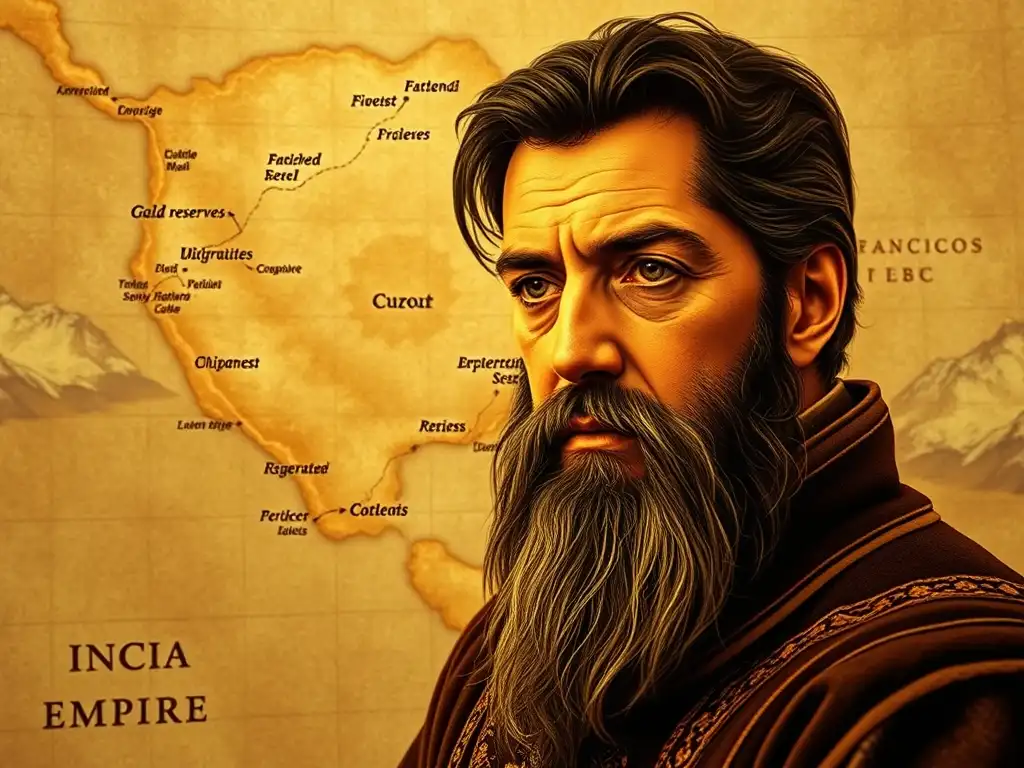
Pizarro's conquest of the Inca Empire wasn't solely a military endeavor; it was profoundly driven by economic imperatives. The lure of untold riches, fueled by rumors of immense gold and silver reserves, undoubtedly played a significant role. However, the economic motivations extended far beyond a simple thirst for precious metals.
Understanding Pizarro's true motives requires a nuanced examination of the prevailing economic systems of the time and the opportunities presented by the conquest of the Andes. The sheer scale of the Inca Empire, its sophisticated agricultural practices, and its vast human resources presented an irresistible opportunity for Spanish expansion and exploitation. This section will delve into the key economic factors that fueled Pizarro's ambition and shaped the brutal realities of the conquest.
The Quest for New Territories and Resources
The Spanish Crown, facing financial strains and a burgeoning population, actively sought new territories and resources to bolster its power and wealth. The discovery of the Americas had already sparked a wave of exploration and conquest, driven by the desire for precious metals and new trade routes. Pizarro's expedition, while privately funded initially, benefited from this broader context.
The promise of vast, untapped resources in the Andes – gold, silver, but also land for agriculture and potential new trade routes – directly aligned with the Spanish Crown's economic objectives. The potential for establishing profitable encomiendas, a system of forced labor, further incentivized the conquest. Early reports of Inca wealth, exaggerated as they may have been, fueled the ambition not only of Pizarro but of his investors and the Crown itself.
The sheer size of the Inca Empire, its established infrastructure, and its rich agricultural potential made it an incredibly valuable prize. This quest for new territories and resources was a critical component of Pizarro's overall motivations.
The Economic System of Encomiendas and Its Impact
The encomienda system played a pivotal role in shaping Pizarro's economic motivations. This system, granted by the Spanish Crown, allowed conquistadors to extract labor and tribute from indigenous populations in exchange for ostensibly providing protection and Christian instruction. In reality, it was a thinly veiled system of forced labor and exploitation.
The potential for establishing vast encomiendas in the Inca Empire was a major lure for Pizarro and his men. The sheer scale of the Inca population meant a potentially enormous workforce available for mining, agriculture, and other labor-intensive activities. The promise of accumulating wealth through this system significantly outweighed the risks associated with the conquest.
The encomienda system, while initially intended to be temporary, became a deeply entrenched institution, profoundly impacting the Andean economy and causing immense suffering for the indigenous population. The establishment of such a system was a key economic driver behind Pizarro's actions. The system's inherent flaws and its brutal consequences are well documented, leaving a lasting legacy of social and economic inequality in the region.
The Exploitation of Indigenous Labor and Resources
The exploitation of indigenous labor and resources was the ultimate economic outcome of Pizarro's conquest. The Inca's sophisticated agricultural systems, their extensive network of roads, and their established mining practices were all co-opted and exploited by the Spanish. Indigenous populations were forced to work in mines, extracting silver and gold under brutal conditions.
Agricultural lands were seized, and indigenous farmers were forced to cultivate crops for the benefit of the Spanish colonists. The Inca's intricate system of mita, a form of rotational labor service, was adapted and abused by the Spanish to extract maximum labor output. The brutal conditions led to widespread death and suffering among the indigenous population.
The sheer scale of this exploitation, driven by the insatiable greed for wealth, constitutes a crucial aspect of Pizarro's economic motivations. The systematic plunder of the Inca Empire's resources and the brutal enslavement of its people were inextricably linked to the economic goals of the conquest, demonstrating the dark side of Pizarro's ambitions. The long-term consequences of this exploitation continue to shape the economic and social landscape of the Andes today.
The Legacy of Pizarro's Actions and His True Intentions
The conquest of the Inca Empire by Francisco Pizarro remains a deeply controversial topic, even centuries later. While often simplified to a narrative of gold-hungry conquistadors, a deeper analysis reveals a more complex interplay of factors driving Pizarro's actions. Understanding Pizarro's motives requires moving beyond the simplistic narrative of greed and exploring the multifaceted political, economic, and religious ambitions that fueled the conquest.
The legacy of his actions continues to shape Peru and other Andean nations to this day, impacting their social structures, economies, and cultural identities. The lasting effects are profound and far-reaching, prompting ongoing discussions about historical responsibility and the ethical implications of colonization.
The Lasting Impact of the Conquest on Andean Societies
The Spanish conquest, spearheaded by Pizarro, irrevocably altered the course of Andean societies. The pre-Columbian social structures, characterized by sophisticated agricultural systems and centralized governance, were dismantled. The Inca Empire's intricate network of roads and administrative systems was replaced by a colonial structure designed to extract resources and consolidate Spanish power. The introduction of new diseases, like smallpox, decimated the indigenous population, leading to dramatic demographic shifts and societal upheaval.
This demographic collapse profoundly impacted Andean culture, leading to the loss of traditional knowledge, practices, and languages. The imposition of Christianity and the suppression of indigenous religious beliefs further disrupted the cultural fabric of Andean societies. The effects of this cultural disruption are still felt today, evident in the ongoing efforts to preserve and revitalize indigenous languages and traditions. The economic impact was equally devastating.
The Inca’s sophisticated agricultural and economic systems were replaced by a system designed to serve the Spanish crown, leading to exploitation and economic dependence that persisted for centuries. The legacy of Pizarro's actions, therefore, is not solely one of conquest but one of profound and lasting societal transformation. Many scholars argue that the consequences of Pizarro's actions still negatively impact the social and economic fabric of modern-day Peru.
Analyzing Pizarro's True Motives: A Multifaceted Perspective
While the allure of gold undoubtedly played a significant role, Pizarro's motives were far more complex than simple avarice. His expedition was driven by a confluence of factors, including personal ambition, the desire for wealth and power, and the fervent religious zeal characteristic of the Spanish conquistadors. The quest for gold provided the immediate incentive, but it was intertwined with a broader ambition to expand the Spanish empire and spread Christianity. Pizarro’s letters and accounts reveal a relentless drive for personal glory and advancement within the Spanish hierarchy.
He meticulously documented his achievements, highlighting his military prowess and his ability to overcome obstacles. This suggests a strong personal ambition beyond simple financial gain. Furthermore, the Crown’s support, albeit often reluctant, indicates a shared interest in the acquisition of resources and the expansion of Spanish influence in the Americas.
The religious dimension is undeniable; the conquest was framed as a holy mission to convert the indigenous population to Christianity, justifying the violence and subjugation that followed. Therefore, analyzing Pizarro's motives requires a nuanced understanding of the complex interplay between personal ambition, imperial designs, and religious fervor. It was not simply a quest for gold, but a multifaceted pursuit of power, wealth, and religious dominance.
Reassessing the Historical Narrative and Pizarro's Place in History
The traditional narrative often portrays Pizarro as a ruthless conqueror driven solely by greed. However, a more critical reassessment of available historical sources reveals a more complex and multifaceted individual. While undeniably brutal, Pizarro was also a skilled strategist and a shrewd negotiator, demonstrating adaptability and resilience in the face of adversity. His success stemmed not only from military might but also from his ability to exploit existing tensions within the Inca Empire and forge alliances with indigenous groups.
Understanding Pizarro requires moving beyond simple moral judgments and acknowledging the complexities of the historical context. The historical narrative needs to incorporate the perspectives of the indigenous populations, whose voices were often silenced or marginalized in traditional accounts. This requires a critical examination of primary and secondary sources, acknowledging biases and limitations.
The current reassessment of Pizarro's role necessitates a move towards a more inclusive and nuanced understanding, acknowledging the devastating consequences of the conquest while appreciating the strategic and political dimensions of his actions. His place in history remains highly contested, a testament to the enduring legacy of his actions and the ongoing debate surrounding the interpretation of the Andean conquest. The true impact of Pizarro’s actions, both positive and negative, requires continuous study and re-evaluation to provide a more complete understanding of this pivotal moment in history.
Frequently Asked Questions
What were Pizarro's primary motives for conquering the Andes?
While gold and silver were significant incentives, Pizarro's motives were multifaceted. He sought personal glory, wealth, and land, driven by ambition and the desire to establish a powerful legacy. Religious zeal and the desire to spread Christianity also played a role.
How did Pizarro's ambition influence his conquest strategy?
Pizarro's ruthless ambition fueled his strategic decisions. He employed deception and violence, exploiting internal conflicts within the Inca Empire to maximize his advantage and minimize casualties among his own men. Superior weaponry and tactics also contributed to his success.
What role did the Spanish Crown play in Pizarro's conquest?
The Spanish Crown authorized and supported Pizarro's expedition, albeit indirectly at times. They provided legal frameworks and backing for his actions, although the extent of their direct involvement remains a subject of debate among historians. The lure of new territories and resources for the crown was a powerful motivator.
Were there any internal factors within the Inca Empire that aided Pizarro's conquest?
Yes, internal strife and succession disputes within the Inca Empire significantly weakened it, providing a crucial advantage to Pizarro. The civil war following Huayna Capac's death left the empire vulnerable and fractured, facilitating its conquest.
How did Pizarro's conquest impact the Andean civilizations?
Pizarro's conquest resulted in the destruction of the Inca Empire and a devastating impact on Andean societies. It led to massive loss of life, cultural disruption, the introduction of new diseases, and the exploitation of the indigenous population through the encomienda system.
Final Reflection: Unmasking the Legacy of Conquest
The insatiable greed for gold often overshadows the complex web of motivations driving historical events, and Pizarro's conquest of the Inca Empire is a prime example. While the glittering allure of Andean riches undeniably played a significant role, a deeper examination reveals a tapestry woven with threads of personal ambition, religious zeal, and the brutal realities of early modern European expansionism. Understanding these multifaceted motives is crucial not only to comprehending the past but also to confronting the enduring legacies of colonialism that continue to shape our world today.
The conquest's impact reverberates through centuries, shaping the political, social, and cultural landscape of South America. The enduring inequalities, the fractured identities, and the persistent struggle for self-determination all bear the indelible mark of Pizarro's actions and the ideologies that fueled them. History is not a burden to be borne, but a light to guide us.
This quote underscores the importance of understanding Pizarro's true motives, not to judge him by modern standards, but to learn from the past and prevent similar atrocities from happening again. The legacy of this conquest serves as a stark reminder of the devastating consequences of unchecked ambition and the enduring need for critical analysis of power structures.
You, the reader, are now equipped with a more nuanced understanding of Pizarro's conquest. Consider the complexities of motivation, the far-reaching consequences of actions, and the importance of critically examining historical narratives. Reflect on how the pursuit of power and wealth, often cloaked in religious or nationalistic justifications, can lead to devastating consequences. Let the story of Pizarro serve not as a celebration of conquest, but as a cautionary tale, inspiring you to engage with history critically and to actively work towards a more just and equitable future.
Thank you for exploring the intricate tale of Pizarro and the conquest of the Andes! You've uncovered the complexities of this remarkable historical event. Now, let's delve deeper.
Here are a few ways to further your understanding and engage with this captivating topic:
- Dive Deeper: Explore the rich tapestry of Andean cultures by reading firsthand accounts and historical analyses that offer diverse perspectives, often overlooked in traditional narratives.
- Join the Conversation: Share your thoughts and insights with fellow history enthusiasts on our forums. What aspect of Pizarro's motivations surprised you the most?
- Spread the Knowledge: Share this article with friends and on social media to spark discussions about the profound impact of conquest on civilizations.
What do you believe was the most significant factor shaping Pizarro's actions? Share your thoughts below!