
Inca Miniature Art: A World in Small Scale

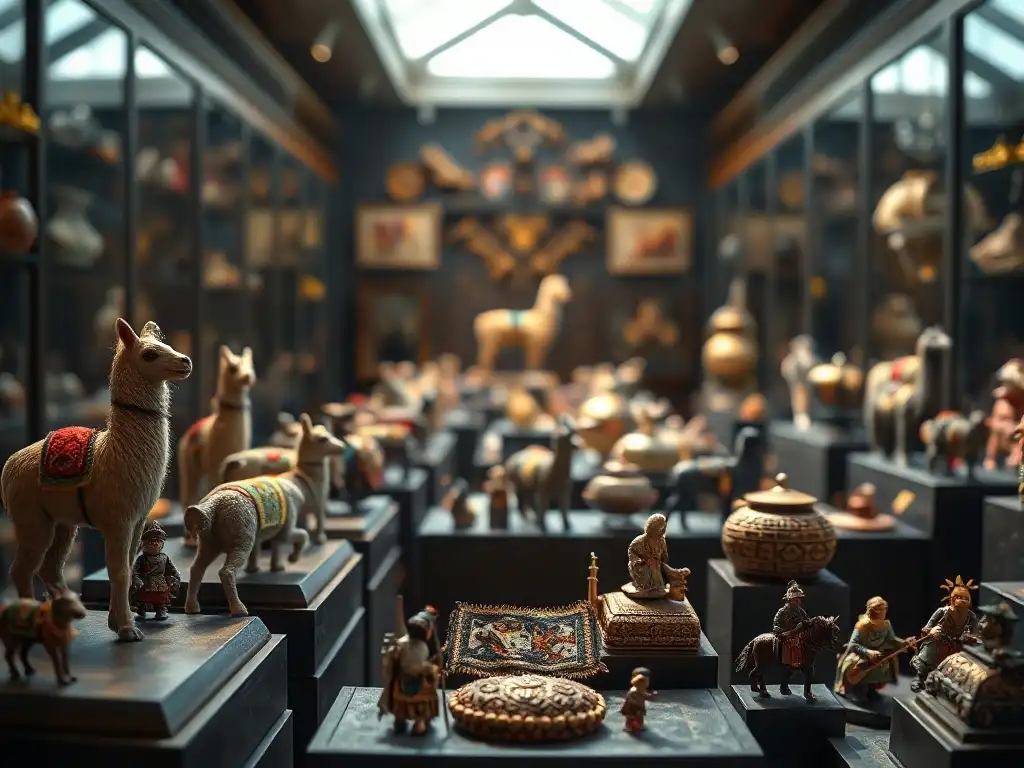
Step into a world lost to time, yet vividly preserved in miniature. Imagine the intricate detail, the breathtaking artistry, the secrets whispered by tiny figurines – a testament to the ingenuity of the Inca Empire. This is your gateway to uncovering the astonishing world of Inca miniature art examples, revealing a hidden dimension of Andean civilization. Prepare to be amazed as we delve into the fascinating artistry that continues to captivate and inspire.
The Inca Empire, renowned for its sophisticated engineering, intricate textiles, and impressive architecture, also possessed a remarkable talent for creating miniature art. These tiny masterpieces, often overlooked in favor of larger-scale artifacts, offer a fascinating glimpse into the Inca worldview, artistic skills, and daily life. This exploration of Inca miniature art will delve into the diverse forms these works took, their cultural significance, and the remarkable craftsmanship involved in their creation.
We will examine specific examples to illustrate the ingenuity and artistry of Inca artisans and provide a deeper understanding of the "Inca miniature art examples" that survive to this day. This article will unveil the secrets held within these small-scale wonders, revealing a rich tapestry of Inca culture and artistic expression.
Introduction to Inca Miniature Art
Inca miniature art encompasses a wide range of objects, crafted with meticulous detail and precision. These miniatures weren't merely smaller versions of larger pieces; they often served unique purposes and reflected specific aspects of Inca society. Common examples include miniature pottery vessels, intricately woven textiles, and tiny figurines representing deities, animals, and humans.
The materials used varied, reflecting the Inca's mastery of diverse resources. Gold, silver, and various stones were employed for precious miniature objects, while clay, textiles, and wood were used for more common items. The creation of these miniatures required exceptional skill, patience, and specialized tools, highlighting the advanced capabilities of Inca artisans.
The level of detail achieved in these small-scale works is truly astounding, showcasing the Inca’s dedication to their craft. For example, some miniature pottery vessels feature incredibly fine detail, including painted scenes depicting daily life or religious ceremonies. These tiny works of art are a testament to the artistic sophistication and technical prowess of the Inca civilization.
The Significance of Miniature Art in Inca Culture
The creation and use of miniature art held significant cultural importance within Inca society. While the precise reasons remain partially shrouded in the mists of time, several compelling theories exist. One prominent theory suggests that miniature objects served ritualistic purposes. Miniature figurines of deities or animals might have been used in ceremonies or placed within tombs as offerings to the gods.
Another perspective highlights their potential role as status symbols. The possession of intricately crafted miniature objects, particularly those made from precious metals, could have indicated wealth and social standing within Inca society. Furthermore, miniature art may have played an educational role, perhaps used to teach children about their culture, religion, or history. The miniature reproductions of tools, weapons, and everyday objects could have served as models or teaching aids.
Finally, some scholars believe that miniature art held a symbolic significance, representing the Inca's belief in the interconnectedness of the macrocosm and microcosm, the idea that the world, both large and small, mirrored the divine. Further research and the discovery of additional examples are needed to fully understand the complex role of Inca miniature art within their rich cultural landscape. The ongoing study of these artifacts continues to reveal new insights into the beliefs and practices of this remarkable civilization.
Materials and Techniques of Inca Miniature Art
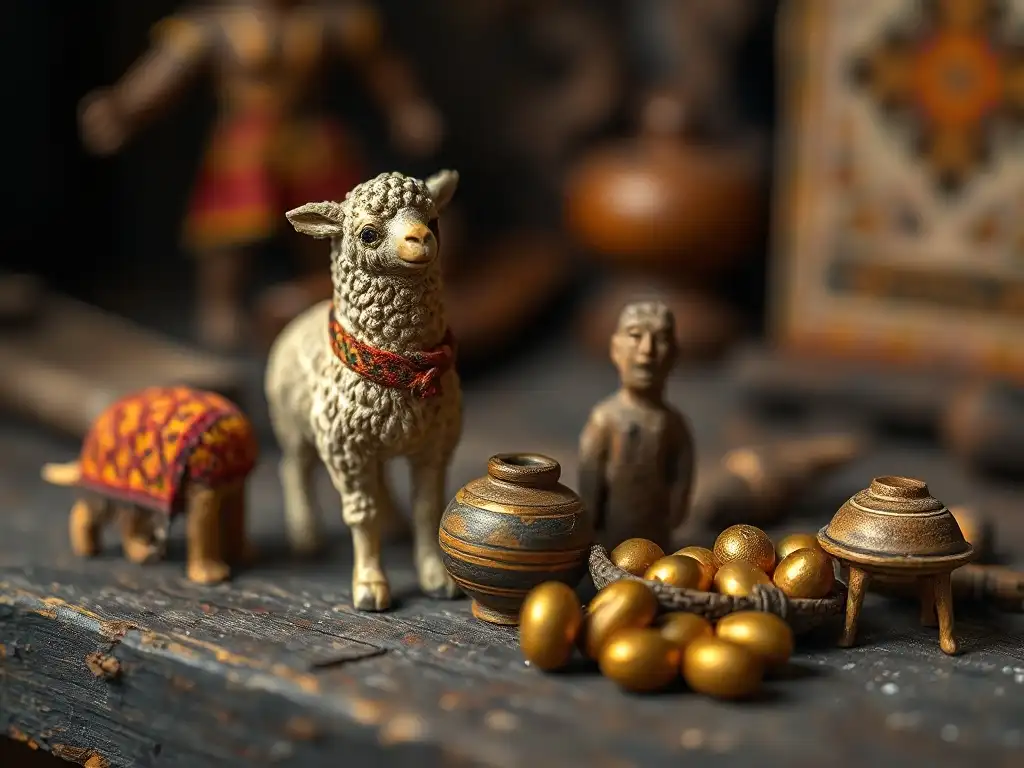
The creation of Inca miniature art showcases the remarkable skill and artistry of Andean artisans. Their ability to manipulate diverse materials into incredibly detailed small-scale representations is a testament to their advanced techniques and profound understanding of their resources. This section delves into the specific materials and techniques employed in crafting these exquisite pieces, offering a glimpse into the ingenuity of Inca craftsmanship. The prevalence of "Inca miniature art examples" featuring these materials underscores their significance within the broader context of Inca culture and artistry.
Precious Metals in Inca Miniatures: Gold and Silver
Gold and silver held immense symbolic and practical value within Inca society. These precious metals, often associated with the sun and the deities, were meticulously worked to create miniature objects of remarkable detail. Inca artisans employed various techniques, including hammering, repoussé (hammering from the back to create relief), and casting, to shape these malleable materials.
The level of craftsmanship is astounding; tiny figures of animals, deities, and even human representations were expertly fashioned. Miniature gold and silver ornaments, such as earrings, pendants, and headdresses, are frequently found, showcasing intricate designs and delicate filigree work. The use of alloys, such as tumbaga (a gold-copper alloy), allowed for a wider range of colors and textures.
Analysis of surviving examples reveals a sophisticated understanding of metallurgy, with artisans controlling the composition of alloys to achieve specific aesthetic effects. For instance, the proportion of copper in tumbaga could influence the final color, ranging from a pale yellow to a rich reddish-gold. The presence of these "Inca miniature art examples" in burial sites further emphasizes their significance in the Inca worldview, possibly representing wealth, power, or connections to the spiritual realm.
Stone Carving and Miniature Sculptures
Beyond precious metals, Inca artisans also skillfully employed stone in their miniature art. Hard stones, such as obsidian, diorite, and various types of jade, were meticulously carved to create small sculptures of animals, human figures, and deities. The precision required for these miniature carvings is remarkable, considering the hardness of the materials and the small scale of the work. The tools used remain partially a mystery, but evidence suggests the use of abrasive materials and potentially specialized drills.
These miniature stone sculptures often exhibit a high level of detail, with features such as facial expressions, clothing, and adornments carefully rendered. The stylistic choices vary depending on the region and the time period, reflecting the diversity of artistic expression within the Inca Empire. While many "Inca miniature art examples" in stone are relatively small, some are surprisingly large, showcasing the master craftsmen's ability to work with large blocks of stone while maintaining an impressive level of detail. The durability of stone ensured the survival of many of these pieces, providing valuable insights into Inca artistic practices.
The Use of Textiles in Miniature Representations
Textiles played a crucial role in Inca culture, and this importance extends to their miniature art. While less durable than stone or metal, surviving examples of miniature textiles demonstrate the intricate weaving techniques employed by Inca artisans. These miniature textiles often feature intricate patterns and designs, similar to those found in larger textiles, but on a significantly smaller scale. The sheer precision required to create these tiny woven pieces is remarkable.
The materials used in these miniature textiles included various types of cotton and wool, dyed in a wide range of colors. These colors were often achieved through natural dyes derived from plants and minerals. Miniature textile pieces might have been incorporated into larger garments or used as decorative elements on other objects.
The small scale might have been related to their use as offerings or for personal adornment. Further research is needed to fully understand the context and purpose of these "Inca miniature art examples" in textile form. However, their existence underscores the versatility and skill of Inca artisans in manipulating diverse materials to create exquisite miniature works of art.
Common Themes in Inca Miniature Art
Inca miniature art, a testament to the ingenuity and artistic prowess of the Inca civilization, showcases a fascinating array of recurring themes. These miniature works, often crafted from diverse materials like ceramic, stone, and precious metals, provide invaluable insights into Inca worldview, social structures, and daily life. Analyzing these common threads reveals a complex and nuanced understanding of Inca culture, far beyond what larger-scale artifacts might convey.
The sheer detail and artistry involved in creating these small-scale masterpieces are remarkable, highlighting the dedication and skill of Inca artisans. The prevalence of specific motifs in Inca miniature art examples allows us to identify key aspects of their beliefs and values.
Representing Inca Deities and Mythology
Inca miniature art frequently features depictions of their pantheon of gods and mythological figures. These representations, often stylized and symbolic, offer a glimpse into the rich tapestry of Inca religious beliefs. For instance, miniature ceramic figurines frequently portray * Viracocha*, the creator god, often depicted with a staff or other symbols of power.
Other deities, such as the sun god, * Inti*, and the moon goddess, * Mama Killa*, also appear frequently, sometimes integrated into scenes depicting cosmological events or myths. The meticulous detail in these miniature representations, even in the smallest figurines, is striking. The use of color, posture, and accompanying elements all contribute to conveying the significance and power of these divine figures.
Further research into the iconography used in these miniature depictions could reveal more about the specific roles and attributes assigned to each deity within the Inca belief system. Variations in the representation of deities across different regions and time periods would also be a fruitful area of study, potentially revealing regional differences in religious practices.
Miniature Depictions of Inca Daily Life
Beyond the divine, Inca miniature art provides a window into the daily lives of ordinary Inca people. These miniature scenes, often carved into stone or modeled in clay, depict everyday activities such as farming, weaving, and hunting. Miniature representations of llamas, the crucial pack animals of the Inca, are particularly common.
These miniatures are not simply simplistic representations; they often capture intricate details of clothing, tools, and even facial expressions. For example, a miniature ceramic depicting a weaving scene might show the intricate design of the textile being created, or the tools used in the process. Similarly, miniature representations of agricultural activities could show the methods of irrigation or the type of crops being cultivated.
Studying these scenes allows us to reconstruct aspects of Inca social organization, economic activity, and technologies. The level of detail in these miniature depictions surpasses simple representation and offers a profound understanding of daily life within the Inca Empire. More research is needed to fully catalog and analyze the diversity of these miniature scenes, potentially revealing regional variations in daily practices and lifestyles.
Inca Miniature Art and Royal Symbolism
Royal symbolism plays a significant role in many Inca miniature art examples. Miniature representations of Inca rulers, often adorned with elaborate headdresses and regalia, are frequently encountered. These depictions serve to reinforce the power and authority of the Inca emperor and the royal lineage.
The use of specific colors, materials, and motifs in these miniature portrayals further emphasizes the royal status. For example, the use of gold or other precious metals in miniature representations of the Inca emperor would emphasize his divine status and connection to the sun god. Furthermore, the presence of specific symbols, such as the tocapu (a royal headdress) or the chasqui (messenger), in these miniature scenes reinforces the hierarchical structure of Inca society and the emperor's central role.
Further research into the specific iconographic elements used in these royal representations could shed more light on the intricacies of Inca courtly life and the symbolism associated with the Inca ruler. Comparative studies of royal representations in miniature art from different periods and regions could offer valuable insights into the evolution of Inca imperial symbolism and the changing dynamics of power within the empire. The meticulous detail and craftsmanship exhibited in these miniature works highlight the importance of royal symbolism within Inca culture and its role in maintaining social order and imperial legitimacy.
Inca Miniature Art Examples: A Closer Look
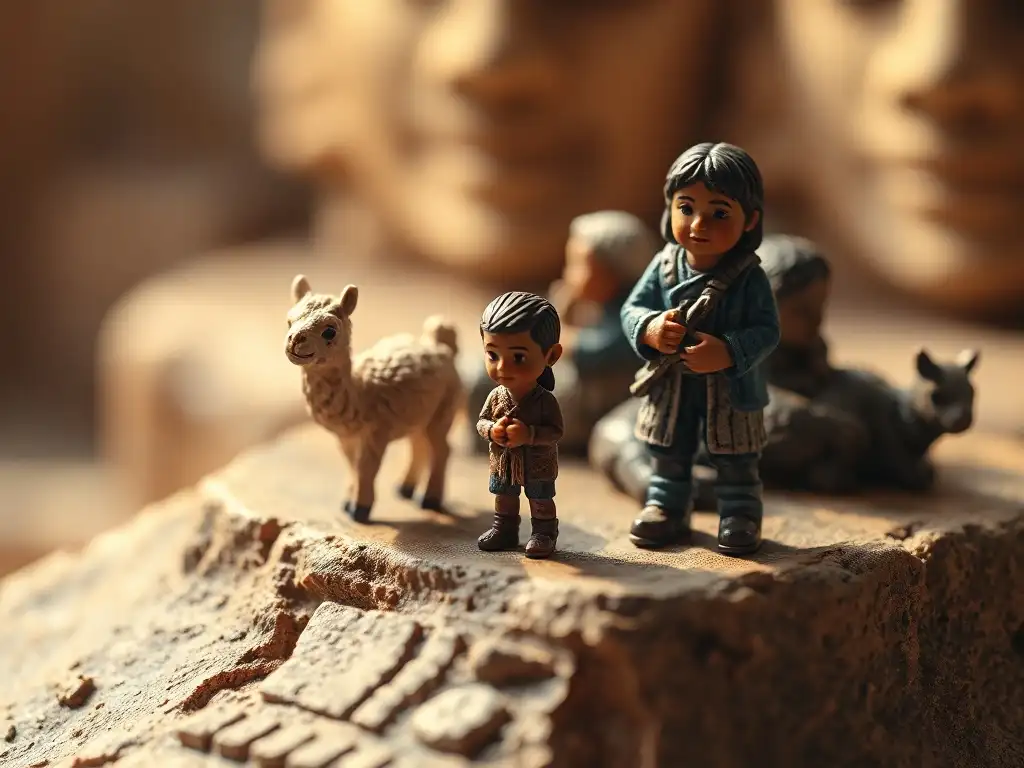
This section delves into specific examples of Inca miniature art, showcasing the intricate craftsmanship and symbolic significance embedded within these small-scale masterpieces. These miniature objects, while seemingly insignificant in size, offer invaluable insights into Inca religious beliefs, social structures, and daily life. Understanding these examples helps us appreciate the sophistication and artistry of Inca civilization, enriching our comprehension of "Inca miniature art examples".
Gold and Silver Figurines: The Seated Female Figurine from the Llullaillaco Ice Maiden Burial
The discovery of the Llullaillaco Ice Maidens provided an unparalleled glimpse into Inca funerary practices and elite artistry. Among the artifacts found with the mummified children were several miniature gold and silver figurines, highlighting the importance of these precious metals in Inca culture. One particularly striking example is a seated female figurine, likely representing a deity or an important figure within Inca society.
The figurine's posture, attire, and craftsmanship demonstrate a high level of skill and attention to detail. The use of gold, a metal associated with the sun and royalty, further emphasizes its significance. The figurine’s meticulously crafted details, including its headdress, clothing, and facial features, suggest a deep understanding of human anatomy and artistic expression.
Analysis of the metallurgy involved in creating this miniature masterpiece reveals sophisticated techniques, including the use of alloys and intricate casting methods. The figurine's survival for centuries, preserved by the high-altitude conditions of Llullaillaco, is a testament to the durability and quality of Inca craftsmanship. It serves as a powerful testament to the artistry and religious beliefs central to Inca culture, offering a tangible connection to the past and enriching our understanding of "Inca miniature art examples".
Stone Carvings: Miniature Llama Figurines from Machu Picchu
Machu Picchu, the iconic Inca citadel, is not only renowned for its impressive architecture but also for the smaller artifacts unearthed within its ruins. Among these are numerous miniature stone carvings, many depicting llamas, animals of significant economic and symbolic importance to the Inca. These miniature llama figurines, often carved from dark grey stone, exhibit varying levels of detail.
Some are highly stylized, emphasizing the animal's overall form, while others capture more subtle features, such as the texture of the llama's wool or the curve of its neck. The size of these figurines, typically ranging from a few centimeters to approximately 10cm in height, suggests they may have served as offerings, toys, or perhaps even decorative elements within domestic settings. The use of readily available stone demonstrates a practicality alongside artistry.
Further research is needed to fully understand their purpose and significance within the larger context of Inca culture, but their existence adds to the diverse range of "Inca miniature art examples" available for study. Analysis of the stone type and carving techniques employed provides valuable insights into Inca material culture and technological capabilities. The discovery of such artifacts at Machu Picchu underscores the widespread artistic practices within the Inca empire, expanding the geographical scope of understanding "Inca miniature art examples".
Miniature Textiles: Coca Leaf Bags with Intricate Geometric Patterns
Inca miniature art also extended to textiles. Small bags, often woven from fine fibers like llama or alpaca wool, are frequently found in archaeological contexts. These miniature bags, sometimes no larger than a thumbnail, often contain traces of coca leaves, a plant of significant cultural and religious importance in Inca society. The intricacy of the textile work on these small bags is remarkable.
Geometric patterns, often incorporating complex designs and vibrant colors (though the colors may have faded over time), adorn the surface. These patterns likely held symbolic meaning, potentially representing clan affiliations, religious beliefs, or social status. The miniature scale of these bags, combined with the high level of skill evident in their weaving, suggests a dedication to craftsmanship that extended to even the smallest of objects. The preservation of these miniature textiles provides a unique opportunity to examine Inca textile techniques and artistic traditions.
The diversity of patterns and colors found across numerous examples suggests a rich and varied aesthetic sensibility. Further study of these miniature textiles will undoubtedly contribute to a deeper understanding of Inca textile production and the symbolic language embedded within their designs, further enhancing our understanding of "Inca miniature art examples". Analyzing the fibers and dyes used can provide further insights into Inca technology and trade networks.
Function and Purpose of Inca Miniatures
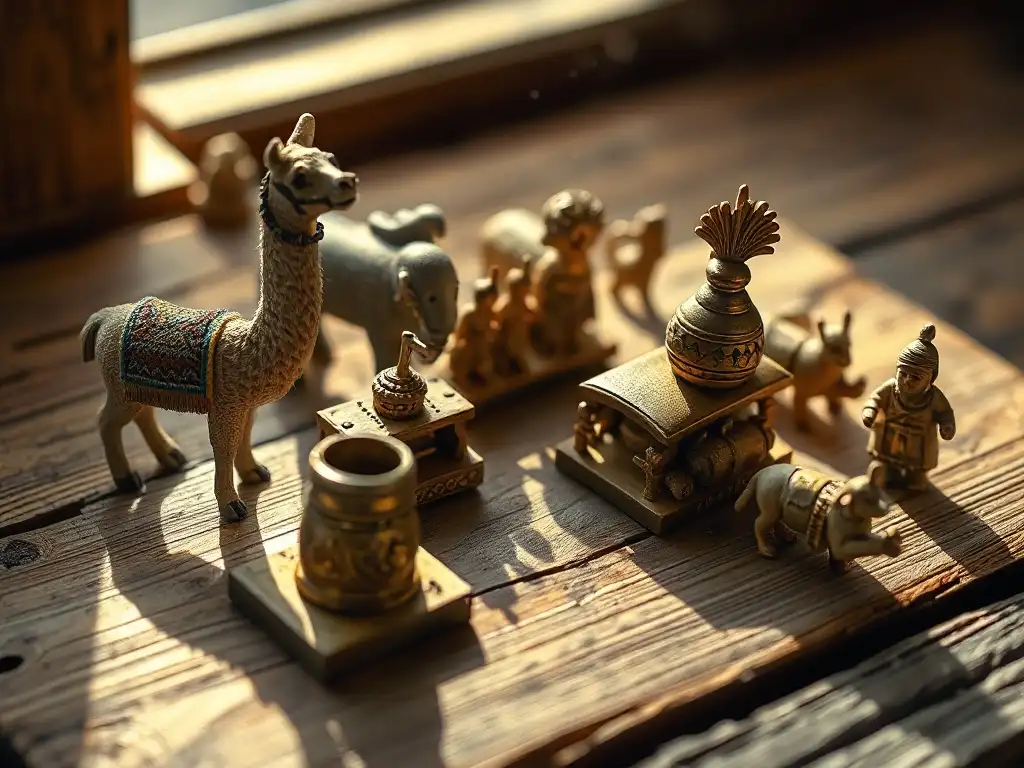
Inca miniature art, a captivating realm of artistry, wasn't merely decorative. These meticulously crafted small-scale objects served a multitude of crucial functions within Inca society, reflecting their complex religious beliefs, social hierarchy, and funerary practices. Understanding these functions is key to appreciating the true significance of these "Inca miniature art examples." The creation of these tiny masterpieces demanded incredible skill and patience, highlighting the advanced technical capabilities of Inca artisans.
Their small size belied their immense symbolic weight, making them powerful tools for expressing social, religious, and political messages. The enduring legacy of these miniatures provides invaluable insight into the daily life, beliefs, and worldview of the Inca civilization. Their study offers a unique window into a culture that prioritized precision and symbolic representation across all aspects of life, from the grandest temples to the smallest figurines.
Inca Miniature Art as Ritual Offerings
Inca miniature art frequently served as ritual offerings to the gods and apus (mountain spirits). These offerings, often found in archaeological contexts associated with religious sites, demonstrate the importance of miniatures within Inca religious practices. Archaeologists have unearthed numerous examples of miniature llamas, agricultural tools, and even houses, carefully crafted and deposited as gifts to the divine realm.
The meticulous detail in these pieces suggests a belief in the power of accurate representation to appease the gods. For instance, miniature ceramic vessels, often perfectly formed despite their size, may have contained offerings of chicha (a fermented corn beverage) or other sacred substances. The act of creating and offering these miniatures was not merely a material act but a deeply spiritual one, a way of engaging with the divine and ensuring the continued prosperity of the community.
The sheer number of miniature offerings discovered underscores their pervasive role in Inca religious rituals. The consistency of their style and craftsmanship further indicates a highly organized and structured religious system that valued these small-scale representations.
Miniatures as Status Symbols in Inca Society
Beyond their religious significance, Inca miniature art also played a vital role in representing social status and power within Inca society. Elaborately crafted miniature objects, particularly those made of precious metals like gold and silver, were likely owned by the elite. These miniature versions of everyday objects, such as tools, weapons, or even miniature representations of human figures, served as potent symbols of wealth and authority.
The materials used, the level of detail, and the overall craftsmanship clearly distinguished these items as belonging to the upper echelons of Inca society. Consider, for example, the intricate miniature gold figures of Inca royalty; these were not simply decorative pieces but powerful statements of power and lineage. The ownership and display of such miniatures would have served to reinforce social hierarchy and solidify the authority of the ruling class.
Even miniature versions of everyday household items could signify a high social standing if made from precious metals or adorned with exceptional detail. This highlights the subtle yet powerful ways in which Inca miniature art could communicate social standing.
The Role of Miniatures in Inca Burials
Inca miniature art also played a significant role in funerary practices. Miniatures were frequently included in the graves of both elite and common individuals, possibly as provisions for the afterlife. The inclusion of miniature tools, food items, and domestic objects suggests a belief in the continuation of life after death, with the deceased needing access to the same material goods they enjoyed in life, albeit in miniature form.
The presence of miniature llamas, for example, might have symbolized the continued provision of wool and transport in the afterlife. The care taken in crafting these miniature grave goods indicates the importance placed on ensuring a comfortable transition for the deceased into the next world. The variety of miniature objects found in Inca burials demonstrates the breadth of daily life that was considered essential to carry over into the afterlife.
The meticulous detail and careful placement of these items within the burial context provide further insight into Inca beliefs about death and the journey to the spirit world. This practice offers compelling evidence of the significance of miniature art within the complex tapestry of Inca funerary rituals and beliefs. The presence of these small but significant objects sheds light on the rich tapestry of Inca beliefs surrounding death and the afterlife.
Preservation and Legacy of Inca Miniature Art
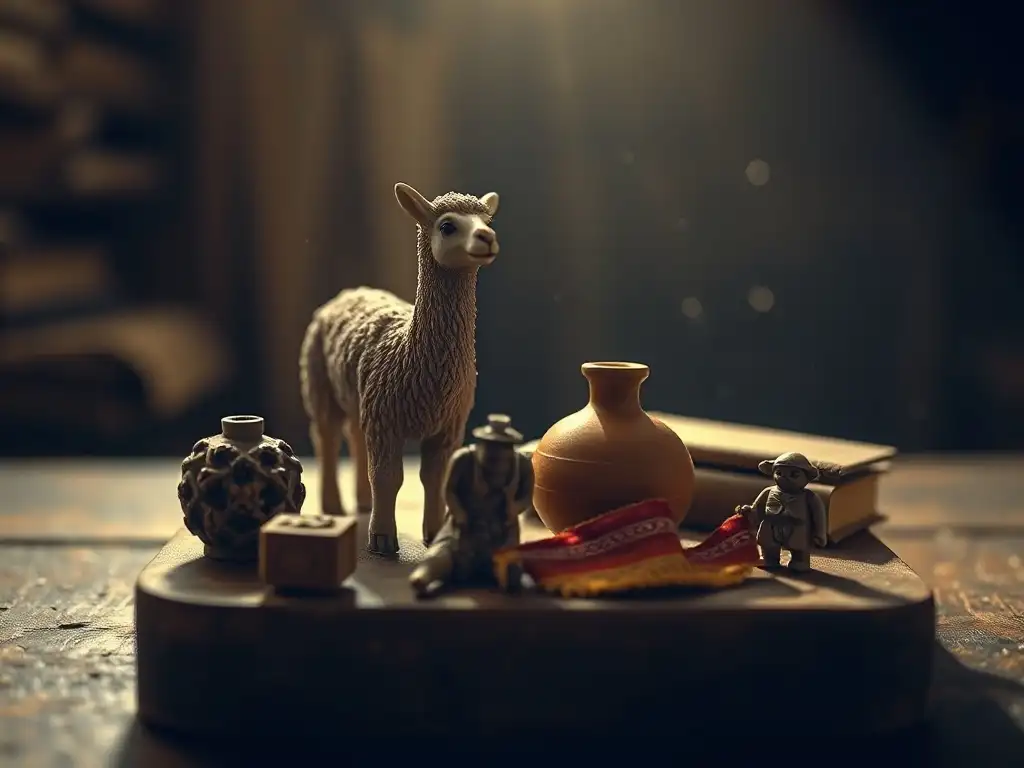
The preservation of Inca miniature art presents unique challenges and rewards. Unlike larger-scale artifacts, these delicate pieces are highly susceptible to damage from environmental factors like humidity and temperature fluctuations. The fragility of the materials – often ceramics, textiles, or precious metals – necessitates specialized handling and storage techniques.
This careful preservation is crucial not only for maintaining the physical integrity of these objects but also for safeguarding the cultural heritage they represent. The ongoing efforts of museums and archaeological institutions worldwide are vital in ensuring that future generations can appreciate the artistry and craftsmanship of these miniature masterpieces. Understanding the challenges involved in their preservation helps us appreciate the significant work undertaken to protect this irreplaceable legacy.
Effective preservation strategies involve meticulous cataloging, climate-controlled storage, and the use of conservation techniques that minimize further deterioration. The long-term preservation of Inca miniature art is an investment in the future of our understanding of Andean civilization.
Archaeological Discoveries of Inca Miniature Artifacts
Archaeological discoveries continue to unearth remarkable examples of Inca miniature art, expanding our understanding of Inca artistry and daily life. Sites like Machu Picchu, Ollantaytambo, and Pachacamac have yielded numerous figurines, vessels, and tools, meticulously crafted in miniature. These finds often occur within tombs, domestic settings, or ritual contexts, providing valuable insights into their original purpose and significance.
For instance, the discovery of a collection of miniature ceramic llamas in a royal tomb at [Specific Site Pending] suggested their use as offerings or representations of wealth and status. The detailed craftsmanship evident in these miniatures, including intricate clothing and adornments on the figurines, reveals a high level of skill and artistic sophistication. Furthermore, the variety of subjects depicted – from animals and humans to everyday objects – showcases the breadth of Inca artistic expression.
Analysis of the materials used, such as the type of clay or metal, and the techniques employed in their creation, provide further clues about the social and technological advancements of the Inca civilization. The ongoing archaeological investigation of Inca sites continues to yield new and exciting discoveries of miniature art, enriching our understanding of this fascinating aspect of Inca culture. Each discovery adds another piece to the puzzle, revealing more about the lives, beliefs, and artistic capabilities of the Inca people.
Contemporary Appreciation of Inca Miniature Art
Contemporary appreciation of Inca miniature art is multifaceted, extending beyond mere aesthetic admiration. Museums worldwide showcase these pieces, highlighting their cultural and historical significance. Academic research delves into their artistic techniques, iconography, and social context, enriching our understanding of Inca society.
Moreover, the intricate detail and artistry of these miniatures have captivated contemporary artists, inspiring new works and interpretations. The enduring appeal of Inca miniature art lies in its ability to connect us to a rich and vibrant past, offering a glimpse into the daily lives, religious beliefs, and artistic achievements of the Inca people. The popularity of these miniatures in exhibitions and private collections underscores the enduring fascination with their exquisite craftsmanship and cultural significance.
The ongoing study and exhibition of Inca miniature art ensures that this important aspect of their legacy continues to inspire and educate future generations. Many contemporary artists draw inspiration from the forms and styles evident in Inca miniature art, creating new works that pay homage to this ancient tradition.
The Influence of Inca Miniatures on Modern Art
The influence of Inca miniature art extends to modern artistic expression in several ways. Contemporary artists frequently draw inspiration from the stylistic elements, iconography, and techniques employed in these miniatures. The use of miniature scale itself can be seen as a recurring theme, with artists exploring the potential for conveying complex narratives or emotions within a small format.
The vibrant colors and intricate detail found in Inca miniatures often serve as a source of inspiration for modern artists working across various media. For example, [Specific Example of Modern Artist Influenced by Inca Miniatures Pending] incorporates elements of Inca miniature art in their work, reflecting the enduring impact of this ancient artistic tradition. The study of Inca miniature art helps us to understand the continuing relevance of ancient artistic styles and their adaptation in contemporary creative expression.
Moreover, the enduring fascination with the craftsmanship and symbolism of these miniatures continues to inspire new artistic interpretations and innovations. The legacy of Inca miniature art is not merely a historical artifact but a living source of artistic inspiration, shaping and enriching modern artistic practices.
Conclusion: The Enduring Allure of Inca Miniature Art
The study of Inca miniature art offers a captivating glimpse into the sophisticated artistry and worldview of one of the most remarkable civilizations of the Andes. These tiny masterpieces, often overlooked in favor of larger-scale works, reveal a depth of skill and a dedication to detail that is truly astonishing. From intricate depictions of daily life to symbolic representations of religious beliefs, Inca miniature art provides invaluable insights into the culture and society of the Inca Empire.
Their enduring allure stems not only from their aesthetic beauty but also from their ability to transport us back in time, allowing us to connect with a rich and complex past. The preservation of these small artifacts is a testament to the ingenuity of the Inca artisans and the enduring power of their artistic legacy.
Further research and analysis of these miniature works will continue to unveil new facets of Inca culture and artistic expression, enriching our understanding of this fascinating civilization. The continued study of Inca miniature art examples is crucial for a complete understanding of Inca artistry.
The Intricate Detail and Skill of Inca Artisans
Inca artisans demonstrated remarkable skill in miniature art, achieving incredible detail despite the limitations of their tools and materials. Consider, for instance, the miniature ceramic figures depicting human forms. These tiny figurines, often only a few centimeters tall, exhibit astonishing anatomical accuracy. Facial features, clothing details, and even hairstyles are meticulously rendered, showcasing the artist's keen observation skills and masterful control of their medium.
The precision involved in creating these miniature works is truly breathtaking. The use of fine lines, delicate shading, and nuanced color palettes elevates these pieces beyond mere representations into sophisticated works of art. Similarly, miniature textiles reveal exceptional weaving techniques, with intricate patterns and designs woven into incredibly small spaces. The complexity of the designs, often incorporating symbolic motifs, underscores the advanced level of technical skill possessed by Inca textile artisans.
These miniature examples highlight not just artistic talent but also the sophisticated understanding of materials and processes that characterized Inca craftsmanship. The legacy of these artisans continues to inspire awe and admiration centuries later. Further analysis of the tools and techniques employed by these artisans would provide even greater insights into their exceptional skills.
Symbolic Representations and Cultural Significance
Many Inca miniature artifacts hold profound symbolic meaning, reflecting the religious beliefs and social structures of the Inca Empire. For example, miniature representations of deities, such as the sun god Inti or the moon goddess Mama Killa, often appear in religious contexts. These small-scale depictions allowed for the widespread dissemination of religious iconography, reinforcing Inca beliefs and reinforcing the power of the ruling elite.
Similarly, miniature depictions of animals and plants, often appearing in conjunction with human figures, may symbolize specific beliefs or social roles within Inca society. The careful consideration given to the selection and placement of these symbolic elements highlights the importance of religious and social structures in Inca culture. The study of these symbolic representations, combined with archaeological context, allows for a deeper understanding of Inca worldview and their complex relationship with the natural and supernatural worlds.
Analyzing the frequency and distribution of different symbolic motifs in different regions could reveal regional variations in Inca beliefs and practices. The careful study of Inca miniature art examples helps reveal the subtle complexities of their symbolic language.
Preservation Challenges and Future Research
The preservation of Inca miniature art presents unique challenges due to their small size and fragility. These delicate artifacts are susceptible to damage from handling, environmental factors, and even the passage of time. The development of appropriate conservation techniques is crucial to ensure the long-term survival of these invaluable pieces.
Future research should focus on improving preservation methods and developing more sophisticated analytical techniques to study the materials and manufacturing processes employed by Inca artisans. Advanced imaging technologies, such as X-ray fluorescence spectroscopy, can provide detailed insights into the composition of pigments and metals used in these miniature works. This information could reveal further details about Inca artistic techniques and trade networks.
Moreover, further archaeological excavations and the careful documentation of existing collections are necessary to expand our knowledge of Inca miniature art. The continued study and preservation of Inca miniature art examples are essential to protect this invaluable cultural heritage for future generations.
Frequently Asked Questions
What is Inca miniature art?
Inca miniature art refers to the small-scale sculptures, figurines, and other artifacts created by the Inca civilization. These often depict everyday life, religious figures, and animals, showcasing incredible detail despite their size. They provide valuable insights into Inca culture.
What materials were used in Inca miniature art?
Inca artisans primarily used stone, ceramics, and metal to create their miniature works. Precious metals like gold and silver were sometimes incorporated, especially in objects intended for elite members of society. The choice of material often reflected the object's purpose and significance.
Where can I see examples of Inca miniature art?
Many examples are housed in museums around the world, including the Larco Museum in Lima, Peru, and the American Museum of Natural History in New York City. You can also find smaller collections in regional museums throughout South America. Online databases frequently feature images as well.
What are some common subjects depicted in Inca miniature art?
Common subjects include representations of llamas, human figures in various activities (e.g., farming, weaving), and deities. Religious iconography is also prevalent, reflecting the importance of religion in Inca society. The miniatures often tell stories or depict rituals.
Why is Inca miniature art considered important?
Inca miniature art provides valuable insights into the daily lives, beliefs, and artistic skills of the Inca people. These small-scale objects offer a unique perspective on a complex civilization, complementing larger-scale archaeological finds. They're crucial for understanding Inca culture.
Final Reflection: The Enduring Legacy of Inca Miniature Art
The intricate artistry of Inca miniature objects continues to resonate today, a testament to the ingenuity and spiritual depth of a civilization lost to time. These tiny masterpieces, far from being mere curiosities, offer a profound window into a complex society, revealing details of daily life, religious beliefs, and artistic skill that larger artifacts often cannot. Their survival, often in remarkably preserved condition, is a gift that allows us to connect with a vibrant past.
The enduring power of Inca miniature art lies not only in its aesthetic beauty but also in its ability to spark wonder and inspire awe. These tiny sculptures, textiles, and ceramics speak volumes about the Inca worldview, their connection to the natural world, and their sophisticated understanding of artistic techniques. Art washes away from the soul the dust of everyday life.
– Pablo Picasso. This quote, while not directly about Inca art, perfectly encapsulates the cleansing and enriching experience of engaging with these miniature works, allowing us to escape the mundane and connect with something truly extraordinary.
Consider the intricate detail, the vibrant colors (where they remain), the sheer skill involved in creating such miniature wonders. Now, imagine the hands that crafted them, the stories they held, the beliefs they represented. You, the reader, are now part of this legacy. Take a moment to reflect on the power of art to transcend time and culture, to connect us to those who came before, and to inspire us to create and appreciate beauty in our own lives. Let the legacy of Inca miniature art inspire you to find the extraordinary in the everyday.
Discover the World of Inca Miniature Art Today!
Thank you for exploring the fascinating world of Inca miniature art with us! We're thrilled to have shared insights into this enchanting tradition, showcasing the intricate skill and rich history of Andean civilizations. Now, let's take your appreciation further by engaging with this art form personally.
Here are some ways to immerse yourself in the world of Inca miniature art:
- **Unleash Your Creativity:** Create your own miniature artwork inspired by traditional Inca designs. Gather your materials and let your inner artist shine!
- **Join the Community:** Share your thoughts and creations on social media using #IncaMiniatureArt. Connect with fellow art enthusiasts and expand your knowledge together.
- **Experience it in Person:** Visit local galleries or museums featuring Andean art. Witness the vibrancy of these miniature crafts firsthand.
What aspect of Inca miniature art resonates most with you, and how will you integrate it into your artistic journey?