
Ayullu: The Backbone of Andean Life A Deep Dive into Clan Structures

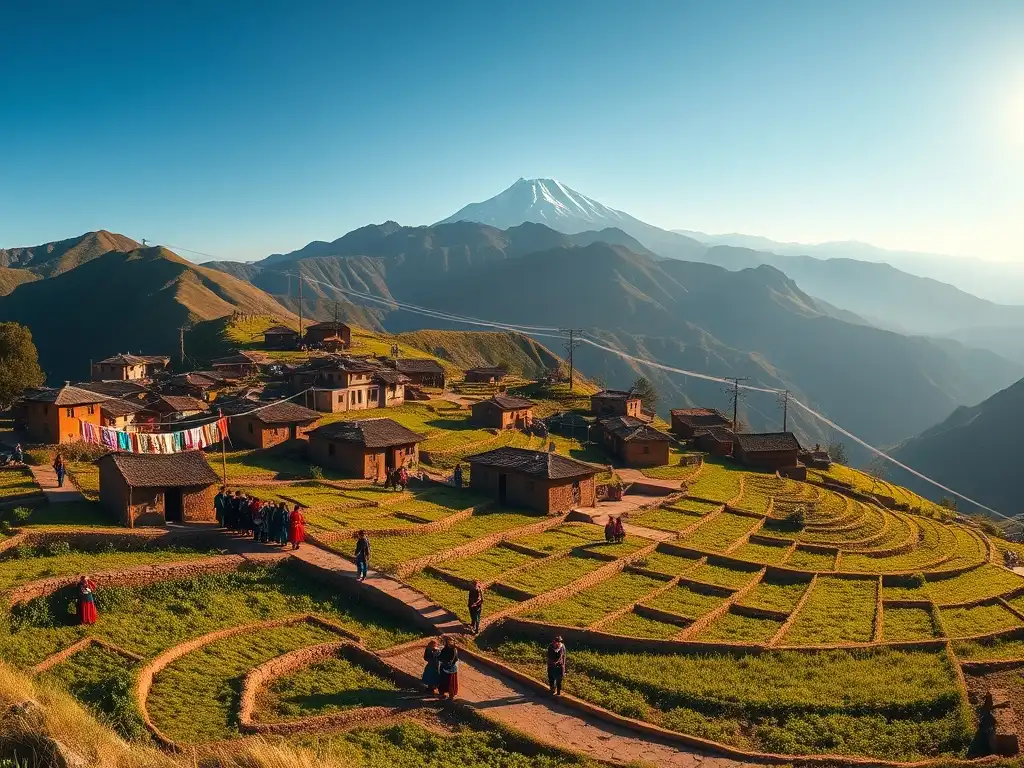
Dive into the captivating world of the Andean civilizations! Uncover the secrets of their remarkable ingenuity and intricate social systems. Were you aware that the Andean ayllu social structure played a pivotal role in shaping these societies, influencing everything from agriculture to warfare? Prepare to be amazed as we unravel the mysteries behind this fascinating system and explore how it formed the very backbone of Andean life. Journey with us to discover the intricate details of the ayllu and its lasting legacy.
- Ayllu: The Backbone of Andean Life - A Deep Dive into Clan Structures
- Understanding the Andean Ayllu: Core Principles of Social Organization
- The Structure of the Ayllu: Family and Kinship Ties
- The Ayllu in Practice: Daily Life and Activities
- The Ayllu Through Time: Evolution and Transformations
- The Enduring Legacy of the Andean Ayllu
- Frequently Asked Questions
- Final Reflection: The Enduring Legacy of the Ayllu
- Embrace the Spirit of Ayullu: Take Action Today!
Ayllu: The Backbone of Andean Life - A Deep Dive into Clan Structures
The Andean civilizations, renowned for their sophisticated engineering feats like Machu Picchu and intricate artistry, were also masters of social organization. Understanding their societal structures is crucial to grasping the complexity and resilience of these remarkable cultures. This article delves into the ayllu, a fundamental social unit that served as the backbone of Andean life for centuries, impacting everything from agriculture and resource management to religious practices and political organization.
We will explore the intricate web of kinship, reciprocity, and collective responsibility that defined the ayllu, examining its evolution and variations across different Andean societies, including the Incas, Moche, Nazca, and Tiahuanaco. Understanding the Andean ayllu social structure provides invaluable insight into the enduring legacy of these civilizations and their sophisticated approach to community building. This exploration will go beyond a simple definition, providing a nuanced understanding of its significance in shaping Andean society and its lasting impact.
The Ayllu: More Than Just a Clan
The ayllu is often described as a clan, but this simplification undersells its multifaceted nature. It was a complex social structure based on kinship, often tracing lineage back to a common ancestor, real or mythical. However, membership wasn't solely determined by blood ties. Individuals could gain membership through marriage, adoption, or even long-term residency and participation in community activities. This fluidity allowed for population growth and adaptation to changing circumstances.
The ayllu functioned as a cohesive unit, sharing resources, responsibilities, and a common identity. Think of it as a sophisticated system of mutual support and collective action, far surpassing the simple definition of a kinship group. The ayllu's strength lay in its ability to adapt to different environmental and social contexts, showcasing its remarkable resilience. [Specific examples of ayllu adaptation to different environments pending]
Reciprocity and Redistribution: The Economic Engine of the Ayllu
The economic system of the ayllu was built on the principles of ayni (reciprocity) and mita (redistribution). Ayni involved the mutual exchange of goods, services, and labor among ayllu members. This wasn't a simple barter system; it was a deeply ingrained social obligation fostering strong community bonds. For example, one family might help another harvest their crops in exchange for assistance with building a house.
Mita, on the other hand, involved the redistribution of resources collected by the community, often managed by community leaders. This system ensured that everyone had access to essential resources, regardless of their individual wealth or productivity. This intricate system of reciprocal exchange and redistribution played a pivotal role in ensuring social cohesion and economic stability within the ayllu. [Data on the efficiency of the ayni and mita systems pending]
The Role of the Ayllu in Andean Political Organization
The ayllu wasn't merely an economic and social unit; it played a significant role in Andean political organization. In many Andean societies, the ayllu formed the basis of political power. Ayllu leaders, often chosen based on lineage, experience, or demonstrated leadership qualities, represented their community in broader political structures.
The Inca Empire, for example, incorporated the ayllu system into its vast administrative network, using ayllu leaders as intermediaries between the imperial government and the local population. This integration of the ayllu into the larger political system ensured relative stability and facilitated the efficient administration of a vast and diverse empire. [Examples of ayllu participation in Inca governance pending]
Variations in Ayllu Structure Across Different Andean Cultures
While the ayllu was a common thread throughout Andean societies, its structure and function varied across different cultures and regions. The Incas, for example, had a more centralized and hierarchical ayllu system compared to other groups. The Moche, Nazca, and Tiahuanaco civilizations each had their own unique adaptations of the ayllu, reflecting their specific environmental and social contexts.
Understanding these variations is essential to appreciating the diversity and complexity of Andean social organization. This diversity highlights the adaptability of the ayllu as a social structure, proving its capacity to adapt to various cultural and environmental factors. [Comparative table of Ayllu structures across different Andean cultures pending]
Further Research Areas
The role of religion in ayllu cohesion. The impact of Spanish colonization on ayllu structures. The persistence of ayllu-like structures in contemporary Andean communities.
📌 Further research is needed to fully understand the nuances of the Andean ayllu social structure. This exploration has only scratched the surface of this fascinating topic.
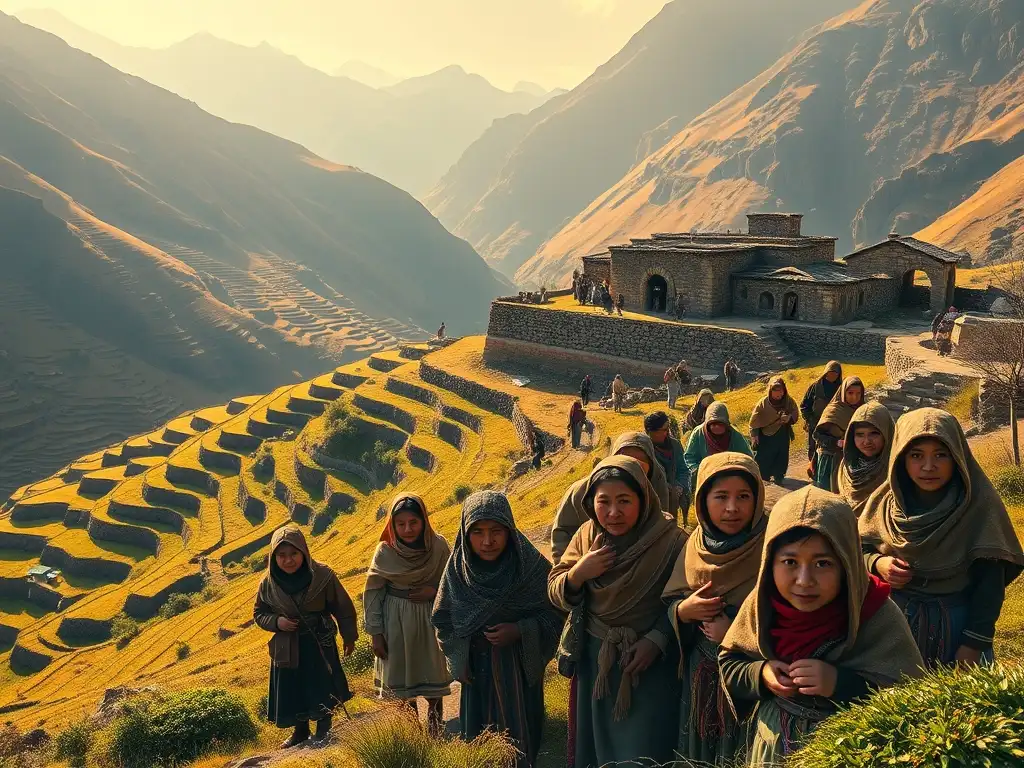
This section delves into the fundamental principles governing the Andean ayllu, a social structure crucial to understanding the complexities of ancient Andean societies. We will move beyond simplistic definitions to explore the intricate web of kinship, reciprocity, and communal living that defined ayllu life. Understanding the ayllu is key to grasping the Andean social fabric, its resilience, and its capacity for large-scale projects like those witnessed in Inca civilization. The term "Andean ayllu social structure" itself encapsulates the significance of this system in shaping Andean societies.
The Ayllu Definition: More Than Just a Family Unit
The ayllu is often described as a clan or extended family, but this definition falls short of capturing its true essence. While kinship was undoubtedly central, the ayllu transcended mere blood relations. It encompassed a larger community bound by shared ancestry, territory, and reciprocal obligations. Think of it as a complex network interwoven with both biological and social ties, extending across generations and encompassing a shared resource base.
This resource base often included agricultural lands, pastures, and water sources, all collectively managed and utilized. The ayllu wasn't just a family unit; it was a self-governing socio-economic entity, responsible for its members' well-being and the maintenance of its shared resources. Its importance extended far beyond the family, shaping political, economic, and religious life in the Andean world. The concept of the ayllu as a fundamentally cooperative and interdependent unit is crucial for understanding its longevity and influence.
Key Characteristics of the Ayllu System
Several key characteristics defined the ayllu system across different Andean cultures, although specific implementations varied geographically and temporally. These included:
- Collective Land Ownership: Land was not individually owned but belonged to the ayllu as a whole. This communal ownership fostered cooperation and ensured equitable distribution of resources, crucial in challenging Andean environments.
- Reciprocal Labor: Members of the ayllu were obligated to contribute labor to collective projects, such as agricultural work, infrastructure development (e.g., irrigation systems), and religious ceremonies. This system, known as ayni, promoted social cohesion and ensured the maintenance of essential communal resources.
- Hierarchical Structure: While emphasizing equality among members, the ayllu often possessed a hierarchical structure, with leadership roles assigned based on lineage, experience, or demonstrated ability. This leadership wasn't necessarily authoritarian; rather, it facilitated the organization and coordination of collective activities.
- Ritual and Religious Practices: Shared religious beliefs and practices played a significant role in reinforcing ayllu identity and solidarity. Rituals and ceremonies often revolved around agricultural cycles, ensuring the fertility of the land and the well-being of the community. These practices strengthened social bonds and reinforced the collective nature of the ayllu.
- Spatial Organization: The ayllu often occupied a specific territory, with settlements clustered around shared resources. This spatial proximity facilitated interaction and cooperation among members. The physical location reinforced the social and economic bonds within the group.
The Importance of Reciprocity Within the Ayllu
Reciprocity, or ayni, was the cornerstone of ayllu social organization. It wasn't simply a matter of exchanging goods and services; it was a fundamental principle governing social relations and ensuring the stability and sustainability of the community. This system of mutual support encompassed various forms of exchange:
- Labor Exchange (ayni): As mentioned earlier, the collective contribution of labor was crucial for the success of the ayllu. Members helped each other with agricultural tasks, construction projects, and other essential activities.
- Goods Exchange (yanaconas): The ayllu also facilitated the exchange of goods, ensuring that resources were distributed equitably among members. This exchange wasn't necessarily based on market principles but on mutual needs and obligations.
- Social Obligations: Beyond material exchanges, the ayllu system involved social obligations, such as participation in community events, ceremonies, and decision-making processes. These obligations reinforced social cohesion and strengthened community bonds.
The success of the ayllu depended heavily on the effective functioning of this reciprocal system. Failure to fulfill reciprocal obligations could lead to social sanctions and potentially exclusion from the community, highlighting the profound importance of ayni in maintaining social harmony and the overall well-being of the ayllu. The concept of reciprocity was deeply embedded in the Andean worldview, reflecting a strong emphasis on collective responsibility and mutual support. This system offered a model of social organization remarkably effective in a challenging environment.
Land Tenure and Resource Management in the Ayllu
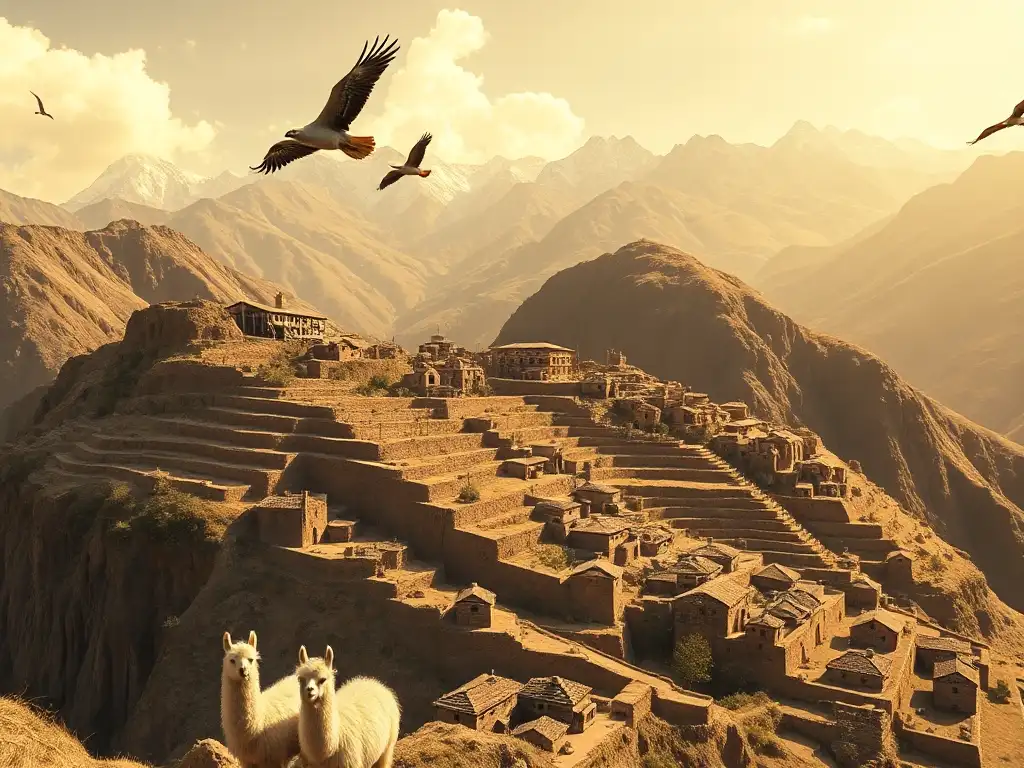
The ayllu's success hinged on its sophisticated system of land tenure and resource management. Unlike individual ownership prevalent in many other societies, land within the ayllu was held collectively. This communal ownership wasn't simply a matter of shared access; it was deeply intertwined with the ayllu's social fabric and spiritual beliefs. The land wasn't just a source of sustenance; it was considered sacred, a gift from the ancestors and a vital link to the cosmos. This perspective profoundly shaped how resources were managed.
The allocation of land wasn't arbitrary. It was a carefully planned process, often influenced by factors such as family size, the needs of the community, and the fertility of the land itself. Elderly members of the ayllu, often possessing deep knowledge of the land's capabilities and limitations, played a crucial role in this distribution. This ensured that resources were allocated fairly and sustainably, preventing exploitation and promoting long-term productivity. The system wasn't static; adjustments were made periodically to accommodate changing circumstances, such as population growth or environmental shifts. This adaptability was key to the ayllu's resilience over centuries.
Furthermore, the ayllu's system wasn't limited to agricultural land. It also encompassed other vital resources like water sources, pastures for livestock, and materials for construction. The collective management of these resources fostered cooperation and minimized conflicts, thereby strengthening the social bonds within the community. The principle of ayni (reciprocity) played a pivotal role in this system. Members of the ayllu were expected to contribute their labor and resources to communal projects, ensuring the well-being of the entire group.
This reciprocal exchange cemented social cohesion and fostered a sense of shared responsibility for the community's welfare. The success of this system is a testament to the effectiveness of communal resource management in a challenging Andean environment. The ayllu's approach provides a valuable lesson in sustainable resource use and equitable distribution, even today. Understanding their practices offers insights into alternative models for managing shared resources in modern contexts.
Reciprocity and Redistribution: The Pillars of Ayllu Economy
The Andean ayllu's economic system wasn't based on individual profit maximization but rather on principles of reciprocity ( ayni) and redistribution ( ayllu). Ayni, a cornerstone of Andean social life, involved the mutual exchange of goods, services, and labor among ayllu members. This wasn't a simple barter system; it was a complex web of obligations and reciprocal relationships that bound the community together. For example, one family might help another harvest their crops, expecting similar assistance in return during their own harvest. This reciprocal exchange fostered strong social bonds and ensured the equitable distribution of resources.
Redistribution, on the other hand, involved the pooling of resources and their subsequent distribution by community leaders. This system ensured that everyone had access to essential goods, even during times of scarcity. Surpluses from harvests or other activities were collected and then redistributed to those in need, guaranteeing a basic level of subsistence for all ayllu members. This system effectively functioned as a form of social safety net, mitigating the risks associated with agricultural variability and environmental uncertainty.
The combination of ayni and redistribution created a remarkably resilient economic system that promoted social cohesion and stability within the ayllu. This economic model, far from being primitive, demonstrates a sophisticated understanding of resource management and social welfare. It offers a compelling counterpoint to modern capitalist models, highlighting the potential of community-based economic systems.
The Role of the Curaca in Ayllu Governance
The Curaca, the leader of the ayllu, held a significant position within the community. Their role extended far beyond mere governance; they were spiritual guides, mediators, and custodians of the ayllu's traditions and customs. The Curaca's authority wasn't based on coercion or force but on their respected position within the community and their deep understanding of Andean cosmology and social structures. Their decisions were influenced by the collective needs of the ayllu and were often reached through consensus-building processes, involving consultation with community elders and other influential members.
The Curaca's responsibilities included overseeing land allocation, mediating disputes, organizing communal labor projects, and ensuring the fair distribution of resources. They were responsible for maintaining social harmony and resolving conflicts within the ayllu. Their authority was intertwined with their spiritual role, acting as a bridge between the community and the supernatural world. The Curaca's success hinged on their ability to foster cooperation, resolve conflicts peacefully, and maintain the delicate balance between individual needs and the collective good of the ayllu.
Their role serves as an example of a leadership model based on consensus, collaboration, and a deep understanding of the community's social and spiritual fabric. The Curaca's influence highlights the importance of community leadership in the success of the ayllu social structure. Their authority was earned through respect and their understanding of the intricate social and spiritual dynamics of their community.
The Structure of the Ayllu: Family and Kinship Ties
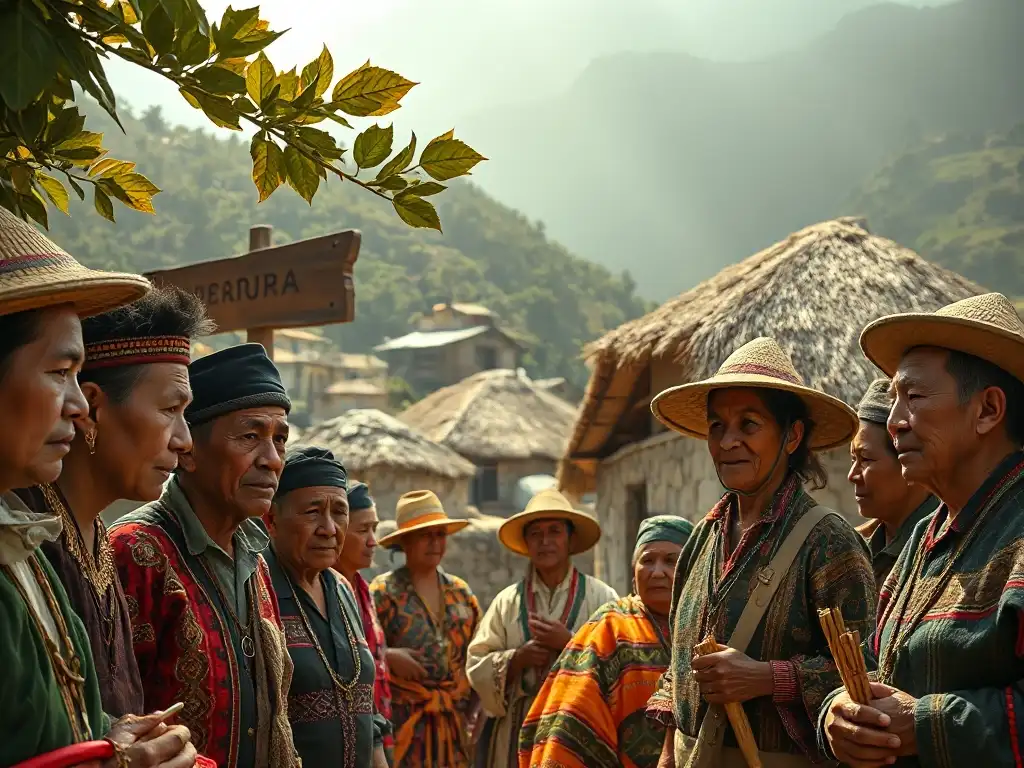
The Andean ayllu social structure was not merely a political organization; it was a deeply interwoven system built upon intricate family and kinship ties. Understanding the ayllu requires recognizing its foundation in complex familial relationships, extending far beyond the nuclear family. This intricate network determined social standing, resource allocation, and even spiritual beliefs. The strength of the ayllu rested on the collective responsibility and mutual support inherent within its extended family structures.
The concept of "reciprocity" – ayni – was central; individuals and families contributed their labor and resources to the collective good, expecting similar support in return. This system fostered a strong sense of community and ensured social stability across generations. The enduring legacy of the ayllu demonstrates the effectiveness of this kinship-based social organization in a challenging environment. Analyzing the ayllu's structure reveals a sophisticated system that successfully balanced individual needs with communal obligations.
Ayllu Membership: Tracing Lineage and Ancestry
Ayllu membership was primarily determined by kinship, tracing lineage through both paternal and maternal lines. Unlike many societies that emphasize patrilineal or matrilineal descent exclusively, the Andean ayllu embraced a more inclusive bilateral system. This means that individuals inherited rights and obligations from both their mother's and father's families, creating a complex web of interconnected lineages. Maintaining accurate genealogical records was crucial for determining land rights, access to resources, and participation in communal activities.
These records, often passed down orally through generations, were meticulously preserved and held immense social significance. Tracing ancestry provided a sense of belonging and identity, solidifying individual places within the intricate social hierarchy. The detailed knowledge of family history and connections was fundamental to the smooth operation and stability of the ayllu system.
Mistakes in tracking lineage could lead to disputes over resources and social standing, highlighting the importance of accurate record-keeping. The system demonstrates a sophisticated understanding of kinship and its importance in social organization. Furthermore, the inclusion of both paternal and maternal lines fostered a stronger sense of community and reduced potential conflicts arising from a strictly unilateral system.
The Role of Extended Families in the Ayllu System
The extended family formed the bedrock of the ayllu. It wasn't just about blood relatives; it included a wide network of individuals connected through marriage, adoption, and long-standing reciprocal relationships. These extended families lived in close proximity, often sharing resources and responsibilities. This close-knit structure provided crucial support systems, particularly during times of hardship such as crop failure or illness.
Elderly members played vital roles, imparting knowledge and wisdom, while younger members contributed their labor to the collective good. The division of labor was typically based on age and gender, with each member contributing their skills and abilities to the overall functioning of the extended family unit. This collaborative approach fostered a strong sense of unity and mutual dependence.
For example, younger members might assist in farming or herding livestock, while older members might focus on crafting or managing communal resources. This interdependence was a defining characteristic of the Andean ayllu, ensuring the sustainability of the community. The extended family unit acted as a buffer against external threats and ensured social cohesion within the larger ayllu structure.
Leadership and Governance within the Ayllu: The Role of the Mallku
At the head of each ayllu stood the Mallku, a leader chosen, in many cases, based on a combination of hereditary lineage and demonstrated ability. The Mallku wasn't an absolute ruler but rather a respected figure responsible for mediating disputes, organizing communal labor, and representing the ayllu's interests in interactions with other ayllus or with the Inca state (in the later periods). The Mallku's authority stemmed from the collective respect of the community, rather than from coercive power. His decisions were often guided by the council of elders, ensuring that the needs and opinions of the entire ayllu were considered.
The selection process and the Mallku’s responsibilities varied across different Andean regions and time periods; however, the fundamental role of facilitating cooperation and resolving conflicts remained consistent. The Mallku played a critical role in ensuring the equitable distribution of resources and in maintaining social harmony within the ayllu. The position wasn't merely about power; it was a responsibility that demanded wisdom, fairness, and a deep understanding of the community's needs.
The Mallku’s leadership exemplified the ayllu’s emphasis on consensus and collective decision-making. The success of the ayllu depended heavily on the Mallku's ability to foster cooperation and resolve conflicts fairly and effectively. Evidence suggests that the Mallku's influence extended beyond the purely administrative; he often held a significant role in religious ceremonies and social events, further strengthening his position as a community leader.
Inter-Ayllu Relationships: Alliances and Conflicts
The ayllu, while largely self-sufficient, didn't exist in isolation. Relationships between different ayllus were complex, fluctuating between cooperation and conflict depending on various factors, including resource availability, political maneuvering, and intermarriage. Alliances were frequently forged through reciprocal obligations, shared labor on large-scale projects like irrigation systems or temple construction, and strategic marriages between prominent families from different ayllus.
These alliances provided crucial support during times of scarcity or external threat, strengthening the collective power and resilience of the participating groups. Think of the collaborative efforts required to build the impressive terrace farming systems found throughout the Andes – these were often the result of coordinated labor across multiple ayllus, demonstrating the benefits of inter-ayllu cooperation.
However, competition for resources, particularly fertile land and water rights, often led to conflict between ayllus. Disputes over boundaries, access to vital resources, or perceived injustices could escalate into open warfare, sometimes involving multiple ayllus drawn into larger regional conflicts. The precise nature of these conflicts and the mechanisms for conflict resolution remain areas of ongoing research, but archaeological evidence suggests that warfare, while present, wasn't the defining feature of inter-ayllu relations.
Instead, a more nuanced picture emerges, characterized by a dynamic interplay of cooperation and competition, shaped by shifting alliances and the ongoing negotiation of power and resources. The absence of centralized, overarching political structures meant that inter-ayllu relations were often characterized by a decentralized, often fluid, system of alliances and rivalries.
This system, while prone to conflict, also fostered a degree of regional interconnectedness and exchange, demonstrating the adaptability and complexity of Andean social organization. The strategies employed to manage these relationships—ranging from diplomacy and negotiation to outright warfare—reflect the intricate social and political dynamics of Andean societies.
The Ayllu in Practice: Daily Life and Activities
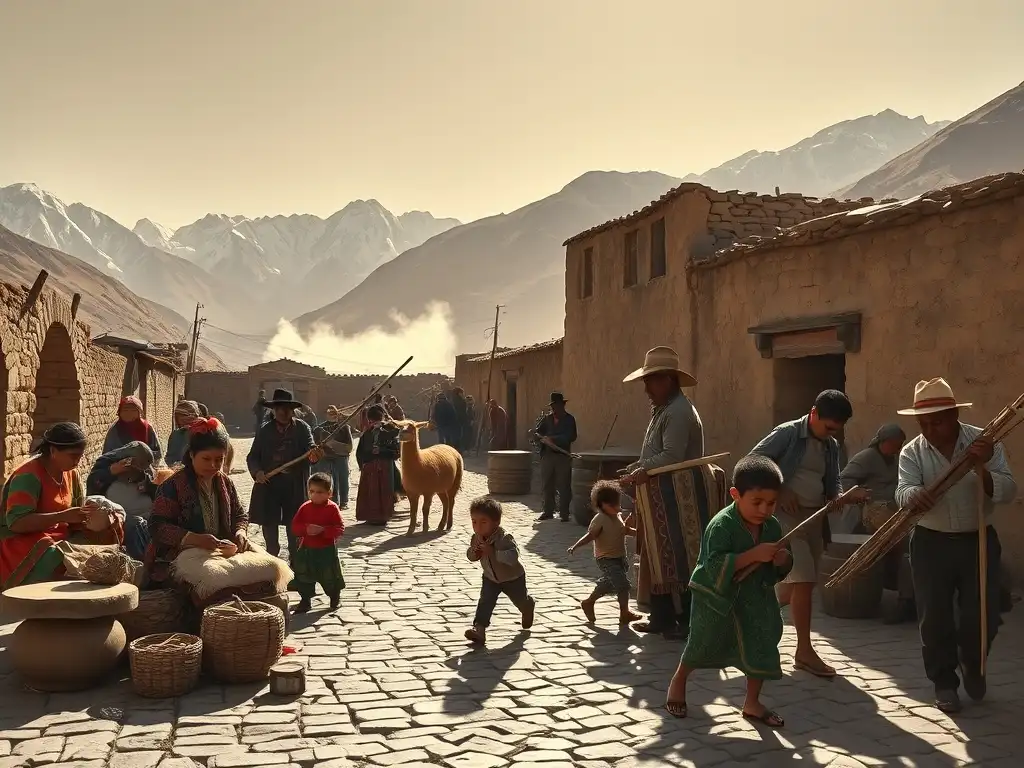
The Andean ayllu social structure wasn't merely a theoretical framework; it was the very fabric of daily life. Understanding the ayllu requires looking beyond its formal organization to see how it manifested in the practical realities of agriculture, ritual, and community development. The success of the ayllu depended on the active participation of all its members, fostering a sense of collective responsibility and shared destiny. This intricate system of kinship and cooperation ensured the survival and prosperity of Andean communities for centuries.
The strength of the ayllu lay in its ability to adapt to challenging environments and maintain social cohesion, even in the face of adversity. This section delves into the practical applications of the ayllu system, providing concrete examples of how it shaped the daily lives of Andean people. The keyword "Andean ayllu social structure" is central to understanding this deeply ingrained system of social organization.
Agriculture and Labor within the Ayllu: Ayni and Minka
Agricultural production was the cornerstone of ayllu life. The system relied heavily on reciprocal labor exchange, primarily through two mechanisms: ayni and minka. Ayni refers to the spontaneous exchange of labor between individuals or families within the ayllu. A farmer needing help with harvesting, for instance, might ask a neighbor for assistance, reciprocating the favor at a later date. This system fostered strong social bonds and ensured that everyone had access to the labor they needed.
Minka, on the other hand, involved larger-scale communal labor projects. These were often organized by the ayllu leadership and focused on tasks that benefited the entire community, such as irrigation canal maintenance, road construction, or temple building. Participation in minka was considered a civic duty, reinforcing social solidarity and collective responsibility.
Failure to participate could lead to social ostracism, highlighting the importance of communal contribution to ayllu success. The efficiency of these systems allowed Andean communities to cultivate challenging terrains, producing sufficient crops to sustain their populations. The integration of ayni and minka within the Andean ayllu social structure demonstrates a sophisticated understanding of resource management and social engineering.
Rituals and Ceremonies: Strengthening Ayllu Bonds
Rituals and ceremonies played a vital role in maintaining the cohesion and identity of the ayllu. These events weren't simply religious observances; they were crucial social gatherings that reinforced kinship ties, celebrated shared achievements, and reaffirmed community values. Many ceremonies revolved around the agricultural cycle, marking important stages like planting and harvesting. These celebrations provided opportunities for community members to come together, share food and drink, and reaffirm their commitment to the collective well-being of the ayllu.
The rituals often involved elaborate costumes, music, and dance, creating a vibrant and engaging atmosphere. Shamans and other religious leaders played a central role, mediating between the community and the supernatural world. Their pronouncements and guidance helped to maintain social order and resolve conflicts. The significance of these rituals in strengthening the Andean ayllu social structure cannot be overstated. They provided a powerful mechanism for transmitting cultural values, reinforcing social norms, and fostering a sense of shared identity among ayllu members. The frequency and importance of these events underscored the central role of religion and ritual in daily life.
The ayllu was not just a social unit; it was a self-governing entity responsible for managing its own resources and resolving internal conflicts. This required a sophisticated system of collective decision-making and conflict resolution. Decisions regarding land allocation, resource distribution, and public works projects were often made through a council of elders or other designated leaders. These leaders were chosen based on their experience, wisdom, and commitment to the community. Their authority stemmed from their position within the ayllu's social hierarchy and their demonstrated capacity for leadership.
The ayllu's ability to effectively manage its resources and resolve disputes was crucial to its long-term survival. This internal governance system, coupled with the reciprocal labor systems of ayni and minka, ensured the equitable distribution of resources and the efficient completion of communal projects. The success of the Andean ayllu social structure in managing these aspects of community development is a testament to its adaptability and effectiveness.
The system's ability to balance individual needs with collective responsibilities is a key factor in understanding its longevity and influence on Andean societies. The ayllu provided a model of social organization that prioritized community well-being and ensured the survival and prosperity of its members for generations.
The Ayllu's Role in the Distribution of Goods and Services
The ayllu, far from being a merely social unit, functioned as a crucial economic engine within Andean society. The distribution of goods and services wasn't governed by market principles as we understand them today; instead, it operated on a system of reciprocal exchange and redistribution, deeply intertwined with the concept of ayni (reciprocity). This meant that resources were shared amongst members based on need and collective well-being, rather than individual accumulation of wealth. Agricultural products, such as potatoes, maize, and quinoa, were cultivated collectively and then distributed according to the needs of the community. Families with larger numbers or facing hardship received a larger share, ensuring the survival of all members. This system, while seemingly simple, required sophisticated organization and a high degree of social trust.
The ayllu elders played a pivotal role in this process, overseeing the allocation of resources and mediating any potential disputes. Their decisions were based on established customs and traditions, ensuring fairness and maintaining social harmony. This wasn't a static system; the distribution of resources adapted to seasonal changes and unforeseen circumstances like droughts or crop failures. The flexibility inherent in the ayllu system allowed it to withstand considerable economic pressures, contributing to its longevity and success. The system also included the mita, a form of labor tax, where individuals contributed their labor to public works projects, further strengthening the communal bonds and infrastructure of the ayllu.
This ensured that essential tasks like irrigation maintenance, road construction, and temple building were completed effectively, benefiting the entire community. This intricate system of resource management highlights the ayllu's importance not just as a social structure but as a vital economic institution that ensured the survival and prosperity of its members. The concept of individual ownership was secondary to the collective good; the success of the ayllu hinged on its members' commitment to mutual support and cooperation. This system of reciprocal exchange and redistribution, a cornerstone of Andean social organization, provided a framework for stability and resilience in the face of environmental and social challenges. The ayllu's economic function underscores its integral role in the daily lives of its members and its contribution to the overall stability of Andean society.
The Ayllu Through Time: Evolution and Transformations
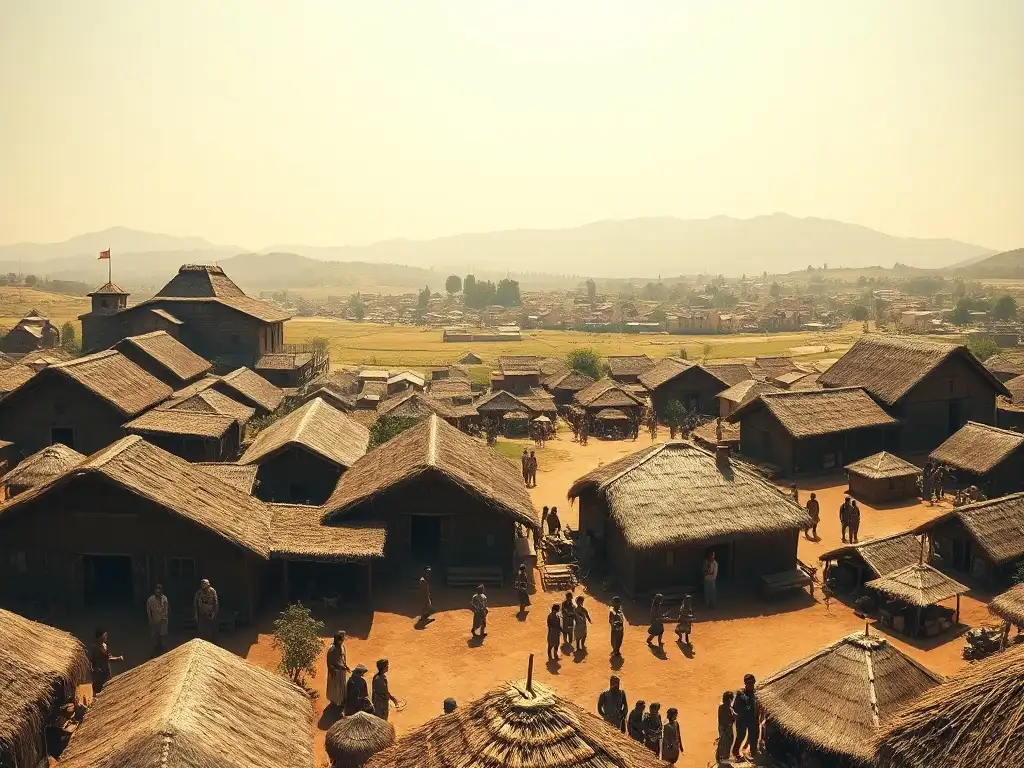
The Andean ayllu social structure, a cornerstone of Andean life for millennia, wasn't a static entity. Its form and function evolved significantly across different periods and under the influence of various empires and colonial powers. Understanding this dynamic evolution is crucial to grasping the true complexity of the ayllu and its enduring legacy. The concept of "Andean ayllu social structure" encompasses a vast tapestry of interconnected kinship, land tenure, and reciprocal obligations, woven differently throughout history.
The Ayllu Before the Inca Empire: Diverse Pre-Inca Ayllu Forms
Before the Inca Empire's expansion, various Andean societies developed their own versions of the ayllu. While the core principle of kinship-based community organization remained consistent, the specific structures and practices varied considerably. Archaeological evidence suggests a wide range of ayllu forms, influenced by factors such as geography, resource availability, and prevailing political structures.
For instance, the ayllus of the coastal regions, like those of the Moche civilization, likely differed significantly from those in the highlands, due to differing economic activities and environmental challenges. The Nazca, known for their intricate irrigation systems, probably organized their ayllus around access to water resources and the cooperative labor required for their construction and maintenance. These pre-Inca ayllus demonstrated a remarkable adaptability, showcasing the ayllu's inherent flexibility in responding to diverse circumstances.
Further research is needed to fully understand the nuances of these diverse pre-Inca ayllu structures; [Specific details on pre-Inca ayllu variations pending]. We can, however, confidently state that the Inca system built upon, and in some ways, transformed, pre-existing community structures.
The Inca Influence on the Ayllu System: State Incorporation and Adaptations
The Inca Empire significantly impacted the ayllu system, integrating it into their vast administrative structure. While respecting existing kinship ties, the Inca implemented a centralized control mechanism, using the ayllu as a basis for taxation, labor mobilization ( mita), and resource allocation. This involved appointing Inca officials ( kurakas) to oversee ayllus, ensuring compliance with imperial demands.
However, the Inca did not completely dismantle existing ayllu structures. Instead, they adapted and incorporated them, using the pre-existing social networks for efficient governance. This strategy allowed the Inca to maintain relative social stability while simultaneously extracting resources and manpower for their empire-building projects.
The Inca's incorporation of the ayllu demonstrates a shrewd understanding of Andean social dynamics and a pragmatic approach to governance. The system, while modified, retained aspects of its inherent reciprocal nature, albeit under the watchful eye of the imperial state. The Inca's influence significantly shaped the ayllu, leading to a more standardized, albeit hierarchical, system across their vast territory.
The Ayllu Under Colonial Rule: Land Dispossession and Resistance
The Spanish conquest brought about a drastic shift in the Andean ayllu social structure. The colonial regime implemented a system of land dispossession, aiming to replace the traditional communal land tenure with a system of private property. This led to significant social upheaval and disruption of traditional ways of life. The encomienda system, which granted Spanish colonizers control over indigenous labor and land, directly undermined the ayllu's economic foundation.
Despite this, the ayllu persisted, albeit in a significantly altered form. Indigenous communities continued to utilize kinship networks for mutual support and resistance against colonial oppression. This resistance manifested in various ways, including revolts, legal challenges, and the subtle preservation of traditional practices.
The tenacity of the ayllu during this tumultuous period underscores its resilience and deep-rooted significance in Andean culture. While the colonial period brought immense hardship and disruption, it also revealed the remarkable ability of the ayllu to adapt and endure in the face of profound social and political change. The struggle for land and autonomy continued, marking a critical chapter in the long history of the Andean ayllu.
The Ayllu Today: Modern Relevance and Adaptation
While the classic image of the ayllu conjures visions of pre-Columbian Andean life, its influence persists in contemporary Andean societies. The principles of reciprocal labor ( ayni ) and redistribution ( mita ), though modified, continue to shape community dynamics in many rural areas. The enduring strength of kinship ties, a cornerstone of the ayllu system, remains a crucial element in social organization and support networks. However, the modern ayllu has adapted to the pressures of globalization and modernization. The traditional communal land ownership model faces challenges from individual land claims and the encroachment of market forces.
Many ayllus have integrated modern technologies and economic practices, leading to a complex interplay between tradition and innovation. For example, some communities have incorporated sustainable agricultural practices, leveraging ancient knowledge with modern techniques to improve crop yields and manage resources effectively. This blend of tradition and modernity is a defining feature of the contemporary ayllu, reflecting its resilience and capacity for adaptation. The enduring significance of collective identity and mutual support, core tenets of the ayllu, continues to foster a sense of community and shared responsibility, even in the face of external pressures.
However, challenges remain, particularly in balancing the needs of individual members with the collective good, a constant tension in the evolving structure of the modern ayllu. The ongoing struggle to maintain traditional values while navigating a changing world is a testament to the ayllu's enduring power and its ongoing relevance in shaping Andean social structures. Further research into specific communities and their unique adaptations would provide more nuanced insights into the diverse expressions of the ayllu in the modern era. Understanding these adaptations is key to fully appreciating the enduring legacy of this fundamental Andean social organization.
The Enduring Legacy of the Andean Ayllu
The Andean ayllu, a complex kinship-based social structure, stands as a testament to the ingenuity and resilience of ancient Andean civilizations. Its influence extended far beyond mere familial ties, shaping economic systems, political organization, and even spiritual beliefs. Understanding the ayllu is crucial to comprehending the intricacies of Andean society, from the pre-Inca cultures to the present day.
The enduring legacy of the ayllu is evident in its continued relevance in contemporary Andean communities, demonstrating its adaptability and inherent strength as a social model. This deep dive into the Andean ayllu social structure will explore its multifaceted nature and lasting impact.
The ayllu wasn't simply a family unit; it functioned as a sophisticated model for social organization, encompassing reciprocal obligations, shared resources, and collective responsibility. Members, bound by blood ties and shared ancestry, collaborated in agricultural activities, construction projects, and religious ceremonies. This collaborative spirit fostered a sense of community and mutual support, crucial for survival in challenging Andean environments.
The system ensured the equitable distribution of land and resources, minimizing social inequalities. Unlike hierarchical systems prevalent in other societies, the ayllu emphasized a more egalitarian structure, although variations existed depending on the specific culture and historical period. For example, while leadership roles existed within the ayllu, they were often based on merit and respect rather than inherited power.
The ayllu's success lay in its ability to balance individual needs with collective goals, a model remarkably effective in managing resources and maintaining social cohesion. Archaeological evidence, such as the meticulously planned agricultural terraces and communal structures found throughout the Andes, provides tangible proof of this organized social structure. Furthermore, ethnographic studies of contemporary Andean communities continue to reveal the enduring principles of reciprocity and collective action that characterize the ayllu's legacy.
Preserving Ayllu Traditions and Knowledge
Despite the impact of colonization and modernization, many Andean communities continue to uphold aspects of the traditional ayllu structure. This preservation of ayllu traditions and knowledge is a testament to the system's deep-rooted significance. Efforts to document and understand these practices are ongoing, focusing on oral histories, traditional ceremonies, and land tenure systems.
Many indigenous communities actively work to maintain their ancestral lands and the communal management of resources, reflecting the enduring spirit of the ayllu. These efforts are not merely nostalgic; they are essential for maintaining cultural identity, promoting sustainable development, and ensuring the well-being of Andean communities. The knowledge embedded within the ayllu system – concerning agriculture, resource management, and social organization – offers valuable lessons for contemporary societies grappling with issues of sustainability and social equity.
The preservation of this knowledge requires ongoing support for indigenous communities and collaborative research initiatives that respect traditional practices and community ownership. The survival of the ayllu represents a powerful example of cultural resilience and a valuable resource for future generations.
The Ayllu and its Relevance in Contemporary Andean Communities
The ayllu's influence remains palpable in contemporary Andean communities, though its form and function have naturally evolved over time. While the rigid hierarchical structures of the Inca empire have largely faded, the principles of reciprocal obligation, collective action, and communal resource management continue to underpin many aspects of social and economic life. Contemporary manifestations of the ayllu can be observed in cooperative farming practices, community development projects, and the continued importance of kinship networks in everyday life.
The ayllu's enduring relevance highlights its adaptability and inherent value as a model for social organization. However, the challenges of globalization, migration, and economic disparities pose significant threats to the continued viability of the ayllu in some areas. Understanding the complexities of the ayllu's present-day role requires a nuanced approach, acknowledging both its enduring strength and the challenges it faces in a rapidly changing world.
Further research is needed to fully document the diverse ways in which the ayllu is adapted and maintained in different Andean communities, allowing for a more comprehensive understanding of its ongoing significance. The future of the ayllu depends on the continued support for indigenous self-determination and the recognition of the value of traditional social structures in addressing contemporary challenges.
Future of the Ayllu: Challenges and Opportunities
The Andean ayllu, a system that has endured for millennia, faces significant challenges in the modern world. Globalization, urbanization, and the pressure of modern economic systems are eroding traditional ways of life, impacting the ayllu's social cohesion and economic viability. The younger generation, often drawn to urban centers seeking better educational and economic opportunities, are less connected to the land and the traditional practices of their ancestors.
This migration weakens the ayllu's labor force and its capacity for collective action. The loss of traditional knowledge and skills further exacerbates this issue, threatening the continuity of the ayllu's unique cultural heritage.
However, the ayllu also possesses remarkable resilience and adaptability. Many communities are actively seeking ways to integrate their traditional social structures with modern realities. This involves exploring innovative approaches to land management, sustainable agriculture, and ecotourism, leveraging their unique cultural heritage for economic development.
Some ayllus are successfully utilizing collective bargaining power to negotiate better prices for their products and access to resources. Furthermore, there is a growing recognition of the ayllu's potential in addressing contemporary challenges such as climate change and environmental sustainability. The inherent principles of collective responsibility and resource management within the ayllu framework offer valuable lessons for sustainable development.
The future of the ayllu hinges on the ability of communities to adapt and innovate while preserving their core values. This requires a delicate balance between modernization and the preservation of traditional practices. Support from governmental and non-governmental organizations is crucial in providing access to education, technology, and resources, empowering ayllus to thrive in the 21st century.
Education plays a vital role in fostering a sense of pride in their heritage and equipping younger generations with the skills necessary to navigate the complexities of the modern world while maintaining their cultural identity. The success of the ayllu in the coming years will serve as a testament to its enduring strength and its capacity to adapt to change while preserving its rich cultural legacy.
The challenge lies in finding a sustainable path that respects tradition while embracing progress, ensuring the continued relevance of the ayllu as a vital social and economic unit in Andean society. The preservation of this ancient social structure offers valuable insights into sustainable community development and resource management for the global community.
Frequently Asked Questions
What is an ayllu?
An ayllu was the fundamental socio-economic unit in many Andean civilizations. It was a kinship-based community that combined family ties with shared resources and responsibilities. This system played a vital role in Andean society.
How did the ayllu system function?
The ayllu system involved collective land ownership and labor, with members cooperating in agriculture, construction, and other activities. Reciprocity and redistribution of resources were central to its functioning. Strong social bonds existed amongst members.
What role did the ayllu play in Andean society?
The ayllu was crucial for social organization, economic production, and political power. It provided social security, regulated resource access, and contributed to the overall stability of the Andean societies. It was the foundation of their social structure.
Unlike hierarchical systems, the ayllu emphasized collective well-being and egalitarianism, although leaders existed. It contrasted with individualistic societies focused on private property and competition. It differed in its emphasis on community cooperation.
Did all Andean civilizations use the ayllu system?
While the ayllu was prominent in many Andean cultures, including the Inca, its specific form and importance varied. Some groups had stronger ayllu structures than others. The degree of centralization also differed across groups.
Final Reflection: The Enduring Legacy of the Ayllu
The intricate social fabric of the Andean ayllu, though seemingly a relic of the past, continues to resonate deeply within contemporary Andean communities and offers invaluable lessons for understanding social organization and resilience. Its impact extends far beyond historical textbooks, shaping modern identities and influencing community dynamics in ways we are only beginning to fully comprehend.
The ayllu's emphasis on reciprocal exchange, collective responsibility, and a profound connection to the land remains a powerful force, shaping not only economic practices but also spiritual beliefs and social structures. Its enduring influence is a testament to the strength of community-based systems. The ayllu is not merely a social organization; it is a way of life, a philosophy that imbues every aspect of Andean existence.
This quote, though paraphrased, captures the essence of the ayllu's pervasive influence, extending beyond mere kinship to encompass a holistic worldview.
Consider the principles of mutual support and collective action inherent in the ayllu. How can we, in our increasingly individualistic world, rediscover and apply these values to build stronger, more resilient communities? Think about the ways in which collaboration and shared responsibility can address modern challenges, from environmental sustainability to social justice. Let the legacy of the ayllu inspire you to foster a sense of belonging and mutual support in your own life and community. The time to build bridges, not walls, is now.
Embrace the Spirit of Ayullu: Take Action Today!
Thank you for exploring the rich tapestry of Ayullu and its profound influence on Andean life! You've discovered the vital role of clan structures in shaping communities and fostering resilience. Now, let's put this knowledge into practice by taking meaningful actions that honor and engage with this vibrant heritage.
- Connect with a local Andean community group: Share your newfound understanding and contribute to preserving their cultural practices.
- Explore traditional Andean arts and crafts: Learn about weaving or pottery, perhaps even taking a class, and connect with local artisans to support their work.
- Share your knowledge: Inspire others to learn about Andean civilizations by sharing this article and information about Ayullu on social media.
How can the enduring values of Ayullu inspire and enrich modern communities?