
Inca Oracles and Divination: Seeking Guidance from the Gods


Uncover the mysteries of the Andes! Journey with us through a captivating world of ancient empires, breathtaking artistry, and sophisticated technology. But first, prepare to be amazed: did you know the Inca possessed incredibly intricate divination methods? Delve into the fascinating world of Inca oracle divination methods and discover how these powerful techniques shaped their lives and empire. Explore the secrets of the Andes—your adventure begins now.
The Inca Empire, a civilization that flourished in the Andes Mountains for centuries, left behind a rich tapestry of cultural practices, including sophisticated systems of divination and oracle consultation. Unlike many other ancient cultures, written records from the Inca are scarce, leaving much of their spiritual practices shrouded in mystery, interpreted primarily through archaeological findings, surviving oral traditions passed down through generations, and accounts from Spanish chroniclers.
This article delves into the fascinating world of Inca oracles and divination methods, examining the techniques used to seek guidance from the gods and understand the will of the apus (mountain spirits) and other powerful entities. We will explore the diverse methods employed, from interpreting the flight of birds and the patterns of coca leaves to utilizing complex knotted cords and sacred objects.
Understanding these practices offers a crucial window into the Inca worldview, their relationship with the supernatural, and the vital role of divination in their daily lives and imperial governance. This exploration is key to understanding the intricate social fabric and decision-making processes within the Inca Empire, revealing a society deeply connected to the spiritual realm.
Methods of Inca Divination: Reading the Signs of the Andes
Inca divination wasn't a monolithic practice; instead, it encompassed a diverse range of techniques, each tailored to specific needs and circumstances. The Inca believed that the gods communicated through various natural phenomena and carefully observed events around them for clues. This wasn't simply a matter of superstition; divination played a crucial role in shaping decisions impacting everything from agricultural practices and warfare to political alliances and royal succession. Let's explore some of the key methods:
- Bird flight interpretation ( augurio de aves): The flight patterns, calls, and behavior of birds were meticulously observed. Specific bird species were associated with different deities and omens. For example, the flight of a condor might signify good fortune or the favor of the sun god, Inti, while the appearance of a specific type of hawk could portend conflict. The direction of flight, the height, and even the bird's cries all held significance. Specialized individuals, perhaps shamans or priests, were trained to interpret these avian messages.
- Coca leaf reading (tahua): Coca leaves, a sacred plant in Andean culture, played a central role in divination. A handful of leaves would be scattered on a flat surface, and their arrangement was interpreted by a skilled diviner. The patterns formed by the leaves, their orientation, and even the presence of imperfections were believed to reveal insights into the future or answers to specific questions. This method was particularly important for personal decisions and everyday guidance.
- Knotted cords (quipus): While primarily known as a form of record-keeping, quipus—complex systems of colored strings with knots—were also used for divination. The colors, types of knots, and their arrangement on the cords were believed to hold symbolic meanings and could be interpreted to predict events or convey messages from the gods. The complexity of this system suggests a high level of sophistication in Inca divination practices.
- Sacred objects and rituals: Various sacred objects, such as polished stones, figurines, and specific artifacts, held significant symbolic value and were used in divination rituals. The appearance of these objects, their position during a ritual, or even their manipulation by a diviner could provide insights into the future or divine will. These rituals frequently involved offerings to the gods and were often conducted in sacred spaces or temples.
The Role of the Yachaq and the Inca State
The practice of Inca divination wasn't solely restricted to individual use. It played a significant role in the functioning of the Inca state. Specialized individuals, known as yachaqs (shamans or priests), were responsible for interpreting omens, conducting divination rituals, and advising the Sapa Inca (emperor) on matters of state. Their expertise was vital in making critical decisions about war, agriculture, and infrastructure projects. The Inca state actively supported and regulated these practices, highlighting their importance in maintaining social order and ensuring the well-being of the empire. The yachaqs acted as intermediaries between the divine and the human realms, guiding the Inca leadership and shaping the destiny of the empire. Their interpretations influenced everything from military campaigns to the allocation of resources, demonstrating the deep integration of the spiritual and political spheres of Inca society. Their influence extended beyond the imperial court, impacting the lives of ordinary Inca citizens as well.
The Legacy of Inca Divination
The Spanish conquest significantly disrupted Inca religious practices, leading to the suppression of many traditional divination methods. However, elements of Inca divination practices have persisted in Andean communities to this day. While the exact forms may have evolved, the underlying belief in the interconnectedness of the natural and spiritual worlds continues to influence Andean spirituality and worldview.
Understanding these ancient practices offers valuable insight into the rich and complex culture of the Inca Empire and its enduring legacy. Further research and investigation are necessary to fully unravel the mysteries surrounding Inca oracles and divination, particularly as new archaeological discoveries and analyses of existing data continue to shed light on this fascinating aspect of Andean civilization. The study of Inca divination is not just an exploration of historical practices; it's a journey into the heart of a culture deeply connected to the spiritual forces shaping their world.
- Methods of Inca Divination: Reading the Signs of the Andes
- The Role of the Yachaq and the Inca State
- The Legacy of Inca Divination
Understanding Inca Divination Practices
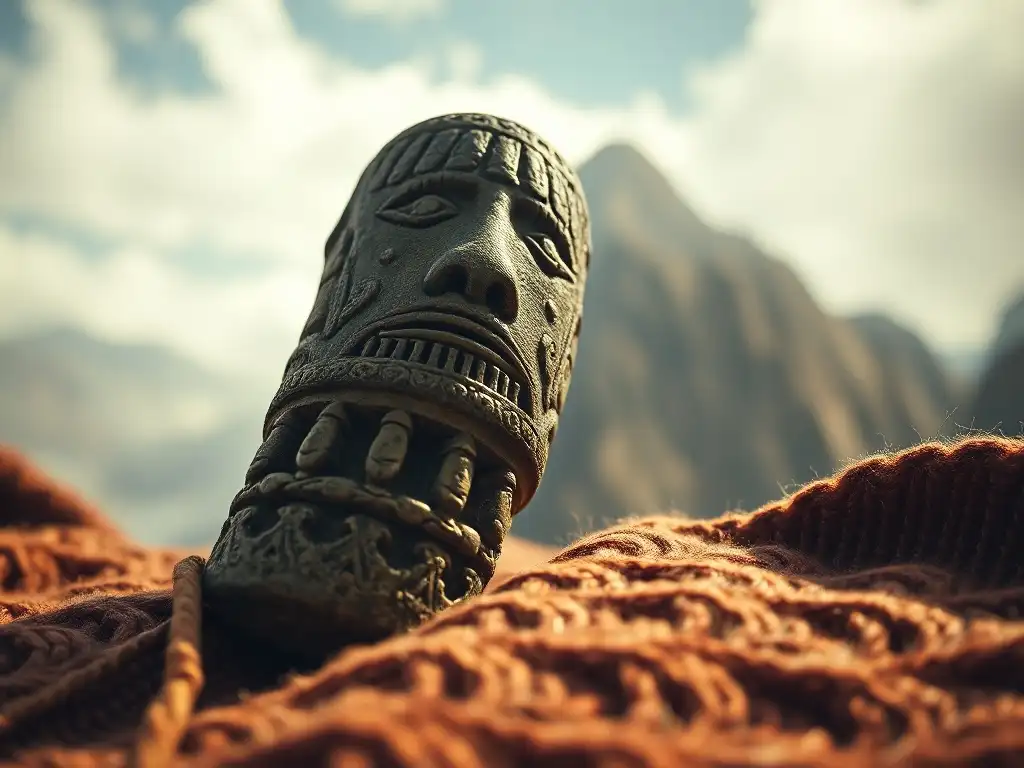
This section delves into the fascinating world of Inca divination, exploring the methods employed to seek guidance from the gods and understand the will of the divine. Inca oracle divination methods were deeply integrated into daily life, influencing decisions from agricultural practices to matters of state. Understanding these practices provides crucial insight into the Inca worldview and their relationship with the spiritual realm.
The Inca civilization, renowned for its sophisticated engineering and social structures, also possessed a complex system of belief and ritual, with divination playing a central role. This wasn't simply fortune-telling; it was a way to maintain harmony between the human and spiritual worlds, ensuring the continued prosperity and well-being of the empire.
The Role of Oracles in Inca Society
Oracles weren't just individuals; they were integral components of Inca society, functioning as intermediaries between the human and spiritual worlds. Their pronouncements held significant weight, influencing decisions at all levels – from the emperor's strategic choices to an individual farmer's planting schedule. The Inca believed that the gods communicated through various means, and the oracle's role was to interpret these divine messages, translating them into actionable advice.
This interpretation wasn't arbitrary; it was based on a complex understanding of Inca cosmology, mythology, and symbolism. For example, the flight patterns of birds, the behavior of llamas, or even the arrangement of coca leaves could all be interpreted as divine omens, providing insight into the future. The effectiveness of an oracle was directly linked to their reputation and perceived connection to the spiritual realm.
Their pronouncements weren't simply predictions; they were believed to shape the future, underscoring the power of belief in Inca society. The accuracy of their predictions, or at least the perceived accuracy, was vital for maintaining their authority and the stability of the societal order.
Religious Beliefs and the Importance of Prophecy
Inca religious beliefs emphasized the importance of maintaining a harmonious relationship with the Apus (mountain spirits) and other deities. Prophecy and divination were crucial tools in achieving this harmony. The Inca believed that the gods communicated their will through various signs and events, and the ability to interpret these signs was considered a sacred skill.
This belief system placed significant value on understanding the divine will, ensuring that human actions aligned with the cosmic order. Failure to heed the oracles' warnings could lead to disastrous consequences, reinforcing the importance of divination in Inca life. The importance of prophecy wasn't limited to individual concerns; it extended to matters of state, with oracles consulted on issues of war, peace, and imperial expansion.
The Inca leadership relied heavily on divination to guide their decisions, demonstrating the profound influence of religious beliefs on political and social life. Many rituals and ceremonies were performed specifically to consult the gods and receive guidance through various divination methods, highlighting the central role of prophecy in Inca culture and governance. The intricate relationship between religious belief, prophecy, and political decision-making underscores the sophisticated nature of the Inca worldview.
Inca Priests and Their Connection to the Spiritual Realm
Inca priests, known as wilaq or yama depending on their specific role and expertise, held a privileged position within society. Their connection to the spiritual realm was considered paramount. They were responsible for interpreting divine messages received through various divination methods, including observing natural phenomena, analyzing coca leaf readings ( llipta ), and interpreting dreams. These priests weren't simply intermediaries; they were considered experts in cosmology, mythology, and ritual.
Their training was rigorous, involving years of study and apprenticeship under experienced practitioners. The wilaq were responsible for maintaining the temples, conducting ceremonies, and advising the emperor and other officials on important matters. Their knowledge of divination techniques was essential for maintaining social order and ensuring the prosperity of the Inca Empire. The priests' ability to interpret the will of the gods was directly linked to their social standing and influence.
Their pronouncements carried immense weight, shaping the course of events within Inca society. The intricate relationship between the priests, divination, and the Inca state showcases the significant role of religion and spiritual beliefs in the empire's governance and social structure. The training and expertise required to become a wilaq further emphasizes the importance of this specialized knowledge within Inca society. The intricacies of Inca oracle divination methods, therefore, were not merely superstitious practices but rather a sophisticated system deeply interwoven with the fabric of Inca society and religion.
Methods of Inca Oracle Divination
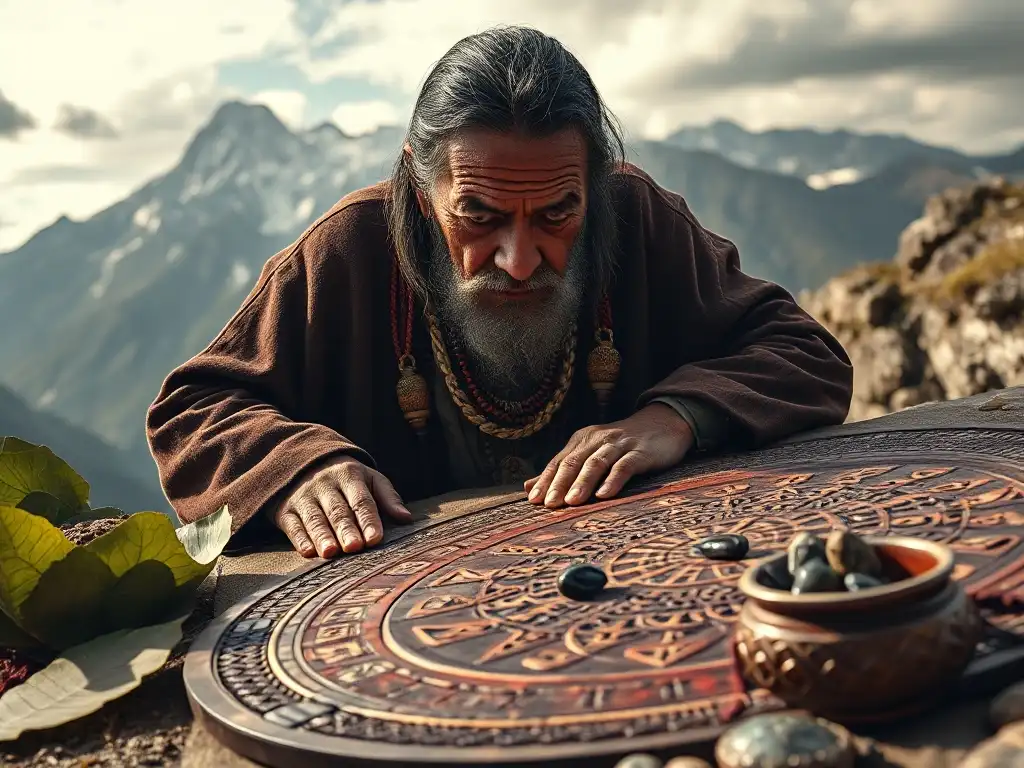
The Inca, renowned for their sophisticated empire, also possessed a complex system of beliefs and practices surrounding divination. Their methods for seeking guidance from the gods were multifaceted, integrating elements of nature, animal sacrifice, and meticulous observation. Understanding these Inca oracle divination methods provides crucial insight into their worldview and societal structure. The pursuit of divine guidance wasn't limited to the elite; it permeated various aspects of Inca daily life, from agricultural planning to political decisions. This section will explore some key methods employed by Inca priests and practitioners.
Coca and Divination Rituals: Interpretation of Effects
Coca leaves ( Erythroxylum coca) held immense cultural and religious significance within Inca society. Beyond their stimulant properties, they served as a crucial tool for divination. The Inca oracle divination methods involving coca leaves often included careful observation of the leaves themselves, their arrangement, and the patterns they formed. Priests, known as hamacas, were skilled in interpreting the subtle nuances of leaf placement and movement.
Several techniques existed. One involved spreading a small quantity of coca leaves on a flat surface and then interpreting their arrangement. The position of individual leaves, their orientation (whether pointing upwards or downwards), and the overall pattern they formed were all considered significant. For example, a specific arrangement might be interpreted as a favorable omen for an upcoming harvest, while another might suggest caution or the need for appeasement of the gods.
Another method involved chewing the coca leaves and paying close attention to the sensations experienced. The taste, the feeling in the mouth, and even the dreams that followed the consumption of coca were all believed to hold clues regarding the future. This form of divination required a high degree of sensitivity and experience. Detailed records of these interpretations, unfortunately, are scarce due to the destruction of many Inca texts by Spanish conquistadors. Further research is needed to fully reconstruct the intricate system of coca-leaf divination within the Inca empire.
Animal Sacrifice and Omens: Reading the Signs
Animal sacrifice played a significant role in Inca religious practices, and the resulting omens often guided important decisions. The Inca oracle divination methods involving animal sacrifice weren't simply about offering gifts to the gods; they were a means of seeking specific guidance. The type of animal sacrificed, its behavior before and during the ritual, and even the manner of its death were all carefully observed for signs.
Llamas, for instance, were frequently sacrificed. The way the llama behaved before the sacrifice—its calmness or agitation—could be interpreted as an omen. The condition of its internal organs after death was also scrutinized for clues. A healthy liver might signify good fortune, while abnormalities could indicate impending difficulties. Other animals, like guinea pigs or birds, were also used, each holding different symbolic meaning and contributing unique insights during divination rituals. These practices highlight a deeply integrated worldview where the natural world was believed to communicate directly with the spiritual realm, providing guidance through meticulous observation.
The interpretation of animal sacrifice wasn't solely based on the physical aspects of the animal; the behavior of the animal during the ritual was also crucial. A calm animal might indicate divine approval, while a struggling animal could suggest the need for further appeasement. The specifics of interpretation varied across different regions and communities within the Inca empire, reflecting regional variations in belief systems and ritual practices.
The Use of Corn Kernels in Inca Prophecy
Corn ( Zea mays) was a staple crop in the Inca empire and held deep religious significance. It's not surprising, therefore, that corn kernels were incorporated into Inca oracle divination methods. One common technique involved using a specific number of kernels, often a multiple of three (considered a sacred number), to predict the outcome of an event.
The kernels might be thrown onto a designated surface, and their arrangement interpreted. Alternatively, they could be arranged in specific patterns and their arrangement carefully examined. Like the coca leaves, the position and orientation of each kernel were crucial. Furthermore, the color and condition of the kernels were also considered, potentially adding another layer of complexity to the interpretation.
For example, a significant number of cracked kernels might indicate upcoming hardships, while a predominantly uniform arrangement of healthy kernels could be seen as a positive omen. The specific interpretations likely varied across different regions and communities. The use of corn kernels in divination reflects the Inca's profound respect for agriculture and their belief in the interconnectedness of the spiritual and material worlds. The agricultural cycle was intertwined with their spiritual beliefs, and the health of the crops was closely tied to the favor of the gods.
This practice, along with the others described above, demonstrates the depth and complexity of Inca divination practices. The Inca priests and diviners weren't simply guessing the future; they employed sophisticated techniques that required years of training and a deep understanding of Inca cosmology and symbolism.
Interpretation of Dreams and Visions in Inca Culture
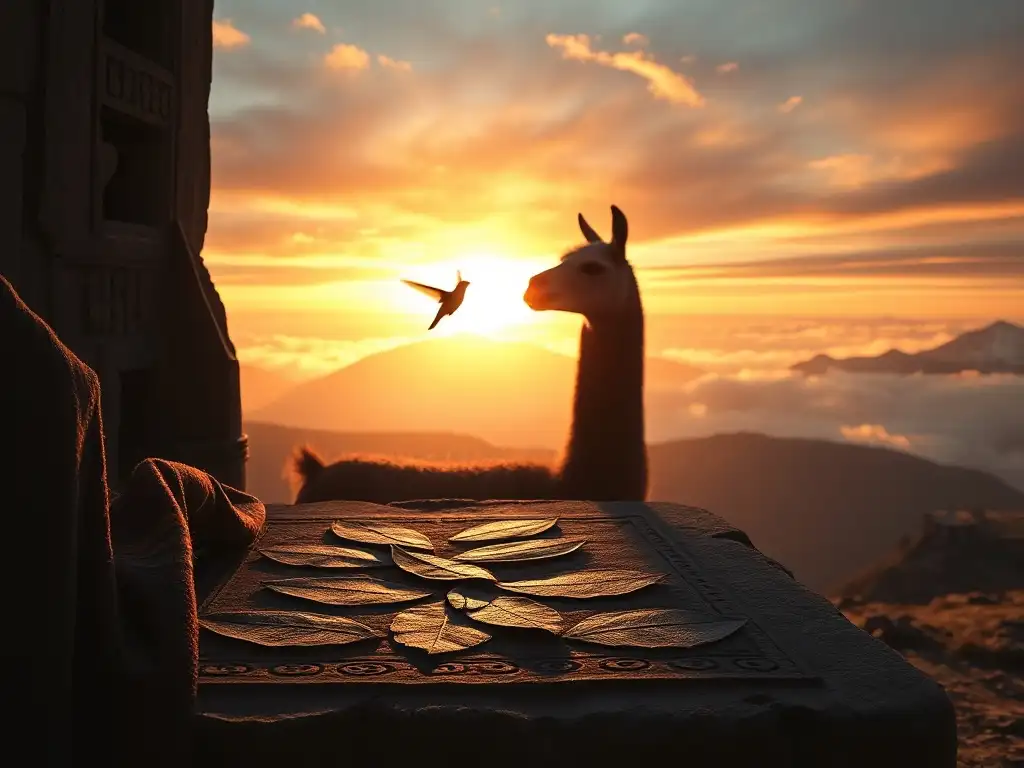
Dreams and visions held immense significance in Inca culture, serving as a crucial method of Inca oracle divination. The Inca believed that the spirit world communicated with the living through dreams, offering guidance, warnings, or prophecies. Shamans, known as paqos, played a vital role in interpreting these dreams. They possessed specialized knowledge of dream symbolism, understanding the nuances of different imagery and their potential meanings.
For example, a dream featuring a condor might symbolize power and authority, while a dream involving a serpent could indicate danger or deception. The interpretation wasn't simply a matter of individual symbolism; the paqo would consider the dreamer's social standing, current circumstances, and the overall context of the dream to arrive at a comprehensive understanding. This process often involved rituals and offerings to further clarify the divine message. Detailed records of dream interpretations, unfortunately, are scarce, leaving much of the practice shrouded in mystery.
However, surviving accounts from Spanish chroniclers offer glimpses into the complexity and importance of this divination method. The accuracy of these accounts is debatable, but they consistently highlight the central role of dreams in Inca spiritual life. Further research is needed to fully understand the intricacies of Inca dream interpretation, but it's clear that this was a sophisticated and deeply ingrained practice within their society.
Reading the Movement of Stars and Celestial Bodies
The Inca possessed an advanced understanding of astronomy, using their knowledge of the stars and celestial bodies as a sophisticated form of Inca oracle divination. Their observations weren't merely for agricultural purposes—though the alignment of stars played a crucial role in determining planting and harvesting times—they also provided a framework for understanding broader cosmic events and their implications for human affairs. Specific constellations and planetary movements were linked to various deities and events, allowing priests and astronomers to predict future occurrences, interpret omens, and offer guidance.
For instance, the appearance of certain stars or constellations at specific times of the year might be interpreted as auspicious or ominous signs, influencing decisions about warfare, governance, or religious ceremonies. The Inca meticulously tracked the movements of the sun, moon, and stars, building impressive observatories, such as the one at Machu Picchu, to facilitate their observations. These observations were not only scientific but also deeply spiritual, connecting the earthly realm to the celestial sphere.
While much of the Inca astronomical knowledge was lost after the Spanish conquest, surviving evidence, including architectural features and limited written accounts, reveal a sophisticated system of celestial divination that played a significant role in their society. The precision of their astronomical observations is a testament to their scientific prowess and the importance they placed on understanding the cosmos.
The Significance of Huacas for Divination
Huacas, sacred places or objects, formed the cornerstone of Inca religious life and played a pivotal role in Inca oracle divination. These huacas could be natural features like mountains, caves, or springs, or man-made objects like temples or burial sites. Each huaca possessed a unique spiritual power, believed to be inhabited by deities or ancestral spirits. Divination often involved seeking guidance from these spirits through offerings, prayers, and rituals performed at the huaca.
The responses could manifest in various ways, including dreams, visions, or signs interpreted by paqos. The choice of huaca for divination would depend on the specific question or issue at hand. For example, seeking guidance on matters of fertility might involve consulting a huaca associated with a fertility deity. The condition of the huaca, any unusual occurrences at the site, or the response to offerings could all serve as important clues in interpreting the divine message.
The paqos were skilled in interpreting these signs, mediating between the human and spirit worlds. The significance of huacas in Inca divination highlights the deeply spiritual nature of their worldview, where the physical and spiritual realms were inextricably intertwined. The reverence and importance given to huacas as focal points for divination underscore the profound influence of the spiritual world on all aspects of Inca life.
The Inca Oracle and its Influence on Decision-Making
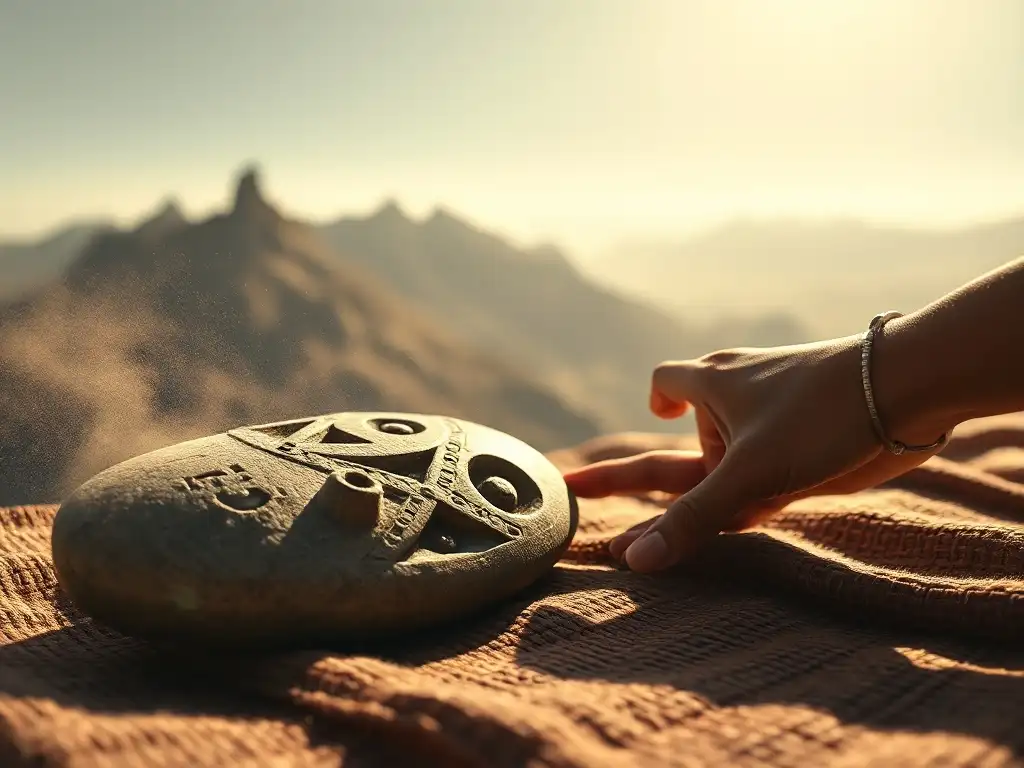
The Inca Empire, renowned for its sophisticated social structure and engineering prowess, relied heavily on divination and oracles to guide crucial decisions across all aspects of life. The Inca oracle divination methods weren't simply superstitious practices; they were integral components of their governance, military strategy, and agricultural planning. This deeply ingrained belief system shaped the empire's trajectory, highlighting the significant role of religious authority in their political and societal frameworks.
The accuracy and effectiveness of these methods are debated by modern scholars, but their undeniable influence on Inca society remains a fascinating area of study. Understanding these practices offers valuable insights into the Inca worldview and their approach to governance.
Political Decisions Guided by Inca Divination
Political decisions within the Inca Empire, from appointing officials to resolving territorial disputes, frequently involved consulting oracles. The capac hucha, a vessel containing water, was a commonly used tool. Priests would observe the water's movement and patterns to interpret divine messages.
For example, the selection of a new Sapa Inca (emperor) was a momentous occasion steeped in ritual and divination. The outcome wasn't solely based on lineage; oracles played a crucial role in confirming the chosen successor's divine mandate. This process ensured the legitimacy of the new ruler and maintained social order.
The interpretation of the capac hucha's movements wasn't arbitrary; it was guided by a complex system of symbols and established interpretations passed down through generations of priests. Records detailing these interpretations are scarce, however, leaving room for further research and potentially uncovering more nuanced details about the process. Further, the use of coca leaf readings, a common practice across Andean cultures, also contributed to political decision-making, offering subtle yet potent insights into the potential outcomes of different policy options.
Military Strategies Informed by Prophetic Insights
Inca military campaigns were not launched without careful consideration of divine guidance. Before embarking on a conquest or defensive maneuver, Inca leaders consulted oracles to assess the likelihood of success. The priests, highly skilled in interpreting omens and signs, would provide insights into the enemy's strengths and weaknesses, the optimal timing for attacks, and even the potential casualties.
This reliance on divination helped to mitigate risks and potentially avoid costly military miscalculations. For instance, the timing of the Inca expansion into new territories was likely influenced by the results of such consultations. While we lack detailed accounts of specific battles being directly decided by divination, it's reasonable to assume that the overall strategic planning and deployment of troops were informed by prophetic insights.
The strategic placement of military outposts and the selection of battlefields might have been guided by similar divinatory methods. This illustrates that Inca military prowess was not solely based on tactical skill and superior weaponry but also on a profound faith in the guidance of their gods.
Agricultural Planning Based on Divine Guidance
Agricultural success was paramount to the Inca Empire's survival and prosperity. The Inca civilization's ingenious agricultural techniques, such as terracing and irrigation, were complemented by a deep reliance on oracles to predict weather patterns and ensure bountiful harvests. Priests observed celestial movements, animal behavior, and natural phenomena to interpret divine messages pertaining to the upcoming planting season.
Favorable omens would signal a promising year, while unfavorable predictions might lead to adjustments in planting strategies or the allocation of resources. The Inca oracle divination methods used for agricultural planning were closely tied to the cyclical nature of Andean agriculture. Understanding the timing of planting and harvesting was crucial, and divination provided a framework for making informed decisions in this regard.
For example, the observation of specific constellations could have indicated the optimal time for planting particular crops. This integration of religious belief with practical agricultural knowledge showcases the holistic approach of the Inca civilization towards resource management and food security. The lack of detailed written records presents a challenge for researchers; however, archaeological evidence and ethnohistorical accounts offer valuable clues into this crucial aspect of Inca society.
The Role of the Oracle in Personal Life and Community Affairs
The Inca oracle wasn't solely reserved for matters of state; its influence permeated daily life, shaping personal decisions and community affairs alike. Individuals sought guidance on a wide range of issues, from choosing a marriage partner or resolving family disputes to making critical decisions related to farming and livestock.
The oracle's pronouncements were believed to reflect the will of the gods, offering a sense of certainty and direction in a world often subject to unpredictable forces like weather patterns and crop yields. This reliance on divine guidance fostered a strong sense of community, as people shared their hopes and anxieties, finding solace and support in collective divination practices.
For instance, a young Inca man contemplating marriage might consult the oracle to determine if a particular woman was a suitable partner, seeking divine approval before proceeding. Similarly, disputes between families or communities could be brought before the oracle for resolution, whose pronouncements were generally accepted as final and binding, thereby avoiding protracted conflicts and maintaining social harmony. In agricultural societies like the Inca, the oracle played a crucial role in determining the timing of planting and harvesting, ensuring the success of the crops and preventing widespread famine.
The oracle's pronouncements were not simply suggestions; they were considered sacred mandates, deeply influencing every aspect of Inca life, from personal choices to societal governance. The intricate relationship between individual lives and the community's well-being was thus reinforced by the oracle's pervasive influence.
The system fostered a sense of shared destiny and collective responsibility, strengthening the social fabric of Inca society. This communal aspect of divination served as an important social function, uniting individuals through shared faith and reliance on divine guidance.
The weight given to the oracle's pronouncements highlights the deeply ingrained religious beliefs of the Inca, where the spiritual and material realms were inextricably linked. The belief that the gods actively intervened in human affairs shaped decision-making processes at all levels of Inca society, from the emperor's grand strategies to the most mundane aspects of daily life. This pervasive influence of the oracle underscores the profound role of religion in shaping Inca culture and society.
The oracle wasn't simply a tool for predicting the future; it was a mechanism for maintaining social order and ensuring the well-being of the community as a whole. The communal aspect of seeking guidance from the oracle fostered a sense of shared identity and purpose, strengthening social cohesion and stability within the Inca Empire.
Prominent Inca Oracles and Diviners
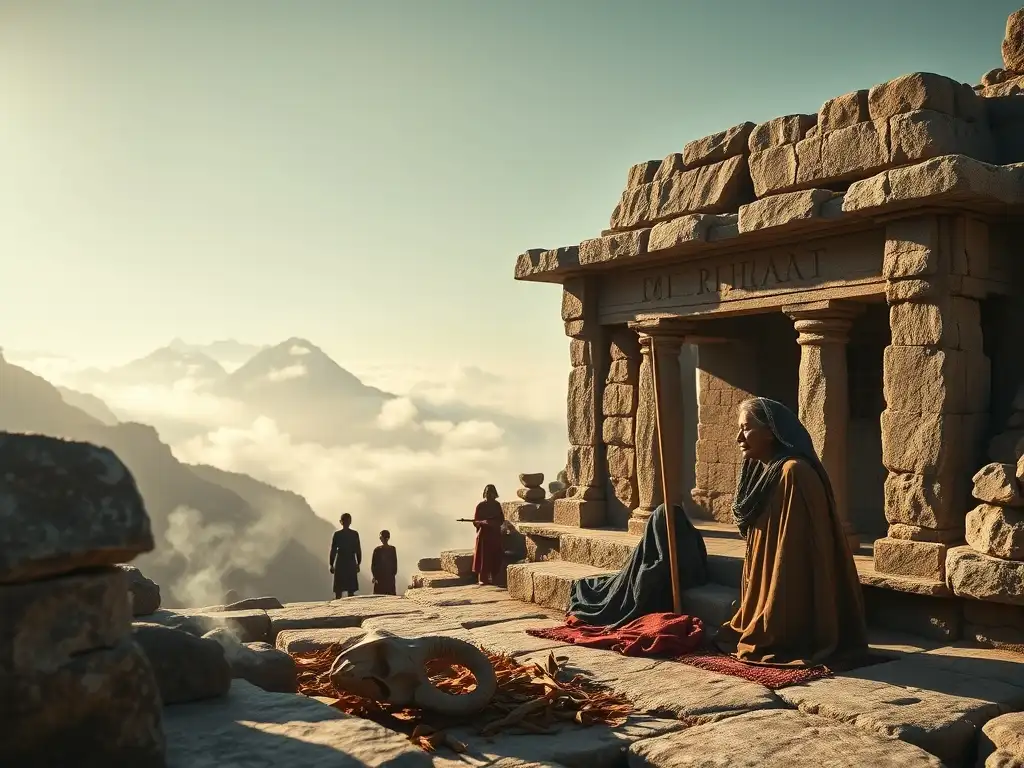
The Inca Empire, renowned for its sophisticated social structure and advanced engineering, also possessed a complex system of divination and prophecy. While detailed records are scarce due to the destruction of many Inca texts after the Spanish Conquest, archaeological findings and surviving accounts from chroniclers reveal a fascinating glimpse into their methods of seeking guidance from the gods. The Inca belief system heavily emphasized the interconnectedness of the natural world and the spiritual realm, believing that the gods communicated through various natural phenomena and selected individuals.
These individuals, often revered as oracles and diviners, played a crucial role in Inca society, advising rulers on matters of state, predicting harvests, and interpreting omens. Their pronouncements significantly impacted daily life, from agricultural practices to military campaigns. The accuracy and influence of these oracles solidified their position within the Inca hierarchy, underscoring the importance of divination in their worldview.
Understanding these methods helps us appreciate the profound influence of religion and spirituality on Inca civilization and its daily life. The study of Inca oracle divination methods provides valuable insight into their beliefs and practices.
Yana Cuna and Their Renowned Predictions
The yana cuna (literally, "black houses") were significant locations for Inca divination. These were not necessarily physical structures but rather designated areas, often secluded and associated with sacred springs or mountains, where chosen individuals, trained in interpreting signs and omens, performed rituals. These individuals were not necessarily hereditary priests but rather individuals chosen for their perceived spiritual sensitivity and ability to interpret natural events.
Their predictions ranged from the mundane, such as favorable weather conditions for planting, to the highly significant, such as the outcome of military campaigns or the succession of the Sapa Inca. Accounts suggest that the yana cuna practitioners utilized various methods, including observing the flight patterns of birds, interpreting the movements of stars and constellations, and analyzing the entrails of sacrificed animals. Their interpretations, often delivered in cryptic language, were carefully considered by Inca leaders, shaping critical decisions that impacted the entire empire.
The success of their predictions, or at least the perceived success, reinforced their authority and the power of Inca oracle divination methods. Unfortunately, specific examples of their predictions and their accuracy are limited in surviving historical accounts; further research is needed to fully understand their practices and impact on Inca society.
Pachacamac and its Historical Importance
Pachacamac, a powerful deity associated with earthquakes and fertility, held a prominent place in Inca religion, pre-dating the Inca Empire itself. While not strictly an oracle in the same sense as the yana cuna practitioners, the Pachacamac sanctuary served as a central location for divination and prophecy. Pilgrims from across the Andes travelled to this site to seek guidance and blessings from the deity.
Priests at Pachacamac likely employed various divination methods, possibly incorporating elements of the yana cuna practices, interpreting natural events and omens within the context of Pachacamac's power. The sanctuary's importance extended beyond Inca oracle divination methods; it was a significant center of political and economic power, further highlighting the intertwined nature of religion and governance within the Inca Empire.
The enduring legacy of Pachacamac underscores the continuous evolution and adaptation of Inca religious beliefs and divination practices across different regions and time periods. Detailed analysis of archaeological findings from Pachacamac is essential to better understand the specific divination techniques employed there.
The Legacy of Inca Oracles in Andean Traditions
The influence of Inca oracle divination methods extended far beyond the collapse of the empire. Many Andean communities continue to incorporate elements of Inca divination into their present-day practices. While the specific techniques and rituals may have evolved over time, the underlying belief in the ability to communicate with the spiritual world and receive guidance through natural signs persists.
This continuity demonstrates the enduring power of Inca religious traditions and their adaptation to changing social and political landscapes. Modern-day Andean divination often involves interpreting natural phenomena, such as weather patterns, animal behavior, and dreams, mirroring some of the methods employed by Inca oracles. Understanding this legacy sheds light on the resilience and adaptability of Andean cultures and the lasting impact of Inca beliefs on their descendants.
Studying these contemporary practices offers valuable insights into the evolution of Inca oracle divination methods and their continued relevance in Andean society. The continued use of these traditions signifies the deeply rooted spiritual connection to the land and the enduring legacy of the Inca Empire.
The Decline of Inca Oracle Divination
The sophisticated system of Inca oracle divination, once central to daily life and imperial decision-making, experienced a significant decline following the Spanish conquest in the 16th century. While the exact mechanisms of this decline are complex and multifaceted, involving a confluence of factors, the overall impact was a dramatic shift in Andean religious practices and a suppression of traditional knowledge.
Understanding this decline requires examining the interplay between imposed religious changes and the inherent resilience of Inca beliefs. The methods themselves, from interpreting coca leaf patterns to observing animal behavior, were not simply abandoned overnight; rather, their practice was gradually eroded and, in many cases, driven underground.
The Impact of the Spanish Conquest on Inca Religious Practices
The Spanish conquest brought about a forceful imposition of Catholicism, actively aiming to dismantle the existing Inca religious framework. The huacas (sacred sites), considered vital locations for divination and communication with the gods, were often destroyed or repurposed. Priests, amautas, and other practitioners of divination were persecuted, their knowledge deemed heretical and threatening to the colonial regime.
This systematic suppression created an environment hostile to the continuation of traditional Inca oracle divination methods. The Spanish Crown, seeking to consolidate its power, understood that controlling religious beliefs was crucial to controlling the population. This involved not only the construction of churches and cathedrals but also the active suppression of indigenous religious practices, including the complex rituals associated with Inca divination.
The destruction of temples and the banning of traditional ceremonies directly impacted the accessibility and continuity of these practices. Records from the colonial period reveal numerous instances of the destruction of Inca artifacts and the imprisonment or execution of individuals associated with traditional beliefs. The destruction of Inca religious infrastructure, combined with the active suppression of indigenous religious practices, drastically reduced the opportunities for the practice and transmission of Inca oracle divination methods.
The Suppression of Traditional Divination Methods
The suppression of Inca oracle divination methods wasn't solely a matter of physical destruction. The Spanish also engaged in a campaign of ideological suppression. They actively promoted Catholicism, portraying indigenous beliefs as pagan and superstitious.
This ideological warfare aimed to replace the complex system of Inca cosmology and divination with a simpler, more easily controlled religious framework. The conversion of the Inca population to Catholicism was a key objective, and this involved discouraging, and often punishing, the continued use of traditional divination techniques. The Spanish implemented a range of methods to discourage Inca divination, from public shaming to imprisonment.
Furthermore, the introduction of new social structures and hierarchies often marginalized those who possessed the knowledge and skills to practice these techniques. This resulted in a loss of institutional support for Inca oracle divination, further contributing to its decline. The deliberate suppression of Inca religious practices by the Spanish authorities, combined with the active promotion of Catholicism, effectively created an environment that hindered the continuation of Inca oracle divination methods.
The Survival of Inca Beliefs in Modern Andean Culture
Despite the forceful suppression, elements of Inca beliefs, including aspects of divination, have persisted in modern Andean culture. While the formal practice of Inca oracle divination as it existed before the conquest may have diminished significantly, certain practices and beliefs have adapted and survived, often syncretically blended with Catholic traditions. The use of coca leaves for divination, for example, continues in some communities, albeit often integrated with Catholic prayers or rituals.
This syncretism represents a complex interplay between the enduring power of Inca beliefs and the imposed influence of Catholicism. The survival of these practices indicates the resilience of indigenous knowledge systems and their capacity to adapt and persist in the face of significant cultural and political upheaval. Ethnographic studies from across the Andes showcase the continued relevance of traditional Andean cosmological understandings and practices, often subtly interwoven with elements of Catholicism, demonstrating the enduring legacy of Inca beliefs and practices, including aspects of divination, even if significantly altered from their pre-colonial forms.
The resilience of these beliefs underscores the profound impact of Inca culture and the enduring connection between Andean communities and their ancestral past. Further research is needed to fully understand the precise nature and extent of this survival and the specific ways in which Inca oracle divination methods have been adapted and integrated into contemporary Andean life.
Frequently Asked Questions
What were some common Inca oracle divination methods?
The Inca used various methods, including llama bone divination, reading coca leaves, and interpreting the flight patterns of birds. These practices were integral to decision-making at all levels of society.
How did the Inca use llama bone divination?
Practitioners would examine fractures and markings on llama bones, interpreting them to foretell the future or gain insights into important matters. This method was believed to provide divine guidance.
What role did coca leaves play in Inca divination?
Reading coca leaves (cocalismo) was a crucial form of divination. The arrangement and the way the leaves fell were interpreted to offer prophecies and advice.
Were Inca oracles only consulted by the elite?
While the elite certainly consulted oracles frequently, divination practices were accessible to people from all social classes. Oracles provided guidance for personal and communal decisions.
How did Inca divination differ from other Andean civilizations' practices?
While sharing some similarities with other Andean cultures, Inca divination featured a strong emphasis on state-sponsored rituals and the integration of oracles into the imperial administration. Llama bone divination was particularly prominent among the Inca.
Final Reflection: Echoes of the Andes: A Legacy of Seeking Guidance
The ancient Inca practice of divination, far from being a relic of the past, offers a powerful lens through which to examine our own contemporary search for meaning and guidance. In a world increasingly characterized by uncertainty and rapid change, the Inca's deep connection to the spiritual realm and their sophisticated methods of interpreting the natural world resonate with a surprising urgency. Their belief in the interconnectedness of all things, and their reliance on observation and ritual, speaks to a fundamental human need to understand our place in the cosmos.
The enduring influence of Inca divination methods is not merely historical; it's a testament to the persistent human desire to find clarity and direction. Their sophisticated systems, from interpreting the flight of birds to analyzing coca leaves, reveal a profound understanding of the power of symbolism and the importance of attentive observation. The universe is a book written in the language of mathematics, and its characters are triangles, circles, and other geometrical figures, without which it is humanly impossible to understand a single word of it; without these, one wanders about in a dark labyrinth.
– Galileo Galilei. This quote, while not directly about Inca divination, speaks to the underlying principle of seeking patterns and meaning within the seemingly chaotic world, a principle central to Inca practices and our own modern quest for understanding.
Consider the ways in which you seek guidance in your own life. Do you rely on intuition, logic, or perhaps a combination of both? Reflect on the Inca's methods, not to emulate them directly, but to appreciate the underlying principles of attentiveness, respect for nature, and the search for meaning within the seemingly random events of life. Embrace the spirit of inquiry, the willingness to observe, and the courage to seek answers beyond the readily apparent. Let the echoes of the Andes inspire you to cultivate your own unique path toward understanding and connection.
Embrace the Wisdom of the Inca Oracles!
Thank you for exploring the fascinating world of Inca oracles and divination! Your interest in ancient wisdom offers a unique perspective on how the past can inform our present. Let's delve deeper into this rich heritage.
- Deepen your understanding: Explore the specific rituals and methods used by Inca priests. Discover how to integrate these ancient techniques into your daily life for a more insightful and fulfilling experience.
- Share your perspectives: Discuss your interpretations of signs and symbols in your life in the comments below. We'd love to hear your thoughts on divination and how it impacts your personal journey.
- Join our community: Subscribe to our newsletter for exclusive content and further insights into Andean civilizations and their ancient practices.
Consider how applying the principles of Inca divination might enhance your everyday decision-making. What insights might you gain?