
The Inca's Agricultural Expertise: A Foundation of Their Empire

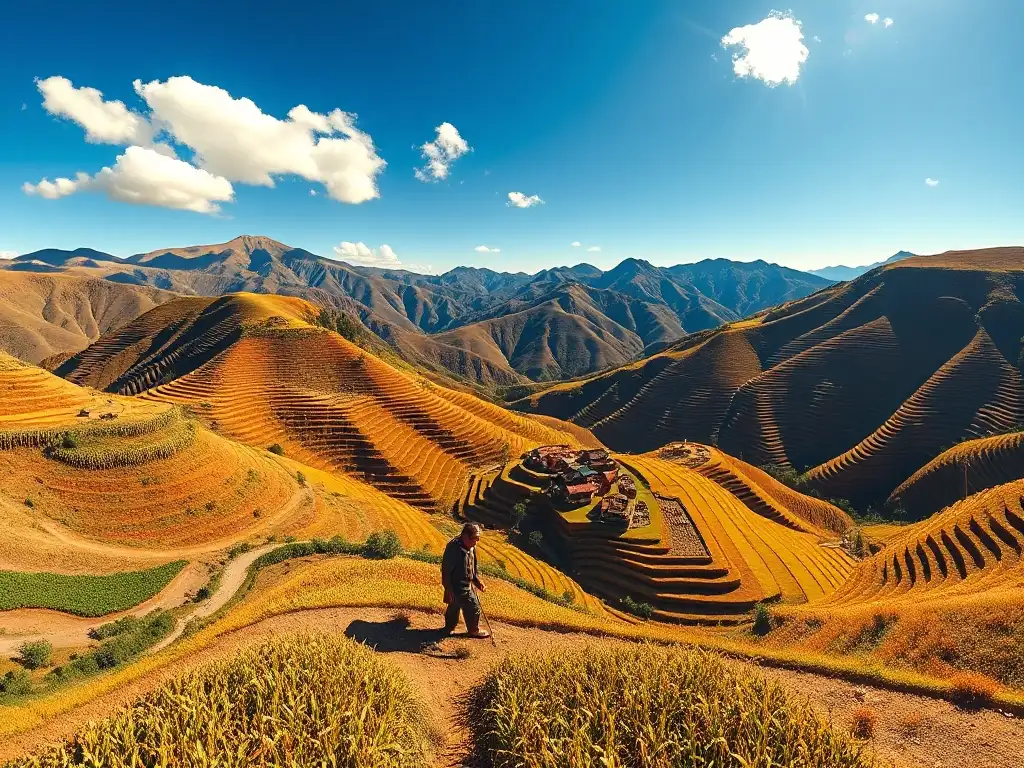
Step into a world lost to time, yet echoing with the ingenuity of a vanished empire. Prepare to be amazed by the remarkable achievements of the Andean civilizations, from the intricate artistry of the Nazca lines to the awe-inspiring architecture of Machu Picchu. But our journey begins with a closer look at the Inca agricultural techniques—the very foundation upon which their vast empire was built. Discover the secrets behind their unparalleled farming prowess and understand how these innovations shaped the destiny of a civilization. Unravel the mystery – delve deeper into the fascinating story of the Inca Empire.
The Inca Empire, renowned for its vast expanse and sophisticated societal structures, achieved remarkable success in part due to its mastery of agriculture. This wasn't simply a matter of subsistence farming; Inca agricultural techniques were sophisticated, innovative, and crucial to the empire's growth and stability. Their ability to cultivate diverse terrains, optimize resource utilization, and ensure food security across varying altitudes and climates laid the groundwork for their impressive political and social achievements. This article will delve into the ingenious methods employed by the Inca, showcasing their remarkable understanding of agricultural principles and their impact on the development and longevity of their empire. We will explore the key techniques that enabled them to feed a large and expanding population, demonstrating the profound connection between Inca agricultural practices and the strength of their civilization. Understanding their agricultural expertise provides crucial insight into the very foundation of Inca power and societal organization.
Introduction to Inca Agriculture and Its Significance
The Inca Empire, spanning across the Andes Mountains, faced significant geographical challenges. Steep slopes, varying altitudes, and diverse microclimates presented obstacles to large-scale agriculture. However, the Inca weren't deterred. They developed a sophisticated system of agricultural practices, adapting their techniques to the specific conditions of each region.
This wasn't just about producing enough food to survive; it was a carefully orchestrated system that ensured surplus production, facilitated trade, and supported a complex social hierarchy. The success of Inca agriculture was intrinsically linked to their ability to manage resources effectively, control water distribution, and develop innovative farming techniques suited to the challenging Andean landscape. The resulting surplus allowed for specialization of labor, the growth of urban centers, and the maintenance of a powerful military.
The Inca's agricultural prowess wasn't just a practical necessity; it was a cornerstone of their empire's power and longevity. Their ingenuity in adapting to and overcoming environmental limitations stands as a testament to their remarkable engineering skills and deep understanding of their environment. The impact of their agricultural innovations is still felt today, shaping modern agricultural practices in the Andes region.
The Ingenious Inca Farming Methods
The Inca employed a range of innovative farming methods, each carefully adapted to the specific geographical challenges. These included:
- Terracing: Perhaps the most iconic Inca agricultural technique, terracing involved carving steps into hillsides to create level platforms for cultivation. This dramatically increased the amount of arable land available, prevented soil erosion, and allowed for efficient irrigation. The scale and precision of Inca terracing are truly remarkable, showcasing their advanced understanding of engineering and land management. The terraces were often meticulously constructed, with retaining walls built from stone to support the soil and prevent landslides.
- Waru Waru: This unique agricultural system involved creating raised beds surrounded by irrigation canals. This method improved drainage, retained moisture, and regulated temperature, allowing for year-round cultivation in some areas. Waru Waru also proved highly effective in managing water resources, particularly crucial in arid regions of the Andes. The design of Waru Waru systems demonstrates a sophisticated understanding of water management and its impact on crop yields.
- Irrigation Systems: The Inca developed extensive irrigation systems, channeling water from rivers and streams to their fields. These systems often involved complex networks of canals, aqueducts, and reservoirs, demonstrating a high level of engineering skill and collaborative effort. The management of these systems was crucial to the success of Inca agriculture, ensuring that crops received adequate water even in dry seasons. The intricate design and effective implementation of these systems highlight the importance of water resource management in Inca agricultural practices.
- Crop Rotation and Fertilization: To maintain soil fertility, the Inca practiced crop rotation and used various forms of fertilization, including manure and guano (bird droppings). These methods helped to prevent soil depletion and ensure consistent crop yields. Their understanding of soil health and the importance of nutrient replenishment demonstrates a sophisticated knowledge of agricultural principles. The use of guano, a particularly rich fertilizer, showcases their resourcefulness and understanding of natural resources.
The Inca's mastery of these techniques, along with their sophisticated understanding of Andean ecology, allowed them to cultivate a wide variety of crops, including potatoes, maize, quinoa, beans, and coca. This diversity ensured food security and supported a large and thriving population. Their agricultural practices were not only efficient but also sustainable, demonstrating a remarkable understanding of the delicate balance between human needs and environmental preservation.
The legacy of Inca agricultural techniques continues to inspire modern agricultural practices, particularly in the challenging environments of the Andes. The impressive scale and ingenuity of their agricultural systems stand as a testament to their advanced knowledge and their ability to adapt to the unique challenges of their environment.
- What innovative agricultural techniques did the Incas employ?
- How did the Inca's agricultural techniques contribute to their empire's success?
- What crops were most important to Inca agriculture?
- Were Inca agricultural techniques sustainable?
- How did the Inca manage to cultivate crops in challenging environments?
Advanced Inca Agricultural Techniques
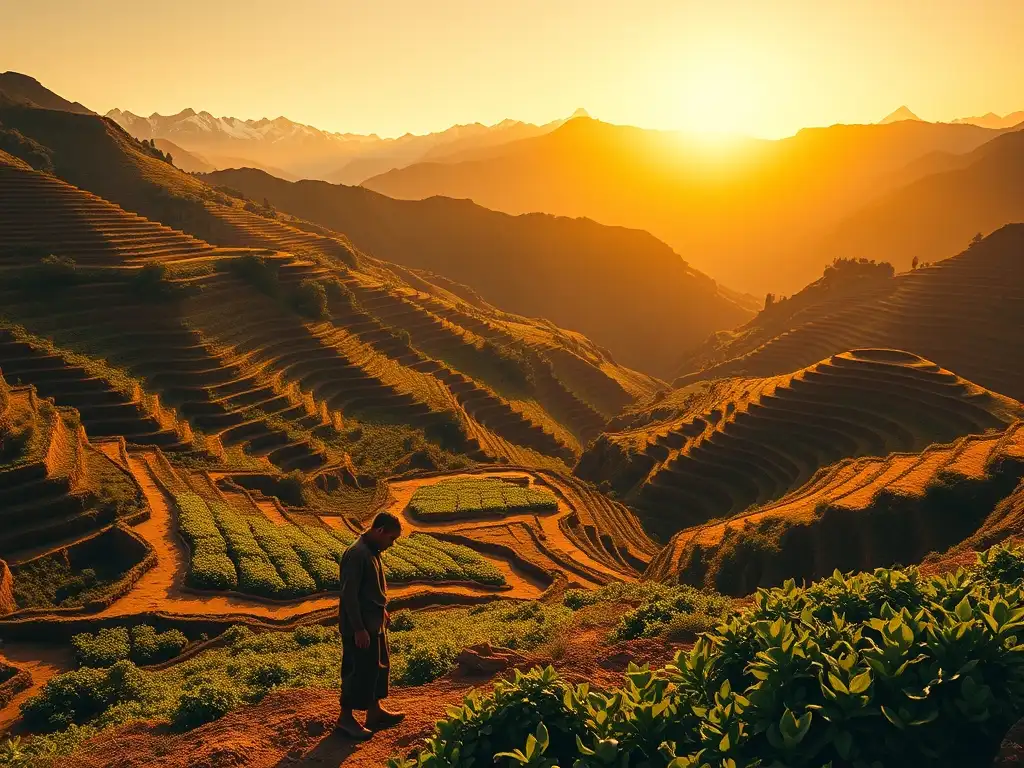
The Inca Empire's remarkable success stemmed partly from its sophisticated agricultural techniques, allowing them to thrive in the challenging Andean terrain. Mastering techniques like terracing and sophisticated irrigation systems enabled the Incas to cultivate diverse crops and sustain a large population, solidifying their dominance and contributing to the empire's impressive longevity. These weren't simply farming methods; they were integral components of Inca societal structure and political power. The ingenuity displayed in their agricultural innovations remains a testament to their advanced understanding of both engineering and ecology.
Terracing: Maximizing Arable Land
Inca agricultural techniques are best exemplified by their extensive use of terracing. Terracing transformed steep, mountainous slopes into a series of flat, cultivable platforms. This ingenious method dramatically increased arable land, allowing the Incas to maximize food production in an environment that otherwise presented significant limitations. The scale of this undertaking was monumental, with terraces stretching across vast swathes of the Andes. The precise methods varied depending on the specific location and slope gradient but the overall goal remained constant: to create optimal conditions for agriculture in challenging topography.
How Inca Terraces Functioned
Inca terraces weren't simply cut into hillsides; they were meticulously designed and constructed. They utilized retaining walls, often built from stone, to hold the soil in place. These walls were not only structurally sound but also carefully designed to prevent erosion. The terraces themselves were often leveled and enriched with soil brought in from other areas, improving drainage and fertility.
Furthermore, the orientation of the terraces often followed the contours of the land, maximizing sun exposure and minimizing water runoff. Evidence suggests that the Incas also employed sophisticated techniques to control soil moisture, optimizing water usage and crop yields. The precision and skill involved in creating and maintaining these terraces speaks to the advanced engineering capabilities of Inca society. Detailed studies of surviving terrace structures continue to reveal the intricacies of their design and construction.
The Impact of Terraces on Food Production
The impact of Inca terracing on food production was profound. By significantly increasing the amount of cultivable land, the Incas were able to produce a surplus of crops, ensuring food security for their growing population. This surplus also allowed for trade and the support of specialized labor, contributing to the overall strength and stability of the empire.
The diverse range of crops grown on these terraces, including potatoes, maize, quinoa, and beans, provided a balanced diet and nutritional security. The efficiency of the terrace system meant that even marginal lands could be utilized for agriculture, further enhancing the empire's resilience. The success of Inca agricultural practices demonstrates a deep understanding of environmental adaptation and resource management.
Irrigation Systems: Ensuring Water Supply
Water scarcity was a major challenge in the Andes, but the Incas developed remarkably effective irrigation systems to overcome this obstacle. These systems, often integrated with the terrace systems, provided a reliable water supply for agriculture, even in arid regions. Their engineering prowess is clearly evident in the design and construction of canals, aqueducts, and other water management structures.
Canals and Aqueducts: Engineering Marvels
Inca irrigation systems involved complex networks of canals and aqueducts, often carved into rock or built from stone. These structures could transport water over long distances and across varied terrain. The canals were carefully graded to ensure a consistent flow of water, and strategically placed reservoirs provided storage for times of drought.
The construction of these systems required a high degree of engineering skill, and demonstrates a sophisticated understanding of hydraulics. The scale of some of these projects is astounding, reflecting the Inca's ability to mobilize large workforces and coordinate complex engineering endeavors. Many of these structures remain remarkably well-preserved today, standing as a testament to Inca ingenuity.
Water Management Strategies in the Andes
Beyond canals and aqueducts, the Incas employed a range of water management strategies tailored to the specific conditions of different regions. These included techniques such as diverting streams, constructing reservoirs, and building underground channels ( qanatos) to access groundwater. They also developed sophisticated methods for measuring and distributing water, ensuring equitable access for all farmers within a community. This integrated approach to water management underscores the Inca's holistic view of agriculture and resource management.
Their ability to adapt their techniques to the diverse environmental conditions of the Andes is a testament to their practical knowledge and innovative spirit. The efficiency of their systems allowed for sustainable agriculture, contributing to the long-term prosperity of the Inca Empire. Understanding these techniques provides valuable insights into sustainable resource management, even in modern contexts.
Vertical Agriculture: Adapting to Diverse Ecosystems
The Inca Empire's success was intrinsically linked to its mastery of agriculture, particularly its innovative approach to vertical agriculture. The Andes Mountains presented a formidable challenge, with drastically varying altitudes, climates, and soil conditions. Instead of being limited by these constraints, the Inca cleverly adapted their farming practices to exploit the diverse ecosystems available to them.
This wasn't simply a matter of planting different crops at different altitudes; it was a sophisticated system of understanding and manipulating the environment to maximize yields. They recognized that even within a small area, microclimates could significantly impact crop growth, leading to their ingenious terracing and irrigation systems. This allowed for a remarkably diverse and abundant food supply, supporting a large and densely populated empire.
The ingenuity of their approach is evident in the sheer scale and complexity of their agricultural projects, which still impress today. Their understanding of the relationship between altitude, sunlight, rainfall, and soil composition allowed them to optimize crop production across a wide range of challenging environments. This wasn't just about survival; it was about prosperity and the creation of a stable and resilient food system.
Understanding Microclimates for Crop Diversity
A key element of Inca agricultural success was their deep understanding of microclimates. They recognized that even within a relatively small area, variations in slope, aspect (direction the slope faces), and proximity to water sources could create significantly different growing conditions. This understanding allowed them to cultivate a wide variety of crops, each suited to a specific microclimate.
For example, a south-facing slope might receive more direct sunlight, ideal for crops needing intense heat, while a north-facing slope might be better suited to crops that thrive in cooler, shadier conditions. They also understood the impact of altitude on temperature and growing seasons, skillfully placing crops at elevations that optimized their growth. This detailed knowledge allowed them to create a highly productive agricultural system that maximized crop yields and biodiversity, mitigating the risks associated with relying on a single crop or a limited range of growing conditions.
This nuanced approach is a testament to their keen observation skills and practical knowledge of their environment. Their agricultural practices weren't simply based on tradition; they were constantly adapted and refined based on careful observation and experimentation.
Different Crops at Varying Altitudes
The Inca's vertical agricultural system is best exemplified by the diverse range of crops cultivated at different altitudes. At lower altitudes, in the warmer valleys, they grew crops such as maize (corn), beans, squash, and cotton. These crops thrived in the warmer temperatures and ample sunlight of the lower elevations. As the altitude increased, so did the sophistication of their farming techniques.
At mid-altitudes, they cultivated potatoes – a staple crop of the Andean region – in their various forms. Potatoes, with their remarkable adaptability to diverse soil and climatic conditions, formed the backbone of the Inca diet. At higher altitudes, where the climate was colder and the growing season shorter, they cultivated hardy crops like quinoa and oca, both highly nutritious and resilient to harsh conditions. This carefully planned diversification of crops across different altitudes ensured food security, minimizing the risk of crop failure due to variations in weather or disease.
The intricate system of terraces, irrigation canals, and agricultural techniques specific to each altitude maximized yields and supported a large and flourishing population. The Inca's understanding of the relationship between altitude and crop suitability is a hallmark of their advanced agricultural practices. Their ability to cultivate such a wide range of crops at different altitudes is a testament to their profound knowledge of their environment and their innovative farming techniques.
Key Inca Crops and Their Importance
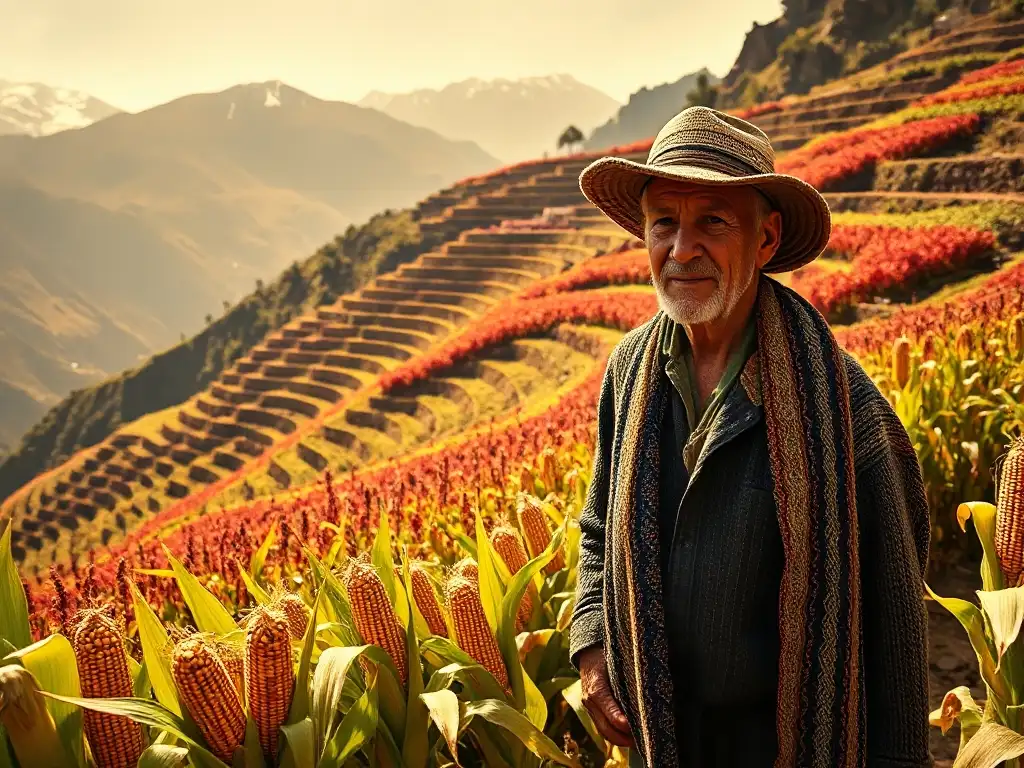
The Inca Empire's remarkable success was significantly underpinned by its sophisticated agricultural techniques, which allowed them to thrive in diverse and challenging Andean environments. Mastering the art of cultivation was paramount, enabling them to sustain a large population and build a powerful empire. Understanding the key crops and their importance reveals a crucial aspect of Inca ingenuity and societal structure.
The Inca's agricultural prowess wasn't just about food production; it was deeply intertwined with their religious beliefs and social organization. Their agricultural practices, in many ways, defined their civilization. This section will delve into the significance of two key crops: potatoes and maize.
The Significance of Potatoes in the Inca Diet
Potatoes ( Solanum tuberosum) were, and remain, a cornerstone of Andean diets. Their adaptability to high altitudes and varied terrains made them an ideal crop for the Inca's vast empire. The incredible diversity of potato varieties cultivated by the Inca is a testament to their agricultural expertise. Their nutritional value provided essential sustenance, contributing significantly to the health and strength of the Inca population. The importance of potatoes extended beyond mere sustenance; they played a pivotal role in the Inca's social and economic systems.
Different Potato Varieties Cultivated
The Inca cultivated an astonishing variety of potatoes, each adapted to specific environmental conditions. Estimates suggest they cultivated hundreds, if not thousands, of different varieties 1 , showcasing a deep understanding of plant genetics and adaptation. These varieties varied significantly in size, color, shape, taste, and nutritional content. Some were better suited for storage, while others were ideal for immediate consumption. This biodiversity was crucial for their food security, ensuring resilience against crop failures due to climate variability or disease. The Inca's meticulous record-keeping, though not written, likely involved detailed knowledge transfer of these varieties across generations and regions. The loss of this knowledge after the Spanish conquest was a significant blow to Andean agriculture.
The Role of Potatoes in Food Security
The Inca's sophisticated agricultural practices, including terracing, irrigation, and crop rotation, ensured reliable potato harvests. The extensive network of storehouses ( qollqas) across the empire allowed for the efficient storage and distribution of surplus potatoes. This system provided crucial food security, mitigating the risks associated with unpredictable weather patterns and ensuring the population had access to food year-round.
The strategic distribution of potatoes also served as a crucial component of the Inca's economic and political power, reinforcing their control over the vast empire. The ability to maintain consistent food supplies allowed the Inca to mobilize large workforces for construction projects and military campaigns.
Maize Cultivation and Its Cultural Value
Maize ( Zea mays), another essential crop, held immense cultural and religious significance for the Inca. Its cultivation was not only vital for sustenance but also deeply embedded in their religious ceremonies and social structures. The Inca developed sophisticated techniques for cultivating maize in the challenging Andean environment, demonstrating remarkable agricultural innovation.
Maize as a Staple Food and Ritual Item
Maize provided a crucial source of carbohydrates, proteins, and vitamins to the Inca diet. It was used in various forms, from fresh kernels to ground flour for making breads and porridges. Beyond its nutritional value, maize played a central role in Inca religious practices. It was frequently used as offerings to the gods, and its cultivation and harvest were often marked by elaborate ceremonies. The symbolic importance of maize is evident in Inca art and mythology, showcasing its profound influence on their worldview.
Techniques for Growing Maize in the Andes
Cultivating maize in the Andes presented unique challenges due to high altitudes, steep slopes, and limited arable land. The Inca overcame these challenges through ingenious agricultural techniques. They developed sophisticated irrigation systems to provide water to their maize fields, often channeling water from distant sources. They also used terracing to create level fields on steep slopes, maximizing usable land.
Furthermore, the Inca employed techniques like crop rotation and the use of fertilizers (e.g., guano) to enhance soil fertility and maximize yields. Their mastery of these techniques allowed them to produce sufficient maize to meet the needs of a vast and growing population. The Inca's ingenuity in maize cultivation is a testament to their adaptability and resourcefulness.
1 Precise figures on the number of potato varieties cultivated by the Inca remain elusive due to the limited written records and the challenges of archaeological research. Further research is needed to fully quantify this aspect of Inca agricultural practices.
Other Essential Crops: Quinoa, Beans, and More
Beyond potatoes, the Inca empire cultivated a diverse range of crops crucial to their sustenance and economic stability. Quinoa, a grain crop boasting high nutritional value, played a significant role in the Inca diet, providing essential proteins and carbohydrates. Its adaptability to high-altitude conditions made it a staple in the Andes, contributing significantly to food security in challenging environments.
Archaeological evidence reveals widespread quinoa cultivation across the Inca empire, suggesting its importance in supporting a large population. The meticulous storage techniques employed by the Inca, such as using qollqas (storage structures), ensured that quinoa harvests were preserved for times of scarcity, showcasing their sophisticated agricultural planning.
Beans, another vital component of the Inca diet, provided valuable protein and complemented other staple foods like potatoes and quinoa. Different varieties of beans were grown, each adapted to specific ecological niches within the empire. The Inca understood the importance of diversification and the benefits of different bean types for both nutritional balance and resilience against crop failure.
The cultivation of beans also helped to enrich the soil through nitrogen fixation, a practice that contributed to sustainable agriculture in the long term. Furthermore, beans were not only a dietary staple but also played a role in religious ceremonies and were used in various medicinal preparations.
Diversifying the Inca Agricultural Base
The Inca's success wasn't solely dependent on a single crop; it stemmed from their mastery of diverse agricultural practices and the cultivation of a wide array of crops. This diversification was a key element in their resilience against environmental challenges and crop failures. The varied terrains and climates across the Inca empire necessitated a flexible and adaptable agricultural approach. High-altitude zones were suited to crops like quinoa and hardy potatoes, while lower-altitude valleys supported the growth of maize, squash, and other more heat-tolerant varieties.
This strategic approach to crop selection minimized the risks associated with relying on a single crop and ensured a more consistent food supply for the population. The Inca's deep understanding of their environment and the specific needs of different crops allowed them to optimize their agricultural output across diverse ecological zones. This sophisticated understanding is a testament to their advanced agricultural knowledge.
The Importance of Crop Rotation
Crop rotation was a crucial technique employed by the Inca to maintain soil fertility and prevent depletion. By systematically rotating different crops in a given field, they avoided the negative consequences of monoculture, which could lead to nutrient deficiencies and reduced yields. This practice, often combined with the use of fertilizers such as guano (bird droppings), ensured the long-term productivity of their agricultural lands.
The Inca’s meticulous record-keeping likely helped them track the effectiveness of different rotation systems and adapt their methods over time. This sustainable approach to agriculture contributed significantly to the long-term success of the Inca empire and demonstrates their understanding of ecological principles centuries before their formal articulation in modern scientific thought.
The evidence suggests a sophisticated understanding of soil health and its impact on crop yields, demonstrating a profound connection between the Inca and their environment. This practice highlights the Inca's commitment to sustainable and efficient agricultural methods, a cornerstone of their expansive empire.
Inca Agricultural Tools and Technology
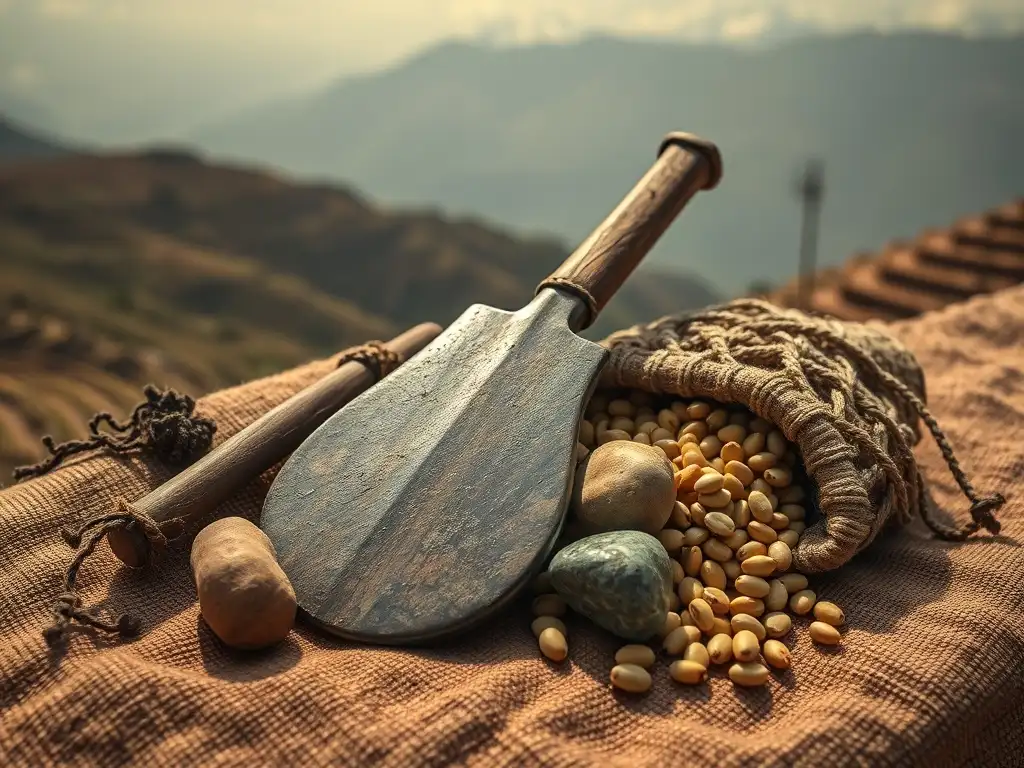
The Inca Empire's remarkable success wasn't solely due to its military prowess and sophisticated administrative system. A crucial element of their power and longevity was their mastery of agriculture. Their ingenuity in developing and adapting agricultural techniques to the diverse Andean terrain is a testament to their understanding of both their environment and the principles of sustainable farming.
This section delves into the tools and technologies employed by the Inca to cultivate their crops, showcasing the remarkable blend of simplicity and effectiveness that characterized their approach to farming. Understanding these "Inca agricultural techniques" offers a glimpse into the ingenuity that underpinned their empire's agricultural success.
Simple yet Effective Farming Implements
Inca agricultural practices were characterized by a remarkable adaptation to the challenging Andean environment. The terrain, ranging from arid coastal deserts to high-altitude mountains, demanded innovative solutions. Instead of relying on complex machinery, the Inca developed simple yet highly effective tools tailored to their specific needs. This focus on practicality and efficiency allowed them to maximize agricultural yields within the constraints of their environment. This pragmatic approach to tool design is a key element of understanding their successful agricultural practices.
The Chaquitaclla: A Foot Plow
The chaquitaclla, often referred to as a foot plow, stands as a prime example of Inca ingenuity. This simple yet effective tool consisted of a wooden shaft with a digging blade at one end. Farmers would use their feet to push the blade into the soil, creating furrows for planting. The design minimized physical strain compared to digging with hands alone, allowing for more efficient planting across larger areas.
The chaquitaclla's design was perfectly suited to the Andean soils, and its widespread use speaks volumes about its effectiveness. Archaeological findings consistently uncover evidence of its use across the Inca Empire, highlighting its importance in their agricultural system. Its simplicity also allowed for easy maintenance and repair, making it a sustainable tool for the Inca farmers.
Other Tools for Planting and Harvesting
Beyond the chaquitaclla, the Inca utilized a range of other tools for planting and harvesting. These included:
- Wooden hoes: Used for weeding and loosening the soil.
- Sickles: For harvesting grains and other crops.
- Stone axes: While primarily used for other purposes, they were also adapted for clearing land and preparing fields.
- Carrying baskets: Essential for transporting crops and materials.
These tools, though seemingly basic by modern standards, were meticulously crafted and highly functional, reflecting the Inca's deep understanding of their agricultural needs and the materials available to them. The effectiveness of these tools, combined with sophisticated agricultural practices, allowed the Inca to maximize crop yields across diverse and challenging terrains. The ingenuity shown in adapting readily available materials into practical tools is a testament to the Inca's resourcefulness.
Storage and Preservation Techniques
The Inca's agricultural success was not solely dependent on efficient cultivation. Effective storage and preservation techniques were equally crucial for ensuring food security, especially given the challenges of the Andean climate and the need to provide for a large population. Their methods ensured that harvested crops could be preserved for extended periods, providing food during the lean seasons and safeguarding against crop failures. This sophisticated system of storage and preservation was integral to the empire's ability to sustain itself.
Preserving Food for the Off-Season
The Inca employed a variety of methods for preserving food. These included:
- Sun-drying: A common method for preserving fruits, vegetables, and meats.
- Freezing: Utilizing the high-altitude cold to preserve food.
- Fermentation: Used to extend the shelf life of certain foods.
- Storage in cool, dry places: Protecting food from spoilage.
These techniques, used in combination, ensured that the Inca had access to a reliable food supply throughout the year, mitigating the risks associated with seasonal variations in crop production. This foresight and planning were essential for maintaining stability and preventing widespread famine within the vast Inca Empire. The integration of these various preservation methods into a comprehensive system demonstrates the sophistication of their food management practices.
Inca Granaries and Their Design
The Inca's impressive granaries played a pivotal role in their food storage and distribution system. These structures, often built from stone, were strategically located throughout the empire, ensuring that food reserves were readily accessible to the population. Their design was far from rudimentary; they incorporated features to protect the stored food from pests, moisture, and other environmental factors.
The construction and placement of these granaries showcase the Inca's understanding of agricultural logistics and their commitment to food security. The meticulous planning and construction of these granaries are further evidence of the sophisticated nature of Inca agricultural practices. The design incorporated features like ventilation systems and raised foundations to prevent moisture damage, showcasing their advanced understanding of preservation techniques.
The strategic placement of granaries across the empire ensured equitable food distribution, contributing to the social stability of the Inca civilization. The efficiency of their system is a testament to the Inca’s advanced understanding of agricultural management.
The Impact of Inca Agriculture on Their Empire

The Inca Empire's remarkable success wasn't solely due to military prowess or sophisticated governance. A crucial element underpinning their power and longevity was their mastery of agriculture. Their innovative techniques, adapted to the diverse Andean landscape, enabled them to support a large, complex society and fuel their expansion across a vast territory.
This section will explore the profound impact of Inca agricultural expertise on the development and sustainability of their empire, examining how their farming practices shaped their social structure, facilitated their territorial growth, and left a lasting legacy on Andean agriculture. Understanding Inca agricultural techniques is key to understanding the Inca Empire itself.
Supporting a Large and Complex Society
Food Surplus and Social Organization
The Inca's sophisticated agricultural systems generated significant food surpluses. This wasn't simply a matter of chance; it was a carefully orchestrated system involving terracing, irrigation, and crop diversification. The surplus food wasn't just consumed by the population; it played a critical role in the social organization of the empire.
The ayllu, the basic social unit, relied on collective farming and redistribution of resources. Surplus crops were stored in qollqas (granaries) strategically located throughout the empire, ensuring food security during lean times and providing resources for public works projects, religious ceremonies, and the support of the ruling elite. This system fostered stability and reduced the risk of widespread famine, contributing to the empire's overall resilience.
The efficient management of food resources directly correlated with the strength and stability of the Inca social structure. Detailed records, though not all surviving, suggest meticulous accounting of agricultural yields and distribution, showcasing the administrative sophistication of the Inca state.
The Role of Agriculture in Inca Expansion
Inca expansion wasn't solely driven by military might; it was significantly facilitated by their ability to adapt and implement their agricultural techniques in newly conquered territories. Their expertise in terracing allowed them to cultivate even steep slopes, maximizing arable land. They introduced new crops and farming techniques to different regions, improving agricultural productivity and integrating conquered populations into the empire's economic system.
The ability to quickly establish reliable food production in new territories was a key factor in their ability to consolidate power and suppress rebellions. The spread of Inca agricultural practices was, therefore, a crucial instrument of imperial control and integration. For example, the introduction of potatoes, already cultivated in various forms, to new areas through Inca trade routes and agricultural practices boosted food security across the vast empire.
The Legacy of Inca Farming Practices
Sustainable Agriculture in the Andes
The Inca's legacy extends far beyond their empire's collapse. Many of their sustainable agricultural practices continue to be employed in the Andes today. Terracing, for instance, is still widely used to prevent soil erosion and maximize water retention in mountainous regions. The Inca's understanding of water management, including the construction of sophisticated irrigation systems, remains relevant in a region often characterized by water scarcity.
These enduring practices demonstrate the ingenuity and foresight of Inca agricultural engineers and their deep understanding of the Andean ecosystem. The long-term sustainability of Inca agricultural techniques is a testament to their ecological awareness and their ability to work harmoniously with their environment. Their methods offer valuable lessons for contemporary agriculture, especially in the face of climate change.
Lessons for Modern Agriculture
The Inca's agricultural expertise provides valuable lessons for modern agriculture. Their emphasis on crop diversification, soil conservation, and water management offers a compelling model for sustainable farming practices. Their understanding of the interconnectedness of ecological systems and their ability to adapt to diverse environments are particularly relevant in the context of climate change and the need for resilient agricultural systems.
Modern agricultural practices could benefit from incorporating elements of Inca techniques, such as the use of terraces to prevent erosion and the integration of diverse crops to enhance soil fertility and pest resistance. The study of Inca agricultural techniques offers valuable insights into creating more sustainable and resilient food systems for the future. Their achievements serve as a powerful reminder that sustainable practices are not only environmentally responsible but also crucial for long-term food security and social stability.
Frequently Asked Questions
What innovative agricultural techniques did the Incas employ?
The Incas utilized several ingenious techniques, including terracing to create level farmland on steep slopes, irrigation systems to channel water efficiently, and the creation of waru waru raised fields to improve drainage and soil fertility. These methods maximized crop yields in diverse environments.
How did the Inca's agricultural techniques contribute to their empire's success?
Their advanced agricultural practices ensured food security and surplus production, supporting a large and complex population. This abundance also allowed for trade and military expansion, bolstering their empire's power and longevity.
What crops were most important to Inca agriculture?
Potatoes were a staple crop, alongside maize, quinoa, and beans. These provided a balanced diet and contributed significantly to the Inca's food supply. The diverse range of crops helped ensure resilience against crop failure.
Were Inca agricultural techniques sustainable?
While incredibly effective for their time, the long-term sustainability of some Inca techniques is debated. However, their emphasis on soil conservation and water management demonstrates a degree of environmental awareness and responsible farming practices.
How did the Inca manage to cultivate crops in challenging environments?
The Incas adapted their techniques to varied terrains. They built extensive irrigation systems, employed terracing on steep mountain slopes, and developed innovative methods like waru waru to address specific environmental challenges and maximize arable land.
Final Reflection: Echoes of the Andes: Inca Agriculture's Enduring Legacy
The ingenuity of Inca agricultural techniques remains a potent example of human adaptation and a powerful reminder of the importance of sustainable practices in the face of environmental challenges. Their mastery of terracing, irrigation, and crop diversification offers invaluable lessons for a world grappling with climate change and food security issues in the 21st century. The echoes of their innovative solutions resonate even louder today.
The Inca's profound understanding of their environment and their ability to coax abundance from seemingly inhospitable terrain continues to inspire awe and admiration. Their sophisticated systems weren't merely about feeding a large population; they were a testament to their deep connection with the land and a sophisticated social structure built upon agricultural success. The Inca empire was not built on gold, but on the sweat of its farmers.
This simple statement encapsulates the crucial role agriculture played in their societal and political power. Their legacy challenges us to reconsider our own relationship with the land and the sustainability of our current practices.
Consider the ingenuity of the waru waru system, or the intricate network of canals that channeled water to thirsty fields high in the Andes. These weren't just feats of engineering; they were expressions of a deep understanding of ecological balance. You too can find inspiration in their dedication to resourcefulness and community cooperation.
Reflect on how you can apply these principles in your own life, whether it's through supporting sustainable agriculture, reducing your environmental impact, or simply appreciating the interconnectedness of all living things. Let the legacy of Inca agricultural expertise inspire you to cultivate a more sustainable and equitable future.
Unleash the Secrets of Inca Ingenuity Today!
Thank you for exploring the fascinating world of Inca agricultural marvels! You've discovered key insights into how their innovative farming techniques sustained a powerful empire. Now, let's apply that knowledge to your own life and community.
Here are some ways you can further engage with this incredible legacy:
- **Experiment with sustainable gardening techniques** inspired by the Incas, such as terracing or companion planting, to boost yields and protect the environment.
- **Share your knowledge** with friends and community members—host a workshop or discussion group to explore the remarkable agricultural strategies of the Inca.
- **Research how Inca-inspired sustainable practices** can be integrated into modern eco-friendly initiatives. Consider their water management systems or crop rotation methods.
Which aspects of Inca agriculture inspire you most, and how will you incorporate these principles into your life or community projects? Share your thoughts below!