
The Cloud Forest Ecosystem: How It Shaped Machu Picchu's Landscape

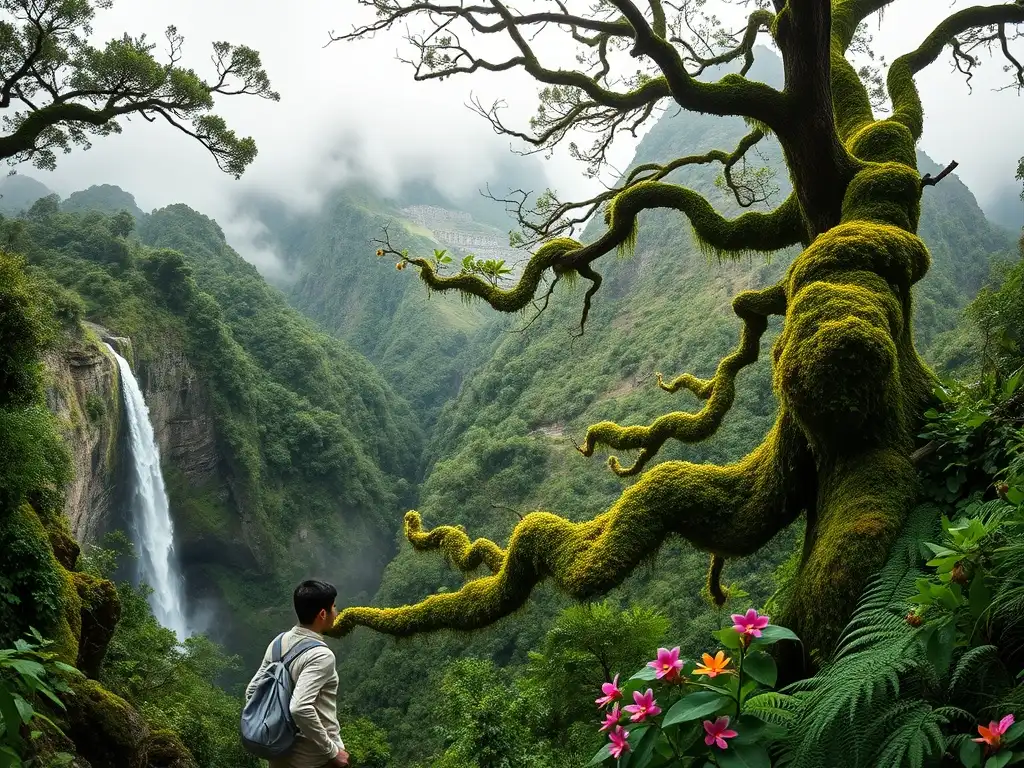
Step into a world lost in the mists of time, where towering peaks meet vibrant cultures. Andean Civilizations unveils the secrets of ancient empires, from the intricate artistry of the Nazca lines to the awe-inspiring engineering of the Incas. But what truly fueled the rise and fall of these magnificent societies? Discover the surprising answer within our exploration of the Machu Picchu cloud forest ecosystem, a hidden world that shaped the very landscape of this iconic citadel. Unravel the mysteries and prepare to be amazed.
- Machu Picchu Cloud Forest Ecosystem: Shaping the Inca Citadel
- Understanding the Andean Cloud Forest Environment
- The Cloud Forest's Influence on Machu Picchu's Topography
- Flora and Fauna of the Machu Picchu Cloud Forest
- The Inca's Interaction with the Cloud Forest
- Machu Picchu's Sustainability and the Cloud Forest
- The Legacy of the Cloud Forest on Machu Picchu's Landscape
-
Frequently Asked Questions
- What is the Machu Picchu cloud forest ecosystem?
- How did the cloud forest influence the Incas' settlement at Machu Picchu?
- What kind of plants and animals are found in the Machu Picchu cloud forest?
- What are the current threats to the Machu Picchu cloud forest ecosystem?
- How can I learn more about the Machu Picchu cloud forest ecosystem?
- Final Reflection: The Enduring Legacy of Machu Picchu's Cloud Forest
- **Unleash the Wonders of the Cloud Forest! **
Machu Picchu Cloud Forest Ecosystem: Shaping the Inca Citadel
The majestic citadel of Machu Picchu, a UNESCO World Heritage site, is not merely a collection of Inca stonework perched dramatically on a mountain ridge. Its very existence, its strategic location, and the unique architectural adaptations employed by the Inca are inextricably linked to the surrounding cloud forest ecosystem. This article delves into the profound influence of this unique environment on the landscape of Machu Picchu, exploring how its features shaped the city's design, resource management, and overall sustainability.
We will examine the intricate relationship between the Inca civilization and the cloud forest, highlighting the ecological factors that contributed to the city's success and ultimately, its legacy. Understanding this relationship provides crucial context for appreciating the ingenuity and adaptability of the Inca, and reveals the profound interconnectedness between human civilization and its environment, a theme particularly resonant in the study of the "Machu Picchu cloud forest ecosystem".
The Defining Characteristics of the Machu Picchu Cloud Forest
The cloud forest surrounding Machu Picchu is characterized by its high humidity, frequent cloud cover, and unique biodiversity. Located at an altitude of approximately 2,430 meters (7,970 feet), this ecosystem boasts a rich tapestry of flora and fauna adapted to the perpetually damp conditions. The dense vegetation, including various species of orchids, bromeliads, and moss-covered trees, creates a visually stunning, yet challenging environment. This high humidity, while fostering incredible biodiversity, also presents significant challenges for construction and agriculture.
The constant moisture necessitates specific building techniques to prevent erosion and structural damage. Rainfall patterns, often unpredictable and intense, further shaped the Inca's approach to water management and agricultural practices within the Machu Picchu cloud forest ecosystem. This unique climate is a crucial factor in understanding the specific challenges and opportunities the Inca faced in building and sustaining their civilization at this altitude.
Inca Agricultural Adaptations in the Cloud Forest
The Inca were masterful agriculturalists, and their techniques in the Machu Picchu cloud forest ecosystem are a testament to their ingenuity. They developed sophisticated terracing systems to create level plots of land on steep slopes, maximizing arable space and preventing soil erosion. These terraces, meticulously constructed using stone walls, were not just functional; they also played a vital role in water management.
The terraces channeled water effectively, preventing runoff and ensuring consistent irrigation. Additionally, the Inca employed a variety of agricultural techniques, including raised fields and the cultivation of diverse crops adapted to the cloud forest conditions. They understood the importance of crop diversification to ensure food security and resilience against environmental fluctuations.
Evidence suggests they cultivated potatoes, maize, quinoa, and various other crops, demonstrating a deep understanding of the local ecosystem and its potential. This agricultural mastery within the "Machu Picchu cloud forest ecosystem" is a remarkable example of sustainable land management.
The Role of Water Management in Machu Picchu's Design
Water is a precious resource in the cloud forest, and the Inca demonstrated remarkable skills in its management. They constructed intricate systems of canals, aqueducts, and fountains, channeling water from springs and streams throughout the city. These sophisticated systems not only provided water for drinking and irrigation but also played a vital role in the city's sanitation.
The Inca's understanding of hydrology and their ability to manage water resources were crucial to the success of Machu Picchu. The careful design and placement of water channels, strategically integrated into the city’s architecture, showcase a deep understanding of the cloud forest environment and its limitations. This sophisticated water management system within the Machu Picchu cloud forest ecosystem is a testament to their engineering prowess and their commitment to sustainable living.
The Impact of the Cloud Forest on Machu Picchu's Architecture
The unique characteristics of the cloud forest heavily influenced the architecture of Machu Picchu. The Inca adapted their building techniques to withstand the high humidity and frequent rainfall. The use of precisely cut stones, fitted together without mortar, allowed for flexibility and stability in the face of seismic activity and heavy rainfall. The buildings were designed to integrate seamlessly with the surrounding landscape, minimizing environmental impact.
The use of local materials and sustainable building practices further demonstrates the Inca's deep respect for their environment. The integration of architecture with the natural environment in the Machu Picchu cloud forest ecosystem stands as a remarkable example of sustainable design and environmental harmony. The city's very layout, its integration within the mountain contours, speaks to this harmonious relationship.
This detailed exploration of the Machu Picchu cloud forest ecosystem's influence on the Inca citadel showcases the intricate relationship between human civilization and its environment. The Inca’s mastery of agriculture, water management, and construction in this challenging yet bountiful environment remains a source of fascination and inspiration. The legacy of Machu Picchu is not just a testament to their architectural prowess but also to their remarkable ability to adapt and thrive within a unique and demanding ecosystem.
Understanding the Andean Cloud Forest Environment
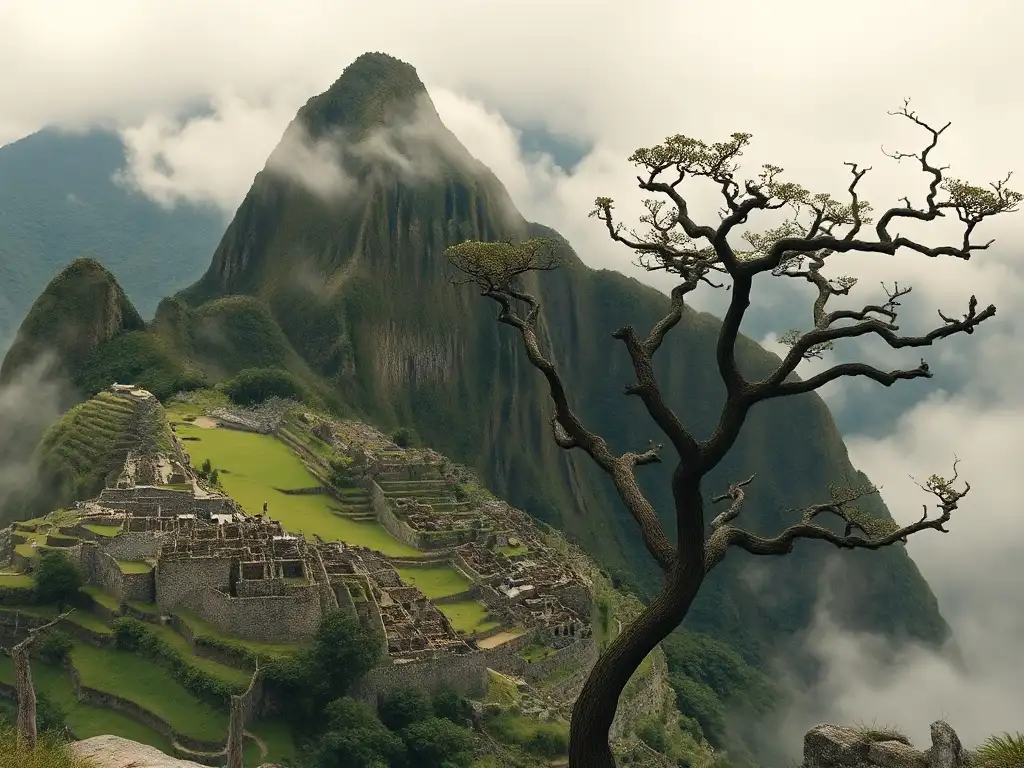
The Machu Picchu cloud forest ecosystem, a critical component of the site's historical and ecological significance, deserves detailed examination. Understanding this environment is key to appreciating the ingenuity of the Inca civilization and their sustainable relationship with their surroundings. This section will delve into the defining characteristics of this unique biome and highlight its crucial role in supporting the biodiversity that thrived—and continues to thrive—around Machu Picchu.
The term "Machu Picchu cloud forest ecosystem" itself encapsulates the intricate relationship between the Inca citadel and its surrounding environment, a relationship that shaped both the landscape and the civilization itself. This interdependency is a testament to the Inca's deep understanding of their environment and their ability to adapt to and utilize its resources sustainably.
Defining the Cloud Forest Biome
Andean cloud forests, also known as montane cloud forests, are characterized by persistent or frequent cloud cover, high humidity, and relatively stable temperatures. These conditions create a unique microclimate ideal for a diverse array of plant and animal life. The altitude range where these forests exist is typically between 1,500 and 3,500 meters above sea level, though the exact parameters vary depending on geographical location and other environmental factors. The constant cloud cover is a defining feature, often resulting in a misty, ethereal atmosphere.
This persistent moisture contributes significantly to the lush vegetation and rich biodiversity found within these ecosystems. The "Machu Picchu cloud forest ecosystem" is a prime example of this unique biome, showcasing the remarkable adaptation of flora and fauna to these specific environmental conditions. Understanding this biome helps us appreciate the challenges and opportunities faced by the Inca people who inhabited this region.
Unique Characteristics of Andean Cloud Forests
Several factors distinguish Andean cloud forests from other forest types. Firstly, the high humidity levels support an abundance of epiphytes, plants that grow on other plants, such as orchids, bromeliads, and mosses. These epiphytes contribute significantly to the forest's biodiversity and contribute to the overall aesthetic appeal of the landscape.
Secondly, the relatively stable temperatures throughout the year create a consistent environment for the flora and fauna, reducing the need for extreme adaptations to seasonal changes. Thirdly, the frequent cloud cover filters sunlight, creating a unique light environment that shapes the forest's structure and composition. This reduced sunlight intensity influences the types of plants that can thrive in these areas, leading to a unique assemblage of species.
The Machu Picchu cloud forest ecosystem showcases these characteristics beautifully, with its dense canopy, abundant epiphytes, and the distinct character of its flora and fauna. This unique environment played a crucial role in the Inca's ability to cultivate crops and procure resources.
The Importance of Biodiversity in Cloud Forests
The biodiversity of the Andean cloud forest is exceptionally high, supporting a wide array of plant and animal species, many of which are endemic, meaning they are found nowhere else on Earth. This rich biodiversity is crucial for maintaining the ecological balance of the ecosystem. For instance, the diverse plant life provides food and shelter for a multitude of animals, while the intricate web of interactions between species helps regulate nutrient cycling and soil health. The Inca civilization, through their sustainable practices, likely played a role in maintaining this biodiversity.
Their agricultural techniques, including terracing and irrigation, likely enhanced the forest's productivity without causing significant environmental damage. The Machu Picchu cloud forest ecosystem's biodiversity is a testament to the resilience of nature and the potential for human societies to live in harmony with their environment. Further research is needed to fully understand the extent of the Inca's impact on this biodiversity and the long-term consequences of their practices.
Understanding this biodiversity is vital for the ongoing conservation efforts aimed at protecting this precious ecosystem. The loss of biodiversity within the "Machu Picchu cloud forest ecosystem" would have severe consequences for the overall health and stability of the region. 🌳
The Cloud Forest's Influence on Machu Picchu's Topography
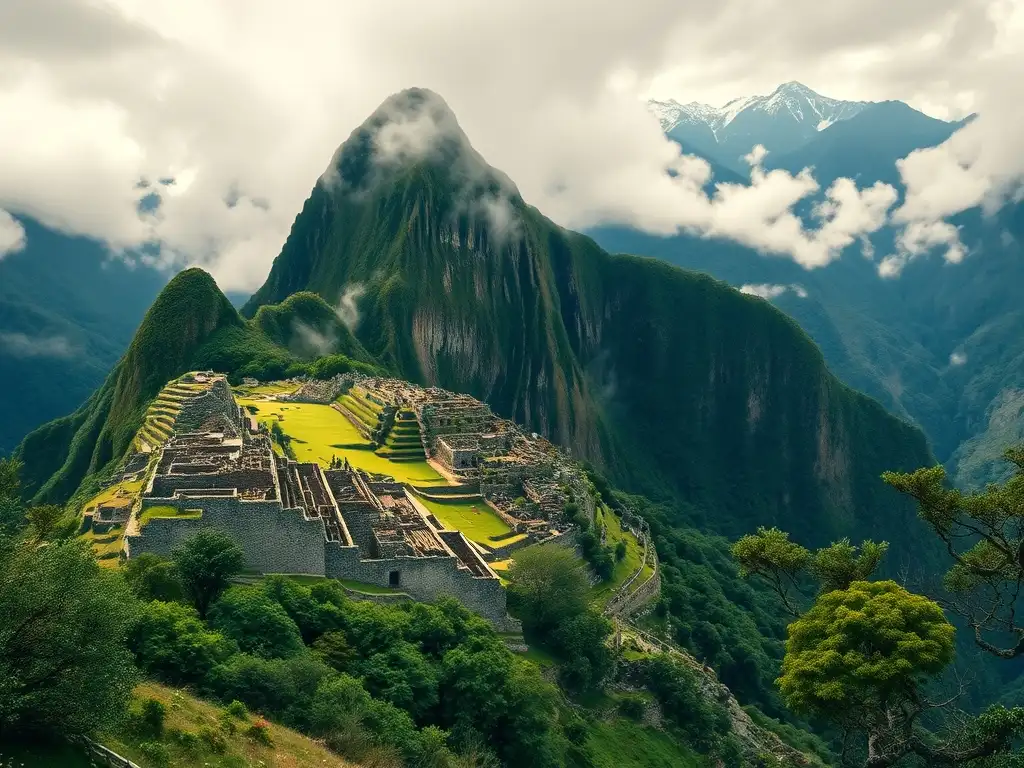
The Machu Picchu cloud forest ecosystem played a pivotal role in shaping the unique topography of the famous Inca citadel. Its influence extends beyond simply providing a verdant backdrop; the very structure of the mountains, valleys, and slopes is inextricably linked to the ecological processes within this unique environment. Understanding this relationship is crucial to appreciating the ingenuity of Inca engineering and their harmonious integration with their environment.
The constant interplay of climate, geology, and biological activity within the cloud forest resulted in a landscape ideally suited – or perhaps, even dictated – the location and design of Machu Picchu. The very existence of the site, perched precariously on a mountain ridge, is a testament to the cloud forest’s shaping power.
We can see this influence in the steep slopes, the fertile valleys, and the availability of water resources, all of which were essential for the development and survival of the Inca settlement. The subsequent sections will delve deeper into these specific aspects.
How Cloud Forests Impact Landscape Formation
Cloud forests, characterized by persistent cloud cover and high humidity, create a unique environment that significantly impacts landscape formation. The constant moisture promotes intense weathering and erosion processes. This differs markedly from drier climates where erosion may be slower and less impactful.
The steep slopes characteristic of Machu Picchu's setting are partly a product of this accelerated erosion, carving deep valleys and leaving behind relatively narrow, elevated ridges. Furthermore, the dense vegetation of the cloud forest helps to stabilize the soil in some areas, preventing complete collapse, while in others, the weight of the vegetation itself contributes to landslides and the redistribution of soil. The interplay between the rapid erosion and the stabilizing effect of the vegetation created the dramatic, yet stable, terrain that the Inca skillfully exploited.
The rich organic matter generated by the decaying vegetation also significantly contributes to the fertility of the soil, a factor that directly influenced Inca agricultural practices. This complex process, spanning millennia, resulted in the distinctive topography that we see today at Machu Picchu, a topography that was both a challenge and an opportunity for the Inca. The precise rates of erosion and soil formation in this specific region require further study [specific data pending], but the overall impact of the cloud forest is undeniable.
The Role of Water in Shaping Machu Picchu's Terrain
Water, abundant in the Machu Picchu cloud forest ecosystem, plays a crucial role in shaping the landscape. The high levels of precipitation lead to significant runoff, creating intricate drainage patterns. The constant flow of water erodes the soil, carving out valleys and contributing to the formation of the steep slopes.
This isn't a uniform process; the water's path is influenced by the underlying geology, creating variations in the terrain. The abundance of water also leads to the formation of springs and streams, which were vital water sources for the Inca. The Inca, remarkably adept at water management, channeled these water sources to support their agricultural activities and daily life.
Think of the intricate network of canals and aqueducts that are still visible today; these were not merely engineering marvels, but crucial adaptations to the water-rich environment shaped by the cloud forest. The precise hydrological dynamics of the region, including the influence of microclimates within the cloud forest on water distribution [specific data pending], are areas deserving further research to fully understand the complex relationship between the ecosystem and the formation of the Machu Picchu landscape. The impact of seasonal variations in rainfall on erosion and water availability also warrants detailed investigation.
Steep Slopes and Terraced Agriculture
The steep slopes of Machu Picchu, a direct consequence of the cloud forest’s influence on erosion, presented both a challenge and an opportunity for the Inca. The challenge lay in cultivating food on such uneven terrain. The opportunity lay in the potential to create a diverse agricultural system that maximized the use of available land. The Inca responded to this challenge with their remarkable terracing techniques.
These terraces, meticulously carved into the slopes, created level platforms for cultivation, effectively increasing the arable land area. The terraces also served to control erosion, preventing soil loss from the steep slopes. Their construction demonstrates a deep understanding of both the landscape and the forces shaping it. The design of the terraces—their size, orientation, and placement—reflect an adaptation to the specific microclimates and soil conditions within the cloud forest.
Furthermore, the terraces helped to retain water, crucial in a region characterized by both heavy rainfall and periods of drier conditions. The integration of the terraces into the landscape is a testament to the Inca's ingenuity and their sustainable agricultural practices. The specific materials used in terrace construction, and the techniques employed to ensure stability on such steep slopes [specific information pending], require further investigation to fully appreciate the sophistication of Inca engineering.
The Machu Picchu cloud forest ecosystem, therefore, wasn't merely a backdrop to the Inca civilization; it was an active participant in shaping the very landscape upon which Machu Picchu was built, profoundly impacting its topography and influencing the development of Inca agriculture and water management systems. The intricate relationship between the ecosystem and the Inca civilization underscores the importance of understanding environmental factors when studying ancient societies.
Flora and Fauna of the Machu Picchu Cloud Forest
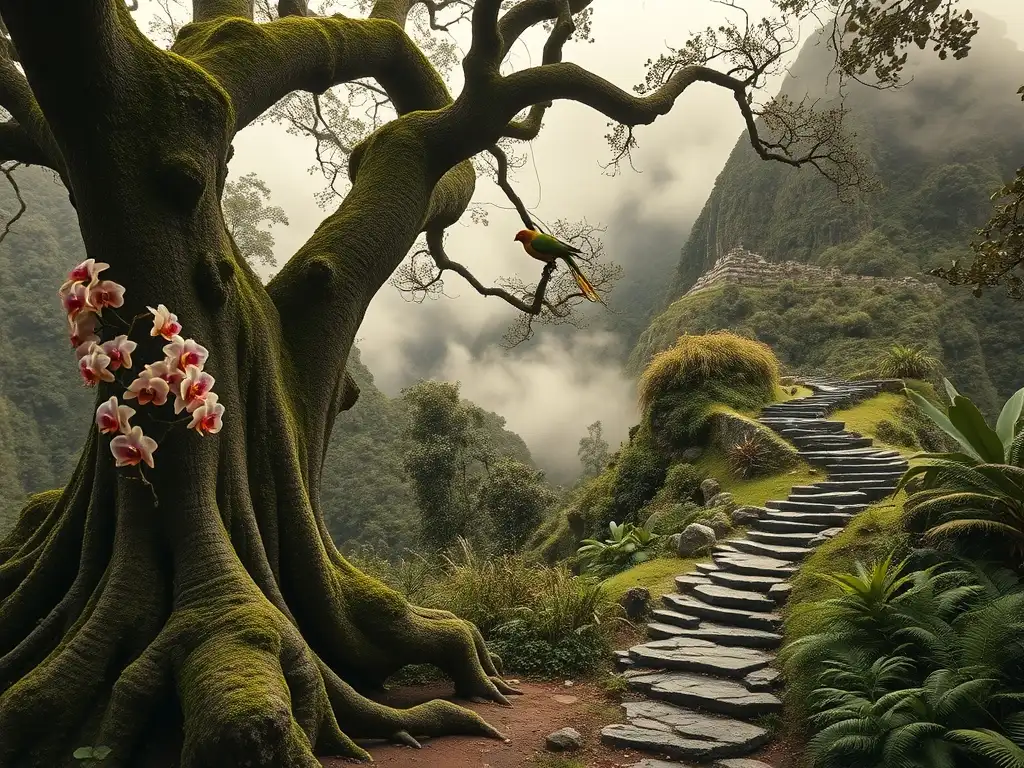
The Machu Picchu cloud forest ecosystem, a crucial component of the site's historical and cultural significance, boasts an extraordinary biodiversity shaped by unique environmental conditions. High humidity, fluctuating temperatures, and nutrient-poor soils have fostered the evolution of specialized plant and animal life, creating a vibrant and intricate web of interconnected species. Understanding this rich tapestry of life is key to appreciating the complete picture of Machu Picchu and its enduring legacy.
The interplay between the environment and the Inca civilization is profoundly evident in the region's flora and fauna, which provided sustenance, materials, and spiritual meaning to the Inca people. This section will delve into the key plant and animal species that thrive in this remarkable ecosystem, highlighting their remarkable adaptations.
Key Plant Species in the Machu Picchu Region
The cloud forest surrounding Machu Picchu is a treasure trove of botanical diversity. Several key plant species, adapted to the unique conditions of high altitude and persistent moisture, dominate the landscape. These include various types of orchids, bromeliads, and ferns, which cling to the branches of trees and rocks, creating a lush and vibrant understory.
The tree line is primarily composed of species like Polylepis (Quechua: Q'iwira), a genus of small, gnarled trees exceptionally well-adapted to harsh conditions. These trees, often found at high altitudes, played a significant role in Inca life, providing timber and fuel. Their resilience to harsh winds and fluctuating temperatures is a testament to the adaptive power of nature in this challenging environment.
Another important species is the Chusquea, a type of bamboo, which forms dense thickets in many parts of the cloud forest. This bamboo was likely used by the Incas for construction and other purposes, showcasing the intricate relationship between human life and the natural environment.
| Plant Species | Scientific Name | Importance to Inca Civilization | Adaptation to Cloud Forest |
|---|---|---|---|
| Polylepis (Q'iwira) | Polylepis spp. | Timber, fuel | Drought resistance, wind tolerance |
| Chusquea Bamboo | Chusquea spp. | Construction, other uses | Rapid growth, dense stands |
| Orchids | Various species | Ornamental, possibly medicinal | Epiphytic growth |
| Bromeliads | Various species | Ornamental, water collection | Epiphytic growth |
| Ferns | Various species | Medicinal, possibly food source | Shade tolerance |
Furthermore, the diverse range of medicinal plants found in the Machu Picchu cloud forest ecosystem played a significant role in traditional Inca medicine. Detailed studies are needed to fully document the extent of this knowledge. [Specific information pending on the exact number and types of medicinal plants used by the Incas].
Diverse Wildlife Supported by the Ecosystem
The Machu Picchu cloud forest ecosystem supports a surprisingly diverse range of wildlife, despite the challenging environmental conditions. The rich vegetation provides habitat and food for a variety of animals, including several species of birds, mammals, amphibians, and reptiles.
Among the most notable avian inhabitants are the Andean cock-of-the-rock ( Rupicola peruvianus), a vibrantly colored bird known for its elaborate mating displays, and various hummingbirds, which play a vital role in pollination. These birds, along with many others, contribute to the vibrant soundscape of the cloud forest.
Mammals found in the area include the spectacled bear ( Tremarctos ornatus), a vulnerable species that plays a key role in seed dispersal, and various species of monkeys and rodents. These animals contribute to the ecological balance of the ecosystem through processes such as seed dispersal and nutrient cycling.
The cloud forest also provides habitat for a variety of amphibians and reptiles, many of which are endemic to the region. Their presence indicates the health and biodiversity of the ecosystem. Further research is needed to fully catalog the amphibian and reptile species present. [Specific information pending on exact numbers and species]. The intricate interactions between these species highlight the complexity and fragility of this unique ecosystem.
Adaptations of Species to Cloud Forest Conditions
The species inhabiting the Machu Picchu cloud forest have evolved remarkable adaptations to cope with the unique challenges of this environment. High humidity, fluctuating temperatures, and nutrient-poor soils have shaped the characteristics of both plants and animals.
Many plants, such as orchids and bromeliads, are epiphytes, meaning they grow on other plants, rather than in the soil. This adaptation allows them to access sunlight and moisture in the dense canopy. Their specialized root systems enable them to absorb moisture from the air and from rainfall that collects on their leaves.
Animals have also evolved unique adaptations. For example, the spectacled bear's diet is highly varied, allowing it to thrive in an environment with limited food resources. Its ability to climb trees and access diverse food sources is crucial to its survival. Similarly, many bird species have specialized beaks and feeding strategies to exploit the available resources in the cloud forest.
The adaptations observed in the flora and fauna of the Machu Picchu cloud forest highlight the remarkable resilience of life in the face of environmental challenges. These adaptations are a testament to the power of natural selection and the interconnectedness of life within this unique ecosystem. Continued research is crucial to fully understand the intricate ecological processes at play and to ensure the long-term conservation of this valuable resource. The preservation of this "Machu Picchu cloud forest ecosystem" is vital not only for biodiversity but also for understanding the profound interaction between the Inca civilization and its environment.
The Inca's Interaction with the Cloud Forest
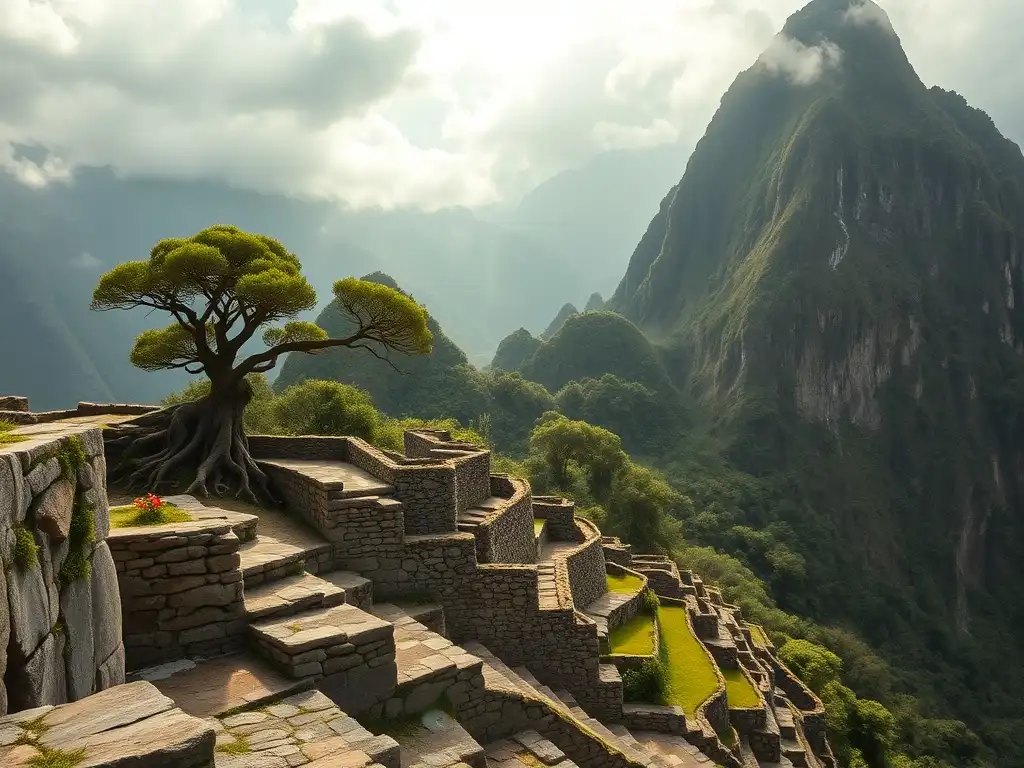
The Machu Picchu cloud forest ecosystem wasn't merely a backdrop to the Inca citadel; it was intricately woven into the fabric of Inca life, providing sustenance, materials, and spiritual significance. Understanding this complex relationship is key to appreciating the ingenuity and sustainability of Inca civilization. Their interaction wasn't one of passive exploitation, but rather a carefully managed symbiosis, reflecting a deep understanding of the delicate balance within this unique environment. The Inca's sophisticated agricultural techniques, resource management strategies, and spiritual beliefs all demonstrate a profound connection with the cloud forest, shaping their society and leaving an enduring legacy.
Inca Ingenuity in Utilizing Cloud Forest Resources
Inca ingenuity in the cloud forest is evident in their mastery of resource management. They didn't simply harvest; they cultivated and conserved. The cloud forest, with its rich biodiversity, offered a diverse range of resources. The Incas skillfully utilized:
- Timber: Strong, durable wood from various cloud forest trees was used in construction, crafting tools, and building infrastructure. The selection of specific tree species suggests a detailed understanding of their properties and sustainable harvesting practices. Evidence suggests they prioritized slower-growing, high-quality timber, minimizing environmental impact.
- Medicinal Plants: The cloud forest is a treasure trove of medicinal plants, and the Incas were experts in herbal medicine. Detailed records, though limited, indicate the use of various plants for treating a wide array of ailments. This knowledge was likely passed down through generations of curanderos (healers), forming a vital aspect of Inca healthcare.
- Fiber Plants: Plants like maguey (Agave) provided strong fibers for textiles, ropes, and other essential items. The Incas developed sophisticated techniques for processing these fibers, creating durable and aesthetically pleasing products. The sustainable harvesting of these plants ensured a continuous supply of raw materials.
- Water Management: The Incas demonstrated remarkable skill in managing water resources within the cloud forest's challenging terrain. Their intricate canal systems and terracing techniques facilitated efficient irrigation, optimizing agricultural productivity even in steep, humid environments. This water management was crucial for their survival and prosperity in this specific ecosystem.
Agricultural Practices in the Andean Cloud Forest
The agricultural practices of the Incas in the Machu Picchu cloud forest ecosystem were astonishingly advanced for their time. They developed sophisticated techniques to maximize yields in the challenging conditions of the cloud forest, including:
- Terracing: The iconic terraces carved into the mountain slopes are a testament to their engineering prowess and understanding of water management. These terraces created level platforms for cultivation, preventing soil erosion and maximizing sunlight exposure. The precise construction and orientation of terraces suggest detailed planning and surveying techniques.
- Andenes: These agricultural terraces, characteristic of Andean agriculture, were not merely functional; they were carefully designed to optimize water retention and drainage. The size and arrangement of the terraces were adapted to the specific topography and microclimate of the area, reflecting a deep understanding of the ecosystem. This highly efficient system allowed the Incas to cultivate crops at varying altitudes, maximizing available resources.
- Crop Diversification: The Incas practiced crop diversification, planting a variety of crops including potatoes, maize, beans, and quinoa. This strategy minimized the risk of crop failure and ensured a diverse food supply. The selection of crops was tailored to the specific conditions of different microclimates within the cloud forest.
Sacred Significance of the Cloud Forest to the Incas
The Machu Picchu cloud forest held profound spiritual significance for the Incas. It wasn't just a source of resources; it was a sacred space, imbued with spiritual power. Evidence suggests:
- Religious Ceremonies: The Inca's religious practices were deeply intertwined with the natural world. The cloud forest, with its mystical atmosphere and abundant biodiversity, was likely a site for various religious ceremonies and rituals. Specific locations within the cloud forest may have been considered sacred, holding special significance for Inca religious beliefs.
- Spiritual Connection with Nature: Inca cosmology viewed the natural world as deeply interconnected and sacred. Mountains, rivers, and forests were not just physical entities, but also powerful spiritual forces that played a crucial role in their worldview. The cloud forest, with its unique biodiversity and mystical atmosphere, epitomized this spiritual connection.
- Ancestor Veneration: It's possible that specific areas within the cloud forest were associated with ancestor veneration. The Incas held a deep respect for their ancestors and maintained close ties with them through rituals and offerings. The remote and awe-inspiring beauty of the cloud forest may have made it an ideal location for such practices. Further research is needed to confirm these hypotheses.
The Machu Picchu cloud forest ecosystem wasn't simply a resource for the Inca; it was an integral part of their cultural, spiritual, and social fabric. Their sophisticated interaction with this environment highlights their remarkable adaptability, ingenuity, and deep respect for the natural world. Understanding this relationship helps us appreciate the complexity and sustainability of their civilization and the enduring legacy they left behind.
Machu Picchu's Sustainability and the Cloud Forest
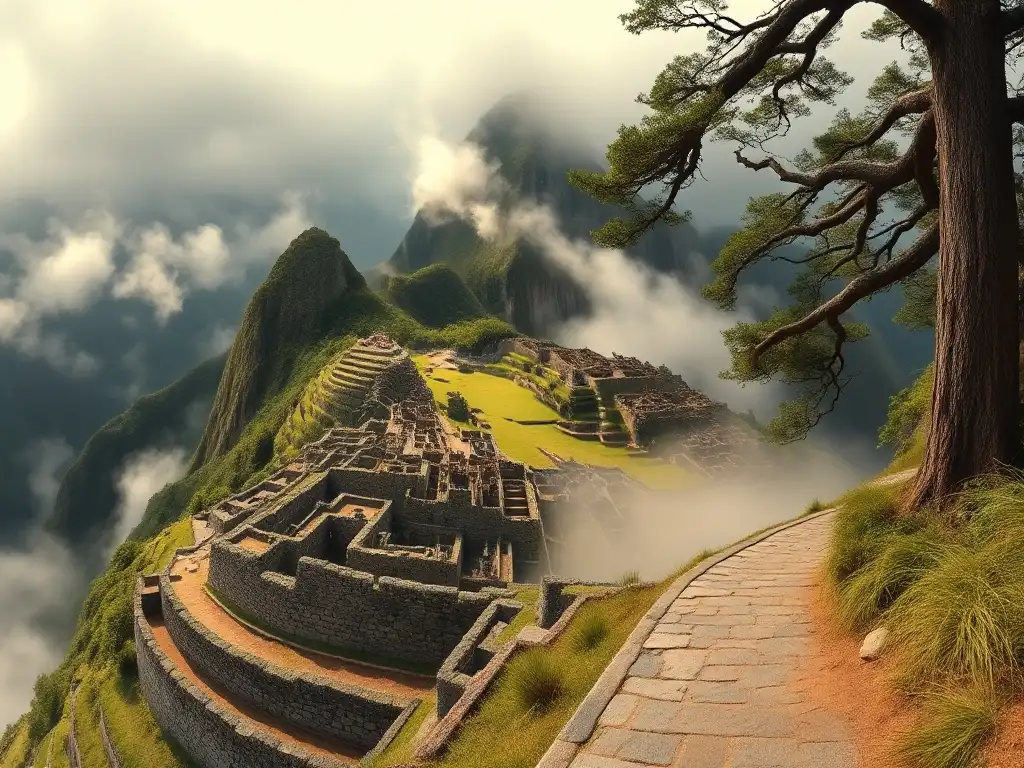
Machu Picchu's breathtaking beauty is intrinsically linked to the unique cloud forest ecosystem that surrounds it. This high-altitude rainforest, characterized by its persistent cloud cover, mist, and diverse flora and fauna, provided the Inca civilization with essential resources and shaped the very landscape of the famous citadel. Understanding this relationship is crucial to appreciating Machu Picchu's significance and the importance of its ongoing preservation.
The Inca's sophisticated agricultural techniques, such as terracing and irrigation, were meticulously adapted to the cloud forest's specific conditions, demonstrating a remarkable understanding of sustainable resource management within this delicate environment. Their mastery of the Machu Picchu cloud forest ecosystem allowed for the thriving of a complex society in a challenging geographical location.
The impressive agricultural output sustained a large population and contributed significantly to the Inca Empire's power and longevity. This sustainable approach, however, requires careful consideration in the modern context of increasing tourism and environmental pressures.
Modern Threats to the Cloud Forest Ecosystem
The Machu Picchu cloud forest ecosystem faces numerous modern threats, primarily stemming from human activity. Unsustainable tourism practices, including uncontrolled visitor numbers and inadequate waste management, pose significant challenges. The sheer volume of tourists can lead to soil erosion, habitat fragmentation, and the disturbance of sensitive wildlife populations. Inappropriate disposal of waste contaminates water sources and negatively impacts the delicate balance of the ecosystem.
Furthermore, the encroachment of human settlements and agricultural activities into surrounding areas contributes to deforestation and habitat loss. The introduction of invasive species also poses a major threat, disrupting the natural biodiversity of the cloud forest. Quantifying these threats requires ongoing research and monitoring, but the impact is already visible in reduced biodiversity and increased vulnerability to natural disasters.
For instance, [specific data on biodiversity loss in the Machu Picchu cloud forest pending]. The delicate balance of this unique ecosystem is under pressure, and immediate action is needed to mitigate these threats. This includes implementing stricter regulations on tourism and promoting sustainable practices among local communities.
Conservation Efforts in the Machu Picchu Area
Significant conservation efforts are underway to protect the Machu Picchu cloud forest ecosystem. These initiatives involve a multi-faceted approach that combines government regulations, community engagement, and scientific research. Stricter limits on visitor numbers, improved waste management infrastructure, and the development of eco-friendly tourism practices are key components of these strategies. Local communities are actively involved in conservation projects, often participating in reforestation initiatives and sustainable agriculture programs.
Scientific research plays a vital role in monitoring the ecosystem's health, identifying threats, and informing conservation strategies. The creation of buffer zones around Machu Picchu helps to protect the surrounding habitats from further encroachment. The success of these efforts depends on continued collaboration between government agencies, researchers, local communities, and tourism operators. Moreover, raising public awareness about the importance of preserving the cloud forest is crucial for long-term success.
For example, educational programs and outreach campaigns are designed to promote responsible tourism and sustainable practices. These initiatives highlight the interconnectedness of the cloud forest and the Inca heritage, emphasizing the need to protect this invaluable ecosystem for future generations. 📈
Preserving the Delicate Balance of the Cloud Forest
Preserving the delicate balance of the Machu Picchu cloud forest ecosystem is not merely an environmental imperative; it is also crucial for safeguarding the cultural heritage of Machu Picchu. The historical significance of the site is inextricably linked to the natural environment that sustained the Inca civilization. Therefore, conservation efforts must consider both ecological and cultural aspects. This requires a holistic approach that integrates scientific research, sustainable tourism management, and community participation.
The long-term sustainability of Machu Picchu as a historical site and a vibrant ecosystem depends on the continued implementation and refinement of these strategies. This includes ongoing monitoring of biodiversity, climate change impacts, and the effectiveness of conservation measures. Furthermore, fostering a sense of stewardship among local communities and tourists is essential.
Educating visitors about the fragility of the cloud forest and encouraging responsible behavior can significantly contribute to its preservation. The future of Machu Picchu and its remarkable cloud forest ecosystem hinges on our collective commitment to sustainable practices and responsible stewardship. 🌿 This commitment ensures not only the preservation of this unique environment but also the protection of an invaluable piece of world heritage for generations to come.
The Legacy of the Cloud Forest on Machu Picchu's Landscape
The Machu Picchu cloud forest ecosystem isn't merely a backdrop to the iconic Inca citadel; it's intrinsically woven into its very existence. The unique characteristics of this high-altitude environment – a blend of tropical and temperate climates, persistent mist, and diverse flora and fauna – profoundly shaped the Incas' choice of location, their agricultural practices, and the overall sustainability of their settlement. Understanding this legacy is crucial to appreciating Machu Picchu's enduring significance and the challenges it faces today.
The intricate relationship between the Incas and their environment is a testament to their sophisticated understanding of ecological balance, a lesson we can still learn from centuries later. This section delves into the enduring impact of this ecosystem on the landscape and the civilization it sustained.
The Enduring Impact of the Ecosystem
The Machu Picchu cloud forest ecosystem's impact on the landscape is visually striking. The steep, terraced hillsides, meticulously carved by the Incas, are a direct response to the challenges and opportunities presented by the terrain. These terraces, meticulously engineered to maximize agricultural output, are still visible today, a testament to the Incas' mastery of water management and soil conservation.
The cloud forest's unique microclimates allowed for the cultivation of a variety of crops, including potatoes, maize, and quinoa, crucial for sustaining the large population inhabiting the citadel. Furthermore, the abundance of timber provided building materials and fuel, while the diverse plant life offered medicinal resources.
The very stones used to construct Machu Picchu were sourced from the surrounding cloud forest, further highlighting the deep integration of the ecosystem into the city's development. The ecosystem's influence extends beyond the visible structures; it profoundly shaped the social and economic fabric of Inca life at Machu Picchu.
Why the Cloud Forest is Crucial for Machu Picchu
The cloud forest's continued health is paramount for the preservation of Machu Picchu. It plays a vital role in regulating water cycles, preventing soil erosion, and maintaining biodiversity. The dense vegetation acts as a natural sponge, absorbing rainfall and slowly releasing it into the ground, providing a consistent water supply crucial for the survival of both the site and the surrounding communities.
The intricate root systems of the cloud forest trees bind the soil, preventing landslides and erosion, thereby protecting the delicate archaeological structures. The loss of this forest would lead to a cascade of negative consequences, including increased erosion, water scarcity, and habitat loss for the unique species that call Machu Picchu home.
The Machu Picchu cloud forest ecosystem's biodiversity is also significant; it harbors a wealth of endemic plants and animals, many of which are threatened. Preserving this biodiversity is crucial not only for ecological reasons but also for scientific research and understanding the intricate web of life that supports the site.
Future of Machu Picchu and its Cloud Forest
The future of Machu Picchu is inextricably linked to the future of its cloud forest. Sustainable tourism practices, coupled with rigorous conservation efforts, are critical to preserving both the site and its surrounding environment. Efforts to control invasive species, restore degraded areas, and educate local communities about the importance of the cloud forest are vital.
Monitoring the ecosystem's health through regular scientific assessments is crucial for early detection of potential threats and timely intervention. This requires a collaborative approach involving government agencies, researchers, local communities, and international organizations. The challenge lies in balancing the needs of tourism – a significant source of revenue for the region – with the imperative to protect the fragile ecosystem upon which Machu Picchu depends.
The long-term sustainability of Machu Picchu hinges on a comprehensive strategy that prioritizes both the preservation of its cultural heritage and the ecological integrity of its surrounding cloud forest. The future of this iconic site depends on our collective commitment to responsible stewardship of this irreplaceable "Machu Picchu cloud forest ecosystem".
Frequently Asked Questions
What is the Machu Picchu cloud forest ecosystem?
The Machu Picchu cloud forest ecosystem is a unique and diverse environment characterized by high humidity, mist, and varied vegetation, crucial to the survival of Machu Picchu's inhabitants and the site's preservation. It's a fragile yet vital part of the site's history and ecology.
How did the cloud forest influence the Incas' settlement at Machu Picchu?
The abundant water resources and fertile soil provided by the cloud forest were essential for agriculture, supporting the Inca's lifestyle and population at Machu Picchu. Its strategic location and natural resources also influenced the city's design and defense.
What kind of plants and animals are found in the Machu Picchu cloud forest?
The cloud forest boasts a remarkable biodiversity, including orchids, bromeliads, ferns, and various bird and mammal species. Unique and endemic species thrive in this specific environment, making it a hotspot for biological research.
What are the current threats to the Machu Picchu cloud forest ecosystem?
The ecosystem faces threats from climate change, deforestation, and invasive species. Sustainable tourism practices and conservation efforts are crucial to preserving this fragile environment for future generations.
How can I learn more about the Machu Picchu cloud forest ecosystem?
You can explore resources from research institutions, conservation organizations, and Peruvian governmental websites. Visiting Machu Picchu itself offers an immersive experience and allows for direct observation of this fascinating ecosystem.
Final Reflection: The Enduring Legacy of Machu Picchu's Cloud Forest
The delicate balance of Machu Picchu's cloud forest ecosystem remains a critical issue today, a stark reminder of the interconnectedness between human civilization and the natural world. The fragility of this unique environment, so intricately woven into the very fabric of the Incan city's existence, serves as a powerful warning against unsustainable practices and the urgent need for conservation efforts. Its story is not just a historical account; it's a vital lesson for our future.
The profound impact of the cloud forest on Machu Picchu's development, from its agricultural practices to its spiritual significance, continues to resonate. Its influence extends beyond the physical landscape, shaping cultural narratives and inspiring awe in generations. The very air we breathe, the water we drink, the stability of the slopes themselves – all are intrinsically linked to the health of this extraordinary ecosystem. The mountains are calling, and I must go.
– John Muir. This sentiment, while romantic, speaks to a deeper truth: our connection to nature is fundamental to our well-being, and the preservation of places like Machu Picchu's cloud forest is crucial for the future of humanity.
Consider, for a moment, the intricate beauty and resilience of this ecosystem. Imagine the vibrant life teeming within its misty embrace. Now, consider your own relationship with the natural world. What steps can you take, however small, to contribute to the preservation of such vital ecosystems? From supporting sustainable tourism to advocating for responsible environmental policies, every action, no matter how seemingly insignificant, contributes to the larger effort of protecting these irreplaceable treasures for generations to come. Let the legacy of Machu Picchu's cloud forest inspire you to become a steward of our planet's precious biodiversity.
**Unleash the Wonders of the Cloud Forest! **
Thank you for exploring the intricate beauty of the cloud forest ecosystem and its vital role in shaping the landscape around Machu Picchu! Your curiosity inspires us to further appreciate these unique environments. Now, let's put that knowledge into action!
Here are some ways you can continue exploring this captivating world:
- **Visit** a local botanical garden or nature reserve to experience the lush flora and fauna firsthand.
- **Share** your knowledge about cloud forests with friends and family, inspiring them to appreciate and protect these vital ecosystems.
- **Connect** with an online community dedicated to conservation to engage with like-minded individuals and exchange ideas about environmental sustainability.
What aspect of the cloud forest ecosystem most fascinates you, and how will you use that to make a difference?