
The Mystery of Inca Sacrifice: Understanding the Rituals

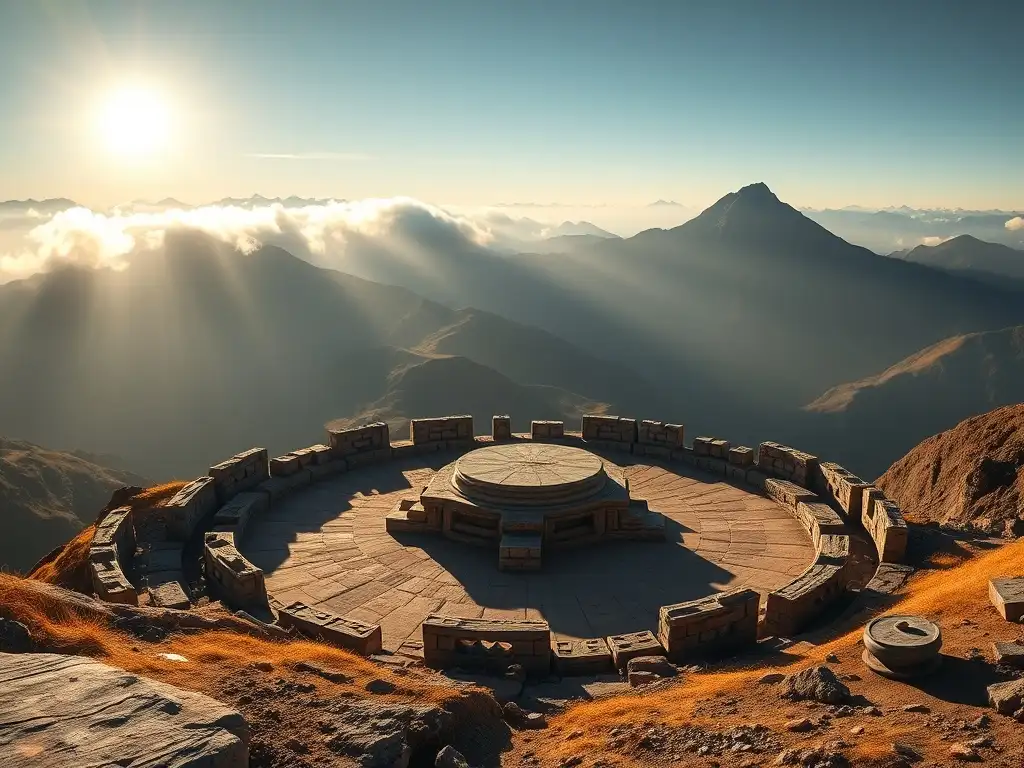
Step into a world lost to time, where the towering peaks of the Andes held secrets as breathtaking as their landscapes. Discover the intricate tapestry of Andean civilizations, from the masterful artistry of the Moche to the enigmatic Nazca lines. But prepare to be captivated by the chilling enigma of Inca human sacrifice rituals. Were these acts of devotion, political maneuvering, or something far more sinister? Unravel the mystery and delve into the chilling truth behind these ancient practices – explore the Inca Empire like never before.
The Inca Empire, a civilization that flourished in the Andes Mountains for centuries, left behind a legacy of breathtaking architecture, intricate textiles, and a complex social structure. However, alongside their remarkable achievements, the Incas practiced human sacrifice, a ritual shrouded in mystery and debate that continues to fascinate and intrigue historians and anthropologists alike.
This article delves into the intricacies of Inca human sacrifice, exploring the various practices, the underlying purposes, and the enduring questions surrounding this controversial aspect of their culture. Understanding these rituals offers a crucial perspective on the Inca worldview, their relationship with the supernatural, and the complex dynamics of power within their society.
We will examine the evidence available, weighing different interpretations and considering the ethical implications of these practices in the context of their time. By exploring the available archaeological and historical data, we aim to shed light on the motivations and significance of Inca human sacrifice, ultimately enriching our understanding of this remarkable civilization.
Introduction to Inca Human Sacrifice Practices
Inca human sacrifice, or capacocha, wasn't a haphazard act of violence, but rather a highly ritualized practice deeply embedded within the Inca worldview. Unlike some other ancient cultures where sacrifice might have been performed in times of crisis or to appease angry gods, capacocha appears to have served multiple, interconnected purposes. Evidence suggests that victims were often chosen from across the vast Inca empire, including children, young adults, and even individuals of high social standing.
These selections weren't arbitrary; they were carefully planned and executed, indicating a profound significance within the Inca societal structure. The selection process itself remains partially shrouded in mystery, with ongoing debate about the criteria used to identify suitable candidates. Some theories suggest that victims were chosen for their physical perfection or their perceived connection to the divine, while others point to political alliances and the symbolic representation of conquered territories.
The rituals themselves involved elaborate ceremonies, often taking place at high-altitude mountaintops considered sacred. Archaeological discoveries have unearthed mummified remains of sacrificial victims, frequently adorned with fine clothing and jewelry, buried with offerings that reflect the importance of the event. These findings provide valuable insights into the preparation and execution of the ceremonies, though many details remain elusive.
The process likely involved a combination of ritualistic preparations, symbolic gestures, and potentially, the use of intoxicants or other methods to induce a state of altered consciousness before death. Further research is needed to fully understand the specifics of these practices, but the available evidence strongly suggests a carefully orchestrated and highly significant ritual.
The Purpose Behind Inca Sacrificial Rites
The underlying reasons for Inca human sacrifice are complex and multifaceted, and likely encompassed a range of interconnected beliefs and practices. One prominent theory posits that capacocha was performed to maintain ayni, a reciprocal relationship between the Inca rulers and their gods. By offering the most precious thing—a human life—the Inca sought to ensure the continued prosperity and well-being of their empire.
This offering wasn't simply about appeasement; it was a powerful symbolic act reaffirming the cosmic order and the Inca's role within it. The selection of individuals from different regions also strengthened the empire's political bonds, reinforcing loyalty and solidifying power.
Another crucial aspect was the Inca belief in the power of huacas, sacred sites and objects imbued with supernatural power. Mountaintops, particularly those associated with specific deities, were often chosen as locations for capacocha. The sacrifice, therefore, became an act of strengthening the connection between the earthly realm and the supernatural world, reinforcing the Inca's authority and legitimacy.
The ritual itself may have been seen as a way to communicate with the gods, to request blessings, or to ensure the continued fertility of the land. The intricate preparations and the lavish burial of the victims further underscore the immense importance attributed to these sacrificial rites.
The mystery surrounding capacocha continues to inspire scholarly debate, but the available evidence points towards a deeply ingrained belief system that intertwined religious practice, political power, and the maintenance of cosmic order. Further research and analysis of archaeological findings are crucial to unraveling the full complexity of this fascinating and enigmatic aspect of Inca civilization.
Types of Inca Sacrifices: Beyond Human Offerings
While the image of Inca human sacrifice often dominates discussions, it's crucial to understand that the Inca practiced a broader spectrum of sacrificial offerings. The Inca worldview encompassed a complex cosmology where maintaining balance and appeasing the gods was paramount. This balance extended beyond human lives, incorporating a variety of offerings aimed at ensuring prosperity, fertility, and the continued well-being of the empire.
These offerings weren't merely acts of appeasement; they were integral to the Inca's understanding of the interconnectedness between the human and spiritual realms. The act of sacrifice, regardless of the offering's nature, was seen as a profound act of communication with the divine.
Animal Sacrifices in the Inca Culture
Animal sacrifice played a significant role in Inca religious practices, varying based on the occasion and the desired outcome. Llamas, the most important domestic animal in the Andes, were frequently sacrificed. Their wool, meat, and hides were valuable resources, and their sacrifice held symbolic weight, representing the Inca's connection to their environment and their dependence on the land's bounty.
Other animals, such as alpacas, vicuñas, and guinea pigs, were also offered, reflecting the diversity of Andean fauna and the Inca's appreciation for the natural world. The choice of animal and the manner of sacrifice were likely dictated by specific rituals and the context of the offering, details of which remain partially obscure due to the limited surviving records. Archaeological evidence, however, consistently points to the significant role of animal sacrifice in Inca religious life.
Material Offerings: Significance and Placement
Beyond human and animal sacrifices, the Inca also offered a wide range of material goods. These offerings, often found in archaeological contexts alongside human remains or in sacred sites, included textiles, ceramics, gold and silver artifacts, and tools. The placement and type of material offerings were carefully considered, reflecting their symbolic significance.
For example, fine textiles might be associated with high-status individuals or deities, while tools and agricultural products could reflect a desire for bountiful harvests. The careful arrangement of these objects suggests a deliberate and ritualistic approach, with each item contributing to the overall meaning and purpose of the offering. These material offerings provide invaluable insights into Inca beliefs, social structures, and economic practices.
Inca Human Sacrifice: The Capacocha Ritual
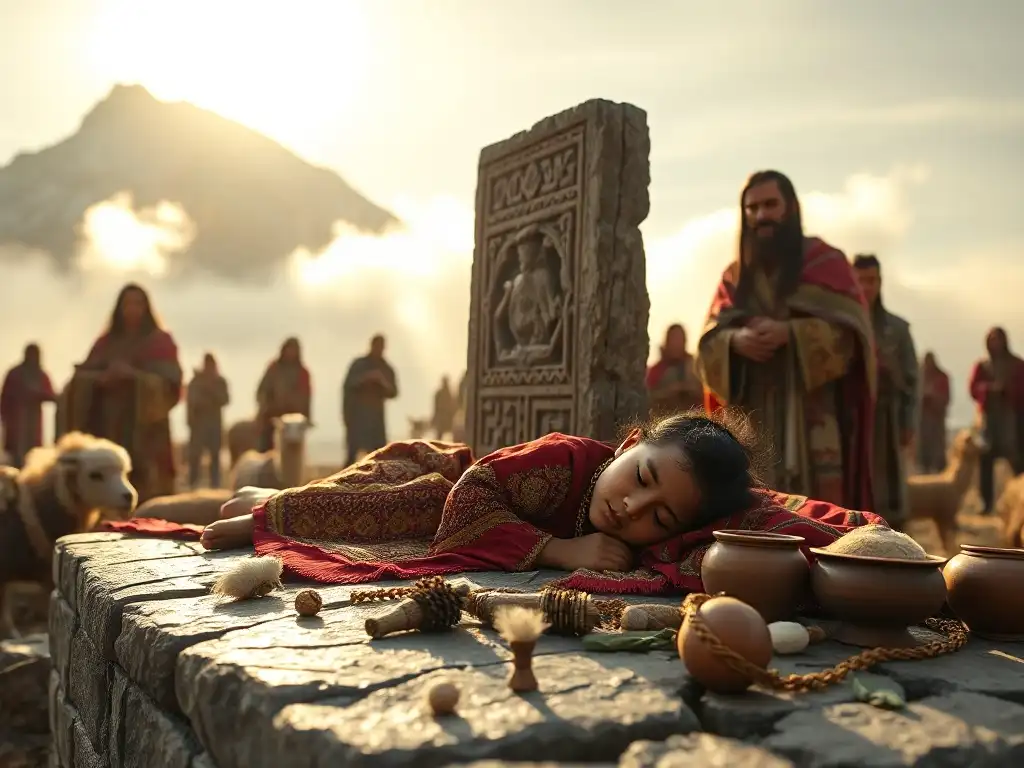
Capacocha, the most well-known form of Inca human sacrifice, was a complex and ritualistic event intricately woven into the fabric of Inca imperial power and religious ideology. Unlike depictions often presented in popular culture, Capacocha wasn't a random act of violence but a highly selective and meticulously planned ceremony.
The selection process, the journey to the sacred mountains, and the ritual itself were all steeped in symbolism and religious significance, reflecting the Inca's deep-seated belief in the power of sacrifice to maintain cosmic balance and ensure the empire's prosperity. The victims, far from being mere casualties, were considered to be chosen individuals, often children of high social standing, who were believed to be making the ultimate sacrifice for the well-being of the empire.
Selection of Victims for Capacocha
The selection of victims for Capacocha was a rigorous process, involving careful consideration of lineage, social standing, and physical attributes. Children, often of noble birth, were preferred. Their innocence and purity were believed to be essential elements of the ritual, ensuring a successful offering to the gods.
The selection process likely involved extensive observation and evaluation, with chosen individuals treated with honor and respect during their preparation for the sacrifice. While not all the details are known, it is clear that the selection wasn't arbitrary, but a deliberate act reflecting the Inca's complex social and religious hierarchy. The victims were not simply chosen at random; they were considered to be representatives of their communities, offering their lives for the benefit of the entire empire.
The Journey to the Sacred Mountain
The journey to the chosen mountaintop was an important part of the Capacocha ritual. The selected children, along with accompanying officials and priests, would embark on a long and arduous trek, often lasting several weeks. This journey itself was a ritual, symbolizing the ascent to the sacred realm.
The route likely followed established paths and included stops at various sacred sites, where additional offerings and ceremonies might have been performed. The journey was not merely a physical act but a spiritual one, preparing the victims and the participants for the ultimate sacrifice. The arduous nature of the journey likely served to emphasize the gravity of the event and the significance of the offering.
The Ritual Process of Capacocha
The exact details of the Capacocha ritual remain shrouded in some mystery, although archaeological findings and surviving accounts offer fragmented glimpses. The sacrifice likely involved a series of ceremonies and rituals, culminating in the offering of the selected individuals at the mountaintop. Evidence suggests that the victims were not simply killed but treated with respect, often adorned with fine clothing and jewelry, indicating that the ritual was more than a mere killing; it was a sacred act.
The ritual's precise steps and the manner of death vary depending on the interpretation of the evidence, with some scholars suggesting suffocation or other less violent methods, while others suggest more brutal means. Further research is needed to fully understand the nuances of the ritual process.
Burial and Afterlife Beliefs in Capacocha
Following the sacrifice, the victims' bodies were typically buried at the mountaintop, often along with elaborate grave goods. This burial practice highlights Inca beliefs regarding the afterlife and the importance of the sacrifice. The mountaintops, considered sacred spaces, were believed to be portals to the spirit world.
By placing the bodies of the victims in these locations, the Inca hoped to ensure their ascension to the divine realm and to maintain a connection between the living and the dead. The careful burial of the victims and the inclusion of grave goods reflect the Inca's respect for the sacrificed individuals and underscore their belief in the continued significance of their sacrifice in the afterlife. The elaborate burials provide valuable insights into Inca beliefs about death, the afterlife, and the role of sacrifice in connecting the human and spiritual realms.
Archaeological Evidence of Inca Sacrifice
The practice of Inca human sacrifice, while undeniably grim, offers invaluable insights into their complex worldview and societal structure. Archaeological evidence plays a crucial role in piecing together this intricate puzzle. Numerous excavations across the Andes Mountains have unearthed compelling artifacts and human remains that directly relate to sacrificial rituals. These discoveries provide tangible proof of the practice's prevalence and shed light on its various forms. The meticulous preservation of certain sites, thanks to the high-altitude and arid conditions, has allowed researchers to recover remarkably well-preserved remains, providing unprecedented detail about the individuals sacrificed, their age, and potentially even the cause of death. The careful study of these remains, alongside associated artifacts, is vital in understanding the context of these sacrifices and their significance within Inca society. Further research continues to uncover new sites and refine our understanding of these practices, constantly challenging and expanding our knowledge of Inca culture.
Mummies Found in the Andes: Insights into Inca Rituals
The discovery of mummified remains in various Andean contexts provides striking evidence of Inca sacrificial practices. These mummies, often found in carefully prepared burial sites or within mountaintop sanctuaries, offer a wealth of information about the individuals sacrificed. Analysis of their clothing, adornments, and the position of their bodies reveals much about their social standing and the nature of the ritual.
For example, the presence of elaborate textiles and gold ornaments suggests that some sacrifices involved individuals of high social status, perhaps chosen for their perceived closeness to the gods. In contrast, other finds indicate that children and young adults also played a role in these sacrifices, hinting at the complex motivations and societal mechanisms behind these rituals.
The careful study of these mummies, combined with isotopic analysis of their remains, allows researchers to reconstruct their diet, health, and geographic origins, providing valuable context for understanding the broader implications of Inca sacrifice. The ongoing research on these mummies continues to unveil new details about Inca beliefs and practices.
Analysis of Artifacts Associated with Human Sacrifice
Beyond the human remains, numerous artifacts associated with Inca human sacrifice provide crucial evidence for understanding the rituals. These artifacts, often found alongside the sacrificed individuals, include intricately crafted textiles, pottery, gold and silver objects, and tools used in the sacrificial process.
The analysis of these artifacts reveals the significant investment of resources and labor dedicated to these rituals, highlighting their importance within Inca society. For instance, the presence of specific types of pottery or textiles in certain contexts can help researchers identify different types of sacrificial events, suggesting a level of ritual complexity that goes beyond a simple act of killing.
Furthermore, the presence of specific symbols or iconography on these artifacts provides valuable insights into the beliefs and ideologies that underpinned these practices, illustrating the symbolic meaning attached to the sacrifice. The ongoing study and cataloging of these artifacts are fundamental to interpreting the deeper significance of Inca sacrificial rituals.
The Role of Mountain Sanctuaries in Inca Sacrifices
The high-altitude mountaintops of the Andes played a significant role in Inca sacrificial practices. These locations, often associated with powerful deities and considered sacred, served as primary sites for human sacrifice. Archaeological evidence suggests that these mountaintop sanctuaries were carefully chosen and prepared for these rituals.
The discovery of sacrificial remains, alongside ritual offerings and associated artifacts, indicates the importance of these locations as liminal spaces between the human and divine realms. The rigorous journeys undertaken to reach these remote locations, often involving treacherous terrain and inclement weather, emphasizes the sacred nature of these events and the devotion of those involved.
The careful placement of the sacrificial offerings and remains at these sites speaks to a deep understanding of Andean cosmology and the belief in the power of these sacred mountains to mediate between the human and divine worlds. The study of these mountain sanctuaries continues to provide valuable insights into the spiritual and cosmological underpinnings of Inca sacrifice.
Understanding the Inca Worldview and Sacrifice
The practice of human sacrifice within the Inca Empire cannot be understood without considering their deeply spiritual worldview. The Incas possessed a complex cosmology centered around the reciprocal relationship between the human and divine realms. They believed that maintaining this balance was vital for the prosperity and stability of their empire.
Human sacrifice, therefore, was not merely a brutal act but a ritual act designed to maintain this delicate equilibrium. Inca beliefs emphasized the importance of offering gifts to the gods to ensure the continuation of life-giving resources, such as fertile land and abundant harvests. This perspective frames human sacrifice as a supreme offering, a way to appease the deities and secure the well-being of the empire.
This complex interplay of beliefs and practices shaped the very fabric of Inca society and profoundly influenced their interactions with the world around them. It is through careful consideration of this worldview that we begin to comprehend the motivations and significance of Inca sacrifices.
Inca Cosmology and the Cycle of Life and Death
Inca cosmology was deeply intertwined with their understanding of the cycle of life and death. They believed that death was not an end but a transition to another realm. Human sacrifice, in this context, represented the ultimate act of reciprocity, a way of ensuring the continued flow of life and energy.
The selected individuals were often seen as representatives of the community, their sacrifice a gift to the gods to maintain the balance between the living and the dead. The careful preparation of the sacrificial victims, the elaborate rituals surrounding their deaths, and the subsequent treatment of their remains, all reflect this profound understanding of the cyclical nature of life and death.
This cosmological perspective provides a framework for understanding the seemingly harsh realities of Inca sacrifice, revealing a deeper meaning beyond simple violence. Further research into Inca funerary practices and beliefs continues to illuminate this intricate relationship between life, death, and the sacred.
The Importance of Reciprocity in Inca Society
Reciprocity formed the cornerstone of Inca social and religious life. The concept of ayni, a system of mutual exchange and obligation, permeated all aspects of Inca society, from everyday interactions to grand religious ceremonies. Human sacrifice, within this framework, represented the ultimate act of reciprocity, a gift offered to the gods in exchange for continued prosperity and protection. The Incas believed that failure to fulfill their obligations to the divine realm would result in catastrophic consequences, such as drought, famine, or disease.
Therefore, human sacrifice was seen as a necessary act to maintain this crucial reciprocal relationship, ensuring the continuity and well-being of the empire. The meticulous organization and execution of these rituals highlight the significance of reciprocity within Inca society and the profound consequences associated with neglecting their obligations to the gods. This perspective provides vital context for understanding the motivations behind Inca sacrificial practices.
The Role of Priests and Shamans in Inca Rituals
Priests and shamans played a central role in Inca sacrificial rituals. These individuals, often highly trained and possessing specialized knowledge of Inca cosmology and religious practices, were responsible for conducting the ceremonies and ensuring their proper execution.
Their role extended beyond simply performing the ritual; they acted as intermediaries between the human and divine realms, interpreting the will of the gods and mediating between the living and the dead. The selection of sacrificial victims, the preparation of the ritual sites, and the performance of the ceremonies themselves were all guided by the expertise of these religious specialists.
Their authority and influence within Inca society were substantial, underscoring the importance of religious ritual in maintaining social order and ensuring the well-being of the empire. Further research into the training, social standing, and specific roles of these religious leaders will continue to illuminate the complexities of Inca sacrificial practices and their significance within Inca society.
Debunking Myths About Inca Sacrifices
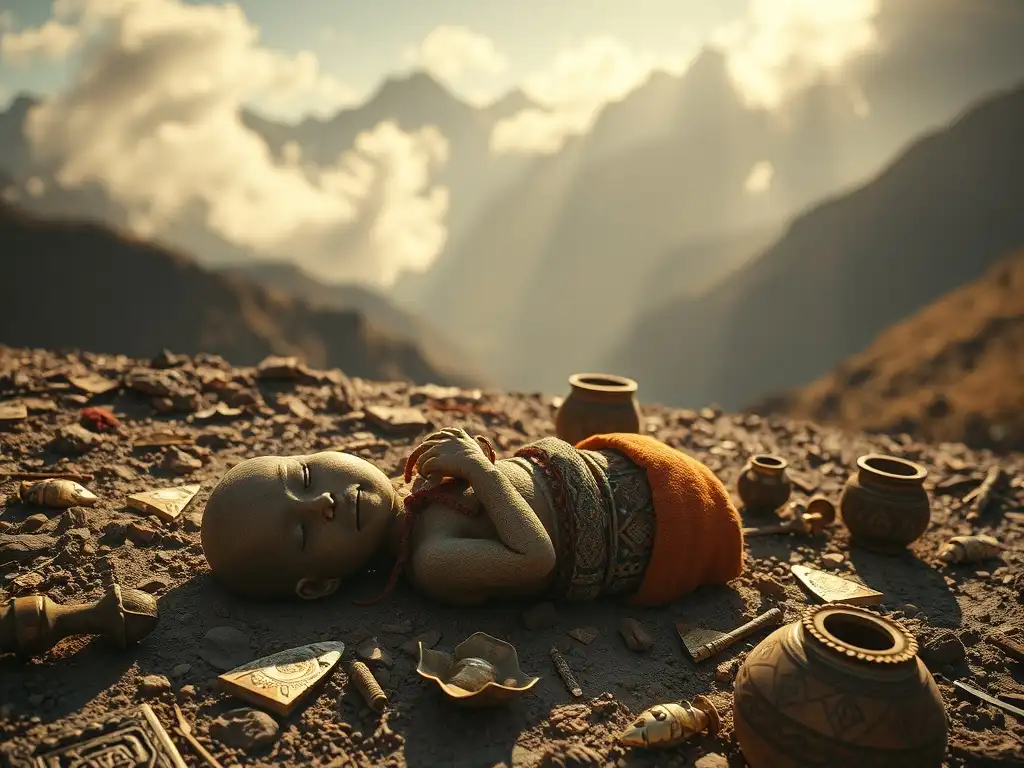
Inca human sacrifice rituals are often shrouded in misconceptions, fueled by sensationalized accounts and a lack of nuanced understanding of their cultural context. It's crucial to move beyond simplistic narratives of inherent brutality and delve into the complexities of these practices within the broader framework of Inca worldview. The Inca Empire, while powerful and expansive, wasn't uniformly characterized by violence; sacrifice held a specific, albeit often tragic, place within their intricate social and religious system.
Understanding the motivations and beliefs surrounding these rituals is key to interpreting them accurately. Many popular portrayals drastically overemphasize the frequency and scale of human sacrifice, creating a distorted image of Inca society. Archaeological evidence, while revealing the existence of such practices, doesn't support the notion of widespread, indiscriminate killing.
Dispelling Misconceptions About Inca Brutality
The image of the Inca as inherently brutal is a significant misconception. While human sacrifice undoubtedly occurred, it's crucial to avoid equating this practice with rampant violence or a culture of cruelty. The Inca worldview was deeply intertwined with the natural world and the concept of reciprocity. Sacrifice, within this framework, was seen as a way to maintain cosmic balance, appease deities, and ensure the prosperity of the empire.
It was a ritualistic act, often accompanied by elaborate ceremonies and offerings, rather than a random act of violence. This perspective, while not justifying the loss of human life, helps to contextualize the practice within the beliefs and values of the time. Furthermore, the selection of sacrificial victims wasn't arbitrary; often, individuals were chosen based on specific criteria, sometimes reflecting their social status or perceived connection to the divine.
The Context of Sacrifice within Inca Beliefs
Inca religious beliefs were central to their understanding of sacrifice. The Inca believed in a complex system of deities and spirits that governed the natural world and human society. Maintaining harmony with these supernatural forces was considered paramount for the well-being of the empire. Human sacrifice was believed to be a way to strengthen this connection, ensuring bountiful harvests, military victories, and the continuation of the Inca dynasty.
This perspective contrasts sharply with modern sensibilities, but it's crucial to grasp this belief system to understand the rationale behind these practices. The rituals themselves were meticulously planned and executed, emphasizing the sacred nature of the act. The victims, in many cases, were not simply killed but rather offered as gifts to the gods, seen as a supreme act of devotion. The ritual's significance transcended mere violence; it was a solemn act deeply embedded in Inca cosmology.
Conclusion: Legacy of Inca Sacrificial Practices
The legacy of Inca sacrificial practices remains a complex and often controversial topic. While the loss of human life is undeniably tragic, understanding the rituals within their historical and cultural context allows for a more nuanced interpretation. Moving beyond simplistic narratives of brutality and exploring the underlying beliefs and motivations is essential for a complete understanding of Inca society and its relationship with the supernatural.
Further research and careful analysis of archaeological evidence are crucial to continue refining our comprehension of these ancient practices and to avoid perpetuating harmful misconceptions about Inca culture. By acknowledging the complexities of this aspect of Inca civilization, we gain a richer and more accurate understanding of their world and their beliefs. The study of Inca sacrifice serves not only to illuminate a specific ritualistic practice but also to highlight the importance of contextualizing historical events within their cultural and religious frameworks.
Further Research on Inca Ritual Practices
The study of Inca human sacrifice rituals is an ongoing process, with new discoveries and interpretations constantly emerging. Archaeological excavations continue to unearth evidence that sheds light on these complex practices. For example, the recent findings at [Specific archaeological site pending] have provided valuable insights into the selection process of sacrificial victims, suggesting a more nuanced understanding than previously held. Researchers are now focusing on analyzing isotopic ratios in the bones of sacrificed individuals to determine their diet and geographic origins, potentially revealing information about their social status and the geographical reach of Inca influence.
This interdisciplinary approach, combining archaeological findings with anthropological and historical analysis, is crucial for a more complete picture of Inca sacrificial practices. The use of advanced imaging techniques, such as 3D scanning and X-ray micro-computed tomography (micro-CT), allows for non-destructive analysis of human remains, preserving valuable artifacts while unlocking crucial details about the rituals themselves. Furthermore, ongoing research is dedicated to deciphering the iconography and symbolism present in Inca art and textiles related to sacrifice, enriching our understanding of the ritual's spiritual and cosmological significance. This holistic approach, encompassing various scientific disciplines and interpretative methodologies, promises to unveil further layers of complexity and nuance within the enigmatic world of Inca human sacrifice.
The ongoing debate regarding the motivations behind these rituals – whether for appeasing deities, securing political power, or for other socio-religious reasons – continues to drive research and encourages the development of new hypotheses and interpretations. The collaborative efforts of archaeologists, anthropologists, historians, and other specialists are essential for advancing our knowledge and achieving a more comprehensive understanding of Inca human sacrifice rituals. The field is ripe for new discoveries and innovative research methods, promising a richer and more nuanced understanding of this fascinating, yet often unsettling, aspect of Inca civilization.
- Introduction to Inca Human Sacrifice Practices
- The Purpose Behind Inca Sacrificial Rites
- Types of Inca Sacrifices: Beyond Human Offerings
- Inca Human Sacrifice: The Capacocha Ritual
- Archaeological Evidence of Inca Sacrifice
- Understanding the Inca Worldview and Sacrifice
- Debunking Myths About Inca Sacrifices
- Conclusion: Legacy of Inca Sacrificial Practices
- Further Research on Inca Ritual Practices
Frequently Asked Questions
What were the primary reasons behind Inca human sacrifice?
Inca human sacrifice, or capacocha, served multiple purposes. It was believed to maintain cosmic balance, appease the gods, and honor important figures. It was also sometimes used to celebrate significant events.
Who were the victims typically chosen for Inca sacrifice?
Victims were often young children, considered pure and close to the gods, although sometimes adults of high social standing were chosen. Selection was based on physical attributes and perceived closeness to the divine. Virginity was also a key factor in the selection of female victims.
Where did Inca human sacrifice rituals usually take place?
Sacrifices occurred at various locations, including mountaintops, considered sacred spaces connecting the earthly and spiritual realms. Important religious centers and caves also served as sites for these rituals.
How were Inca human sacrifices performed?
Methods varied, but often involved suffocation, bludgeoning, or being left to die of exposure at high altitudes. Mummified bodies were frequently discovered at sacrificial sites, offering valuable insights into the rituals.
What evidence exists to support our understanding of Inca human sacrifice?
Archaeological discoveries, including mummified remains found at high-altitude sites, provide crucial evidence. Chronicles written by Spanish conquistadors, although biased, also offer some information, though their accounts should be treated with caution due to the cultural differences and potential for misinterpretation.
Final Reflection: Echoes of the Andes: Unraveling the Inca Sacrifice
The chilling rituals of Inca human sacrifice, once relegated to the dusty pages of history books, continue to resonate powerfully in our modern world. Their study forces us to confront uncomfortable questions about power, belief, and the human capacity for both brutality and profound devotion. Understanding these practices is not merely an academic exercise; it's a crucial step in comprehending the complexities of human history and the enduring power of cultural beliefs.
The enduring legacy of Inca sacrifice isn't just about the historical record; it's about the ongoing dialogue it sparks regarding our own societal values and the ethical considerations surrounding life and death. The very act of attempting to understand these rituals, however unsettling, compels us to examine our own assumptions about morality and the justifications we create for our actions. The past is never dead. It's not even past.
– William Faulkner. This quote perfectly encapsulates the enduring relevance of Inca sacrificial practices, reminding us that their echoes reverberate through time, shaping our understanding of the past and informing our present.
Consider the implications of these ancient practices. What can we learn from the Inca's beliefs, their motivations, and the profound sacrifices they made? You, the reader, are now equipped with a deeper understanding of this complex topic. Use this knowledge to challenge your own perspectives, to engage in thoughtful discussions, and to foster a more nuanced appreciation for the diverse tapestry of human history. Let the mystery of Inca sacrifice inspire not just curiosity, but a deeper empathy for the complexities of the human experience across time and cultures.
Unveil the Secrets of Inca Sacrifice!
Thank you for joining us on this fascinating journey into the world of Inca sacrifice and its profound rituals. We hope you found this exploration insightful and stimulating. Now, let's delve even deeper!
Here are some ways to continue exploring this captivating topic:
- Discuss the cultural significance of Inca sacrifices with friends and family, exploring how these practices shaped Inca society. Consider the various interpretations and perspectives surrounding these rituals.
- Visit a museum or exhibition featuring Andean artifacts. Experiencing these objects firsthand offers a unique and powerful connection to the rich history of the region.
- Engage with online communities and forums dedicated to Andean cultures. Sharing ideas and insights with others can broaden your understanding of ancient rituals and their enduring relevance.
What aspect of Inca sacrifice most intrigues you? How might these ancient practices inform contemporary discussions about spirituality and community? We'd love to hear your thoughts!