
Tiahuanaco's Religious Festivals: Celebrations of the Cosmos and the Divine

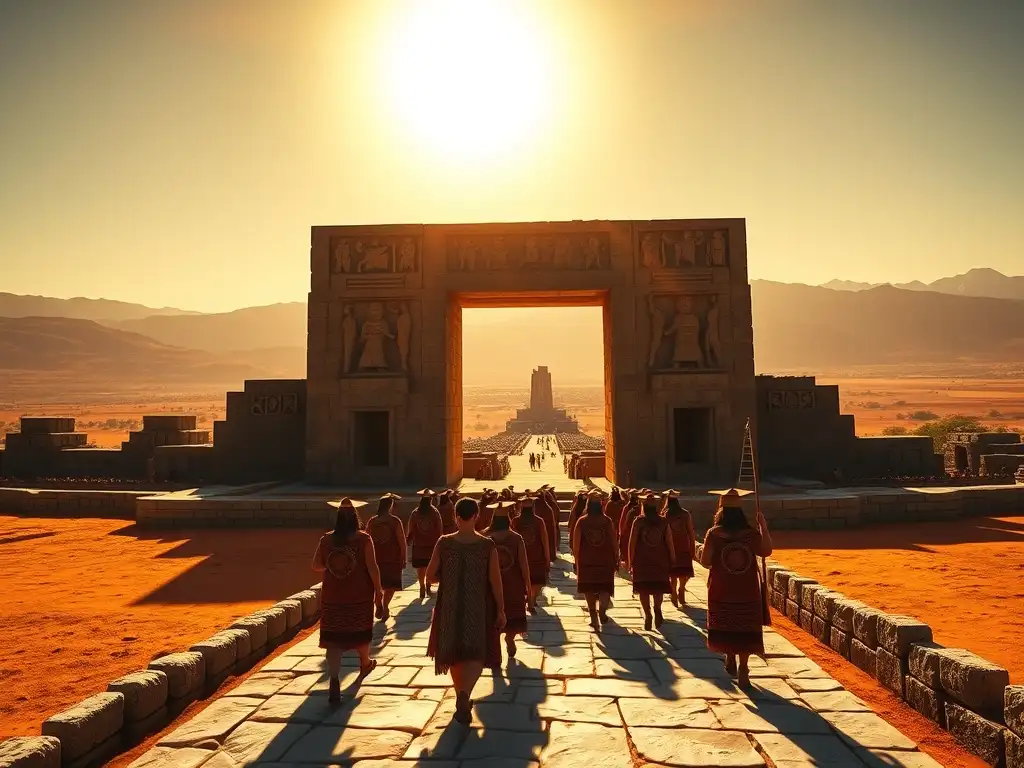
Step into a world lost to time, yet echoing with the vibrant spirit of the Andes. Imagine colossal stone structures reaching for the heavens, the rhythmic beat of drums resonating through sacred valleys, and the intoxicating scent of offerings rising to the gods... This is the legacy of Tiahuanaco, a civilization whose mastery of engineering and profound spiritual beliefs continue to fascinate. Prepare to be captivated as we delve into the mysteries surrounding Tiahuanaco's religious festivals, uncovering the secrets of their cosmic celebrations and their deep connection to the divine. Unravel the enigma—explore more!
The enigmatic city of Tiahuanaco, nestled high in the Altiplano of Bolivia, remains a testament to a sophisticated civilization that flourished centuries before the Inca. Beyond its impressive architecture and intricate artistry, Tiahuanaco possessed a complex religious system deeply intertwined with its cosmology. This article delves into the fascinating world of Tiahuanaco's religious festivals, exploring how these celebrations reflected their understanding of the cosmos, their veneration of deities, and their intricate social structures.
We will examine the evidence available, interpreting archaeological findings and historical accounts – albeit limited – to paint a picture of these vibrant and significant events. Understanding these festivals provides crucial insight into the beliefs and practices that shaped this remarkable Andean culture and its enduring legacy.
The importance of these festivals for understanding Tiahuanaco's religious beliefs cannot be overstated, as they represent a direct link to the worldview of this fascinating civilization. The keyword "Tiahuanaco religious festivals" will be explored throughout the article, providing a comprehensive overview of this important aspect of their culture.
Evidence from Archaeological Excavations
Archaeological digs at Tiahuanaco have unearthed compelling evidence suggesting the existence of large-scale religious festivals. The discovery of numerous ceremonial plazas, such as the Kalasasaya and Puma Punku, points towards organized gatherings and ritualistic activities. The sheer scale of these structures, along with the sophisticated engineering involved in their construction, suggests a significant investment of resources and manpower, indicative of important communal events.
Furthermore, the presence of intricate carvings and sculptures depicting deities and mythological figures supports the theory of elaborate religious ceremonies. Analysis of artifacts found within these plazas, including pottery fragments, textiles, and ceremonial objects, provides further clues about the nature and purpose of these festivals. Unfortunately, the exact nature of many rituals remains shrouded in mystery due to the limited written records left by the Tiahuanaco culture.
However, the archaeological evidence provides a solid foundation for reconstructing a picture of their religious practices. More research is needed to fully understand the significance of these findings. The quantity of artifacts uncovered suggests a frequency of these festivals, though the exact periodicity remains unknown.
Reconstructing the Rituals: Interpretations and Hypotheses
While we lack detailed written accounts of Tiahuanaco's religious festivals, careful analysis of archaeological finds allows us to formulate hypotheses about their rituals. The elaborate carvings on the monumental structures, often depicting figures associated with water, the sun, and other cosmological elements, suggest that the festivals were linked to the agricultural cycle and the celestial movements. It is hypothesized that these festivals played a crucial role in ensuring bountiful harvests and maintaining cosmic balance.
The presence of large quantities of ceremonial vessels and offerings further supports this hypothesis, suggesting the practice of ritual sacrifices and libations. Furthermore, the positioning of structures in relation to the sun and stars suggests a sophisticated understanding of astronomy and its connection to religious practices.
The precise details of the rituals, however, remain largely speculative, necessitating further research and careful interpretation of existing evidence. The interplay between astronomical events and religious festivals is a key area of ongoing research for Tiahuanaco specialists.
The Role of the Elite and the Community in the Festivals
The scale and complexity of Tiahuanaco's religious festivals likely involved the active participation of both the elite and the broader community. The monumental architecture suggests the involvement of a highly organized workforce, possibly controlled by a powerful priestly class. The elite may have played a central role in conducting the rituals, mediating between the human world and the divine realm. However, the sheer size of the ceremonial plazas indicates that a large segment of the population participated in these events.
These festivals may have served as important social gatherings, reinforcing social bonds and reaffirming community identity. The distribution of offerings and the construction of communal spaces suggest a shared experience and collective participation in these religious events. Further research is needed to fully understand the dynamic relationship between the elite and the common people during these celebrations. The social implications of these festivals need further investigation.
The Enduring Legacy of Tiahuanaco's Religious Traditions
The legacy of Tiahuanaco's religious festivals extends far beyond its own demise. The influence of its cosmology and religious practices can be traced in subsequent Andean cultures, particularly the Inca. Many of the motifs and iconography found in Tiahuanaco art reappear in later Andean traditions, indicating the continuity and transformation of religious beliefs over time. The study of Tiahuanaco's religious festivals therefore provides valuable insights into the broader history of Andean religious thought and its evolution.
Understanding the continuity and change in Andean religious practices is crucial for a complete picture of the region's cultural history. The impact of Tiahuanaco's religious beliefs on later cultures continues to be a subject of ongoing scholarly debate. The enduring influence of Tiahuanaco's religious traditions highlights the significance of these festivals in shaping Andean civilization.
- Evidence from Archaeological Excavations
- Reconstructing the Rituals: Interpretations and Hypotheses
- The Role of the Elite and the Community in the Festivals
- The Enduring Legacy of Tiahuanaco's Religious Traditions
- What were the most important religious festivals celebrated in Tiahuanaco?
- How did the Tiahuanaco people celebrate their religious festivals?
- What role did the Kalasasaya Temple play in Tiahuanaco's religious festivals?
- What evidence exists to support our understanding of Tiahuanaco's religious festivals?
- What is the significance of Tiahuanaco's religious festivals in understanding their culture?
Understanding Tiahuanaco's Sacred Celebrations
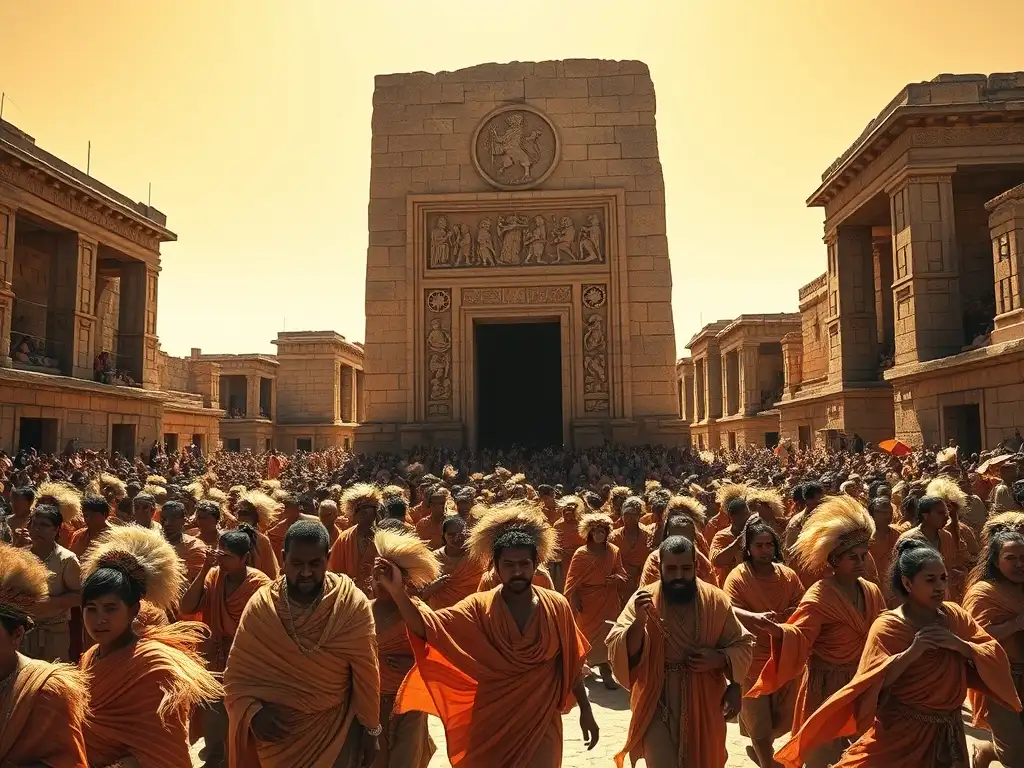
This section delves into the intricate world of Tiahuanaco's religious festivals, exploring their significance within the broader context of Andean cosmology and social structure. The information presented here is based on archaeological findings, iconographic analysis, and anthropological interpretations, aiming to provide a comprehensive understanding of these fascinating celebrations. Understanding these festivals is crucial to grasping the worldview and societal organization of the Tiahuanaco culture. The term "Tiahuanaco religious festivals" itself encompasses a wide array of rituals and ceremonies, each possessing unique characteristics and purposes.
The Significance of Rituals in Tiahuanaco Culture
Rituals formed the backbone of Tiahuanaco society, permeating every aspect of daily life. These weren't merely symbolic acts; they were powerful mechanisms for reinforcing social order, maintaining cosmic balance, and ensuring agricultural prosperity. Archaeological evidence, such as the elaborate ceremonial centers and the presence of numerous artifacts depicting ritual scenes, strongly suggests the importance of these practices.
The precise nature of many rituals remains debated, but their centrality to Tiahuanaco life is undeniable. For example, the intricate carvings found on the Gateway of the Sun, likely depicting a cosmic deity, suggest a deep connection between religious practice and the celestial sphere. Furthermore, the discovery of numerous human remains in ceremonial contexts indicates that human sacrifice, while undoubtedly controversial, played a significant role in certain festivals.
The frequency and scale of these rituals likely varied depending on the agricultural cycle and other environmental factors. The study of Tiahuanaco religious festivals is therefore crucial for reconstructing the complexities of their social and political structures. Analyzing the artifacts associated with these rituals—from intricately carved stones to elaborate pottery—provides valuable insights into the beliefs and practices of this remarkable civilization.
The Role of Religion in Tiahuanaco Society
Religion wasn't a separate entity in Tiahuanaco; it was deeply interwoven with the social fabric. The elite controlled the religious apparatus, using it to maintain their power and legitimacy. Temples and ceremonial centers served as centers of power, where religious leaders performed rituals and oversaw the distribution of resources.
The sophisticated irrigation systems, crucial for agricultural success, were likely connected to religious practices, highlighting the intimate relationship between religion and the economy. The religious beliefs likely influenced social stratification, with certain individuals holding privileged positions based on their religious authority. Consider the intricate iconography found on many Tiahuanaco artifacts: these images were not merely decorative; they were powerful symbols used to communicate religious beliefs and reinforce social hierarchy.
The religious leaders, possibly shamans or priests, occupied key positions in the social structure, acting as intermediaries between the divine and the human realms. This close relationship between religious authority and political power ensured the stability and continuity of the Tiahuanaco state.
Exploring Tiahuanaco Cosmology and its Influence on Festivals
Tiahuanaco cosmology, deeply intertwined with its religious festivals, provides a framework for understanding the beliefs and practices of this civilization. Their worldview likely centered on a complex interaction between the earthly and celestial realms, with deities and supernatural forces playing a crucial role in shaping human life. The festivals themselves were likely attempts to influence these forces, ensuring the continued prosperity and well-being of the community. The calendar, possibly linked to astronomical observations, likely dictated the timing of many of these festivals.
For instance, festivals connected to the agricultural cycle—planting and harvesting—would have been crucial for ensuring food security. Other festivals may have been tied to celestial events, such as solstices and equinoxes, reflecting their profound understanding of astronomy and its connection to the divine. The symbolic representation of these cosmological concepts in art and architecture further illustrates their significance.
The intricate carvings and monumental structures, such as the Kalasasaya, likely served as visual representations of their cosmological beliefs, reinforcing the importance of these concepts within their society. Therefore, a deeper understanding of Tiahuanaco cosmology is essential for a complete understanding of their religious festivals and their societal impact. Further research, particularly focused on deciphering the iconography and uncovering more evidence of their astronomical knowledge, is necessary to fully understand the intricacies of their worldview.
Key Tiahuanaco Religious Festivals and Ceremonies
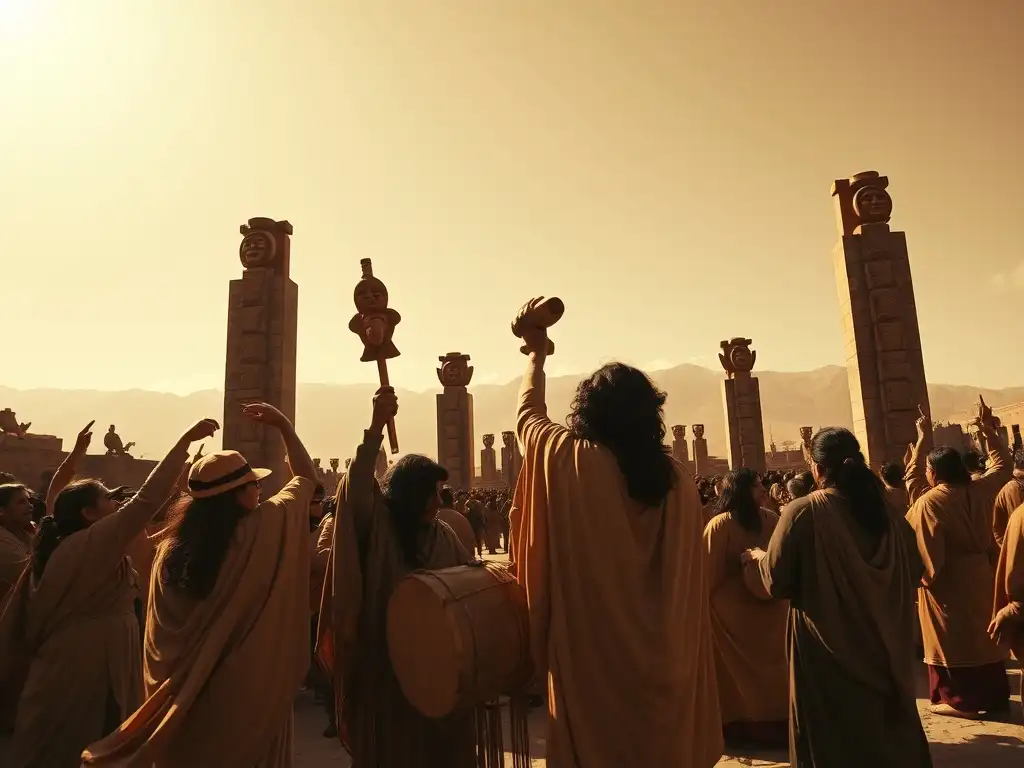
The religious life of the Tiahuanaco civilization was deeply intertwined with the agricultural cycle, the celestial bodies, and a complex pantheon of deities. Their festivals, therefore, weren't merely celebrations; they were vital rituals designed to ensure the prosperity and continuity of their society. Evidence from archaeological findings, such as intricate carvings on monumental structures and ceramic artifacts, provides glimpses into these significant events, though much remains shrouded in the mists of time. Understanding these Tiahuanaco religious festivals is key to understanding their worldview.
The Festival of the Sun: Honoring Inti
The sun, Inti, held a position of paramount importance in Tiahuanaco cosmology. It was not simply a celestial body but a powerful deity, the source of life and energy. The Festival of the Sun, likely held during the summer solstice (around December 21st in the Southern Hemisphere), was arguably the most significant annual event. Archaeological evidence suggests elaborate ceremonies centered around the Kalasasaya complex, where the precise alignment of structures with the sun's path may have played a crucial role in the rituals.
We can imagine the festival unfolding with great fanfare: processions of priests and dignitaries, adorned in elaborate headdresses and clothing, moving through the plazas; offerings of coca leaves, maize, and other precious goods presented to the sun god; and possibly, human sacrifices, although the extent and frequency of this practice remain debated among scholars. The intricate carvings on the Sun Gate, depicting a central figure possibly representing Inti, further underscore the sun's central role in Tiahuanaco religion.
The precise details of the festivities remain largely unknown, but their importance is undeniable, reflecting the sun's vital role in the agricultural cycle and the overall well-being of the Tiahuanaco people. Further research, including detailed analysis of the Kalasasaya's astronomical alignments, is needed to paint a more complete picture of this pivotal festival.
Agricultural Rituals and the Pachamama
The agricultural cycle profoundly shaped the life and beliefs of the Tiahuanaco people. Their prosperity hinged on the successful cultivation of crops like potatoes, quinoa, and maize. Consequently, numerous rituals focused on appeasing and honoring Pachamama, the Earth Mother, the life-giving force responsible for fertility and abundance. These rituals were likely interwoven with the agricultural calendar, with specific ceremonies performed at planting, growth, and harvest times.
These Tiahuanaco religious festivals involved offerings to Pachamama, often buried in the ground near fields or deposited in sacred sites. These offerings could include food, drink, textiles, and even human sacrifices in some cases. The significance of these offerings is underscored by the elaborate nature of some artifacts found in archaeological contexts, suggesting a deep reverence for the Earth Mother and a recognition of her crucial role in the community's survival.
Furthermore, the intricate designs found on Tiahuanaco pottery often depict agricultural scenes, suggesting a close link between religious beliefs and agricultural practices. The precise nature of these ceremonies remains a subject of ongoing research, particularly regarding the specific timing and location of these rituals.
Celebrations of the Lunar Cycle and Fertility
Beyond the sun, the moon also held significant religious importance for the Tiahuanaco. The lunar cycle, with its phases of waxing and waning, was associated with fertility, both human and agricultural. Celebrations likely marked significant lunar events such as the new moon and full moon, potentially linked to fertility rites and the renewal of life. The prevalence of female deities in Tiahuanaco iconography suggests a strong emphasis on female power and fertility within their religious system.
While direct evidence of specific lunar festivals is scarce, the prominence of moon imagery in Tiahuanaco art and architecture strongly suggests their importance. Many artifacts depict lunar symbols, and the orientation of some structures may have been influenced by the moon's movements. Further research into the astronomical alignments of Tiahuanaco sites could reveal more about the timing and nature of these festivals.
It is likely that these celebrations were closely tied to the agricultural cycle, with lunar phases influencing the timing of planting and harvesting activities. The integration of the lunar cycle into their religious practices highlights the Tiahuanaco's sophisticated understanding of astronomy and its profound impact on their daily lives and spiritual beliefs. The study of Tiahuanaco cosmology continues to unveil new insights into their complex and fascinating religious practices.
Rituals of Offering: Coca, Chicha, and Llamas
The religious life of Tiahuanaco revolved heavily around ritual offerings, seen as vital communication with the divine and the ensuring of cosmic balance. Among the most significant offerings were coca leaves, chicha (a fermented corn beverage), and llamas. These offerings weren't simply gifts; they were carefully orchestrated acts imbued with deep symbolic meaning, reflecting the society's worldview and its relationship with the environment and the supernatural.
The use of coca leaves, a plant revered for its stimulating and medicinal properties, extended far beyond mere chewing. In Tiahuanaco rituals, coca likely played a crucial role in shamanistic practices, facilitating altered states of consciousness that allowed for communication with the spirit world. The leaves themselves, meticulously selected and perhaps even arranged in specific patterns, would have been presented to deities or placed within sacred contexts.
Archaeological evidence suggests the careful preparation and storage of coca, indicating its significant ritual importance. The quantity and quality of coca offered likely varied according to the importance of the ceremony and the status of the offerer.
Chicha, a beverage central to Andean cultures, held a similar significance in Tiahuanaco. Its preparation was likely a ritual in itself, involving specific techniques and ingredients that might have varied across different ceremonies. The act of offering chicha involved more than just pouring the drink; it was a symbolic act of sharing with the deities, offering them sustenance and strengthening the bond between the human and divine realms.
The fermentation process itself, transforming simple corn into an intoxicating brew, might have been seen as a microcosm of the transformative power of the divine. Different types of chicha, perhaps made with different grains or fruits, might have been reserved for specific deities or occasions.
Llamas, considered sacred animals, were among the most valuable offerings. The sacrifice of a llama was not a casual act; it was a solemn ceremony, likely accompanied by specific rituals and prayers. The animal’s blood, considered a vital force, would have been offered to the gods, while its meat might have been shared communally among participants. The fleece might have been used for sacred textiles or other ritual objects.
The choice of llama for sacrifice highlights the importance of these animals in Tiahuanaco society, their connection to the earth and their symbolic representation of fertility and abundance. The size and age of the sacrificed llama may have also signified the importance of the ritual or the status of the person making the offering. The careful treatment of the remains after the sacrifice further emphasizes the reverence given to these animals.
The Purpose of Tiahuanaco Religious Festivals
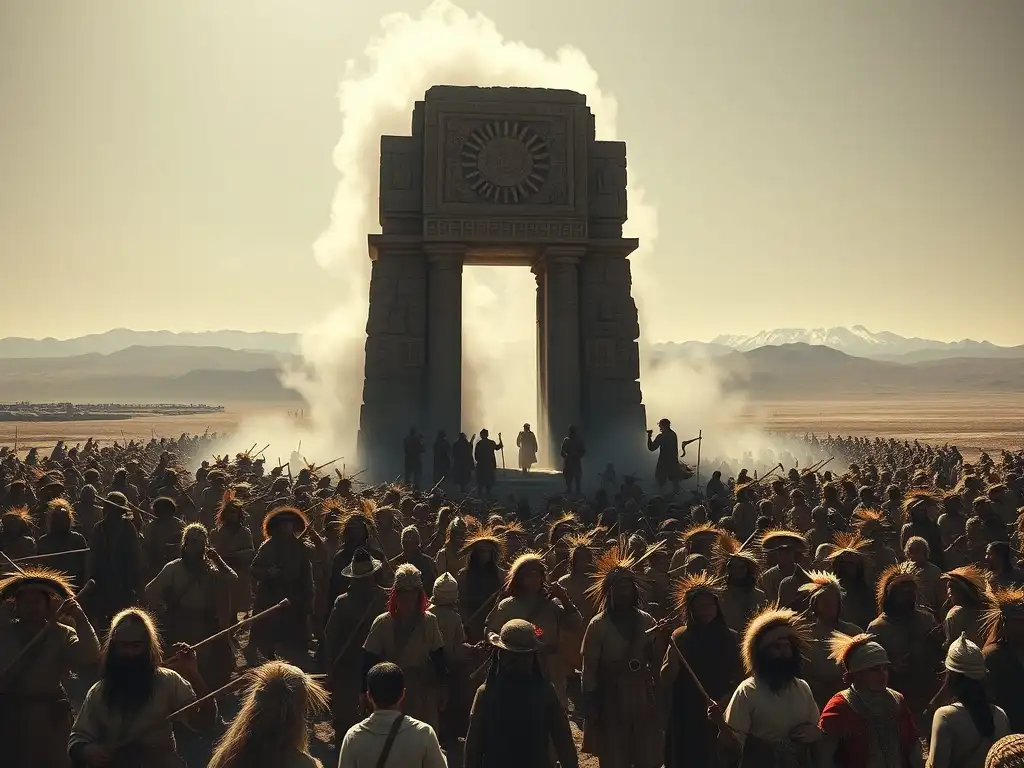
The Tiahuanaco civilization, flourishing in the Andean highlands between roughly 300 and 1200 CE, wasn't simply a sophisticated society characterized by impressive architecture and advanced engineering. At its heart lay a complex religious system profoundly intertwined with the daily lives of its people. Tiahuanaco religious festivals, meticulously planned and executed events, served multiple crucial purposes, underpinning the social, political, and spiritual fabric of this remarkable civilization.
Understanding these multifaceted objectives helps us appreciate the depth and significance of their religious beliefs and practices. The festivals weren't mere celebrations; they were vital mechanisms for maintaining cosmic order, appeasing powerful deities, and strengthening community bonds.
The scale and complexity of these events suggest a highly organized society with a deeply ingrained belief in the importance of maintaining a harmonious relationship with the supernatural world. This section will delve into the key purposes of these fascinating festivals, providing insights into the worldview of the Tiahuanaco people.
Maintaining Cosmic Order Through Rituals
The Tiahuanaco worldview was deeply rooted in the concept of a carefully balanced cosmos. Their religious practices, particularly the elaborate festivals, were designed to uphold this balance. Many rituals likely involved precise astronomical observations, aligning ceremonies with specific celestial events, such as solstices and equinoxes.
This meticulous attention to the cosmos suggests a belief that the actions of humans directly impacted the delicate equilibrium of the universe. By performing specific rituals during these significant astronomical occurrences, the Tiahuanaco people believed they could maintain harmony between the terrestrial and celestial realms. The intricate calendar systems, although not fully understood, likely played a crucial role in scheduling these festivals, ensuring their timely execution to reinforce the cosmic order.
Evidence of this cosmic connection might be found in the orientation of structures like the Kalasasaya, suggesting a purposeful alignment with celestial movements. Further research into Tiahuanaco astronomical knowledge is needed to fully understand the precise mechanisms through which these rituals maintained cosmic order. The meticulous planning and execution of these festivals speak volumes about the importance the Tiahuanaco placed on maintaining a harmonious relationship with the universe.
Appeasing the Gods: Seeking Blessings and Protection
A significant purpose of Tiahuanaco religious festivals was to appease the powerful gods and spirits believed to control various aspects of life, from agricultural fertility to weather patterns. These festivals were likely opportunities to offer sacrifices, prayers, and gifts to secure divine favor. The nature of these offerings remains a subject of ongoing research, but archaeological evidence suggests the use of both agricultural products and precious materials.
The scale of some of the ceremonial sites hints at large-scale communal offerings, indicating a collective effort to appease the deities on behalf of the entire community. The elaborate iconography found on Tiahuanaco artifacts, depicting various deities and supernatural beings, further illustrates the importance of this aspect of their religious life. The intricate carvings and representations could have served as focal points during rituals, facilitating communication and interaction with the divine realm.
The desire for blessings and protection from harmful forces was a central motivation for these festivals, ensuring the well-being of both individuals and the community as a whole. The investment of significant resources in these events underscores the paramount importance of securing divine favor.
Beyond their cosmic and spiritual significance, Tiahuanaco religious festivals played a vital role in strengthening community bonds. These large-scale events brought together people from different social strata, fostering a sense of shared identity and collective purpose. The collaborative efforts required to organize and participate in these festivals would have strengthened social ties and reinforced social hierarchies.
The festivals may have also served as opportunities for social interaction, facilitating trade, exchange of information, and the reaffirmation of social relationships. The sheer size and complexity of some of these events, requiring significant coordination and participation from a wide range of individuals, suggests a high degree of social organization and cooperation. Shared experiences and communal participation in these ceremonies would have fostered a sense of unity and belonging, contributing to social cohesion and stability within the Tiahuanaco society.
The legacy of these collective celebrations is a testament to the power of shared religious experiences in shaping social structures and strengthening community bonds. The Tiahuanaco religious festivals were not simply religious observances; they were powerful instruments of social integration and community building. 🎉
The Role of Priests and Shamans in Ritual Leadership
The religious festivals of Tiahuanaco were not spontaneous gatherings; they were meticulously orchestrated events requiring skilled leadership. Priests and shamans played a pivotal role, acting as intermediaries between the earthly realm and the divine. Their authority stemmed from a deep understanding of cosmology, ritual practices, and the intricacies of the calendar system used to determine auspicious dates for celebrations. These individuals weren't merely religious functionaries; they held significant social and political influence within Tiahuanaco society.
Their expertise in interpreting celestial events and predicting agricultural cycles likely contributed to their elevated status. Evidence suggests a hierarchical structure within the priesthood, with certain individuals holding greater power and authority than others. This hierarchy may have been reflected in the elaborate attire and regalia worn during ceremonies. For example, depictions in pottery and textiles show priests adorned with ornate headdresses, elaborate clothing, and symbolic jewelry, all indicative of their sacred role.
The priests and shamans were responsible for conducting complex rituals, which often involved manipulating sacred objects, offering sacrifices, and performing intricate dances and chants. Their knowledge of medicinal plants and their purported healing powers also likely played a crucial role in their community's well-being. They may have been responsible for treating illnesses, performing ceremonies to ensure successful harvests, and conducting rituals to appease the gods and ward off evil spirits.
Furthermore, the shamanistic practices, involving altered states of consciousness, likely played a crucial role in connecting the community with the spiritual realm and facilitating communication with the divine. The detailed nature of these rituals, as evidenced by archaeological findings, underscores the significance of the priests and shamans in maintaining social order and cosmic balance within Tiahuanaco society.
The preservation of this knowledge through generations ensured the continuity of their religious traditions and the lasting influence of their spiritual leadership. Detailed studies of Tiahuanaco artifacts continue to reveal more about the complex role of these religious leaders in the rich tapestry of Tiahuanaco life.
Archaeological Evidence of Tiahuanaco Religious Celebrations
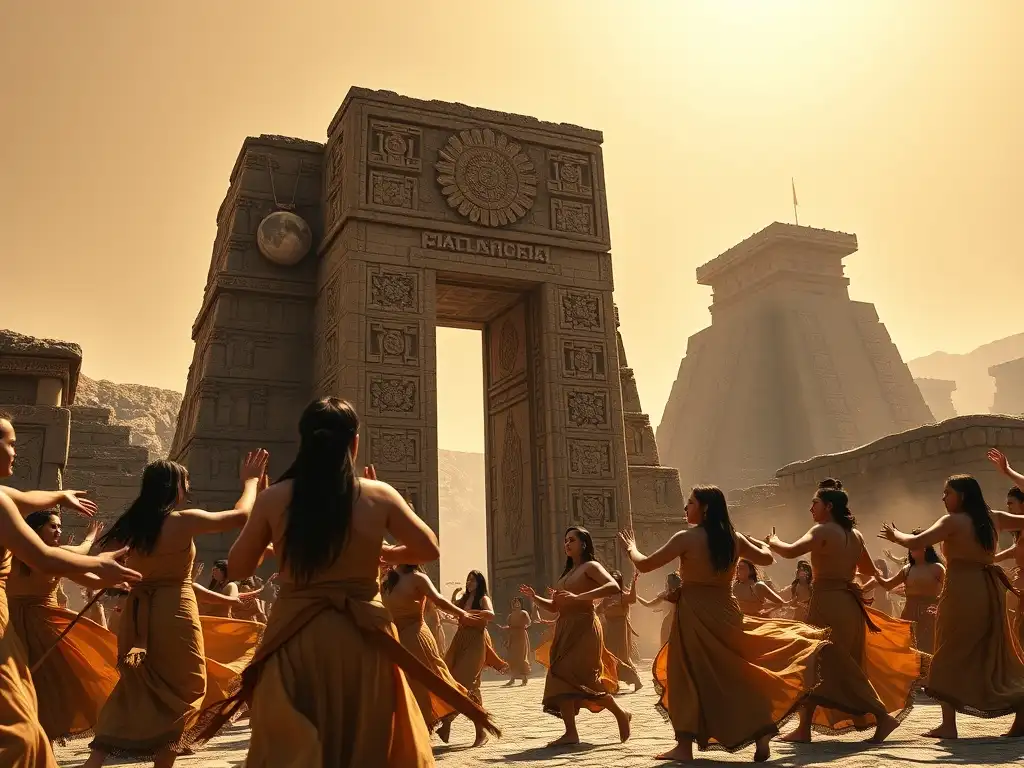
The monumental ruins of Tiahuanaco stand as silent witnesses to a complex and sophisticated religious system. Understanding Tiahuanaco's religious festivals requires careful analysis of the archaeological evidence left behind by its inhabitants. This evidence, while fragmented, offers compelling insights into the nature of these celebrations, their significance within the broader cosmological framework, and their impact on daily life. The meticulous study of architectural remains, artifacts, and even human remains reveals a vibrant tapestry of ritual practices and beliefs associated with the Tiahuanaco religious festivals.
Pottery shards unearthed at Tiahuanaco provide invaluable clues about the religious festivals celebrated by this advanced civilization. Detailed iconography depicting ceremonial scenes, processions, and mythical beings offers a glimpse into the rituals themselves. Many vessels feature stylized representations of deities, often associated with agricultural cycles and astronomical events – key elements in understanding the timing and purpose of many Tiahuanaco religious festivals.
For example, the frequent depiction of a deity holding a staff and wearing a headdress suggests a connection to leadership and religious authority during these celebrations. The styles of pottery also evolve over time, mirroring changes in religious practices and suggesting the evolution of Tiahuanaco religious festivals throughout the civilization's history.
Furthermore, the analysis of ceramic styles reveals regional variations, hinting at the possibility of localized versions of broader religious festivals. Some pottery styles, for instance, are more frequently found in specific areas of the Tiahuanaco complex, suggesting perhaps distinct rituals or celebrations tied to particular locations within the city. Further research is needed to fully understand these regional nuances and their relationship to the overarching religious system.
The sheer volume of pottery fragments recovered provides a rich source of information, waiting to be fully deciphered to further illuminate the intricacies of Tiahuanaco religious festivals. Careful cataloging and comparison of these artifacts is crucial for a comprehensive understanding.
The Function of Kalasasaya and Akapana Temples
The monumental structures of Kalasasaya and Akapana are central to understanding Tiahuanaco religious festivals. Their massive scale and intricate design suggest they were not merely residential or administrative buildings, but rather served as significant religious centers. Kalasasaya, with its precisely aligned stones and intricate carvings, likely functioned as a central plaza for large-scale public ceremonies. The evidence suggests that these festivals involved processions, sacrifices, and possibly astronomical observations tied to the agricultural calendar. The layout of Kalasasaya, with its clear axial alignments, points to a sophisticated understanding of astronomy and its role in the timing of religious events.
Akapana, a massive platform mound, presents another layer of complexity. Its terraced structure and internal chambers may have been used for specific rituals, perhaps involving elite participation or more private ceremonies. The presence of water channels and intricate drainage systems suggests the potential for ritualistic water management and purification practices during Tiahuanaco religious festivals.
The scale of both structures emphasizes the importance of these celebrations within the wider society, underscoring their role in reinforcing social order and religious belief. Further investigation into the construction techniques and material use of these temples could reveal additional insights into the nature and scale of the rituals performed within them.
Evidence of Ritual Practices Through Human Remains
The study of human remains unearthed at Tiahuanaco offers a more intimate perspective on Tiahuanaco religious festivals. While ethical considerations surrounding the study of human remains are paramount, careful analysis can provide crucial information about the rituals themselves. The presence of individuals buried with elaborate grave goods, including offerings of food, textiles, and ornaments, suggests that some individuals may have held important religious roles during these celebrations. The condition of some skeletal remains, showing signs of trauma or disease, might indicate ritualistic practices or sacrifices, although further investigation is needed to confirm such interpretations.
Analysis of isotopic ratios in human bones could potentially reveal dietary changes associated with specific festival periods, shedding light on the consumption patterns and social dynamics during these events. The discovery of mass burials could indicate events of significant religious importance, possibly connected to large-scale celebrations or times of crisis.
The careful study of these human remains, alongside other archaeological evidence, is essential for providing a holistic view of Tiahuanaco religious festivals, their social impact, and their place within the larger context of Andean religious practices. Careful and ethical research continues to be crucial to unlock the secrets held within these ancient remains.
Puma Punku and its Potential Ceremonial Significance
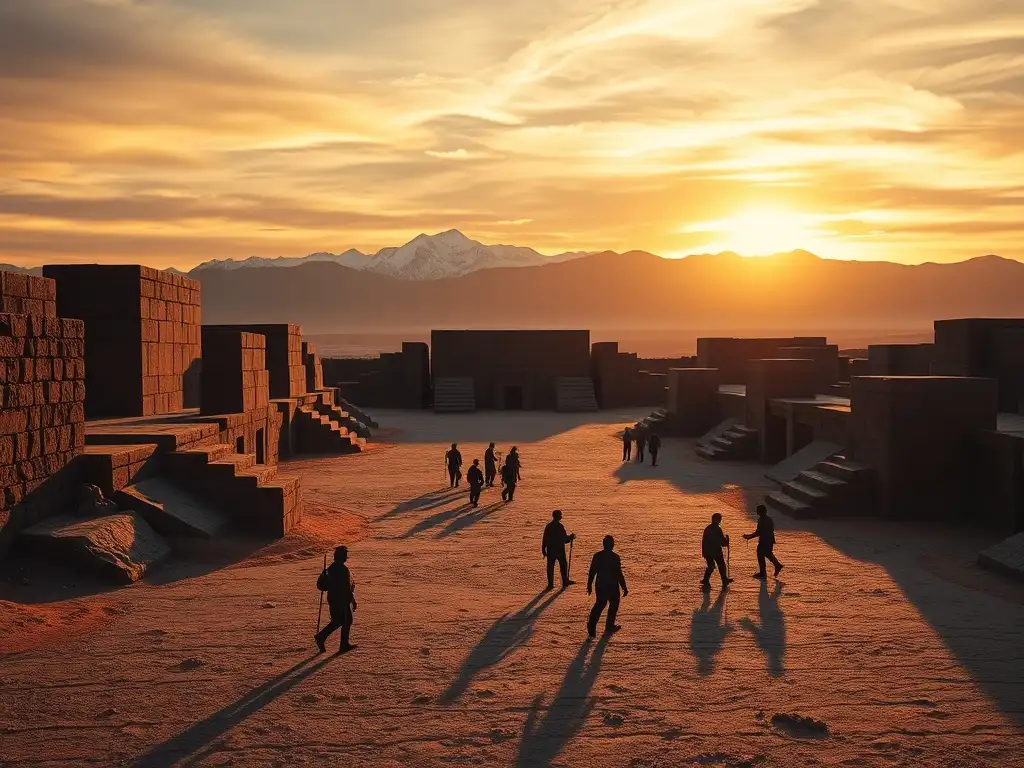
Puma Punku, a crucial component of the Tiahuanaco complex, presents a compelling case for significant ceremonial activity. Its massive, precisely cut stones, some weighing dozens of tons, defy easy explanation regarding their construction and purpose. While the exact function remains debated among archaeologists, the sheer scale and precision of the architecture strongly suggest a ceremonial role, possibly linked to the broader religious beliefs of the Tiahuanaco culture.
The lack of complete structures, and the presence of seemingly unfinished elements, might indicate that Puma Punku was a site of ongoing construction and ritual activity, rather than a completed project. This ongoing nature could be interpreted as a continuous engagement with the divine, reflecting a dynamic and evolving religious practice. The site's location, elevated and overlooking the surrounding landscape, could have been strategically chosen to enhance its symbolic importance and connection to the cosmos.
The precise arrangement of the stones, their meticulous fitting, and the presence of potential water channels, all point towards a carefully planned and executed design. Some scholars propose that the complex served as a platform for astronomical observations, linking the terrestrial and celestial realms. This alignment with celestial events would have further solidified its significance as a sacred space, where the cycles of nature and the power of the divine were celebrated and commemorated.
Further research, including detailed analysis of the stone carvings and the surrounding environment, is needed to better understand the ritual practices that took place at Puma Punku. The discovery of new artifacts or the application of advanced dating techniques could provide further insights into this fascinating and enigmatic site.
The ongoing excavation and analysis of Puma Punku continues to reveal new information, slowly unveiling the secrets of its ceremonial significance within the broader context of Tiahuanaco religious festivals. The meticulous nature of the construction itself suggests a deep-seated reverence for the process and the resulting structure, mirroring the reverence for the divine.
Evidence from Kalasasaya Temple
The Kalasasaya Temple, another key structure within the Tiahuanaco complex, offers additional evidence of elaborate religious festivals. Its monumental architecture, featuring intricately carved stone blocks and impressive gateways, indicates a significant ceremonial function. The layout of the temple, its orientation towards the cardinal directions, and the presence of various sculpted figures all hint at a complex cosmology and a sophisticated understanding of the celestial sphere.
The placement of specific figures, such as the iconic "Gateway of the Sun," suggests that specific deities or cosmological principles were given prominence within the rituals performed at the temple. The temple's large open space may have served as a location for public ceremonies, processions, and other large-scale religious events.
Archaeological evidence suggests that the Kalasasaya Temple was repeatedly modified and rebuilt over time, reflecting changing religious practices and beliefs. This ongoing process of construction and renovation suggests that the temple played a central role in the life of the Tiahuanaco people, hosting regular festivals and ceremonies that reinforced their religious and social order.
The discovery of human remains within and around the temple further supports the idea of ritualistic practices, possibly indicating sacrificial offerings or burials of important figures. The intricate carvings on the stones provide clues to the mythology and iconography of the Tiahuanaco religion, offering valuable insights into their beliefs and rituals.
Further analysis of the carvings, alongside the ongoing archaeological research, will continue to shed light on the role of Kalasasaya Temple in the context of Tiahuanaco religious festivals. The sheer scale of the temple suggests that these festivals were significant events, possibly involving large numbers of participants from across the Tiahuanaco empire.
Ceramics and Textiles as Indicators of Ritual Practices
The discovery of numerous ceramic vessels and textiles within and around Tiahuanaco sites provides further evidence of religious celebrations. The intricate designs and iconography found on these artifacts reflect the cosmology and beliefs of the Tiahuanaco people. Many ceramics depict stylized figures, animals, and celestial bodies, which are likely representations of deities, mythological creatures, and cosmological principles.
The presence of specific motifs on certain vessels might indicate their use in specific rituals or ceremonies. For example, vessels depicting certain deities might have been used in offerings or libations during festivals honoring those particular deities. This careful selection of imagery suggests a deliberate and planned approach to religious practice, highlighting the importance of these ceremonial objects.
Textiles, often found buried with the deceased or in ceremonial contexts, also offer valuable insights into religious practices. The elaborate weaving techniques and the use of specific colors and patterns suggest that textiles played a significant role in religious ceremonies. Certain colors or patterns might have been associated with specific deities or rituals.
The discovery of textiles in tombs or burial sites could indicate their use as grave goods, highlighting their importance in the afterlife beliefs of the Tiahuanaco people. The complexity and artistry evident in both ceramics and textiles demonstrate the high level of skill and craftsmanship within Tiahuanaco society, further emphasizing the significance of religious practices in their daily lives.
The quality of the materials used, and the time invested in creating these pieces, underscores the importance of these religious festivals and the sacred nature of the objects themselves. Future analysis of these artifacts, through techniques like pigment analysis and fiber identification, could reveal even more about their role in Tiahuanaco religious life.
Legacy of Tiahuanaco Religious Practices
This section delves into the enduring impact of Tiahuanaco's religious beliefs and practices, exploring their influence on subsequent Andean cultures and their echoes in contemporary Andean spirituality. Understanding this legacy is crucial to appreciating the depth and complexity of Tiahuanaco's religious system and its significance in shaping Andean cultural identity. The sophisticated cosmology and ritual practices of Tiahuanaco weren't simply confined to their time; they reverberated through centuries, leaving an indelible mark on the spiritual landscape of the Andes.
The Influence of Tiahuanaco Beliefs on Inca Religion
The Inca Empire, rising to prominence centuries after Tiahuanaco's decline, inherited and adapted many aspects of Tiahuanaco's religious worldview. While the Inca developed their own unique pantheon and rituals, clear parallels exist, suggesting a significant cultural and religious continuity. For example, the Inca emphasis on ancestor veneration and the importance of huacas (sacred places) find strong resonances in Tiahuanaco's likely focus on venerating powerful figures and the significance given to their monumental architecture as sacred spaces.
The Inca's sophisticated calendar system, reflecting a deep understanding of celestial cycles, may also owe a debt to the Tiahuanaco's advanced astronomical knowledge, evidenced by their precise architectural alignments. Further research is needed to fully quantify the extent of this influence, but the similarities are undeniable, suggesting a process of cultural transmission and adaptation rather than a complete break.
The Inca state likely incorporated and reinterpreted existing religious beliefs and practices, weaving them into the fabric of their imperial ideology. The shared emphasis on agricultural fertility and the cyclical nature of life and death further strengthens this connection.
Contemporary Andean Rituals Reflecting Tiahuanaco Traditions
Even today, echoes of Tiahuanaco's religious festivals and beliefs persist in contemporary Andean communities. While many rituals have evolved over time, incorporating elements from Spanish Catholicism and other influences, underlying themes and practices point towards a continuous thread connecting modern Andean spirituality to the ancient traditions of Tiahuanaco. For instance, the importance of water and agricultural cycles, central to Tiahuanaco's religious worldview, remains a cornerstone of many Andean communities' annual festivals and ceremonies.
These festivals often involve rituals aimed at ensuring bountiful harvests and appeasing the spirits of the land and water, reflecting a continuity of concerns and practices stretching back millennia. Specific examples include [specific contemporary rituals and festivals pending], which display clear similarities to the likely religious practices of Tiahuanaco, despite the passage of time and cultural changes.
The enduring power of these traditions underscores the profound and lasting impact of Tiahuanaco's religious legacy. These living traditions offer a unique window into understanding the deeper meanings and significance of Tiahuanaco's religious beliefs and practices.
The Importance of Preserving Tiahuanaco's Cultural Heritage
The preservation of Tiahuanaco's cultural heritage, including its religious festivals and beliefs, is paramount for understanding the rich tapestry of Andean civilization. The archaeological site itself requires ongoing conservation efforts to protect its monumental structures and artifacts from the elements and human impact. Furthermore, documenting and understanding the contemporary Andean rituals that reflect Tiahuanaco traditions is equally crucial.
This involves working closely with Andean communities to record their knowledge, traditions, and perspectives on their cultural heritage. This collaborative approach is essential to ensuring that the interpretation and preservation of Tiahuanaco's legacy is respectful, accurate, and benefits the communities whose ancestors were directly connected to this remarkable civilization. By preserving both the physical remains and the living traditions, we can gain a more complete and nuanced understanding of Tiahuanaco's contribution to Andean history and culture.
This collaborative effort is vital for ensuring that the rich cultural heritage of Tiahuanaco continues to thrive and inspire future generations. The preservation of Tiahuanaco's legacy is not merely an academic pursuit; it is a vital component of safeguarding Andean cultural diversity and identity.
The Enduring Significance of Tiahuanaco's Religious Festivals
The religious festivals of Tiahuanaco, though occurring centuries ago, continue to resonate deeply within Andean cultures. Their influence is not merely historical; it's a living legacy woven into the fabric of contemporary Andean spirituality and worldview. The cyclical nature of these festivals, mirroring the agricultural cycles and astronomical events, speaks to a profound connection with the land and the cosmos that persists to this day. Many modern Andean communities still hold celebrations that echo the themes and practices of Tiahuanaco's rituals, demonstrating the enduring power of these ancient traditions.
The emphasis on reciprocity, balance, and the interconnectedness of all living things, central tenets of Tiahuanaco cosmology, remain crucial aspects of Andean spiritual life. This continuity underscores the remarkable resilience of Tiahuanaco's religious beliefs and their lasting impact on the cultural identity of the region. The study of these festivals provides invaluable insights into the evolution of Andean religious thought and practice, revealing a complex and sophisticated system that continues to shape the spiritual landscape of the Andes. Furthermore, the archaeological evidence, coupled with ethnographic studies of contemporary Andean communities, allows for a deeper understanding of how these ancient practices have been adapted and reinterpreted across generations.
The legacy of Tiahuanaco's religious festivals is, therefore, not simply a matter of historical interest; it's a vibrant testament to the enduring power of cultural memory and the ongoing relevance of ancient spiritual traditions. Understanding this legacy requires a multidisciplinary approach, combining archaeological findings with anthropological and ethnological research to fully appreciate the depth and complexity of Tiahuanaco's religious influence. 🎉
Frequently Asked Questions
What were the most important religious festivals celebrated in Tiahuanaco?
While specific details are scarce, evidence suggests agricultural cycles were central. Festivals likely revolved around key moments like planting and harvest, mirroring the Andean reverence for nature and its bounty. These celebrations probably involved rituals and offerings to ensure successful harvests.
How did the Tiahuanaco people celebrate their religious festivals?
Celebrations likely involved elaborate ceremonies at the complex's monumental structures. These may have included processions, music, dance, and sacrifices, reflecting the profound spiritual significance of their faith. Specific rituals remain a subject of ongoing archaeological research.
What role did the Kalasasaya Temple play in Tiahuanaco's religious festivals?
The Kalasasaya Temple, a central structure, was likely the focal point for many significant religious festivals. Its precise astronomical alignment suggests its use in tracking cycles and marking important dates for ceremonies. It was possibly a place of worship and ritual performance.
What evidence exists to support our understanding of Tiahuanaco's religious festivals?
Archaeological findings like ceremonial objects, evidence of feasting, and the layout of the city itself provide clues. Furthermore, comparisons with other Andean cultures help us to interpret the limited direct evidence we have of Tiahuanaco's practices.
What is the significance of Tiahuanaco's religious festivals in understanding their culture?
The festivals offer a vital insight into Tiahuanaco's cosmology and worldview. They reveal the importance of agriculture, astronomy, and the divine in their society, highlighting their deeply interconnected spiritual and practical lives. These celebrations reveal their social structure and beliefs.
Final Reflection: Echoes of the Andes: Tiahuanaco's Enduring Legacy
The vibrant religious festivals of Tiahuanaco, though centuries past, continue to resonate with a power that transcends time, offering a profound glimpse into the spiritual heart of a civilization. Their intricate rituals, celestial alignments, and profound connection to the Andean landscape speak to a timeless human need to understand our place within the cosmos, a need as relevant today as it was then. The echoes of these ancient celebrations remind us of the enduring power of faith and the enduring search for meaning.
The influence of Tiahuanaco's cosmology and its expression through these festivals is still palpable in the Andean region today. The reverence for the mountains, the sun, and the intricate relationship between the human and divine worlds continues to shape cultural practices and beliefs. The past is never dead. It's not even past.
- William Faulkner. This quote perfectly encapsulates the enduring legacy of Tiahuanaco's religious festivals; their impact reverberates through the generations, shaping the present and influencing the future.
Consider, for a moment, the intricate details of these ceremonies – the carefully planned astronomical observations, the symbolic significance of the artifacts, the communal participation in these events. What can we learn from this dedication to ritual and the profound connection to the natural world? I invite you to reflect on your own relationship with the cosmos, your own spiritual practices, and the ways in which you connect with the world around you. Perhaps, by understanding the past, we can find a deeper appreciation for the present and a more meaningful path towards the future.
Embrace the Spirit of Tiahuanaco's Cosmic Celebrations!
Thank you for exploring the fascinating world of Tiahuanaco's religious festivals! We hope you felt the energy of ancient traditions and the vibrancy of these cosmic celebrations. Now, let's delve deeper into this incredible heritage.
Continue your journey with these suggestions:
- **Experience the spirit of Tiahuanaco firsthand by attending a local cultural event** that celebrates Andean traditions and festivals.
- **Share your newfound knowledge of Tiahuanaco's festivals** with friends and family, or spark conversations online to spread awareness and appreciation.
- **Create your own celebration inspired by Tiahuanaco's principles**, incorporating elements such as gratitude for the cosmos and the interconnectedness of all things.
As you reflect on these divine festivals, consider how you can best incorporate the rich cultural heritage of the Andes into your own life.