
The Role of Women in Inca Art: Hidden Hands and Creative Power

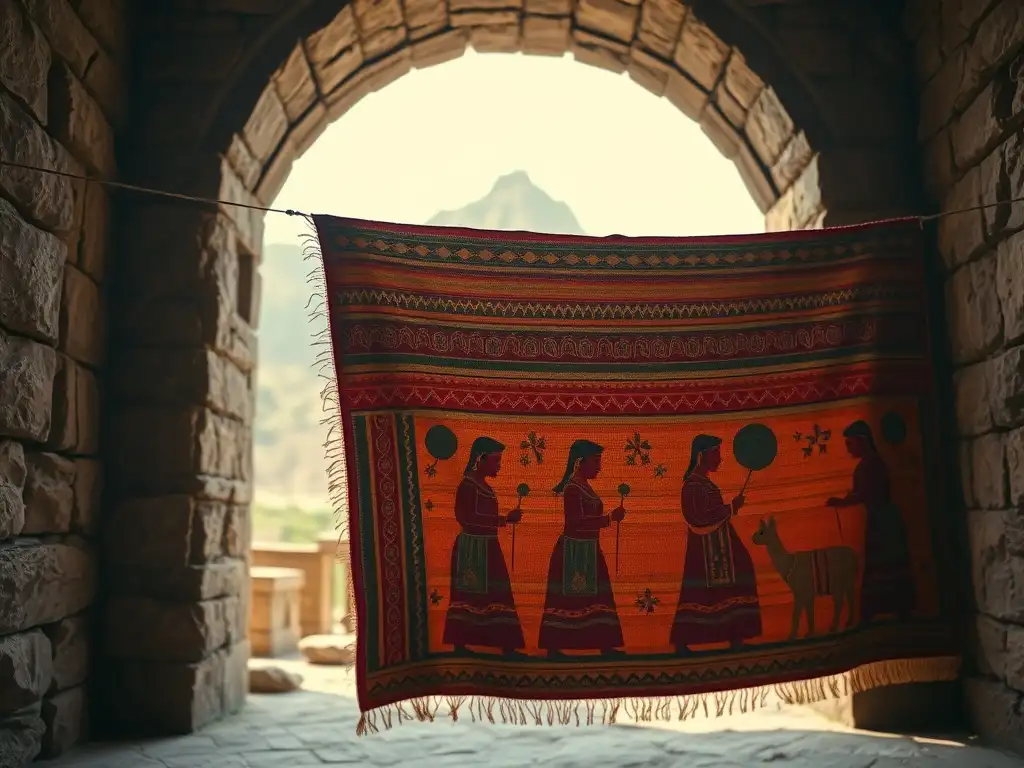
Uncover the secrets woven into the vibrant tapestries of the Andes! For centuries, a captivating narrative has been hidden within the breathtaking artistry of the Inca, Moche, Nazca, and Tiahuanaco civilizations. But what about the unsung creators? This journey into the heart of Andean history begins by exploring the surprising and powerful roles of Inca women artists, a story waiting to be revealed. Dare to delve deeper and discover the hidden hands that shaped an empire's creative power.
The vibrant tapestry of Inca civilization, renowned for its intricate textiles, stunning goldwork, and imposing architecture, often overshadows the significant contributions of Inca women. While historical records predominantly focus on the male rulers and elite, a closer examination reveals a rich and complex role for women in the artistic landscape of the Inca Empire. This article delves into the often-overlooked contributions of Inca women artists, exploring their creative power and the ways in which their artistry shaped the cultural identity of the Inca people.
We will examine the societal structures that both limited and empowered their artistic endeavors, challenging the traditional narrative and highlighting the crucial, albeit frequently hidden, role of women in the production of Inca art. Understanding their role provides a more complete and nuanced picture of Inca artistic achievements and illuminates the intricate social fabric of this remarkable civilization.
We will explore how their skills in textile production, pottery, and metalworking were integral to Inca society, reflecting their social standing and the vital role they played in maintaining the empire's cultural and economic strength. The keyword "Inca women artists roles" will be explored through specific examples and analyses of surviving artifacts.
Unveiling the Contributions of Inca Women Artists
While definitive documentation directly attributing specific works to individual Inca women artists is scarce, archaeological evidence and surviving textiles strongly suggest a significant female presence in artistic production. The meticulous detail and sophisticated techniques evident in Inca textiles, for example, point to a high level of skill and artistry, likely developed and passed down through generations of women. Many surviving textiles display intricate designs, vibrant colors, and complex weaving techniques that require years of dedicated training and expertise. 1 These textiles weren't merely decorative; they held significant social and ceremonial value, used in religious practices, royal attire, and everyday life. The creation of these textiles was a highly valued skill, contributing significantly to the Inca economy and social structure. Furthermore, the discovery of female mummies buried with tools and materials related to textile production further supports the idea of women's active participation in artistic creation. This suggests that artistic skills were not only valued but also passed down through family lineages, solidifying the role of women in Inca artistic traditions. The complexity and artistry of these textiles strongly suggest a level of specialization and expertise that wouldn't have been possible without the dedicated contribution of skilled female artisans.
Inca Society and the Division of Artistic Labor
Inca society was highly structured, with clearly defined roles for men and women. While men often held positions of political and military power, women played crucial roles in the domestic sphere and in specific crafts. The production of textiles, for example, was primarily considered women's work. This division of labor wasn't necessarily indicative of inequality; rather, it reflected a system where different skills and responsibilities were assigned to different genders, contributing to the overall functioning of Inca society.
However, the extent of women's participation in other artistic fields, such as metalwork and pottery, remains a subject of ongoing research. Some evidence suggests that women may have been involved in these areas as well, although perhaps in a less prominent or documented capacity. The hierarchical structure of Inca society meant that the artistic contributions of women, particularly those outside of the elite classes, were less likely to be recorded or recognized in the same way as those of men. This highlights the importance of critically examining existing archaeological evidence and considering the limitations of historical sources when studying the role of women in Inca art.
Further research, utilizing advanced techniques like isotopic analysis and detailed stylistic analysis of artifacts, can help us to better understand the full range of women's contributions to Inca art and craft. This includes uncovering potential evidence of female participation in metalwork and pottery, potentially challenging existing assumptions about gender roles in Inca artistic production. The ongoing research into this topic promises to reveal a richer and more nuanced understanding of Inca women's roles in shaping their artistic legacy.
1 Further research is needed to provide specific examples and quantifiable data on the complexity of Inca textile techniques and the time required for their creation.
Textiles as a Primary Domain for Inca Women's Artistry
Inca women's artistry found its most prominent expression in the creation of textiles. These weren't simply utilitarian items; they were imbued with deep cultural significance, reflecting social status, religious beliefs, and intricate narratives. The mastery of textile production was a highly valued skill, passed down through generations within families, and contributing significantly to the Inca economy and social structure.
The sheer variety of textiles produced—from fine garments for the elite to sturdy fabrics for everyday use—demonstrates the breadth of female artistic talent and the sophisticated techniques they employed. The vibrant colors, complex patterns, and meticulous craftsmanship showcased in surviving examples are testaments to the skill and dedication of Inca women weavers. Their contribution to the rich tapestry of Inca culture is undeniable, forming a cornerstone of their artistic legacy.
The Significance of Weaving in Inca Culture
Weaving in Inca society transcended mere craft; it held profound spiritual and social importance. Textiles were not just clothing; they were integral to religious ceremonies, royal insignia, and expressions of social status. The quality and intricacy of a textile directly correlated with the wearer's position within the social hierarchy. Elaborate garments adorned with intricate designs denoted elite status, while simpler textiles served the needs of the common people.
The act of weaving itself was often associated with female deities and considered a sacred practice, connecting women to the spiritual realm. This connection is evident in the symbolic representations woven into many textiles, further highlighting their cultural and religious significance. The production and use of textiles were central to Inca life, providing both practical and symbolic value.
Specific Techniques Employed by Inca Women Weavers
Inca women employed a variety of sophisticated weaving techniques, demonstrating exceptional skill and innovation. Their mastery of techniques like backstrap loom weaving allowed them to create incredibly intricate and detailed designs. The use of natural dyes derived from plants, minerals, and insects resulted in a vibrant palette of colors, many of which remain remarkably stable even after centuries. The precision and complexity of their work is evident in the fine detail of their patterns and the use of various textures within a single piece.
They skillfully incorporated different fibers, including alpaca, llama, and vicuña wool, to achieve varied effects of texture and color. The surviving textiles offer compelling evidence of their technical expertise and the high level of artistry achieved. These techniques required years of training and practice, cementing weaving as a highly specialized and respected skill.
Iconography and Symbolism in Inca Women's Textiles
The iconography and symbolism embedded within Inca women's textiles provide invaluable insights into their worldview and beliefs. Recurring motifs often depicted animals, plants, and celestial bodies, reflecting the importance of nature in Inca cosmology. Geometric patterns, such as stepped frets and zigzags, held symbolic meanings, representing concepts like fertility, power, and the cosmos. These symbols were not randomly chosen; they were carefully selected and arranged to convey specific messages or tell stories.
The placement of symbols also held meaning, with certain motifs appearing more frequently on garments worn by the elite. Studying these symbols allows us to decipher the intricate social, religious, and cosmological beliefs of Inca women and their profound connection to their environment and spiritual world. The textiles are, therefore, rich sources of information about Inca culture and beliefs.
Beyond Textiles: Inca Women's Participation in Other Art Forms
While textiles constituted the primary artistic domain for Inca women, their creative talents extended to other art forms, though the evidence is less abundant and often less directly attributable to women. This may be due to historical biases in record-keeping and archaeological interpretation, highlighting the challenges of fully understanding the extent of their contributions. However, growing evidence suggests a more significant role than previously acknowledged.
Pottery and Ceramic Production by Inca Women
Archaeological evidence suggests that Inca women played a significant role in pottery and ceramic production. While the prestige associated with fine pottery might have been primarily attributed to male artisans, women likely contributed to the mass production of everyday pottery, such as cooking pots and storage vessels. The consistent styles and techniques found in many utilitarian pottery pieces point to a likely division of labor, with women focusing on practical wares.
Further research is needed to clarify the precise division of labor and the extent of women's involvement in more elaborate ceramic works. However, their contributions to the overall ceramic production of the Inca empire were undoubtedly substantial.
Evidence of Female Influence in Metalwork
The role of women in Inca metalwork remains a topic of ongoing research and debate. While the most elaborate and prestigious metal objects were likely crafted by male artisans, it's plausible that women contributed to less prestigious aspects of metalwork, such as the preparation of materials or the creation of smaller, less intricate items. The intricate detail and design found in some metal objects might have involved a division of labor, with women contributing to specific stages of production. More archaeological research is needed to fully understand the nature and extent of women’s participation in metalworking.
Potential Roles in Architectural Decoration
The potential involvement of Inca women in architectural decoration is largely speculative, based on the broader understanding of gender roles within Inca society and the known skills of women in textile production. It's possible that women contributed to the creation of decorative elements for buildings, such as painted murals or intricate textile hangings. However, direct evidence confirming this is currently limited.
Further research, focusing on the analysis of pigments and textiles found in Inca structures, could potentially reveal more about the extent of women's involvement in architectural decoration. The lack of conclusive evidence does not negate the possibility of their participation; rather, it highlights the need for further investigation.
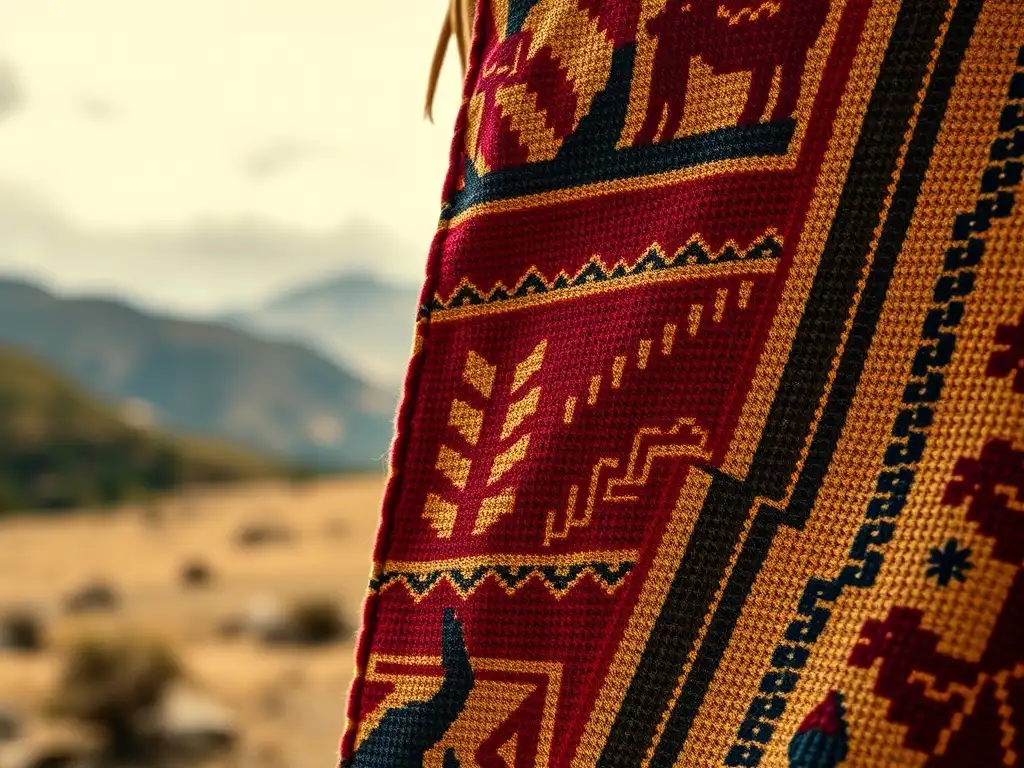
The artistic contributions of Inca women were deeply intertwined with the social and religious fabric of their society. Inca society, while patriarchal in its structure, afforded women significant roles within the domestic and religious spheres. This influence is clearly reflected in the types of art produced by women, which often centered around textiles, pottery, and other crafts related to household management and religious ceremonies.
The creation of textiles, for example, wasn't merely a utilitarian activity; it held profound spiritual significance, connecting the women artisans to the sacred realm through intricate designs and symbolic representations. These designs often incorporated elements of nature, deities, and cosmological beliefs, reflecting the deep spiritual understanding woven into their daily lives and artistic endeavors.
Furthermore, women held positions as acllas (chosen women), dedicated to religious service and often responsible for the production of fine textiles and other ceremonial objects for the Inca elite and temples. Their artistic output, therefore, served both practical and religious purposes, reinforcing their social standing within the community and the religious hierarchy.
The Relationship Between Inca Women's Art and Spirituality
Inca women's art was inextricably linked to spirituality. Textiles, in particular, served as powerful mediums for expressing religious beliefs and cosmological understandings. The intricate designs woven into chumpi (textile belts), lliclla (shawls), and other garments often depicted sacred animals, deities like the sun god Inti and the moon goddess Mama Killa, and celestial events. These designs weren't merely decorative; they were imbued with spiritual power, believed to protect the wearer and connect them to the divine.
The colors used, the materials selected (alpaca, vicuña, cotton), and even the weaving techniques themselves carried symbolic meaning, reflecting a complex system of beliefs and rituals. Women's mastery of these techniques allowed them to act as mediators between the earthly and spiritual realms, creating objects that served as conduits for religious expression and practice. The creation of these sacred textiles was a profoundly spiritual act, performed with reverence and precision.
How Inca Women's Art Reflects their Social Status
While Inca society was patriarchal, the artistic contributions of women reveal a nuanced social hierarchy. The quality and type of art produced often correlated with a woman's social standing. Women of the elite class, including the acllas and wives of nobles, had access to finer materials and likely received more specialized training, resulting in more elaborate and sophisticated textiles and pottery. Their artwork served to showcase their status and the power of their families.
Conversely, women from lower social strata produced more utilitarian objects, reflecting their daily tasks and responsibilities. However, even the simplest of these objects often displayed remarkable craftsmanship and artistic skill, demonstrating the widespread artistic talent among Inca women across all social levels. The variations in style, materials, and complexity of their work provide valuable insights into the intricate social dynamics of Inca society.
The Impact of Inca Royal Patronage on Women's Art
Inca royal patronage significantly influenced the production and style of women's art. The Inca rulers actively supported the artistic endeavors of women, particularly those within the aclla system. These women received specialized training, access to high-quality materials, and often worked in workshops under the supervision of skilled artisans. Royal patronage ensured the creation of exquisite textiles and other objects for ceremonial purposes, reflecting the power and prestige of the Inca empire.
Royal commissions often involved complex designs and intricate techniques, showcasing the highest level of artistic skill and reflecting the imperial ideology. The standardization of certain styles and techniques under royal patronage also contributed to the widespread dissemination of artistic knowledge and practices across the empire. This patronage, while structured within a hierarchical system, undeniably supported and elevated the artistic achievements of Inca women.
The Legacy of Inca Women Artists: Their Enduring Impact
The legacy of Inca women artists continues to resonate today, offering invaluable insights into their society, beliefs, and artistic skills. Despite the challenges of interpreting a past culture through surviving artifacts, the enduring beauty and complexity of their work bear testament to their creative genius and cultural significance.
Their textiles, pottery, and other crafts serve as powerful visual narratives, revealing intricate details about their lives, their religious beliefs, and their social structures. The preservation and study of these artifacts provide essential information for understanding the crucial role of women within the Inca civilization, a role often overlooked in historical narratives.
Preserving Inca Women's Art Through Archeological Findings
Archaeological findings play a crucial role in preserving and understanding the artistic contributions of Inca women. Excavations at various Inca sites have unearthed numerous examples of textiles, pottery, and other artifacts crafted by women. These discoveries provide tangible evidence of their artistic skills and the diversity of their creations.
Careful analysis of these artifacts, including the materials used, the techniques employed, and the designs depicted, allows researchers to reconstruct aspects of Inca women's lives and artistic practices. Preservation efforts, including careful conservation and documentation, are essential to ensure that these invaluable pieces of history are protected for future generations. The ongoing work of archaeologists and museum curators is crucial in bringing these hidden stories to light.
Modern Interpretations and Recognition of Inca Female Artisans
Modern interpretations and recognition of Inca female artisans are increasingly acknowledging their significant contributions to Inca art. Scholars and artists are actively working to re-evaluate traditional historical narratives that often marginalize women's roles. The focus is shifting towards highlighting the artistry and skill of Inca women, challenging previous assumptions about their limited participation in artistic production.
Contemporary artists are drawing inspiration from Inca women's art, creating new works that both celebrate their legacy and engage with contemporary issues of gender and representation. Museums and cultural institutions are also playing a vital role in showcasing the work of Inca women, ensuring that their stories are shared with a wider audience. This renewed focus on Inca women's artistic achievements is essential for a more complete and accurate understanding of Inca culture and history.
The Importance of Recognizing Inca Women Artists' Roles in History
The historical narrative surrounding the Inca Empire often overlooks the significant contributions of women, particularly in the realm of art. For centuries, the focus has primarily been on the achievements of Inca men, leading to a skewed and incomplete understanding of Inca society and its artistic production. Recognizing the roles of Inca women artists is crucial for several reasons. Firstly, it corrects a historical imbalance, ensuring a more accurate and nuanced portrayal of Inca culture. By acknowledging their participation, we gain a fuller appreciation of the creative dynamism of the Inca world.
Secondly, it challenges preconceived notions about gender roles in pre-Columbian societies. The Inca worldview, while patriarchal in some aspects, offered women significant agency and influence in various domains, including artistic production. Ignoring their contributions perpetuates a harmful stereotype of women as solely domestic figures. Finally, understanding the roles of Inca women artists enriches our understanding of Inca art itself. Their unique perspectives, techniques, and artistic styles likely contributed significantly to the diversity and richness of Inca artistic traditions.
By acknowledging their contributions, we gain a more complete and compelling picture of Inca artistry, moving beyond a simplistic narrative that overlooks half the population's creative power. The ongoing research and rediscovery of Inca artifacts are slowly revealing the extent of women's involvement, demanding a reassessment of traditional interpretations of Inca art and its creators. This reassessment is not merely an academic exercise; it is a crucial step towards a more just and equitable understanding of the past. The uncovering of these hidden hands is essential for a comprehensive appreciation of Inca artistic heritage and its lasting legacy.
- Unveiling the Contributions of Inca Women Artists
- Inca Society and the Division of Artistic Labor
- Textiles as a Primary Domain for Inca Women's Artistry
- Beyond Textiles: Inca Women's Participation in Other Art Forms
- The Social and Religious Context of Inca Women's Artistic Production
- The Legacy of Inca Women Artists: Their Enduring Impact
- The Importance of Recognizing Inca Women Artists' Roles in History
Frequently Asked Questions
What roles did Inca women play in art production?
Inca women held diverse roles, from textile production and ceramic creation to metalwork and featherwork. Their contributions were crucial to the empire's artistic output, though often overlooked historically.
Were Inca women solely involved in domestic crafts?
No. While some women focused on domestic arts like weaving, others participated in large-scale artistic projects for the elite or religious purposes. Their skills were highly valued and essential to Inca society.
How can we learn about the roles of Inca women artists?
Evidence comes from archaeological finds, including textiles with intricate designs and ceramic pieces exhibiting unique styles. Ethnohistoric accounts offer further insights, though often filtered through a colonial lens.
What techniques did Inca women artists use?
Inca women were masters of various techniques including spinning and weaving fine textiles, creating intricate pottery designs, and working with metals like gold and silver. Their expertise was highly specialized.
Why is it important to highlight the contributions of Inca women artists?
Recognizing their contributions helps us gain a more complete understanding of Inca art and society. It challenges traditional narratives that minimized or ignored the significant roles of women in ancient Andean cultures.
Final Reflection: Unveiling the Legacy of Inca Women Artists
The vibrant tapestry of Inca civilization, often depicted through the lens of male rulers and warriors, reveals a far richer narrative when we examine the significant, yet often overlooked, contributions of Inca women. Their artistic prowess, though frequently obscured by patriarchal narratives, continues to resonate today, challenging our understanding of history and artistic creation. The intricate textiles, meticulously crafted ceramics, and powerful symbolic imagery all bear witness to their undeniable creative power.
The enduring influence of Inca women artists extends far beyond the artifacts themselves; it speaks to the resilience and ingenuity of a culture that valued female creativity. Their artistry wasn't merely decorative; it was deeply intertwined with spiritual beliefs, social structures, and the very fabric of Inca society. Art washes away from the soul the dust of everyday life.
– Pablo Picasso. This quote, while not directly referencing Inca art, perfectly encapsulates the enduring power of artistic expression, a power wielded with exceptional skill by Inca women. Their legacy reminds us that artistic creation is a fundamental human expression, transcending gender and time.
Consider the intricate details, the symbolic richness, the sheer technical mastery evident in surviving Inca textiles and ceramics. These are not simply objects; they are testaments to the skill, dedication, and vision of the women who created them. You, the reader, are now empowered to look at art with a renewed perspective, recognizing the hidden hands and creative power that shaped civilizations. Seek out further examples of female artistry throughout history, challenge the dominant narratives, and celebrate the untold stories that enrich our understanding of the human experience.
Unleash Your Curiosity: Embrace the Legacy of Inca Women!
Thank you for exploring the fascinating world of Inca art and the often-overlooked contributions of Inca women. You've gained valuable insight into their profound impact on culture and creativity. Now, let's delve even deeper!
Here are some ways you can continue your journey:
- **Join our community:** Subscribe to our newsletter for more insightful content about Andean civilizations, including the latest discoveries and events related to women in ancient art.
- **Share your perspectives:** Share your thoughts and favorite pieces of Inca art in the comments below. Let's discuss the vital roles women played in shaping this rich culture.
- **Get creative:** Try creating your own artwork inspired by Inca techniques! Share your creation on social media and tag us—we'd love to see your connection to this vibrant heritage.
What aspect of Inca women's artistry has resonated most with you, and how will you incorporate that inspiration into your life?