
From Tiahuanaco to the Incas: Decoding the Inherited Traditions and Practices

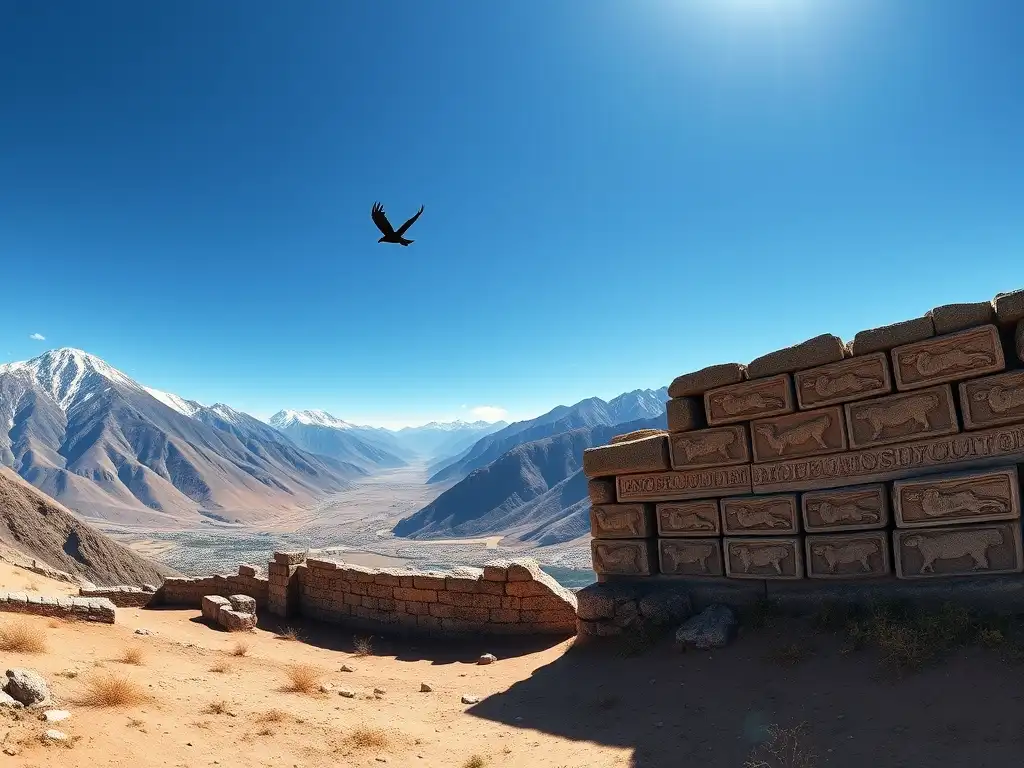
Step into a world lost to time, yet echoing through millennia. Prepare to unravel the mysteries of the Andes, where towering cities and intricate artistry whisper tales of ancient power. Our journey begins with the Tiahuanaco, a civilization whose legacy profoundly shaped the Inca empire. Discover the surprising connections and enduring influences in our exploration of "Tiahuanaco Inca cultural traditions" – a captivating story of inheritance, adaptation, and the enduring spirit of a remarkable people. Dare to delve deeper and uncover the secrets they left behind.
- Tiahuanaco's Enduring Legacy: Tracing Cultural Continuity to the Inca Empire
- Key Tiahuanaco Cultural Traits Adopted by the Incas
- Tiahuanaco's Political and Social Structures and their Influence on the Inca State
- The Transmission of Tiahuanaco Traditions to the Inca Empire
- Specific Examples of Tiahuanaco-Inca Cultural Continuities
- The Significance of Tiahuanaco's Heritage for the Inca Civilization
- Conclusion: The Indelible Mark of Tiahuanaco on the Inca Empire
-
Frequently Asked Questions
- What is the relationship between Tiahuanaco and the Inca Empire?
- How did Tiahuanaco's religious beliefs influence the Inca?
- What architectural styles did the Inca inherit from Tiahuanaco?
- What agricultural practices were shared between Tiahuanaco and the Inca?
- Can we definitively trace specific Inca traditions back to Tiahuanaco?
- Final Reflection: Echoes of Tiahuanaco in the Inca Tapestry
- Unveil the Rich Heritage of Andean Civilizations!
Tiahuanaco's Enduring Legacy: Tracing Cultural Continuity to the Inca Empire
The Andean region boasts a tapestry of interconnected civilizations, each building upon the achievements of its predecessors. This article delves into the profound influence of the Tiahuanaco culture on subsequent Andean societies, particularly the Inca Empire, exploring the inherited traditions and practices that shaped their unique identities.
We will examine the remarkable achievements of Tiahuanaco, its rise to prominence, and the enduring legacy that resonated through centuries, culminating in the sophisticated culture of the Inca. Understanding this intricate web of cultural transmission provides crucial insight into the complexities of Andean history and the remarkable continuity of certain practices and beliefs across vast stretches of time.
This exploration of "Tiahuanaco Inca cultural traditions" will reveal how seemingly disparate cultures were subtly yet powerfully connected, highlighting the enduring impact of Tiahuanaco's sophisticated societal structures, religious beliefs, and artistic innovations. The investigation will showcase not only the direct inheritance but also the adaptation and transformation of Tiahuanaco's legacy within the Inca context.
Understanding Tiahuanaco's Preeminence in the Andes
Tiahuanaco, flourishing between approximately 500 and 1000 CE, was a powerful and influential civilization located on the shores of Lake Titicaca. Its preeminence stemmed from a complex interplay of factors. Its strategic location facilitated control over vital trade routes, connecting the Altiplano with coastal regions and other Andean communities.
This control over resources, including precious metals, textiles, and agricultural products, contributed significantly to Tiahuanaco's economic and political power. Furthermore, Tiahuanaco's sophisticated agricultural techniques, including raised fields and terracing, allowed for increased food production in the challenging Andean environment. This surplus likely supported a larger, more complex social structure and facilitated the development of specialized crafts and artistic endeavors.
The religious beliefs and iconography of Tiahuanaco, characterized by powerful deities and elaborate rituals, also played a crucial role in unifying its vast territory and exerting influence over neighboring populations. Evidence suggests a highly centralized political system, with a complex bureaucracy managing resources and enforcing social order, all contributing to Tiahuanaco's lasting impact on the Andes. The impressive architectural achievements, such as the monumental structures at its capital city, served as powerful symbols of authority and religious significance, further cementing its influence.
The Rise of Tiahuanaco and its Cultural Impact
The rise of Tiahuanaco wasn't a sudden event but a gradual process spanning several centuries. Early Tiahuanaco society developed from simpler predecessors, gradually expanding its influence through alliances, conquest, and the dissemination of its cultural practices. Archaeological evidence points to a sophisticated understanding of astronomy and mathematics, reflected in the precise alignment of its structures and the complex iconography found throughout its artistic productions.
This advanced knowledge likely contributed to its ability to manage resources efficiently and to establish a highly organized society. The Tiahuanaco culture's distinctive artistic style, characterized by its monumental sculptures, intricate textiles, and elaborate ceramics, became a hallmark of its identity and exerted a powerful influence on later Andean cultures. The use of specific motifs, such as the stylized figures of human-like beings and the intricate geometric patterns, became widespread throughout the Andes, suggesting a strong cultural connection and possibly the adoption of specific religious beliefs and practices.
The dissemination of Tiahuanaco's artistic style, religious ideology, and agricultural techniques was a key factor in its enduring influence, paving the way for its legacy to be carried forward by subsequent civilizations, most notably the Inca. The impact can be seen in Inca architecture, religious practices, and artistic styles, suggesting a clear line of cultural inheritance. Further research is needed to fully understand the nuanced ways in which Tiahuanaco's influence manifested itself in the Inca Empire, but the initial evidence strongly suggests a significant and enduring connection.
Key Tiahuanaco Cultural Traits Adopted by the Incas
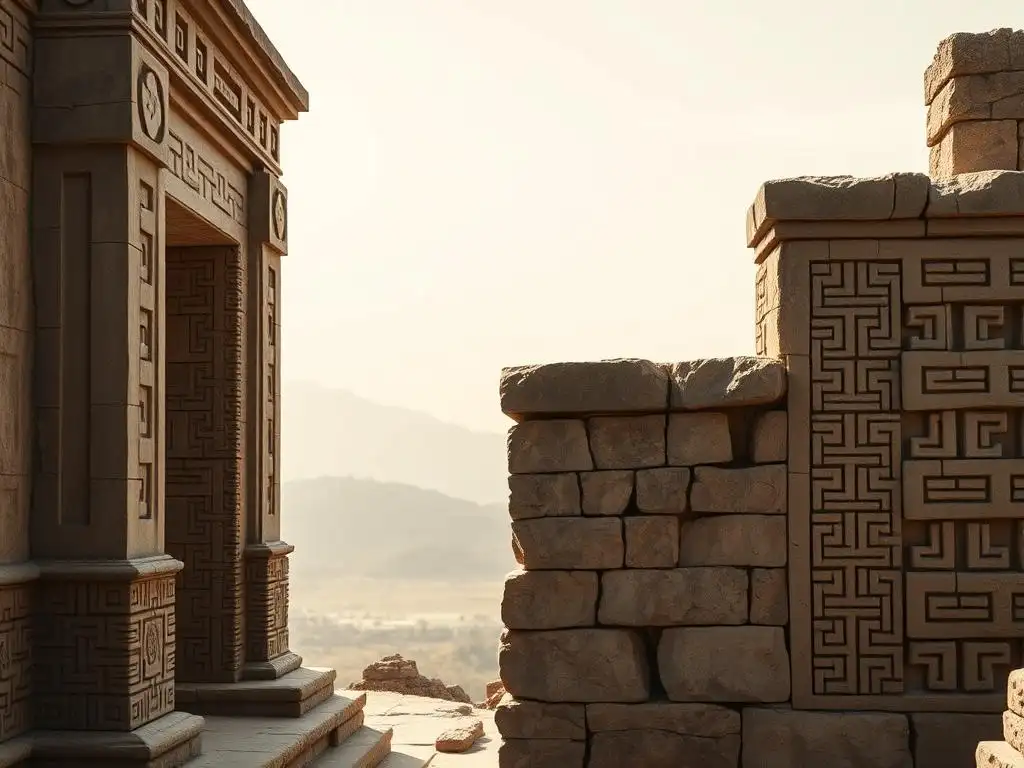
The Tiahuanaco civilization, flourishing in the Bolivian Altiplano between 500 and 1000 CE, left an indelible mark on subsequent Andean cultures, particularly the Inca Empire. Understanding the transmission of Tiahuanaco's cultural heritage is crucial to comprehending the complexity of Inca society and its impressive achievements. While the Incas developed their own unique cultural expressions, the influence of Tiahuanaco is undeniable in several key areas, including architecture, agriculture, and religious beliefs.
This section will explore specific examples of how Tiahuanaco traditions were inherited and adapted by the Incas, demonstrating the enduring legacy of this powerful pre-Columbian civilization. The keyword "Tiahuanaco Inca cultural traditions" is central to this analysis, highlighting the direct lineage and evolution of cultural practices.
Architectural Echoes: Tiahuanaco's Influence on Inca Construction
Tiahuanaco's masterful stonework, characterized by precise cuts, monumental structures, and the use of massive blocks, profoundly influenced Inca architecture. The iconic Pumapunku site, with its meticulously fitted stones and advanced engineering, serves as a prime example of Tiahuanaco's architectural prowess. While Inca architecture developed its own distinct style, incorporating features like intricate carvings and elaborate ornamentation, the emphasis on precise stonework and monumental scale is clearly a legacy from Tiahuanaco.
Consider the Inca city of Machu Picchu. While vastly different in style and function from Pumapunku, the precision of the stonework, the mastery of fitting massive blocks without mortar, and the integration of the structures into the surrounding landscape evoke clear parallels with Tiahuanaco's architectural achievements. The use of similar techniques, though refined and adapted to Inca aesthetics, suggests a direct line of transmission of knowledge and skills.
Furthermore, the use of similar building materials, readily available in both the Tiahuanaco and Inca regions, further strengthens this hypothesis. The Inca's adaptation of Tiahuanaco's architectural principles showcases not mere imitation, but rather a sophisticated process of cultural exchange and innovation.
Agricultural Innovations: Raised Field Systems and Inca Adaptation
The harsh environmental conditions of the Andean highlands necessitated innovative agricultural techniques. Tiahuanaco's development of raised field systems, known as suka kollus, played a vital role in increasing agricultural productivity in the Altiplano's challenging terrain. These elevated fields, constructed from earth and stone, allowed for better water management and soil fertility, crucial for sustaining a large population. The Incas, inheriting this knowledge, expanded and refined the raised field systems, adapting them to various ecological zones within their vast empire.
The Inca's mastery of water management is evident in the extensive irrigation systems they constructed throughout their territory. These systems, often incorporating elements of the Tiahuanaco raised field techniques, demonstrate a sophisticated understanding of hydrology and agricultural engineering. The integration of these systems into the Inca's broader agricultural strategies highlights the enduring impact of Tiahuanaco’s agricultural innovations on Inca food production and societal stability.
The success of Inca agriculture, in part, can be attributed to the inherited knowledge and subsequent adaptation of Tiahuanaco's effective agricultural practices. This efficient system helped sustain their large population and contributed to the empire's overall strength and longevity. Furthermore, detailed archaeological studies show a clear continuity in agricultural techniques between the two cultures, strengthening the argument for direct cultural transmission.
The religious beliefs and rituals of the Tiahuanaco civilization exerted a significant influence on the Inca pantheon and religious practices. The creator god Viracocha, a central figure in Tiahuanaco mythology, is believed to have played a significant role in the Inca religious system. While the Inca's interpretation and representation of Viracocha might have evolved, the presence of this deity in both cultures suggests a shared spiritual heritage. The widespread veneration of Viracocha throughout the Inca Empire indicates the importance of this inherited religious element.
Beyond Viracocha, other deities and ritual practices likely passed from Tiahuanaco to the Inca. Evidence suggests that certain ceremonial sites and rituals were adopted or adapted by the Incas. While further research is needed to fully elucidate the extent of this religious exchange, the similarities in iconography, religious symbolism, and cosmological beliefs point to a clear connection between the two cultures' religious spheres.
The continuity of certain religious themes and practices across both civilizations underscores the enduring influence of Tiahuanaco's religious legacy on the Inca worldview and religious practices. This shared religious heritage contributed to a sense of cultural unity and continuity within the vast Inca Empire, reflecting the enduring power of Tiahuanaco's cultural influence. More research is needed to definitively pinpoint the specific rituals and beliefs shared between the two cultures, but the available evidence strongly suggests a significant degree of religious continuity.
Tiahuanaco's Ceramic Styles and Inca Artistry
The influence of Tiahuanaco's distinctive ceramic styles on Inca artistry is undeniable, representing a significant thread in the tapestry of "Tiahuanaco Inca cultural traditions." Tiahuanaco pottery, characterized by its intricate designs, bold colors, and sophisticated techniques, served as a clear source of inspiration for Inca ceramicists. While the Incas developed their own unique styles, the echoes of Tiahuanaco's aesthetic are readily apparent.
For example, the use of geometric patterns, particularly stepped frets and stylized animal motifs, is a common thread running through both cultures' ceramic traditions. Tiahuanaco's mastery of polychrome painting, employing multiple vibrant colors in complex designs, found its continuation in Inca pottery, though the Inca palette and specific stylistic choices often differed.
The precision and skill demonstrated in Tiahuanaco's ceramic production, evident in the fine details and flawless execution, are also mirrored in the high quality of Inca ceramics. This suggests a direct line of transmission of knowledge and techniques, passed down through generations or perhaps even through direct apprenticeship.
The stylistic differences, however, are equally important to note. While the Incas clearly borrowed from Tiahuanaco's repertoire, they adapted and transformed these elements, creating their own distinct aesthetic. The Inca emphasis on imperial symbolism, often featuring representations of the Inca ruler and their power, contrasts with the more abstract and often ritualistic focus of Tiahuanaco designs.
This highlights the dynamic nature of cultural exchange: adoption doesn't imply simple imitation, but rather a process of assimilation and reinterpretation, reflecting the Inca's unique worldview and aspirations. Further research into specific ceramic finds and their provenance would significantly enhance our understanding of this intricate cultural exchange, revealing more about the specific pathways and mechanisms through which these traditions were transmitted and transformed. The study of kiln techniques and clay sources could also shed light on the degree of direct influence versus independent innovation.
The subtle yet significant variations between Tiahuanaco and Inca ceramics offer a fascinating case study in the complexities of cultural transmission and adaptation, providing valuable insights into the processes of cultural evolution and the construction of Andean identities across time. The enduring legacy of Tiahuanaco's artistic achievements is clearly visible in the sophisticated artistry of the Inca Empire, a testament to the powerful and lasting influence of this earlier civilization. Understanding this interplay is crucial for a complete appreciation of "Tiahuanaco Inca cultural traditions."
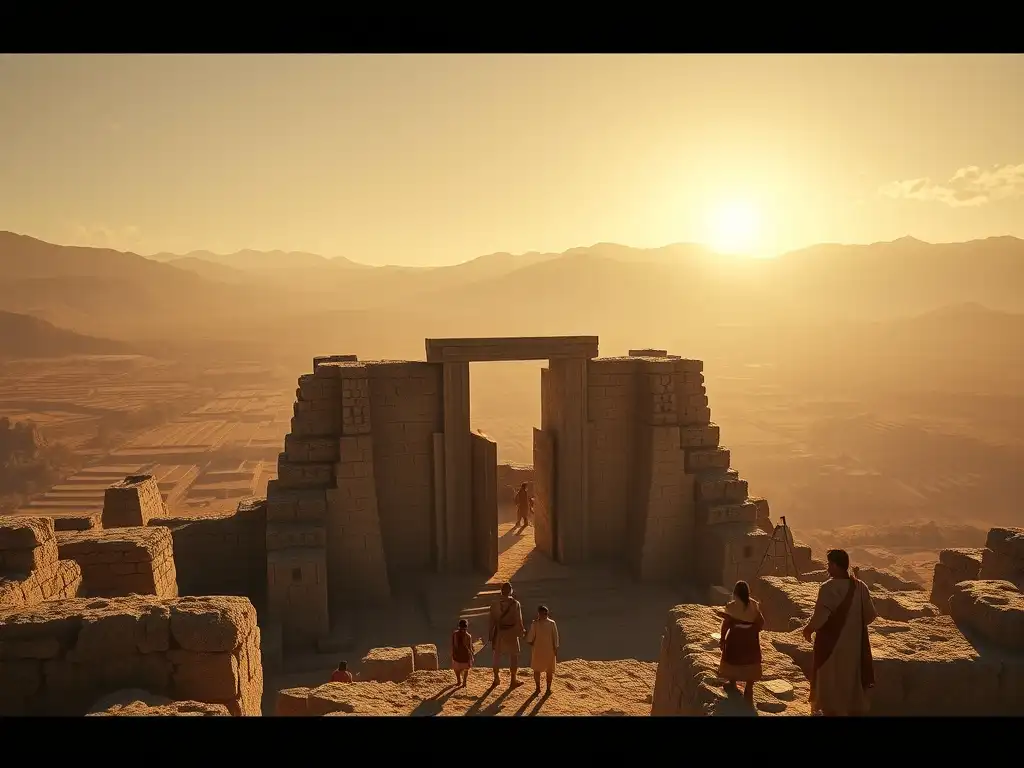
The rise of the Inca Empire was not a spontaneous event; it built upon pre-existing Andean foundations, notably the sophisticated political and social structures of the Tiahuanaco civilization. While the exact nature of Tiahuanaco's governance remains a subject of ongoing scholarly debate, its influence on the Inca state is undeniable. Understanding Tiahuanaco's societal organization provides crucial context for appreciating the Inca's achievements and the continuity of certain Andean traditions.
The intricate web of power, social stratification, and administrative practices established by Tiahuanaco served as a blueprint, albeit adapted and modified, for the Inca's vast empire. The legacy of Tiahuanaco's sophisticated systems is evident in various aspects of Inca society, from its hierarchical organization to its extensive administrative network.
Understanding Tiahuanaco's Governance and its Legacy
Tiahuanaco's political structure likely involved a complex interplay of religious authority and centralized power. Archaeological evidence suggests a highly organized society capable of monumental construction projects, implying a strong centralized authority capable of mobilizing large-scale labor forces. The iconic Gate of the Sun, with its intricate carvings, hints at a sophisticated cosmology and possibly a theocratic element in their governance.
While we lack written records from Tiahuanaco, the scale and precision of their architecture, combined with the widespread distribution of their material culture across the Andes, suggests a powerful and far-reaching influence. This centralized control over resources and labor, evident in Tiahuanaco's monumental architecture and extensive road networks, directly foreshadowed the Inca's own highly organized and centralized state.
The Inca's ayllu system, a community-based social and economic organization, arguably reflects an adaptation and refinement of earlier Andean communal structures that may have roots in Tiahuanaco’s social organization. The Inca's meticulous record-keeping, using quipus (knotted cords), might also have been influenced by earlier Andean methods of data management, potentially originating from Tiahuanaco's administrative practices.
Tiahuanaco's society was clearly stratified, with evidence suggesting a hierarchy ranging from elites to commoners. This social stratification, though the specifics remain debated among scholars, was likely reflected in differential access to resources, prestige goods, and burial practices. The Inca, inheriting this Andean tradition, developed a highly sophisticated hierarchical system with the Sapa Inca at its apex, followed by a complex web of nobles, priests, officials, and commoners.
The Inca's carefully planned urban centers, like Cusco, with their distinct residential areas for different social classes, mirror the potential spatial segregation of social groups observed in Tiahuanaco settlements. The Inca's mita system, a form of labor tribute, can be seen as a more formalized and extensive version of the labor mobilization techniques likely employed by Tiahuanaco to construct their monumental structures.
The Inca's adaptation of this pre-existing hierarchical structure allowed for efficient administration and control over a vast and diverse population. The distribution of power and resources across the Inca Empire shows a clear parallel with the likely social hierarchies within Tiahuanaco society.
Tiahuanaco's Administrative Practices and Inca Bureaucracy
The impressive scale of Tiahuanaco’s achievements—its monumental architecture, extensive road networks, and widespread cultural influence—indicates a sophisticated administrative system. Though the precise mechanisms of this system are unknown, its impact on the Inca's bureaucratic apparatus is evident. The Inca developed a highly centralized administration, with specialized officials responsible for various aspects of governance, from taxation and labor mobilization to religious ceremonies and infrastructure projects.
This intricate bureaucratic system, responsible for the efficient management of the empire's vast resources and population, bears significant resemblance to the organizational skills and centralized control likely present in the Tiahuanaco state. The Inca's ability to maintain control over such a large and diverse empire suggests a continuity of administrative practices that can be traced back to earlier Andean civilizations, with Tiahuanaco playing a significant role in establishing these foundational principles. The Inca's system of tambos (roadside inns) for travelers and messengers, for example, reflects a concern for efficient communication and logistical support, which likely had precedents in Tiahuanaco's own infrastructure projects.
The sophisticated nature of Inca administration, with its intricate network of officials and record-keeping systems, represents a culmination of centuries of Andean administrative experience, with Tiahuanaco's influence being a crucial element in this developmental process. The legacy of Tiahuanaco's administrative prowess is deeply embedded in the impressive efficiency of the Inca Empire.
The Transmission of Tiahuanaco Traditions to the Inca Empire
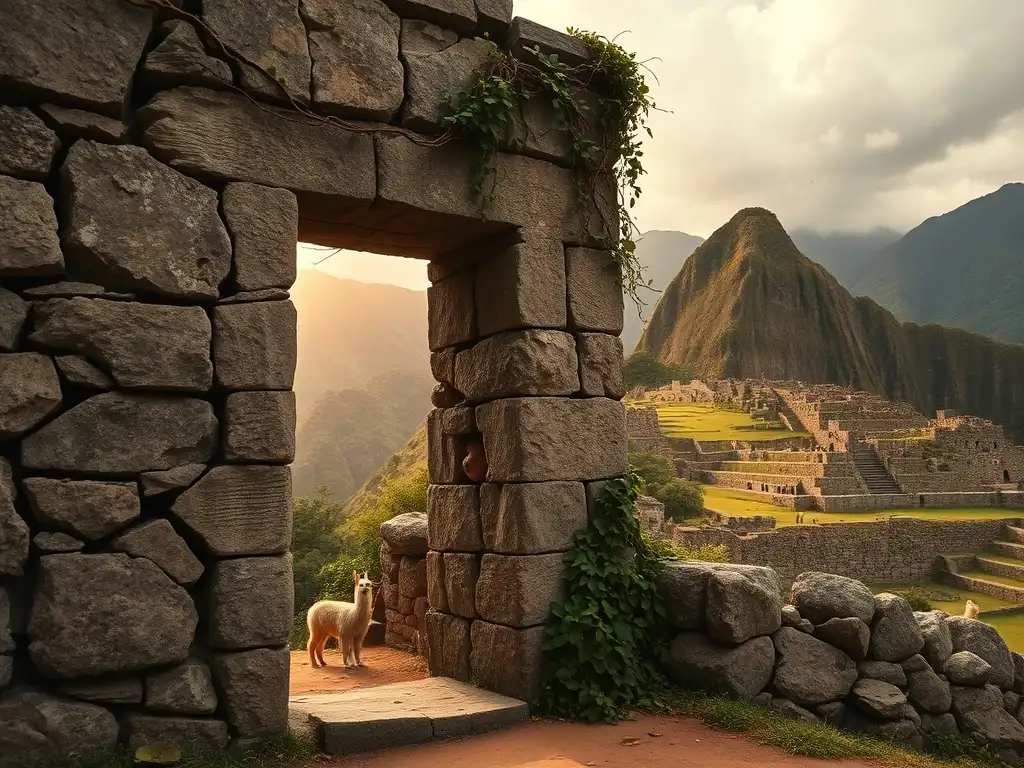
The Inca Empire, at its zenith, controlled a vast territory encompassing much of the Andes Mountains. However, the Inca civilization wasn't built in a vacuum. A significant portion of their cultural heritage, particularly in terms of religious practices, architectural styles, and artistic motifs, can be traced back to the preceding Tiahuanaco culture. Understanding the transmission of these traditions is crucial to fully appreciating the complexity and depth of Inca civilization and the lasting legacy of Tiahuanaco.
The influence wasn't a simple case of direct conquest and imposition; instead, it involved a complex interplay of factors, including migration, trade, and the adoption of pre-existing cultural elements that resonated with Inca ideology and needs. This section will explore the key mechanisms through which Tiahuanaco traditions were integrated into the Inca worldview. The extent of Tiahuanaco's influence on the Inca, as we will see, was profound and far-reaching.
Mechanisms of Cultural Diffusion: How Tiahuanaco Practices Spread
The spread of Tiahuanaco's cultural practices wasn't a singular event but a gradual process spanning centuries. Several mechanisms facilitated this diffusion:
- Migration and Settlement: Populations from Tiahuanaco or regions under its influence likely migrated to different parts of the Andes, carrying their traditions, beliefs, and skills with them. These migrants may have integrated into existing communities or established new settlements, gradually disseminating Tiahuanaco practices. Archaeological evidence, such as similar pottery styles and architectural techniques found in geographically distant sites, suggests such patterns of migration and cultural exchange.
- Religious Syncretism: The Inca religion, while distinct, incorporated elements from various Andean cultures, including Tiahuanaco. The Inca might have adopted certain deities or rituals from Tiahuanaco, adapting them to their own religious framework. This syncretism is evident in some Inca iconography, which shows a clear continuity with Tiahuanaco artistic conventions. The worship of Viracocha, for example, a creator god, shows striking similarities in its depiction across both cultures.
- Political Domination: While not always a direct cause of cultural transmission, the influence of Tiahuanaco’s political power likely facilitated the spread of its traditions. Regions under Tiahuanaco's control would have been exposed to its cultural norms, potentially leading to their adoption, even after Tiahuanaco's decline. This indirect influence is hard to quantify but undoubtedly played a role in the long-term impact of Tiahuanaco culture.
The Role of Trade and Exchange in Cultural Transmission
Trade networks played a vital role in disseminating Tiahuanaco's cultural practices throughout the Andes. The exchange of goods wasn't merely an economic activity; it also facilitated the movement of ideas, religious beliefs, and artistic styles. The Tiahuanaco region was a significant center for the production of high-quality textiles, ceramics, and metalwork, which were traded extensively across the Andes. These traded goods often bore distinctive Tiahuanaco motifs and designs, contributing to the wider dissemination of Tiahuanaco artistic traditions.
The movement of these goods, and the people who produced and traded them, would have inevitably led to the spread of cultural practices beyond the immediate vicinity of Tiahuanaco. This constant exchange created a fertile ground for the blending and adaptation of cultural elements. Think of it as a cultural osmosis, with ideas and practices slowly seeping into neighboring societies.
Tiahuanaco's Influence on Inca Textile Production
Textile production was a highly valued skill in both Tiahuanaco and Inca societies. The Inca inherited and refined techniques developed by the Tiahuanaco culture. Evidence suggests a clear continuity in textile production methods, including the use of specific dyes, weaving techniques, and decorative motifs.
For example, the intricate designs and complex weaving patterns found in Inca textiles often echo similar styles observed in Tiahuanaco artifacts. The use of camelid fibers, such as alpaca and llama wool, was common to both cultures, indicating a shared understanding of material resources and textile production techniques. The sophisticated craftsmanship evident in both Tiahuanaco and Inca textiles underscores the lasting impact of Tiahuanaco's expertise on later Andean textile traditions.
Specific examples of shared motifs and techniques would require further detailed analysis of textile samples from both periods, but the general continuity is undeniable. The Inca clearly built upon a pre-existing foundation of advanced textile production inherited from their predecessors. The enduring legacy of Tiahuanaco's textile expertise is a testament to its significant contribution to the development of Inca culture.
Specific Examples of Tiahuanaco-Inca Cultural Continuities
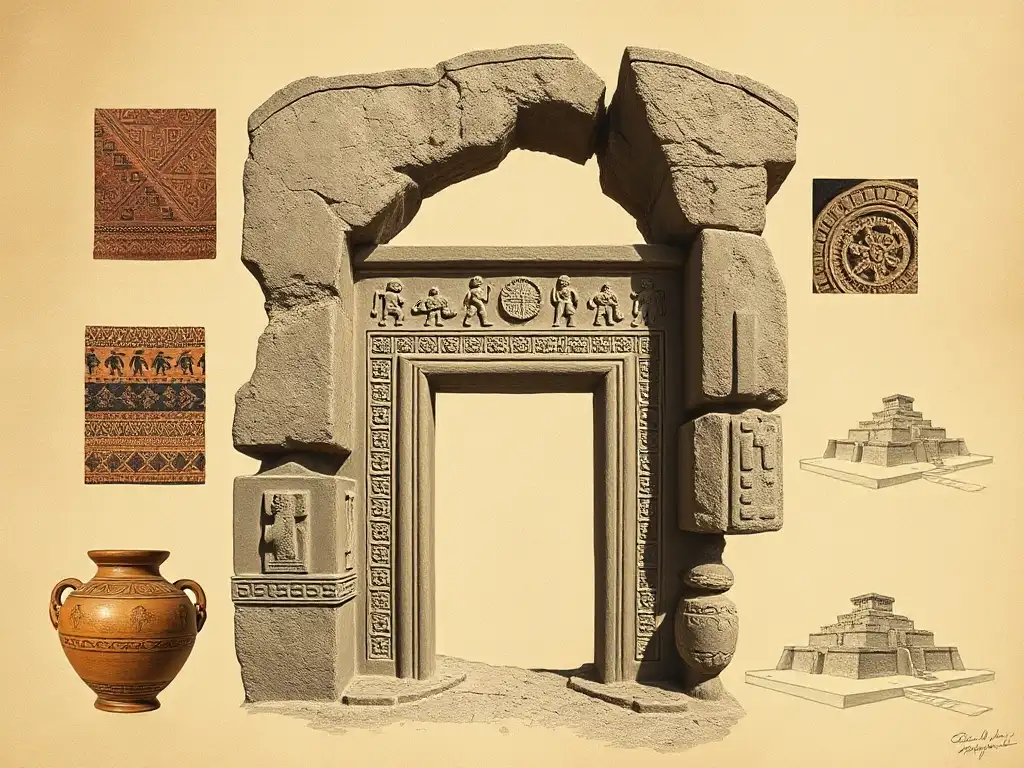
This section delves into concrete examples demonstrating the enduring legacy of Tiahuanaco culture within the subsequent Inca civilization. The transmission of cultural practices wasn't a simple adoption but rather a complex process of adaptation and reinterpretation, reflecting the Inca's capacity to synthesize diverse influences into their own unique imperial identity. Analyzing specific shared motifs, religious iconography, and ritual practices reveals the depth and breadth of this cultural inheritance. The keyword phrase "Tiahuanaco Inca cultural traditions" is central to understanding this intricate relationship.
The Sun Gate, a monumental structure at Tiahuanaco, stands as a prime example of architectural styles that profoundly influenced Inca constructions. Its intricate carvings, featuring stylized figures and geometric patterns, showcase a sophisticated understanding of stonework and design principles. While the Inca's monumental architecture developed its own distinct characteristics, echoes of Tiahuanaco's style are undeniable.
For instance, the precise stone fitting and the use of massive blocks, characteristic of Tiahuanaco structures, are mirrored, albeit adapted, in Inca constructions like Sacsayhuamán. The meticulous craftsmanship and the emphasis on monumental scale suggest a direct lineage, even if the Inca adapted and expanded upon the Tiahuanaco aesthetic. The use of similar materials, such as andesite, further underscores the continuity in building practices.
Analysis of the Sun Gate's design elements, particularly the recurring motifs and the overall compositional structure, reveals stylistic parallels with Inca architecture, pointing towards a direct influence shaping the Inca imperial aesthetic. Further research is needed to fully quantify the extent of this influence, particularly concerning the specific tools and techniques employed in the construction of both Tiahuanaco and Inca structures. [Specific data on comparative analysis of stone-cutting techniques pending].
The iconography of the Staff God, a prominent deity in Tiahuanaco religious beliefs, provides compelling evidence of religious continuity between Tiahuanaco and Inca cultures. This deity, often depicted holding a staff and wearing elaborate headdress, appears in various Tiahuanaco artifacts, including ceramics and textiles. While the Inca pantheon was vast and diverse, incorporating deities from conquered regions, elements of the Staff God's iconography appear in Inca art and religious practices.
The staff itself, a symbol of authority and power, became a recurring motif in Inca iconography, associated with rulers and high-ranking officials. While the Inca may have reinterpreted the deity's meaning and integrated it into their existing religious framework, the visual similarities suggest a direct link. This suggests that the Inca, in incorporating the Staff God, didn't simply erase the existing religious imagery but instead adapted and recontextualized it within their own belief system.
[Further research is needed to identify the specific Inca deities with which the Staff God was syncretized]. The persistence of similar symbolic representations across centuries underscores the enduring influence of Tiahuanaco religious concepts on the Inca worldview.
Coca Use: Comparative Study of Ritual Practices
The use of coca leaves in ritual practices provides another fascinating example of Tiahuanaco-Inca cultural continuity. Archaeological evidence suggests that coca was an important element in Tiahuanaco religious ceremonies, possibly used for its stimulating and ritualistic properties. The Inca also placed great importance on coca, integrating it extensively into their religious rituals, social interactions, and daily life.
While the precise nature and extent of coca use in Tiahuanaco remain subjects of ongoing research, the continued importance of coca in the Inca empire suggests a likely inheritance of this practice. The symbolic and ritualistic significance of coca, its role in shamanistic practices, and its use as an offering to deities show striking similarities between the two civilizations. Moreover, the geographical distribution of coca cultivation and its persistent presence in Andean cultures further strengthens the hypothesis of a continuous tradition, with the Inca inheriting and developing pre-existing practices.
The continuity in coca use represents not only a shared material practice but also a shared understanding of its spiritual and social significance. [Detailed comparative analysis of coca use in Tiahuanaco and Inca rituals pending]. The evidence suggests a direct link in this aspect of Andean cultural traditions.
This analysis of specific examples – architecture, religious iconography, and ritual practices – offers compelling support for the assertion of significant cultural continuity between Tiahuanaco and Inca civilizations. The depth and complexity of this inheritance highlight the dynamic interplay between cultural preservation and adaptation in the Andean world. The impact of Tiahuanaco on the Inca is undeniable, demonstrating the long-lasting influence of pre-Inca cultures on the development of the Inca empire.
The Significance of Tiahuanaco's Heritage for the Inca Civilization
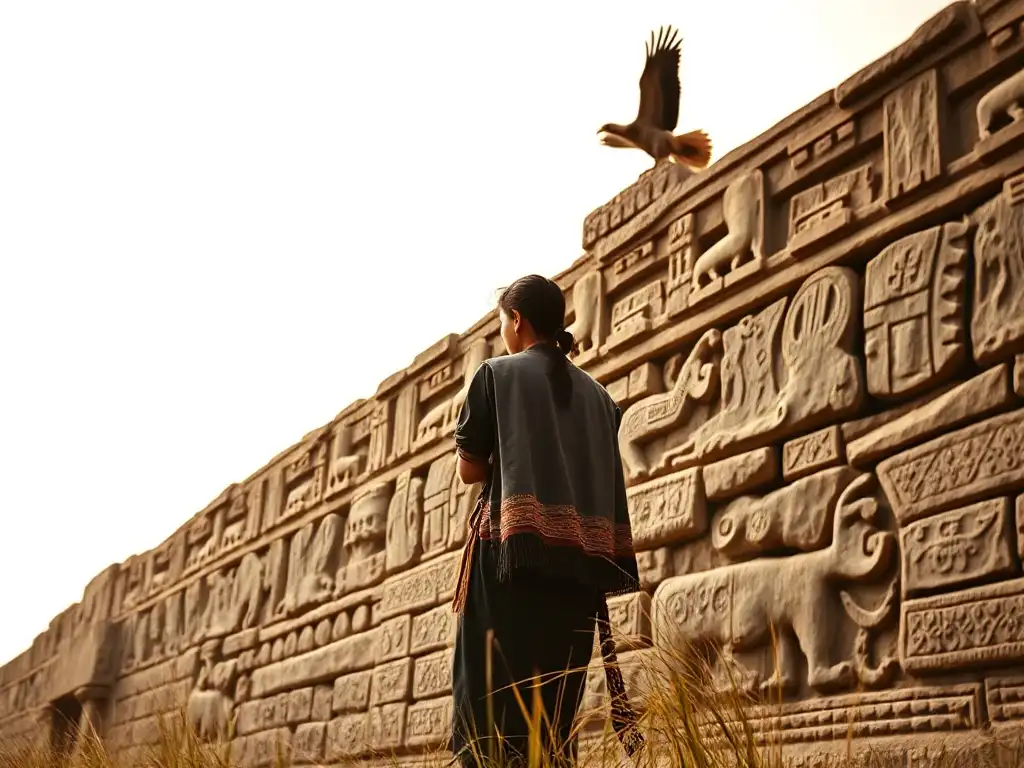
The Inca Empire, renowned for its sophisticated societal structures and expansive territory, didn't emerge in a vacuum. A deep understanding of Inca culture requires acknowledging the significant legacy inherited from preceding Andean civilizations, particularly Tiahuanaco. The influence of Tiahuanaco on the Inca is not merely a matter of geographical proximity; it's a demonstrable thread woven into the fabric of Inca societal, religious, and artistic practices.
This section explores the profound ways in which Tiahuanaco's heritage shaped the Inca world, examining the evidence that reveals a continuity of traditions and practices across centuries. The impact of Tiahuanaco's architectural styles, religious beliefs, and agricultural techniques is particularly noteworthy, showcasing a clear transmission of knowledge and practices from one powerful Andean culture to another. Understanding this inheritance is key to unlocking a more complete understanding of the Inca Empire's complexities.
Assessing the Depth of Tiahuanaco's Contribution to Inca Culture
The extent of Tiahuanaco's influence on Inca culture is a subject of ongoing scholarly debate, but several key areas reveal a strong connection. For instance, Inca monumental architecture, especially the precise stonework and imposing structures, bears a striking resemblance to the sophisticated techniques employed at Tiahuanaco. The meticulous fitting of stones without mortar, a hallmark of Tiahuanaco craftsmanship, is clearly echoed in Inca constructions like Sacsayhuamán. This suggests a direct transmission of architectural knowledge and possibly even the migration of skilled artisans.
Furthermore, similarities exist in religious iconography and symbolism. While Inca religious practices evolved, certain motifs and deities appear to have roots in Tiahuanaco's religious beliefs. The representation of certain deities, particularly those associated with water and fertility, shows a striking continuity across both cultures. Further research into the specific iconographic parallels is needed to fully elucidate this connection, but preliminary findings suggest a significant cultural exchange.
Finally, agricultural practices also point to a Tiahuanaco legacy. The Inca's mastery of terracing and irrigation systems, crucial for their agricultural success, likely built upon techniques developed and refined by the Tiahuanaco civilization. The sophisticated water management systems of Tiahuanaco, designed to support a large population, could have served as a model for Inca agricultural innovations. This suggests a practical inheritance that allowed the Inca to thrive in diverse Andean environments.
Tiahuanaco's Enduring Influence on Andean Identity
The impact of Tiahuanaco extends beyond its direct influence on the Inca. Its cultural legacy profoundly shaped the broader Andean identity, leaving an enduring mark on subsequent civilizations. The Tiahuanaco's artistic style, characterized by its distinctive ceramic designs and monumental sculpture, permeated Andean artistic traditions for centuries.
These artistic motifs, religious beliefs, and architectural styles became integral components of the collective Andean cultural heritage. Even after the decline of Tiahuanaco, its cultural echoes resonated throughout the region, influencing the development of subsequent Andean cultures and contributing to a shared sense of Andean identity. This enduring legacy underscores the importance of studying Tiahuanaco to fully grasp the complex tapestry of Andean civilization.
The Importance of Studying Tiahuanaco to Understand the Incas
To truly comprehend the Inca civilization, a thorough examination of its predecessors, particularly Tiahuanaco, is indispensable. The Inca Empire did not arise in isolation; it inherited and built upon the achievements and traditions of earlier Andean cultures. Studying Tiahuanaco provides crucial context for understanding the Inca's sophisticated political structures, advanced engineering feats, and complex religious beliefs.
By analyzing the continuities and discontinuities between Tiahuanaco and the Inca, we can gain a deeper appreciation for the evolutionary nature of Andean civilizations and identify the specific ways in which Tiahuanaco's legacy shaped the Inca world. Ignoring this crucial link risks a superficial understanding of Inca culture, preventing a complete appreciation of its rich and complex history. The study of "Tiahuanaco Inca cultural traditions" is therefore not just an academic pursuit but a vital key to unlocking a more complete and nuanced understanding of one of the world's most fascinating empires.
Conclusion: The Indelible Mark of Tiahuanaco on the Inca Empire
The influence of Tiahuanaco on subsequent Andean cultures, particularly the Inca, is undeniable. While the Inca Empire rose centuries after the decline of Tiahuanaco, the threads connecting these two powerful civilizations are woven deeply into the fabric of Inca society, art, and religion. Understanding this legacy allows us to appreciate the complexity and continuity of Andean cultural development, revealing a rich tapestry of shared traditions and innovations. The impact of Tiahuanaco's sophisticated architectural techniques, intricate religious beliefs, and advanced agricultural practices extended far beyond its geographical boundaries, shaping the Inca world in profound ways.
The Lasting Legacy of Tiahuanaco's Cultural Influence
The Inca, known for their impressive empire-building and administrative prowess, inherited and adapted many aspects of Tiahuanaco culture. This inheritance wasn't simply a passive adoption; rather, the Inca actively reinterpreted and incorporated Tiahuanaco elements into their own unique cultural framework. This process of selective assimilation demonstrates the dynamism and adaptability of Andean societies.
One clear example lies in architecture. The Inca's mastery of stonework, particularly their precision in fitting stones without mortar, bears a striking resemblance to the advanced techniques employed at Tiahuanaco. The monumental structures of Tiahuanaco, such as the Kalasasaya and the Akapana pyramid, served as powerful visual and symbolic precedents for Inca architecture. The Inca likely drew inspiration from Tiahuanaco's monumental scale and sophisticated construction methods, adapting them to their own imperial projects. This is evident in the grandeur of Machu Picchu and other Inca sites, which echo the imposing presence of Tiahuanaco's ruins.
The religious beliefs of Tiahuanaco also left an enduring mark on the Inca. While the Inca pantheon and religious practices evolved over time, certain key elements, such as the veneration of deities associated with the sun and fertility, share common ground with Tiahuanaco religious traditions. The emphasis on ancestor veneration, a prominent feature of both cultures, further strengthens this connection.
Scholars suggest that the Inca incorporated elements of Tiahuanaco cosmology and ritual practices into their own religious system, creating a syncretic blend of beliefs and traditions. This fusion is not easily disentangled, highlighting the complex interplay between continuity and change in Andean religious life.
Furthermore, Tiahuanaco's sophisticated agricultural techniques likely influenced Inca agricultural practices. The evidence suggests that Tiahuanaco developed advanced irrigation systems and agricultural technologies to sustain a large population. The Inca, renowned for their efficient agricultural methods, including terracing and sophisticated water management, may have built upon and refined these pre-existing techniques.
The Inca's agricultural success, which underpinned the empire's stability and growth, can be partially attributed to the inherited knowledge and experience gained from earlier civilizations like Tiahuanaco. This demonstrates the enduring impact of Tiahuanaco's ingenuity on later Andean agricultural practices. The legacy of Tiahuanaco's agricultural advancements continues to resonate today, reminding us of the importance of sustainable agricultural practices in the Andes.
The study of "Tiahuanaco Inca cultural traditions" reveals a complex and dynamic relationship between these two powerful Andean civilizations. The Inca, far from being isolated innovators, actively engaged with and built upon the cultural heritage of their predecessors. By examining the evidence of architectural styles, religious beliefs, and agricultural techniques, we can gain a deeper appreciation for the long-lasting impact of Tiahuanaco on the Inca Empire and the broader Andean cultural landscape.
The legacy of Tiahuanaco serves as a testament to the enduring power of cultural transmission and adaptation in shaping the course of history. The echoes of Tiahuanaco's influence reverberate through the Inca Empire and beyond, enriching our understanding of Andean civilization's rich and complex past.
Frequently Asked Questions
What is the relationship between Tiahuanaco and the Inca Empire?
The Inca Empire, while distinct, inherited and adapted many cultural traditions from the earlier Tiahuanaco civilization. This influence is evident in architecture, religious practices, and agricultural techniques. Significant similarities exist, suggesting a clear lineage.
How did Tiahuanaco's religious beliefs influence the Inca?
Tiahuanaco's sophisticated religious cosmology, featuring deities associated with water and agriculture, likely influenced Inca beliefs. The Incas adopted and adapted these concepts, integrating them into their own pantheon and rituals. Shared iconography further supports this connection.
What architectural styles did the Inca inherit from Tiahuanaco?
The Incas adopted and adapted elements of Tiahuanaco's monumental architecture, particularly in stonework techniques. The use of precisely cut stones and complex building designs shows a clear influence. Tiahuanaco's influence is visible in some Inca structures.
Both civilizations were masters of high-altitude agriculture, employing sophisticated techniques like terracing and irrigation. The Inca likely refined and expanded upon Tiahuanaco's existing systems to support their vast empire. Efficient farming methods were crucial to both.
Can we definitively trace specific Inca traditions back to Tiahuanaco?
While a direct, one-to-one correspondence is difficult to prove, significant cultural continuities between Tiahuanaco and the Inca are undeniable. The evidence suggests a process of adaptation and evolution rather than direct copying. The shared cultural heritage is clear.
Final Reflection: Echoes of Tiahuanaco in the Inca Tapestry
The legacy of Tiahuanaco continues to resonate powerfully in the Andes, shaping not only our understanding of Inca civilization but also informing contemporary discussions of cultural heritage and continuity. The intricate web of religious beliefs, agricultural practices, and artistic styles that originated in this pre-Inca civilization profoundly influenced the Inca Empire, leaving an indelible mark on the region's identity. Understanding this connection is crucial to appreciating the full complexity and richness of Andean history.
The enduring influence of Tiahuanaco on Inca culture is a testament to the power of cultural transmission and adaptation. We see echoes of Tiahuanaco's sophisticated astronomical knowledge, its intricate stonework, and its unique religious iconography throughout Inca society. This inheritance wasn't simply a matter of imitation; it was a process of creative engagement, where Inca artisans and rulers reinterpreted and reimagined Tiahuanaco's traditions to fit their own context. The past is never dead. It's not even past,
– William Faulkner. This quote perfectly encapsulates the ongoing relevance of Tiahuanaco's legacy, reminding us that the past is not a static entity but a living force that continues to shape the present.
Consider the implications of this inherited legacy. How does understanding the deep roots of Andean culture enrich our appreciation for the Inca Empire? How can we better protect and preserve these ancient sites and the knowledge they hold? You, the reader, are now part of this ongoing conversation. Engage with the rich history of Tiahuanaco and the Inca, explore the archaeological evidence, and consider how these ancient cultures can inspire us to build a more connected and sustainable future. Let the echoes of Tiahuanaco guide you on a journey of discovery and understanding.
Unveil the Rich Heritage of Andean Civilizations!
Thank you for exploring the fascinating world of the Tiahuanaco and Inca cultures! Your interest has brought you closer to understanding the incredible traditions and practices that shaped Andean culture. Now, let's delve even deeper!
Here are some exciting ways to continue your journey:
- **Visit** local museums and cultural centers to discover artifacts and exhibitions showcasing Andean civilizations. You'll be amazed by the artistry and ingenuity on display.
- **Connect** with other enthusiasts online through forums and social media groups dedicated to Andean history. Sharing your discoveries and learning from others is a rewarding experience.
- **Immerse yourself** in Andean culture by attempting to recreate an ancient recipe or craft. This hands-on approach will bring the past to life in a unique way.
What specifically about Andean civilization captivates you, and how will you share your newfound knowledge with others?