
Gifting and Reciprocity: The Glue of Andean Family Relationships

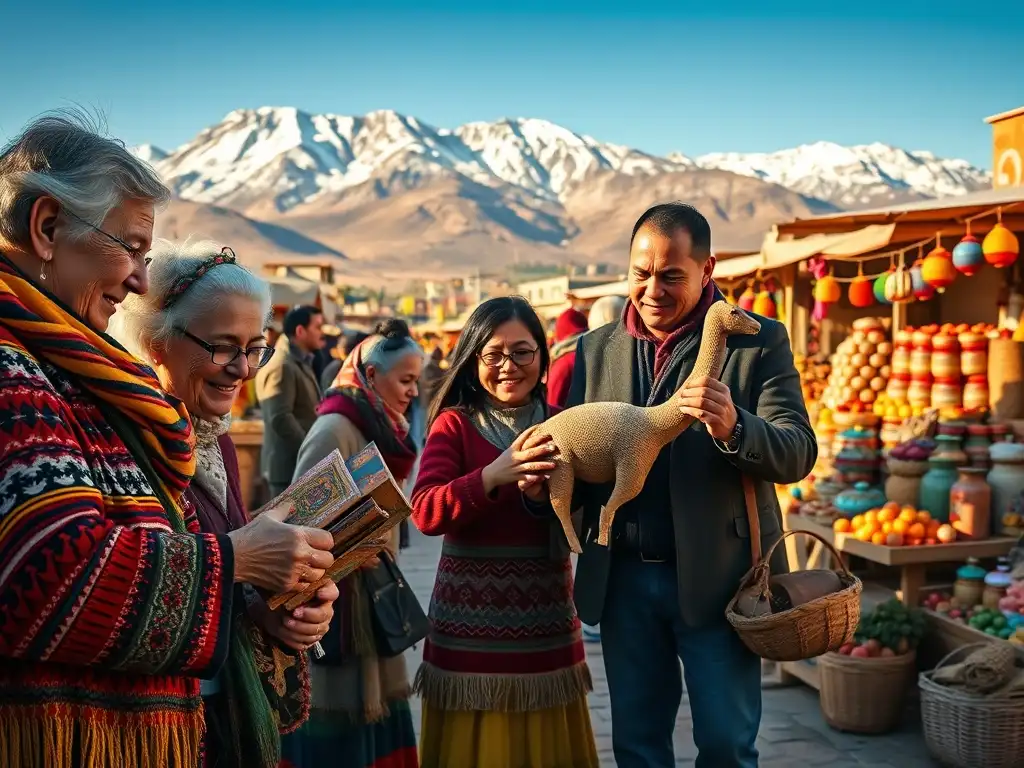
Step into a world lost to time, yet echoing with vibrant life. Discover the intricate tapestry of Andean civilizations, where mountains whisper secrets and ancient traditions endure. Curious about the powerful bonds that held these societies together? Prepare to be captivated by the fascinating world of Andean family gifting traditions, a practice far richer and more complex than you might imagine. Unravel the mysteries of reciprocity and uncover how these unique rituals shaped the very fabric of Andean social structures – a story waiting to be explored.
- Andean Family Gifting Traditions: The Foundation of Reciprocity
- Types of Gifts and Their Meanings in Andean Culture
- Reciprocity and its Role in Andean Family Dynamics
- The Impact of Modernization on Andean Gifting Traditions
- Case Studies of Andean Gifting in Action
- Conclusion: The Enduring Importance of Andean Family Gifting
-
Frequently Asked Questions
- What role did gifting play in Andean family structures?
- How did gifting differ among various Andean cultures (Inca, Moche, etc. )?
- What were some common gifts exchanged within Andean families?
- How did gifting reinforce social hierarchy within Andean families?
- Beyond material gifts, what other forms of reciprocity existed in Andean families?
- Final Reflection: The Enduring Legacy of Andean Gifting
- Embrace and Enhance Your Connection with Andean Culture!
Andean Family Gifting Traditions: The Foundation of Reciprocity
The vibrant tapestry of Andean civilizations is richly woven with threads of intricate social structures, where family relationships formed the bedrock of community life. Understanding these societies requires delving beyond political organization and monumental architecture to explore the nuanced dynamics of kinship and the powerful role of gifting and reciprocity in maintaining social harmony.
This article will examine the profound significance of gift-giving within Andean families, focusing on how these practices cemented familial bonds and contributed to the overall stability of their societies. We will explore the concept of ayni, the principle of reciprocal exchange that underpinned Andean social life, and analyze specific gift-giving practices across different Andean cultures, highlighting the enduring legacy of these traditions.
Understanding these gifting traditions provides crucial insight into the values, beliefs, and social mechanisms that shaped Andean family structures and contributed to their remarkable achievements. This exploration will illuminate how "Andean family gifting traditions" weren't merely acts of generosity, but rather vital components of a complex social contract built on mutual obligation and shared prosperity.
The Significance of Gift Exchange in Andean Kinship
Gift exchange within Andean families transcended simple acts of generosity; it was a deeply symbolic ritual embedded in the fabric of their kinship systems. Gifts weren't simply material objects; they represented a complex interplay of social obligations, economic interdependence, and spiritual connections. The act of giving demonstrated respect, solidified alliances, and reaffirmed social bonds within the family unit.
The type of gift, its presentation, and the context in which it was given all held significant cultural meaning. For instance, the offering of chicha (a fermented corn beverage) during celebrations could symbolize the strengthening of family ties, while the exchange of agricultural products could reflect economic cooperation and shared resources within the extended family network. The failure to reciprocate a gift, on the other hand, could be interpreted as a significant social transgression, potentially damaging relationships and disrupting the delicate balance of reciprocal obligations.
Moreover, the value of a gift often extended beyond its monetary worth; the thoughtfulness and intention behind the gift were equally, if not more, important. 🎁
Understanding Ayni: The Core of Reciprocal Relationships
The Andean concept of ayni is central to understanding the importance of reciprocity in all aspects of Andean life, including family relationships. Ayni is a principle of mutual exchange and cooperation, where individuals contribute their labor, goods, or services to others with the expectation of receiving similar contributions in return. It wasn't a system of strict bartering, but rather a flexible and nuanced approach to social interaction built on trust and mutual benefit.
Within families, ayni manifested in various ways, from shared agricultural labor and childcare to the exchange of food and other necessities. This system fostered a strong sense of community and interdependence, ensuring the well-being of all family members. The principle of ayni transcended individual families, extending to broader social networks and strengthening community bonds.
Its enduring legacy can still be observed in many Andean communities today, demonstrating the enduring power of this reciprocal system in shaping social relations. The concept of ayni is beautifully illustrated by the collaborative efforts required for activities like harvesting or building a house, where family members and neighbors work together, sharing resources and labor in a spirit of mutual support.
The specific gift-giving practices varied among different Andean cultures, reflecting the unique social structures and environmental conditions of each region. However, the underlying principle of reciprocity remained consistent. In Inca society, for example, elaborate gift-giving ceremonies were an integral part of social life, reinforcing hierarchical relationships and consolidating political power. The Inca elite bestowed gifts upon their subjects, demonstrating their authority and ensuring loyalty, while subjects offered tribute to the emperor and the nobility.
This hierarchical system of gift-giving, however, was also based on a reciprocal understanding of mutual obligations and responsibilities. Among other Andean cultures like the Moche and Nazca, gift-giving played a crucial role in maintaining social harmony and reinforcing kinship ties. Specific items exchanged, such as textiles, pottery, and precious metals, held symbolic meaning and reflected the social status and economic standing of the individuals involved.
Archaeological evidence suggests a widespread practice of exchanging gifts, not only within families but also among different communities and social groups, indicating the importance of reciprocity in maintaining broader social networks and alliances. Further research is needed to fully understand the nuanced variations in gift-giving practices among different Andean cultures and their regional contexts. [Specific information pending on detailed regional variations in gift-giving].
Types of Gifts and Their Meanings in Andean Culture
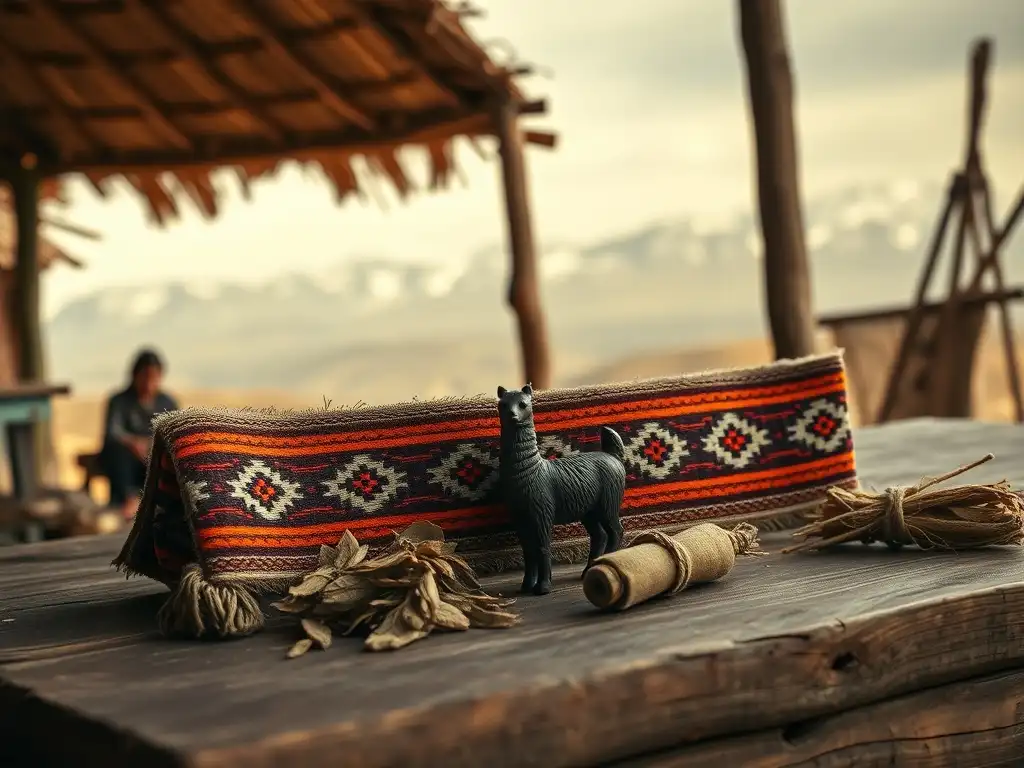
This section delves into the diverse types of gifts exchanged within Andean family structures and explores the profound meanings embedded in these offerings. Understanding these gifting traditions provides crucial insight into the complex web of reciprocal relationships that formed the bedrock of Andean society. The act of gifting wasn't merely an exchange of goods; it was a powerful statement of social standing, familial bonds, and future expectations.
Analyzing the types of gifts reveals a sophisticated system of communication and social cohesion deeply rooted in Andean cosmology and worldview. The significance of these gifts extended beyond their material value, embodying symbolic representations of shared labor, skilled craftsmanship, and aspirations for future prosperity. The practice of "ayni," reciprocal exchange, was central to this system, ensuring social harmony and economic stability within Andean communities.
Agricultural products formed a cornerstone of Andean gifting traditions. The exchange of crops like potatoes, maize, quinoa, and coca leaves symbolized shared labor and mutual support within the family unit and extended kinship networks. The quality and quantity of the gift often reflected the giver's social standing and the strength of the relationship. For example, a bountiful offering of carefully selected potatoes might indicate a strong familial bond and a desire to foster continued cooperation. Conversely, a meager offering could suggest a strained relationship or a temporary imbalance in reciprocal exchange.
The timing of the gift was also significant. Offering agricultural produce during harvest time demonstrated generosity and a sharing of abundance. This act reinforced community bonds and ensured that even those with less fortunate harvests could participate in the communal prosperity.
Conversely, gifting food during times of scarcity showcased remarkable solidarity and underscored the importance of mutual support within the Andean family structure. This intricate system of gift-giving fostered resilience and ensured the survival of the community as a whole. The act of sharing agricultural bounty wasn't simply altruistic; it was an investment in the future, strengthening social ties and ensuring the continuity of the community's agricultural success.
Handcrafted Goods: Expressing Skill and Personal Connection
Handcrafted goods held immense symbolic value in Andean gifting traditions, representing not only material wealth but also the giver's skill and personal connection to the recipient. Textiles, pottery, and metalwork were often imbued with intricate designs and symbolic motifs, reflecting the cultural values and beliefs of the Andean people. These meticulously crafted gifts were not simply functional items; they were expressions of artistry and devotion, strengthening familial bonds through the tangible representation of shared cultural heritage.
Consider the intricate textiles, often woven with alpaca or llama wool. The time and skill invested in their creation were immense, making them precious gifts that signified deep respect and affection. Similarly, intricately decorated pottery and meticulously crafted metalwork, often adorned with symbolic imagery, represented not only artistic skill but also a deep understanding of Andean cosmology.
The bestowal of such gifts served to consolidate familial alliances and reinforce social hierarchies. The more intricate and skillfully made the object, the greater the social recognition and validation the giver received. These gifts served as enduring testaments to the enduring bonds of kinship and the continuity of Andean cultural traditions.
Livestock and Animals: Representing Wealth and Future Prosperity
The gifting of livestock, such as llamas and alpacas, represented a significant commitment within Andean family structures. These animals were not merely sources of food and fiber; they were integral to the Andean economy and held considerable symbolic value. Gifting livestock symbolized the giver's wealth and prosperity, demonstrating their ability to support and provide for their family members. Furthermore, it represented an investment in the recipient's future well-being, ensuring their continued economic stability and social standing.
The act of gifting livestock was a powerful statement of trust and confidence in the recipient's ability to manage and care for these valuable animals. It represented a significant social investment, strengthening family ties and fostering mutual prosperity. The animals themselves were often imbued with symbolic meanings, reflecting aspects of Andean cosmology and beliefs.
The significance of the gift transcended mere material value, extending to the social and economic implications for both the giver and the receiver within the complex web of Andean kinship. The exchange of livestock solidified familial bonds and contributed to the overall economic stability and well-being of the community. This practice underscored the importance of reciprocal relationships and the long-term investment in the future of Andean families.
Special Occasion Gifts: Celebrating Milestones
Andean cultures placed, and continue to place, significant emphasis on celebrating life's milestones. These weren't simply casual events; they were deeply ritualized occasions reinforcing social bonds and reaffirming community ties. Gifting played a crucial role in these celebrations, with the type and value of the gift reflecting the importance of the occasion and the relationship between the giver and receiver.
For example, a child's first haircut, a coming-of-age ceremony (often involving significant rituals and symbolic gestures), marriage, and death were all marked by elaborate gift-giving practices. The gifts weren't just material objects; they carried symbolic weight, representing wishes for good fortune, prosperity, and continued well-being.
The significance of the gift wasn't solely determined by its monetary value. Instead, the time, effort, and craftsmanship invested in creating the gift held immense cultural importance. A hand-woven textile, painstakingly crafted over weeks or months, carried a far greater symbolic weight than a purchased item, reflecting the giver's dedication and the strength of their relationship with the recipient. These handcrafted items often incorporated traditional designs and motifs, further enriching their symbolic meaning and connecting the gift to a rich cultural heritage. The act of gifting itself was a performance, an outward demonstration of affection, respect, and community solidarity.
Consider, for example, the intricate textiles given during marriage ceremonies. These weren't simply decorative pieces; they were imbued with power and meaning, often incorporating symbols of fertility, prosperity, and longevity. The quality and intricacy of the textiles reflected the status and wealth of the families involved, but more importantly, the dedication and care the giver invested in the creation of the gift.
These gifts served as tangible representations of the enduring bonds between families, solidified through the exchange of carefully crafted presents. The act of receiving such a gift was not just about acquiring a material possession; it was about receiving a piece of the giver's heart and soul, a testament to their commitment to the relationship.
Such traditions are still observed in many Andean communities today, albeit often adapted to reflect contemporary influences. The core principle of gifting as a means of strengthening social bonds, however, remains a cornerstone of Andean family life.
Reciprocity and its Role in Andean Family Dynamics
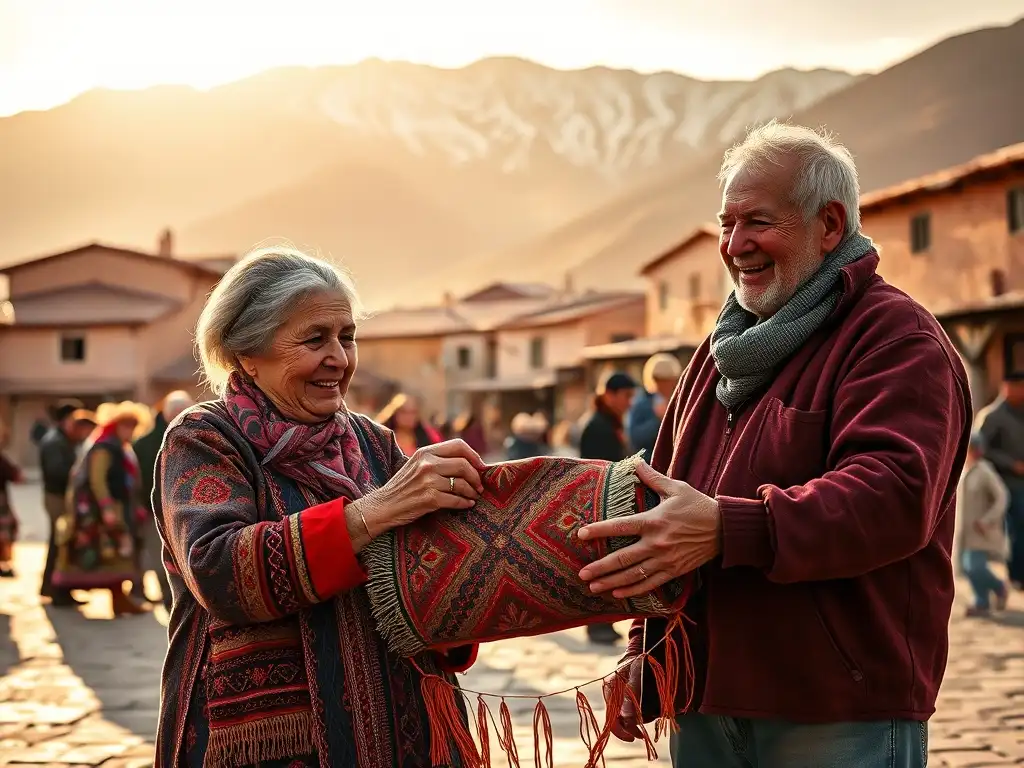
The concept of reciprocity was, and in many ways still is, central to understanding Andean family dynamics. It wasn't simply a matter of exchanging goods; it was a deeply ingrained social mechanism that reinforced kinship ties, maintained social harmony, and ensured the survival of the community. This system of reciprocal exchange, often expressed through gifting, went far beyond simple economic transactions.
It formed the very bedrock of Andean family structures, cementing relationships and defining social roles. The intricate web of obligations and expectations fostered a sense of interconnectedness and mutual dependence, creating a strong sense of collective identity. Analyzing Andean family gifting traditions reveals a complex system where gifts weren't just presents, but powerful tools for building and maintaining social bonds.
Understanding this system requires appreciating the cultural nuances that shaped its operation and its profound impact on family life. This intricate system of ayni (reciprocal labor) and mink'a (community work) extended naturally to family relations, creating a dynamic environment where mutual support and cooperation were paramount.
Strengthening Family Bonds Through Mutual Obligation
Mutual obligation was a cornerstone of Andean family relationships. Gifting wasn't a random act of generosity; it was a structured process embedded in a system of reciprocal exchange. For instance, the gift of a llama to a newly married couple wasn't just a wedding present; it represented an investment in the future of the family unit, an acknowledgment of their role within the wider kinship network, and an expectation of future reciprocity.
This might manifest as future assistance with agricultural tasks, participation in community projects, or the return of a gift of equal or greater value at a later date. The failure to reciprocate was not merely a breach of etiquette; it could severely damage family relationships and one's standing within the community. This system created a strong incentive for cooperation and mutual support, ensuring that families were well-integrated and had access to the resources they needed.
Studies of Andean communities reveal that the strength of family bonds was directly correlated to the level of reciprocal exchange. For example, families known for their consistent participation in mink'a and their generous gift-giving were generally considered more respected and influential within their communities. This highlights the importance of reciprocal exchange in building and maintaining social capital within the Andean family structure.
The Concept of 'Payback' in Andean Gift Reciprocity
The concept of "payback" in Andean gift reciprocity is crucial to understanding the system's effectiveness. It’s not a vengeful or negative concept, but rather a mechanism that ensures the continuation of mutual support. It's not about immediate repayment, but about the ongoing cycle of giving and receiving that strengthens family ties over time.
This cycle wasn't necessarily about material equivalence; the value of a gift was often assessed in terms of its social significance and the relationship between the giver and receiver. A small, carefully chosen gift from a close relative might hold far more value than a larger, more impersonal gift from a distant acquaintance. The timing of the "payback" was also flexible, adapting to the needs and circumstances of both parties.
This flexible approach to reciprocity contributed to the system's resilience and adaptability, allowing it to function effectively in diverse social and economic contexts. The system avoided the potential pitfalls of rigid expectations, fostering a sense of trust and mutual understanding among family members. Anthropological studies have documented the subtle nuances of this give-and-take, demonstrating its importance in preserving social harmony and reinforcing kinship bonds.
The Andean system of gifting and reciprocity was also a powerful tool for maintaining balance and harmony within social interactions. Gifts were not only expressions of affection and solidarity but also instruments for managing social hierarchies and resolving conflicts. A carefully chosen gift could be used to apologize for a transgression, to solidify a truce, or to reaffirm an existing alliance.
The act of giving and receiving, therefore, transcended the purely economic sphere, becoming a crucial component of social diplomacy. The balance in these interactions wasn't always perfectly symmetrical. The amount or type of gift might vary depending on the social status and relationship between the individuals involved.
However, the underlying principle of reciprocity remained constant, ensuring that the exchange contributed to the overall social equilibrium. This intricate balance, maintained through a complex interplay of gifts, obligations, and social expectations, contributed to the stability and resilience of Andean family structures for centuries. Understanding this delicate balance is essential for appreciating the profound social significance of Andean family gifting traditions.
The Consequences of Failing to Reciprocate
Failure to reciprocate within Andean family structures could have significant consequences, impacting not only individual relationships but also broader social standing within the community. The severity of the consequences varied depending on the nature of the gift and the relationship between the individuals involved.
A minor oversight in reciprocating a small token of gratitude might result in a slight strain on the relationship, perhaps a coolness or a lack of future gestures of goodwill. However, a more serious breach, such as ignoring a significant gift or failing to fulfill a crucial reciprocal obligation, could lead to much more severe repercussions.
In some Andean communities, the concept of ayni extended beyond simple gift-giving to encompass a broader system of mutual support and labor exchange. Failing to reciprocate in this context could damage one's reputation and standing within the community, leading to social isolation and a diminished ability to access crucial resources and support networks.
This could manifest in several ways: a reluctance from others to participate in future ayni arrangements, a lack of assistance during times of need, or even exclusion from important communal events and decision-making processes. The social pressure to maintain reciprocity was considerable, acting as a powerful mechanism to ensure the continued cohesion and cooperation within the community.
The consequences weren't always explicitly punitive. The shame and loss of social standing resulting from a failure to reciprocate often proved sufficient punishment in itself. The emphasis on maintaining harmonious relationships, a core value in many Andean cultures, meant that the social repercussions of neglecting reciprocal obligations were often more significant than any formal sanctions.
This system of social control relied heavily on the internalized values and shared understanding of the importance of reciprocity within the community. The potential for damage to one's reputation and social standing acted as a powerful deterrent against failing to reciprocate, ensuring the continued vitality of these crucial social bonds. This intricate web of social obligations reinforced the importance of maintaining balance and fairness within Andean family structures.
The Impact of Modernization on Andean Gifting Traditions
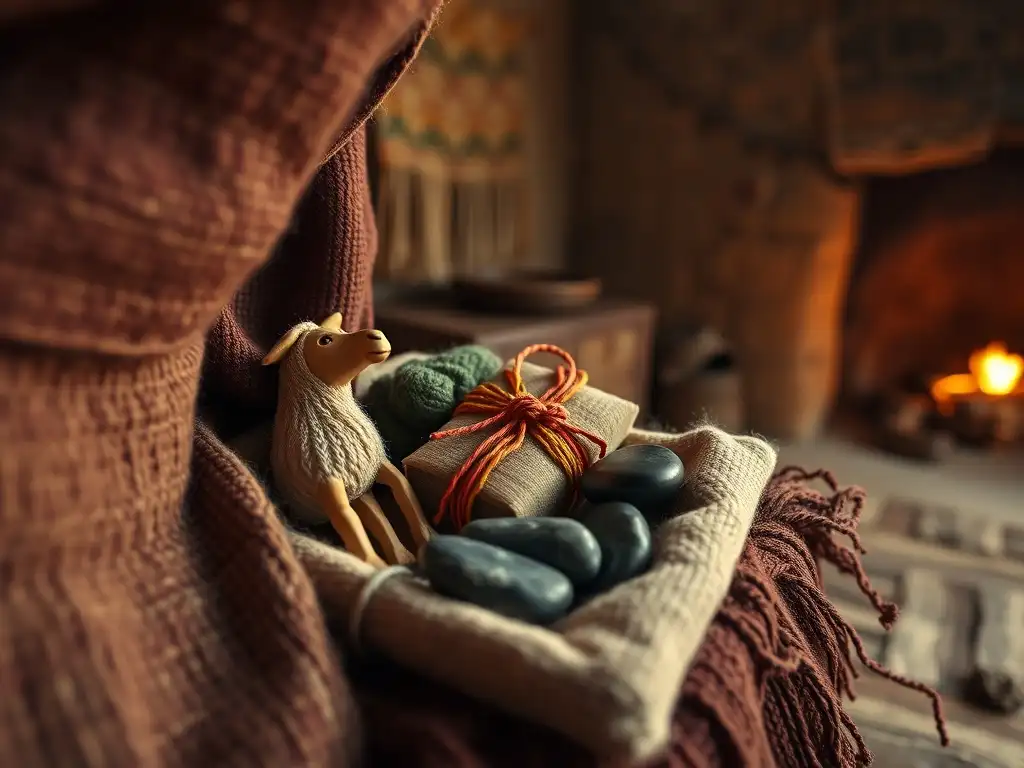
The vibrant tapestry of Andean gifting traditions, woven through centuries of reciprocal exchange, has undeniably been impacted by the pervasive forces of modernization. While the core values of ayni (reciprocity) and minca (cooperative labor) remain deeply ingrained in Andean communities, the how and what of gift-giving has undergone significant shifts. This section explores these changes, focusing on the evolving nature of gifts and the challenges faced in maintaining the integrity of these ancient customs in the face of global influences.
Understanding these transformations is crucial for appreciating the enduring resilience of Andean culture and the ongoing negotiation between tradition and modernity in gift-giving practices. The evolution of Andean family gifting traditions is a testament to the adaptability of cultural practices.
Shift Towards Monetary Gifts and Store-Bought Items
Traditionally, Andean gifting involved meticulously crafted items, reflecting both skill and emotional investment. Hand-woven textiles, intricately carved wooden objects, and locally sourced agricultural products were common gifts, imbued with symbolic meaning and representing the giver's labor and commitment to the relationship. However, the increasing availability of mass-produced goods and the rise of a cash-based economy have led to a noticeable shift towards monetary gifts and store-bought items. This change isn't necessarily a rejection of traditional values, but rather a reflection of economic realities and changing lifestyles.
For instance, in many Andean communities today, cash is frequently exchanged during festivals and celebrations, supplementing or even replacing traditional gifts. While this might seem a departure from the spirit of ayni, it often represents a practical approach, allowing recipients to choose items that best suit their needs. This shift highlights the complex interplay between tradition and practicality in contemporary Andean life. The prevalence of store-bought items also reflects the increased access to global markets and the influence of Western consumer culture.
Nevertheless, the underlying principle of reciprocity often remains, even when the form of the gift has changed. The meaning of the gift, a symbol of the relationship, persists, albeit expressed in a different manner. Further research is needed to quantify the exact shift from traditional to monetary gifts across various Andean communities [specific data pending].
The Influence of Western Culture on Andean Reciprocity
The influence of Western culture presents both challenges and opportunities for the preservation of Andean reciprocity. The introduction of capitalist ideals, emphasizing individual achievement and competition, can sometimes clash with the communal ethos inherent in ayni. The emphasis on individual acquisition and consumption can inadvertently undermine the emphasis on shared resources and mutual support that characterizes traditional Andean family structures.
However, the impact is not uniformly negative. Some argue that the increased economic opportunities afforded by globalization can actually strengthen reciprocal networks by providing greater resources for communal projects and mutual support. For example, remittances sent by Andean migrants working abroad often contribute significantly to the economic well-being of their families and communities, fostering a different form of reciprocal exchange.
This highlights the nuanced nature of Western influence, which isn't simply a replacement of traditional values but rather a complex interplay that shapes and reshapes existing social structures. More qualitative research is needed to thoroughly analyze the interplay between Western cultural influence and traditional Andean reciprocity within families [specific case studies pending]. Further investigation into the specific mechanisms of this cultural exchange is necessary to fully understand its implications.
Adapting Traditional Customs to Contemporary Life
The survival of Andean gifting traditions in the face of modernization hinges on the ability of communities to adapt and reinterpret their customs. This adaptation isn't a betrayal of tradition but rather a testament to its enduring relevance. Many communities are finding creative ways to incorporate both traditional and modern elements in their gift-giving practices. For example, a family might combine a traditional hand-woven shawl with a monetary contribution towards a communal project, demonstrating a blend of old and new practices.
The key lies in maintaining the spirit of ayni and the emphasis on strengthening social bonds through reciprocal exchange. While the forms of gifts might evolve, the underlying principle of mutual support and shared responsibility remains a cornerstone of Andean family relationships. This ongoing negotiation between tradition and modernity underscores the dynamism and resilience of Andean culture, showcasing its ability to adapt and thrive in changing circumstances.
This adaptability ensures the continuation of Andean family gifting traditions, albeit in an evolving form, ensuring the continuation of crucial social bonds. 🎁 The future of Andean gifting traditions depends on the successful navigation of this complex interplay, preserving the core values while embracing the realities of contemporary life.
Case Studies of Andean Gifting in Action
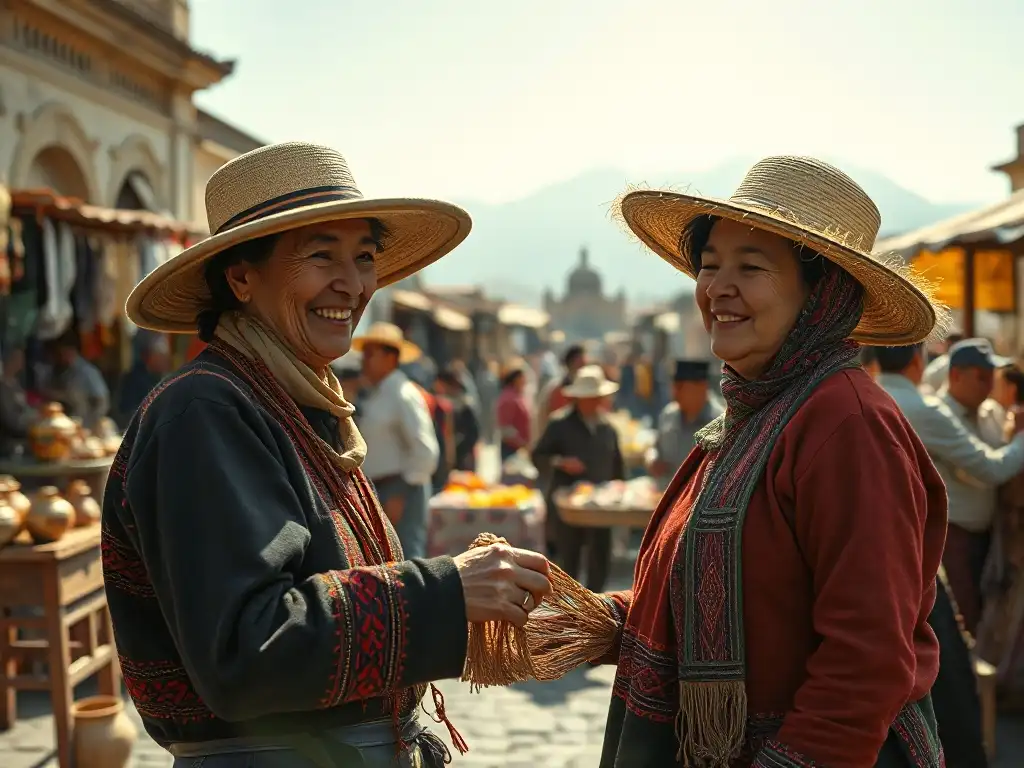
This section delves into specific examples of Andean gifting traditions, showcasing the diverse ways reciprocity and gift-giving cemented family bonds across different Andean communities. Understanding these practices provides crucial insight into the complex social fabric of Andean societies. The emphasis on ayni (reciprocity) and mink'a (mutual labor exchange) extended beyond simple transactions; gifts fostered ongoing relationships and solidified social hierarchies. The value of a gift wasn't solely monetary; it represented the enduring connection between the giver and receiver, reflecting shared history and future expectations.
Gifting Practices in the Quechua Community of Cusco
The Quechua people of Cusco, descendants of the Inca Empire, maintain vibrant gifting traditions deeply intertwined with their daily lives and significant life events. Gifting isn't a casual act; it's a carefully considered process reflecting the social standing of both giver and receiver and the nature of their relationship. For instance, gifts exchanged between family members often possess symbolic meaning, reinforcing kinship ties.
A younger sibling might present their elder sibling with a hand-woven textile, a testament to their skill and a symbol of their ongoing familial obligation. Conversely, the elder sibling might reciprocate with a gift of livestock or agricultural produce, acknowledging the younger sibling's contribution and reinforcing the hierarchical structure within the family.
These exchanges aren't simply materialistic; they are imbued with emotional weight and cultural significance. The act of giving itself strengthens the bond, creating a sense of mutual obligation and shared responsibility. This is further emphasized during fiestas and celebrations where gifts, often food and beverages, are shared among extended family members, solidifying the communal bond.
The quality and type of gift are carefully considered, reflecting the relationship's strength and the social standing of the individuals involved. A more valuable gift from a senior family member to a junior member, for example, underlines the importance of respecting hierarchical structures within the family. This careful consideration of the social context of gifting underscores the complexity and importance of these traditions in maintaining social cohesion.
Analysis of Gifting during a Wedding Ceremony in the Andes
Andean wedding ceremonies offer a fascinating lens through which to examine the role of gifting in strengthening family relationships. The exchange of gifts is not merely a celebratory act; it's a crucial element in formalizing the union and integrating the couple into their respective extended families. The gifts exchanged often carry symbolic weight, representing the merging of two families and the establishment of new kinship ties.
Consider the following:
| Gift Category | Giver | Receiver | Symbolic Meaning |
|---|---|---|---|
| Textiles (e.g., lliclla) | Bride's family | Groom's family | Represents the bride's skills and commitment. |
| Livestock (e.g., llamas) | Groom's family | Bride's family | Symbolizes prosperity and the groom's ability to provide. |
| Agricultural produce | Both families | Community/religious figures | Represents shared bounty and community integration. |
The detailed planning and careful selection of gifts highlight their importance in solidifying the marriage and integrating the new couple into the wider social network. The act of giving strengthens the bonds between the two families, laying the foundation for a long-lasting and mutually supportive relationship. The reciprocal nature of the gift-giving further emphasizes the ongoing commitment and mutual respect between the families involved. It's a powerful demonstration of the enduring importance of ayni within the Andean family structure.
Gifting in the Context of Agricultural Cycles and Harvest Festivals
Andean gifting traditions are deeply intertwined with the agricultural calendar and harvest festivals. The cyclical nature of agriculture reinforces the importance of reciprocity and mutual support within families and communities. Abundant harvests are celebrated with communal feasts where gifts of food and drink are shared, reinforcing social bonds and acknowledging the collective effort involved in cultivating the land. These festivals are not merely celebrations of abundance; they are opportunities to strengthen familial ties through reciprocal gift-giving.
During lean times, however, the importance of reciprocal gifting becomes even more pronounced. Families facing hardship might receive gifts of food or other necessities from their relatives, demonstrating the strength of familial support networks. This reciprocal exchange ensures the survival and well-being of the community as a whole. The cyclical nature of these exchanges underscores the long-term perspective inherent in Andean gifting traditions.
It's a system designed to ensure mutual support and resilience throughout the year, highlighting the enduring importance of family in navigating the challenges of Andean life. The act of giving and receiving isn't simply transactional; it's a powerful demonstration of community solidarity and familial obligation. The success of the system hinges on the ongoing commitment to ayni and the understanding that sharing resources ensures the collective well-being of the Andean family unit.
Conclusion: The Enduring Importance of Andean Family Gifting
The intricate web of gifting and reciprocity within Andean family structures wasn't merely a social custom; it was the very bedrock of their societal cohesion. Understanding these traditions provides a crucial lens through which to view the complexities of Andean social organization and its remarkable resilience over centuries.
From the meticulously crafted textiles exchanged between kin to the carefully planned feasts solidifying alliances, every gift carried profound social and symbolic weight, reflecting kinship bonds, economic interdependence, and spiritual connections. The enduring legacy of these practices continues to shape Andean communities today, highlighting the remarkable adaptability and enduring power of these ancient traditions.
The Legacy of Andean Reciprocity in Modern Society
While the forms of gift exchange may have evolved, the core principles of ayni and mita, reciprocal exchange and labor service respectively, remain deeply embedded in contemporary Andean societies. Modern celebrations, such as weddings and baptisms, still involve elaborate gift-giving ceremonies mirroring ancient practices. The exchange of goods, often handcrafted items showcasing traditional skills, reinforces family ties and community solidarity.
This continued practice demonstrates the lasting impact of these ancient traditions on modern Andean life. Even in urban settings, where traditional lifestyles are challenged by globalization, the importance of reciprocal giving persists, demonstrating its adaptability and resilience. For example, the sharing of food and resources among extended family members, a direct descendant of ancient practices, remains a cornerstone of social support.
The strength of these family bonds, nurtured through generations of reciprocal exchange, continues to be a vital source of resilience in the face of economic and social change. This cultural continuity is a testament to the enduring power of Andean family gifting traditions.
Why Understanding Andean Gift Exchange is Vital
Studying Andean family gifting traditions offers invaluable insights into not only the past but also the present and future of Andean societies. By understanding the intricate rules and symbolic meanings associated with gift exchange, we gain a deeper appreciation for the values and beliefs that underpinned, and continue to influence, Andean social structures. This knowledge is crucial for anthropologists, historians, and anyone interested in understanding the complexities of human social organization.
Moreover, recognizing the significance of these traditions allows for a more sensitive and nuanced approach to contemporary social and economic development initiatives within Andean communities. Initiatives that fail to account for these deeply ingrained cultural practices risk undermining community cohesion and inadvertently causing harm. For instance, understanding the role of ayni in maintaining social equilibrium can inform development projects aimed at improving agricultural practices or promoting sustainable tourism.
Ignoring these traditions, on the other hand, could lead to unforeseen social consequences. Appreciating the cultural significance of Andean family gifting traditions is not just an academic exercise; it's essential for fostering respectful and effective engagement with Andean communities.
Preserving Andean Traditions Through Continued Practice
The preservation of Andean family gifting traditions is not merely a matter of preserving cultural heritage; it's crucial for maintaining the social fabric of Andean communities. Continued practice ensures the transmission of knowledge, skills, and values across generations. This includes supporting artisans who create traditional crafts, promoting community events that celebrate these traditions, and fostering educational initiatives that highlight the importance of reciprocal exchange.
Active participation in these traditions—whether it's learning traditional weaving techniques, participating in community celebrations, or simply engaging in thoughtful gift-giving practices—helps to ensure their survival. Moreover, documenting and archiving these traditions, through ethnographic studies and oral history projects, plays a crucial role in preserving them for future generations. This multi-faceted approach—combining active participation with careful documentation—is vital for safeguarding the rich tapestry of Andean family gifting traditions and ensuring their continued relevance in a rapidly changing world.
The preservation of these traditions is not just a matter of nostalgia; it's a vital step in promoting cultural sustainability and social well-being within Andean communities. The vibrant tapestry of Andean culture is deeply interwoven with these traditions, making their continued practice essential for the flourishing of Andean society.
Frequently Asked Questions
What role did gifting play in Andean family structures?
Gifting was central to Andean family life, fostering strong bonds and social cohesion. Reciprocity, the exchange of goods and services, was crucial in maintaining family harmony and stability across generations. Obligations and responsibilities were often expressed through gifts.
How did gifting differ among various Andean cultures (Inca, Moche, etc. )?
While the principle of reciprocity was common, the specific types of gifts and the rituals surrounding them varied significantly. Inca gifting might focus on state-sponsored redistribution, while Moche gifts could emphasize elaborate craftsmanship and ceremonial contexts. Specific cultural practices impacted the process.
What were some common gifts exchanged within Andean families?
Common gifts included textiles, pottery, agricultural products, and metalwork. The value of a gift wasn't always monetary; its significance often lay in its symbolic meaning and the relationship it represented. Handmade items held particular significance.
Gifting practices could reflect and reinforce existing social hierarchies. Higher-status individuals often gave more valuable gifts, solidifying their position and demonstrating their power and influence. However, the reciprocal aspect also meant that gifts could challenge or negotiate these hierarchies.
Beyond material gifts, what other forms of reciprocity existed in Andean families?
Beyond material goods, labor and services were also exchanged. This could include agricultural assistance, childcare, or building projects. This mutual support strengthened family ties and ensured the well-being of all members. Sharing resources was vital.
Final Reflection: The Enduring Legacy of Andean Gifting
The intricate web of gifting and reciprocity within Andean families isn't just a historical practice; it's a vibrant, living system that continues to shape social structures and individual identities today. Understanding these traditions offers a powerful lens through which to examine the enduring strength of family bonds and the importance of community in a rapidly changing world. The subtle nuances of ayni and minka – principles of reciprocity and communal labor – remain deeply embedded in Andean culture, influencing everything from economic interactions to conflict resolution.
The profound impact of these gifting traditions on my own understanding of family dynamics has been immeasurable. Witnessing the careful consideration and emotional weight placed on each gift, from the simplest offering of coca leaves to the elaborate preparations for significant celebrations, revealed a depth of connection often overlooked in more individualistic societies. The gift is not merely an object; it is a vehicle for expressing affection, strengthening bonds, and reaffirming social obligations.
This quote encapsulates the essence of Andean gifting, highlighting its role beyond simple exchange. It's a testament to the power of shared experiences and mutual support in building resilient and thriving communities.
Consider, for a moment, the ways in which you express care and connection within your own family. Are there unspoken expectations or traditions that mirror the principles of ayni and minka? I challenge you to reflect on the significance of gift-giving in your own life, not just as a material exchange, but as a powerful expression of love, respect, and shared identity. By understanding and appreciating the richness of Andean gifting traditions, we can gain valuable insights into the enduring power of human connection and the importance of cultivating strong, reciprocal relationships within our own families and communities.
Embrace and Enhance Your Connection with Andean Culture!
Thank you for exploring the profound impact of gifting and reciprocity on Andean family relationships. Understanding these values offers valuable insight into the strong bonds within Andean communities. Now, let's deepen your connection to this vibrant culture!
Here are some exciting ways to engage with Andean traditions and strengthen your relationships:
- Start a tradition of thoughtful giving: Begin by sharing small, handcrafted gifts with loved ones, embodying the spirit of reciprocity.
- Participate in local cultural events: Immerse yourself in Andean practices and connect with like-minded individuals by attending cultural events or workshops.
- Share your knowledge: Discuss your insights and experiences with friends and family, or share them on social media to spark conversations about cultural values.
How can the practice of thoughtful gift-giving strengthen relationships in our fast-paced world? Let's discuss in the comments!