
The Nazca Aesthetic: Exploring the Artistic Sensibilities of an Ancient Culture

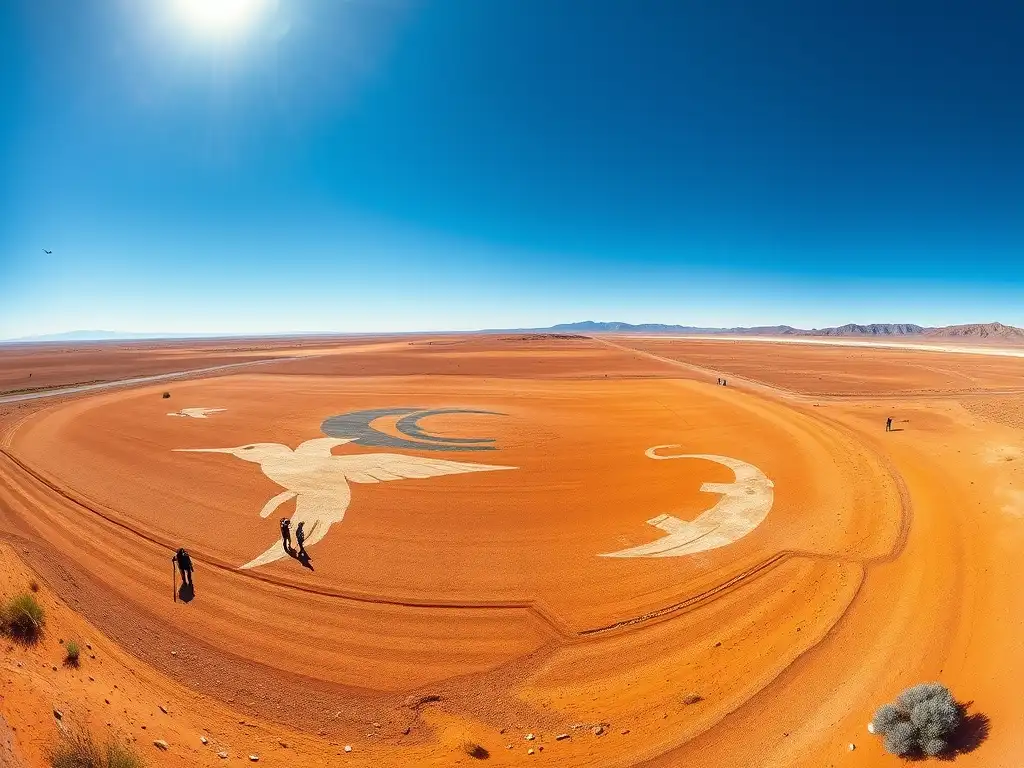
Step into a world lost to time, yet vividly alive in its artistry. Prepare to be captivated by the enigmatic beauty of the Andean civilizations, from the towering heights of Inca ingenuity to the breathtaking artistry of the Nazca. But it's the Nazca art styles and symbolism that truly hold our attention today – a complex and mesmerizing tapestry of lines, figures, and designs etched into the desert floor. Dare to uncover the secrets hidden within these ancient masterpieces; your journey into their fascinating world begins now.
The Nazca civilization, flourishing along the southern coast of Peru from approximately 100 BC to 800 AD, left behind a remarkable legacy of artistic expression. Their unique aesthetic, reflecting a complex interplay of religious beliefs, social structures, and environmental adaptation, continues to captivate and inspire researchers and art enthusiasts alike.
This article delves into the vibrant world of Nazca art, exploring its distinctive styles, the symbolism embedded within its creations, and the techniques employed by these masterful artisans. We will uncover the secrets behind the iconic Nazca pottery and textiles, analyzing their motifs, colors, and the stories they tell about this fascinating ancient culture.
Understanding Nazca art styles and symbolism provides crucial insight into the worldview and daily life of this remarkable civilization, shedding light on their sophisticated understanding of their environment and their place within the broader Andean context. Prepare to embark on a journey through time, uncovering the beauty and complexity of Nazca artistic heritage.
Introduction to Nazca Art and Culture
The Nazca people, renowned for their enigmatic geoglyphs etched into the desert plains, were equally skilled in the creation of exquisite pottery and textiles. Their artistic endeavors weren't merely decorative; they served crucial social and religious functions, reflecting the beliefs and values of their society. Nazca art is characterized by its vibrant colors, intricate designs, and the recurring use of specific motifs, many of which are still being deciphered by scholars.
The mastery of techniques like polychrome painting on pottery and complex weaving in textiles showcases a high level of technical skill and artistic sophistication. These artifacts, often discovered within tombs and ceremonial contexts, provide invaluable clues about Nazca society, their rituals, and their relationship with the natural world. The use of specific colors, for instance, may have held symbolic meaning, reflecting the importance of certain deities or natural elements.
Further investigation reveals a rich tapestry of artistic expression, worthy of detailed exploration. We’ll examine several key aspects of Nazca art, including the techniques employed, the recurring motifs, and the potential interpretations of their symbolic language.
Nazca Pottery: Techniques and Styles
Nazca pottery is arguably their most celebrated artistic achievement. Potters employed a sophisticated wheel-throwing technique, allowing for the creation of varied shapes and sizes. The most striking feature, however, is the vibrant polychrome painting.
Artisans used a range of mineral pigments, expertly applying multiple layers to achieve stunning visual effects. Common colors include red, yellow, white, black, and brown, often combined to create intricate patterns and detailed figures. The motifs frequently depict stylized human figures, animals (such as birds, felines, and reptiles), and mythical creatures, often interwoven with geometric designs.
The level of detail and the precision of the painting are remarkable, showcasing a deep understanding of both artistic principles and the properties of the pigments. Analysis of the pigments reveals the sophisticated knowledge of local resources and their application to achieve specific colors and effects. The diversity of shapes, from simple bowls to complex anthropomorphic vessels, reflects the multifaceted nature of Nazca society and the varied uses of pottery in their daily lives and religious practices.
Nazca Textiles: Weaving Traditions and Symbolism
Alongside pottery, Nazca textiles represent another pinnacle of their artistic achievements. The intricate weaving techniques, utilizing fine cotton and camelid fibers, demonstrate exceptional skill and patience. The textiles often feature similar motifs to the pottery, including stylized figures, animals, and geometric patterns.
However, the textile medium allowed for a different level of complexity and texture, enabling the creation of highly detailed and richly textured fabrics. The use of different weaving techniques, such as tapestry weaving and embroidery, further enhances the visual impact of the textiles. These textiles served a variety of purposes, including clothing, ceremonial adornments, and funerary objects.
Their symbolic meanings, often related to fertility, power, and the supernatural, are interwoven into the very fabric of the pieces. Analysis of textile fragments reveals information about social status and the role of textiles in ritual and daily life. The intricate patterns and symbolic representations found on Nazca textiles offer a unique window into the spiritual and social world of this ancient civilization.
Deciphering the Symbolism: Interpretations and Theories
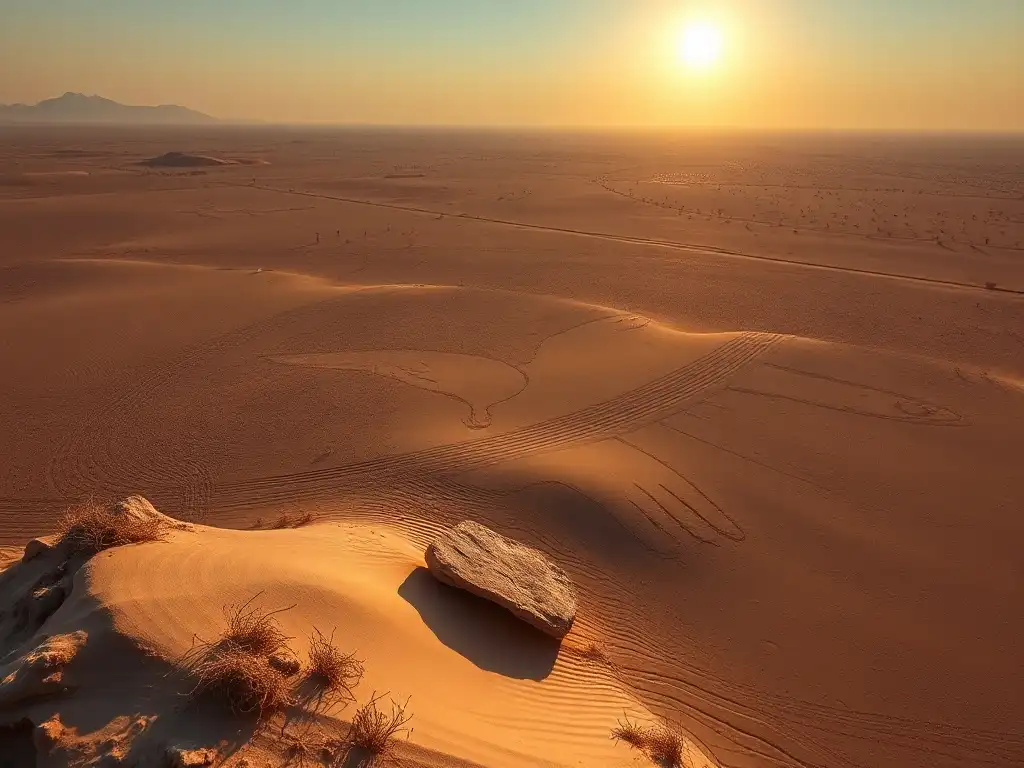
The interpretation of Nazca art's symbolism remains a subject of ongoing scholarly debate. While many motifs are relatively easy to identify (such as depictions of common animals), the deeper meanings are often more elusive. Scholars have proposed various interpretations, linking some symbols to religious beliefs, others to social structures, and some to cosmological concepts. For example, the frequent depiction of certain birds might represent deities or shamanistic figures, while geometric patterns could represent abstract concepts or calendrical systems. The use of specific colors could also hold symbolic weight, potentially reflecting the importance of certain deities or natural elements. However, the lack of a written language makes definitive interpretations challenging. Ongoing research, combining art historical analysis with archaeological evidence, continues to shed light on the rich symbolic world embedded within Nazca art. The ongoing process of deciphering these symbols offers a fascinating glimpse into the complex worldview of the Nazca people.
Conclusion: The Enduring Legacy of Nazca Art
The Nazca aesthetic, as reflected in their pottery and textiles, represents a remarkable achievement in ancient Andean art. The vibrant colors, intricate designs, and sophisticated techniques employed by Nazca artisans continue to inspire awe and admiration. By exploring their art styles and symbolism, we gain a deeper understanding of their culture, beliefs, and social structures.
The enduring legacy of Nazca art serves as a testament to the creativity and ingenuity of this remarkable civilization, reminding us of the power of art to transcend time and communicate across cultures. Further research and analysis are crucial to fully unlock the secrets held within these captivating artifacts, offering a more complete picture of this fascinating ancient society.
- Introduction to Nazca Art and Culture
- Nazca Pottery: Techniques and Styles
- Nazca Textiles: Weaving Traditions and Symbolism
- Deciphering the Symbolism: Interpretations and Theories
- Conclusion: The Enduring Legacy of Nazca Art
- What are the defining characteristics of Nazca art?
- What is the significance of Nazca Lines in their art style?
- What are some common symbols found in Nazca art and what do they represent?
- How did the Nazca create their vibrant colors in their artwork?
- How does Nazca art compare to that of other Andean cultures?
Nazca Pottery: A Canvas of Myth and Reality
Nazca pottery stands as a testament to the sophisticated artistic sensibilities of this ancient Andean civilization. More than mere vessels, these ceramics served as canvases for vibrant narratives, intricate designs, and symbolic representations that offer invaluable insights into Nazca worldview, mythology, and daily life.
The remarkable preservation of these artifacts, often unearthed in remarkably intact condition from desert tombs, allows for detailed analysis of their production techniques and artistic conventions. This section will delve into the techniques, iconography, and common motifs prevalent in Nazca pottery, highlighting the unique characteristics that define this artistic tradition and contribute to our understanding of "Nazca art styles and symbolism".
Polychrome Pottery Techniques in Nazca Culture
The creation of Nazca polychrome pottery was a complex and meticulous process. Potters expertly utilized a variety of clays, skillfully combining different colors and achieving a remarkable level of detail. The process typically began with the shaping of the vessel on a potter's wheel, followed by careful smoothing and drying. The application of pigment was a multi-stage process.
Painters first applied a slip – a mixture of clay and water – to create a base coat, often a creamy white or pale yellow. Then, using fine brushes made from animal hair or plant fibers, they meticulously painted intricate designs. Different colors were applied in successive layers, allowing each to dry before the next application. This painstaking process ensured the vibrancy and longevity of the colors.
The pigments themselves were derived from natural sources, including minerals, plant extracts, and even insects. Red hues were often obtained from iron oxides, while black came from manganese. Yellows and whites were derived from clays and other minerals. The precise recipes and sources of these pigments are still being researched, adding to the ongoing fascination with Nazca technology and craftsmanship. The final stage often involved burnishing the surface to enhance its gloss and durability. The remarkable precision and control demonstrated in these techniques highlight the advanced level of artistic skill within Nazca society.
Iconography on Nazca Ceramics: Deciphering the Symbols
The iconography depicted on Nazca ceramics is rich with symbolic meaning, offering clues to their cosmology, social structures, and beliefs. Many designs feature stylized representations of animals, plants, and human figures, often arranged in complex compositions that tell stories or represent specific rituals. The positioning and interactions of these elements are crucial for interpretation, with certain motifs appearing repeatedly in specific contexts, suggesting a standardized system of visual communication.
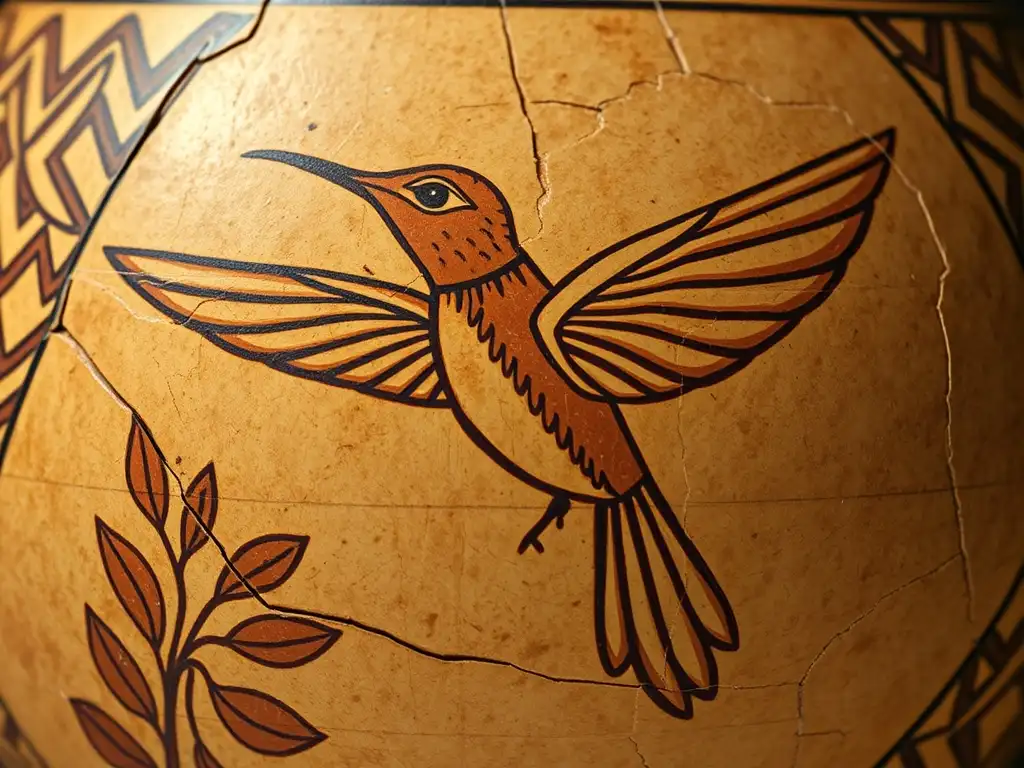
For example, the recurring motif of a stylized hummingbird, often depicted in flight, might represent a shamanic journey or a connection to the spirit world. Similarly, the presence of specific plants, such as cacti and other desert flora, could indicate a connection to specific deities or agricultural cycles. The interpretation of these symbols is an ongoing area of research, with scholars constantly refining their understanding based on new archaeological discoveries and comparative studies.
Further research into the specific placement of these symbols within broader compositions is needed to fully understand the narrative context. [Specific information pending on the most common interpretations of key symbols].
Common Motifs in Nazca Pottery: Animals, Plants, and Deities
A diverse range of motifs populates Nazca pottery, reflecting the rich biodiversity of the region and the importance of nature in their culture. Animals are particularly prominent, with many depictions of birds, felines, reptiles, and marine creatures. These are not simply realistic portrayals but rather stylized representations that emphasize certain characteristics, often highlighting symbolic attributes.
- Birds: Condors, hummingbirds, and other avian species frequently appear, often depicted in dynamic poses, suggesting flight and freedom.
- Felines: Stylized jaguars and other felines are common, often portrayed with exaggerated features, such as large eyes and sharp claws.
- Reptiles: Snakes, lizards, and other reptiles are also frequently depicted, sometimes intertwined with other motifs, suggesting connections between different elements of their worldview.
- Plants: Cacti, flowers, and other desert plants are common, often depicted with great detail and accuracy, reflecting a deep understanding of the local flora.
Beyond the animal and plant kingdoms, anthropomorphic figures and deities also appear, often depicted in elaborate headdresses and ceremonial attire. These figures, frequently shown engaged in ritualistic activities, provide valuable insights into Nazca religious beliefs and practices. The detailed analysis of these motifs continues to reveal new layers of meaning, adding to our appreciation for the complexity and sophistication of Nazca art styles and symbolism.
The study of these recurring motifs allows for a deeper understanding of the cultural significance of the objects themselves and the overall Nazca worldview. The intricate details and vibrant colors used in these depictions make Nazca pottery a stunning example of ancient Andean artistic achievement.
The Functional Uses of Nazca Pottery
Nazca pottery, while undeniably stunning from an artistic perspective, served a multitude of practical purposes in daily life. It wasn't simply decorative; these vessels were integral to the functioning of Nazca society. Beyond their aesthetic appeal, understanding their functionality provides crucial insights into the culture's social structures, agricultural practices, and religious beliefs.
One primary function was the storage and transport of liquids. A wide variety of vessels, from large jars ( ollas) to smaller bowls and cups, were used for storing water, chicha (a fermented corn beverage), and other important liquids. The size and shape of the vessel often dictated its intended use.
Larger ollas, for instance, were likely used for communal storage, while smaller vessels were more suitable for individual consumption or ritual offerings. The precise crafting and often watertight seals of these vessels indicate a sophisticated understanding of ceramics and their practical applications. Archaeological evidence suggests that the effectiveness of these storage solutions played a key role in the Nazca's ability to thrive in a relatively arid environment.
Beyond liquid storage, Nazca pottery also served culinary purposes. Bowls and plates, often decorated with intricate designs, were used for serving and consuming food. The shapes and sizes varied, suggesting specialization for different types of foods.
Some bowls, for example, might have been specifically designed for consuming stews or thick broths, while others were better suited for drier foods. This specialization reflects a nuanced understanding of both culinary practices and the functional requirements of pottery for food preparation and consumption. The presence of residue on some pottery shards further supports this conclusion, providing direct evidence of their use in preparing and consuming meals.
Furthermore, some Nazca pottery served ritualistic functions. Certain vessels, often characterized by unique shapes or elaborate decorations, may have been used in ceremonies or religious practices. While the precise nature of these rituals remains a subject of ongoing research, the presence of these specialized vessels suggests their importance in the religious life of the Nazca people.
The symbolism depicted on these ritualistic pieces often differs from that found on everyday pottery, hinting at a deeper, more symbolic meaning tied to specific ceremonies or beliefs. The careful craftsmanship and high quality of these pieces underscore their significance within the Nazca worldview. Analysis of residues on these ritualistic vessels may reveal further clues about the nature of the ceremonies in which they were involved.
Nazca Textiles: Weaving Stories of the Desert
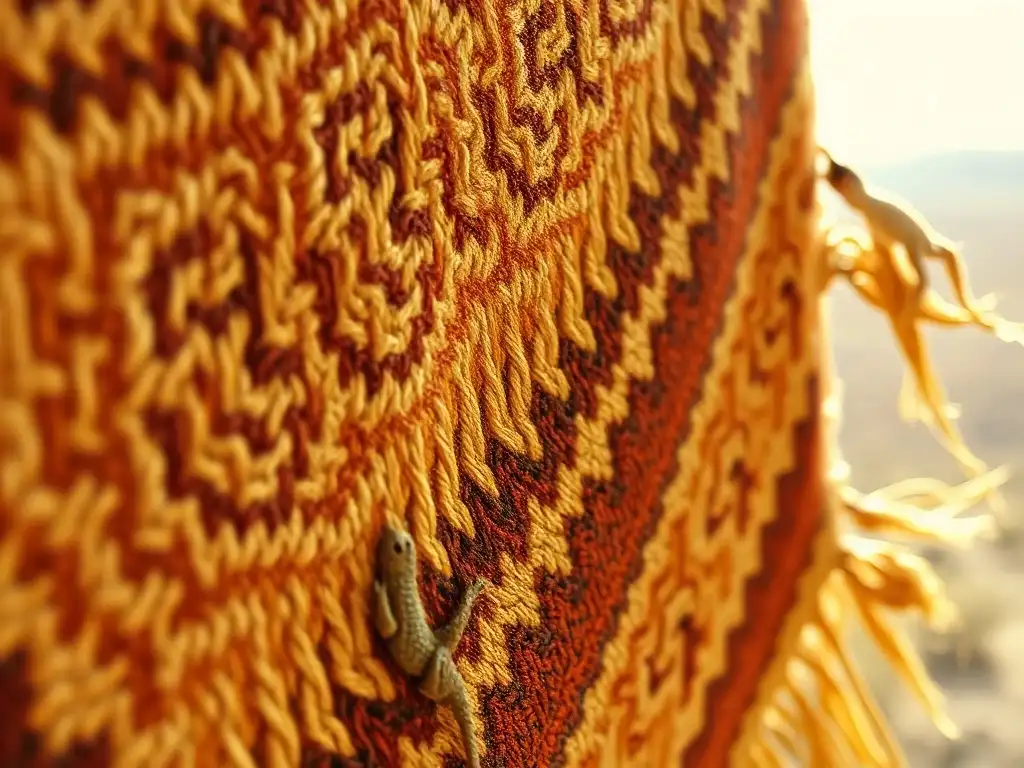
The Nazca people, renowned for their enigmatic geoglyphs, also possessed a sophisticated textile tradition that mirrored their artistic sensibilities in other mediums. Nazca textiles, surviving remarkably well due to the arid desert climate, offer invaluable insights into their social structures, religious beliefs, and daily lives. These aren't simply fabrics; they're vibrant narratives woven into the very threads.
Understanding Nazca art styles and symbolism requires a close examination of these intricate textiles, which reveal a complex interplay of geometric designs, stylized figures, and symbolic colors. The analysis of these textiles provides a unique lens through which to interpret the Nazca worldview. The remarkable preservation of these artifacts allows us to appreciate the technical skill and artistic vision of the Nazca weavers.
Textile Materials and Weaving Methods of the Nazca
The Nazca artisans were adept at utilizing the resources available in their challenging environment. Their textiles were primarily crafted from cotton, a resilient plant well-suited to the desert conditions. However, they also incorporated camelid fibers, such as llama and alpaca wool, particularly in finer garments and more elaborate textiles. This blend of materials allowed for a variety of textures and finishes, contributing to the unique aesthetic qualities of Nazca textiles.
The weaving techniques employed by the Nazca were sophisticated and diverse. Evidence suggests they used a variety of methods, including plain weave, tapestry weave, and sumptuary techniques, showcasing their mastery of textile production. Plain weave, the most basic method, provided a foundation for many textiles. More complex techniques, like tapestry weave, allowed for intricate designs with multiple colors and textures.
The precision and consistency displayed in these textiles point to a highly skilled and organized workforce, possibly indicating specialized craftspeople within Nazca society. The use of different weaving techniques often depended on the intended purpose of the textile, with ceremonial garments demonstrating the most complex and elaborate techniques. Further research is needed to fully understand the specific tools and processes used in Nazca textile production. [Specific information pending on detailed analysis of weaving tools found in Nazca sites].
Geometric Patterns and Stylized Figures in Nazca Textiles
Nazca textiles are characterized by their striking geometric designs and stylized representations of plants, animals, and human figures. These motifs are often arranged in repetitive patterns, creating visually captivating and complex compositions. Common geometric patterns include chevrons, triangles, zigzags, and stepped frets, frequently arranged in bands or borders. These patterns weren't simply decorative; they likely held symbolic meaning within Nazca culture, potentially representing cosmological concepts or social hierarchies.
Stylized figures, often depicted in profile, frequently feature mythical beings, stylized birds, and anthropomorphic figures. These figures are often rendered with bold outlines and simplified forms, emphasizing their symbolic rather than realistic representation. Notable examples include representations of the hummingbird, a significant creature in Nazca iconography, and various feline figures, possibly representing deities or shamanistic figures.
The repetition of specific motifs across numerous textiles suggests the importance of these symbols within Nazca society and their potential connection to religious beliefs and rituals. Detailed analysis of the arrangement and combination of these motifs could reveal deeper layers of meaning within Nazca art styles and symbolism.
The Significance of Color in Nazca Textile Art
Color plays a crucial role in Nazca textile art, adding another layer of complexity to their symbolic language. The Nazca artisans used a range of natural dyes derived from plants, minerals, and insects, achieving a remarkable vibrancy and depth of color. Common colors include reds, browns, yellows, and blues, often combined in intricate patterns.
The use of specific colors likely held symbolic meaning within Nazca culture. For instance, red might have been associated with blood, fertility, or power, while yellow might have represented the sun or gold. The careful selection and arrangement of colors in Nazca textiles highlight the sophisticated understanding of color symbolism possessed by the Nazca weavers. Further research into the specific dyes used and their cultural significance is needed to fully interpret the chromatic language of Nazca textile art.
[Further research needed on specific dye composition analysis]. The vibrant hues, even after centuries, are a testament to the durability and artistry of the Nazca's techniques, reinforcing the enduring legacy of Nazca art styles and symbolism. The careful study of color combinations in different textiles could reveal patterns and relationships that shed light on the beliefs and values of this remarkable ancient culture.
The production of Nazca textiles wasn't a haphazard affair; it was deeply intertwined with the social fabric of the society. Evidence suggests a complex system of labor, likely involving specialized workshops and a division of tasks based on skill and social standing. While we lack direct documentation detailing the precise organization, archaeological findings offer compelling clues. The sheer volume and quality of textiles unearthed indicate a significant investment of time and resources, pointing towards either communal efforts or a system of specialized artisans working within a hierarchical structure. The intricate designs and mastery of techniques like tapestry weaving, suggest a level of expertise passed down through generations, possibly within families or guilds.
This specialized knowledge would have conferred a certain social prestige upon the skilled artisans. Furthermore, the presence of textiles in elite burials underscores their importance as markers of social status and power. The finest and most elaborate textiles were likely reserved for the upper echelons of Nazca society, reinforcing the social hierarchy through material culture. The discovery of incomplete or unfinished textiles suggests that production may have involved multiple stages, potentially with different individuals or groups specializing in specific aspects of the process, from spinning and dyeing the yarn to the final stages of weaving and finishing.
This division of labor would have contributed to the efficiency and scale of textile production within Nazca society, allowing for the creation of the vast quantities of textiles we see today. The intricate organization needed to produce these textiles reflects the sophisticated social structure of the Nazca civilization and their ability to coordinate large-scale projects. Further research, particularly focusing on the analysis of workshops and the identification of specific artisan tools, is needed to fully understand the nuances of Nazca textile production and its relationship to social organization. The complexity of the textiles themselves, however, provides undeniable evidence of a well-organized and skilled workforce.
Nazca Art Styles and Symbolism: Decoding the Visual Language
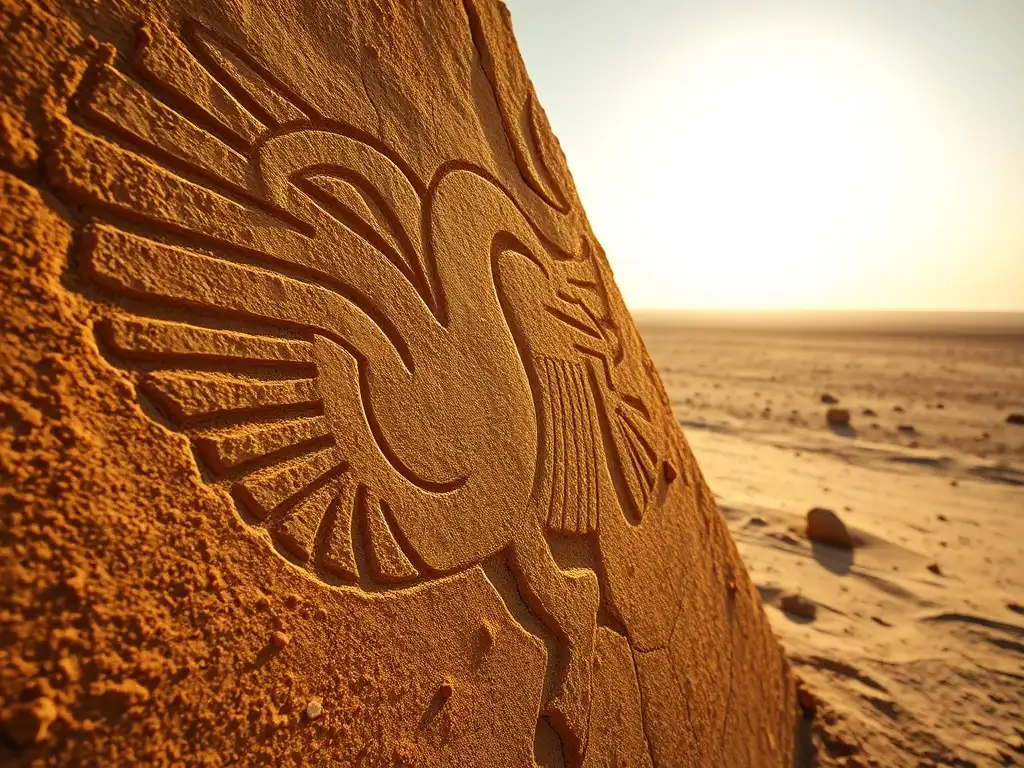
This section delves into the captivating world of Nazca art, exploring its distinct styles and the rich symbolism embedded within its visual language. We will examine how cosmological beliefs shaped artistic expression, analyze the iconography's significance within their belief system, and understand how art functioned as a vital communication and ritual tool for this enigmatic ancient civilization.
The intricate details and vibrant colors of Nazca pottery and textiles offer a unique window into their worldview, revealing a sophisticated understanding of their environment and a complex social structure. Mastering the interpretation of Nazca art styles and symbolism unlocks a deeper appreciation for this fascinating culture.
The Influence of Nazca Cosmology on Their Art
Nazca cosmology, deeply intertwined with their agricultural practices and understanding of the natural world, profoundly influenced their artistic creations. The arid coastal environment of southern Peru, characterized by dramatic contrasts between the desert and the fertile river valleys, heavily shaped their worldview. This is reflected in their art through recurring motifs such as stylized plants, animals, and celestial bodies.
For example, the frequent depiction of birds, particularly hummingbirds and condors, likely symbolized their connection to the sky and the supernatural realm. These weren't merely realistic representations; they were imbued with symbolic meaning, reflecting the Nazca people's beliefs about the interconnectedness of the earthly and celestial spheres. The vibrant colors used in Nazca textiles and pottery—reds, yellows, blacks, and whites—may have also held symbolic significance, potentially representing different aspects of their cosmology or social hierarchy.
Further research is needed to fully decipher the complex relationship between color and meaning in Nazca art, but preliminary studies suggest a sophisticated system of visual communication. Analysis of textile patterns, for instance, reveals complex geometric designs that might represent constellations or seasonal cycles, mirroring the intricate astronomical knowledge attributed to the Nazca.
Understanding Nazca Iconography: A System of Beliefs
The iconography of Nazca art is a complex system of representations that conveyed a wide range of beliefs and ideas. Many motifs, such as stylized human figures, anthropomorphic beings, and supernatural creatures, appear repeatedly across different mediums, suggesting a shared understanding of their symbolic meaning within the Nazca society. Detailed analysis of these figures reveals subtle variations in posture, attire, and accompanying elements, hinting at a nuanced social hierarchy or different spiritual roles.
For example, certain figures might be adorned with elaborate headdresses and jewelry, possibly indicating high social status or shamanistic powers. Others might depict scenes of ritual ceremonies, offering valuable insights into their religious practices. The prevalence of specific animal imagery, such as jaguars, snakes, and mythical creatures, likely reflected their importance within the Nazca worldview, perhaps representing clan totems, supernatural forces, or aspects of their deities.
The precise meaning of many of these symbols remains a subject of ongoing scholarly debate, but the sheer variety and complexity of the iconography demonstrate the richness and depth of the Nazca belief system. Further research, including comparative studies with other Andean cultures, will undoubtedly shed more light on this fascinating aspect of Nazca art.
Nazca Art as a Form of Communication and Ritual
Nazca art wasn't merely decorative; it served as a crucial form of communication and played a central role in their ritual practices. The intricate designs on pottery and textiles likely conveyed social messages, conveying information about kinship, status, and religious beliefs. The creation and use of these artifacts were likely integral parts of rituals, ceremonies, and social events.
The elaborate nature of the designs, combined with the high-quality materials and craftsmanship, suggests that their production required specialized skills and knowledge, possibly concentrated within specific groups or lineages. This points to a complex social organization, where art played a vital role in maintaining social cohesion and reinforcing cultural values. Furthermore, the discovery of Nazca artifacts within tombs and ceremonial sites underscores their significance in funerary rituals and religious practices.
The placement of specific artifacts alongside the deceased likely held symbolic meaning, reflecting beliefs about the afterlife and providing insights into their funerary customs. The use of art in these contexts highlights its central role in shaping Nazca identity and world view, reinforcing their beliefs and social structures through carefully crafted visual narratives. The enduring legacy of Nazca art styles and symbolism continues to fascinate and inspire, offering a glimpse into the rich cultural heritage of this remarkable ancient civilization.
The Role of Shamanism and Supernatural Beings in Nazca Art
The Nazca people held a deeply spiritual worldview, and their art reflects a profound engagement with shamanism and the supernatural. Shamanic practices, believed to facilitate communication with the spirit world, permeated daily life and are vividly depicted across their pottery, textiles, and geoglyphs. The imagery isn't merely decorative; it's a visual record of their beliefs, rituals, and cosmology.
We see this most clearly in the frequent representation of anthropomorphic figures, often depicted in dynamic poses, adorned with elaborate headdresses and costumes, and engaged in seemingly ritualistic actions. These figures are often interpreted as shamans, intermediaries between the human and spirit realms.
Detailed analysis of Nazca ceramics reveals recurring motifs of supernatural beings. These beings are often depicted with exaggerated features – large eyes, elongated limbs, and sometimes even multiple heads or limbs – symbolizing their otherworldly nature and power. Their attire frequently includes intricate designs that further emphasize their supernatural status. Some scholars suggest that these beings represent deities, ancestral spirits, or other powerful entities within the Nazca pantheon. The precise meaning of each representation remains a subject of ongoing scholarly debate, but their consistent presence in the art strongly suggests their central role in Nazca religious beliefs.
The depiction of these supernatural beings isn't always straightforward. Sometimes, they are shown in scenes of apparent conflict or interaction with humans, suggesting a complex relationship between the spiritual and material worlds. Other times, they appear in more serene contexts, possibly representing moments of communion or ritualistic ceremony.
The context of the depiction, the accompanying symbols, and the overall composition of the artwork all contribute to the interpretation of these powerful figures and their significance within the Nazca worldview. The careful study of these artistic representations allows us to gain a deeper understanding of the spiritual practices and beliefs that shaped Nazca society and their unique artistic expressions.
Further research, particularly cross-referencing artistic styles with archaeological findings of ritual sites, holds the key to unlocking even more profound insights into the role of shamanism and supernatural beings in Nazca culture. The complexity and variety of these depictions underscore the richness and sophistication of their spiritual beliefs.
The Nazca Lines and Their Relationship to Nazca Art
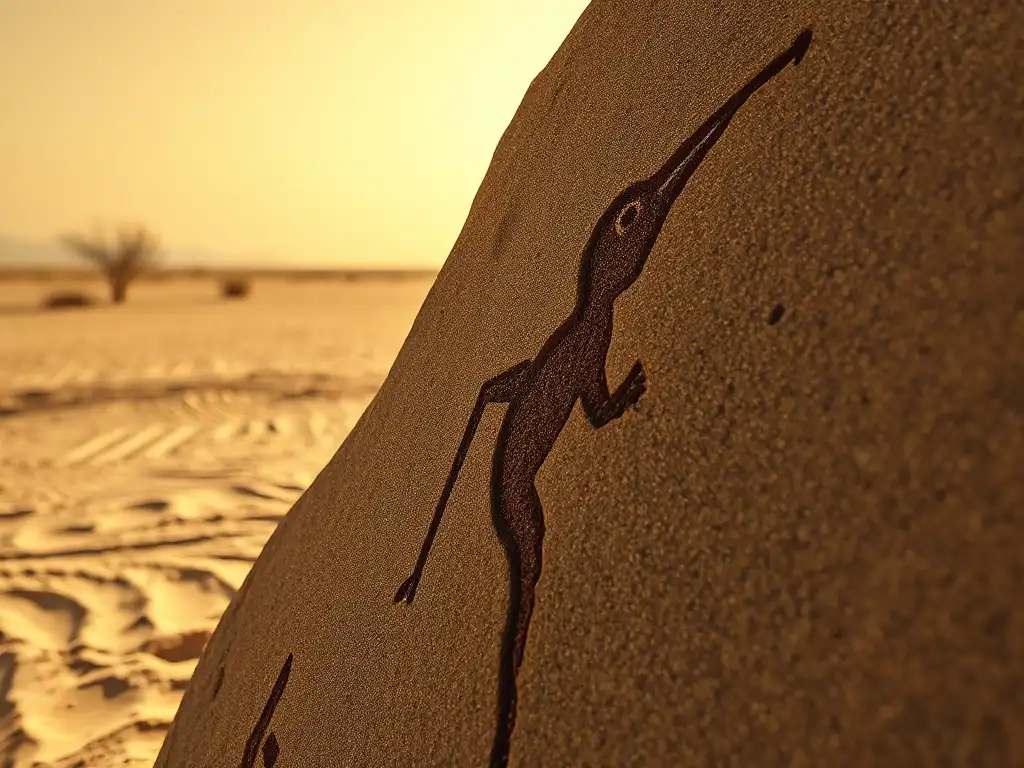
The Nazca Lines, those enigmatic geoglyphs etched into the Peruvian desert, are often discussed separately from Nazca pottery and textiles. However, understanding the aesthetic sensibilities of the Nazca people requires considering the Lines as an integral part of their artistic expression. While vastly different in scale and medium, the Lines share surprising parallels with the vibrant imagery found on Nazca ceramics and textiles, suggesting a unified artistic vision spanning multiple forms. The striking use of bold lines, geometric patterns, and stylized representations of flora and fauna found in the Lines echoes the characteristics of Nazca art styles and symbolism seen in their smaller-scale artifacts. This connection hints at a complex worldview expressed through a range of artistic mediums, from monumental earthworks to intricately decorated pottery. This section will explore this relationship in detail, examining how the geoglyphs reflect and extend the artistic principles evident in other forms of Nazca art.
The Geoglyphs as a Manifestation of Nazca Artistic Sensibility
The Nazca Lines, despite their immense scale, exhibit a stylistic coherence with other Nazca artistic expressions. The clear, decisive lines employed in their creation mirror the precise and confident brushstrokes seen on Nazca ceramics. The stylized depictions of animals, such as the hummingbird, monkey, and lizard, found in the geoglyphs, are remarkably similar to those found repeatedly in Nazca pottery and textiles.
The preference for bold, geometric shapes and the use of negative space—a key feature of Nazca art—is strikingly evident in the design of the geoglyphs. The same sense of balance and symmetry, so characteristic of Nazca art styles and symbolism, is also present in the layout and composition of the Lines.
Even the choice of the desert landscape itself as a canvas speaks to a deep connection between the Nazca people and their environment, a theme also prominent in their smaller-scale artistic creations. Consider, for instance, the recurring motifs of plants and animals found in both the geoglyphs and their pottery; this demonstrates a consistent engagement with the natural world, reflecting a shared artistic sensibility.
The Connection Between Nazca Lines and Nazca Iconography
The iconography found in the Nazca Lines is directly related to the symbolic language present in Nazca pottery and textiles. Many of the animal figures depicted in the geoglyphs—such as the condor, the spider, and various reptiles—appear frequently in Nazca art, often imbued with specific cultural or religious meanings. These recurring motifs suggest a shared symbolic system that transcends the scale and medium of the artwork.
For example, the repeated appearance of stylized plants might represent agricultural fertility, a crucial aspect of Nazca life, mirrored in the decorative motifs found on their textiles and pottery. Furthermore, the geometric patterns incorporated into the Lines are reminiscent of the complex designs found woven into Nazca textiles, suggesting a connection between the artistic techniques and the underlying cultural beliefs.
The research into Nazca art styles and symbolism indicates a direct correlation between the iconographic elements found in both the Lines and other art forms, pointing towards a unified cultural expression. The intricate detail in both the geoglyphs and the smaller artifacts further supports this connection, reflecting a dedication to precise and detailed artistic representation.
Theories on the Purpose and Interpretation of Nazca Geoglyphs
While the exact purpose of the Nazca Lines remains a matter of ongoing debate, several theories propose connections to the broader context of Nazca culture and artistic expression. Some scholars suggest that the Lines served as a form of ritualistic landscape, a sacred space where ceremonies or processions took place. Others propose that the Lines were astronomical markers, used to track celestial events or to align with specific constellations.
Regardless of their primary function, the Lines undeniably represent a significant artistic achievement, reflecting the sophisticated understanding of geometry, design, and spatial relationships characteristic of Nazca art styles and symbolism. The immense scale and the intricate detail of the geoglyphs highlight the dedication and planning involved in their creation, demonstrating the advanced engineering capabilities of the Nazca civilization. Further research, possibly incorporating new technologies like advanced satellite imagery and ground-penetrating radar, may uncover more clues about their purpose and enrich our understanding of their place within the broader context of Nazca artistic expression.
The ongoing investigation into these enigmatic lines continues to fuel the fascination with Nazca art and its enduring legacy. Understanding the Nazca Lines within the framework of their broader artistic output provides a more nuanced appreciation for the sophisticated cultural practices and artistic talents of this remarkable ancient civilization.
Nazca Art: Legacy and Influences
The Lasting Impact of Nazca Art on Andean Culture
The vibrant and enigmatic art of the Nazca civilization continues to resonate through Andean culture, influencing artistic expression for centuries after the civilization's decline. The distinctive Nazca aesthetic, characterized by its intricate designs, bold colors, and symbolic imagery, left an indelible mark on subsequent Andean artistic traditions. For example, the use of geometric patterns and stylized representations of flora and fauna found in Nazca pottery can be observed in later Andean ceramic styles, albeit with evolving interpretations and adaptations.
The sophisticated textile techniques employed by the Nazca, particularly their mastery of intricate weaving and dye processes, also served as a foundation for later Andean textile traditions. These techniques, passed down through generations, are still practiced in some Andean communities today, demonstrating a direct lineage from the Nazca legacy. Analysis of surviving artifacts reveals a clear continuity of certain motifs and stylistic elements, showcasing the enduring influence of Nazca artistic sensibilities.
This influence isn't limited to just visual art; the symbolic language embedded within Nazca art, encompassing religious beliefs, social structures, and cosmological views, likely contributed to the development of later Andean mythologies and worldviews. While the precise nature of these influences requires further research, the enduring presence of Nazca stylistic elements in later Andean art suggests a profound and lasting impact. The legacy of Nazca art is not merely aesthetic; it represents a cultural continuity that speaks to the resilience and adaptability of Andean artistic traditions.
Modern Interpretations of Nazca Art Styles and Symbolism
Modern artists and designers continue to draw inspiration from the unique styles and symbolism found in Nazca art. The striking geometric patterns, anthropomorphic figures, and depictions of mythical creatures found on Nazca textiles and pottery have become highly sought-after motifs in contemporary design. The bold color palettes employed by the Nazca, featuring vibrant reds, oranges, yellows, and blues, are frequently incorporated into modern fashion, textiles, and graphic design. Many contemporary artists explicitly reference Nazca imagery in their work, reinterpreting and recontextualizing ancient motifs for a modern audience.
This can range from direct reproductions of Nazca designs to abstract interpretations that capture the essence of Nazca artistic sensibilities. The renewed interest in Nazca art also reflects a broader global appreciation for ancient Andean cultures and their artistic achievements. Academic studies of Nazca art styles and symbolism continue to uncover new insights, informing and inspiring contemporary interpretations.
Moreover, the use of digital technologies has facilitated the reproduction and dissemination of Nazca art, allowing for wider appreciation and further creative exploration. For example, high-resolution scans of Nazca textiles have enabled designers to create accurate and detailed reproductions for use in various applications, from clothing to home décor. The enduring appeal of Nazca art lies in its unique combination of aesthetic beauty, symbolic depth, and technological sophistication.
Preserving the Artistic Heritage of the Nazca
The preservation of Nazca art faces significant challenges, primarily due to the fragility of the artifacts and the effects of environmental factors. Many Nazca textiles and pottery pieces are vulnerable to deterioration from exposure to light, moisture, and temperature fluctuations. Effective conservation strategies are crucial to ensure that these invaluable pieces remain accessible to future generations. This involves employing specialized techniques for cleaning, repairing, and storing artifacts, as well as creating controlled environments to minimize environmental damage.
Furthermore, ongoing research and documentation are essential for understanding the materials and techniques used in Nazca art production. This knowledge informs conservation efforts and helps to prevent further damage. Public awareness campaigns are also important to educate people about the importance of protecting Nazca art and the need for responsible tourism practices. The delicate nature of the Nazca lines, for example, requires careful management of visitor access to prevent damage.
International collaborations and the sharing of best practices in conservation are essential for ensuring the long-term preservation of this significant artistic heritage. The task of preserving Nazca art is a complex and ongoing endeavor, requiring a multi-faceted approach that combines scientific expertise, cultural sensitivity, and public engagement. Protecting this artistic legacy guarantees that the unique aesthetic and symbolic richness of the Nazca civilization continues to inspire and inform future generations. The careful preservation of Nazca art is not just about safeguarding physical objects; it is about preserving a vital part of humanity's cultural heritage.
Continuing Research and New Discoveries in Nazca Art
The study of Nazca art is a dynamic field, constantly evolving with new discoveries and reinterpretations of existing findings. Archaeological excavations continue to unearth previously unknown sites and artifacts, enriching our understanding of Nazca artistic practices and their social context. For example, recent digs in the Palpa region, adjacent to the Nazca desert, have revealed new examples of geoglyphs—though not as extensive or as well-preserved as the famous Nazca Lines—demonstrating the wider reach of this unique artistic expression and raising questions about the interconnectedness of artistic styles across different Andean communities. These discoveries are not limited to geoglyphs; ongoing research in Nazca cemeteries and settlements continues to uncover intricate textiles, finely crafted pottery, and other artifacts that shed light on the evolution of Nazca artistic techniques and iconography.
The application of advanced technologies, such as ground-penetrating radar and hyperspectral imaging, is also revolutionizing the way we study Nazca art. These technologies allow researchers to identify buried structures and analyze the chemical composition of pigments, providing valuable insights into the materials and techniques employed by Nazca artisans. This ongoing research continues to challenge existing theories and deepen our appreciation of the sophistication and artistry of the Nazca culture. The analysis of newly discovered textiles, for instance, has shown a previously unknown level of complexity in weaving techniques, suggesting a higher degree of specialization within Nazca society than previously assumed.
Furthermore, the discovery of new ceramic styles and motifs is forcing a reassessment of the chronological sequence of Nazca artistic development. The field of Nazca art studies is far from complete; ongoing research promises to reveal even more about this fascinating culture and its lasting artistic legacy. The potential for new discoveries remains immense, constantly pushing the boundaries of our understanding of Nazca art styles and symbolism.
Frequently Asked Questions
What are the defining characteristics of Nazca art?
Nazca art is renowned for its geometric precision, vibrant colors, and stylized depictions of flora and fauna. Their ceramics and textiles often feature intricate designs and bold patterns.
What is the significance of Nazca Lines in their art style?
While the Nazca Lines themselves are a separate marvel, their creation reflects the Nazca's understanding of scale, geometry, and landscape, influencing their artistic sensibilities and possibly their cosmological beliefs.
What are some common symbols found in Nazca art and what do they represent?
Common symbols include stylized birds, plants, and mythical creatures, often interpreted as representing religious beliefs, deities, and shamanistic practices. Specific meanings are still debated by scholars.
How did the Nazca create their vibrant colors in their artwork?
Nazca artists utilized natural pigments derived from minerals and plants, achieving remarkably bright and durable colors. Their mastery of pigment preparation and application contributed to the artwork's longevity.
How does Nazca art compare to that of other Andean cultures?
While sharing some Andean stylistic elements, Nazca art possesses a unique aesthetic distinguished by its geometric complexity and vibrant color palette. It differs significantly from the styles of cultures like the Incas or Moche.
Final Reflection: Echoes Across Millennia: The Enduring Legacy of Nazca Art
The vibrant artistry of the Nazca culture, far from being a relic of the past, continues to resonate powerfully in our contemporary world. Its intricate lines etched into the desert floor, its bold ceramic designs, and its enigmatic symbolism challenge our understanding of artistic expression and offer a profound connection to a civilization lost to time. The enduring mystery surrounding its creation only amplifies its captivating allure.
The Nazca aesthetic, with its unique blend of geometric precision and organic fluidity, has profoundly impacted our understanding of ancient Andean civilizations and continues to inspire artists and researchers alike. Its influence can be seen in contemporary textile designs, graphic art, and even architectural concepts. The sheer scale and ambition of the geoglyphs, visible only from the air, speaks to a level of societal organization and artistic vision that remains awe-inspiring. The Nazca lines are a testament to the human spirit's capacity for creativity and monumental achievement, even in the face of seemingly insurmountable challenges.
Consider the enduring power of these images, the way they speak across centuries to our own innate desire for beauty and meaning. You, the reader, are now part of this ongoing conversation. Take a moment to reflect on the impact of art across time and cultures. How does the Nazca aesthetic challenge your preconceptions about ancient societies? What can we learn from their artistic legacy, and how can we apply that understanding to our own creative endeavors and appreciation of the world around us? Let the echoes of Nazca inspire your own journey of discovery.
Unleash Your Inner Artist: A Nazca-Inspired Journey
Thank you for exploring the captivating artistry of the Nazca culture. You've discovered the intricate designs and powerful symbolism that continue to resonate with artists and viewers alike. Now, let's translate that inspiration into creative expression!
Here are some ways to engage with and celebrate the beauty of Nazca aesthetics:
- Create Nazca-Inspired Artwork: Draw inspiration from the motifs and color palettes of traditional Nazca designs to create your own artwork—a painting, a drawing, a digital piece, or any medium that speaks to you.
- Share Your Artistic Vision: Showcase your creations on social media or within online art communities. Use relevant hashtags to connect with other enthusiasts and spread appreciation for Nazca art.
- Join the Community: Immerse yourself further in this rich culture by participating in online forums or local workshops focused on Andean art and history.
What aspects of Nazca art most inspire you, and how will you translate that inspiration into your own unique artistic expression?