
The Daily Life of a Priest: Religious Duties and Responsibilities

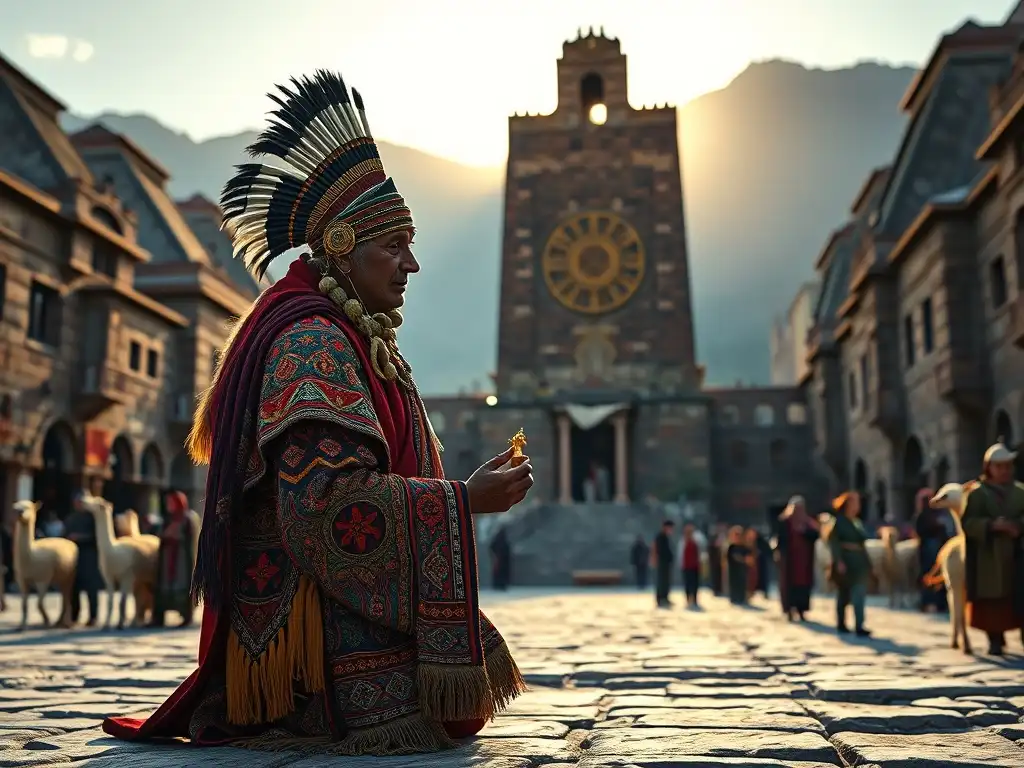
Step into a world lost to time, yet echoing with the whispers of ancient power. Imagine the daily life of an Inca priest, a figure shrouded in mystery and wielding immense influence within the intricate social fabric of the Andes. This is not just a story of religious rituals; it’s a glimpse into the heart of Inca society, revealing the intriguing daily duties that shaped their world.
Uncover the secrets behind their sacred responsibilities and delve into the fascinating world of the Andean civilizations – explore the rituals, the beliefs, and the profound impact of these remarkable people. Discover more about the Inca priest's daily duties and the complexities of Andean social structures.
-
Inca Priest Daily Duties: Religious Life in Ancient Andean Societies
- The Role of the Priest in Inca Society
- Key Responsibilities of Inca Priests
- Daily Schedule of an Inca Priest
- The Different Types of Priests in the Inca Empire
- The Importance of the Inca Priesthood
- The Training and Selection of Inca Priests
- The Legacy of the Inca Priesthood
- Conclusion: Understanding the Daily Life of an Inca Priest
- Frequently Asked Questions
- Final Reflection: Echoes of the Inca Past, Reflections for the Present
- Embrace the Journey of Faith and Service!
Inca Priest Daily Duties: Religious Life in Ancient Andean Societies
The daily life of an Inca priest was far from mundane. Unlike the common citizen focused on agriculture or craftsmanship, the priest held a vital role in the intricate tapestry of Inca society, acting as a crucial intermediary between the spiritual realm and the earthly one. This article delves into the multifaceted responsibilities of an Inca priest, exploring their religious duties and the significance of their role in maintaining the cosmic order believed essential for the prosperity of the Inca Empire.
We will examine the key responsibilities, from leading elaborate rituals and ceremonies to overseeing crucial offerings and sacrifices. Understanding the daily life of these religious leaders provides invaluable insight into the deeply spiritual nature of Inca civilization and its complex social structure.
This exploration will illuminate the profound influence religion had on every aspect of Inca life, from the emperor's decisions to the daily routines of the common people. The keyword "Inca priest daily duties" will be explored in detail, offering a comprehensive understanding of this fascinating aspect of Andean history.
The Role of the Priest in Inca Society
Inca priests, known as willaq, held positions of immense power and prestige within Inca society. Their influence extended far beyond the purely religious; they were deeply involved in the political, economic, and social fabric of the empire. They were not simply religious figures; they were advisors to the Sapa Inca (emperor), interpreters of omens, and keepers of sacred knowledge.
Their understanding of astronomy, agriculture, and medicine often overlapped with their religious functions, highlighting the holistic nature of their role in the Inca worldview. The willaq were organized into a hierarchical structure, with varying levels of authority and responsibility depending on their expertise and the importance of their assigned temples or shrines.
Their daily life was structured around maintaining this cosmic balance, ensuring the continued favor of the gods and the well-being of the Inca Empire. This intricate system of religious authority played a fundamental role in the empire's stability and longevity.
Key Responsibilities of Inca Priests
The responsibilities of an Inca priest were extensive and demanding, requiring a deep understanding of Inca cosmology and religious practices. Their daily routine was dictated by the needs of the empire's spiritual well-being, encompassing a wide range of tasks and duties. These responsibilities extended beyond the performance of rituals; they included the interpretation of dreams and omens, the maintenance of sacred objects, and the education of future priests.
The willaq were also responsible for advising the Sapa Inca on matters of state, often influencing important decisions based on their interpretations of religious signs. Their influence was pervasive, shaping the lives of the Inca people on multiple levels. Their knowledge and expertise were considered invaluable, cementing their position as essential figures within Inca society.
Rituals and Ceremonies Led by Priests
Inca priests were central to the performance of numerous rituals and ceremonies throughout the year, each designed to honor specific deities or mark significant events in the agricultural cycle. These rituals, often elaborate affairs involving music, dance, and offerings, were meticulously planned and executed. The priests' knowledge of the precise timing and procedures was crucial for ensuring the rituals' effectiveness in maintaining cosmic harmony.
Some rituals were public spectacles involving large gatherings, while others were private ceremonies performed within the confines of temples or sacred sites. The complexity and importance of these rituals underscored the profound significance of religion in Inca life, demonstrating the priests' central role in maintaining the empire’s spiritual and social order. Examples include the Capacocha, a ritual involving child sacrifice, and the Inti Raymi, the festival celebrating the sun god Inti.
Offerings and Sacrifices Performed by Inca Religious Leaders
A significant part of the Inca priests’ daily duties involved overseeing offerings and sacrifices. These acts were not merely symbolic gestures; they were seen as vital for maintaining the balance between the human and spiritual worlds. Offerings could range from agricultural products and precious metals to llamas and other animals. Sacrifices, while less frequent, were considered crucial in times of need or during significant events.
The selection and preparation of offerings and sacrifices were guided by strict protocols, emphasizing the priests' crucial role in ensuring the rituals' efficacy. The priests’ understanding of the proper procedures and the significance of each offering was essential for the successful appeasement of the gods and the continuation of the Inca's prosperity. The careful execution of these practices highlights the deeply spiritual nature of Inca society and the central role played by the willaq.
Daily Schedule of an Inca Priest
The daily life of an Inca priest was structured and highly ritualistic, dictated by the demands of the complex Inca religion and the needs of the community. Their schedule varied depending on their rank and specific responsibilities, but certain common threads existed. While precise schedules are difficult to reconstruct from limited archaeological evidence, we can piece together a general understanding of their day based on chroniclers' accounts and interpretations of religious artifacts. The day was meticulously planned, with each moment dedicated to spiritual practices or community service.
The Inca worldview deeply intertwined the sacred and profane, blurring the lines between religious and secular duties. This holistic approach shaped the priest's daily responsibilities, ensuring a constant connection between the divine and the earthly realms. Their actions were believed to influence the well-being of the empire and its people.
Morning Devotions and Preparations
The priest's day typically began before dawn. Morning devotions were paramount, involving personal prayers, offerings to the sun god Inti and other deities, and purification rituals. This involved bathing in sacred waters, perhaps a ritual cleansing with coca leaves, and donning ceremonial attire. The specific rituals varied depending on the priest's position and the day's calendar cycle.
Incense burning was common, as were offerings of food and drink. These early morning rites set the tone for the entire day, ensuring a state of spiritual preparedness for the tasks ahead. The priest would often consult the sacred calendar to determine the appropriate rituals for the day, ensuring adherence to the complex Inca cosmology. The preparation was not merely physical; it was a mental and spiritual process to connect with the divine.
Midday Activities and Community Service
Midday activities often involved community service. Inca priests were not solely confined to temples; they played a crucial role in the daily lives of their people. Their responsibilities could include overseeing agricultural practices, ensuring proper offerings were made during planting and harvesting, and providing spiritual guidance to the community. They might preside over ceremonies related to healing, fertility, or other community needs.
The priests were often involved in conflict resolution, offering mediation based on their understanding of Inca law and religious principles. This community engagement was vital; the priest acted as a link between the divine and the human, ensuring the spiritual well-being of the populace. Many records indicate their involvement in public health initiatives, often advising on preventative measures and treatments based on traditional Inca medicine.
Evening Duties and Reflections
Evening duties involved further rituals, often focused on reflection and preparation for the next day. This might involve reviewing the day's events, offering evening prayers, and making final offerings to the deities. The priests would often spend time studying sacred texts and prophecies, maintaining the continuity of religious knowledge and tradition.
The evening period was a time for introspection and spiritual renewal, preparing for the next day's responsibilities. This period also allowed for the recording of events, observations, and prophecies, ensuring the preservation of Inca religious knowledge and practices for future generations. The meticulous record-keeping was crucial for maintaining the intricate religious calendar and understanding the divine will.
The Different Types of Priests in the Inca Empire
The Inca priesthood was not a monolithic entity. It comprised various levels and specializations, reflecting the complexity of the Inca religious system. The hierarchy was clearly defined, with priests holding different levels of authority and responsibility based on their training, lineage, and demonstrated abilities. The system was not rigid, however, with opportunities for advancement based on merit and devotion. The different roles ensured that all aspects of Inca religious life were effectively managed and maintained. The structure reflected the importance of religious practice in the Inca empire.
High Priests and Their Specialized Roles
High priests, often referred to as willaq uma, held significant power and influence. They were responsible for major temple ceremonies, interpreting prophecies, and advising the emperor on matters of state. Their knowledge of Inca cosmology and religious practices was extensive, making them essential figures in the empire's governance. They often came from noble families, possessing both social standing and religious authority. Their role extended beyond mere ritualistic duties; they acted as advisors to the emperor, offering guidance on political decisions and social issues. Their decisions greatly impacted the lives of the Inca people.
Lower Priests and Their Community-Based Duties
Lower priests played a vital role in maintaining religious practices at a local level. They were responsible for conducting daily rituals in smaller shrines and communities. Their duties included offering prayers, performing sacrifices, and ensuring the proper observance of religious festivals.
They served as spiritual guides for their communities, providing comfort and support during times of hardship. Unlike the high priests, who focused on grand, empire-wide ceremonies, these priests were deeply embedded in their local communities, working directly with the people to maintain religious harmony and social order. Their connection to the populace was essential for the stability of the Inca empire.
The Importance of the Inca Priesthood
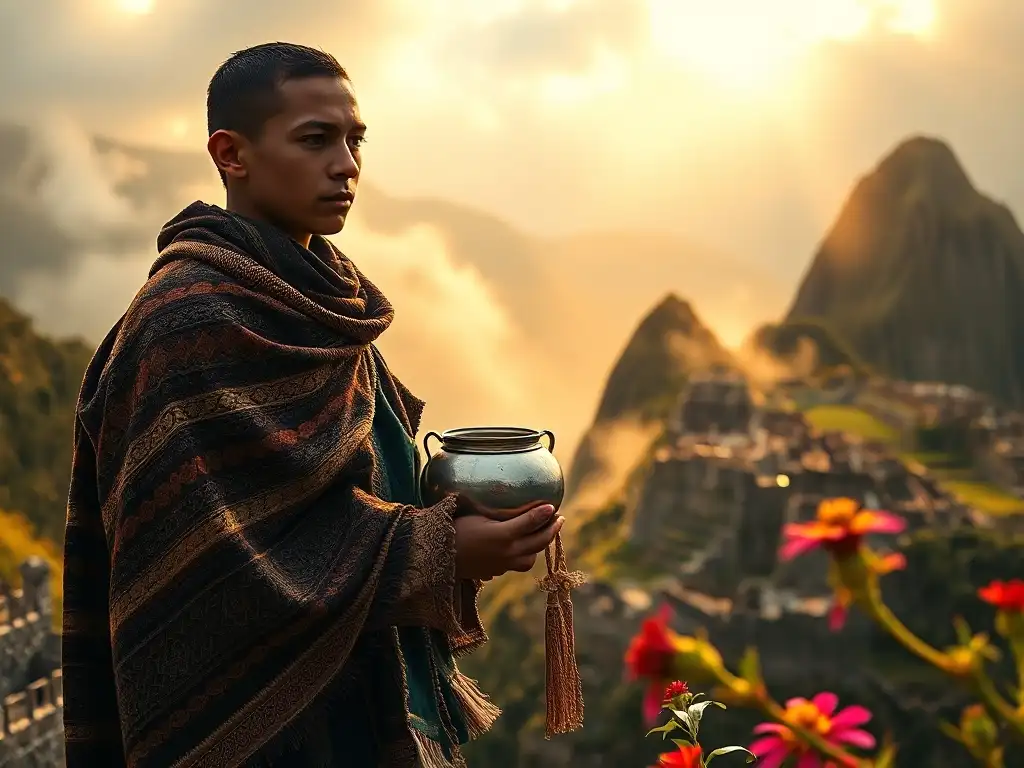
The Inca priesthood held a position of immense power and influence within Inca society. Priests weren't merely religious figures; they were integral to the functioning of the empire, acting as intermediaries between the human and spiritual realms. Their role extended far beyond conducting rituals; they were involved in crucial aspects of Inca life, from agricultural practices and astronomical observations to political decision-making and the administration of justice.
The Inca worldview was deeply intertwined with religion, and the priests were the custodians of this worldview, shaping beliefs and practices that permeated every level of society. Their authority stemmed from their perceived connection to the gods and their ability to interpret divine will, making them essential advisors to the Sapa Inca, the emperor.
The Inca believed that maintaining a harmonious relationship with the gods was paramount for the prosperity and stability of the empire, and the priests were the key to achieving this balance. Their influence was pervasive and their responsibilities vast, making the priesthood a cornerstone of Inca civilization.
The Influence of Priests on Inca Society
The influence of Inca priests extended far beyond the temple walls. They played a critical role in shaping social norms and behavior, reinforcing the Inca's complex hierarchical structure. Their pronouncements carried significant weight, impacting everything from agricultural practices and resource allocation to legal matters and public works projects.
For example, priests determined the optimal times for planting and harvesting based on their astronomical observations, ensuring the success of agriculture, the backbone of the Inca economy. They also presided over important ceremonies and festivals, reinforcing social cohesion and reinforcing the Inca ideology. Furthermore, their involvement in legal matters, often acting as judges or advisors, highlighted their authority and influence within the Inca justice system.
The priests’ interpretations of omens and prophecies significantly influenced the Sapa Inca’s decisions, demonstrating their political power and their ability to shape the course of the empire. This pervasive influence solidified their position as key figures in Inca society.
Maintaining Order and Cosmic Balance
A primary responsibility of the Inca priesthood was maintaining ayni, a concept central to Inca cosmology encompassing reciprocity, balance, and harmony between humans, nature, and the supernatural. Priests were tasked with ensuring this delicate balance remained intact, performing elaborate rituals and ceremonies to appease the gods and avert calamities. They believed that any disruption to ayni could lead to natural disasters, crop failures, or social unrest.
The priests' role in maintaining cosmic balance involved observing celestial events, interpreting their significance, and performing appropriate rituals. This included offering sacrifices, conducting elaborate processions, and engaging in other practices designed to restore equilibrium.
Their meticulous observations and interpretations of astronomical phenomena underscored their understanding of the cosmos and their crucial role in maintaining the stability and prosperity of the Inca empire. The success of the empire was directly linked to their ability to maintain this cosmic balance, highlighting the significance of their religious duties.
The Training and Selection of Inca Priests
Becoming an Inca priest was not a matter of simple vocation; it was a rigorous process involving years of training and careful selection. Individuals were chosen based on several factors, including lineage, intelligence, physical appearance, and moral character. Ideally, candidates would come from noble families, possessing the inherent social standing required for the position. However, exceptional individuals from less privileged backgrounds could also rise through the ranks if they demonstrated exceptional aptitude and piety.
The selection process involved rigorous testing, assessing their knowledge of Inca mythology, history, astronomy, and ritual practices. The training itself was extensive, encompassing years of study under experienced priests, where they learned the intricacies of Inca religious practices, including ritual performance, divination, and the interpretation of omens. This multifaceted training prepared them for the demanding responsibilities of the priesthood.
The Process of Becoming a Religious Leader
The path to becoming a high-ranking Inca priest was a long and arduous one, often beginning in childhood. Selected individuals were placed under the tutelage of senior priests in specialized schools called yachayhuasi. Here, they received a comprehensive education in Inca religious traditions, history, astronomy, and medicine. The curriculum emphasized memorization of sacred texts, mastery of ritual practices, and the development of a deep understanding of Inca cosmology. The training wasn't merely intellectual; it also involved rigorous physical and spiritual disciplines, designed to refine their character and prepare them for the demanding responsibilities of the priesthood. As they progressed through their education, they would gradually take on greater responsibilities, assisting senior priests in ceremonies and rituals. This rigorous training ensured that only the most capable and dedicated individuals reached the highest echelons of the Inca priesthood. The process was highly selective, reflecting the importance of the priesthood within Inca society.
The Knowledge and Skills Required of a Priest
Inca priests required a wide range of knowledge and skills to fulfill their diverse responsibilities. Beyond a profound understanding of Inca mythology and religious rituals, they needed expertise in astronomy to predict agricultural cycles and interpret celestial events. Knowledge of medicine and healing practices was also essential, as priests often played the role of healers, using herbal remedies and other techniques to treat illnesses.
Furthermore, they needed strong administrative skills to manage temple resources and oversee the activities of temple personnel. Their role in interpreting omens and prophecies required keen observation skills and the ability to decipher symbolic meanings. Proficiency in public speaking and oratory skills were crucial for effectively leading ceremonies and communicating with the populace.
The multifaceted nature of their responsibilities demanded a well-rounded individual, combining intellectual acumen, spiritual devotion, and practical skills. This comprehensive skill set is a testament to the complexity and importance of the Inca priesthood.
The Legacy of the Inca Priesthood
The Inca priesthood left an indelible mark on Andean culture, shaping religious beliefs and practices that persist in various forms even today. Their sophisticated understanding of astronomy, agriculture, and medicine intertwined seamlessly with their religious duties, influencing the daily lives of all Inca citizens. The intricate system of temples, shrines, and ceremonial centers they established served not only as places of worship but also as vital community hubs.
The priests’ role in interpreting celestial events, predicting harvests, and administering healing rituals solidified their position as key figures within the Inca social structure. Their influence extended beyond the purely spiritual realm, impacting social organization, political power dynamics, and even artistic expression. The legacy of their expertise in herbal remedies and medicinal practices continues to influence traditional Andean medicine, highlighting the enduring relevance of Inca knowledge.
The complex rituals and ceremonies they developed, often involving elaborate costumes, sacrifices, and processions, provided a framework for community cohesion and social order. Understanding the legacy of the Inca priesthood is crucial to appreciating the enduring impact of their culture on modern Andean societies.
The Impact of Inca Religious Practices Today
While many Inca religious practices were suppressed following the Spanish conquest, elements of their beliefs and rituals have survived and adapted. Indigenous communities in the Andes continue to venerate ancestral spirits and practice forms of shamanism, often incorporating aspects of Inca cosmology and mythology. The veneration of mountains (apus) and other natural elements, a central tenet of Inca religion, remains prevalent.
Traditional Andean medicine, deeply rooted in Inca practices, continues to be practiced, utilizing herbal remedies and holistic approaches to healing. Festivals and ceremonies celebrating harvests and other significant events often retain echoes of Inca rituals. Furthermore, the artistic motifs and iconography found in Inca textiles, pottery, and architecture continue to inspire contemporary Andean art.
The enduring presence of Inca religious symbolism and practices in modern Andean culture demonstrates the resilience and adaptability of Inca religious beliefs. This preservation, often integrated into syncretic practices blending indigenous and Catholic elements, is a testament to the enduring influence of the Inca priesthood and their religious legacy.
Archaeological Evidence of Inca Religious Life
Archaeological excavations have uncovered a wealth of evidence illuminating the daily life and religious practices of Inca priests. The discovery of elaborate temples like Coricancha in Cusco, with its intricate gold and silver ornamentation, reveals the scale and opulence associated with Inca religious life. Findings at sites like Machu Picchu, including intricately carved stones and astronomical alignments, demonstrate the priests' advanced understanding of astronomy and their role in predicting agricultural cycles.
The excavation of mummies and associated grave goods provides insights into the burial rituals and the status of priests within Inca society. The analysis of textiles, pottery, and other artifacts reveals symbolic representations of Inca deities, mythical creatures, and cosmological concepts, offering valuable clues about their religious beliefs and worldview.
The presence of specialized tools and instruments used in rituals, along with evidence of medicinal plants and preparations, underscores the multifaceted nature of the priests' responsibilities. This archaeological evidence, corroborated by ethnohistorical accounts and colonial-era documents, paints a rich picture of the daily life and religious practices of Inca priests, contributing to a more comprehensive understanding of Inca civilization.
Conclusion: Understanding the Daily Life of an Inca Priest
Understanding the daily life of an Inca priest requires a multifaceted approach, encompassing their religious duties, social standing, and the broader context of Inca society. Their responsibilities extended far beyond mere ritual performance; they served as intermediaries between the divine and the human world, interpreting omens, predicting the future, and ensuring the well-being of the community. Their expertise in astronomy, medicine, and agriculture made them essential figures in Inca society, wielding significant influence and power.
The archaeological record, combined with ethnohistorical accounts, offers valuable insights into their daily routines, rituals, and the significance of their role in maintaining social order and cosmic balance. The enduring legacy of the Inca priesthood is evident in the persistence of certain religious beliefs and practices in modern Andean communities, demonstrating the profound and lasting impact of their culture and religious traditions.
The study of Inca priests provides a key to understanding the complexities of Inca civilization and its enduring influence on the Andean world. Further research, particularly in areas of less-explored Inca sites and a deeper analysis of existing archaeological findings, promises to further illuminate this fascinating aspect of Andean history.
Frequently Asked Questions
What were the main religious duties of an Inca priest?
Inca priests held significant roles, performing daily rituals like sacrifices and prayers to ensure agricultural success and appease the gods. They also interpreted omens and advised the emperor on important decisions.
How did Inca priests influence daily life in the Inca Empire?
Inca priests significantly impacted daily life. Their interpretations of celestial events and prophecies guided decisions concerning agriculture, warfare, and construction projects. They also oversaw religious festivals and ceremonies, shaping the cultural calendar.
What kind of training did Inca priests undergo?
Training for Inca priests was rigorous and began at a young age, focusing on religious texts, astronomy, and medicine. They received education in temples and religious centers, mastering complex rituals and knowledge of the Inca pantheon.
Did all Inca priests have the same responsibilities?
No, Inca priests had varying levels of responsibility depending on their rank and specialization. Some were responsible for temple maintenance, while others focused on specific deities or rituals. The high priests held the most power and influence.
Inca priests held a high social standing, ranking among the elite. Their knowledge and connection to the gods made them influential advisors to the emperor and other powerful figures. Their status was rooted in their religious authority.
Final Reflection: Echoes of the Inca Past, Reflections for the Present
The daily life of an Inca priest, though centuries removed, continues to resonate with the enduring human need for spiritual connection and community. Understanding their rigorous routines, from elaborate rituals to meticulous record-keeping, offers a powerful lens through which to examine the fundamental role of faith in shaping societies, past and present. The dedication and responsibility inherent in their roles remain strikingly relevant in today's diverse religious landscapes.
The intricate tapestry of Inca religious life, woven with threads of sacrifice, prayer, and astronomical observation, profoundly impacted the social fabric of their civilization. Their deep connection to the natural world and the meticulous attention to ritual detail serve as a powerful reminder of the importance of mindful living and the search for meaning. The gods do not demand great things from us, but only that we do them well.
This timeless sentiment, though not directly from Inca sources, speaks to the core of the priestly dedication explored in this article. It highlights the enduring relevance of commitment to a higher purpose, regardless of the specific beliefs involved.
Consider the echoes of the Inca priests' dedication in your own life. What rituals, practices, or commitments bring meaning and purpose to your daily existence? How can you cultivate a deeper sense of connection to something larger than yourself, drawing inspiration from the unwavering devotion of those who served the Inca gods centuries ago? Let the legacy of the Inca priests inspire you to find your own path towards a life rich in purpose and spiritual fulfillment.
Embrace the Journey of Faith and Service!
Thank you for exploring the vital role of priests in religious life. Your interest demonstrates a deep commitment to understanding spiritual leadership and its impact on communities. Now, let's put your insights into action!
- Reflect on your own spiritual journey and how you can integrate the principles of selfless service exemplified by priests into your daily life.
- Share this article with friends and family who might appreciate a deeper understanding of the importance of religious leadership in strengthening community bonds.
- Explore local volunteer opportunities at religious organizations to connect with your community and put your faith into action through service.
How has your perspective on spiritual leadership evolved? What steps will you take to incorporate these values into your daily life?