
Decoding the Nazca Lines: Giant Geoglyphs and Their Symbolic Meanings


Step into a world lost to time, where colossal geoglyphs etched into the desert whisper secrets of a vanished civilization. Unravel the enigma of the Andean world, a realm of breathtaking artistry and advanced engineering. Discover the profound symbolic meaning behind the Nazca Lines, and prepare to be amazed by the ingenuity and spiritual depth of these ancient cultures. Journey with us as we delve into the captivating history and enduring legacy of the Andean civilizations – their art, their beliefs, and their astonishing achievements. Prepare to be captivated.
The arid plains of southern Peru hold one of the world's greatest enigmas: the Nazca Lines. These colossal geoglyphs, etched into the desert surface, depict a bewildering array of animals, plants, geometric shapes, and stylized figures, stretching for miles across the landscape. For centuries, their purpose has remained a mystery, sparking countless theories and interpretations.
This article delves into the fascinating world of the Nazca Lines, focusing specifically on the ongoing debate surrounding their symbolic meanings and the attempts to decipher the messages encoded within these monumental works of art. We will explore the various interpretations proposed by researchers, considering archaeological evidence, anthropological perspectives, and the broader context of Nazca culture and its intricate belief systems.
Understanding the symbolic meaning behind the Nazca Lines offers a crucial window into the worldview, rituals, and social structures of this remarkable pre-Columbian civilization. The quest to decode their message is not just a historical puzzle; it's a journey into the heart of a lost civilization and its profound connection to the land.
The Enigmatic Nature of the Nazca Lines: Scale and Preservation
The sheer scale of the Nazca Lines is breathtaking. Many figures extend for hundreds of meters, their intricate details only truly visible from the air. This fact, alongside their remarkable preservation over centuries, contributes to their enigmatic nature. How were these massive designs created?
How did the Nazca people, lacking advanced technology, manage to create such precise and large-scale artwork? The answer likely lies in a combination of sophisticated surveying techniques and a deep understanding of the desert environment. The lines themselves are not carved into the rock, but rather created by removing the reddish-brown surface stones to reveal the lighter-colored subsoil.
This process, painstaking and labor-intensive, required significant organizational skills and a collaborative effort from the Nazca community. The arid climate of the Nazca desert, with minimal rainfall and wind erosion, has played a crucial role in preserving these ancient masterpieces for millennia, allowing us to study them even today. Detailed studies of the soil composition and erosion rates have helped researchers understand the lines' age and the methods used in their creation.
Interpretations of Nazca Line Symbolism: Animals, Plants, and Geometric Shapes
Numerous interpretations exist regarding the symbolic meaning of the various figures depicted in the Nazca Lines. The most prominent are the zoomorphic figures – representations of animals such as monkeys, birds (including the iconic hummingbird and condor), lizards, and spiders. These are not merely realistic depictions; they are often stylized and symbolic representations, possibly linked to specific deities, myths, or cosmological beliefs.
The presence of plants, such as trees and cacti, might reflect the importance of agriculture and the connection between the Nazca people and their environment. The geometric shapes, including triangles, trapezoids, and spirals, are equally intriguing, potentially representing celestial bodies, ritual practices, or abstract concepts.
Researchers continue to debate the precise meanings of these symbols, exploring their possible links to water sources, astronomical events, or shamanistic practices. The lack of written records from the Nazca civilization makes the interpretation process complex and challenging, relying heavily on contextual clues and comparative analysis with other Andean cultures.
The Role of Water and Fertility in Nazca Cosmology and the Lines' Meaning
Given the arid environment of the Nazca desert, it’s plausible to suggest that water played a significant role in their cosmology and the symbolism of the lines. The Nazca people developed sophisticated irrigation systems to cultivate crops in this harsh landscape, highlighting the vital importance of water for their survival and prosperity. Some researchers propose that certain lines might represent water sources, channels, or even underground aquifers.
Others suggest a connection between the lines and the celestial cycles, particularly the rainy season, linking the geoglyphs to rituals aimed at ensuring rainfall and agricultural fertility. The presence of stylized representations of plants and animals associated with water and fertility further strengthens this hypothesis.
Further research into the hydrological patterns of the Nazca region and the relationship between the lines and water sources is crucial for a more complete understanding of their symbolic meaning. This research could involve geophysical surveys to detect underground water features and a more detailed analysis of the geographical location of the lines in relation to known water sources.
Connecting the Nazca Lines to Broader Andean Symbolism and Religious Beliefs
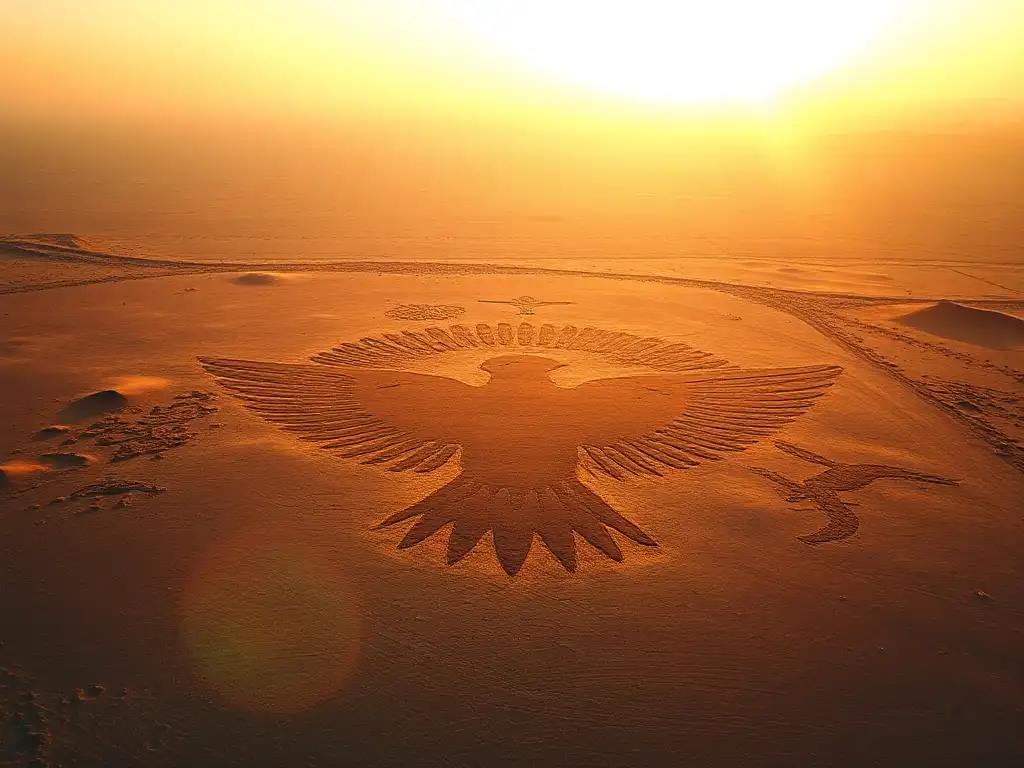
The Nazca Lines cannot be understood in isolation. They are part of a broader Andean artistic and religious tradition, sharing similarities with other pre-Columbian cultures in terms of iconography and symbolism. Comparing the Nazca Lines to the art and artifacts of other Andean civilizations, such as the Paracas and the Incas, can shed light on their meaning.
For instance, certain motifs and animal representations found in the Nazca Lines also appear in textiles, pottery, and other artifacts from contemporary cultures, offering valuable comparative data. By analyzing these broader connections, researchers can gain a more nuanced understanding of the cultural context in which the Nazca Lines were created and the beliefs they might represent.
The study of Andean mythology and religious practices also offers valuable insights into the possible symbolic meanings of the geoglyphs. This interdisciplinary approach, combining archaeology, anthropology, and art history, is essential for a comprehensive interpretation of the Nazca Lines' significance.
Ongoing Research and Future Directions in Nazca Lines Studies
The study of the Nazca Lines is an ongoing process. New technologies and research methods continue to provide valuable insights into their creation, purpose, and symbolic meaning. The use of aerial photography, satellite imagery, and ground-penetrating radar allows for a more detailed mapping and analysis of the geoglyphs.
Furthermore, advancements in digital image processing and 3D modeling help researchers reconstruct the lines and study their intricate details. Future research could focus on more detailed studies of the soil composition and erosion patterns to refine dating techniques and better understand the lines' preservation. Further interdisciplinary collaborations between archaeologists, anthropologists, astronomers, and other specialists are essential for advancing our understanding of this remarkable cultural heritage.
The continued exploration and interpretation of the Nazca Lines promise to reveal more secrets about this fascinating ancient civilization and its unique worldview. The mystery of the Nazca lines, far from being solved, continues to inspire awe and wonder, driving ongoing research and reminding us of the enduring power of human creativity and the rich tapestry of pre-Columbian cultures.
- The Enigmatic Nature of the Nazca Lines: Scale and Preservation
- Interpretations of Nazca Line Symbolism: Animals, Plants, and Geometric Shapes
- The Role of Water and Fertility in Nazca Cosmology and the Lines' Meaning
- Connecting the Nazca Lines to Broader Andean Symbolism and Religious Beliefs
- Ongoing Research and Future Directions in Nazca Lines Studies
The Enigma of the Nazca Lines: An Introduction to Ancient Geoglyphs
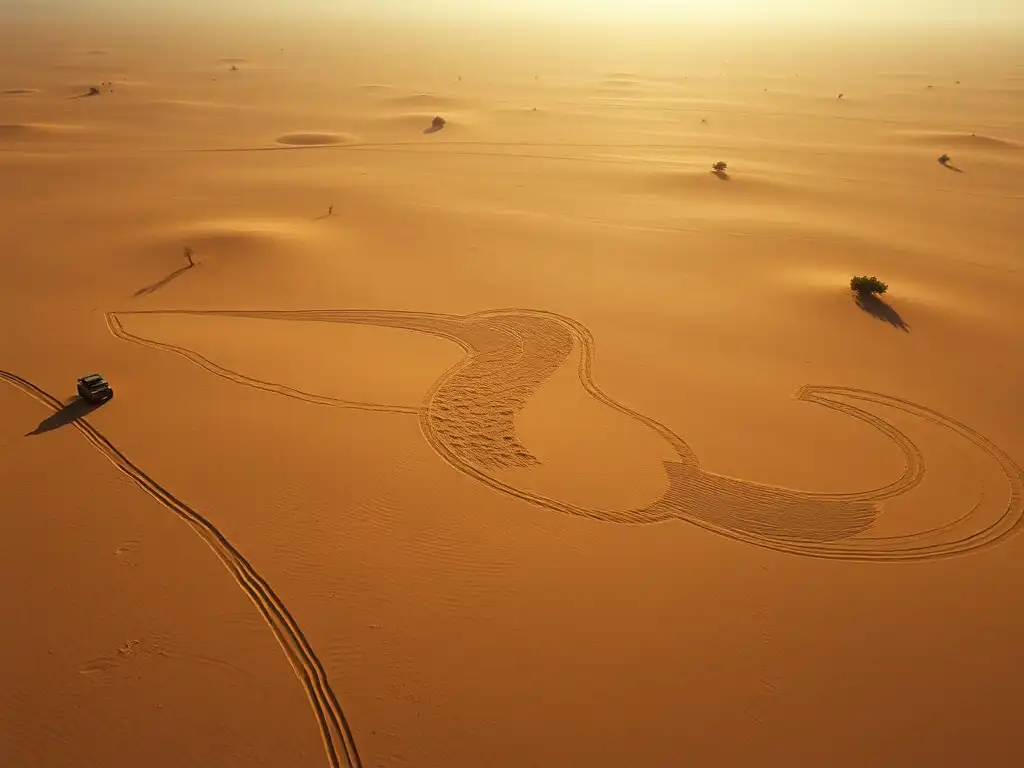
The Nazca Lines, sprawling across the arid Pampas de Jumana in southern Peru, represent one of the most enduring mysteries of ancient South America. These colossal geoglyphs, etched into the desert surface, depict a vast array of figures—animals, plants, geometric shapes, and even humanoid forms—that defy easy explanation. For centuries, their purpose has remained a subject of intense speculation and ongoing research, fueling countless theories about their creation and symbolic meaning.
Understanding the Nazca lines symbolic meaning requires careful consideration of their scale, construction, and the cultural context of the Nazca civilization. This section delves into the key aspects of these enigmatic creations, providing a foundation for further exploration of their potential significance.
The sheer scale and precision of these works are truly remarkable, and their enduring presence across the landscape is a testament to the ingenuity and artistic vision of the Nazca people. The enduring mystery surrounding the Nazca lines symbolic meaning continues to captivate researchers and the public alike, prompting ongoing investigation and debate.
Location and Discovery of the Nazca Lines
The Nazca Lines are located in the Nazca Desert, a coastal plain in southern Peru, specifically within the Pampas de Jumana. This arid region, characterized by its extremely dry climate and minimal vegetation, provided the perfect canvas for the creation of these vast geoglyphs. The unique geological composition of the desert, with its layered soil allowing for the removal of the darker surface layer to reveal the lighter subsoil, facilitated the creation of the lines.
The lines themselves were not "discovered" in a singular event, but rather gradually revealed over time. Early accounts date back to the early 20th century, with aerial observation by pioneers like Toribio Mejía Xespe proving crucial to understanding the true scale and complexity of the figures. Prior to widespread aerial surveys, many of the geoglyphs were virtually invisible from the ground, highlighting the limitations of ground-level observation in appreciating the scope of this ancient artistic endeavor.
The discovery of the Nazca Lines dramatically shifted our understanding of ancient Andean art and technology, revealing a level of sophistication previously unknown. The relatively recent "discovery" emphasizes the ongoing potential for new discoveries in archaeology and the importance of new technologies in archaeological research.
The Scale and Complexity of Nazca Geoglyphs
The sheer scale of the Nazca Lines is breathtaking. Many of the animal figures, such as the hummingbird or the spider, stretch hundreds of meters in length. The lines themselves, forming the outlines of these figures and intricate geometric designs, extend for kilometers across the desert floor. This immense scale suggests a significant investment of time, labor, and organizational skill on the part of the Nazca people.
Furthermore, the complexity of the designs is remarkable. Many figures are highly detailed, incorporating subtle curves, fine lines, and intricate patterns. The precision involved in creating these geoglyphs is astonishing, particularly considering the lack of advanced tools or technologies available to the Nazca civilization.
The intricate designs demonstrate a sophisticated understanding of geometry and perspective, far exceeding what was previously attributed to pre-Columbian Andean cultures. Analysis of the lines reveals a level of planning and execution that suggests a highly organized society capable of mobilizing significant human resources for a project of this magnitude. The scale and complexity of the Nazca Lines continue to challenge our understanding of ancient engineering and artistic capabilities.
What are Geoglyphs and How Were They Made?
Geoglyphs are large designs or symbols created on the ground. The Nazca Lines are a prime example, but geoglyphs have been found in various parts of the world. The Nazca geoglyphs were created by removing the dark, reddish-brown surface stones of the desert, revealing the lighter subsoil underneath. This process, often referred to as scarification, created a contrast that made the lines visible from a distance.
The tools used were likely simple, perhaps including shovels, digging sticks, and possibly rudimentary stone tools. The creation of these massive geoglyphs involved a significant amount of manual labor, requiring the coordinated efforts of numerous individuals over extended periods. Evidence suggests that the Nazca people may have used surveying techniques, possibly involving simple sighting devices, to maintain the accuracy and scale of their designs.
There is ongoing debate surrounding the exact methods used by the Nazca people. However, the precision and scale of the geoglyphs suggest a degree of planning and expertise that is quite remarkable. Some researchers suggest that the Nazca utilized a system of stakes and ropes to create straight lines, while others propose more sophisticated techniques might have been involved.
Regardless of the precise methods, the creation of the Nazca Lines represents a significant feat of engineering and artistic skill for its time. The ingenuity displayed in their creation continues to inspire awe and wonder, underscoring the advanced capabilities of the Nazca civilization. Further research is needed to fully understand the complete range of techniques used in the creation of these magnificent geoglyphs.
Exploring the Diverse Imagery: Nazca Lines Figures and Their Interpretations

The Nazca Lines, etched into the Peruvian desert, present a vast and enigmatic collection of geoglyphs. While their precise purpose remains a subject of ongoing debate, the diverse imagery depicted offers valuable insights into the cosmology, beliefs, and societal structures of the Nazca culture. Understanding the symbolic meaning behind these figures is key to deciphering the cultural significance of this remarkable achievement.
The sheer scale and complexity of the designs, coupled with the aridity of the environment which has aided preservation, makes the Nazca Lines a unique window into a lost civilization. The prevailing theories regarding their creation, focusing on ceremonial practices and astronomical alignments, are intricately tied to the symbolic interpretations of the figures themselves. The Nazca lines symbolic meaning has captivated researchers and enthusiasts for decades.
Zoomorphic Figures: Animal Representations in the Nazca Desert
The Nazca Lines are replete with zoomorphic representations, reflecting the importance of the animal kingdom in the Nazca worldview. These figures, often depicted with remarkable detail, are not merely artistic representations but powerful symbols imbued with specific meanings. Their size and precision suggest a significant investment of time and effort, emphasizing their cultural importance. The precise execution, considering the limitations of the tools available, speaks to a sophisticated understanding of geometry and spatial planning.
The Hummingbird: A Symbol of Power and Fertility
The hummingbird, a frequent motif in Nazca art, is believed to represent power, fertility, and the connection between the earthly and spiritual realms. Its rapid flight and association with nectar-rich flowers likely linked it to concepts of abundance and regeneration. The size and prominence of some hummingbird geoglyphs suggest they held a particularly significant place within Nazca cosmology. Anthropological studies suggest a possible link between hummingbird imagery and shamanic practices. Further research is needed to fully understand the nuanced symbolism associated with this captivating creature.
The Monkey: Playfulness and Connection with the Rainforest
The depiction of monkeys, often shown in dynamic poses, suggests a connection with the rainforest regions beyond the Nazca desert. This could indicate trade routes or cultural exchange with other Andean communities. The playful nature of monkeys may have been interpreted as symbolic of vitality, energy, and perhaps even trickery or cunning. The positioning of monkey geoglyphs in relation to other figures warrants further investigation.
The Spider: Associated with Water and Weaving
The spider, another significant zoomorphic figure, is likely associated with water and weaving, two crucial aspects of Nazca life. Spiders, with their intricate webs, may have symbolized the interconnectedness of the natural world and the skill and precision required in textile production. The abundance of spider imagery could also point towards a belief in the spider as a powerful deity or spiritual entity. The intricate details of these spider figures are striking, suggesting a reverence for these creatures.
Other Animal Figures: Condor, Whale, Lizard and More
Beyond the hummingbird, monkey, and spider, the Nazca Lines feature a wide array of other animal representations including condors (symbols of power and altitude), whales (potentially representing seafaring or trade connections), lizards (often linked to fertility and the earth), and numerous other creatures. The diversity of animal depictions highlights the rich biodiversity of the Nazca ecosystem and the profound understanding of the natural world possessed by the Nazca people. Detailed analysis of the stylistic variations within these animal representations could reveal further insights into regional differences or temporal changes within the Nazca culture.
Anthropomorphic Figures: Human-Like Representations and Their Significance
While zoomorphic figures dominate the landscape, the Nazca Lines also contain a number of anthropomorphic representations, raising questions about the social structures and beliefs of the Nazca civilization. These figures, often depicted with elongated limbs and stylized features, defy easy categorization and invite a multitude of interpretations. The limited number of these figures compared to the abundance of animal representations suggests a possible hierarchical difference in their symbolic significance.
The Astronaut or Giant Figure: Speculations and Theories
One of the most intriguing anthropomorphic figures is often referred to as the "astronaut" or "giant." Its unusual proportions and apparent lack of clear cultural parallels have fueled much speculation, ranging from extraterrestrial influences to interpretations linked to shamanic practices or deities. These interpretations, while captivating, lack definitive archaeological evidence and should be approached with a critical and nuanced perspective. Further research is necessary to definitively establish its symbolic meaning.
Representations of Shamans or Deities
Some anthropomorphic figures may represent shamans or deities, reflecting the importance of religious practices in Nazca society. The stylized features and often exaggerated proportions could be symbolic of spiritual power or otherworldly connections. The positioning of these figures in relation to other geoglyphs, particularly astronomical alignments, may offer clues about their religious significance. The investigation of these figures necessitates a multidisciplinary approach, combining archaeological findings with anthropological and ethnological studies of similar Andean cultures. Careful consideration of stylistic elements and contextual clues is crucial to avoid misinterpretations.
Geometric Shapes: Lines, Trapezoids and Spirals and their Meanings
The Nazca Lines are not solely comprised of zoomorphic and anthropomorphic figures; a significant portion consists of geometric shapes, each potentially holding profound symbolic meaning. These abstract forms, often overlooked in favor of the more visually striking animal representations, may represent a fundamental layer of the Nazca worldview, reflecting their understanding of the cosmos, their social structures, and their relationship with the natural world. The prevalence of these geometric shapes suggests their importance within the larger context of the Nazca Lines' creation.
Further research is needed to fully understand the nuances of their symbolic language, as many interpretations remain speculative. The challenge lies in deciphering the underlying system of meaning that governs the creation and arrangement of these abstract forms. While some theories propose connections to astronomical events or agricultural practices, a definitive explanation remains elusive.
The Purpose of Nazca Straight Lines and Their Alignment
The seemingly simple straight lines etched into the desert floor are far from arbitrary. Their remarkable lengths and precise alignments have fueled various hypotheses, ranging from astronomical markers to pathways for ceremonial processions. Some researchers suggest that these lines may have been used to track the movement of celestial bodies, aligning with solstices or equinoxes. This aligns with the widespread importance of astronomical observation in many ancient Andean cultures.
The precision of the lines, especially considering the tools available to the Nazca, highlights a sophisticated understanding of geometry and surveying techniques. However, the lack of definitive evidence makes it difficult to definitively state their intended purpose. Further investigation into the lines' alignments with both terrestrial and celestial features is crucial to unraveling their function. The straight lines may also be interpreted as symbolic representations of paths, journeys, or connections between different parts of the Nazca landscape.
Understanding the Function of Trapezoids and other Geometric Forms
Trapezoids, along with other geometric forms like triangles and rectangles, frequently appear within the Nazca Lines complex. Their consistent presence suggests a deliberate inclusion, rather than a random occurrence. Unlike the more readily interpretable zoomorphic figures, the symbolism of these shapes is less clear-cut and requires a deeper understanding of Nazca cosmology and social organization. Some scholars propose that these shapes represent idealized representations of agricultural fields or architectural structures, reflecting the importance of these aspects in Nazca society.
The precise angles and proportions of these trapezoids might have encoded specific meanings related to land measurement, social hierarchy, or even ritual practices. The repetition of specific geometric patterns across different geoglyphs may also indicate a deeper symbolic significance, potentially related to kinship systems or religious beliefs. Further research into the spatial relationships between different geometric forms could shed light on their overall meaning.
The Significance of Spirals and their Connection with Nature
Spirals, a recurring motif in many ancient cultures, are also present in the Nazca Lines. These swirling patterns are often interpreted as symbolic representations of water sources, life cycles, or the cosmos. The spiral's cyclical nature is thought to symbolize the continuous renewal of life, mirroring the cyclical patterns of agriculture and the natural world.
The connection to water is particularly relevant given the arid environment of the Nazca desert. Spirals might represent the underground water sources that were crucial for sustaining life in this challenging climate. Alternatively, they might symbolize the winding paths of rivers or the cyclical nature of the seasons.
Their incorporation into the larger geoglyph complex suggests a deep understanding of natural processes and their importance in the Nazca worldview. The size and complexity of the spirals, coupled with their placement within the overall design, further emphasizes their symbolic weight. The integration of spirals alongside other geometric forms and figurative representations reinforces their multifaceted significance within the Nazca Lines' intricate tapestry.
Nazca Lines Symbolic Meaning: Unraveling the Purpose of the Geoglyphs
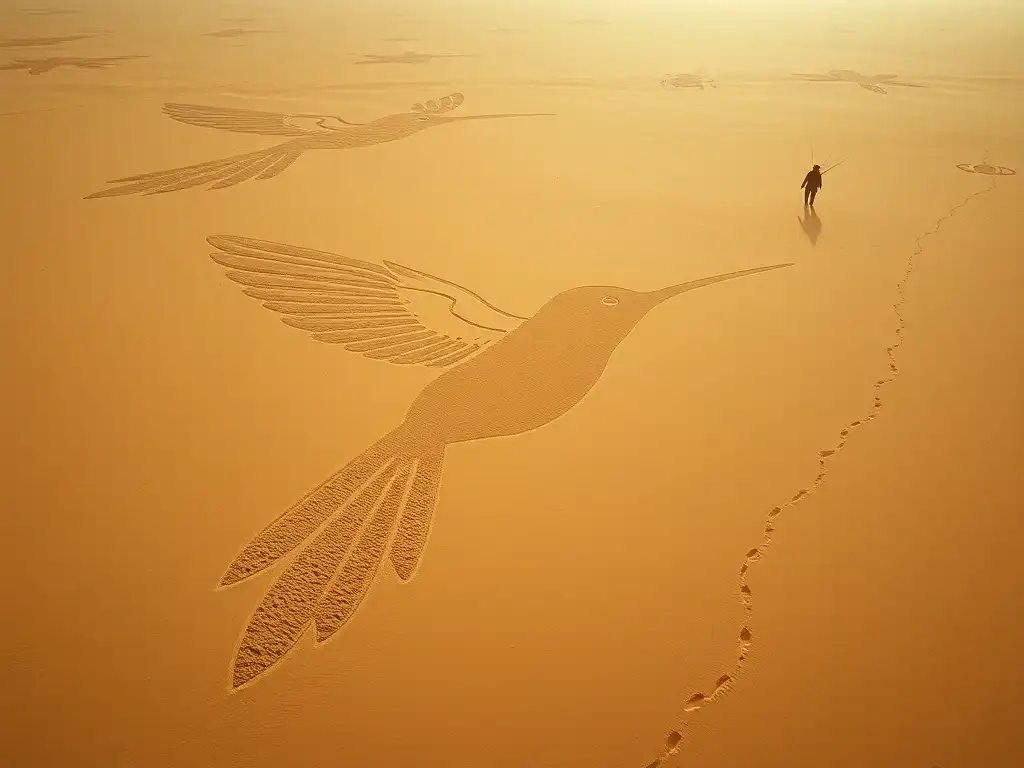
The Nazca Lines, enigmatic geoglyphs etched into the Peruvian desert, continue to fascinate and challenge researchers. While their precise purpose remains a mystery, exploring the potential symbolic meanings offers valuable insights into Nazca culture and worldview. The sheer scale and complexity of these designs—some stretching hundreds of meters—suggest a profound significance beyond mere artistic expression. Understanding the Nazca lines symbolic meaning requires examining various interconnected theories, from astronomical alignments to socio-political structures. This exploration delves into the leading interpretations, revealing the multifaceted nature of these remarkable creations and their enduring legacy.
Archaeological Theories and Interpretations of Nazca Geoglyphs
Archaeological investigations have yielded crucial clues, albeit incomplete, regarding the creation and purpose of the Nazca Lines. The intricate designs, featuring animals, plants, geometric shapes, and humanoid figures, are not randomly placed. Their precise arrangement and orientation suggest a deliberate, planned creation, likely involving significant labor and expertise.
The absence of written records from the Nazca civilization necessitates relying on contextual evidence, such as associated artifacts, settlement patterns, and environmental data, to deduce their symbolic meaning. Analysis of these factors provides a framework for understanding the different interpretations that have emerged over time. The most prominent theories focus on astronomical alignments, ritual practices, and the socio-political dynamics of Nazca society.
Astronomical Alignments: The Nazca Lines as a Calendar
One prominent theory suggests that the Nazca Lines served as a sophisticated astronomical calendar. Some researchers propose that certain lines and figures align with specific celestial events, such as solstices and equinoxes. This alignment could have been used for agricultural purposes, helping the Nazca people predict planting and harvesting seasons. However, this theory remains debated, as not all lines seem to exhibit clear astronomical correlations.
Further research is needed to definitively establish the extent of any calendrical function. The precision required to create such alignments, however, points towards a deep understanding of astronomy and its importance within Nazca culture. The potential connection between the celestial and terrestrial realms is a key aspect of understanding the Nazca lines symbolic meaning in this context.
Ritual and Ceremonial Uses of the Nazca Lines
Another compelling theory posits that the Nazca Lines served ritual and ceremonial purposes. The scale and nature of the geoglyphs suggest a collective effort, potentially involving community participation in large-scale ceremonies. The lines' location in a remote, desolate area further supports this interpretation, suggesting a sacred space dedicated to ritual activities.
Some researchers believe that the lines facilitated processions or pilgrimage routes, with the figures themselves representing deities or symbolic representations of important cultural beliefs. The absence of direct evidence for ritual activities remains a challenge, but the overall context strongly suggests a significant connection between the lines and religious practices. Understanding these rituals provides a deeper insight into the beliefs and values of the Nazca people, contributing to the understanding of the Nazca lines symbolic meaning.
Water and Fertility Cults in Nazca Culture
Given the arid environment of the Nazca region, it's plausible that the Nazca Lines were associated with water and fertility cults. The Nazca people developed sophisticated irrigation systems to cultivate crops in the desert, and the lines might have served as a symbolic representation of their mastery over water resources. Some researchers suggest that the figures of animals and plants depicted in the lines symbolize fertility and abundance, reflecting the Nazca people's deep connection with the land and their reliance on agriculture.
The potential connection between the lines and water management practices adds another layer to the interpretation of their symbolic meaning. The intricate system of canals and aqueducts built by the Nazca civilization shows their remarkable engineering skills and understanding of water management, further underscoring the importance of water in their culture and beliefs.
Beyond ritual and astronomical interpretations, the Nazca Lines also likely held significant social and political implications. Their creation required considerable organization, labor, and resources, suggesting a centralized authority capable of mobilizing the population for such a large-scale undertaking. The lines could have served to reinforce social hierarchies, with the elite class commissioning and overseeing their construction. The monumental nature of the project would have undoubtedly impacted the social fabric of Nazca society, reinforcing social structures and the power of those in authority.
Nazca Society and the Creation of the Geoglyphs
The scale of the Nazca Lines projects a powerful image of the Nazca civilization's organizational capacity. The coordination required to create these extensive geoglyphs implies a sophisticated social structure, capable of mobilizing large workforces and managing resources efficiently. This suggests a level of social control and centralized authority far beyond what many earlier researchers believed existed in Nazca society.
The complexity of the designs also points to specialized knowledge and skills, indicating a society with differentiated roles and professions. Further research into Nazca settlement patterns and social organization will provide a more complete understanding of the social context in which the lines were created.
The Role of Nazca Elites in Commissioning the Lines
The creation of the Nazca Lines likely involved the active participation of the Nazca elite. The significant investment of resources and labor suggests that the elite class played a crucial role in commissioning and overseeing the project. The lines could have served as a demonstration of the elite's power and control, reinforcing their authority and legitimacy within the society.
Further research into the social structure of Nazca society is needed to fully understand the role of the elite in commissioning and maintaining the lines. Analyzing the distribution of settlements, burial sites, and artifacts could provide further insights into the social dynamics and the hierarchical structure of Nazca society. The lines themselves might represent a form of visual propaganda, projecting the power and prestige of the ruling class.
The Nazca Lines as a Form of Communication
The Nazca lines, sprawling across the Peruvian desert, are more than just impressive feats of engineering; they represent a sophisticated form of communication, a visual language etched into the earth itself. For centuries, scholars have debated their purpose, with theories ranging from astronomical calendars to ritualistic pathways. However, the most compelling explanation points to their role as a vast, complex communication system used by the Nazca culture.
The sheer scale of the geoglyphs, their intricate designs, and their strategic placement across the landscape suggest a deliberate attempt to convey information across significant distances. This wasn't simply a random scattering of images; the lines were carefully planned and executed, indicating a deep understanding of geometry, perspective, and the landscape itself. The lines' longevity, their resistance to the harsh desert conditions, and their continued visibility speak volumes about the importance the Nazca placed on this unique form of visual communication.
We can only imagine the social and political structures that would necessitate and support such a monumental undertaking. The creation and maintenance of this elaborate system likely involved the coordinated efforts of a large group of people, demonstrating a high level of social organization and shared cultural beliefs within Nazca society. This visual communication system, therefore, reflects not only the artistic capabilities of the Nazca but also the complexity of their social and religious life.
Communicating Ideas and Beliefs Through Geoglyphs
The specific imagery employed within the Nazca lines – animals, plants, geometric shapes, and humanoid figures – provides crucial insight into the worldview and beliefs of the Nazca people. Each geoglyph likely held a specific symbolic meaning, contributing to a larger narrative woven across the desert floor. For example, the depiction of animals like hummingbirds, spiders, and lizards might represent totems or deities significant within their cosmology.
The prevalence of certain motifs could indicate their importance in Nazca society, reflecting their religious practices, social structures, or even economic activities. The geometric figures, often intricate and complex, may represent abstract concepts or cosmological ideas, perhaps related to astronomical events or cycles of nature. The careful placement of these geoglyphs within the landscape could also add layers of meaning, potentially linking them to specific geographical features or water sources, further emphasizing their importance within the Nazca worldview.
Understanding the symbolic meaning of these individual geoglyphs is key to unlocking the larger narrative that the Nazca lines communicate. Further research, combining archaeological findings with anthropological interpretations, is needed to fully appreciate the depth and complexity of this ancient visual language. Analyzing the context in which these geoglyphs were created, considering their relationship to other Nazca artifacts and settlements, will provide a more complete picture of their function and meaning.
The Nazca Lines as a Visual Language
The Nazca lines function as a unique visual language, distinct from other forms of communication used by ancient civilizations. Unlike written scripts, which rely on linear sequences of symbols, the Nazca lines use a spatial language, utilizing the vast landscape itself as the canvas. The arrangement, size, and orientation of the geoglyphs, in addition to their individual iconography, all contribute to the overall message. This spatial language likely involved a complex system of visual codes understood by the Nazca people.
The lines' scale and visibility from elevated viewpoints suggest that their intended audience might have been both local communities and perhaps even individuals from distant settlements. The sheer scale of the undertaking underscores the importance of the message being conveyed. The Nazca lines are not merely decorative; they are a powerful testament to the sophisticated communication systems employed by a pre-Columbian Andean culture. This visual language, while challenging to decipher fully, offers invaluable insights into the beliefs, practices, and social structures of the Nazca civilization.
Further research into comparative iconography from other Nazca artifacts and the potential use of specific viewpoints for optimal viewing could reveal further nuances of this unique visual language. The challenge now lies in developing effective methodologies to translate this ancient visual language and unlock the full potential of the information contained within the Nazca lines. The lines themselves are a testament to the ingenuity and creativity of the Nazca people and their unique approach to communication.
The Nazca Lines in Context: The Broader Nazca Culture
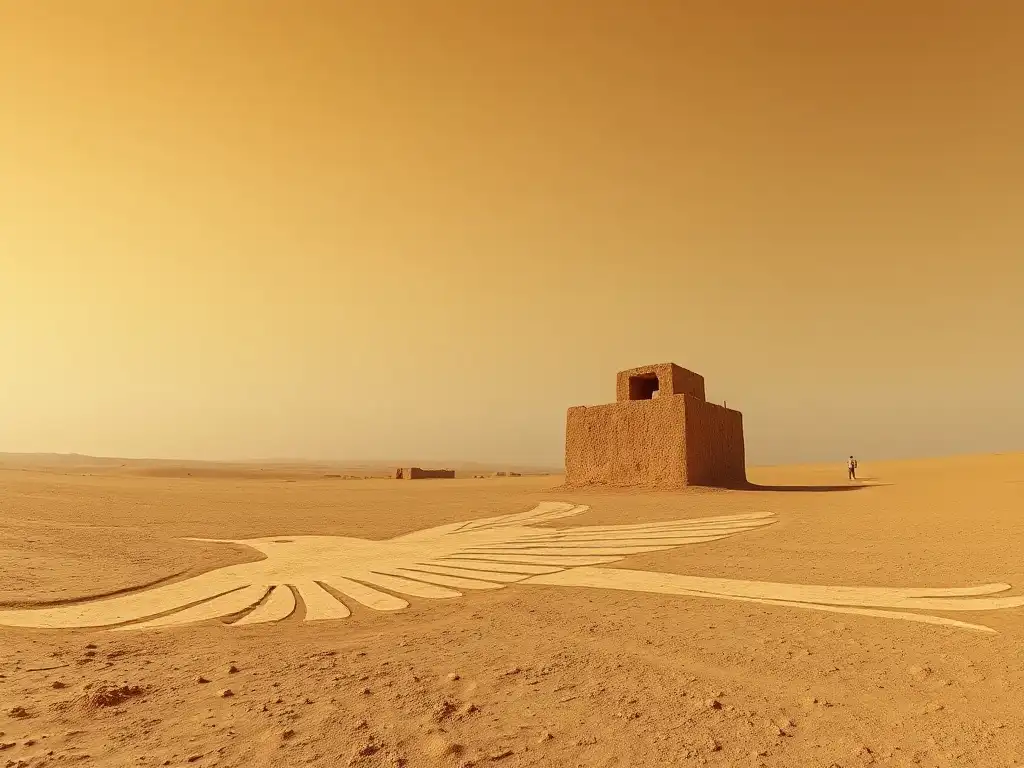
The Nazca lines, those enigmatic geoglyphs etched into the Peruvian desert, weren't created in a vacuum. Understanding their symbolic meaning requires immersing ourselves in the rich tapestry of Nazca culture, a society that flourished between 100 BCE and 800 CE. Their sophisticated irrigation systems, intricate pottery, and finely woven textiles all offer clues to the worldview that birthed these monumental artworks. The Nazca lines are not isolated phenomena; they are a powerful expression of a complex civilization's beliefs and practices, reflecting their deep connection to the land and their intricate cosmology.
Analyzing the Nazca lines solely in isolation risks missing crucial elements of their profound significance. The challenge lies in piecing together fragments of evidence from various sources to construct a more complete picture of their symbolic meaning. This requires a multidisciplinary approach, combining archaeological findings with anthropological interpretations.
The Nazca Culture: Society, Religion, and Art
The Nazca were a remarkably skilled and innovative people. Their mastery of water management, evident in their sophisticated canal systems, allowed them to thrive in the arid coastal desert. This ingenuity speaks to their deep understanding of their environment and their ability to harness its resources. Their social structure, while not fully understood, appears to have been hierarchical, with evidence suggesting specialized craftspeople and a ruling elite.
Religious beliefs played a central role in Nazca society. Their art, particularly their pottery and textiles, often depicts deities, mythical creatures, and ritualistic scenes, offering glimpses into their spiritual world. These representations, often vibrant and detailed, provide valuable context for interpreting the symbolic meaning embedded within the Nazca lines.
The recurring motifs in their art, such as stylized birds, plants, and anthropomorphic figures, frequently reappear in simplified forms within the geoglyphs, suggesting a strong connection between the two. Further research is needed to understand the precise social and religious contexts in which the lines were created. For instance, [specific information pending] regarding the involvement of specific social groups in the creation and maintenance of the lines.
Nazca Pottery and its Relationship to the Geoglyphs
Nazca pottery is renowned for its exquisite craftsmanship and vibrant polychromy. The intricate designs, often featuring stylized animals, plants, and human figures, are remarkably detailed. Many scholars believe that these designs hold symbolic meaning, reflecting religious beliefs and cosmological ideas.
The striking resemblance between certain motifs found on Nazca pottery and those depicted in the geoglyphs suggests a potential link between the two art forms. For example, the frequent appearance of hummingbird motifs in both pottery and the lines could suggest that this bird held special significance in Nazca culture, perhaps representing a deity or a spiritual concept. The styles and techniques used in creating the pottery also offer insights into the artistic capabilities of the Nazca, suggesting a level of skill and precision that could also have been applied to the creation of the geoglyphs.
Comparative analysis of the pigments used in pottery decoration and the possible materials used to delineate the lines could reveal further connections. A deeper understanding of the techniques used in both art forms is crucial for a thorough interpretation of their symbolic meaning.
Nazca Textiles and their Symbolic Representations
Nazca textiles are equally impressive, showcasing exceptional weaving techniques and intricate designs. Like the pottery, the textiles often feature symbolic representations of animals, plants, and human figures. The use of specific colors and patterns might have held religious or social significance.
The complexity of the textile designs, particularly the use of multiple colors and interwoven patterns, demonstrates a high level of artistic skill and understanding of symbolic representation. The connection between the textile designs and the geoglyphs remains an area of ongoing research. However, some scholars suggest that the same symbolic systems might have been used in both art forms, with textiles potentially serving as smaller-scale, portable representations of the larger cosmological concepts expressed in the Nazca lines.
Detailed analysis of textile patterns, in conjunction with the study of geoglyph designs, could reveal further connections and illuminate the symbolic meaning embedded within both. For example, [specific information pending] regarding the presence of similar patterns in both textiles and the lines, would provide crucial support to this hypothesis. The study of Nazca textiles, therefore, offers a valuable lens through which to interpret the symbolic meaning of the Nazca lines, offering a more holistic understanding of Nazca culture and its artistic expression.
The Legacy of the Nazca Lines: Impact and Preservation
The Nazca Lines' enduring legacy extends far beyond their visual impact. They represent a remarkable feat of engineering and artistic expression, showcasing the advanced knowledge and societal organization of the Nazca culture. Their discovery and ongoing study have significantly impacted our understanding of pre-Columbian Andean societies, challenging previous assumptions about their capabilities and cultural sophistication. The lines have become a powerful symbol of Peru's rich cultural heritage, attracting tourists from across the globe and contributing significantly to the nation's economy.
This influx of tourism, however, presents a double-edged sword, as we will explore further. The lines' continued existence serves as a testament to the resilience of both the geoglyphs themselves and the efforts dedicated to their preservation. Their survival through centuries of natural weathering and human activity highlights the importance of ongoing conservation initiatives. The lines are not merely historical artifacts; they are living testaments to a civilization's ingenuity and artistic vision.
Their preservation ensures the continuation of this legacy for future generations. The lines' impact on archeological research is undeniable, prompting further investigation into Nazca society's beliefs, rituals, and astronomical knowledge. Their study continues to reveal new insights, enriching our understanding of this fascinating culture.
Modern Threats to the Nazca Lines: Preservation Efforts
Despite their resilience, the Nazca Lines face significant modern threats. The primary concern is the impact of tourism. Increased foot traffic, even on designated paths, contributes to soil erosion and the gradual degradation of the lines. Uncontrolled access and off-road driving further exacerbate this problem. Additionally, climate change poses a serious threat, with fluctuating rainfall patterns potentially causing further erosion and damage to the fragile geoglyphs.
Illegal construction and agricultural activities in the surrounding areas also pose a risk, as do unplanned infrastructure projects. However, significant preservation efforts are underway. The Peruvian government, along with international organizations and researchers, actively works to protect the lines. This includes the implementation of stricter access regulations, the development of sustainable tourism practices, and the ongoing monitoring of the lines' condition.
Advanced technologies, such as aerial surveillance and remote sensing, are employed to detect and address potential threats. Educational campaigns aim to raise public awareness about the importance of preserving this unique cultural heritage. The challenges are substantial, but the commitment to protecting the Nazca Lines demonstrates a global recognition of their irreplaceable value. The ongoing research and conservation efforts are crucial to ensuring the long-term survival of these incredible geoglyphs.
The Importance of Protecting the Nazca Cultural Heritage
Protecting the Nazca Lines is not merely about preserving ancient artwork; it's about safeguarding a crucial piece of human history and cultural heritage. The lines represent a unique window into the worldview, beliefs, and societal structures of the Nazca civilization. Their preservation allows future generations to connect with and learn from this ancient culture, fostering a deeper understanding of humanity's past. The lines’ symbolic meaning, which remains partially enigmatic, continues to inspire research and debate, contributing to our broader understanding of ancient Andean cosmology and ritual practices.
The loss of the Nazca Lines would represent an irreplaceable loss to humanity, silencing a significant voice from the past. Their protection is essential for maintaining cultural diversity and promoting intercultural dialogue. Furthermore, their preservation contributes to the sustainable development of the region, supporting local communities through responsible tourism and economic opportunities. The ongoing efforts to preserve the Nazca Lines exemplify the importance of safeguarding cultural heritage for the benefit of present and future generations.
The lines serve as a powerful reminder of the interconnectedness of past, present, and future, urging us to protect these invaluable treasures for all time. The Nazca Lines are not just lines in the desert; they are a testament to human ingenuity, spirituality, and the enduring power of cultural heritage. Their continued existence is a shared responsibility, demanding collective action to ensure their survival for generations to come.
Conclusion: The Enduring Mystery of the Nazca Lines
The Nazca Lines remain one of the most enigmatic and captivating archaeological mysteries of the world. Their sheer scale, intricate designs, and the enduring questions surrounding their purpose continue to fascinate researchers and the public alike. While definitive answers remain elusive, the accumulated evidence points towards a complex interplay of factors contributing to their creation and significance.
Understanding the Nazca lines symbolic meaning requires a multi-faceted approach, considering astronomical alignments, ritualistic practices, and the socio-political context of the Nazca culture. The ongoing research and new discoveries constantly reshape our understanding, revealing further layers of complexity within this extraordinary ancient legacy.
Summary of the Key Interpretations of the Nazca Geoglyphs
Several prominent interpretations attempt to decipher the Nazca lines symbolic meaning. These range from astronomical calendars meticulously tracking celestial events to representations of deities and mythical creatures integral to Nazca cosmology. Some researchers propose that the lines served as pilgrimage routes, guiding participants in elaborate ceremonies. Others suggest a connection to water management systems, with certain geoglyphs potentially indicating sources of water crucial for survival in the arid coastal region.
The diversity of interpretations reflects the complexity of the geoglyphs themselves. Some are simple lines, while others are highly stylized representations of animals, plants, and geometric shapes. The sheer number of geoglyphs, estimated to be in the hundreds, further complicates the task of assigning a single, overarching meaning. Analyzing individual geoglyphs alongside their spatial relationships within the landscape is crucial to understanding their collective significance.
For example, the hummingbird, a common motif, may symbolize different aspects of Nazca life depending on its context and associated geoglyphs. The absence of written language from the Nazca culture necessitates relying on careful observation, comparative analysis of similar motifs in other Andean cultures, and the application of interdisciplinary approaches. This interdisciplinary approach is key to unlocking the secrets held within these enigmatic lines.
Research on the Nazca Lines continues to evolve, with new technologies and methodologies constantly refining our understanding. High-resolution aerial photography and satellite imagery allow for a more comprehensive mapping of the geoglyphs, revealing previously unknown figures and details. Ground-penetrating radar is employed to investigate the subsurface structure of the lines, potentially providing insights into their construction techniques and the materials used.
Furthermore, ongoing archaeological excavations in the surrounding areas provide crucial contextual data, shedding light on the daily lives of the Nazca people and their cultural practices. The application of advanced digital tools allows for 3D modeling and virtual reconstructions of the geoglyphs, enhancing our ability to visualize and analyze their design and spatial relationships.
These ongoing efforts provide a more nuanced and complete picture of the Nazca Lines, continuously challenging existing interpretations and stimulating new lines of inquiry. Each new discovery adds another piece to the puzzle, bringing us closer to unraveling the mysteries surrounding these iconic figures.
The Nazca Lines as a Testament to Ancient Andean Ingenuity
The creation of the Nazca Lines is a remarkable feat of ancient Andean ingenuity. The immense scale of the project, requiring meticulous planning and execution, speaks to the sophisticated organizational capabilities of the Nazca civilization. The precision with which the lines were created, often spanning kilometers, demonstrates an advanced understanding of surveying and engineering.
The use of simple tools and materials, primarily stones and possibly wooden stakes, highlights the ingenuity of the Nazca people in adapting available resources to achieve monumental results. The lines' longevity, surviving for centuries despite the harsh environmental conditions, is a testament to the durability of their construction techniques. Understanding the methods employed in creating the lines provides insights into the technological capabilities of the Nazca culture and their capacity for large-scale collaborative projects.
The Nazca Lines serve as a powerful reminder of the remarkable achievements of ancient Andean societies and their profound connection to their environment. Their survival to this day serves as a testament to both their skill and the enduring power of human creativity.
Frequently Asked Questions
What are the Nazca Lines?
The Nazca Lines are giant geoglyphs etched into the Peruvian desert by the Nazca culture between 500 BC and 500 AD. They depict animals, plants, and geometric shapes, visible only from the air.
What is the most popular theory about the symbolic meaning of the Nazca Lines?
While there's no single definitive answer, a leading theory suggests they served as ceremonial or ritualistic purposes, possibly related to water sources or astronomical events, reflecting the Nazca's worldview.
Are there any other interpretations of the Nazca Lines' meaning?
Other interpretations include religious beliefs, marking pilgrimage routes, or serving as markers for astronomical observations. The true meaning likely involved a combination of factors.
How were the Nazca Lines created?
The Nazca people cleared away the reddish-brown surface layer of the desert to reveal the lighter-colored subsoil, creating the geoglyphs' outlines. The exact tools and techniques remain somewhat mysterious.
Why are the Nazca Lines only visible from the air?
Their immense scale and the flatness of the desert landscape make them nearly invisible from the ground. Their true nature was only revealed with the advent of air travel in the 20th century.
Final Reflection: Unraveling the Enigma of the Nazca Lines
The enduring mystery of the Nazca Lines continues to resonate today, a powerful testament to the ingenuity and spiritual depth of a vanished civilization. Their sheer scale and enigmatic nature challenge our understanding of ancient societies, forcing us to reconsider our assumptions about human capabilities and the power of symbolic expression thousands of years ago. These aren't just lines in the sand; they are a window into a complex worldview, a legacy that speaks volumes about human creativity and our persistent quest for meaning.
The impact of the Nazca Lines extends far beyond the arid plains of Peru. Their enduring presence in our collective consciousness speaks to a universal human need for symbolic representation and the search for deeper meaning. They inspire awe and wonder, prompting ongoing research and debate about their purpose and creation. The Nazca Lines are a testament to the power of human imagination and the enduring mystery of the past,
a sentiment echoed by countless researchers and visitors alike. Their influence on art, archaeology, and even popular culture underscores their continued relevance in shaping our understanding of history and human expression.
Consider the profound implications of these ancient geoglyphs. What can you learn from the Nazca people's dedication to creating such monumental works? How does their dedication to expressing their beliefs through such a grand scale inspire you to consider your own values and how you might express them? Let the mystery of the Nazca Lines ignite your own curiosity and inspire you to seek deeper meaning in the world around you, to appreciate the enduring power of human creativity, and to explore the rich tapestry of our shared human history.
Unveil the Mysteries of the Nazca Lines Today!
Thank you for exploring the fascinating world of the Nazca Lines with us! We've delved into their origins, possible meanings, and the rich cultural significance they hold within Andean civilization. Now, let's continue your journey of discovery!
Here are some ways to further engage with this captivating topic:
- **Visit** the Nazca Lines in Peru. Witness their grandeur and mystery firsthand!
- **Share** this article with friends and family to ignite their curiosity about ancient civilizations and spark fascinating discussions.
- **Join** an online community dedicated to Andean history. Connect with fellow enthusiasts, exchange ideas, and deepen your understanding.
What was the purpose of the Nazca Lines, in your opinion? Share your thoughts in the comments below!