
The Aftermath of the Conquest: A Look at the Colonial Andes

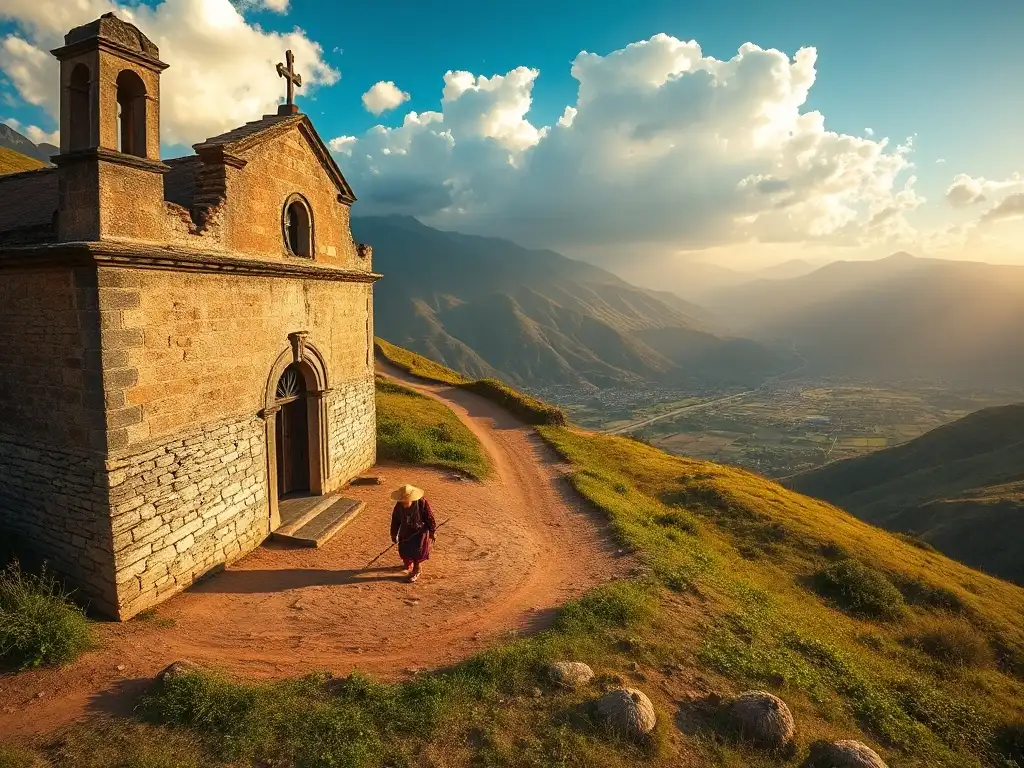
Step into a world lost to time, yet echoing in the vibrant tapestry of modern South America. For centuries, the Andes Mountains held the secrets of powerful civilizations – the Incas, Moche, Nazca, and Tiahuanaco, among others. But what happened when this world collided with the Spanish conquest? Discover the profound and lasting impact of Colonial Andean society, a legacy etched in stone, woven into textiles, and whispered on the wind. Prepare to uncover a story far more complex and fascinating than you ever imagined.
The Spanish conquest of the Inca Empire in the 16th century irrevocably altered the course of Andean history. This wasn't simply a change in political power; it was a profound transformation of social structures, economic systems, religious beliefs, and the very fabric of Andean life. This article delves into the complex aftermath of the conquest, exploring the lasting impact of Spanish colonial rule on Andean society.
We will examine the immediate consequences of the invasion, the long-term effects on the indigenous population, and the enduring legacy of this tumultuous period. Understanding the "Colonial Andean society impact" requires a nuanced look at the interplay between Spanish policies, indigenous resistance, and the resulting syncretic culture that emerged from this clash of civilizations.
This exploration will reveal a story of both destruction and resilience, revealing how Andean communities adapted, survived, and ultimately shaped the colonial world they inhabited. The impact of this period continues to resonate in modern-day Andean societies, making this a crucial topic for understanding the region's rich and complex history.
Introduction to the Post-Conquest Andean World
The fall of the Inca Empire didn't signify a sudden, complete erasure of Andean culture. Instead, it ushered in a period of profound upheaval and adaptation. The Spanish imposed a new political and economic order, characterized by the encomienda system, which essentially granted Spanish conquistadors control over indigenous labor and resources. This system, while initially intended to be temporary, became a cornerstone of colonial exploitation, leading to widespread suffering and the disruption of traditional Andean social structures.
The introduction of new diseases, like smallpox and measles, decimated the indigenous population, further weakening their resistance and facilitating Spanish dominance. However, Andean communities were far from passive victims. They employed various strategies of resistance, both overt and subtle, to maintain aspects of their cultural identity and challenge Spanish authority.
This period witnessed a complex negotiation between imposed colonial structures and the persistent resilience of indigenous traditions. The ensuing centuries saw the emergence of a hybrid culture, a blend of Spanish and Andean elements, shaping the unique character of colonial Andean society. This intricate interplay between oppression and adaptation is central to understanding the lasting impact of the conquest.
The Initial Impact of Spanish Rule on Andean Society
The immediate aftermath of the conquest was marked by widespread chaos and devastation. The Inca administrative system, once a marvel of organization and efficiency, was dismantled and replaced by a Spanish colonial bureaucracy. Traditional Andean social hierarchies were disrupted, with the ayllu system – the communal land-based organization – significantly weakened by the imposition of the encomienda.
This led to a significant redistribution of land and resources, concentrating wealth and power in the hands of the Spanish elite. The effects were devastating: 📈 increased rates of forced labor, 📉 a dramatic decline in the indigenous population, and 💔 the destruction of countless sacred sites and artifacts. The introduction of new crops and livestock, while initially intended to boost agricultural production, often came at the expense of traditional Andean farming practices, leading to ecological changes with long-term consequences.
Furthermore, the suppression of indigenous religions and the imposition of Catholicism profoundly impacted Andean spiritual life, although syncretic religious practices emerged, blending indigenous beliefs with elements of Christianity. These initial impacts laid the groundwork for the complex social, economic, and cultural landscape of the colonial Andes. The extent of this initial impact is still being researched today, with ongoing discoveries shedding new light on the immediate consequences of Spanish rule.
- What was the most significant impact of the Spanish conquest on Andean society?
- How did the colonial period affect Andean religious practices?
- What was the impact of the encomienda system on Andean communities?
- How did colonial rule impact Andean art and architecture?
- What lasting effects of the colonial period are still visible in Andean society today?
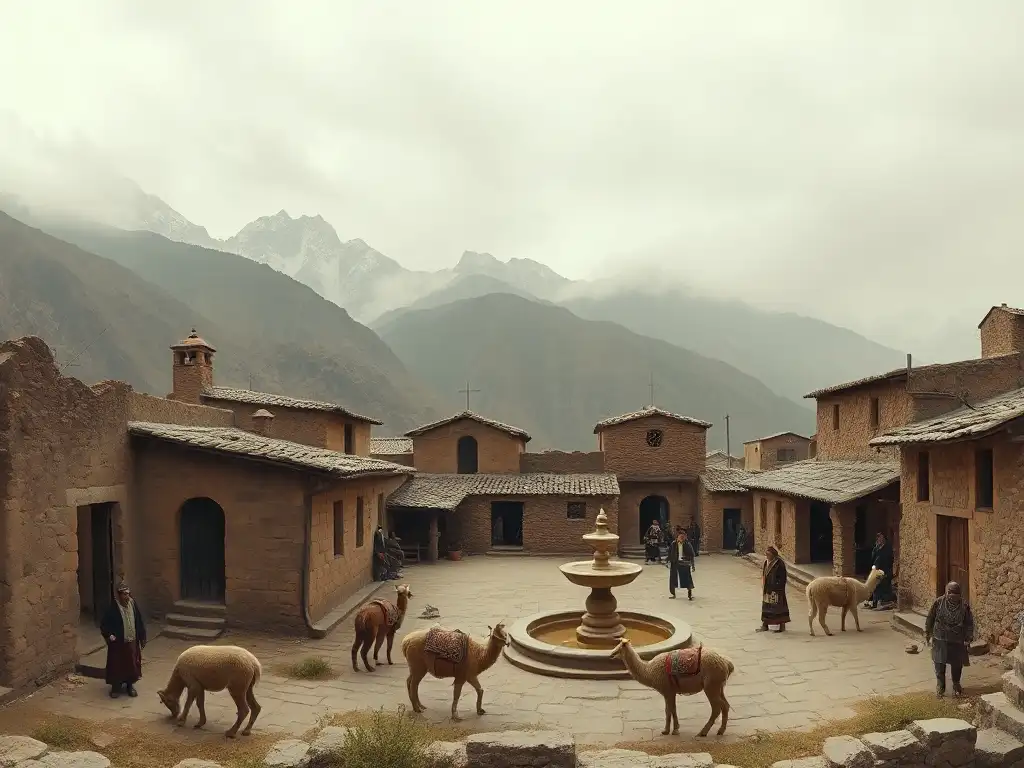
The Spanish conquest irrevocably altered the social fabric of the Andean region, leaving a lasting impact on the lives of its inhabitants. The meticulously organized Inca empire, with its complex system of social stratification, was dismantled, and a new hierarchical society emerged, reflecting the power dynamics imposed by the colonizers. Understanding the consequences of this upheaval is crucial to grasping the long-term effects of the colonial period on the Colonial Andean society impact.
The transition was not merely a replacement of one system for another; it was a brutal process of subjugation, exploitation, and cultural disruption. The effects are still felt today in the social and political structures of Andean nations.
The Inca ayllu system, a cornerstone of Inca society based on kinship and reciprocal obligations, was systematically undermined by the Spanish. The sapa Inca's absolute authority, once unquestioned, was replaced by the hierarchical structure of the Spanish colonial administration. The intricate web of relationships that defined Inca social organization—from the emperor and nobility down to the commoners—was shattered.
The Spanish crown's policies actively sought to dismantle traditional Andean power structures, replacing them with a system that served their economic and political interests. This process involved the elimination of key Inca officials and the disruption of traditional ceremonies and practices, leading to a profound sense of social disorientation and instability. The once-stable social hierarchy crumbled, leaving a vacuum that was swiftly filled by the new colonial order.
The Spanish conquest resulted in the creation of a new social hierarchy in the Andes, drastically different from the pre-Columbian system. This new structure was fundamentally based on race and ethnicity, with Spaniards occupying the top positions. The Colonial Andean society impact was profound, leading to a complex and stratified social landscape.
The indigenous population, once the backbone of the Inca empire, was relegated to the lower rungs of society, facing exploitation and oppression. This new social stratification profoundly impacted the distribution of land, wealth, and power, shaping the colonial Andes for centuries. The rigid social structure profoundly influenced all aspects of daily life, from access to resources to opportunities for social mobility.
Peninsulares and Creoles in the Colonial Hierarchy
At the apex of the colonial hierarchy stood the peninsulares, Spaniards born in Spain. They held the most powerful positions in the colonial government, military, and church. Below them were the creoles, Spaniards born in the Americas.
Although they enjoyed a privileged position compared to other groups, they were often excluded from the highest levels of power, creating resentment and contributing to future independence movements. The distinction between peninsulares and creoles created internal tensions within the colonial elite, a dynamic that significantly shaped political and social life in the Andes. The rigid hierarchical structure fueled ambition and competition for power and influence.
The Role of Kurakas in Colonial Society
The Spanish initially attempted to utilize existing indigenous leadership structures, co-opting the kurakas (indigenous leaders) to administer their communities and collect tribute. However, this strategy was often fraught with tension. While some kurakas collaborated with the Spanish, others actively resisted, leading to conflicts and rebellions.
The kurakas found themselves caught in a difficult position, mediating between the demands of the colonial administration and the needs of their communities. This complex role shaped their relationship with both the Spanish authorities and their own people, leading to significant internal divisions within indigenous communities. The manipulation and exploitation of the kurakas system represents a key aspect of the Colonial Andean society impact.
The Enslaved and Laboring Classes in the Andes
The bottom of the colonial social hierarchy consisted of enslaved Africans and the vast majority of the indigenous population, who were subjected to forced labor systems like the mita and encomienda. These systems involved demanding tribute and unpaid labor, often under brutal conditions. The mita system, inherited from the Inca empire but drastically intensified under the Spanish, forced indigenous populations to work in mines and on agricultural estates.
The widespread exploitation of labor had a devastating impact on the indigenous population, resulting in significant population decline and widespread suffering. The legacy of this period continues to impact Andean societies today, highlighting the long-term consequences of the Colonial Andean society impact on indigenous communities. The effects of this brutal system are still evident in the social and economic inequalities that persist in many Andean nations.
Economic Repercussions of the Conquest
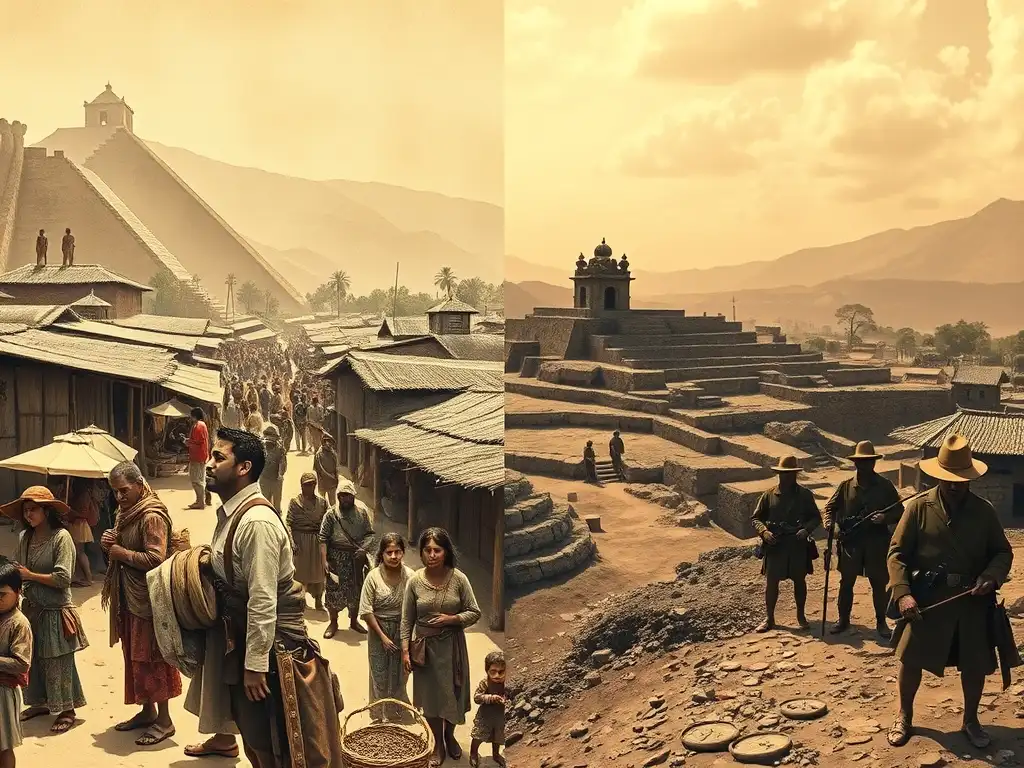
The Spanish conquest of the Inca Empire irrevocably altered the economic landscape of the Andes, leaving a lasting impact on the region's social structure and environment. The pre-Columbian Andean economies, diverse and sophisticated in their own right, were systematically dismantled and replaced with a system designed to benefit the Spanish crown and its colonists. This transition resulted in profound economic upheaval, exploitation, and the long-term subjugation of indigenous populations.
The consequences of this economic restructuring continue to resonate in the Andean region today, shaping its economic and social realities. Understanding the Colonial Andean society impact requires a thorough examination of these economic shifts.
The Imposition of the Spanish Economic System
Prior to the conquest, the Inca Empire possessed a complex system of resource management and redistribution. This system, based on a highly organized agricultural infrastructure and a sophisticated network of storage facilities, ensured a degree of economic stability and social welfare. The Spanish, however, introduced a fundamentally different economic model – one rooted in mercantilism and private property.
This new system prioritized the extraction of wealth for the benefit of Spain, leading to the exploitation of Andean resources and labor. The encomienda system, which granted Spanish conquistadors control over indigenous labor and resources, was a key mechanism in this process. This system, while ostensibly designed to Christianize and "civilize" the native population, quickly devolved into a system of forced labor and exploitation.
The introduction of new crops, such as wheat and sugarcane, also altered agricultural practices and land ownership, further displacing indigenous communities and their traditional economic activities. This shift fundamentally reshaped the Andean economy, paving the way for centuries of economic dependency and inequality.
The Silver Mining Boom and Its Effects on Indigenous Populations
The discovery of vast silver deposits in the Andes, particularly in Potosí (modern-day Bolivia), dramatically altered the economic trajectory of the region. The silver boom, beginning in the mid-16th century, fueled Spain's global expansion and transformed the Andean landscape. Potosí became one of the most important mining centers in the world, attracting a massive influx of Spanish colonists and generating immense wealth for the crown.
However, this prosperity came at a tremendous cost to the indigenous population. The extraction of silver was incredibly labor-intensive, relying heavily on the forced labor of indigenous miners. The brutal conditions in the mines, coupled with the spread of disease, resulted in staggering mortality rates among indigenous workers.
The demand for silver also led to increased agricultural production to feed the growing mining population, further straining indigenous resources and labor. The Colonial Andean society impact of the silver boom was one of profound suffering and exploitation for the indigenous population, despite the immense wealth it generated for Spain.
Forced Labor and the Mita System in Potosí
The mita system, a pre-Columbian form of labor tribute, was adapted and intensified by the Spanish to fuel the silver mines of Potosí. Under the Spanish mita, indigenous communities were obligated to provide a quota of laborers to the mines for a set period. The conditions in the mines were notoriously harsh, with workers facing dangerous conditions, starvation, and disease. Mortality rates were extremely high, leading to a constant need for new laborers.
The mita system became a key instrument of colonial control, forcing indigenous communities into a cycle of forced labor and economic exploitation. The sheer scale of death and suffering associated with the mita in Potosí stands as a stark testament to the brutal economic realities of colonial rule and its devastating impact on the indigenous population. The consequences of this system reverberate through Andean history, highlighting the devastating consequences of the Colonial Andean society impact on indigenous communities.
Detailed records, though incomplete, reveal the staggering human cost of this colonial economic engine. Further research is needed to fully quantify the impact of the mita system on individual communities and the broader Andean population. The lasting effects on Andean demographics and social structures are still being studied today.
Agricultural Changes and Land Ownership in the Colonial Andes
The Spanish conquest dramatically reshaped the agricultural landscape and land ownership systems of the Andes. Pre-Columbian Andean agriculture, characterized by sophisticated terracing, irrigation systems, and diverse crop cultivation, was fundamentally altered to serve the needs of the colonial economy. The mita system, a form of forced labor, was intensified, demanding indigenous populations work on large-scale agricultural projects, primarily focused on crops like wheat and barley, favored by the Spanish.
This shift away from diverse indigenous crops like potatoes and quinoa, crucial for Andean diets and resilience, led to nutritional deficiencies and increased vulnerability to famine in many communities. The introduction of livestock, such as cattle, sheep, and pigs, further altered the environment and resource allocation, often leading to conflicts over land and grazing rights.
The Spanish implemented the encomienda system, granting conquistadors control over indigenous populations and their land. This system, while initially designed to provide labor and tribute, quickly evolved into a form of exploitative feudalism. Indigenous communities were forced to work the land owned by the encomenderos, receiving meager compensation or none at all. This system often led to the displacement of indigenous farmers from their ancestral lands, disrupting traditional agricultural practices and causing significant social and economic disruption.
The resulting concentration of land ownership in the hands of a small elite further exacerbated existing inequalities. The hacienda system, which emerged later, solidified this pattern, creating vast estates worked by indigenous laborers under often brutal conditions. The long-term impact of this system was a significant reduction in indigenous control over land and resources, contributing to a decline in agricultural productivity and food security in the long run.
Studies on the impact of this shift have shown a marked decrease in the diversity of crops grown, with an overreliance on cash crops for export, negatively impacting the food security of the indigenous populations. The colonial economic model prioritized the extraction of resources and wealth for the Spanish crown, often at the expense of the well-being of the indigenous Andean population and their traditional agricultural practices. The legacy of this system continues to shape land ownership patterns and agricultural practices in the Andes today.
Cultural and Religious Transformations
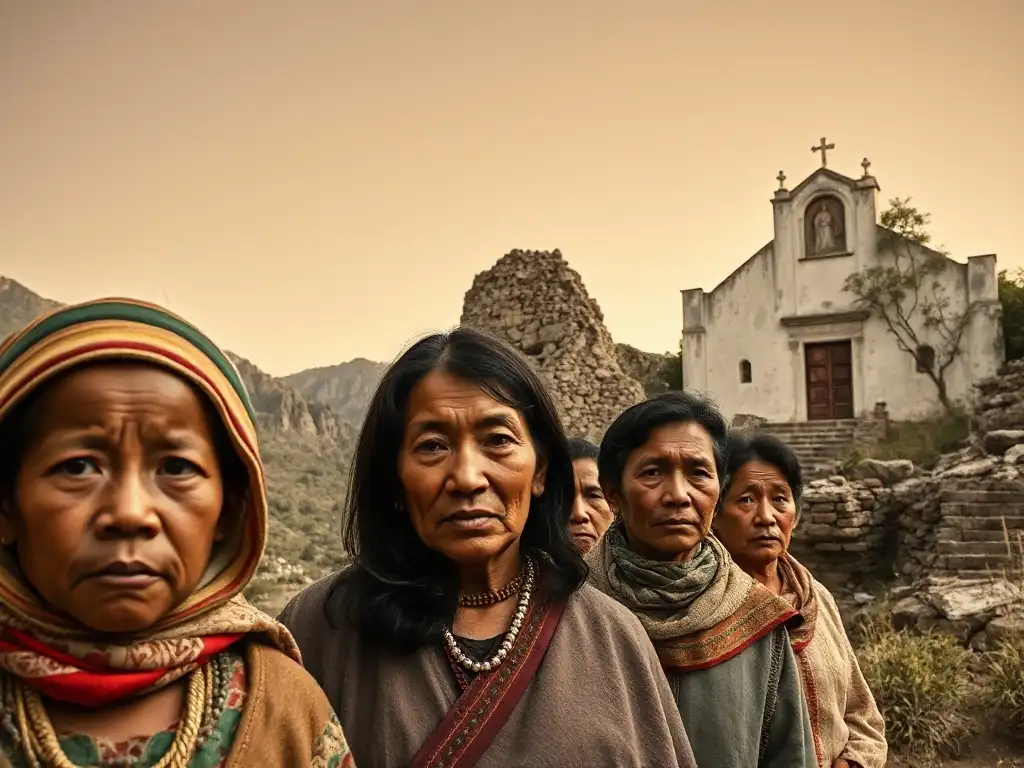
The Spanish conquest profoundly reshaped Andean societies, leaving an indelible mark on their cultural landscape. The imposition of Catholicism, the suppression of indigenous practices, and the subsequent blending of cultures created a complex and multifaceted colonial Andean society. Understanding the impact of these changes is crucial to grasping the enduring legacy of the pre-Columbian world within the colonial context. The consequences of this cultural upheaval are still felt today, making the study of "Colonial Andean society impact" a vital area of historical inquiry.
The Imposition of Catholicism in the Andes
The Spanish Crown actively pursued the conversion of the Andean population to Catholicism. This wasn't a simple process of persuasion; it involved a systematic dismantling of existing religious beliefs and practices. Temples were destroyed, often replaced by Catholic churches built on the same foundations, a symbolic act of dominance. Indigenous religious leaders, yachaqs, were persecuted, their knowledge and authority undermined.
The destruction of religious artifacts and the suppression of traditional ceremonies aimed to erase the Andean cosmovision and replace it with the Christian faith. This process, however, was far from complete. The resilience of indigenous spirituality led to a fascinating blend of traditions, a syncretism that significantly shaped the religious landscape of the colonial Andes. The impact on the social fabric was profound, altering traditional social structures and power dynamics.
The introduction of new religious holidays and rituals, often superimposed on existing ones, created a complex calendar that combined indigenous and Christian elements. This created a tension, a dynamic interplay between the imposed faith and the persistent indigenous beliefs. The extent of conversion varied across different regions and communities, with some areas experiencing more resistance than others. The colonial project, while aiming for complete religious homogenization, ultimately failed to fully suppress the enduring strength of Andean spiritual traditions.
Syncretism and the Persistence of Andean Cosmovision
Despite the efforts of the Spanish crown, the Andean cosmovision proved remarkably resilient. Indigenous beliefs and practices persisted, often subtly integrated into the outward expressions of Catholicism. This resulted in a vibrant syncretism, a fusion of indigenous and Christian elements. For example, the veneration of the Virgin Mary often incorporated aspects of Pachamama, the earth goddess, demonstrating a subtle blending of faiths.
Similarly, traditional Andean festivals were sometimes adapted to incorporate Catholic saints, creating hybrid celebrations that preserved indigenous traditions while outwardly conforming to colonial expectations. This process wasn't merely superficial; it involved a complex negotiation of power and identity. Indigenous communities found ways to incorporate their beliefs into the new religious framework, maintaining their spiritual heritage while outwardly complying with colonial demands.
This created a unique religious landscape, characterized by a dynamic interplay between the imposed religion and the persistent indigenous spirituality. The study of this syncretism provides invaluable insight into the strategies employed by Andean communities to preserve their cultural identity under colonial rule. The "Colonial Andean society impact" on religion was therefore not one of complete replacement, but rather a complex process of adaptation and negotiation.
Changes in Andean Art, Music, and Language
The colonial period witnessed significant transformations in Andean art, music, and language. The Spanish conquest brought with it new artistic styles, techniques, and subject matter, leading to a fusion of indigenous and European traditions. Indigenous art forms, however, were not simply replaced; they adapted and evolved, incorporating elements from the dominant culture. This resulted in a unique hybrid style that reflected the complex cultural dynamics of the colonial period. Similarly, Andean music underwent significant changes, with the introduction of European instruments and musical styles.
Traditional musical forms, however, persisted, often incorporating elements from the new musical traditions. This created a rich and diverse musical landscape that reflected the cultural blending of the colonial era. The impact on language was equally profound. Quechua and Aymara, the dominant indigenous languages, faced pressure from Spanish, the official language of the colony. However, these languages persisted, albeit with the incorporation of Spanish loanwords.
This linguistic blending reflects the enduring strength of indigenous cultures in the face of colonial domination. The persistence of Quechua and Aymara, despite centuries of colonial pressure, testifies to the resilience of Andean linguistic and cultural identities. The study of these transformations offers crucial insights into the dynamics of cultural contact and the enduring legacy of Andean traditions in the colonial period. Analyzing the "Colonial Andean society impact" on artistic expression reveals a complex interplay between adaptation and resistance.
The Impact of Colonial Education on Andean Culture
The Spanish conquest brought with it a profound shift in Andean education. Prior to the arrival of the Europeans, education within the Inca Empire, for example, was highly structured and specialized. The yachachiq, or teachers, imparted knowledge through a system of oral tradition, practical skills training, and memorization, focused on maintaining social order and Inca ideology.
This system was decentralized, with education tailored to different social classes and needs. Knowledge transmission was often tied to kinship and lineage, ensuring the continuation of traditions and practices. For instance, specialized knowledge of agriculture, textiles, and construction were passed down through family lines.
The Spanish, however, implemented a radically different educational system aimed at evangelization and the assimilation of the indigenous population into the colonial structure. The establishment of schools, primarily run by the Catholic Church, prioritized religious instruction in Spanish. Indigenous languages and knowledge systems were actively suppressed, often considered pagan and heretical. This resulted in a significant loss of traditional Andean knowledge, including advanced astronomical observations, sophisticated agricultural techniques, and intricate medicinal practices. The colonial curriculum largely ignored the rich intellectual heritage of the Andes, focusing instead on a Eurocentric worldview.
The impact was far-reaching. While some indigenous elites were able to adapt and navigate the new system, gaining access to limited opportunities within the colonial administration, the majority of the population faced significant challenges. The suppression of indigenous languages hindered social mobility and access to information.
The imposition of Spanish as the language of power and administration further marginalized Andean cultures, creating a system where indigenous knowledge was devalued and often lost. This resulted in a long-term impact on Andean societies, hindering their ability to maintain their cultural identity and autonomy. The effects of this suppression are still felt today in the ongoing efforts to revitalize indigenous languages and knowledge systems.
Furthermore, the colonial educational system was not equitable. Access to education was largely restricted based on social class and ethnicity, reinforcing existing power structures. Indigenous children often received a rudimentary education focused solely on religious indoctrination, while Spanish children had access to a broader curriculum, preparing them for positions of authority within the colonial society.
This disparity contributed to the perpetuation of social inequalities and the marginalization of the indigenous population. The long-term consequences of this unequal access to education continue to shape contemporary Andean societies. The legacy of colonial education is a complex and multi-faceted issue, with both positive and negative aspects, but the suppression of indigenous knowledge remains a significant aspect of its impact.
Political Reorganization of the Andean Region
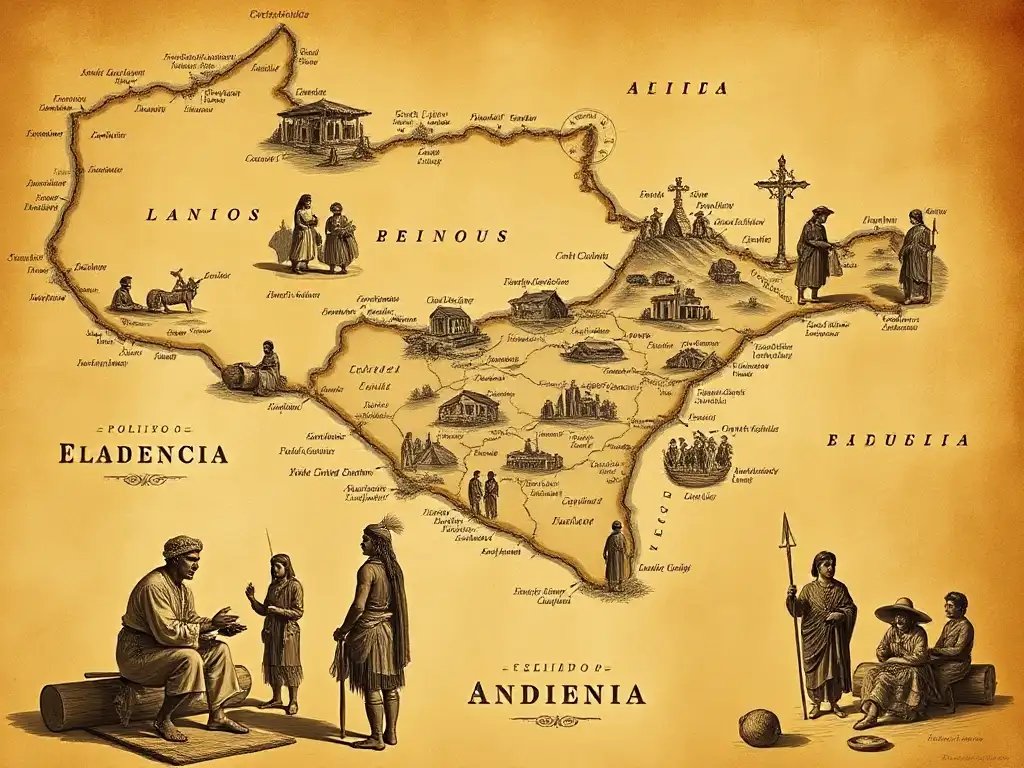
The Spanish conquest fundamentally reshaped the political landscape of the Andean region, dismantling the existing Inca empire and establishing a new colonial order. This reorganization, while aiming for centralized control, faced significant challenges from indigenous resistance and the complex realities of governing such a vast and diverse territory. The impact on Colonial Andean society was profound and long-lasting, leaving a legacy that continues to shape the region today.
Understanding this reorganization is crucial to grasping the complexities of the colonial period and its enduring consequences. The keyword "Colonial Andean society impact" is intrinsically linked to this process of political transformation.
The Establishment of the Viceroyalty of Peru
The Spanish Crown established the Viceroyalty of Peru in 1542 as the primary administrative unit for its vast American possessions. This viceroyalty, initially encompassing a territory stretching from Panama to southern Chile and Argentina, was designed to centralize power and extract resources. The viceroy, appointed by the king, held supreme authority, overseeing military affairs, justice, and the collection of taxes.
The system aimed to impose Spanish political structures onto the existing Andean social fabric, but the reality was far more nuanced. The implementation of this system wasn't seamless; resistance from indigenous populations and internal power struggles within the colonial administration created constant challenges to the viceroy's authority. The initial establishment of the Viceroyalty of Peru was a critical step in the restructuring of Colonial Andean society, laying the foundation for the subsequent centuries of Spanish rule and profoundly impacting the social and political dynamics of the region.
The Implementation of Spanish Law and Administration
The Spanish imposed their legal and administrative systems upon the conquered territories, attempting to overlay their own structures onto the existing Andean ones. This involved the implementation of repartimiento (a system of forced labor) and the encomienda system (granting Spanish conquistadors control over indigenous labor and tribute). These systems, while ostensibly designed to organize the extraction of resources and the conversion of indigenous populations to Christianity, often resulted in brutal exploitation and the decimation of indigenous populations.
The Spanish also established municipal councils ( cabildos) in major cities, attempting to integrate local elites into the colonial administration. However, these councils often became arenas for conflict between Spanish officials and creoles (Spaniards born in the Americas). The imposition of Spanish law and administration dramatically altered the existing power structures, leading to new forms of social stratification and inequality.
The impact on Colonial Andean society was devastating for many indigenous communities, while simultaneously creating new opportunities for some within the colonial hierarchy. This complex interplay of exploitation and adaptation shaped the character of Colonial Andean society.
Indigenous Resistance and the Túpac Amaru II Rebellion
Despite the seemingly insurmountable power of the Spanish crown, indigenous resistance persisted throughout the colonial period. Numerous revolts and uprisings challenged Spanish authority, reflecting the ongoing struggle for autonomy and the preservation of indigenous cultures and ways of life. The most significant of these was the Túpac Amaru II Rebellion (1780-1783), led by José Gabriel Condorcanqui, a descendant of the Inca nobility.
This rebellion, while ultimately unsuccessful, showcased the enduring strength of indigenous resistance and exposed the vulnerabilities of the colonial system. The rebellion highlighted the deep-seated resentment towards Spanish rule and the ongoing struggle for justice and equality within Colonial Andean society. The rebellion’s impact reverberated throughout the region, inspiring subsequent uprisings and contributing to the growing discontent that ultimately contributed to the weakening of Spanish colonial power.
The brutality of the Spanish response further solidified the negative impact of Colonial Andean society on the indigenous population. The legacy of Túpac Amaru II and the rebellion continues to resonate in Andean societies today, serving as a symbol of resistance and a reminder of the enduring struggle for self-determination.
Long-Term Impact of Colonial Rule on Andean Society
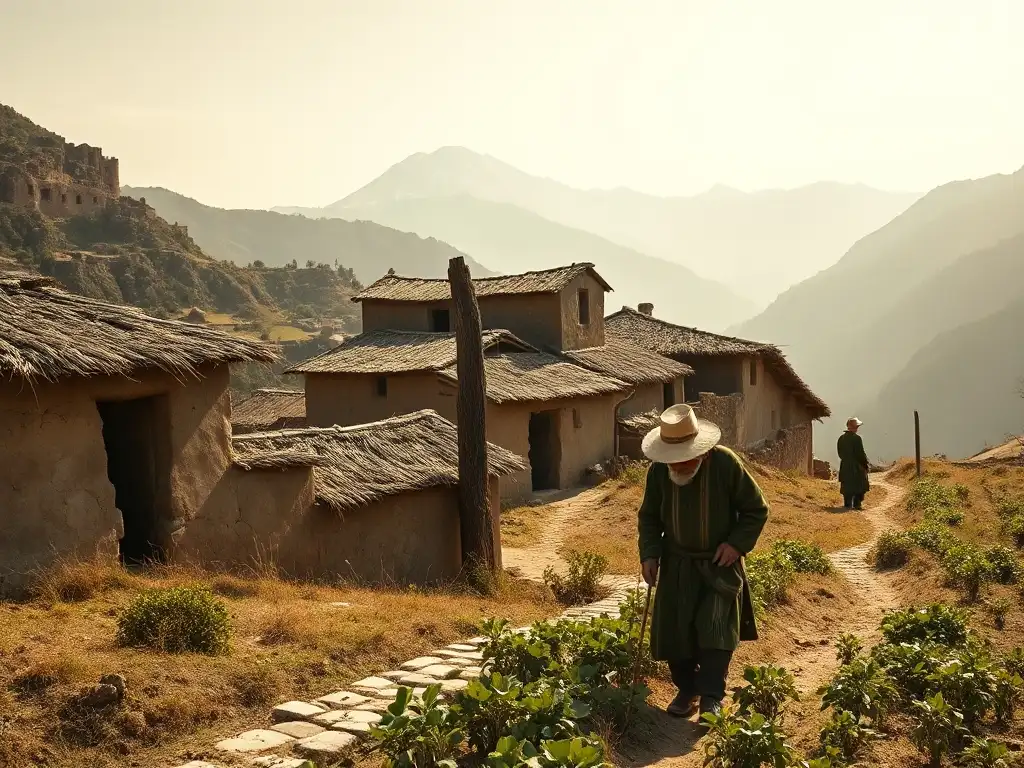
The Spanish conquest irrevocably altered the fabric of Andean society, leaving a legacy that continues to shape the region today. The impact extends far beyond the immediate violence and upheaval of the conquest itself, weaving its way into the very structure of modern Andean nations. Understanding this long-term impact requires examining the enduring effects on social structures, indigenous identities, and the ongoing struggle for social justice. The keyword "Colonial Andean society impact" encapsulates the profound and lasting consequences of this transformative period.
The Legacy of Colonial Structures in Modern Andean Nations
The administrative, economic, and social structures imposed by the Spanish colonial regime profoundly impacted the political geography and societal organization of the Andes. The Spanish Crown implemented a highly centralized system, dismantling existing Inca institutions and replacing them with a hierarchical structure centered around Spanish authority. This resulted in the creation of new administrative units, often disregarding pre-existing boundaries and social divisions.
The introduction of the encomienda system, though officially abolished in the 18th century, left a lasting mark on the Andean social order. This system, which granted Spanish conquistadors control over indigenous labor and resources, created a system of forced labor and economic exploitation that persisted in various forms long after its formal end. The effects are still visible in contemporary land ownership patterns and socioeconomic disparities within Andean nations. For example, the concentration of land in the hands of a wealthy elite, a direct consequence of the colonial land distribution, continues to fuel inequality and social unrest.
Moreover, the colonial emphasis on extractive industries, particularly mining, shaped the economic landscape for centuries to come. The exploitation of silver and other minerals enriched the Spanish crown but depleted Andean resources and often devastated local environments. This legacy continues to be felt in environmental degradation and economic dependence on extractive industries in several Andean countries today.
The Enduring Effects of Colonialism on Indigenous Identity
Colonial rule aimed to suppress indigenous cultures and identities, imposing Catholicism and Spanish language and customs. While indigenous communities demonstrated remarkable resilience, adapting and resisting assimilation, the impact of this cultural imposition remains profound. The forced conversion to Christianity led to a syncretism, a blending of indigenous beliefs and Catholic practices, visible in many Andean religious traditions today. However, the suppression of pre-Columbian languages and cultural practices resulted in significant loss of knowledge and cultural heritage.
The colonial period also saw the systematic marginalization of indigenous populations, often relegated to the lowest rungs of society. This marginalization continues to manifest in various forms, including limited access to education, healthcare, and political representation. The persistence of racial and ethnic discrimination further compounds the challenges faced by indigenous communities in the Andes. The fight to reclaim and preserve indigenous languages, traditions, and self-determination remains a central struggle in many Andean nations.
The legacy of colonialism continues to fuel social inequalities and injustices across the Andean region. The deep-seated economic disparities, the persistence of racial discrimination, and the unequal access to resources and opportunities are all direct consequences of the colonial past.
The struggle for social justice in the Andes is multifaceted and complex. It encompasses demands for land reform, improved access to education and healthcare, the recognition and protection of indigenous rights, and greater political participation for marginalized communities. Many Andean nations are grappling with these challenges, striving to build more equitable and inclusive societies while confronting the lasting effects of centuries of colonial rule.
Understanding the “Colonial Andean society impact” is crucial for addressing these ongoing struggles and fostering a more just future for the Andean people. The path to true social justice requires acknowledging this history and actively working to overcome its enduring consequences.
Conclusion: Understanding the Complexities of Colonial Andean Society
The Spanish conquest irrevocably altered the fabric of Andean society, leaving a legacy that continues to resonate in the region today. Understanding the "Colonial Andean society impact" requires a nuanced approach, acknowledging both the devastating losses and the surprising resilience of Andean cultures. While the imposition of Spanish rule brought about immense suffering—epidemics, forced labor ( mita ), and the destruction of traditional social structures—it also resulted in unexpected syncretism and adaptation.
The colonial period wasn't simply a period of oppression; it was a crucible where indigenous traditions clashed with, and in some cases, blended with, European influences. This complex interplay shaped the Andean world in profound ways, creating a unique cultural landscape that persists to this day. Analyzing this impact necessitates examining various aspects, from economic shifts to religious transformations and the evolution of social hierarchies.
Reflecting on the lasting consequences of the Spanish Conquest
The Spanish conquest's impact on the Andean region was multifaceted and long-lasting. The introduction of new diseases, such as smallpox and measles, decimated the indigenous population, leading to a drastic demographic shift. This depopulation had profound consequences for the economy, agriculture, and social organization. The implementation of the mita system, a form of forced labor, further exploited the surviving population, forcing them to work in mines and on Spanish-owned estates. This system, while ostensibly organized, often resulted in brutal conditions and widespread death.
The destruction of traditional religious practices and the imposition of Catholicism also profoundly impacted Andean spirituality. While some syncretism occurred, the suppression of indigenous beliefs led to a significant loss of cultural heritage. The economic impact was equally devastating. The Spanish systematically plundered Andean gold and silver, fueling the Spanish empire's wealth while leaving the Andean economy severely depleted and reliant on extractive industries.
The following table illustrates some key consequences:
| Consequence | Description | Impact on Andean Society |
|---|---|---|
| Disease | Introduction of Old World diseases (smallpox, measles, etc.) | Massive population decline, disruption of social structures and agricultural production. |
| Forced Labor ( Mita) | Imposition of a system of forced labor in mines and on encomiendas. | Exploitation, death, and the weakening of traditional social organizations. |
| Religious Suppression | Suppression of indigenous religions and the imposition of Catholicism. | Loss of cultural heritage, spiritual trauma, and the emergence of syncretic religious practices. |
| Economic Exploitation | Extraction of Andean resources (gold, silver) and the disruption of traditional economic systems. | Depletion of resources, economic dependency, and the rise of a new, hierarchical economic structure. |
Contemporary Andean Identity and the Legacy of Colonialism
The legacy of the Spanish colonial period continues to shape contemporary Andean identity. While indigenous cultures have shown remarkable resilience, adapting and evolving in response to colonial and post-colonial pressures, the impact of the conquest remains undeniable. The blending of indigenous and European traditions—a process known as syncretism—is evident in various aspects of Andean life, from religious practices to artistic expression and language.
However, this syncretism often masks the underlying inequalities and power imbalances that persist from the colonial era. Many contemporary Andean communities still struggle with issues of land rights, poverty, and marginalization, all of which are directly linked to the historical injustices inflicted during the colonial period. Understanding the “Colonial Andean society impact” requires recognizing the ongoing effects of colonialism and the continued fight for social justice and cultural preservation in the Andean region.
The study of this impact is crucial for understanding the complexities of Andean societies today, highlighting the enduring strength of indigenous cultures while acknowledging the persistent challenges they face. Further research is needed to fully explore the long-term psychological and sociological impacts on Andean communities, particularly concerning the effects of the generational trauma resulting from colonial violence and oppression.
Frequently Asked Questions
What was the most significant impact of the Spanish conquest on Andean society?
The most significant impact was the destruction of existing social structures and the imposition of a new colonial system based on Spanish hierarchy and exploitation. This led to immense suffering and the reshaping of Andean life.
How did the colonial period affect Andean religious practices?
The Spanish actively suppressed indigenous religions, replacing them with Catholicism. While some syncretism occurred, blending indigenous and Christian beliefs, the original religious landscape was drastically altered.
What was the impact of the encomienda system on Andean communities?
The encomienda system, granting Spanish conquistadors control over indigenous labor, resulted in forced labor, exploitation, and the decimation of the Andean population through disease and overwork.
How did colonial rule impact Andean art and architecture?
While some indigenous artistic traditions persisted, the colonial period saw a blending of styles, resulting in a unique fusion of European and Andean aesthetics. Spanish architectural styles dominated the construction of cities and public buildings.
What lasting effects of the colonial period are still visible in Andean society today?
Many aspects of Andean society, including language, religion, social structures, and economic systems, continue to reflect the legacy of the colonial period. The impact is still evident in contemporary social and political dynamics.
Final Reflection: Echoes of Conquest in the Andean Soul
The legacy of colonial rule in the Andes continues to shape the region's social, economic, and political landscape today. The enduring impact of Spanish conquest is not merely a historical footnote; it's a living reality woven into the fabric of Andean societies, influencing everything from land ownership and resource distribution to cultural identity and political power structures. Understanding this legacy is crucial for comprehending the complexities of the modern Andes and addressing the persistent inequalities that remain.
The colonial period irrevocably altered the course of Andean civilization, leaving behind a complex tapestry of cultural fusion and enduring trauma. The imposition of a foreign power, the destruction of indigenous systems of governance, and the exploitation of resources created deep-seated wounds that continue to resonate. As the Peruvian writer Mario Vargas Llosa once observed, The past is never dead. It's not even past.
This quote perfectly encapsulates the enduring influence of colonialism, reminding us that the echoes of conquest reverberate through generations, shaping the present and influencing the future.
The exploration of the colonial Andean experience is not simply an academic exercise; it's a call to action. You, the reader, are now equipped with a deeper understanding of this complex history. Consider how this knowledge can inform your perspective on issues of social justice, economic inequality, and cultural preservation, not only in the Andes but globally. Let the stories of resilience and resistance, the struggles for autonomy and self-determination, inspire you to engage with the world around you with greater empathy and a commitment to building a more just and equitable future.
**Unveil the Stories Beneath the Andes! **
Thank you for exploring the rich and complex history of the Colonial Andes with us! We hope you gained valuable insights into the events and narratives that shaped this remarkable region. Now, let's delve further into the enduring legacies that continue to resonate today.
Here are a few ways you can continue your exploration:
- **Expand your knowledge:** Read our next article about indigenous resistance during the colonial period for a deeper understanding.
- **Join the discussion:** Share your thoughts and insights on our discussion forum; your perspective is valuable and can enlighten others!
- **Share this discovery:** Recommend this article to friends and family who might appreciate learning about the fascinating tapestry of Andean history.
What aspects of the Colonial Andes' history do you believe are most crucial for us to remember and understand today?