
Huascar vs Atahualpa: The Brotherly Rivalry That Sealed the Inca's Doom

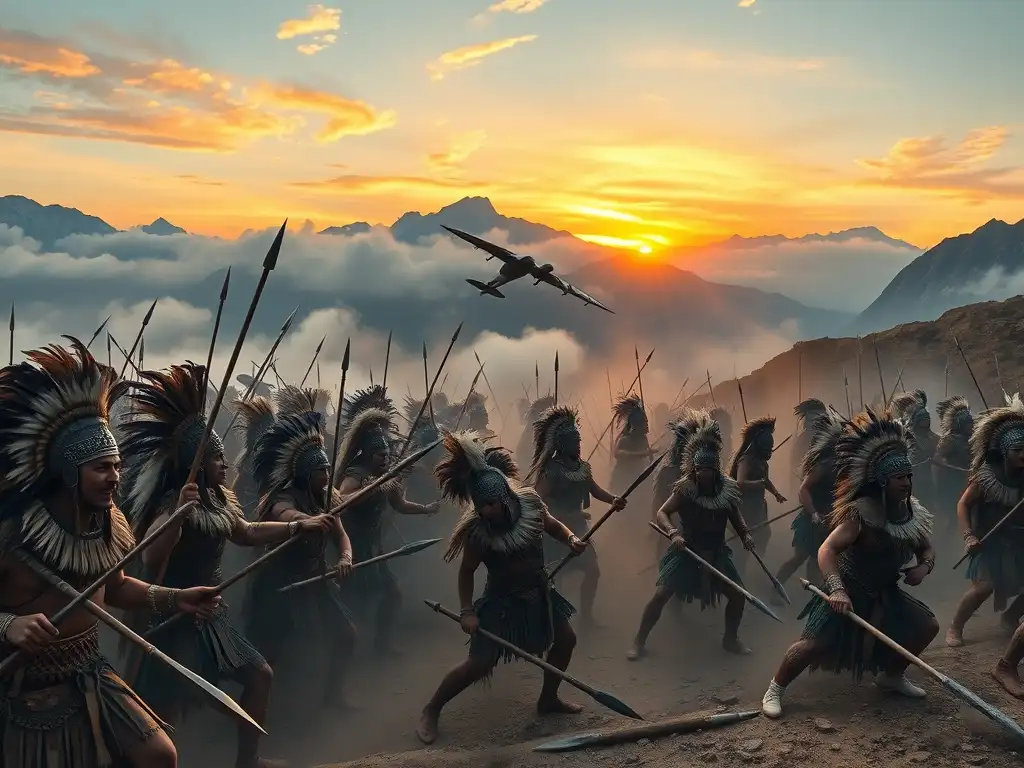
Step into a world lost to time, where towering empires rose and fell amidst breathtaking Andean landscapes. Discover the intricate tapestry of ancient Andean civilizations, from the masterful artistry of the Nazca to the sophisticated engineering of the Tiahuanaco. But what truly unravelled this magnificent world? The Inca civil war, a brutal conflict between Huáscar and Atahualpa, offers a chilling glimpse into the internal struggles that ultimately paved the way for the Spanish Conquest. Uncover the secrets behind this brotherly rivalry and learn how a family feud sealed the Inca's doom—explore the compelling story now.
The Inca Empire, a marvel of engineering and societal organization that once stretched along the Andes Mountains, met its tragic end not at the hands of the Spanish conquistadors alone, but also due to a devastating internal conflict. This article delves into the brutal civil war between Huáscar and Atahualpa, two brothers vying for the Inca throne, a conflict that profoundly weakened the empire and paved the way for its conquest.
Understanding the causes of this Inca civil war is crucial to comprehending the empire's ultimate downfall and the subsequent impact on Andean history. We will explore the key factors that fueled this fratricidal struggle, examining the political machinations, succession disputes, and underlying tensions that ultimately fractured the Inca heartland.
The consequences of this conflict were far-reaching, leaving the empire vulnerable and ripe for exploitation by the Spanish, forever altering the course of Andean civilization. This analysis will illuminate the complex interplay of factors that contributed to the "Inca civil war causes," highlighting the internal fragilities that ultimately led to the empire's demise.
The Death of Huayna Capac and the Succession Crisis
The death of Huayna Capac, the powerful Inca emperor, in 1527 (or possibly 1528 – the exact date remains debated amongst historians 1 ), triggered a chain of events that ignited the devastating civil war. His unexpected death, possibly from smallpox, left a power vacuum at the heart of the empire. Huayna Capac had two prominent sons: Huáscar, his legitimate heir, and Atahualpa, born to a secondary wife. This ambiguity surrounding succession, coupled with the lack of a clear, established system for determining inheritance, immediately sowed the seeds of discord. The empire, accustomed to strong centralized leadership, found itself fractured by competing claims to the throne. This lack of a formalized process for succession, combined with the vast size and complex administration of the Inca Empire, made the power struggle especially volatile. The ensuing conflict was not simply a dispute between two brothers; it was a fight for control of a vast and powerful empire, with significant regional loyalties and competing interests at stake.
Regional Power Struggles and Loyalties
The Inca Empire wasn't a monolithic entity. It was composed of diverse regions, each with its own unique identity and powerful local leaders. Huáscar, initially recognized as the legitimate successor, primarily controlled the southern regions of the empire, including Cusco, the imperial capital. Atahualpa, however, consolidated his power in the northern regions, particularly Quito, and commanded considerable military strength.
These regional power dynamics played a significant role in shaping the conflict. Many local leaders and officials pledged allegiance based on personal connections, strategic alliances, and perceived benefits rather than unwavering loyalty to a single heir. This division of loyalty effectively split the Inca army and the administrative structure, crippling the empire's ability to respond effectively to the growing crisis. The ensuing war was not just a fight for the throne, but a battle for control of these crucial regional power bases.
Economic and Administrative Weaknesses
The immense size of the Inca Empire presented inherent administrative challenges. While the Inca possessed a remarkably sophisticated system of record-keeping and resource management, the sheer scale of their territory, coupled with the sudden death of Huayna Capac, exposed underlying weaknesses. The intricate network of roads, storehouses, and administrative structures, while impressive, proved insufficient to maintain unity and control in the face of a major internal conflict.
Economic disparities between regions, coupled with the struggle for control over vital resources, further exacerbated the tensions and fueled the civil war. The disruption of trade routes and the diversion of resources towards the war effort severely weakened the empire’s overall economic stability, making it increasingly vulnerable to external threats.
The Brutal Warfare and its Consequences
The war between Huáscar and Atahualpa was characterized by intense brutality and protracted fighting. Both sides deployed significant military forces, engaging in large-scale battles that devastated the Inca heartland. The conflict not only resulted in countless casualties but also decimated the Inca army, leaving it significantly weakened and depleted.
The infrastructure of the empire suffered extensive damage, disrupting trade, communication, and the overall administrative structure. The prolonged civil war left the Inca Empire fractured, its resources depleted, and its people demoralized – a state of affairs that made the subsequent Spanish conquest considerably easier.
The legacy of this brutal conflict is a stark reminder of the devastating consequences of internal strife, and its role in the downfall of a great civilization. The sheer scale of the conflict, far from a simple succession dispute, significantly contributed to the "Inca civil war causes," weakening the empire's defenses and paving the way for its conquest.
1 Further research is needed to definitively establish the exact date of Huayna Capac's death.
- The Death of Huayna Capac and the Succession Crisis
- Regional Power Struggles and Loyalties
- Economic and Administrative Weaknesses
- The Brutal Warfare and its Consequences
The Seeds of Discord: Understanding the Inca Succession Crisis
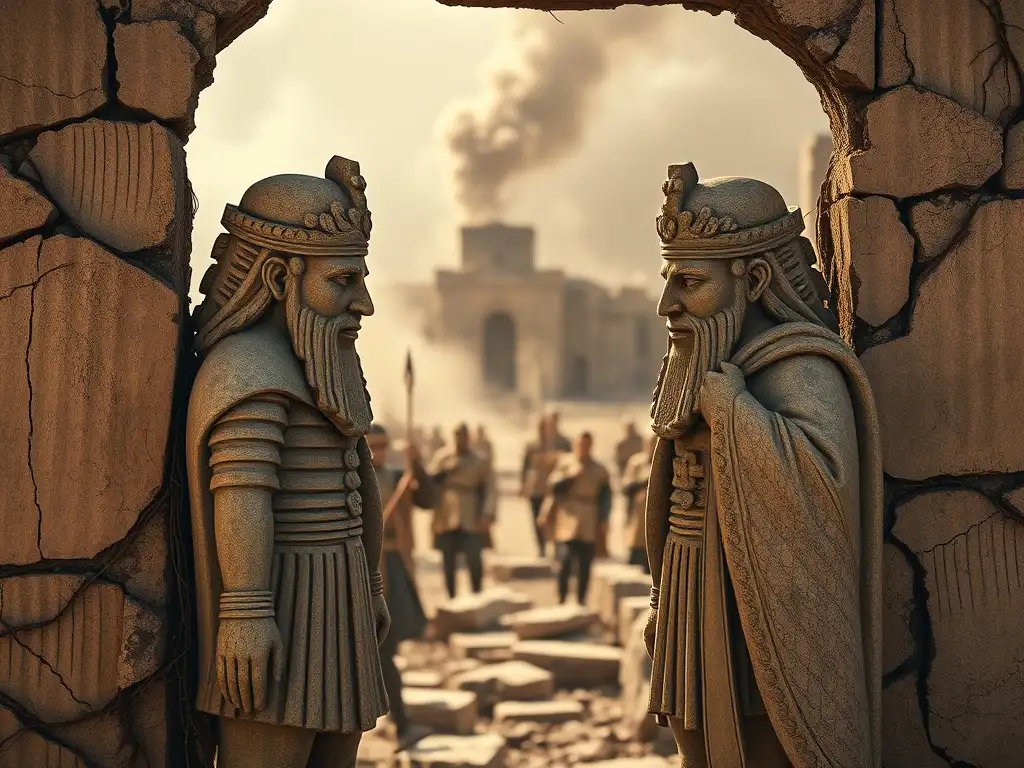
The Inca civil war, a pivotal event leading to the Spanish conquest, wasn't a spontaneous eruption but the culmination of long-simmering tensions. Understanding the Inca civil war causes requires examining the intricacies of Inca succession, the personalities of Huáscar and Atahualpa, and the inherent vulnerabilities of a vast empire grappling with a complex political system. The seeds of discord were sown long before the first battle was fought, rooted in a combination of traditional practices and unforeseen circumstances.
The ensuing conflict significantly weakened the Inca Empire, making it vulnerable to Pizarro's relatively small conquistador force. This section will delve into the key factors that fueled the devastating conflict, ultimately shaping the fate of the Inca civilization.
The Inca Custom of Royal Succession
Inca succession wasn't a straightforward process. While the Sapa Inca, the emperor, held absolute power, the rules of succession were far from clear-cut. Ideally, the heir apparent was the eldest son of the deceased Sapa Inca, but this wasn't always strictly adhered to.
The selection process often involved a complex interplay of factors, including the legitimacy of the heir, his capabilities as a leader, and the influence of powerful nobles within the Inca court. This ambiguity, which served as one of the primary Inca civil war causes, created opportunities for ambitious individuals to challenge the established order. There was no written constitution or codified law dictating a precise order of succession.
Instead, the process was heavily influenced by tradition, politics, and the will of the influential elites. This lack of clarity created fertile ground for disputes and rivalries, ultimately paving the way for the devastating conflict between Huáscar and Atahualpa. Think of it as a delicate balance of power, easily disrupted by even the smallest shift in influence.
The Rise of Huáscar and Atahualpa
Huáscar and Atahualpa, sons of the powerful Sapa Inca Huayna Capac, each possessed significant strengths and considerable support within the empire. Huáscar, the elder son, enjoyed the advantage of being initially designated as heir. He was raised in the heart of the Inca capital, Cuzco, and surrounded by the traditional power structures of the empire.
This provided him with a strong base of support amongst the established nobility and the administrative elite. However, Atahualpa, born from a secondary wife, spent his formative years governing the northern provinces of the empire, gaining valuable military experience and garnering loyalty among the northern populations.
This experience proved crucial, as his military prowess and popularity among the northern armies would later become a key factor in the conflict. The contrasting experiences of the brothers – Huáscar's refined courtly upbringing versus Atahualpa's hardened military experience – created a fundamental difference in their leadership styles and approaches to ruling, further contributing to the Inca civil war causes.
Competing Claims to the Inca Throne
The death of Huayna Capac plunged the Inca Empire into chaos. His sudden demise, possibly from smallpox, left a power vacuum and ignited the rivalry between Huáscar and Atahualpa. While Huáscar initially assumed the throne, Atahualpa, with his strong military support from the north, refused to accept his brother's authority.
This refusal triggered a brutal civil war, characterized by intense battles and shifting alliances, that lasted for several years. The conflict wasn't merely a struggle for power; it was a clash of differing political ideologies and military strategies. Huáscar's supporters, primarily from the Cuzco region, favored a more traditional approach to governance.
Atahualpa, on the other hand, commanded the loyalty of a powerful northern army and represented a more dynamic and expansionist vision for the Inca Empire. This fundamental difference in their vision for the future of the Inca state, in addition to the ambiguous succession process, formed a crucial part of the Inca civil war causes, ultimately leading to the bloody and protracted conflict that crippled the Inca Empire and facilitated its eventual conquest by the Spanish. The civil war dramatically weakened the Inca's military and political structures, leaving them utterly unprepared for the arrival of Pizarro and his forces.
The Spark of Conflict: Huascar's Reign and Atahualpa's Ambitions
This section delves into the simmering tensions and underlying factors that fueled the Inca civil war, ultimately contributing to the vulnerability that allowed the Spanish conquest. Understanding the "Inca civil war causes" requires examining the contrasting reigns of Huáscar and Atahualpa, their differing leadership styles, and the inherent weaknesses within the Inca political system. The conflict wasn't simply a clash of personalities; it was a culmination of long-standing regional disparities and power struggles masked by a veneer of imperial unity. The seeds of destruction were sown long before the first open battles.
Huascar's Early Rule and Growing Unrest
Huáscar, upon inheriting the Inca throne from his father Huayna Capac, faced immediate challenges. While initially lauded for his adherence to traditional Inca customs and his efforts to maintain the empire's vast infrastructure, his reign quickly became marked by a growing sense of discontent.
His centralized approach, focusing primarily on Cuzco and the southern regions, alienated many powerful curacas (provincial governors) in the north, who felt neglected and overlooked. This neglect wasn't simply a matter of oversight; it stemmed from Huáscar's perceived lack of strong military leadership and his reliance on advisors perceived as less competent than those who supported Atahualpa.
One significant factor contributing to unrest was Huáscar's handling of the succession crisis itself. The sudden death of Huayna Capac left a power vacuum, and the legitimacy of Huáscar's claim was constantly questioned, particularly by Atahualpa and his supporters, who viewed the succession as manipulated. The lack of a clear and universally accepted succession process within the Inca Empire—a weakness often overlooked in discussions of "Inca civil war causes"—created a breeding ground for dissent.
This ambiguity allowed ambitious individuals like Atahualpa to exploit existing divisions and rally support against the reigning emperor. Furthermore, Huáscar's perceived weakness in military matters compared to his half-brother further fueled the flames of rebellion. Rumors of his indecisiveness and reliance on court intrigue spread quickly, undermining his authority and bolstering Atahualpa's image as a strong and decisive leader.
Atahualpa's Power Base in the North
Atahualpa's rise to prominence was not accidental. He skillfully cultivated a strong power base in the northern provinces, leveraging his military prowess and charismatic leadership. Unlike Huáscar, Atahualpa actively engaged with the curacas and the northern armies, earning their loyalty through strategic alliances and demonstrable military successes. He presented himself as a strong, capable leader—a stark contrast to the perceived weakness of Huáscar. This strategic maneuvering, coupled with the existing resentment towards Huáscar's administration in the north, proved crucial in Atahualpa's ability to gather support for his rebellion.
Atahualpa's control over the Quito region, a strategically important and resource-rich area, gave him access to substantial manpower and resources. This control allowed him to build a formidable army, far surpassing the strength of Huáscar's forces based primarily in Cuzco. The Quito region's military strength, combined with Atahualpa's political savvy, formed the backbone of his campaign against Huáscar.
The geographical distance between their power bases also played a significant role; the vastness of the Inca Empire made it difficult for Huáscar to effectively control and suppress the rebellion in the north. The distance translated into logistical challenges and hampered communication, advantages Atahualpa shrewdly exploited.
Early Skirmishes and Escalating Tensions
The initial conflicts between Huáscar and Atahualpa weren't large-scale battles but rather a series of skirmishes and strategic maneuvers designed to weaken the opposing side. Both brothers attempted to secure alliances with key curacas, often resorting to bribery, intimidation, and promises of power. These early clashes, however, highlighted the stark differences in their military strategies and leadership styles. Atahualpa's army, seasoned by years of campaigning in the northern territories, proved to be more disciplined and effective. Huáscar's forces, while numerically superior initially, lacked the same level of training and cohesion.
The escalating tensions culminated in open warfare, marked by significant battles that shifted the balance of power decisively in Atahualpa's favor. These early battles revealed not only the military disparity but also the deeper political divisions within the Inca Empire. The defection of key curacas and commanders to Atahualpa's side demonstrated the extent of the discontent with Huáscar's rule and the strength of Atahualpa's appeal to those who felt marginalized or neglected by the Cuzco-centric administration.
These early skirmishes were not simply isolated incidents; they were crucial steps in a larger conflict that ultimately tore the Inca Empire apart, creating the conditions for the Spanish conquest. The "Inca civil war causes" were multifaceted, but the early skirmishes served as a clear indicator of the impending collapse.
The Inca Civil War: A Brutal Struggle for Power
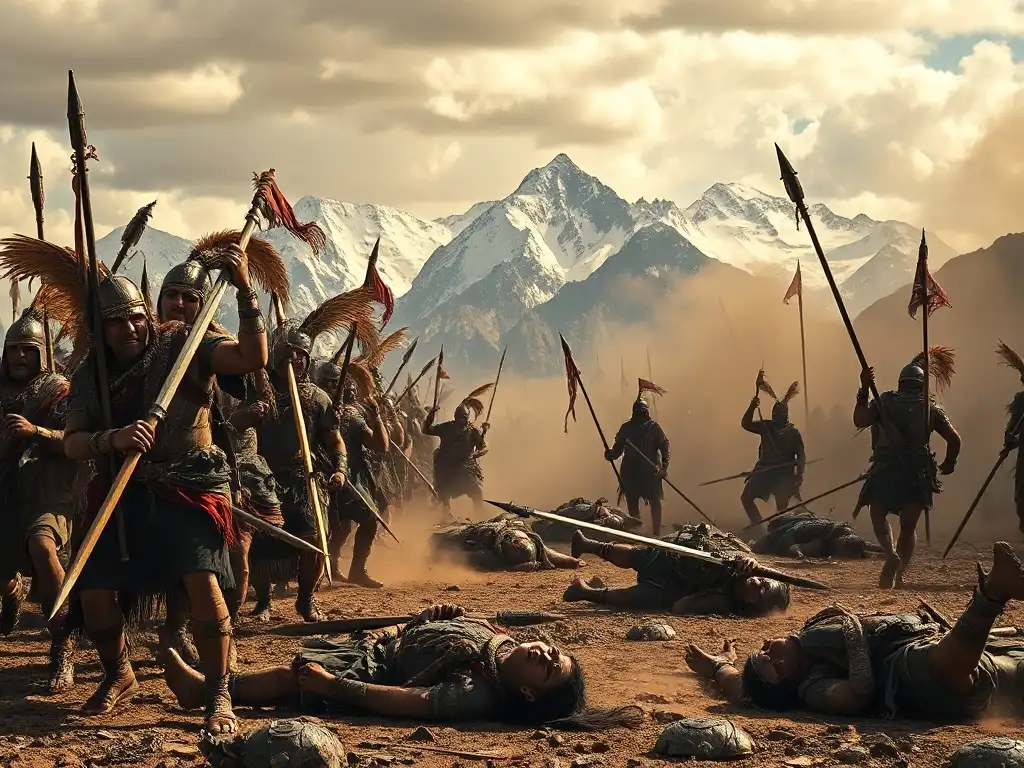
The Inca Civil War, a devastating conflict between Huáscar and Atahualpa, significantly weakened the Inca Empire, paving the way for its conquest by the Spanish. Understanding the Inca civil war causes is crucial to comprehending the empire's swift downfall. The conflict wasn't simply a power struggle between two brothers; it was a complex interplay of political ambition, succession crises, and long-simmering regional tensions that had been suppressed under the previous emperor, Huayna Capac.
His unexpected death from smallpox in 1527 triggered a cascade of events that ultimately shattered the Inca's carefully constructed unity. The lack of a clear succession plan, coupled with the vast size and diverse population of the empire, created a fertile ground for conflict.
The empire, sprawling across the Andes Mountains, was not a monolithic entity, but rather a collection of distinct regions, each with its own loyalties and power structures. This inherent fragility became painfully apparent during the brutal conflict between Huáscar and Atahualpa.
Key Battles and Military Strategies
The war between Huáscar and Atahualpa wasn't a series of haphazard skirmishes; it involved carefully planned campaigns and significant battles that shaped the course of the conflict. Huáscar, initially the designated heir, controlled the traditional heartland of the Inca Empire, Cusco. His forces, while initially stronger, lacked the strategic mobility of Atahualpa's army. Atahualpa, based in the northern provinces, possessed a more mobile and arguably more disciplined military force.
The war featured several key battles. The Battle of Quipaipan, for instance, saw a decisive victory for Atahualpa, significantly weakening Huáscar's position and control over the southern regions. Atahualpa's superior military tactics, which included the effective use of cavalry and innovative siege techniques, played a crucial role in his successes. His army's superior mobility allowed them to outmaneuver Huáscar's forces, effectively cutting off supply lines and isolating key strongholds.
Detailed accounts of these battles, however, remain fragmented and often contradictory, making it difficult to reconstruct a precise timeline and assess the exact troop numbers and casualties involved. Further research is necessary to accurately quantify the scale of these engagements and their impact on the overall war effort. More detailed analysis of surviving Inca records and archaeological evidence is needed to fully understand the military strategies employed by both sides.
The Shifting Alliances and Betrayals
The Inca Civil War wasn't solely a conflict between two brothers; it involved a complex web of shifting alliances and betrayals. Initially, many regional governors and nobles pledged allegiance to Huáscar, the legitimate heir according to Inca tradition. However, as Atahualpa's military successes mounted, many switched their loyalties, seeking to secure their positions and resources under the winning side. This fluidity of alliances highlights the inherent instability of the Inca political system, where loyalty was often contingent on perceived power and self-preservation.
The shifting alliances were not only driven by strategic considerations; personal ambitions and rivalries also played a significant role. Many powerful nobles saw the war as an opportunity to enhance their own standing and influence within the empire. Betrayals were commonplace, with key figures switching sides multiple times throughout the conflict, often adding to the chaos and uncertainty.
The constant shifting of allegiances destabilized the empire further, fragmenting its military strength and hindering effective resistance against Atahualpa's advance. The lack of steadfast loyalty amongst the Inca nobility ultimately contributed significantly to the empire's vulnerability to external threats. Understanding these intricate political maneuvers is crucial to understanding the Inca civil war causes and consequences.
The Impact on the Inca Population
The Inca Civil War had a devastating impact on the Inca population. Years of fighting led to widespread death and destruction, disrupting agricultural production and trade networks. The conflict caused widespread famine and disease, weakening the empire's resilience and making it more susceptible to the Spanish conquistadors. The exact number of casualties remains unknown, but it’s likely that hundreds of thousands of Inca people perished as a direct or indirect result of the war.
The war’s impact extended beyond immediate casualties. The disruption of established social structures and the destruction of infrastructure created long-term societal instability. The disruption of the mita system, the Inca's labor tribute system, severely impacted agricultural output and the construction of vital infrastructure.
The psychological toll on the population, witnessing the brutal conflict and the destruction of their societal order, also played a significant role in undermining the empire’s overall strength. The Inca Civil War, therefore, not only weakened the empire militarily but also shattered its social and economic fabric, leaving it vulnerable and ripe for conquest. This significant internal weakening was a key factor in the swift collapse of the Inca Empire upon the arrival of the Spanish conquistadors.
The Capture of Huascar: A Turning Point in the Inca Civil War
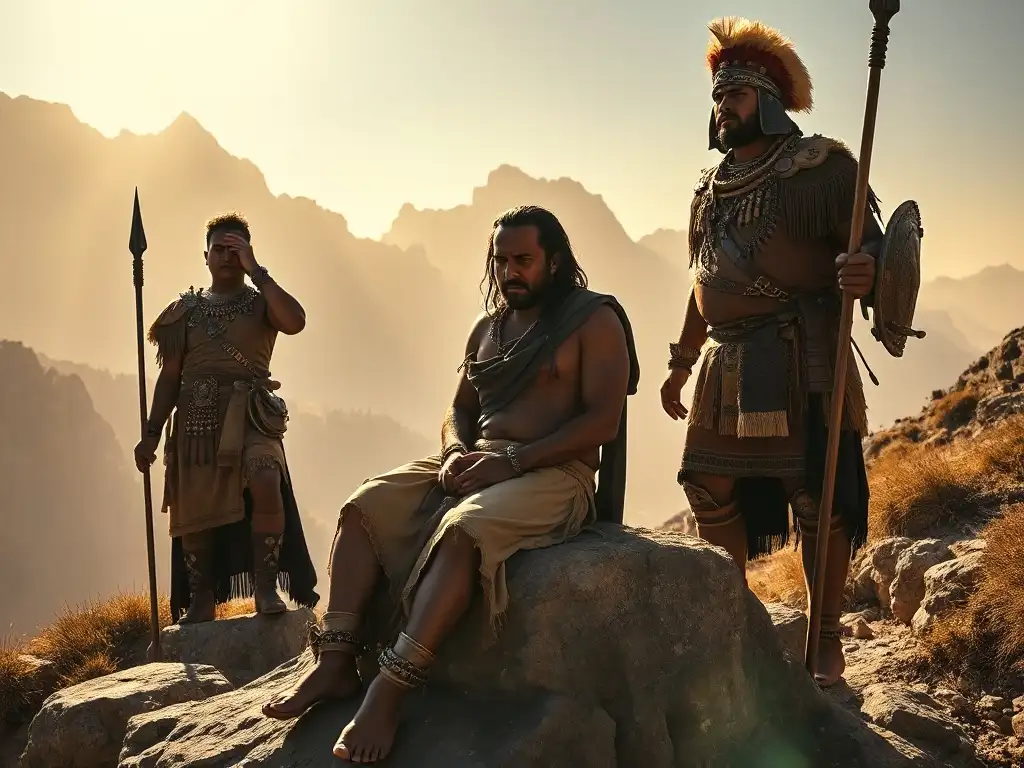
The capture of Huáscar marked a pivotal moment in the Inca Civil War, dramatically shifting the balance of power in favor of his half-brother, Atahualpa. This event, fueled by years of simmering tensions and political maneuvering, effectively sealed Huáscar's fate and paved the way for Atahualpa's ultimately short-lived reign. Understanding the circumstances surrounding Huáscar's capture is crucial to understanding the Inca civil war causes and the subsequent vulnerability of the empire to Spanish conquest.
The conflict wasn't simply a clash of personalities; it was a struggle for control over a vast and complex empire, riddled with internal weaknesses that the brothers ruthlessly exploited. The ensuing power vacuum, a direct consequence of the civil war, proved disastrous for the Inca.
Atahualpa's Victory in the South
Atahualpa's military prowess played a significant role in his victory. He skillfully employed superior tactics and leveraged the loyalty of key regional leaders who remained unconvinced by Huáscar's authority. Atahualpa's army, better equipped and more disciplined, systematically defeated Huáscar's forces in a series of decisive battles across southern Peru.
Detailed accounts of these battles are scarce, often shrouded in the mists of time and conflicting narratives, however, it's clear that Atahualpa's strategic acumen, combined with a stronger military force, were key factors in his success. The battles were not just about numbers; Atahualpa's understanding of terrain and his ability to inspire his troops proved crucial in achieving victory after victory. This southern campaign was not merely a military conquest; it was a calculated political maneuver aimed at dismantling Huáscar's support base and consolidating Atahualpa's claim to the Inca throne.
The momentum shifted decisively in Atahualpa's favor after the Battle of Quipaipan, a significant clash that shattered Huáscar's remaining strength. The aftermath saw a swift collapse of Huáscar's authority in the south, leaving the path open for Atahualpa's advance on Cusco.
The Imprisonment of Huáscar
Following his military victories, Atahualpa's forces captured Huáscar near Cusco. The exact circumstances of his capture remain somewhat obscure, with varying accounts depicting different levels of resistance and treachery. What is clear, however, is that Huáscar's capture effectively ended his reign and solidified Atahualpa's control over the empire's heartland.
Huáscar's imprisonment was not merely a symbolic act; it was a strategic move to eliminate any potential rival claimants to the throne and prevent any organized resistance. The treatment of Huáscar during his captivity is also a point of contention amongst historians. Some accounts depict his imprisonment as relatively humane, while others claim he was subjected to harsh conditions and abuse, highlighting the brutality inherent in this power struggle.
The imprisonment of Huáscar, a pivotal moment in the Inca civil war causes, effectively removed a major obstacle to Atahualpa's consolidation of power. The absence of a unified opposition allowed Atahualpa to focus on reorganizing the empire and preparing for the unexpected arrival of the Spanish.
The Consolidation of Atahualpa's Power
The capture of Huáscar was not the end, but rather a crucial turning point in Atahualpa's quest for power. The subsequent consolidation of his power involved a complex interplay of military might, political maneuvering, and the suppression of any remaining opposition. Atahualpa systematically dismantled the support networks that Huáscar had cultivated, replacing loyal officials with his own appointees. He embarked on a campaign to subdue any remaining pockets of resistance and ensure complete control over the empire's vast resources.
This process was far from seamless, and Atahualpa likely faced significant challenges in consolidating power, particularly in regions that remained loyal to Huáscar. However, his swift actions and decisive military victories allowed him to establish his authority relatively quickly. The consolidation of Atahualpa’s power, while successful in the short term, ultimately proved fragile.
The internal divisions and weaknesses exposed by the civil war left the empire vulnerable to external threats, ultimately leading to its conquest by the Spanish conquistadors. The Inca civil war causes ultimately weakened the empire beyond repair, making it easy prey for Pizarro. The legacy of this conflict continues to fascinate and inform our understanding of the Inca Empire's rise and fall.
The Arrival of the Spanish: A Fatal Interruption
The Inca Civil War, a brutal conflict fueled by ambition and betrayal between Huáscar and Atahualpa, significantly weakened the Inca Empire, leaving it vulnerable to the Spanish conquistadors. This internal fracturing, a key factor in the Inca civil war causes, created an opportune moment for Pizarro and his relatively small army to conquer a vast and once-powerful civilization. The timing of the Spanish arrival, coinciding with the aftermath of the civil war, proved to be a catastrophic confluence of events.
The empire, exhausted by years of conflict and lacking a unified leadership, was ill-equipped to withstand the Spanish invasion. The internal strife had depleted resources, demoralized the army, and fractured the social fabric, creating a power vacuum that Pizarro deftly exploited.
Analyzing the impact of the civil war on the Inca's ability to resist the Spanish is crucial to understanding the swift downfall of this remarkable empire. The Spanish conquest wouldn't have been so easy without the prior destabilization caused by the Inca civil war.
The Spanish Landing in Cajamarca
Pizarro's strategic decision to land in Cajamarca, a city strategically located within the heartland of the Inca Empire, was a masterstroke, further highlighting the vulnerability created by the Inca civil war causes. Atahualpa, still consolidating his power after defeating Huáscar, was caught off guard. The Inca army, already depleted by the recent civil war, was not positioned to effectively defend against the Spanish.
The exhausted and fractured Inca infrastructure made it difficult to mobilize a swift and effective defense. The lack of a unified command structure, a direct consequence of the civil war, hampered the Inca's ability to respond effectively. Cajamarca's location, nestled in a valley that allowed for a tactical ambush, played directly into Pizarro's hands.
The ensuing massacre was a chilling demonstration of the Spanish military superiority, but also a testament to the pre-existing weakness of the Inca Empire. The lack of effective communication and coordination within the Inca ranks, a direct consequence of the years of civil war, further contributed to their defeat.
Atahualpa's Encounter with Pizarro
The infamous meeting between Atahualpa and Pizarro at Cajamarca is a pivotal moment in Inca history. Atahualpa, unaware of the true strength and capabilities of the Spanish, underestimated their military might, a miscalculation directly influenced by the weakened state of his empire following the Inca civil war causes. The Inca's superior numbers were irrelevant in the face of Spanish weaponry and tactics.
The element of surprise, along with the psychological shock of the Spanish cavalry and firearms, contributed to the utter collapse of Atahualpa's forces. The Inca's lack of immunity to European diseases further weakened their resistance. The aftermath saw the capture of Atahualpa, a decisive turning point in the conquest.
This event wasn’t simply a clash between two armies; it was the culmination of years of internal strife that left the Inca vulnerable to a relatively small but technologically superior force. The capture of the emperor symbolized the complete collapse of Inca authority, a collapse directly linked to the devastating civil war.
The Vulnerability of a Divided Empire
The Inca Civil War, with its devastating impact on the empire's infrastructure, military strength, and social cohesion, is a crucial element in understanding the Inca civil war causes and the rapid Spanish conquest. The war left a legacy of deep divisions and widespread instability. The empire's resources, already strained by the prolonged conflict, were further depleted, leaving them unable to mount an effective defense against the invaders.
The loss of life, both military and civilian, weakened the empire's manpower and morale. The destruction of infrastructure hindered communication and logistics, making it difficult to mobilize resources and coordinate defenses. This internal fragmentation, a direct consequence of the civil war, allowed the Spanish conquistadors to exploit the weaknesses and conquer a vast empire with a relatively small force.
The Inca’s defeat was not solely due to Spanish military superiority, but also, and perhaps primarily, to the self-inflicted wounds of a devastating civil war. The internal strife effectively paved the way for the empire's downfall. The Spanish conquest served as a brutal testament to the disastrous consequences of internal conflict and the vulnerability of a divided empire.
The Consequences of the Inca Civil War
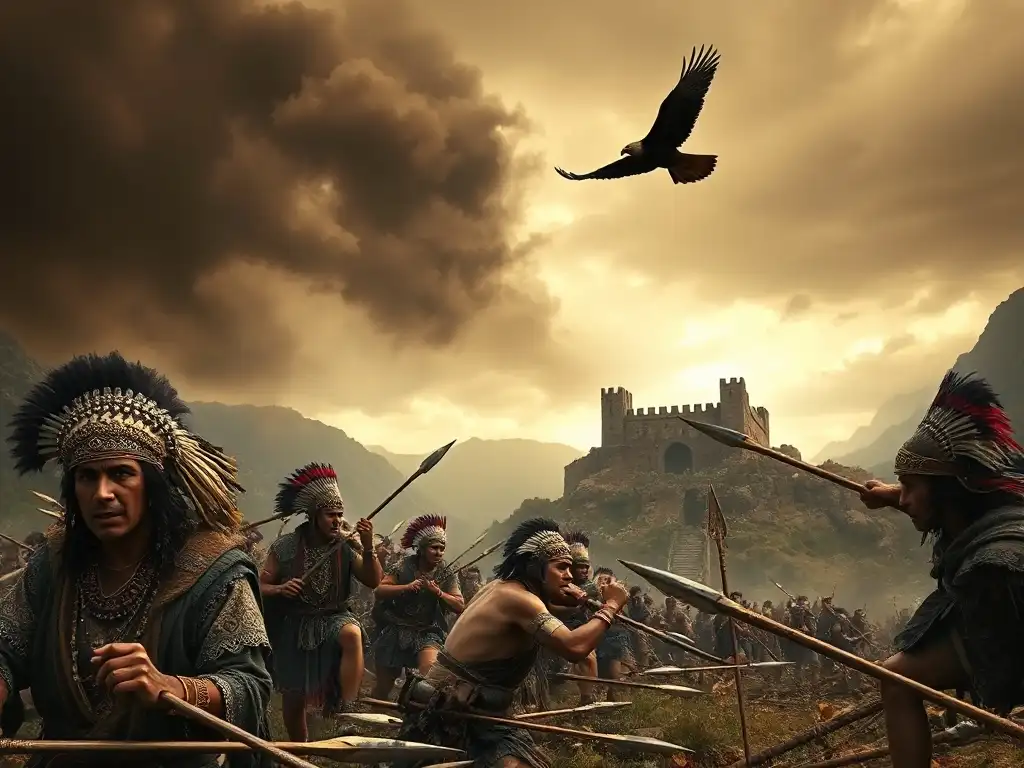
The Inca Civil War, a brutal conflict between Huáscar and Atahualpa, had catastrophic consequences that extended far beyond the immediate loss of life. It fundamentally altered the political landscape of the Andes, leaving a legacy that profoundly impacted the Inca Empire and shaped the future of Andean civilization. Understanding the "Inca civil war causes" is crucial to comprehending the empire's vulnerability and subsequent downfall. The conflict's impact reverberated through generations, leaving an indelible mark on the region's culture and power structures.
The Inca Empire Weakened and Divided
The years of intense warfare between Huáscar and Atahualpa left the Inca Empire severely weakened. The protracted conflict drained the empire's resources, both human and material. Vast armies clashed repeatedly, resulting in significant casualties and the depletion of vital stores of food and supplies. Crucially, the war fractured the intricate administrative system that had been the backbone of the Inca's power.
Provincial governors and local leaders switched allegiances, causing widespread unrest and internal strife. This internal division created a power vacuum, weakening the central authority and leaving the empire vulnerable to external threats. The once-unified and formidable Inca army was now fragmented, demoralized, and depleted.
The infrastructure, meticulously maintained for centuries, suffered neglect, further contributing to the empire's overall decline. The economic consequences were equally devastating, with agricultural production disrupted and trade routes disrupted, leading to widespread famine and social unrest in many regions. The war's devastation effectively crippled the empire's capacity for effective governance and defense, setting the stage for its ultimate conquest.
The Facilitation of the Spanish Conquest
The weakened state of the Inca Empire following the civil war directly facilitated the Spanish conquest. The Spanish conquistadors, led by Francisco Pizarro, arrived in the Andes at a time of profound instability. Instead of facing a unified and powerful empire, they encountered a fractured society riven by internal conflict and depleted resources.
The lack of a strong central authority allowed Pizarro and his relatively small army to exploit the divisions within the Inca ranks, employing divide-and-conquer tactics to their advantage. The Inca's depleted military strength and internal strife meant they were unable to mount an effective defense against the Spanish invaders. The civil war had essentially paved the way for the conquest, transforming a potentially insurmountable challenge into a surprisingly swift and decisive victory for the Spanish.
The Inca's internal struggles severely diminished their capacity to resist, making the conquest far easier and faster than it would have been had the empire remained unified and strong. The chaos and uncertainty created by the civil war left the Inca vulnerable and unable to effectively coordinate a defense against the technologically superior Spanish forces.
The Lasting Impact on Andean Culture
The Inca Civil War left a lasting impact on Andean culture, extending far beyond the political sphere. The conflict resulted in the loss of countless lives and the destruction of countless cultural artifacts and knowledge. The disruption of traditional social structures and the displacement of populations led to long-term social and economic instability.
The war's devastating consequences profoundly impacted the cultural memory of the Andean people, leaving a legacy of trauma and loss that continues to resonate to this day. Many aspects of Inca culture, including religious practices, artistic traditions, and agricultural techniques, were either lost or irrevocably altered during and after the conflict. The disruption of the Inca's intricate social and political systems had a cascading effect, impacting various aspects of Andean life, from agriculture and trade to religious beliefs and social organization.
The war's impact on Andean identity and cultural continuity was profound and enduring, shaping the cultural landscape of the region for centuries to come. The scars of this conflict remain visible in the fragmented cultural heritage of the region, a testament to the devastating consequences of the "Inca civil war causes."
The Role of the Inca Civil War Causes in the Fall of the Empire
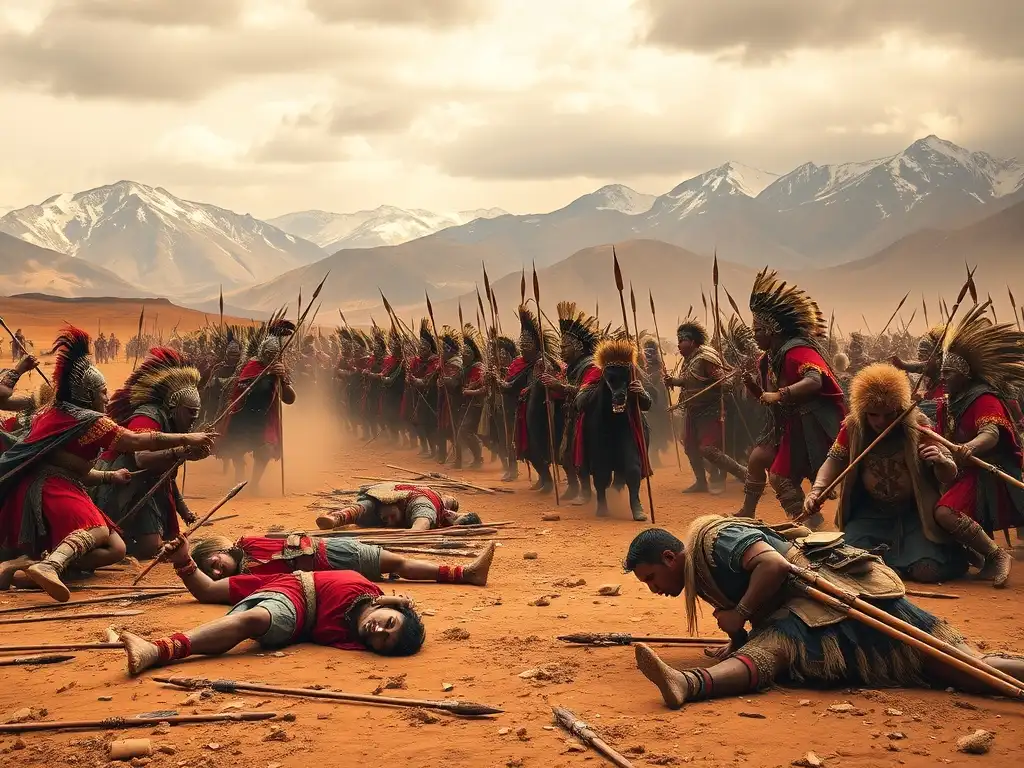
The Inca Civil War, a brutal conflict between Huáscar and Atahualpa, significantly weakened the Inca Empire, paving the way for its swift conquest by the Spanish. Understanding the Inca civil war causes is crucial to comprehending the empire's downfall. The conflict wasn't simply a power struggle between two ambitious brothers; it exposed deep-seated vulnerabilities within the Inca system, highlighting the fragility of a vast empire built on a foundation of centralized power and limited internal checks and balances.
The war effectively fractured the Inca state, diverting resources and manpower away from defense and creating a power vacuum that Pizarro expertly exploited. This section will explore the key factors that contributed to the devastating civil war and its consequential impact on the empire's fate.
Internal Divisions as a Factor in Inca Decline
The Inca Empire, despite its impressive size and sophisticated administrative system, suffered from significant internal divisions long before the succession crisis that triggered the civil war. These divisions weren't always overt; they often manifested as simmering tensions between different ethnic groups incorporated into the empire through conquest. The Inca implemented a system of mita, a form of labor tribute, which, while effective in mobilizing resources, could also generate resentment among conquered populations.
This resentment, coupled with the inherent difficulties of governing such a diverse and geographically vast territory, created fertile ground for dissent and rebellion. The empire's expansion, while impressive, ultimately stretched its administrative capabilities thin, weakening its control over outlying provinces and fostering a climate of instability.
Furthermore, the centralized nature of the Inca government, while efficient in many respects, also created a vulnerability. The death of a Sapa Inca (emperor) often triggered succession disputes, as evidenced by the Huáscar-Atahualpa conflict. The lack of a clear and universally accepted succession mechanism left the empire open to power struggles, weakening its ability to respond effectively to external threats.
The absence of strong internal checks and balances meant that ambitious individuals could exploit existing tensions and mobilize support for their own claims to power, as both Huáscar and Atahualpa successfully did. The resulting civil war effectively crippled the Inca's ability to resist the Spanish, transforming a formidable empire into a collection of warring factions. The sheer scale of the internal conflict, characterized by intense battles and widespread destruction, depleted the empire's resources and manpower, leaving it highly vulnerable to external invasion.
The Missed Opportunity for Unified Resistance
The Inca Civil War presented a critical juncture in the history of the empire. Had Huáscar and Atahualpa resolved their differences and presented a united front against the Spanish invaders, the outcome could have been drastically different. The combined military strength of the Inca armies, even weakened by the civil war, still significantly outnumbered the Spanish conquistadors.
However, the fractured state of the empire prevented any effective coordinated resistance. Each brother's forces were preoccupied with fighting each other, leading to a missed opportunity for a powerful, unified defense. This internal conflict diverted resources, manpower, and attention away from the growing Spanish threat, allowing Pizarro and his relatively small army to exploit the situation and gain a foothold in the empire.
The consequences of this missed opportunity are profound. A united Inca Empire, leveraging its superior numbers and established military infrastructure, could have potentially repelled the Spanish invasion, preventing the devastating conquest and ensuring the continuation of the Inca civilization. The fragmentation of power, caused by the civil war, effectively neutralized the Inca's military advantage, transforming a potentially insurmountable obstacle for the Spanish into a weakened and easily manipulated opponent.
The lack of a unified command structure allowed Pizarro to employ divide-and-conquer tactics, exploiting the existing rivalries to his advantage and gradually dismantling the empire from within. This highlights the critical role of internal unity in resisting external aggression, a lesson often overlooked in the study of imperial collapses.
Lessons from the Inca Civil War for Future Generations
The Inca Civil War offers valuable lessons for understanding the dynamics of power, succession, and the fragility of even the most powerful empires. The conflict underscores the importance of establishing clear and stable succession mechanisms to prevent internal strife and maintain political stability. A robust system of checks and balances, preventing the concentration of unchecked power in the hands of a single individual or faction, is crucial for ensuring the longevity of a state. The Inca experience demonstrates the devastating consequences of neglecting these principles, highlighting the vulnerability of centralized systems in the face of internal divisions.
Furthermore, the Inca's failure to present a unified front against the Spanish invasion offers a stark reminder of the critical role of internal unity in resisting external aggression. The ability to overcome internal differences and present a cohesive defense is often the most significant factor in determining the success or failure of a nation facing external threats. The Inca Civil War serves as a cautionary tale, emphasizing the importance of national unity and effective leadership in times of crisis.
The study of Inca civil war causes provides a rich case study for understanding the complex interplay of internal and external factors that contribute to the rise and fall of empires, offering valuable insights for political leaders and historians alike. Understanding these lessons is crucial for preventing similar catastrophes in the future.
Legacy of the Huascar and Atahualpa Conflict
The Inca Civil War, ignited by the bitter rivalry between Huáscar and Atahualpa, irrevocably altered the trajectory of the Inca Empire, leaving a legacy that resonates even today. The conflict, fueled by disputes over succession and control of resources, significantly weakened the empire, making it profoundly vulnerable to the Spanish conquistadors' arrival just a few short years later. Understanding the Inca civil war causes is crucial to grasping the empire's rapid downfall.
This wasn't merely a power struggle between brothers; it was a fracturing of the Inca societal fabric, a breakdown of established systems, and a catastrophic loss of manpower and resources. The war's impact extended far beyond the battlefield, leaving behind a scarred political landscape and a diminished capacity for effective governance.
How the Inca Civil War Shaped History
The Inca Civil War, lasting from 1527 to 1533, didn't just result in a change of leadership; it fundamentally reshaped the political and social landscape of the Inca Empire. The conflict's devastating consequences included:
- Significant Loss of Life: The war involved massive armies, resulting in a substantial loss of life among the Inca soldiers, both through battle and disease. This depletion of manpower left the empire severely weakened and unable to effectively resist the Spanish. Estimates of casualties vary widely, but it's clear that the conflict significantly reduced the available fighting force.
- Economic Disruption: The war disrupted agricultural production, trade routes, and the overall economic stability of the empire. Resources were diverted to military efforts, leading to shortages and widespread economic hardship. The destruction of infrastructure, including vital irrigation systems, further hampered the empire's recovery.
- Erosion of Authority: The prolonged conflict severely undermined the authority and legitimacy of the Inca rulers. The internal strife shattered the carefully constructed image of the Inca emperor as a divine figure, weakening their control over the populace. This loss of faith and trust made it easier for the Spanish to exploit existing divisions and gain support among the indigenous population.
- Fractured Society: The war created deep divisions within Inca society, with loyalties split between Huáscar and Atahualpa. These divisions persisted even after the war's end, hindering any attempts at reunification and making the empire highly susceptible to external threats. This social fragmentation provided a fertile ground for the Spanish to exploit and conquer.
The Inca civil war causes, stemming from unclear succession procedures, created a perfect storm that allowed for Spanish conquest. The long-term consequences of the conflict are undeniable, contributing significantly to the empire's demise. The depletion of resources and manpower, the loss of faith in the ruling class, and the deep social divisions created a vulnerable empire ripe for the taking. The impact of this conflict serves as a stark reminder of the fragility of even the most powerful empires when faced with internal strife.
The Historical Significance of Inca Succession Disputes
The Inca Empire's system of succession played a crucial role in the events leading up to the civil war. While the official process involved the emperor choosing his successor, often from his sons, the lack of clearly defined rules and procedures created ambiguity and opportunities for manipulation. This ambiguity, coupled with the vast size and diversity of the empire, provided fertile ground for competing claims to power. The deaths of previous Emperors, including Huayna Capac, further complicated the situation, leading to power vacuums and competing factions vying for control.
The absence of a formal written legal code to guide succession further exacerbated the problem. Oral traditions and customary practices, while effective for many years, proved insufficient to prevent the escalating tensions between Huáscar and Atahualpa. This lack of clarity allowed ambitious individuals to exploit existing tensions and mobilize support for their preferred candidate, leading to open warfare.
The Inca civil war causes are therefore intricately linked to the weaknesses of the imperial succession system, highlighting the importance of clear and well-defined rules of governance, even in seemingly stable and powerful empires. The consequences of this ambiguity were catastrophic, ultimately paving the way for the Spanish conquest.
Further Reading and Resources on Inca History
Further research into the Inca Civil War and its causes can provide a deeper understanding of this pivotal moment in Andean history. Exploring the diverse perspectives and interpretations of historians is crucial to gaining a comprehensive understanding of this complex period. A deeper dive into primary sources, such as chronicles written by Spanish conquistadors and indigenous accounts (where available), can offer valuable insights into the motivations, strategies, and consequences of the conflict.
Additionally, engaging with academic journals and scholarly books dedicated to Inca history can provide a wealth of information and analysis on this multifaceted subject. The study of the Inca Civil War is an ongoing process, with new discoveries and interpretations constantly enriching our understanding of this crucial turning point in Andean history. The exploration of the Inca civil war causes continues to fascinate and inform historians today.
Frequently Asked Questions
What sparked the Inca Civil War between Huáscar and Atahualpa?
The Inca Civil War stemmed from a succession crisis following the death of Huayna Capac. His sons, Huáscar and Atahualpa, both claimed the throne, leading to a brutal power struggle and internal conflict. This ultimately weakened the empire, making it vulnerable to Spanish conquest.
How did Huáscar and Atahualpa's differing strengths contribute to the war?
Huáscar, legitimate heir according to Inca tradition, controlled the central and southern regions. Atahualpa, a skilled military leader, commanded the northern provinces and their powerful armies. Their contrasting strengths fueled the conflict, preventing a peaceful resolution.
What were the major battles of the Inca Civil War?
Key battles included the clashes at Las Salinas and Quipaipan. Atahualpa's superior military tactics and control of vital resources proved decisive, leading to his victory over Huáscar. These battles significantly weakened the Inca Empire's military and infrastructure.
How did the Inca Civil War impact the Spanish conquest?
The civil war severely weakened the Inca Empire, leaving it fractured and vulnerable. The internal strife, loss of life, and depleted resources made the subsequent Spanish conquest significantly easier and quicker than it might have otherwise been.
What was the ultimate outcome of the Inca Civil War?
Atahualpa emerged victorious, but his triumph was short-lived. His victory only briefly unified the empire before the Spanish conquest began. The war's devastation ultimately led to the downfall of the Inca Empire.
Final Reflection: Echoes of Empire: The Inca Civil War's Enduring Legacy
The brutal conflict between Huáscar and Atahualpa, a fratricidal struggle for power that tore the Inca Empire asunder, remains chillingly relevant today. We see echoes of this internecine warfare in modern conflicts fueled by ambition and the lust for power, reminding us that the fragility of even the mightiest empires can be shattered by internal divisions. The consequences of unchecked ambition and the devastating impact of civil strife continue to resonate across centuries, shaping the political landscapes of nations even now.
The Inca Civil War's legacy extends far beyond the battlefield, profoundly impacting the cultural and social fabric of South America. The Spanish conquest, facilitated by the weakened state of the empire, irrevocably altered the course of history. The very fabric of Inca society was unravelled, its intricate systems of governance and social organization destroyed. The Inca Empire was not conquered; it was devoured from within.
– This sentiment encapsulates the tragic irony of a civilization undone not by external forces alone, but primarily by its own internal contradictions. The lingering effects of this conflict are still felt in the social and political structures of modern-day Peru and beyond.
Consider the lessons learned from this devastating conflict. How can we, as individuals and as societies, learn to mitigate the dangers of unchecked ambition and internal strife? You have the power to foster unity and understanding within your own communities, to build bridges instead of walls.
Let the story of Huáscar and Atahualpa serve as a cautionary tale, a reminder that the strength of any society lies not in its military might, but in its internal cohesion and its commitment to peaceful resolution. Let us strive to build a future where the echoes of empire are replaced by the harmonious symphony of cooperation and understanding.
Reflect on History: Shape the Future by Learning from the Inca Legacy!
Thank you for exploring the captivating story of Huascar and Atahualpa's conflict. Understanding their bitter rivalry offers valuable insight into how internal power struggles can dramatically impact even the mightiest empires. Now, let's build on this knowledge and make a difference!
Here are some ways you can delve deeper and contribute to a broader understanding of this crucial period:
- Engage with Our Community: Join our forum to discuss the intricacies of Andean history and share your perspectives on the consequences of leadership failures within civilizations.
- Expand Your Knowledge: Explore related articles on Andean civilizations to enrich your understanding of this compelling era.
- Share Your Discoveries: Write a short blog post or social media update about what you've learned, and tag us—let's continue the discussion!
What valuable lessons about leadership and its impact can modern leaders glean from the tragic rivalry between Huascar and Atahualpa?