
The Use of Textiles in Inca Religious Rituals and Practices

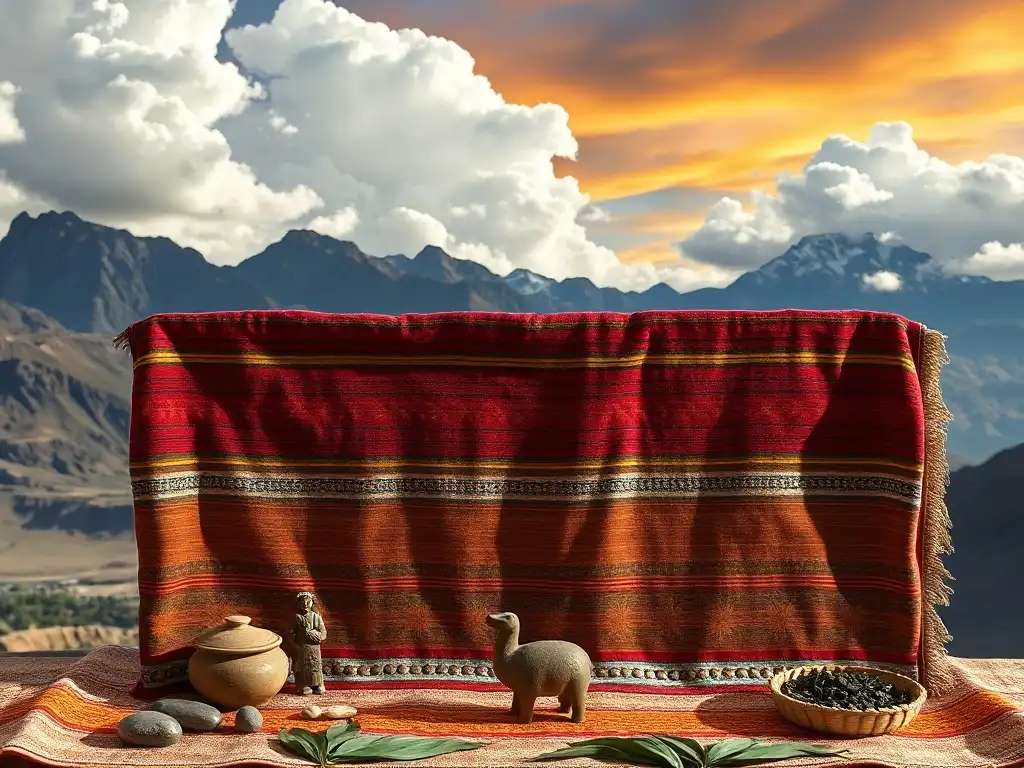
Unravel the mysteries woven into the very fabric of Andean history! Journey with us into the captivating world of ancient civilizations, where vibrant cultures flourished and left behind a legacy as rich as the Andes themselves. Prepare to be amazed by the intricate connection between Inca textiles religious rituals, a story far more complex and compelling than you ever imagined. Discover the secrets hidden within these exquisite threads and unlock the profound spiritual significance they held for the Inca Empire – a revelation waiting to be explored.
- Inca Textiles: Their Sacred Role in Religious Rituals
- Textiles as Offerings to the Gods: Inca Religious Practices
- Specific Religious Rituals Involving Inca Textiles
- The Symbolic Language of Inca Textile Patterns
- Preservation and Study of Inca Religious Textiles
-
Frequently Asked Questions
- What role did textiles play in Inca religious rituals?
- Were specific textile designs used for particular Inca rituals?
- What materials were used to create these ritual textiles?
- How did the Inca create such intricate textile designs?
- Where can I learn more about Inca textiles and their religious significance?
- Final Reflection: The Enduring Threads of Inca Spirituality
- Unveil the Sacred Threads of Inca Culture!
Inca Textiles: Their Sacred Role in Religious Rituals
The Inca Empire, renowned for its sophisticated infrastructure and intricate social structure, held a deeply spiritual worldview interwoven with every aspect of daily life. Religion permeated Inca society, shaping its customs, beliefs, and artistic expressions. Nowhere is this more evident than in the meticulous creation and use of textiles.
This article delves into the profound significance of Inca textiles within religious rituals and practices, exploring the intricate symbolism embedded within their designs and the crucial role they played in connecting the Inca people to the divine realm. We will examine the societal importance of weaving, the materials and techniques employed, and the specific ways in which textiles were utilized in ceremonies and religious observances. Understanding the role of Inca textiles provides invaluable insight into the complex religious beliefs and practices of this remarkable civilization, highlighting the deep connection between the spiritual and the material worlds in Inca culture.
The analysis will focus on how the intricate designs, vibrant colors, and the very act of weaving itself served as powerful mediums for expressing religious ideas and communicating with the supernatural. This exploration promises to unveil the sacred tapestry woven into the very fabric of Inca religious life.
The Significance of Weaving in Inca Society and Religion
Weaving in Inca society was far more than a mere craft; it was a sacred art form deeply intertwined with religious beliefs and practices. The act of weaving itself was considered a ritualistic process, connecting the weaver to the spiritual world. Textiles were not simply utilitarian objects; they held profound symbolic meaning, representing the cosmos, the ancestors, and the gods.
The intricate designs woven into the fabrics often depicted celestial bodies, mythical creatures, and sacred symbols, reinforcing their sacred nature. Highly skilled weavers, often women, held esteemed positions within Inca society, reflecting the significance of their craft. Their expertise was crucial in creating the ceremonial textiles used in religious rituals, demonstrating the profound connection between weaving and the spiritual realm.
The precision and artistry of Inca textiles are a testament to the deep reverence with which the craft was regarded. The quality and intricacy of the textiles often reflected the social standing of the wearer or the importance of the ritual occasion. For example, the cumbi, a richly decorated textile worn by high-ranking officials, was a potent symbol of authority and spiritual connection.
The creation of textiles was not merely a technical process but also a spiritual one, imbued with prayers and offerings to ensure the successful completion of the work and the blessing of the resulting fabric. The choice of colors and patterns further reinforced the sacred meaning of the textiles. Specific colors were associated with particular deities or events, adding another layer of symbolic complexity.
For instance, [specific color associations pending] would have been used to represent [specific deity or event pending]. This meticulous attention to detail underscores the profound importance of textiles within Inca religious life. The intricate designs were not merely decorative; they were powerful visual representations of Inca cosmology and beliefs.
Inca Textile Production: Materials, Techniques, and Symbolism
Inca textile production involved a range of sophisticated techniques and materials, reflecting the advanced technological capabilities of the civilization. The most common materials included cotton and wool from domesticated animals like alpacas and llamas. The quality of the fibers, the dyes used, and the weaving techniques employed all contributed to the unique character and symbolic meaning of each textile. The use of natural dyes, derived from plants and minerals, resulted in a vibrant palette of colors, each with its own symbolic association. [Specific examples of dye sources and their symbolic meanings pending].
The weaving techniques employed by Inca artisans were remarkably advanced. They utilized a variety of techniques, including tapestry weaving, brocade, and embroidery, to create intricate patterns and textures. The precision and skill demonstrated in these textiles are truly remarkable, showcasing the mastery of Inca weavers. For instance, the technique of [specific weaving technique pending] allowed for the creation of exceptionally fine and detailed designs.
The symbolism embedded within Inca textiles was multifaceted and complex, drawing upon a rich tapestry of religious beliefs and cosmological concepts. Geometric patterns, often found in Inca textiles, represented the organization of the cosmos, while zoomorphic and anthropomorphic motifs depicted deities, ancestors, and mythical creatures. The use of specific colors and patterns further enhanced the symbolic significance of the textiles.
For example, the [specific pattern pending] could have represented [specific meaning pending], reflecting the intricate relationship between the visual and the spiritual in Inca culture. The combination of intricate techniques, carefully selected materials, and deeply symbolic designs resulted in textiles that served not only as functional garments but also as potent religious objects, mediating the relationship between the human and divine realms.
The continued discovery and study of these textiles continues to shed light on the rich tapestry of Inca religious beliefs and practices. The surviving examples are a testament to the enduring legacy of Inca artistry and the profound spiritual significance they held.
Textiles as Offerings to the Gods: Inca Religious Practices
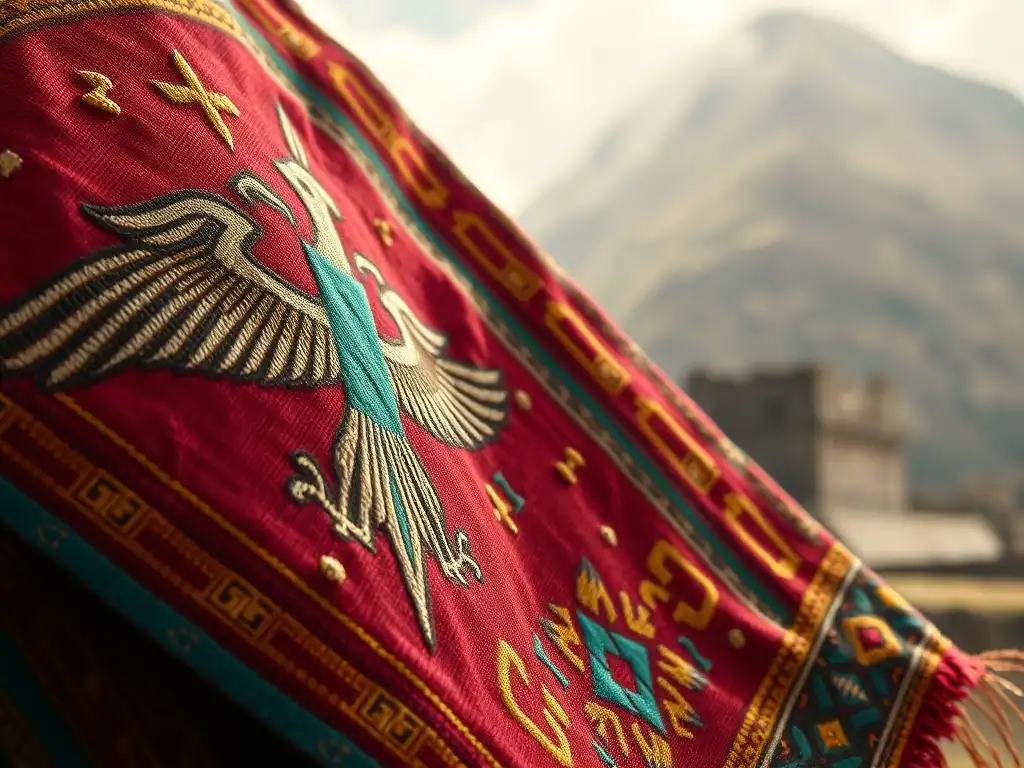
The Inca civilization's deep reverence for textiles extended far beyond everyday clothing. Woven fabrics played a crucial role in their religious rituals, serving as powerful offerings to the apus (mountain gods), the sun god Inti, and other deities. The intricate designs, vibrant colors, and the sheer labor involved in creating these textiles imbued them with significant spiritual value.
These weren't simply utilitarian objects; they were considered sacred and were meticulously crafted to honor the divine. The quality and complexity of the textile directly reflected the importance of the offering and the reverence shown to the deity. For instance, a finely woven lliclla (shawl) adorned with intricate depictions of sacred animals or celestial bodies would be considered a far more potent offering than a simply woven piece.
Archaeological evidence consistently reveals the presence of textiles in sacred sites, buried alongside other ritual objects, further emphasizing their religious significance. The sheer quantity of textiles found in these contexts underscores the central role they played in Inca religious life. The precise methods of offering varied depending on the specific deity and the nature of the ritual, but the act of offering itself demonstrated a profound connection between the mortal and spiritual realms.
Woven Cloth as Sacred Gifts in Inca Rituals
The Inca's use of woven cloth as sacred gifts in rituals varied greatly depending on the context. Ceremonial occasions often involved presenting meticulously crafted textiles to the apus, often in capacocha sacrifices. These sacrifices, involving the offering of children and other precious items, were considered to appease the gods and ensure continued prosperity and fertility. The textiles accompanying these sacrifices were often of the highest quality, representing the best of Inca weaving techniques.
These textiles weren't merely added to the offering; they were integral to the ritual itself, embodying the community's devotion and supplication. Furthermore, smaller, more everyday textiles were also used in less elaborate rituals. Simple offerings of chumpi (belts) or llantas (bands) might be left at sacred sites as gestures of respect or to seek divine favor.
The significance of the textile wasn't always determined by its complexity; the act of offering itself, regardless of the textile's quality, carried great spiritual weight. Detailed records of such rituals, unfortunately, are scarce; however, archaeological finds provide invaluable insights into the practices and the importance of textiles within these rituals. The meticulous preservation of many of the recovered textiles is a testament to the value placed on them, even after their use in ritual contexts.
The Use of Cumbi and Awaska in Religious Ceremonies
Two specific types of textiles, cumbi and awaska, deserve special attention due to their prominent roles in Inca religious ceremonies. Cumbi, typically a type of thick, heavily woven cloth, was often used in ritual garments worn by priests and other religious officials. The robust nature of cumbi likely reflected its symbolic importance, representing strength, resilience, and the enduring power of the Inca religion.
Its use in ceremonial attire directly linked the wearer to the divine, reinforcing their authority and spiritual standing within the community. On the other hand, awaska, a finer, more delicately woven fabric, was frequently used in creating ceremonial banners and other decorative elements in religious processions and festivals. The intricate designs woven into awaska often depicted sacred symbols, mythological creatures, and scenes from Inca mythology, further enhancing their spiritual significance.
The contrast between the robust cumbi and the delicate awaska highlights the diverse ways in which textiles were employed in religious practices, each serving a distinct purpose and carrying unique symbolic meaning. Further research is needed to fully understand the specific nuances in the use of these textiles and their connection to particular deities or rituals. [Specific information pending on the geographical distribution of cumbi and awaska use in Inca religious practices].
Textile Burials and the Afterlife in Inca Beliefs
Inca beliefs about the afterlife strongly influenced the use of textiles in burial practices. Textiles weren't merely grave goods; they were essential components of the journey into the next world. The deceased, particularly members of the elite, were often buried adorned in elaborate textiles, reflecting their status and providing comfort and protection in the afterlife.
These burial textiles often mirrored the intricate designs and high-quality craftsmanship of those used in religious rituals, demonstrating a continuity between the living and the dead. The inclusion of textiles in burials suggests a belief that these fabrics provided continued connection to the spiritual world, offering solace and perhaps even assisting the deceased in navigating the afterlife. The types of textiles used varied depending on the social status of the deceased, with rulers and high-ranking officials being buried with the most elaborate and finely crafted pieces.
The careful arrangement of textiles within the burial sites suggests a deliberate and ritualistic process, emphasizing the importance of these fabrics in the funerary rites. The discovery of remarkably well-preserved textiles in Inca tombs provides tangible evidence of these beliefs and practices, allowing researchers to gain valuable insights into the cosmology and worldview of the Inca civilization. The presence of these textiles in burials serves as a powerful testament to the enduring significance of textiles in Inca culture, even beyond the realm of the living.
Specific Religious Rituals Involving Inca Textiles
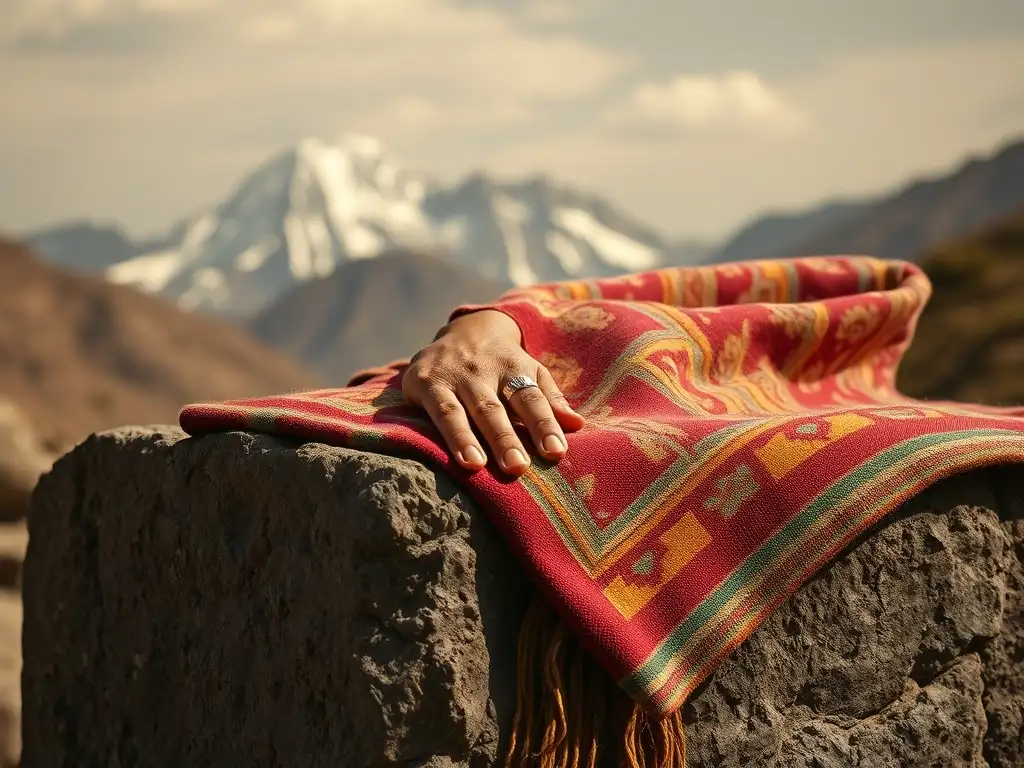
This section delves into the specific religious rituals of the Inca civilization where textiles played a crucial role, highlighting their symbolic significance and practical applications within the context of Inca religious practices. The intricate weaving techniques and the rich symbolism embedded within the textiles themselves reveal much about Inca cosmology, social hierarchy, and their relationship with the divine. Analyzing these rituals through the lens of textile use provides a deeper understanding of the complex tapestry of Inca religious life. The keyword "Inca textiles religious rituals" is central to this exploration.
Textiles in Inca Capac Raymi and Inti Raymi Festivals
The Inca Capac Raymi (the most important festival of the Inca year) and Inti Raymi (the festival of the sun) were major celebrations involving elaborate displays of Inca textiles. These festivals, marking the solstices and significant agricultural cycles, were not merely social gatherings but deeply religious events. Textiles were integral to the pageantry and ritualistic aspects.
For instance, the Sapa Inca (emperor) would wear a specially woven uncu (tunic) adorned with intricate designs representing the sun, stars, and other celestial bodies, directly linking his authority to the cosmos. High-ranking officials and priests also wore richly decorated textiles, reflecting their social standing and participation in the sacred ceremonies.
The mamacocha (shrines dedicated to water deities) and other sacred spaces were richly decorated with lliclla (shawls) and other textiles during these festivals. These textiles were not simply decorative; their colours, patterns, and materials held symbolic meaning, representing the abundance of the harvest, the power of the sun, and the fertility of the land – all crucial elements of Inca religious beliefs. The vibrant hues of the textiles often mimicked the colors of the landscape or represented specific deities, further emphasizing their religious importance.
Evidence suggests that specific textile designs were associated with particular deities or rituals, creating a complex visual language understood by the Inca people. Detailed descriptions of these textiles, however, remain limited due to the perishable nature of organic materials, requiring further archaeological investigation.
The Role of Textiles in Inca Sacrifices and Offerings
Inca religious practices included human sacrifice, though the frequency and scale are still debated among scholars. Textiles played a significant role in these somber rituals. Mummies, often of high-ranking individuals, were frequently adorned with elaborate textiles before burial or sacrifice. These textiles were not merely grave goods; they served as a means of providing the deceased with the necessary attire and status in the afterlife. The quality and intricacy of the textiles reflected the social standing of the deceased, with the Sapa Inca receiving the most lavish burial attire.
Furthermore, textiles were also used as offerings to the gods. Small, intricately woven textiles, sometimes containing miniature representations of deities or sacred objects, were discovered in archaeological sites, indicating their use as votive offerings in temples or sacred spaces. These offerings, often accompanied by other precious items, were intended to appease the gods and ensure the continued prosperity of the Inca empire. The meticulous craftsmanship involved in these small textile offerings underscores their significance within Inca religious practices. The exact nature of these offerings and their connection to specific deities remains a subject of ongoing research.
Textiles in Inca Pilgrimages and Sacred Sites
Pilgrimages to sacred sites were an essential aspect of Inca religious life. Individuals and groups would travel long distances to visit significant locations, such as mountain peaks or springs, believed to be inhabited by deities or imbued with spiritual power. Textiles played a crucial role in these journeys, providing both practical and symbolic functions. Pilgrims often carried chumpi (carrying straps) and other textiles to transport food, water, and other necessities for their journeys.
Moreover, textiles were also used to mark and sanctify these sacred sites. Archaeological evidence suggests that certain textiles were used to adorn sacred objects or structures found at these locations. The specific designs and colors of these textiles likely held symbolic significance, relating to the particular deity or spirit associated with the site.
The act of adorning these locations with textiles served to reinforce their sacred status and to strengthen the connection between the pilgrims and the divine. Further research is needed to fully understand the regional variations in the textiles used in pilgrimages to different sacred sites across the vast Inca Empire. The variation in textile types and designs across different regions offers valuable insight into the localized expressions of Inca religious beliefs.
The Symbolic Language of Inca Textile Patterns
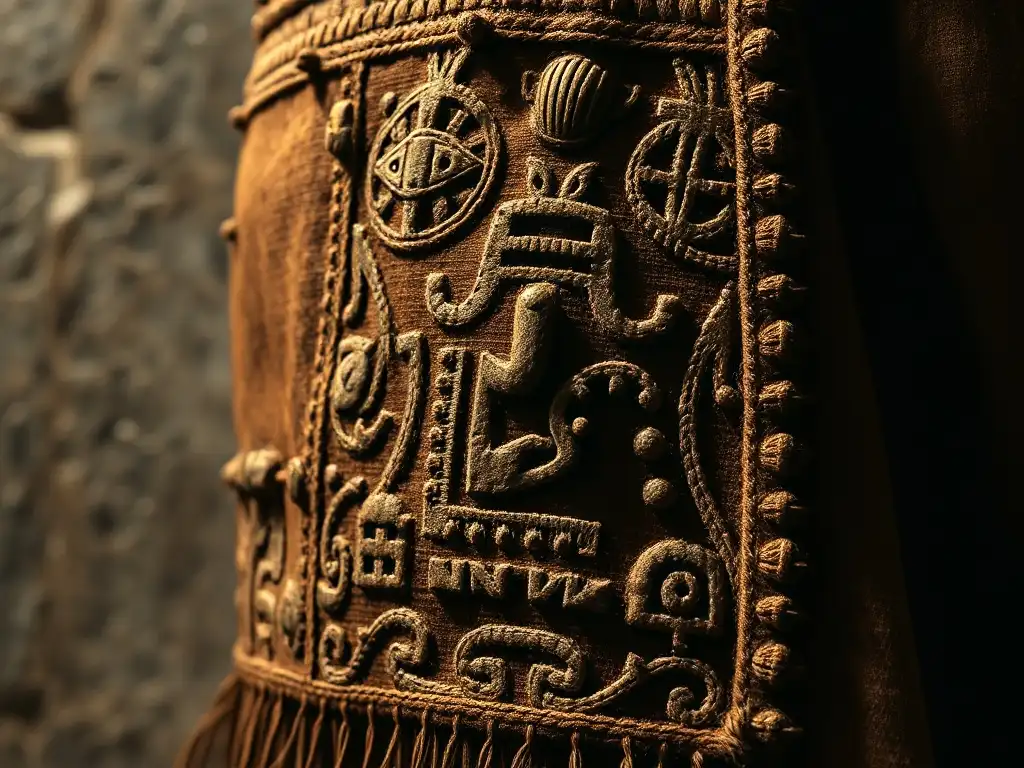
Inca textiles weren't merely functional items; they served as powerful mediums for religious expression, embodying a complex system of symbolism deeply intertwined with Inca cosmology and beliefs. The intricate designs woven into these textiles conveyed profound spiritual meanings, reflecting the Inca worldview and their relationship with the supernatural. Understanding these patterns is key to unlocking a deeper understanding of Inca religious rituals and practices.
The use of Inca textiles in religious rituals was pervasive, and the patterns themselves acted as a form of visual prayer or offering. This section will explore the key symbolic elements within these magnificent textiles, focusing on geometric motifs, animal representations, and the significant role of color.
Geometric Motifs and their Religious Connotations
Geometric patterns, such as stripes, zigzags, chevrons, and stepped frets, frequently adorned Inca religious textiles. These weren't simply decorative elements; they held specific religious connotations, often representing the Andean landscape, celestial bodies, or abstract concepts related to the Inca worldview. For example, stepped frets, reminiscent of Andean terraces, likely symbolized the agricultural bounty and the connection between the human world and the fertile earth, vital to Inca religious beliefs emphasizing agricultural prosperity and fertility.
Stripes, often in contrasting colors, possibly represented the duality present in Inca cosmology – the opposition and balance between contrasting forces like day and night, male and female, or the sun and moon. Detailed analysis of these motifs reveals a sophisticated symbolic system, reflecting the Inca's profound understanding of their environment and their place within the cosmos.
Further research is needed to fully decipher the meaning of some of the more complex geometric combinations found on surviving textiles. The precise symbolism of certain patterns remains a subject of ongoing scholarly debate, highlighting the complexity and richness of Inca textile art.
Animal Representations and their Spiritual Meanings
Beyond geometric designs, Inca religious textiles frequently featured representations of animals, each carrying specific spiritual significance within the Inca pantheon. The condor, a powerful bird soaring high above the Andes, often symbolized the sun god Inti, representing strength, power, and connection to the celestial realm. The puma, a revered creature associated with strength and nobility, held a prominent position in Inca mythology and frequently appeared on textiles used in rituals honoring powerful deities.
Llamas and alpacas, crucial to Inca economy and daily life, were also depicted, possibly representing fertility, abundance, and the connection to the earth. The specific placement and context of these animal representations within the textile design likely further enhanced their symbolic meaning, providing a deeper layer of religious interpretation. For example, a condor positioned above a puma might represent the dominance of the sun god over earthly power.
Further investigation into the iconography of these animals within different contexts could provide a clearer understanding of their roles in Inca religious rituals. The exact meanings associated with certain animal depictions in specific ritual contexts require further analysis of existing archaeological evidence.
Color Symbolism in Inca Religious Textiles
Color played a crucial role in the symbolic language of Inca textiles, with each hue carrying its own specific spiritual meaning. Red, a dominant color in many Inca religious textiles, was associated with blood, sacrifice, and the sun, representing power, vitality, and the life-giving force of nature. Yellow, often found in association with gold, symbolized the sun's radiant energy and divine power.
White, representing purity and sanctity, was frequently used in textiles associated with ceremonies honoring the deities and ancestors. Black, conversely, could represent the underworld or night, but its meaning is less clear-cut and requires further investigation. The precise combination and arrangement of colors within a textile design further enriched its symbolic meaning, adding layers of complexity to the overall message.
The use of specific dyes and their sourcing also likely held symbolic significance, adding another dimension to the study of color symbolism in Inca textiles. More research is needed to fully understand the nuanced meanings of color combinations in different types of Inca religious textiles and their associated rituals. The subtle variations in color intensity and shades could also be significant and deserve more attention.
Preservation and Study of Inca Religious Textiles
The study of Inca textiles offers a unique window into their complex religious beliefs and practices. Unlike many other ancient cultures where written records are abundant, the Inca relied heavily on visual and material culture to convey religious meaning. Their textiles, intricately woven with symbolic designs and vibrant colors, serve as powerful artifacts that continue to reveal insights into their spiritual world.
Understanding the preservation challenges and ongoing research efforts is crucial for unlocking the secrets held within these remarkable textiles. The fragility of these ancient fabrics necessitates careful handling and preservation techniques to ensure their longevity for future generations. The keyword "Inca textiles religious rituals" is intrinsically linked to the meticulous work of preservation, as the integrity of these artifacts is paramount for accurate interpretations.
Archaeological Discoveries of Inca Textiles
Archaeological discoveries have yielded a wealth of Inca textiles, many found within sacred sites, tombs, and offerings. The textiles discovered in the royal tombs at Pachacamac, for instance, showcase the exceptional skill of Inca weavers and the significance of textiles in elite religious practices. These finds often include cumbi (a type of woven bag), highly decorated tunics, and intricate tapestries depicting deities, mythical creatures, and cosmological symbols.
The vibrant colors, often derived from natural dyes like cochineal and indigo, further emphasize the ritual significance of these garments. The discovery of textiles in high-altitude mountaintop shrines, such as those dedicated to the mountain god Apu, highlights the role of textiles in connecting the Inca world with the sacred landscape.
Analysis of the textile's composition (e.g., fiber type, dye ingredients) provides clues about the time period and geographic location of their creation, adding further layers of context to their religious significance. Detailed records of each discovery, including precise location and associated artifacts, are crucial for future research and contextual understanding.
The Importance of Analyzing Textile Fragments
Even fragments of Inca textiles provide valuable information for researchers. Often, these fragments, discovered scattered in ritual contexts, offer insights into the use of specific motifs or techniques in different religious ceremonies. Microscopic analysis can reveal details invisible to the naked eye, such as the type of weave, the techniques used, and the composition of the dyes.
Careful documentation, including high-resolution photography and detailed descriptions, is critical for archiving and comparing these fragmented pieces. This meticulous approach is essential to piecing together the bigger picture of Inca religious practices and beliefs reflected in their textile artistry. Furthermore, the analysis of textile fragments helps to understand the broader economic and social structures that underpinned the production and distribution of these sacred materials.
For example, the presence of certain dyes or fibers might indicate trade networks or specialized workshops dedicated to producing religious textiles. The study of these fragments is therefore critical to a comprehensive understanding of "Inca textiles religious rituals".
Current Research on Inca Textile Religious Practices
Current research focuses on several key areas related to Inca textiles and religious practices. Scholars are increasingly utilizing interdisciplinary approaches, combining archaeological findings with ethnographic studies of surviving Andean communities and ethnobotanical research into the origins of dyes. This integrated approach allows for a more nuanced understanding of the symbolic meanings embedded within Inca textiles.
Advanced techniques such as spectral imaging are being employed to analyze the dyes and pigments used in the textiles, providing insights into the materials and techniques employed by Inca artisans. Furthermore, researchers are exploring the potential connections between textile designs and Inca mythology, attempting to decipher the symbolic representations of deities, celestial bodies, and other significant elements of their cosmology.
The ongoing research aims to develop a more comprehensive understanding of the role of textiles within Inca religious rituals, moving beyond simple descriptions to interpret the deeper cultural and spiritual significance of these remarkable artifacts. This evolving research continually refines our understanding of the significance of "Inca textiles religious rituals" in the broader context of Inca civilization.
Frequently Asked Questions
What role did textiles play in Inca religious rituals?
Inca textiles held immense religious significance. They were used in ceremonies, adorning shrines and idols, and were often considered sacred objects themselves, imbued with spiritual power.
Were specific textile designs used for particular Inca rituals?
Yes, specific designs and colors held symbolic meaning and were used for particular rituals. For example, certain patterns might represent deities or signify specific events or concepts. The use was highly codified.
What materials were used to create these ritual textiles?
Inca ritual textiles were crafted from alpaca, llama, and vicuña wool, often using incredibly intricate techniques and incorporating precious metals like gold and silver into the designs.
How did the Inca create such intricate textile designs?
Inca weavers employed advanced techniques like backstrap loom weaving and various dyeing methods to create incredibly detailed and colorful textiles. Their skill and artistry were highly valued.
Where can I learn more about Inca textiles and their religious significance?
You can explore museums with Andean collections, academic journals focused on Andean archaeology and anthropology, and books dedicated to Inca textile art and religious practices. Many online resources also exist.
Final Reflection: The Enduring Threads of Inca Spirituality
The vibrant artistry of Inca textiles wasn't merely decorative; it was a powerful conduit to the spiritual realm, a legacy that continues to resonate in contemporary Andean cultures. The intricate designs, the carefully chosen materials, and the meticulous craftsmanship all served to connect the Inca people to their gods, their ancestors, and the very fabric of their world. This deep connection between the material and the spiritual remains a compelling testament to the enduring power of human creativity and belief.
The influence of Inca textile traditions extends far beyond the archaeological record; it permeates the cultural landscape of the Andes to this day. The techniques and motifs employed by Inca artisans are still visible in contemporary Andean weaving, a living testament to the enduring legacy of this ancient civilization. The past is never dead. It's not even past.
– William Faulkner. This quote perfectly encapsulates the ongoing relevance of Inca textile traditions, demonstrating how the past continues to inform and shape the present. Their spiritual significance, woven into the very threads of their existence, continues to inspire awe and wonder.
Consider the intricate symbolism woven into each piece – the vibrant colors, the geometric patterns, the representations of deities and sacred animals. These weren't simply aesthetic choices; they were carefully considered elements that imbued the textiles with spiritual power. You, too, can find meaning in the details, in the stories embedded within the objects you encounter.
Take a moment to appreciate the craftsmanship and artistry of the textiles you see, and consider the stories they might tell, the connections they might represent. Let the enduring legacy of Inca spirituality inspire you to find beauty and meaning in the world around you.
Unveil the Sacred Threads of Inca Culture!
Thank you for exploring the fascinating world of Inca religious rituals and textiles! You've discovered how these vibrant fabrics intricately reflect spirituality and cultural significance. Now, let's delve deeper and engage with this rich heritage in meaningful ways!
- Immerse yourself in the vibrant colors of the Andes: Visit a museum showcasing Andean textiles or explore online exhibitions to experience the beauty of these ancient crafts firsthand. The artistry is truly breathtaking.
- Share your newfound knowledge: Discuss your insights with friends or online communities, sparking conversations about how textiles influence spirituality across different cultures. You might be surprised by the connections you uncover!
- Create your own textile art: Experiment with weaving or natural dyeing techniques inspired by traditional Inca methods. Document your creative process and reflections – it's a wonderful way to honor this rich heritage personally.
Have you ever encountered a cultural practice or art form that profoundly shifted your understanding of a community? Share your experiences below!