
The Unfolding Narrative: How Andean Oral Tradition Evolves with Time

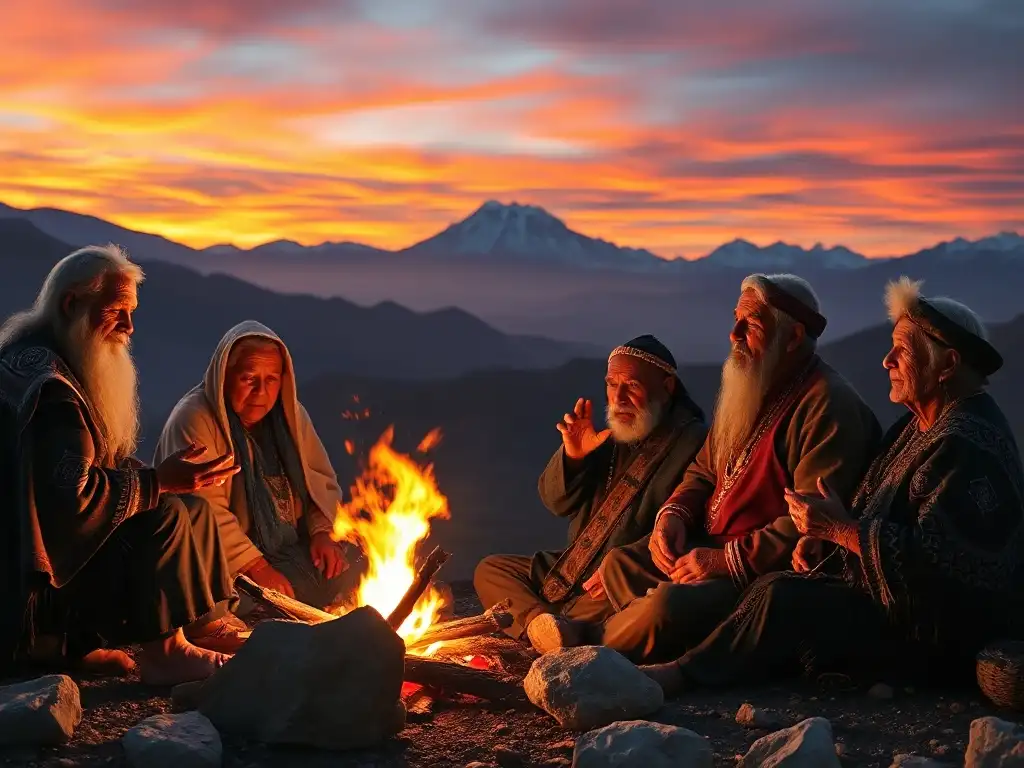
Welcome to Andean Civilizations, where the echoes of a lost world whisper secrets of ingenuity and resilience. Journey with us into the heart of the Andes, unraveling the mysteries of the Incas, Moche, Nazca, and Tiahuanaco. But first, prepare to be captivated by the evolution of Andean oral tradition. How did stories, knowledge, and beliefs survive the passage of centuries? Discover the fascinating answer – and much more – within.
The Andes Mountains, a spine of towering peaks running down the western coast of South America, are not just a geographical feature; they are the cradle of vibrant and diverse civilizations. For millennia, these cultures thrived, developing sophisticated systems of governance, agriculture, and art. But beyond the impressive monuments and intricate textiles lies a rich tapestry of oral tradition – a dynamic, ever-evolving system of storytelling, knowledge transmission, and cultural preservation that has shaped Andean identity for generations.
This article delves into the fascinating evolution of Andean oral tradition, examining how it adapts, transforms, and persists across time, impacting the very fabric of Andean societies. We will explore the ways in which this tradition has both maintained its core values and responded to the influences of colonization, globalization, and modernization.
Understanding this evolution is key to appreciating the enduring power and complexity of Andean culture. The keyword "Andean oral tradition evolution" will be explored through various lenses, highlighting the resilience and adaptability of this vital cultural heritage.
The Pre-Columbian Era: A Foundation of Myth and Memory
Before the arrival of Europeans, Andean oral traditions were deeply intertwined with the natural world and the spiritual beliefs of the various Andean cultures. Narratives were not merely entertainment; they served as vital tools for transmitting knowledge about agriculture, astronomy, social structures, and cosmology. Myths and legends, often involving powerful deities and ancestral figures, explained the origins of the world, the cycles of nature, and the social order.
These stories were passed down through generations, meticulously preserved and adapted through ritualistic performances, songs, and ceremonies. The specific details varied across different ethnic groups – the Incas, Moche, Nazca, and Tiahuanaco all possessed unique oral traditions, reflecting their distinct cultural identities.
The role of quipus, knotted strings used for record-keeping, suggests a sophisticated system of encoding and transmitting information beyond simple storytelling. Archaeological evidence, while limited in directly revealing oral traditions, supports the existence of complex narrative structures and a deep reverence for ancestral knowledge.
The Impact of Colonization: Suppression and Resilience
The Spanish conquest of the Andes in the 16th century dramatically altered the landscape of Andean oral traditions. The imposition of Catholicism and the suppression of indigenous languages and practices led to a period of significant disruption. Many traditional narratives were lost or suppressed, replaced by religious teachings and the dominant Spanish language. However, Andean oral traditions proved remarkably resilient.
Indigenous communities adapted their storytelling practices, often subtly weaving traditional beliefs and narratives into new forms. For example, Catholic saints might be incorporated into existing myths, or traditional stories might be adapted to reflect the new socio-political realities. This process of syncretism allowed Andean oral traditions to survive, albeit in a transformed state. The persistence of Quechua and Aymara, despite colonial efforts to eradicate them, stands as testament to the enduring strength of indigenous cultural practices.
The 20th and 21st Centuries: Revitalization and Modern Adaptations
The 20th and 21st centuries have witnessed a resurgence of interest in Andean oral traditions. Indigenous communities have actively worked to reclaim and revitalize their cultural heritage, often using modern media and technologies to disseminate their stories. The rise of indigenous rights movements and increased access to education have played a crucial role in this process. However, the challenges remain.
The pressures of globalization, migration, and urbanization continue to impact the transmission of oral traditions. Younger generations, often more exposed to Western media and lifestyles, may be less familiar with traditional narratives. Efforts to document and preserve these traditions, through initiatives such as oral history projects and the creation of archives, are vital for ensuring their continued survival.
The use of digital platforms offers new opportunities for sharing and preserving these invaluable stories for future generations. The evolution continues, showcasing the adaptability and enduring strength of Andean oral traditions in the face of ongoing change. This ongoing evolution reflects the dynamism and resilience of Andean cultures themselves.
- The Pre-Columbian Era: A Foundation of Myth and Memory
- The Impact of Colonization: Suppression and Resilience
- The 20th and 21st Centuries: Revitalization and Modern Adaptations
- How did Andean oral traditions evolve over time?
- What role did storytelling play in Andean societies?
- How were oral traditions preserved across generations?
- What are some examples of Andean oral traditions that have survived to the present day?
- How did the Inca Empire impact the evolution of Andean oral traditions?
Understanding the Roots of Andean Oral Tradition
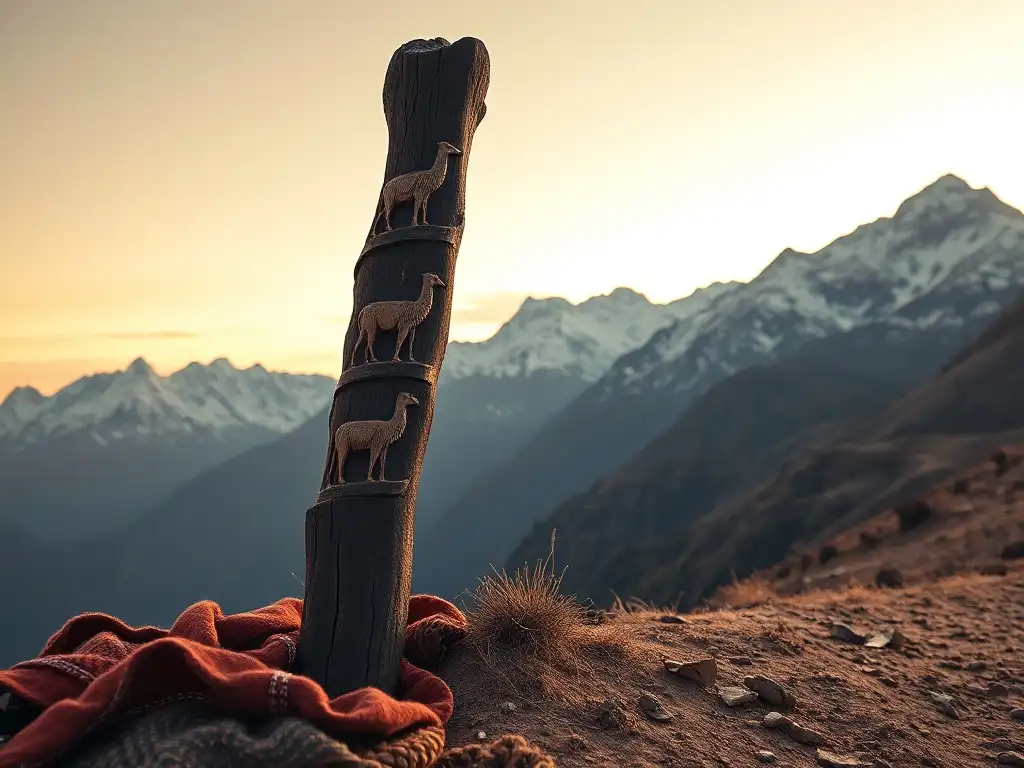
This section delves into the enduring power and evolution of Andean oral tradition, a vital component of Andean cultural heritage. We'll examine how this tradition, passed down through generations, has adapted and transformed while retaining its core essence. The evolution of Andean oral tradition is a complex tapestry woven from ancient practices, societal shifts, and the enduring human need for storytelling.
Understanding this evolution requires exploring its deep roots and the factors that have shaped its ongoing narrative. The resilience of Andean oral tradition in the face of colonialism and modernization is a testament to its significance and the communities that actively preserve it. This dynamic process of transmission and adaptation showcases the living nature of Andean cultural identity.
The Ancient Foundations of Oral Storytelling in the Andes
The ancient Andes witnessed the flourishing of sophisticated oral traditions long before the arrival of the Inca Empire. Evidence suggests that diverse groups, including the Moche, Nazca, and Tiahuanaco, possessed rich oral narratives integral to their social structures and belief systems. These stories, passed down through generations, served multiple purposes:
- Transmission of Knowledge: Practical skills like agriculture, medicine, and craftsmanship were often embedded within narratives, ensuring their continuity.
- Social Cohesion: Shared myths and legends fostered a sense of community and collective identity, reinforcing social norms and values.
- Religious Expression: Oral traditions played a crucial role in expressing religious beliefs, explaining the world's origins, and maintaining connections with the spiritual realm.
Archaeological discoveries, while not directly revealing specific narratives, provide glimpses into the symbolic language and imagery that likely formed the basis of these stories. For example, the intricate iconography found on Moche pottery suggests complex narratives surrounding their deities, rituals, and social hierarchy. The Nazca Lines, though their exact purpose remains debated, are also considered by some scholars to represent a form of visual storytelling, possibly linked to astronomical observations or religious practices.
Further research is needed to fully understand the narratives associated with these visual representations. The lack of written records necessitates careful analysis of material culture to piece together the fragments of these ancient oral traditions.
The Role of Storytellers in Andean Societies
In Andean societies, storytellers held positions of immense respect and influence. They weren't merely entertainers; they were keepers of cultural memory, shaping societal values and transmitting knowledge. These individuals, often referred to as yachaywasi (knowledge houses) in Quechua, possessed exceptional memory and rhetorical skills, capable of captivating audiences for hours with intricate tales. Their mastery of narrative techniques ensured the accurate and engaging transmission of crucial information.
The training and selection of storytellers varied across different Andean communities. In some cases, it was a hereditary role, passed down within families. In others, individuals demonstrated exceptional aptitude for memorization and storytelling, earning their status through rigorous training and apprenticeship. Their performance style often incorporated music, dance, and dramatic elements, enhancing the narrative's impact and memorability.
This oral performance tradition wasn't limited to elders; younger generations also participated, learning and contributing to the evolving narrative. The social standing and influence of storytellers underscore the vital role oral tradition played in Andean societies. The preservation of this tradition depended on the skills and dedication of these individuals, who acted as living archives of their culture.
Key Themes and Motifs in Early Andean Narratives
Early Andean narratives frequently revolved around several recurring themes and motifs, reflecting the values and worldview of these societies. These included:
- Creation Myths: Stories explaining the origin of the world, humans, and the cosmos were fundamental to Andean cosmologies. These narratives often involved powerful deities, ancestral figures, and transformative events.
- Ancestor Veneration: Respect for ancestors and their connection to the land played a significant role. Narratives often highlighted the importance of lineage and the responsibility of living descendants to honor their ancestors.
- Nature and the Supernatural: The natural world held deep spiritual significance, with mountains, rivers, and animals often imbued with supernatural powers. Narratives frequently explored the interplay between the human and supernatural realms.
- Social Order and Justice: Many stories emphasized the importance of social harmony and justice, illustrating the consequences of violating social norms and the importance of maintaining balance within the community.
These recurring themes underscore the interconnectedness of the physical and spiritual worlds within Andean belief systems. The narratives reflect not only a deep understanding of the environment but also a sophisticated social structure with established norms and values. The repetition of these themes across different Andean groups highlights the shared cultural foundations that underpinned the diversity of their expressions.
Further research into the diverse narratives from various Andean cultures will provide a richer understanding of the intricate tapestry of their oral traditions. The study of Andean oral tradition evolution continues to reveal fascinating insights into the ancient world and its enduring legacy.
The Dynamic Nature of Andean Oral Tradition
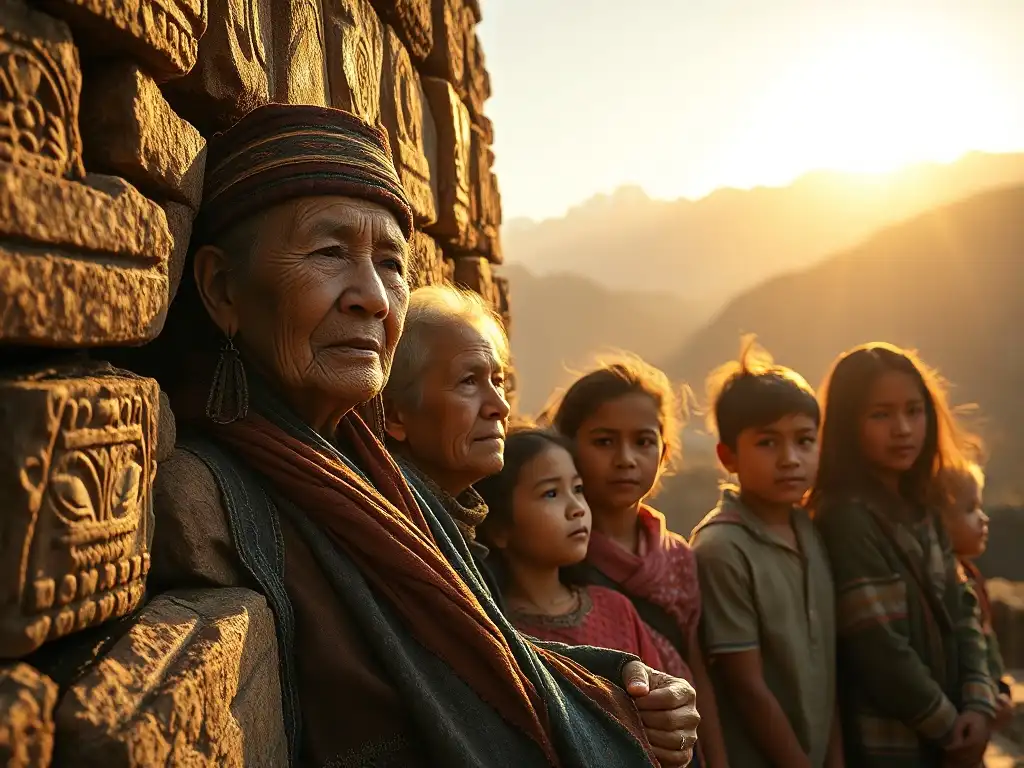
Andean oral tradition, far from being a static repository of the past, is a vibrant, ever-evolving entity. The transmission of stories, myths, and historical accounts across generations has resulted in a rich tapestry of narratives, constantly adapting and changing in response to societal shifts, technological advancements, and external influences. Understanding this dynamic nature is crucial to appreciating the complexity and resilience of Andean cultural heritage.
The evolution of Andean oral tradition is a testament to its adaptability and its enduring power to reflect the changing realities of Andean communities. This continuous process of adaptation ensures the survival and relevance of these narratives in the modern world, showcasing their inherent flexibility and capacity for renewal. Analyzing this evolution provides invaluable insights into the socio-cultural dynamics of Andean societies throughout history.
Adaptation and Change: How Andean Stories Evolve
The evolution of Andean oral narratives is a multifaceted process driven by various factors. One key aspect is the inherent flexibility of oral storytelling itself. Unlike written texts, oral narratives are constantly reinterpreted and reshaped by each storyteller. This process of retelling introduces variations, additions, and omissions, leading to multiple versions of the same story existing simultaneously.
These variations are not simply errors; they reflect the storyteller's personal experiences, their understanding of the narrative's meaning, and the specific context in which the story is being told. For example, a story about a powerful Inca emperor might be adapted to emphasize different aspects depending on the audience and the storyteller's own perspective. Perhaps one storyteller will highlight the emperor's military prowess, while another will focus on his wisdom and diplomacy.
Furthermore, environmental changes, economic shifts, and social upheavals can also significantly impact the content and interpretation of Andean oral traditions. A drought might lead to alterations in myths related to water deities, while the introduction of new technologies could influence narratives about ancestral crafts or agricultural practices. This constant adaptation ensures that the stories remain relevant and meaningful to successive generations, reflecting the evolving challenges and realities of Andean life. The process is akin to a living organism, constantly adapting to its environment to ensure survival. This inherent dynamism is one of the defining characteristics of Andean oral tradition.
Influence of Conquest and Colonialism on Oral Narratives
The Spanish conquest of the Andes in the 16th century profoundly impacted Andean oral tradition. The imposition of Catholicism and the suppression of indigenous languages and beliefs led to significant changes in storytelling practices. Many traditional narratives were either suppressed or subtly altered to incorporate elements of Christian theology.
For instance, stories about Andean deities might have been reinterpreted to align with Catholic saints, or pre-Columbian rituals might have been integrated into new religious practices. This process of syncretism, the blending of indigenous and colonial beliefs, resulted in hybrid narratives that reflected the complex interplay between Andean and European cultures.
The colonial period also witnessed the emergence of new oral narratives that reflected the experiences of Andean communities under Spanish rule. These stories often dealt with themes of resistance, oppression, and survival, providing a powerful means of preserving cultural identity in the face of adversity. The use of allegory and metaphor became crucial in navigating the censorship imposed by colonial authorities.
These narratives, often passed down through generations in hushed tones, served as a vital form of cultural resistance and memory preservation. The impact of colonialism on Andean oral tradition is a complex and multifaceted phenomenon, characterized by both suppression and adaptation.
The Impact of Modernity on Traditional Storytelling
The 20th and 21st centuries have brought about further transformations in Andean oral tradition. Globalization, migration, and the rise of mass media have introduced new challenges and opportunities for storytellers. The spread of Spanish as a dominant language has led to a decline in the use of indigenous languages in many communities, impacting the transmission of traditional narratives. However, there are also efforts to revitalize indigenous languages and storytelling practices through educational initiatives and community-based projects.
Modern technologies, such as recording devices and the internet, have also played a significant role. These technologies offer new avenues for preserving and disseminating Andean oral traditions, reaching wider audiences than ever before. However, it's crucial to ensure that these technologies are used responsibly, respecting the cultural protocols and intellectual property rights of indigenous communities.
The challenge lies in balancing the preservation of traditional practices with the opportunities offered by modern technologies to safeguard and promote Andean oral tradition for future generations. The ongoing evolution of Andean oral tradition in the context of modernity underscores its enduring capacity for adaptation and its continued relevance in a rapidly changing world.
Contemporary Expressions of Andean Oral Tradition
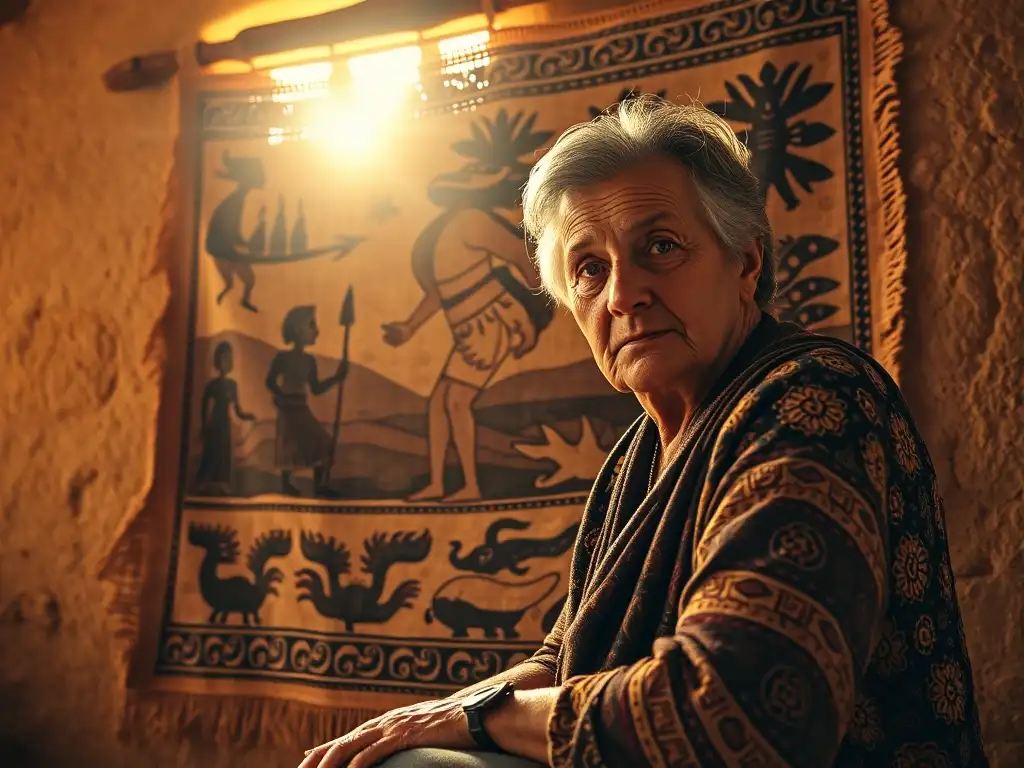
The vibrant tapestry of Andean oral tradition continues to evolve, adapting to modern contexts while retaining its core essence. This section explores how these ancient storytelling practices manifest in the 21st century, demonstrating the enduring power and resilience of Andean cultural heritage. The evolution of Andean oral tradition isn't simply a linear progression; rather, it's a dynamic interplay between the past and the present, a testament to the adaptability of cultural memory.
Understanding this evolution requires analyzing both the challenges faced and the innovative strategies employed to preserve and transmit these invaluable stories. The Andean oral tradition evolution is a fascinating study in cultural continuity and change.
Preserving and Revitalizing Andean Oral Heritage
Preserving Andean oral heritage requires a multifaceted approach. Efforts range from community-based initiatives focused on language revitalization to academic projects dedicated to archiving and analyzing traditional narratives. Many communities actively engage elders as keepers of knowledge, recording their stories and songs for future generations. This often involves meticulous transcription and translation, ensuring accuracy and cultural sensitivity.
For example, Quechua language revitalization projects often incorporate oral storytelling workshops aimed at teaching younger generations traditional narratives and songs. These projects recognize the inherent connection between language preservation and the maintenance of oral traditions. The success of these initiatives depends heavily on community participation and buy-in, demonstrating that the evolution of Andean oral tradition is a collaborative process. Data on the number of active preservation projects is [specific information pending], but anecdotal evidence suggests a growing interest in protecting this invaluable heritage.
The Use of Oral Tradition in Modern Andean Communities
Andean oral tradition continues to play a vital role in contemporary Andean communities. Stories, songs, and rituals remain central to social cohesion, cultural identity, and the transmission of values. Traditional narratives often serve as tools for education, conflict resolution, and community building. For instance, many communities use storytelling to teach children about their history, customs, and the importance of respecting their environment.
Furthermore, oral traditions often inform contemporary artistic expressions, inspiring music, literature, and visual arts. This demonstrates the enduring relevance of these ancient stories in shaping modern Andean identities and communities. The ongoing use of oral tradition reflects its adaptability and its continued importance in daily life. More research is needed to fully quantify the extent of oral tradition's influence on various aspects of contemporary Andean life; [specific data on impact pending].
The Role of Technology in Documenting and Sharing Stories
Technology plays an increasingly significant role in documenting and sharing Andean oral traditions. Audio and video recordings allow for the preservation of nuances in language, intonation, and performance style that might be lost in written transcriptions. Digital archives make these recordings accessible to a wider audience, both within and beyond Andean communities.
Furthermore, the internet and social media platforms offer new avenues for disseminating stories, connecting communities, and fostering intercultural dialogue. However, the use of technology also presents challenges. Concerns about intellectual property rights, cultural appropriation, and the potential for misrepresentation require careful consideration.
The ethical implications of using technology to document and share oral traditions must be addressed to ensure that these practices are preserved and celebrated responsibly. The evolution of Andean oral tradition is inextricably linked to technological advancements, presenting both opportunities and challenges for preserving and sharing this rich heritage. The impact of technology on the accessibility and preservation of Andean oral traditions is a subject of ongoing research, with [specific data on digital archiving efforts pending].
Andean Oral Tradition Evolution: A Closer Look
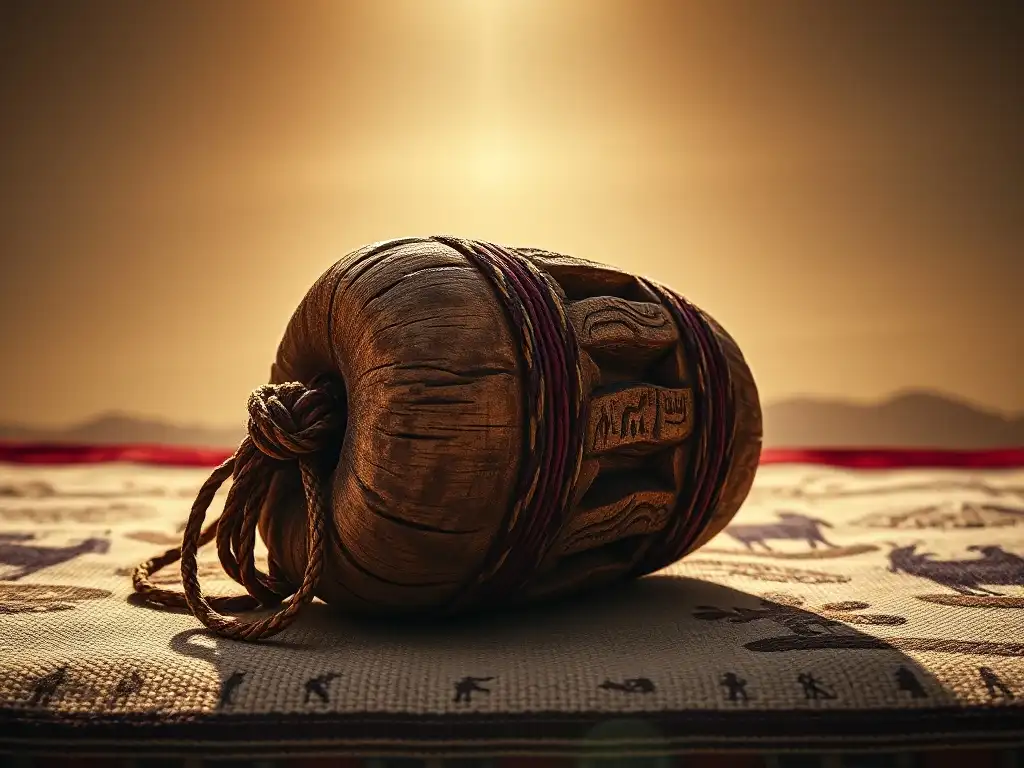
The evolution of Andean oral tradition is a complex tapestry woven from threads of cultural exchange, adaptation, and innovation. Unlike written traditions, which offer a relatively static record, oral narratives are dynamic entities, constantly reshaped by the passage of time and the influence of diverse factors. This ongoing process of transformation reflects the fluidity of Andean societies and their continuous negotiation with their environment and beliefs.
Understanding this evolution requires a nuanced approach, acknowledging both the preservation of core themes and the significant alterations that occur across generations. The resilience of many narratives, even in the face of colonization and globalization, underscores their deep cultural significance and their enduring power to shape Andean identities.
This section will explore specific examples to illuminate the multifaceted nature of this evolution, focusing on how narratives adapt to changing socio-political landscapes and evolving worldviews. The key to understanding this Andean oral tradition evolution lies in recognizing the active role of storytellers in shaping and reshaping their cultural heritage.
Analyzing the Transformation of Specific Andean Narratives
Analyzing the transformation of Andean narratives requires a multi-faceted approach, considering several key factors. Firstly, the transmission itself plays a crucial role. Oral narratives are not simply repeated verbatim; each telling is a performance, influenced by the storyteller's individual style, interpretations, and the specific audience. This inherent variability leads to subtle, and sometimes significant, changes over time.
Secondly, socio-political contexts profoundly impact the narrative. Events like colonization, the rise and fall of empires, and the introduction of new religions often lead to adaptations in the stories to reflect new realities or to subtly challenge existing power structures. For example, narratives that once celebrated pre-Columbian deities might incorporate elements of Christian mythology, demonstrating a form of syncretism.
Finally, the influence of media in the modern era presents another layer of complexity. The recording and dissemination of oral traditions through audio and video recordings, as well as their incorporation into written texts, introduces new avenues for interpretation and dissemination, which can both preserve and alter traditional forms. The study of Andean oral tradition evolution, therefore, necessitates a careful consideration of all these intertwined factors to gain a comprehensive understanding.
Case Studies: The Legend of Tunupa and its Variations
The legend of Tunupa, a powerful female deity in Andean mythology, provides a compelling case study of oral tradition evolution. This narrative, prevalent across various Andean communities, tells the story of a powerful creator goddess, often linked to fertility and the origin of certain landscapes. However, variations abound depending on the specific community and region. In some versions, Tunupa is portrayed as a benevolent figure, while in others, she is depicted as a more ambivalent or even vengeful deity.
These variations often reflect the specific concerns and beliefs of the communities that tell the story. For example, communities facing environmental challenges might emphasize Tunupa's power over nature, while others might focus on her role as a protector of their ancestors. Furthermore, the incorporation of colonial-era elements is evident in some versions, where Tunupa's actions are interpreted through a Christian lens, demonstrating the ongoing adaptation of the narrative to changing religious landscapes.
The evolution of the Tunupa legend underscores the dynamic nature of Andean oral tradition, highlighting the adaptability and resilience of the narrative in the face of external influences. Further research into regional variations of the legend would reveal a richer understanding of this process. [Specific data on regional variations pending].
Case Studies: The Myth of Inkarrí and its Modern Interpretations
The myth of Inkarrí, the mythical Inca emperor who will return to reclaim his empire, offers a fascinating example of how Andean oral traditions are reinterpreted in modern contexts. The legend, deeply rooted in Inca resistance to Spanish colonization, speaks of a hidden Inca leader who will one day reappear to restore the former glory of the empire. Originally a symbol of hope and resistance during the colonial period, the Inkarrí myth has taken on new meanings in contemporary Andean societies.
Activists and indigenous groups often invoke Inkarrí as a symbol of cultural pride and self-determination, using the legend to mobilize social movements and challenge neo-colonial structures. This modern interpretation of the myth demonstrates how oral traditions can be adapted and re-purposed to address contemporary issues. The narrative’s continued relevance speaks to its enduring power as a symbol of resistance and hope, highlighting its adaptability and its capacity to inspire collective action.
The evolution of the Inkarrí myth showcases not just the endurance of oral tradition, but its capacity for dynamic reinterpretation in the face of ongoing social and political change. The ongoing research on modern applications of the Inkarrí myth promises even greater insights into the dynamic interplay between oral tradition and contemporary social movements.
The Significance of Andean Oral Tradition's Ongoing Evolution
The evolution of Andean oral tradition is not merely a historical curiosity; it's a vital process reflecting the dynamism of Andean cultures and their ongoing adaptation to changing circumstances. Understanding this evolution provides crucial insight into the resilience and adaptability of these societies, highlighting how oral narratives have served as both a repository of knowledge and a mechanism for cultural continuity across generations.
The continuous retelling and reinterpretation of stories, myths, and historical accounts reflect a living tradition, far from static or fossilized. This ongoing process of transmission and transformation is a key element of Andean cultural identity, shaping beliefs, values, and social structures.
The study of this evolution allows us to appreciate the complexity and richness of Andean cultures, moving beyond simplistic narratives and embracing the nuances of a vibrant, ever-changing heritage. Analyzing this evolution requires careful consideration of various factors, including social change, technological advancements, and the impact of globalization.
The Importance of Oral Tradition for Cultural Identity
Andean oral tradition is intrinsically linked to cultural identity. Stories, songs, and poems passed down through generations solidify a sense of belonging and shared history. These narratives aren't simply entertaining; they function as powerful tools for transmitting cultural values, beliefs, and social norms.
For example, the stories of the Inca empire, often recounted with variations across different communities, reinforce a collective identity and shared heritage, even as specific details might differ depending on the community's perspective and historical experiences. This shared narrative framework, constantly being reshaped and reaffirmed, provides a sense of continuity and stability amidst societal change. The vibrant tapestry of Andean oral traditions, encompassing diverse languages and regional variations, underscores the multiplicity of cultural identities within the Andean region, each with its unique oral heritage contributing to the rich overall mosaic.
The preservation and study of this oral heritage is therefore paramount for safeguarding and celebrating the diverse cultural identities of the Andes. The loss of any single oral tradition represents an irreplaceable loss to the collective Andean cultural heritage.
Transmission of Knowledge and Values Through Storytelling
Storytelling is the lifeblood of Andean oral tradition. Through intricate narratives, complex knowledge systems are transmitted across generations, encompassing practical skills, agricultural techniques, medicinal practices, and cosmological understandings. These stories aren't mere tales; they are pedagogical tools, subtly conveying ethical principles, social responsibilities, and historical lessons. For instance, the myths surrounding the origin of specific crops often contain practical information about cultivation techniques, passed down implicitly through the narrative.
Similarly, stories about ancestral heroes or deities often embody moral lessons, shaping the ethical frameworks of Andean communities. This interwoven transmission of knowledge and values ensures the continuity of cultural practices and beliefs. The dynamic nature of storytelling, with variations and adaptations introduced over time, reflects the adaptive capacity of Andean cultures in responding to changing environmental and social conditions. This constant reinterpretation and re-contextualization ensures that the core values remain relevant across generations, while adapting to new realities.
The Future of Andean Oral Tradition in a Changing World
The future of Andean oral tradition faces significant challenges in the 21st century. Globalization, urbanization, and the dominance of digital media pose threats to the preservation and transmission of these invaluable cultural resources. However, there are also positive developments. Efforts to document and archive oral traditions, coupled with initiatives to promote bilingual education and community-based language revitalization programs, are crucial for ensuring the survival of these narratives.
The use of technology, ironically, can also play a vital role. Audio and video recordings, coupled with digital archiving initiatives, offer new avenues for preserving and disseminating oral traditions to a wider audience. Furthermore, the increasing awareness and appreciation of cultural diversity are leading to renewed interest in preserving and celebrating Andean oral traditions.
The key lies in finding a balance between preserving the authenticity of these traditions and adapting to the realities of a rapidly changing world. This involves empowering indigenous communities to lead the efforts to preserve and promote their own oral heritage, ensuring that these invaluable cultural resources continue to thrive for generations to come. The continued evolution of Andean oral tradition, therefore, hinges on a collaborative effort that blends traditional practices with innovative approaches to documentation and dissemination.
Frequently Asked Questions
How did Andean oral traditions evolve over time?
Andean oral traditions evolved through a complex interplay of factors, including intercultural contact, environmental changes, and shifts in social structures. New stories and narratives emerged, incorporating elements from different cultures and adapting to changing circumstances.
What role did storytelling play in Andean societies?
Storytelling was central to Andean life, serving as a means of transmitting knowledge, values, and history across generations. It helped maintain social cohesion and cultural identity.
How were oral traditions preserved across generations?
Oral traditions were preserved through memorization, repetition, and ritual performance. Skilled storytellers, often holding esteemed positions within their communities, played a crucial role in this process.
What are some examples of Andean oral traditions that have survived to the present day?
Many Andean oral traditions, including myths, legends, and songs, persist today. These traditions often reflect the enduring values and beliefs of Andean cultures.
How did the Inca Empire impact the evolution of Andean oral traditions?
The Inca Empire significantly influenced the evolution of Andean oral traditions through standardization and centralization. However, local traditions often persisted alongside official narratives, creating a rich and diverse tapestry of stories.
Final Reflection: Echoes of the Andes, Whispers of the Future
The enduring power of Andean oral tradition is not merely a historical curiosity; it is a vibrant, living force shaping identities and communities today. These ancient narratives, passed down through generations, continue to adapt and evolve, reflecting the ever-changing landscape of Andean life and offering invaluable insights into the resilience of cultural memory. The stories themselves are a testament to the enduring human spirit, a constant thread weaving through the tapestry of time.
The impact of Andean oral tradition extends far beyond the realm of folklore; it underpins social structures, spiritual beliefs, and even political discourse. These narratives are not static relics of the past, but dynamic forces that continue to shape the present. They provide a framework for understanding Andean perspectives on the world, offering a powerful counterpoint to dominant narratives. The past is never dead. It's not even past.
– William Faulkner. This quote perfectly encapsulates the ongoing relevance of these oral traditions, demonstrating how the past actively informs and shapes the present, and will continue to do so in the future.
Consider the stories you carry within your own family, the traditions you uphold, the lessons passed down through generations. What narratives shape your identity and worldview? How can you actively contribute to the preservation and evolution of your own cultural heritage, ensuring that the stories that define you continue to resonate for generations to come? Let the echoes of the Andes inspire you to explore the power of storytelling and the enduring legacy of oral tradition in your own life.
Embrace the Richness of Andean Oral Traditions!
Thank you for exploring the captivating world of Andean oral traditions with us! Your interest in this rich cultural heritage deepens your understanding and honors the voices of generations past. Let's use this article as a springboard for further exploration and action.
- Discover more Andean stories: Join a local storytelling workshop or participate in online communities dedicated to preserving and sharing oral traditions.
- Share this article with friends and family to spark conversations about the importance of oral histories in shaping culture.
- Explore documentaries and podcasts that delve into Andean folklore and mythology, enriching your understanding of this vibrant culture.
What Andean story or tradition resonates most with you, and how can you help keep its narrative alive?