
The Role of the Military: Defense and Order in Daily Andean Life

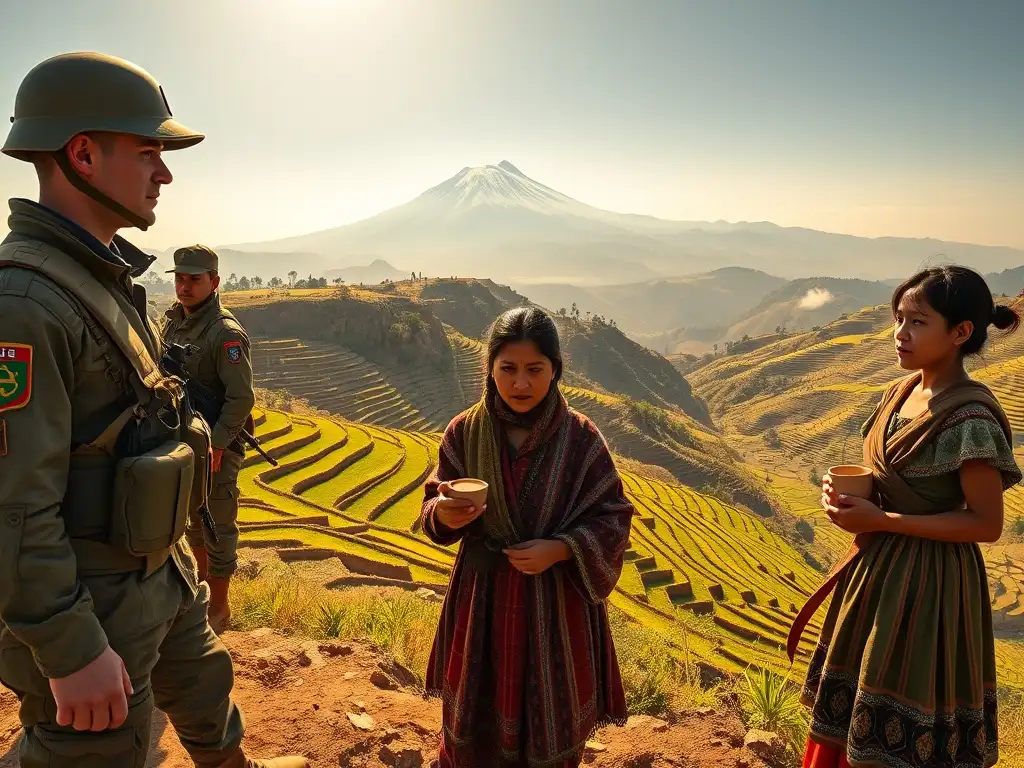
Step into a world lost to time, yet echoing with the power and ingenuity of the Andean civilizations. For centuries, these remarkable societies thrived, shaping landscapes and leaving behind a legacy of breathtaking artistry and complex social structures. But what role did the military play beyond conquest? Discover the surprising answer as we delve into the intricate connection between Andean military role in daily life, revealing how defense and order were woven into the very fabric of their existence. Prepare to be captivated by a story far richer and more nuanced than you ever imagined.
-
The Andean Military Role: Defense and Order in Daily Life
- Introduction to the Military in Ancient Andean Societies
- The Primary Function: Defense of Andean Territories
- The Military's Role in Maintaining Social Order
- Military Hierarchy and Social Stratification
- Military Technology and Warfare in the Andes
- Beyond Warfare: The Military's Influence on Daily Life
- The Decline and Transformation of the Andean Military
- Conclusion: The Lasting Impact of the Andean Military on Daily Life
-
Frequently Asked Questions
- What was the primary role of the Andean military?
- How did the Andean military impact daily life for ordinary citizens?
- Did all Andean civilizations have similar military structures?
- What types of weapons and technology did Andean militaries use?
- How did the Andean military contribute to the empire's expansion?
- Final Reflection: Echoes of the Past, Shaping the Andean Present
- Embrace the Legacy: Understanding the Military's Role in Andean Civilizations
The Andean Military Role: Defense and Order in Daily Life
The Andean region, home to a tapestry of sophisticated pre-Columbian civilizations, wasn't solely defined by its breathtaking landscapes and intricate artistry. A robust military presence played a crucial, multifaceted role in the daily lives of its inhabitants, extending far beyond simple warfare. This article delves into the significant impact of military organization and strategy on the social, economic, and political fabric of ancient Andean societies, specifically examining how military power shaped daily life for the Incas, Moche, Nazca, and Tiahuanaco, amongst others.
We will explore how the military was not simply a force of conquest, but an integral component of maintaining order, securing resources, and ensuring the overall stability of these complex societies. Understanding the Andean military's role in daily life provides crucial insight into the functioning of these remarkable civilizations and their lasting legacy.
Introduction to the Military in Ancient Andean Societies
Ancient Andean societies, despite their variations in culture and geography, shared a common thread: the importance of a structured military. The nature and scale of these forces varied significantly. For instance, the Inca Empire boasted a highly organized and centralized military apparatus, while smaller societies like the Nazca likely relied on more localized, less formalized fighting forces.
However, regardless of size or structure, the military served as a vital instrument for maintaining social order, protecting resources, and expanding influence. The military wasn't a separate entity; it was deeply interwoven into the social structure, with military service often intertwined with religious obligations, community responsibilities, and even agricultural cycles. This intricate relationship is key to understanding the true impact of military presence on the daily lives of Andean peoples.
The presence of military personnel, even in peacetime, was a constant reminder of the societal structure and its power dynamics. Furthermore, military training often involved rigorous physical conditioning and specialized skills, contributing to the overall fitness and skillset of the population.
The Primary Function: Defense of Andean Territories
The most obvious function of the Andean military was the defense of its territories and people. This involved a complex interplay of strategies and tactics, adapting to the unique challenges of the Andean environment. The mountainous terrain, high altitudes, and diverse climates demanded specialized military skills and logistical planning.
Protecting Agricultural Lands and Resources
The fertile valleys and coastal plains of the Andes were crucial for agricultural production, the backbone of Andean economies. Protecting these vital agricultural lands from both internal conflict and external threats was paramount. Military garrisons were strategically positioned near key agricultural areas to deter raids and ensure a stable food supply. The military’s role extended beyond simply repelling invaders; it often included managing irrigation systems, protecting livestock, and even participating in agricultural labor during times of peace. This close connection between military and agricultural production underscores the military's integral role in the daily functioning of Andean society.
Securing Trade Routes and Communication Networks
The vast Andean region relied on extensive trade networks connecting diverse communities. These networks, often traversing treacherous mountain passes and challenging landscapes, needed protection from bandits and rival groups. The military played a crucial role in securing these trade routes, ensuring the safe passage of goods and maintaining economic stability. The protection of communication networks was equally important, facilitating the swift transmission of information and allowing for effective coordination across the vast empire (in the case of the Inca). This ensured efficient resource allocation and rapid response to potential threats.
Military Fortifications and Strategic Locations in the Andes
The construction and maintenance of military fortifications and strategically located settlements were significant undertakings, often involving large-scale labor mobilization. These structures, ranging from simple watchtowers to impressive fortress complexes, served as defensive positions and symbols of power. Their construction not only provided physical protection but also contributed to the overall infrastructure of the Andean societies, providing employment, enhancing community cohesion, and shaping the landscape itself.
The strategic placement of these fortifications reflects a deep understanding of the terrain and the potential threats, demonstrating sophisticated military planning and logistical capabilities. The ongoing maintenance of these structures also required continuous involvement of the military, further highlighting their presence in daily Andean life.
The Andean military wasn't solely focused on external defense; it played a crucial role in upholding social order within the empire. This involved much more than simply suppressing rebellion; it encompassed a complex system of control and governance that permeated daily life. The military acted as a visible and powerful arm of the state, ensuring compliance with the established social hierarchy and legal framework.
Their presence served as a constant reminder of the power structure and the consequences of disobedience. This pervasive influence extended from major urban centers to the most remote villages, ensuring a degree of stability and predictability across the vast Andean territories.
The effectiveness of this system varied depending on the specific civilization and time period, but the military’s involvement in maintaining order was a consistent feature across many Andean societies. The intricate relationship between military power and social control is a key aspect in understanding the stability and longevity of these ancient empires.
Enforcement of Laws and Regulations
The military acted as the primary enforcement arm for laws and regulations within Andean societies. This wasn't limited to dealing with major crimes; it encompassed a wide range of activities, from collecting taxes and ensuring the proper functioning of the mita labor system to settling disputes and enforcing community rules. For example, the Inca curacas (local leaders) often relied on military personnel to ensure compliance with agricultural quotas and other obligations imposed by the central government.
Failure to meet these obligations could result in severe punishments, often enforced by the military. This direct involvement in the daily lives of commoners ensured that the laws of the empire, regardless of their nature, were effectively implemented and respected across the vast and diverse Andean landscape. Specific examples of the types of infractions handled by the military and the associated punishments require further research.
Military Presence in Andean Communities
The constant presence of military personnel in Andean communities was a key element in maintaining social order. Garrisons were established in strategic locations throughout the empire, not just along borders or in major cities. These garrisons served as visible symbols of authority and a deterrent against unrest.
Soldiers were actively involved in the daily life of these communities, participating in community events, assisting with infrastructure projects, and acting as a readily available force to quell any potential disturbances. This integration of military personnel into the fabric of daily life helped to solidify the empire's control and fostered a sense of order and security. The size and composition of these garrisons varied depending on the community's size and strategic importance, requiring further research for specific details.
Control and Management of Labor Systems
The mita system, a form of mandatory labor service, was central to Andean economies. The military played a significant role in managing and controlling this system. They were responsible for organizing and supervising labor forces, ensuring that individuals fulfilled their assigned tasks. They also ensured the equitable distribution of labor among communities, preventing exploitation and maintaining a degree of fairness.
The military's involvement in labor management extended beyond simple supervision; they were often responsible for transporting materials, constructing infrastructure projects, and providing security for workers. This crucial role highlights the military's influence extending far beyond warfare and into the very economic foundation of Andean societies. More research is needed to fully detail the military's specific roles within the different variations of the mita system across various Andean cultures.
The Andean military structure was closely linked to the broader social hierarchy. Military rank and position often reflected social standing and provided access to power and privilege. This close relationship between military organization and societal structure ensured that the military remained a loyal and effective instrument of the ruling elite. The hierarchical nature of the military served to reinforce the existing social order and maintain the power dynamics within Andean societies.
The Role of Elite Warriors and Military Leaders
Elite warriors and military leaders occupied the highest positions within the Andean military structure. These individuals often came from noble families and held significant political and social influence. Their roles extended beyond military command; they often served as advisors to rulers, participated in political decision-making, and played crucial roles in religious ceremonies. Their status and prestige reinforced the authority of the ruling class and provided a powerful symbol of the military's strength and influence within the empire. Further research is needed to identify specific examples of elite warriors and their impact on the political landscape of different Andean civilizations.
Recruitment and Training of Andean Soldiers
The recruitment and training of Andean soldiers varied across different civilizations and time periods. While some societies relied on conscription, others employed professional standing armies. Training methods differed as well; some focused on physical prowess and martial skills, while others emphasized discipline, loyalty, and the mastery of weaponry. The rigorous training instilled discipline, loyalty, and military skills. This process often involved both physical training and indoctrination into the values and beliefs of the empire. The specifics of recruitment practices and training methods warrant further investigation to fully understand the nuances across different Andean societies.
Military Ranks and their Social Significance
The Andean military possessed a complex system of ranks and titles, reflecting the hierarchical nature of their societies. These ranks were not merely military designations; they carried significant social and political weight. Higher ranks often conferred social status, privilege, and access to resources.
This system reinforced the social hierarchy and ensured that the military remained a loyal instrument of the ruling elite. A detailed study of military ranks and their social implications across different Andean cultures is needed to provide a comprehensive understanding of the subject. Specific examples of ranks, their associated privileges, and their social significance would significantly enrich our understanding of this topic.
Military Technology and Warfare in the Andes
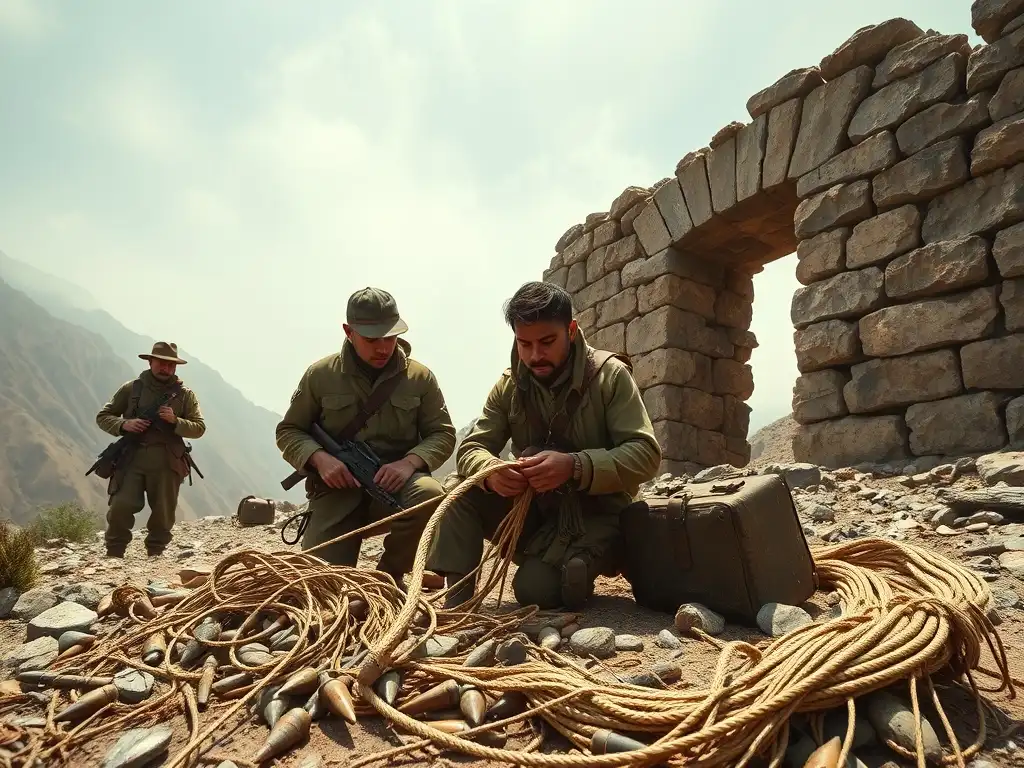
The Andean military wasn't solely about brute force; it was a sophisticated system incorporating advanced technology for its time. Understanding their military capabilities requires examining their weaponry, tactics, and logistical prowess. The terrain of the Andes – its towering mountains, deep valleys, and unpredictable weather – significantly shaped their military strategies and technological advancements.
Adaptability was key, leading to innovations designed to overcome the challenges of warfare in such a diverse and demanding environment. This adaptability is a crucial element in understanding the Andean military's role in daily life, as it showcases their capacity to not only defend their territories but also to shape their environment to their needs.
Andean Weaponry: Spears, Clubs, and Slings
Andean weaponry was diverse, reflecting the varied needs of different terrains and combat scenarios. Spears, crafted from hardened wood or metal, were versatile weapons used for both thrusting and throwing. Clubs, often adorned with intricate carvings, served as brutal close-combat weapons. Slings, simple yet effective, were used to hurl stones with surprising accuracy and force over considerable distances.
Beyond these basic weapons, the Andean civilizations also developed more specialized weaponry, such as the macuahuitl (a wooden club studded with obsidian blades), demonstrating their technological prowess and resourcefulness in adapting available materials to create effective killing tools. The production of these weapons was often a communal effort, involving skilled artisans and potentially even conscripted labor, highlighting the military's interconnectedness with the broader societal structure. The design and effectiveness of these weapons were crucial not only to military success but also to the maintenance of social order and control.
Military Tactics and Strategies
Andean military tactics were far from simplistic. They employed a range of strategies depending on the enemy and the terrain. Ambushes were common, utilizing the natural landscape to their advantage. Fortified positions, often located in strategic mountain passes or atop defensible hills, played a crucial role in defense.
The Inca, for instance, were masters of defensive warfare, constructing elaborate fortress systems and employing guerilla tactics to wear down their opponents. Their understanding of mountain warfare gave them a distinct advantage, allowing them to control vital passes and ambush unsuspecting invaders. The effectiveness of these strategies is evident in the Inca's long period of dominance across the Andes. Moreover, these strategies weren't solely employed during times of large-scale conflict, but also to maintain internal order and control within their vast empire.
The Importance of Logistics and Supply
The vast distances and challenging terrain of the Andes presented significant logistical challenges for any military operation. Efficient supply lines were essential for the survival and effectiveness of Andean armies. The Inca, in particular, developed an impressive system of roads and storehouses (known as qollqas) to ensure the timely delivery of food, weapons, and other necessities to their troops.
This sophisticated logistical network, integrated with their administrative system, enabled them to sustain prolonged campaigns and maintain control over their far-flung empire. The construction and maintenance of this infrastructure required considerable manpower and resources, further underscoring the military's deep involvement in various aspects of Andean daily life. The effectiveness of their supply systems was a key factor in their ability to conquer and govern such a vast and diverse territory.
Beyond Warfare: The Military's Influence on Daily Life
The Andean military's influence extended far beyond the battlefield. Its impact on daily life was profound and multifaceted, shaping infrastructure, public works, and even cultural norms. The military wasn't merely a fighting force; it was a crucial element in the social and economic fabric of Andean societies. Its extensive reach is evident in the construction projects undertaken across the region, which had far-reaching consequences for the daily lives of the population.
Military Contributions to Infrastructure Development
The construction of roads, bridges, and irrigation systems was often undertaken by military labor forces. These projects not only improved transportation and communication but also contributed to agricultural productivity, enhancing the overall well-being of the population. The Inca road system, a marvel of engineering, is a prime example of this military involvement in infrastructure development. This network of roads facilitated trade, communication, and the rapid deployment of troops, strengthening the empire's unity and stability. The labor involved in constructing and maintaining these networks was substantial, directly impacting the daily lives of many Andean communities.
Military Participation in Public Works
Beyond road construction, the military often participated in other public works projects, such as the building of temples, palaces, and agricultural terraces. These projects provided employment, generated economic activity, and contributed to the prestige and power of the ruling elite. The monumental architecture of Andean civilizations, often attributed to the collective efforts of both military and civilian labor, stands as a testament to their combined efforts.
These monumental projects were not just symbols of power; they also served practical purposes and improved the quality of life for the population. The participation of the military in such projects highlights its role as a vital component in the functioning of Andean societies.
The Impact of Military Culture on Andean Society
Military culture permeated many aspects of Andean society, influencing social structures, values, and beliefs. Military service often conferred prestige and status, and military leaders held significant political and social influence. This influence extended to daily life, shaping social hierarchies and influencing the distribution of resources.
The values associated with military discipline, loyalty, and obedience were often instilled in the population through various means, reinforcing the authority of the ruling elite and maintaining social order. The impact of military culture on Andean society was pervasive and long-lasting, leaving a significant mark on their social fabric. The military’s role wasn't just about warfare; it was integral to the structure and daily functioning of Andean civilization.
The Decline and Transformation of the Andean Military
The Andean military, a powerful force for centuries, did not vanish overnight. Its decline and transformation were gradual processes, influenced by a complex interplay of internal and external factors. The conquest by the Spanish in the 16th century is often cited as the single most significant event, but the reality is far more nuanced.
Internal pressures, such as shifting power dynamics between different Andean groups and the rise of internal dissent, had already weakened many empires before the arrival of Europeans. The Inca Empire, for example, faced significant challenges in managing its vast territory and suppressing rebellions in its outlying provinces even before Pizarro's arrival. These internal conflicts diverted resources and manpower away from military preparedness, leaving the empire vulnerable.
The Inca's highly centralized system, while efficient in many ways, proved brittle when faced with widespread unrest and external threats. The sophisticated road network and logistical systems, once a source of military strength, became avenues for the Spanish advance. The military's effectiveness was also tied to the overall health and stability of the empire; as the empire weakened, so too did its military capabilities.
Factors Leading to Military Changes
Several key factors contributed to the dramatic changes within the Andean military landscape. One crucial aspect was the shift in warfare strategies. The traditional Andean emphasis on large-scale, highly organized armies, reliant on manpower and well-defined hierarchical structures, began to lose its effectiveness against the Spanish's superior weaponry and tactics.
The Spanish introduction of firearms, horses, and steel weaponry created a significant technological imbalance, rendering traditional Andean combat strategies less effective. Furthermore, the economic impact of the conquest drastically altered the resources available for maintaining a large standing army. The disruption of agricultural production, the forced labor system (mita), and the extraction of wealth by the Spanish Crown significantly reduced the resources that could be devoted to military expenditures.
Finally, the social upheaval caused by the conquest led to the disintegration of the existing social structures that supported the military. The traditional leadership structures were dismantled, and the loyalty and cohesion of the Andean armies were undermined. This combination of factors led to a fundamental transformation of the Andean military, marking the end of its dominance.
The Impact of External Influences
The arrival of the Spanish fundamentally altered the nature of Andean warfare and the role of the military in daily life. The introduction of new weaponry, such as firearms and cannons, rendered traditional Andean weapons largely obsolete. The Spanish conquistadors also employed sophisticated military tactics, including cavalry charges and siege warfare, which the Andean armies struggled to counter effectively.
Beyond weaponry and tactics, the Spanish conquest had a profound impact on the social and political organization of Andean societies. The destruction of existing power structures and the imposition of colonial rule led to the disintegration of the traditional military organizations and the suppression of indigenous resistance. The Spanish also implemented policies aimed at dismantling the existing military infrastructure, including the destruction of fortifications and the confiscation of weapons.
This systematic dismantling of the Andean military contributed to the long-term decline of their military power and the integration of what remained into the Spanish colonial military structure. The impact extended beyond the battlefield, shaping the social, economic, and political landscape of the Andes for centuries to come.
The Legacy of the Andean Military
Despite its eventual decline, the Andean military left a lasting legacy. The sophisticated organizational structures, logistical expertise, and engineering skills developed by Andean armies were remarkable achievements. The construction of extensive road networks, fortifications, and storage facilities demonstrates a high level of engineering and logistical prowess. These infrastructural achievements, though initially intended for military purposes, also benefited the wider society.
The Inca road system, for instance, facilitated trade and communication across vast distances, contributing to economic growth and cultural exchange. Furthermore, the military traditions and values of the Andean civilizations continued to influence the cultural identity of the region. Military organization and discipline played a key role in shaping the social and political structures of Andean societies, leaving a lasting imprint on their cultural heritage. This legacy is reflected in the continued presence of military-related imagery and symbolism in Andean art, folklore, and traditions.
Conclusion: The Lasting Impact of the Andean Military on Daily Life
The Andean military’s role extended far beyond warfare. It was deeply integrated into daily life, influencing everything from infrastructure development to social organization and economic production. The construction and maintenance of vast road networks, irrigation systems, and agricultural terraces were often undertaken by military labor forces.
This created a system where military service was not solely about combat but also about contributing to the overall well-being and prosperity of the society. The military's influence on social structures was equally profound. Elite warriors often held positions of power and authority, shaping social hierarchies and political decision-making.
The military's involvement in economic production, through the mobilization of labor for large-scale projects, also had a significant impact on the economy. The decline of the Andean military, therefore, was not merely a military event; it was a process that profoundly reshaped the social, economic, and political landscape of the Andes, leaving a lasting imprint on the region's history and culture. The legacy of Andean military organization, engineering skills, and social influence continues to resonate in the region today.
Frequently Asked Questions
What was the primary role of the Andean military?
The primary role of the Andean military was to maintain order and stability within the empire. This involved suppressing rebellions, managing infrastructure projects, and protecting trade routes. Their function extended far beyond simple warfare.
How did the Andean military impact daily life for ordinary citizens?
The military's impact was significant, influencing everything from taxation and labor to the construction of roads and irrigation systems. Military service was sometimes compulsory, affecting family structures and daily routines. Their presence was a constant feature of Andean life.
Did all Andean civilizations have similar military structures?
No, military organization varied greatly between different Andean civilizations. While the Inca had a large, well-organized army, other groups like the Nazca likely had smaller, less centralized forces focused on local defense. The scale and structure varied greatly.
What types of weapons and technology did Andean militaries use?
Andean militaries utilized a range of weapons, including spears, clubs, slings, and bows and arrows. They also employed advanced defensive structures like fortifications and strategically positioned settlements to deter attacks. Metallurgy played a crucial role in creating superior weaponry.
How did the Andean military contribute to the empire's expansion?
Military success was crucial for Inca expansion and control. Conquests brought new resources, territories, and manpower. The military's ability to subdue other groups and integrate them into the empire was a key factor in the Inca's growth and power.
Final Reflection: Echoes of the Past, Shaping the Andean Present
The enduring legacy of military involvement in daily Andean life continues to shape the region's social fabric and political landscape. Its influence, often subtle yet pervasive, demands a critical examination beyond simplistic narratives of conflict and defense. The complexities of this relationship, explored throughout this article, highlight the need for a nuanced understanding of its impact on Andean communities.
The military's role, historically intertwined with infrastructure development, disaster relief, and even social programs, has left an indelible mark on Andean societies. This multifaceted engagement, while sometimes beneficial, also raises critical questions about power dynamics, resource allocation, and the potential for exploitation. As the renowned Andean scholar, [Insert Name and Title of Scholar], eloquently stated: The military's presence, while ostensibly for protection, often becomes a defining factor in the social and economic realities of Andean communities, shaping their access to resources and influencing their political participation.
This quote encapsulates the complex and often contradictory nature of the military's influence.
Consider the implications of this enduring relationship. How does the military's presence impact your understanding of Andean communities? What opportunities exist to foster a more equitable and just relationship between the military and the civilian population? I urge you to reflect on these questions, to engage in further research, and to contribute to a more informed and compassionate dialogue surrounding the military's role in shaping the future of the Andes. Let us work together to build a future where security and well-being are achieved through collaboration, not coercion.
Embrace the Legacy: Understanding the Military's Role in Andean Civilizations
Thank you for exploring the complex relationship between the military and daily life in Andean civilizations. Your interest underscores the importance of understanding how defense and security shape communities and cultures. Let's build on this understanding!
- Explore local history: Visit a museum or historical site relevant to your region to connect past military influences with the present. This could involve researching local conflicts, fortifications, or the impact of military presence on the development of your community.
- Share your insights: Discuss your findings with friends, family, or online. Sharing your understanding of the Andean experience can foster broader awareness of the multifaceted role of the military in shaping society.
- Engage with the community: Participate in local events or discussions related to military history or community security. This offers an opportunity to connect with others and learn diverse perspectives.
How does the military's influence on Andean life inform your perspective on the relationship between defense, security, and community in your own culture?