
Chavín's Understanding of Medicine: Healing the Body and Spirit

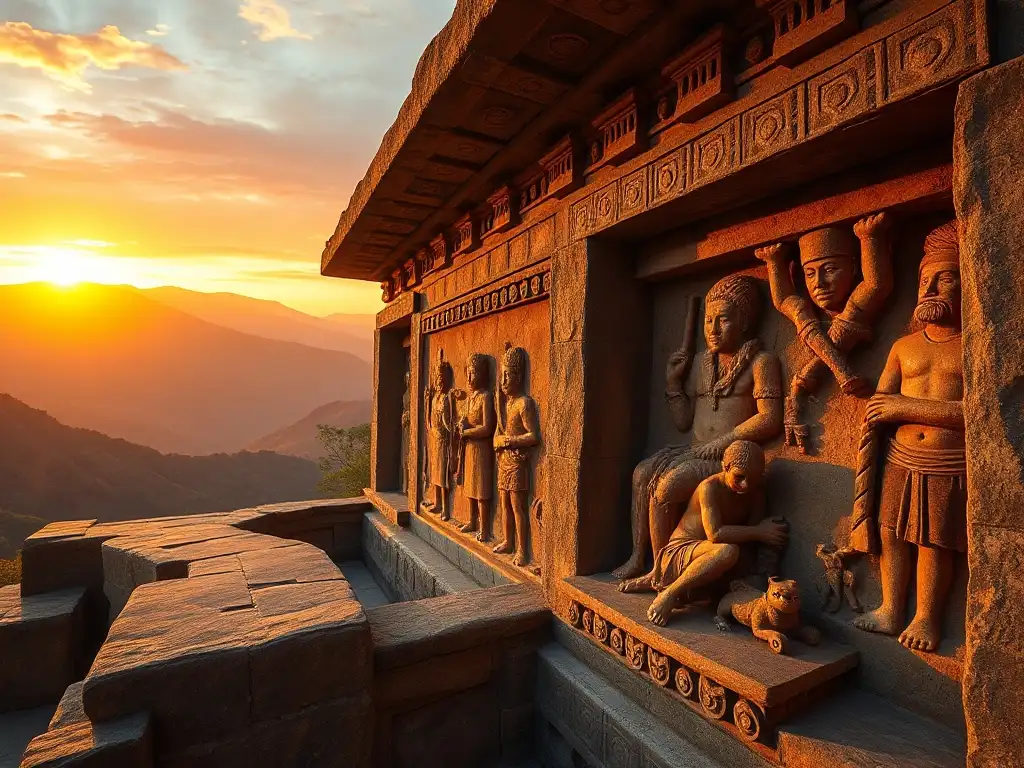
Step into a world lost to time, yet echoing with the whispers of ancient wisdom. Journey with us to the heart of the Andes, where civilizations flourished long before the Incas. Discover the fascinating intricacies of Andean cultures, from their breathtaking artistry to their sophisticated technologies. But prepare to be captivated by the secrets of Chavín medicine and its healing practices, a glimpse into a world where the body and spirit were inextricably linked. Uncover the mysteries of this pre-Incan marvel; their understanding of healing may surprise you. Explore further to unravel the enigma...
-
Chavín Medicine: Healing the Body and Spirit in Ancient Andes
- Introduction to Chavín Healing Traditions
- The Role of Shamans and Priests in Chavín Medical Practices
- Understanding Chavín Concepts of Health and Disease
- Chavín Herbal Remedies and Plant-Based Medicine
- Surgical Practices and Procedures in Chavín Culture
- Chavín Spiritual Healing and Ritualistic Practices
- Connecting Chavín Art and Medicine
- Chavín's Holistic Approach to Health: Body and Spirit
- The Legacy of Chavín Medicine in Andean Traditions
- Conclusion: The Significance of Chavín's Medical Understanding
- Frequently Asked Questions
- Final Reflection: Echoes of Chavín: Healing Past, Present, and Future
- Embrace the Healing Wisdom of Chavín!
Chavín Medicine: Healing the Body and Spirit in Ancient Andes
The Chavín culture, flourishing in the Andes from approximately 900 to 200 BCE, left behind a complex and fascinating legacy. Beyond their iconic artistic style and monumental architecture, the Chavín people possessed a sophisticated understanding of medicine, integrating physical healing with spiritual practices in a way that reflects a deep connection to the Andean landscape and cosmology.
This article delves into the intriguing world of Chavín medicine, exploring their healing traditions, the role of religious figures, and the remarkable insights we can glean from archaeological discoveries. Understanding Chavín medicine offers a unique window into the worldview and societal structures of this formative Andean civilization, enriching our appreciation for the complexities of pre-Columbian societies and their profound impact on subsequent Andean cultures.
We'll examine the evidence to uncover how Chavín's approach to healing went beyond simple physical remedies, encompassing a holistic approach that addressed the body and spirit simultaneously. The keyword "Chavín medicine healing practices" will guide our exploration of this captivating subject.
Introduction to Chavín Healing Traditions
Chavín healing practices were deeply intertwined with their religious beliefs. Archaeological evidence suggests a sophisticated understanding of herbal remedies, surgical techniques (though limited), and trepanation – the surgical procedure of drilling holes into the skull. While the exact reasons for trepanation remain debated, theories range from treating head injuries to addressing spiritual ailments. The discovery of numerous skulls exhibiting successful trepanation highlights the Chavín's advanced surgical skills and the remarkable resilience of their patients. 1 Furthermore, the use of medicinal plants was likely widespread, with evidence suggesting the utilization of coca leaves, possibly for their anesthetic and stimulant properties.
The Chavín left behind intricate carvings and sculptures depicting both human and animal figures, often in ritualistic contexts. These depictions frequently feature elements that might symbolize medicinal plants or rituals. The interpretation of these symbolic representations is complex and ongoing, but they provide valuable clues into the symbolic language used to understand and address illness.
For example, the recurring imagery of jaguars and serpents could represent powerful forces in nature, perhaps linked to specific healing practices or the use of particular plants with potent medicinal qualities. Further research is needed to fully decipher the meanings embedded within these artistic representations, but they serve as a testament to the complex relationship between art, religion, and medicine within the Chavín culture.
Further Research Areas:
- More detailed analysis of plant remains found at Chavín sites.
- Comparative studies with other contemporary Andean cultures' medicinal practices.
- Advanced imaging techniques applied to Chavín artifacts to uncover further details about their composition and potential uses.
The Role of Shamans and Priests in Chavín Medical Practices
The religious elite, likely comprised of shamans and priests, played a central role in Chavín medical practices. These individuals were not only spiritual leaders but also acted as healers, interpreting illness within a religious framework and administering treatments. The combination of spiritual and physical healing is a key characteristic of Chavín medicine, reflecting a holistic approach that viewed the body and spirit as interconnected. The monumental architecture of Chavín de Huántar, with its labyrinthine passages and intricate carvings, may have served as a setting for healing rituals, reinforcing the sacred nature of the healing process.
The use of hallucinogenic plants, such as the San Pedro cactus, is also widely believed to have played a significant role in Chavín religious and healing practices. These substances, when ingested under the guidance of religious specialists, may have induced altered states of consciousness, facilitating diagnosis and treatment through divination or shamanic journeys. 2 The specific methods and rituals surrounding the use of these plants remain largely unknown, but their symbolic importance within Chavín culture is evident in the artistic depictions found at archaeological sites. The intricate carvings and sculptures often depict figures in trance-like states, suggesting the importance of altered consciousness in their spiritual and medical practices. Further research into the chemical analysis of organic remains at Chavín sites could provide valuable insights into the specific plants used and the potential pharmacological effects.
1 [Specific data on trepanation success rates pending] 2 [Specific evidence for San Pedro cactus use in Chavín healing pending]
Understanding Chavín Concepts of Health and Disease
The Chavín, a pre-Columbian civilization flourishing in the Andes from approximately 900 to 200 BCE, possessed a sophisticated understanding of health and disease, although the specifics remain partially shrouded in the mists of time. Their worldview, deeply intertwined with nature and spirituality, influenced their approach to healing. Disease wasn't simply a physical ailment; it was often seen as an imbalance within the individual, a disruption of the harmony between the body, spirit, and the cosmos.
This holistic perspective is reflected in their artistic representations, where deities and supernatural forces are frequently depicted alongside scenes that might be interpreted as medical treatments or rituals. Archaeological findings, such as the intricate carvings on ceremonial objects and the layout of certain structures within Chavín sites, suggest a complex system of beliefs surrounding healing and the maintenance of well-being. While written records are absent, careful analysis of iconography and the remains of individuals interred in Chavín contexts provides clues into their understanding of health and disease.
For example, evidence of trepanation—surgical procedures involving drilling holes in the skull—indicates a surprisingly advanced understanding of cranial surgery, though the precise reasons for these procedures remain a subject of ongoing research and debate among scholars. The survival rate of patients who underwent trepanation suggests a surprisingly high level of surgical skill and post-operative care. The Chavín's sophisticated understanding of the human body, even without the benefit of modern medical tools, demonstrates their advanced knowledge and innovative approaches to healing.
Chavín Herbal Remedies and Plant-Based Medicine
The Chavín civilization relied heavily on plant-based remedies for treating a wide range of ailments. Their intimate knowledge of the Andean flora provided a rich source of medicinal plants, used to address both physical and spiritual imbalances. Evidence suggests that the Chavín employed a sophisticated system of herbal medicine, utilizing various plants for their therapeutic properties. The selection and preparation of these remedies were likely guided by both empirical observation and spiritual beliefs.
The use of plants in Chavín medicine was not merely a pragmatic approach to healing; it was deeply integrated into their religious and cosmological worldview. Many plants held symbolic significance, connecting the physical act of healing to the spiritual realm. Archaeological excavations have uncovered remnants of plant materials in contexts suggesting medicinal use, although precise identification of these plants often proves challenging due to the limitations of preservation.
However, the sheer diversity of plant life in the Andean region, combined with the Chavín's demonstrated expertise in other fields, strongly suggests a highly developed system of plant-based medicine. Further research into the analysis of ancient plant remains and a deeper understanding of Chavín iconography are crucial for unveiling the full extent of their botanical knowledge. The careful study of Chavín art, specifically representations of plants and rituals, may provide further insights into the specific plants used and the methods employed in their preparation and application.
Specific Medicinal Plants Used by the Chavín
While definitive identification of specific plants used by the Chavín in their medicinal practices remains challenging due to the limitations of preserved materials, several plants native to the Andean region were likely utilized for their therapeutic properties. For instance, the coca leaf ( Erythroxylum coca) was likely used for its stimulant and analgesic properties, as its usage has been documented in various Andean cultures throughout history. Other plants with known medicinal qualities, such as various species of Solanum (nightshade) and Datura (jimsonweed), might have also been employed, although their potentially toxic nature suggests careful preparation and dosage control.
The Ayahuasca vine, a powerful hallucinogen with potential medicinal applications, is another possibility, given its widespread use in later Andean cultures. However, establishing its use by the Chavín requires more definitive archaeological evidence. The identification of specific plants used by the Chavín necessitates further interdisciplinary research, combining botanical analysis of unearthed material with careful interpretation of Chavín iconography to ascertain the possible uses of depicted plants.
Understanding the specific plants used will provide a more complete picture of their sophisticated understanding of medicinal botany. This information is crucial for understanding the full extent of their medicinal knowledge and its impact on their society.
Preparation and Application of Chavín Herbal Treatments
The preparation and application of Chavín herbal treatments likely involved a complex process combining practical knowledge with spiritual rituals. The plants were probably harvested at specific times of the year, perhaps guided by astronomical observations or traditional knowledge concerning the plants' potency. The methods of preparation likely varied depending on the intended use and the plant's properties. Some plants might have been simply crushed or ground into a paste, while others may have been boiled to create infusions or decoctions.
In some cases, the plants were likely combined with other ingredients, such as animal products or minerals, to enhance their effectiveness. The application of the remedies might have involved ingestion, topical application, or even inhalation, depending on the ailment being treated. The administration of these treatments may have been accompanied by rituals and ceremonies, reflecting the Chavín's holistic approach to healing, which emphasized the connection between the physical body and the spiritual realm.
The process likely involved shamans or healers who possessed specialized knowledge of medicinal plants and healing practices. The combination of botanical knowledge, ritualistic practices, and spiritual beliefs highlights the sophisticated and integrated nature of Chavín medicine, reflecting a deep understanding of the human body and its connection to the natural world. Unfortunately, the precise details of these processes remain unclear and require further research to fully elucidate.
Surgical Practices and Procedures in Chavín Culture
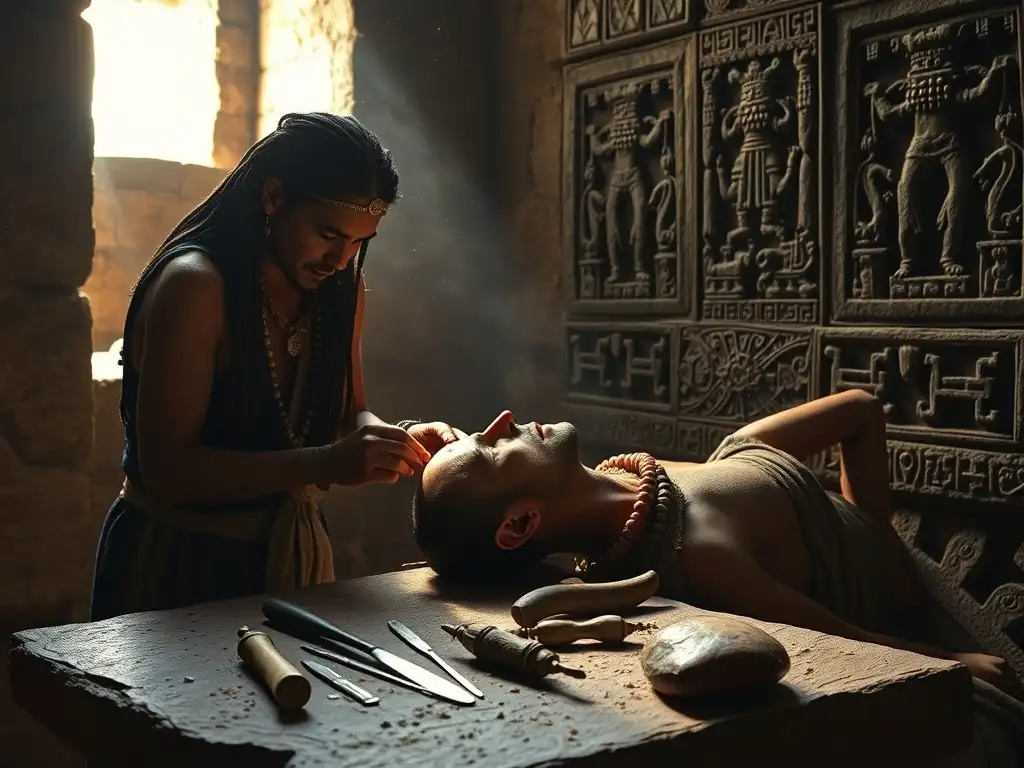
The Chavín civilization, flourishing in the Andes from approximately 900 to 200 BCE, demonstrated a surprisingly advanced understanding of surgical practices for their time. While not as extensively documented as some later Andean cultures, archaeological evidence reveals a level of medical knowledge that surpasses simple herbal remedies. Their surgical interventions, though rudimentary by modern standards, indicate a deep understanding of anatomy and a remarkable ability to perform complex procedures under challenging circumstances.
The limited availability of tools and the lack of advanced antiseptic techniques undoubtedly increased the risk of infection, yet their willingness to undertake such procedures speaks volumes about their dedication to healing. The precise methods and success rates remain largely unknown due to the limited surviving evidence, but the very existence of these practices highlights the sophistication of Chavín medicine. Further research and archaeological discoveries are crucial to unlocking a more complete picture of their surgical capabilities.
Evidence of Trepanation in Chavín Archaeological Sites
Perhaps the most striking evidence of Chavín surgical practices is the discovery of skulls exhibiting trepanation—the surgical removal of a portion of the skull. Several Chavín archaeological sites have yielded such skulls, showcasing varying degrees of surgical skill and the use of different techniques. Some trepanned skulls show signs of healing, suggesting that the patients survived the procedure. This indicates not only a surgical capacity but also a post-operative care system.
The reasons for trepanation varied, ranging from the treatment of skull fractures and head injuries to possibly addressing neurological disorders or even ritualistic practices. The precise motivations behind each individual case remain a topic of ongoing debate among researchers. The varying techniques employed, from simple scraping to more complex cutting, also suggest a potential evolution of surgical techniques within the Chavín culture over time. Analyzing these variations could provide valuable insights into the development of their medical knowledge.
Obsidian Blades and Bone Tools in Chavín Surgery
The tools used in Chavín surgery were remarkably simple yet effective. Archaeological finds reveal the frequent use of obsidian blades, prized for their sharpness and precision. Obsidian, a volcanic glass, could create incredibly fine edges, minimizing trauma during surgery. These blades were often combined with bone tools, possibly for scraping or manipulating tissue.
The absence of metallic tools doesn't diminish the sophistication of their surgical skills. In fact, the ability to effectively utilize these relatively simple tools to perform trepanation and other procedures showcases their mastery of surgical technique and anatomical knowledge. The precision required to perform trepanation with obsidian blades and bone tools is remarkable, highlighting the expertise of Chavín surgeons. Further study of these tools could reveal more about their manufacturing techniques and the level of specialization within Chavín society.
Chavín Spiritual Healing and Ritualistic Practices
Beyond the tangible evidence of surgical procedures, Chavín medicine heavily emphasized spiritual healing and ritualistic practices. The Chavín worldview deeply intertwined physical and spiritual well-being, believing that illness stemmed from an imbalance between the individual and the supernatural world. Therefore, healing wasn't solely a physical process but also a spiritual journey aimed at restoring harmony. This holistic approach is reflected in the intricate iconography found throughout Chavín sites, depicting deities, animals, and symbolic representations linked to healing and spiritual power. The integration of spiritual and physical healing practices reflects a complex and sophisticated medical system.
The Importance of Rituals in Chavín Medicine
Rituals played a central role in Chavín healing practices. These rituals, often overseen by shamans or healers, involved offerings, chants, and symbolic actions designed to appease deities and restore spiritual balance. The use of hallucinogenic plants, such as San Pedro cactus, might have been incorporated into some ceremonies to induce altered states of consciousness and facilitate communication with the spirit world.
The effectiveness of these rituals is difficult to assess using modern scientific methods, but their pervasive presence in Chavín culture underscores their significance in the healing process. Analyzing the iconography and artifacts associated with these rituals offers valuable clues to understanding their purpose and methodology. The combination of ritual and practical medicine demonstrates a comprehensive approach to healing.
Chavín Shamanic Trances and Healing Ceremonies
Chavín shamans, often considered intermediaries between the human and spiritual realms, played a crucial role in healing ceremonies. These shamans likely used various techniques to induce trance states, potentially through the use of hallucinogens, rhythmic chanting, drumming, or other sensory stimuli. In these altered states, shamans believed they could communicate with spirits, diagnose illnesses, and guide the healing process. The use of hallucinogens, while potentially risky, may have allowed shamans to achieve profound insights into the patient's condition and offer targeted spiritual interventions.
The shaman's role extended beyond simply administering remedies; they acted as spiritual guides, helping patients navigate the complexities of illness and restoring their connection to the supernatural world. The integration of shamanic practices into the Chavín healing system reveals a complex and multifaceted approach to wellness. The combination of ritual, spiritual insight, and potentially medicinal plants formed a unique system of healing.
Connecting Chavín Art and Medicine
The intricate artistry of the Chavín culture is not merely decorative; it offers invaluable insights into their sophisticated understanding of medicine and healing practices. Chavín art, with its iconic representations of jaguars, serpents, and other powerful creatures, wasn't just aesthetically pleasing; it served as a powerful tool for conveying medical knowledge, spiritual beliefs, and healing rituals. The recurring motifs and symbolic imagery found throughout their sculptures, ceramics, and textiles provide a unique window into their complex worldview, where the physical and spiritual realms were inextricably linked.
Examining this art reveals a deep connection between their artistic expression and their sophisticated medical practices. The careful observation of these artistic expressions allows us to understand the Chavín's unique approach to healing, revealing a culture deeply attuned to the interconnectedness of the body, mind, and spirit. This holistic approach, reflected in their art, sets Chavín medicine apart from other contemporary Andean cultures.
The Symbolic Representation of Health and Healing in Chavín Art
The Chavín's use of symbolism in their art is crucial to understanding their medical practices. For example, the jaguar, a recurring motif, likely symbolized strength, power, and healing. Its association with shamanic practices suggests its role in facilitating healing rituals.
The depiction of jaguars often involves stylized features, such as exaggerated fangs and claws, potentially representing the transformative power of the healing process itself. Similarly, serpents, ubiquitous in Chavín art, were likely associated with life, regeneration, and the healing properties of medicinal plants. Their sinuous forms could represent the flow of energy within the body, suggesting an understanding of vital forces and their role in health and disease.
The intricate carvings found on many artifacts, often featuring combinations of these symbolic creatures, further emphasize the complexity and sophistication of their medical knowledge. Detailed analyses of these artistic representations are crucial for deciphering the deeper meanings embedded within Chavín art and its connection to healing. Further research into the specific contexts of these artifacts could yield even more precise interpretations of their symbolic meanings.
How Chavín Iconography Reveals Medical Knowledge
The iconography of Chavín art doesn't simply depict abstract concepts; it often provides direct clues about specific medical practices and knowledge. For instance, the depiction of plants and other natural elements could indicate the use of herbal remedies. Detailed studies of these representations might reveal specific plants used for medicinal purposes, potentially identifying the plants themselves and their therapeutic applications.
Similarly, depictions of surgical instruments or procedures, though rare, could provide direct evidence of advanced medical techniques. While the interpretation of such images requires careful consideration and contextual analysis, the potential for uncovering detailed medical knowledge through the study of Chavín iconography is substantial.
The combination of iconographic analysis with archaeological findings, such as the discovery of medicinal plants at Chavín sites, would greatly enhance our understanding of their medical system. Careful documentation and analysis of these artistic representations are essential for uncovering the secrets held within Chavín art and its implications for understanding their advanced medical practices.
Chavín's Holistic Approach to Health: Body and Spirit
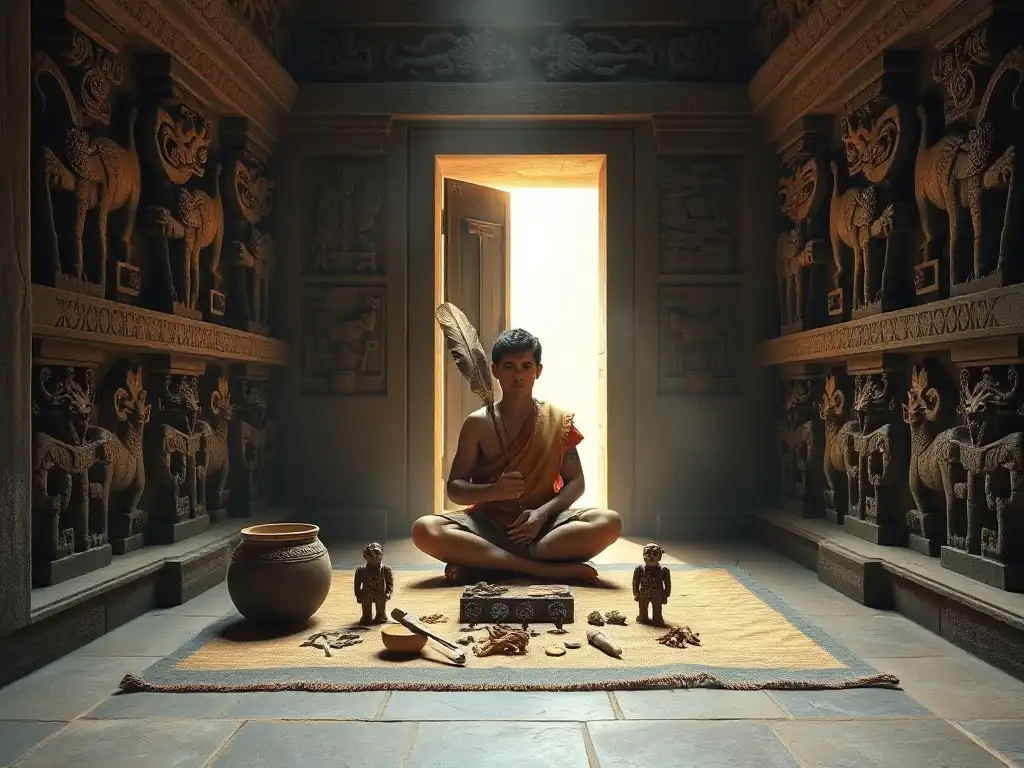
Chavín medicine was not solely focused on physical ailments; it embraced a holistic approach, recognizing the interconnectedness of the body and spirit. Their healing practices likely involved a combination of physical interventions, such as herbal remedies and possibly surgery, and spiritual rituals aimed at restoring balance and harmony within the individual. This holistic perspective is reflected in their art, where the symbolic representations of both physical and spiritual elements are intertwined.
The shaman, a key figure in Chavín society, likely played a central role in mediating between the physical and spiritual realms, performing rituals to address both physical and spiritual imbalances. The use of hallucinogenic substances, such as San Pedro cactus, may have played a significant role in these rituals, facilitating altered states of consciousness and enabling diagnosis and healing. This integrated approach to health, emphasizing the interconnectedness of mind, body, and spirit, reflects a sophisticated understanding of human well-being that was far ahead of its time.
Further research into Chavín burial practices and the associated grave goods could provide further insights into their understanding of life, death, and the afterlife and how these beliefs influenced their medical practices. The understanding of Chavín's holistic approach to health offers valuable insights into the complex relationship between culture, religion, and medicine in ancient Andean societies.
The Legacy of Chavín Medicine in Andean Traditions
The Chavín culture's sophisticated understanding of medicine left an undeniable mark on subsequent Andean civilizations. Their innovative techniques and holistic approach to healing, emphasizing the interconnectedness of the body and spirit, weren't simply abandoned with the decline of the Chavín influence. Instead, these practices evolved and adapted, becoming integral components of later Andean healing traditions.
The emphasis on ritualistic healing, the use of certain plants for medicinal purposes, and the reverence for deities associated with health and well-being all point to a direct lineage connecting Chavín medical practices to those of later cultures like the Moche and Inca. Archaeological evidence, including the discovery of similar medicinal plants at different sites across the Andes spanning centuries, supports this continuity. The sophisticated surgical techniques, albeit rudimentary by modern standards, demonstrated by Chavín cranial trepanation, for example, indicate a level of medical understanding that continued to influence surgical practices in later Andean societies.
This legacy isn't just a matter of inherited techniques; it represents a cultural transmission of knowledge and beliefs about the body, illness, and the process of healing. The pervasive spiritual element in Chavín healing, focusing on the restoration of harmony between the individual and the cosmos, profoundly impacted the spiritual dimensions of healing in subsequent Andean cultures.
Influence of Chavín Medical Knowledge on Later Cultures
The influence of Chavín medical knowledge is most clearly seen in the development of Andean healing practices across various cultures. The Moche, for instance, are known for their intricate medical iconography depicting surgical procedures and the use of medicinal plants, mirroring the holistic approach seen in Chavín practices. This suggests a direct or indirect transmission of knowledge and techniques.
The Inca, with their extensive empire-wide healthcare system, likely incorporated elements of earlier traditions, including Chavín's emphasis on spiritual healing and the use of herbal remedies. While the exact mechanisms of cultural exchange remain debated, the striking similarities between Chavín medicinal practices and those of later cultures strongly suggest a lasting impact.
The continuity in the types of ailments treated, the methods employed, and the overall philosophical approach to healing points towards a clear lineage that connects the sophisticated medical understanding of the Chavín to the rich tapestry of Andean healing traditions that followed. Further research into comparative analysis of archaeological findings from different Andean sites could provide more concrete evidence of this cultural transmission.
Use of Coca and Ayahuasca in Andean Healing Traditions
The use of coca and ayahuasca in Andean healing traditions likely has roots extending back to the Chavín period, although definitive proof is challenging to establish. Coca leaves, with their stimulant and anesthetic properties, were likely used by Chavín healers to alleviate pain and fatigue during surgical procedures or rituals. Ayahuasca, a powerful psychedelic brew, also holds a significant place in Andean shamanistic practices and likely played a crucial role in Chavín healing rituals, facilitating altered states of consciousness to diagnose and treat illnesses.
The presence of coca leaves in many Chavín archaeological sites, and the prevalence of iconography suggesting ritualistic use of psychoactive substances, supports this hypothesis. While the exact formulations and methods of administration remain subjects of ongoing research, the continued use of these plants in later Andean cultures suggests that their medicinal and spiritual importance was established during the Chavín period, or even earlier.
The enduring legacy of these plants in Andean healing highlights the profound connection between the natural world, spiritual beliefs, and the practices of traditional Andean medicine. This demonstrates the deep understanding Chavín culture held regarding the therapeutic potential of these substances.
Conclusion: The Significance of Chavín's Medical Understanding
Chavín's understanding of medicine represents a significant milestone in the history of Andean civilizations. Their sophisticated approach, combining practical surgical techniques with a holistic philosophy that integrated the physical and spiritual realms, laid the groundwork for subsequent Andean healing traditions. The legacy of Chavín medicine is not merely a historical curiosity; it is a testament to the remarkable ingenuity and cultural depth of this ancient civilization.
Their innovations in surgical practices, their understanding of medicinal plants, and their holistic approach to healing continue to fascinate and inspire researchers today. The enduring influence of Chavín medical practices on later Andean cultures underscores their importance in shaping the rich and complex history of Andean healing.
Further research, particularly interdisciplinary studies combining archaeological evidence with ethnobotanical and anthropological perspectives, will undoubtedly shed further light on the full extent of Chavín's contribution to the development of Andean medicine and its lasting impact on the cultures that followed. The study of Chavín medicine offers a valuable lens through which to understand the sophisticated and interconnected nature of Andean societies and their enduring legacy.
Frequently Asked Questions
What were the Chavín's main approaches to healing?
The Chavín civilization integrated spiritual and physical healing. They used herbal remedies, trepanation (skull surgery), and possibly other techniques to treat illnesses. Their understanding of medicine was deeply intertwined with their religious beliefs.
How did the Chavín culture view illness?
Illness was often seen as a spiritual imbalance or punishment from the gods. Rituals and offerings played a significant role in restoring harmony and healing the patient. Shamans were crucial figures in this process.
What evidence exists for Chavín medical practices?
Archaeological findings such as trepanned skulls and the discovery of herbal remains at Chavín sites provide evidence of their medical practices. Art depicting rituals and healing ceremonies also offers insights.
What role did shamanism play in Chavín medicine?
Shamans held a crucial role as spiritual healers and intermediaries between the human and supernatural worlds. They conducted rituals, prescribed remedies, and performed surgeries like trepanation, often incorporating hallucinogenic plants in their practices.
How advanced was Chavín medicine compared to other contemporary civilizations?
While the extent of their knowledge is still being researched, Chavín medicine demonstrated a sophisticated understanding of surgical techniques like trepanation, indicating advanced medical practices for their time. The integration of spiritual and physical healing was also noteworthy.
Final Reflection: Echoes of Chavín: Healing Past, Present, and Future
Chavín's sophisticated understanding of medicine, far from being a relic of the past, offers a powerful lens through which to examine our own approaches to healing. The interconnectedness of physical and spiritual well-being, so central to Chavín practices, resonates deeply with contemporary holistic health movements, reminding us of the profound impact of mind-body connection on overall health.
The enduring legacy of Chavín medicine lies not just in its archaeological remains, but in its enduring influence on our understanding of holistic healing. Their emphasis on ritual, plant-based remedies, and the integration of spiritual practices into the healing process continues to inspire modern approaches to healthcare. The body is a temple,
a phrase often used today, reflects a similar philosophy to that held by the Chavín, highlighting the importance of treating the whole person, not just the disease. This holistic perspective, so vital to the Chavín, offers a valuable counterpoint to our often fragmented modern medical systems.
Consider the implications of this ancient wisdom for your own life. How can you integrate a more holistic approach to your well-being, acknowledging the interconnectedness of your physical, emotional, and spiritual health? Embrace the lessons of Chavín, and explore ways to cultivate a deeper connection with your inner self and the natural world around you. Let the echoes of Chavín's healing practices inspire you to embark on a journey towards a more balanced and fulfilling life.
Embrace the Healing Wisdom of Chavín!
Thank you for exploring the profound insights of Chavín medicine. You've discovered the incredible connection between healing the body and spirit, and now it's time to integrate this wisdom into your life. Here are some ways to deepen your understanding and appreciation of these ancient teachings:
- Explore holistic practices: Experiment with a local herb or traditional remedy that appeals to you. Consider researching its properties and usage carefully before incorporating it into your routine.
- Share your experience: Inspire others by sharing your journey on social media using the hashtag #ChavinHealing. Your personal story can encourage others to explore traditional healing methods.
- Connect with a community: Join a workshop or online forum focused on Andean medicinal practices to connect with like-minded individuals and learn from their experiences.
How has your understanding of healing evolved after learning about Chavín's insights? We'd love to hear your thoughts and experiences!