
The Global Impact of Andean Music: A Cultural Ambassador

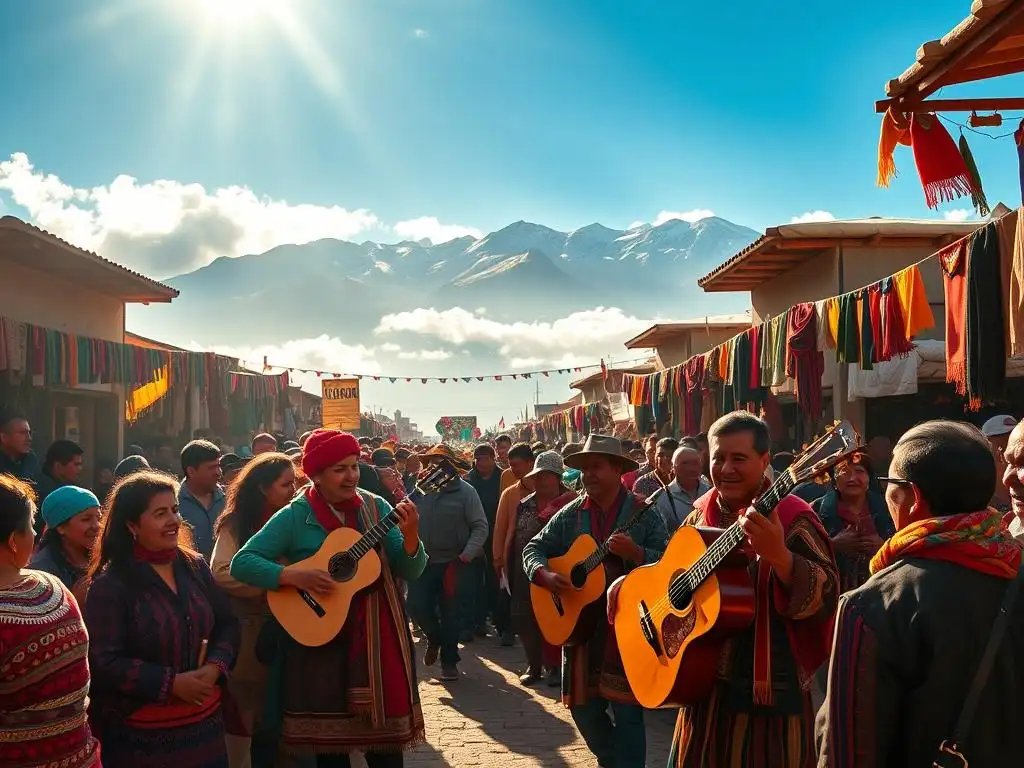
Uncover the echoes of empires! Journey through the breathtaking landscapes and vibrant cultures of the Andes, where ancient civilizations left behind a legacy as rich and complex as the mountains themselves. But did you know their influence extends far beyond the peaks? Prepare to be captivated by the global impact of Andean music, a powerful testament to its enduring spirit and cultural significance. Discover how its melodies continue to resonate across the world, weaving a vibrant tapestry of history and sound. Explore the story...
Andean music, with its rich tapestry of indigenous rhythms, haunting melodies, and unique instrumentation, has transcended geographical boundaries to become a globally recognized and celebrated art form. This article explores the significant global impact of Andean music, examining its journey from the high altitudes of the Andes Mountains to concert halls and festivals worldwide.
We will delve into the origins and evolution of these musical traditions, tracing their development from pre-Columbian times through the Inca Empire and beyond, highlighting the enduring legacy of Andean soundscapes and their role as cultural ambassadors. Understanding the global reach of Andean music allows us to appreciate its enduring power to connect cultures, inspire creativity, and foster a deeper understanding of the rich heritage of the Andean civilizations.
This exploration will reveal how Andean music continues to resonate with audiences around the world, showcasing its unique ability to bridge cultural divides and foster appreciation for the diverse musical traditions of South America. We'll uncover the fascinating story of how this music, deeply rooted in ancient practices, has adapted and evolved while retaining its distinctive character, ultimately shaping its global impact.
Andean Music's Journey Beyond the Andes
The dissemination of Andean music beyond the Andes Mountains is a fascinating story of cultural exchange and globalization. Initially spread through migration patterns of Andean peoples, the music gradually gained international recognition through various channels. The increasing popularity of world music in the latter half of the 20th century played a significant role, creating a global audience eager to discover new and diverse sounds.
The impact of recordings, both analog and digital, was pivotal in facilitating the widespread dissemination of Andean musical styles. Furthermore, collaborations between Andean musicians and artists from other parts of the world have enriched the musical landscape, resulting in innovative fusions and a broader appreciation for the genre. The global reach of Andean music is a testament to its inherent beauty and its ability to connect with people from diverse backgrounds.
Its journey is a dynamic process, constantly evolving and adapting to new contexts, yet always retaining its core identity. The global stage has provided a platform for Andean musicians to share their rich cultural heritage, fostering intercultural dialogue and appreciation.
Origins and Evolution of Andean Musical Traditions
The vibrant and diverse musical traditions of the Andes have a long and complex history, deeply rooted in the indigenous cultures of the region. Understanding the evolution of these traditions is key to appreciating their global impact.
Pre-Columbian Roots of Andean Soundscapes
Before the arrival of the Spanish conquistadors, the Andean region boasted a rich tapestry of musical expressions, varying significantly between different ethnic groups. Archaeological evidence suggests the use of instruments like panpipes, flutes, and drums in various rituals and social gatherings. These early forms of Andean music were integral to the spiritual and social lives of these communities, reflecting their worldview and beliefs.
[Specific information pending on the types of pre-Columbian instruments and musical styles]. The soundscapes of this era were likely profoundly different from what we hear today, but they laid the foundation for the musical traditions that would follow. The legacy of these pre-Columbian sounds continues to resonate in contemporary Andean music.
The Influence of Indigenous Instruments and Rhythms
The indigenous instruments of the Andes, such as the zampoña (panpipes), charango (a small lute), and quena (a type of flute), are central to the distinctive sound of Andean music. These instruments, often crafted from natural materials, reflect the close relationship between the Andean peoples and their environment. The rhythms and melodies associated with these instruments are deeply ingrained in Andean culture, often conveying specific emotions, stories, or social messages.
The intricate rhythms, often polyrhythmic in nature, are a testament to the sophistication of Andean musical traditions. The continued use of these instruments in contemporary music ensures that the rich heritage of the Andean region is preserved and celebrated globally.
Evolution Through the Inca Empire
The Inca Empire played a significant role in shaping Andean musical traditions. The Inca's centralized administration and vast territory facilitated the exchange and standardization of musical practices across different regions. While the Incas did not create a completely uniform musical style, they promoted certain instruments and musical forms, contributing to the development of a broader Andean musical identity.
[Specific information pending on the Inca's influence on musical instruments and forms]. The Inca's patronage of music and its integration into religious and ceremonial practices solidified its importance in Andean society, laying the groundwork for its continued evolution and global impact. The legacy of the Inca Empire is evident in many aspects of contemporary Andean music, demonstrating the enduring power of cultural traditions.
Key Instruments Shaping the Andean Sound
The unique soundscape of Andean music is intricately woven from a diverse tapestry of instruments, each contributing its distinct timbre and character to the overall musical experience. These instruments, often crafted from natural materials, reflect the close relationship between the Andean peoples and their environment. The sounds themselves evoke the vast landscapes, the ancient traditions, and the enduring spirit of the Andean cultures. Understanding these instruments is crucial to understanding the depth and complexity of Andean music's global impact.
Their distinctive sounds have traveled far beyond the Andes, influencing musicians and audiences worldwide. The craftsmanship and the materials used in their creation are also significant aspects of their cultural importance. Many of these instruments are still hand-crafted using traditional techniques passed down through generations, ensuring the preservation of both the music and the cultural heritage.
The Charango: A Miniature Marvel
The charango, a small, lute-like instrument, is perhaps one of the most recognizable Andean instruments globally. Its distinctive sound, a bright, almost whimsical twang, is produced by its typically ten strings, though variations exist. Traditionally made from armadillo shell (though now often other materials are used due to conservation efforts), its compact size belies its powerful presence in Andean music.
The charango's versatility allows it to be used in a wide range of musical styles, from upbeat celebratory pieces to more melancholic and introspective melodies. Its portability has also contributed to its global dissemination, making it a readily adaptable instrument for various musical contexts. The charango's unique construction and sound have made it a favorite among both traditional Andean musicians and contemporary artists exploring world music fusion.
The Siku or Zampoña: Panpipes of the Andes
The siku (or zampoña) are panpipes, made of a series of reeds of varying lengths, bound together. They produce a haunting, ethereal sound, often used to create layered melodies and harmonies. These panpipes come in pairs, an ira and an arka, with each playing a different melodic line. The interplay between these two parts is a defining characteristic of siku music. The precise tuning and craftsmanship required to create a harmonious set of sikus highlight the skill and artistry of Andean instrument makers. The intricate melodies produced by the siku often evoke the vastness of the Andean landscape and the spiritual beliefs of the Andean people. The sound of the siku is instantly recognizable, and its use in contemporary music demonstrates its enduring appeal and adaptability.
The Quena: The Andean Flute's Melancholic Voice
The quena, a simple transverse flute, possesses a unique, melancholic tone that perfectly encapsulates the emotional depth of Andean music. Made from various woods or reeds, the quena's sound is characterized by its clear, resonant timbre and expressive capabilities. Its relatively simple construction belies its versatility; skilled players can coax a wide range of emotional expression from this unassuming instrument.
The quena's melodies often feature intricate ornamentation and embellishments, adding to their expressive power. Its haunting melodies are frequently used to convey feelings of longing, reflection, and the beauty of the natural world. The quena is a cornerstone of Andean musical traditions, and its enduring popularity is a testament to its expressive power and cultural significance.
Percussion Instruments: The Rhythmic Heartbeat
The rhythmic heart of Andean music is often provided by a variety of percussion instruments. These include the bombo, a large bass drum that provides a deep, resonant pulse; the tinku, a smaller drum used for more intricate rhythmic patterns; and various rattles and shakers made from gourds, seeds, or other natural materials. These instruments provide the rhythmic foundation upon which the melodies and harmonies are built.
The interplay between the different percussion instruments creates a complex and dynamic rhythmic texture that is unique to Andean music. The rhythmic complexity of these percussion instruments is particularly noticeable in dance music, where the rhythms often become highly syncopated and energetic. The use of natural materials in the creation of these instruments further emphasizes the close connection between Andean music and the natural world.
The Spread and Global Reach of Andean Music
Andean music, with its rich history and unique sonic characteristics, has transcended geographical boundaries, impacting global musical landscapes in profound ways. Its spread is a testament to its inherent beauty, cultural significance, and the efforts of musicians who have championed its dissemination. This global reach is a result of several factors, including increased globalization, migration patterns, and the conscious efforts of musicians to share their cultural heritage with the world.
Andean Music's Role in Cultural Exchange
Andean music has played a significant role in fostering cultural exchange on a global scale. The sharing of musical traditions promotes understanding and appreciation between different cultures. The unique sounds and rhythms of Andean music offer a window into the rich cultural heritage of the Andean region, enriching the musical tapestry of the world. The incorporation of Andean musical elements into other genres has created new and exciting musical fusions, broadening the appreciation for both Andean music and other musical traditions. This cultural exchange has fostered mutual respect and understanding between different communities.
The Impact of Andean Music on World Music
The impact of Andean music on world music is undeniable. Its distinctive sounds and rhythms have influenced countless musicians and composers worldwide, inspiring new musical creations and fusions. The incorporation of Andean instruments and musical elements into other genres has led to the creation of new and innovative musical styles, demonstrating the versatility and adaptability of Andean musical traditions. This influence can be heard in various genres, from world music and folk to pop and even classical music. The unique sounds of Andean instruments, such as the charango and the panpipes, have become recognizable and appreciated worldwide.
The Influence of Los Kjarkas on International Stages
Los Kjarkas, a Bolivian folk music group, are a prime example of Andean music's global impact. Their music, characterized by its vibrant melodies and powerful rhythms, has captivated audiences worldwide, showcasing the beauty and energy of Andean musical traditions on international stages. They have toured extensively, sharing their music with diverse audiences and introducing Andean music to a wider global audience.
Their success has helped to raise awareness and appreciation for Andean music globally. Their ability to blend traditional Andean sounds with contemporary musical arrangements has made their music accessible and appealing to a wide range of listeners. Their impact is a significant contribution to the global spread and appreciation of Andean music.
Andean Music's Influence on Contemporary Genres
Andean music, with its unique instrumentation and captivating rhythms, has profoundly impacted contemporary musical genres worldwide. Its influence is subtly woven into the fabric of many styles, enriching them with a distinctive Andean flavor. This is not merely a superficial borrowing; rather, it represents a genuine cross-cultural exchange where the core elements of Andean musical traditions are reinterpreted and reimagined within new contexts.
The incorporation of panpipes, charangos, and other traditional Andean instruments adds a layer of exoticism and depth to contemporary compositions, broadening their appeal and enriching their sonic palette. This cross-pollination showcases the enduring power and adaptability of Andean musical forms. The global reach of Andean music is evident in its ability to transcend geographical boundaries and inspire artists from diverse backgrounds.
Andean Rhythms in Fusion Music
The rhythmic complexity and infectious energy of Andean music have found a natural home within the world of fusion music. Artists frequently blend Andean rhythms with jazz, Latin, and world music elements, creating dynamic and innovative soundscapes. For example, [Specific example of a fusion artist incorporating Andean rhythms pending].
This fusion not only introduces Andean music to new audiences but also revitalizes traditional forms by placing them in unexpected and exciting contexts. The result is a vibrant hybrid genre that celebrates both the richness of Andean musical heritage and the boundless creativity of contemporary music. The rhythmic interplay between traditional Andean patterns and modern musical styles often creates a captivating interplay that surprises and delights the listener.
Andean Sounds in Film and Television
The evocative sounds of Andean music have been effectively used in film and television to create specific moods and atmospheres. The haunting melodies and intricate instrumental arrangements can evoke a sense of mystery, adventure, or profound emotion, depending on the context. [Specific example of a film or television show using Andean music pending].
This use of Andean music in visual media broadens its accessibility and introduces its unique qualities to a vast audience that might not otherwise encounter it. The strategic placement of Andean musical elements can significantly enhance the storytelling and emotional impact of a film or television production. Moreover, it serves as a subtle yet powerful way to introduce viewers to the beauty and richness of Andean culture.
Modern Interpretations of Traditional Andean Music
Modern artists are constantly reinterpreting traditional Andean music, infusing it with new life and energy while preserving its essence. These reinterpretations range from subtle arrangements that maintain the integrity of the original compositions to more radical departures that explore new sonic territories. [Specific example of a modern artist reinterpreting traditional Andean music pending].
These diverse approaches demonstrate the enduring relevance of Andean musical traditions and their capacity to inspire creativity across generations. The ongoing process of reinterpretation ensures that Andean music remains vibrant and relevant in the 21st century, constantly evolving while remaining true to its roots. It is a testament to the enduring power and adaptability of this rich musical heritage.
Andean Music: A Powerful Vehicle for Cultural Identity
Andean music is more than just entertainment; it serves as a powerful vehicle for expressing and preserving cultural identity. The melodies, rhythms, and lyrics often tell stories of history, struggles, and triumphs, connecting individuals to their ancestral heritage. The music acts as a living archive of cultural knowledge, transmitting values, beliefs, and traditions across generations. This preservation of cultural heritage is particularly crucial in a rapidly changing world where traditional ways of life are often threatened. Through music, Andean communities reinforce their sense of belonging and maintain a strong connection to their roots.
Preserving Heritage Through Music
The preservation of Andean musical heritage is a collaborative effort involving musicians, communities, and institutions. Efforts to document and archive traditional music, instruments, and performance styles are vital for ensuring that this rich legacy is not lost. [Specific example of an initiative to preserve Andean musical heritage pending].
These initiatives not only safeguard cultural treasures but also provide opportunities for future generations to learn from and appreciate the artistic achievements of their ancestors. The preservation of Andean musical heritage is not merely a historical endeavor; it is a vital act of cultural stewardship that ensures the continuation of a vibrant tradition.
Andean Music as a Form of Resistance and Resilience
Throughout history, Andean music has served as a powerful tool for resistance and resilience. During times of oppression and hardship, music provided a means of expressing dissent, maintaining cultural identity, and fostering a sense of community. The songs often contained coded messages or allegorical narratives that conveyed resistance to colonial powers or other forms of oppression.
[Specific example of Andean music used as a form of resistance pending]. This enduring power of music to inspire hope and foster collective action is a testament to its significance in the lives of Andean communities. The resilient spirit of Andean people is often reflected in the strength and beauty of their music.
The Importance of Community in Andean Musical Practices
Andean musical practices are deeply rooted in community. Music-making is often a collaborative activity, with individuals contributing their talents and skills to create a unified and powerful artistic expression. This communal aspect of music reinforces social bonds, strengthens community identity, and fosters a sense of shared heritage. [Specific example of a community-based Andean musical practice pending].
The importance of community in Andean musical practices underscores the social and cultural significance of music beyond its purely aesthetic value. It is a testament to the power of music to unite people and strengthen social ties. The vibrant communal nature of Andean music is a vital aspect of its cultural significance.
The Ongoing Evolution of Andean Music in the 21st Century
Andean music, far from being a static tradition, continues to evolve and adapt in the 21st century. While preserving its rich heritage, it embraces new influences and technologies, creating a vibrant and dynamic musical landscape. We see a fascinating fusion of traditional Andean instruments like the charango, zampoña, and quena with contemporary genres such as rock, pop, and electronic music.
This blending of styles results in unique sounds that resonate with both traditional audiences and a new generation of listeners worldwide. For example, many contemporary Andean artists incorporate elements of hip-hop and electronic beats into their music, creating a captivating fusion that maintains a strong Andean identity while appealing to a broader, international audience. This innovative approach helps Andean music transcend geographical boundaries and engage with diverse musical tastes.
The Future of Andean Music and Its Global Relevance
The future of Andean music looks bright, with its global relevance continuously growing. The increasing accessibility of music through digital platforms has played a significant role in expanding its reach. Young Andean musicians are experimenting with new sounds and technologies, ensuring the genre remains fresh and engaging.
Furthermore, collaborations between Andean and international artists are becoming increasingly common, leading to exciting cross-cultural musical exchanges. This continued evolution and innovation will undoubtedly solidify Andean music's place on the world stage, ensuring its continued growth and influence in the years to come. The potential for growth is immense, particularly with the increasing interest in world music and the global appreciation for diverse cultural expressions.
Challenges and Opportunities for Andean Musicians
Despite the opportunities, Andean musicians face several challenges. The preservation of traditional musical forms and techniques requires dedicated effort and resources. Many musicians struggle with limited access to resources, including recording equipment, performance venues, and marketing opportunities. However, these challenges also present opportunities. The rise of crowdfunding platforms and online distribution channels offer new avenues for independent artists to reach wider audiences. Furthermore, increased global awareness of Andean culture and music creates a growing demand for authentic performances and recordings. Navigating these challenges effectively will be crucial for the sustainable growth and preservation of Andean musical traditions.
The Role of Technology in the Evolution of Andean Sounds
Technology plays a crucial role in shaping the evolution of Andean music. Digital recording and distribution platforms have democratized music production and distribution, allowing Andean artists to bypass traditional gatekeepers and reach global audiences directly. The use of digital audio workstations (DAWs) enables experimentation with new sounds and techniques, leading to creative fusions of traditional and contemporary styles.
Social media platforms have become indispensable tools for promoting music, connecting with fans, and collaborating with other musicians worldwide. The innovative use of technology empowers Andean musicians to preserve their heritage while simultaneously embracing the creative possibilities of the digital age. This symbiotic relationship between tradition and technology is essential for the continued growth and evolution of Andean music.
Understanding the Global Significance of Andean Music
Andean music holds a significant place in the global musical landscape, representing a rich tapestry of cultural heritage and artistic expression. Its unique sounds and rhythms, deeply rooted in the Andean region's history and environment, have captivated audiences worldwide. The music's emotional depth and spiritual resonance transcends linguistic and cultural barriers, connecting with listeners on a fundamental human level.
Its global significance lies not only in its artistic merit but also in its power to promote cultural understanding and appreciation. The enduring legacy of Andean music reflects the resilience and creativity of the Andean people and their enduring connection to their ancestral traditions.
Andean Music as a Universal Language
Andean music's global appeal stems from its ability to act as a universal language. While the lyrics may be in Quechua or Spanish, the emotions conveyed through the melodies and rhythms transcend linguistic barriers. The music's inherent beauty and emotional depth connect with listeners on a visceral level, regardless of their cultural background or native tongue.
This universal appeal is a testament to the power of music to overcome cultural divides and foster a sense of shared humanity. The ability of Andean music to evoke a wide range of emotions, from joy and celebration to sorrow and reflection, contributes to its widespread appreciation and global significance.
The Cultural Ambassador Role of Andean Melodies
Andean melodies serve as powerful cultural ambassadors, carrying the rich history, traditions, and spirit of the Andean region to the world. They act as a window into a vibrant culture, allowing audiences to connect with the Andean people's unique experiences and perspectives. The music's ability to convey stories, beliefs, and emotions contributes to a greater understanding and appreciation of Andean culture. Through its global reach, Andean music fosters intercultural dialogue and bridges cultural gaps. The melodies become a vehicle for sharing a unique cultural heritage with the world, promoting diversity and understanding.
Continuing the Legacy of Andean Music Worldwide
The continued global dissemination of Andean music is crucial for preserving its legacy and ensuring its survival for future generations. This requires a concerted effort from musicians, educators, cultural institutions, and technology providers to ensure the accessibility and appreciation of this rich musical heritage. Supporting Andean musicians, promoting their work, and creating educational programs that celebrate Andean music are essential steps in continuing this legacy.
By fostering cross-cultural collaborations and facilitating access to Andean musical traditions worldwide, we can ensure that the vibrant sounds of the Andes continue to enrich the global musical landscape for generations to come. The preservation and promotion of Andean music is not merely a cultural endeavor; it is a celebration of humanity's shared artistic heritage.
- Andean Music's Journey Beyond the Andes
- Origins and Evolution of Andean Musical Traditions
- Key Instruments Shaping the Andean Sound
- The Spread and Global Reach of Andean Music
- Andean Music's Influence on Contemporary Genres
- Andean Music: A Powerful Vehicle for Cultural Identity
- The Ongoing Evolution of Andean Music in the 21st Century
- Understanding the Global Significance of Andean Music
Frequently Asked Questions
What is the main focus of Andean music?
Andean music is incredibly diverse, but often features panpipes, charango, and other unique instruments reflecting the Andean landscape and its people's history. It's deeply rooted in their culture and traditions.
How did Andean music spread globally?
Migration played a significant role, as Andean people moved to different parts of the world, bringing their music with them. Globalization and increased access to music through recordings and the internet also contributed significantly.
What is the impact of Andean music on global music scenes?
Andean music has influenced many genres, from Latin American folk to world music. Its unique sounds and rhythms have inspired countless artists and continue to resonate globally.
Which Andean cultures have significantly contributed to global music?
While many contributed, the Inca legacy is particularly prominent, but the musical traditions of the Moche, Nazca, and Tiahuanaco cultures also significantly impact global perceptions of Andean music.
How can I learn more about the global impact of Andean music?
Explore online resources, listen to diverse Andean artists, and look for documentaries or academic papers that discuss the subject. Attending live performances is also a great way to experience its impact firsthand.
Final Reflection: The Enduring Echo of Andean Music
The vibrant melodies and rhythmic heartbeats of Andean music continue to resonate globally, proving that music transcends borders and unites cultures in a powerful, enduring way. Its influence is not merely a historical footnote; it's a living testament to the resilience and adaptability of a rich cultural heritage that continues to shape musical landscapes worldwide.
The impact of Andean music extends far beyond its captivating sounds; it's a powerful narrative of cultural survival and exchange. It's a story woven into the fabric of global musical trends, influencing genres from Latin pop to world music. The fusion and adaptation of Andean instruments and melodies demonstrate the incredible capacity for cultural exchange and the creation of something truly new and beautiful. Music is the universal language of mankind,
said Henry Wadsworth Longfellow, and Andean music speaks volumes about the shared human experience, regardless of geographical location.
Consider the profound legacy of Andean music. Let its rhythms inspire you to explore the diverse soundscapes of the world, to appreciate the power of cultural exchange, and to celebrate the unique beauty of each musical tradition. Embrace the opportunity to listen, to learn, and to share the vibrant energy of Andean music with others. Let its enduring echo inspire you to connect with the global community through the universal language of music.
Unveil the Rhythms of Andean Music and Make a Difference!
Thank you for exploring the rich world of Andean music with us! You've discovered how this vibrant cultural expression serves as a powerful ambassador for Andean civilizations. Now, let's work together to celebrate and promote this captivating art form.
Here are some exciting ways you can further engage with the legacy of Andean music:
- **Attend a live performance** of Andean music, immersing yourself in the sounds that connect generations. Many local concerts and festivals showcase incredibly talented musicians.
- Share your favorite Andean music with friends and family, or post it on social media to spread awareness and appreciation for this unique cultural heritage. Let others experience the beauty you've discovered!
- Consider **learning to play a traditional Andean instrument**, such as the charango or panpipes. Numerous online resources can help you begin your musical journey.
What aspect of Andean music moves you the most, and how can you integrate it into your daily life?