
Secrets of Andean Family Life: Unveiling Hidden Practices

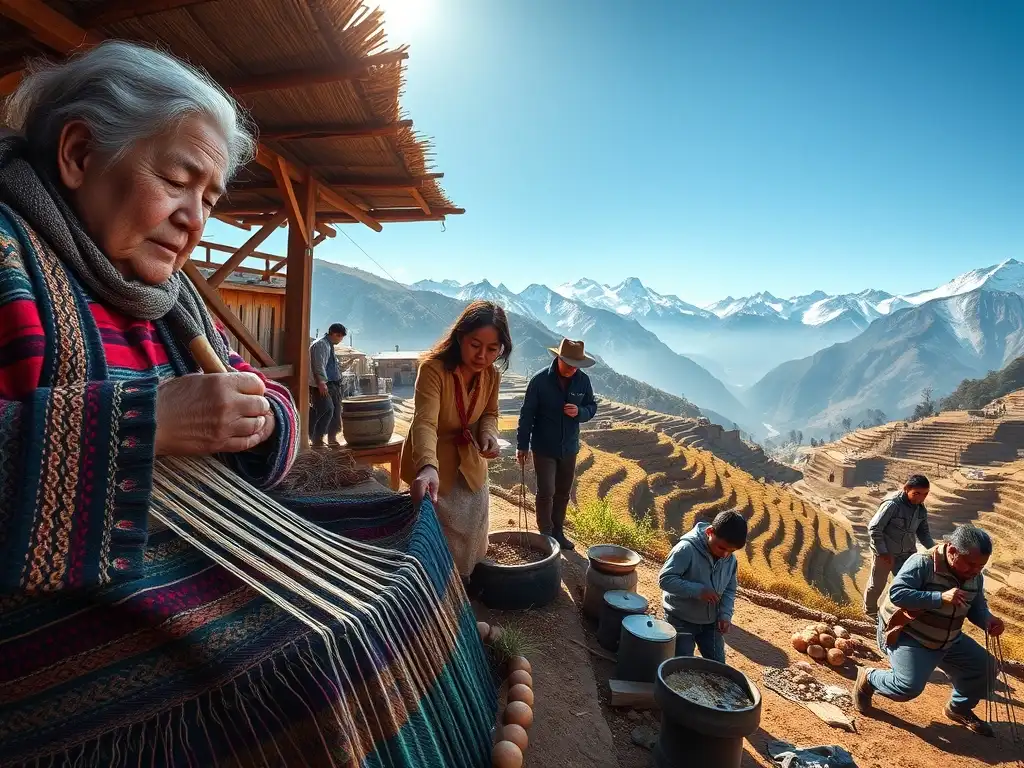
Step into a world lost to time, yet echoing with vibrant life. Imagine the intricate tapestry of Andean family life practices, a world far removed from our own, yet surprisingly resonant with universal themes of love, community, and survival. This isn't just history; it's a journey into the heart of ancient societies, revealing secrets whispered across millennia. Uncover the hidden complexities and surprising insights waiting within – delve into the fascinating details of Andean social structures and discover how these ancient peoples built their families and communities. Prepare to be amazed.
-
Andean Family Life Practices: Unveiling Hidden Traditions
- Understanding Andean Kinship Structures
- The Core of Andean Family Units: Extended Families and Ayllus
- The Importance of Reciprocity in Andean Family Dynamics
- Gender Roles and Responsibilities in Andean Households
- Child Rearing Practices in Andean Communities
- Marriage and Family Formation in the Andes
- The Role of Ancestors in Andean Family Traditions
- Unique Aspects of Andean Family Life: Community-Based Childcare
- Modern Adaptations of Andean Family Traditions
- Conclusion: The Enduring Strength of Andean Family Bonds
- Frequently Asked Questions
- Final Reflection: Echoes of the Andes: A Legacy of Family and Resilience
- Unleash the Wisdom of Andean Family Traditions!
The Andes Mountains, a spine of towering peaks and fertile valleys, cradled some of the most sophisticated pre-Columbian civilizations in the Americas. While majestic ruins and intricate artwork offer glimpses into their achievements, understanding the daily lives of Andean people, particularly their family structures and practices, requires delving deeper into their social fabric. This article explores the fascinating world of Andean family life, uncovering the intricate kinship systems and communal living arrangements that shaped their societies.
We'll examine the complexities of extended families, the significance of the ayllu system, and the roles of men, women, and children within these tightly-knit communities. By understanding these hidden practices, we gain a richer appreciation for the resilience and ingenuity of Andean cultures and their lasting impact on the region.
The insights presented here will illuminate the intricacies of Andean family life, providing a deeper understanding of the social dynamics that underpinned their remarkable achievements. We will explore how these practices contributed to the stability and prosperity of these ancient societies, and how their legacy continues to influence modern Andean communities.
Understanding Andean Kinship Structures
Andean kinship systems were, and in many ways still are, significantly different from those found in Western societies. They were not simply based on blood relations but encompassed a complex web of reciprocal obligations and shared responsibilities within the community. Instead of the nuclear family model prevalent in many parts of the world, Andean societies prioritized extended families and broader kinship networks.
This extended family structure provided crucial support in agriculture, resource management, and social stability. The concept of lineage was paramount, tracing ancestry through both maternal and paternal lines, creating a complex tapestry of familial connections. This bilateral descent system fostered strong bonds between individuals and contributed to the cohesiveness of the community.
Furthermore, the role of elders within the family was highly respected, their wisdom and experience valued in decision-making processes. This respect for elders helped to maintain social order and transmit valuable knowledge across generations. The system was not static; it adapted to changing circumstances, demonstrating a remarkable flexibility that ensured its survival through centuries of change.
The Core of Andean Family Units: Extended Families and Ayllus
The foundation of Andean family life revolved around extended families and the ayllu, a complex socio-economic unit that transcended mere kinship. Extended families, often comprising three or more generations living in close proximity, shared resources, labor, and responsibilities. This collaborative structure provided crucial support during times of hardship and ensured the survival of the family unit. The ayllu, a larger community group based on kinship and shared land ownership, further amplified this collaborative spirit.
Members of the ayllu worked together in agricultural production, participated in communal rituals, and provided mutual assistance in times of need. This system fostered a strong sense of community and collective identity, promoting cooperation and social solidarity. The distribution of resources and labor within the ayllu was often regulated by traditional customs and leadership structures, ensuring a degree of equity and social stability.
The ayllu system played a vital role in the economic and social organization of Andean societies, providing a framework for resource management, conflict resolution, and the transmission of cultural knowledge. The strength of these bonds ensured the continuation of Andean traditions and values through generations. This intricate system, a blend of kinship and communal organization, stands as a testament to the ingenuity and social adaptability of Andean civilizations.
The Importance of Reciprocity in Andean Family Dynamics
Reciprocity formed the bedrock of Andean family life, extending far beyond the immediate household. The concept wasn't merely about exchanging goods and services; it was deeply embedded in their worldview, reflecting a profound understanding of interdependence and communal well-being. Failure to reciprocate wasn't simply a breach of etiquette; it could disrupt social harmony and even jeopardize the family's standing within the community.
This system fostered strong social bonds and ensured the survival and prosperity of all members. The emphasis on mutual support and collective responsibility created a resilient social fabric, capable of weathering challenging times. This reciprocal system permeated all aspects of life, from daily chores and agricultural activities to ceremonial events and religious practices.
It wasn't a transactional exchange; rather, it was a continuous flow of giving and receiving, reinforcing social cohesion and mutual respect. The strength of Andean families was directly tied to their ability to cultivate and maintain these reciprocal relationships.
Ayni: The Principle of Mutual Help
Ayni, a Quechua term meaning "exchange" or "reciprocity," represented a cornerstone of Andean social organization. It encapsulated the principle of mutual assistance, where individuals helped each other without expecting immediate payment. This wasn't charity; it was a fundamental aspect of social life, fostering cooperation and solidarity.
The exchange could involve anything from helping with agricultural tasks like planting and harvesting to assisting with construction projects or providing childcare. Ayni ensured that everyone had access to the resources and support they needed, creating a safety net within the community. The practice of Ayni strengthened family ties, as members relied on each other for assistance and support.
This system promoted a sense of collective responsibility, where individuals understood their role in contributing to the well-being of the community. The success of Ayni depended on trust, mutual respect, and a commitment to balanced exchange over time. It wasn't about keeping score; it was about fostering strong social bonds.
Minka: Collective Labor for Family and Community
Minka, another crucial Quechua term, described a form of collective labor undertaken by members of a community. These were large-scale collaborative efforts, often involving entire families, focused on tasks demanding significant manpower, such as building irrigation canals, constructing houses, or preparing land for cultivation. Minka wasn't just about completing a task efficiently; it was a social event, reinforcing community bonds and fostering a sense of shared identity.
Families participated not just out of obligation, but also because it provided opportunities for social interaction, mutual support, and celebration. Food and drink were often shared during Minka events, creating a festive atmosphere. The success of Minka relied on the active participation of all members, reflecting the community's commitment to collective well-being.
This system demonstrates the high value placed on cooperation and mutual support in Andean society, further highlighting the importance of reciprocal relationships in daily life. The legacy of Minka continues in many Andean communities today, showcasing the enduring strength of this traditional practice.
Gender Roles and Responsibilities in Andean Households
Andean societies, while exhibiting variations across different cultures and time periods, generally displayed a division of labor based on gender. However, it's crucial to avoid simplistic interpretations of this division as purely hierarchical. While specific tasks were often associated with one gender or the other, there was significant overlap and interdependence between male and female roles.
Both men and women contributed significantly to the family's economic well-being and social standing, working together to ensure the household's survival and prosperity. The concept of gender roles in Andean families needs to be understood within the broader context of reciprocity and communal cooperation, where the contributions of both men and women were essential and mutually supportive. Furthermore, the level of autonomy and influence wielded by women varied considerably depending on factors like social status, geographic location, and the specific cultural group.
Women's Role in Andean Family Life
Women played a vital role in Andean family life, contributing significantly to both domestic and agricultural activities. They were responsible for managing the household, raising children, preparing food, and weaving textiles. Textiles were not merely clothing; they represented significant economic value, often used as a form of currency or exchanged in reciprocal arrangements. Women also actively participated in agricultural production, alongside men, contributing to planting, harvesting, and post-harvest processing.
Their knowledge of medicinal plants and healing practices was also highly valued within the community, providing crucial healthcare services. While traditionally associated with domestic spheres, women's economic contributions were essential, often extending beyond the household to participate in local markets and trade. The strength and resilience of Andean families were directly linked to the crucial contributions of women in both the domestic and public realms.
Men's Role in Andean Family Life
Men in Andean families were traditionally involved in activities requiring greater physical strength, such as clearing land, herding animals, and participating in large-scale construction projects (often through Minka). They also played a significant role in agricultural production, managing livestock, and engaging in trade or other economic activities outside the household. Men's responsibilities extended beyond physical labor; they often held leadership positions within the community, participating in political and religious activities.
However, it's crucial to avoid generalizations, as the specific roles and responsibilities of men varied considerably across different Andean cultures and social strata. Their contributions were integral to the family's economic stability and social standing, working in tandem with women to ensure the overall well-being of the household and community. The collaborative nature of Andean family life highlights the interdependence between men and women, where each gender's contributions were essential for collective success.
Child Rearing Practices in Andean Communities
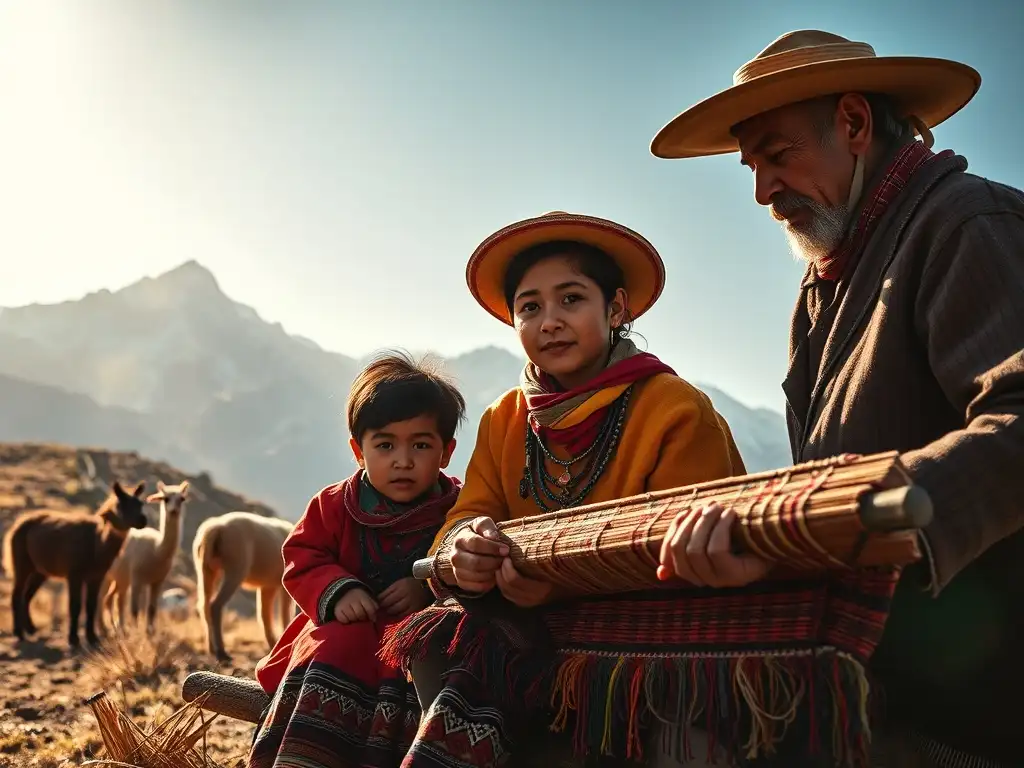
Andean child-rearing practices were deeply intertwined with the community's social fabric and spiritual beliefs. Children were not merely seen as individuals but as integral parts of the extended family and the broader social structure. The concept of ayni, reciprocal exchange, played a crucial role, shaping the way children learned to contribute to their families and communities from a young age.
This involved participation in daily chores and activities appropriate to their age and abilities, fostering a sense of responsibility and interdependence. The emphasis was on practical skills and knowledge, essential for survival and communal harmony. For example, young girls learned weaving and food preparation techniques while boys learned agricultural practices and animal husbandry.
This hands-on approach instilled valuable life lessons and ensured the continuity of traditional knowledge and practices across generations. The strong emphasis on community participation meant that child-rearing was often a shared responsibility, with extended family members and neighbors playing a vital role in guiding and nurturing children.
Traditional Education and Knowledge Transmission
Traditional education in Andean communities was not confined to formal settings. Learning was an integrated aspect of daily life, embedded in the cultural practices and social interactions of the community. Knowledge was transmitted orally, through stories, songs, and practical demonstrations.
Elders played a crucial role as repositories of traditional knowledge, sharing their wisdom and experiences with younger generations. This oral tradition ensured the transmission of history, mythology, and practical skills, preserving the cultural heritage of Andean societies. Children learned about their history, cosmology, and social values through engaging narratives and symbolic representations.
For instance, intricate weaving patterns often conveyed complex stories and beliefs, serving as a medium for education and cultural preservation. This holistic approach to education emphasized the interconnectedness of knowledge and life, fostering a deep understanding and appreciation of the Andean world. The apprenticeship model, where children learned skills by working alongside adults, further reinforced the practical application of knowledge and the importance of communal collaboration.
Weaning Practices and Early Childhood Development
Weaning practices in Andean communities varied across different groups and regions but were generally aligned with the availability of food sources and traditional beliefs. Breastfeeding was commonly practiced for an extended period, often lasting well beyond two years. The introduction of solid foods was gradual and typically started with easily digestible options like mashed potatoes or finely ground grains.
The timing and types of foods introduced were often guided by traditional knowledge and the belief in the importance of a healthy diet for proper development. The nutritional value of foods was carefully considered, with an emphasis on locally sourced ingredients rich in essential nutrients. The weaning process was a gradual transition, ensuring a smooth shift from breastfeeding to solid foods.
This extended breastfeeding period is believed to have contributed to lower infant mortality rates and improved overall health outcomes in Andean communities. Moreover, the close physical contact during breastfeeding fostered a strong bond between mother and child, which played a significant role in early childhood development.
Marriage and Family Formation in the Andes
Marriage and family formation in Andean societies were complex processes deeply rooted in social structures and kinship systems. The family unit extended beyond the nuclear family to encompass a wider network of relatives, creating a strong sense of community and mutual support. Marriage was not merely a personal union but had significant social and economic implications, often involving negotiations and agreements between families.
The concept of ayllu, a kinship-based community, played a crucial role in regulating marriage practices and maintaining social order. Marriage alliances often strengthened ties between different ayllus, promoting cooperation and resource sharing. The stability and strength of the family unit were paramount to the wellbeing of the community.
Arranged Marriages and Matchmaking Customs
Arranged marriages were prevalent in many Andean communities, reflecting the importance of maintaining social harmony and economic stability. The selection of marriage partners was often guided by considerations of lineage, social status, and economic resources. Matchmaking played a significant role, with elders and family members actively involved in identifying suitable partners for young people. These arrangements often aimed to strengthen kinship ties and secure alliances between families or communities.
While the individual's preferences were sometimes considered, the overall decision-making process rested primarily on the families' assessment of the potential benefits of the union. The focus on establishing strong social and economic connections underscores the communal nature of Andean family structures. This practice ensured the continuation of established social hierarchies and reinforced the strong bonds between families within the community.
Marriage Rituals and Celebrations
Marriage rituals and celebrations in Andean communities were vibrant and significant events, often involving elaborate ceremonies and festivities. These ceremonies reflected the rich cultural heritage and beliefs of the respective groups. The specific rituals varied across different Andean cultures, but they commonly involved symbolic acts, offerings, and communal participation. These ceremonies marked not only the union of two individuals but also the strengthening of ties between families and communities.
The celebrations often lasted for several days, providing opportunities for feasting, dancing, and community bonding. Music and dance played a central role in these events, showcasing the artistic expressions and cultural traditions of the Andean people. These celebrations reinforced social cohesion and celebrated the importance of marriage within the broader community context. The rituals and ceremonies were a powerful demonstration of the community's collective identity and shared cultural heritage.
The Role of Ancestors in Andean Family Traditions
Andean family life was deeply intertwined with the veneration of ancestors. The belief system held that deceased relatives continued to exert influence on the living, shaping their destinies and providing guidance. This wasn't merely a spiritual belief; it was a fundamental aspect of daily life, influencing decisions, rituals, and social interactions.
Families maintained close ties with their ancestors through various practices, ensuring their continued presence and support within the family unit. The concept of ayni, reciprocal exchange, extended beyond living individuals to encompass the ancestors, with offerings and prayers acting as a form of ongoing interaction and gratitude for their continued blessings. The strength and unity of a family were often measured by the strength of its connection to its ancestral lineage.
This deep-rooted respect for ancestors helped to maintain social order and provided a strong sense of identity and continuity across generations. The legacy of ancestors was not merely a matter of history but a living force within the family structure.
Honoring the Dead and Maintaining Family Ties
Honoring the dead was a crucial aspect of Andean family life, often involving elaborate rituals and offerings designed to maintain a connection with deceased relatives. These practices varied across different Andean cultures, but common threads included the preservation of ancestral remains, the construction of family mausoleums, and the performance of periodic ceremonies. For example, the Inca maintained elaborate cemeteries and performed regular rituals to appease the spirits of their ancestors.
The Moche, known for their stunning pottery, often depicted funerary rituals in their artwork, showcasing the importance placed on ancestor veneration. Maintaining these traditions was seen as essential for the well-being of the living family members. Neglecting the ancestors was believed to invite misfortune and disrupt the harmony of the family unit.
The strength of family bonds was directly linked to the diligence with which ancestral traditions were upheld. The continued remembrance of ancestors provided a sense of belonging and strengthened the social fabric of the community.
Rituals Involving Offerings to Pachamama
A significant aspect of honoring ancestors in Andean cultures involved making offerings to Pachamama, the Earth Mother. These offerings, which frequently included coca leaves, food, and drink, were intended to appease the earth and ensure its continued bounty, ultimately benefiting the family. These rituals were often performed at specific times of the year, coinciding with agricultural cycles or significant family events.
The act of offering to Pachamama was not merely a symbolic gesture; it was a tangible demonstration of the family's dependence on the natural world and their recognition of the interconnectedness of life and death. The success of the harvest, the health of the family, and overall prosperity were all believed to be linked to the family's devotion to Pachamama and the respect shown to their ancestors.
The rituals served as a powerful reminder of the family's place within a larger cosmic order. The offerings were not merely gifts; they were a form of communication and a reaffirmation of the family's commitment to maintaining a harmonious relationship with the spirit world.
Unique Aspects of Andean Family Life: Community-Based Childcare
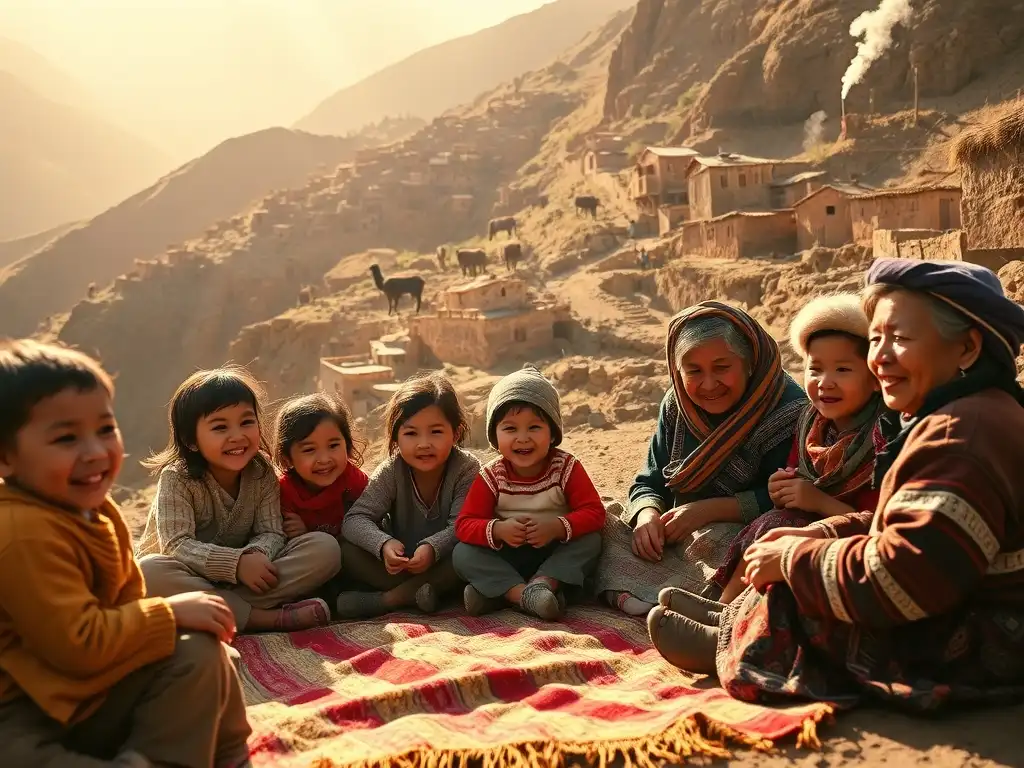
Andean family life was characterized by a strong sense of community, where childcare responsibilities were frequently shared among extended family members and neighbors. This communal approach to raising children contrasted sharply with the more nuclear family structures prevalent in other parts of the world. The collaborative nature of childcare fostered a strong sense of social cohesion and provided children with a rich and diverse social environment.
Children were not simply raised by their parents but were nurtured and guided by a wider network of individuals, creating a strong sense of belonging within the community. This system minimized the burden on individual families and allowed for a more flexible division of labor, enabling parents to focus on other essential tasks. This communal approach also ensured that children received a broad range of experiences and perspectives, enriching their development and preparing them for adulthood within the community.
Explanation of Shared Responsibilities in Childcare
The shared responsibility for childcare in Andean communities often involved a complex network of kinship ties and reciprocal obligations. Grandparents, aunts, uncles, and other extended family members played a significant role in raising children. Neighbors also frequently helped out, contributing to the overall well-being of the children in the community.
This system was based on the principle of ayni, the reciprocal exchange of goods and services. Parents provided assistance to others, knowing that they would receive similar support in return when needed. This system fostered strong social bonds and created a sense of collective responsibility for the children's development.
The community-based approach to childcare not only reduced the burden on individual families but also created a supportive and nurturing environment for the children. The children learned the value of collaboration and mutual support from a young age, reinforcing the community's strong social fabric. This unique approach to childcare played a crucial role in shaping the social and cultural values of Andean societies.
Modern Adaptations of Andean Family Traditions
Andean family structures, while exhibiting remarkable resilience across millennia, have naturally adapted to the pressures of globalization and modernization. Traditional communal living arrangements, once commonplace, are now less prevalent in urban centers, particularly in rapidly growing cities like Lima, Quito, and La Paz. However, the core values underpinning Andean family life – strong kinship ties, mutual support, and a deep respect for elders – continue to shape family dynamics even in these altered contexts.
For instance, while extended families may not reside under the same roof, regular visits, shared celebrations, and ongoing financial or emotional support remain integral aspects of Andean family life. This demonstrates a flexible adaptation of tradition, rather than a complete abandonment. The concept of ayni, the reciprocal exchange of goods and services, although less formalized, persists in many forms, manifesting as informal support networks within extended families and communities.
Challenges and Changes in Contemporary Andean Families
Modernization presents significant challenges to the continuity of traditional Andean family life practices. Rapid urbanization has led to increased social mobility, disrupting traditional community structures and weakening established support systems. The influx of Western cultural influences, including changing gender roles and individualistic values, often clashes with deeply ingrained traditional beliefs and practices.
Economic disparities also play a crucial role, with migration to urban areas often resulting in families being separated geographically, impacting the frequency and intensity of kinship interactions. Moreover, the integration of modern technologies, while offering benefits, also poses challenges, sometimes leading to a decline in face-to-face interactions that are essential for maintaining strong family bonds. Understanding these contemporary challenges is crucial to appreciating the dynamic nature of Andean family life and its ongoing evolution.
Preserving Cultural Heritage in Modern Times
Despite the pressures of modernization, efforts to preserve and celebrate traditional Andean family practices are gaining momentum. Many communities actively work to maintain traditional ceremonies and rituals, reinforcing the importance of family and kinship. Educational initiatives focusing on Andean history and culture play a vital role in transmitting knowledge to younger generations, fostering a sense of cultural pride and identity.
Community-based organizations actively support families facing hardship, providing resources and assistance that strengthen family bonds. The resurgence of interest in traditional Andean arts and crafts also contributes to cultural preservation, creating opportunities for families to engage in shared activities and transmit skills across generations. The commitment to preserving these traditions reflects the enduring importance of Andean family life and its cultural significance.
Conclusion: The Enduring Strength of Andean Family Bonds
The Andean family, a testament to resilience and adaptation, continues to thrive despite significant societal shifts. While modern adaptations have altered the outward forms of family life, the underlying values of reciprocity, mutual support, and respect for elders remain central to Andean family dynamics. The ongoing challenges of urbanization, economic disparities, and cultural influences necessitate a nuanced understanding of the evolving nature of Andean family practices.
However, the enduring strength of these family bonds, evidenced by the persistence of traditional values and the ongoing efforts to preserve cultural heritage, underlines the deep-rooted significance of family in Andean societies. The resilience of Andean family structures serves as a powerful reminder of the enduring human need for connection, community, and shared cultural identity. Understanding these enduring bonds provides a crucial insight into the complexities and richness of Andean civilization.
Frequently Asked Questions
What role did family play in Andean societies?
Family was the fundamental building block of Andean society. Extended families often lived together, sharing resources and responsibilities, creating strong kinship networks. This structure was crucial to their social and economic systems.
How did Andean family structures differ from European models?
Andean family structures were significantly different, often more collective and less nuclear. Unlike the European emphasis on the individual family unit, Andean societies prioritized the extended family and community. Inheritance and land ownership reflected this collective approach.
What were some common family practices in Andean civilizations?
Common practices included shared labor, collective child-rearing, and strong emphasis on reciprocity within the family and community. Respect for elders and ancestor veneration were also integral parts of family life.
What role did women play in Andean family life?
Women held significant roles within Andean families, contributing significantly to agriculture, textile production, and household management. Their roles varied across different cultures, but their contributions were essential to the family's well-being.
How did Andean family life adapt to changing circumstances?
Andean family life was remarkably resilient, adapting to environmental challenges and political changes. Their strong kinship networks and flexible social structures allowed them to navigate periods of upheaval and maintain their family structures.
Final Reflection: Echoes of the Andes: A Legacy of Family and Resilience
The enduring strength of Andean family structures, woven through generations of hardship and adaptation, offers invaluable lessons for navigating the complexities of modern life. These ancient practices, far from being relics of the past, hold a powerful mirror to our own struggles with community, resilience, and the enduring power of familial bonds in a rapidly changing world. Their relevance today is undeniable, particularly in a time when social structures are constantly being redefined.
The profound impact of Andean family life, with its emphasis on collective responsibility and mutual support, continues to resonate deeply. The intricate web of kinship, the shared resources, and the unwavering commitment to family unity offer a powerful counterpoint to the often isolating nature of modern individualism. The family is the first essential cell of human society.
This simple statement, though seemingly commonplace, takes on a new depth when considering the enduring strength of Andean family structures, which have weathered centuries of change. Their resilience serves as a testament to the enduring power of community and the importance of prioritizing human connection.
Consider the lessons embedded within these ancient practices. How can we, in our own lives, cultivate a stronger sense of community and mutual support? How can we prioritize the well-being of our families and foster deeper connections with those around us? You have the power to build stronger, more resilient relationships, drawing inspiration from the wisdom passed down through generations in the Andes. Let the echoes of their enduring legacy inspire you to create a more connected and fulfilling life, one built on the foundations of family, community, and shared purpose.
Unleash the Wisdom of Andean Family Traditions!
Thank you for exploring the rich tapestry of Andean family life with us! We hope you found inspiration and insights into the unique practices that shape these vibrant communities. Let's now consider how to integrate these inspiring traditions into our own lives.
Here are some ways to deepen your connection to Andean culture:
- Connect with your community: Organize a gathering to share stories and experiences inspired by Andean family traditions. This could be a potluck, a storytelling evening, or even a simple conversation with friends and neighbors.
- Explore Andean cuisine: Prepare a traditional Andean meal at home. Invite family and friends to share in the experience, discussing the history and significance of each dish.
- Share your journey: Inspire others by sharing your learning and experiences on social media or in online forums dedicated to cultural exchange.
What aspect of Andean family life resonates most with you, and how might you adapt its principles to enrich your own family life?