
The Chavín's Enduring Mystery: What We Still Don't Know

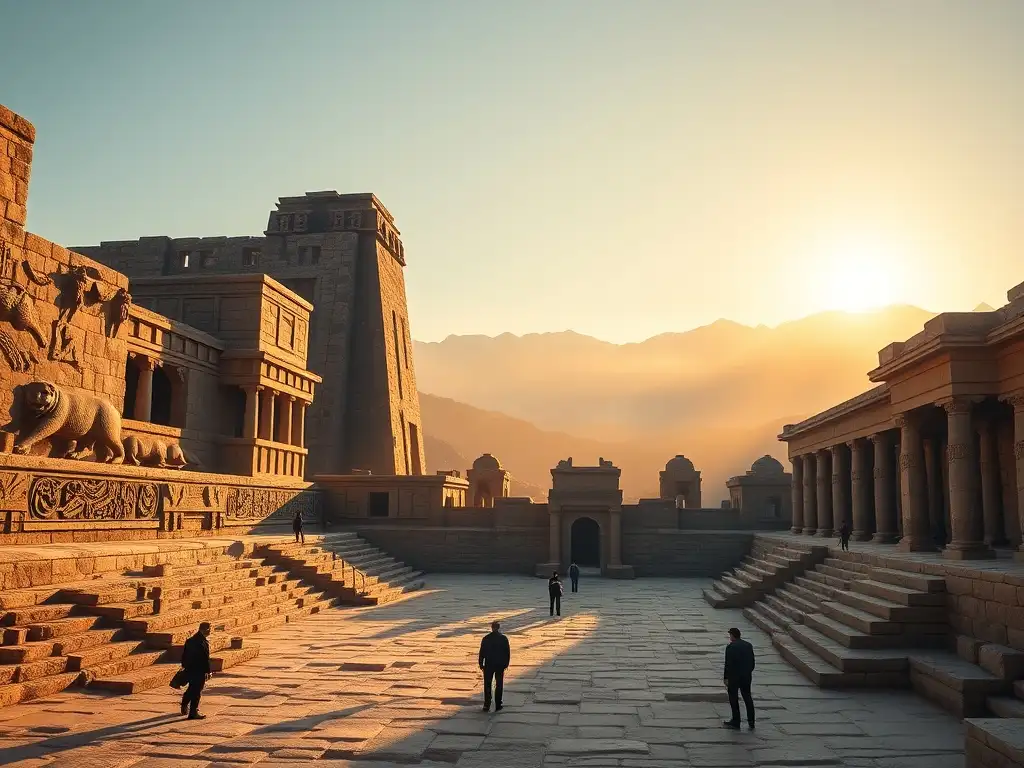
Step into a world lost to time, a realm of towering achievements and enigmatic rituals. The Andean Civilizations website unveils the captivating stories of ancient empires, from the sun-drenched coast to the soaring Andes. But some secrets remain stubbornly hidden… Prepare to be enthralled as we delve into the Chavín civilization mysteries, exploring the enduring puzzles of a pre-Incan culture that continues to baffle experts. Dare to uncover the truth behind their legacy? Journey with us to unravel the threads of their fascinating history.
The Chavín culture, flourishing in the Andes Mountains of Peru from approximately 900 to 200 BCE, remains one of the most enigmatic and influential pre-Inca civilizations. Its impact resonates through subsequent Andean cultures, evident in artistic motifs, religious iconography, and even architectural styles. However, despite extensive archaeological research, many aspects of Chavín life and society continue to puzzle scholars.
This article delves into some of the enduring mysteries surrounding the Chavín civilization, exploring the questions that continue to fuel research and debate amongst experts, and examining the fascinating clues that have been unearthed so far. Understanding these unanswered questions offers a crucial lens through which to appreciate the complexity and lasting legacy of this pivotal Andean culture. We will explore the unanswered questions surrounding their societal structure, religious beliefs, and the ultimate reasons for their decline, all contributing to the enduring allure of the "Chavín civilization mysteries".
The intricate architecture of Chavín de Huántar, the culture's principal ceremonial center, suggests a highly organized society. However, the exact nature of Chavín social stratification remains unclear. Was it a theocracy, ruled by a priestly elite? Or was there a more complex system of power, perhaps involving a combination of religious and political leaders?
Archaeological evidence points to specialized labor, indicated by the precision and scale of construction at Chavín de Huántar. This suggests a sophisticated system of resource management and social control, but the precise mechanisms remain elusive. Further complicating the picture is the lack of clear evidence for a centralized political structure beyond the ceremonial center.
Did smaller, independent communities exist alongside Chavín de Huántar, or was the influence of the central site pervasive throughout the region? These are critical questions that continue to drive research on Chavín social organization. The precise roles of different social classes, the methods of resource allocation, and the dynamics of power remain open to interpretation and further investigation.
Deciphering Chavín Religion: Iconography and Rituals
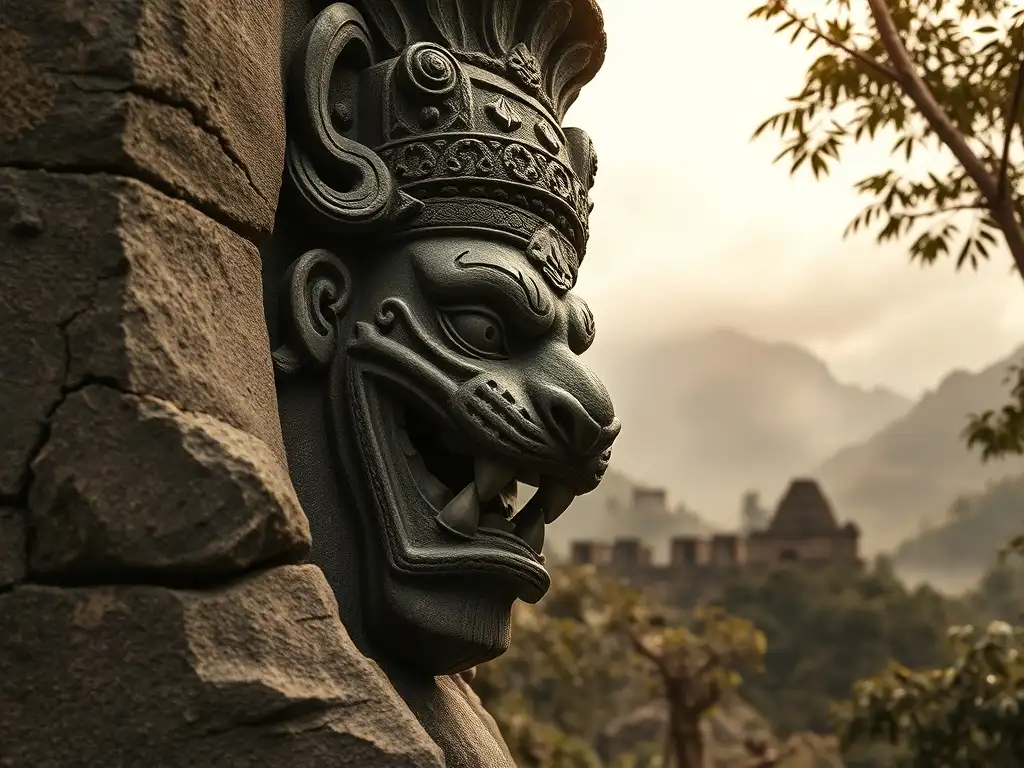
Chavín religious beliefs are largely inferred from the elaborate iconography found throughout their sites. The characteristic jaguar-like deity, often depicted with fangs and serpentine features, is a prominent motif, suggesting a complex cosmology revolving around powerful, possibly supernatural, beings. However, the specific meaning and significance of these representations are not fully understood.
Were these deities worshipped through elaborate rituals? What role did the many intricate carvings and sculptures play in religious practices? The discovery of sacrificial offerings at Chavín de Huántar provides some insights into ritualistic practices, but the full extent and nature of Chavín religious life remain largely shrouded in mystery.
The interpretation of the iconography itself is a complex process, with ongoing debates among scholars about the meaning of specific symbols and the overall structure of their belief system. The lack of written records presents a significant obstacle in this area of research, forcing scholars to rely heavily on careful analysis of material culture.
The Mysterious Decline of the Chavín Culture
The reasons behind the decline of the Chavín culture are still debated. While the site of Chavín de Huántar was eventually abandoned, the influence of Chavín artistic and religious styles continued to be felt in subsequent Andean cultures. Was the decline a gradual process, or did a specific event or series of events trigger its downfall?
Environmental factors, such as climate change or resource depletion, are often cited as potential contributors. However, other factors, such as internal social conflicts or external pressures from other groups, may also have played a significant role. The lack of clear evidence for widespread warfare or violent conflict complicates this aspect of the investigation.
Perhaps the decline was a more complex process, involving a combination of factors interacting over an extended period. Further research focusing on environmental data, settlement patterns, and potential interactions with neighboring groups is crucial to fully understanding this pivotal chapter in Chavín history. The absence of a clear narrative makes the decline of the Chavín civilization another significant entry in the list of "Chavín civilization mysteries."
- The Enigma of Chavín's Social Organization
- Deciphering Chavín Religion: Iconography and Rituals
- The Mysterious Decline of the Chavín Culture
Unraveling the Enigma: Chavín Civilization Mysteries
The Chavín culture, a pre-Columbian civilization flourishing in the Andes Mountains of Peru from approximately 900 to 200 BCE, remains shrouded in mystery despite significant archaeological discoveries. Understanding its rise, its influence, and its ultimate decline presents ongoing challenges for researchers, fueling ongoing debates and generating numerous unanswered questions surrounding the Chavín civilization mysteries.
The very nature of their societal structure, their religious beliefs, and the extent of their political power continue to fascinate and perplex scholars today. This section delves into some of the most enduring puzzles surrounding this enigmatic civilization, highlighting the gaps in our knowledge and the ongoing efforts to unravel its secrets.
The complexity of the Chavín's legacy ensures that the study of the Chavín civilization mysteries will remain a vibrant area of research for many years to come. The sheer scale of their influence, evident in the widespread adoption of Chavín artistic motifs and religious iconography across the Andes, speaks to a powerful, yet still poorly understood, force in ancient Peruvian history.
The Elusive Origins of the Chavín Culture
The origins of the Chavín culture remain a topic of intense scholarly debate. While the monumental temple complex at Chavín de Huántar serves as the civilization's namesake and a central point of study, the exact circumstances leading to its establishment and the origins of the people who built it are unclear. Did the Chavín emerge from a local population, gradually developing its unique cultural traits? Or did they represent a migrating group that imposed their culture on existing communities?
The lack of definitive evidence regarding early Chavín settlements and the absence of a clear precursor culture complicates this investigation. Archaeological excavations have yielded significant artifacts and architectural remains at Chavín de Huántar, but these offer only partial answers. Analyzing the stylistic influences present in early Chavín art and comparing them to contemporaneous cultures in the region could shed light on their origins, but the precise connections remain elusive.
Furthermore, the limited availability of genetic data from Chavín remains hinders a comprehensive understanding of their population dynamics and migratory patterns. The question of their origins remains a central Chavín civilization mystery. Further research, particularly focusing on genetic analysis and the meticulous study of early settlements outside Chavín de Huántar, is crucial to resolving this enigma.
Dating the Chavín: Chronological Challenges and Debates
Precisely dating the Chavín culture presents another significant challenge. While the general timeframe of 900 to 200 BCE is widely accepted, the exact beginning and end dates remain subject to considerable debate. This uncertainty stems from several factors. First, the dating methods employed, primarily radiocarbon dating and stylistic analysis of artifacts, are not always conclusive, leading to discrepancies in the chronological framework.
Second, the lack of consistent stratigraphic sequences at some sites makes it difficult to establish a clear chronological order for the different phases of Chavín development. Third, the widespread influence of Chavín iconography and artistic styles across a vast geographic area complicates efforts to establish a precise timeline. The adoption of Chavín motifs by other cultures doesn't necessarily reflect direct chronological correspondence, but rather a diffusion of cultural ideas over time. This diffusion makes it difficult to differentiate between the original Chavín artifacts and those created by other cultures under Chavín influence.
The resolution of this Chavín civilization mystery requires more refined dating techniques, a more comprehensive understanding of the stratigraphic sequences at key sites, and a detailed study of the processes of cultural transmission and adaptation across the Andes. The ongoing refinement of dating methodologies and the continued excavation and analysis of Chavín sites hold the key to a more precise and accurate chronological understanding of this influential civilization. Only through meticulous research can we hope to clarify this enduring puzzle within the broader context of Chavín civilization mysteries.
Chavín de Huántar: A Center of Power and Ritual?
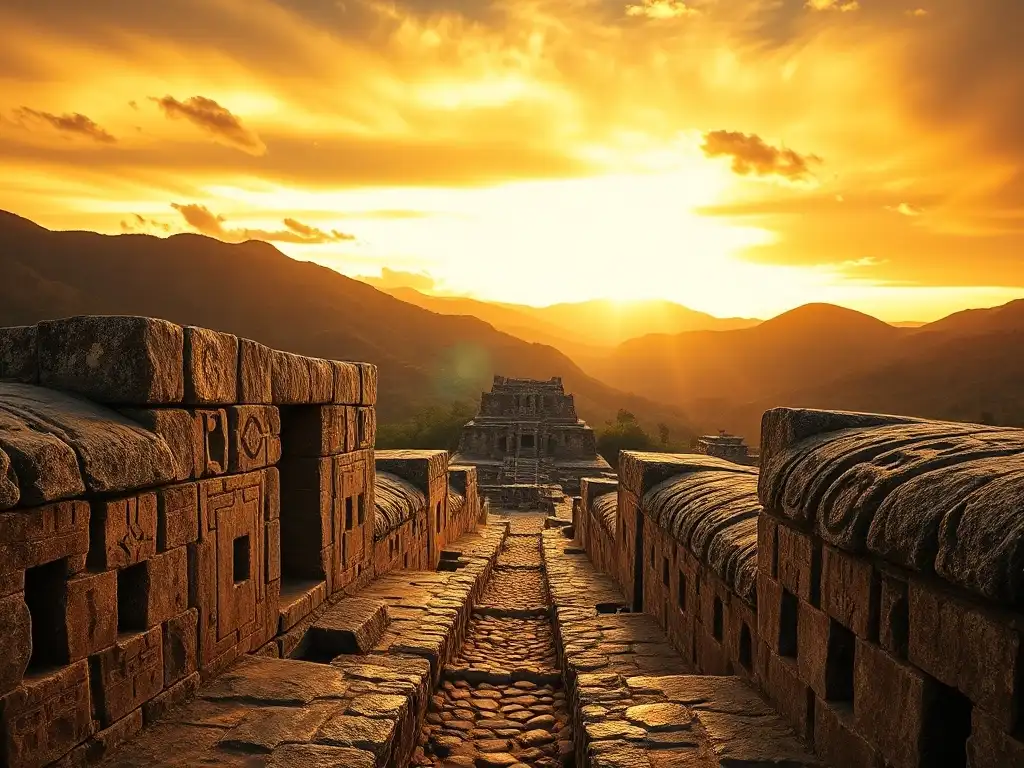
The imposing ruins of Chavín de Huántar, nestled high in the Andes mountains of Peru, continue to captivate archaeologists and historians alike. While its influence on subsequent Andean cultures is undeniable, the precise nature of its power and the purpose of its enigmatic structures remain a source of ongoing debate amongst experts. Was Chavín de Huántar primarily a religious center, a political capital, or a combination of both?
The lack of clear evidence for a centralized state, coupled with the overwhelming presence of religious iconography, complicates this question. However, recent archaeological findings suggest a more nuanced picture than previously imagined. The discovery of sophisticated water management systems, for example, points towards a level of centralized organization capable of large-scale public works projects, hinting at a degree of political control that extended beyond purely religious authority.
This suggests a complex interplay between religious and secular power within Chavín society, a dynamic that requires further investigation to fully understand. The scale of the site itself – its immense plazas, intricate tunnels, and monumental architecture – speaks volumes about the resources and manpower at the disposal of its builders, further reinforcing the notion of a powerful, albeit enigmatic, entity at its heart. Deciphering the true nature of this power remains one of the most compelling Chavín civilization mysteries.
The Purpose of Chavín de Huántar's Labyrinthine Structures
The labyrinthine structure of Chavín de Huántar is perhaps its most striking feature. Narrow, dimly lit passages, intricately carved stone galleries, and hidden chambers create a disorienting and intensely atmospheric experience. The purpose of this complex design continues to fuel speculation. Some scholars suggest the maze-like architecture was intentionally designed to induce altered states of consciousness, facilitating shamanistic rituals and religious experiences.
The carefully controlled manipulation of light and sound within these spaces, amplified by the acoustics of the stone, certainly lends credence to this theory. Others propose a more pragmatic explanation, suggesting that the labyrinthine layout served a defensive purpose, acting as a kind of natural fortress. However, the lack of defensive features such as walls or fortifications weakens this argument. A more likely explanation involves a combination of factors: the intricate design may have served both religious and practical purposes, perhaps functioning as a carefully orchestrated route for ritual processions or a symbolic representation of the Andean worldview.
The interplay between the physical structure and the religious beliefs of the Chavín people is a crucial element of the Chavín civilization mysteries we are still unraveling. Further research into the site's construction techniques and the spatial organization of its internal features could offer significant insights. Detailed mapping and 3D modeling of the site's interior could further enhance our understanding of the labyrinth's function.
Interpreting the Iconography: Chavín Art and its Symbolism
Chavín art is characterized by its unique and often unsettling iconography. The stylized depictions of jaguars, snakes, and other hybrid creatures, often portrayed with ferocious expressions and exaggerated features, are instantly recognizable. These images are not merely decorative; they are deeply symbolic, representing the Chavín worldview and their complex religious beliefs.
The recurring motifs of fangs, claws, and feathered headdresses, for example, likely reflect the shamanistic practices and the importance of animalistic transformations in their religious rituals. However, the precise meaning of many symbols remains elusive. Scholars continue to debate the interpretation of specific iconographic elements, with different theories emerging based on contextual clues and comparisons with other Andean cultures.
The lack of a deciphered writing system further complicates the process of understanding Chavín art, making the unveiling of its symbolic language one of the core Chavín civilization mysteries. Careful analysis of the stylistic variations across different artifacts and the spatial distribution of iconographic elements within the site could shed further light on their meaning. The use of advanced imaging techniques, like infrared photography, may also reveal hidden details and provide new avenues for interpretation.
The Role of Religion and Shamanism in Chavín Society
The pervasive presence of religious iconography and the labyrinthine architecture of Chavín de Huántar strongly suggest that religion played a central role in Chavín society. Evidence points towards a sophisticated religious system involving shamanistic practices, ritual offerings, and possibly even human sacrifice. The discovery of numerous artifacts associated with ritual activities, such as intricately carved stone objects, ceremonial vessels, and evidence of ritualistic use of hallucinogenic substances, supports this conclusion.
The role of shamanistic figures within Chavín society is particularly noteworthy. These individuals, likely possessing specialized knowledge and skills, acted as intermediaries between the human and supernatural worlds, performing rituals and interpreting divine messages. The depiction of shamanistic figures in Chavín art, often with supernatural attributes and associated with powerful animals, further underscores their importance.
However, the precise structure and organization of their religious beliefs, including the nature of their deities and the details of their rituals, still remain largely unknown. Further research into the chemical analysis of artifacts, combined with detailed ethnographic comparisons with other Andean cultures, could unlock more of the secrets of Chavín religion, ultimately resolving some of the lingering Chavín civilization mysteries. The investigation of the possible use of hallucinogens in rituals, in particular, could provide crucial insights into their religious practices and beliefs.
Socio-Political Organization: Unanswered Questions about Chavín Society
The socio-political organization of the Chavín civilization remains one of the most intriguing and debated aspects of their culture. While archaeological evidence reveals a complex society, the exact nature of their political structure continues to elude definitive answers. Understanding this aspect is crucial to unraveling the mysteries surrounding the Chavín's influence and longevity. The keyword "Chavín civilization mysteries" is directly relevant to this ongoing scholarly discussion.
Was Chavín a Unified State or a Collection of Chiefdoms?
The question of whether the Chavín culture constituted a unified state or a network of chiefdoms connected by religious and ideological ties is central to comprehending their power and reach. Evidence suggests a decentralized system, with regional variations in architecture and artistic styles. However, the remarkable consistency in religious iconography and the widespread distribution of Chavín-style artifacts across a vast geographic area point towards a degree of centralized control or at least a powerful unifying force.
Some scholars propose a model where a powerful religious elite at the Chavín de Huántar site exerted influence over surrounding communities without necessarily establishing direct political rule. This influence may have been maintained through religious rituals, trade networks, and the dissemination of Chavín ideology. Further research, particularly focused on detailed analysis of settlement patterns and regional variations in material culture, is needed to solidify our understanding.
The ongoing debate highlights the complexity of the Chavín's political landscape and the challenges in applying conventional state-level frameworks to interpret their society. The mystery surrounding their political structure directly relates to the broader category of "Chavín civilization mysteries."
Understanding social stratification within Chavín society is crucial to interpreting their power dynamics. While the existence of social hierarchy is evident from the monumental architecture and elaborate burial practices at Chavín de Huántar, the specific mechanisms of social mobility and the criteria for social status remain unclear. The discovery of richly adorned tombs suggests a privileged elite, likely comprising religious leaders or powerful individuals.
However, the extent of social inequality and the lives of commoners are less well understood. Analysis of skeletal remains and isotopic studies could provide insights into diet and lifestyle variations, potentially revealing clues about social stratification. The identification of specialized craft production centers might further illuminate the economic organization and the role of different social groups in the Chavín system.
The lack of clear evidence regarding social mobility, particularly the degree of fluidity or rigidity within the social hierarchy, contributes to the enduring mysteries surrounding Chavín society. This is another significant aspect of the overarching "Chavín civilization mysteries."
The Chavín's Influence on Later Andean Cultures
The Chavín's impact on subsequent Andean cultures is undeniable, representing a significant aspect of the "Chavín civilization mysteries" related to their long-term legacy. Their artistic motifs, religious iconography, and architectural styles are found throughout the central Andes in later periods. This widespread influence suggests the Chavín's role as a cultural and potentially ideological precursor to many subsequent Andean civilizations.
For instance, the stylistic similarities between Chavín art and that of the later Moche and Nazca cultures are striking, suggesting a process of cultural transmission and adaptation. However, the precise nature and mechanisms of this influence remain unclear. Was it a result of direct political control, religious pilgrimage, trade networks, or a combination of factors?
Further research focusing on comparative studies of material culture and iconography across different Andean cultures is needed to better understand the extent and nature of the Chavín's legacy. The enduring influence of Chavín's artistic and religious traditions on later societies underscores its importance and adds another layer to the captivating "Chavín civilization mysteries." Unraveling this enduring influence is key to a more complete understanding of Andean cultural development.
The Decline and Disappearance of the Chavín: Exploring Possible Explanations
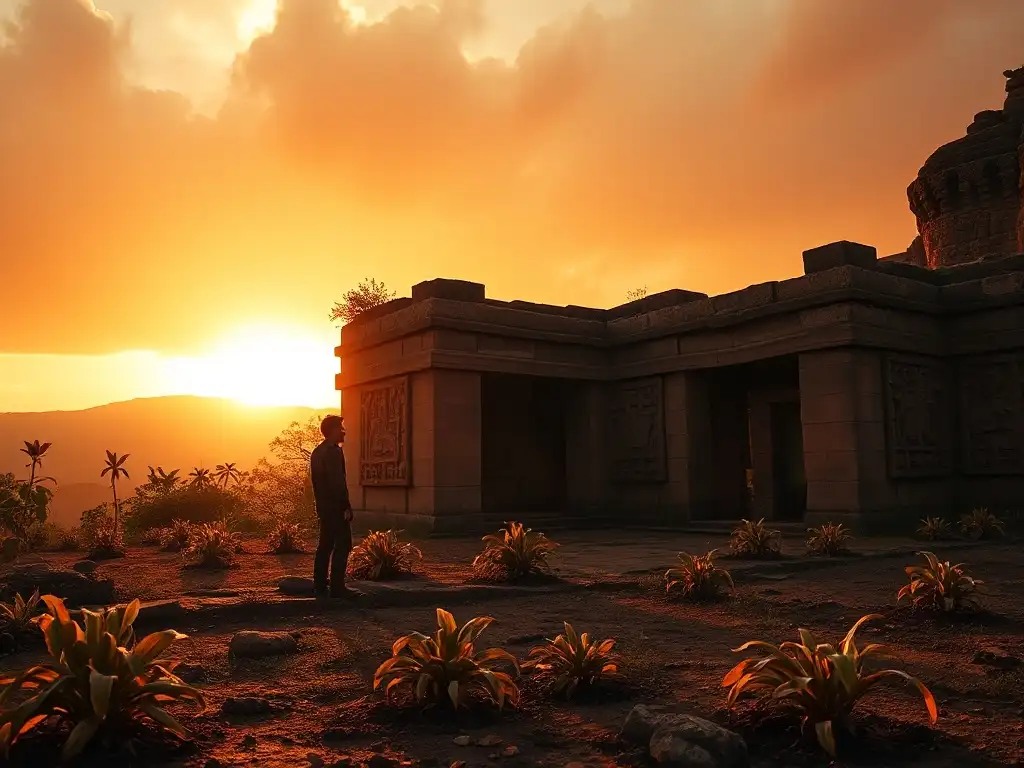
The collapse of the Chavín civilization, a pivotal moment in Andean prehistory, remains shrouded in some mystery. While we possess a wealth of archaeological data detailing their impressive achievements in art, architecture, and religious practices, the reasons behind their decline are still debated among experts. Several contributing factors are likely intertwined, making it difficult to pinpoint a single cause. Unraveling this enigma requires examining various perspectives, including environmental shifts, internal societal pressures, and potential external influences – all contributing to the questions surrounding "Chavín civilization mysteries."
Environmental Factors Contributing to the Chavín Decline
Environmental instability played a significant role in the trajectory of many ancient Andean societies. For the Chavín, evidence suggests a period of significant climatic change around the time of their decline. Analysis of paleoclimatic data, including ice core samples and sediment layers, indicates fluctuations in rainfall patterns and potentially increased aridity in the northern Andes. This environmental stress likely impacted agricultural productivity, a cornerstone of Chavín society.
Reduced crop yields could have led to food shortages, economic instability, and ultimately, social unrest. The impact wasn't uniform; some areas might have been more severely affected than others, potentially leading to migration and weakening the overall power of the Chavín state. Further research into specific crop failures and their geographical distribution is needed to fully understand the extent of this impact on the Chavín civilization mysteries.
Internal Conflicts and Societal Change within Chavín Civilization
Beyond external pressures, internal dynamics within Chavín society also likely contributed to its decline. While the centralized power structure of the Chavín culture was initially effective, maintaining control across a vast and geographically diverse territory presented significant challenges. Evidence suggests a gradual decentralization of power during the later phases of the Chavín period, with regional centers gaining increasing autonomy.
This might have been a result of growing social stratification, with elites potentially losing their grip on the populace. Competition for resources and power among different factions within Chavín society might have escalated into open conflict, weakening the overall strength of the civilization and leaving behind numerous unsolved Chavín civilization mysteries. Archaeological investigation into burial practices and settlement patterns could reveal more about this internal struggle.
The Legacy of Chavín: What Remains of Their Culture
Despite its eventual decline, the Chavín civilization left an indelible mark on the subsequent development of Andean cultures. Their distinctive artistic style, characterized by its intricate iconography and stylized representations of jaguars, snakes, and other mythical creatures, profoundly influenced later artistic traditions. The Chavín's sophisticated religious beliefs and ritual practices also had a lasting impact, with many motifs and symbols reappearing in later cultures.
The legacy of Chavín is not merely aesthetic; it represents a critical stage in the development of Andean religious thought and social organization. Elements of Chavín artistic conventions, religious ideas, and even architectural styles can be traced in the cultures that followed, testifying to their enduring influence and partially resolving some of the Chavín civilization mysteries. Their advanced metallurgical techniques, and mastery of stone carving, also represent significant technological advancements that paved the way for future Andean civilizations.
The enduring mystery of the Chavín's disappearance underscores the complexity of societal collapse and the importance of investigating multiple factors to understand the full picture. The quest to solve the remaining Chavín civilization mysteries continues, promising further insights into this pivotal Andean culture.
Chavín's Unsolved Mysteries: Ongoing Research and Future Directions
The Chavín civilization, a fascinating and enigmatic culture that flourished in the Andes between 900 and 200 BCE, continues to captivate researchers with its enduring mysteries. Despite significant advancements in Andean archaeology, several crucial aspects of Chavín life, beliefs, and societal structures remain elusive. Understanding the Chavín civilization mysteries requires a multifaceted approach, combining traditional archaeological methods with cutting-edge technologies and interdisciplinary collaborations.
This section will delve into current research avenues, highlighting the potential for future breakthroughs in our understanding of this pivotal pre-Inca culture. The enduring allure of Chavín lies in its unique blend of artistic expression, complex religious practices, and sophisticated engineering, all wrapped in a cloak of enigmatic symbolism. Unraveling these mysteries offers invaluable insights into the development of Andean societies and their cultural interactions.
New Archaeological Discoveries and their Implications
Recent archaeological excavations at Chavín de Huántar and other related sites have yielded exciting new discoveries, significantly impacting our understanding of the Chavín civilization. The unearthing of previously unknown structures, such as smaller residential complexes outside the main ceremonial center, offers a glimpse into the daily lives of Chavín inhabitants beyond the elite class. Analysis of these residential areas reveals valuable information about their social organization, economic activities, and material culture.
For example, the discovery of intricate weaving tools and remnants of textiles suggests a more developed textile industry than previously assumed. Furthermore, the finding of diverse pottery styles and food remains indicates a complex interaction with other Andean cultures, potentially through trade networks. These new findings challenge previous interpretations of Chavín society as solely focused on religious rituals and ceremonial activities, revealing a more nuanced and complex social structure.
The continued exploration and analysis of these new discoveries promise to shed further light on the daily lives and social dynamics of the Chavín people. The careful documentation and study of these artifacts are crucial to understanding the intricacies of this remarkable civilization and its place within the broader Andean context.
Advances in Dating Techniques and their Impact on Chavín Studies
Advances in radiocarbon dating and other chronological techniques have significantly refined our understanding of the Chavín timeline. Previously, the chronological framework for the Chavín culture relied heavily on stylistic analysis of pottery and other artifacts. However, these new dating methods offer a more precise and objective approach to establishing the temporal sequence of Chavín development and its relationship to other contemporary cultures.
For example, recent radiocarbon dates from organic materials found at Chavín de Huántar have helped to refine the estimated duration of the Chavín period, suggesting a potentially longer occupation than previously thought. Similarly, the application of luminescence dating to architectural features has provided clearer insights into the construction phases of various structures within the site. This improved chronological precision allows for a more accurate assessment of the cultural exchanges and interactions between the Chavín and their neighbors.
The ongoing refinement of these dating techniques promises to further refine our understanding of the Chavín's rise, peak, and decline, providing a more robust chronological framework for future research. The impact of these advancements is monumental, allowing for more precise correlations between archaeological finds and historical events.
The Future of Chavín Research: Exploring Unanswered Questions
Despite significant progress, numerous questions about the Chavín civilization remain unanswered. Future research should focus on several key areas to further unravel the mysteries surrounding this enigmatic culture. One crucial area is the investigation of Chavín's religious beliefs and practices. Further analysis of the iconography and symbolism found in Chavín art and architecture is needed to decipher their religious meaning and significance. The role of shamanism and ritual practices in Chavín society also requires further investigation.
Another important area of research is the exploration of Chavín's influence on subsequent Andean cultures. How did Chavín ideas, technologies, and artistic styles spread throughout the Andes? What was the nature of the interactions between Chavín and other contemporary cultures? These are crucial questions that need to be addressed to fully understand the impact of Chavín on the development of Andean civilization.
Furthermore, the application of new technologies, such as 3D modeling and remote sensing, offers exciting possibilities for exploring previously inaccessible areas of Chavín sites and uncovering new evidence. By combining traditional archaeological methods with cutting-edge technologies and interdisciplinary collaborations, we can hope to unlock more secrets of the Chavín civilization and gain a deeper understanding of this fascinating chapter in Andean history. The future of Chavín research holds immense potential, promising to reveal further insights into this captivating and enduring mystery. The ongoing exploration of these unanswered questions will undoubtedly enrich our understanding of the Chavín civilization and its lasting legacy.
Frequently Asked Questions
What is the Chavín civilization?
The Chavín civilization was a pre-Inca culture that flourished in the Andes Mountains of Peru from approximately 900 to 200 BCE. They are known for their unique artistic style and influential religious beliefs that spread throughout the region.
Why is the Chavín civilization considered mysterious?
Much about the Chavín remains unknown. Their complex iconography, sophisticated engineering, and sudden decline leave many questions unanswered, fueling ongoing research and speculation.
What are some of the key architectural achievements of the Chavín?
The Chavín de Huántar temple complex is a prime example, featuring intricate carvings, underground galleries, and a remarkable understanding of acoustics and water management. Their architecture influenced later Andean cultures.
What is the significance of the Chavín's artistic style?
Chavín art is characterized by its highly stylized depictions of supernatural beings, often featuring feline and serpent motifs. This style is readily identifiable and had a profound impact on subsequent Andean art.
How did the Chavín civilization collapse?
The exact reasons for the Chavín's decline are still debated. Possible factors include environmental changes, internal conflicts, or the rise of competing cultures. More research is needed to fully understand this process.
Final Reflection: Unraveling the Enigma of Chavín
The enduring mystery of the Chavín civilization remains a potent reminder of the vast unknowns that still lie buried beneath the sands of time. Their sophisticated artistry, complex societal structures, and sudden decline continue to challenge our understanding of early Andean history, demanding further investigation and sparking fresh interpretations even today. The questions surrounding their rise and fall are not merely academic exercises; they offer valuable insights into the complexities of societal development and collapse, lessons that resonate deeply with our own era of rapid change and uncertainty.
The impact of Chavín culture extends far beyond its geographical boundaries and temporal limitations. Its influence on subsequent Andean civilizations is undeniable, a testament to the power of cultural exchange and the enduring legacy of a people whose story is only partially known. The past is never dead. It's not even past.
- William Faulkner. This quote perfectly encapsulates the ongoing relevance of Chavín; their story continues to shape our understanding of the Andes, reminding us that the echoes of the past resonate powerfully in the present, influencing our perspectives and shaping our future interpretations.
Consider, for a moment, the unanswered questions surrounding Chavín. What truly fueled their societal power? What caused their seemingly abrupt decline? These are not just questions for archaeologists; they are questions for all of us. Take a moment to reflect on the enduring power of human ingenuity and the fragility of even the most advanced societies. Let the mystery of Chavín inspire you to explore the unknown, to question assumptions, and to appreciate the rich tapestry of human history that continues to unfold before our eyes. Embrace the enigma, and let it fuel your own quest for understanding.
Unveil the Secrets of Chavín Culture Today!
Thank you for joining us on this journey through the captivating world of the Chavín civilization. Your interest in these ancient wonders is the first step toward unlocking their mysteries. Are you ready to delve deeper?
Here are some exciting ways to continue your exploration:
- Join our online community to connect with fellow enthusiasts and share your insights on Chavín culture.
- Visit a local museum with a collection of Andean artifacts to experience the artistry and craftsmanship of the Chavín people firsthand.
- Embark on a personal research project! Choose a specific Chavín artifact or aspect of their culture and explore its significance through available resources.
What aspect of Chavín culture most fascinates you, and how will you further your exploration?