
Sacred Spaces: How Ritual and Religion Influenced Andean Construction

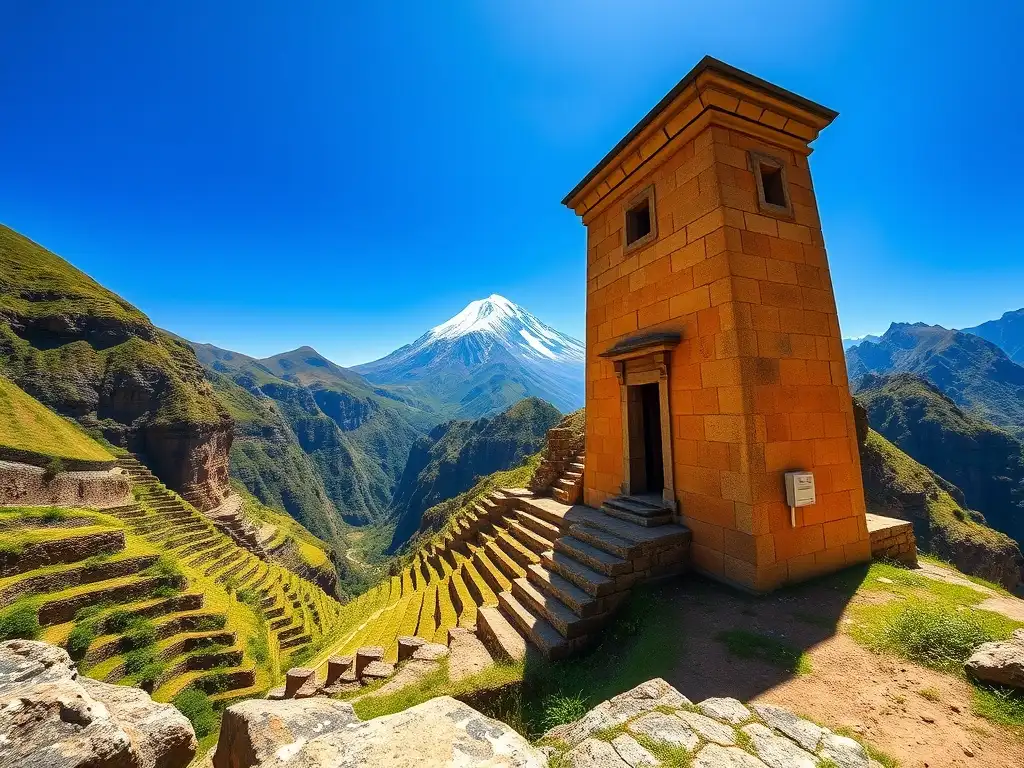
Uncover the secrets whispered through the stones… Journey with us into the heart of the Andes, where breathtaking artistry and ingenious engineering intertwined with deeply held beliefs. This isn't just a story of empires; it's a revelation of faith manifested in stone. Prepare to be amazed by the intricate world of Andean religious architecture, and discover how ritual and religion shaped the very landscape of these ancient civilizations. Explore the mysteries that await, and delve into the sacred spaces that still hold their power today.
The Andes Mountains, a spine of towering peaks stretching along the western coast of South America, were not merely a geographical feature for the ancient civilizations that thrived there; they were a sacred landscape. This article delves into the profound influence of religion and ritual on the architectural marvels of the Andes, exploring how deeply intertwined faith and construction were in shaping the physical world of the Incas, Moche, Nazca, and Tiahuanaco. We will examine how Andean religious architecture, far from being merely functional structures, served as powerful expressions of cosmological beliefs, social structures, and the relationship between the human and divine realms.
Understanding this intricate connection offers a key to unlocking a deeper appreciation for the ingenuity and spiritual depth of these remarkable ancient cultures. This exploration of Andean religious architecture will reveal the sophisticated planning, meticulous craftsmanship, and profound symbolism embedded within these sacred spaces, highlighting the crucial role of religion in shaping the very fabric of Andean society.
We will analyze specific examples, revealing the ways in which religious beliefs manifested in the design, construction, and purpose of these structures. The study of Andean religious architecture provides a fascinating glimpse into the worldview and spiritual practices of these ancient peoples.
The Intertwined Nature of Andean Religion and Architecture
Andean religious beliefs were deeply integrated into all aspects of life, and architecture was no exception. The very act of building was imbued with ritual significance. Sites were carefully chosen, often based on astronomical alignments or the presence of natural features considered sacred, such as springs or particular rock formations. Construction itself was frequently accompanied by ceremonies and offerings, ensuring the favor of the gods and the successful completion of the project.
The orientation of buildings, the use of specific materials, and even the placement of individual stones were all carefully considered in relation to cosmological beliefs. For example, the Inca's meticulous stonework, famously precise without the use of mortar, was not just a feat of engineering; it also reflected a worldview that emphasized harmony, balance, and the interconnectedness of all things. The precision mirrored the order they believed governed the cosmos. Furthermore, the incorporation of specific motifs and symbols, such as serpents, jaguars, or celestial bodies, further reinforced the sacred nature of these structures.
These weren't simply buildings; they were tangible manifestations of the Andean worldview, acting as bridges between the human and divine worlds. The intricate designs and symbolic elements within Andean religious architecture serve as powerful reminders of the profound spiritual significance attached to every aspect of construction. The careful selection of building materials, often sourced from distant locations and imbued with symbolic meaning, further underscores the ritualistic importance of these projects.
Religious Significance in Andean Building Practices
The religious significance of Andean building practices is evident in the diverse range of structures erected across the Andean region. Temples, such as those found at the Tiahuanaco site, served as centers for ritual activities and were often adorned with elaborate carvings and sculptures depicting deities and mythological figures. These weren't just places of worship; they were powerful symbols of the state's authority and the divine right to rule. Similarly, the construction of monumental platforms, like those at the Moche site, played a crucial role in religious ceremonies and rituals.
These platforms, often decorated with intricate murals and sculptures, served as elevated spaces for observing astronomical events and conducting important religious rites, reflecting the Moche's sophisticated understanding of astronomy and their deep connection with the celestial world. The Nazca lines, while their exact purpose remains debated, are also strongly suspected to have served a significant religious function, possibly related to astronomical observations or ritual processions. The scale and precision of these geoglyphs demonstrate a remarkable level of planning and communal effort, emphasizing the importance of religious beliefs within Nazca society. Even seemingly mundane structures, such as residential buildings, often incorporated religious elements into their design, reflecting the pervasiveness of religious beliefs in everyday life.
The pervasive influence of religion on Andean construction demonstrates the deeply spiritual nature of these societies and the fundamental role that faith played in shaping their physical world. The careful planning, meticulous craftsmanship, and symbolic elements present in Andean structures underscore the profound connection between religion, ritual, and the built environment. Further research into specific sites and their associated religious practices could offer even more profound insights into this fascinating intersection.
Andean Cosmology and Architectural Orientation
Andean cosmology deeply influenced the orientation and design of religious structures. The worldview of these civilizations was intricately linked to the natural world, particularly the celestial bodies and the surrounding landscape. Understanding this cosmology is key to deciphering the meaning behind the architectural choices made in the construction of sacred spaces. The Andes themselves were perceived as a living entity, imbued with spiritual power, and this perception guided the placement and design of religious buildings.
The careful alignment of structures with the movements of the sun, moon, and stars reflects a sophisticated understanding of astronomy and its connection to religious practices. This astronomical knowledge wasn't merely academic; it was integral to the understanding of time, seasons, and the cyclical nature of life and death, all central themes in Andean religion. The precision involved in these alignments underscores the importance of cosmological considerations in Andean religious architecture.
Alignments with Celestial Events and Sacred Mountains
Many Andean structures, such as the impressive Machu Picchu, exhibit precise alignments with celestial events. For example, specific windows or doorways might frame the rising or setting sun on solstices or equinoxes. These alignments were not accidental; they were carefully planned and executed, reflecting a deep understanding of astronomical cycles and their religious significance. This wasn't limited to solar alignments; lunar and stellar events also played a significant role.
The positioning of certain structures relative to prominent mountains, considered sacred, further reinforces the interconnection between celestial bodies, terrestrial features, and the spiritual realm in Andean thought. The mountains themselves were often seen as dwelling places of deities or ancestors, making their relationship to sacred buildings crucial in the overall cosmology. Precise data on the specific alignments of numerous sites is still being researched and refined, but the overall pattern of deliberate astronomical orientation is undeniable.
The Role of Sacred Geography in Site Selection
The selection of a site for a religious structure wasn't arbitrary; it was a carefully considered process deeply rooted in sacred geography. The location was chosen based on its perceived spiritual significance, often taking into account its relationship to natural features like mountains, rivers, and springs. These features were not merely geographical markers but were believed to possess inherent spiritual power.
Sites with access to water sources, particularly springs, were highly valued, as water played a central role in Andean religious rituals. The proximity to mountain peaks, often considered sacred apus (mountain spirits), also influenced site selection. The overall goal was to create a sacred space that harmoniously integrated the built environment with the surrounding natural landscape.
This holistic approach to site selection is a testament to the deep connection between Andean spirituality and the physical environment. Further research into specific site selection criteria for different Andean cultures could illuminate additional details on this practice.
Key Features of Andean Religious Structures
Andean religious structures are characterized by a number of distinctive features that reflect their cultural and religious significance. These features extend beyond mere functionality, encompassing symbolic elements deeply rooted in Andean cosmology and ritual practices. The structures themselves were not just buildings; they were tangible representations of the Andean worldview, embodying their beliefs and values.
The construction techniques, materials used, and overall design all played vital roles in conveying the sacred nature of these spaces. The careful consideration of orientation, the incorporation of natural elements, and the use of specific architectural elements all contributed to the creation of powerful and meaningful religious spaces.
Temples and Shrines: Places of Worship
Temples and shrines served as focal points for religious rituals and ceremonies. These structures, often built with carefully selected stones and adorned with intricate carvings, were designed to evoke a sense of reverence and awe. Their size and complexity varied depending on the cultural group and the importance of the deity or ancestor being honored. Many temples were located within larger complexes, often incorporating plazas, residential areas, and other supporting structures.
These complexes were not simply places of worship; they were integral parts of the social and political fabric of Andean communities. The layout and design of the temples themselves often reflected the cosmological beliefs of the culture. The internal organization, the placement of altars and other features, all contributed to the overall sacred atmosphere of the structure.
The Use of Stone in Andean Religious Construction
Stone was the primary building material in Andean religious architecture. The meticulous craftsmanship evident in many structures demonstrates a high level of skill and precision. The careful selection and shaping of stones, often fitted together without mortar, represent a remarkable feat of engineering and a testament to the builders' understanding of stonework. The specific type of stone used could also hold symbolic meaning, with certain stones being considered more sacred than others.
The use of intricate carvings and decorative elements further enhanced the sacred character of the structures. The precise fitting of stones, without the use of mortar, speaks to the advanced understanding of engineering and construction practices within Andean civilizations. The longevity of these structures is a direct result of the quality of the materials and the skill of the builders.
Ritualistic Spaces: Inti Watana, Ushnu Platforms, and Burial Chullpas
Beyond temples and shrines, other structures served specific ritualistic purposes. Intihuatana, meaning "sun-tying" in Quechua, are stone structures believed to have been used for astronomical observations and solar worship. Ushnu platforms, elevated structures often found in ceremonial centers, likely served as places for public rituals and political gatherings. Chullpas, tower-like structures used as burial places, represent the Andean belief in the continuity of life beyond death.
These different structures, while distinct in their function, all played vital roles in the religious and social life of Andean communities. Each structure represents a specific aspect of Andean belief and ritual, highlighting the complexity and richness of their spiritual practices. The careful construction and placement of these structures further underscores the importance of ritual in the daily lives of the Andean people.
Examples of Andean Religious Architecture
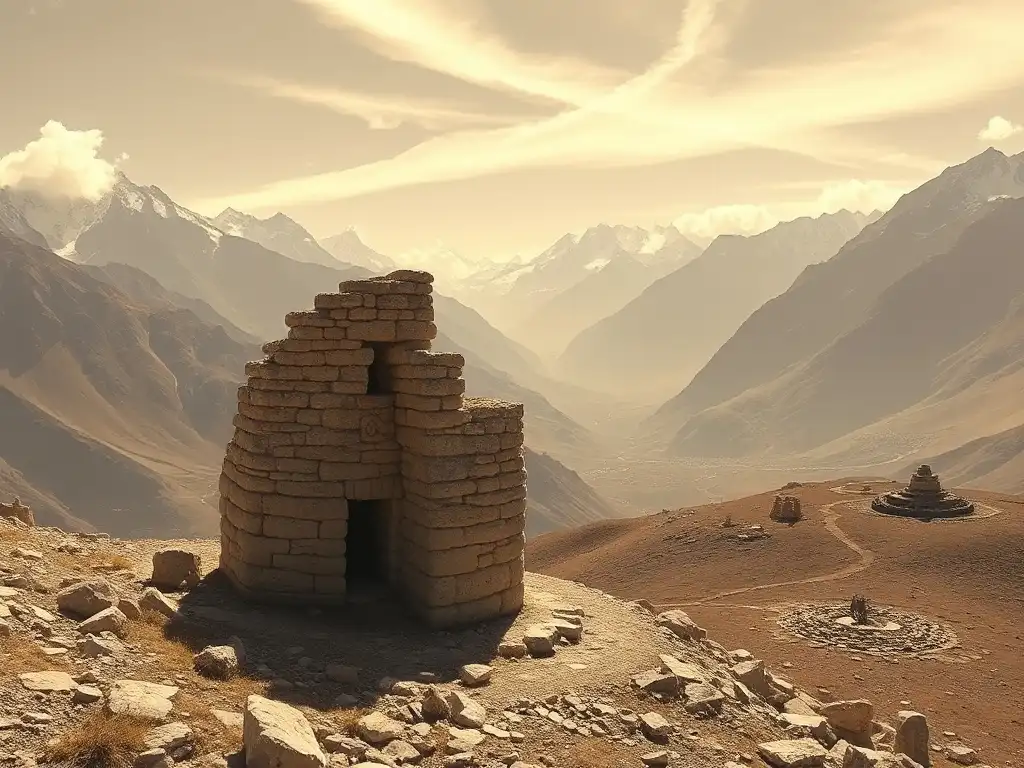
The Sun Temple at Machu Picchu: Intricate stonework, trapezoidal windows, and connection to the winter solstice.
The Sun Temple at Machu Picchu stands as a testament to Inca ingenuity and religious devotion. Its construction showcases the remarkable skill of Inca stonemasons, who expertly fitted stones together without the use of mortar, creating incredibly precise and durable structures. The iconic trapezoidal windows, a hallmark of Inca architecture, are not merely aesthetic features; they are believed to have played a role in aligning the temple with the winter solstice.
On this significant day, the sun's rays would illuminate specific parts of the temple interior, reinforcing the sacred nature of the site and its connection to the Inca sun god, Inti. The precision of the stonework, the deliberate placement of the windows, and the astronomical alignment all point to a deeply considered and religiously motivated design process. Detailed studies of the Sun Temple's orientation and internal features continue to reveal new insights into Inca astronomical knowledge and religious practices.
The meticulous planning and execution highlight the profound importance the Incas placed on aligning their sacred architecture with celestial events. The enduring legacy of the Sun Temple lies not only in its architectural brilliance but also in its profound connection to Inca cosmology and spirituality.
The Temple of Kalasasaya in Tiahuanaco: Monolithic gateways, precise astronomical alignments, and sunken courtyard design.
The Temple of Kalasasaya at Tiahuanaco, a pre-Inca site in Bolivia, is another striking example of Andean religious architecture. Its most prominent feature is the monumental Gateway of the Sun, a monolithic structure carved with intricate designs representing various deities and cosmological symbols. The precise astronomical alignments of the temple are particularly noteworthy.
Scholars believe that the temple was designed to track the movements of the sun and stars, suggesting a sophisticated understanding of astronomy and its link to religious practices. The sunken courtyard, a central feature of the complex, may have served as a space for ritual ceremonies and gatherings. The immense scale of the stones used in its construction, some weighing several tons, speaks to the organizational prowess and engineering capabilities of the Tiahuanaco culture.
The precise carving and placement of these massive stones, without the benefit of advanced technology, remains a feat of engineering that continues to fascinate researchers and inspire awe. The Temple of Kalasasaya's enduring mystery lies in the complexity of its design and the enduring questions surrounding its purpose and the beliefs of the Tiahuanaco people. Further research continues to shed light on the astronomical significance of this remarkable site.
The Huacas of the Moche Culture: Pyramidal structures, adobe construction, and decorated with vibrant murals.
The Moche culture, flourishing on the northern coast of Peru, left behind a legacy of impressive pyramidal structures known as huacas. These monumental buildings, constructed primarily from adobe bricks, served as both religious and administrative centers. Their pyramidal form, often stepped or terraced, reflects a cosmology that likely linked the earthly realm to the heavens.
The vibrant murals adorning many of these huacas offer invaluable insights into Moche religious beliefs, depicting deities, rituals, and scenes from their daily lives. The scale and complexity of these structures demonstrate the Moche's advanced engineering skills and their ability to mobilize significant labor forces. The murals, often depicting intricate scenes of sacrifice and ritual, serve as powerful visual representations of their religious practices.
Examples include the Huaca del Sol and Huaca de la Luna, which showcase the grandeur and artistry of Moche religious architecture. These structures were not merely places of worship but also centers of power, reflecting the close relationship between religion and the state in Moche society. The intricate details preserved in the murals continue to fascinate researchers, providing crucial information about Moche cosmology and social organization.
The Influence of Religious Beliefs on Andean Engineering
Water Management Systems and Ritual Purity
Andean civilizations developed sophisticated water management systems, inextricably linked to their religious beliefs. Access to water was crucial for agriculture and survival, and its control was often imbued with spiritual significance. The construction of canals, aqueducts, and irrigation systems was not merely an engineering feat but also a ritual act, aimed at appeasing water deities and ensuring the fertility of the land. The precise alignment of canals and the careful management of water resources were seen as essential for maintaining a harmonious relationship with the natural world and the spiritual forces that governed it.
Many water sources were considered sacred, and rituals were performed to ensure their continued flow and purity. This deep connection between water management and religious practice shaped the very design and purpose of these intricate engineering projects. The integration of religious beliefs into practical engineering solutions highlights the holistic worldview of Andean societies.
Terracing and Agricultural Practices as Spiritual Acts
The construction of agricultural terraces across the steep Andean slopes was a remarkable feat of engineering, deeply rooted in religious beliefs. These terraces not only increased arable land but also served as a tangible manifestation of the Andean worldview, which saw the act of cultivation as a sacred duty.
The creation of these meticulously planned and constructed terraces was seen as a way to honor the earth and ensure its fertility. The careful arrangement of the terraces often followed specific patterns, reflecting a deep understanding of the land and its relationship to the cosmos.
The terraces themselves were not merely agricultural features but also integral parts of the landscape, reflecting the Andean people's profound respect for nature and their belief in the interconnectedness of all living things. The sustainability of these terrace systems, some of which have lasted for centuries, is a testament to the ingenuity and foresight of Andean engineers and their deep spiritual connection to the land.
Roads and Paths as Pilgrimage Routes
The extensive network of roads and paths built by Andean civilizations served not only practical purposes but also played a crucial role in religious practices. Many of these routes were designed as pilgrimage routes, connecting sacred sites and facilitating the movement of people and goods for religious festivals and ceremonies. The construction of these roads was often a communal effort, reflecting the importance of religious unity and cooperation.
The Inca Qhapaq Ñan, or Great Inca Road, is a prime example of this integration of religious and practical considerations in road construction. The careful planning and construction of these routes, often traversing challenging terrain, showcase the advanced engineering skills and the deep religious devotion of Andean societies.
The roads themselves became sacred spaces, connecting communities and facilitating the dissemination of religious beliefs and practices. The meticulous maintenance of these routes over generations highlights the enduring importance of pilgrimage and religious connectivity in Andean culture.
Construction Techniques and Religious Symbolism
The Use of Specific Materials and Their Symbolic Meaning
The choice of materials in Andean religious architecture was far from arbitrary; it held profound symbolic meaning. Stone, for example, particularly finely-cut and polished stone, represented permanence, strength, and the connection to the earth—the Pachamama. The use of specific types of stone, sourced from geographically significant locations, further enhanced their symbolic power.
For instance, [specific type of stone] from [specific location] might have been associated with a particular deity or cosmological event, imbuing structures with a deeper spiritual significance. Similarly, the use of gold and silver, while less common due to scarcity, symbolized the sun and moon, respectively, representing celestial power and divine authority. The careful selection and placement of these materials were integral to the overall ritual function of the building.
The meticulous craftsmanship involved in preparing and assembling these materials also served as an offering to the gods, demonstrating human devotion and skill. Even the earth itself, used in adobe construction, held significance as a life-giving source, connecting the buildings to the cycles of nature.
The Incorporation of Religious Motifs in Architectural Design
Andean religious architecture is replete with symbolic motifs meticulously integrated into the design. Geometric patterns, such as stepped pyramids and zigzags, often represented mountains, water, and celestial bodies, reflecting the Andean worldview. These were not merely decorative elements; they were integral to the structure's ritual function, influencing energy flow and channeling cosmic forces.
Zoomorphic and anthropomorphic representations, carved in stone or depicted in murals, often depicted deities or mythical beings, further reinforcing the sacred nature of the space. For example, the depiction of the condor, a powerful symbol in Andean mythology, represented strength and dominion over the heavens.
The careful placement and orientation of these motifs within the architectural design were crucial, ensuring the building acted as a microcosm of the cosmos, mirroring the Andean understanding of the universe. Specific examples, such as the intricate carvings found in [specific site] or the unique layout of [specific structure], demonstrate this intricate relationship between religious belief and architectural design.
Labor and Community Participation in Sacred Projects
The construction of Andean religious sites was not merely a technical undertaking; it was a deeply communal and ritualistic process. Labor was often organized through a system of mita, a form of tribute labor that involved the participation of large segments of the population. This collective effort was not seen as mere work, but as a sacred duty, a way of expressing devotion and contributing to the well-being of the community and the realm of the gods.
The construction process itself was often interwoven with religious ceremonies, with offerings and prayers made at various stages of the project. This communal participation fostered a strong sense of collective identity and reinforced the social and religious order.
The scale and complexity of some Andean structures, such as [specific example], underscore the immense effort and communal dedication involved in their creation. This collective participation in building sacred spaces solidified social bonds and reaffirmed the importance of religious beliefs within the community.
Legacy of Andean Religious Architecture
The Enduring Influence of Andean Construction on Later Cultures
Andean religious architecture left an indelible mark on subsequent cultures in the region. The sophisticated techniques of stonework, the symbolic use of materials, and the integration of religious motifs in design were adopted and adapted by later civilizations. The influence can be seen in colonial-era architecture, where certain design elements and construction methods were retained, albeit often blended with European styles. Even today, certain architectural features and patterns found in Andean structures continue to inspire contemporary architects and designers.
This continuity highlights the enduring power and ingenuity of Andean architectural traditions. The impact is not only aesthetic but also speaks to the persistence of Andean spiritual beliefs and practices within the region's cultural fabric. [Specific examples of influence on later cultures needed].
Modern Interpretations and Preservation Efforts
Today, there's a growing interest in understanding and preserving Andean religious architecture. Archaeological research continues to uncover new insights into construction techniques and symbolic meanings, while restoration projects strive to protect these invaluable sites. Modern interpretations often incorporate elements of traditional Andean design and construction methods in contemporary buildings, reflecting a renewed appreciation for the region's rich cultural heritage. These efforts are not only about preserving physical structures; they’re also about safeguarding the cultural and spiritual legacy of the Andean civilizations. [Specific examples of modern preservation efforts and interpretations needed].
Understanding Andean Religious Practices through Architecture
The study of Andean religious architecture provides invaluable insights into the beliefs and practices of these ancient societies. By analyzing construction techniques, material choices, and symbolic motifs, archaeologists and scholars can reconstruct aspects of their religious worldview, social organization, and cosmological understanding. The layout of temples, the orientation of structures, and the placement of religious artifacts all contribute to a richer comprehension of Andean spiritual life.
For example, the study of [specific site] has helped researchers understand the significance of [specific religious practice]. The careful examination of Andean religious architecture offers a unique window into the past, revealing the profound connection between spirituality, society, and the built environment in the Andes. The enduring legacy of this architecture lies not only in its aesthetic beauty but also in its capacity to illuminate the rich tapestry of Andean religious practices.
- The Intertwined Nature of Andean Religion and Architecture
- Religious Significance in Andean Building Practices
- Andean Cosmology and Architectural Orientation
- Key Features of Andean Religious Structures
- Examples of Andean Religious Architecture
- The Influence of Religious Beliefs on Andean Engineering
- Construction Techniques and Religious Symbolism
- Legacy of Andean Religious Architecture
- What role did religion play in Andean architecture?
- How did Andean religious beliefs manifest in their building techniques?
- Can you name some examples of significant Andean religious architecture?
- How did the environment influence the design of Andean religious structures?
- What can the study of Andean religious architecture tell us about their society?
Frequently Asked Questions
What role did religion play in Andean architecture?
Religion was central to Andean life, profoundly influencing all aspects of their architecture. Temples, pyramids, and other structures were built for religious ceremonies and to honor deities. Their design and location reflected cosmological beliefs.
How did Andean religious beliefs manifest in their building techniques?
Andean builders incorporated religious symbolism into their construction techniques. The use of specific materials, orientations, and intricate designs were all tied to ritual practices and beliefs about the cosmos and the gods. Precision and craftsmanship were essential.
Can you name some examples of significant Andean religious architecture?
Yes, prominent examples include Machu Picchu, a complex with religious and possibly administrative functions. The Temple of the Sun in Cusco and the pyramids of the Moche civilization are also significant examples of sacred architecture.
How did the environment influence the design of Andean religious structures?
The Andean environment significantly impacted architectural design. Structures were built to harmonize with the landscape, reflecting a deep understanding of the surrounding environment's spiritual significance. Available materials also dictated construction methods.
What can the study of Andean religious architecture tell us about their society?
The study of Andean religious architecture reveals much about their social organization, beliefs, and worldview. It provides insights into their political power structures, ritual practices, and their deep connection to the natural world. It shows a highly sophisticated and complex society.
Final Reflection: Echoes of the Andes: A Legacy in Stone
The enduring power of ritual and belief is profoundly evident in the architectural marvels of the Andes. These structures, far from being mere buildings, stand as tangible testaments to a deeply spiritual worldview that continues to resonate today. Their meticulous design, symbolic elements, and strategic placement speak volumes about the ingenuity and profound faith of Andean cultures, offering invaluable insights into a rich and complex history.
The influence of Andean religious architecture extends far beyond the physical structures themselves; it permeates the cultural landscape, shaping artistic expression, social organization, and even contemporary spiritual practices. The echoes of these sacred spaces reverberate through generations, influencing everything from modern celebrations to artistic interpretations of Andean heritage. The past is never dead. It's not even past.
– William Faulkner. This quote perfectly encapsulates the enduring legacy of Andean religious architecture, reminding us that the beliefs and practices reflected in these structures continue to inform and inspire.
Consider the intricate details, the careful alignment with celestial bodies, the profound symbolism embedded within each stone. These are not simply remnants of a bygone era; they are powerful reminders of the enduring human need for connection to something greater than ourselves. You, the reader, are invited to reflect on the ways in which your own spaces – physical and spiritual – reflect your values and beliefs.
What stories do your surroundings tell? How can we, in our modern world, learn from the enduring wisdom embedded within the sacred spaces of the Andes and build a future that honors both our heritage and our aspirations?
Ignite Your Journey with Andean Spirituality!
Thank you for exploring the profound connection between ritual, religion, and the architecture of the Andes. You've uncovered the rich tapestry of history and belief that shapes the sacred landscapes of this region. Now, delve deeper and experience this vibrant culture firsthand.
Here's how you can continue your exploration and connect with the Andean spirit:
- Attend a local cultural event or festival to immerse yourself in Andean traditions and connect with the community.
- Visit a museum showcasing Andean artifacts and exhibitions to gain a deeper understanding of this fascinating civilization.
- Share your insights and experiences with others—friends, family, or online—to spread awareness of Andean heritage and its significance.
What aspect of Andean spirituality resonates most with you, and how can you integrate its teachings into your daily life?