
The Moon's Influence: Unveiling the Lunar Calendar and its Cultural Impact

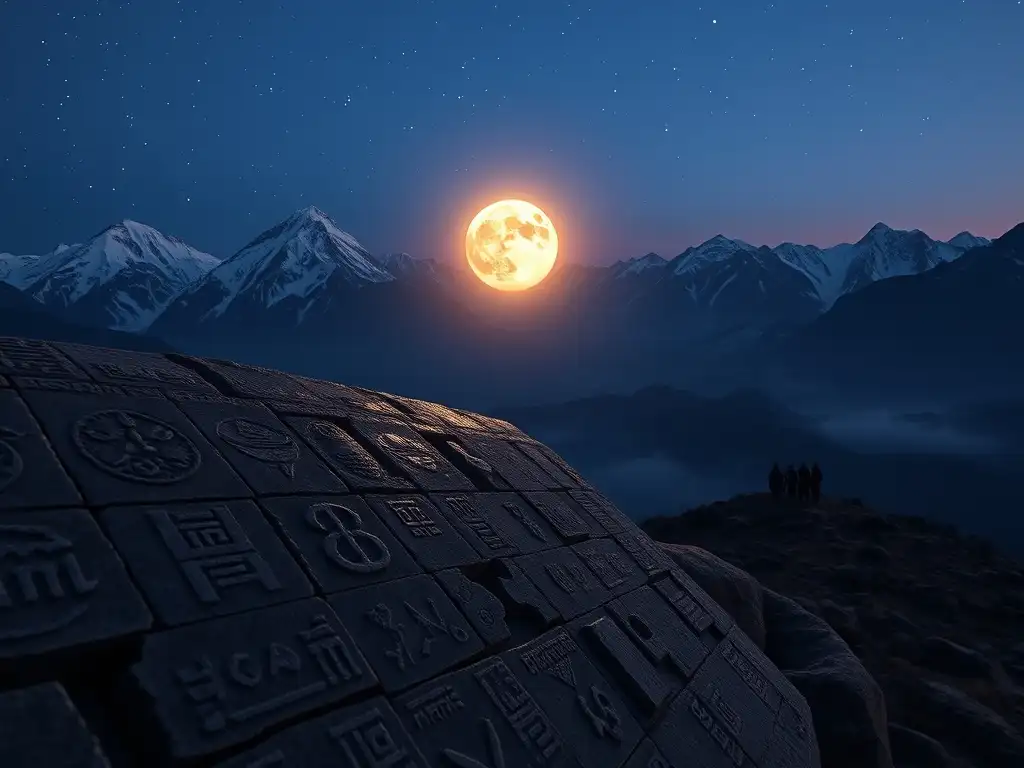
Step into a world lost to time, yet echoing with the whispers of ancient wisdom. Imagine a civilization where the moon held sway not just over the tides, but over the very fabric of daily life. Uncover the secrets of the Andean lunar calendar and its profound impact on the Inca, Moche, Nazca, and Tiahuanaco cultures. Prepare to be amazed by the intricate connection between celestial cycles and earthly existence – a story waiting to be revealed within the depths of Andean Cosmology and Worldview.
- The Moon's Influence: Unveiling the Lunar Calendar and its Cultural Impact in the Andes
- Andean Lunar Calendar Systems: Tracking Time with the Moon
- The Impact of the Andean Lunar Calendar on Daily Life
- The Andean Lunar Calendar Impact on Modern Understanding
- Frequently Asked Questions
- Final Reflection: Echoes of the Moon: A Legacy of Lunar Wisdom
- **Embrace the Moon's Wisdom Today! **
The Moon's Influence: Unveiling the Lunar Calendar and its Cultural Impact in the Andes
The Andes Mountains, a spine of imposing peaks stretching along the western edge of South America, were home to a series of vibrant and sophisticated civilizations long before the arrival of Europeans. These cultures, including the Incas, Moche, Nazca, and Tiahuanaco, developed intricate systems of knowledge and belief deeply intertwined with the natural world. Central to their understanding of the cosmos was the celestial dance of the sun, stars, and, significantly, the moon.
This article delves into the profound influence of the lunar calendar on Andean societies, exploring its impact on agriculture, social organization, and spiritual practices. We will uncover how the cyclical phases of the moon shaped their worldview and daily lives, revealing a sophisticated understanding of astronomy and its profound connection to their cultural identity.
Understanding the Andean lunar calendar's impact provides a crucial key to unlocking the complexities and richness of these fascinating ancient societies. This exploration will reveal how their deep connection to the lunar cycles wasn't merely observational but integral to their very existence.
Understanding the Andean Relationship with the Cosmos
Andean cosmology wasn't a detached intellectual pursuit; it was a lived reality. These cultures viewed the universe as a dynamic, interconnected system, where celestial bodies held immense power and influence. The sun, as the primary source of life and energy, occupied a central position in their mythology and rituals.
However, the moon, with its predictable cycles of waxing and waning, played a crucial role in regulating daily life and shaping their agricultural practices. Unlike many cultures that focused primarily on the solar year, Andean civilizations demonstrated a keen awareness of both solar and lunar cycles, integrating them into a complex calendar system. This system wasn't simply a means of timekeeping; it was a framework for understanding their place within the cosmos and harnessing the power of nature.
Their observations weren't solely based on naked-eye astronomy; evidence suggests a sophisticated understanding of celestial mechanics, reflected in their architectural marvels and intricate artwork. The precise alignment of structures like Machu Picchu with significant celestial events further underscores their advanced astronomical knowledge.
The Significance of the Moon in Andean Cosmology
The moon, in Andean cosmology, held a multifaceted significance. Often associated with feminine energy and fertility, it was linked to cycles of life, death, and regeneration. Many Andean deities were associated with lunar phases, reflecting the moon's influence on the natural world and human life. For instance, [Specific Andean deity and their lunar association pending]. The moon's phases weren't just observed; they were actively experienced.
Rituals and ceremonies were often timed to coincide with specific lunar phases, highlighting their deep spiritual connection to the celestial rhythms. This is evident in [Specific example of a ritual or ceremony tied to a lunar phase pending]. The moon's influence extended beyond the spiritual realm; its cycles were closely observed to predict seasonal changes and guide agricultural practices, ensuring the success of their harvests. The meticulous attention paid to the moon's movements underscores its critical role in their survival and prosperity.
The Lunar Calendar in Andean Civilizations: A Deep Dive
The Andean lunar calendar wasn't a standardized, monolithic system. Variations existed across different regions and cultures, reflecting the diverse environments and beliefs of the various Andean societies. However, common threads emerge, revealing a shared understanding of the moon's importance.
Many Andean societies utilized a lunisolar calendar, combining lunar cycles with solar observations to create a more comprehensive system of timekeeping. This involved tracking both the lunar months and the solar year, allowing for accurate predictions of seasonal changes and agricultural cycles. The use of knotted strings, known as quipus, is believed to have aided in recording and interpreting these astronomical observations.
These quipus served as sophisticated data-storage devices, capable of representing complex numerical information and perhaps even encoding astronomical data related to the lunar calendar. The precise methods used to track lunar phases and integrate them into their calendar system remain areas of ongoing research, but the evidence clearly points to a remarkably sophisticated understanding of celestial mechanics, far surpassing the simplistic interpretations often associated with pre-Columbian cultures. Further research into specific archaeological sites and the decipherment of remaining quipus could shed more light on the intricacies of their unique lunar calendars and their lasting impact on Andean societies.
Andean Lunar Calendar Systems: Tracking Time with the Moon
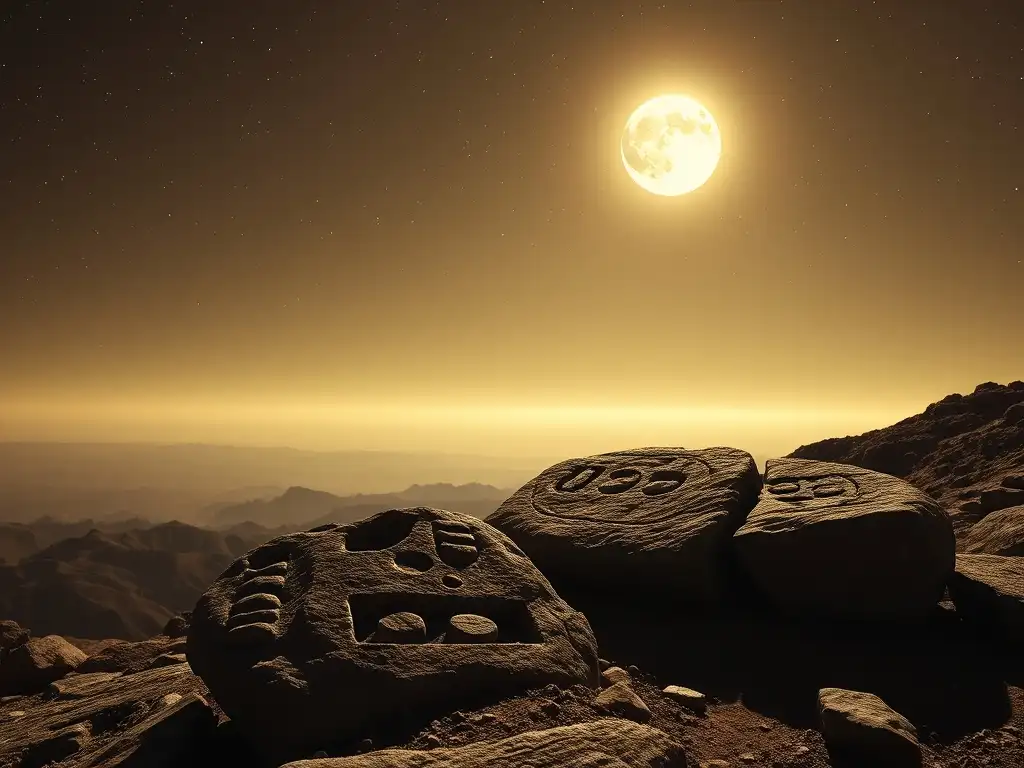
The Andean civilizations, renowned for their sophisticated understanding of astronomy, developed intricate lunar calendar systems that deeply influenced their daily lives, agricultural practices, and religious beliefs. Unlike the solar calendar, which tracks the sun's annual cycle, the lunar calendar focused on the phases of the moon, a celestial body readily observable and deeply symbolic across Andean cultures. Understanding the Andean lunar calendar impact requires examining the diverse methods employed for lunar observation, the variations across different cultures, and the crucial role lunar cycles played in their agricultural practices.
The precise details of these systems are still being unearthed by researchers, but existing evidence reveals a remarkable level of astronomical knowledge and cultural significance tied to the moon. The impact of the moon on Andean life was profound, shaping everything from planting cycles to religious festivals.
Methods of Lunar Observation in Ancient Andes
Ancient Andean peoples employed various ingenious methods to track the moon's phases. Direct observation was paramount; skilled astronomers, often priests or shamans, meticulously monitored the moon's nightly journey across the sky. They likely used simple instruments, perhaps rudimentary sighting tubes or markers aligned with significant lunar positions. The placement of monumental structures, such as the many observatories found throughout the Andes, suggests a deliberate effort to align them with key lunar events, further enhancing their observational capabilities. These structures, sometimes integrated into larger ceremonial complexes, allowed for precise tracking of the moon's rising and setting points throughout the year.
Furthermore, the integration of lunar observation into daily life suggests a widespread understanding of the lunar cycle's rhythm. Evidence suggests that many Andean communities utilized mnemonic devices—songs, stories, or even knotted strings (quipus)—to record and transmit lunar data across generations. This oral and material transmission ensured the continuity of their lunar calendar knowledge. The accuracy of their observations, considering their technological limitations, is a testament to their keen observational skills and their deep connection with the natural world. The Andean lunar calendar impact is clearly visible in their meticulous record-keeping, demonstrating a sophisticated understanding of celestial mechanics.
Variations in Lunar Calendars Across Andean Cultures
While a unifying Andean lunar calendar system doesn't seem to have existed, different Andean cultures developed unique methods for reckoning lunar cycles, reflecting regional variations and distinct cultural practices. The Incas, for example, likely integrated lunar observations into their complex solar calendar, using the moon to fine-tune agricultural practices and religious festivals. Their sophisticated understanding of the interplay between the sun and moon is evident in the precise alignment of their architectural marvels.
The Nazca, known for their enigmatic geoglyphs, may have employed the moon in their elaborate astronomical practices, although the precise nature of their lunar calendar remains a subject of ongoing research. Similarly, the Moche and Tiahuanaco cultures likely had their own unique interpretations and uses of the lunar calendar, though more archaeological evidence is needed to fully understand their methods. This diversity highlights the rich tapestry of Andean cultures and their individual approaches to understanding the cosmos. The variations in lunar calendars across Andean cultures underscore the Andean lunar calendar impact on the diverse social and religious practices.
The Role of Lunar Cycles in Andean Agriculture
The Andean lunar calendar played a pivotal role in agricultural practices. Farmers meticulously observed the moon's phases to determine the optimal times for planting and harvesting. Different crops likely responded differently to the lunar cycles, influencing the timing of agricultural activities. The moon's influence on the tides, even in the high Andes, may have indirectly affected water availability, further shaping agricultural practices. Evidence suggests that the full moon, in particular, held symbolic significance in relation to growth and abundance.
Detailed ethnographic studies of later Andean communities reveal the continued importance of lunar observations in agricultural practices. This suggests a long-standing tradition of utilizing lunar knowledge for optimizing crop yields and ensuring food security. The Andean lunar calendar impact on agricultural practices highlights the intimate relationship between celestial events and the practical needs of Andean societies.
Understanding the intricate relationship between the lunar calendar and Andean agriculture provides crucial insights into their sophisticated understanding of the natural world and their ability to harness its rhythms for their survival and prosperity. Further research, particularly in the analysis of archaeological remains and the study of surviving indigenous traditions, is crucial to fully unravel the complexity of this vital aspect of Andean life.
Lunar Festivals and Rituals in Andean Traditions
The Andean lunar calendar wasn't merely a system for tracking time; it was deeply interwoven with the fabric of Andean life, shaping their religious beliefs, agricultural practices, and social structures. Many festivals and rituals were directly tied to specific lunar phases, reflecting a profound understanding of the moon's influence on the natural world and human society. The precise nature of these celebrations varied across different Andean cultures—Inca, Moche, Nazca, and others—but a common thread of lunar reverence unites them.
For instance, the Inca civilization, known for its sophisticated astronomical observations, likely held ceremonies marking the new moon and full moon. These events may have involved offerings to the moon goddess, Mama Quilla, and prayers for successful harvests or protection from natural disasters. Archaeological evidence, while limited in directly depicting such rituals, hints at the importance of lunar cycles in Inca religious practices through the orientation of temples and the presence of moon-related iconography in artifacts. Further research is needed to fully uncover the specific rituals associated with each lunar phase within the Inca calendar.
The Moche culture, renowned for its intricate pottery depicting daily life and religious beliefs, provides valuable insights into their lunar-based rituals. While we lack written records, their pottery often shows scenes of ceremonies, processions, and offerings, some of which may have coincided with specific lunar phases. For example, certain depictions might suggest celebrations surrounding the full moon, potentially linked to fertility rites given the moon's association with cycles of growth and renewal. The stylistic details and contexts of these depictions require further specialized analysis to confirm their lunar connections definitively.
The Nazca people, known for their enigmatic geoglyphs, also demonstrated a connection to the lunar calendar, although the precise nature of their lunar-based rituals remains less clear. Their sophisticated astronomical knowledge, as evidenced by their understanding of celestial movements, suggests that lunar cycles played a significant role in their worldview and religious practices. It's plausible that they, like the Moche and Inca, incorporated lunar phases into their agricultural calendar and held ceremonies to ensure the success of their crops.
This could have involved offerings, dances, or other ritualistic activities, details of which remain to be discovered through further archaeological investigation. The absence of written records poses a significant challenge in fully understanding Nazca religious practices.
The impact of the lunar calendar on Andean societies extends beyond specific festivals. The cyclical nature of the moon mirrored the cyclical nature of life, death, and rebirth, profoundly impacting their understanding of the cosmos and their place within it. The moon served as a powerful symbol, reflecting the interconnectedness of the natural world and the spiritual realm, emphasizing the importance of harmony and balance in Andean cosmology. Understanding the nuances of these lunar-based festivals and rituals is crucial for gaining a deeper appreciation of the Andean worldview and its enduring legacy.
The Impact of the Andean Lunar Calendar on Daily Life
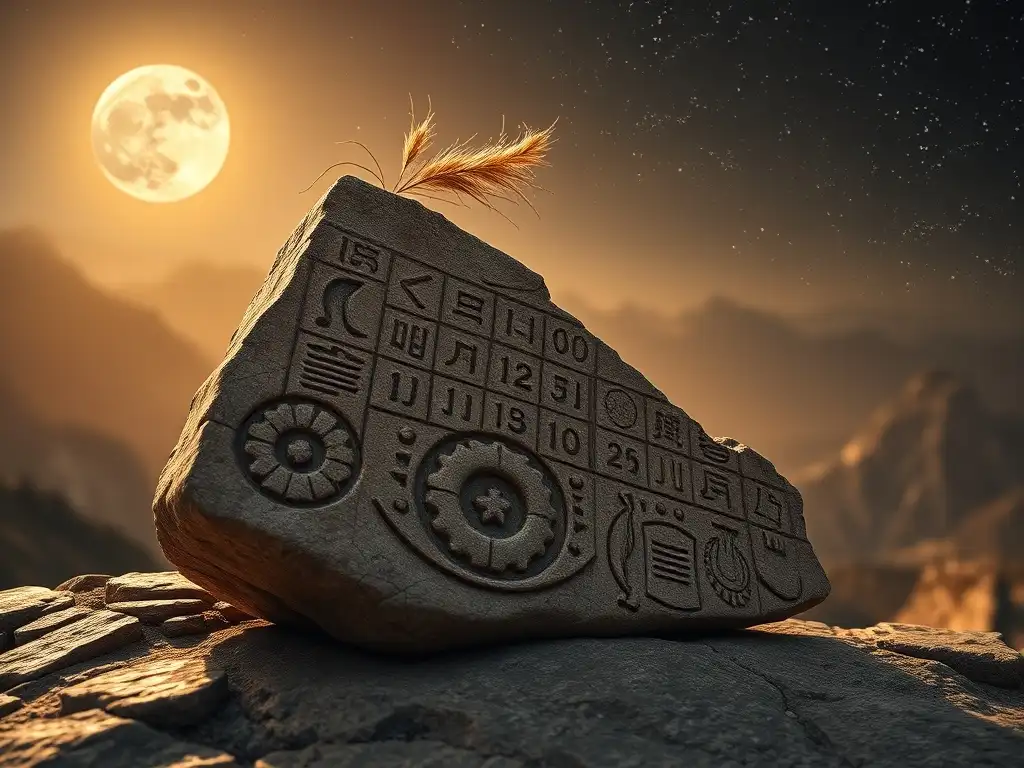
The Andean lunar calendar wasn't merely a system for tracking time; it was deeply interwoven with the fabric of daily life, shaping social structures, agricultural practices, and religious beliefs across various Andean cultures. Its influence permeated every aspect of existence, from the mundane to the sacred, demonstrating a sophisticated understanding of the moon's cyclical nature and its profound impact on their world.
Understanding this intricate relationship provides crucial insight into the Andean worldview and their remarkable ability to adapt to their environment. The impact of the Andean lunar calendar, therefore, is not simply historical; it's fundamental to comprehending the complexity of these ancient societies.
How the Lunar Calendar Shaped Andean Society
The Andean lunar calendar significantly structured Andean social organization. Evidence suggests that community activities, including festivals, work rotations ( ayni ), and even social hierarchies, were often synchronized with lunar phases. For instance, certain tasks, like communal construction projects or large-scale agricultural activities, might have been initiated during specific lunar periods deemed auspicious. The timing of these events, dictated by the lunar calendar, fostered social cohesion and facilitated efficient resource management.
Further research is needed to fully understand the specific correlations between lunar phases and social structures in different Andean cultures. However, available archaeological and ethnographic data strongly suggest that the lunar calendar played a critical role in regulating social life and maintaining harmony within the community. The precise details of this organization vary between the different Andean cultures; however, the general principle of lunar influence on social dynamics remains consistent.
Lunar Influence on Andean Agriculture and Planting Seasons
The Andean lunar calendar was intrinsically linked to agriculture, a cornerstone of Andean life. Farmers meticulously observed lunar cycles to determine optimal planting and harvesting times for various crops, maximizing yields and ensuring food security. Different lunar phases were associated with different planting activities, reflecting a deep understanding of the moon's influence on plant growth and soil conditions.
For example, the full moon might have been considered favorable for planting certain crops, while the new moon was associated with other agricultural practices, like weeding or preparing the land. This intricate knowledge, passed down through generations, allowed Andean communities to thrive in diverse and challenging environments.
Detailed records of specific crop-lunar phase relationships are still under investigation, but the overall impact of the lunar calendar on agricultural success is undeniable. The accurate prediction of planting cycles, based on lunar observations, significantly improved the chances of a successful harvest, directly impacting food security and the overall well-being of Andean communities.
The Lunar Calendar and Andean Religious Practices
The Andean lunar calendar held immense religious significance. Many Andean rituals and ceremonies were timed to coincide with specific lunar phases, reflecting a belief in the moon's spiritual power and its influence on the cosmos. For example, the full moon might have been associated with fertility rites, while the new moon could have been linked to rituals focused on renewal or purification.
The precise nature of these rituals varied across different Andean cultures, but the lunar calendar served as a framework for organizing religious activities, reinforcing the connection between the earthly and celestial realms. Further research is needed to fully understand the specific religious interpretations of different lunar phases across diverse Andean cultures.
However, the evidence clearly points to a deeply ingrained connection between the lunar calendar and religious practices, underscoring the moon's central role in the Andean cosmology and worldview. The integration of the lunar cycle into religious practices emphasizes the profound significance of the moon within the Andean belief system, highlighting its influence beyond the practical aspects of daily life.
The Lunar Calendar and its impact on Andean Architecture and City Planning
The Andean lunar calendar wasn't merely a system for tracking time; it deeply influenced the very fabric of Andean life, profoundly shaping their architecture and urban planning. Evidence suggests that the positioning of structures, the orientation of cities, and even the design of agricultural terraces were meticulously aligned with lunar cycles and celestial events. This wasn't a matter of chance; rather, it reflected a sophisticated understanding of astronomy and its practical application. The precision involved points towards a level of astronomical knowledge comparable to, or even exceeding, that of many contemporary civilizations.
For example, the intricate network of canals and irrigation systems found in numerous Andean sites, like the Nazca lines, were likely planned and constructed with a keen awareness of the lunar phases. The timing of water flow, crucial for agriculture, was likely synchronized with specific lunar periods, maximizing efficiency and yield. This careful management of water resources, intrinsically linked to the lunar calendar, was vital for the survival and prosperity of Andean communities. The precise alignment of these systems demonstrates a deep understanding of hydrology and its interplay with the lunar cycle, a testament to the Andean people's ingenuity.
Furthermore, the orientation of many Andean structures, from individual houses to monumental buildings, often shows a clear correlation with lunar movements. Some researchers propose that the positioning of these structures was intended to optimize the reception of sunlight and moonlight, impacting various aspects of daily life, including lighting, heating, and even religious ceremonies.
This careful consideration of the lunar cycle in architectural planning underscores the profound significance of the calendar in shaping the physical environment of Andean societies. Further research into the precise orientations of specific structures and their relationship to lunar cycles is needed to fully understand the extent of this influence.
The integration of the lunar calendar into city planning was not limited to practical considerations. It also held significant symbolic and ritualistic meaning. The layout of cities, with their plazas, temples, and residential areas, often reflected a cosmological worldview deeply rooted in the lunar cycle and other celestial events.
This suggests that the Andean urban landscape was not merely functional but also served as a symbolic representation of the cosmos, with the lunar calendar acting as a unifying principle. Understanding this symbolic dimension requires further investigation into the religious and cosmological beliefs of the different Andean cultures. The interplay of practical needs and symbolic representation in Andean urban planning highlights the holistic nature of their approach to life, where the lunar calendar acted as a central organizing principle.
The Andean Lunar Calendar Impact on Modern Understanding
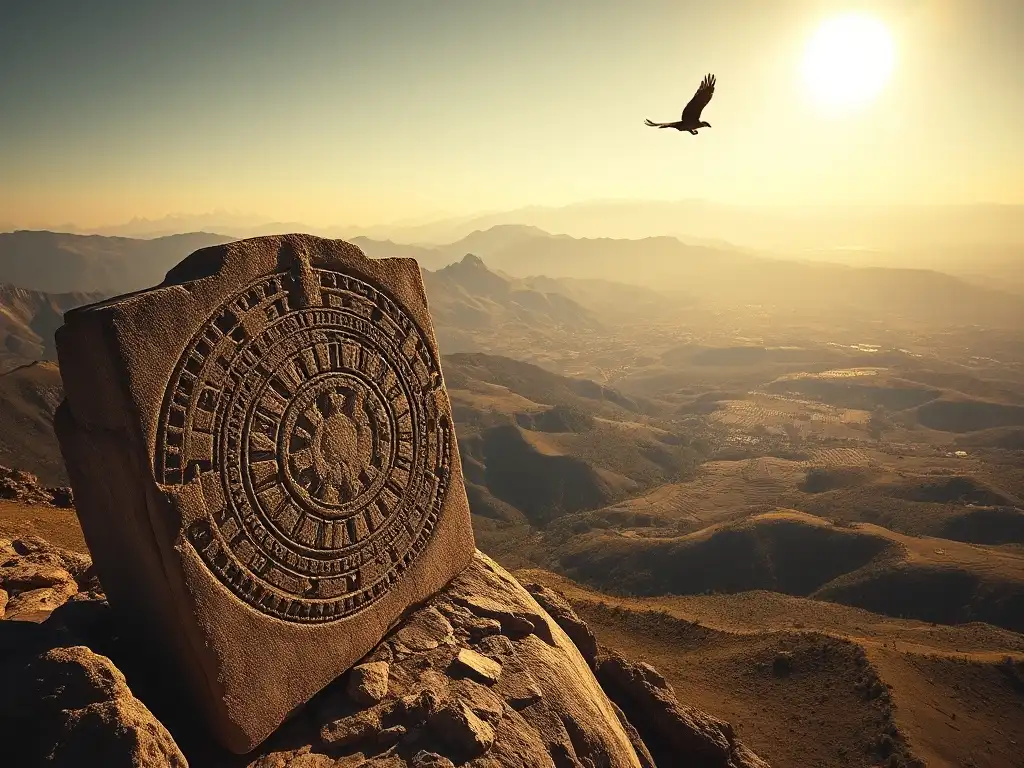
The Andean lunar calendar, far from being a relic of the past, holds significant implications for our contemporary understanding of timekeeping, agricultural practices, and cultural heritage. Its impact resonates across various academic disciplines, challenging Eurocentric perspectives on the development of calendars and highlighting the sophistication of Andean astronomical knowledge.
The intricate system of observing lunar cycles, combined with solar observations and other celestial events, allowed for precise agricultural planning and the organization of social life. This sophisticated system, often overlooked in mainstream historical narratives, offers a valuable counterpoint to the dominant Gregorian calendar and its limitations.
Understanding the Andean lunar calendar allows us to appreciate the diverse ways humans have interacted with and interpreted the cosmos, enriching our understanding of cultural diversity and the evolution of timekeeping systems. The Andean lunar calendar impact is not merely historical; it's a vital resource for interdisciplinary research and a powerful reminder of the ingenuity of ancient Andean societies.
Relevance of the Andean Lunar Calendar in Contemporary Studies
The Andean lunar calendar's relevance in contemporary studies extends beyond mere historical curiosity. Researchers across anthropology, archaeology, and astronomy actively investigate its intricacies. For instance, studies analyzing the precise alignment of certain archaeological sites with lunar phases provide compelling evidence of advanced astronomical knowledge. This research not only refines our understanding of Andean cosmology but also informs our understanding of the relationship between astronomical observation and societal organization.
Furthermore, the calendar's impact on agricultural practices—predicting optimal planting and harvesting times—offers insights into sustainable agriculture techniques relevant to contemporary challenges of climate change and food security. The study of Andean lunar calendar impact continues to unveil new perspectives on ancient Andean societies, prompting a reassessment of their technological and intellectual capabilities. Moreover, the calendar serves as a powerful tool for reclaiming and revitalizing indigenous knowledge systems, countering narratives that marginalize or undervalue non-Western perspectives.
Lessons from Andean Lunar Knowledge for Modern Timekeeping
While the Gregorian calendar dominates globally, the Andean lunar calendar offers valuable lessons for modern timekeeping. Its integration of lunar cycles with solar observations provides a more holistic and nuanced approach to understanding time. This system, deeply intertwined with agricultural practices and social rhythms, offers a powerful alternative to the abstract and often detached nature of modern timekeeping.
The Andean approach emphasizes the cyclical nature of time, reflecting a deeper connection to natural processes. This perspective offers valuable insights for contemporary society, urging a reconsideration of our relationship with nature and a move towards more sustainable and environmentally conscious practices.
Studying the Andean lunar calendar's impact on societal organization and agricultural planning reveals the potential for integrating cyclical timekeeping into modern contexts, potentially leading to more harmonious and sustainable communities. The precision and sophistication of the Andean system serve as a powerful reminder that accurate timekeeping doesn't necessitate a reliance on solely mechanical or digital technologies.
Preserving the Legacy of Andean Lunar Calendars
Preserving the legacy of Andean lunar calendars is crucial for maintaining cultural heritage and promoting intercultural understanding. This requires a multi-faceted approach, combining academic research with community engagement. Efforts should focus on documenting surviving knowledge systems, translating ancient texts, and supporting indigenous communities in transmitting their traditional practices.
The preservation of this knowledge is not simply an act of archiving; it is a vital step towards fostering respect for diverse cultural perspectives and acknowledging the contributions of Andean civilizations to our understanding of the cosmos and time. Digital archiving and the creation of accessible educational resources can play a significant role in disseminating this knowledge to a wider audience.
Furthermore, supporting initiatives that promote the use of the Andean lunar calendar in contemporary contexts, such as in sustainable agriculture or community events, can help revitalize this vital cultural heritage and ensure its continued relevance for future generations. The Andean lunar calendar impact on our understanding of the past and future is undeniable; its preservation is a collective responsibility.
The Enduring Influence of the Moon in Andean Culture
The moon's significance in Andean cultures extends far beyond simple astronomical observation; it's deeply interwoven with their worldview, shaping their agricultural practices, social structures, and spiritual beliefs. Even today, remnants of this lunar-centric perspective persist in various Andean communities. The cyclical nature of the moon, mirroring the rhythms of life, death, and rebirth, profoundly influenced their understanding of time and the cosmos. This wasn't simply a passive observation; the moon actively participated in their lives, dictating the timing of crucial events.
For instance, many Andean communities still rely on lunar cycles for planting and harvesting. The phases of the moon are believed to influence the growth and yield of crops, with specific phases deemed more auspicious for certain activities. This traditional knowledge, passed down through generations, represents a powerful connection to ancestral practices and a sustainable approach to agriculture. The precise methods vary between different Andean communities, demonstrating the rich diversity of lunar-based agricultural techniques developed across the region. Detailed studies of these practices could unveil valuable insights into sustainable farming methods applicable to modern agriculture.
Furthermore, the moon's influence extended to social organization and ritual practices. Certain festivals and ceremonies were timed to coincide with specific lunar phases, reflecting the importance of celestial events in their social calendar. These celebrations, often accompanied by intricate rituals and offerings, reaffirmed the community's connection to the cosmos and their shared identity.
Understanding the specific timing and significance of these ceremonies provides crucial context for interpreting Andean art, mythology, and social structures. Archaeological findings often reveal evidence of these lunar-aligned celebrations, further reinforcing their importance in Andean societies. The intricate weaving patterns, pottery designs, and monumental architecture frequently incorporate lunar symbolism, showcasing the moon's pervasive influence on Andean artistic expression.
The moon's enduring legacy in Andean culture underscores the profound connection between humanity and the natural world. It highlights the importance of respecting natural cycles and integrating them into our lives. By studying the enduring influence of the moon in Andean culture, we gain not only a deeper understanding of their past but also valuable insights into sustainable living and a harmonious relationship with the environment.
Preserving and promoting this traditional knowledge is crucial for safeguarding cultural heritage and promoting sustainable practices for future generations. The Andean lunar calendar, far from being a relic of the past, provides a living example of how a deep understanding of nature can lead to a rich and sustainable way of life.
Frequently Asked Questions
How did the Andean civilizations use a lunar calendar?
Andean cultures didn't have a single, unified lunar calendar. Instead, various civilizations like the Inca and Moche incorporated lunar observations into their agricultural practices and religious ceremonies, often alongside solar observations. This resulted in complex, regionally-specific calendars.
What was the significance of the moon in Andean religion?
The moon held significant religious importance across different Andean cultures. It was often associated with female deities, fertility, and cyclical processes like planting and harvesting. Specific lunar phases might have dictated ritual timing or celebrations.
How did the lunar calendar affect Andean agriculture?
The lunar calendar played a crucial role in Andean agriculture. Farmers likely used lunar cycles to determine optimal times for planting, harvesting, and other agricultural activities. This ensured better yields and maximized the effectiveness of their farming methods.
Were there any specific lunar festivals or celebrations?
Yes, many Andean cultures celebrated festivals linked to specific lunar phases. While details vary between cultures, these celebrations often involved rituals, offerings, and community gatherings, reflecting the moon's importance in their worldview.
How accurate were Andean lunar observations?
Andean astronomers developed sophisticated methods for tracking lunar cycles. Their observations, often aided by observatories and careful record-keeping, allowed for a relatively precise understanding of the moon's movements and its impact on their lives. The accuracy varied depending on the specific culture and time period.
Final Reflection: Echoes of the Moon: A Legacy of Lunar Wisdom
The Andean lunar calendar, far from being a relic of the past, offers a potent lens through which to understand our enduring connection with the natural world and the cyclical rhythms that govern our lives. Its intricate system of agricultural practices, social organization, and spiritual beliefs continues to resonate, reminding us of the profound impact celestial events have had – and continue to have – on human societies.
The enduring power of the Andean lunar calendar lies not just in its historical significance, but in its ability to foster a deeper appreciation for the interconnectedness of all things. It challenges our modern, often fragmented worldview, urging us to reconsider our relationship with time and nature. The Earth is what we all have in common.
– Wendell Berry. This simple statement encapsulates the core message of the Andean calendar: our shared destiny is inextricably linked to the health and well-being of our planet, a truth the lunar calendar elegantly reflects.
Consider the wisdom embedded within this ancient system. How might aligning your life with the natural rhythms of the moon – observing its phases, understanding its influence – enrich your own experience? I invite you to explore the possibilities, to reflect on your own connection to the natural world, and to discover the enduring power of the moon in shaping not only our past, but also our future. Let the echoes of the Andean lunar calendar inspire you to live more consciously, more sustainably, and more in harmony with the rhythms of the cosmos.
**Embrace the Moon's Wisdom Today! **
Thank you for exploring the fascinating world of the lunar calendar and its profound cultural significance. Understanding the moon's influence on our lives and traditions deepens your connection with history and nature. Now, let's put that knowledge to use!
Here are a few ways you can **harness the moon's power:**
- **Keep a lunar journal:** Record your feelings, observations, and experiences during different moon phases to see how they affect your life.
- **Incorporate lunar rituals into your life:** Research how different cultures celebrate lunar events and adapt those practices to strengthen your connection with the cosmos.
- **Share your discoveries:** Discuss with friends or on social media how understanding the lunar calendar has shifted your perspective; you might inspire others to view the moon in a new light!
What unique lunar practices from your culture or community can you share?