
The Lives of Commoners: Daytoday Existence in the Andes

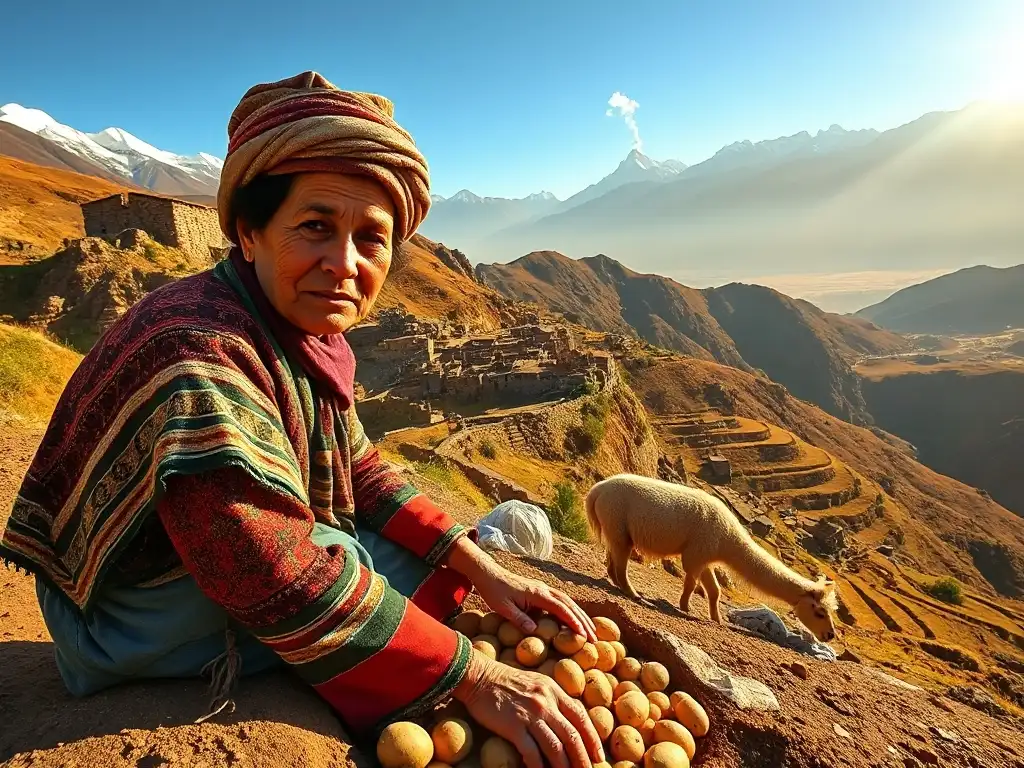
Uncover the secrets whispered on the wind across the Andes Mountains. For centuries, their echoes have carried tales of empires built on ingenuity and power, but what of the lives lived beyond the palaces? This journey into the heart of Andean commoner daily life reveals a vibrant tapestry of resilience, innovation, and the everyday struggles that shaped these magnificent civilizations. Dare to explore the intricate details of their world – a world far richer and more complex than you might imagine.
- Andean Commoner Daily Life: A Glimpse into Everyday Existence
- The Daily Routine of Andean Commoners
- Sustenance and Diet of the Andean Population
- Community Life and Social Interactions
- Challenges and Hardships Faced by Andean Commoners
- The Legacy of Andean Commoner Life
- Frequently Asked Questions
- Final Reflection: Echoes of the Andes: A Legacy of Resilience
- Embrace the Spirit of the Andes: Take Action Today!
Andean Commoner Daily Life: A Glimpse into Everyday Existence
The vast and complex tapestry of Andean civilizations, encompassing cultures like the Inca, Moche, Nazca, and Tiahuanaco, often focuses on the monumental achievements of their elites – the impressive architecture, intricate goldwork, and sophisticated administrative systems. However, a truly comprehensive understanding requires delving into the lives of the commoners, the backbone of these societies, whose daily routines shaped the very fabric of Andean life.
This article explores the everyday existence of Andean commoners, providing a glimpse into their agricultural practices, social structures, and the challenges they faced. Understanding their lives offers a crucial counterpoint to the often-romanticized narratives of imperial power, revealing a more nuanced and complete picture of these remarkable civilizations.
We will examine the realities of their daily struggles and triumphs, shedding light on the resilience and adaptability that characterized their existence. This exploration of "Andean commoner daily life" will illuminate the vital role these individuals played in the broader context of Andean social structures.
The Andean social structure was far from egalitarian. A hierarchical system, often depicted as a pyramid, placed the elite at the apex, with commoners forming the broad base. The Inca Empire, for example, had a rigid system with the Sapa Inca at the top, followed by nobles, priests, and finally, the ayllu communities comprising the vast majority of the population. While the specifics varied across different Andean cultures, the fundamental principle of a stratified society remained consistent.
Commoners, belonging to various ayllus (kinship-based communities), were largely responsible for agricultural production and other essential tasks that sustained the entire society. Their lives were deeply intertwined with the land and the cyclical rhythms of agricultural production. The social hierarchy influenced every aspect of their lives, from access to resources and opportunities to their social standing within their communities.
Understanding this hierarchy is crucial to grasping the limitations and opportunities available to Andean commoners. The system wasn't static; social mobility existed, albeit limited, often based on merit or exceptional circumstances. However, the vast majority of Andean commoners lived and died within the confines of their assigned social standing.
(To be continued with further sections exploring specific aspects of Andean commoner daily life, such as agriculture, housing, clothing, religious practices, etc.)
The Daily Routine of Andean Commoners
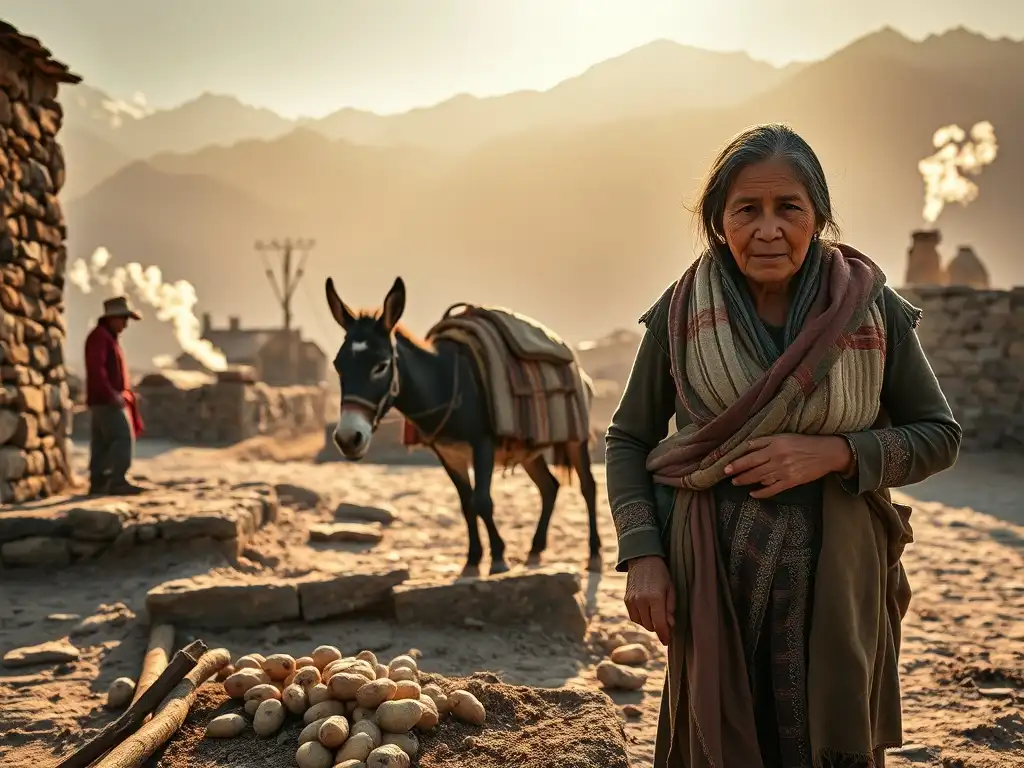
This section delves into the daily lives of Andean commoners, focusing on their agricultural practices, family structures, and craftsmanship, offering a glimpse into the realities of "Andean commoner daily life" beyond the grandeur of imperial power. Understanding the everyday existence of these individuals provides crucial context for comprehending the complexities of Andean societies. The lives of commoners, far from being uniform, varied significantly based on geographical location, specific ethnic group, and the prevailing political climate.
Agricultural Practices and Farming Techniques
The backbone of Andean commoner daily life was agriculture. Their survival hinged on the successful cultivation of crops adapted to the diverse Andean ecosystems. Terracing, a remarkable feat of engineering, was widely employed to create level fields on steep slopes, maximizing arable land. This involved painstaking labor, often carried out communally, reflecting the importance of collective effort in Andean societies. Irrigation systems, some incredibly sophisticated, channeled water from rivers and streams to fields, ensuring adequate moisture even in arid regions.
The primary crops varied depending on altitude and climate. In lower altitudes, maize (corn) was a staple, alongside beans, squash, and chili peppers. At higher altitudes, potatoes, quinoa, and other hardy crops formed the basis of the diet. The cultivation of these crops wasn't merely a matter of planting and harvesting; it involved deep knowledge of the land, seasonal rhythms, and intricate agricultural techniques passed down through generations.
Evidence suggests sophisticated crop rotation and intercropping methods were employed to maintain soil fertility and optimize yields. For example, the Incas used a system of waru waru, raised beds with irrigation channels, to improve drainage and soil moisture retention, showcasing their advanced understanding of agricultural science. The constant struggle against harsh weather conditions, pests, and unpredictable harvests shaped the daily routines and anxieties of Andean commoners.
Family Life and Household Responsibilities
Family life formed the core of Andean commoner society. Extended families, often including multiple generations, lived together in communal dwellings or dispersed across small family plots. The division of labor was largely gendered, with men primarily involved in agricultural work and women responsible for household tasks such as weaving, cooking, and childcare. However, this division wasn't rigid, and the participation of both men and women in various activities varied according to seasonal needs and family circumstances.
Children played a vital role in the family economy from a young age, contributing to agricultural tasks and household chores. Education, though informal, focused on practical skills necessary for survival, including farming techniques, weaving, and basic craftsmanship. Religious beliefs and practices were deeply intertwined with daily life, with rituals and ceremonies performed to ensure the fertility of the land and the well-being of the family.
The concept of ayllu, a kinship-based community, provided social support and mutual assistance, particularly during times of hardship. This communal structure played a crucial role in ensuring the survival of individual families and helped mitigate the risks associated with subsistence farming. The strength of these family and community bonds is reflected in the surviving archaeological evidence and ethnographic accounts.
Craftsmanship and Artisan Skills Among Commoners
While agriculture dominated the lives of Andean commoners, craftsmanship played a significant role, particularly in supplementing their diets and providing essential goods. Weaving, pottery, and metalworking were essential skills, with the quality and sophistication of these crafts often reflecting regional variations and social status. However, even commoners possessed considerable skill, producing textiles, pottery, and tools for their daily needs.
Textiles, for instance, were essential for clothing, blankets, and storage. Women, predominantly, were responsible for weaving, using various techniques and materials depending on their location and the availability of resources. Similarly, pottery served multiple functions, from cooking and storage to ceremonial purposes. Different types of pottery, ranging from simple utilitarian wares to more elaborate decorated pieces, were produced by commoners for their own use and sometimes for trade or exchange.
Metalworking, though more specialized, was not exclusively the domain of elites. Commoners, particularly in regions with access to metal ores, produced simple tools and ornaments using techniques such as hammering, annealing, and casting. These skills were not only economically significant but also held cultural importance, contributing to the rich tapestry of Andean material culture. The level of skill and artistry displayed in the surviving artifacts demonstrates the high level of craftsmanship achieved by Andean commoners.
Sustenance and Diet of the Andean Population
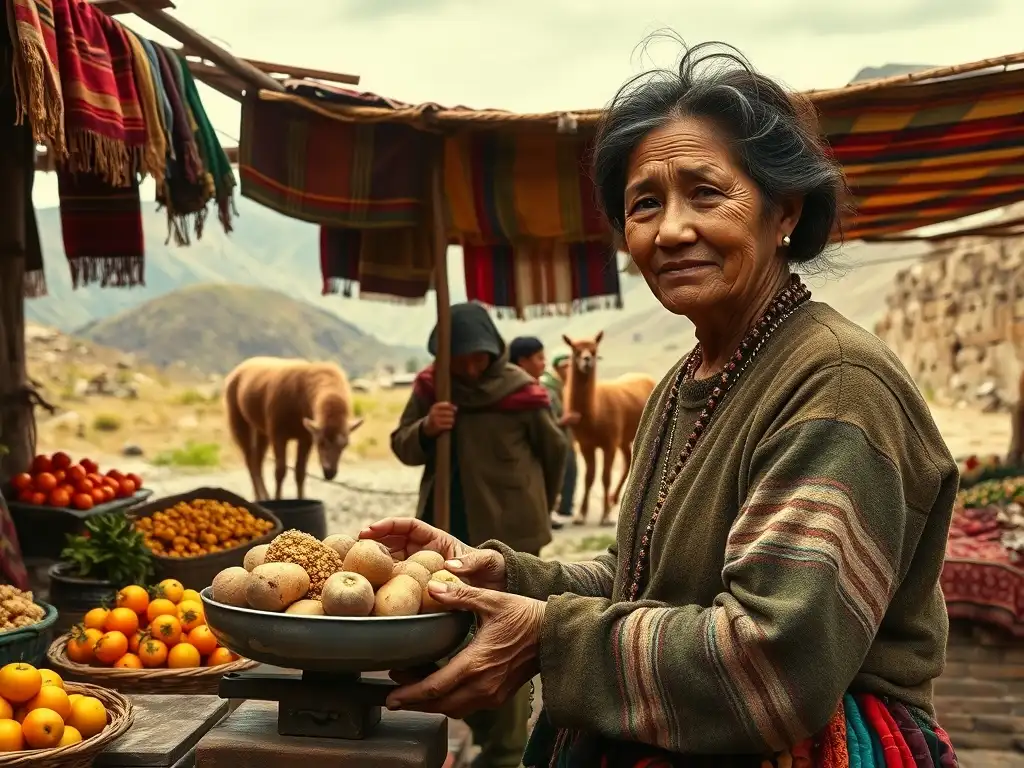
The daily sustenance of Andean commoners was heavily reliant on the agricultural productivity of their environment. Their diet, while varying across different regions and time periods, primarily consisted of readily available crops and supplemented by animal husbandry where possible. Understanding their diet provides crucial insight into their daily lives and the challenges they faced in obtaining sufficient nourishment.
The availability and type of food directly influenced their energy levels, health, and overall quality of life, impacting everything from their ability to work in the fields to their social interactions. Analyzing their diet allows us to appreciate the ingenuity and resilience of these Andean communities in adapting to their often challenging environment. The keyword "Andean commoner daily life" is intrinsically linked to their food sources and preparation methods.
Key Crops and Food Sources for Commoners
The cornerstone of the Andean commoner's diet was agriculture. Potatoes, in their incredible variety, formed a staple. From the small, bitter papa negra to the larger, sweeter varieties, potatoes provided carbohydrates and essential nutrients. Alongside potatoes, maize (corn) played a significant role, used in various forms – as humitas (steamed corn cakes), chicha (fermented corn beverage), and ground into flour for breads and porridges.
Other vital crops included quinoa, a highly nutritious grain providing complete protein, and beans, an important source of protein and fiber. These crops formed the foundation of their daily meals, providing the energy needed for strenuous physical labor. The climate and altitude dictated the specific crops cultivated; high-altitude regions may have relied more on hardy potatoes and quinoa, while lower-altitude areas could cultivate a broader range of crops.
Depending on the region and proximity to water sources, commoners also benefited from access to fruits like lúcuma, chirimoya, and various berries, adding sweetness and vitamins to their diets. Animal protein was less consistently available, particularly for commoners. However, llama and alpaca provided meat and wool, with guanaco and vicuña hunted in certain areas.
Fish and other aquatic life were also important sources of protein for communities living near lakes or rivers. The availability of these resources greatly influenced the dietary variation among different Andean communities. Seasonal changes also impacted food availability, leading to periods of abundance and scarcity throughout the year.
Food Preparation and Cooking Methods
The preparation of food was a significant part of Andean commoner daily life. Simple but effective methods were employed to maximize nutritional value and preserve food for later consumption. Potatoes were often boiled, roasted in embers, or sun-dried for storage. Maize was ground into flour using hand-operated metates (grinding stones), then used to make various breads and porridges.
Beans were similarly boiled or stewed, often combined with other ingredients to create hearty and nutritious meals. The pachamanca, a traditional Andean cooking method, involved cooking food underground in a pit oven heated by hot stones. This method was particularly useful for larger gatherings and celebrations.
Chicha, a fermented corn beverage, played a significant role not just as a drink but also as a social element. Its preparation and consumption were often associated with rituals and community events. The lack of sophisticated tools and technologies did not hinder the ingenuity of Andean cooks. Their methods were efficient and sustainable, reflecting an intimate understanding of their environment and resources.
Preservation techniques, such as sun-drying and freezing at high altitudes, were crucial for ensuring food security during leaner months. The diversity of cooking methods and food sources reflects the adaptability and resilience of Andean cultures in their daily struggle for sustenance. This intricate relationship between food, preparation, and social life is a key element of understanding "Andean commoner daily life".
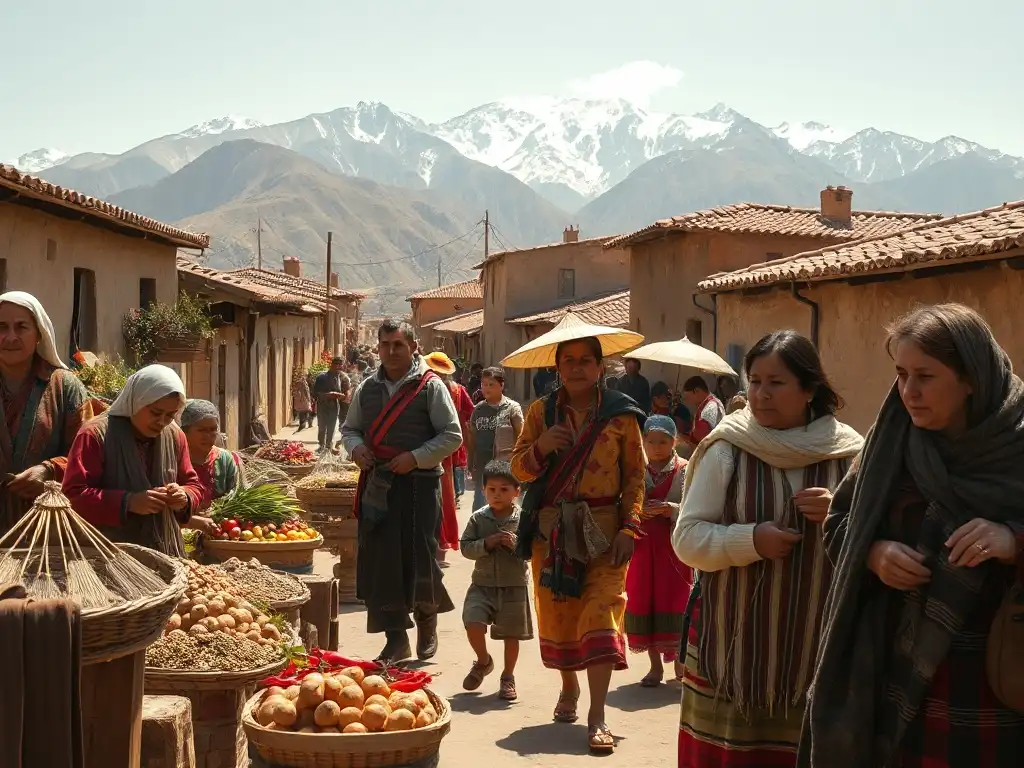
This section delves into the daily social fabric of Andean commoners, exploring the intricate web of relationships and interactions that defined their lives. Understanding their community structures and participation in rituals reveals a rich tapestry of social life far beyond the hierarchical structures often emphasized in historical accounts. Analyzing Andean commoner daily life requires moving beyond the grand narratives of emperors and conquests to focus on the lived experiences of the majority. The keyword "Andean commoner daily life" is central to understanding this vibrant and complex society.
Andean villages weren't simply haphazard collections of dwellings. They were meticulously planned, reflecting a sophisticated understanding of social organization and resource management. The layout often incorporated key elements such as:
- Proximity to resources: Houses were typically clustered near arable land, water sources, and building materials. This optimized access to essential resources for daily living. The location also often reflected kinship ties, with extended families living in close proximity.
- Community spaces: Central plazas served as vital gathering points for social interaction, religious ceremonies, and markets. These spaces facilitated communication and fostered a sense of collective identity. Evidence suggests that these plazas also served as informal courts for resolving disputes.
- Social stratification within villages: While the Inca empire displayed a rigid hierarchical system, village life showed a more nuanced social structure. While there was a degree of social differentiation based on factors like family lineage, access to resources, and specialized skills (e.g., artisans), the rigid class distinctions of the elite were less pronounced at the village level. Social mobility, though limited, was arguably more possible within the village context than within the empire as a whole.
- Ayllus: The ayllu, a kinship-based community group, played a crucial role in organizing labor, distributing resources, and maintaining social order. The ayllu system fostered a strong sense of collective responsibility and mutual support. This system was fundamental to the functioning of Andean society at all levels, from village to empire.
The organization of Andean villages and their social structures demonstrate a complex interplay between kinship, resource management, and social hierarchy. Further research is needed to fully understand the dynamics of social mobility and the degree of fluidity within these seemingly rigid structures. More detailed archaeological studies of specific villages could shed light on these aspects of Andean commoner daily life.
Rituals, Festivals, and Celebrations
Religious practices and celebrations were deeply woven into the daily lives of Andean commoners. These events served not only as spiritual expressions but also as important social functions, strengthening community bonds and reinforcing social order.
- Agricultural cycles: Many rituals were tied to the agricultural calendar, marking key moments like planting, harvesting, and the solstices. These rituals ensured the success of the harvest and expressed gratitude to the gods for their bounty. The participation of the entire community in these ceremonies emphasized the collective dependence on agricultural success for their survival. This reinforced community cohesion and mutual support.
- Ancestor veneration: Ancestor worship was a significant aspect of Andean religion. Commoners honored their ancestors through offerings, ceremonies, and the maintenance of ancestral sites. This practice connected the living with the past, reinforcing social continuity and family ties. The rituals also served as occasions for storytelling and the transmission of cultural knowledge across generations.
- Festivals and celebrations: Numerous festivals and celebrations punctuated the year, providing opportunities for communal gatherings, feasting, music, dance, and recreation. These events served as crucial outlets for social interaction and the expression of cultural identity. The vibrant nature of these events countered the often austere image presented of Andean life.
The integration of religious practices into daily life highlights the importance of spirituality and community in shaping the experiences of Andean commoners. The rituals and celebrations were not merely religious acts; they were fundamental to social cohesion, economic cooperation, and the transmission of cultural values. Further study of specific ritual objects and archaeological evidence of festive gatherings could greatly enhance our understanding of this aspect of Andean commoner daily life. The surviving textiles and pottery often depict scenes of these celebrations, providing valuable insights into their significance.
Challenges and Hardships Faced by Andean Commoners
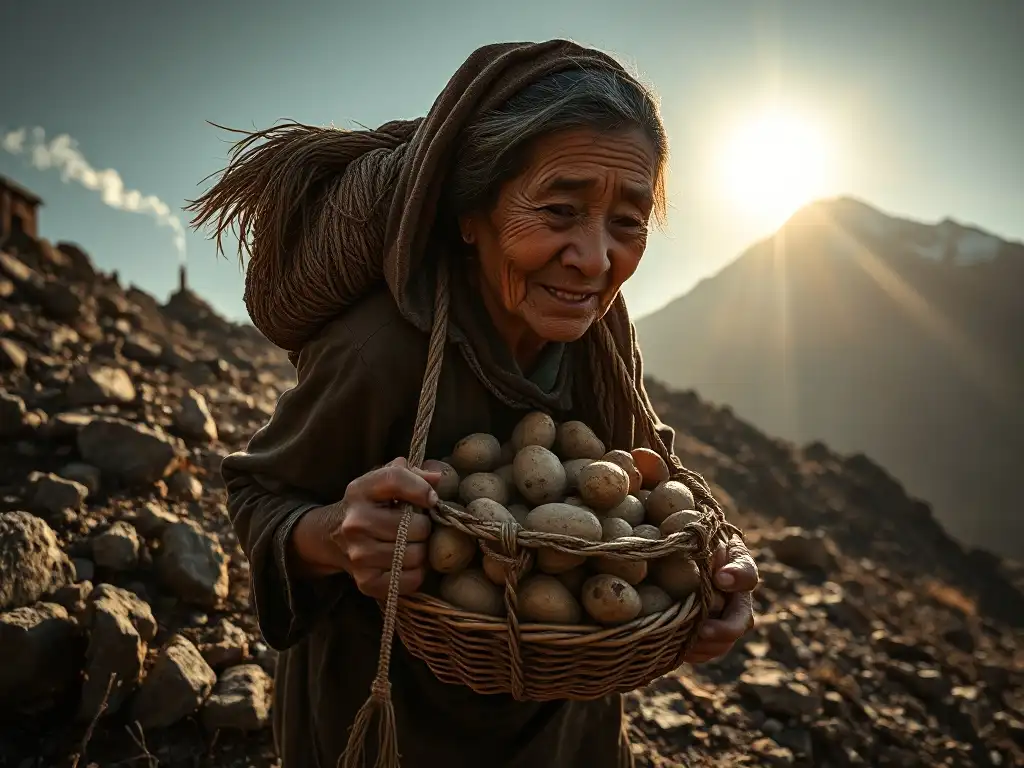
The lives of Andean commoners, while varying across different cultures and time periods, were generally characterized by hard physical labor and a constant struggle for survival. Understanding their daily existence requires acknowledging the significant challenges they faced, shaped by both environmental factors and the demands of the ruling elite. This section delves into the specific hardships encountered by these individuals, offering a glimpse into their resilience and adaptability in the face of adversity. The keyword "Andean commoner daily life" is central to understanding their experiences.
The Impact of Environmental Factors
The Andean environment presented a formidable challenge to daily life. The high altitude, steep terrain, and unpredictable weather patterns significantly impacted agricultural practices and overall well-being. Farming, the cornerstone of the Andean economy, was a constant battle against the elements.
The thin air at high altitudes reduced oxygen levels, leading to soroche (altitude sickness), a debilitating condition that affected work capacity and overall health. Furthermore, the steep slopes made cultivating the land incredibly difficult, requiring extensive terracing and irrigation systems. These systems, while impressive feats of engineering, required constant maintenance and repair, demanding substantial labor from commoners.
Rainfall was often unpredictable, leading to periods of drought and crop failure. This unpredictability meant that food security was a constant concern, with famines not uncommon. The harsh climate also contributed to health problems, with illnesses exacerbated by malnutrition and lack of access to adequate healthcare. The commoner's life was a constant negotiation with the unforgiving Andes. For example, the Moche people, known for their sophisticated irrigation systems, still faced cyclical droughts that decimated their harvests, leading to widespread hardship. [Specific data on Moche drought frequency and impact pending].
The impact of environmental factors extended beyond agriculture. The construction of roads, temples, and other public works demanded immense physical exertion, often under difficult conditions. Commoners were integral to these projects, facing dangers like landslides and exposure to the elements.
Labor Obligations and Taxation
Beyond the environmental hardships, Andean commoners faced significant demands from the ruling elite. Labor obligations and taxation were central aspects of their daily lives, consuming a substantial portion of their time and energy. The mita system, a form of mandatory labor service prevalent in the Inca Empire, required commoners to dedicate a portion of their time to public works projects or to working in state-controlled mines and farms.
This system, while providing some essential infrastructure and resources, also imposed significant burdens on commoners. They were often separated from their families for extended periods, and the work was physically demanding and dangerous. The mita was not a voluntary contribution; it was an obligation enforced by the state. Failure to fulfill mita obligations resulted in severe punishments.
In addition to mita, commoners faced various forms of taxation, including tributes in the form of agricultural products, textiles, and other goods. These taxes were another significant drain on their resources, leaving them with little surplus for their own needs. The amount of tribute varied depending on the specific region and the needs of the ruling class. [Specific data on the average amount of tribute paid by Andean commoners pending].
The system ensured a steady flow of resources to the elite, while leaving many commoners struggling to meet their basic needs. The constant pressure of these obligations shaped their daily routines and significantly limited their autonomy. The lives of Andean commoners were inextricably linked to the demands of the state, a reality reflected in their daily struggles for survival. The weight of these obligations, coupled with the environmental challenges, created a demanding and often precarious existence.
The Legacy of Andean Commoner Life
This section delves into the enduring impact of Andean commoner life, exploring how their traditions and practices have shaped modern Andean culture and continue to resonate today. We'll examine the preservation of these aspects and their continuing relevance in contemporary society. Understanding the daily lives of these individuals provides crucial insight into the resilience and adaptability of Andean cultures across millennia. The keyword phrase "Andean commoner daily life" is central to understanding this lasting legacy.
Preserved Traditions and Cultural Practices
Many aspects of Andean commoner daily life persist in modern Andean communities. Agricultural practices, for example, often retain ancient techniques. Terracing, a sophisticated method of farming on steep slopes, developed by Andean commoners centuries ago, remains a vital part of the agricultural landscape.
The meticulous cultivation of potatoes, quinoa, and maize—staples of the Andean diet for millennia—continues, albeit with modern advancements. These traditional farming methods are not merely historical relics; they represent a crucial link to the past and a sustainable approach to food production in challenging environments. The knowledge passed down through generations reflects the ingenuity and resourcefulness of Andean commoners in adapting to their surroundings.
Furthermore, the intricate weaving techniques used to create textiles, often incorporating symbolic designs passed down through generations, are still practiced, showcasing the continuity of artistic traditions. These textiles were, and continue to be, essential for clothing and ceremonial purposes, demonstrating the enduring significance of Andean commoner craftsmanship.
The vibrant social fabric of Andean communities, too, reflects the legacy of commoner life. Community-based celebrations, festivals, and rituals often retain elements of ancient practices, highlighting the enduring importance of collective identity and social cohesion. These events, frequently tied to agricultural cycles or religious beliefs, underscore the deeply rooted connection between Andean communities and their environment.
For instance, the celebration of Inti Raymi, the Inca festival honoring the sun god, though adapted over time, still reflects the reverence for nature and the cyclical rhythms of life that were central to the daily lives of Andean commoners. These enduring traditions offer valuable insights into the social structures and spiritual beliefs that shaped their world. The preservation of these practices is not just a matter of historical significance; it’s a testament to the vitality and resilience of Andean cultures.
Modern Day Relevance of Andean Heritage
The legacy of Andean commoner daily life holds significant relevance in the modern world. Understanding their sustainable agricultural practices can inform contemporary efforts towards environmentally friendly farming techniques. The resilience and adaptability demonstrated by Andean commoners in the face of environmental challenges can serve as a model for communities grappling with climate change and resource scarcity. Their intricate understanding of their environment and their ability to live in harmony with it offer valuable lessons for modern societies.
Moreover, the artistic and cultural expressions inherited from Andean commoners contribute to the rich tapestry of Andean identity and cultural tourism. The continued practice of traditional crafts, such as weaving and pottery, provides economic opportunities for Andean communities and helps preserve their unique cultural heritage.
The preservation of these traditions is not only a matter of cultural pride but also a key factor in sustainable development. The enduring appeal of Andean textiles and crafts in international markets demonstrates the value and global recognition of this heritage, directly linked to the ingenuity and skill of Andean commoners.
The study of Andean commoner daily life offers a pathway to understanding not only the past but also the potential for sustainable and culturally rich futures. The ongoing relevance of these traditions highlights the enduring impact of Andean commoner life on the modern world, solidifying the importance of the keyword phrase "Andean commoner daily life" in understanding contemporary Andean societies.
Frequently Asked Questions
What was the daily life of an Andean commoner like?
The daily life of an Andean commoner revolved around agriculture and community obligations. Their days were filled with farming, tending livestock, and contributing to communal projects like irrigation systems and temple construction.
What did Andean commoners eat?
Their diet consisted primarily of potatoes, maize, and quinoa, supplemented by beans, fruits, and occasionally, meat. The availability of food varied depending on the altitude and season.
What kind of housing did Andean commoners live in?
Commoners typically lived in simple mud-brick houses or stone structures, often clustered together in villages. The design and materials varied based on local resources and climate.
What roles did men and women play in Andean society?
While there was a division of labor, both men and women participated in agriculture. Men often focused on more strenuous tasks, while women handled tasks such as weaving and food preparation.
How did Andean commoners interact with their environment?
Andean commoners developed sophisticated agricultural techniques adapted to the challenging environment, including terracing and irrigation. They revered the mountains and natural elements as sacred.
Final Reflection: Echoes of the Andes: A Legacy of Resilience
The daily lives of Andean commoners, far from being a relic of the past, offer a powerful lens through which to understand contemporary struggles for social justice and environmental sustainability. Their enduring connection to the land, their intricate social networks, and their unwavering spirit of adaptation resonate deeply with the challenges facing communities worldwide today. The stories shared illuminate the human cost of inequality and the urgent need for equitable development.
The resilience of the Andean people, their ability to maintain cultural traditions amidst immense pressure, is profoundly inspiring. Their lives, often marked by hardship, also reveal an extraordinary capacity for community, mutual support, and a profound respect for their environment. The mountains are not just mountains, they are our ancestors, our providers, our home.
This sentiment, echoing through generations, speaks to a relationship with the land that is far richer and more complex than mere resource extraction. It highlights the interconnectedness of human well-being and environmental health, a lesson we must urgently heed in our increasingly globalized world.
Consider the echoes of these Andean lives in your own. How can we, in our daily routines, foster a deeper sense of community and respect for the natural world? How can we challenge systems of inequality that perpetuate hardship and injustice?
Let the stories of these resilient people inspire you to act, to advocate, and to build a more just and sustainable future for all. The legacy of the Andean commoners is not just a historical account; it is a call to action, a testament to the enduring power of the human spirit, and a blueprint for a more equitable tomorrow.
Embrace the Spirit of the Andes: Take Action Today!
Thank you for exploring the rich tapestry of life in the Andes. Your interest highlights the resilience and daily lives of these vibrant communities, and we hope you gained valuable insights. Now, let's explore ways to engage more deeply with this remarkable culture.
Here are a few ways you can connect and make a difference:
- Experience Andean Culture First-hand: Attend local festivals or exhibitions to immerse yourself in Andean traditions and support these thriving communities.
- Share Your Passion: Discuss your newfound knowledge with friends, family, or on social media. Help spread awareness of the Andean way of life and its importance.
- Continue Your Journey of Discovery: Explore books, documentaries, and other resources to delve deeper into Andean history and culture, uncovering often-overlooked stories.
What aspect of Andean culture resonates most with you, and how will you share that inspiration?