
The Andean Art of Ambushes: Surprise Attacks and Tactical Maneuvers

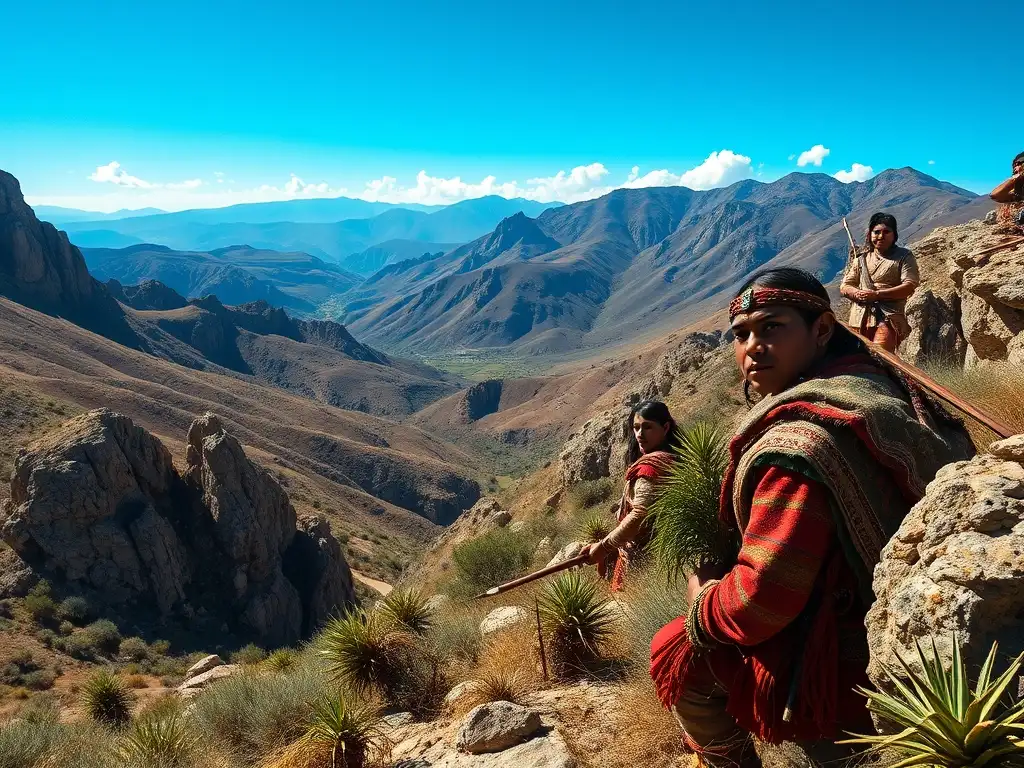
Welcome, explorer! Prepare to delve into the enigmatic world of the Andean civilizations. Beyond the breathtaking artistry and intricate engineering, lies a fascinating story of power and conflict. This website unveils the secrets of their advanced societies, but we begin with a particularly intriguing aspect: Andean warfare tactics. Discover the ingenious strategies and devastating ambushes that shaped the destiny of empires...dare you uncover the truth behind their military prowess?
- The Inca Art of Ambushes: Surprise Attacks and Tactical Maneuvers in Inca Warfare
- Understanding Inca Military Strategies: A Focus on Surprise
- The Anatomy of an Inca Ambush: Key Elements
- Tactical Maneuvers in Inca Combat: Beyond the Ambush
- Case Studies of Successful Inca Ambushes and Tactical Operations
- The Legacy of Inca Warfare Tactics: Impact and Influence
- Conclusion: The Sophistication of Inca Military Thinking
- Frequently Asked Questions
- Final Reflection: Echoes of the Andes: Legacy of Guerrilla Warfare
- Unleash Your Inner Strategist: Mastering Andean Tactical Genius
The Inca Art of Ambushes: Surprise Attacks and Tactical Maneuvers in Inca Warfare
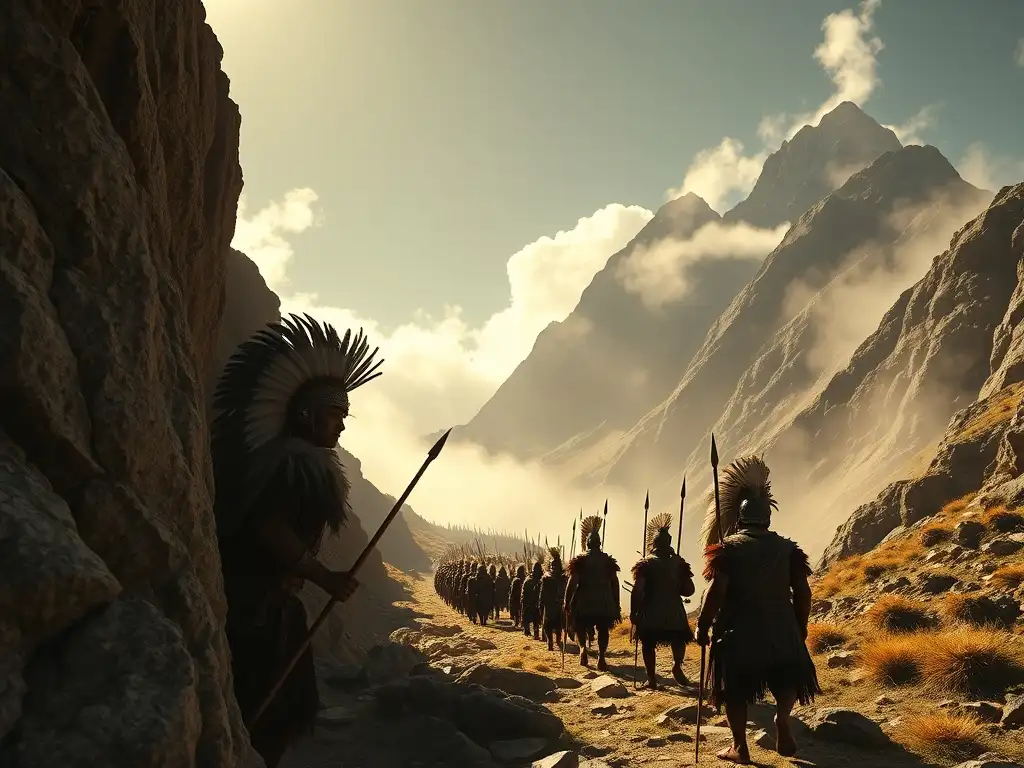
The vast and diverse landscapes of the Andes Mountains presented unique challenges and opportunities for warfare. For centuries, Andean civilizations, from the Inca to the earlier Moche and Nazca cultures, developed sophisticated military strategies and tactics to overcome these geographical hurdles and gain a decisive advantage over their enemies. This article delves into the fascinating world of Andean warfare, focusing specifically on the art of the ambush – a crucial element in their military successes.
We will explore how the complex terrain, combined with innovative tactics, allowed Andean armies to achieve surprise attacks and inflict significant damage on their opponents, significantly shaping the political and social landscape of the region. Understanding these sophisticated strategies provides invaluable insight into the ingenuity and military prowess of these remarkable ancient civilizations and highlights the critical role of terrain in shaping their warfare.
We will examine specific examples, analyzing the effectiveness of these tactics and their lasting impact on Andean history. This exploration of Andean warfare tactics will illuminate the strategic thinking behind their military achievements, demonstrating that their success wasn't solely based on brute force but on carefully planned and executed maneuvers.
Utilizing the Andean Terrain for Ambushes
The rugged Andes Mountains, with their steep cliffs, dense forests, and narrow passes, provided the perfect natural camouflage for ambushes. Andean armies skillfully exploited these geographical features, choosing locations that offered concealment and strategic advantages. For example, the Inca, known for their extensive road network (the Qhapaq Ñan), often used these very roads to their advantage, setting up ambushes along strategically chosen sections where the terrain narrowed, forcing enemy forces into kill zones.
The element of surprise was paramount; Andean warriors would often use scouts and local knowledge to identify ideal ambush sites, ensuring that their opponents were unaware of the impending attack. This mastery of the environment allowed for devastating ambushes, often resulting in significant casualties for the unsuspecting enemy.
Specific accounts, while scarce due to the limited written records, suggest the use of natural obstacles such as ravines and rivers to channel enemy movements and maximize the impact of their attacks. [Specific examples of ambush locations and their geographical features pending].
Inca Warfare Tactics: Deception and Psychological Warfare
Beyond the geographical advantage, the Inca also employed sophisticated deception tactics to enhance the effectiveness of their ambushes. The use of camouflage, both natural and artificial, played a significant role in concealing the waiting warriors. In addition to this, psychological warfare was a key component. The Inca often used propaganda and rumors to sow discord and fear among their enemies, weakening their resolve before the ambush even began.
The sheer size of the Inca army, combined with their reputation for ferocity, often created a psychological advantage, further enhancing the impact of their surprise attacks. [Data on the size and composition of typical Inca ambush units pending]. These tactics, combined with the element of surprise, often led to swift victories and the demoralization of enemy forces.
The Role of Weapons and Equipment in Andean Ambushes
The effectiveness of Andean ambushes was not solely dependent on strategy and deception; the weapons and equipment used also played a crucial role. The bolas, a weapon consisting of weighted balls connected by cords, was particularly effective in disrupting enemy formations, creating chaos and allowing the ambushing force to strike with greater precision. Additionally, the macanas, heavy clubs, were devastating at close quarters, ensuring a high casualty rate during the initial assault.
The use of slings, capable of launching projectiles with considerable accuracy and range, allowed for harassing attacks from concealed positions, weakening the enemy before the main ambush was launched. [Detailed analysis of the effectiveness of specific weapons in ambush situations pending]. The strategic use of these weapons, coupled with the element of surprise, amplified the impact of the ambushes.
Long-Term Impact of Ambush Tactics on Andean Warfare
The consistent use of ambush tactics significantly impacted the course of Andean warfare. The success of these strategies allowed Andean armies to overcome numerically superior forces, securing territorial control and expanding their empires. The element of surprise, combined with the skilled use of the terrain and weaponry, transformed the battlefield, resulting in decisive victories and the consolidation of power.
The fear instilled by these effective ambushes often dissuaded potential adversaries from engaging in conflict, thus contributing to the long-term stability and dominance of Andean civilizations. [Further research is needed to fully quantify the impact of ambush tactics on specific conflicts and the long-term political landscape]. The legacy of these ingenious tactical maneuvers remains a testament to the military ingenuity of the Andean civilizations.
Understanding Inca Military Strategies: A Focus on Surprise
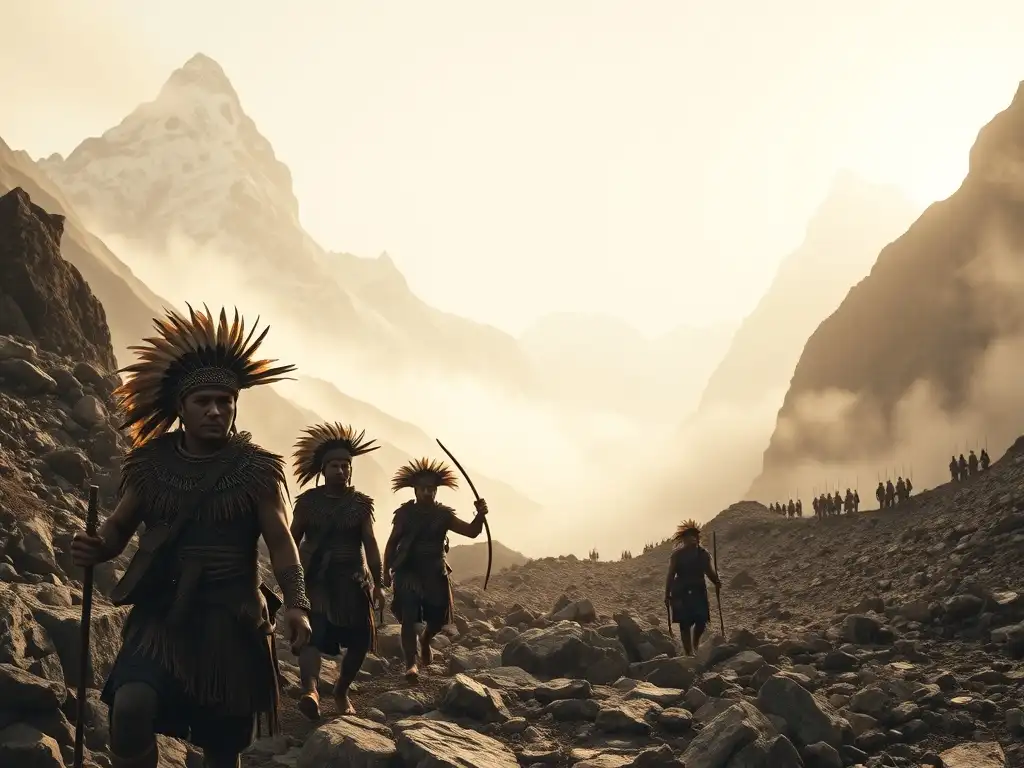
The Inca Empire, renowned for its vast territorial expanse and sophisticated administrative system, also possessed a formidable military machine. While often perceived as a monolithic force, Inca warfare tactics were remarkably nuanced, relying heavily on surprise and strategic deception to overcome numerically superior opponents. Their success wasn't solely based on brute force, but rather a clever blend of intelligence gathering, tactical flexibility, and a deep understanding of the Andean terrain.
This section explores the Inca's mastery of surprise attacks, a key component of their military doctrine that allowed them to conquer and control a vast and diverse empire. Understanding these Andean warfare tactics provides crucial insight into the empire's remarkable longevity and expansion.
The Importance of Terrain in Inca Military Tactics
The rugged, mountainous terrain of the Andes played a pivotal role in Inca military strategies. The Inca army didn't simply adapt to the landscape; they exploited it. Their understanding of mountain passes, hidden valleys, and treacherous cliffs allowed them to orchestrate surprise ambushes with devastating effectiveness. Consider, for example, the use of narrow mountain trails. A smaller Inca force could easily bottleneck a larger enemy army, creating a situation where superior numbers offered little advantage. This strategic use of terrain allowed the Inca to compensate for any numerical inferiority.
Furthermore, the Inca's extensive road network, the Qhapaq Ñan, wasn't just a logistical marvel; it was a critical military asset. It facilitated rapid troop movements, allowing for swift and unexpected attacks on unsuspecting enemies. The ability to deploy troops rapidly and secretly across the vast Andean landscape was a significant factor in their military successes.
This, combined with their knowledge of local weather patterns and seasonal changes, allowed them to predict enemy movements and launch surprise attacks at opportune moments, maximizing their impact. The Inca's mastery of the Andean environment was, in essence, a crucial element of their Andean warfare tactics.
Pre-battle Reconnaissance: Gathering Intelligence for Strategic Advantage
Before any engagement, Inca military commanders placed a high value on reconnaissance. Detailed pre-battle intelligence gathering was paramount to their success in employing surprise attacks. This wasn't a haphazard process; it was a carefully planned operation involving networks of scouts and spies who infiltrated enemy territories. These scouts, often recruited from local populations, provided invaluable information about enemy troop movements, fortifications, and vulnerabilities. This intelligence was then meticulously analyzed to identify the optimal time and location for a surprise attack.
The information gathered wasn't just about enemy troop numbers and positions. It also encompassed detailed knowledge of the local terrain, including identifying potential ambush sites and escape routes. This comprehensive approach to intelligence gathering significantly increased the probability of a successful surprise attack.
The Inca's commitment to detailed reconnaissance highlights the sophistication of their military planning and their understanding that effective Andean warfare tactics required more than just bravery; they demanded meticulous preparation and strategic foresight. The careful integration of intelligence gathering and terrain analysis is a testament to their refined military capabilities. This systematic approach underscores the importance of intelligence in their overall military doctrine and further solidifies their reputation for strategic brilliance in Andean warfare tactics.
The Anatomy of an Inca Ambush: Key Elements
The Inca Empire, renowned for its sophisticated road system and intricate social structure, also possessed a formidable military machine. A crucial component of their war strategy was the effective use of ambushes, leveraging their intimate knowledge of the Andean terrain to devastating effect. Understanding the key elements of an Inca ambush reveals a nuanced approach to warfare, far removed from simple brute force.
Inca military success often hinged on surprise, precision, and the exploitation of natural advantages. Their mastery of "Andean warfare tactics" involved careful planning, meticulous execution, and a deep understanding of the enemy's psychology. This section delves into the core components that defined a successful Inca ambush.
Choosing the Right Location for an Ambush: Exploiting the Landscape
The selection of the ambush site was paramount to the Inca's success. They meticulously chose locations that amplified their strengths and minimized their weaknesses. The rugged Andean landscape—with its steep cliffs, dense forests, narrow passes, and unpredictable weather—provided a natural advantage. Inca scouts, often highly skilled in observation and reconnaissance, would identify areas offering:
- Natural Cover: Dense vegetation, rocky outcrops, and overhanging cliffs provided excellent concealment for waiting warriors.
- Restricted Avenues of Approach: Narrow passes, ravines, or river crossings funneled the enemy into kill zones, limiting their maneuverability.
- Elevated Positions: High ground provided a tactical advantage, allowing for a surprise attack from a superior position and a clear view of the approaching enemy.
- Escape Routes: A well-planned ambush always included pre-determined escape routes, allowing for a swift retreat if the situation turned unfavorable.
Consider the ambush near the Apurímac River: the Inca forces would utilize the river's banks and dense vegetation to mask their presence, then unleash a coordinated attack on an unsuspecting enemy attempting to cross. The river itself served as both a natural barrier and a potential escape route. This strategic use of the environment showcases the Incas' deep understanding of "Andean warfare tactics."
Camouflage and Concealment Techniques in Inca Warfare
Camouflage and concealment were not mere afterthoughts; they were integral to the effectiveness of Inca ambushes. Inca warriors were masters of blending into their environment. They utilized:
- Natural Disguise: They used natural materials like leaves, branches, and mud to effectively camouflage themselves, making them practically invisible against the backdrop of the Andean landscape.
- Body Paint and Clothing: Earth tones in their clothing and body paint further enhanced their camouflage, allowing them to melt into the surroundings.
- Silence and Patience: Inca warriors were trained to move silently and patiently, waiting for the optimal moment to strike. Their discipline and self-control were vital to the success of their ambushes.
The effectiveness of their camouflage is further underscored by accounts of Spanish conquistadors who were frequently caught off guard by seemingly non-existent Inca forces, highlighting the proficiency of their concealment techniques within the context of "Andean warfare tactics."
Deployment and Positioning of Forces for Maximum Impact
The deployment of Inca forces in an ambush was carefully orchestrated to maximize its impact. This involved:
- Strategic Placement of Units: Units were strategically positioned to exploit the terrain and to create a layered defense, ensuring that even if one part of the ambush failed, other units could still inflict significant damage.
- Coordination and Communication: Effective communication between units was crucial. The use of signals, such as whistles or drums, allowed for coordinated attacks and swift responses to changing circumstances.
- Reserve Forces: A reserve force was typically held back, ready to reinforce the main attack or to counter any unexpected enemy maneuvers. This ensured flexibility and adaptability in the face of unforeseen challenges.
The Inca's ability to combine these elements—strategic location, effective camouflage, and precise deployment—resulted in ambushes that were often decisive, leaving the enemy demoralized and routed. Their mastery of "Andean warfare tactics," particularly their use of ambushes, played a significant role in the empire's expansion and long-lasting dominance. The effectiveness of their strategies is a testament to their military prowess and their profound understanding of the Andean environment.
Tactical Maneuvers in Inca Combat: Beyond the Ambush
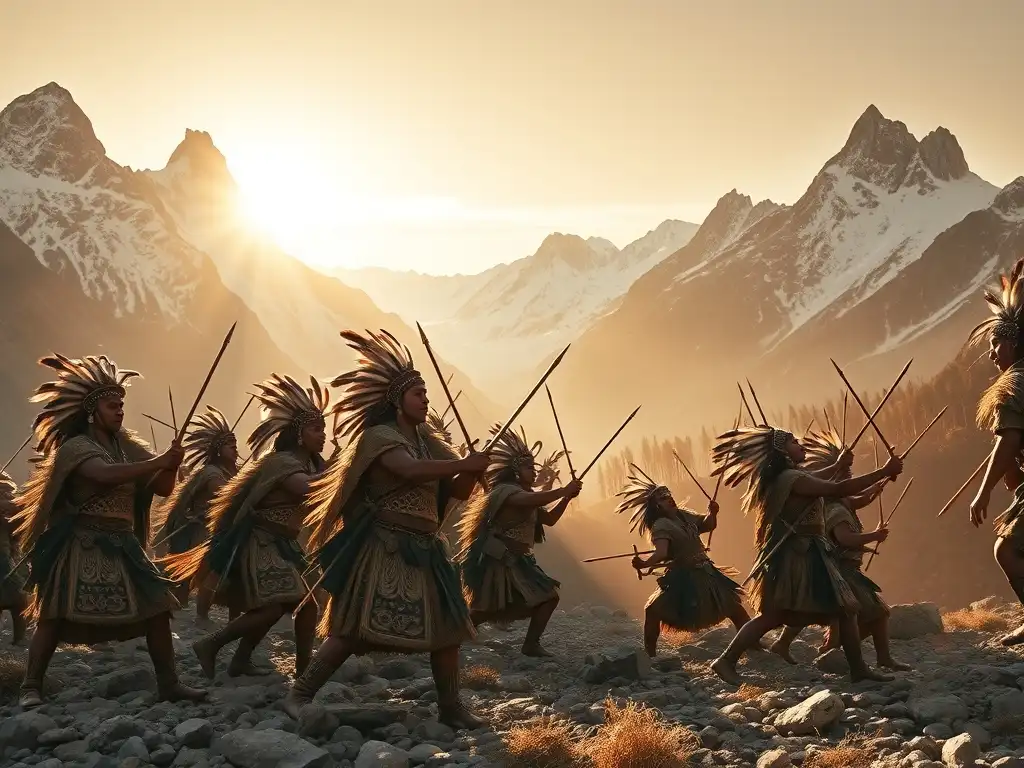
The Inca Empire, renowned for its sophisticated road system and administrative prowess, also possessed a highly effective military machine. While ambushes formed a crucial part of their Andean warfare tactics, their strategic victories often stemmed from a nuanced understanding of terrain and a mastery of diverse tactical maneuvers. This section delves into the less-explored aspects of Inca military strategy, revealing the complexity and sophistication of their combat techniques beyond the element of surprise.
Understanding these tactics provides a richer appreciation for the Inca's military achievements and their lasting impact on Andean warfare. The effective deployment of these strategies often led to decisive victories, even against numerically superior opponents. Analyzing these techniques reveals a sophisticated military doctrine far surpassing a simple reliance on ambush tactics.
Flanking Maneuvers: Circumventing Enemy Defenses
Inca armies frequently employed flanking maneuvers to overcome enemy defenses. Their intimate knowledge of the Andean terrain – treacherous mountain passes, dense forests, and seemingly impassable canyons – was a significant advantage. They would utilize these natural features to their advantage, sending smaller, highly mobile units to outflank the enemy's main force.
This strategy, often combined with a simultaneous frontal assault, allowed them to encircle and overwhelm their opponents. Consider, for instance, the battles fought in the high Andes. The Inca army, by utilizing narrow mountain passes, could funnel the enemy forces into advantageous positions, then unleash a devastating flanking maneuver from the surrounding heights.
This tactic effectively neutralized the enemy's numerical superiority and significantly increased the chances of a decisive victory. The effectiveness of this maneuver hinged on speed, precision, and the warriors' understanding of the local geography. Detailed accounts of specific battles showcasing this tactical element are unfortunately scarce, but archeological evidence, such as the location of Inca settlements near strategic passes and the design of their weapons, strongly supports this interpretation of their military capabilities.
Feigned Retreats: Luring Opponents into Traps
Another key element of Inca Andean warfare tactics was the masterful use of feigned retreats. This deceptively simple tactic, employed with precision and discipline, could lure unsuspecting enemies into carefully laid ambushes. By strategically withdrawing, Inca soldiers would entice their pursuers to follow, often leading them towards pre-determined locations with natural or artificial obstacles.
These could be narrow gorges, ravines, or even cleverly concealed pits. Once the enemy was sufficiently committed to the pursuit and ensnared in the trap, the Inca forces would turn and launch a devastating counterattack. The element of surprise, coupled with the geographical advantages, ensured a high likelihood of success.
This strategy required exceptional self-control and discipline from the Inca warriors, who had to maintain a semblance of retreat while secretly preparing for the ambush. While precise accounts of the use of this tactic are limited, the strategic placement of Inca fortifications and the design of their defensive works suggests a calculated and pre-planned approach to enticing and trapping their enemies. This demonstrates a sophisticated understanding of psychological warfare, coupled with a practical mastery of battlefield tactics.
The Use of Decoys and Diversionary Tactics in Inca Battles
Inca military strategists also understood the importance of deception. They frequently employed decoys and diversionary tactics to confuse and disorient their enemies. These could involve smaller units creating a show of strength in one area while the main force launched a decisive attack elsewhere.
This tactic allowed the Inca army to concentrate their forces where they would have the greatest impact, while simultaneously drawing the enemy's attention away from their main objective. The use of smoke signals, strategically placed fires, or even the strategic manipulation of livestock could create diversions, masking the true direction and intent of the Inca army. This aspect of Inca military strategy highlights their understanding of the psychological impact of warfare.
By creating confusion and uncertainty, the Inca army could erode their opponent's morale and decision-making capabilities, ultimately leading to victory. Further research into Inca military practices and the analysis of surviving battle accounts could shed more light on the specific methods employed in these diversionary tactics. The strategic use of decoys and diversions demonstrates a high level of military planning and coordination, indicative of a well-organized and highly effective fighting force.
Case Studies of Successful Inca Ambushes and Tactical Operations

The Inca Empire's military prowess wasn't solely based on sheer numbers. Their mastery of Andean warfare tactics, particularly their use of ambush and strategic positioning, played a crucial role in their expansion and dominance. Analyzing successful Inca military operations reveals a sophisticated understanding of terrain, psychology, and the effective deployment of resources. Understanding these tactics provides valuable insight into the complexity of Andean warfare and the ingenuity of Inca military strategists. This section will examine specific instances where Inca ambushes and tactical maneuvers proved decisive.
The Battle of Ollantaytambo: Inca Victory Through Strategic Positioning
The Battle of Ollantaytambo (circa 1536) stands as a testament to the Inca's ability to leverage geographical advantages for a successful defense against a significantly larger Spanish force. Ollantaytambo's natural defenses – steep, terraced hills surrounding a narrow valley – were expertly utilized. The Inca army, smaller in number than Pizarro's conquistadors, didn't engage in open battle. Instead, they employed a strategy of attrition, using the terrain to their advantage.
The Incas positioned their forces along the terraces, creating a deadly funnel effect. As the Spanish advanced, they were subjected to a relentless barrage of rocks, spears, and slings from above. The narrow passage restricted the Spanish cavalry's maneuverability, neutralizing their primary advantage.
The Inca warriors, familiar with the terrain and utilizing their superior knowledge of the local geography, inflicted heavy casualties on the Spanish, forcing a costly retreat. This victory, though ultimately a delaying action in the larger context of the Spanish conquest, showcased the effectiveness of Inca defensive strategies and their understanding of Andean warfare tactics. The battle highlights the importance of strategic positioning and the use of natural terrain to offset numerical inferiority.
The Siege of Cusco: Inca Guerrilla Tactics and Resistance
Following the capture of Atahualpa, the Inca Empire faced a period of internal strife and external pressure from the Spanish. The siege of Cusco (1536-1537) exemplifies the Inca's adaptability in employing guerrilla warfare tactics against a technologically superior enemy. Faced with a stronger, better-equipped Spanish army, the Incas abandoned traditional open warfare in favor of hit-and-run attacks, ambushes, and harassment.
The Inca resistance was not a unified force but rather a network of smaller groups operating independently. These groups used their intimate knowledge of the surrounding mountains and valleys to launch surprise attacks on Spanish patrols and supply lines. They employed effective camouflage and utilized the terrain to their advantage, disappearing into the dense vegetation and reappearing unexpectedly.
This decentralized, guerrilla approach proved highly effective in disrupting Spanish operations and prolonging the siege. The siege of Cusco demonstrates the Inca's ability to adapt their Andean warfare tactics to overcome overwhelming odds, showcasing their resilience and strategic flexibility in the face of a formidable adversary. The effectiveness of this strategy underscores the importance of understanding the local terrain and employing unconventional warfare techniques.
Lessons Learned from Historical Inca Military Engagements
The success of Inca ambushes and tactical maneuvers stemmed from a combination of factors. Their intimate knowledge of the Andean terrain, coupled with their disciplined military organization, allowed them to effectively utilize natural barriers and create tactical advantages. The Inca's understanding of psychological warfare was also crucial. By employing surprise attacks and inflicting heavy casualties without engaging in prolonged confrontations, they aimed to demoralize and exhaust their enemies.
The Inca's military success wasn't solely about brute force; it was a sophisticated blend of strategic planning, tactical execution, and a deep understanding of the Andean environment. Their ability to adapt their Andean warfare tactics to different circumstances, as seen in the contrasting examples of Ollantaytambo and the siege of Cusco, highlights their military ingenuity and adaptability. Further research into less documented engagements could reveal even more nuanced aspects of Inca military strategy and its effectiveness.
The study of these historical engagements provides invaluable insights into the complexities of Andean warfare and the strategic brilliance of the Inca military. Analyzing these battles provides a deeper understanding of effective military strategies, regardless of the era or context. The legacy of Inca military prowess continues to fascinate and inspire military strategists today.
The Legacy of Inca Warfare Tactics: Impact and Influence

The Inca Empire, renowned for its sophisticated road system and intricate administrative structure, also possessed a formidable military machine. Their warfare tactics, while not solely reliant on surprise, effectively integrated ambushes and deception into a broader strategic framework. Understanding the legacy of Inca warfare tactics requires examining their impact and influence on both contemporary Andean societies and the broader field of military history. Their success wasn't simply about brute force; it was a calculated blend of strategic planning, logistical prowess, and psychological warfare.
How Inca Military Strategies Shaped the Course of Andean History
Inca military strategies profoundly shaped the course of Andean history, leading to the empire's rapid expansion and consolidation of power. Their ability to effectively mobilize large armies across challenging terrain, a feat made possible by their extensive qhapaq ñan (road network), was a key factor in their success. This logistical advantage allowed them to swiftly deploy troops to quell rebellions or launch surprise attacks on neighboring territories. The Inca army wasn't a monolithic force; it was a flexible and adaptable fighting machine capable of employing diverse tactics depending on the specific circumstances.
For example, the Inca often used feigned retreats to lure enemies into ambushes, skillfully exploiting the terrain to their advantage. This strategy, combined with their superior weaponry (including macanas and slings), often resulted in decisive victories. Moreover, the Inca's mastery of psychological warfare played a crucial role. Their reputation for military prowess often preceded them, inducing fear and submission among potential adversaries.
This psychological element, coupled with their efficient organization and logistical capabilities, contributed significantly to the rapid expansion of the Inca Empire. The impact of their military strategies is evident in the vast geographical extent of the empire and its lasting influence on Andean culture. Analyzing Inca military records, while challenging due to the limited surviving written sources, reveals a sophisticated understanding of military strategy and logistics that surpasses many contemporaneous societies.
The Enduring Relevance of Inca Tactics in the Study of Military History
The study of Inca warfare tactics remains highly relevant in modern military history. While the specifics of their weaponry and technology differ greatly from modern warfare, the underlying principles of strategic planning, logistical efficiency, and psychological warfare remain timeless. The Inca's effective use of terrain, their ability to rapidly deploy troops, and their understanding of the psychological impact of warfare offer valuable lessons for contemporary military strategists.
The Inca emphasis on surprise attacks and ambushes, for instance, highlights the enduring importance of deception and maneuverability in warfare. Their ability to coordinate large-scale movements of troops across challenging terrain offers insights into the crucial role of logistics in military success. Furthermore, the Inca's use of psychological warfare, leveraging their reputation and the fear they inspired, underscores the importance of understanding the human element in conflict.
The Inca's experience demonstrates that military success isn't solely determined by technological superiority; effective leadership, strategic planning, and a deep understanding of the battlefield are equally crucial. The study of Andean warfare tactics, particularly those employed by the Inca, provides a rich and fascinating case study for scholars of military history, offering valuable insights into the complexities of warfare and the enduring principles of military strategy.
Further research into less explored Andean cultures, such as the Chimu and Wari, could reveal additional nuances to this already complex topic. 🤔 More detailed analysis of surviving artifacts and archaeological findings is needed to fully understand the scope and sophistication of Andean warfare tactics.
Conclusion: The Sophistication of Inca Military Thinking
The Inca Empire's remarkable expansion across the challenging Andean terrain wasn't solely due to superior numbers. A deep understanding of Andean warfare tactics, combined with innovative strategies and adaptable military thinking, played a crucial role in their success. Their military prowess wasn't just brute force; it was a sophisticated system leveraging geography, psychology, and technological advancements.
This understanding extended beyond simple battlefield maneuvers; it encompassed a comprehensive approach to warfare, from meticulous planning and logistical support to the effective integration of psychological warfare. The Inca's success highlights the importance of strategic thinking and adaptability in military campaigns, even in the face of seemingly insurmountable logistical challenges.
Their ability to rapidly mobilize troops across vast, mountainous regions, while maintaining supply lines and coordinating complex maneuvers, remains a testament to their organizational capabilities and military acumen. Analyzing their successes provides valuable insights into the complexities of warfare in challenging environments, offering lessons applicable even to modern military strategy.
The Ingenuity and Adaptability of Inca Warriors
Inca warriors weren't simply soldiers; they were highly skilled individuals trained from a young age in diverse fighting techniques. Their adaptability was key to their success. Facing diverse enemies with different fighting styles and weaponry across varied terrains, the Inca army displayed remarkable flexibility.
They skillfully adapted their tactics to exploit the weaknesses of their opponents, whether it was the use of ambushes in the rugged Andes or the deployment of specialized units for specific combat situations. For example, the use of chasquis, a relay runner system, allowed for rapid communication and the swift deployment of troops to counter unexpected threats or reinforce vulnerable positions. This rapid response capability was vital in a region characterized by its difficult terrain and dispersed settlements.
Their weaponry, while seemingly less advanced than that of some other civilizations, was highly effective in the Andean context. The macuahuitl, a club studded with obsidian blades, inflicted devastating wounds, and the use of slings and spears proved highly effective at range, especially in mountainous terrain. The Inca's ability to integrate these diverse aspects – communication, adaptability, and effective weaponry – into their overall Andean warfare tactics contributed significantly to their dominance.
The Lasting Contributions of Inca Military Strategies to Warfare History
The Inca's military legacy extends far beyond the borders of their empire. Their sophisticated understanding of logistics, their mastery of ambush tactics, and their effective use of terrain all contributed to their military success and offer valuable lessons for military strategists even today. The Inca's mastery of the high-altitude environment, their ability to rapidly deploy troops, and their innovative use of communication networks remain remarkable achievements.
Their strategies, though developed in a specific historical and geographical context, demonstrate enduring principles of military effectiveness. The meticulous planning and organization required to sustain a large army across such a vast and challenging landscape highlight the importance of logistical expertise in successful military campaigns. Furthermore, the Inca's emphasis on psychological warfare, utilizing propaganda and displays of power to demoralize opponents before engaging in direct combat, underscores the importance of the mental aspect of warfare.
Analyzing the Inca's military achievements provides valuable insights into the enduring principles of effective warfare, demonstrating the lasting impact of their Andean warfare tactics on the history of military strategy. The study of their methods continues to inform military thinking and offers valuable lessons for understanding the complexities of conflict and the importance of adapting to changing circumstances.
Frequently Asked Questions
What were some common Andean warfare tactics?
Andean civilizations employed diverse tactics, including ambushes in mountainous terrain, using their intimate knowledge of the landscape to their advantage. They also relied on swift, coordinated attacks to overwhelm their opponents. Guerrilla warfare was another common strategy.
How did the geography of the Andes influence warfare?
The rugged Andes Mountains played a crucial role. High altitudes, treacherous terrain, and unpredictable weather were all factors exploited by the defenders. Strategic placement of fortifications and knowledge of mountain passes were essential.
Did the Incas have a particularly strong military?
The Inca Empire possessed a large and well-organized army, crucial for maintaining control over its vast territory. Their military strength stemmed from effective organization, logistics, and a strong central authority. They weren't solely reliant on brute force, however.
What role did technology play in Andean warfare?
Andean warfare utilized various technologies, including advanced weaponry like slings, clubs, and spears. Defensive structures like fortifications and walls were also significant. Metalworking allowed for the creation of superior weaponry in some cultures.
How did Andean warfare differ from warfare in other parts of the world?
Andean warfare differed due to the unique geography of the Andes Mountains. The emphasis on ambush and guerrilla tactics, as opposed to large-scale open battles, was a key distinction. Also, the importance of resource control (like water and arable land) shaped their military strategies.
Final Reflection: Echoes of the Andes: Legacy of Guerrilla Warfare
The ingenious Andean warfare tactics, once employed in the high altitudes of the Andes, continue to resonate in modern military strategy and even in the strategies of business and politics. The seemingly simple ambushes and deceptive maneuvers described throughout this article weren't just about survival; they were a testament to the profound understanding of terrain, psychology, and the art of the unexpected. These tactics, honed over centuries, offer a timeless lesson in strategic thinking that transcends geographical boundaries and historical periods.
The adaptability and resourcefulness displayed by Andean warriors, forced to innovate within the challenging environment of the Andes, is a powerful reminder of human resilience and ingenuity. Their strategies, often relying on surprise and exploiting the weaknesses of their opponents, highlight the crucial role of intelligence and adaptability in warfare. The greatest victory is that which requires no battle,
a sentiment often attributed to Sun Tzu, finds a powerful echo in the Andean preference for strategic positioning and decisive, swift strikes. This emphasis on minimizing casualties and maximizing impact remains a relevant consideration in modern conflict.
Consider the lessons learned from the Andean masters of ambush. How can you apply their principles of strategic planning, understanding your environment, and anticipating your opponent's moves to your own life? Embrace the unexpected, learn to adapt, and find your own "high ground" – whether that's in your career, personal relationships, or any challenge you face. The echoes of Andean warfare tactics are not just historical artifacts; they are a powerful toolkit for navigating the complexities of the modern world.
Unleash Your Inner Strategist: Mastering Andean Tactical Genius
Thank you for exploring the fascinating world of Andean warfare and strategy! You've uncovered the ingenious tactics that shaped the history of this remarkable civilization. Now, let's delve deeper.
Here's how you can further explore this captivating subject:
- Join a history group or online community focused on Andean civilizations to discuss strategies and exchange ideas with fellow enthusiasts. Active participation will enhance your understanding and provide valuable perspectives.
- Engage with strategy games that feature ambush tactics, comparing and contrasting them with the historical methods employed by the Andean peoples. This hands-on approach will solidify your understanding.
- Share your knowledge! Write a blog post or share a social media update highlighting the surprising parallels between Andean ambush tactics and modern strategic thinking. Your unique perspective will be valuable to others.
What innovative approaches or insights from Andean military strategies will inspire your next strategic endeavor?