
Moche Ritual Combat: Symbolic Warfare and Social Hierarchy

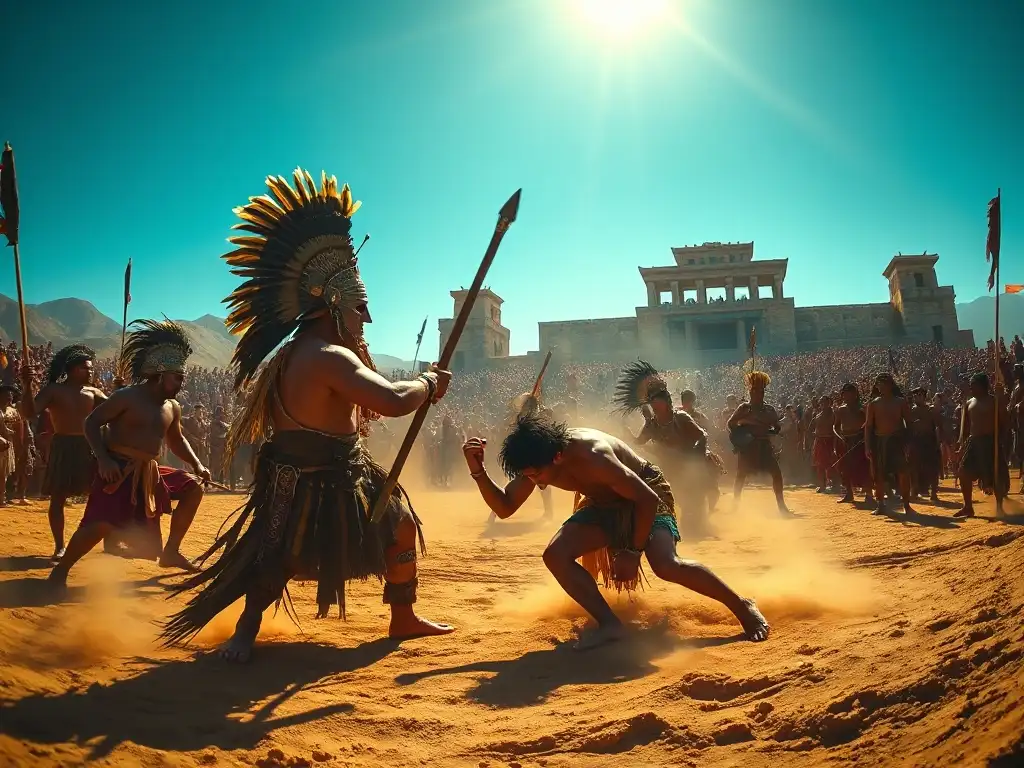
Uncover the mysteries of the Andes! Journey through millennia of captivating history, breathtaking artistry, and astonishing engineering feats. But prepare to be especially intrigued by the fierce rituals of the Moche civilization. What secrets lie hidden within the brutal yet symbolic Moche warrior ritual combat? Dive into our exploration of this fascinating practice and uncover its profound connection to Andean social structure – the answers may surprise you.
-
Moche Warrior Ritual Combat: Symbolic Warfare and Social Hierarchy
- Understanding Moche Warfare: Beyond the Battlefield
- The Nature of Moche Combat Rituals
- Participants in Moche Ritual Combat: Warriors and Social Status
- Symbolic Significance of Moche Combat
- The Stages of a Moche Ritual Combat
- Moche Combat Rituals: Evidence and Archaeology
- Moche Military Strategies Beyond Ritual Combat
- The Legacy of Moche Ritual Combat
- Conclusion: The Complexities of Moche Warrior Ritual Combat
- Frequently Asked Questions
- Final Reflection: Echoes of Combat, Whispers of Power
- Embrace the Legacy of Moche Ritual Combat!
The Moche civilization (c. 100 – 800 CE), flourishing along the arid north coast of Peru, left behind a remarkable legacy of sophisticated artistry, complex societal structures, and a surprisingly nuanced understanding of warfare. While their military prowess is evident in their impressive weaponry and fortifications, a closer examination reveals a fascinating aspect of Moche society: ritual combat.
This wasn't simply brutal fighting; it was a highly symbolic practice intricately interwoven with their social hierarchy, religious beliefs, and political power dynamics. This article delves into the compelling world of Moche ritual combat, exploring its purpose, characteristics, and significance within the broader context of Moche warfare and society.
We will analyze how these staged battles served as powerful tools to reinforce social order, display elite power, and potentially even appease their gods. Understanding Moche ritual combat offers a unique window into the complex workings of this remarkable ancient civilization and provides a richer understanding of the term "Moche warrior ritual combat".
Understanding Moche Warfare: Beyond the Battlefield
Moche warfare wasn't solely about territorial conquest or resource acquisition, although these undoubtedly played a role. Archaeological evidence suggests a more complex reality. The Moche, like many ancient societies, employed warfare as a means of solidifying political power, maintaining social order, and expressing religious beliefs. Elaborate weaponry, including meticulously crafted spears, clubs, and projectile points, points to a sophisticated military organization. However, alongside these tools of actual warfare, we find compelling evidence of ritualistic combat, suggesting a deeper, more symbolic significance to conflict. The discovery of numerous depictions of battles in Moche pottery, often featuring stylized warriors and elaborate costumes, highlights the importance of these events in Moche culture. These depictions aren't simply realistic battle scenes; they are carefully composed narratives that convey specific social and religious messages. The emphasis on ritualized combat suggests that warfare, in the Moche world, extended beyond the battlefield, permeating their social and religious spheres.
The Nature of Moche Combat Rituals
The Moche ritual combat wasn't a haphazard brawl; rather, it was a highly structured and choreographed event, likely governed by strict rules and protocols. While the exact details remain elusive due to the limited surviving written records, the artistic representations provide valuable clues. Moche pottery and metalwork frequently depict warriors engaged in combat, often wearing elaborate headdresses, costumes, and weaponry, suggesting a ritualistic context.
The stylized nature of these depictions, with warriors often engaging in seemingly theatrical battles, further supports the idea of a ritualistic, rather than purely practical, function. The repeated imagery of specific combat scenarios and the consistent iconography used in these representations suggest that these events were deeply meaningful and significant within Moche society. Furthermore, the presence of spectators in many depictions suggests that these rituals were public events, possibly serving a social function in addition to their religious or political purpose.
Purpose of Moche Ritual Battles
Several hypotheses attempt to explain the purpose of these ritual battles. One prominent theory suggests they served as a means of resolving conflicts between different social groups or communities within Moche society. These ritualized combats might have acted as a controlled way to vent tensions and prevent larger-scale violence. Another interpretation points to the ritual battles as a way to reinforce social hierarchy and legitimize the power of the elite.
The depiction of elite warriors often dominating in these battles could have served as a powerful propaganda tool, demonstrating the strength and authority of the ruling class. Finally, some scholars propose a religious element, suggesting that the battles were performed to appease the gods or to ensure a successful harvest or other favorable outcomes. The connection between warfare and religious beliefs is evident in many ancient cultures, and the Moche were no exception.
Characteristics of Moche Combat Events
The actual characteristics of Moche ritual combat events are difficult to reconstruct definitively. However, based on available evidence, several features can be inferred. The combatants were likely selected based on social standing or specific skills. The use of specialized weapons or protective gear, as depicted in the artwork, suggests a degree of formality and preparation.
The events likely took place in designated locations, possibly within ceremonial centers or other significant sites. The presence of spectators, implied in many artistic representations, points to a public nature. The battles themselves may have followed established rules and procedures, although the specifics remain unknown.
The outcome of the battles, whether predetermined or genuinely contested, likely held significant symbolic meaning within the Moche worldview. Further research, including more detailed archaeological analysis and comparative studies with other Andean cultures, is needed to clarify these aspects further. The study of "Moche warrior ritual combat" is an ongoing process, with new discoveries continually refining our understanding.
The depiction of ritual combat in Moche art suggests a complex relationship between social status and participation. While all warriors likely participated in some form of ritual combat, the degree of involvement and the type of combat varied according to social standing. High-ranking individuals, often identifiable through their elaborate attire and weaponry, likely engaged in more prestigious and potentially more dangerous forms of combat, while lower-ranking warriors might have participated in less formalized events.
The Moche society was highly stratified, and this hierarchy is reflected in the visual representation of their ritual combats. The elite warriors, often depicted in commanding positions, held a prominent role in these events, underscoring their power and influence within the society.
Further research is needed to fully understand the specific criteria for participation based on social standing, but the available evidence suggests a clear correlation. The careful observation of details in Moche pottery and metalwork provides crucial clues to unravel this complex social dynamic.
The Role of Elite Moche Warriors
Elite Moche warriors played a crucial role in ritual combat, acting as both participants and symbolic leaders. Their participation served to reinforce their authority and social standing. Depictions often show them clad in elaborate regalia, wielding sophisticated weaponry, and positioned prominently within the combat scenes. This visual prominence suggests not only their physical prowess but also their elevated social status and spiritual significance.
These elite warriors were likely responsible for organizing and overseeing the ritual combats, ensuring their proper execution according to established protocols. Their role extended beyond simple participation; they were key figures in the symbolic reinforcement of the Moche social hierarchy. We can infer this from the consistent portrayal of elite warriors in positions of dominance within the ritual combat scenes found in Moche art.
Iconography and Warrior Representation
Moche iconography provides invaluable insights into the participants of ritual combat. Warriors are often depicted with distinctive features indicating their rank and role. Elaborate headdresses, specific types of weaponry, and unique body adornments all contribute to a visual language that helps us understand the social hierarchy within the combat scenes. For example, warriors with feathered headdresses and intricate gold ornaments are frequently depicted as leaders or high-ranking participants.
The presence of specific symbols or motifs on their attire and weapons may also indicate their affiliation with particular clans or religious groups. Analyzing these subtle details allows researchers to reconstruct the complex social dynamics and power structures reflected in Moche ritual combat. The careful study of these iconographic elements is crucial to understanding the full significance of these events.
Moche Warrior Garb and Weaponry
The attire and weaponry of Moche warriors provide further evidence of social stratification within ritual combat. Elite warriors are consistently depicted wearing elaborate costumes, including richly decorated tunics, feathered headdresses, and intricate jewelry. Their weaponry, often crafted from precious metals, was superior in quality and craftsmanship to that of common warriors.
This difference in equipment further emphasizes the social hierarchy present within the Moche society. The use of gold, silver, and other precious materials in the creation of weaponry and adornments is not merely decorative; it serves as a powerful visual symbol of the warrior's elevated status and the importance of their role in the ritual combat. Common warriors, on the other hand, are depicted with simpler attire and more rudimentary weaponry, highlighting the disparity in social rank.
Symbolic Significance of Moche Combat
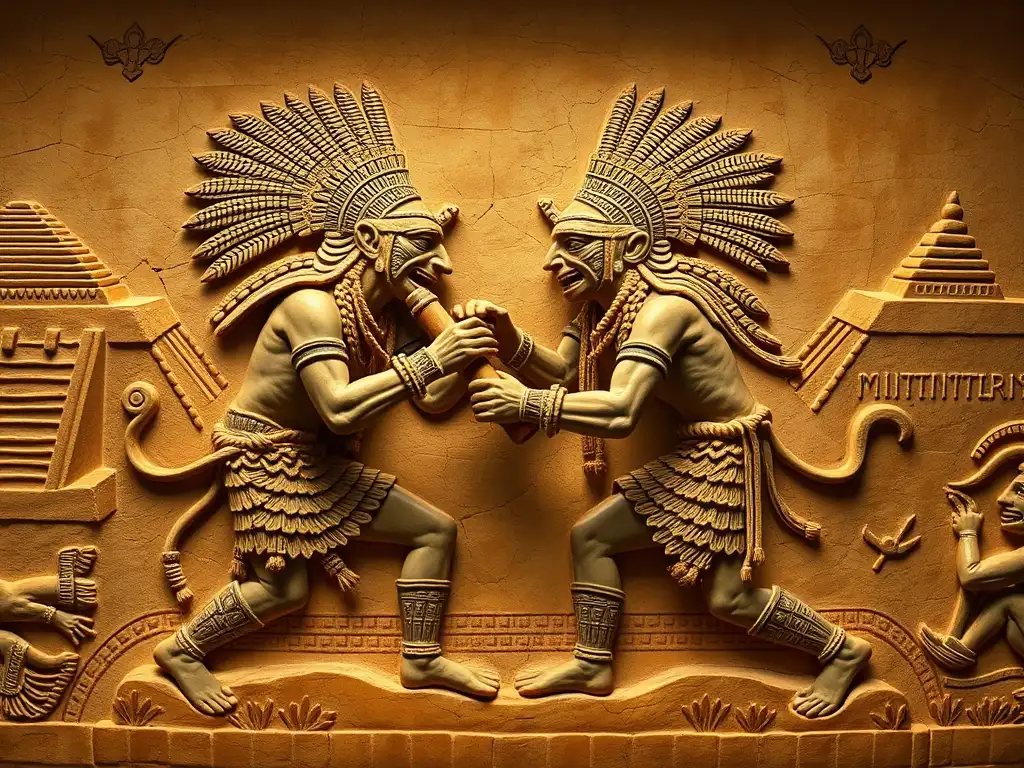
Moche ritual combat was far more than mere physical contests; it held profound symbolic significance within their culture. These events served as powerful expressions of social control, religious beliefs, and political power. The carefully choreographed nature of the combats, as depicted in Moche art, suggests a level of ritualization that transcends simple violence.
The symbolism embedded within the rituals helped maintain social order and reinforce the legitimacy of the ruling elite. Deciphering the symbolic language of Moche combat requires a multi-faceted approach, combining art historical analysis with anthropological interpretations to gain a comprehensive understanding of their cultural significance. The complexity of the symbolism underscores the importance of these events within Moche society.
Ritual Combat as a Form of Social Control
Ritual combat served as a crucial mechanism for social control within Moche society. By showcasing the dominance of the elite warriors, these events reinforced the existing social hierarchy and deterred potential challenges to the ruling power. The carefully staged nature of the combats, combined with the symbolic representations of power and authority, served to maintain social order and suppress dissent.
The ritualistic aspects of the combats helped legitimize the power structure and strengthen the bonds of allegiance within the community. The threat of participation in these potentially dangerous events also likely served as a form of punishment or social pressure, reinforcing the existing social structures.
Deciphering the Moche Combat Iconography
Deciphering the iconography of Moche combat requires a careful examination of the various visual elements present in their art. The specific arrangement of figures, the types of weapons used, and the symbolic representations of power and authority all contribute to the meaning of these scenes. Researchers have identified recurring motifs and symbols that help interpret the events depicted, such as specific gestures, animal representations, and the use of certain colors.
However, much of the symbolic language remains elusive, requiring further research and interdisciplinary collaboration to fully understand its nuances. The meticulous detail present in Moche artwork offers a rich source of information, but its interpretation requires careful consideration and rigorous analysis.
The Religious Context of Moche Ritual Violence
The religious context of Moche ritual violence is crucial to understanding its significance. While the specific beliefs and practices of the Moche remain partially unknown, archaeological evidence suggests a strong connection between ritual combat and their religious worldview. The depiction of supernatural beings and mythological creatures in many combat scenes suggests a spiritual dimension to the events.
These rituals may have been intended to appease deities, ensure a successful harvest, or reaffirm the legitimacy of the rulers' divine right to govern. Further research is needed to fully understand the interplay between religious beliefs and ritual combat practices, but it's clear that religious factors played a significant role in shaping the nature and purpose of these events. The religious context adds another layer of complexity to the interpretation of Moche ritual violence.
The Stages of a Moche Ritual Combat
Preparation and Preliminaries of Moche Battles
The preparation for Moche ritual combat was likely a meticulously orchestrated affair, involving significant social and religious components. Evidence suggests a period of fasting and ritual cleansing for the participants, possibly involving specific offerings to the deities associated with war and power. This preparation wasn't simply physical; it was a spiritual process designed to imbue the warriors with the necessary power and legitimacy for the upcoming battle.
The selection of participants themselves was likely a key element, with warriors chosen based on their social standing, physical prowess, and possibly even spiritual attributes. The precise selection criteria remain a subject of ongoing scholarly debate, but it’s clear that participation in these rituals was not a matter of chance.
Furthermore, the preparation would have included the creation and consecration of the weapons and attire used in the combat. These would not have been simple tools of war, but objects imbued with spiritual significance, representing the power and authority of the Moche elite.
The Development of Moche Combat Engagements
Moche ritual combats were not free-for-alls. While the details are still debated, it's highly probable that these engagements followed a structured sequence of events. We can imagine a carefully choreographed series of movements and maneuvers, perhaps involving symbolic gestures and displays of strength and skill. The battles likely incorporated elements of both individual combat and coordinated group actions, reflecting the complex social structure of Moche society.
The outcomes of these combats were probably not determined solely by physical strength; the symbolic representation of power and the performance of specific rituals might have played a significant role. The battles were not about simply winning or losing in a purely physical sense, but about demonstrating power, prestige, and the legitimacy of the ruling elite. Further research is needed to fully understand the complexities of the combat choreography and the strategic implications of the different combat styles potentially employed.
Post-Combat Rituals and Ceremonies
The aftermath of a Moche ritual combat was likely as important as the combat itself. The victorious warriors were likely celebrated and rewarded, their actions reinforcing their social status and the authority of the Moche rulers. This could have involved lavish feasts, the distribution of prizes, and public recognition of their achievements. However, the rituals didn't end with the victory.
There were likely ceremonies dedicated to the fallen, acknowledging their sacrifice and their role in the ritual's overall meaning. These ceremonies might have included offerings, prayers, and elaborate funerary practices. The handling of the weapons and other artifacts used in the combat was also likely part of the post-combat rituals, potentially involving their cleansing, consecration, or even ceremonial destruction. The exact nature of these post-combat rituals remains uncertain, but their significance in reinforcing Moche societal structures is undeniable.
Moche Combat Rituals: Evidence and Archaeology
Archaeological Findings of Moche Combat Sites
Archaeological excavations have unearthed evidence suggestive of organized ritual combat among the Moche. While dedicated "battlefields" haven't been identified, the discovery of multiple burials containing individuals with trauma consistent with blunt force trauma, alongside ritualistic artifacts, points towards organized clashes. The presence of specific grave goods, such as elaborate weaponry and ceremonial attire, within these burials further supports the hypothesis of ritual combat.
The clustering of these burials in specific locations also suggests the potential for designated areas for these events. However, the lack of clear-cut battlefields highlights the potential complexity of the rituals and the possible integration of combat into broader religious ceremonies. Further investigation is needed to pinpoint more conclusive evidence of designated combat zones.
Analysis of Moche Artifacts Depicting Ritual Battles
Moche pottery and metalwork offer compelling visual evidence of ritual combat. Many ceramic vessels depict scenes of warriors engaged in fierce battles, often with stylized weaponry and exaggerated movements. These depictions aren't simply representations of warfare; they are carefully composed narratives that convey specific social and religious messages. The detailed portrayal of weapons, attire, and the warriors' postures provides invaluable insight into the rituals and their significance.
The analysis of these artifacts is crucial for understanding the context, rules, and social implications of Moche ritual combats. Careful study of the iconography reveals details about the social hierarchy reflected in the combatants' attire and the symbolic meaning of the battles themselves. The stylistic choices made by the artists highlight the importance of these events within Moche society.
Moche Art and the Depiction of Ritual Warfare
The sophisticated artistry of the Moche civilization is powerfully showcased in the depictions of ritual warfare. The intricate details, dynamic compositions, and expressive use of color in their pottery and metalwork demonstrate a deep understanding of human anatomy, movement, and emotion. These artistic representations are not mere illustrations; they are carefully crafted narratives that communicate complex social and religious ideas.
The consistent presence of ritual combat scenes in various Moche artistic mediums suggests its central role in Moche society and its significance in the worldview of the time. By studying these artistic representations, we can gain a deeper understanding of the rituals' social and religious contexts, the participants' roles, and the broader implications of these events within Moche culture. The emotional intensity captured in these depictions underscores the importance of these rituals within the Moche worldview.
Moche Military Strategies Beyond Ritual Combat
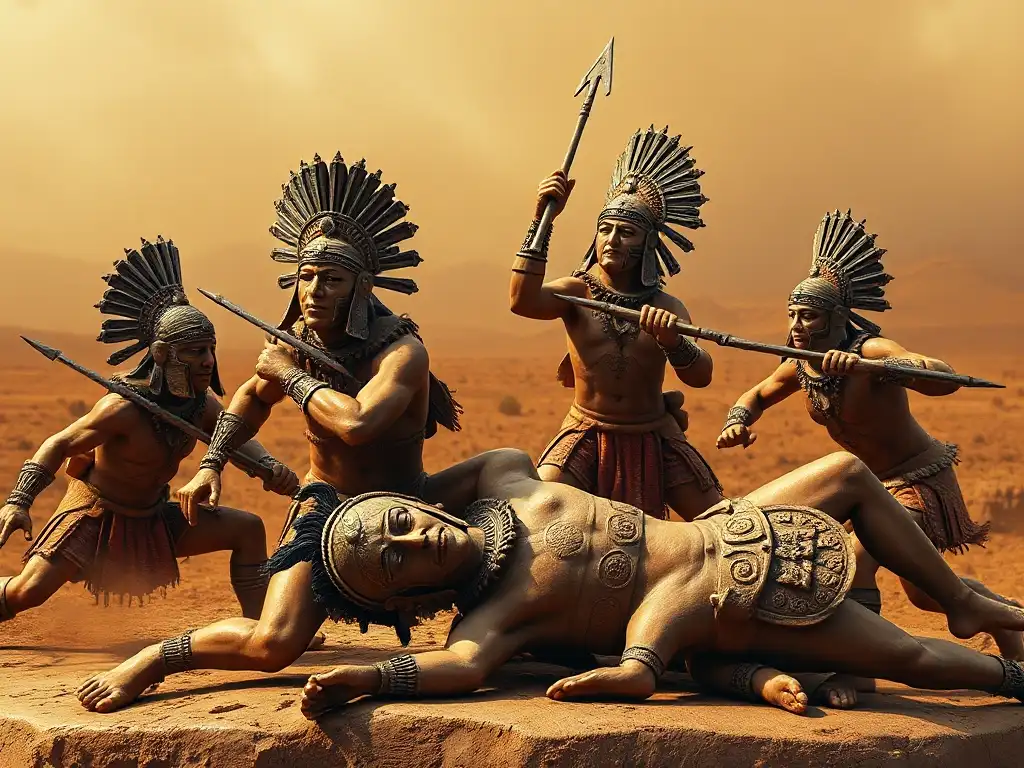
The Moche civilization, known for its elaborate ritual combat, also employed sophisticated military strategies beyond the ceremonial arena. While ritual combat held significant symbolic weight, the Moche were undoubtedly capable of engaging in conventional warfare when necessary. Archaeological evidence suggests a degree of centralized control over military resources and manpower, indicating a structured approach to conflict resolution and territorial defense.
This centralized control likely facilitated the mobilization of troops and the coordination of military campaigns, although the specifics of their command structure remain a subject of ongoing research. The Moche's success in maintaining their power for several centuries indicates a capacity for effective military planning and execution, complementing their impressive achievements in agriculture, engineering, and artistry. Further research is needed to fully understand the interplay between ritual combat and practical warfare in shaping Moche military doctrine.
The scale and complexity of their irrigation systems, for example, suggest a level of organizational ability that likely translated into military effectiveness. The careful management of water resources required a sophisticated understanding of logistics and resource allocation, skills undoubtedly transferable to military operations.
Moche Military Organization and Tactics
Understanding Moche military organization requires careful analysis of archaeological finds and iconographic representations. While we lack detailed written records, depictions on pottery and textiles offer valuable insights into their military structure. These sources suggest a hierarchical arrangement, possibly with specialized units performing different roles.
Some warriors appear equipped for close-quarters combat, wielding clubs and spears, while others may have used ranged weapons like slings or atlatls. The presence of elite warriors, often depicted in elaborate attire and with superior weaponry, suggests a stratified military organization reflecting the broader social hierarchy of Moche society. The organization of these units, their training methods, and the chain of command remain largely unknown, requiring further investigation.
The potential use of cavalry or other forms of mounted warfare is also an area ripe for additional research. The strategic deployment of these various units would have been crucial to Moche military success in both ritual and practical conflicts.
Moche Fortifications and Defense Systems
The Moche constructed fortifications and defensive systems to protect their settlements and resources. These structures varied in scale and complexity, ranging from simple earthworks and palisades to more elaborate stone walls and defensive structures integrated into their urban planning. The location of settlements, often strategically placed near water sources and defensible terrain, also played a significant role in their overall defense strategy.
Archaeological evidence suggests the use of watchtowers and signaling systems to provide early warning of potential threats. The nature of Moche warfare, whether primarily focused on ritual combat or larger-scale conflicts, would have influenced the type and extent of fortifications employed.
Analyzing the construction techniques and materials used in these fortifications can provide further insights into Moche engineering skills and their overall military capabilities. More research is needed to fully understand the extent and sophistication of their defensive systems and their role in ensuring the security of Moche society.
The Legacy of Moche Ritual Combat
The legacy of Moche ritual combat extends far beyond the confines of their own civilization. While the precise nature of their symbolic warfare remains a subject of ongoing scholarly debate, its influence on subsequent Andean cultures is undeniable. The imagery and symbolism associated with Moche ritual combat appear in later artistic and archaeological contexts, suggesting the continuation of similar traditions or the adoption of Moche iconography.
The deeply ingrained social and political significance of warfare in the Andes likely ensured that Moche practices, even if modified, continued to resonate with subsequent generations. The study of these later manifestations provides a crucial lens through which to understand the lasting impact of Moche culture and beliefs. Further research comparing Moche ritual combat to similar practices in later Andean societies is essential for a comprehensive understanding of its broader significance.
Influence of Moche Combat on Later Andean Cultures
The influence of Moche ritual combat on later Andean cultures can be traced through several avenues. While direct evidence of continuity is sometimes difficult to establish definitively, the persistence of certain motifs and symbolic representations across different cultures suggests a transmission of ideas and practices. The iconography of warriors, weaponry, and ritualistic combat found in Moche art reappears in various forms in the art and artifacts of later Andean civilizations, indicating a potential borrowing or adaptation of Moche traditions.
The evolution of these traditions over time reflects the complex interplay between cultural exchange, adaptation, and innovation. This influence, however, may not always be a direct replication; it might manifest as a reinterpretation or symbolic appropriation of Moche practices within the context of later Andean societies. More research is needed to fully map the geographical and chronological extent of this influence.
Moche Rituals: A Window into their Social Structure
Moche ritual combat served as a powerful symbol of social hierarchy and political power. The elaborate rituals surrounding these events, as depicted in their art, highlight the importance of warfare in shaping the Moche social structure. The participation of elite warriors, often depicted in distinctive attire and with superior weaponry, underscores the close relationship between military prowess and social status.
The spectacle of ritual combat likely served to reinforce the authority of the ruling class and legitimize their control over resources and manpower. The carefully orchestrated nature of these rituals, with their elaborate costumes, symbolic gestures, and often violent outcomes, points to a deep integration of warfare into the fabric of Moche society. Analyzing these rituals provides valuable insights into their worldview, beliefs, and social organization.
Further research into the social and economic implications of ritual combat is necessary for a complete understanding of its role in Moche society. The relationship between ritual combat and the broader religious beliefs of the Moche also deserves further investigation.
Conclusion: The Complexities of Moche Warrior Ritual Combat
The Moche warrior ritual combat, as evidenced by archaeological findings, wasn't simply a brutal display of strength; it was a multifaceted system deeply interwoven with the social fabric of Moche society. The elaborate ceremonies, the carefully crafted weaponry, and the symbolic nature of the depicted battles all point to a complex interplay of power, ritual, and social control. The sacrifices, often depicted in vivid detail on ceramics, weren't merely acts of violence but rather ritualistic performances intended to reaffirm the authority of the elite and maintain the cosmic order.
The warriors themselves, likely drawn from specific social strata, played a crucial role in reinforcing the hierarchical structure of Moche civilization. Their participation in these rituals served not only to demonstrate their physical prowess but also to solidify their position within the societal hierarchy.
Further research is needed to fully understand the nuances of Moche warrior ritual combat. While we have a rich visual record thanks to the meticulous artistry of Moche artisans, many questions remain unanswered. For instance, the precise selection criteria for participants, the specific social implications of victory or defeat, and the long-term impact of these rituals on Moche society all require further investigation.
The ongoing analysis of archaeological sites and artifacts, coupled with advancements in anthropological and historical methodologies, promises to shed more light on this captivating aspect of Moche culture. The study of Moche warrior ritual combat offers a unique window into the complex dynamics of a powerful ancient civilization, highlighting the intricate relationship between warfare, ritual, and the construction of social hierarchies. Understanding this intricate interplay is crucial to gaining a comprehensive understanding of the Moche worldview and their enduring legacy.
The evidence strongly suggests that the seemingly violent acts were carefully orchestrated performances with profound social and religious significance, far exceeding the simple notion of mere combat. 👑
Frequently Asked Questions
What was the significance of Moche ritual combat?
Moche ritual combat wasn't just fighting; it was a symbolic representation of warfare and a way to display social hierarchy. It likely reinforced the power of the elite and their control over resources.
The participants and their equipment in Moche ritual combat suggest a strict social hierarchy. High-ranking individuals likely participated in more elaborate and prestigious combats.
What evidence exists to support the idea of Moche ritual combat?
Archaeological evidence, particularly ceramic artwork depicting combat scenes, provides strong support. These depictions showcase the details of weapons, attire, and the overall ritualistic nature of the events.
Were the Moche ritual combats to the death?
While some injuries might have occurred, evidence suggests most Moche ritual combats were not necessarily fatal. The focus seems to have been on symbolic displays of power and dominance rather than outright killing.
How does Moche ritual combat compare to warfare in other Andean cultures?
While other Andean cultures engaged in warfare, the Moche's ritualized nature of combat, as depicted in their art, sets them apart. The emphasis on symbolic displays is a unique aspect of their culture.
Final Reflection: Echoes of Combat, Whispers of Power
The brutal spectacle of Moche ritual combat, far from being a relic of a distant past, continues to resonate in our understanding of power dynamics and the construction of social hierarchies. The carefully choreographed violence, the symbolic weaponry, and the intricate depictions on ceramics all speak to a complex society grappling with issues of dominance, legitimacy, and the very nature of leadership – issues that remain profoundly relevant today.
We see echoes of these struggles in modern conflicts, both literal and metaphorical, reminding us that the human drive for power and the means by which it is achieved are enduring themes.
The Moche's fascination with ritual combat profoundly shaped their cultural landscape, leaving an indelible mark on their art, religion, and social structures. Their depictions are not merely records of events; they are powerful statements about the social order, the role of sacrifice, and the precarious balance between life and death. The past is never dead. It's not even past,
wrote William Faulkner, and the Moche's legacy serves as a potent reminder of this truth. Their rituals, though ancient, offer a window into the human condition, revealing the enduring tension between individual ambition and collective identity.
Consider the implications of the Moche's rituals for your own life. How do we, in our own society, negotiate power dynamics? How do we define success and leadership?
What sacrifices are we willing to make, both individually and collectively, to achieve our goals? By examining the past, by engaging with the complexities of the Moche civilization, we can gain a deeper understanding of ourselves and the world around us, and perhaps, forge a more just and equitable future. Let the echoes of their combat inspire you to reflect on the nature of power, and the enduring quest for meaning in a world still grappling with the same fundamental questions.
Embrace the Legacy of Moche Ritual Combat!
Thank you for exploring the fascinating world of Moche ritual combat with us! You've uncovered the profound connections between symbolic warfare and social hierarchy within this intriguing Andean civilization. Now, let's delve even deeper!
Here are some ways to further your understanding and share this captivating heritage:
- Join a local history or archaeology group to discuss the lasting impact of Moche practices on modern society. Consider presenting your research or simply engaging in discussions with fellow enthusiasts.
- Visit a museum with a significant collection of Andean artifacts to experience the culture firsthand. Take time to reflect on the stories embedded within these ancient objects and consider the lives of the people who created them.
- Share your insights about Moche ritual combat on social media or within your community. Engaging with others can spark fascinating conversations about ancient practices and their continued relevance in contemporary society.
How has studying the interplay of warfare and social status in Moche society shaped your understanding of conflict and community in the modern world?