
The Rise of Villages: The Social Evolution of Early Andean Societies


Uncover the secrets whispered on the wind across the Andes! Journey back in time to witness the dawn of civilization in the heart of South America. From humble beginnings to monumental achievements, how did the intricate tapestry of early Andean village development unfold? Explore the fascinating evolution of these ancient societies, and discover the surprising innovations that laid the foundation for the mighty empires to come. Dive into the story of early Andean village development and prepare to be amazed.
The dramatic landscapes of the Andes Mountains, with their towering peaks and fertile valleys, served as the cradle for a remarkable series of ancient civilizations. This article delves into the fascinating journey of early Andean village development, exploring the social and technological transformations that led to the rise of settled communities in this challenging yet rewarding environment. We'll trace the path from nomadic hunter-gatherer societies to the emergence of complex village structures, examining the key factors that facilitated this crucial shift in Andean societal organization.
This process, spanning millennia, laid the foundation for the later flourishing of iconic empires like the Inca, but also reveals the ingenuity and resilience of far earlier cultures. Understanding this early development is crucial to appreciating the full complexity and richness of Andean history, highlighting the ingenuity and adaptability of these early Andean peoples in the face of environmental challenges and the gradual development of sophisticated social structures.
We will focus on the gradual development of social complexity, agricultural innovation, and the impact of the Andean environment on the evolution of settlements. This exploration will illuminate the path towards the larger, more sophisticated societies that would later emerge in the region.
Understanding the Genesis of Andean Villages
The transition from a nomadic lifestyle to settled village life in the Andes wasn't a sudden event but rather a gradual process spanning several millennia. Several factors contributed to this significant societal shift. Firstly, the development of increasingly sophisticated agricultural techniques played a crucial role. Early Andean peoples experimented with various crops, adapting them to the diverse ecological niches found within the Andes.
This included the cultivation of potatoes, maize, beans, and squash, forming the basis of a reliable food supply that reduced reliance on hunting and gathering. Secondly, the availability of readily accessible resources like water sources and fertile land influenced settlement patterns. Villages tended to emerge near rivers and in valleys where agricultural productivity was high. This proximity to essential resources allowed for increased population density and the development of more complex social structures.
Finally, the development of improved storage technologies enabled communities to preserve surplus food, thereby mitigating the risks associated with seasonal variations in food availability. This security fostered greater social stability and encouraged larger, more permanent settlements. The development of early Andean villages was therefore a complex interplay of ecological factors, technological innovations, and evolving social dynamics. The creation of sophisticated irrigation systems, for example, significantly increased agricultural output, fueling population growth and the development of larger, more permanent settlements.
Pre-Ceramic Period and the First Steps Toward Sedentism
The pre-ceramic period (circa 8000-1800 BCE) marks a critical phase in early Andean village development. During this era, we see the initial steps towards sedentism, characterized by the adoption of increasingly sedentary lifestyles and the development of rudimentary villages. Archaeological evidence from sites like Guitarrero Cave reveals early evidence of plant domestication and the beginnings of agricultural practices. While still partially reliant on hunting and gathering, the increasing importance of agriculture during this period laid the groundwork for a more settled way of life.
The development of simple storage facilities, like pits and rudimentary structures, allowed for the preservation of surplus food, further encouraging sedentism. This period also saw the emergence of early forms of social organization, possibly reflecting the need for cooperation in agricultural production and resource management. While the social structures were likely less complex than those of later periods, they represented a significant step towards the development of larger and more intricate village societies. The transition wasn't uniform across the Andes; different regions experienced varying paces of development based on local ecological conditions and resource availability. However, the pre-ceramic period undeniably established the foundation for the subsequent rise of more complex village societies in the Andes, paving the way for the more advanced civilizations that would follow. The increasing reliance on agriculture and the development of rudimentary social structures in this period were critical steps in the long journey towards the establishment of the larger, more sophisticated societies that would characterize later Andean history.
Early Agricultural Practices and Their Impact on Settlement Patterns
The development of early Andean villages was inextricably linked to advancements in agricultural practices. The initial shift from nomadic hunter-gatherer lifestyles to settled agricultural communities occurred gradually, beginning around 8000 BCE in some regions. Early farmers experimented with various crops, adapting to the diverse Andean ecosystems. In the coastal regions, they cultivated cotton, beans, and squash, while in the highlands, potatoes, quinoa, and maize became staples.
The development of irrigation systems, particularly in arid coastal areas and high-altitude valleys, played a crucial role in supporting larger, more permanent settlements. These sophisticated irrigation techniques, including canals and terraces, allowed for increased food production and supported growing populations. The successful implementation of these systems led to a surplus of food, a key factor in enabling the transition from small, mobile groups to larger, more sedentary villages. This surplus also allowed for specialization of labor, with some individuals focusing on agriculture while others developed other skills.
The location of these early villages was directly influenced by the availability of arable land and water resources, leading to a clustering of settlements near fertile valleys and rivers. The impact of these early agricultural practices was profound, laying the foundation for the complex social structures and urban centers that would characterize later Andean civilizations. The transition to agriculture wasn't uniform across the Andes; the pace and nature of agricultural development varied significantly across different regions due to geographical factors and environmental challenges.
The Role of Agriculture in Shaping Early Andean Communities
Agriculture wasn't merely a source of sustenance for early Andean communities; it played a pivotal role in shaping their social structures, religious beliefs, and political organizations. The increased food production resulting from agricultural innovations fostered social stratification. Those who controlled access to land and water resources, often through kinship ties or religious authority, acquired significant power and influence. This led to the emergence of elites and specialized roles within the community, laying the groundwork for more complex societal hierarchies.
Furthermore, agricultural cycles and the need for communal labor in tasks like irrigation and harvesting fostered a sense of shared identity and cooperation among villagers. Religious beliefs often centered on agricultural deities and fertility rituals, reflecting the crucial role of agriculture in their daily lives. The abundance or scarcity of harvests directly impacted the social and political stability of these communities.
Successful harvests led to prosperity and social cohesion, while crop failures could trigger conflict and social unrest. Archaeological evidence suggests that early Andean communities developed intricate systems of resource management and redistribution to ensure equitable access to food and other resources, mitigating the risks associated with agricultural variability. The close relationship between agriculture and community life is clearly reflected in the art, architecture, and religious practices of these early Andean societies.
Key Factors Influencing Early Andean Village Development
Several interconnected factors contributed to the development of early Andean villages. Beyond the obvious importance of agricultural advancements, environmental factors played a significant role. The varied topography of the Andes, ranging from arid coastal deserts to high-altitude grasslands, presented both challenges and opportunities for settlement. The availability of water resources, fertile land, and suitable building materials heavily influenced the location and size of villages. For example, the presence of oases in desert regions supported the growth of settlements, while the high altitudes of the Andes presented challenges for agriculture, necessitating the development of innovative techniques like terracing.
Furthermore, population growth was a crucial factor. As populations increased, the need for more efficient food production and resource management led to the development of larger, more complex settlements. Social and political factors also played a critical part. The establishment of social hierarchies and the development of leadership structures facilitated cooperation and resource management within communities.
The emergence of religious beliefs and practices further strengthened social cohesion and provided a framework for community organization. The exchange of goods and ideas between different communities also contributed to the evolution of village life. Archaeological evidence indicates a complex network of trade routes connecting different Andean regions, facilitating the dissemination of agricultural techniques and cultural practices. The interplay of these environmental, demographic, social, and political factors shaped the unique trajectory of early Andean village development.
Environmental Adaptations and Resource Management
Early Andean societies demonstrated remarkable ingenuity in adapting to the diverse and challenging environments of the Andes Mountains. Their success in cultivating the often-steep and arid terrains hinged on sophisticated resource management strategies. This wasn't simply a matter of survival; it was a cornerstone of their social organization and the foundation upon which their villages grew.
For instance, the development of terracing allowed for increased agricultural yields in mountainous regions by creating level platforms for planting, reducing soil erosion, and optimizing water retention. The Nazca people, famous for their geoglyphs, are also known for their masterful irrigation systems, channeling water from distant sources to sustain their settlements in the otherwise arid coastal plains. These systems, often involving intricate canals and aqueducts, required significant community effort and planning, showcasing early forms of collective action essential for village development and sustainability.
The efficient management of water resources, combined with techniques like crop diversification (cultivating a range of crops adapted to different microclimates) and the domestication of camelids (llamas and alpacas) for wool, meat, and transport, contributed significantly to the growth and stability of early Andean villages. The careful integration of their settlements with the natural landscape—a harmonious coexistence rather than a forceful subjugation—underscores the importance of environmental awareness in the early stages of Andean village development. This understanding of their environment was not merely practical; it was deeply interwoven with their spiritual beliefs and cosmology.
Population Growth and the Need for Organized Settlements
The gradual but significant increase in the Andean population played a crucial role in the transition from smaller, dispersed settlements to larger, more organized villages. As populations grew, the demand for resources—food, water, and building materials—increased proportionally. The existing patterns of resource acquisition and distribution, sufficient for smaller groups, became inadequate.
This pressure fueled the necessity for more structured settlements capable of managing larger populations and coordinating resource allocation. The cultivation of staple crops like potatoes and maize, coupled with advancements in agricultural techniques, facilitated population growth. However, this growth also led to increased competition for resources, necessitating a shift towards more centralized systems of governance and resource management within the villages.
Evidence suggests that the development of specialized labor—such as artisans, farmers, and religious leaders—within these growing communities further spurred the need for organized settlements. This specialization fostered interdependence and facilitated the development of social hierarchies, laying the groundwork for the more complex societal structures that would emerge later in Andean history. The emergence of larger settlements wasn't simply a matter of population density; it was a direct response to the logistical challenges of sustaining a growing community, highlighting the interplay between demographic pressures and social organization in early Andean village development.
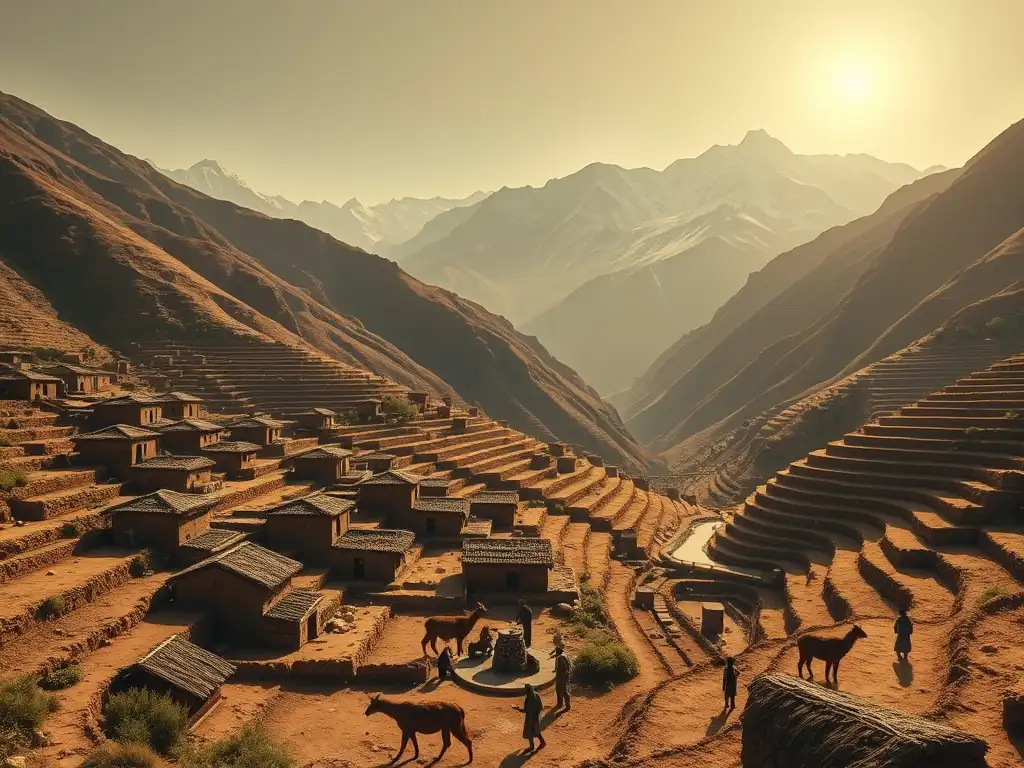
The growth of Andean villages wasn't merely a quantitative expansion; it was accompanied by a qualitative shift towards increased social complexity. As settlements grew, so did the differentiation of social roles and the development of hierarchical structures. This wasn't a sudden transformation, but a gradual process reflected in the archaeological record through changes in architecture, burial practices, and the distribution of artifacts. For example, the construction of larger, more elaborate buildings suggests the emergence of a ruling elite or specialized religious figures.
The presence of diverse grave goods in certain burials indicates social stratification, with some individuals enjoying greater access to resources and prestige than others. The development of specialized craft production, such as pottery, textiles, and metalwork, further contributed to social complexity, creating specialized labor groups and fostering trade networks. This increasing social differentiation wasn't necessarily marked by oppression; rather, it reflected a growing division of labor and the emergence of more complex social interactions within the village context.
The development of religious and ceremonial centers within villages also points to the growing influence of religious leaders and the importance of collective rituals in reinforcing social cohesion and identity within these increasingly complex societies. The emergence of social complexity wasn't a uniform process across all Andean regions; it unfolded at different paces and in diverse ways depending on the specific environmental conditions and cultural traditions of each group. However, the general trend toward greater social organization and hierarchical structures was a crucial aspect of early Andean village development.
The development of early Andean villages wasn't simply a matter of increased population density. Archaeological evidence strongly suggests the emergence of social stratification, even in relatively small settlements. This differentiation wasn't always immediately obvious, requiring careful analysis of burial practices, housing construction, and artifact distribution. For example, the size and quality of houses often varied considerably within a single village.
Larger, better-constructed dwellings, sometimes featuring elaborate decorations or specialized features, likely belonged to individuals or families holding higher social status. Similarly, grave goods—the objects buried with the deceased—provide crucial insights. Elaborate burials with numerous artifacts, including precious metals or finely crafted ceramics, indicate a higher social standing compared to simpler burials with limited grave goods. This pattern of social differentiation is a key indicator of the evolving complexity of early Andean societies and their move towards more hierarchical structures.
The careful study of these subtle differences helps us understand the dynamics of power and social organization in these nascent communities. Further research into dietary remains found in association with burials also reveals potential disparities in access to resources, reinforcing the evidence for social inequality. The presence of specialized craft workshops within villages also points to a division of labor and the emergence of specialized roles within the community, further supporting the theory of social stratification. Analyzing the distribution of these workshops and the types of goods produced provides further understanding of early Andean social structures.
Early Forms of Governance and Communal Organization
While the exact nature of governance in early Andean villages remains a subject of ongoing debate among scholars, evidence points towards the existence of rudimentary forms of communal organization and leadership. It's unlikely that these early villages were entirely egalitarian. Instead, a system of informal leadership, possibly based on kinship, religious authority, or economic influence, likely emerged.
The construction of large-scale public works, such as irrigation canals or ceremonial structures, suggests a level of coordinated effort and social organization that required some form of centralized planning and direction. The construction of these projects, often requiring significant labor input from the entire community, implies the existence of a system capable of mobilizing and organizing the workforce. Furthermore, the presence of elite burials suggests individuals holding significant social and possibly political power.
The management of resources, particularly water in arid environments, would have necessitated some form of collective decision-making and resource allocation. While formal institutions of governance were likely absent, the evidence points towards the evolution of complex social structures that facilitated cooperation and the management of communal resources in early Andean villages. The study of early Andean village organization provides valuable insights into the development of governance structures and the evolution of early state societies.
Case Studies of Notable Early Andean Villages
Kotosh
Kotosh, located in the central Andes of Peru, stands out for its significant ceremonial architecture, particularly the "Temple of the Crossed Hands," dating back to approximately 1500 BCE. This temple, with its intricate carvings and unique architectural features, demonstrates a high level of artistry and organizational capacity. The presence of such a monumental structure suggests a degree of social complexity and centralized organization far beyond that of a simple farming village.
The construction of the temple likely involved the coordinated labor of many individuals, signifying a degree of social control and the ability to mobilize resources for collective projects. Archaeological findings at Kotosh also reveal evidence of social differentiation, with variations in house size and the presence of elite burials. The site's longevity and the evolution of its architectural styles indicate a sustained period of social and cultural development in the region.
The study of Kotosh provides valuable insights into the early development of Andean religious practices and their relationship to social organization. The site's rich archaeological record continues to yield new information about the early stages of village life in the Andes.
Caral
Caral, located in the Supe Valley of Peru, is considered one of the oldest and most complex urban centers in the Americas, dating back to approximately 2600 BCE. Unlike many other early Andean sites, Caral displays a remarkable degree of urban planning, with large public buildings, plazas, and residential areas arranged in an organized manner. The absence of evidence for warfare or social inequality initially led scholars to propose a model of egalitarian society.
However, recent research suggests a more nuanced picture, with indications of social differentiation emerging in later phases of the site's occupation. The monumental architecture, including large pyramids and platforms, required substantial labor and resource mobilization, pointing towards a sophisticated system of social organization and possibly a specialized workforce. The presence of numerous plazas and public spaces suggests a strong emphasis on communal activities and social interaction.
Caral's unique characteristics challenge traditional notions of early Andean village development, demonstrating the diverse paths taken by early Andean societies in their evolution towards increasingly complex social structures. The ongoing research at Caral continues to shed light on the fascinating complexities of this early urban center.
The Transition from Small Settlements to Larger Villages
The shift from small, dispersed settlements to larger, more complex villages in the early Andean region wasn't a sudden event but a gradual process spanning centuries. Several factors contributed to this crucial transformation in social organization. One significant driver was the increasing efficiency of agricultural techniques. As populations grew and food production improved, the need for larger settlements to accommodate the expanding population became apparent.
This wasn't simply a matter of population density; it also involved a change in social structure. Evidence suggests a growing need for centralized organization to manage resources, labor, and potentially, defense. The development of more sophisticated irrigation systems, for instance, required coordinated effort and likely led to the emergence of leadership roles responsible for overseeing these projects. This, in turn, fostered social stratification and the development of more hierarchical social structures within the burgeoning villages.
The transition wasn't uniform across all Andean regions; environmental factors and available resources played a significant role in determining the pace and nature of this evolution. Archaeological findings reveal a diversity of approaches to village formation, reflecting the varied ecological niches and cultural practices across the Andes. The development of specialized crafts and trade networks also contributed to the growth of villages, as these settlements became hubs for the exchange of goods and services.
The Development of Public Spaces and Ceremonial Centers
The emergence of larger villages in the early Andes was accompanied by the development of dedicated public spaces and ceremonial centers. These spaces played a crucial role in reinforcing social cohesion and expressing shared cultural values. Unlike the dispersed nature of earlier settlements, villages began to feature central plazas or open areas used for communal gatherings, markets, and religious ceremonies. These plazas often served as focal points for social interaction, facilitating communication and cooperation within the community.
The construction of monumental architecture, such as platforms, temples, and other ceremonial structures, became increasingly common. These structures were not merely functional but also held significant symbolic meaning, reflecting the community's beliefs and social hierarchy. The presence of such elaborate constructions points to a level of social organization and resource mobilization previously unseen in smaller settlements.
The design and layout of these centers often reflected astronomical knowledge and a deep understanding of the Andean landscape, suggesting a complex relationship between the community and its environment. The construction of these spaces required considerable coordinated labor, further illustrating the growing complexity of social organization within early Andean villages. These ceremonial centers often served as repositories for the community's history and cultural identity, playing a vital role in transmitting knowledge and values across generations.
The Intensification of Agriculture and its impact on Village Size
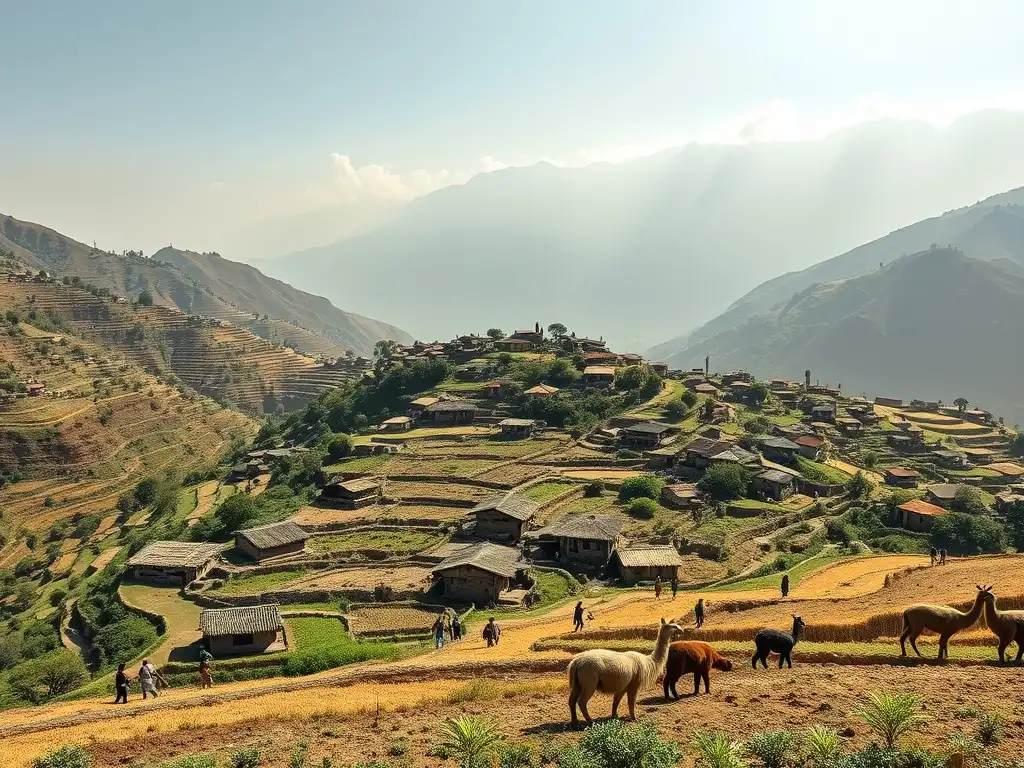
The intensification of agricultural practices was a critical factor in the growth of early Andean villages. As farming techniques became more sophisticated, food production increased dramatically, supporting larger and denser populations. The development of irrigation systems, terracing, and other advanced farming methods allowed for greater control over water resources and increased yields. This surplus of food allowed for specialization of labor, with some individuals focusing on agricultural production while others dedicated themselves to crafting, trade, or religious activities.
This specialization further contributed to the growth and complexity of village life. The increased food production not only supported a larger population but also freed up time and resources for other activities, such as the construction of public works and ceremonial centers. The types of crops cultivated also played a role in village size and organization.
The cultivation of staple crops like potatoes and maize, which could be stored for extended periods, allowed for greater food security and supported larger populations than settlements reliant on less storable crops. Evidence from archaeological sites reveals a correlation between the sophistication of agricultural practices and the size and complexity of early Andean villages, highlighting the crucial role of agriculture in shaping the social and economic development of these communities. The management of irrigation systems and the distribution of agricultural resources likely led to the emergence of specialized leadership roles, further contributing to the development of social hierarchies within the villages.
The Significance of Early Andean Village Development for Later Civilizations
The development of early Andean villages wasn't merely a stepping stone; it was a crucial foundation upon which later, more complex societies were built. The transition from nomadic hunter-gatherer lifestyles to settled agricultural communities had profound and lasting consequences. These early villages fostered innovations in agriculture, irrigation techniques, and food storage that were essential for supporting larger populations.
The increased food security provided by these advancements allowed for specialization of labor, leading to the development of crafts, pottery, and metallurgy – all hallmarks of later Andean civilizations. Furthermore, the establishment of permanent settlements facilitated the development of social structures, religious practices, and political organization that would eventually characterize the larger empires. Without the groundwork laid by these early villages, the rise of powerful Andean states like the Inca would have been inconceivable.
The efficient management of resources and the sophisticated social networks forged in these early communities directly contributed to the later success and complexity of Andean civilizations. The early adoption of sophisticated agricultural practices, for example, in areas like the coastal valleys, allowed for a surplus of food that supported population growth and social stratification, a crucial element in the development of larger, more complex societies.
Foundations for Complex Societies: The Legacy of Early Villages
The early Andean villages served as crucial incubators for the social, political, and economic structures that defined later Andean societies. The experience of communal living, resource management, and conflict resolution within these villages provided valuable lessons and models for future governance. The development of kinship systems, social hierarchies, and religious beliefs within these early settlements directly influenced the organization of larger, more complex societies.
For instance, evidence suggests that the intricate irrigation systems and communal labor practices observed in early villages were precursors to the sophisticated state-sponsored infrastructure projects of later Andean empires. These early villages also fostered the development of specialized crafts and technologies, such as pottery and textile production, which became important economic activities and indicators of social status in later Andean civilizations.
The legacy of these early settlements is evident in the architectural styles, religious practices, and social structures of subsequent Andean societies, demonstrating the profound and lasting impact of these early communities on the trajectory of Andean development. The continuity of certain cultural practices, from pottery styles to religious iconography, across centuries underscores the profound influence of these early villages.
The Influence of Village Life on the Rise of Andean States
The transition from dispersed, small-scale settlements to larger, more centralized villages played a pivotal role in the eventual emergence of Andean states. The increased population density and proximity in villages facilitated the development of more complex social interactions, leading to the formation of larger political units. The need to manage resources, resolve conflicts, and coordinate activities within these larger communities spurred the development of more sophisticated forms of social organization and governance.
This process, often characterized by the emergence of elites and specialized leadership roles, paved the way for the hierarchical structures that defined later Andean states. Furthermore, the increased economic productivity of village life, driven by advancements in agriculture and technology, provided the surplus resources necessary to support larger populations and the administrative structures of nascent states. The development of specialized crafts and trade networks within and between villages also contributed to the growth of economic power and influence, which further facilitated the consolidation of political authority.
In essence, the social and economic dynamics inherent in early Andean village life were instrumental in creating the conditions necessary for the rise of powerful and centralized states. The evolution from small, relatively egalitarian villages to the stratified societies of the later empires was a gradual process, rooted in the successes and challenges of village life.
Conclusion: Tracing the Roots of Andean Civilization
The development of early Andean villages represents a pivotal moment in the region's history, marking a significant shift from nomadic lifestyles to settled agricultural communities. This transition, spanning millennia, wasn't a sudden event but rather a gradual process shaped by environmental factors, technological innovations, and evolving social structures. The careful study of archaeological sites like those found in the Caral Supe Valley, revealing sophisticated irrigation systems and monumental architecture dating back to 3000 BCE, underscores the complexity and sophistication of these early settlements. These weren't simply haphazard collections of dwellings; they were planned communities exhibiting evidence of social organization, specialization of labor, and potentially even early forms of political hierarchy.
Understanding this early village development is crucial to grasping the roots of later, more complex Andean civilizations like the Inca Empire. The intricate interplay between agriculture, social organization, and technological advancement laid the foundation for the impressive achievements of subsequent Andean societies. The transition from hunter-gatherer societies to settled agricultural villages wasn't merely a change in subsistence strategies; it was a transformative process that fundamentally altered Andean social structures, paving the way for the development of larger, more complex societies.
Further research into early Andean village development will undoubtedly shed more light on this crucial period in the history of the Andes, enriching our understanding of the origins of Andean civilization and its enduring legacy. The meticulous analysis of artifacts, settlement patterns, and environmental data continues to provide valuable insights into the lives and societies of these early Andean peoples, revealing the intricate tapestry of their cultural and technological advancements. This ongoing research is essential for a comprehensive understanding of the "early Andean village development" and its profound impact on the trajectory of Andean history.
The Enduring Legacy of Early Andean Village Life
The impact of early Andean village life extends far beyond the immediate communities that thrived in these settlements. The innovations and social structures developed during this period laid the groundwork for the impressive achievements of later Andean civilizations. For example, the sophisticated irrigation systems developed in early villages provided the agricultural foundation for the growth and prosperity of larger empires. The mastery of agriculture, coupled with advancements in pottery, textiles, and metallurgy, fostered economic specialization and trade networks that connected different parts of the Andes.
Furthermore, the social structures that emerged in these early villages, including forms of leadership and social hierarchy, evolved into more complex political systems in later periods. The legacies of early Andean village life are evident in the architectural styles, agricultural practices, and social organization of subsequent Andean civilizations. Even the intricate systems of belief and ritual observed in later societies have their roots in the religious practices and worldview of these early communities. The enduring legacy of early Andean village life is a testament to the ingenuity and resilience of these early peoples and their profound contribution to the rich tapestry of Andean history.
Studying the patterns of settlement, social organization, and technological innovation in these early villages provides invaluable insights into the processes that led to the rise of more complex societies in the Andes. The intricate relationship between the environment, technology, and social structures in these early villages shaped the course of Andean history, leaving a lasting impact on the region's culture, technology, and social organization. Understanding this legacy allows us to appreciate the depth and complexity of Andean civilization and its remarkable evolution. The persistence of certain cultural traditions and technological practices across centuries highlights the significance of early Andean village life as a cornerstone of Andean identity and development.
- Understanding the Genesis of Andean Villages
- Pre-Ceramic Period and the First Steps Toward Sedentism
- Early Agricultural Practices and Their Impact on Settlement Patterns
- The Role of Agriculture in Shaping Early Andean Communities
- Key Factors Influencing Early Andean Village Development
- Environmental Adaptations and Resource Management
- Population Growth and the Need for Organized Settlements
- The Emergence of Social Complexity in Early Andean Villages
- Evidence of Social Differentiation in Village Life
- Early Forms of Governance and Communal Organization
- Case Studies of Notable Early Andean Villages
- The Transition from Small Settlements to Larger Villages
- The Development of Public Spaces and Ceremonial Centers
- The Intensification of Agriculture and its impact on Village Size
- The Significance of Early Andean Village Development for Later Civilizations
- Foundations for Complex Societies: The Legacy of Early Villages
- The Influence of Village Life on the Rise of Andean States
- Conclusion: Tracing the Roots of Andean Civilization
- The Enduring Legacy of Early Andean Village Life
- What factors contributed to the development of early Andean villages?
- How did the environment influence early Andean village development?
- What were some of the key social changes associated with the rise of Andean villages?
- How did technology influence the development of early Andean villages?
- What are some examples of early Andean villages that archaeologists have studied?
Frequently Asked Questions
What factors contributed to the development of early Andean villages?
The rise of early Andean villages was a complex process driven by several factors, including increased agricultural productivity, leading to food surpluses, and the need for organized irrigation systems. This fostered population growth and the need for more structured social organization.
How did the environment influence early Andean village development?
The challenging Andean environment, characterized by varied altitudes and climates, significantly shaped village development. Villages adapted to their specific environments, utilizing available resources and developing specialized agricultural techniques. This led to diverse regional patterns of settlement.
The emergence of villages marked a shift from nomadic or semi-nomadic lifestyles to sedentary agriculture. This led to the development of social hierarchies, specialized labor, and more complex social structures. Religious beliefs also played a significant role in shaping village life.
How did technology influence the development of early Andean villages?
Technological advancements, such as improved irrigation techniques and stone tool production, were crucial for increasing agricultural yields and supporting larger populations. The development of ceramics and textiles also contributed to social complexity and trade networks.
What are some examples of early Andean villages that archaeologists have studied?
Archaeologists have extensively studied numerous early Andean villages, including sites associated with the Moche, Nazca, and Tiahuanaco cultures. These sites provide valuable insights into the social organization, economic activities, and belief systems of early Andean societies.
Final Reflection: Echoes of the Past, Foundations of the Future
The intricate social structures forged in the early Andean villages resonate deeply with our modern understanding of community building and societal development. These weren't simply collections of dwellings; they were sophisticated experiments in cooperation, resource management, and social organization that laid the groundwork for the impressive civilizations that followed. Their legacy continues to shape our understanding of human potential and the enduring power of collective action.
The ingenuity and resilience displayed by these early Andean communities remain profoundly inspiring. Their ability to thrive in challenging environments, adapting and innovating to overcome obstacles, offers a powerful lesson for our own time. The past is never dead. It's not even past.
– William Faulkner. This quote perfectly encapsulates the enduring relevance of studying early Andean village development; their struggles and triumphs continue to inform our present and shape our future. Understanding their successes and failures allows us to better navigate the complexities of our own societies.
Consider the challenges faced by these early communities – scarce resources, unpredictable climates, and the constant need for cooperation. Now, reflect on the parallels in our own world. What can we learn from their strategies for sustainable living, their methods of conflict resolution, and their innovative approaches to agriculture? Let the echoes of their ingenuity inspire you to build stronger, more resilient communities in your own sphere of influence. Let their story be a testament to the enduring power of human collaboration and the remarkable capacity for adaptation that resides within us all.
Unveil the Legacy of Andean Villages Today!
Thank you for exploring the fascinating evolution of early Andean societies! Your interest helps us better understand our shared history and its influence on modern cultures. Now that you've learned about the rise of Andean villages, let's explore ways to connect further with this rich legacy.
Here are some suggestions:
- Visit an archaeological site showcasing Andean civilizations. A local site offers a convenient starting point, but a trip further afield could be an unforgettable experience.
- Join an online community dedicated to Andean cultures. Sharing your insights and learning from others passionate about this history is a rewarding way to deepen your understanding.
- Share your thoughts on Andean history. A blog post, social media update, or even a short video can inspire others to explore the rich tapestry of these ancient societies.
What aspect of Andean village life intrigues you most, and how do you believe it has influenced communities in your region today?