
Beyond the Venus: Exploring the Full Spectrum of Valdivia Art

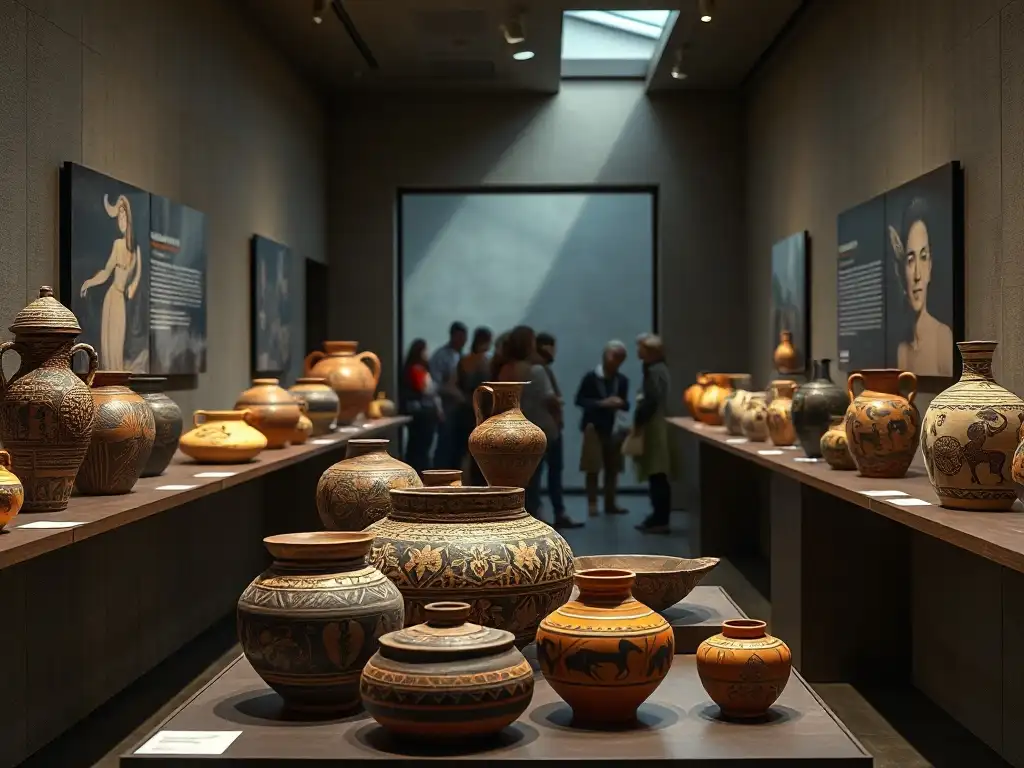
Dive into a world lost to time, yet echoing with vibrant life. Beyond the iconic Venus figurines, the Andean civilizations reveal a breathtaking tapestry of artistry and innovation. Prepare to be captivated by the enigmatic world of pre-Incan cultures, and specifically, the intricate and surprisingly diverse Valdivia pottery art styles. Their secrets—and the stories they tell—await you. Uncover the mysteries within...
- Exploring the Rich Tapestry of Valdivia Art
- The Heart of Valdivia Art: Ceramics and Pottery
- Expanding Beyond Pottery: Other Artistic Manifestations of Valdivia
- Interpreting Valdivia Art: Social and Cultural Insights
- Valdivia Pottery Styles: A Comprehensive Examination
- The Enduring Legacy of Valdivia Art and its Impact on Andean Cultures
- Conclusion: Recognizing the Significance of Valdivia Art
-
Frequently Asked Questions
- What is Valdivia pottery, and why is it significant?
- What are the characteristic art styles of Valdivia pottery?
- How does Valdivia pottery compare to later Andean styles?
- Where can I see examples of Valdivia pottery?
- What makes the "Venus" figurines so important to the understanding of Valdivia culture?
- Final Reflection: The Enduring Legacy of Valdivia Creativity
- **Unveil the Richness of Valdivia Art Today! **
Exploring the Rich Tapestry of Valdivia Art
The Valdivia culture, flourishing along the coast of present-day Ecuador from approximately 3500 to 1800 BCE, represents one of the earliest known complex societies in the Americas. While often overshadowed by later Andean empires like the Inca, the Valdivia's artistic legacy is profoundly significant, offering a captivating glimpse into the aesthetic sensibilities and societal structures of this pioneering civilization.
This article delves beyond the iconic Venus figurines, exploring the full spectrum of Valdivia art, including pottery styles, decorative techniques, and the potential social and ritual contexts behind their creation. We will uncover the nuances of Valdivia pottery art styles, revealing the sophistication and diversity of artistic expression within this formative Andean culture.
Prepare to be amazed by the ingenuity and artistry of a civilization that laid the groundwork for future Andean artistic traditions. Understanding the Valdivia's contributions to Andean art provides crucial context for appreciating the later, more widely known, artistic achievements of the region.
Introduction to the Valdivia Culture and Its Enduring Artistic Heritage
The Valdivia culture, situated in the coastal region of Ecuador, is renowned for its sophisticated pottery, particularly its remarkable female figurines. These iconic Venus figurines, often depicted with exaggerated features, are frequently cited as evidence of a complex social structure and a developed artistic tradition. However, the Valdivia artistic repertoire extends far beyond these well-known pieces.
A closer examination reveals a diverse range of pottery forms, including bowls, jars, and other vessels, each exhibiting unique decorative styles and techniques. These artifacts, meticulously crafted from local clays and fired using advanced techniques for the time, provide invaluable insights into the daily lives, beliefs, and artistic capabilities of the Valdivia people. The remarkable preservation of these artifacts, many discovered in carefully curated burials, allows us to reconstruct a more complete picture of Valdivia society and its artistic achievements.
The discovery of these artifacts has revolutionized our understanding of early Andean art and its evolution. Moreover, the enduring aesthetic qualities of Valdivia pottery continue to fascinate and inspire artists and researchers today. The intricate designs and masterful craftsmanship reflect a deep understanding of materials and a keen eye for detail, showcasing the sophisticated artistic abilities of this early Andean culture.
Diverse Styles and Techniques in Valdivia Pottery
Valdivia pottery is characterized by its remarkable variety of forms and decorative styles. Early Valdivia pottery is often simpler, with plain surfaces or rudimentary incised decoration. However, as the culture developed, so did its artistic complexity.
Later periods saw the emergence of more elaborate designs, including painted motifs, modeled features, and the use of various surface treatments to achieve different textures and visual effects. Some common decorative elements include geometric patterns, stylized animal figures, and, of course, the iconic female figurines. The use of different clays and firing techniques also contributed to the diversity of Valdivia pottery, resulting in variations in color, texture, and durability.
- Incised Decoration: Early Valdivia pottery often features simple incised lines and geometric patterns.
- Painted Decoration: Later Valdivia pieces showcase more complex painted designs, using a range of pigments and techniques.
- Modeled Features: Three-dimensional features, such as faces and breasts on the Venus figurines, demonstrate a high level of artistic skill.
- Surface Treatments: Techniques like burnishing and polishing were used to achieve different surface textures and enhance the visual appeal of the pottery.
The Significance of Valdivia Figurines: Beyond the Venus
While the Venus figurines are undeniably iconic, their significance within the broader context of Valdivia art and society requires further investigation. These figurines, often found in burials, may have served a variety of purposes, including ritualistic offerings, representations of deities, or symbolic representations of fertility and social status. The variations in size, style, and features of these figurines suggest a complex system of meaning and symbolism, which researchers are still actively trying to decipher.
Further research into the context of discovery and analysis of the materials used in their creation may shed more light on their function and meaning within Valdivia society. The sheer number of figurines discovered also points to their importance within the culture. The meticulous craftsmanship and attention to detail found in these artifacts indicate a significant level of artistic skill and social organization.
The Legacy of Valdivia Art in Subsequent Andean Cultures
The artistic innovations and techniques developed by the Valdivia culture had a lasting impact on subsequent Andean civilizations. The sophisticated pottery techniques, decorative styles, and artistic motifs pioneered by the Valdivia people laid the foundation for future artistic developments in the region. The influence of Valdivia art can be traced through various Andean cultures, demonstrating the enduring legacy of this early civilization.
While much remains to be discovered and interpreted, the Valdivia artistic heritage stands as a testament to the ingenuity and creativity of one of the Americas' earliest complex societies. The legacy of Valdivia art continues to inspire and inform our understanding of the rich and diverse artistic traditions of the Andean region. Further research will undoubtedly reveal even more about the connections between Valdivia art and the artistic styles that followed it.
The Heart of Valdivia Art: Ceramics and Pottery
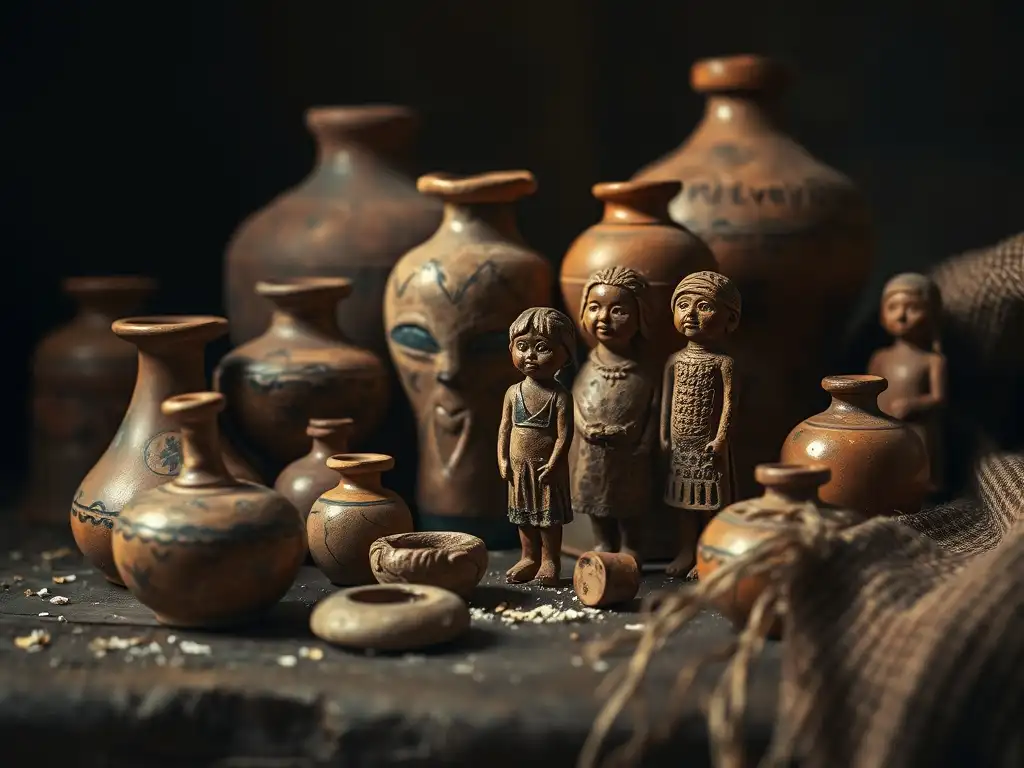
The Valdivia culture, flourishing along the coast of present-day Ecuador from approximately 3500 to 1800 BCE, left behind a remarkable legacy—a rich and diverse collection of pottery that offers invaluable insights into their daily lives, beliefs, and artistic sensibilities. This pottery, representing a significant aspect of Valdivia pottery art styles, is not merely functional; it's a powerful testament to their advanced understanding of ceramic techniques and their sophisticated artistic expression. The sheer volume and variety of surviving pieces underscore the central role ceramics played in their society.
Analyzing these artifacts allows us to unravel the complexities of this early Andean civilization, revealing a culture that was both innovative and deeply connected to its environment. The study of Valdivia pottery art styles provides a unique window into the development of art and technology in the Americas.
Early Valdivia Pottery: Simple Shapes and Incised Lines
The earliest Valdivia pottery is characterized by its simplicity. Think of small, unadorned vessels, predominantly bowls and jars, often exhibiting a plain, unpainted surface. However, even this early work demonstrates a surprising level of technical skill. The clay, meticulously prepared, was carefully shaped and fired, resulting in durable and functional pieces.
Decoration, when present, was minimal, typically consisting of incised lines or simple punctations. These markings, though seemingly rudimentary, likely held symbolic meaning, perhaps representing early forms of narrative or abstract designs. Further research into the patterns and their distribution across different sites could reveal more about their social and ritual significance.
The careful crafting of these early pieces, despite their apparent simplicity, highlights the foundational skills that would later fuel the remarkable artistic flourishing of the later Valdivia periods. We can see a clear evolution in the sophistication of techniques, moving from these basic incised lines to more complex and expressive forms. The study of these early pieces is crucial in understanding the trajectory of Valdivia pottery art styles.
The Progression of Valdivia Ceramics: From Plain to Elaborate
As the Valdivia culture evolved, so did its pottery. The plain, undecorated vessels gave way to more complex forms and increasingly elaborate decoration. The simple incised lines were replaced by painted designs, initially simple geometric patterns but gradually developing into more intricate and stylized representations. We see the emergence of figurative motifs, although often stylized and abstract.
The use of different clay colors and slips allowed for a wider range of aesthetic possibilities. The development of new firing techniques also contributed to improved durability and a more refined finish. By the later stages of the Valdivia period, we find highly polished, beautifully painted vessels exhibiting a level of artistic sophistication rarely seen in contemporary cultures.
This evolution isn't just about aesthetics; it reflects a growing complexity in social organization and religious beliefs. The increasing intricacy of the designs suggests a more developed symbolic language and a greater emphasis on artistic expression. The shift towards more elaborate forms and decoration in Valdivia pottery art styles signifies a significant cultural transformation.
Deciphering the Meaning Behind Valdivia Pottery Decoration
The decorative motifs found on Valdivia pottery are a source of ongoing fascination and scholarly debate. While the precise meaning of many designs remains elusive, careful analysis reveals potential clues. Some scholars suggest that certain recurring patterns, such as stylized figures or geometric designs, represent deities, ancestral spirits, or other significant elements of Valdivia cosmology.
Others interpret the designs as symbols of fertility, abundance, or social status. The presence of certain motifs on specific types of vessels might indicate their intended use or social context. For example, vessels decorated with particular designs might have been used in rituals, while others might have served purely utilitarian purposes.
The analysis of these decorative elements is crucial for a deeper understanding of the Valdivia pottery art styles and their socio-cultural significance. Further research, combining archaeological findings with anthropological interpretations, is needed to fully decode the rich symbolic language embedded within this remarkable artistic legacy. The potential for new discoveries and interpretations continues to make the study of Valdivia pottery a vibrant and exciting field.
Expanding Beyond Pottery: Other Artistic Manifestations of Valdivia
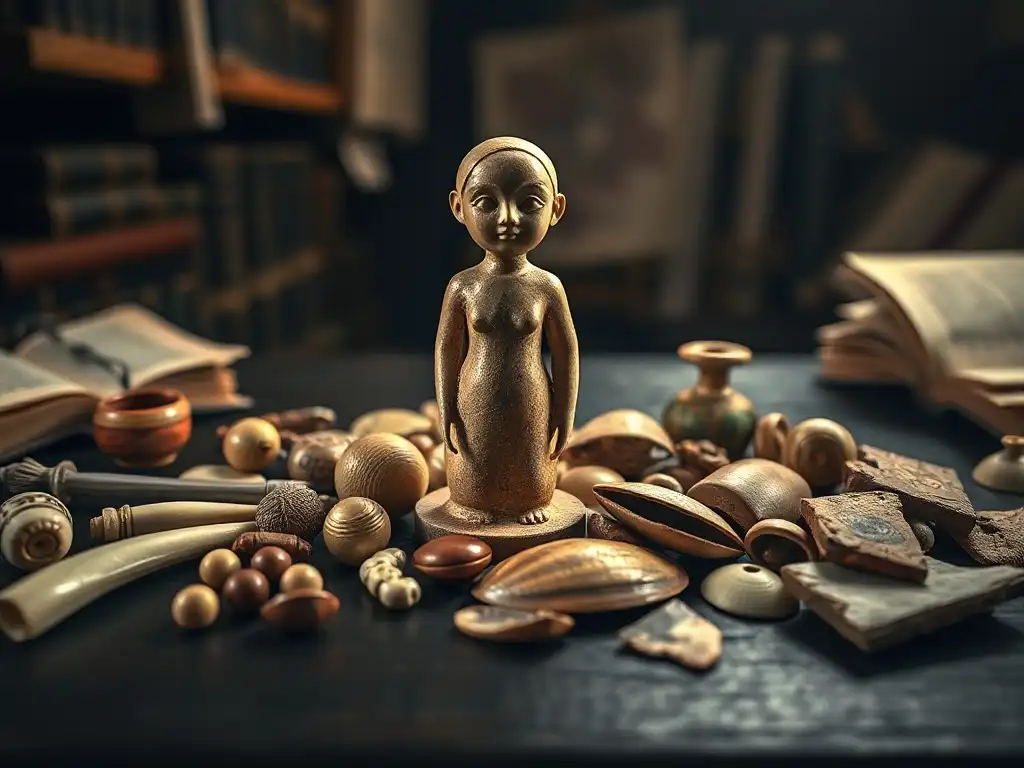
The Valdivia culture, renowned for its exquisite pottery, wasn't limited to clay artistry. While the sophisticated Valdivia pottery art styles are undeniably their most famous contribution, a deeper dive reveals a richer tapestry of artistic expression utilizing diverse materials and techniques. This section explores the less-studied but equally significant artistic achievements of this formative Andean civilization, revealing the breadth of their creative ingenuity and providing further insights into their worldview and social structures.
Understanding these other art forms enhances our comprehension of the Valdivia's cultural complexity and its influence on subsequent Andean societies. The mastery displayed in these diverse mediums underscores the advanced level of skill and sophistication reached by the Valdivia people.
Valdivia Figurines: Depictions of Humans and Animals
Beyond the celebrated ceramic vessels, the Valdivia people produced a remarkable collection of figurines, primarily crafted from clay but occasionally employing other materials. These small-scale sculptures offer invaluable glimpses into their social dynamics, religious beliefs, and daily life. Unlike the often-abstract forms found in some later Andean cultures, many Valdivia figurines exhibit a striking degree of realism, particularly in their depictions of the human form.
The Renowned Female Figurines of Valdivia: An In-Depth Study
The most iconic Valdivia figurines are undoubtedly the representations of women. These figures, often depicted with exaggerated features and stylized postures, are believed to represent fertility goddesses or powerful female figures within the community. Analysis of these figurines reveals a surprising level of detail, with some displaying intricate hairstyles, clothing, and even facial expressions.
The consistent presence of these female figurines across various Valdivia sites suggests a significant role for women within the culture, potentially indicating matrilineal social structures or a strong emphasis on female deities. Further research is needed to fully understand the symbolic meaning embedded in these captivating pieces of Valdivia pottery art styles. The diversity in size, pose, and adornment of these figurines presents a rich field of study, potentially revealing subtle variations in social status or religious practices.
Detailed stylistic analysis, coupled with archaeological context, is key to unlocking the secrets hidden within these ancient artifacts. The meticulous craftsmanship evident in even the smallest details speaks volumes about the artistic skill and cultural significance of these objects. Further research into the clay composition and firing techniques used in their creation would provide additional insights into the technological capabilities of Valdivia artisans.
Valdivia Stone Carving: Utilizing Local Resources
While clay formed the basis of much of Valdivia art, the culture also demonstrated proficiency in stone carving. Utilizing readily available materials from the coastal region, Valdivia artisans produced a range of objects, including small sculptures, tools, and possibly ceremonial items. These stone artifacts, while less numerous than the ceramic pieces, provide crucial evidence of their technological capabilities and resource management strategies.
The types of stone used, the techniques employed, and the finished products all offer valuable information about the Valdivia's interaction with their environment and their capacity to adapt and innovate. The scarcity of surviving Valdivia stone carvings compared to their pottery, however, presents a challenge for researchers. Preservation issues, along with the possibility of limited production or the use of perishable materials, could contribute to this imbalance.
Further archaeological investigation in known Valdivia sites, focusing on areas potentially rich in stone artifacts, could help redress this imbalance and provide a more complete picture of Valdivia artistic achievement. The study of the tools used in Valdivia stone carving would also shed light on their technological advancements and the level of sophistication in their craftsmanship. Analysis of wear patterns on tools and the comparison of techniques across different artifacts could reveal valuable insights into their production methods and the division of labor within Valdivia society.
Shell Adornment and Jewelry: Valdivia's Coastal Craftsmanship
The Valdivia people, masters of pottery, also displayed remarkable skill in crafting exquisite shell adornments and jewelry. Their proximity to the Pacific Ocean provided a readily available source of diverse shells, which they transformed into intricate and beautiful artifacts. These weren't simply utilitarian items; they were carefully designed and executed pieces that likely held significant cultural and symbolic meaning within the Valdivia society. The craftsmanship involved in creating these objects reveals a sophisticated understanding of shell working techniques, including drilling, carving, and polishing.
The most common shells used included Spondylus, a brightly colored shell highly valued in many ancient Andean cultures, and various other marine species found along the Ecuadorian coast. Archaeological evidence suggests that Spondylus shells were not only used locally but also traded over considerable distances, highlighting the Valdivia's participation in extensive coastal exchange networks. The presence of Spondylus in Valdivia sites underscores its importance as a prestigious material, possibly used to create adornments for elite members of the community.
Beyond Spondylus, the Valdivia artisans skillfully worked other shells to create pendants, beads, and other forms of jewelry. These pieces often featured intricate designs, sometimes incorporating geometric patterns or stylized representations of animals or other symbolic motifs. The precision of the drilling and the smooth polished surfaces of many of these artifacts demonstrate a high level of technical expertise and artistic skill. The careful selection and preparation of the raw materials, combined with the artistic skill in their transformation into finished pieces, suggest a specialized craft tradition, possibly passed down through generations within specific families or workshops.
The discovery of shell artifacts in Valdivia burials further emphasizes their importance in the culture's worldview. The inclusion of shell jewelry in grave goods indicates that these objects were not only valued in life but also held significance in the afterlife. The careful arrangement of these artifacts within the burials suggests a deliberate and ritualistic practice, highlighting their symbolic role within Valdivia funerary rites.
Further research into the specific types of shells used and their placement within burials could provide valuable insights into the social status and beliefs of the individuals interred. The study of Valdivia shell adornment and jewelry offers a crucial lens through which to examine the cultural complexity and artistic sophistication of this remarkable early Andean civilization. The meticulous detail and artistry involved in their creation remain a testament to the Valdivia people's creative ingenuity and their deep connection to their coastal environment.
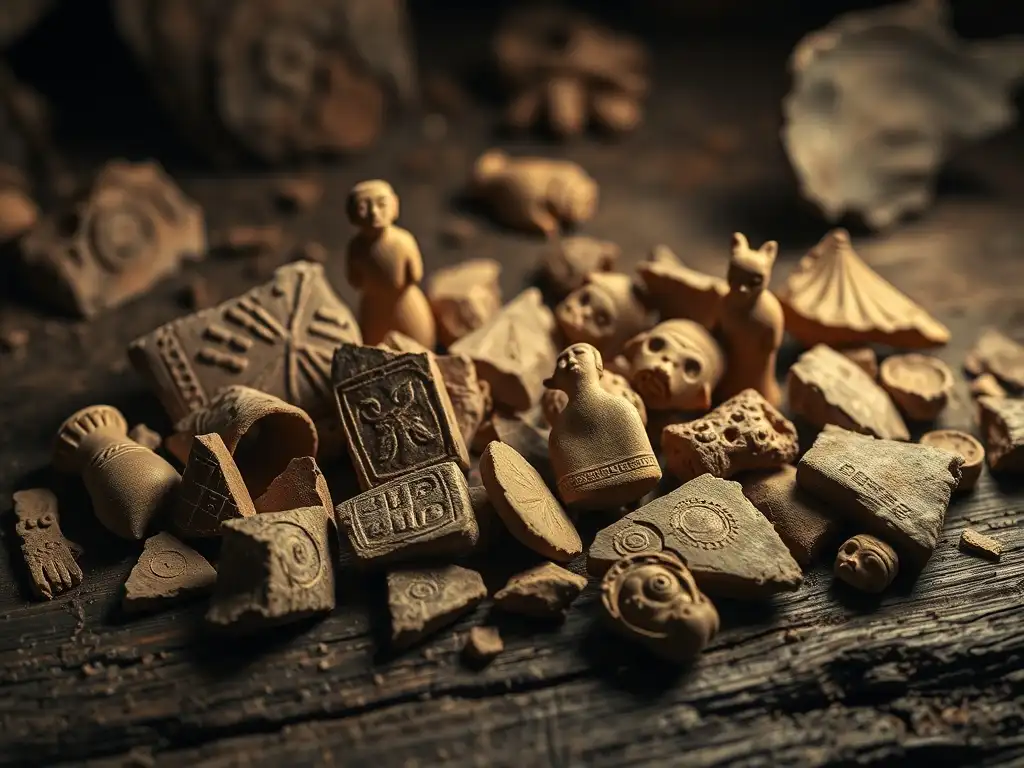
The vibrant and enigmatic world of Valdivia pottery art styles offers a unique lens through which to examine the social fabric and cultural complexities of this formative Andean civilization. Moving beyond simple aesthetic appreciation, a deeper analysis of Valdivia artistic creations reveals intricate details about their daily lives, spiritual beliefs, and social structures. The meticulous craftsmanship evident in these pieces, from the simplest vessels to the most intricately decorated figurines, speaks volumes about the skills and dedication of the Valdivia artisans and the significant role art played in their society.
Understanding Valdivia pottery requires not just observing its beauty but also deciphering the messages embedded within its forms and designs. This section will explore several key aspects of Valdivia art, offering insights into the social and cultural context in which it thrived.
The Function of Valdivia Art in Ritual and Community Life
The role of Valdivia art extended far beyond mere decoration. Archaeological evidence suggests a strong connection between artistic production and ritual practices within the Valdivia community. Many artifacts, particularly the intricately sculpted female figurines, appear to have been used in ceremonies or placed within specific contexts suggesting ritual significance.
The meticulous detail and symbolic elements incorporated into these pieces point towards a deliberate intention, a conscious effort to create objects with power and meaning beyond their practical function. For example, the recurring depiction of stylized female figures, often pregnant or in postures of childbirth, may represent fertility goddesses or symbols of life-giving power, central to the community's beliefs and rituals.
The presence of Valdivia pottery in burial contexts also highlights its importance in funerary rites. The careful placement of specific vessels alongside the deceased suggests that these objects were not simply grave goods but rather integral parts of the afterlife rituals, providing the departed with essential items for their journey to the spirit world. Further research into the specific types and arrangement of pottery found in burial sites could illuminate the social standing of the deceased and the specific rituals associated with different social groups.
The consistent presence of Valdivia pottery in various contexts underscores its central role in shaping the social and spiritual landscape of the Valdivia culture. These artifacts are not merely beautiful objects; they are tangible expressions of their worldview and deeply ingrained beliefs.
Valdivia Art as a Window into Daily Life and Spiritual Beliefs
Beyond ritual contexts, Valdivia pottery provides invaluable insights into the daily lives and spiritual beliefs of this ancient civilization. The variety of forms and styles found in Valdivia pottery reflects the diversity of activities and needs within the community.
Simple bowls and jars, for example, served practical purposes in food preparation and storage, while more elaborate vessels might have been used for ceremonial purposes or to hold prized possessions. The presence of painted decorations, even on everyday objects, suggests that art was integrated into the daily routines of the Valdivia people, adding aesthetic value and possibly symbolic meaning to even the most mundane tasks.
The recurring motifs found in Valdivia art, such as stylized human figures, geometric patterns, and representations of animals, offer clues to the beliefs and values of this culture. While the precise meaning of many of these symbols remains open to interpretation, their consistent presence across different artifacts suggests a shared system of symbolic language. Further research, possibly incorporating comparative analysis with other contemporary cultures, might unveil the hidden layers of meaning embedded within these artistic representations.
The study of Valdivia art, therefore, is not merely an aesthetic pursuit but a crucial element in understanding the holistic worldview of this fascinating early Andean civilization. The subtle nuances in form and decoration provide a rich tapestry of information about their societal structures and spiritual beliefs.
Unraveling the Symbolism in Valdivia Artistic Representations
The symbolic language embedded within Valdivia pottery art styles presents a significant challenge and an exciting opportunity for researchers. The frequent depiction of stylized female figures, often pregnant or holding infants, is a recurring theme that likely holds deep symbolic significance related to fertility, motherhood, and the continuity of life. However, the precise interpretation of these figures remains a subject of ongoing debate. Some scholars suggest these figures represent goddesses or powerful female figures within the Valdivia society, while others propose a more generalized association with fertility and the cyclical nature of life and death.
Beyond the female figurines, other recurring motifs in Valdivia art include geometric patterns, such as triangles, circles, and wavy lines, and representations of animals, including birds and marine creatures. These elements likely held specific meanings within the Valdivia cosmology, reflecting their understanding of the natural world and their place within it. The combination of these motifs in different ways across various artifacts suggests a complex system of symbolic communication that needs further investigation.
The study of Valdivia art is, therefore, an ongoing process of uncovering and interpreting the rich tapestry of symbols that comprise the visual language of this early Andean culture. Further research, including advanced imaging techniques and interdisciplinary collaboration, promises to reveal even more about the meaning and significance of these fascinating artistic representations and further our understanding of "Valdivia pottery art styles".
Valdivia Pottery Styles: A Comprehensive Examination
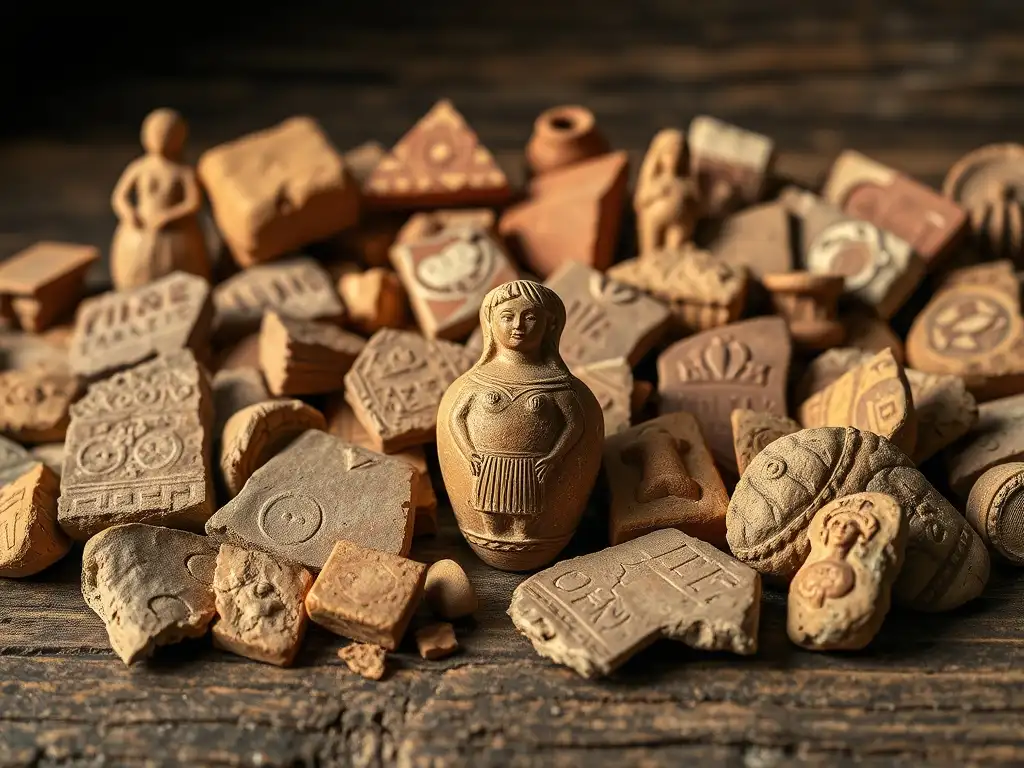
This section delves into the diverse and fascinating artistic expressions found in Valdivia pottery, focusing on two prominent styles: the Red Polished Ware and the Incised and Zoned pottery. Understanding these distinct styles provides crucial insights into the Valdivia culture's social structures, beliefs, and daily life. The unique characteristics of Valdivia pottery art styles make it a significant contribution to the understanding of early Andean artistic development.
The Red Polished Ware of Valdivia
The Red Polished Ware represents a significant portion of the Valdivia ceramic production. Its distinctive features and widespread presence suggest a high level of technical skill and cultural importance within the society.
Characteristics of Red Polished Ware
This style is characterized by its vibrant, deep red color achieved through a meticulous polishing process. The clay itself is typically fine-grained, lending itself to a smooth, almost glassy surface. Shapes range from simple bowls and jars to more complex forms, including effigy vessels depicting human and animal figures. The vessels often exhibit a high level of symmetry and precision, showcasing the advanced craftsmanship of Valdivia artisans.
While decoration is minimal in some pieces, others show subtle variations in surface texture or the application of slip for added visual interest. Analysis of the clay composition suggests sourcing from local materials, indicating a strong connection between the Valdivia people and their environment. The consistent quality and style across numerous sites point to a possible centralized production or widespread dissemination of techniques.
Cultural Significance of Red Polished Ware
The prevalence of Red Polished Ware suggests it served a variety of functions within Valdivia society. Simple forms might have been used for everyday purposes, such as food storage and preparation. More elaborate pieces, particularly effigy vessels, likely held ceremonial or ritualistic significance. The careful execution and consistent style point to a strong emphasis on craftsmanship and possibly a social hierarchy related to pottery production.
Further research into burial contexts and associated artifacts could shed more light on the specific roles of this pottery type within Valdivia society. The striking red color itself might hold symbolic meaning, perhaps related to fertility, power, or the sun. More research is needed to definitively determine the meaning and use of this iconic Valdivia pottery.
The Incised and Zoned Pottery of Valdivia
Beyond the Red Polished Ware, the Valdivia culture also produced a distinct style featuring incised and zoned decoration. These pieces offer further complexity in understanding the artistic capabilities and symbolic expressions of the Valdivia people.
Characteristics of Incised and Zoned Pottery
This style involves the careful incising of geometric patterns and lines onto the surface of the vessels, often creating distinct zones of decoration. The incisions are precise and often deep, suggesting the use of specialized tools. The patterns vary in complexity, ranging from simple lines and dots to intricate geometric designs. Colors are generally less vibrant than the Red Polished Ware, often exhibiting a range of muted browns, blacks, and creams.
The clay used is also similar to that of the Red Polished Ware, again highlighting the advanced technological understanding of the Valdivia potters. The combination of incision and zoning creates a visually striking effect, showcasing artistic skill and cultural expression. The variation in patterns across different vessels suggests a system of symbolic communication or a way of marking social status or clan affiliation.
Cultural Significance of Incised and Zoned Pottery
The incised and zoned pottery likely served different functions than the Red Polished Ware. The more intricate designs and variations suggest a potentially higher level of symbolic meaning. The geometric patterns could represent clan symbols, cosmological beliefs, or even narratives. The precise execution of the incisions indicates a high level of skill and possibly specialized artisans.
Further research is needed to analyze the iconography and understand the full cultural significance of these designs. The distribution and context of these vessels within archaeological sites are crucial to understanding their role within the Valdivia social structure and belief system. The presence of both Red Polished and Incised/Zoned styles within the same sites suggests a potentially complex social organization and a rich symbolic language expressed through pottery. The study of "Valdivia pottery art styles" is ongoing, and new discoveries continually deepen our understanding of this fascinating early Andean culture.
A Comparative Study of Valdivia Pottery Forms
The Valdivia culture, renowned for its exquisite pottery, produced a diverse range of forms, reflecting both practical needs and aesthetic sensibilities. A comparative study reveals fascinating insights into the evolution and stylistic choices of these early ceramic artists. Early Valdivia pottery, dating back to approximately 3500 BCE, is characterized by simple, utilitarian forms. These often include bowls with rounded bases and slightly flared rims, primarily used for food preparation and storage. Their surfaces were generally undecorated, though some show rudimentary incisions or imprints. The clay itself, often a reddish-brown hue, speaks to the readily available local materials.
As the Valdivia culture progressed, so did the complexity of their pottery forms. We see the emergence of more elaborate vessels, including jars with narrower necks and wider bodies, perfect for storing liquids and grains. These later forms often incorporated handles, further demonstrating a sophisticated understanding of functionality and design. The introduction of handles, for example, suggests a growing awareness of ergonomics and the need for easier transport and pouring. The evolution of these forms provides compelling evidence of increasing skill and innovation within the Valdivia community.
A key aspect of comparing Valdivia pottery forms is examining the size and scale. Early pieces tend to be smaller and more modestly proportioned, reflecting perhaps the limited resources and technological capabilities of the time. Later examples, however, exhibit a marked increase in size and scale, indicating advancements in techniques like kiln construction and clay preparation.
Larger vessels suggest a shift towards communal practices and potentially a growing social hierarchy, with larger containers possibly reserved for ceremonial or elite use. Further research into the size distribution of different forms could illuminate aspects of social organization and daily life within the Valdivia culture.
Finally, the decorative elements applied to different pottery forms offer another layer of comparison. While early pieces are often plain, later styles incorporate intricate designs and patterns. This evolution underscores the developing artistic sophistication of Valdivia artisans and their capacity for increasingly complex creative expression.
Analyzing these decorative patterns in relation to their associated forms can reveal potential connections between specific vessel types and their intended uses, potentially revealing more about the cultural significance of different pottery forms. Further investigation into the symbolism and iconography present on Valdivia pottery is crucial to gaining a deeper understanding of their artistic and cultural expressions. The interplay between form and decoration in Valdivia pottery showcases the rich tapestry of their artistic traditions and their profound impact on the development of Andean art.
The Enduring Legacy of Valdivia Art and its Impact on Andean Cultures
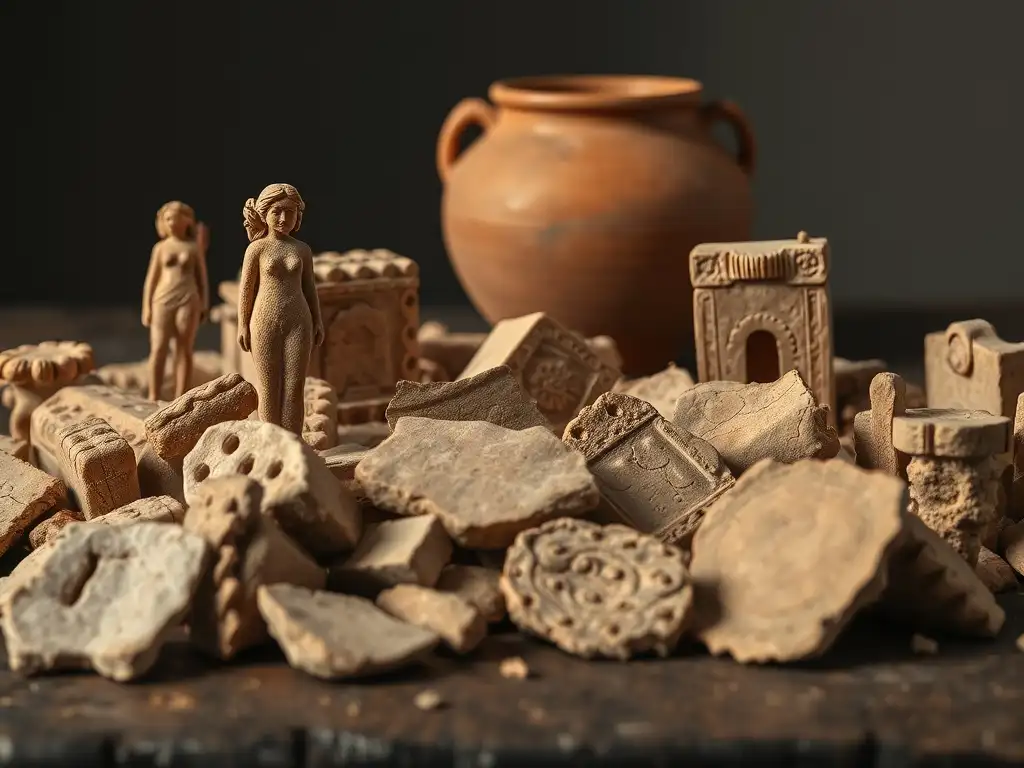
The Valdivia culture, flourishing along the Ecuadorian coast from approximately 3500 to 1800 BCE, left behind a remarkable artistic legacy that resonates through millennia. While the iconic Venus figurines often dominate discussions of Valdivia art, a deeper exploration reveals a much broader and more nuanced artistic tradition. This section will examine the enduring impact of Valdivia pottery art styles on subsequent Andean cultures, highlighting its innovative techniques and stylistic influences.
Understanding this legacy is crucial to grasping the full scope of Andean artistic development and its remarkable continuity. The stylistic innovations and technical mastery evident in Valdivia pottery laid the groundwork for future artistic expressions across the Andes.
Valdivia Art's Role in Shaping Andean Artistic Expressions
Valdivia pottery art styles weren't merely a fleeting phenomenon; they acted as a foundational influence on later Andean artistic traditions. The sophisticated techniques employed by Valdivia artisans – including the use of fine-grained clay, burnishing for a smooth surface, and the application of pigments – set a high standard for subsequent ceramic production. This mastery of technique is evident in the precision and detail found in both the iconic Venus figurines and the less-studied utilitarian vessels.
The Valdivia emphasis on realistic depictions, particularly in their human and animal figurines, contrasts with the more stylized representations found in some later cultures. However, the seed of representational art sown by the Valdivia clearly influenced the development of realistic portrayal in later periods.
The use of specific pigments and the development of unique surface treatments, such as the application of slip and the use of incised designs, were also key innovations that shaped Andean artistic expressions. Analysis of the chemical composition of Valdivia pigments provides clues to the materials available and the artistic choices made. For example, [specific pigment analysis pending] could reveal the sources of the pigments used and their geographical distribution, potentially highlighting trade networks that extended beyond the Valdivia region.
This early experimentation with materials and techniques laid the foundation for the diverse range of ceramic styles that emerged in later Andean cultures. The influence can be seen in the refined pottery of the later coastal cultures, demonstrating a clear lineage connecting the Valdivia artistic tradition to these later developments.
Tracing Connections Between Valdivia Art and Later Coastal Cultures
The stylistic continuity between Valdivia pottery art styles and the ceramics of later coastal cultures is undeniable. While significant stylistic variations emerged over time, reflecting evolving cultural practices and artistic preferences, certain core elements persist. For instance, the emphasis on finely crafted vessels, often featuring intricate designs or depictions of human and animal figures, is a common thread.
The use of specific forms, such as bowls and jars, also shows a clear link. A comparative analysis of [specific examples of pottery from different coastal cultures pending] would reveal the subtle yet significant stylistic connections, highlighting the long-term influence of the Valdivia tradition.
The geographical proximity of the Valdivia culture to later coastal societies likely facilitated the transmission of artistic knowledge and techniques. The gradual evolution of stylistic elements suggests a process of cultural exchange and adaptation, rather than a complete break with the past. This continuity demonstrates that the Valdivia artistic legacy was not merely remembered but actively built upon and reinterpreted by subsequent Andean communities.
The emergence of new motifs and stylistic elements in later periods should not be seen as a rejection of the Valdivia tradition, but rather as a dynamic process of creative adaptation and innovation. The Valdivia artistic legacy provides a rich context for understanding the development of Andean art.
The careful study of Valdivia pottery art styles offers crucial insights into the evolution of artistic expression in the region and its lasting impact on the Andean world. The use of advanced techniques and the creation of expressive forms established a high standard that would inspire generations of Andean artists.
Conclusion: Recognizing the Significance of Valdivia Art
The Valdivia culture, despite its relatively early position in the timeline of Andean civilizations, left behind a remarkably sophisticated and diverse artistic legacy. Their pottery, far from being merely functional vessels, represents a complex interplay of technical skill, aesthetic sensibilities, and potentially, symbolic meaning. Understanding the nuances of Valdivia pottery art styles requires a multi-faceted approach, considering not only the technical aspects of their creation but also the cultural context within which they were produced and used.
This detailed examination reveals a civilization with a keen eye for detail and a mastery of ceramic techniques that laid the groundwork for future Andean artistic traditions. The sheer variety of forms, decorations, and potential symbolic representations within Valdivia pottery underscores the richness and complexity of this early Andean culture.
The Need to Protect and Value Valdivia's Artistic Legacy
The fragility of archaeological sites and the ongoing threats of looting and environmental damage necessitate a concerted effort to protect Valdivia's artistic heritage. Many Valdivia artifacts remain buried, awaiting careful excavation and meticulous study by trained archaeologists. The preservation of these sites is paramount, not only to safeguard the physical remnants of this ancient culture but also to ensure that future generations can learn from and appreciate the artistic achievements of the Valdivia people.
This involves implementing stricter regulations against illegal excavation and artifact trafficking, coupled with increased funding for archaeological research and conservation efforts. Furthermore, public awareness campaigns are crucial to educate communities about the importance of preserving these invaluable cultural treasures. The unique aesthetic qualities of Valdivia pottery art styles, with their distinctive features and early examples of ceramic innovation, demand that we invest in their long-term preservation and accessibility for scholarly research and public appreciation.
Protecting these artifacts is not simply a matter of preserving objects; it's a matter of preserving a vital part of human history and understanding the development of Andean art. The intricate details, the range of styles within the "Valdivia pottery art styles" category, and the sheer artistry displayed demand continued and dedicated efforts to ensure their survival. Failure to do so would represent a significant loss to our collective understanding of early Andean civilizations and their artistic contributions.
The continued study and appreciation of Valdivia pottery art styles offer a unique window into the artistic and cultural development of the Andean region. The legacy of the Valdivia people should be cherished and protected for future generations to marvel at and learn from. The sophistication of their techniques and the diversity of their styles serve as a testament to their ingenuity and artistic vision, profoundly influencing the artistic trajectory of subsequent Andean cultures. Continued research and conservation efforts are vital to ensure this legacy continues to inspire and educate. 🌍
Frequently Asked Questions
What is Valdivia pottery, and why is it significant?
Valdivia pottery represents the earliest known pottery in the Americas, dating back to 3500 BCE. Its significance lies in its advanced techniques for its time and its unique artistic styles, providing crucial insights into early Andean culture.
What are the characteristic art styles of Valdivia pottery?
Valdivia pottery is characterized by its simple, elegant forms, often featuring realistic and abstract depictions of humans, animals, and geometric patterns. The famous "Venus" figurines are just one aspect of a diverse artistic repertoire.
How does Valdivia pottery compare to later Andean styles?
While later Andean cultures like the Inca developed more complex pottery styles, Valdivia's influence can be seen in its simplicity and focus on natural forms. It lays the groundwork for the evolution of ceramic artistry across the Andean region.
Where can I see examples of Valdivia pottery?
Examples of Valdivia pottery can be found in museums across the globe, including Ecuadorian museums and major collections in the United States and Europe. Many online resources also showcase images and information.
What makes the "Venus" figurines so important to the understanding of Valdivia culture?
The Valdivia "Venus" figurines, while iconic, represent only a small part of Valdivia's artistic output. Nevertheless, they offer valuable insights into early Andean beliefs regarding fertility, femininity, and possibly social structures.
Final Reflection: The Enduring Legacy of Valdivia Creativity
The vibrant artistry of the Valdivia culture, far from being a relic of the past, continues to resonate deeply with contemporary audiences, offering a powerful testament to the enduring human need for creative expression and cultural identity. Its sophisticated techniques and evocative imagery challenge our preconceived notions of early civilization and artistic development, reminding us that complex societies and artistic innovation flourished thousands of years ago in unexpected places.
The influence of Valdivia pottery extends far beyond the archaeological record; its elegant forms and symbolic motifs have inspired countless artists and designers, shaping our understanding of pre-Columbian art and its lasting impact on subsequent artistic movements. The past is never dead. It's not even past.
- William Faulkner. This quote perfectly encapsulates the enduring power of Valdivia art, its ability to transcend time and speak to us across millennia. Its influence can be seen in modern ceramics, textiles, and even jewelry, demonstrating the timeless appeal of its aesthetic principles.
Consider the intricate detail, the subtle variations in form and color, the profound stories hinted at within the designs. You, the reader, are now invited to engage with this legacy actively. Seek out examples of Valdivia pottery in museums and online galleries. Allow yourself to be moved by the artistry, to contemplate the lives and beliefs of the people who created these objects. Let the enduring beauty of Valdivia art inspire your own creativity and appreciation for the rich tapestry of human history.
**Unveil the Richness of Valdivia Art Today! **
Thank you for exploring the fascinating world of Valdivia art with us! We hope you're inspired by the incredible creativity and cultural significance of this artistic heritage. Now, let's turn that inspiration into action!
Here are some ways to engage more deeply with Valdivia art and share its beauty with others:
- **Visit a local museum or gallery** showcasing pre-Columbian art to see how Valdivia styles have influenced contemporary artists. You might be surprised by the connections you discover.
- **Join an online community** or forum dedicated to ancient American art where enthusiasts discuss and share insights about Valdivia and other Andean cultures. Connecting with others can deepen your appreciation.
- **Share this article with friends and family or post it on social media**, sparking conversations about the importance of Valdivia art and its place in cultural history. Let's spread the word about this amazing artistic tradition!
What aspect of Valdivia art resonates most with you, and how will you integrate it into your life or creative work?