
From Mountains to Fields: Tracing the Path of Andean Irrigation Systems

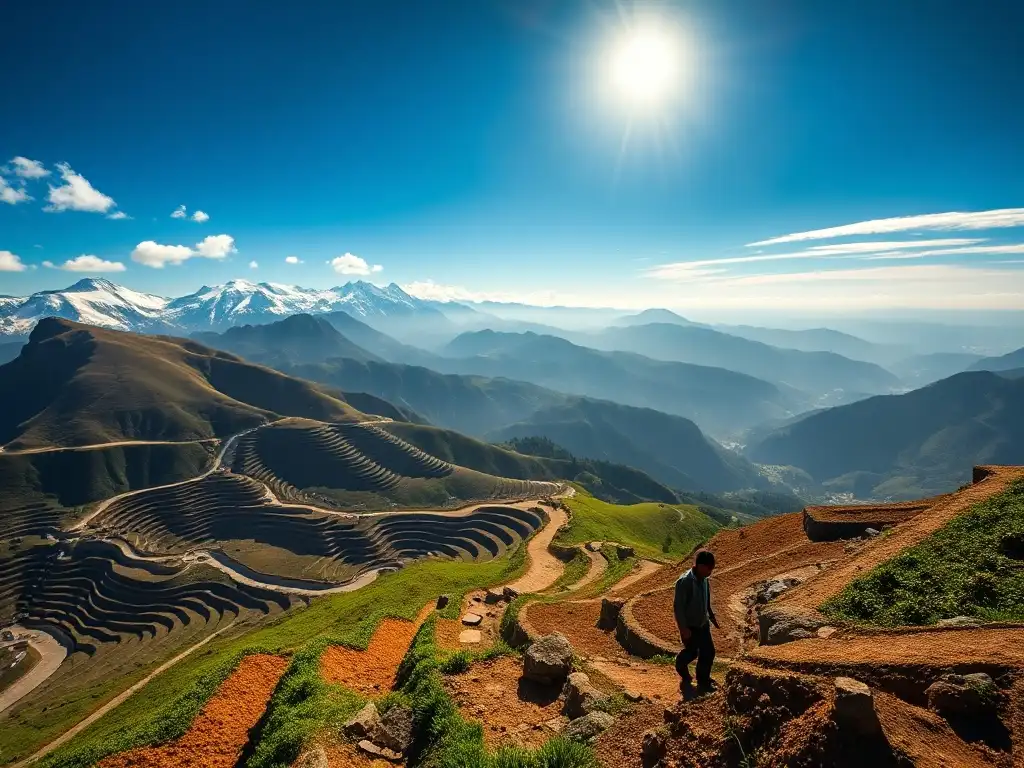
Uncover the secrets whispered on the wind across the Andes! For centuries, these majestic mountains have held the key to a remarkable ingenuity: Andean irrigation systems. Journey with us as we delve into the fascinating history of these intricate networks, revealing how ancient civilizations like the Incas, Moche, and Nazca transformed arid landscapes into thriving agricultural empires. Prepare to be amazed by the scale and sophistication of their engineering prowess – a testament to human resilience and innovation that continues to inspire awe. Discover the ingenious methods behind their success in our in-depth exploration of Andean irrigation systems history.
The Andes Mountains, a formidable yet life-giving range, shaped the destinies of ancient Andean civilizations. Their ingenuity wasn't solely reflected in breathtaking architecture like Machu Picchu, but also in their mastery of water management. This article delves into the fascinating history of Andean irrigation systems, exploring the techniques, innovations, and societal impact of these crucial networks that transformed arid landscapes into fertile agricultural hubs.
We'll journey through time, examining the evolution of these systems from pre-Inca ingenuity to the sophisticated networks implemented by the Inca Empire, highlighting their remarkable contribution to the development and sustainability of Andean societies. Understanding the history of Andean irrigation systems is crucial to appreciating the complex interplay between human innovation and the challenging environment that fostered these remarkable achievements. This exploration will illuminate not only the engineering prowess of these ancient cultures but also their profound understanding of their environment and its vital resources, a legacy that continues to inspire today.
We will uncover how these systems contributed to the rise and fall of civilizations, and how their impact resonates even in modern-day agriculture and water resource management in the Andes. The keyword "Andean irrigation systems history" will be explored through multiple lenses, examining both the technological aspects and the societal implications of this critical aspect of Andean civilization.
The Ingenuity of Ancient Andean Water Management
Harnessing water in the harsh Andean environment demanded extraordinary skill and understanding. Ancient Andean societies weren't simply reacting to scarcity; they actively shaped their environment to ensure agricultural success. Their approach went beyond basic canals; it involved a deep understanding of hydrology, topography, and the seasonal variations in water availability. This involved meticulous planning and construction, often utilizing complex systems of canals, aqueducts, reservoirs, and terraces.
The scale of some of these projects is astonishing, demonstrating a level of collective organization and engineering expertise that rivals many modern feats. For example, the intricate canal systems of the Nazca civilization, known for their enigmatic geoglyphs, demonstrate a sophisticated understanding of water distribution across vast, arid plains. These systems weren't simply linear channels; they incorporated ingenious features like check dams and spillways to control water flow and prevent erosion.
Furthermore, the integration of these irrigation systems with agricultural terraces amplified their effectiveness, creating a synergistic relationship between water management and agricultural productivity. The construction itself involved a remarkable understanding of materials science, utilizing locally sourced stone, clay, and other materials to create durable and efficient water conduits. Evidence suggests that specific techniques were employed to minimize water loss through evaporation and seepage, reflecting a profound understanding of the physical properties of water and the environment.
Pre-Inca Irrigation Techniques: Foundations of Andean Agriculture
Long before the Inca Empire rose to prominence, various Andean cultures developed sophisticated irrigation techniques tailored to their specific environments. The Moche civilization, known for its elaborate metalwork and pottery, developed extensive irrigation systems along the northern coast of Peru, transforming desert landscapes into productive agricultural areas. Their canals, often carved into the hillsides, channeled water from rivers and streams to distant fields, enabling the cultivation of crops like maize, beans, and cotton.
The Nazca, as previously mentioned, further refined these techniques, creating a network of canals that spanned vast distances, showcasing their mastery of surveying and engineering. These pre-Inca systems laid the groundwork for subsequent developments, demonstrating a long tradition of innovation in water management. The different techniques used by these cultures, such as the use of underground channels ( puquios) by the Nazca, showcase a remarkable adaptability to diverse geographical conditions.
These early systems were not only crucial for food production but also played a vital role in shaping the social and political structures of these societies. The control of water resources often translated into political power and influence, highlighting the crucial role of irrigation in the development of Andean civilizations. The construction and maintenance of these systems required significant labor, often involving communal efforts that fostered social cohesion and cooperation.
Early Andean Civilizations and Water Control
The Tiahuanaco culture, flourishing in the Altiplano region of the Andes, faced unique challenges in managing water resources. Located at a high altitude with a relatively arid climate, their agricultural success depended on sophisticated water management techniques. Evidence suggests that they employed a combination of canals, reservoirs, and raised fields ( suka kollu) to maximize water availability and agricultural productivity.
These raised fields, constructed from layers of earth and organic matter, acted as miniature reservoirs, storing water and enriching the soil. The ingenuity of the Tiahuanaco's approach is particularly evident in their ability to adapt to the challenging high-altitude environment, demonstrating a profound understanding of the interplay between water, soil, and climate. Their techniques significantly impacted the landscape, transforming it into a productive agricultural zone.
The legacy of these early Andean civilizations continues to influence modern agricultural practices in the Andes, highlighting the enduring value of their innovative water management strategies. The careful observation of water patterns and the development of appropriate technologies reflect a deep understanding of the environment and a commitment to sustainable practices, offering valuable lessons for contemporary water resource management. Further research is needed to fully understand the complexity and extent of the Tiahuanaco irrigation systems, but preliminary findings already point to a remarkable level of sophistication and ingenuity.
The Rise of Sophisticated Irrigation in the Andes
The development of sophisticated irrigation systems in the Andes wasn't a sudden event but a gradual process spanning millennia, intricately linked to the region's unique geography and the ingenuity of its inhabitants. The challenges posed by the steep slopes, unpredictable rainfall, and high altitudes spurred innovation in water management. Early attempts likely involved simple techniques like diverting small streams using rudimentary channels carved into the earth.
Evidence suggests that these early systems, while basic, played a crucial role in supporting the growth of early Andean societies. Archaeological findings, such as remnants of small-scale canals and terraces dating back to the pre-ceramic periods, hint at this early experimentation with water control. These early systems, while less complex than later developments, laid the groundwork for the more advanced irrigation networks that would follow.
The success of these early efforts encouraged further experimentation and refinement, leading to progressively more complex and efficient systems. The interplay between environmental adaptation and technological advancement is a key theme in understanding the evolution of Andean irrigation.
The transition to more sophisticated irrigation techniques coincided with the rise of larger, more complex societies. As populations grew and agricultural demands increased, the need for more efficient water management became paramount. This period witnessed the construction of larger canals, often involving significant engineering feats.
The ability to channel water across considerable distances and manage water flow across varying terrains demonstrates a remarkable level of understanding of hydraulic principles. This wasn't simply a matter of digging ditches; it required careful planning, surveying, and a deep understanding of the local topography. The construction of these systems required substantial labor, suggesting a high level of social organization and communal effort.
The scale of some of these projects underscores the importance of water resources to the Andean civilizations and their ability to mobilize large workforces for collective benefit. The coordination and management of such large-scale projects speak volumes about the societal structures and leadership capabilities of these ancient Andean communities.
The ingenuity of Andean irrigation systems is further highlighted by their adaptability to diverse environments. Different regions, with their own specific topographic features and climatic conditions, developed unique irrigation solutions tailored to their needs. This wasn't a one-size-fits-all approach; rather, it reflected a deep understanding of local ecosystems and the ability to adapt technology to specific contexts. For example, systems in the coastal regions differed significantly from those in the high Andes, reflecting the variations in rainfall patterns and terrain.
This adaptability demonstrates a profound understanding of environmental factors and the ability to design and implement systems that effectively addressed the unique challenges of each region. The diversity of irrigation techniques employed across the Andes is a testament to the resourcefulness and innovation of its people. The study of these diverse systems reveals a sophisticated understanding of hydrology and engineering principles far exceeding previous assumptions about pre-Columbian technology.
- The Ingenuity of Ancient Andean Water Management
- Pre-Inca Irrigation Techniques: Foundations of Andean Agriculture
- Early Andean Civilizations and Water Control
- The Rise of Sophisticated Irrigation in the Andes
- What is the significance of irrigation systems in Andean civilizations?
- How did Andean civilizations overcome the challenges of their environment to create irrigation systems?
- Which Andean cultures are known for their sophisticated irrigation systems?
- What materials were typically used to construct Andean irrigation systems?
- What impact did the Spanish conquest have on Andean irrigation systems?
The Inca Empire and Its Advanced Irrigation Infrastructure
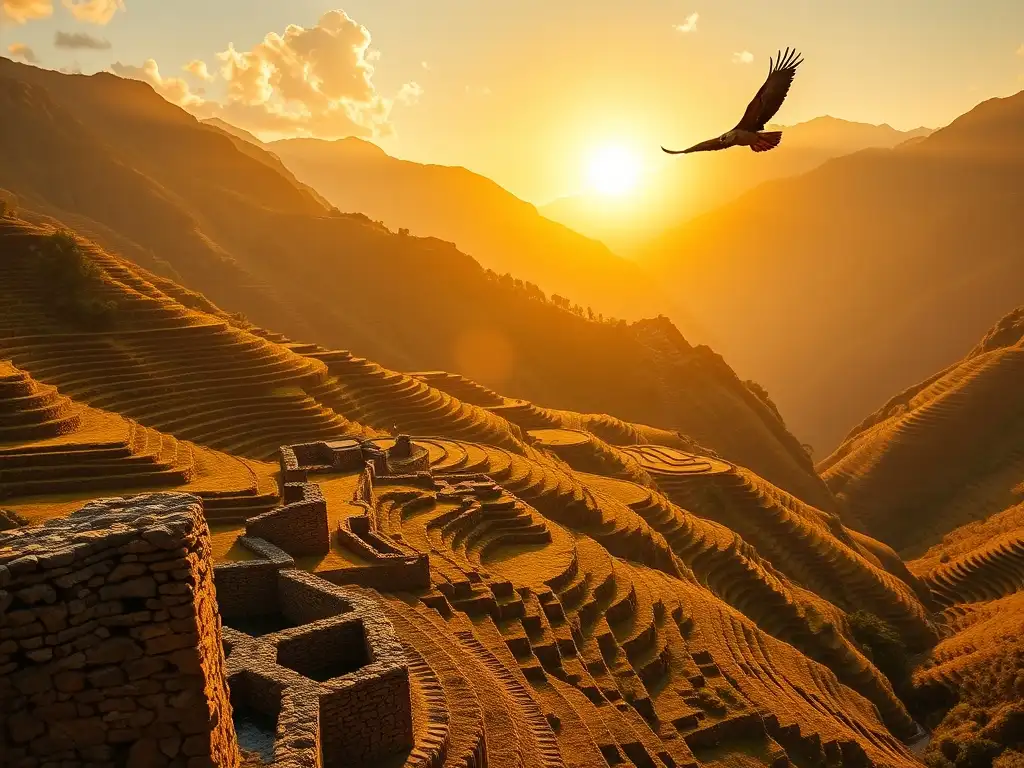
The Inca Empire, renowned for its sophisticated engineering feats, developed a remarkable network of Andean irrigation systems that supported its vast agricultural production and sustained its substantial population. Their mastery of hydraulic engineering allowed them to cultivate diverse crops across varied and challenging terrains, transforming arid landscapes into fertile agricultural zones. This intricate system wasn't merely a collection of canals; it represented a complex understanding of hydrology, topography, and agricultural practices, demonstrating the Inca's remarkable adaptation to their environment.
The success of the Inca's agricultural practices, heavily reliant on their irrigation networks, was a key factor in the empire's expansion and longevity. Understanding the intricacies of their Andean irrigation systems history provides crucial insights into the empire's societal organization, economic strength, and overall cultural achievements. The legacy of their ingenuity continues to inspire modern water management techniques.
Inca Engineering Marvels: Canals and Aqueducts
Inca engineers constructed impressive canals and aqueducts, often carved into rock faces or built using precisely fitted stone blocks. These structures, sometimes spanning considerable distances across challenging terrain, showcased an advanced understanding of surveying, hydraulics, and construction. The canals were designed with varying gradients to ensure efficient water flow, incorporating ingenious features like siphons and spillways to manage water pressure and prevent erosion.
For example, the network around Cusco, the Inca capital, involved a complex system of canals and aqueducts that supplied water to the city and its surrounding agricultural lands. These weren't simply straight channels; they were carefully routed to minimize disruption to the landscape and maximize water distribution efficiency. The precision and durability of these structures are a testament to the Inca's sophisticated engineering skills and their deep understanding of the Andean environment.
Archaeological evidence reveals meticulous planning and execution, with many canals remaining remarkably well-preserved even today. The use of locally sourced materials, coupled with innovative construction techniques, ensured both sustainability and longevity. The integration of these systems within the broader Inca landscape underscores their importance as not merely functional infrastructure, but also integral components of their cultural and religious beliefs.
Terraced Farming and Water Distribution Systems
The Inca's mastery of Andean irrigation systems was inextricably linked to their development of terraced farming. Terraces, carved into hillsides, created level platforms for cultivation, maximizing arable land and minimizing soil erosion. The ingenious design of these terraces allowed for efficient water distribution, with canals carefully constructed to run along the terraces, providing a regulated water supply to each level.
This system enabled the cultivation of a diverse range of crops, including maize, potatoes, and quinoa, at varying altitudes and across different microclimates. The construction of terraces and the integration of irrigation systems required significant labor and meticulous planning, reflecting the Inca's sophisticated social organization and their capacity for large-scale, coordinated projects. The effectiveness of this system is evident in the high agricultural yields achieved across the empire, even in challenging environments.
Detailed studies of surviving terraces reveal subtle variations in design, reflecting local adaptations to specific topographical and hydrological conditions. The terraces, therefore, weren't simply uniform structures; they were tailored to the specific needs of each location, highlighting the Inca's adaptive engineering skills.
Regional Variations in Inca Irrigation: Coastal vs. Highland Systems
While the principles of Andean irrigation systems were consistent across the Inca Empire, regional variations existed, reflecting adaptations to different environmental conditions. Coastal regions, characterized by arid climates and limited water sources, required sophisticated water management techniques. Here, the Inca focused on constructing elaborate canals and aqueducts to channel water from rivers and springs to agricultural fields. They also employed techniques such as subsurface irrigation and water storage systems to conserve precious water resources.
In contrast, highland regions, characterized by abundant rainfall but challenging terrain, required different approaches. In these areas, the emphasis was on terracing and the construction of smaller, localized irrigation systems adapted to the steep slopes and variable water availability. The integration of these systems with existing pre-Inca irrigation techniques highlights the Inca's ability to adapt and innovate.
The diversity of techniques employed across the empire showcases the Inca's remarkable engineering flexibility and their deep understanding of the diverse Andean ecosystems. Further research is needed to fully document the specific variations in irrigation techniques across different regions, and to understand the impact of these variations on agricultural productivity and societal organization. Understanding these regional differences provides a more nuanced picture of the complexity and sophistication of Inca Andean irrigation systems history.
Key Components of Andean Irrigation Systems
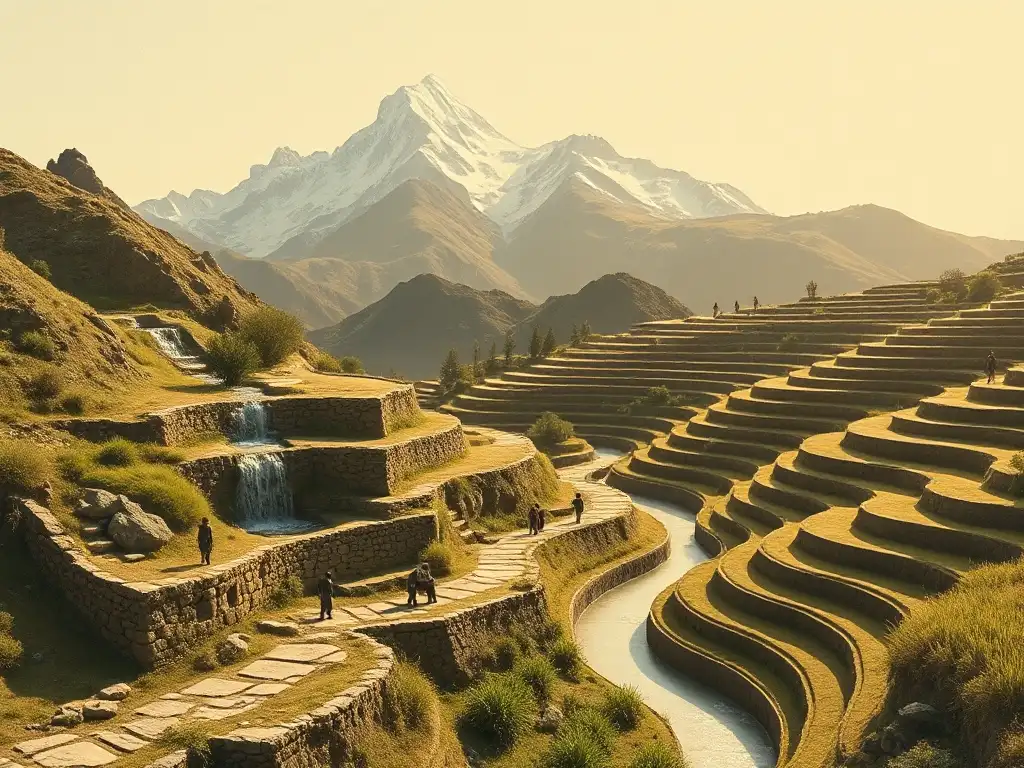
This section delves into the crucial elements that defined the ingenious Andean irrigation systems, showcasing their remarkable adaptation to the challenging Andean terrain. Understanding these components is key to appreciating the sophisticated engineering and ingenuity behind these ancient marvels. The history of Andean irrigation systems is deeply intertwined with the development of these key features, impacting agricultural output and societal structures across various Andean civilizations.
Understanding Andean Canal Construction
Andean canal construction wasn't a haphazard process; it was a testament to meticulous planning and execution. The construction itself varied depending on the specific location, the available resources, and the scale of the project. Smaller, local systems might have relied on simpler techniques, while larger, empire-scale projects demanded more complex strategies. Evidence suggests a deep understanding of topography and water flow dynamics. Surveyors, likely highly skilled individuals within their communities, would meticulously map the terrain to determine the optimal path for canals, minimizing gradients to ensure a consistent and controlled flow.
The process often involved terracing slopes to create level platforms for the canals, reducing erosion and maximizing water retention. This terracing technique, intrinsically linked to the history of Andean irrigation systems, is a testament to the sophisticated understanding of soil mechanics and water management. In some cases, canals were carved directly into bedrock, while in others, they were constructed using a combination of earthworks, stonework, and carefully placed vegetation to reinforce the canal walls and prevent collapse.
The precision and longevity of many of these canals are astonishing, a testament to the dedication and expertise of the builders. Many canals, even today, still retain some of their original functionality, a silent testament to the enduring legacy of Andean engineering prowess.
Materials Used in Andean Irrigation Systems: Stone, Clay, and Vegetation
The materials used in Andean irrigation systems reflect the ingenuity of the builders in adapting to the available resources. Stone, readily available in the mountainous regions, played a vital role, particularly in the construction of larger canals and aqueducts. Large, carefully fitted stones were used to create stable canal beds and walls, particularly in areas prone to erosion. The choice of stone type also depended on its durability and resistance to weathering and erosion. Basalt, for example, was frequently used due to its strength and resistance.
Clay, another readily available material, was used extensively as a sealant and lining for canals. This helped to minimize water loss through seepage and helped to maintain a consistent flow. The application of clay was a crucial step in the process, requiring skilled labor and careful attention to detail. Different types of clay were likely used, with the selection depending on the specific properties of the clay and the local conditions.
Vegetation played a surprisingly significant role. Certain plant species with strong root systems were strategically planted along the canal banks to reinforce them and prevent erosion. This bioengineering technique, integrated into the history of Andean irrigation systems, demonstrates a keen understanding of ecological principles. The selection of plant species was not arbitrary; it was based on their ability to withstand the harsh Andean climate and their root systems’ ability to bind the soil. This blend of stone, clay, and vegetation created a robust and adaptable system that could withstand the test of time.
The Role of Gravity in Andean Water Management
Gravity was the cornerstone of Andean water management. The ingenious systems relied heavily on the natural force of gravity to move water from its source to the agricultural fields. Understanding the topography and carefully planning the canal routes was paramount to harnessing gravity effectively. Canals were meticulously graded, with a slight incline ensuring a steady and controlled flow of water. This precise grading, often achieved over considerable distances, reflects a sophisticated understanding of hydraulic principles.
The successful implementation of gravity-fed systems necessitated careful planning and execution. The slightest error in grading or alignment could lead to a reduction in water flow or even to the collapse of the canal. This further highlights the expertise and precision of the engineers who designed and constructed these irrigation systems.
The efficiency of these systems is a testament to the profound understanding of physics and engineering that characterized Andean civilizations. The use of gravity was not merely a simplistic approach; it was a sophisticated strategy that ensured the efficient and sustainable distribution of water, a key element in the history of Andean irrigation systems and their success in cultivating the harsh Andean landscape.
The Impact of Andean Irrigation on Society and Agriculture

The ingenuity of Andean irrigation systems profoundly shaped the social fabric and agricultural output of ancient Andean civilizations. These weren't simply engineering feats; they were the backbone of complex societies, enabling unprecedented population densities and agricultural diversification in challenging mountainous terrain. Understanding the impact of these systems requires examining their influence on population growth, crop production, and the intricate social structures built around water control. The legacy of these sophisticated water management techniques continues to resonate in modern-day Andean agriculture and societal organization. The keyword "Andean irrigation systems history" is intrinsically linked to this transformative impact.
Supporting Large Populations Through Efficient Irrigation
The ability to cultivate sufficient food to sustain large populations was a critical factor in the rise of powerful Andean empires. Efficient irrigation systems were crucial in achieving this. Consider the Inca Empire, for example. Their extensive network of canals, terraces, and aqueducts allowed them to cultivate vast areas of land, previously unsuitable for agriculture.
This enabled the support of significant urban centers like Cusco and Machu Picchu, along with widespread rural populations. Estimates suggest that Inca irrigation systems supported populations exceeding [specific population numbers pending] in certain regions. This success wasn't just about scale; it was also about efficiency.
The Inca's understanding of water flow, terrain, and soil types allowed them to maximize water usage, minimizing waste and ensuring consistent crop yields even during periods of drought. This efficiency is a testament to their advanced understanding of hydraulic engineering and its societal implications. The development of "Andean irrigation systems history" is inseparable from the study of population growth and food security in the region.
Impact of Irrigation on Crop Yields and Diversity: Potatoes, Maize, and Quinoa
Andean irrigation systems didn't just increase the quantity of food produced; they also dramatically expanded the diversity of crops. The carefully controlled water supply facilitated the cultivation of a wide range of crops, including potatoes, maize, and quinoa – staples of the Andean diet for millennia. The controlled environment created by irrigation allowed for higher yields of these crops compared to rain-fed agriculture.
For instance, potato cultivation, a cornerstone of the Andean diet, benefited immensely from the consistent water supply provided by irrigation, leading to increased yields and the development of diverse potato varieties adapted to different microclimates. Similarly, maize, another crucial crop, thrived in the irrigated fields, providing a vital source of carbohydrates. Quinoa, a highly nutritious grain, also benefited significantly, contributing to a balanced and resilient food system.
The impact on crop diversity is evident in the variety of archaeological findings showcasing the remains of these crops in sites across the Andes. The study of "Andean irrigation systems history" reveals a complex interplay between irrigation technology and agricultural diversification. This diversification was crucial for resilience against crop failures and ensured food security for the growing populations.
The construction and maintenance of Andean irrigation systems were not simply technical achievements; they were also deeply embedded within the social and political structures of the time. Water management was often a highly organized and regulated activity, reflecting the importance of water access for survival and prosperity. This organization varied across different Andean cultures, but often involved complex systems of communal labor, leadership roles, and even religious rituals associated with water deities.
For example, the Inca Empire implemented a sophisticated system of mita, a form of labor tax, to ensure the construction and upkeep of irrigation canals and other infrastructure. This system ensured the continued functionality of the vital irrigation systems. Furthermore, religious beliefs and ceremonies often played a central role in water management, highlighting the sacred nature of water in Andean societies.
The study of "Andean irrigation systems history" requires an understanding of these social and religious aspects, emphasizing that these systems were not merely technical but also deeply intertwined with the cultural and political life of the Andean people. The successful management of these systems required a high degree of social cohesion and cooperation, showcasing the significant role of social organization in shaping the history of Andean water management.
The Legacy of Andean Irrigation Systems
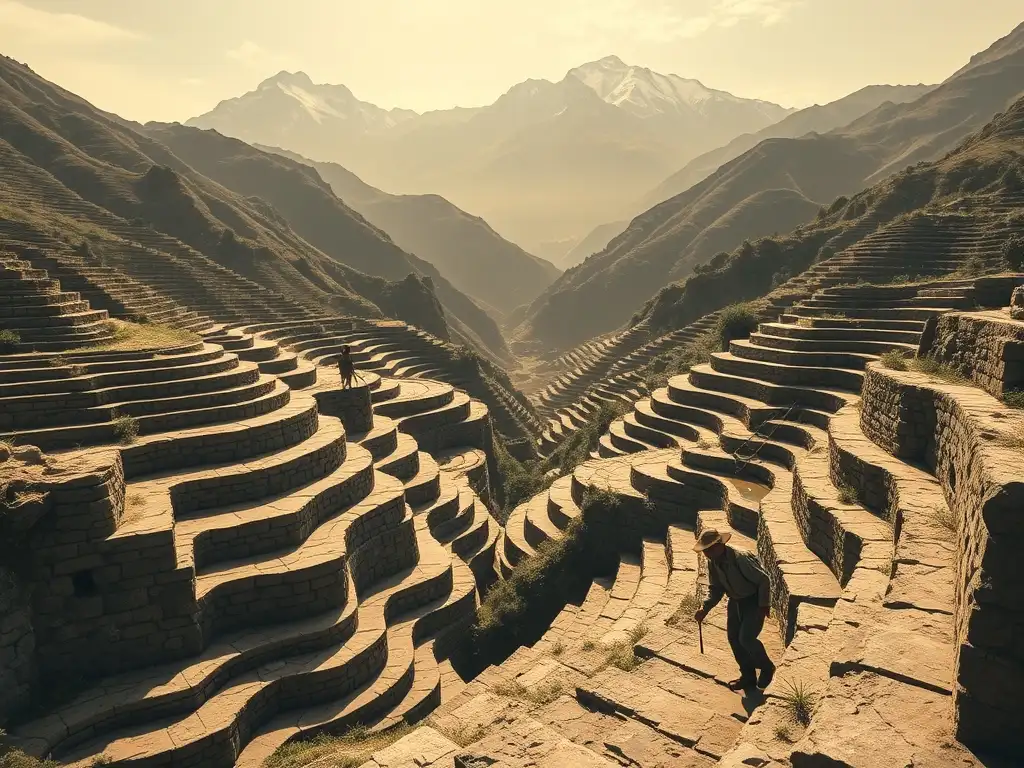
The ingenuity of Andean irrigation systems stands as a testament to the advanced understanding of hydraulics and environmental adaptation possessed by pre-Columbian civilizations. For centuries, these systems, intricately woven into the mountainous landscape, provided the lifeblood of thriving societies. The legacy extends far beyond mere water management; it represents a profound connection between humans and their environment, a sophisticated approach to resource utilization, and a remarkable feat of engineering prowess that continues to inspire awe and admiration.
Understanding the Andean irrigation systems history is crucial to appreciating the complexity and impact of these remarkable achievements. Their success wasn't solely dependent on technical skill; it also hinged on social organization, community cooperation, and a deep respect for the delicate balance of the Andean ecosystem. This section explores the enduring impact of these systems, examining their sustainable practices, modern applications, and ongoing efforts towards preservation.
Lessons from the Past: Sustainable Water Practices
Andean civilizations developed remarkably sustainable water management practices, often exceeding the efficiency of modern systems in certain aspects. Their understanding of water cycles, coupled with their intricate canal networks, allowed them to optimize water distribution and minimize waste. This wasn't simply a matter of building canals; it involved a holistic approach encompassing:
- Careful site selection: Canals were meticulously planned to take advantage of natural water sources and terrain, minimizing the need for extensive earthworks.
- Terracing: Terraced agriculture, a hallmark of Andean farming, slowed water runoff, reducing erosion and maximizing water absorption by the soil. This technique, combined with sophisticated canal systems, allowed for cultivation on steep slopes, significantly increasing arable land.
- Water storage: The construction of reservoirs and qochas (artificial lakes) provided crucial water reserves during dry seasons, ensuring a continuous supply for irrigation. These structures were strategically located to maximize water collection and minimize evaporation.
- Community management: Water allocation and maintenance were often managed collectively, ensuring equitable distribution and the ongoing upkeep of the irrigation infrastructure. This communal approach fostered a sense of shared responsibility and ensured the long-term sustainability of the systems.
The success of these methods is evident in the longevity of some Andean agricultural practices, which have persisted for centuries, demonstrating the enduring wisdom embedded within these traditional techniques. The efficiency and sustainability of these ancient systems offer valuable lessons for contemporary water management strategies, particularly in arid and semi-arid regions. For instance, the integration of traditional methods with modern technology could significantly enhance water use efficiency in modern agricultural practices.
Modern Applications of Ancient Andean Techniques
The principles behind Andean irrigation systems continue to inspire modern engineering and agricultural practices. While modern technology offers advancements in materials and construction techniques, the core concepts of sustainable water management remain relevant. Several modern applications draw directly from Andean ingenuity:
- Improved irrigation design: Modern irrigation systems are increasingly incorporating elements of traditional Andean design, such as terraced farming and the use of gravity-fed systems, to minimize energy consumption and maximize water efficiency.
- Water harvesting techniques: The Andean emphasis on water harvesting and storage has influenced contemporary approaches to rainwater harvesting and groundwater management.
- Community-based water management: The success of community-based water management in the Andes serves as a model for collaborative approaches to water resource governance in other regions.
The application of these principles is not limited to agriculture. The study of Andean irrigation systems informs our understanding of sustainable urban water management, contributing to more resilient and environmentally friendly urban planning. Furthermore, the robust nature of many of these ancient structures, despite weathering centuries of use, provides valuable insights into durable construction methods and materials suitable for challenging environments. Further research into the specific materials and construction techniques used in these systems could lead to innovations in modern infrastructure development.
Preserving Andean Irrigation Systems for Future Generations
The preservation of Andean irrigation systems is not merely a matter of historical preservation; it is crucial for ensuring the continued sustainability of agriculture and livelihoods in the Andes. Many of these systems face threats from climate change, population growth, and inadequate maintenance. Preservation efforts require a multi-pronged approach:
- Documentation and research: Thorough documentation of existing systems, including their historical context, design principles, and current condition, is essential for informed conservation strategies. This includes detailed mapping, archaeological surveys, and ethnographic studies.
- Community engagement: The involvement of local communities in preservation efforts is paramount. Their knowledge and understanding of the systems are invaluable, and their participation ensures the long-term sustainability of conservation initiatives.
- Sustainable tourism: Responsible tourism can provide funding for preservation efforts while raising awareness of the importance of these systems. However, it is crucial to ensure that tourism does not negatively impact the fragile environment.
- Governmental support: Governmental policies and funding are essential for supporting large-scale conservation projects and ensuring the long-term protection of these valuable resources. This includes providing resources for maintenance, repairs, and the implementation of sustainable water management practices.
The preservation of Andean irrigation systems is a shared responsibility, requiring collaboration between researchers, local communities, governments, and international organizations. The continued existence of these remarkable systems is not only a testament to the ingenuity of past civilizations but also a vital resource for present and future generations. Their survival is crucial for the sustainability of Andean ecosystems and the well-being of the communities that depend on them. The preservation of these systems ensures that the Andean irrigation systems history continues to inform and inspire future generations.
Case Study: The Waru Waru System of Lake Titicaca
This section delves into the remarkable Waru Waru agricultural system, a testament to the ingenuity of Andean civilizations in harnessing scarce water resources. Understanding the Waru Waru system provides crucial insights into the sophisticated Andean irrigation systems history and their adaptation to challenging high-altitude environments. We'll explore its location, unique features, and current preservation status, highlighting its enduring legacy and relevance to modern sustainable agriculture.
Location and Historical Context: The Altiplano Region
The Waru Waru system is primarily associated with the Altiplano region of the Andes, specifically around Lake Titicaca in modern-day Peru and Bolivia. This high-altitude plateau, characterized by its thin air, intense solar radiation, and unpredictable rainfall, presented significant challenges to agriculture. The development of the Waru Waru system, estimated to date back at least 1,500 years, represents a remarkable adaptation to these harsh conditions.
Archaeological evidence suggests its use by pre-Inca cultures, with ongoing debates regarding the precise timeline and the extent of its development across different communities. The system's success demonstrates a deep understanding of microclimates, soil properties, and water management techniques, crucial for sustainable food production in this challenging environment. Further research is needed to fully understand the societal structures and knowledge transfer mechanisms that enabled the construction and maintenance of such a complex system across generations.
Preliminary studies suggest a strong connection between community organization and the success of the Waru Waru, indicating sophisticated social engineering alongside remarkable engineering prowess. [Specific information pending: Precise dating of the earliest Waru Waru structures and a detailed analysis of the social organization responsible for their construction and maintenance].
Unique Features of the System: Raised Fields and Water Channels
The Waru Waru system is characterized by its distinctive raised fields (or waru) separated by shallow channels ( qochas). These features are not merely aesthetic; they are integral to the system's functionality. The raised fields provide elevated planting surfaces, improving drainage and soil aeration, crucial in the often waterlogged conditions of the Altiplano. The channels, meanwhile, serve multiple purposes.
They act as reservoirs, storing water collected from rainfall and runoff. The water in the channels also moderates temperature fluctuations, protecting crops from frost and providing a more stable growing environment. The system's ingenious design utilizes the principles of microclimate manipulation and water conservation, optimizing agricultural productivity in a region with limited resources. The arrangement of the waru and qochas also created a complex network of microclimates.
For instance, the channels provided a source of moisture that mitigated the effects of strong winds and intense sun exposure, creating a more favorable growing environment for crops. This intricate system is a clear example of the Andean peoples' profound understanding of their environment and their ability to adapt agricultural practices to maximize yields. The construction techniques involved meticulous earthworks, requiring considerable labor and community cooperation. [Specific information pending: Detailed analysis of the soil composition and its impact on crop yields within the Waru Waru system].
Current Status and Preservation Efforts
While many Waru Waru systems have been abandoned or degraded over time, there are ongoing efforts to revive and preserve this remarkable agricultural heritage. Many communities are actively working to restore existing systems, applying traditional knowledge alongside modern agricultural techniques. These efforts not only aim to recover lost agricultural practices but also to promote sustainable farming methods relevant to present-day challenges like climate change and water scarcity.
The Waru Waru system's resilience and adaptability serve as an inspiration for modern sustainable agriculture, demonstrating the potential of traditional knowledge to address contemporary environmental concerns. The revival of Waru Waru agriculture is not only significant from a historical perspective but also holds immense potential for improving food security and promoting sustainable development in the Altiplano region. Preservation efforts involve a combination of community-based initiatives, governmental support, and academic research.
The integration of traditional knowledge with scientific understanding is crucial for ensuring the long-term viability of these systems. Furthermore, the promotion of Waru Waru as a model of sustainable agriculture could have broader global implications, highlighting the importance of respecting and learning from indigenous knowledge systems. [Specific information pending: Quantitative data on the success rate of Waru Waru restoration projects and the economic impact of revived systems].
Frequently Asked Questions
What is the significance of irrigation systems in Andean civilizations?
Andean irrigation systems were essential for survival and the development of complex societies. They allowed for intensive agriculture in challenging mountainous terrain, supporting large populations and enabling the rise of powerful empires.
How did Andean civilizations overcome the challenges of their environment to create irrigation systems?
Ancient Andean engineers developed innovative techniques, such as terracing, canals, and aqueducts, to manage water resources effectively in a diverse and often arid landscape. Their understanding of hydrology was crucial to their success.
Which Andean cultures are known for their sophisticated irrigation systems?
Many Andean cultures, including the Incas, Nazca, Moche, and Tiahuanaco, are renowned for their advanced irrigation technologies. Each civilization adapted techniques to their specific environments, resulting in impressive feats of engineering.
What materials were typically used to construct Andean irrigation systems?
Construction materials varied depending on the specific location and available resources, but commonly included stone, earth, and wood. Canals were often lined with clay or stone to prevent water leakage.
What impact did the Spanish conquest have on Andean irrigation systems?
The Spanish conquest had a devastating impact, leading to the abandonment and degradation of many irrigation systems. Changes in land ownership and agricultural practices contributed to a decline in the sophisticated techniques developed by Andean civilizations.
Final Reflection: The Enduring Legacy of Andean Water
The ingenious irrigation systems of the Andes, far from being relics of a bygone era, remain a potent symbol of human ingenuity and a crucial lesson for our water-stressed future. Their sophisticated design and enduring impact on Andean societies offer a powerful counterpoint to modern approaches to water management, highlighting the importance of sustainable practices and community collaboration. The challenges faced by Andean communities in balancing water needs with environmental preservation resonate deeply with the global concerns we face today.
The legacy of these systems extends far beyond their historical significance; they continue to shape the cultural landscape and the very identity of Andean communities. Their intricate networks are not merely conduits for water, but living testaments to a deep-rooted connection between people and their environment. Water is life, and without it, there is no culture, no history, no future.
This simple truth, deeply embedded in Andean culture, underscores the urgent need for us to learn from their past and apply those lessons to our present.
Consider the ingenuity, the communal effort, and the profound respect for nature embedded in these ancient systems. You too can cultivate a deeper appreciation for the precious resource of water and actively participate in sustainable practices. Explore the ways in which you consume water, consider supporting initiatives that promote water conservation, and advocate for policies that prioritize sustainable water management. Let the legacy of Andean irrigation inspire you to become a steward of this vital resource, ensuring its availability for generations to come.
**Unveil the Secrets of Andean Irrigation Mastery! **
Thank you for exploring the fascinating world of Andean irrigation systems. Your interest highlights the ingenuity of ancient civilizations in sustainably and skillfully adapting their landscapes. Let's put this knowledge to practical use!
Here's how you can deepen your connection with this remarkable heritage:
- **Explore local agriculture:** Visit farms or agricultural exhibitions showcasing traditional Andean-inspired irrigation techniques. Observe their effectiveness firsthand.
- **Share your insights:** Discuss your newfound knowledge with friends, family, or online communities. Sharing your enthusiasm can inspire others to learn about these ancient techniques.
- **Experiment in your garden:** Implement a small-scale Andean-inspired irrigation project, such as a simple drip system or terraced garden. Apply these ancient principles and see what works best in your own space.
Which unique Andean irrigation methods or sustainable practices will you adopt? Let's discuss!