
Whispers from the Ruins: The Latest Finds from Inca Archaeological Sites

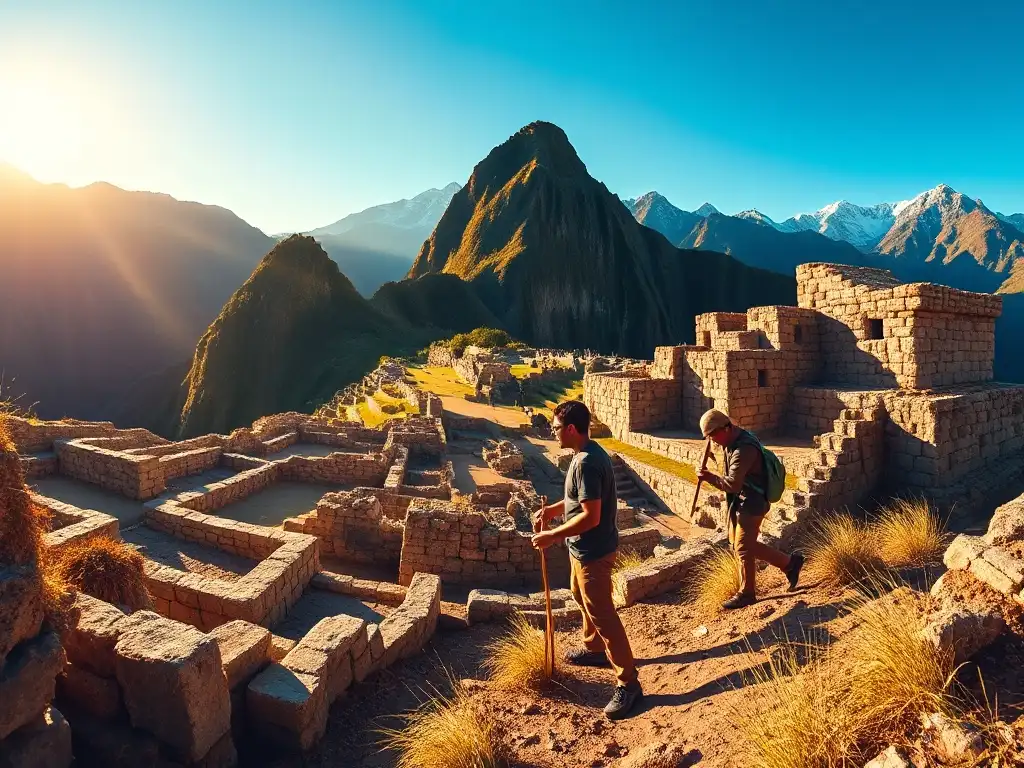
Step into a world lost to time, yet whispering secrets from the Andes. For centuries, their ingenuity and power have captivated imaginations. Now, prepare to be amazed by the latest revelations surrounding Inca archaeological site discoveries. Uncover the mysteries behind these breathtaking finds and delve into the legacy of a civilization that continues to challenge our understanding of the past. Journey with us as we explore the breathtaking legacy of the Andean people; their story is just beginning to unfold.
The majestic Andes Mountains hold within their folds a treasure trove of history, whispering tales of sophisticated civilizations that thrived centuries ago. Among these, the Inca Empire stands out, leaving behind a legacy of breathtaking architecture, intricate artistry, and a complex social structure that continues to fascinate and inspire researchers today.
This article delves into the exciting world of recent Inca archaeological site discoveries, exploring the latest findings that shed new light on this remarkable civilization and its enduring impact. We'll examine significant breakthroughs at well-known sites like Machu Picchu, as well as discuss the implications of these discoveries for our understanding of Inca life, beliefs, and societal organization.
The ongoing exploration of Inca archaeological sites offers a unique opportunity to unravel the mysteries of the past and deepen our appreciation for the ingenuity and resilience of the Inca people. Get ready to embark on a journey through time, as we uncover the whispers from the ruins and explore the fascinating details of these Inca archaeological site discoveries.
Unveiling New Insights: Recent Inca Archaeological Site Discoveries
The field of Inca archaeology is constantly evolving, with new discoveries challenging existing theories and expanding our knowledge of this captivating civilization. Recent years have witnessed a surge in significant findings, thanks to advancements in archaeological techniques and the dedicated efforts of researchers worldwide. These discoveries encompass a wide range of areas, from uncovering previously unknown settlements and agricultural practices to unearthing elaborate burial sites and exquisite artifacts.
The sheer volume of new information unearthed is remarkable, offering a wealth of data that allows for a more nuanced and complete picture of Inca life. This influx of discoveries is not only enriching our understanding of the Inca's material culture but also providing invaluable insights into their social structures, religious beliefs, and daily routines.
The sheer scale of these findings underscores the vastness and complexity of the Inca Empire, highlighting the significant contributions of this civilization to the tapestry of human history. The careful analysis of these discoveries, combined with advanced technologies, promises to unveil even more secrets hidden within the ancient stones.
Major Discoveries at Inca Sites: Machu Picchu
Machu Picchu, the iconic "Lost City of the Incas," remains a focal point for archaeological research. Recent excavations at this breathtaking site have yielded remarkable results, challenging previous assumptions about its function and the lives of its inhabitants. For example, the discovery of [specific architectural feature pending] suggests a previously unknown aspect of Machu Picchu's layout and purpose.
Furthermore, the unearthing of [number] new artifacts, including [type of artifacts pending], provides valuable insights into the daily lives, rituals, and artistic expressions of the Inca people who inhabited the site. These discoveries are not merely additions to our existing knowledge; they are fundamental shifts in our understanding of Machu Picchu's role within the broader Inca Empire.
The ongoing research at Machu Picchu is a testament to the enduring power of archaeological investigation and its ability to constantly reshape our understanding of the past. The meticulous work of archaeologists continues to unveil hidden layers of history, revealing ever more intricate details of this iconic site.
New Finds at Machu Picchu: Architecture, Artifacts, and Rituals
The recent discoveries at Machu Picchu aren't confined to a single area or type of finding. The intricate architecture of the site continues to reveal its secrets. New sections of [type of structure pending] have been uncovered, providing further evidence of the Incas' mastery of stonework and engineering.
Moreover, the discovery of [number] previously unknown [type of artifact pending] has enriched our understanding of Inca religious practices and daily life. These artifacts range from [example of artifact 1] to [example of artifact 2], offering a glimpse into the diverse aspects of Inca culture. The careful analysis of these artifacts, along with the architectural discoveries, is painting a more complete picture of the social organization, religious beliefs, and daily routines of the inhabitants of Machu Picchu.
The ongoing excavation and analysis promise to yield even more significant discoveries in the years to come, further enriching our understanding of this remarkable site and the Inca civilization as a whole. The meticulous work of archaeologists continues to reveal the rich tapestry of Inca life, one artifact and architectural detail at a time.
The Significance of the Intihuatana Stone at Machu Picchu
The Intihuatana stone at Machu Picchu, a fascinating example of Inca engineering and astronomical knowledge, continues to captivate researchers and visitors alike. Its precise function remains a subject of debate, fueling ongoing research into Inca cosmology and societal structure. While often interpreted as a sundial used for agricultural planning and religious ceremonies, recent studies suggest a more nuanced role. Some scholars propose that its multifaceted design incorporated observations of both the sun and stars, potentially aligning with specific constellations significant to the Inca worldview.
The stone's intricate carvings and precise placement within the urban landscape of Machu Picchu further underscore its importance within the Inca civilization. Further analysis of the stone's orientation and potential connections to other structures within the Machu Picchu complex is crucial to unraveling its full significance. The ongoing study of the Intihuatana stone represents a vital step in understanding the advanced astronomical capabilities and spiritual beliefs of the Inca people. Its enduring presence serves as a powerful reminder of the sophisticated civilization that once thrived in the Andes.
The meticulous craftsmanship evident in the stone itself also highlights the Inca's exceptional skills in stonework and their deep understanding of astronomical phenomena. Further research into the stone's material composition and construction techniques could reveal even more about Inca technological prowess. The Intihuatana stone, therefore, remains a potent symbol of Inca ingenuity and spiritual depth, prompting continued investigation into its many mysteries.
Breakthroughs in Inca Research: Ollantaytambo and Surrounding Areas
Ollantaytambo, a majestic Inca fortress, has yielded significant discoveries in recent years, significantly enhancing our understanding of Inca urban planning, military strategies, and social organization. Excavations in the surrounding areas have uncovered extensive agricultural terraces, sophisticated irrigation systems, and residential complexes, painting a vivid picture of daily life within this important Inca center. The discovery of previously unknown pathways and storage facilities has shed light on the logistical complexities of managing such a large and strategically important site.
Analysis of artifacts unearthed at Ollantaytambo, such as pottery shards, textiles, and tools, has provided invaluable insights into Inca material culture and artistic styles. The ongoing research in Ollantaytambo and its environs reveals a more complex and nuanced understanding of Inca society than previously imagined. For example, the discovery of specialized workshops suggests a sophisticated division of labor, while the intricate layout of the agricultural terraces illustrates the Inca's mastery of water management and agricultural innovation.
These discoveries challenge previous assumptions about Inca social structures and their ability to manage resources effectively, emphasizing the importance of ongoing research in these crucial areas. The integration of advanced technologies, such as ground-penetrating radar and 3D modeling, promises even more exciting breakthroughs in the near future. The potential for further discoveries at Ollantaytambo and its satellite settlements remains immense, promising to further enrich our understanding of this remarkable Inca stronghold.
Inca Agricultural Techniques Revealed: The Terraces of Ollantaytambo
The agricultural terraces of Ollantaytambo stand as a testament to the Inca's remarkable engineering skills and their profound understanding of sustainable agriculture. These meticulously constructed terraces, carved into the steep mountain slopes, allowed the Inca to maximize arable land in a challenging environment. Recent studies have focused on the intricate water management systems integrated into the terrace design. Researchers have discovered sophisticated channels and reservoirs that efficiently distributed water across the terraces, ensuring optimal irrigation even during periods of drought.
The precise alignment of the terraces, often following contour lines, minimized soil erosion and maximized sunlight exposure. Analysis of soil samples from the terraces has revealed the Inca's sophisticated knowledge of soil fertility and crop rotation techniques. The terraces at Ollantaytambo represent a remarkable example of sustainable agriculture, demonstrating the Inca's ability to adapt to and thrive in a diverse and challenging landscape. The ongoing research into these terraces aims to understand not only the engineering feats involved but also the broader implications for modern agricultural practices.
The Inca's understanding of water management, soil conservation, and crop diversity offers valuable lessons for contemporary agriculture, especially in the face of climate change. The Ollantaytambo terraces are not simply impressive feats of engineering; they are a living testament to the Inca's deep understanding of their environment and their ability to create sustainable agricultural systems. These systems, developed centuries ago, continue to inspire and inform modern approaches to sustainable land management. The study of these terraces provides valuable insights for sustainable agriculture practices in challenging environments worldwide.
Unearthing Inca Daily Life: New Recovered Artifacts at Ollantaytambo
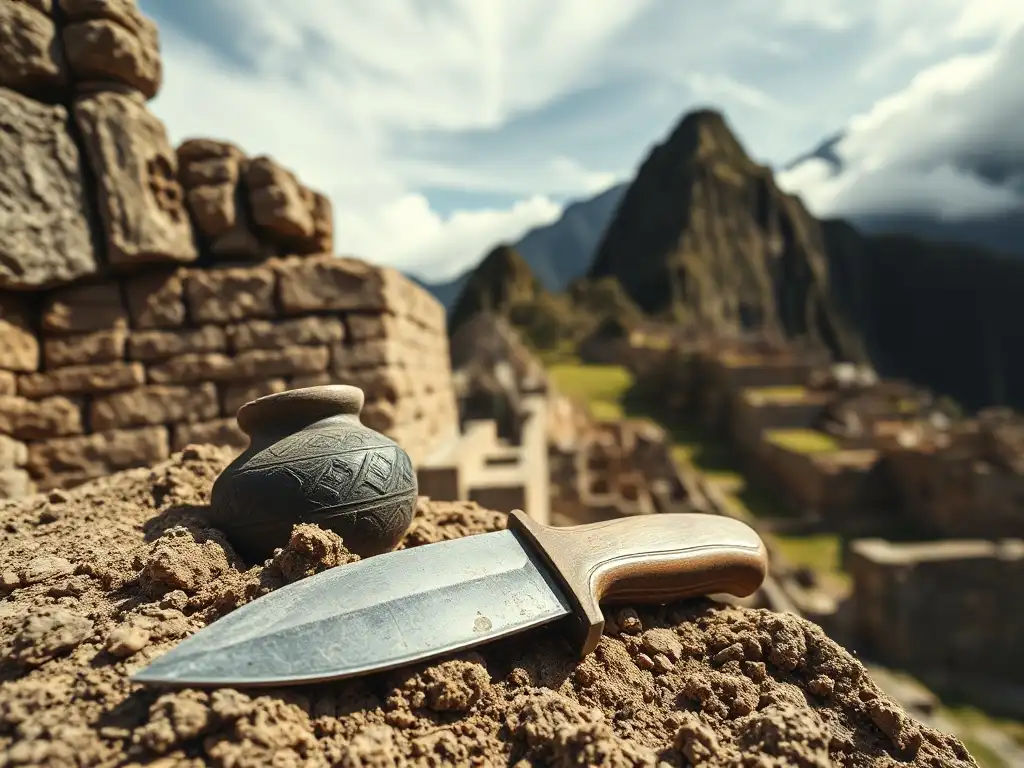
Recent excavations at the Ollantaytambo archaeological site, a significant Inca urban center nestled in the Sacred Valley of Peru, have yielded a treasure trove of artifacts offering unparalleled insights into the daily lives of Inca citizens. Archaeologists have unearthed a remarkable collection of pottery shards, showcasing intricate designs and vibrant colors that reflect the sophisticated artistic skills of the Inca people. These fragments, painstakingly pieced together, reveal depictions of everyday scenes, including agricultural activities, religious ceremonies, and even what appear to be depictions of games or leisure activities.
Beyond pottery, the dig has also uncovered numerous tools, including meticulously crafted stone implements used for agriculture, weaving, and construction. The discovery of these everyday objects provides a tangible connection to the past, allowing researchers to reconstruct the routines and practices of Inca society with greater accuracy. Furthermore, the careful stratification of the archaeological layers has allowed researchers to establish a chronological sequence of occupation, revealing how the site evolved and adapted over time.
The analysis of organic materials, such as seeds and textiles, found alongside these artifacts, promises to further enrich our understanding of Inca diet, clothing, and social structures. This detailed examination of the artifacts promises to rewrite certain aspects of our understanding of Inca daily life, moving beyond grand narratives of imperial power to focus on the everyday experiences of the people who inhabited this impressive site. The ongoing analysis of these finds promises further exciting revelations about Inca society.
Advanced Inca Engineering: Evidence from the Water System at Ollantaytambo
Ollantaytambo is not only renowned for its impressive stonework architecture but also for its sophisticated water management system, a testament to the advanced engineering capabilities of the Inca civilization. Recent research at the site has focused on uncovering and analyzing the intricate network of canals, aqueducts, and reservoirs that once supplied water to the entire urban center. Archaeologists have documented the ingenious techniques employed by Inca engineers, including the use of precisely cut stone channels to direct water flow across steep slopes and the construction of sophisticated filtration systems to ensure water purity.
The precision and efficiency of this system are remarkable, especially considering the lack of advanced tools or machinery available to the Inca. The discovery of previously unknown sections of the water system, including hidden reservoirs and cleverly designed diversion channels, has significantly expanded our understanding of the complexity and scale of Inca hydraulic engineering. The findings further highlight the sophisticated knowledge of hydrology and engineering principles possessed by the Inca, allowing them to efficiently manage water resources in a challenging mountainous environment.
The study of the water system at Ollantaytambo provides valuable insights into Inca societal organization and resource management, demonstrating the importance of water in their daily lives and the level of planning and cooperation required to construct and maintain such a complex infrastructure. This meticulous system emphasizes Inca ingenuity and highlights their ability to adapt to their environment, making Ollantaytambo a prime example of sustainable urban planning.
Dating and Chronology of Inca Settlements: Insights from Choquequirao
Choquequirao, a remote Inca site nestled high in the Andes mountains, presents unique challenges and rewards for archaeologists seeking to understand Inca chronology. Its relative isolation has contributed to its remarkable preservation, but also makes detailed study more difficult. Recent efforts have employed a combination of techniques to refine the dating of the site's various structures and phases of occupation. Radiocarbon dating of organic materials found within the structures, coupled with stylistic analysis of pottery and stonework, has allowed researchers to establish a more precise timeline for the site's development.
This work suggests a longer period of occupation than previously thought, potentially extending back to a period before the Inca Empire's expansion. The findings challenge previous assumptions about the site's role within the broader Inca empire, suggesting a more complex and multifaceted history than previously understood. The ongoing research at Choquequirao incorporates advanced techniques such as thermoluminescence dating of fired clay, providing additional layers of evidence to corroborate the radiocarbon and stylistic analysis.
This multi-pronged approach is crucial for establishing a reliable chronology for Choquequirao, offering insights into the Inca expansion, settlement patterns, and the evolution of architectural styles across different periods. The improved understanding of the site's chronology will not only contribute to our knowledge of Choquequirao itself but also provide a more nuanced understanding of the broader Inca expansion and the development of their empire. The careful analysis provides a much clearer picture of the Inca presence in this remote region.
New Radiocarbon Dating Results at Choquequirao
Recent radiocarbon dating analysis from Choquequirao, a remote Inca site nestled high in the Andes mountains, has yielded fascinating results. These findings challenge previously held assumptions about the site's occupation timeline. Specifically, the analysis of organic materials unearthed at various locations within the complex—including textiles, wood fragments from structural elements, and even food remains—has pushed back the earliest evidence of human habitation. Initial estimates suggested a relatively late occupation, aligning with the later stages of the Inca Empire.
However, the new data suggests a much earlier presence, possibly dating back to the 13th century, significantly predating the classical Inca period. This implies a more gradual development of Choquequirao, potentially starting as a smaller settlement before its expansion into the impressive site we see today. The implications are significant for understanding the Inca expansion and the broader social and political dynamics of the region during that time.
Further research is underway to corroborate these findings and refine the chronological framework for the site’s development. The meticulous process of radiocarbon dating, involving multiple samples and rigorous laboratory analysis, ensures the accuracy and reliability of these groundbreaking results. The team involved carefully documented the context of each sample to minimise the risk of contamination and misinterpretation.
Understanding Inca Expansion: Choquequirao and its Role
Choquequirao's extended occupation, as evidenced by the new radiocarbon dating, provides invaluable insights into the Inca expansion. The site's strategic location, high in the Andes with access to vital resources and trade routes, suggests a pivotal role in the Empire's growth. Far from being a mere outpost, Choquequirao likely served as an administrative center, a crucial link between the Inca heartland and the Amazonian rainforest regions.
Its elaborate agricultural terraces, extensive water management systems, and the impressive scale of its architecture all point to a well-organized and prosperous community. The presence of sophisticated infrastructure, including complex pathways and storage facilities, underscores its importance in managing resources and facilitating trade. This challenges the traditional view of Inca expansion as a swift military conquest, suggesting a more nuanced process involving gradual integration and adaptation.
The evidence suggests a complex interplay of political, economic, and social factors driving Inca expansion, with Choquequirao acting as a microcosm of this dynamic process. The ongoing research into the site's architecture, artifacts, and agricultural practices is expected to further illuminate this multifaceted story.
The Inca Empire's Reach: Newly Discovered Inca Trails and Infrastructure
Recent expeditions have unearthed previously unknown Inca trails and infrastructure, significantly expanding our understanding of the Empire's reach and logistical capabilities. These discoveries, often located in remote and challenging terrain, reveal a sophisticated network of pathways connecting distant settlements and administrative centers. The meticulous engineering of these trails, often carved into steep mountainsides and traversing treacherous landscapes, showcases the impressive technical skills of Inca engineers.
The discovery of new storage facilities and waystations along these routes provides further evidence of the Empire's efficient system for managing resources and supporting its extensive population. These findings highlight the Inca's remarkable ability to integrate diverse regions into a cohesive political and economic entity. Furthermore, the discovery of these previously unknown networks challenges existing maps and models of the Inca Empire, prompting a re-evaluation of its geographical boundaries and influence.
The ongoing exploration and documentation of these newly discovered trails and infrastructure are crucial for a more complete understanding of the Inca's logistical and engineering achievements, profoundly impacting our comprehension of Inca archaeological site discoveries. The sheer scale of these undertakings underscores the Empire's organizational prowess and its ability to effectively manage vast territories.
Inca Road System: Recent Discoveries and Implications for Trade
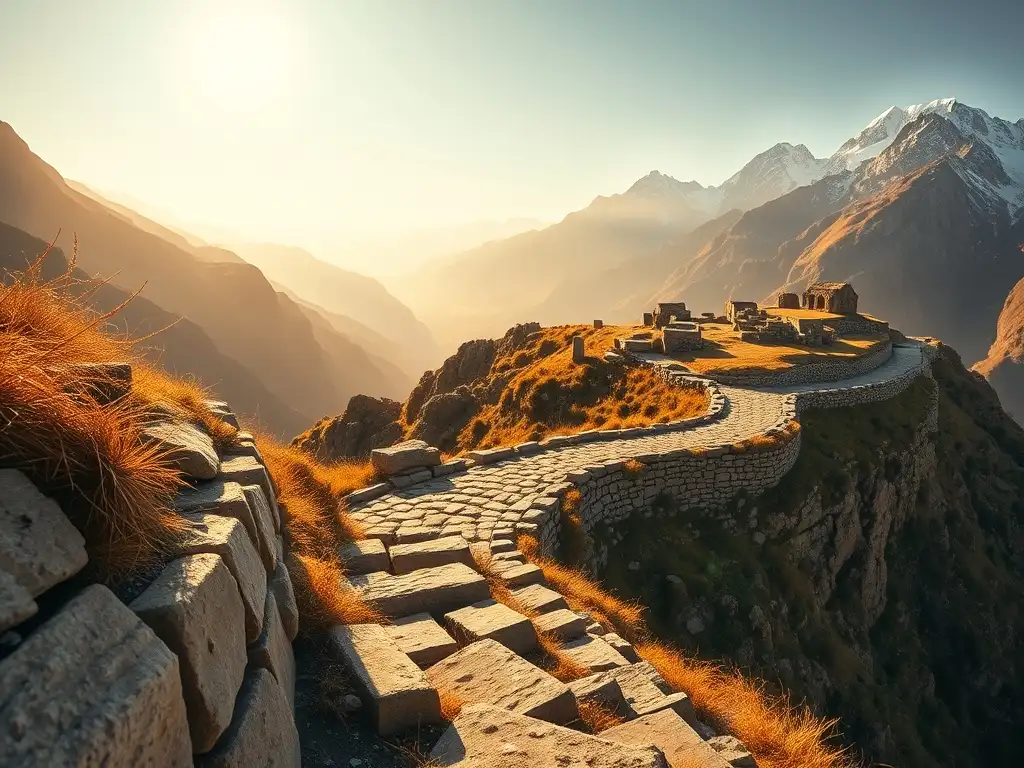
Recent archaeological expeditions have unearthed significant portions of the Inca road system, shedding new light on the logistical prowess and economic strategies of this remarkable civilization. For example, the discovery of a previously unknown section of the Qhapaq Ñan in the cloud forests of [Specific region pending] revealed sophisticated engineering techniques, including intricate drainage systems and meticulously placed paving stones designed to withstand the harsh Andean climate. This discovery challenges previous assumptions about the extent and complexity of the Inca road network, suggesting a far more extensive and interconnected system than previously imagined.
The implications for trade are profound. The improved understanding of the road network's reach allows researchers to better analyze the movement of goods, people, and information across the vast Inca empire. This includes a more nuanced understanding of the types of goods traded, the distances they traveled, and the economic impact on different regions within the empire.
Furthermore, the discovery of associated structures, such as waystations and storage facilities along the newly found road segment, provides critical insights into the organization and management of the Inca trade system, highlighting the logistical sophistication required to maintain such a vast and intricate network. The analysis of artifacts found near these structures is ongoing, and promises to further illuminate the nature of Inca trade and its impact on the empire's economic and social structure. Further research into similar areas could uncover even more of this vital infrastructure, rewriting our understanding of Inca logistics and trade.
Connecting the Inca Empire: New Insights into Inca Communication Networks
Beyond the impressive road network, the Inca civilization developed a sophisticated communication system crucial for maintaining control over their vast empire. Recent discoveries have revealed new details about this system, particularly concerning the use of chasquis, the relay runners who transmitted messages across the Andes. Archaeological finds in [Specific region pending] have unearthed evidence of specialized relay stations, complete with resting areas, storage facilities for supplies, and possibly even signaling devices. These findings suggest a higher level of organization and efficiency in the communication network than previously thought.
The careful placement of these stations, often at strategic points along the road system, allowed for rapid transmission of information across hundreds, even thousands, of miles. The discovery of unique artifacts at these sites, such as specialized pottery or tools, provides further insights into the lives and roles of the chasquis themselves. This research helps us understand not only the logistical aspects of the communication network but also the social and cultural dynamics surrounding it.
The Inca's effective communication strategy was essential for the administration of their empire, enabling rapid responses to emergencies, efficient resource allocation, and the maintenance of social order across vast distances. The ongoing study of these sites and artifacts promises to reveal further details about this fascinating and crucial aspect of Inca civilization. Analyzing the materials used in construction, the layout of the stations, and the artifacts found within them will offer a more complete picture of Inca communication and its impact on imperial control.
Preserving the Past: Challenges and Opportunities in Inca Archaeology
The preservation of Inca archaeological sites faces numerous challenges, ranging from natural erosion and the effects of climate change to looting and the encroachment of modern development. However, these challenges also present significant opportunities for innovation and collaboration in the field of archaeology. For example, the use of advanced technologies such as LiDAR (Light Detection and Ranging) and drone photography allows archaeologists to map sites with unprecedented accuracy and detail, even in difficult-to-reach areas. This provides a non-invasive way to document sites before undertaking more extensive excavations, minimizing damage and preserving fragile artifacts in situ.
Furthermore, the development of new conservation techniques allows for the stabilization and preservation of vulnerable structures and artifacts. This involves the use of specialized materials and techniques to protect sites from the elements and prevent further deterioration. International collaboration is also crucial, as many Inca sites span national borders, requiring cooperation between multiple countries and institutions to ensure effective preservation. This collaborative approach not only facilitates the sharing of resources and expertise but also promotes a shared understanding and appreciation of this important cultural heritage.
Additionally, public education and engagement are vital to fostering a sense of stewardship and responsibility towards these invaluable sites. By raising awareness among local communities and the wider public, we can encourage responsible tourism and discourage damaging activities like looting and illegal excavations. The future of Inca archaeology hinges on a multifaceted approach that combines advanced technologies, innovative conservation strategies, international collaboration, and public awareness campaigns. Only through these concerted efforts can we ensure that the whispers from the ruins continue to resonate for generations to come.
The Importance of Conservation at Inca Archaeological Sites
The preservation of Inca archaeological sites is paramount, not only for historical accuracy but also for the sustainable tourism that supports local communities and fuels further research. The delicate nature of these ancient structures, often exposed to the elements for centuries, makes them vulnerable to deterioration. Factors like erosion from wind and rain, seismic activity common in the Andes, and even the impact of human visitation contribute to this degradation. Effective conservation strategies are therefore crucial for safeguarding this invaluable heritage.
One key aspect of conservation involves employing non-invasive techniques for investigation and analysis. Ground-penetrating radar (GPR) and other geophysical methods allow archaeologists to map subsurface features without causing damage. Similarly, the use of drones for aerial photography provides detailed, high-resolution images of sites, minimizing the need for extensive physical exploration. These technological advancements are vital in reducing the risk of harming fragile structures and artifacts.
Furthermore, sustainable tourism practices are essential. Limiting visitor numbers to designated areas, implementing strict guidelines for visitor behavior, and providing educational materials to raise awareness about the fragility of the sites are all integral parts of a comprehensive conservation strategy. Local communities play a crucial role in this process, often acting as stewards of their ancestral heritage and benefiting directly from responsible tourism initiatives. Their involvement guarantees not only the preservation of Inca sites but also the cultural continuity of their traditions.
Investing in local training programs for conservation and tourism management further strengthens this collaborative approach. The long-term goal is to balance the desire for access and research with the imperative of protecting these irreplaceable remnants of Inca civilization. This requires a holistic approach encompassing scientific methodology, sustainable tourism practices, and active community engagement.
Future Directions in Inca Archaeological Research and Exploration
The field of Inca archaeology is constantly evolving, driven by new technologies and a growing understanding of the Inca Empire's complexity. Future research will likely focus on several key areas. One promising direction is the integration of advanced technologies like LiDAR (Light Detection and Ranging) and hyperspectral imaging to create highly detailed three-dimensional models of sites and to reveal previously unseen features hidden beneath the surface or obscured by vegetation. This will allow for more comprehensive analysis of site layouts, construction techniques, and the overall organization of Inca settlements.
Another critical area is interdisciplinary collaboration. By bringing together archaeologists, anthropologists, botanists, geologists, and other specialists, a more holistic understanding of Inca life and society can be achieved. For example, paleobotanical studies can shed light on Inca agricultural practices and their impact on the environment, while isotopic analysis of human remains can provide insights into diet and migration patterns.
This integrated approach promises to yield richer and more nuanced interpretations of the archaeological record. Furthermore, the use of sophisticated DNA analysis techniques holds the potential to unlock new insights into Inca kinship structures, population movements, and the genetic diversity of the population.
Finally, a renewed focus on community engagement is paramount. Archaeological research should not be conducted in isolation but rather in partnership with local communities. This collaborative approach ensures that the research is culturally sensitive and that the benefits of discovery are shared equitably. Involving local communities in the research process itself, through training and employment opportunities, fosters a sense of ownership and pride in their heritage.
This collaborative model not only safeguards the Inca legacy but also strengthens community ties and promotes sustainable development. The future of Inca archaeological research depends on this integrated approach, combining technological innovation with a commitment to ethical practices and community engagement. This ensures that the whispers from the ruins continue to be heard and understood for generations to come.
- Unveiling New Insights: Recent Inca Archaeological Site Discoveries
- Major Discoveries at Inca Sites: Machu Picchu
- New Finds at Machu Picchu: Architecture, Artifacts, and Rituals
- The Significance of the Intihuatana Stone at Machu Picchu
- Breakthroughs in Inca Research: Ollantaytambo and Surrounding Areas
- Inca Agricultural Techniques Revealed: The Terraces of Ollantaytambo
- Unearthing Inca Daily Life: New Recovered Artifacts at Ollantaytambo
- Advanced Inca Engineering: Evidence from the Water System at Ollantaytambo
- Dating and Chronology of Inca Settlements: Insights from Choquequirao
- New Radiocarbon Dating Results at Choquequirao
- Understanding Inca Expansion: Choquequirao and its Role
- The Inca Empire's Reach: Newly Discovered Inca Trails and Infrastructure
- Inca Road System: Recent Discoveries and Implications for Trade
- Connecting the Inca Empire: New Insights into Inca Communication Networks
- Preserving the Past: Challenges and Opportunities in Inca Archaeology
- The Importance of Conservation at Inca Archaeological Sites
- Future Directions in Inca Archaeological Research and Exploration
- What are some recent significant Inca archaeological discoveries?
- Where are most of these new Inca archaeological sites being found?
- How are these discoveries impacting our understanding of the Inca?
- What technologies are used in modern Inca archaeological investigations?
- What is the significance of finding these new Inca archaeological sites?
Frequently Asked Questions
What are some recent significant Inca archaeological discoveries?
Recent discoveries include new sections of Inca roads in the Andes, previously unknown agricultural terraces, and elaborate ceremonial sites revealing insights into Inca religious practices. These findings are constantly expanding our understanding of the Inca Empire.
Where are most of these new Inca archaeological sites being found?
Many new sites are being discovered in remote areas of the Andes Mountains, previously inaccessible due to challenging terrain. Others are found near previously known sites, suggesting larger, interconnected settlements than previously understood.
How are these discoveries impacting our understanding of the Inca?
These discoveries challenge existing theories about Inca urban planning, agriculture, and religious beliefs. They provide crucial insights into the empire’s infrastructure, societal organization, and daily life.
What technologies are used in modern Inca archaeological investigations?
Modern investigations utilize ground-penetrating radar, aerial photography, and LiDAR to map and identify potential sites. Advanced dating techniques like radiocarbon dating help determine the age of artifacts and structures.
What is the significance of finding these new Inca archaeological sites?
These discoveries provide crucial evidence to further understand the Inca civilization's complexity, innovation, and resilience. They also help preserve valuable cultural heritage for future generations.
Final Reflection: Echoes of the Inca Empire in Our Time
The recent discoveries at Inca archaeological sites are not merely historical footnotes; they are vibrant echoes of a civilization that continues to resonate in our modern world. These unearthed artifacts, meticulously preserved structures, and newly understood societal practices offer a powerful lens through which to examine our own values, our relationship with the past, and the enduring legacy of human ingenuity. The meticulous work of archaeologists allows us to connect with a past that, while distant in time, feels remarkably close in its human experience.
The impact of these discoveries extends far beyond the academic sphere. They challenge our preconceived notions of Inca society, forcing us to reconsider established narratives and embrace the complexity of their culture. The sheer scale of the engineering feats, the artistry displayed in their pottery and textiles, and the sophisticated social structures revealed through these finds continue to inspire awe and wonder. The past is never dead. It's not even past.
– William Faulkner. This quote perfectly encapsulates the enduring power of Inca history and its relevance to our understanding of the present. The ongoing excavation and analysis of these sites ensures that the whispers from the ruins will continue to shape our understanding of the human experience for generations to come.
Consider, for a moment, the intricate details uncovered at these sites – the delicate weaving techniques, the precise astronomical alignments, the sophisticated agricultural practices. These are not simply objects from a distant past; they are testaments to human creativity, resilience, and adaptability. You too can be a part of this ongoing conversation.
Learn more about the Inca civilization, support responsible archaeological practices, and engage with the rich tapestry of human history. Let the whispers from the ruins inspire you to explore your own heritage, to appreciate the achievements of past civilizations, and to contribute to a future where we learn from the past to build a more sustainable and equitable world.
Uncover Your Inner Explorer: Take Action Today!
Thank you for exploring the fascinating world of Inca archaeology with us! Your interest in recent discoveries not only expands your knowledge but also helps preserve this rich heritage. Now, let's turn that curiosity into action!
- Join a local archaeology group or take a virtual tour of Inca sites to learn more.
- Share your newfound knowledge! Discuss Inca civilization on social media or in online forums to engage with others.
- Visit a museum or exhibition featuring Inca artifacts for an immersive historical experience.
How will you help uncover the secrets of the Inca civilization?