
The Role of Women in the Inca Empire: How Their Lives Changed

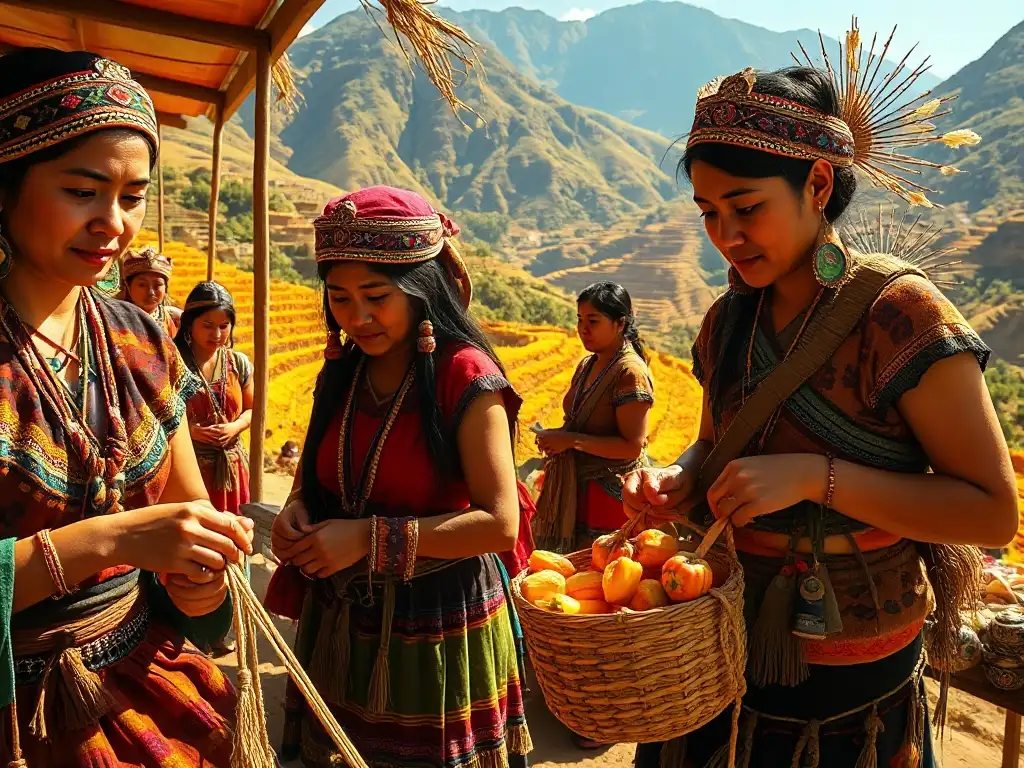
Step into a world lost to time, yet echoing with the strength and resilience of a remarkable people. Forget everything you think you know about ancient civilizations. The Andean world was far more complex than you imagine, and nowhere is this more evident than in the fascinating lives of Inca women. Their roles, far from passive, played a pivotal part in the Empire's success and its ultimate downfall. Discover the untold stories of their influence, power, and enduring legacy in the face of the Spanish Conquest – a journey you won't soon forget.
- Inca Women's Roles and Lives: A Transformation in the Empire
- Daily Life and Responsibilities of Inca Women
- Social Status and Hierarchy of Inca Women
- Inca Women's Rights and Legal Standing
- The Transformation of Inca Women's Lives After the Spanish Conquest
- Resistance and Resilience of Inca Women
-
Frequently Asked Questions
- What roles did Inca women typically hold in society?
- How were Inca women's lives different from men's lives?
- What was the significance of weaving in Inca women's lives?
- Did Inca women have access to education or opportunities for advancement?
- How did the Spanish conquest impact the lives of Inca women?
- Final Reflection: Weaving the Threads of Inca Women's Lives
- Empower Your Knowledge: Dive Deeper into Inca Heritage!
Inca Women's Roles and Lives: A Transformation in the Empire
The Spanish conquest dramatically altered the lives of Inca women, a population previously integral to the empire's social fabric and economic stability. This article delves into the multifaceted roles Inca women held before the arrival of the conquistadors, examining their contributions to agriculture, textile production, and religious practices. We will then explore how the Spanish invasion impacted their lives, resulting in profound shifts in social standing, economic opportunities, and cultural practices.
Understanding the lives of Inca women provides crucial insight into the complexities of the Inca Empire and the devastating consequences of its fall, offering a perspective often overlooked in historical narratives focused primarily on male figures. This exploration will illuminate the significant changes experienced by Inca women, highlighting both the resilience and the vulnerabilities of a population facing unprecedented upheaval.
By analyzing their experiences, we gain a richer, more complete understanding of the Inca Empire's decline and its lasting impact on Andean society. The keyword "Inca women's roles and lives" will be central to this investigation, revealing the transformative impact of the Spanish conquest.
Introduction to the Lives of Women in the Inca Empire
Before the Spanish conquest, Inca women occupied diverse and crucial roles within the intricate social structure of the empire. Contrary to common misconceptions that portray them solely as homemakers, Inca women were active participants in the economy and held significant influence in various spheres of life. Their contributions extended far beyond domestic duties; they were vital to the empire's agricultural success, renowned for their expertise in textile production, and played important roles in religious ceremonies and community life.
The ayllu, the fundamental socio-economic unit of Inca society, relied heavily on the labor and skills of women. They were responsible for cultivating crops such as potatoes, maize, and quinoa, crucial to the empire's sustenance. Their agricultural knowledge and expertise were essential to ensuring food security for their communities and the empire as a whole.
Furthermore, their mastery of textile arts, creating intricate and highly valued fabrics, contributed significantly to the empire's economic prosperity and cultural identity. The vibrant textiles produced by Inca women were not merely clothing; they were symbols of status, power, and religious significance. Their intricate designs and techniques demonstrated a profound understanding of Andean aesthetics and traditions.
The Diverse Roles of Inca Women in Society
Inca women's roles were far from homogenous; they varied based on social class and geographic location. Elite women, often from the royal lineage, held positions of influence within the imperial court and played significant roles in religious ceremonies. They were involved in the production of elite textiles and other luxury goods, further contributing to the empire's prestige and economic wealth. However, even women from lower social strata held positions of responsibility within their communities.
Their participation in agricultural production, textile creation, and religious rituals ensured the smooth functioning of Inca society at all levels. The organization of women's work within the ayllu was crucial to the empire's success. Their collective efforts in agriculture and textile production were essential to the empire's economic stability and social cohesion. Moreover, women were not merely passive participants; they held positions of authority within their communities and played active roles in decision-making processes.
While specific details about their political influence remain debated among scholars, evidence suggests their active involvement in community governance and religious practices. The Spanish chronicles, while often biased, offer glimpses into their lives, revealing their importance in Inca society. Further research is needed to fully understand the nuances of their roles and contributions. The impact of the Spanish conquest on this complex social structure was profound and devastating, leading to significant changes in the lives of Inca women.
Daily Life and Responsibilities of Inca Women
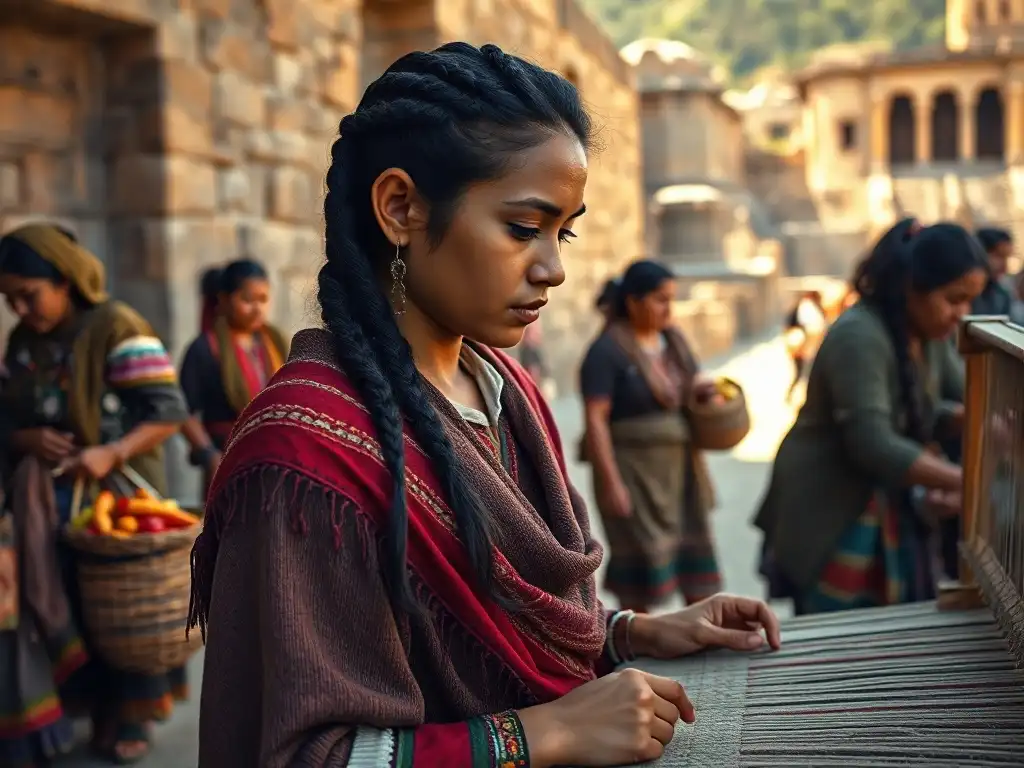
Inca women's roles and lives were multifaceted and crucial to the empire's stability. Contrary to common misconceptions portraying them solely as homemakers, Inca women held significant positions within their communities, contributing substantially to both the domestic sphere and the broader Inca economy. Their lives were structured around a complex interplay of duties, responsibilities, and social expectations, varying somewhat depending on social class and geographic location.
Understanding their daily lives sheds light on the intricate social fabric of the Inca Empire and the pivotal role women played in its success. This section will explore the diverse aspects of Inca women's daily routines, highlighting their contributions and the challenges they faced.
Domestic Duties and Household Management
Inca women, regardless of social standing, were primarily responsible for managing the household. This encompassed a wide range of tasks, from preparing food and tending to children to maintaining the cleanliness and order of the home. Food preparation involved grinding grains using metates (grinding stones), cooking using various techniques, and preserving food for later use.
This wasn't simply a matter of daily sustenance; it involved intricate knowledge of food preparation methods passed down through generations. The preservation techniques alone, employing techniques like sun-drying and fermentation, demonstrate a sophisticated understanding of food science and its importance for the community's survival. Childcare involved not only nurturing and feeding but also teaching young girls the essential skills necessary for their future roles within Inca society.
Maintaining a clean and organized home was a matter of community pride, reflecting the overall well-being and prosperity of the family unit. The meticulous nature of these tasks underscores the significant contribution of Inca women to the social harmony and stability of their communities.
Agricultural Labor and Contribution to Inca Economy
While domestic duties were central, Inca women also played a vital role in agriculture, a cornerstone of the Inca economy. They weren't merely assistants to men; they were active participants in the ayllu system, working alongside men in cultivating crops, tending livestock (llamas and alpacas primarily), and harvesting produce. The ayllu, a communal system of land ownership and labor, ensured a collaborative approach to agriculture, with women contributing significantly to its productivity.
Their work involved planting, weeding, irrigating, and harvesting crops such as potatoes, maize, and quinoa – staples of the Inca diet. The meticulous terracing techniques employed in Inca agriculture, particularly on steep mountain slopes, required both skill and endurance, demonstrating the physical strength and expertise of Inca women.
Their contribution to food production was fundamental to the empire's ability to sustain its large population and support its expansive infrastructure. Furthermore, their involvement in livestock management contributed to the supply of wool for textile production and meat for consumption, further highlighting their multifaceted economic contribution.
Textile Production: The Artistry of Inca Women
Textile production was a highly specialized domain dominated by Inca women. They were renowned for their mastery of weaving, dyeing, and embroidery, creating intricate textiles of exceptional quality. The production process involved shearing the alpaca and llama wool, spinning it into yarn, and then weaving it into complex patterns on backstrap looms.
The dyes used were derived from natural sources, such as plants and minerals, and the resulting colors were vibrant and long-lasting. The artistry of Inca women extended beyond mere functionality; their textiles were often imbued with symbolic meaning, reflecting religious beliefs, social status, and regional identity. From everyday clothing to ceremonial garments and tapestries, Inca women's textile production was a crucial aspect of Inca culture and economy.
The intricate designs and high-quality craftsmanship of Inca textiles are a testament to their unparalleled skill and artistic talent, showcasing the depth and complexity of their cultural expression and highlighting their significant role in the Inca society. Their textiles serve as enduring symbols of the Inca women's ingenuity and creativity, leaving a lasting legacy for future generations.
Women's Roles in Inca Craftsmanship
Inca women were not merely homemakers; they held significant roles in the empire's thriving craft industry. Their contributions were vital to the Inca economy and social structure, showcasing their skills and expertise in various textile arts and other crafts. The production of textiles, in particular, was predominantly a female domain, representing a significant source of economic power and social standing for women within their communities.
These textiles weren't simply clothing; they were intricate works of art, imbued with symbolic meaning and used in religious ceremonies, royal apparel, and everyday life. The quality and intricacy of Inca textiles are still admired today, a testament to the skill and dedication of the women who created them.
The techniques employed by Inca women in textile production were remarkably advanced for their time. They utilized a variety of natural dyes derived from plants, insects, and minerals, achieving a vibrant and lasting color palette. Their mastery of spinning, weaving, and dyeing techniques resulted in textiles of exceptional quality and durability. Different regions specialized in particular textile styles and techniques, leading to a rich diversity of designs and patterns within the empire. This regional specialization also fostered a sense of community and identity among women artisans.
Beyond textiles, Inca women were involved in other crucial crafts like pottery and the creation of intricate jewelry. Pottery, often used for storing food and water, was another area where women demonstrated their artistic abilities. The designs on Inca pottery, like their textiles, were often imbued with symbolic meaning, reflecting religious beliefs and social structures. Similarly, the production of jewelry, using precious metals and stones, was another domain where women's skills were highly valued.
These pieces, often adorned with intricate designs, were used as status symbols and played important roles in religious ceremonies. The creation of these objects showcased the women's artistic talents and their crucial contribution to Inca culture. The careful attention to detail and the artistic merit of their creations demonstrate the high level of skill and dedication possessed by these women artisans. The legacy of their craftsmanship continues to fascinate and inspire us today.
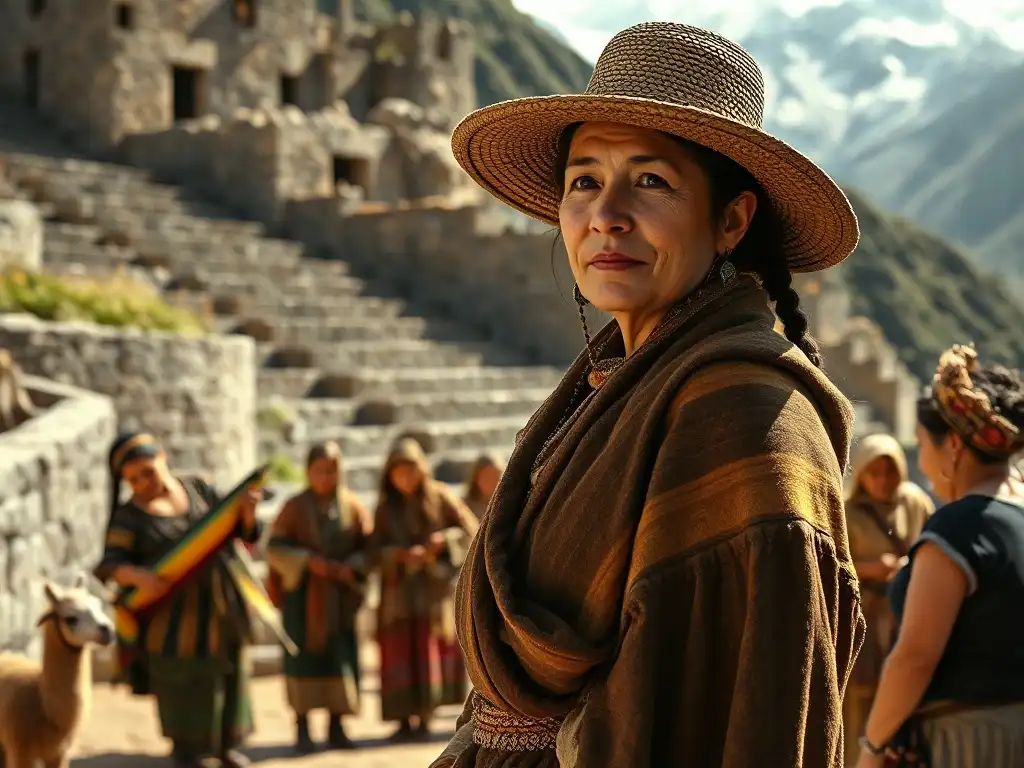
Inca society, while patriarchal in many aspects, afforded women a more significant social standing than many other contemporaneous civilizations. Their roles and lives were intricately woven into the fabric of the empire, impacting everything from agricultural production to religious practices. Understanding the complexities of Inca women's lives requires examining their social standing, which wasn't monolithic but rather varied based on factors like lineage, social class, and marital status.
While men held the dominant political power, women occupied crucial roles within the household and played a significant part in the economic well-being of their communities. The Inca concept of ayllu, the extended family unit, shaped the social lives of women profoundly.
This system provided a framework for social support and cooperation, but also reinforced certain hierarchical structures affecting women's opportunities. The influence of the Inca's sophisticated social system on their women's roles and lives remains a fascinating area of study for historians.
Inca Women's Place within the Family Structure
Within the ayllu, women's roles were primarily domestic, centered around childcare, weaving, and food preparation. However, this doesn't diminish their importance. Their contributions to the family's sustenance were vital. Women were responsible for cultivating crops, particularly chicha (a fermented corn beverage) production, a significant aspect of Inca social life and ritual.
They managed household finances and participated in the communal labor system, mita. While men often held leadership positions within the ayllu, women held considerable influence within the family unit, often acting as advisors and decision-makers regarding domestic matters. The strength of the family unit rested on the contributions of both men and women, highlighting the interdependent nature of gender roles within the Inca social structure. Further research is needed to fully understand the nuances of power dynamics within Inca families, particularly regarding inheritance and property rights.
The lives of Inca women varied significantly based on their lineage and social class. Women of noble birth, particularly those related to the royal family, enjoyed far greater privileges and opportunities than commoner women. They received specialized education, often in textile production and religious practices. Some were chosen to serve as acllas (Chosen Women), a topic discussed in further detail below.
These women held positions of significant influence within the religious and political spheres. In contrast, commoner women faced greater economic hardships and had less access to education and social mobility. However, even within the lower classes, women held essential roles in maintaining the social and economic stability of their communities. The impact of social class on women's access to resources and opportunities needs further investigation to fully understand the range of experiences for Inca women.
The Significance of Inca Priestesses and Chosen Women
The acllas, or Chosen Women, represented a unique group within Inca society. Selected for their beauty, intelligence, and skill, these women were dedicated to the service of the Inca state. They received extensive training in weaving, religious rituals, and other specialized crafts. Some became priestesses, holding significant religious authority and influence.
Others dedicated their lives to producing fine textiles for the Inca elite. The acllas represent a significant exception to the predominantly domestic roles of many Inca women, showcasing the opportunities available to women of exceptional talent and status. Their lives highlight the complex relationship between gender, religion, and power within the Inca Empire.
The role of acllas in maintaining the Inca religious system and the extent of their political influence remains a subject of ongoing scholarly debate. Further research into archaeological evidence and Inca texts is crucial for a more complete understanding of this fascinating aspect of Inca women's lives. The surviving evidence suggests a level of social mobility and influence not fully appreciated until recently, challenging traditional narratives that undervalue the contributions of Inca women.
Inca Women's Rights and Legal Standing
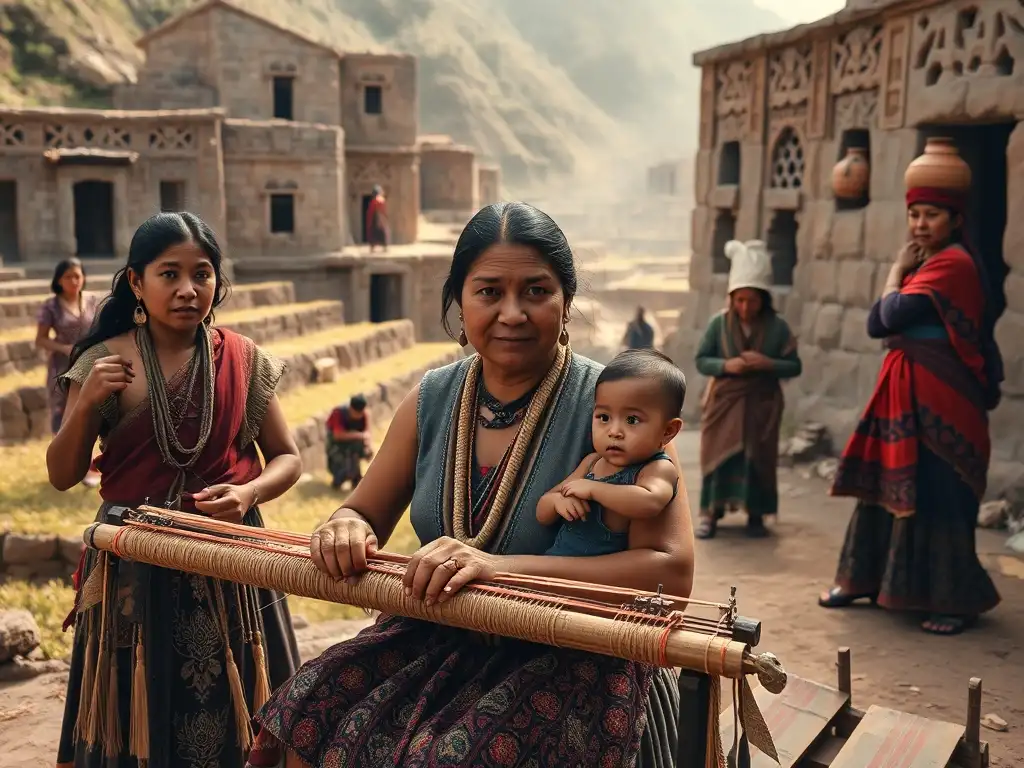
The legal standing of Inca women, while not equal to that of men, was significantly more advanced than in many other contemporaneous societies. The Inca legal system, while patriarchal, acknowledged women's rights and responsibilities within a defined framework. However, it's crucial to understand that the extent of these rights varied depending on social class and geographic location. While elite women enjoyed greater autonomy and influence, peasant women faced different realities.
The romanticized image of Inca women often overshadows the complexities of their legal position within a hierarchical empire. Scholarly interpretations often highlight the patriarchal structure, but a nuanced understanding requires examining the specifics of Inca law and its practical application. The existing evidence suggests a spectrum of experiences rather than a monolithic reality.
Limited Rights and Legal Restrictions
Inca law, ultimately, prioritized men in matters of inheritance and leadership. While women could own property and participate in economic activities, their legal rights were subordinate to those of men. For example, in inheritance matters, sons typically received a larger share of the family estate than daughters. This disparity in inheritance rights significantly impacted women's economic independence later in life.
Furthermore, women's testimony in legal proceedings was often considered less credible than men's, highlighting a societal bias. This unequal treatment, while documented, needs further investigation to determine the extent of its practical impact on women's daily lives. The available evidence suggests a system of legal limitations rather than outright exclusion from the judicial process. We need further research to fully understand the nuances of women's legal representation and advocacy within the Inca legal system.
Inca Women's Access to Resources and Property
Despite legal limitations, Inca women had significant access to resources and property, particularly within the ayllu (community) system. Women played crucial roles in agricultural production, textile manufacturing, and food processing. They owned and managed their own plots of land, contributing substantially to the empire's economy.
This economic contribution is often overlooked in discussions of Inca women's roles. Furthermore, elite women, particularly those from the royal family or the nobility, wielded considerable economic and political influence. They controlled significant resources and played vital roles in religious ceremonies and courtly life.
This access to resources wasn't uniform across all social classes; however, it highlights the diverse economic roles Inca women occupied within the empire. The system, while undeniably patriarchal, allowed for a degree of economic independence and agency for many women. Further research into regional variations in land ownership and economic activity would help clarify the scope of women's economic participation across the Inca Empire.
The Impact of Inca Laws on Women's Lives
The Inca legal system, while exhibiting patriarchal tendencies, did not entirely subjugate women. Inca laws, though often interpreted through a male-centric lens, provided a framework within which women could operate, albeit with limitations. These laws, coupled with the ayllu system, offered women a degree of social and economic security. The impact of these laws varied significantly based on social standing and geographic location. For instance, while elite women benefited from their access to resources and influence, peasant women's lives were shaped by the demands of agricultural labor and their subordinate legal standing. The interaction between legal frameworks and social realities requires more detailed analysis to fully understand the lived experiences of women across the Inca Empire. A more comprehensive study of local customs and traditions, alongside the imperial legal codes, is needed to paint a complete picture of how Inca laws shaped the lives of women.
The study of "Inca women's roles and lives" requires a careful consideration of these legal and social complexities, moving beyond simplistic narratives to grasp the multifaceted experiences of women within the Inca Empire. Further research into regional variations and the lived experiences of women from various social strata is essential for a more complete understanding.
The Transformation of Inca Women's Lives After the Spanish Conquest
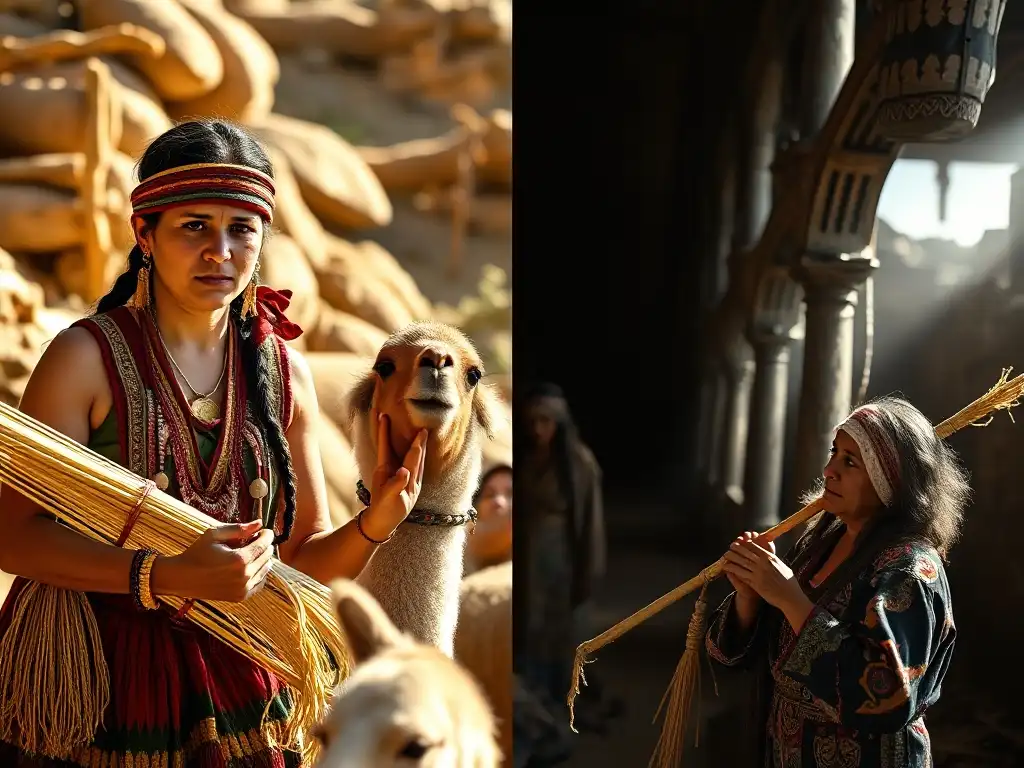
The Spanish conquest irrevocably altered the social fabric of the Inca Empire, profoundly impacting the lives and roles of Inca women. While pre-conquest Inca women held significant positions within their communities, the arrival of the Spanish led to a complex and often devastating transformation.
Understanding these changes requires examining the immediate consequences of the conquest, the introduction of new social structures, and the shifts in women's economic activities. This section will explore these key areas, focusing on how the lives of Inca women were reshaped during this tumultuous period, providing a nuanced perspective on the impact of the Spanish conquest on Inca women's roles and lives.
The Initial Impact of the Conquest on Inca Women
The initial impact of the Spanish conquest on Inca women was catastrophic. The violence and upheaval accompanying the conquest resulted in widespread death, displacement, and enslavement. Many women were orphaned or widowed, leaving them vulnerable and exposed to exploitation.
The destruction of the Inca social order, with its established hierarchies and support systems, left Inca women with few resources and little protection. The systematic dismantling of the ayllu system—the communal land-based organization that provided social security and economic support—directly impacted women's access to resources and their overall security. The Spanish conquistadors often seized control of land and resources previously managed by women within their communities, further exacerbating their precarious situation.
This immediate disruption caused widespread suffering and fundamentally altered the lives of Inca women, setting the stage for the significant changes that would follow. The sheer scale of death and destruction during this period is difficult to quantify precisely, but accounts from the time suggest that the loss of life among the Inca population, including women, was immense. Furthermore, the introduction of new diseases, to which the Inca population had no immunity, decimated the population, disproportionately affecting women who were often responsible for childcare and tending to the sick.
The Spanish conquest introduced new social structures and gender roles that drastically altered the lives of Inca women. The Spanish imposed a patriarchal system that dramatically reduced the status and autonomy of women. The encomienda system, which granted Spanish conquistadors control over indigenous labor and resources, often resulted in the exploitation of Inca women.
Many were forced into domestic servitude, working in the homes of Spanish colonists, subjected to harsh conditions and deprived of their rights. The introduction of Christianity also played a significant role in reshaping gender roles. The Spanish actively sought to convert the Inca population to Catholicism, and this often involved suppressing indigenous religious practices and beliefs, which had previously granted women a certain degree of social and spiritual authority.
The Spanish church emphasized a patriarchal interpretation of Christianity, further marginalizing Inca women's roles in religious and communal life. The imposition of Spanish law and customs further limited the rights and freedoms of Inca women, contrasting sharply with the relative autonomy they had enjoyed in the pre-conquest era. The legal system often failed to protect Inca women from abuse and exploitation, and their testimonies were frequently disregarded in legal proceedings.
Changes in Inca Women's Economic Activities
The Spanish conquest dramatically altered the economic activities of Inca women. Before the conquest, Inca women played vital roles in agriculture, textile production, and trade. They managed agricultural lands within the ayllu system, contributing significantly to food production. They were skilled weavers and produced textiles of exceptional quality, which were important for trade and exchange.
However, the Spanish conquest disrupted these established economic activities. The forced labor imposed by the encomienda system often involved women in activities outside their traditional roles, such as mining and other forms of heavy labor. The introduction of new crops and agricultural techniques also altered women's roles in farming.
The focus on producing goods for the Spanish market often meant that women were diverted from their traditional agricultural practices, which negatively impacted their ability to provide for themselves and their families. The decline of traditional textile production, due to competition from Spanish-made goods and the disruption of trade routes, also significantly impacted the economic independence of Inca women. The resulting economic hardship further marginalized Inca women and reduced their overall agency within society.
The Loss of Inca Cultural Practices for Women
The Spanish conquest drastically altered the lives of Inca women, leading to the suppression and eventual loss of many cherished cultural practices. Prior to the arrival of the Europeans, Inca women held significant roles in textile production, agriculture, and religious ceremonies. Their expertise in weaving, for example, was highly valued, resulting in the creation of intricate textiles that served both practical and ceremonial purposes. These textiles, often imbued with symbolic meaning, represented a vital aspect of Inca identity and spirituality.
The Spanish, however, actively discouraged these practices, favoring European styles and techniques. The intricate knowledge passed down through generations of Inca women was gradually lost, replaced by simpler, less symbolically rich methods. This loss represents not only a decline in textile artistry but also a severing of a deep connection to their cultural heritage.
Furthermore, the Spanish conquest significantly impacted the agricultural practices of Inca women. Their expertise in cultivating crops adapted to the Andean highlands was essential for the empire's food security. Traditional methods of terracing, irrigation, and crop rotation, developed over centuries, were replaced by European farming techniques, often less suited to the challenging Andean environment.
The introduction of new crops and livestock also disrupted existing agricultural systems, further marginalizing the traditional knowledge of Inca women. This shift not only affected food production but also diminished the women's economic independence and social standing within their communities. The loss of traditional agricultural knowledge contributed to a decline in food security and an increase in dependence on the Spanish colonial system.
The suppression of Inca religious practices further compounded the challenges faced by Inca women. Before the conquest, women held important roles in religious ceremonies and rituals, often serving as priestesses or acting as intermediaries between the spiritual and material worlds. The Spanish, however, systematically dismantled the Inca religious system, replacing it with Catholicism. This resulted in the suppression of traditional religious practices and the marginalization of women's roles within the spiritual sphere. The destruction of Inca temples and sacred sites further severed the connection between women and their ancestral beliefs, leading to a profound cultural and spiritual loss. The imposition of a new religious system not only undermined their spiritual autonomy but also stripped them of their social and political influence within their communities. The loss of religious practices signifies a profound cultural disruption, leading to a sense of displacement and disconnection from their ancestral heritage for many Inca women.
Resistance and Resilience of Inca Women
The Spanish conquest of the Inca Empire didn't simply erase the lives and contributions of Inca women; instead, it forced them into a period of profound adaptation and, in many ways, resistance. While the imposed colonial system drastically altered their social structures and roles, Inca women demonstrated remarkable resilience in preserving aspects of their cultural heritage and challenging the new order. Their strength wasn't solely expressed through overt rebellion, but also through subtle acts of defiance and the tenacious safeguarding of their traditions.
Understanding this resistance is crucial to a complete understanding of the Inca women's roles and lives during this tumultuous period. The impact of the Spanish conquest was multifaceted, affecting everything from their daily lives to their spiritual beliefs.
Inca Women's Role in Maintaining Traditions
Despite the immense pressure to conform to Spanish Catholicism and societal norms, Inca women played a pivotal role in maintaining vital aspects of their cultural heritage. This preservation often occurred within the domestic sphere, seemingly innocuous yet powerfully subversive. For example, the continued practice of traditional weaving techniques, using indigenous fibers and designs, served as a silent form of resistance.
These textiles, often imbued with symbolic meaning, carried forward ancestral knowledge and artistic styles, subtly defying the attempts to erase Inca identity. Similarly, oral traditions, passed down through generations of women, helped preserve Inca history, mythology, and social values, even as Spanish authorities tried to impose their own narratives. The strength of these traditions, carefully nurtured in the face of adversity, speaks volumes about the resilience of Inca women.
We see evidence of this in the continued use of Quechua, the Inca language, in many households, even as Spanish became the official language. This linguistic persistence, often driven by women within the family unit, played a vital role in maintaining cultural identity.
The passing down of herbal remedies and medicinal knowledge, traditionally held by women, also continued. This was not just a matter of maintaining health; it was a continuation of a vital part of their cultural heritage. The knowledge of plants and their medicinal properties was not just practical; it also connected them to their ancestors and their spiritual world. The continued use of these traditional practices was a quiet act of resistance against the imposition of European medical practices. This subtle yet persistent resistance ensured the survival of crucial elements of Inca culture.
Women's Participation in Inca Resistance Movements
While the image of Inca resistance often focuses on male warriors, women actively participated in various forms of resistance against Spanish rule. Their involvement was diverse, ranging from providing logistical support to engaging in direct armed conflict. While detailed records of women's participation are scarce due to the biased nature of Spanish chronicles, anecdotal evidence and archaeological findings suggest their significant contributions.
For example, women likely played crucial roles in supplying food, clothing, and medical aid to rebel forces. Their knowledge of the terrain and local resources proved invaluable in supporting guerilla warfare tactics. In addition to this crucial support, some accounts suggest women directly participated in armed combat, though often in less visible roles.
The lack of detailed documentation shouldn't be interpreted as a lack of involvement; rather, it highlights the limitations of the historical record and the systematic marginalization of women's contributions. Further research, employing diverse methodologies, is needed to fully uncover the extent of their participation in the various Inca resistance movements. The stories of these women are crucial to understanding the full scope of the Inca struggle for survival.
The Enduring Legacy of Inca Women
The resilience and adaptability of Inca women during and after the conquest left an indelible mark on Andean society. Their contributions to the preservation of language, traditions, and cultural practices laid the foundation for the continued identity of Andean communities. Even after the collapse of the Inca Empire, Inca women’s roles and lives continued to evolve, adapting to the new realities while retaining elements of their heritage.
This enduring legacy is evident in many aspects of modern Andean culture, from weaving techniques and agricultural practices to social structures and spiritual beliefs. Their story is a testament to the enduring strength and cultural contributions of women in the face of immense historical upheaval. Understanding their experiences is essential not just to comprehending the fall of the Inca Empire, but also to appreciating the rich tapestry of Andean history and culture.
The legacy of Inca women continues to inspire and inform our understanding of resilience and cultural preservation in the face of adversity. Their story is a powerful reminder of the enduring human spirit and the importance of recognizing the contributions of all members of society, particularly those whose voices have historically been marginalized.
Conclusion: Reflections on Inca Women's Experiences
The experiences of Inca women during the Spanish conquest, and even before, present a complex and multifaceted picture that challenges simplistic narratives. While often portrayed through a lens of patriarchal subjugation, the evidence reveals a resilience and agency that deserves deeper exploration. Their roles in the domestic sphere, in agriculture, and in religious practices were vital to the Inca Empire's functioning. The disruption caused by the conquest, the imposition of new social structures, and the devastating diseases brought by the Europeans profoundly impacted their lives, creating immense hardship and suffering.
However, even amidst this turmoil, Inca women demonstrated remarkable adaptability and strength. They participated in various forms of resistance, both overt and covert, contributing to the ongoing struggle against Spanish domination. Their capacity to maintain cultural traditions, adapt to new circumstances, and continue to play crucial roles in their communities highlights their unwavering spirit.
The stories of these women, though often fragmented and obscured by historical biases, offer invaluable insights into the complexities of power, gender, and survival in the face of immense change. Further research, focusing on uncovering and amplifying their voices, is crucial to achieving a more complete and nuanced understanding of their contributions to Inca history and the legacy of the empire. Their resilience serves as a powerful testament to the human spirit's enduring capacity to navigate even the most challenging of circumstances.
The study of Inca women's lives provides a crucial counterpoint to dominant narratives of the conquest, reminding us of the often-overlooked strength and agency of those who were directly impacted by this momentous historical event. Their experiences continue to resonate today, urging us to reconsider traditional interpretations of history and to prioritize the voices and perspectives of those who have been historically marginalized.
Frequently Asked Questions
What roles did Inca women typically hold in society?
Inca women held a variety of roles, from homemakers and weavers to farmers and traders. Their contributions were vital to the empire's economy and social structure. They also played important roles in religious ceremonies.
How were Inca women's lives different from men's lives?
While men held more political and military power, Inca women enjoyed a degree of social and economic autonomy. They owned property, could engage in trade, and had significant influence within their families and communities.
What was the significance of weaving in Inca women's lives?
Weaving was a highly valued skill, and female weavers produced textiles of exceptional quality. This craft was not only economically important but also held religious and symbolic significance, reflecting their status and social standing.
Did Inca women have access to education or opportunities for advancement?
While formal education systems were not widespread, Inca women received training in domestic skills and crafts from a young age. Some women, particularly those from elite families, held positions of influence and power within the religious or political spheres.
How did the Spanish conquest impact the lives of Inca women?
The Spanish conquest dramatically altered the lives of Inca women, leading to the loss of traditional roles and social structures. They faced exploitation, forced labor, and the disruption of their communities. The introduction of new diseases also had a devastating impact.
Final Reflection: Weaving the Threads of Inca Women's Lives
The resilience and multifaceted roles of Inca women continue to resonate today, challenging our modern perceptions of gender and power. Their contributions, often overlooked in historical narratives, were fundamental to the empire's success and offer a powerful counterpoint to patriarchal narratives that dominate many historical accounts. Understanding their lives is not just an academic exercise; it's a crucial step in re-evaluating our own understanding of societal structures and female agency.
The influence of Inca women's lives extends far beyond the confines of the empire's geographical boundaries. Their skills in agriculture, textile production, and community leadership laid the groundwork for future generations and continue to inspire contemporary movements advocating for gender equality. The past is never dead. It's not even past.
- William Faulkner. This quote perfectly encapsulates the enduring legacy of Inca women, whose experiences continue to shape our understanding of history and the ongoing struggle for social justice. Their stories, though often fragmented, serve as a powerful reminder of the enduring strength and ingenuity of women throughout history.
Consider the intricate tapestries woven by Inca women, each thread representing a facet of their lives – their roles as mothers, farmers, artisans, and spiritual leaders. Now, consider your own life, your own contributions to society. What threads are you weaving into the tapestry of your own story? Let the legacy of Inca women inspire you to embrace your own strength, resilience, and potential, to contribute meaningfully to the world, and to ensure that the stories of women, past and present, are heard and celebrated.
Empower Your Knowledge: Dive Deeper into Inca Heritage!
Thank you for exploring the fascinating world of women in the Inca Empire! Their experiences offer profound insights into the diverse roles within ancient societies and inspire a deeper appreciation for the complexities of history. Let's build on what you've learned!
Here are some ways to continue your exploration:
- Join a local history group or online forum to connect with others interested in the roles of women in ancient cultures. Sharing knowledge and perspectives fosters a richer understanding.
- Share this article with friends and family, or post it on social media, sparking conversations about the impact of gender roles throughout history and their relevance today.
- Explore related topics! Delve into our other articles on Andean civilizations to uncover more about their societal structures and cultural legacies.
What aspects of women's roles in the Inca Empire resonated most with you, and how can you apply this knowledge to inspire others?