
The Inca's Agricultural Surplus: Fueling Their Economic Power

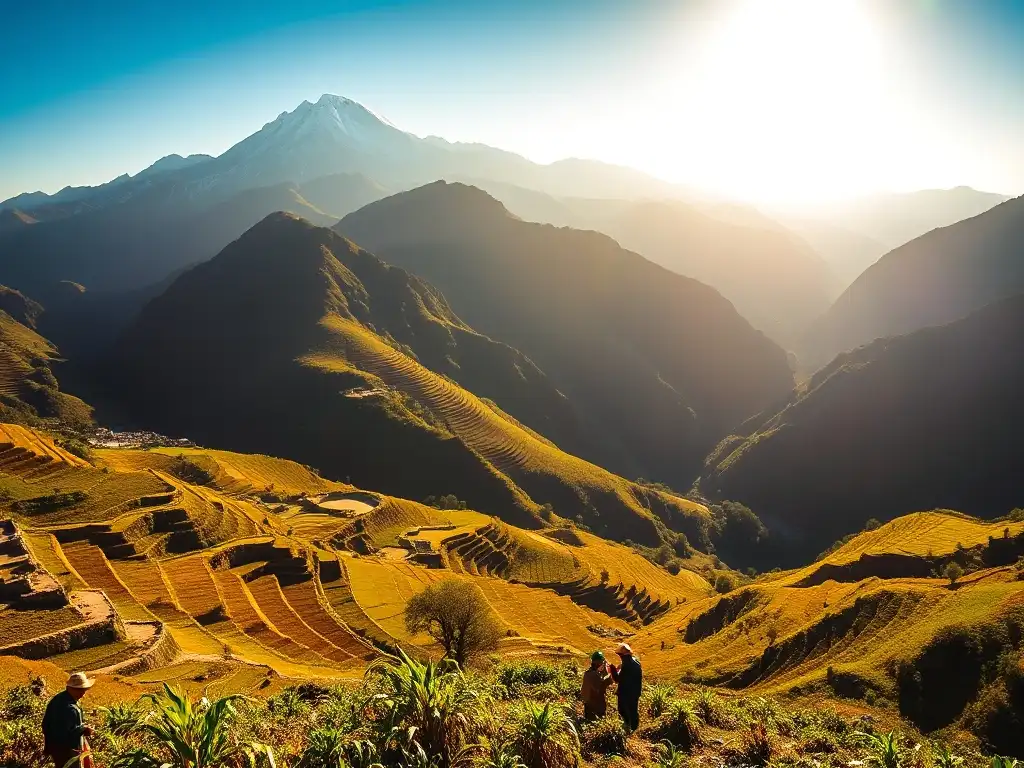
Step into a world lost to time, yet echoing with the ingenuity of empires past. Discover the secrets behind the breathtaking achievements of the Andean civilizations, from the intricate artistry of the Nazca lines to the sophisticated engineering of the Incas. But what truly fueled the Inca's rise to power? The answer lies in their remarkable Inca agricultural surplus, a feat of engineering and societal organization that allowed for unprecedented growth and influence. Uncover the mysteries behind this remarkable success and explore the fascinating story of how food shaped an empire.
The Inca Empire, renowned for its sophisticated infrastructure and expansive reach across the Andes Mountains, achieved remarkable success partly due to its mastery of agriculture. Unlike many other ancient civilizations reliant on unpredictable weather patterns and limited arable land, the Inca developed ingenious techniques that generated significant agricultural surpluses. This surplus wasn't simply a matter of having extra food; it served as the bedrock of their economic power, fueling their vast infrastructure projects, supporting a complex social structure, and enabling military expansion.
This article delves into the ingenious methods employed by the Inca to achieve this agricultural abundance and explores how this surplus directly contributed to the empire's economic might. We will examine the techniques, the societal impact, and the strategic implications of the Inca’s remarkable agricultural achievements. Understanding their agricultural prowess is key to comprehending the full extent of the Inca Empire's power and longevity.
Ingenious Inca Agricultural Techniques
The Inca's success wasn't due to luck; it stemmed from a deep understanding of their environment and the development of innovative agricultural practices. They skillfully adapted to the diverse and challenging Andean terrain, employing techniques that maximized crop yields in diverse climates ranging from arid coastal deserts to high-altitude mountain slopes. These techniques included:
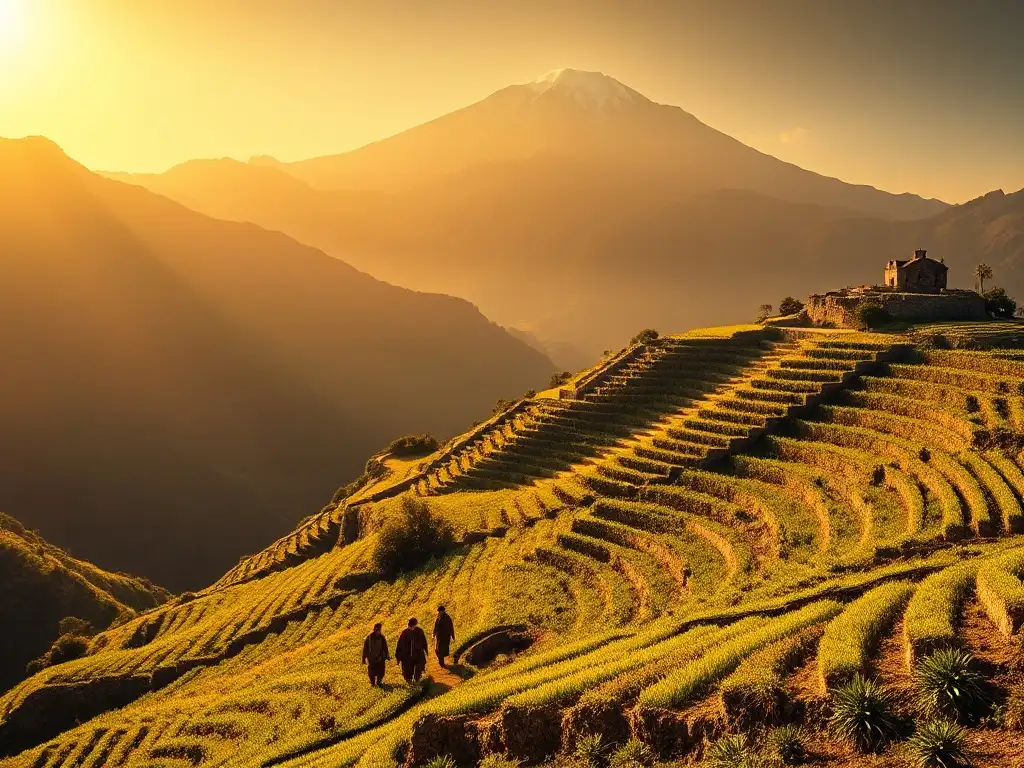
- Terracing: The construction of extensive terraced farms carved into hillsides dramatically increased arable land, allowing for cultivation on slopes previously unsuitable for farming. These terraces also helped to control water erosion and retain moisture. The precision and scale of Inca terracing remain impressive feats of engineering.
- Irrigation Systems: Complex canal systems, some stretching for miles, channeled water from rivers and streams to irrigate fields, ensuring a consistent water supply even in dry seasons. This controlled irrigation was crucial for maximizing crop production, particularly in arid regions.
- Waru Waru Agriculture: This unique technique involved creating raised beds surrounded by irrigation canals. This method improved drainage, reduced frost damage, and increased soil fertility. Waru Waru systems were particularly effective in the altiplano region.
- Crop Rotation and Fertilization: The Inca practiced crop rotation to maintain soil fertility and prevent depletion. They also utilized fertilizers, such as guano (bird droppings), to enrich the soil and boost crop yields. This sustainable approach ensured long-term agricultural productivity.
These techniques, implemented on a massive scale, allowed the Inca to cultivate a wide variety of crops, including potatoes, maize, quinoa, beans, and squash, ensuring food security and generating a substantial surplus.
The Economic Impact of Agricultural Surplus
The agricultural surplus generated by the Inca was not simply consumed; it was strategically managed to fuel the empire's economic engine. This surplus served several crucial economic functions:
- Feeding the Population: The surplus provided food for the vast Inca population, including the army, priests, and government officials. This ensured social stability and prevented widespread famine.
- Supporting Public Works: The surplus freed up a significant portion of the population to work on large-scale infrastructure projects, such as roads, temples, and irrigation systems. This investment in infrastructure further boosted agricultural productivity and strengthened the empire.
- Facilitating Trade: The Inca used their agricultural surplus as a form of payment and exchange in trade networks. This system fostered economic interdependence throughout the empire and facilitated the distribution of goods and resources.
- Military Strength: A well-fed population provided a strong and stable military force, vital for the expansion and control of the empire. The agricultural surplus supported this military might.
The Inca's economic system, deeply intertwined with their agricultural success, created a powerful and self-sustaining empire. The surplus allowed for investment in infrastructure, supported a large population, and fueled military expansion.
The Inca's agricultural surplus had profound social and political implications. The control and distribution of this surplus were central to the empire's power structure. The state controlled agricultural production and redistribution, ensuring that resources reached all parts of the empire. This system:
- Strengthened Central Authority: The centralized control over agricultural production reinforced the power of the Inca emperor and his administration. The ability to manage and distribute the surplus gave the state considerable influence over the population.
- Reduced Social Inequality (to an extent): While not eliminating social stratification entirely, the Inca system aimed for a degree of social equity through redistribution of agricultural products. This helped to maintain stability and prevent widespread unrest.
- Supported Religious Practices: A portion of the agricultural surplus was allocated to religious institutions and ceremonies, reinforcing the importance of religion in Inca society.
The Inca's management of their agricultural surplus was not merely an economic strategy; it was a crucial element of their political and social organization, underpinning the empire's stability and longevity. The system, while complex, contributed to a level of societal cohesion relatively uncommon in ancient civilizations.
Conclusion: A Legacy of Agricultural Innovation
The Inca's mastery of agriculture, leading to significant surpluses, was a cornerstone of their economic and political power. Their innovative farming techniques, coupled with a sophisticated system of resource management and distribution, allowed them to build a vast and enduring empire. The legacy of Inca agricultural innovation continues to inspire modern agricultural practices, demonstrating the enduring impact of their ingenuity and foresight.
Their achievements serve as a testament to the power of human adaptation and the crucial link between agricultural productivity and societal prosperity. The Inca's success highlights the importance of sustainable agricultural practices and the profound impact that food security can have on the development and stability of a civilization.
- Ingenious Inca Agricultural Techniques
- The Economic Impact of Agricultural Surplus
- The Social and Political Implications
- Conclusion: A Legacy of Agricultural Innovation
- The Foundation of Inca Economic Strength: Agricultural Output
- Key Factors Behind Inca Farming Success
- Advanced Inca Agricultural Techniques: Maximizing Yields
- Terracing and Irrigation: Cornerstones of Inca Farming
- Diversification of Crops: Ensuring Food Security
- The Role of Labor in Inca Agricultural Production
- What is meant by "Inca agricultural surplus"?
- How did the Inca achieve such a high agricultural surplus?
- What role did the agricultural surplus play in the Inca Empire's economic power?
- Did the Inca's agricultural practices benefit only the elite?
- What other factors contributed to the Inca's agricultural success besides technology?
Understanding Inca Agricultural Productivity

This section delves into the remarkable agricultural productivity of the Inca Empire, a cornerstone of their economic and political power. The Inca's success wasn't merely about cultivating crops; it was about mastering resource management on an unprecedented scale for their time. This mastery allowed them to generate substantial agricultural surpluses, fueling their vast empire and supporting a complex social structure.
Understanding this surplus is key to comprehending the Inca's economic strength and their ability to sustain a large population and ambitious infrastructure projects. We will explore the foundation of this success, the key factors that contributed to it, and the advanced techniques employed by Inca farmers to maximize their yields.
The Foundation of Inca Economic Strength: Agricultural Output
The Inca's economic strength rested heavily on their ability to produce a significant agricultural surplus. This wasn't simply a matter of luck or favorable climate; it was the result of a carefully planned and executed system of agriculture. Unlike many other ancient civilizations that relied on unpredictable rainfall, the Inca developed sophisticated irrigation systems, terracing techniques, and crop diversification strategies to ensure consistent and abundant harvests.
This surplus provided not only for the basic needs of the population but also facilitated the accumulation of wealth, enabling the construction of monumental structures like Machu Picchu and the maintenance of a large army and bureaucracy. The surplus itself became a crucial resource, traded and redistributed to solidify political power and control.
Estimates suggest that the Inca agricultural output significantly exceeded the needs of the immediate farming communities, with a considerable portion directed towards the empire's central administration and elite classes. This surplus acted as a form of taxation, ensuring the loyalty of local populations and providing the resources for the empire's expansion and maintenance.
Key Factors Behind Inca Farming Success
Several interconnected factors contributed to the Inca's remarkable farming success. Firstly, their extensive irrigation systems were crucial. These intricate networks of canals and aqueducts channeled water from rivers and streams to otherwise arid lands, enabling year-round cultivation. Secondly, the terracing techniques they employed were nothing short of ingenious.
By carving terraces into hillsides, they created level plots of land, preventing soil erosion and maximizing the use of available space. This was particularly important in the Andean highlands, where steep slopes posed significant challenges to agriculture. Thirdly, the Inca's understanding of crop rotation and diversification played a significant role. They cultivated a wide range of crops, including potatoes (with thousands of varieties!
), maize, quinoa, beans, and various fruits, reducing the risk of crop failure and ensuring nutritional diversity. This strategic approach, combined with their advanced agricultural techniques, resulted in consistent and abundant harvests. Finally, the mita system, a form of labor tax, provided a readily available workforce for large-scale agricultural projects, such as irrigation and terrace construction. This labor system, while arguably exploitative, was undeniably effective in driving agricultural production on a massive scale.
Advanced Inca Agricultural Techniques: Maximizing Yields
The Inca's agricultural prowess wasn't just about basic farming; they employed advanced techniques to maximize yields. Their understanding of soil fertility was remarkable. They used various methods to enrich the soil, including the use of manure and compost. Furthermore, their waru waru agricultural system, a form of raised-bed cultivation, was particularly innovative.
This technique involved creating raised beds separated by canals, which helped regulate water and temperature, improving crop growth even in harsh conditions. The canals also served as a source of irrigation and fish farming, adding another dimension to their agricultural productivity. This integrated approach to resource management showcases the Inca's deep understanding of ecological principles. They didn't just cultivate crops; they managed entire ecosystems to optimize agricultural output.
The effectiveness of these techniques is evident in the sheer scale of their agricultural production, which sustained a vast empire for centuries. Careful analysis of archaeological evidence reveals a sophisticated understanding of agricultural science, far exceeding what was common in other contemporary societies. The Inca's legacy in agricultural innovation continues to inspire modern agricultural practices, particularly in the face of climate change and the need for sustainable food production. Their success serves as a testament to the power of human ingenuity and adaptation in the face of environmental challenges.
Terracing and Irrigation: Cornerstones of Inca Farming
The Inca's mastery of Inca agricultural surplus was significantly underpinned by their sophisticated terracing and irrigation systems. Terracing, the creation of flat, step-like fields on hillsides, dramatically increased the amount of arable land available for cultivation. This was particularly crucial in the Andes' challenging mountainous terrain, where flat land was scarce.
Inca engineers meticulously carved terraces into the slopes, often using retaining walls made of stone to prevent erosion and support the soil. These walls weren't just functional; they were often beautifully constructed, showcasing the Inca's artistic skill alongside their engineering prowess. The precise orientation of the terraces also maximized sunlight exposure, crucial for optimal crop growth at varying altitudes.
The effectiveness of this technique is evident in the surviving examples found throughout the Andes, many of which remain in use today, a testament to their enduring design. Furthermore, the meticulous construction minimized soil erosion, a significant problem in mountainous regions. This careful planning and execution directly contributed to the Inca's significant agricultural output and the resulting Inca agricultural surplus.
Beyond terracing, the Inca developed intricate irrigation systems to channel water from rivers and streams to their fields. This was essential in the dry Andean climate, where rainfall could be unpredictable and insufficient for reliable crop production. They constructed canals, aqueducts, and reservoirs of varying sizes, often using sophisticated techniques to manage water flow and distribution. These systems weren't simply rudimentary ditches; they involved complex engineering solutions to overcome obstacles such as steep slopes and uneven terrain.
The management of water resources was crucial in ensuring a consistent and abundant harvest, bolstering the Inca agricultural surplus and supporting their vast population. Archaeological evidence reveals remarkably well-preserved irrigation systems, highlighting the Inca's understanding of hydraulic engineering and its critical role in their agricultural success. The efficient distribution of water through these systems ensured that even the most challenging terrains could yield bountiful harvests.
Diversification of Crops: Ensuring Food Security
The Inca's agricultural success wasn't solely reliant on engineering prowess; it was also a result of a shrewd strategy of crop diversification. They cultivated a wide range of crops adapted to different altitudes and climates, ensuring food security even in the face of unpredictable weather patterns or localized crop failures. This approach minimized the risk of widespread famine, a common threat in many agricultural societies.
At lower altitudes, they grew crops such as maize, beans, squash, and cotton. Higher altitudes supported crops like potatoes, quinoa, and various other tubers, each suited to the specific environmental conditions. This diversification created a robust agricultural system capable of providing a consistent food supply for the entire empire, contributing heavily to the Inca agricultural surplus.
The surplus wasn't just about quantity; it was about resilience and the ability to withstand environmental challenges. This sophisticated approach to crop selection and cultivation was a key factor in the empire's stability and prosperity. The careful planning and execution of their agricultural diversification ensured a reliable food supply, vital for supporting a large and complex society.
Furthermore, the Inca understood the importance of crop rotation and fallow periods to maintain soil fertility and prevent depletion. This sustainable agricultural practice ensured long-term productivity and helped to maximize yields over time. The Inca weren't simply focused on maximizing immediate output; they had a long-term vision for sustainable agriculture, which played a crucial role in the consistent Inca agricultural surplus that fueled their empire. This forward-thinking approach to land management is a testament to their understanding of ecological principles and their commitment to long-term sustainability.
The Role of Labor in Inca Agricultural Production
The impressive scale of Inca agricultural production wouldn't have been possible without a highly organized and efficient labor system. The mit'a, a system of obligatory labor service, played a crucial role in constructing and maintaining the intricate irrigation systems, terraces, and other agricultural infrastructure. This wasn't simply forced labor; it was a system integrated into the Inca social structure, with individuals contributing their skills and labor to the benefit of the community and the empire.
The mit'a ensured that the necessary workforce was available for large-scale projects, from building extensive canal systems to planting and harvesting crops. This collective effort was essential for the creation and maintenance of the agricultural infrastructure that supported the Inca agricultural surplus. The efficient organization and mobilization of labor were key factors in the empire’s agricultural success.
Moreover, the ayllu, the communal organization of Inca society, played a significant role in agricultural production. Communities worked collaboratively on agricultural tasks, sharing resources and labor. This collective approach ensured that everyone contributed to the overall success of the agricultural system, and the resulting food was distributed amongst the community members.
This cooperative system fostered a sense of shared responsibility and ensured that the benefits of the Inca agricultural surplus were distributed relatively equitably. The ayllu system, combined with the mit'a, created a highly productive and resilient agricultural system, capable of supporting a large and complex population. The combined effect of these systems ensured not only a large agricultural output but also a degree of social stability and cooperation.
The Significance of the Inca Agricultural Surplus
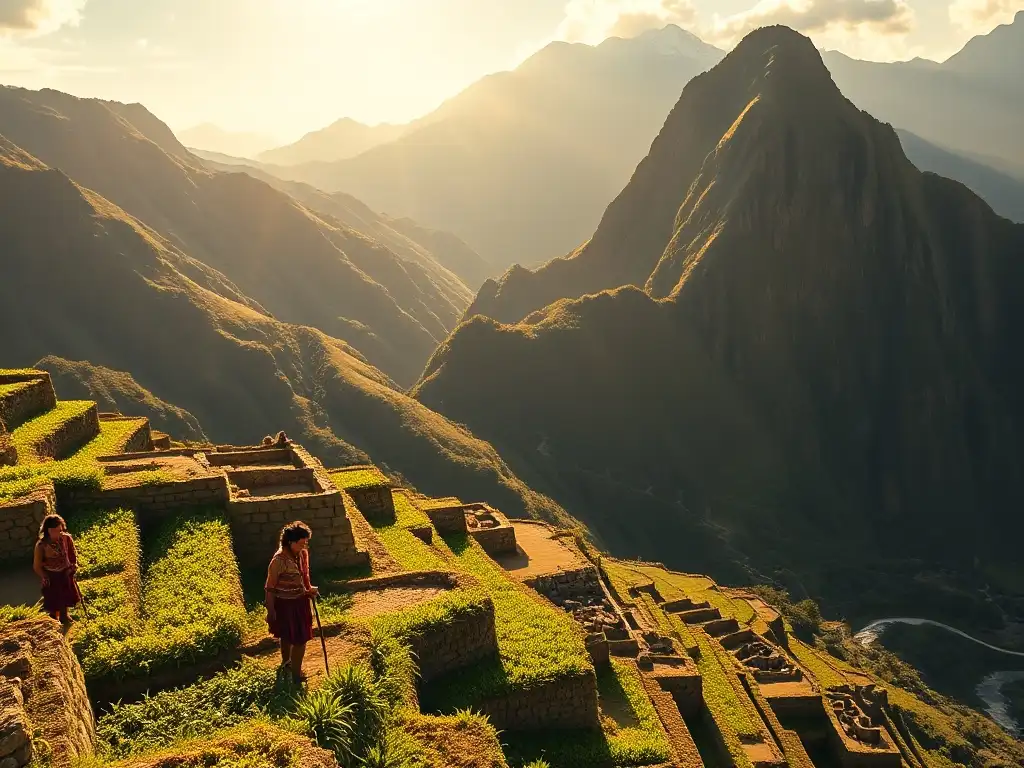
The Inca agricultural surplus wasn't merely a byproduct of efficient farming techniques; it was the cornerstone of their vast and powerful empire. This surplus, meticulously managed and strategically distributed, fueled their economic power, supported a complex social structure, and enabled impressive feats of engineering and infrastructure development. Understanding the Inca's mastery of agriculture is key to comprehending their societal and political dominance in the Andes.
This section will delve into the specifics of their surplus production and its profound impact on the Inca Empire, illustrating how this agricultural prowess directly translated into economic and political might. The strategic management of surplus resources allowed the Inca to consolidate power, suppress rebellions, and maintain a relatively stable and prosperous society for centuries. This was a sophisticated system that involved intricate planning, innovative techniques, and a deep understanding of the Andean environment.
Defining the Inca Agricultural Surplus
The term "Inca agricultural surplus" refers to the excess food production generated beyond the immediate needs of the farming communities. This wasn't simply a matter of having leftover crops; it was a carefully calculated and managed system. The Inca achieved this surplus through a combination of factors:
- Terracing: The iconic terraced farming of the Andes dramatically increased arable land, allowing for cultivation on steep slopes. This wasn't haphazard; the terraces were precisely engineered to optimize sunlight exposure and water retention. The precise angle and size of each terrace varied depending on the local topography and microclimate.
- Irrigation Systems: Intricate canal systems, often carved into rock, channeled water from rivers and streams to irrigate fields, ensuring consistent water supply even during dry seasons. These weren't simple ditches; they were sophisticated engineering feats involving careful water management and distribution.
- Crop Diversification: The Inca didn't rely on a single crop. They cultivated a wide variety of crops, including potatoes (in numerous varieties! ), maize, quinoa, beans, and squash, minimizing the risk of crop failure and ensuring nutritional diversity. This diversification was a key element in ensuring a consistent surplus.
- Improved Farming Techniques: The Inca employed advanced techniques such as crop rotation and the use of fertilizers (like guano) to maximize yields. This demonstrates a deep understanding of soil fertility and sustainable agriculture.
Surplus Production and its Contribution to the Inca Economy
The Inca agricultural surplus formed the backbone of their economy. This surplus wasn't simply stored; it was actively managed and utilized in several key ways:
- Tribute System: A significant portion of the surplus was collected as tribute from conquered provinces. This tribute, consisting of agricultural goods, provided resources for the imperial administration, the army, and large-scale public works projects. This system effectively transferred wealth and resources to the central government.
- Storage and Redistribution: Granaries, strategically located throughout the empire, stored the surplus food. This ensured food security during lean times and allowed for redistribution during times of famine or natural disasters. This demonstrated remarkable foresight and logistical skill.
- Support for Specialized Labor: The surplus freed a significant portion of the population from agricultural labor, allowing them to specialize in other crafts, such as weaving, metalworking, or construction. This specialization contributed to the overall economic diversification and sophistication of the Inca Empire. Think of the artisans who created intricate textiles or the engineers who built the massive stone structures. Their work was supported by the agricultural surplus.
- Trade and Exchange: Surplus agricultural products were also used for trade, both within the empire and with neighboring regions. This exchange network further stimulated the Inca economy and facilitated the acquisition of essential goods and resources. This included materials not readily available in the Andean highlands.
How Surplus Food Supported the Inca Empire
The Inca agricultural surplus wasn't just an economic boon; it was crucial for maintaining the political and social stability of the empire. The surplus played a vital role in:
- Maintaining a Large Army: Feeding a standing army was a significant undertaking. The agricultural surplus provided the necessary resources to support a large and well-equipped military force, crucial for conquering and controlling vast territories. This military strength was directly linked to the agricultural productivity.
- Supporting a Complex Bureaucracy: The Inca empire had a complex administrative structure, requiring a substantial workforce to manage its affairs. The surplus provided the resources to support this bureaucracy, ensuring the smooth functioning of the imperial administration. This administrative efficiency was a direct outcome of a successful agricultural system.
- Funding Public Works Projects: The impressive infrastructure of the Inca Empire—roads, bridges, irrigation systems, and monumental architecture—was financed, in large part, by the agricultural surplus. These projects not only enhanced the empire's infrastructure but also contributed to its overall economic prosperity. The surplus thus fueled the building of a powerful and enduring civilization.
- Social Control and Stability: The ability to redistribute food during times of scarcity helped prevent social unrest and maintain stability within the empire. This demonstrates the strategic importance of the surplus in maintaining social order. The Inca’s control over food resources was a key element of their political power.
The Inca agricultural surplus wasn't just a matter of efficient farming; it was a complex system of production, management, and redistribution that directly fueled the economic, political, and social power of the Inca Empire. Its impact on the development and longevity of this remarkable civilization cannot be overstated.
Supporting the Inca Military and Administration with Surplus
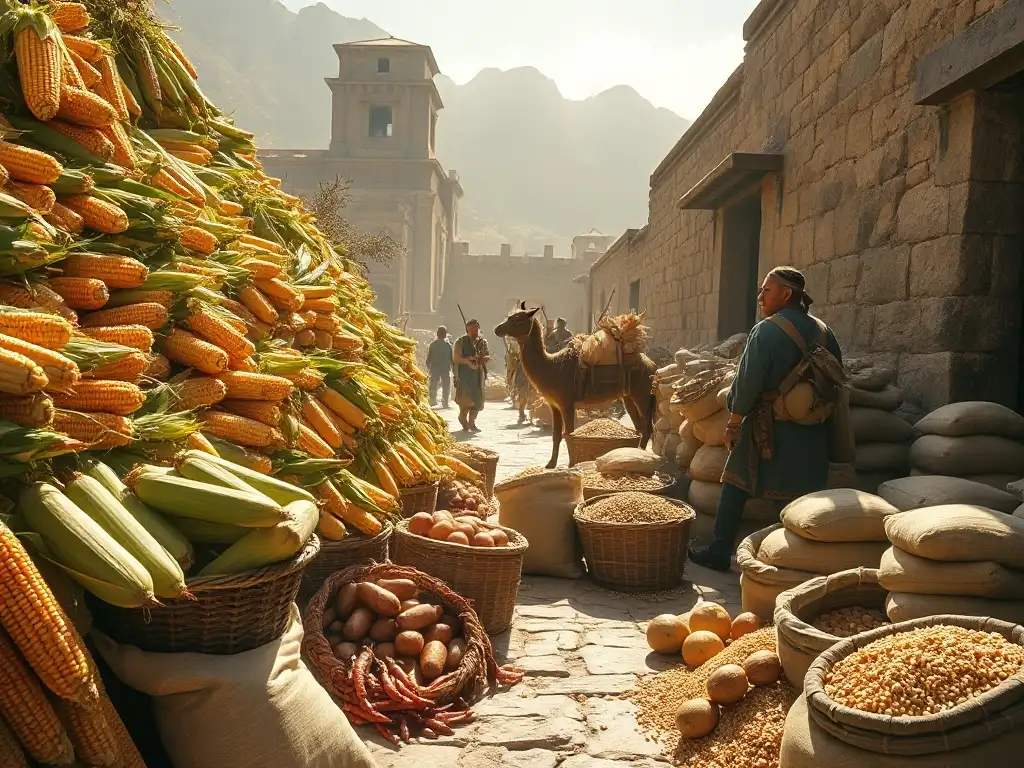
The Inca agricultural surplus wasn't merely a stockpile of food; it was the lifeblood of their vast empire. A significant portion of this surplus directly supported the Inca's substantial military and administrative apparatus. The army, responsible for conquering and controlling such a wide swathe of territory, required constant provisioning. Thousands of soldiers needed to be fed, clothed, and equipped, a monumental task achievable only through the efficient agricultural system and the resulting surplus.
This wasn't just about sustenance; it also fueled the expansionist ambitions of the Inca. The ability to feed a large, well-equipped army allowed for continuous campaigns and the consolidation of power. Furthermore, the administrative class, responsible for managing the empire's complex bureaucracy, also relied heavily on the surplus. From the Sapa Inca himself down to local officials, the surplus ensured the smooth functioning of the vast government machinery.
The availability of surplus resources meant that administrators didn't have to be directly involved in food production, freeing them to focus on governance, record-keeping, and tax collection. This efficient system ensured the stability and longevity of the Inca Empire, demonstrating the critical role of agricultural surplus in maintaining both military strength and administrative efficiency. Without this reliable food supply, the Inca state's capacity for expansion and control would have been severely limited. The surplus, therefore, wasn't just a byproduct of effective agriculture; it was the cornerstone of Inca political and military dominance.
The Impact of Surplus on Inca Infrastructure Projects
The Inca's impressive infrastructure projects, a testament to their engineering prowess, were also significantly fueled by the agricultural surplus. The construction of extensive road networks, intricate irrigation systems, and monumental stone structures like Machu Picchu required a massive workforce. Feeding and housing such a large number of laborers for extended periods would have been impossible without a substantial food surplus. The surplus allowed the Inca to mobilize and sustain a large-scale workforce without diverting resources from other essential areas.
This is clearly evident in the construction of the qhapaq ñan, the extensive Inca road system spanning thousands of miles. The sheer scale of this project, involving the movement of vast quantities of materials and the employment of countless workers, would have been unfeasible without the guaranteed food supply provided by the agricultural surplus. Similarly, the construction of intricate irrigation systems, crucial for maintaining agricultural productivity, also relied heavily on the availability of surplus food. Workers building these vital canals and terraces needed to be fed and provided for, and the surplus ensured that this process didn't compromise food security for the general population.
The surplus, therefore, acted as a catalyst, enabling the Inca to undertake ambitious infrastructure projects that strengthened their empire, improved their agricultural output, and solidified their control over vast territories. The remarkable scale of Inca infrastructure stands as a powerful testament to the importance of their agricultural surpluses in achieving unprecedented levels of societal development. Without it, such monumental achievements would have been unimaginable.
Management and Distribution of the Inca Agricultural Surplus
The Inca Empire's remarkable success hinged significantly on its ability to generate and manage an agricultural surplus. This surplus, exceeding the immediate needs of the population, fueled their economic power, supported a large and complex bureaucracy, funded extensive public works projects, and facilitated military expansion. Understanding how the Incas achieved and managed this surplus is key to comprehending the empire's strength and longevity.
This section will explore the intricate systems the Incas employed to ensure both the production and equitable distribution of agricultural goods. The keyword "Inca agricultural surplus" and its semantic variations will be used throughout to optimize the article's SEO.
The Inca Storage System: Colcas and Their Function
The cornerstone of the Inca agricultural surplus management was their sophisticated storage system. Central to this system were the colcas, strategically located stone structures built throughout the empire. These weren't simply rudimentary granaries; they were carefully designed to preserve agricultural products for extended periods. Their construction varied depending on the local environment and available resources, but common features included thick walls, ventilation systems, and elevated floors to protect against moisture and pests. The size of the colcas also varied considerably, ranging from small local structures to large regional complexes capable of storing vast quantities of food.
The precise capacity of individual colcas and the total storage capacity of the empire remains a subject of ongoing research. However, archaeological evidence suggests that the Incas were capable of storing substantial amounts of maize, potatoes, quinoa, and other crops. This allowed them to buffer against crop failures caused by droughts, floods, or other natural disasters, ensuring the survival of the population even during lean years.
The careful planning and execution of colca construction and management highlight the Incas’ advanced understanding of agricultural engineering and resource management. The colcas were not merely storage facilities; they were integral components of a complex system designed to maintain a stable food supply and support the empire's economic and political stability. This sophisticated system directly contributed to the Inca's ability to create and maintain an "Inca agricultural surplus."
Inca Redistribution Networks: Ensuring Equitable Access to Food
The Inca agricultural surplus wasn't simply hoarded; it was meticulously redistributed throughout the empire. A highly organized system of redistribution ensured that even the most remote communities received their fair share of food and other resources. This system relied heavily on the mit'a labor system, whereby individuals were obligated to contribute a certain amount of their time to public works projects, including the transportation and distribution of goods. The mit'a wasn't simply a form of forced labor; it was a vital component of the Inca social and economic structure, ensuring both collective responsibility and equitable resource distribution.
This redistribution network was not haphazard. It involved a complex hierarchy of officials who oversaw the collection, storage, and distribution of agricultural products. Records, likely kept using quipus (knotted strings), meticulously tracked the quantities of goods stored and distributed, allowing for efficient management and precise allocation.
This system helped maintain social stability by preventing widespread famine and ensuring that all members of society had access to the necessities of life. This systematic approach to resource allocation was a crucial factor in the creation and maintenance of the significant "Inca agricultural surplus," supporting the empire's social cohesion and economic strength. The equitable distribution of resources, facilitated by the mit'a system and meticulous record-keeping, contributed significantly to the empire's stability and long-term success.
The Role of the State in Managing Agricultural Resources
The Inca state played a central role in managing agricultural resources, from land allocation and irrigation projects to the regulation of crop production and the enforcement of redistribution policies. The emperor, as the supreme authority, ultimately controlled the land and its resources. However, this control was exercised through a complex bureaucratic structure that included regional governors, local officials, and specialized agricultural experts. This centralized system enabled the state to efficiently manage the production and distribution of agricultural goods.
The state's involvement extended beyond simple regulation. They implemented large-scale irrigation projects to maximize agricultural yields, particularly in arid regions. These projects required significant engineering expertise and substantial labor input, demonstrating the state's commitment to enhancing agricultural productivity. Furthermore, the state actively promoted certain crops, such as maize and potatoes, which were crucial to the empire's food security.
This active management significantly increased the overall agricultural output and contributed to the vast "Inca agricultural surplus" that undergirded the empire's power. The centralized control and active intervention of the Inca state in agricultural production and distribution were instrumental in achieving and sustaining the empire's impressive economic and political dominance. The system ensured a reliable food supply, enabling the empire to focus its resources on other aspects of governance, such as infrastructure development and military expansion.
Inca Taxation System: Tribute in Agricultural Goods
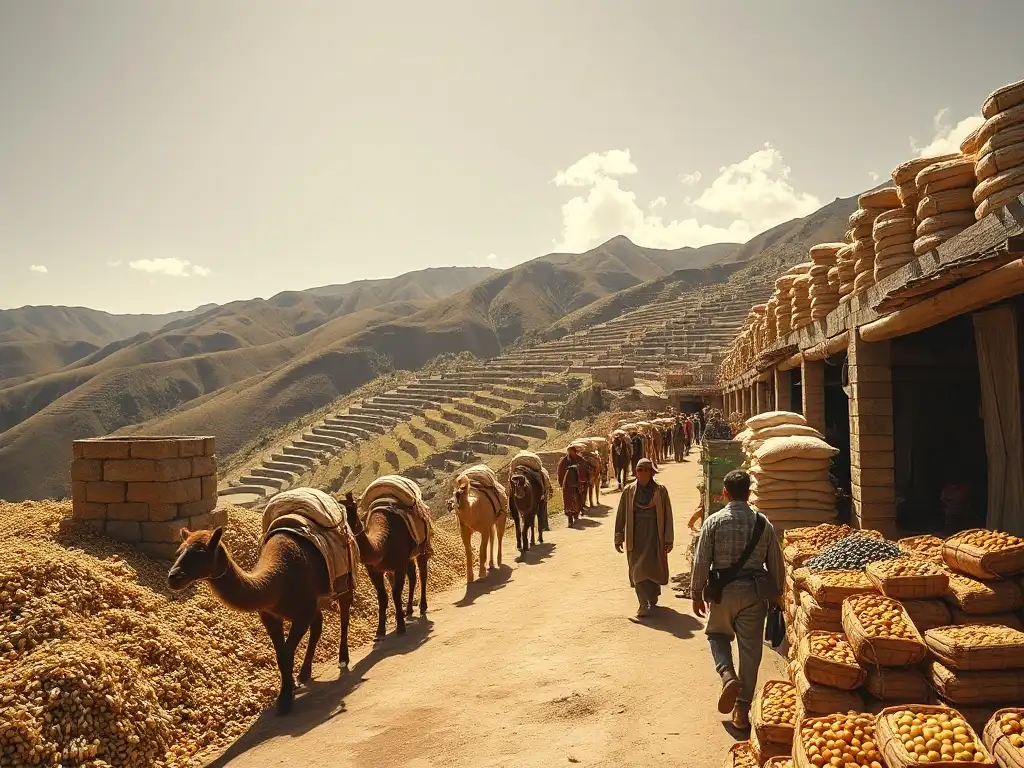
The Inca Empire's economic strength wasn't solely based on efficient agricultural production; it was significantly bolstered by a sophisticated taxation system intricately tied to agricultural output. The Inca didn't utilize a monetary system in the way we understand it today. Instead, their taxes were levied primarily in the form of agricultural goods, directly reflecting the empire's agrarian foundation. This system ensured a constant flow of resources to the state, supporting the vast bureaucracy, military, and public works projects that characterized the Inca civilization.
The amount of tribute varied depending on factors such as land fertility, population density, and the specific needs of the empire at any given time. For example, regions known for their abundant potato harvests would contribute a larger proportion of potatoes, while areas renowned for maize production would provide more corn. This system wasn't arbitrary; it was meticulously planned and managed to ensure a balanced distribution of resources across the empire. Records, likely kept using quipus (a system of knotted strings), meticulously tracked the contributions of each community, ensuring accountability and fairness (or at least the appearance of it).
The system also allowed for the redistribution of surplus goods to areas experiencing shortages, demonstrating a level of centralized planning rarely seen in other pre-Columbian societies. This effective taxation system, intertwined with agricultural productivity, was a cornerstone of the Inca's economic power. Failure to meet the tribute obligations could lead to severe consequences, ranging from fines to forced labor, highlighting the importance of agricultural production for individual communities and the empire as a whole.
The Inca System of Labor Service (Mit'a) and its Connection to Agriculture
The mit'a, a system of mandatory labor service, played a crucial role in the Inca Empire's agricultural success and the management of its surplus. While the mit'a encompassed various aspects of life, including construction and mining, its impact on agriculture was profound. Able-bodied individuals were obligated to contribute a certain amount of time each year to labor projects designated by the state. A significant portion of this labor was directly involved in agricultural activities.
This could include anything from cultivating state-owned lands ( tambos and other storage facilities) to building and maintaining irrigation canals and terraces, crucial for maximizing agricultural output in the challenging Andean terrain. The mit'a wasn't simply about extracting labor; it was a mechanism for maintaining and improving the infrastructure vital for agricultural production. By ensuring the continuous upkeep of irrigation systems and terracing, the Inca maximized the potential of their land and secured higher yields. The labor provided through mit'a also extended to the storage and transportation of surplus agricultural goods, ensuring their efficient distribution to different parts of the empire.
This demonstrates a highly organized and interconnected system where agricultural production, infrastructure maintenance, and labor service were all carefully integrated to support the Inca's economic strength. The effectiveness of the mit'a system, in combination with the tribute system, highlights the Inca's mastery of resource management and their ability to leverage human capital to maximize agricultural productivity and control the distribution of surplus goods. The mit'a, therefore, was not merely a tax in labor, but an integral part of the Inca's comprehensive agricultural strategy.
Impact and Legacy of the Inca Agricultural Surplus
The Inca agricultural surplus wasn't merely a byproduct of their sophisticated farming techniques; it was the cornerstone of their empire's immense economic power and social stability. This surplus, achieved through a combination of innovative agricultural practices and meticulous resource management, allowed the Inca to fund massive public works projects, maintain a large army, and support a complex administrative system. Understanding the extent of this surplus and its impact requires analyzing various facets of Inca society and economy.
The sheer scale of their agricultural output, exceeding subsistence levels significantly, is a testament to their ingenuity and organizational prowess. This wasn't just about feeding the population; it was about generating wealth and power.
The Economic Power Derived from Agricultural Abundance
The Inca agricultural surplus directly translated into economic strength. The excess food produced wasn't simply consumed; it was strategically utilized to consolidate power and influence. This surplus served several key economic functions:
- Tribute and Taxation: A significant portion of the agricultural surplus was collected as mita, a form of labor tribute, and taxes in the form of agricultural products. This system ensured a steady flow of resources to the Inca state, funding everything from the construction of roads and temples to the maintenance of a vast bureaucracy. The efficiency of this system is evidenced by the scale of Inca infrastructure projects that continue to amaze researchers today.
- Trade and Exchange: The surplus allowed the Inca to engage in extensive trade networks, exchanging agricultural goods for other necessities and luxury items. This trade fostered economic interdependence across the empire, further strengthening Inca control and influence. The standardization of weights and measures facilitated this exchange, indicating a sophisticated understanding of economic principles.
- Support for the Military: Feeding a large and well-equipped army was a significant undertaking. The surplus provided the necessary resources to sustain military campaigns and maintain control over conquered territories. The Inca's military successes were, in no small part, due to their ability to consistently supply their troops.
The Inca agricultural surplus profoundly shaped the social fabric of the empire. The control and distribution of this surplus were crucial elements of Inca power, directly influencing social stratification and political stability.
- Social Hierarchy and Elites: The Inca elite, including the emperor, nobility, and priests, enjoyed privileged access to the agricultural surplus. This access cemented their positions of power and influence within society. The distribution of surplus goods reinforced the existing social hierarchy, ensuring the loyalty and support of the elite.
- State Control and Distribution: The Inca state played a central role in managing and distributing the agricultural surplus. This centralized control allowed for efficient resource allocation and helped prevent widespread famine or economic hardship. Granaries were strategically located throughout the empire, ensuring the equitable (to a degree) distribution of food and other resources. This system, though centralized, demonstrated an understanding of the importance of social welfare for maintaining stability.
- Social Cohesion and Stability: While the system was hierarchical, the guaranteed supply of food from the surplus contributed to social stability. This prevented widespread unrest caused by food shortages, a common problem in many pre-industrial societies. The Inca state's ability to manage and distribute resources effectively contributed to a relatively peaceful and prosperous society, at least for a considerable period.
The Enduring Legacy of Inca Agricultural Practices
The Inca agricultural surplus, while impressive in its own right, also left a lasting legacy on Andean agricultural practices. Many of the techniques developed by the Inca continue to be used today, highlighting the ingenuity and sustainability of their methods.
- Terracing and Irrigation: Inca terracing and irrigation systems, designed to maximize agricultural output in diverse terrains, are still visible in the Andes today. These systems demonstrate remarkable engineering skills and an understanding of water management that continues to inspire modern agricultural practices. Their effectiveness in maximizing yields in challenging environments showcases their advanced understanding of ecological principles.
- Crop Diversification: The Inca practiced crop diversification, planting a variety of crops to minimize the risk of crop failure and ensure food security. This strategy remains a cornerstone of sustainable agriculture, highlighting the Inca's understanding of the importance of biodiversity. This foresight ensured resilience against environmental changes and pest outbreaks.
- Sustainable Farming Techniques: Many Inca farming practices were sustainable, minimizing environmental impact. Their methods, such as crop rotation and the use of natural fertilizers, offer valuable lessons for modern agriculture, particularly in the face of climate change. The long-term sustainability of their practices is a testament to their sophisticated understanding of ecological balance. The Inca's legacy continues to inspire modern sustainable agriculture practices.
Lessons from Inca Resource Management: Sustainable Agriculture
The Inca's remarkable agricultural surplus wasn't simply a matter of luck or abundant land; it was a direct result of sophisticated resource management techniques that offer valuable lessons for modern sustainable agriculture. Their approach prioritized conservation and efficiency, understanding that long-term prosperity depended on respecting the delicate balance of their environment. This wasn't just about maximizing yield in the short term, but about building a resilient system capable of supporting a growing population across diverse and challenging terrains. The Inca's success stemmed from their deep understanding of their environment, incorporating local knowledge and innovative techniques to optimize water usage, soil fertility, and crop diversity.
They meticulously planned and managed their agricultural lands, avoiding practices that could lead to soil erosion or depletion. This holistic approach, which considered the interconnectedness of water, soil, and crops, is a vital lesson for contemporary agriculture grappling with issues of climate change and resource scarcity. The Inca's sustainable practices demonstrate that high yields and environmental stewardship are not mutually exclusive goals; indeed, they are fundamentally intertwined.
Their legacy underscores the importance of long-term planning, adaptation to local conditions, and the integration of traditional knowledge with technological innovation in achieving sustainable agricultural practices. Modern agricultural systems can benefit significantly from studying and implementing similar strategies to ensure food security for future generations. The Inca's success serves as a powerful testament to the enduring value of sustainable agricultural practices.
Examples of Inca Agricultural Techniques: Raised Beds and Canal Systems
The Inca's agricultural prowess was demonstrably linked to their mastery of innovative techniques. Two particularly striking examples are their raised bed agriculture and sophisticated canal systems. Raised beds, or andenes, were not merely aesthetic features; they were crucial for maximizing arable land in challenging mountainous terrain. These terraced fields, meticulously constructed on steep slopes, increased the available surface area for cultivation and provided better drainage, preventing waterlogging and erosion.
The construction itself was a significant undertaking, often involving the movement of vast quantities of earth and stone, highlighting the Inca's impressive engineering capabilities and their commitment to agricultural productivity. The andenes also provided microclimates, offering protection from harsh winds and frost, allowing for a wider variety of crops to be grown at higher altitudes. The intricate network of canals that crisscrossed the Inca Empire is another testament to their engineering prowess and commitment to efficient irrigation. These canals, expertly designed to channel water from distant sources to agricultural fields, allowed for the cultivation of crops in areas that would otherwise be too dry.
The canals were not only functional but also served as vital transportation routes, demonstrating the interconnectedness of the Inca's agricultural and infrastructural systems. The combination of raised beds and canal systems allowed the Inca to achieve remarkable agricultural yields, even in challenging environments, contributing significantly to their economic power and social stability. These techniques stand as powerful examples of ingenious adaptation to environmental constraints, offering valuable insights into sustainable land management strategies. The legacy of these techniques continues to inspire modern agricultural practices, demonstrating the enduring value of traditional knowledge and innovative engineering.
Frequently Asked Questions
What is meant by "Inca agricultural surplus"?
Inca agricultural surplus refers to the excess food production achieved by the Inca civilization through their advanced farming techniques. This surplus allowed them to support large populations in urban centers and fund ambitious projects.
How did the Inca achieve such a high agricultural surplus?
The Inca utilized sophisticated techniques like terracing, irrigation systems, and freeze-drying (freeze-drying) to maximize crop yields. They also developed a highly organized system of labor and resource management.
What role did the agricultural surplus play in the Inca Empire's economic power?
The surplus food provided resources for the vast Inca bureaucracy, military, and public works projects. This economic stability and wealth were crucial to the empire's power and longevity.
Did the Inca's agricultural practices benefit only the elite?
No, the Inca system, while supporting the elite, also provided food for the entire population. The surplus allowed for social stability and helped mitigate the effects of droughts or crop failures.
What other factors contributed to the Inca's agricultural success besides technology?
Besides technology, the Inca's success stemmed from their organized social structure, extensive road network for efficient transportation of goods, and a centralized government overseeing agricultural production.
Final Reflection: The Enduring Legacy of Inca Agricultural Innovation
The Inca's mastery of agricultural surplus wasn't merely a feat of engineering; it was the bedrock of their empire's astonishing power and longevity. Their sophisticated techniques, from terracing to irrigation, weren't just about feeding a large population; they fueled a complex social and economic system that continues to inspire awe and study centuries later. This sophisticated system allowed for specialization of labor, the development of a powerful centralized government, and the creation of a remarkably stable society in a challenging environment.
The impact of the Inca's agricultural ingenuity resonates even today. Their innovative solutions to resource management offer valuable lessons for modern societies grappling with issues of food security and sustainable development. We can learn much from their commitment to community and resourcefulness. Civilization exists by geological consent, subject to change without notice.
This quote, while not directly about the Inca, highlights the precariousness of any civilization's existence and underscores the importance of the Inca's proactive approach to resource management. Their success serves as a potent reminder of the vital link between agricultural prowess and societal stability.
Consider, for a moment, the challenges facing our world today: climate change, population growth, and the need for sustainable food production. The Inca's legacy offers a powerful example of how human ingenuity and community cooperation can overcome seemingly insurmountable obstacles. You too can be inspired by their achievements to seek innovative solutions to the challenges facing your community and the world. Let the Inca's story serve as a call to action, urging us to embrace sustainable practices and build a future where resource management is not just a necessity, but a source of strength and prosperity.
Unlock the Secrets of Inca Agricultural Innovation!
Thank you for exploring the fascinating world of Inca agriculture with us! You've discovered how their impressive agricultural achievements fostered economic stability and political power. Now, let's delve deeper into this remarkable legacy.
Here are some ways you can continue your exploration:
- Visit a local museum or historical site featuring Andean artifacts to experience Inca culture firsthand. Witnessing these objects provides a tangible connection to their achievements.
- Experiment with ancient Inca farming techniques, such as terrace farming, to grow your own crops. Sharing your experiences with others can be a rewarding way to learn and connect with this history.
- Join a discussion – online or in person – about the impact of agriculture on ancient civilizations, and how those practices inform our understanding of agriculture today. Engaging with others broadens your perspective and deepens your knowledge.
What aspect of Inca agriculture most captivates you? Share your thoughts below!