
Huari and the Environment: Adapting to the Challenges of the Highlands

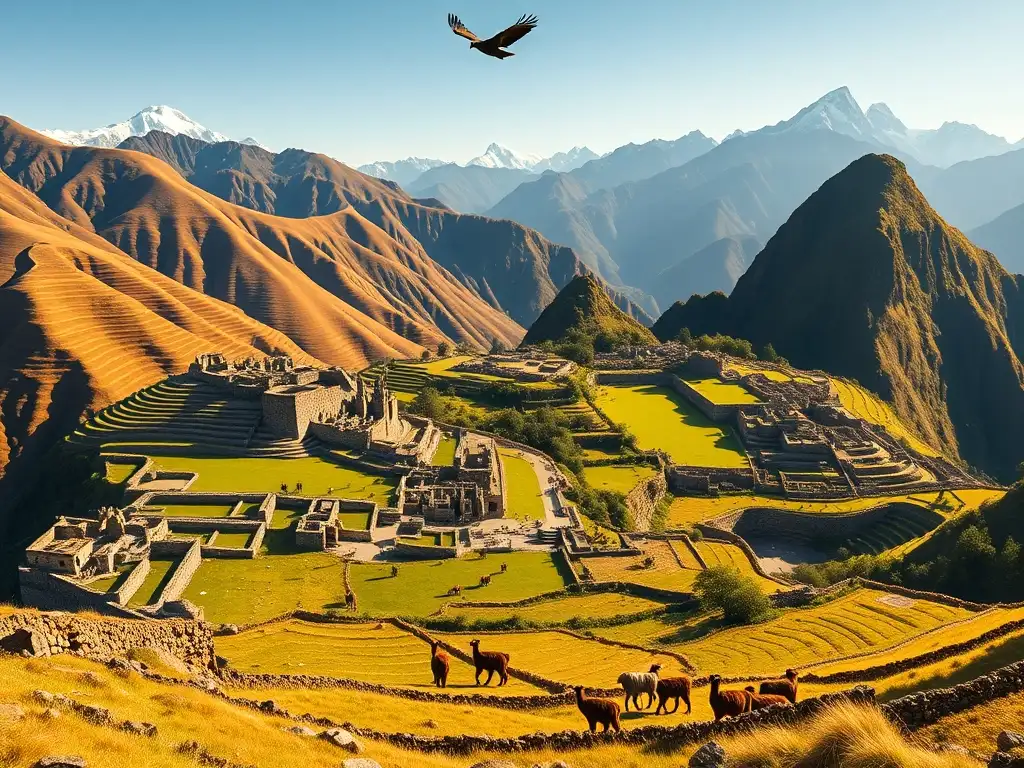
Step into a world lost to time, yet echoing with the whispers of a powerful empire. Discover the intricacies of the Andean civilizations, their breathtaking artistry, and their ingenious innovations. But what secrets lie buried beneath the sands of the Andes? Our exploration of Huari civilization environmental impact reveals a surprising story of adaptation and resilience in the face of the challenging Andean highlands. Uncover the fascinating truth—and prepare to be amazed.
The Huari civilization, flourishing in the Peruvian Andes from approximately 600 to 1200 CE, presents a compelling case study in human adaptation to a challenging environment. This powerful empire, predating the Inca, exerted significant influence across a vast and diverse landscape, demanding sophisticated strategies for resource management and environmental interaction. Understanding the Huari civilization's environmental impact requires examining their intricate relationship with the Andes' complex geography, climate, and resources.
This article will explore the Huari's remarkable ability to thrive in this demanding environment, analyzing their agricultural practices, urban planning, and overall impact on the surrounding ecosystem. We will delve into the specifics of their geographical setting and their ingenious methods for harnessing the environment to support a large and complex society, shedding light on the innovative strategies employed to ensure the sustainability – at least for a time – of their civilization.
The Huari's story offers valuable insights into the resilience and ingenuity of ancient Andean societies and the profound impact humans can have on their surroundings. This examination of their environmental impact will reveal both the successes and the potential unintended consequences of their interactions with the fragile Andean ecosystem.
Geographical Setting of the Huari Empire
The Huari state controlled a vast territory encompassing the central Andes of modern-day Peru. This region is characterized by extreme altitudinal variation, ranging from arid coastal plains to high-altitude grasslands (puna) and snow-capped mountains. The empire's core lay in the Ayacucho region, a geographically diverse area with significant challenges. This area includes high valleys, inter-Andean basins, and steep slopes, each presenting unique agricultural and infrastructural challenges.
The Huari, however, ingeniously adapted to this varied topography. They developed sophisticated irrigation systems to manage water resources in the drier regions, while also utilizing the diverse microclimates to cultivate a variety of crops at different altitudes. This mastery of diverse environments allowed for the production of surplus food, a crucial factor in supporting a large urban population and a vast imperial administration.
Evidence suggests a highly organized system of resource allocation, with different regions specializing in specific crops and resources, all connected through an extensive network of roads and administrative centers. The careful management of water resources, in particular, was crucial to their success, as the unpredictable rainfall patterns of the Andes could easily lead to droughts and famines. The complexity of their water management systems is a testament to their deep understanding of their environment and their capacity for large-scale engineering projects.
The Huari People and Their Relationship with the Andean Environment
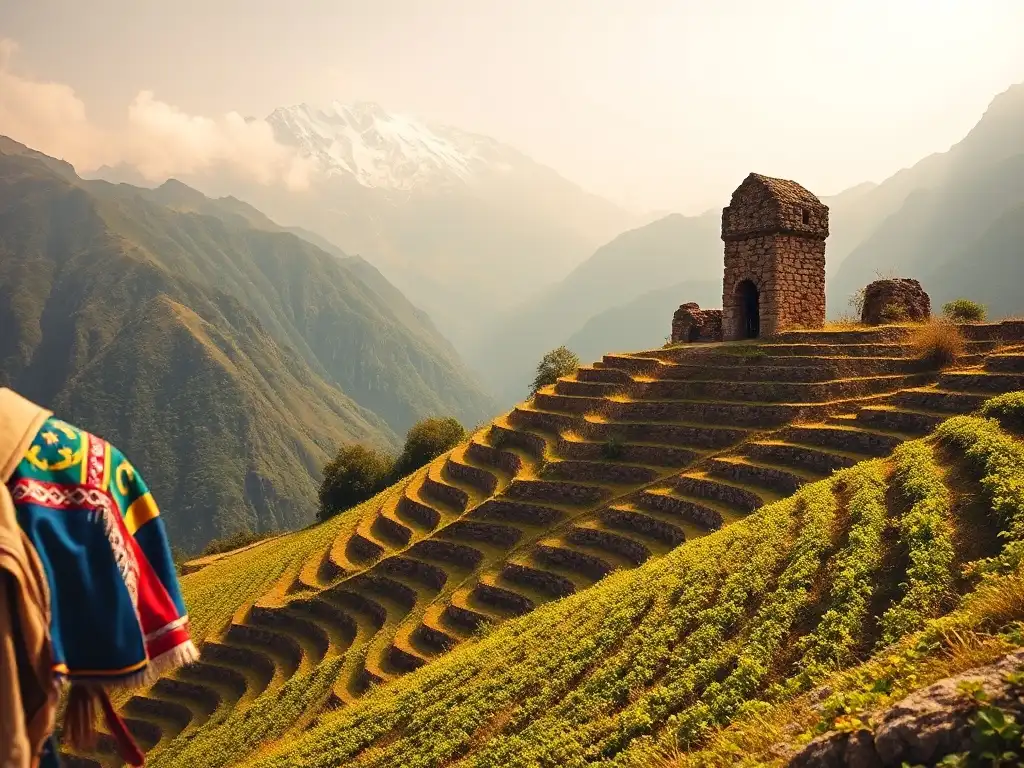
The Huari's relationship with the environment was not simply exploitative; it was deeply intertwined with their social and political structures. Their agricultural practices, for instance, were not only productive but also carefully designed to minimize environmental damage. Terracing, a common technique across the Andes, was extensively employed by the Huari to create level agricultural plots on steep slopes, preventing soil erosion and maximizing arable land. Furthermore, the cultivation of a diverse range of crops, including potatoes, maize, beans, and quinoa, ensured food security and reduced the risk of crop failure.
Their urban centers, meticulously planned and strategically located, also reflected a deep understanding of the environment. For example, the location of cities often took advantage of natural resources like water sources and building materials, minimizing the environmental impact of construction. However, the expansion of the Huari empire also led to deforestation in some areas to provide fuel and building materials, and potentially to overgrazing in certain regions, indicating that even their sophisticated strategies were not without environmental consequences.
Further research is needed to fully quantify the long-term effects of Huari agricultural and urban practices on the Andean landscape. The extent of their impact on biodiversity and soil health remains an area of ongoing investigation, highlighting the need for continued archaeological and environmental studies. 🗺️ The Huari civilization's story serves as a powerful reminder of the complex interplay between human societies and their environment, underscoring the importance of sustainable practices for long-term societal stability.
- Geographical Setting of the Huari Empire
- The Huari People and Their Relationship with the Andean Environment
- What was the Huari civilization's main environmental challenge?
- How did the Huari adapt to the harsh environment?
- What role did agriculture play in the Huari civilization's environmental impact?
- Did the Huari civilization contribute to deforestation?
- What is the current state of research on Huari's environmental impact?
Huari Environmental Adaptation Strategies
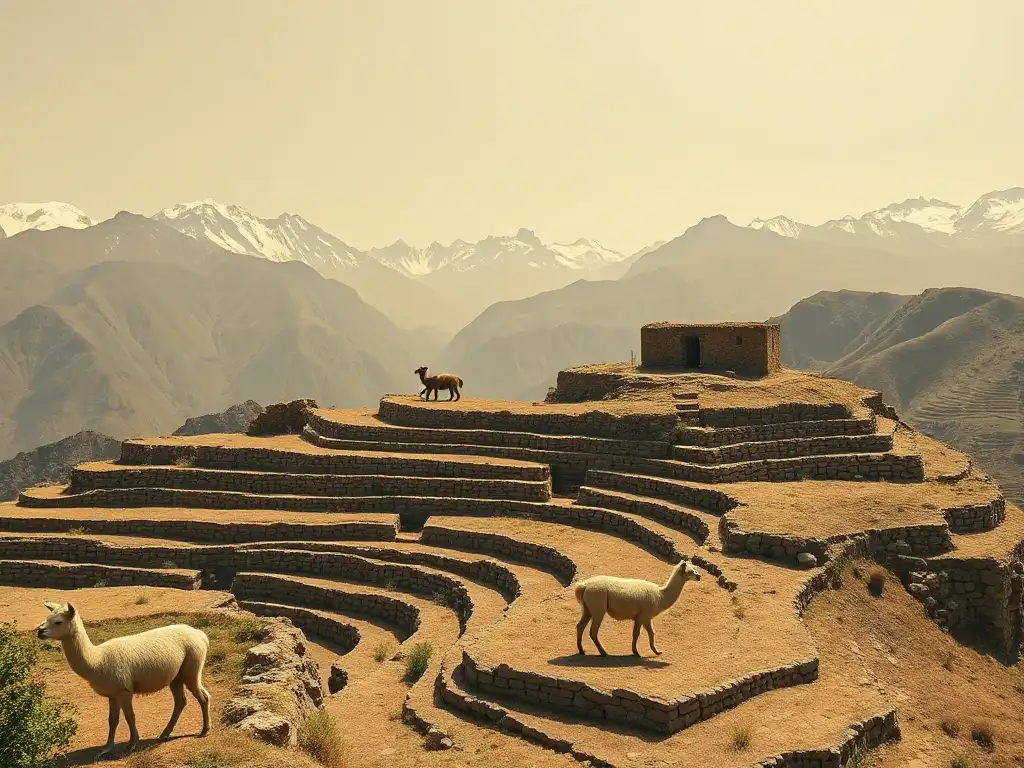
The Huari civilization, flourishing in the Peruvian Andes from approximately 600 to 1200 CE, faced significant environmental challenges. Their success hinged on sophisticated strategies for adapting to the harsh realities of the high-altitude environment, demonstrating a remarkable understanding of their surroundings and a capacity for innovative solutions. Understanding their environmental impact requires examining their resource management, agricultural techniques, and water control systems. The Huari civilization's environmental impact was largely shaped by their ability to both exploit and conserve the resources available to them. Their sophisticated strategies minimized negative consequences, enabling the growth and sustainability of their empire for centuries.
Agriculture and Terracing Techniques in the Huari Culture
The rugged, mountainous terrain of the Andes presented a formidable obstacle to large-scale agriculture. The Huari, however, overcame this challenge through the widespread implementation of advanced terracing techniques. These weren't simply rudimentary hillside modifications; they were carefully planned and constructed systems designed to maximize arable land and minimize soil erosion. Terraces, often supported by complex retaining walls made of stone, created level platforms on steep slopes, allowing for efficient farming and irrigation.
The Huari’s agricultural ingenuity extended beyond terracing. They likely employed a variety of crop rotation techniques and developed specialized farming methods suitable for the diverse microclimates within their empire. Evidence suggests they cultivated a range of crops, including potatoes, maize, quinoa, and beans, demonstrating a deep understanding of plant diversity and its role in ensuring food security.
This diversification minimized the risk of crop failure due to environmental fluctuations or pests. The Huari's mastery of agriculture was crucial to supporting their large population centers and military expansion. Their environmental impact, in this context, was one of careful manipulation of the landscape to enhance agricultural productivity while mitigating the risk of land degradation.
Water Management and Irrigation Systems in the Huari Empire
Water scarcity is a perennial issue in the Andean highlands. The Huari civilization addressed this challenge with sophisticated water management systems. These systems involved the construction of canals, aqueducts, and reservoirs designed to efficiently distribute water to agricultural lands. The scale and complexity of these projects are impressive, reflecting a high level of engineering skill and social organization. Evidence suggests that they understood the importance of water conservation and developed techniques to minimize water loss during transportation.
Beyond the large-scale infrastructure projects, the Huari likely employed localized water management techniques tailored to specific environmental conditions. This involved constructing smaller irrigation channels and diverting streams to irrigate individual plots of land. The construction and maintenance of these systems required significant labor, underscoring the importance of water to the Huari economy and society. Their water management strategies, while displaying a significant environmental impact through landscape alteration, also contributed to the sustainability of their agricultural practices and the resilience of their civilization.
Resource Management and Sustainable Practices of the Huari
The Huari civilization's success wasn't solely dependent on agricultural prowess. They also demonstrated a remarkable understanding of resource management and implemented sustainable practices. Evidence suggests that they carefully managed forests, avoiding deforestation that could lead to soil erosion and environmental degradation. They likely employed techniques to promote forest regeneration and ensure the continued availability of timber for construction and fuel.
Furthermore, the Huari likely implemented strategies for managing animal populations. This might have involved controlled grazing practices to prevent overgrazing and preserve pasturelands. Their understanding of ecological balance is evident in the diversity of resources they utilized and the apparent measures they took to ensure the long-term availability of these resources.
While the Huari's empire expanded significantly, their impact on the environment seems to have been carefully managed, minimizing the negative consequences of their growth and ensuring the sustainability of their civilization for several centuries. Their approach serves as a compelling example of how a complex society could thrive within a challenging environment by actively managing its resources.
The Environmental Impact of the Huari Civilization
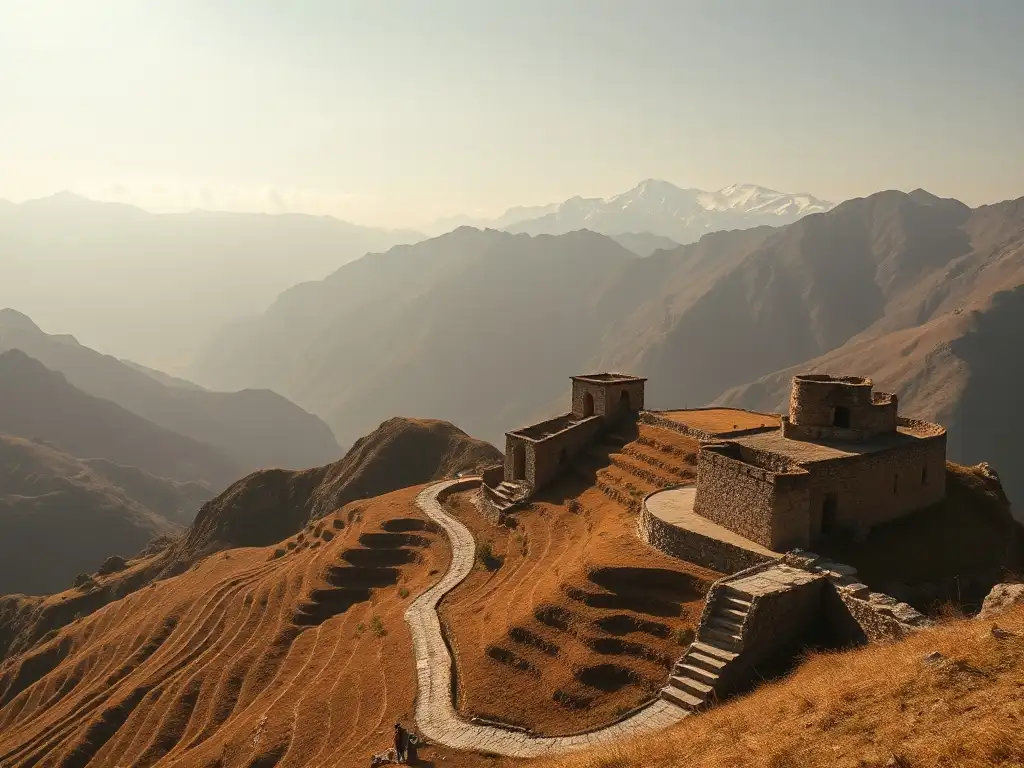
The Huari civilization, flourishing in the Peruvian Andes from approximately 600 to 1200 CE, left a significant mark on the landscape and environment. Understanding their environmental impact requires examining their agricultural practices, urban development, and resource management strategies within the context of the challenging Andean highlands. This analysis reveals both the ingenuity of Huari adaptation and the potential consequences of their societal expansion. The keyword "Huari civilization environmental impact" is central to this discussion, highlighting the complex relationship between this powerful civilization and its surroundings.
Huari Civilization's Influence on Landscape Modification
The Huari's impressive control over a vast territory necessitated significant modifications to the Andean landscape. Their agricultural prowess, crucial for sustaining a large population, involved extensive terracing and irrigation systems. These projects, while enhancing food production, undeniably altered natural water flows and potentially led to soil erosion in some areas.
For example, the intricate network of canals found near Huari's capital city demonstrates their sophisticated engineering capabilities but also points to a level of human intervention that directly impacted the natural environment. Evidence suggests that they employed techniques like check dams and raised fields, particularly in areas with limited arable land, maximizing agricultural output but also impacting the natural drainage patterns.
The scale of these modifications remains a subject of ongoing research, with ongoing archaeological investigations continuously revealing the extent of Huari's impact on the landscape. Further research is needed to fully quantify the long-term ecological consequences of these modifications, particularly concerning soil health and biodiversity.
Deforestation and its Consequences in the Huari Period
The Huari's need for timber for construction, fuel, and other purposes likely led to significant deforestation in certain regions. While the exact extent of deforestation is difficult to determine precisely due to limited surviving evidence, archaeological findings indicate the widespread use of wood in their architecture and everyday life. The construction of large administrative centers and monumental structures, like those found at Piquillacta, consumed vast quantities of timber.
This demand, coupled with the needs of a growing population, could have resulted in localized deforestation and habitat loss, potentially impacting local ecosystems and animal populations. The lack of widespread evidence of large-scale deforestation might indicate a relatively sustainable approach to forest management, perhaps through selective logging or the utilization of alternative building materials where possible.
However, more detailed studies are necessary to fully evaluate the impact of Huari's timber consumption on the surrounding forests. Further investigation into pollen records and charcoal analysis from the Huari period could provide clearer insights into the extent and consequences of deforestation.
Urban Development and Environmental Footprint of the Huari
The Huari's urban planning and the growth of their administrative centers contributed substantially to their environmental footprint. The construction of large cities, such as their capital, required immense resources and resulted in significant land alteration. The excavation of building materials, the disposal of waste, and the concentration of a large population in relatively small areas all contributed to environmental pressure.
The management of waste, particularly human waste, is a significant area of investigation. Understanding their sanitation practices, or lack thereof, is crucial to assessing the potential impact on water quality and public health. While the Huari demonstrated advanced engineering skills in their water management systems, the long-term effects of concentrated urban populations on water resources remain a key area of ongoing research.
Analysis of ancient waste disposal sites, combined with detailed studies of water systems, is needed to fully understand the environmental consequences of Huari urban development. The impact on water quality, soil contamination, and the overall ecological balance needs further investigation to provide a complete picture of the Huari civilization's environmental legacy.
Huari's Resilience to Environmental Change
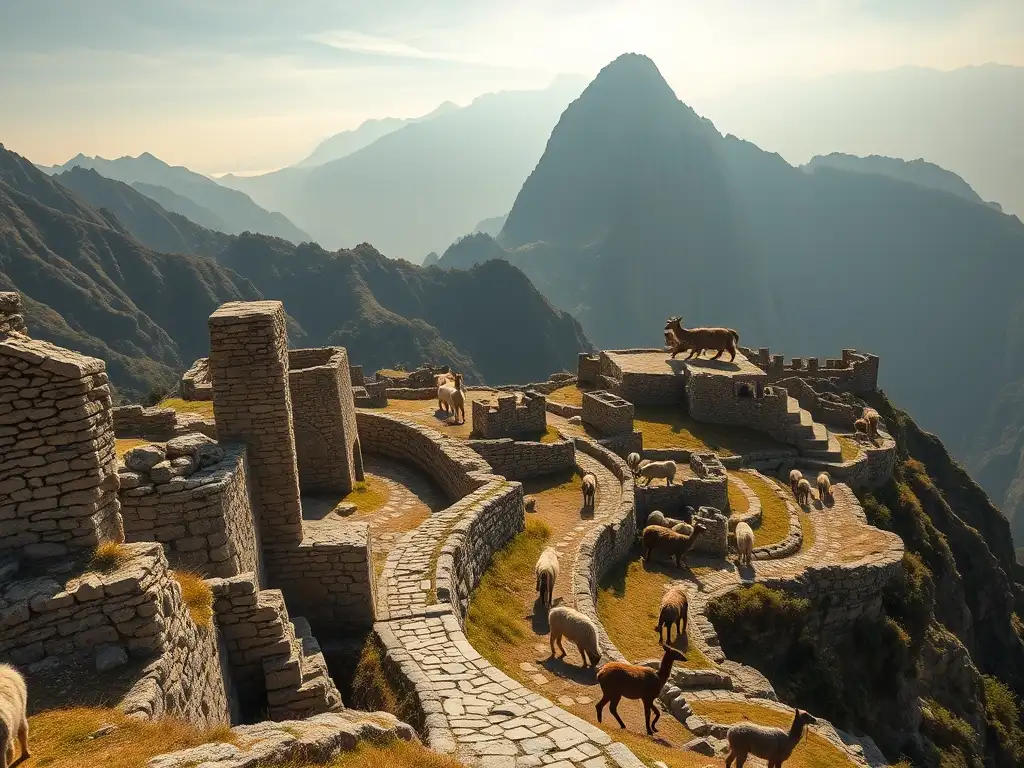
The Huari civilization, flourishing in the Peruvian Andes from approximately 600 to 1000 CE, presented a remarkable case study in adapting to a challenging environment. Their success wasn't solely a matter of military prowess and political organization; it was deeply intertwined with their sophisticated understanding and management of the Andean ecosystem. This understanding allowed them to thrive in a region characterized by high altitude, unpredictable weather patterns, and limited arable land.
The Huari civilization's environmental impact, therefore, is a complex narrative encompassing both adaptation and exploitation. Analyzing this impact reveals crucial insights into their societal resilience and eventual decline. Understanding their strategies for resource management provides valuable lessons for contemporary approaches to sustainable development in fragile ecosystems.
Adapting to Climate Variability in the Andes
The Andes are renowned for their extreme climate variability. Sudden freezes, droughts, and unpredictable rainfall patterns posed significant challenges to agriculture, the backbone of the Huari economy. Archaeological evidence suggests the Huari developed sophisticated techniques to mitigate these risks. For example, the construction of extensive irrigation systems, such as canals and terraces, allowed them to harness water resources efficiently, even during periods of low rainfall.
These systems weren't merely rudimentary channels; they involved intricate engineering, carefully designed to control water flow and prevent erosion. Furthermore, the Huari practiced diverse agricultural techniques, cultivating a variety of crops adapted to different altitudes and microclimates. This diversification minimized the risk of complete crop failure due to climate variability.
The cultivation of potatoes, quinoa, and maize, each with different environmental needs, exemplifies this strategy. Their mastery of frost-resistant crops, combined with sophisticated water management, ensured food security even in harsh conditions. The Huari's impact on the environment through these adaptations was largely positive, shaping the landscape to enhance agricultural productivity.
Huari Strategies for Mitigating Environmental Risks
Beyond irrigation and crop diversification, the Huari implemented a range of strategies to manage environmental risks. Evidence suggests a sophisticated understanding of soil conservation. Terracing, for instance, not only improved water management but also prevented soil erosion on steep slopes.
This technique, still practiced in the Andes today, demonstrates a long-term perspective on resource management. Furthermore, the Huari likely employed techniques such as crop rotation and the use of organic fertilizers to maintain soil fertility. Specific data on the exact methods employed remains scarce, but the scale and longevity of their agricultural success strongly suggest effective and sustainable practices.
The Huari's environmental impact here is one of careful stewardship, aiming to maximize yields while minimizing long-term environmental damage. Their success in this area reflects a deep understanding of the delicate balance within their ecosystem. They recognized the interconnectedness of different elements and acted accordingly, highlighting a profound respect for the environment.
The Collapse of the Huari and Environmental Factors
While the Huari demonstrated remarkable resilience to environmental challenges, environmental factors likely played a significant role in their eventual decline. While the exact causes remain a subject of ongoing debate, several hypotheses suggest a link between environmental stress and societal instability. Prolonged droughts, for instance, could have severely impacted agricultural production, leading to food shortages and social unrest.
Similarly, changes in precipitation patterns might have disrupted the carefully balanced irrigation systems, further exacerbating the situation. Evidence suggests increased soil erosion in some areas, potentially resulting from unsustainable agricultural practices or climate change. Such environmental pressures, combined with other internal and external factors, likely contributed to the gradual weakening and eventual collapse of the Huari state.
Therefore, while the Huari civilization’s initial impact on the environment was largely positive and sustainable, the long-term consequences of environmental stress, perhaps exacerbated by their own actions, ultimately played a role in their decline. Further research, including more detailed paleoclimatic data and analysis of soil samples, is needed to fully understand the complex interplay between environmental change and the fall of the Huari.
Lessons from Huari: Environmental Management in Ancient Andes
The Huari civilization, flourishing in the Peruvian Andes from roughly 600 to 1000 CE, provides a fascinating case study in adapting to and managing a challenging environment. Their success, lasting for several centuries, hinged on sophisticated strategies for agriculture, water management, and resource utilization, leaving a legacy that continues to inspire modern approaches to sustainable living. Understanding the Huari civilization's environmental impact requires examining their innovative techniques and the long-term consequences of their actions. The impact wasn't merely about exploitation; it was a complex interplay of adaptation and modification of their surroundings.
Sustainable Agriculture Lessons from the Huari
The Huari weren't simply farmers; they were ingenious engineers of their environment. Their agricultural practices, crucial for sustaining a large population in the high Andes, demonstrate a remarkable understanding of ecology. They developed sophisticated terracing systems on steep slopes, creating level platforms for cultivation and minimizing soil erosion.
These terraces, often built with stone retaining walls, captured rainwater, maximizing water availability in a region characterized by variable rainfall. Evidence suggests they also employed techniques such as crop rotation and the use of fertilizers (e.g., guano) to maintain soil fertility, ensuring long-term productivity and resilience against environmental shocks. This wasn't simply about producing food; it was about creating a resilient agricultural system capable of withstanding droughts and other climate challenges.
We can see the long-term impact of their careful management in the relatively stable agricultural output sustained across centuries. The intricate network of terraces and irrigation canals that remain today are a testament to their commitment to sustainable agriculture. The Huari civilization’s environmental impact in this regard was largely positive, showcasing a deep understanding of ecological balance.
Huari's Legacy of Resource Management
Beyond agriculture, the Huari's impact on the environment extended to their management of other resources. Their urban planning reveals a conscious effort to minimize waste and maximize the use of available materials. Archaeological evidence suggests efficient systems for waste disposal, indicating a level of urban sanitation surprisingly advanced for its time. The use of readily available local materials in construction – stone, adobe, and wood – minimized the environmental impact of their building projects.
While the scale of their empire undoubtedly put pressure on certain resources, their approach to resource management demonstrates a pragmatic awareness of the need for sustainability. The Huari civilization's environmental impact was not solely defined by the scale of their activities but by their thoughtful approach to resource allocation and conservation. Further research into their mining practices and the sourcing of raw materials is needed to fully understand the extent of their environmental impact.
Modern Applications of Andean Agricultural Techniques
The Huari's legacy continues to resonate in modern approaches to sustainable agriculture. Their terracing techniques, for example, are still being adapted and employed in various parts of the Andes to combat soil erosion and improve water management. The principles of crop rotation and the use of organic fertilizers, central to Huari agriculture, are increasingly relevant in today's world as we grapple with the challenges of climate change and the need for environmentally friendly farming practices.
Studying the Huari civilization's environmental impact provides valuable insights into the long-term sustainability of agricultural systems. Their methods offer a powerful example of how ancient civilizations successfully adapted to environmental challenges, leaving a legacy that can inform contemporary efforts towards sustainable development.
The application of these ancient techniques, combined with modern scientific knowledge, holds immense potential for enhancing food security and environmental protection in the Andes and beyond. The Huari civilization's environmental impact serves as a powerful reminder of the crucial link between human societies and their environment, a lesson that remains profoundly relevant today.
Conclusion: The Huari Civilization Environmental Impact
The Huari civilization, a powerful Andean empire flourishing between 600 and 1200 CE, left an undeniable mark on the Peruvian highlands. While often overshadowed by the Inca, understanding Huari's impact on the environment is crucial to comprehending their success and eventual decline. Their sophisticated agricultural techniques, extensive road networks, and urban planning all had significant consequences for the landscape and its resources.
Analyzing these interactions provides valuable insights into the complex relationship between human societies and their environment, particularly in challenging high-altitude ecosystems. This section will delve into the lasting legacy of Huari's environmental interactions and the importance of continued research in this area.
Understanding Huari's Environmental Legacy
Huari's environmental legacy is multifaceted. Their intensive agriculture, necessary to sustain a large population in a harsh environment, involved terracing slopes, creating irrigation canals, and developing sophisticated water management systems. While these practices increased agricultural output, they also led to significant alterations to the natural landscape. Evidence suggests deforestation for fuel and construction materials, potentially impacting local biodiversity and soil stability. The scale of their urban centers, like the capital Huari, required massive resource extraction for building materials, further impacting the immediate environment.
The construction of extensive road networks facilitated trade and communication across the empire, but this also resulted in habitat fragmentation and potentially increased human pressure on vulnerable ecosystems. The long-term consequences of these actions are still being studied, with ongoing research investigating the potential for soil erosion, changes in water availability, and the impact on local flora and fauna. Archaeological investigations continue to uncover new evidence, constantly refining our understanding of the Huari civilization's environmental impact.
For example, recent pollen analysis from sites near Huari's capital city has revealed shifts in vegetation patterns that may be attributed to human activities. This highlights the ongoing need for detailed research to fully grasp the complexity of the Huari-environment interaction.
The Importance of Studying Huari's Environmental Interactions
Studying the Huari civilization's environmental impact is not merely an academic exercise; it holds significant implications for our understanding of sustainable development and resource management, particularly in fragile ecosystems. By analyzing past successes and failures, we can gain valuable insights into long-term sustainability strategies. The Huari’s achievements in agriculture and water management, despite the environmental challenges they faced, offer lessons for modern societies struggling with issues like climate change and resource scarcity.
Moreover, understanding the Huari civilization's environmental impact allows us to better interpret the archaeological record. Changes in settlement patterns, agricultural practices, and resource utilization can be linked to environmental factors, offering crucial context for interpreting the rise and fall of the empire. This interdisciplinary approach, combining archaeological data with environmental science, provides a more holistic and nuanced understanding of the Huari civilization.
Further research focusing on paleoclimatology, isotopic analysis of agricultural remains, and detailed studies of ancient land use patterns will be essential to further unravel the complexities of the Huari civilization's relationship with its environment and to fully understand the long-term consequences of their actions. The study of the Huari civilization's environmental impact serves as a compelling case study for understanding the intricate interplay between human societies and the natural world, offering valuable lessons for the future. 🌍
Frequently Asked Questions
What was the Huari civilization's main environmental challenge?
The Huari faced the challenging high-altitude environment of the Andes Mountains. This included scarce resources, variable climates, and steep, rugged terrain. Their success hinged on adapting to these limitations.
How did the Huari adapt to the harsh environment?
The Huari developed sophisticated agricultural techniques, such as terracing and irrigation, to maximize food production. They also mastered resource management and infrastructure development, building extensive road networks and storage facilities.
What role did agriculture play in the Huari civilization's environmental impact?
Huari agriculture, while innovative, had an impact on the landscape. Terracing and irrigation altered natural water flow and land use, but the overall extent of their impact is still being researched.
Did the Huari civilization contribute to deforestation?
While evidence suggests some deforestation likely occurred to provide building materials and fuel, the scale is debated. Further research is needed to fully understand the extent of their impact on Andean forests.
What is the current state of research on Huari's environmental impact?
Research into the Huari's environmental impact is ongoing. Archaeologists are using various techniques, including paleoecological studies, to better understand the civilization's relationship with its environment and the long-term consequences of their actions.
Final Reflection: Huari's Legacy: A Timeless Echo in the Andes
The ingenuity of the Huari civilization in adapting to the harsh Andean environment remains a powerful lesson for us today, a testament to the delicate balance between human ambition and ecological sustainability. Their sophisticated agricultural techniques and urban planning, while impressive in their scale, also serve as a stark reminder of the potential consequences of unsustainable practices. The challenges faced by the Huari, from climate change to resource management, resonate deeply with the environmental crises we grapple with in the 21st century.
The Huari's story is not just a historical account; it's a living narrative that continues to shape the cultural and social landscape of the Andes. Their legacy is etched into the very fabric of the region, influencing modern agricultural practices and shaping our understanding of resilience in the face of adversity. The past is never dead. It's not even past,
wrote William Faulkner, and this rings profoundly true when considering the enduring impact of the Huari on the environment and the people who inhabit the Andes today. Their successes and failures offer invaluable insights into the complex interplay between human societies and their natural surroundings.
Consider the choices we make today. Will we heed the lessons learned from the Huari, embracing sustainable practices that ensure the well-being of both humanity and the planet? You have the power to make a difference.
By understanding the past, we can build a more sustainable future, one that respects the delicate balance of our ecosystems and learns from the triumphs and tribulations of civilizations that came before us. Let the story of Huari inspire you to act, to advocate for environmental stewardship, and to build a world where the legacy of human ingenuity is one of harmony with nature, not dominance over it.
Embrace Change and Protect Our Highlands!
Thank you for joining this important discussion about the ingenuity of ancient Andean cultures and their sustainable practices in the highlands. Your interest is crucial to understanding how these time-tested methods can help us address modern environmental challenges. Let's put this knowledge to work!
- **Join a local conservation group** dedicated to protecting highland ecosystems and promoting sustainable living.
- **Share this information** with friends and family to raise awareness about the vital role of sustainable practices in preserving our environment.
- **Learn more** about Andean civilizations and their remarkable achievements by exploring online resources and participating in community discussions.
What innovative solutions can we implement to ensure a sustainable future for our highland ecosystems?